
HOME
THE REGIONS OF ITALY
PLACES IN ITALY
Italy in Photos
Via Positanesi D’America, 84017 Positano, Italy (August 2019)
Positano
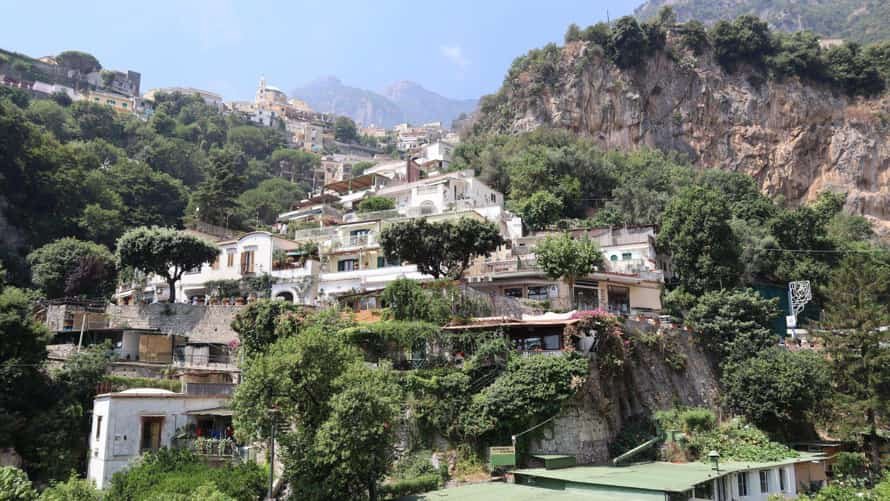
Positano is one of Italy’s most iconic coastal towns, dramatically set along the cliffs of the Amalfi Coast in southern Italy. Facing the Tyrrhenian Sea, this former fishing village has become a symbol of Mediterranean beauty, known for its vertical landscape, pastel-coloured houses, and effortlessly elegant atmosphere. Built into steep hillsides that descend toward the water, Positano appears almost unreal at first glance, as if it were sculpted directly from the rock. Its unique geography shapes every aspect of life here, from architecture to daily rhythm.
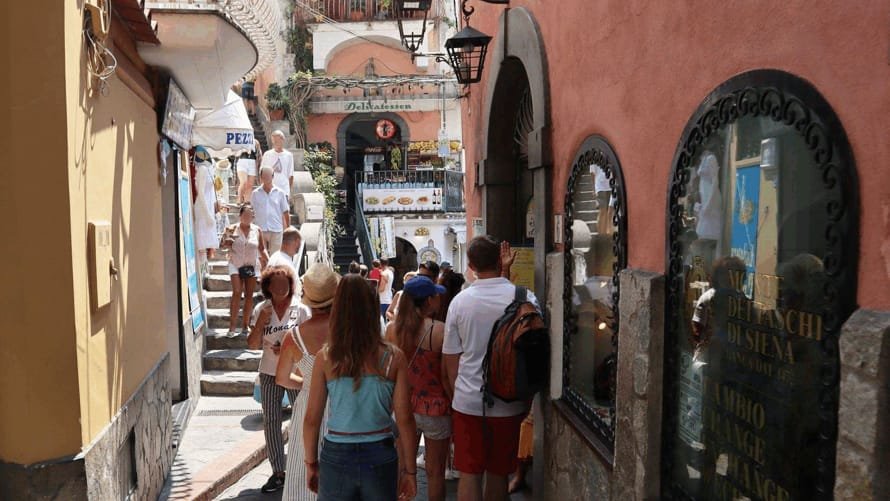
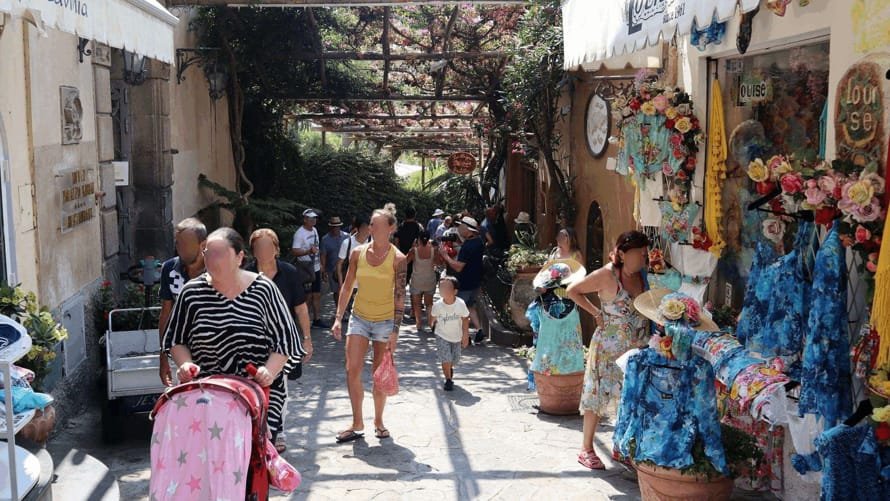
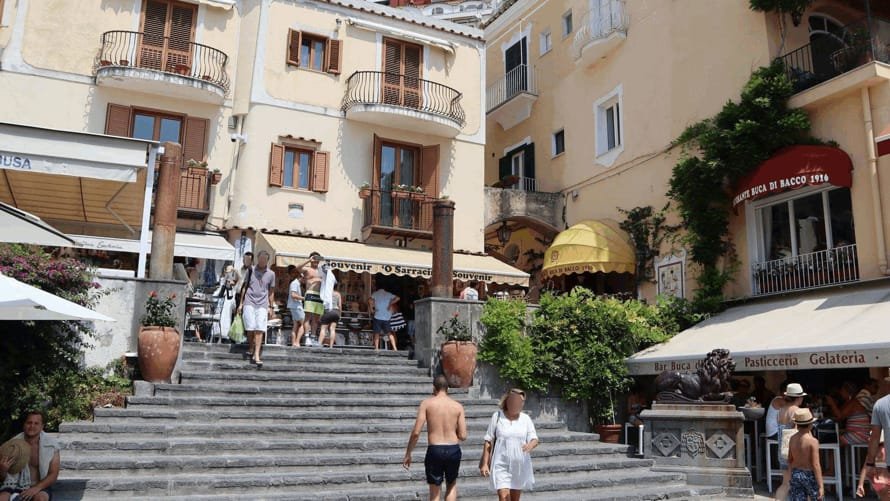
The town’s layout is unlike any other. Instead of wide streets, Positano is defined by staircases, narrow lanes, and hidden passageways that wind between homes, shops, and gardens. Each turn reveals a new perspective, with terraces opening onto breath-taking views of the sea below. Bougainvillea, lemon trees, and flowering vines spill over balconies, adding vivid colour to the town’s soft pinks, creams, and yellows. The result is a place that feels intimate and theatrical at the same time.
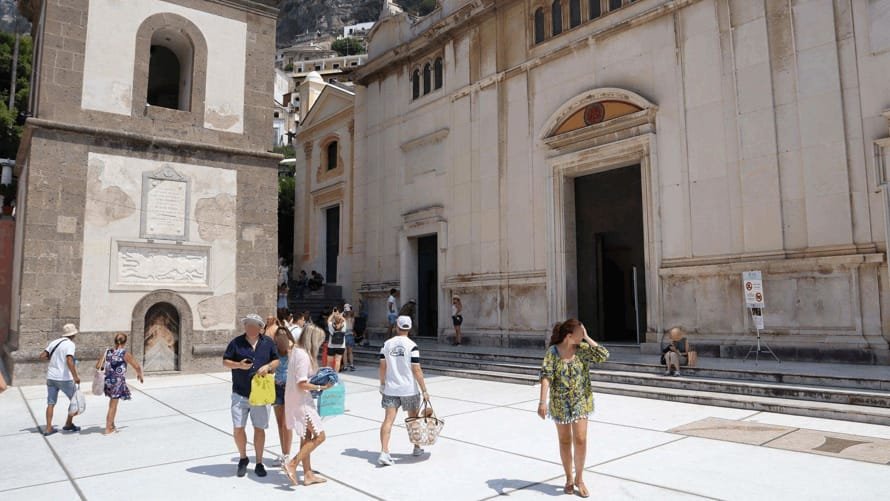
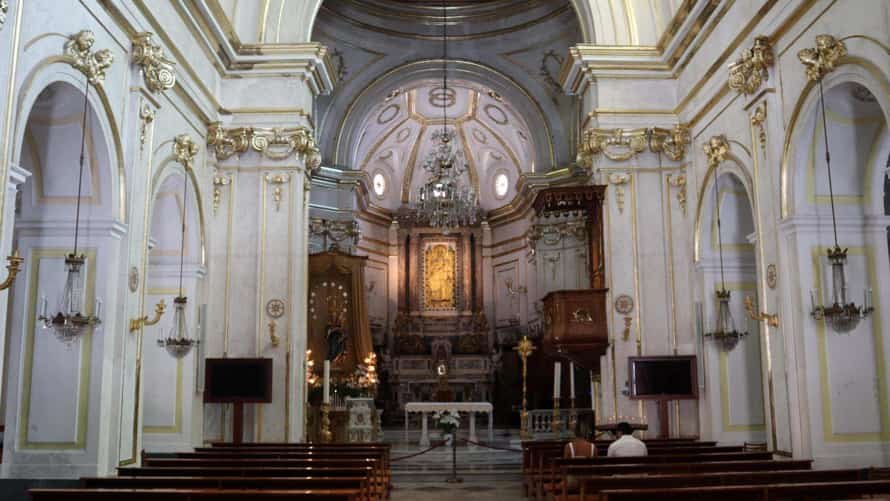
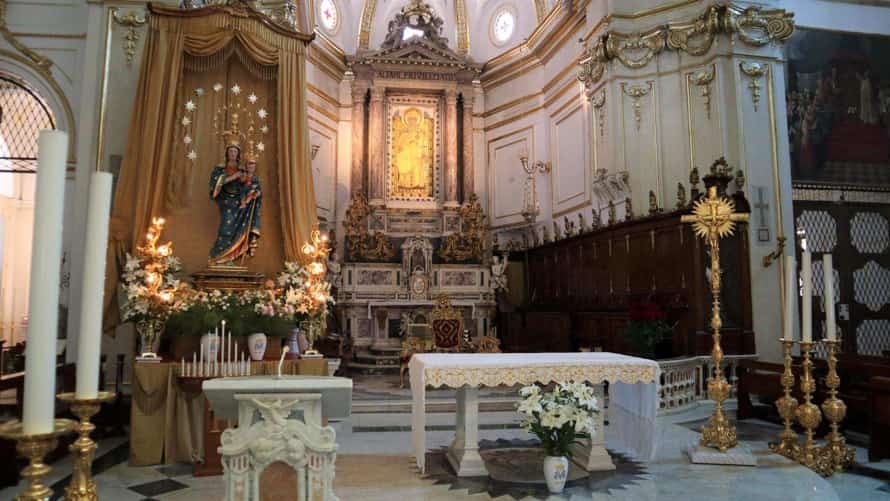
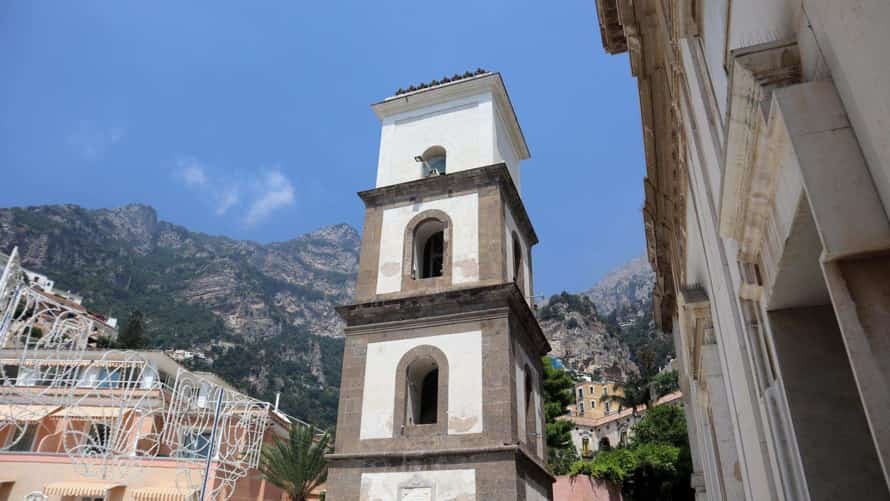
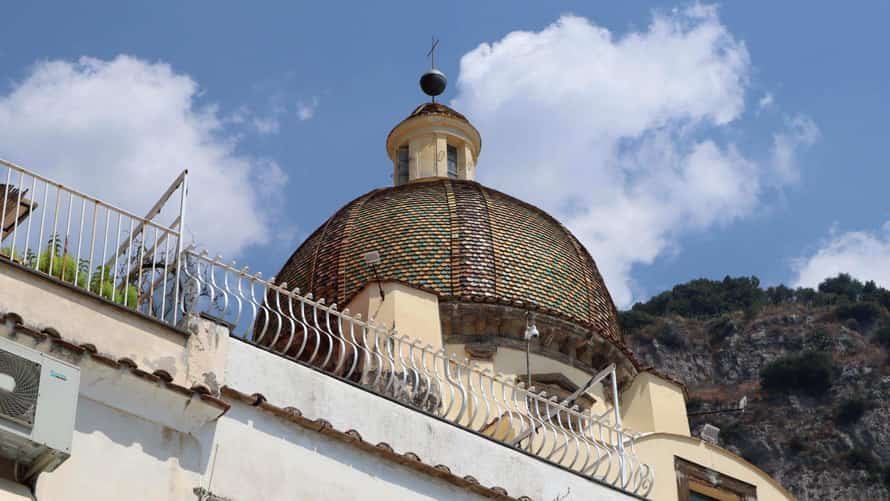
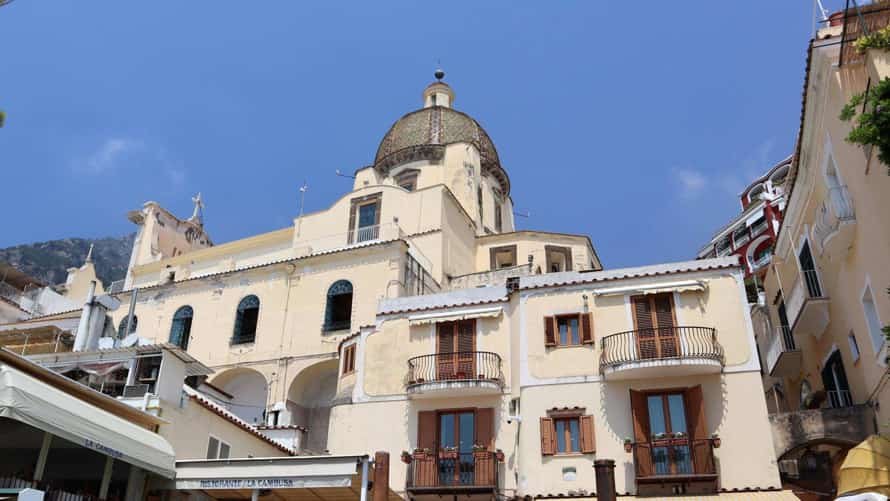
At the heart of Positano lies the Church of Santa Maria Assunta, recognizable by its distinctive majolica-tiled dome. Inside, the church houses a revered Byzantine icon of the Madonna, which has played an important role in local history and legend. The church stands near the beach, grounding the town’s spiritual and cultural identity just steps away from the sea. Around it, daily life unfolds at a relaxed pace, with locals greeting one another and visitors pausing to absorb the setting.
The beaches of Positano contribute greatly to its allure. Spiaggia Grande is the main beach, lively and scenic, offering views of the town rising steeply behind it. Smaller beaches such as Fornillo provide a quieter alternative, accessible by footpaths that hug the coastline. The water here is clear and deep blue, inviting swimming, boat excursions, and moments of calm beneath the Mediterranean sun. From the shore, boats depart toward nearby coastal towns and hidden coves, allowing visitors to experience Positano from the sea, where its beauty feels even more dramatic.
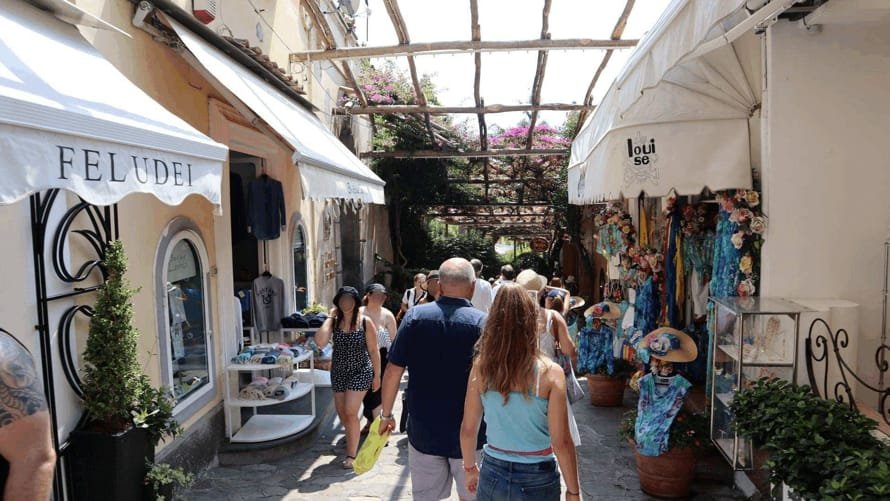
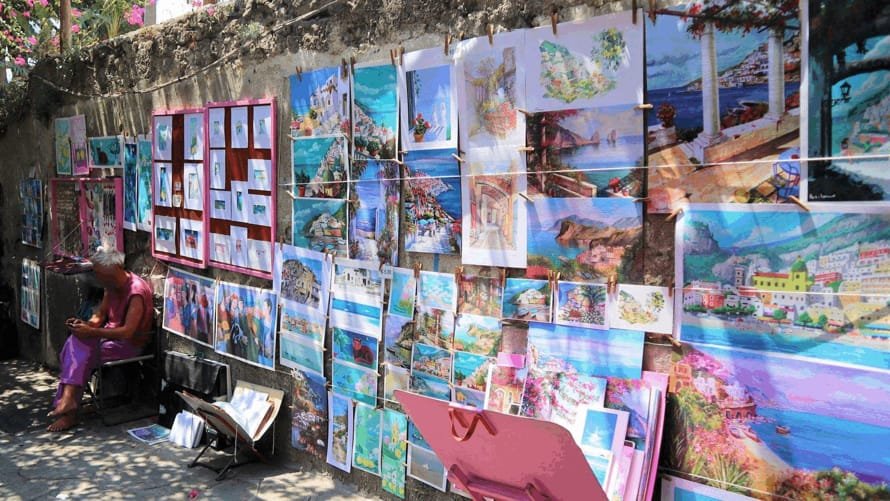
Positano has long been associated with creativity and style. In the mid twentieth century, artists, writers, and international travellers helped shape its bohemian reputation. This influence is still visible today in the town’s fashion and craftsmanship. Positano is famous for its handmade clothing, especially light linen garments, sandals, and beachwear that reflect a relaxed yet refined aesthetic. Boutiques and workshops line the streets, offering pieces that feel both local and timeless.
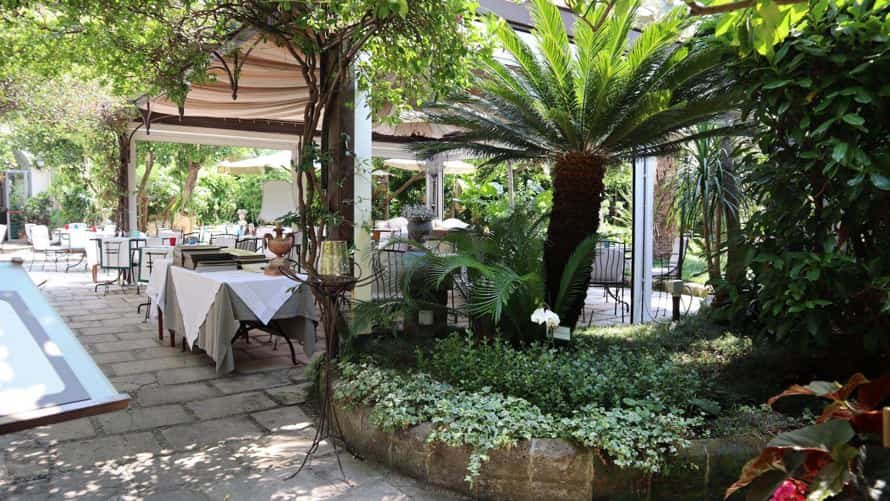
Food is another essential expression of Positano’s character. Local cuisine highlights fresh ingredients and regional traditions, combining seafood, citrus, herbs, and olive oil in simple but flavourful dishes. Lemons grown along the coast are particularly prized and are used in desserts, drinks, and the famous limoncello liqueur. Dining often takes place on terraces overlooking the sea, where long meals become an experience shaped as much by the view as by the flavours.
Beyond its beauty, Positano carries a sense of romance and introspection. The sound of waves below, the warm evening light, and the gentle pace of life encourage visitors to slow down and be present. Even during busy seasons, moments of quiet can be found in early mornings or along less-travelled paths. Hiking trails above the town offer sweeping views and a deeper connection to the surrounding landscape, revealing the rugged nature that contrasts with the town’s refined image.
Worth a Visit
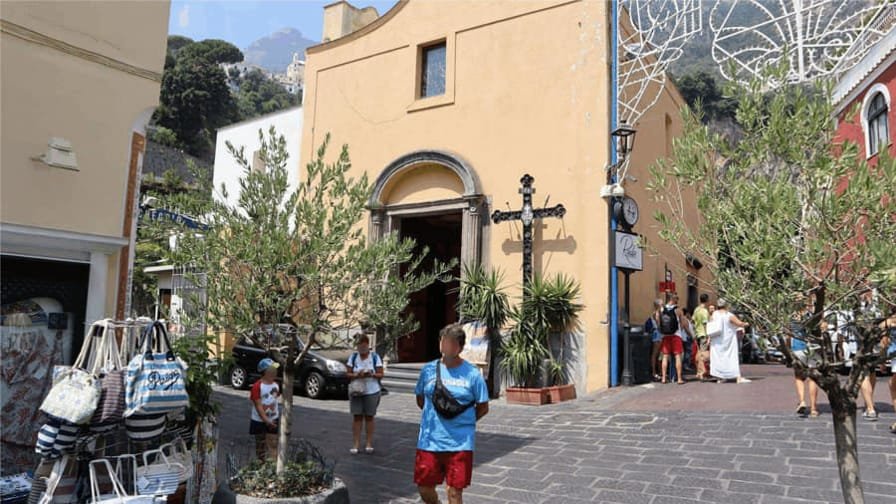
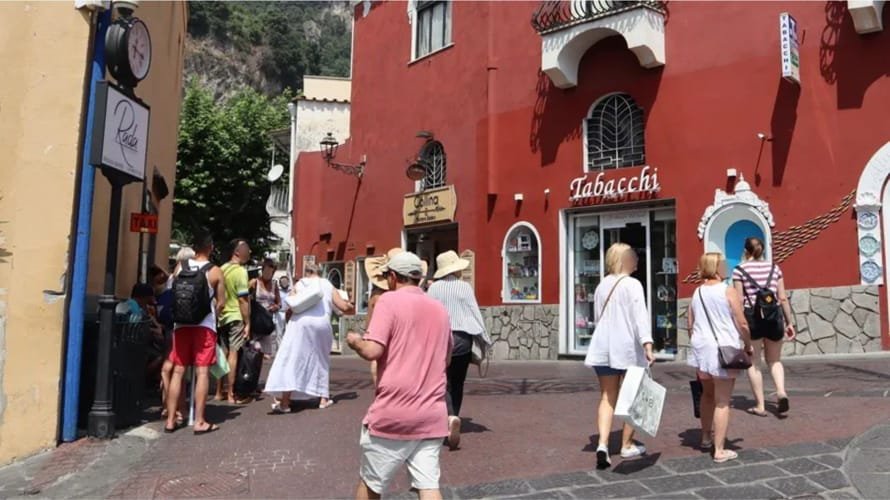
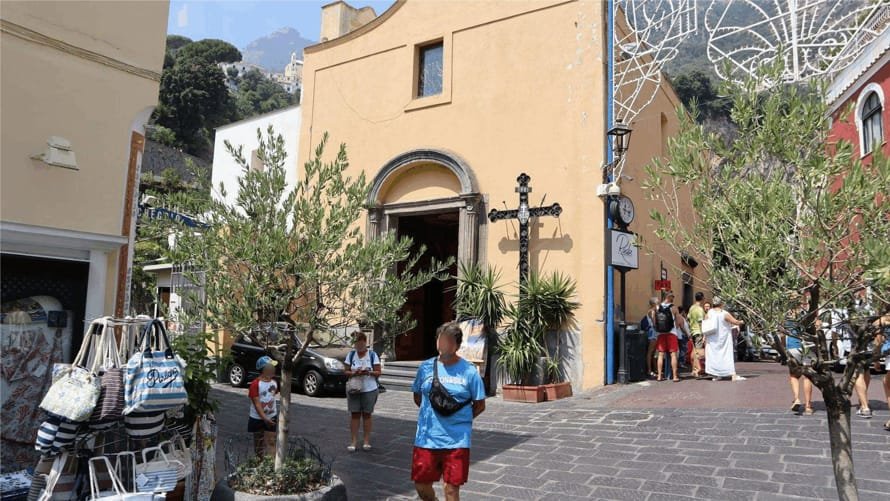
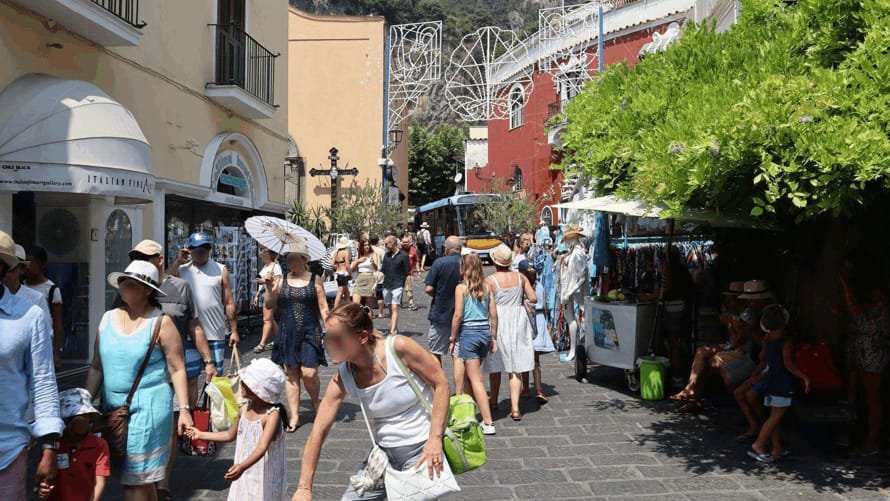
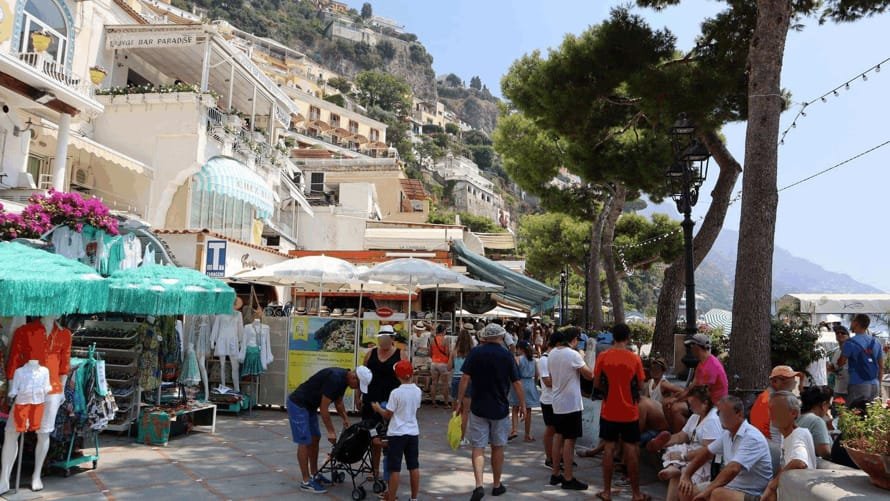
Piazza dei Mulini is one of the most atmospheric and beloved public spaces in Positano, the iconic cliff-hanging village on Italy’s Costiera Amalfitana. Serving as a central crossroads in the lower part of the town, this charming square marks the beginning of the maze of narrow pedestrian streets, steps, boutiques, cafés, and restaurants that wind down toward Spiaggia Grande, Positano’s main beach. It’s a place where locals and visitors naturally converge, creating a lively and convivial atmosphere that captures the spirit of the village. Maria Santissima del Rosario, a historic church with roots in a 17th-century Dominican complex, whose elegant portal and artistic interior reflect the town’s cultural heritage. Throughout the year Piazza dei Mulini hosts seasonal celebrations and decorations—from floral hearts for special occasions to festive Christmas markets—making it both a cultural hub and a perfect starting point for exploring Positano’s irresistible blend of history, scenery, and seaside charm.
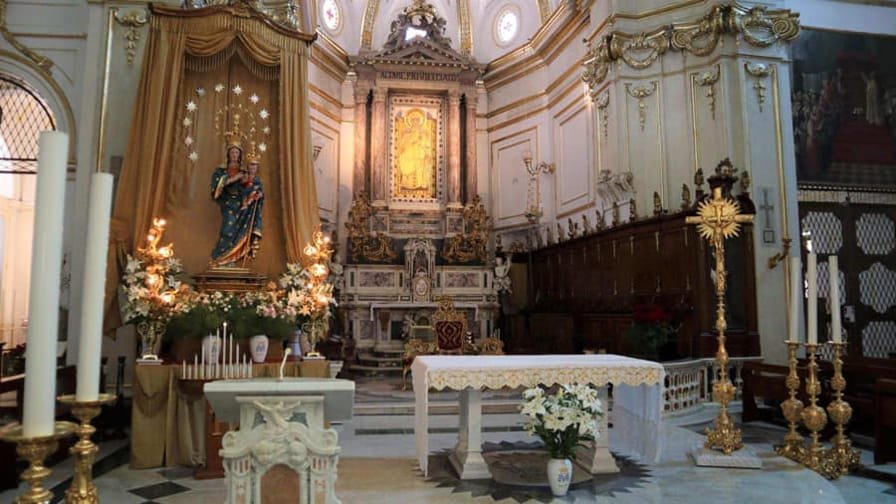
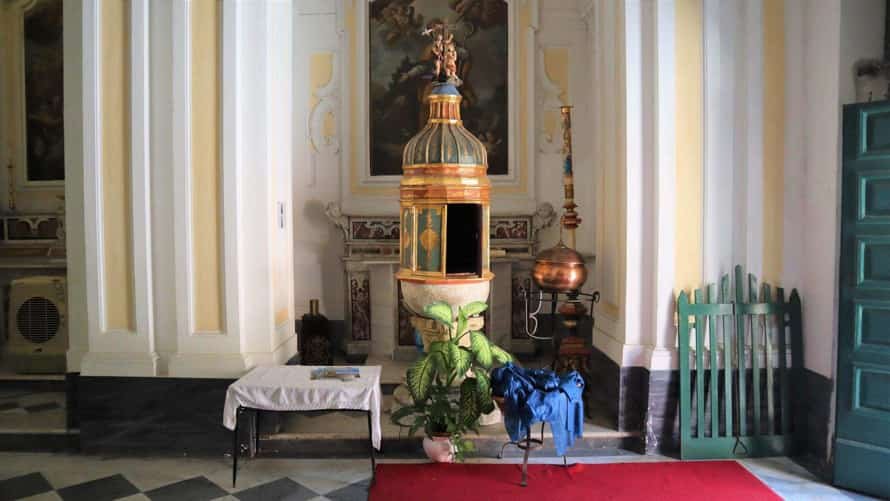
Rising gracefully above the lively waterfront of Positano, the Chiesa di Santa Maria Assunta stands as the town’s most recognizable spiritual and architectural landmark. Located along Via Marina Grande, just steps from the beach, the church anchors Positano’s historic centre, blending religious devotion with the rhythms of daily coastal life. Its iconic majolica-tiled dome, shimmering in shades of yellow, green, and blue, mirrors the colours of the sea and sky, making it a defining feature of the Amalfi Coast skyline. The church’s origins date back to the 10th century, though it has undergone several restorations and expansions over the centuries, reflecting layers of Positano’s history. At its heart lies the revered Byzantine icon of the Black Madonna, believed by local tradition to have been brought by Benedictine monks and long regarded as a protector of the town and its sailors. Inside, visitors encounter a serene interior marked by elegant arches, classical artwork, and a sense of quiet reverence that contrasts with the bustle outside.
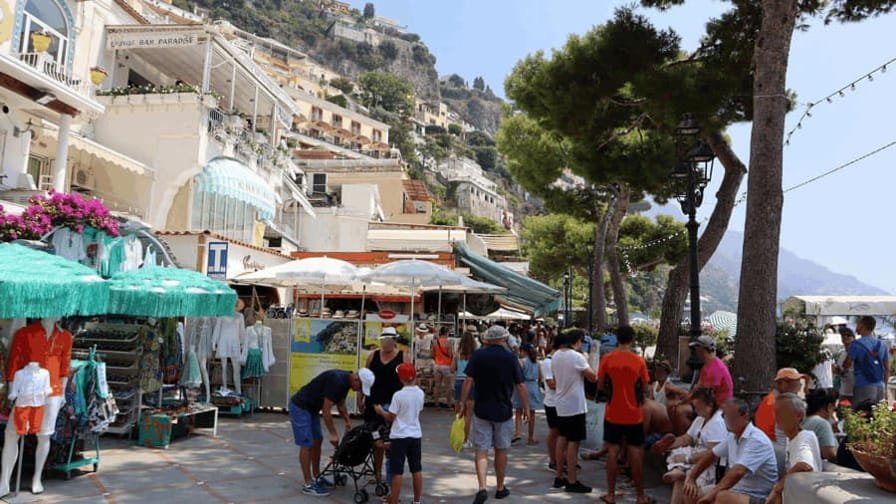
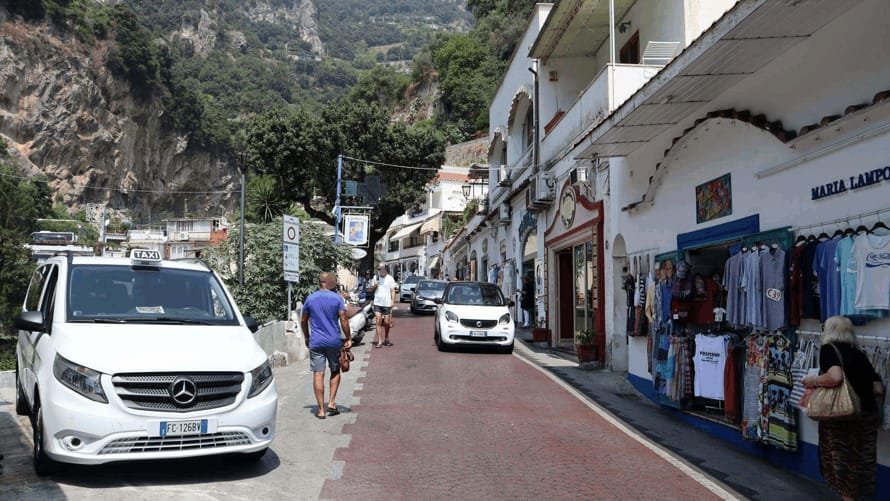
Via Marina Grande is the vibrant heart of Positano, a picturesque street that runs alongside the town’s main beach and opens directly onto the shimmering waters of the Tyrrhenian Sea. Located at sea level in contrast to Positano’s famously steep vertical layout, this lively promenade offers a unique perspective on the Amalfi Coast, where pastel-coloured houses cascade down the cliffs above and fishing boats rest gently along the shore. Historically, Via Marina Grande has been the centre of Positano’s maritime life. Once home to fishermen, traders, and boat builders, the area retains a strong connection to the sea that continues to shape its character today. Traditional wooden boats, beach clubs, and small docks reflect a working coastal heritage, while cafés, restaurants, and artisan boutiques add a modern, cosmopolitan energy. The street is also a gateway to many of Positano’s most important landmarks, including the Chiesa di Santa Maria Assunta with its iconic tiled dome. By day, Via Marina Grande is filled with sunseekers, swimmers, and travellers arriving by ferry; by evening, it transforms into a scenic setting for seaside dining and leisurely walks. Lively yet timeless, Via Marina Grande captures the essence of Positano’s coastal charm.
Photo Gallery of Walk – Viale Pasitea to Via Positanesi D’America
Approximately 0.84 km – 0.52 miles
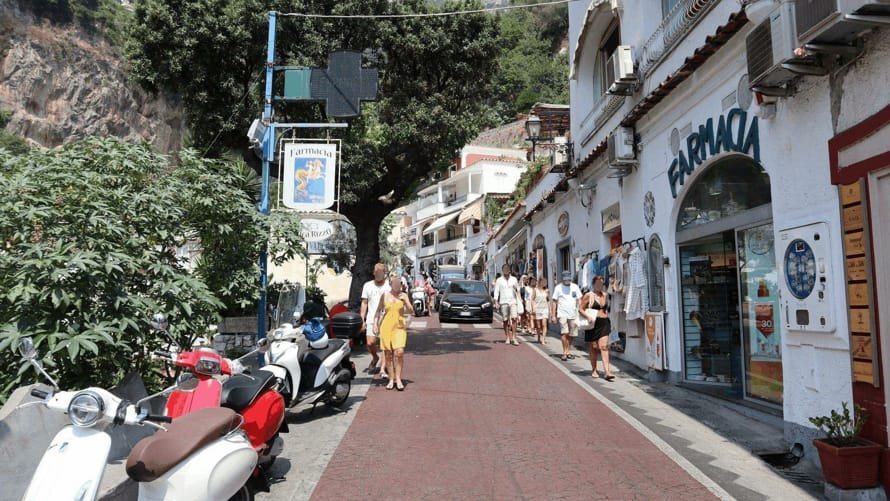
The walk starts in Viale Pasitea – Piazza dei Mulini – Via dei Mulini – Chiesa di Santa Maria Assunta, Via Marina Grande – Via Marina – Via Marina Grande – Walk back to Via Positanesi D’America
COPYRIGHT © 2018-2026 ITALY IN PHOTOS - ALL RIGHTS RESERVED