
HOME
THE REGIONS OF ITALY
PLACES IN ITALY
TRAVEL GUIDES COMING SOON
Italy in Photos
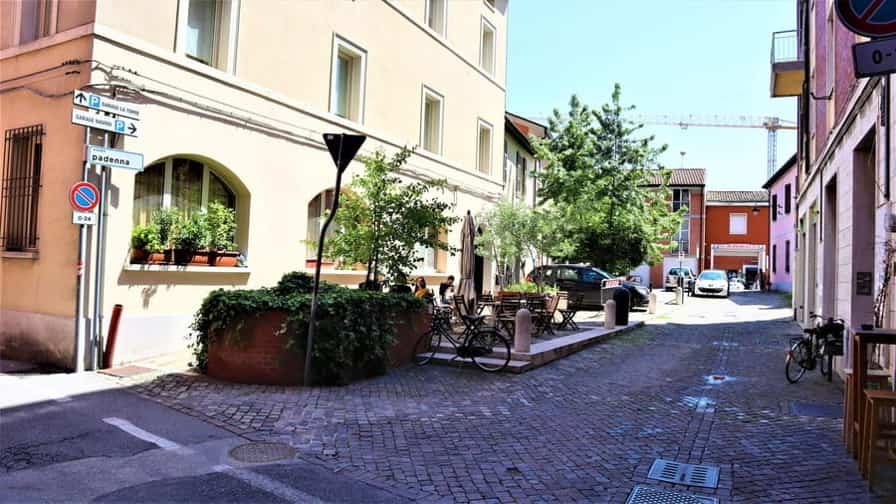
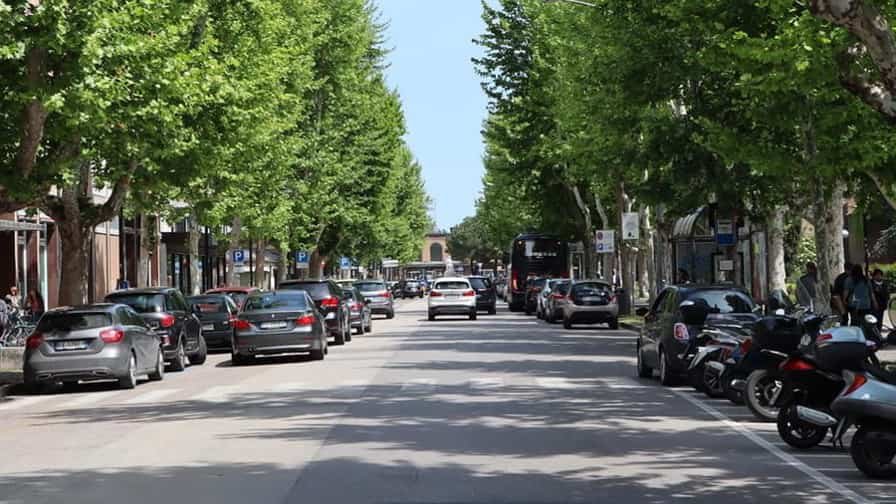
Circonvallazione al Molino, 48121 Ravenna, Italy (May 2019)
Ravenna
Ravenna is a city of extraordinary historical depth and artistic significance, located in the Emilia Romagna region of north-eastern Italy, a short distance from the Adriatic Sea. Unlike many Italian cities known for their Roman ruins or Renaissance masterpieces, Ravenna is celebrated primarily for its remarkable early Christian and Byzantine heritage. Its quiet streets and understated appearance conceal a cultural legacy that has shaped European art and history for more than fifteen centuries.
The city rose to prominence during the late Roman Empire, becoming the capital of the Western Roman Empire in the fifth century. It later served as the seat of the Ostrogothic Kingdom and then as a major centre of the Byzantine Empire in Italy. This succession of rulers left Ravenna with a unique identity, blending Western and Eastern influences in a way found nowhere else in the country. The most striking expression of this heritage is found in the city’s mosaics, which are among the finest and best preserved in the world.
Ravenna is home to eight UNESCO World Heritage Sites, each showcasing the brilliance of mosaic art and early Christian architecture. Buildings such as the Basilica of San Vitale, the Mausoleum of Galla Placidia, and the Basilica of Sant’Apollinare Nuovo transport visitors into a world of shimmering golds, deep blues, and symbolic imagery. These mosaics are not merely decorative but deeply expressive, conveying religious meaning, imperial power, and artistic innovation. Standing beneath their glowing surfaces creates a sense of timelessness and quiet reverence.
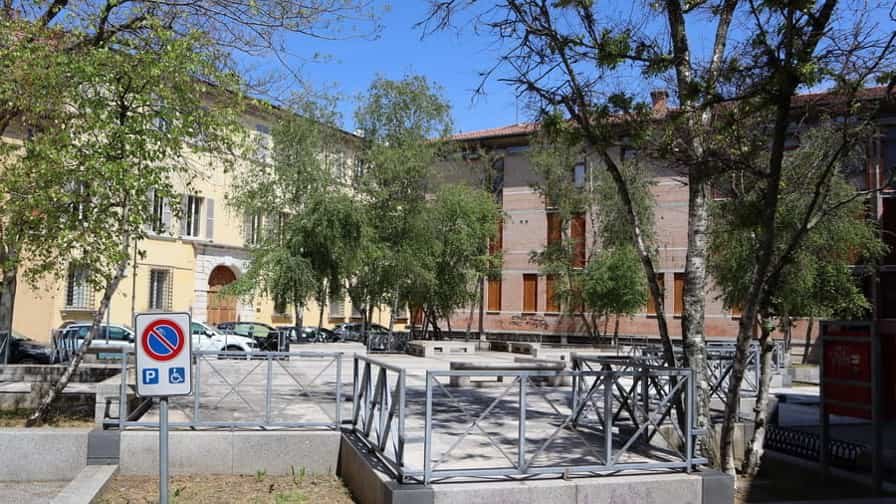
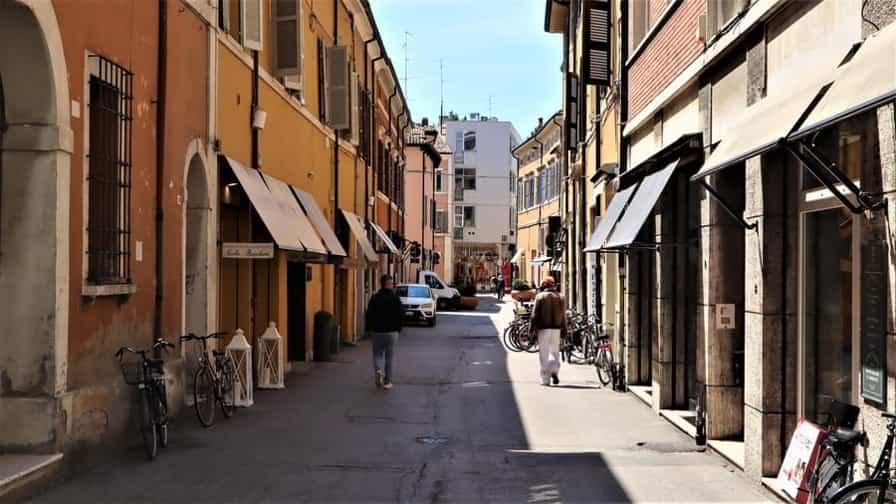
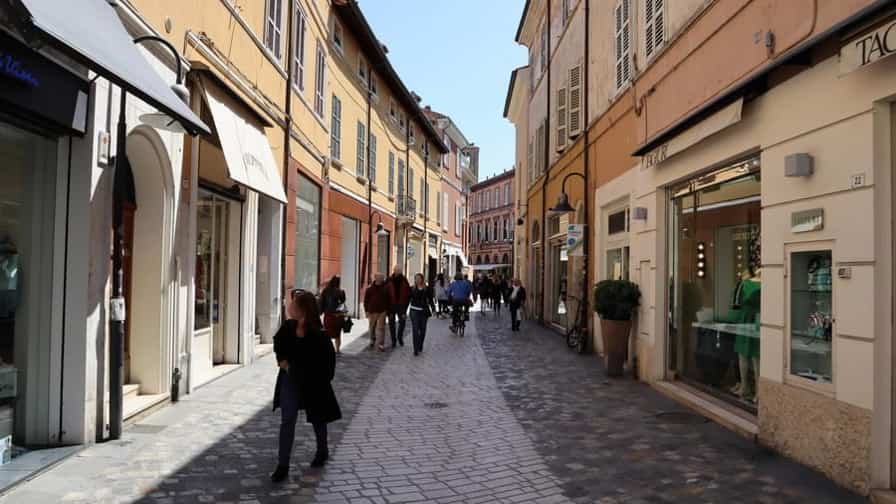
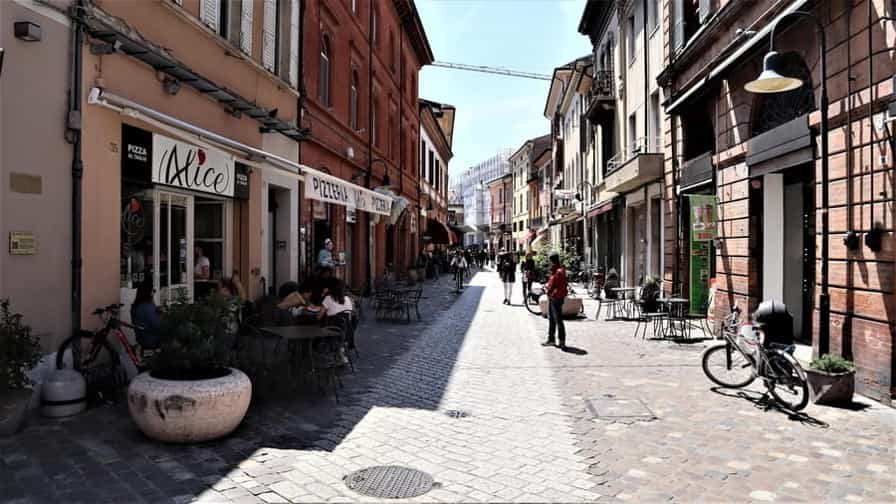
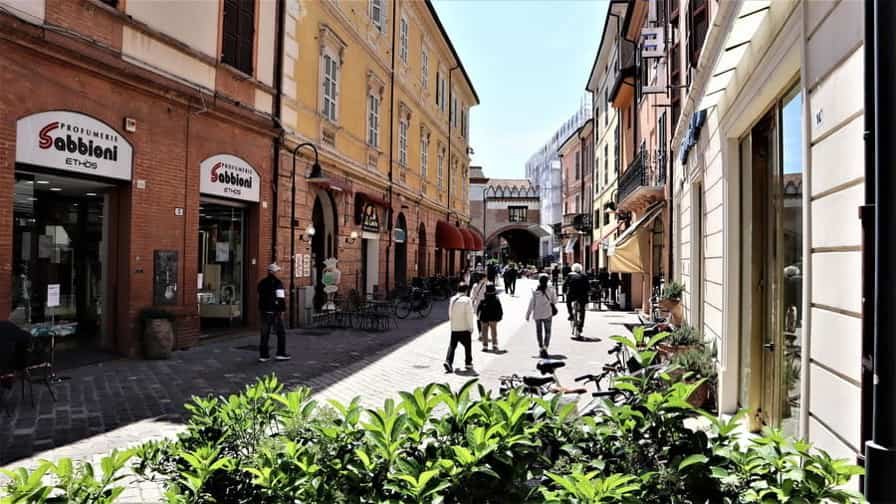
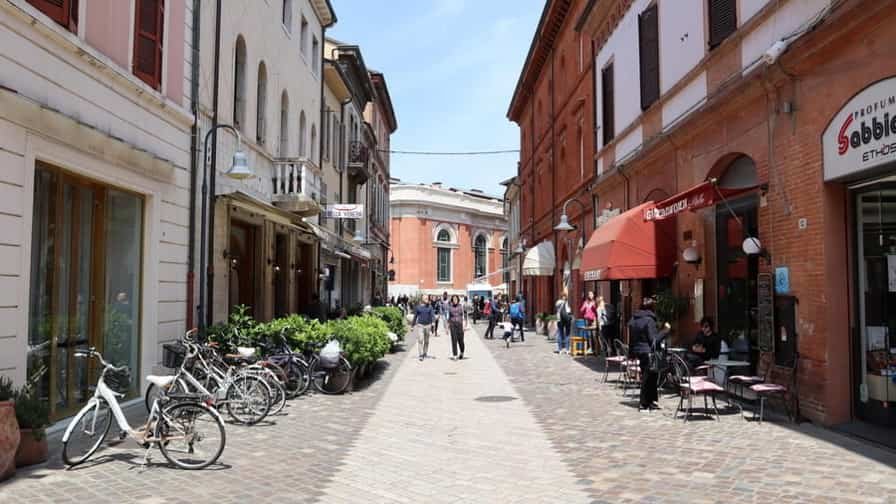
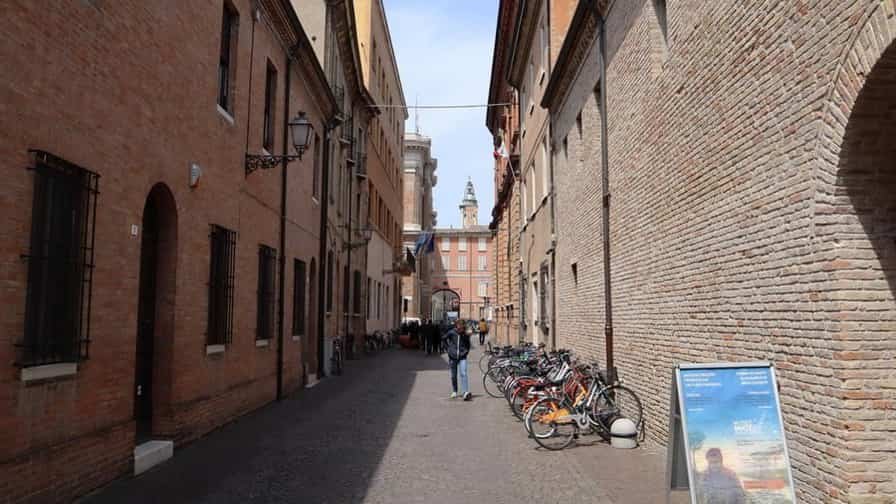
Beyond its monumental churches, Ravenna offers a gentle and inviting urban atmosphere. The historic centre is compact and easily walkable, characterized by brick buildings, leafy squares, and pedestrian streets. Life here moves at a measured pace, allowing visitors to explore without rush. Cafes and small shops line the streets, and daily routines unfold in a way that feels authentic and grounded in tradition.
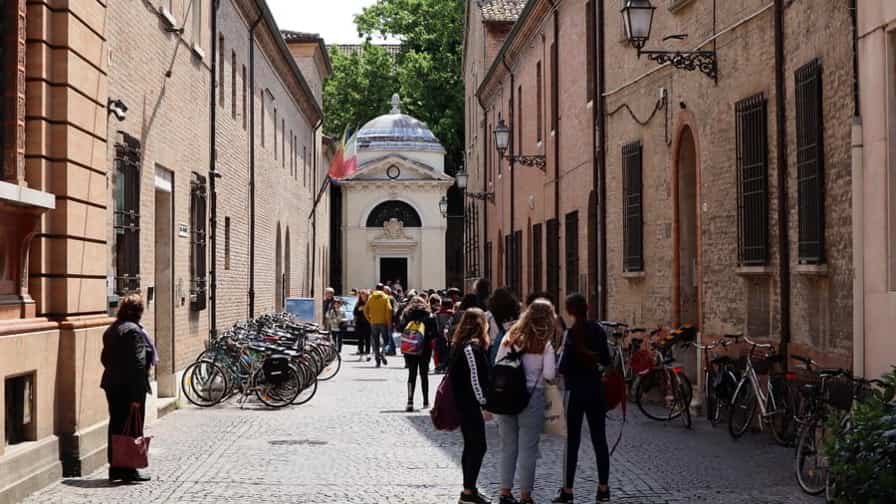
Ravenna also holds a special place in literary history as the final resting place of Dante Alighieri, Italy’s most celebrated poet. Exiled from Florence, Dante spent the last years of his life in Ravenna, where he completed The Divine Comedy. His tomb, located near the Basilica of San Francesco, is a site of quiet pilgrimage and reflection. This connection to Dante adds another layer to Ravenna’s cultural importance, linking visual art with literary genius.
Although often associated with ancient history, Ravenna is not a city frozen in the past. It maintains a lively cultural scene, with museums, exhibitions, and festivals that engage both residents and visitors. The tradition of mosaic making continues today, with workshops and schools dedicated to preserving and evolving this intricate art form. Contemporary mosaics can be found alongside ancient masterpieces, demonstrating how tradition and creativity coexist.
The surrounding landscape further enriches Ravenna’s character. Just beyond the city lie wetlands, pine forests, and natural reserves that offer a contrast to the urban setting. The nearby coastal areas provide access to beaches and seaside towns, while the countryside reflects the agricultural roots of the region. This proximity to nature adds variety to the experience of visiting Ravenna, balancing cultural exploration with outdoor discovery.
Local cuisine reflects the hearty and flavourful traditions of Emilia Romagna. Dishes often feature fresh pasta, rich sauces, seasonal vegetables, and locally produced ingredients. While seafood appears due to the city’s closeness to the Adriatic, the culinary identity of Ravenna remains deeply connected to the land. Meals are typically generous and comforting, enjoyed in an atmosphere that values conviviality and quality.
Ravenna is a city that rewards attentive exploration. Its beauty is not immediately overwhelming but gradually reveals itself through detail, history, and atmosphere. Visitors who take the time to understand its layers often find Ravenna deeply moving, a place where art, faith, and history are woven together with remarkable harmony. As a bridge between ancient worlds and modern Italy, Ravenna stands as one of the country’s most quietly powerful destinations.
Worth a Visit

The Mausoleo di Galla Placidia, located in Ravenna, Italy, is a stunning example of early Christian architecture and art, celebrated worldwide for its extraordinary mosaics. Built in the 5th century, it is traditionally attributed to Galla Placidia, daughter of the Roman Emperor Theodosius I, though its exact original function—whether a mausoleum or chapel—remains a subject of scholarly debate. Despite its modest exterior, the interior is a dazzling showcase of mosaic artistry, with vibrant depictions of stars, religious figures, and symbolic imagery that have survived remarkably intact for over 1,500 years. The deep blue mosaics, intricate patterns, and golden accents create an ethereal, otherworldly atmosphere, reflecting both spiritual devotion and artistic mastery of the period. A UNESCO World Heritage site, the Mausoleo di Galla Placidia is a must-visit for anyone exploring Ravenna, offering a unique glimpse into the city’s rich early Christian heritage and its role as a center of Byzantine art in Italy.
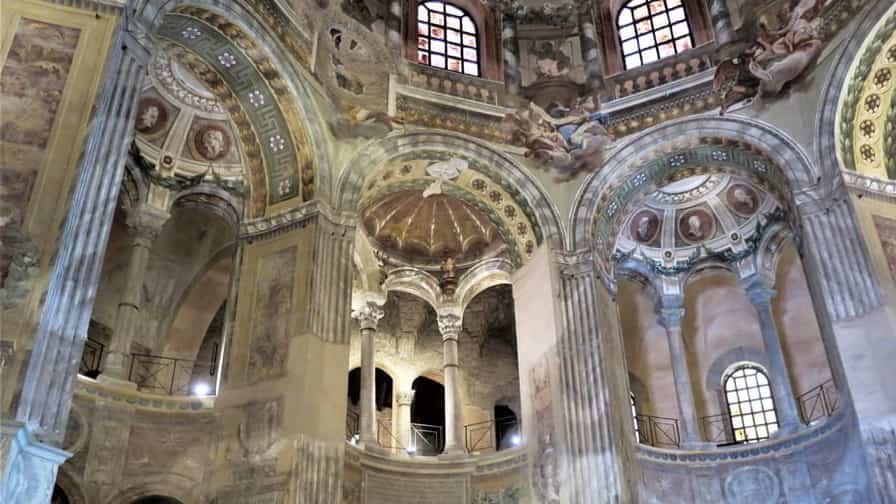
The Basilica di San Vitale, located on Via San Vitale in Ravenna, is one of the most important monuments of early Christian Byzantine art in Italy. Built in the 6th century during the Ostrogothic and Byzantine periods, it is renowned for its striking octagonal structure and richly decorated interior. The basilica’s mosaics are among the finest in the world, depicting religious scenes, imperial figures, and intricate geometric patterns with vibrant colors and gold backgrounds. These mosaics, particularly the famous depictions of Emperor Justinian and Empress Theodora, reflect both spiritual devotion and the political authority of the Byzantine Empire. The architectural design of San Vitale, combining Roman engineering with Eastern artistic influences, was highly innovative for its time and inspired later religious architecture throughout Europe. A UNESCO World Heritage site, the Basilica di San Vitale remains a testament to Ravenna’s cultural and historical significance, offering visitors a breathtaking glimpse into early Christian artistry and Byzantine grandeur.
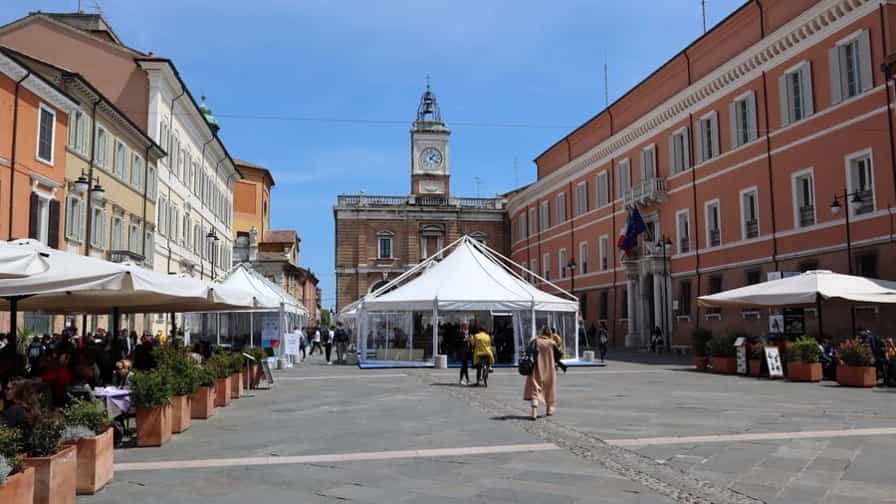
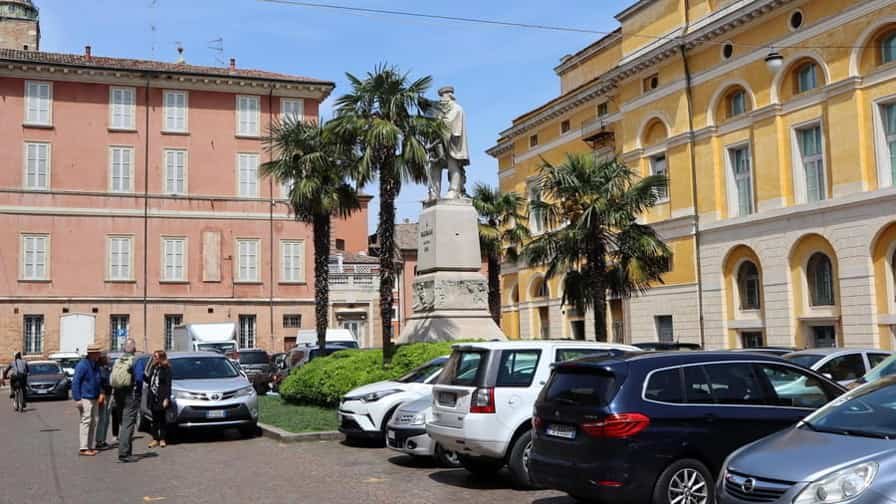
Piazza del Popolo is the vibrant heart of Ravenna, serving as a lively gathering place for locals and visitors alike. This historic square is surrounded by elegant buildings, cafés, and shops, offering a perfect blend of social, cultural, and architectural charm. At its center stands the imposing Palazzo Comunale, the city’s historic town hall, which adds a sense of grandeur to the piazza. Throughout the year, Piazza del Popolo hosts markets, festivals, and public events, making it a hub of community life and a window into Ravenna’s traditions. Its open, sunlit space invites leisurely strolls, people-watching, and relaxation, while the surrounding streets lead to many of the city’s renowned attractions, including basilicas and museums. With its combination of historical significance, vibrant atmosphere, and central location, Piazza del Popolo embodies the spirit of Ravenna, offering visitors an authentic taste of this culturally rich Italian city.
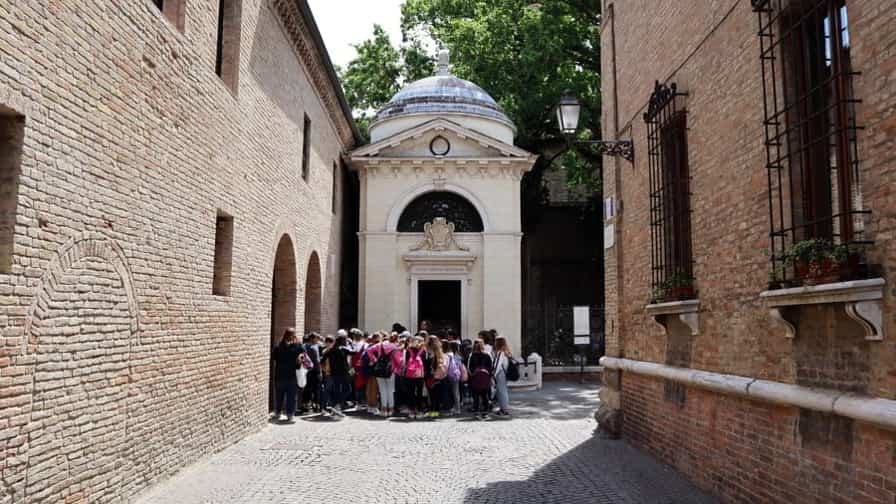
Dante’s Tomb, located in Ravenna, Italy, is the final resting place of the legendary poet Dante Alighieri, author of The Divine Comedy. Exiled from Florence, Dante spent the last years of his life in Ravenna, where he completed much of his seminal work. The tomb, a simple yet dignified monument, stands near the Basilica of San Francesco and serves as a symbol of the city’s deep respect for the poet’s enduring legacy. Visitors to Dante’s Tomb can reflect on the life and genius of one of Italy’s most influential literary figures while exploring the historic surroundings of Ravenna, a city rich in art, culture, and history. The site is often adorned with flowers and tributes from admirers around the world, emphasizing Dante’s lasting impact on literature, philosophy, and Italian identity. A visit to Dante’s Tomb offers a contemplative glimpse into the life of the man behind one of the greatest works in world literature.
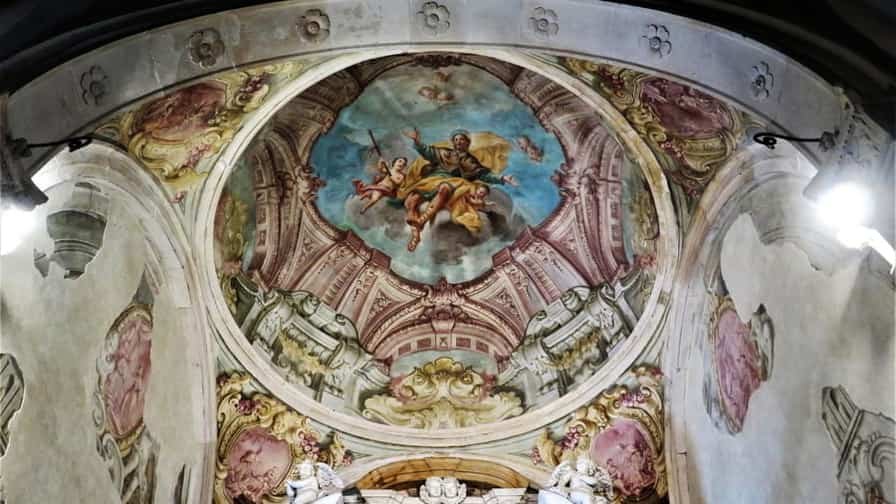
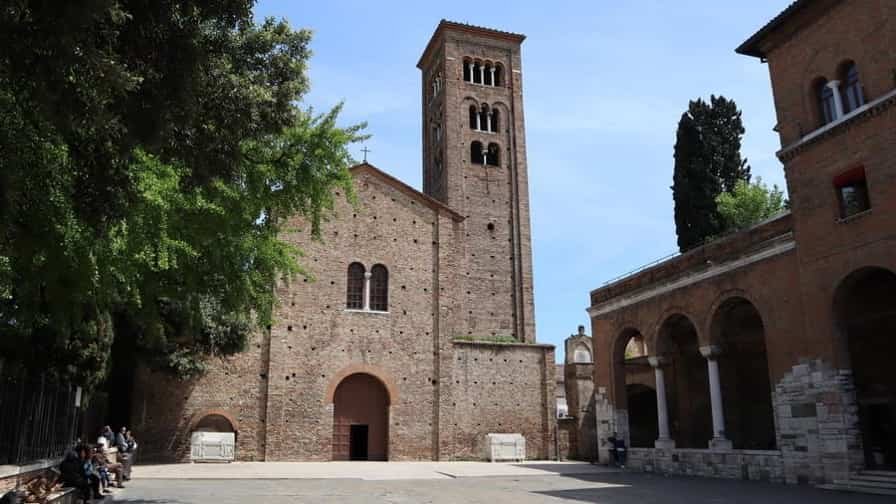
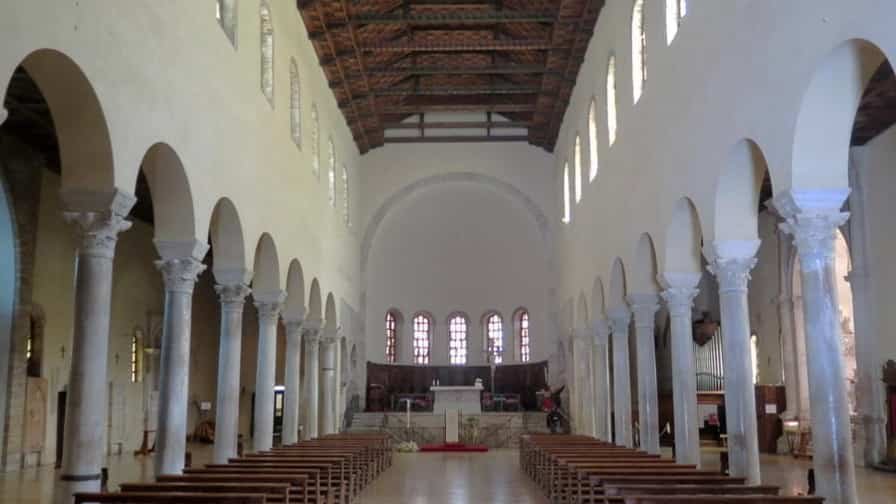
The Basilica di San Francesco, located on Via Guido da Polenta in Ravenna, is a historic church renowned for its serene atmosphere and architectural charm. Originally built in the 5th century and later rebuilt in the 9th century, it reflects centuries of religious and cultural history. Though much of its original structure has been altered over time, the basilica retains elements of its early design, including simple yet elegant façades and interior spaces that inspire contemplation and reverence. The church’s proximity to key sites in Ravenna, such as Dante’s Tomb, makes it an integral part of the city’s cultural and spiritual landscape. Visitors can admire its tranquil setting, historical significance, and occasional religious art and ceremonies that continue to take place within its walls. The Basilica di San Francesco offers a peaceful retreat while providing insight into Ravenna’s rich ecclesiastical history and enduring devotion.
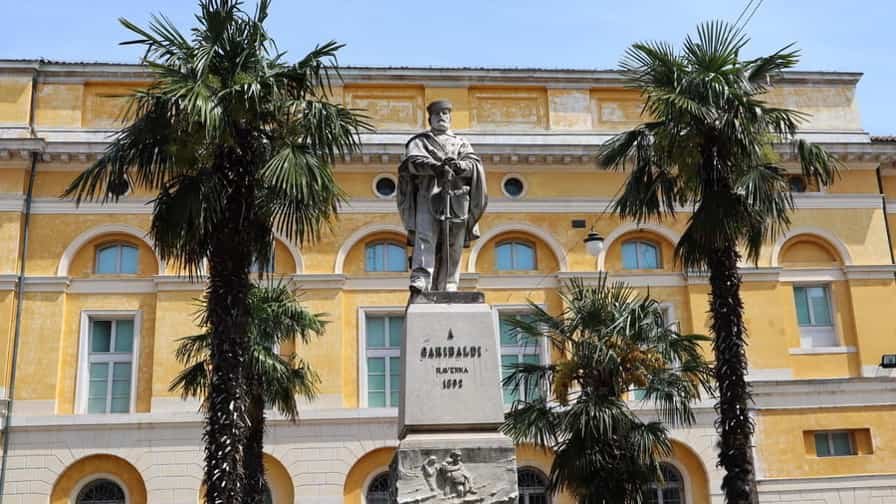
Photo Gallery of Walk 1 – Parcheggio della Resistenza to Via Galla Placidia
Approximately 1.42 km – 0.88 miles
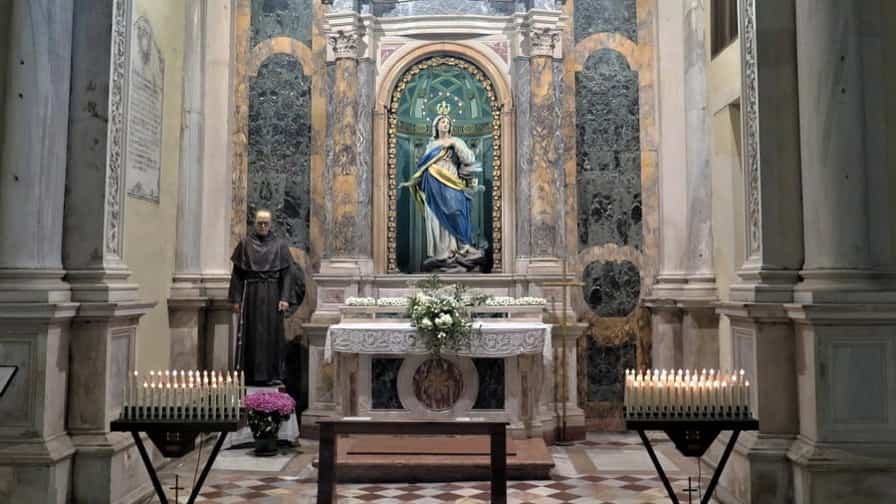
The walk starts at the – Circonvallazione al Molino – Via Cura – Via Gian Battista Barbiani – Via Camillo Benso Cavour – Via Giuliano Argentario – Mausoleo di Galla Placidia – Basilica di San Vitale, Via San Vitale – Via Galla Placidia – Chiesa Santa Maria Maggiore, Via Galla Placidia – Via Galla Placidia
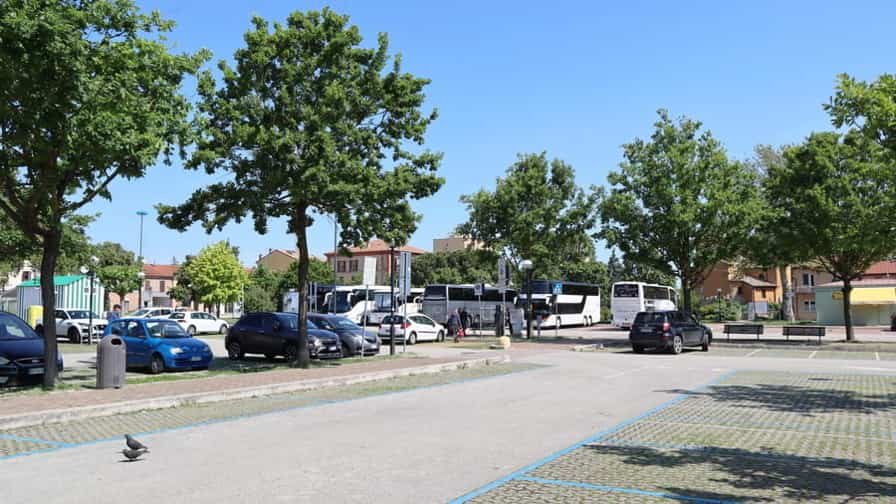

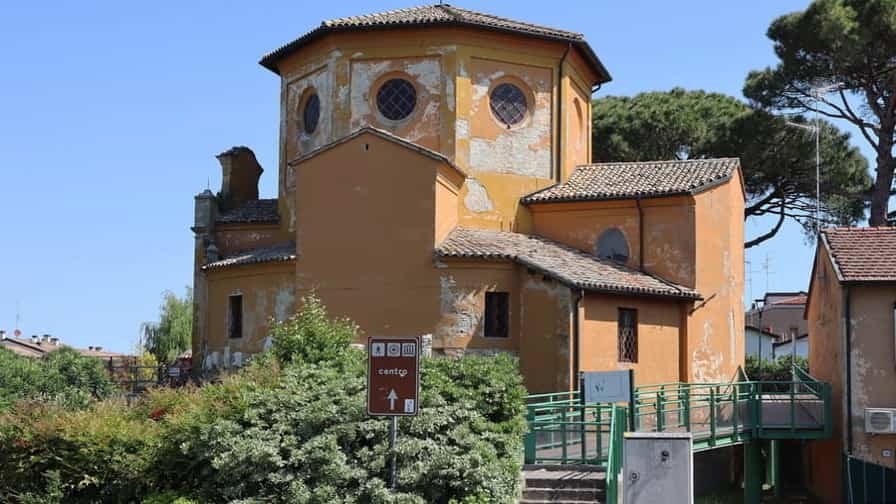
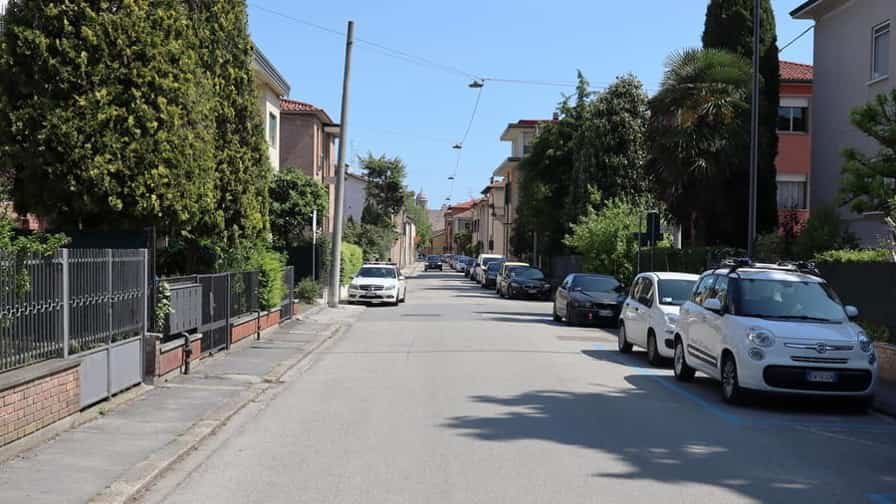


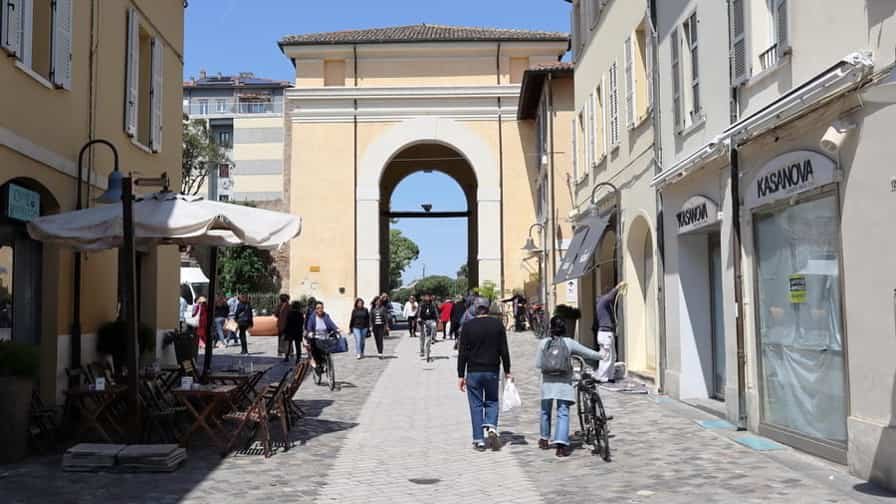
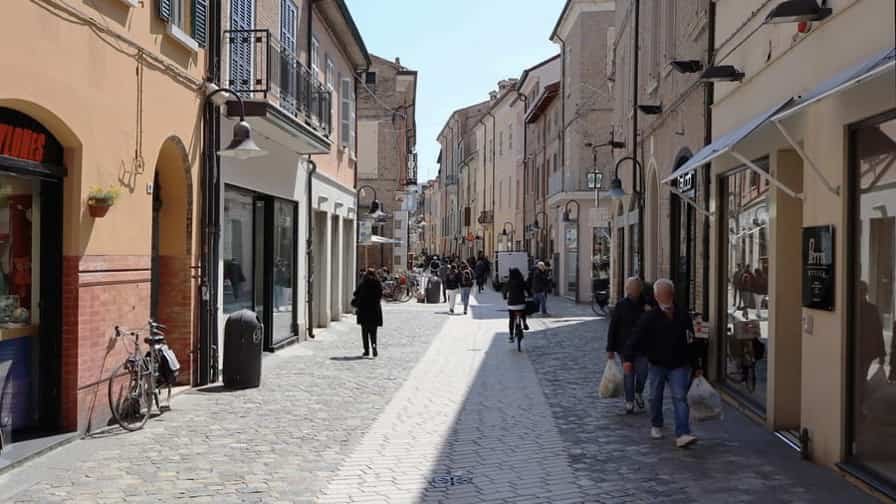
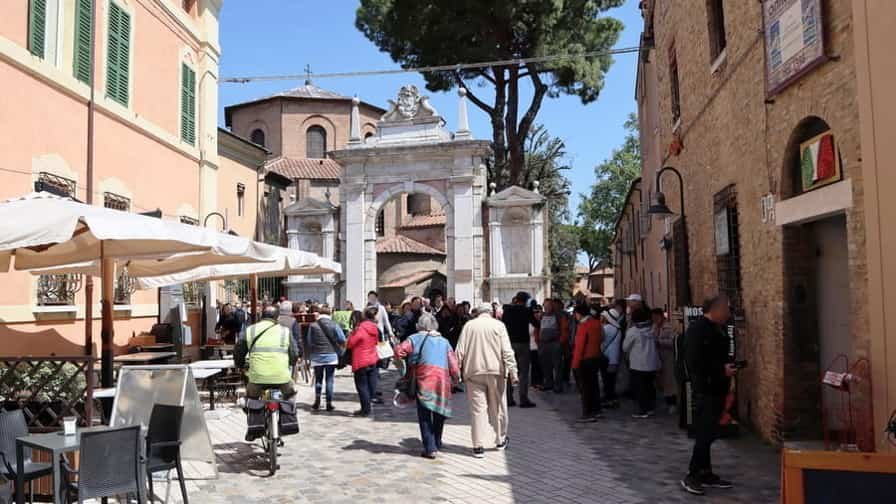

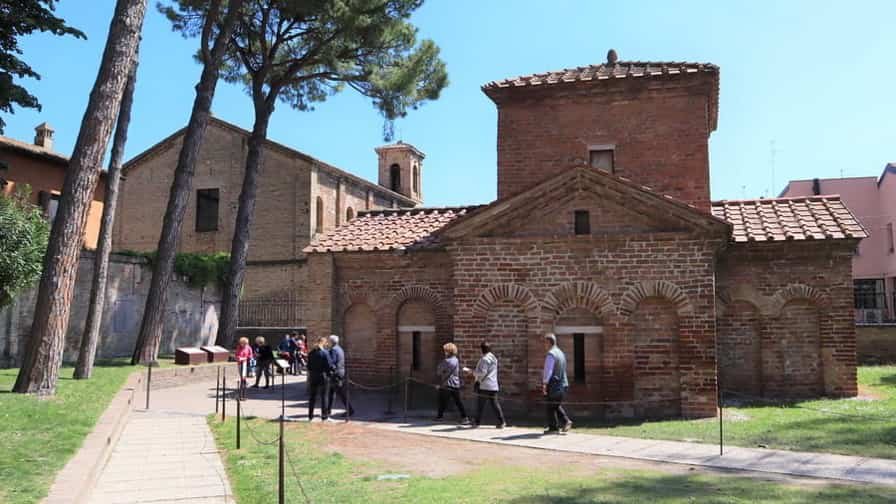
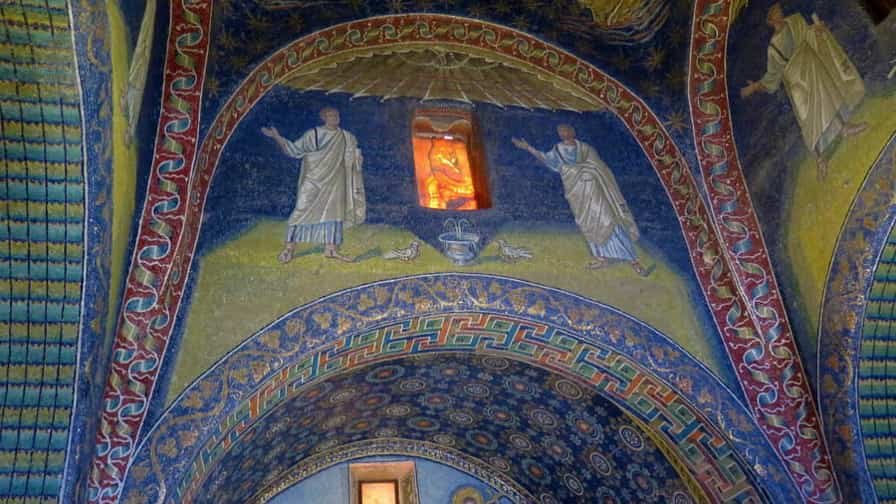
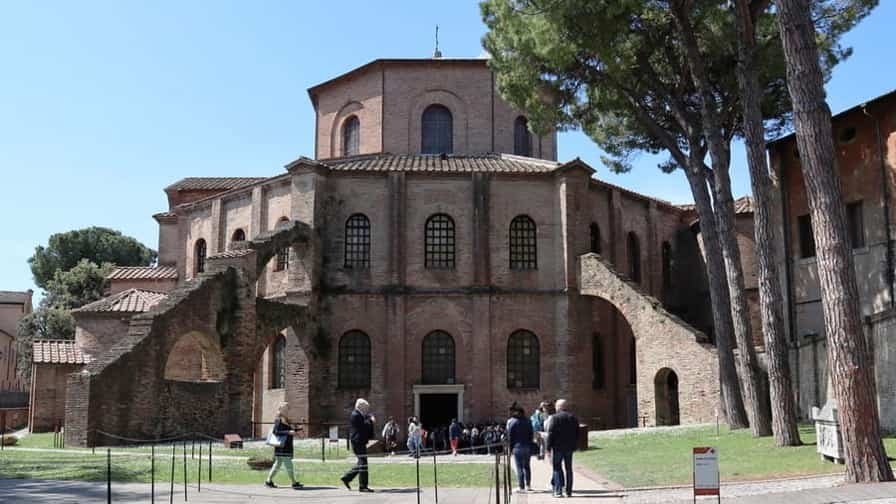
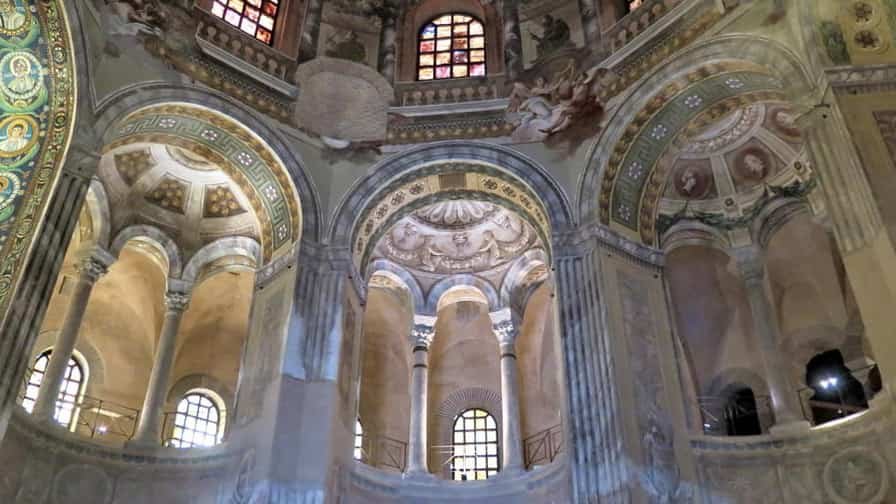
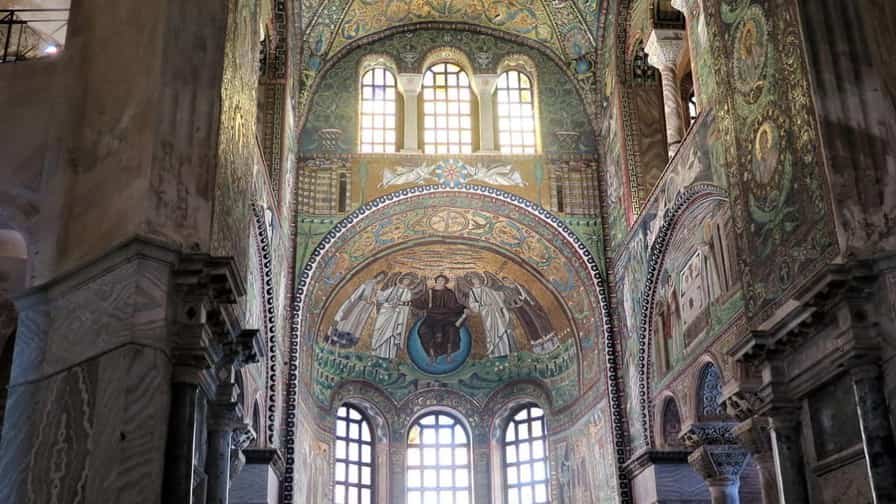
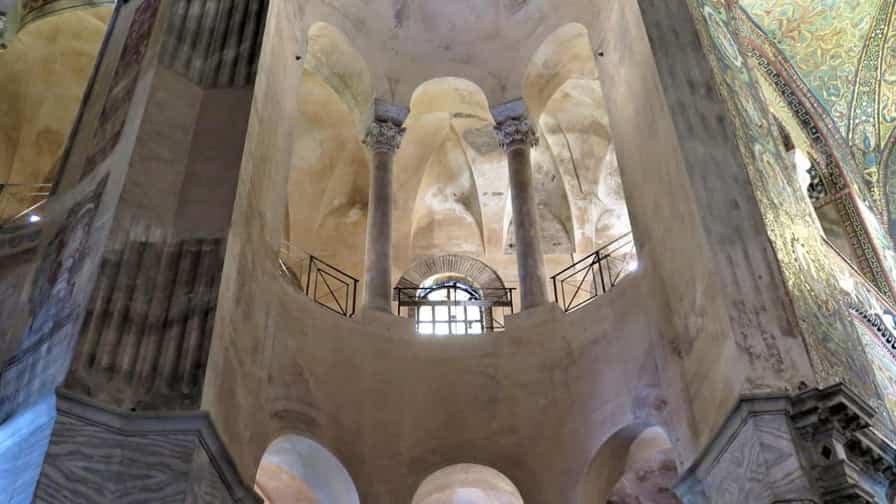
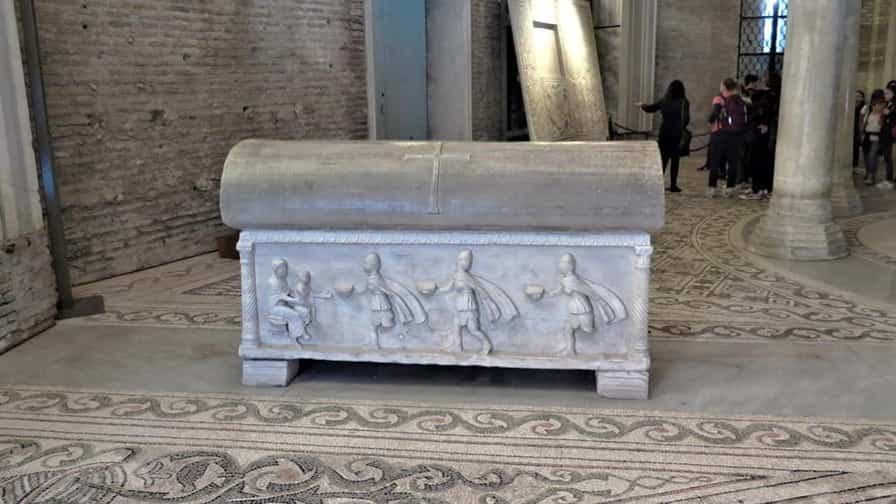
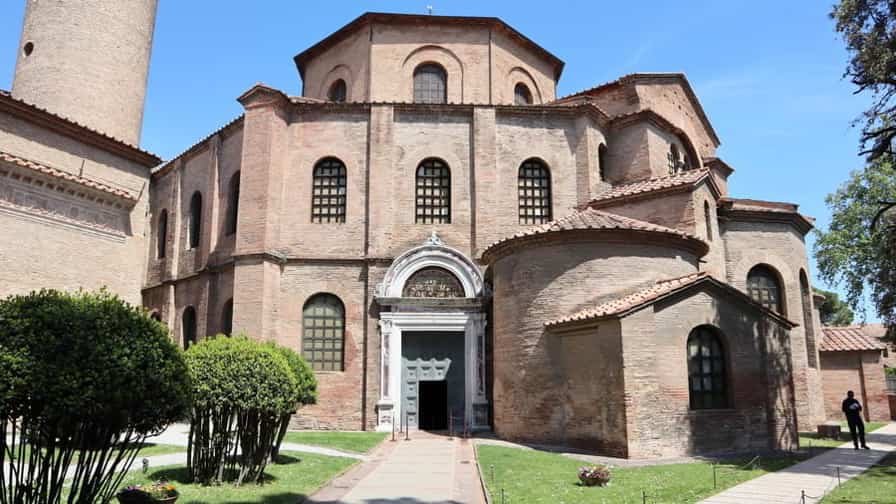
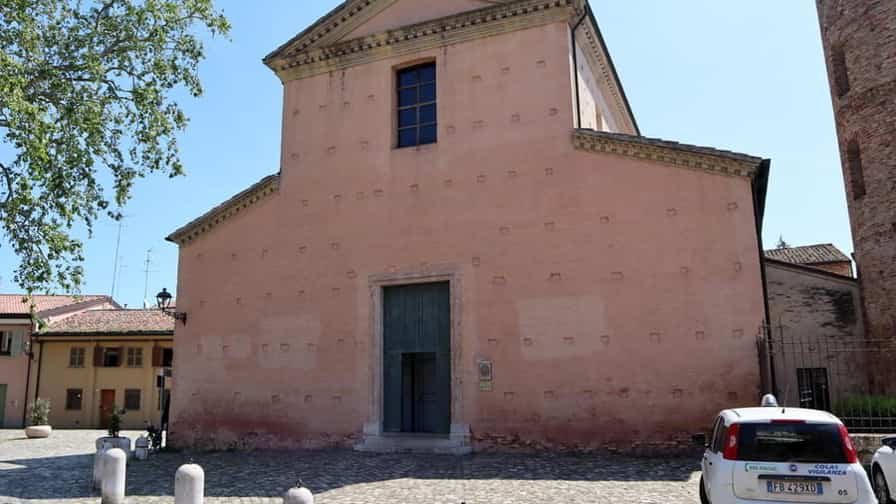
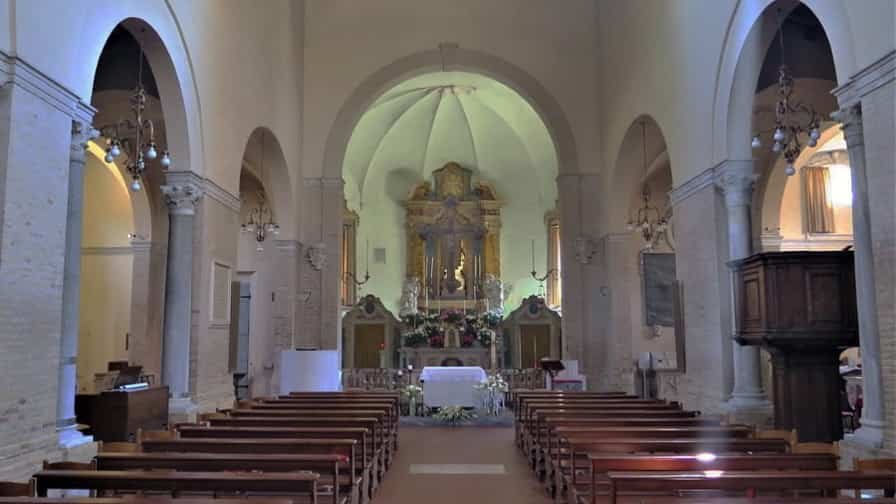
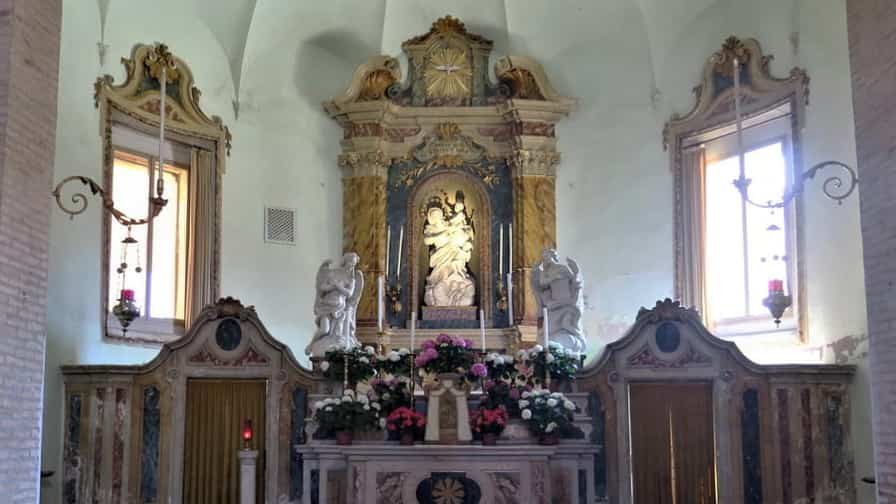
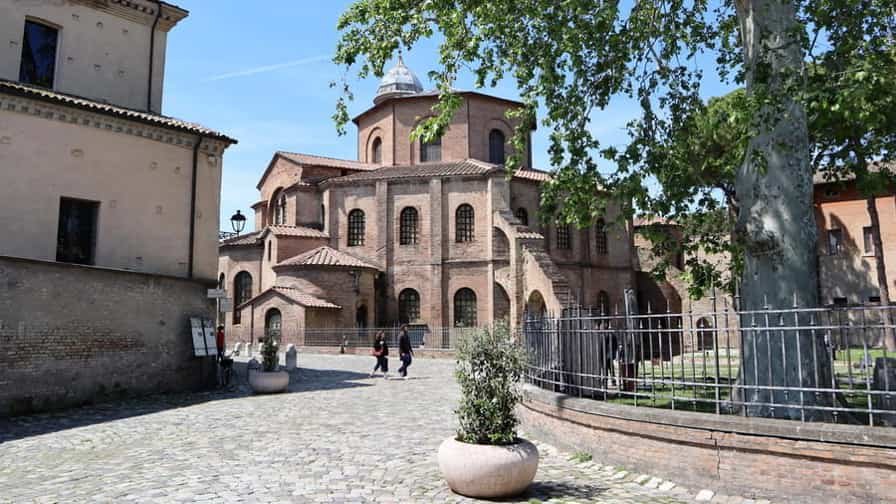
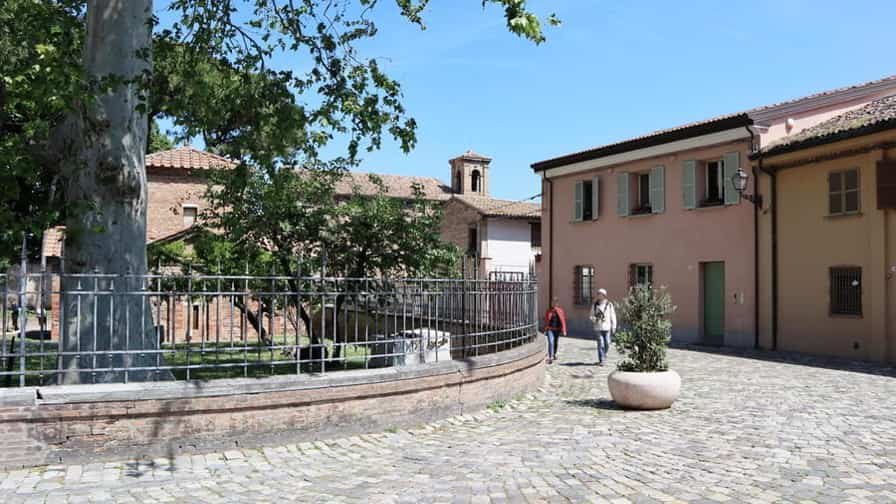
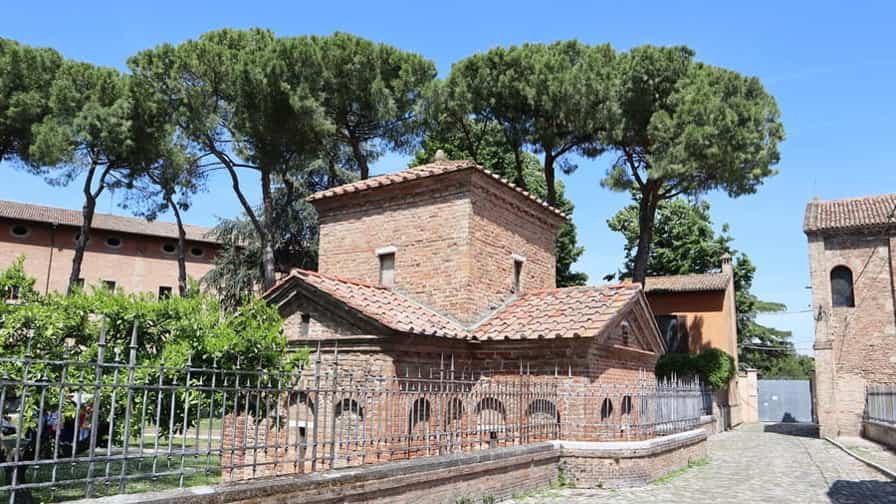
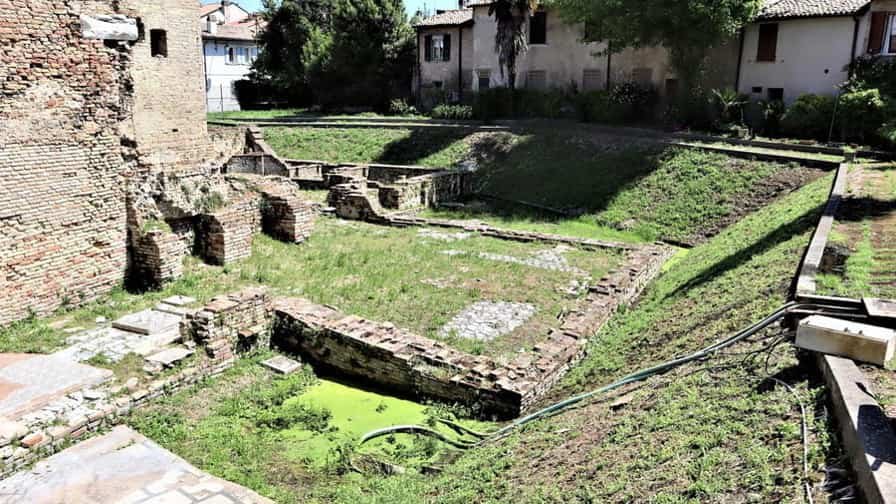
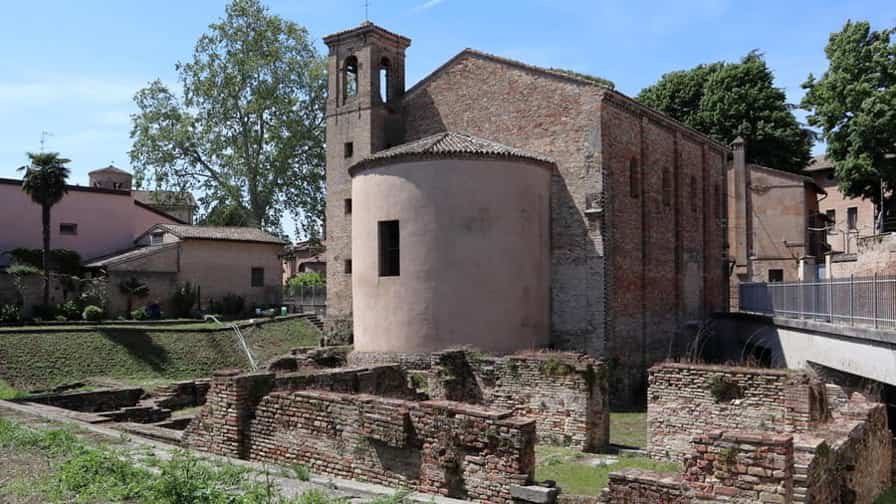
Photo Gallery of Walk 2 – Piazza del Tomolo to Via Adriatica
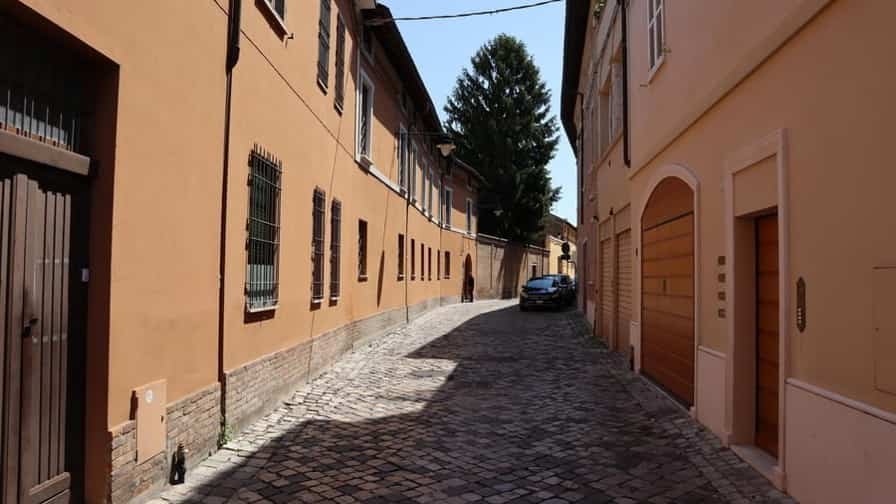
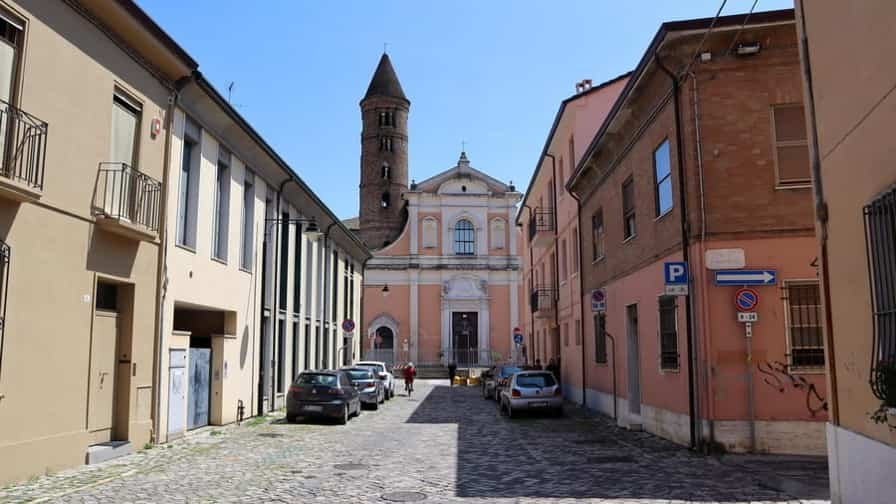
Approximately 0.60 km – 0.37 miles
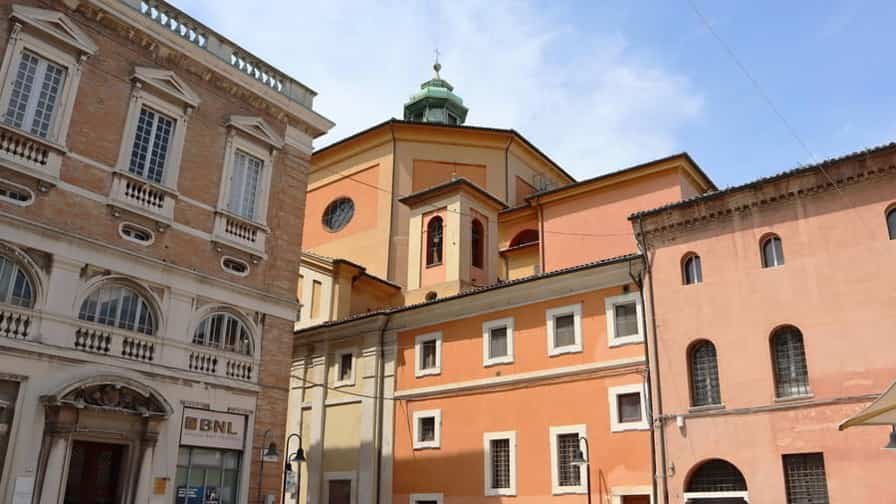
The walk starts in Piazza del Tomolo – Via Santa Maria – Via Giosia – Piazza L. V. Pudente – Cattedrale di San Giuseppe, Piazza L. V. Pudente – Piazza L. V. Pudente – Via Vescovado – Piazza L. V. Pudente – Piazza del Popolo – Via Adriatica




COPYRIGHT © 2018-2026 ITALY IN PHOTOS – ALL RIGHTS RESERVED