
HOME
REGIONS OF ITALY
PLACES IN ITALY
TRAVEL GUIDES
Italy in Photos
Porta di Venere, 06038 Spello PG, Italy (September 2020)
Spello
Spello is a small hill town in the heart of Umbria that embodies the quiet elegance and deep-rooted history of central Italy. Perched on the slopes of Monte Subasio and overlooking a broad valley of olive groves and fields, Spello feels both timeless and intimate. Unlike larger, more famous destinations, it reveals its beauty slowly, through stone walls warmed by sunlight, flower-filled balconies, and streets that seem shaped by centuries of daily life.
The origins of Spello reach back to Roman times, when it was known as Hispellum, a prosperous settlement along important routes through Umbria. Much of this ancient past remains visible today. Sections of Roman walls still encircle parts of the town, punctuated by well, preserved gates such as Porta Venere and Porta Consolare. Within the modern streets, fragments of columns, inscriptions, and mosaics appear almost casually, woven into houses and public spaces. This seamless blending of eras gives Spello a distinctive character, where history feels lived in rather than displayed.
Spello’s medieval development added another layer to its charm. As the town climbed the hillside, narrow lanes and stairways followed the natural contours of the land, creating unexpected views at every turn. These streets open onto small piazzas, quiet churches, and shaded corners where life moves at a gentle pace. One of Spello’s artistic treasures is the Baglioni Chapel in the Church of Santa Maria Maggiore, home to exquisite frescoes by Pinturicchio. Their vibrant colours and delicate detail stand as a reminder of Umbria’s rich artistic heritage and the town’s cultural importance during the Renaissance.
Daily life in Spello remains closely connected to the surrounding countryside. Olive groves blanket the slopes below the town, producing high-quality olive oil that is central to local cuisine. Seasonal vegetables, legumes, and grains define many traditional dishes, often prepared simply to highlight natural flavours. Meals are social occasions, enjoyed in family-run trattorias or at home, where food and conversation unfold unhurriedly. This strong bond between land and table reflects Umbria’s reputation as Italy’s “green heart.”
Spello is also known for its deep affection for beauty and tradition. Each year, the town comes alive during the Infiorata festival, when residents create elaborate carpets of flower petals along the streets to celebrate the feast of Corpus Christi. The designs, crafted overnight, transform the town into a temporary open-air gallery, expressing both creativity and communal pride. Even outside of festival time, flowers play a central role in Spello’s identity, softening stone façades and adding colour to every corner.
Despite its small size, Spello offers a profound sense of place. From its elevated viewpoints, the Umbrian landscape stretches outward in gentle layers of green, reinforcing the town’s harmony with nature. Spello is not a destination of spectacle or crowds, but one of atmosphere and continuity. It invites visitors to slow down, observe closely, and experience the quiet poetry of an Italian hill town where history, landscape, and everyday life exist in graceful balance.
Worth a Visit
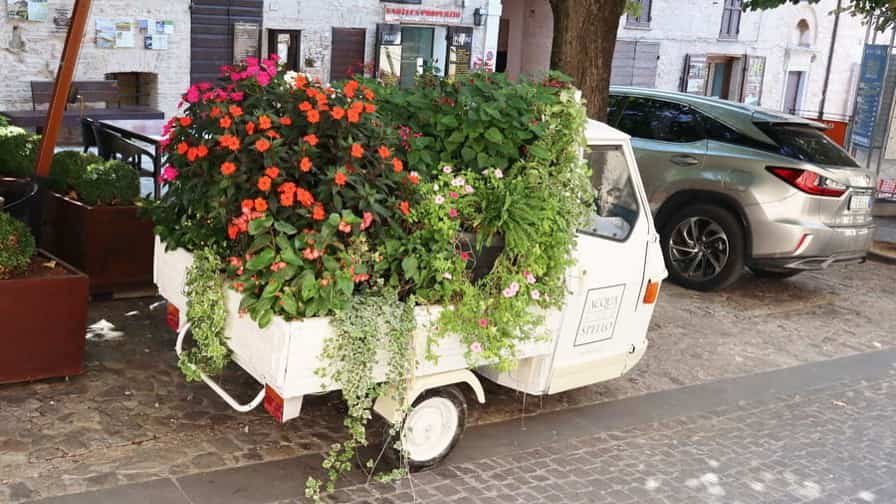
Piazza Giacomo Matteotti is the lively main square of Spello, a charming medieval town in the province of Perugia, Umbria. Nestled at the foot of Mount Subasio, the square serves as a central meeting point and the starting place for exploring Spello’s narrow stone alleys, Roman gates, and flower-decked streets. The piazza is named after Giacomo Matteotti, an Italian politician remembered for his courage and defence of democracy. Today, the square blends history with everyday life, offering cafés, shops, and a relaxed atmosphere where locals and visitors gather. From here, one can admire views of surrounding hills and access notable landmarks such as the town hall and ancient churches. Throughout the year, the piazza hosts cultural events, markets, and festivals, making it both a social and cultural heart of Spello. Its mix of history, architecture, and community spirit captures the essence of this enchanting Umbrian town.

The Porta di Venere, located along Via Torri di Properzio in Spello, is one of the town’s most impressive Roman monuments. Built in the Augustan period, this grand city gate once marked the main entrance to the ancient settlement, welcoming travelers arriving from the Via Flaminia. Its name, “Gate of Venus,” recalls the Roman goddess and suggests the presence of a nearby temple dedicated to her. The gate is flanked by two striking dodecagonal towers, known as the Torri di Properzio, which still dominate the landscape with their solid stone structure and elegant design. Together, they represent a fine example of Roman military architecture, later integrated into the medieval fabric of the town. Today, the Porta di Venere is not only a symbol of Spello’s rich heritage but also a picturesque spot, offering visitors a dramatic approach to the historic centre and a tangible link to its ancient past.

Piazza della Repubblica is the civic and cultural heart of Spello, a beautiful Umbrian hill town in the province of Perugia. Surrounded by historic buildings and lively streets, the square has long been a focal point for local life. At its centre stands the Palazzo Comunale, Spello’s town hall, a fine Renaissance structure originally built in the 13th century and later renovated. Inside, visitors can admire important frescoes, artworks, and historical archives that reflect the town’s deep cultural roots. The piazza is also a place where residents gather for markets, festivals, and daily encounters, making it a vibrant meeting spot that blends history with contemporary life. Cafés and small shops around the square invite visitors to pause and enjoy the relaxed atmosphere while taking in the medieval charm. As both a historical landmark and a social hub, Piazza della Repubblica offers a true glimpse into the spirit of Spello.

Bar Giardino, located on Via Giuseppe Garibaldi in the heart of Spello, is a welcoming spot where tradition and relaxation meet. Known for its friendly atmosphere, it has become a favorite stop for both locals and visitors exploring the town’s historic streets. The bar offers a wide selection of coffee, pastries, and light snacks, making it an ideal place for breakfast or an afternoon break. In warmer months, guests can enjoy the pleasant outdoor seating, surrounded by the charm of Spello’s medieval architecture and picturesque views. Bar Giardino is also appreciated for its aperitivi, with refreshing drinks and small plates that create a lively yet laid-back mood. Whether you are starting your day, pausing during a walk, or ending an evening in town, this bar provides a perfect blend of hospitality and authentic Italian ambiance, capturing the essence of everyday life in Umbria.
Photo Gallery of Walk 1 – Via Centrale Umbra to Via Consolare
Approximately 1.03 km – 0.64 miles
The walk starts in Via Centrale Umbra – Via Roma – Piazza Kennedy – Giardini Pubblici, Via Roma, – Piazza Kennedy – Via Sant’Anna – Via Consolare – Via Borgo S. Sisto – Via Consolare


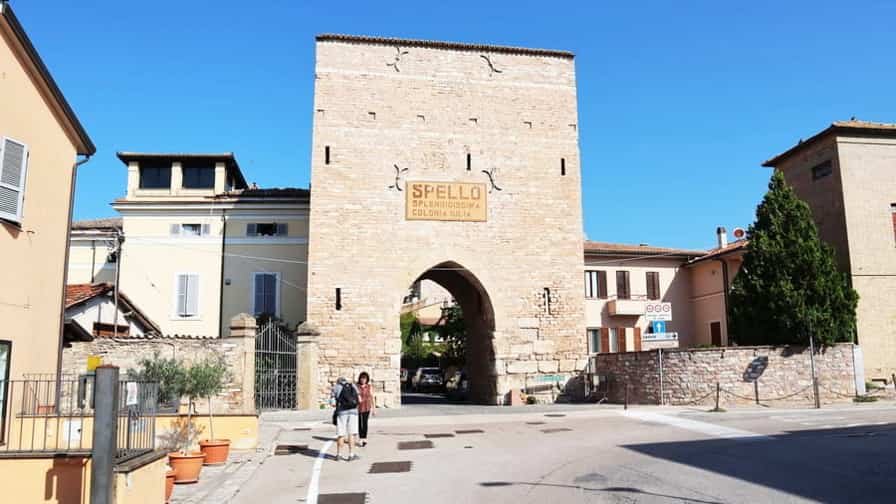
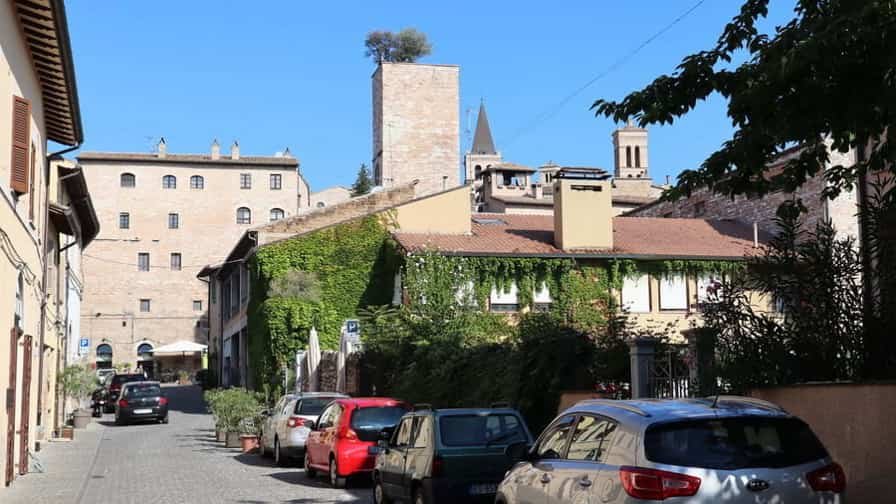
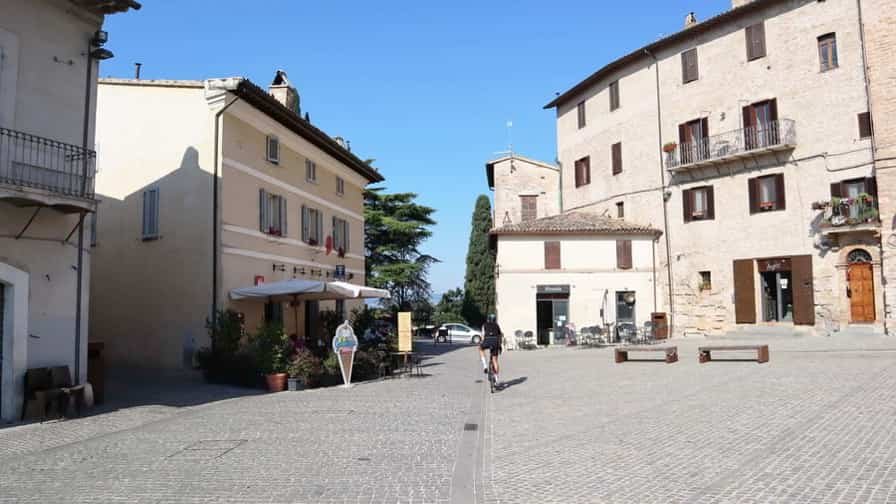


Photo Gallery of Walk 2 – Piazza Giacomo Matteotti to Via della Liberazione
Approximately 0.68 km – 0.42 miles
The walk starts in Piazza Giacomo Matteotti – Via Torri di Properzio – Porta di Venere, Via Torri di Properzio – Walk back along Via Torri di Properzio to Via Camillo Benso Conte di Cavour – Via Camillo Benso Conte di Cavour – Piazza Matteotti – Piazza della Repubblica – Via della Liberazione
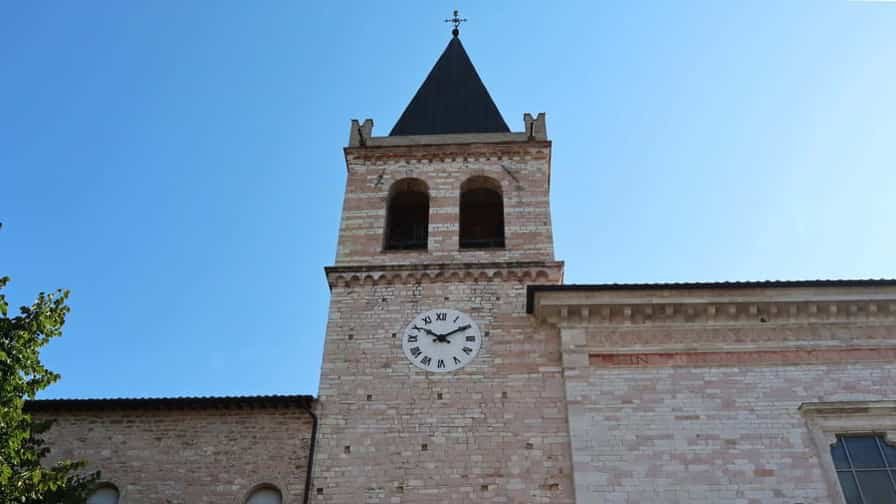
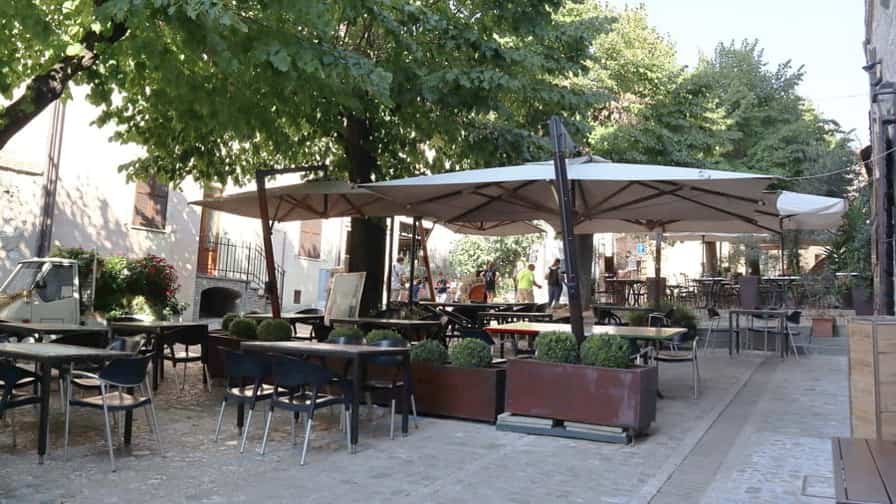
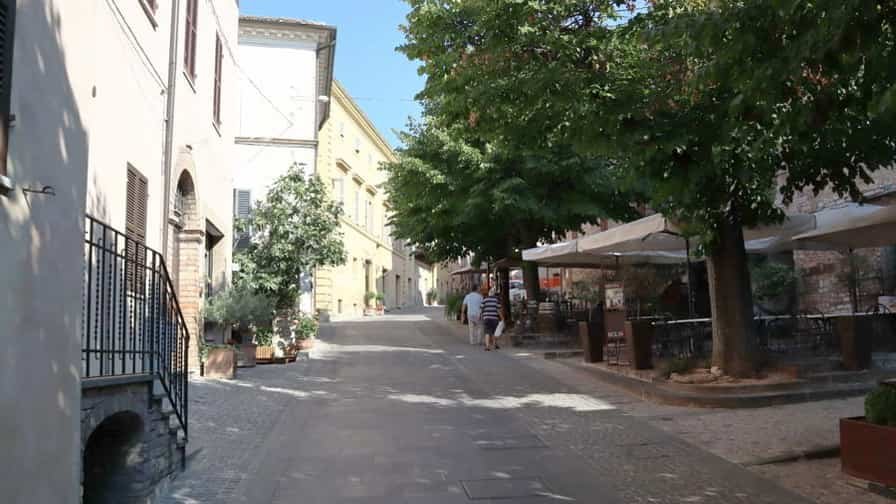
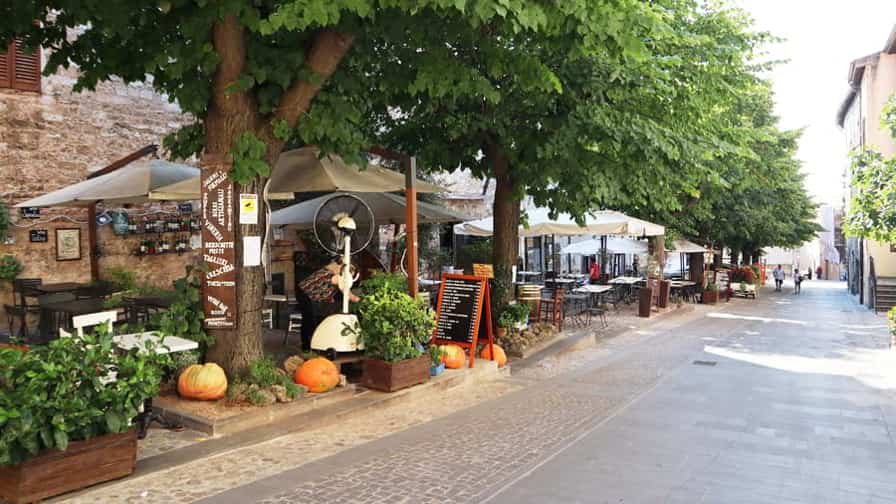


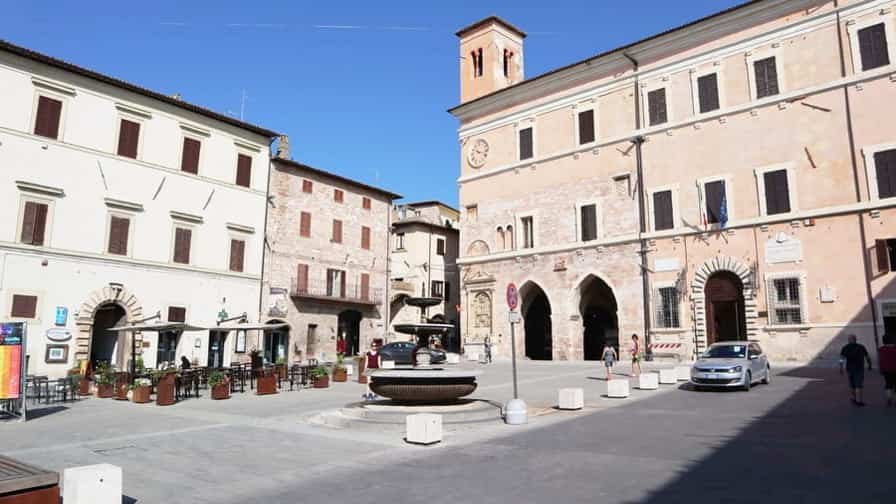
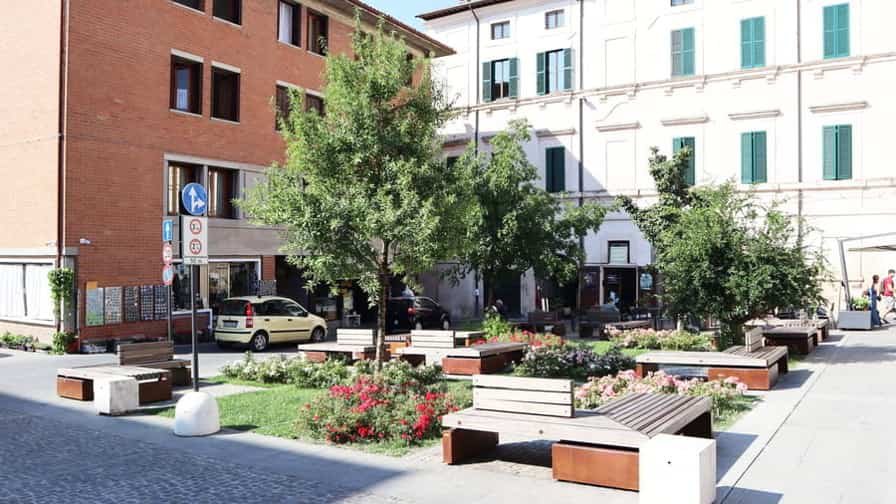

Photo Gallery of Walk 3 – Via Giuseppe Garibaldi to Via Giulia / Via Giuseppe Garibaldi
Approximately 0.47 km – 0.29 miles
The walk starts in Via Giuseppe Garibaldi – Via Catena – Largo Mazzini – Bar Giardino,Via Giuseppe Garibaldi – Via Giuseppe Garibaldi – Via Giulia – Walk back to Via Giuseppe Garibaldi


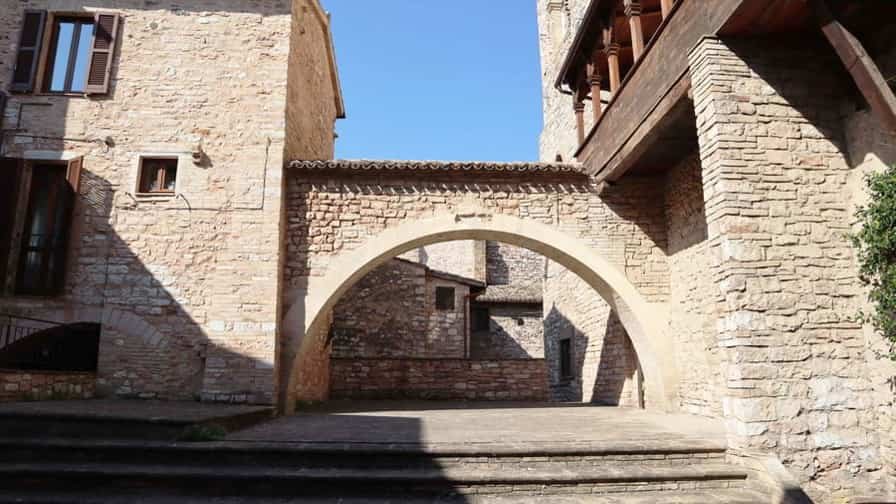
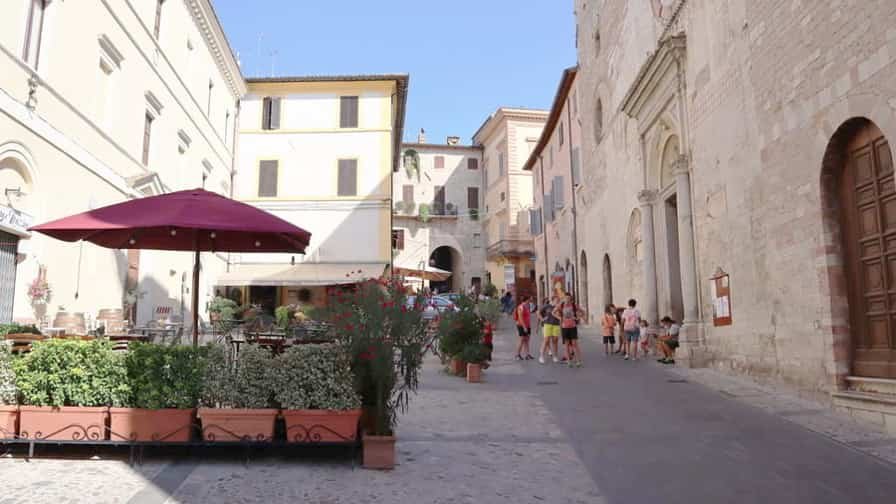

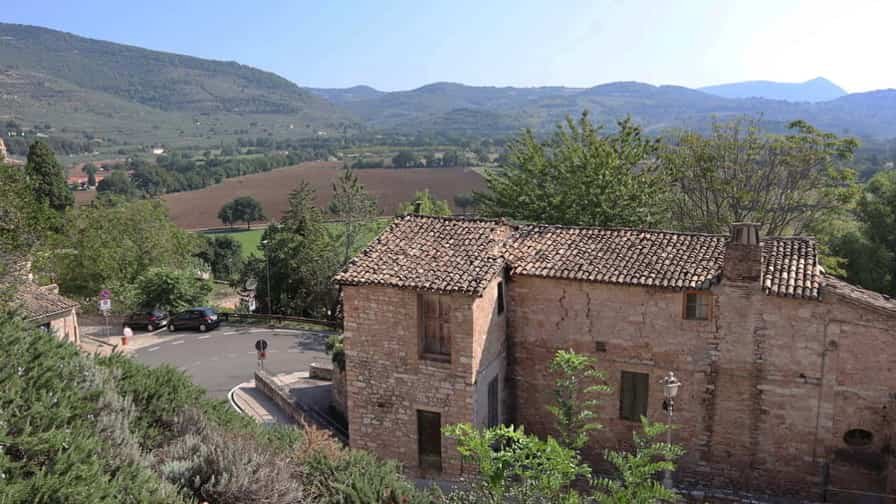

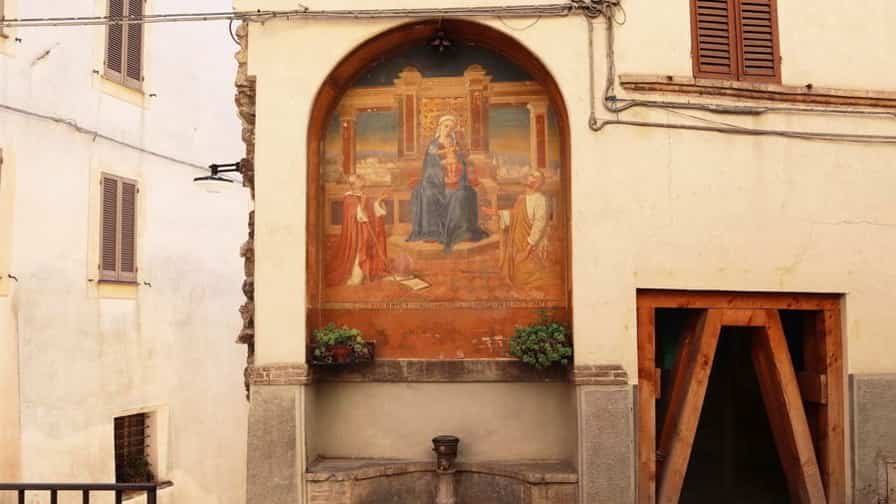

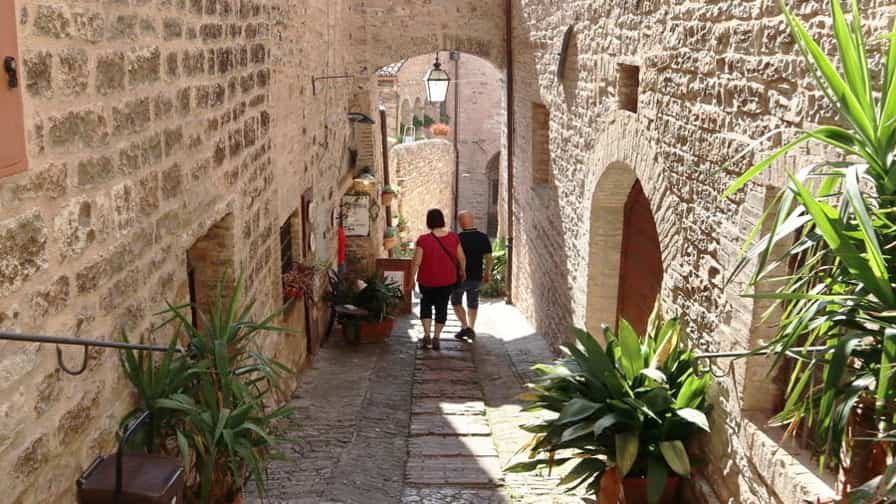
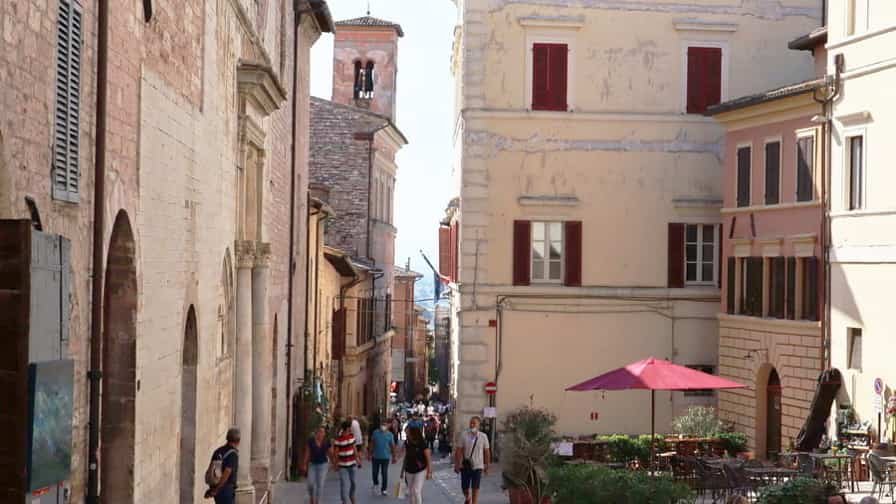
Photo Gallery of Walk 4 – Via Giuseppe Garibaldi to Via Giulia / Via Giuseppe Garibaldi
Approximately 0.47 km – 0.29 miles
The walk starts in Via Giuseppe Garibaldi – Via Catena – Largo Mazzini – Bar Giardino,Via Giuseppe Garibaldi – Via Giuseppe Garibaldi – Via Giulia – Walk back to Via Giuseppe Garibaldi
COPYRIGHT © 2018-2026 ITALY IN PHOTOS – ALL RIGHTS RESERVED