
HOME
THE REGIONS OF ITALY
PLACES IN ITALY
TRAVEL GUIDES COMING SOON
Italy in Photos
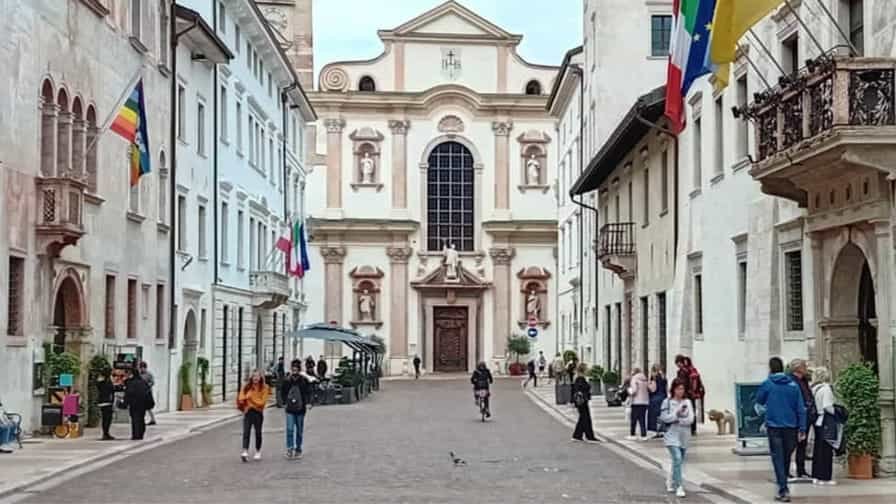
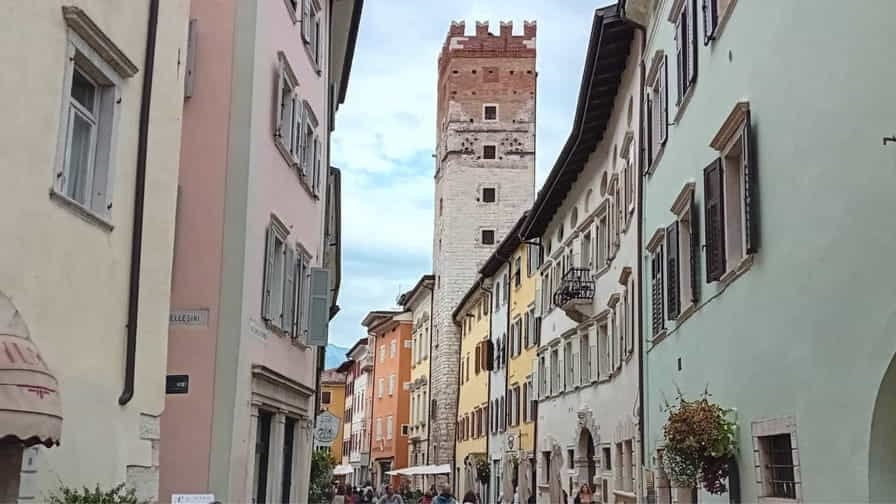
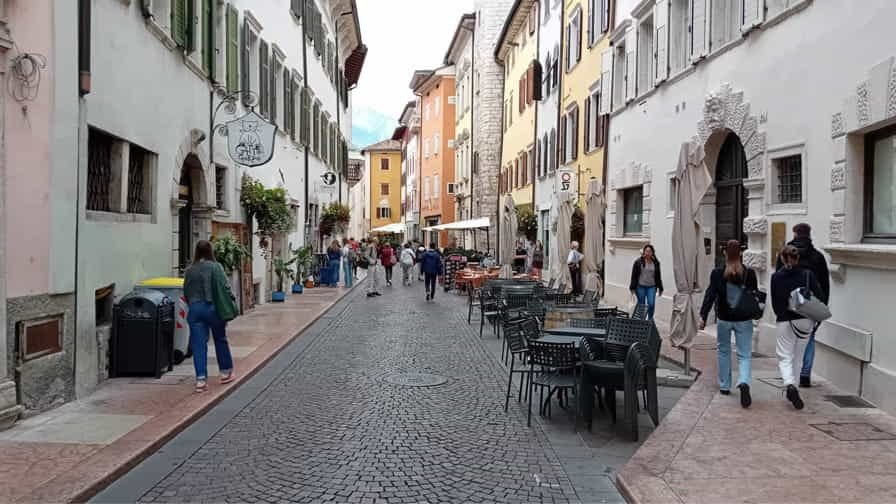
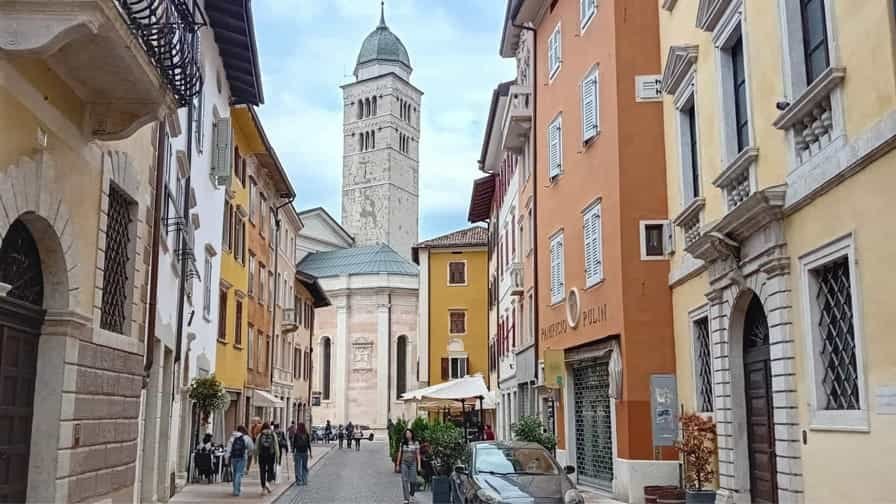
Via del Suffragio, 38122 Trento TN, Italy (September 2024)
Trento
Set in a broad Alpine valley where the Adige River flows south toward the plains, Trento is a city shaped by geography, history, and ideas. As the capital of the Trentino-Alto Adige region, it sits at a crossroads between Italian and Central European cultures, a position that has influenced its architecture, traditions, and intellectual life for centuries. Surrounded by mountains yet distinctly urban in character, Trento offers a refined blend of natural beauty and cultural depth.
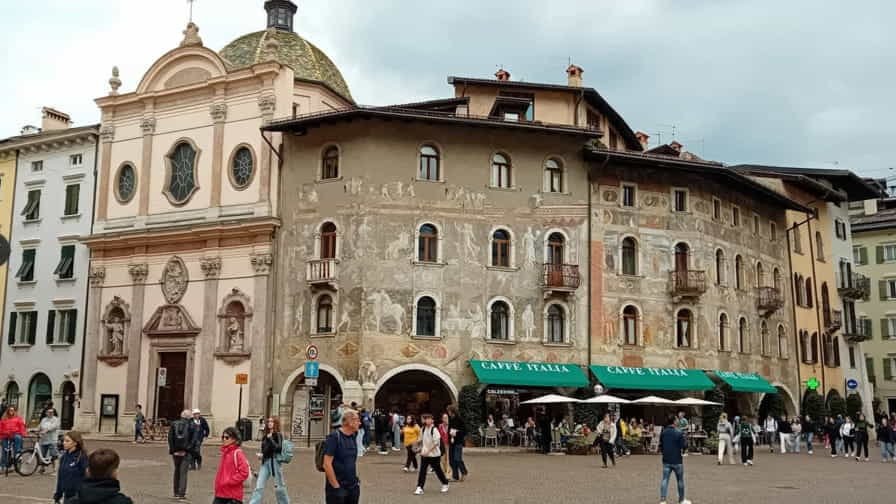
Trento’s historical significance is perhaps best known through the Council of Trent, a defining event of the Catholic Counter-Reformation held between 1545 and 1563. This moment placed the city at the centre of European religious and political debate, leaving a lasting imprint on its identity. Walking through the historic centre, visitors encounter elegant Renaissance palaces adorned with frescoed façades, many of them built during this period of prosperity and influence. Piazza Duomo, the city’s heart, is framed by these buildings and dominated by the Cathedral of San Vigilio, whose Romanesque structure anchors the square with quiet authority.
Overlooking the city from a rocky outcrop is Buonconsiglio Castle, Trento’s most iconic landmark. Once the residence of prince-bishops, the complex spans centuries of architectural styles, from medieval towers to Renaissance loggias. Today it houses one of the region’s most important museums, offering insights into local art, archaeology, and history. From its walls, sweeping views reveal the city below and the mountains that define its horizon.
Trento is also a modern, forward-looking city, known for its emphasis on education, research, and sustainability. The University of Trento has earned international recognition, attracting students and scholars from across Europe and beyond. This youthful presence contributes to the city’s lively but measured atmosphere, where cafés, bookshops, and cultural venues coexist comfortably with historical spaces.
Nature is never far away in Trento. Well-maintained cycling paths follow the Adige River, while cable cars and mountain roads lead quickly into alpine landscapes of forests, vineyards, and high pastures. Monte Bondone, often called Trento’s “city mountain,” provides year-round recreation, from hiking and skiing to panoramic viewpoints that overlook the valley. The surrounding countryside produces wines, apples, and cheeses that reflect both alpine and Mediterranean influences.
Culturally, Trento balances formality with approachability. Festivals, markets, and exhibitions animate the city throughout the year, often celebrating local heritage alongside contemporary themes. Cuisine mirrors this dual identity, blending hearty mountain dishes with lighter Italian flavours. Trento is a city that invites understanding rather than spectacle. Its appeal lies in coherence, in the way history, landscape, and modern life fit together without excess. For visitors seeking an introduction to northern Italy that is thoughtful, scenic, and intellectually rich, Trento offers a compelling and enduring first impression.
Worth a Visit
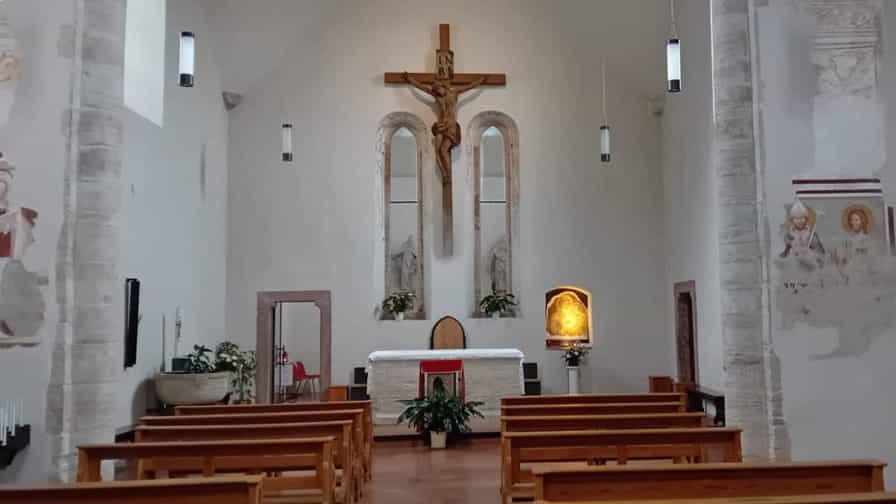
The Chiesa di Sant’Apollinare, located in Piazza di Piedicastello in Trento, Italy, is a small yet historically significant church that reflects the deep religious roots of the region. Dating back to the medieval period, it stands as one of Trento’s oldest parish churches, dedicated to Saint Apollinaris, the patron saint of Ravenna. The church’s simple Romanesque architecture, characterized by stone walls and a modest bell tower, conveys a sense of timeless spirituality. Inside, visitors can admire restored frescoes and sacred decorations that speak to centuries of devotion and local artistic tradition. Nestled in the historic Piedicastello district, the church once served as a key religious and social hub for the community and still retains its intimate, welcoming atmosphere today. The Chiesa di Sant’Apollinare offers both pilgrims and history enthusiasts a chance to step back in time, exploring the spiritual heritage and cultural fabric of Trento.
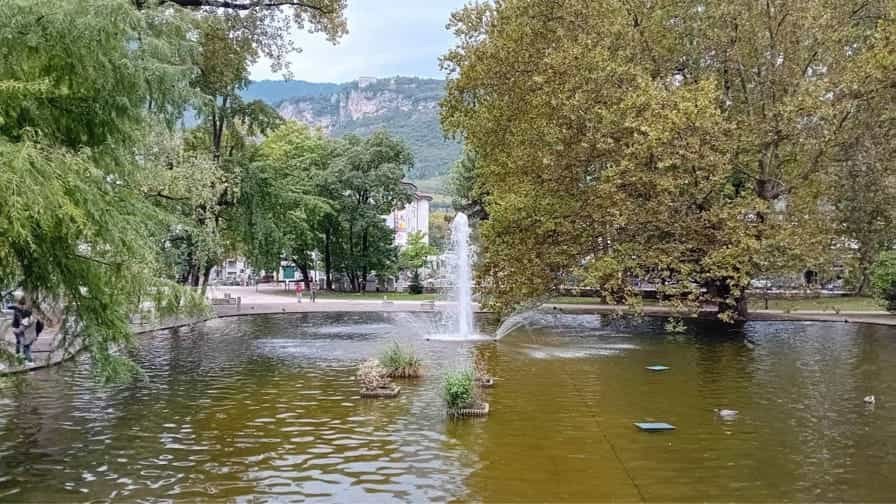
The Giardini Pubblici in Piazza Dante, Trento, Italy, are a green oasis in the heart of the city, offering both locals and visitors a peaceful retreat. Named after the renowned poet Dante Alighieri, whose monument dominates the gardens, this park combines history, culture, and natural beauty. Shaded by centuries-old trees and adorned with fountains, flowerbeds, and walking paths, the gardens provide a tranquil setting for relaxation, leisurely strolls, or quiet reflection. Families, students, and travelers alike gather here to enjoy the open spaces, while children’s play areas and benches make it a welcoming spot for all ages. The Dante monument, erected in the late 19th century, adds a cultural and symbolic touch, celebrating unity and national identity. Perfectly situated near Trento’s railway station and historic center, the Giardini Pubblici serve as both a gateway to the city and a beloved meeting point.
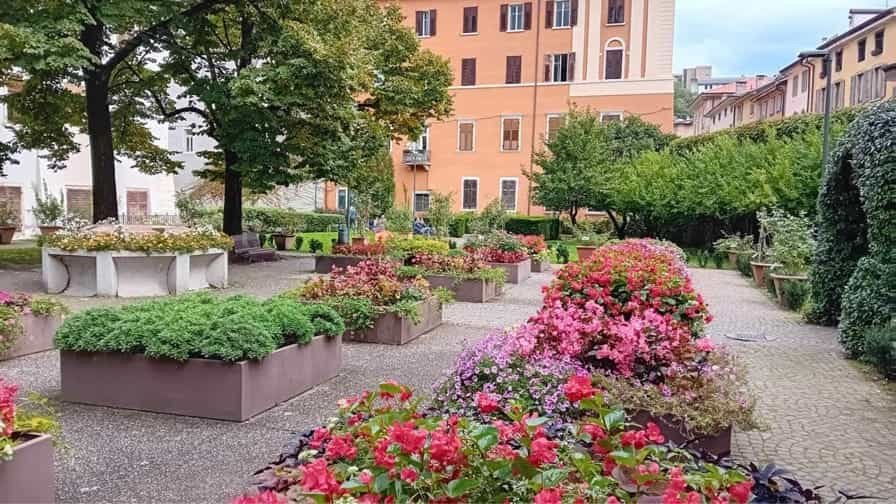
The Giardino Pubblico S. Marco, located in Trento, Italy, is a charming public garden that offers a peaceful escape in the city’s historic center. Surrounded by elegant buildings and just steps away from Piazza Venezia, the garden provides a tranquil green space where locals and visitors can relax amid nature. Shady trees, well-kept lawns, and colourful flowerbeds create a pleasant environment for leisurely walks or quiet moments on one of the many benches. The garden is also home to monuments and sculptures that highlight Trento’s cultural and historical heritage, blending art with natural beauty. Popular with families, students, and travellers, it serves as a welcoming meeting point and a refreshing break from urban life. Whether you’re looking for a spot to unwind, enjoy a book, or simply take in the surroundings, the Giardino Pubblico S. Marco is a delightful addition to Trento’s public spaces.
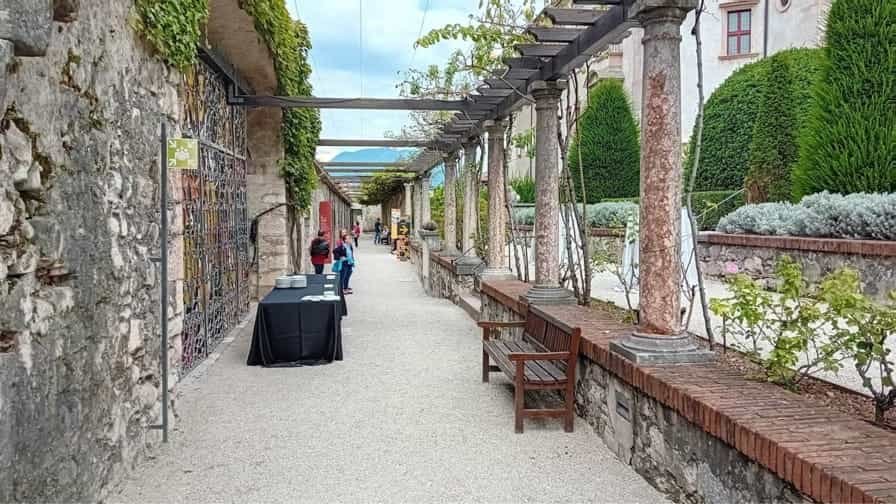
The Museo Castello del Buonconsiglio, located on Via Bernardo Clesio in Trento, is the city’s most important monumental complex and a symbol of its rich history. Once the residence of the prince-bishops of Trento from the 13th to the 18th century, the castle is an architectural masterpiece that blends medieval, Renaissance, and Baroque styles. Surrounded by imposing walls and towers, it houses extensive collections of art and historical artifacts, including paintings, sculptures, manuscripts, and archaeological finds that trace the cultural evolution of Trentino and beyond. One of its most famous treasures is the Ciclo dei Mesi (Cycle of the Months), a stunning series of Gothic frescoes that vividly depict medieval life. Today, the castle serves as both a museum and a cultural venue, hosting exhibitions, concerts, and educational activities. The Museo Castello del Buonconsiglio offers visitors a journey through centuries of history, art, and tradition in an unforgettable setting.
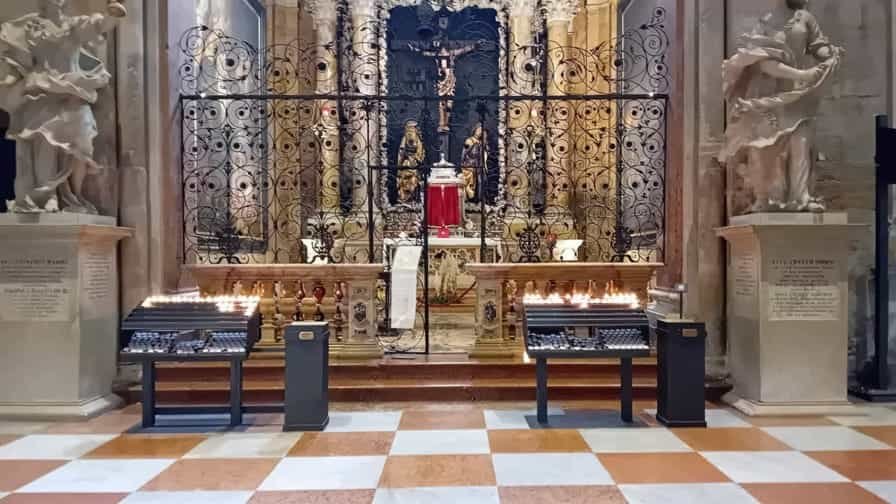
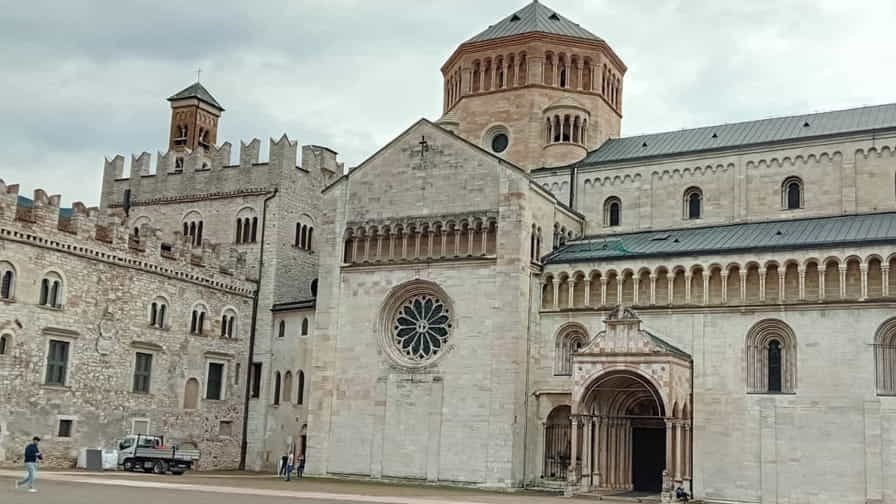
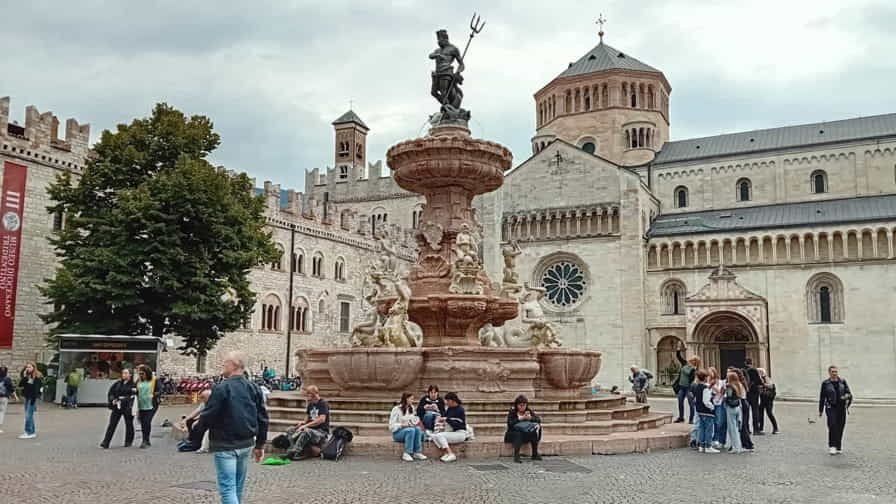
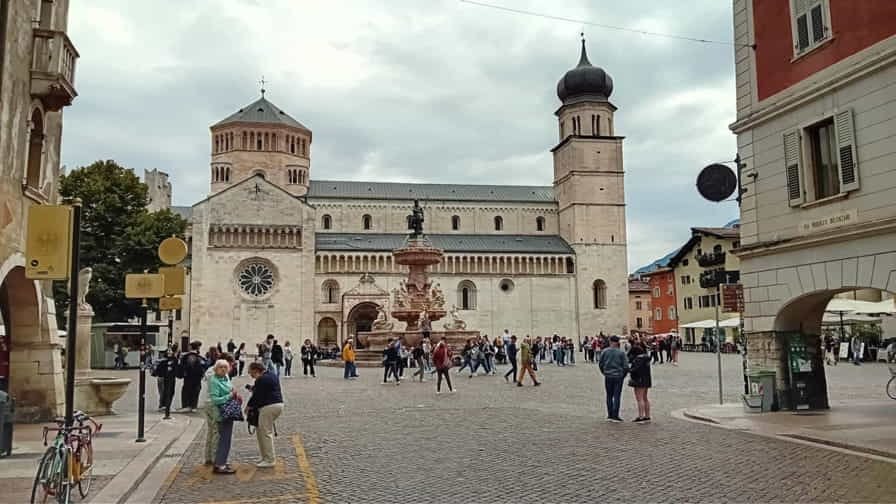
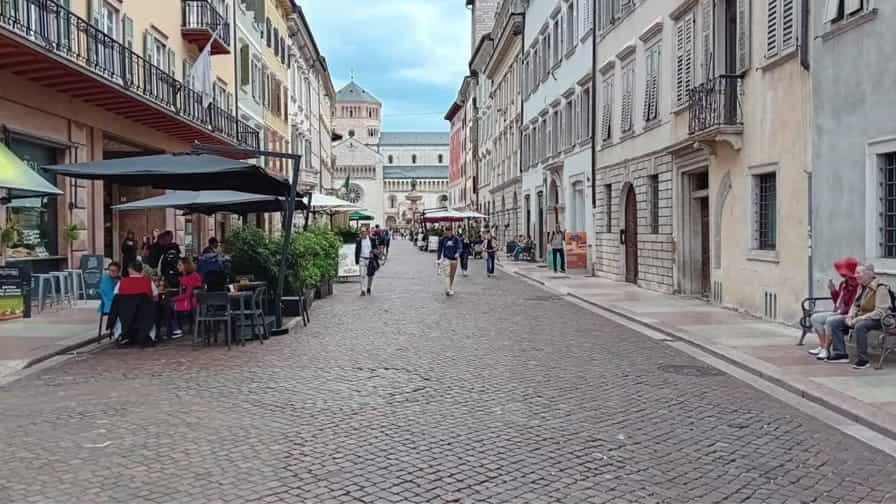
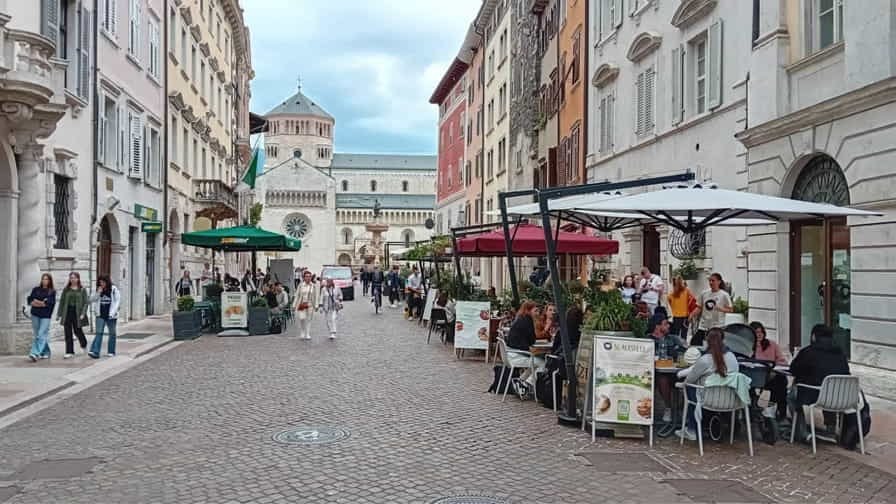
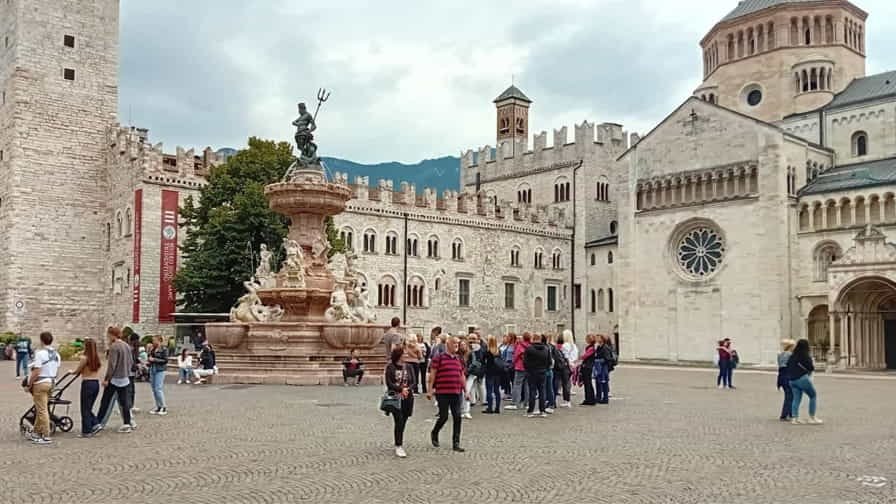
The Duomo di San Vigilio, located in Piazza del Duomo in Trento, is the city’s most iconic religious building and a masterpiece of Romanesque architecture. Built between the 11th and 13th centuries on the site of an earlier church dedicated to Trento’s patron saint, Saint Vigilius, the cathedral has long been a center of spiritual and cultural life. Its striking stone façade, rose window, and twin towers dominate the lively square, while the interior impresses with lofty arches, elegant chapels, and important artworks. The Duomo is historically significant as the setting of the Council of Trent (1545–1563), one of the most influential events in Catholic history. Visitors can also explore the underground archaeological area, which preserves remnants of early Christian basilicas. Surrounded by cafés, fountains, and historic palaces, the Duomo di San Vigilio stands as both a sacred space and a cultural landmark at the heart of Trento.
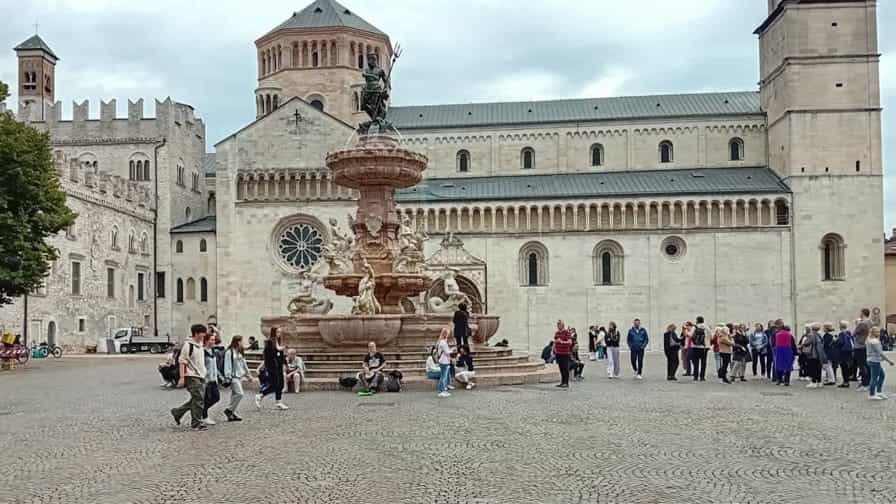
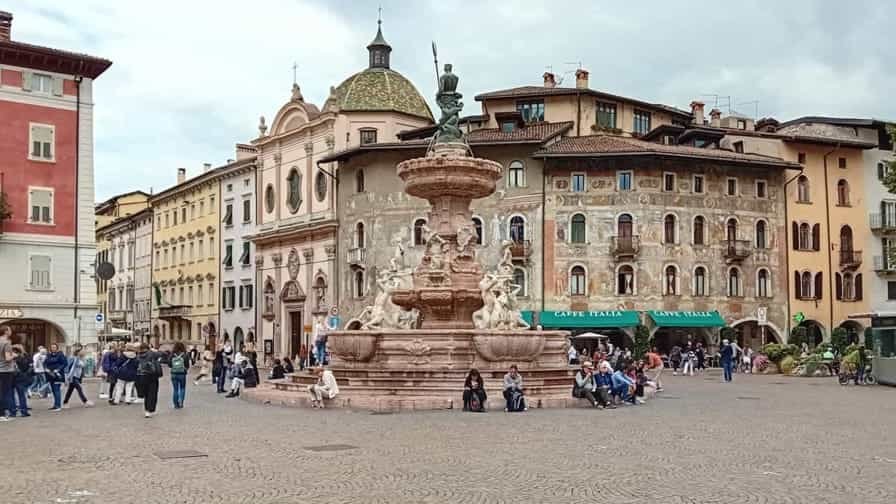
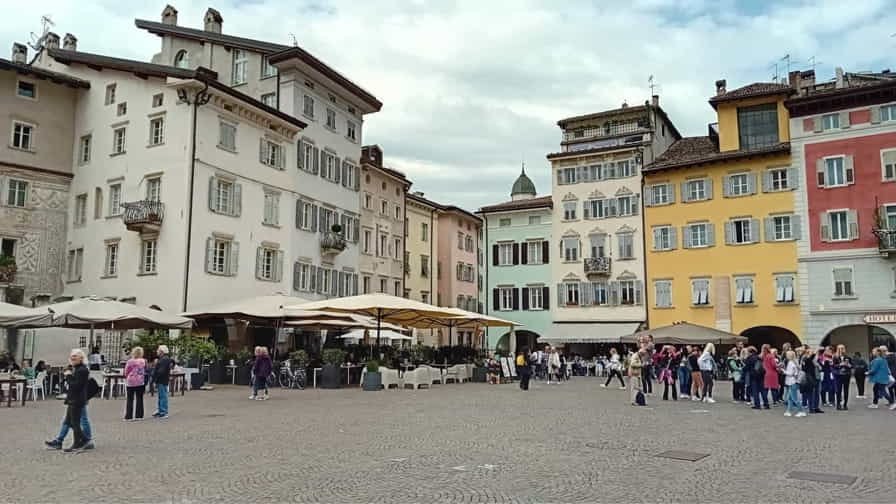
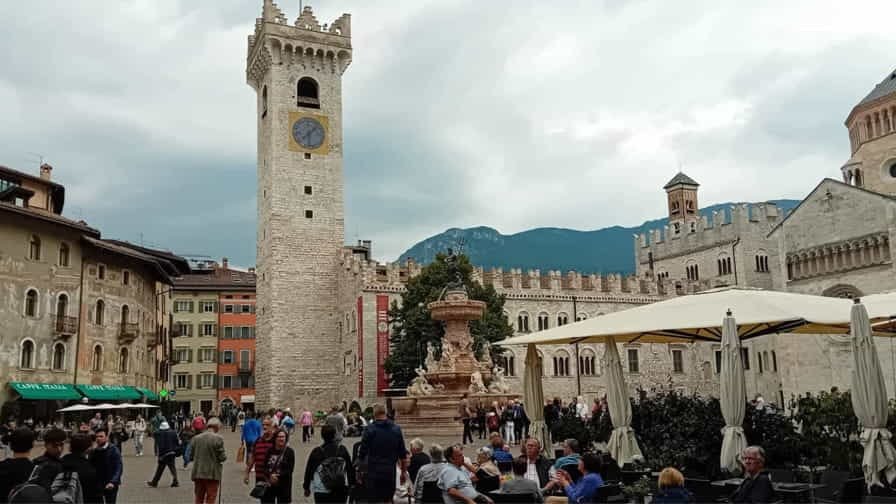
Piazza del Duomo, in the heart of Trento, is one of the most beautiful squares in northern Italy and a lively symbol of the city’s history and culture. Surrounded by elegant palaces, arcaded houses, and vibrant cafés, the square is dominated by the majestic Duomo di San Vigilio, a Romanesque cathedral that has shaped Trento’s identity for centuries. At its center stands the Fontana del Nettuno, an 18th-century Baroque fountain that adds movement and charm to the scene. Piazza del Duomo is also home to the Palazzo Pretorio and the Torre Civica, landmarks that highlight the city’s medieval past. In September 2024, the square continues to be a hub of daily life, hosting outdoor events, markets, and gatherings that bring locals and visitors together. With its blend of art, architecture, and atmosphere, Piazza del Duomo offers an unforgettable glimpse into the spirit of Trento.
Photo Gallery of Walk 1 – Piazza di Piedicastello to Giardini Pubblici, Piazza Dante
Approximately 0.00 km – 0.00 miles
The walk starts in Piazza di Piedicastello – Via Brescia – Ponte S. Lorenzo – Cavalcavia S. Lorenzo – Piazza Leonardo Da Vinci – Via della Prepositura – Piazza Santa Maria Maggiore – Basilica di Santa Maria Maggiore, Vicolo delle Orsoline – Via delle Orfane – Via Andrea Pozzo – Piazza Dante – Giardini Pubblici, Piazza Dante
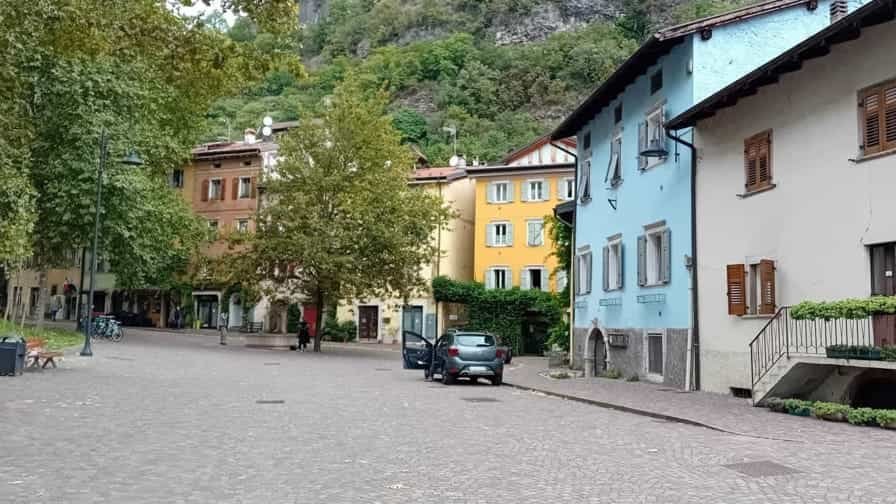
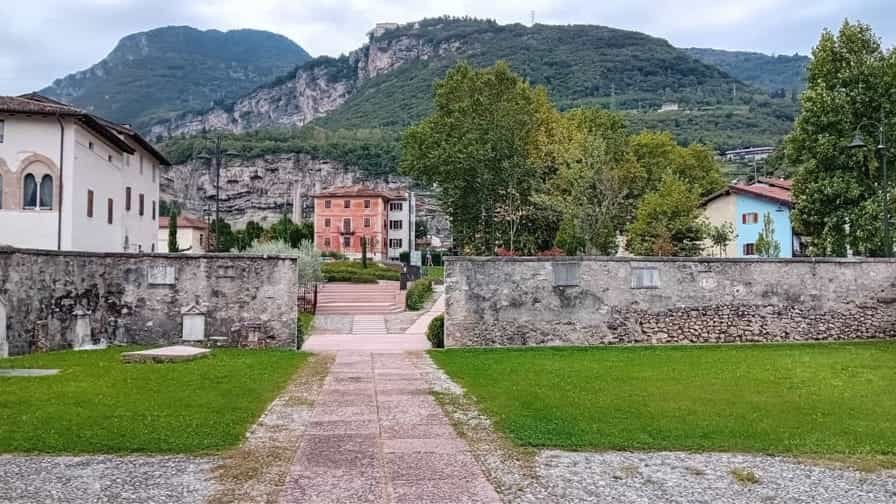
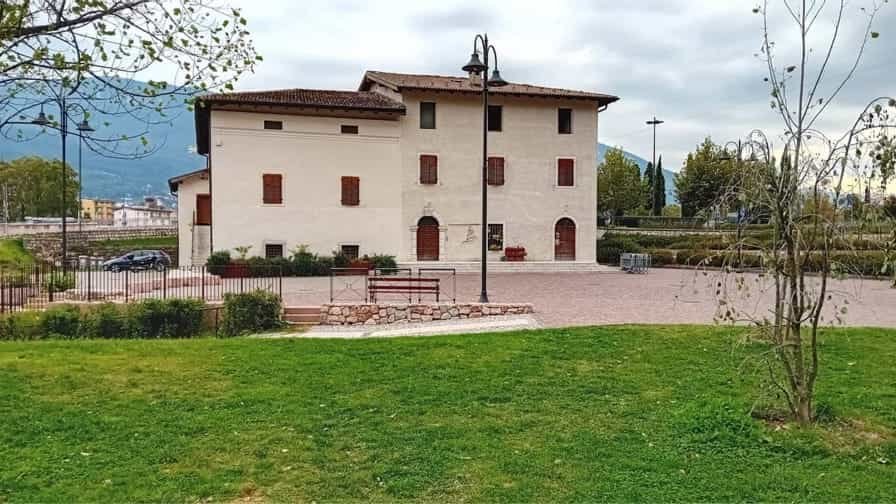
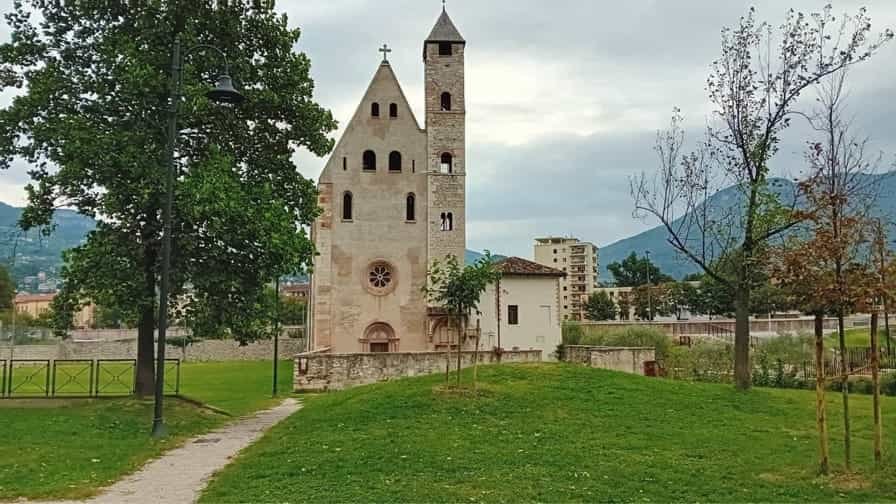
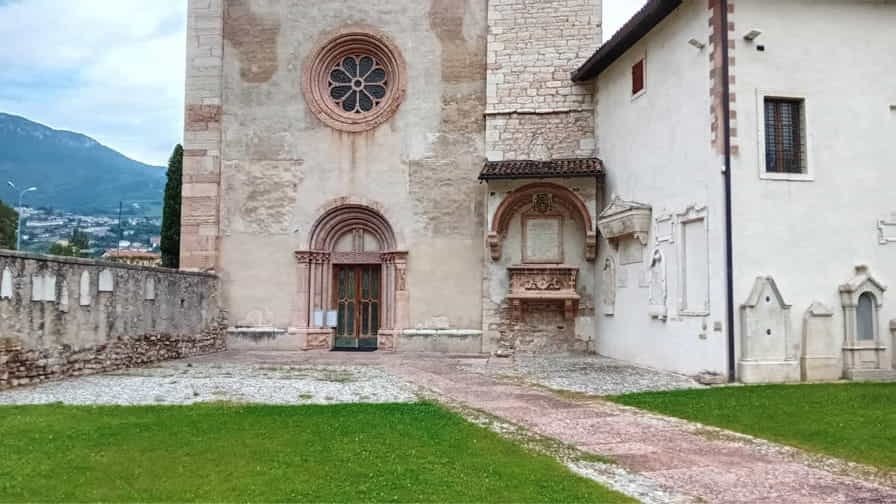
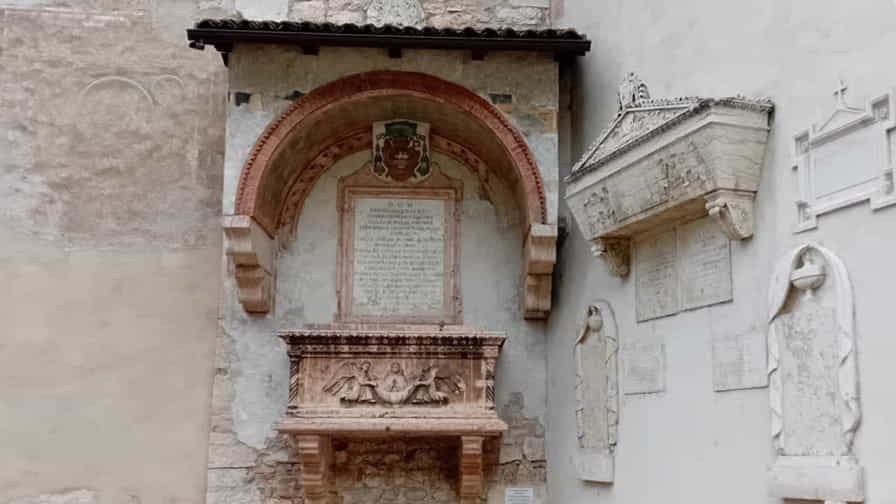
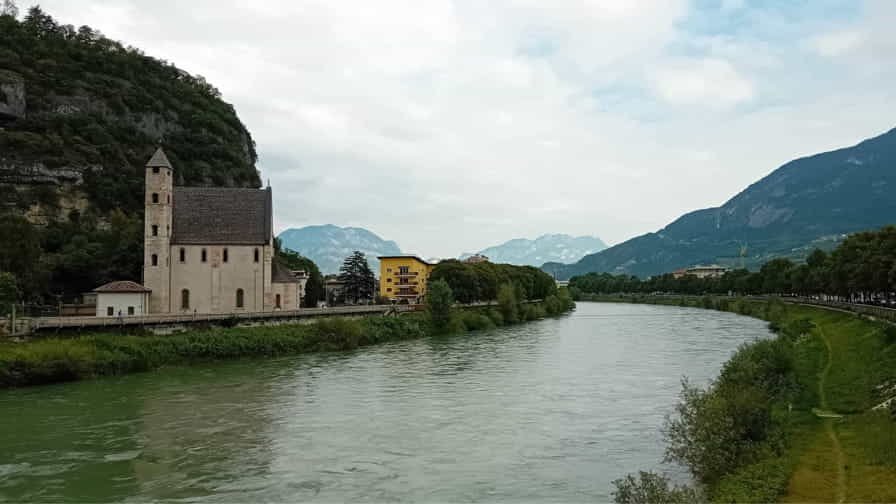
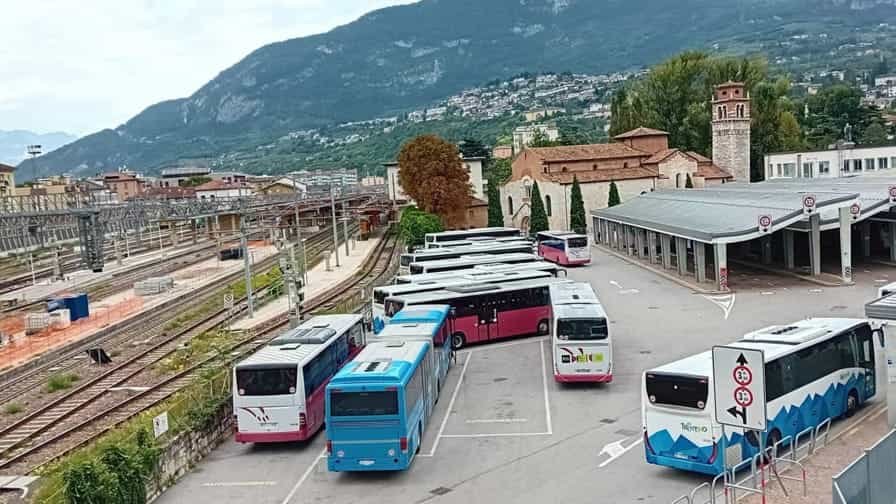
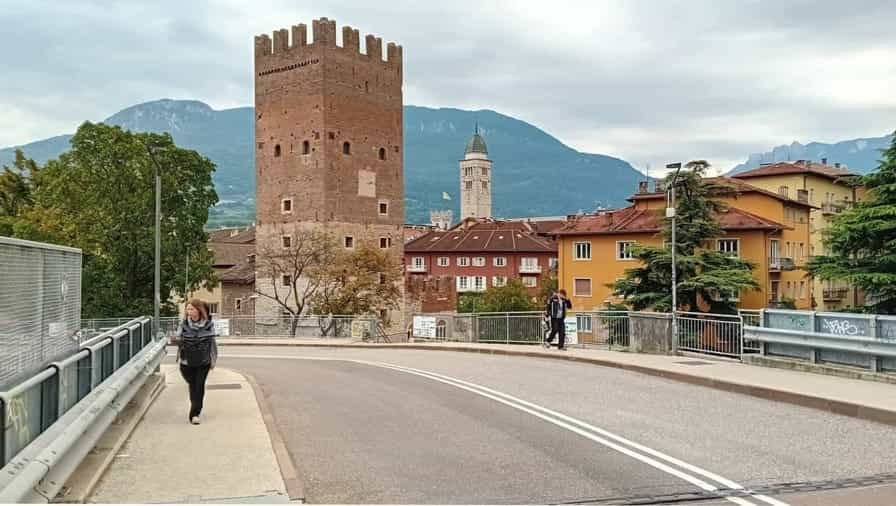
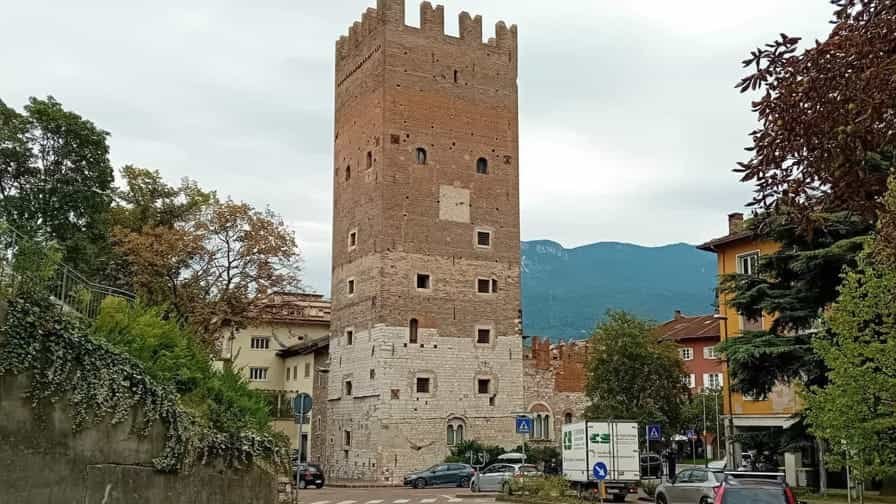
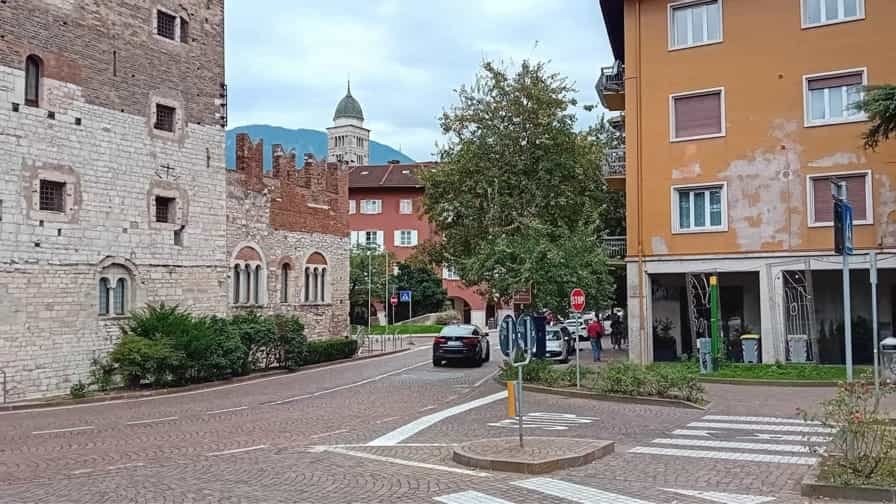
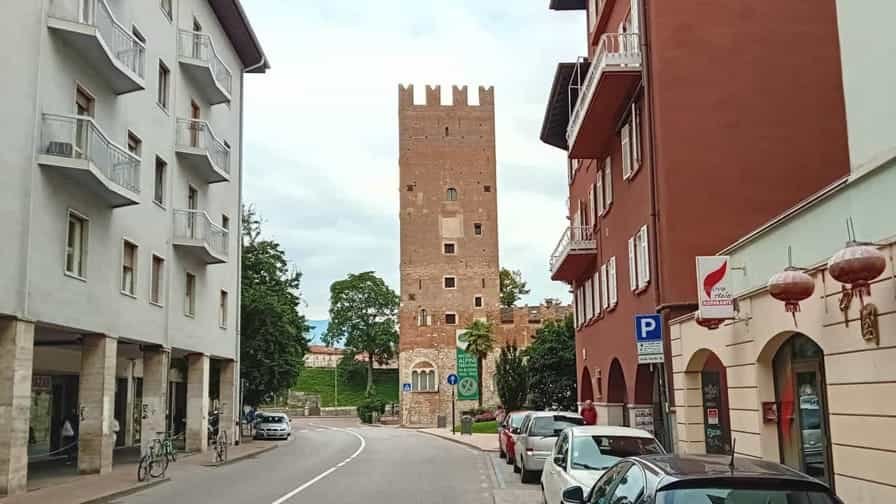
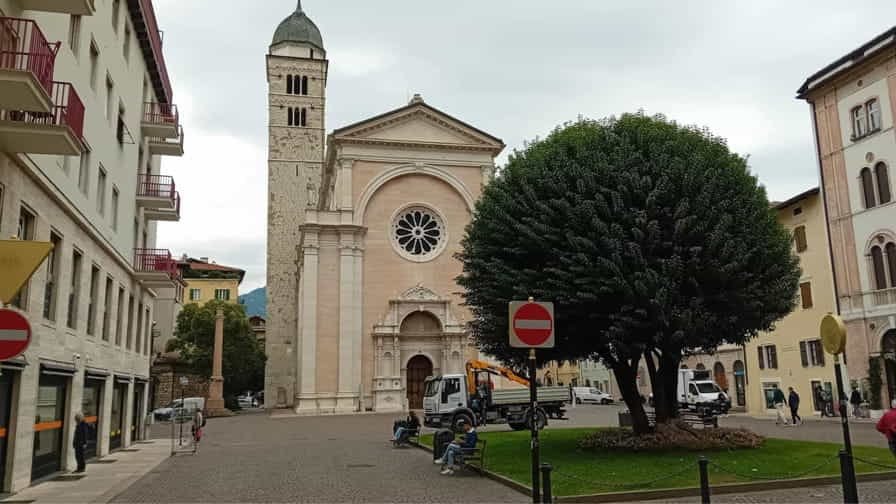
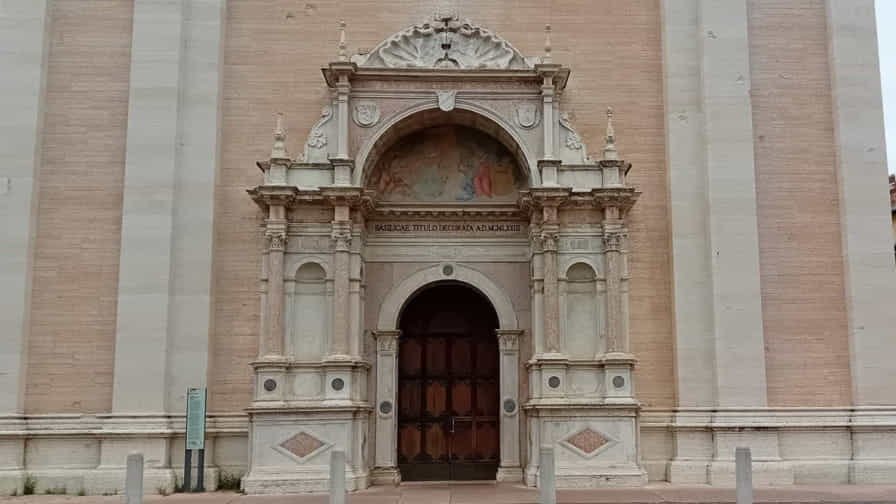
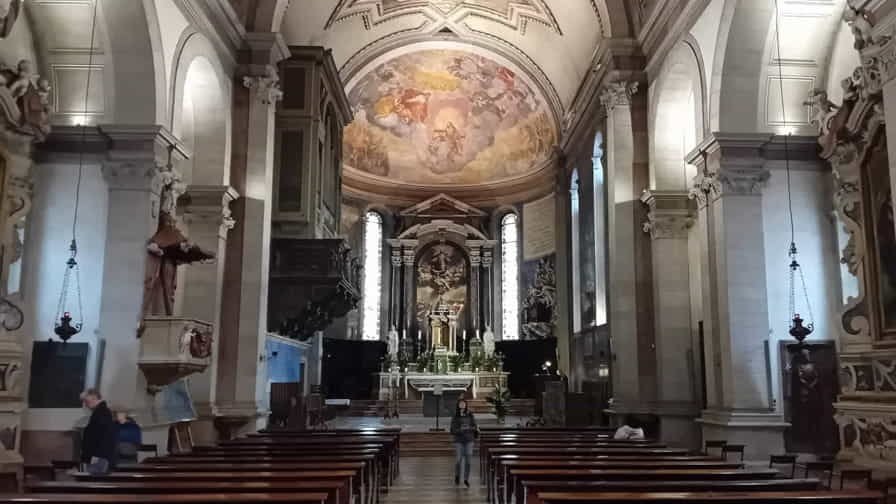
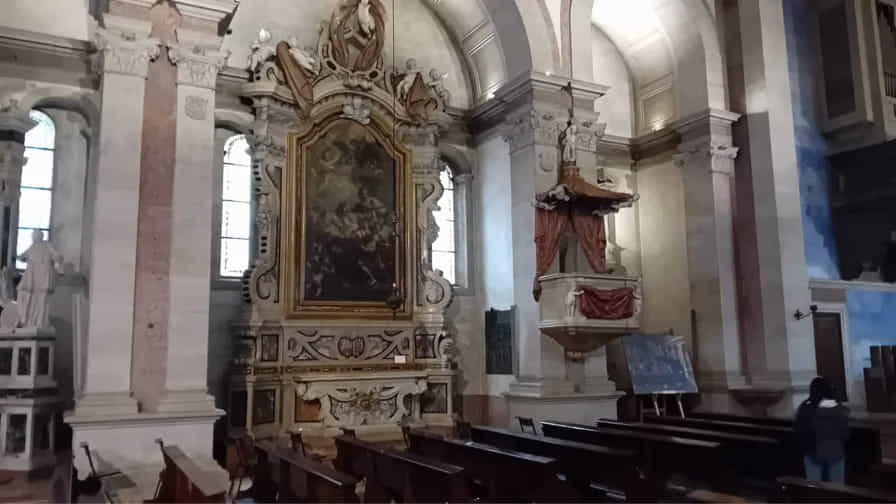
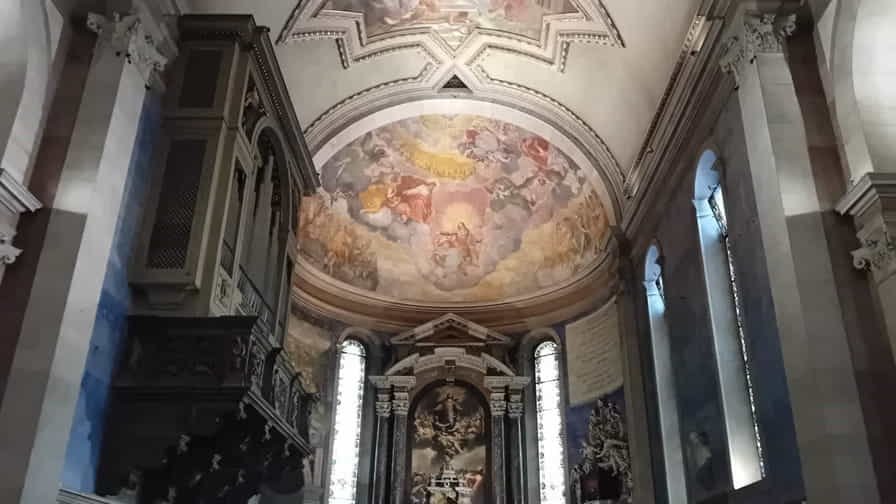
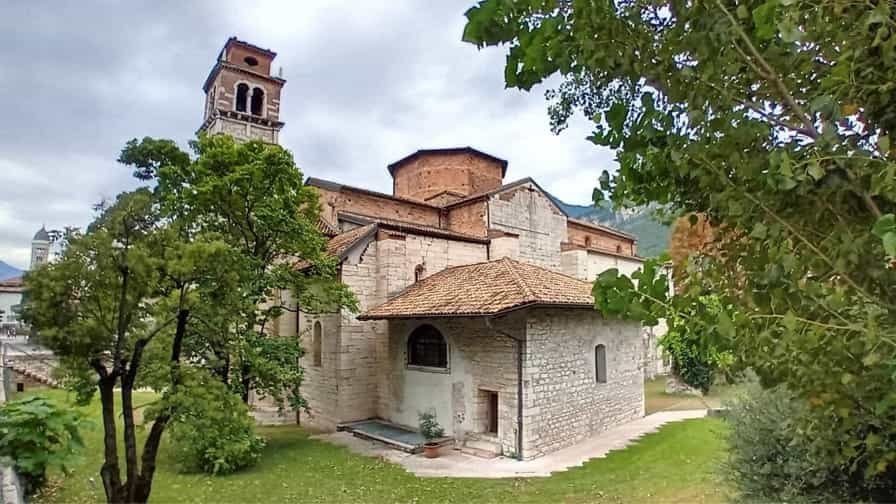
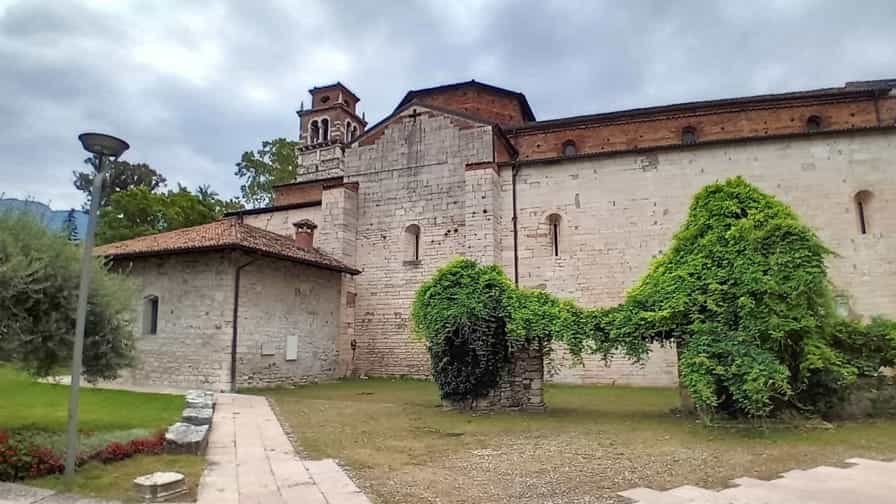
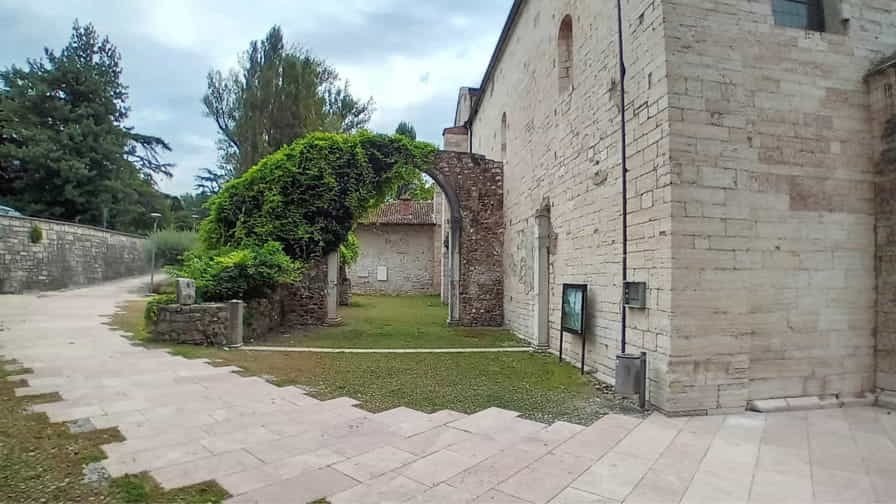
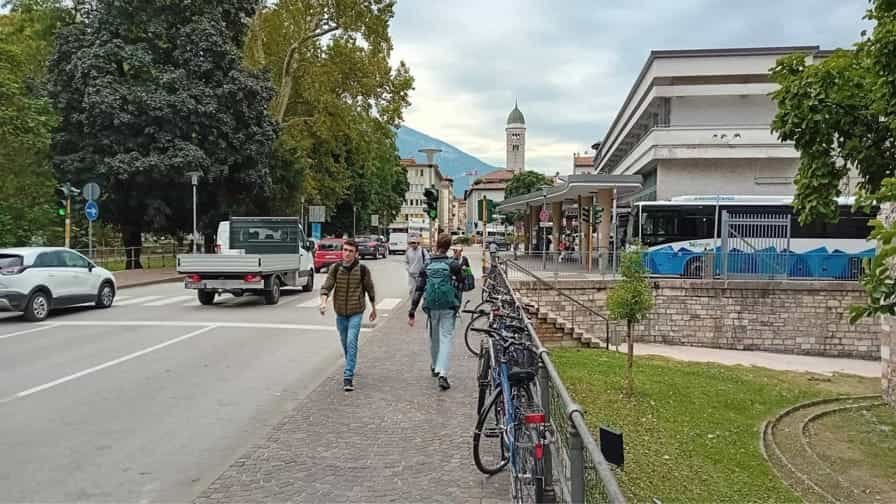
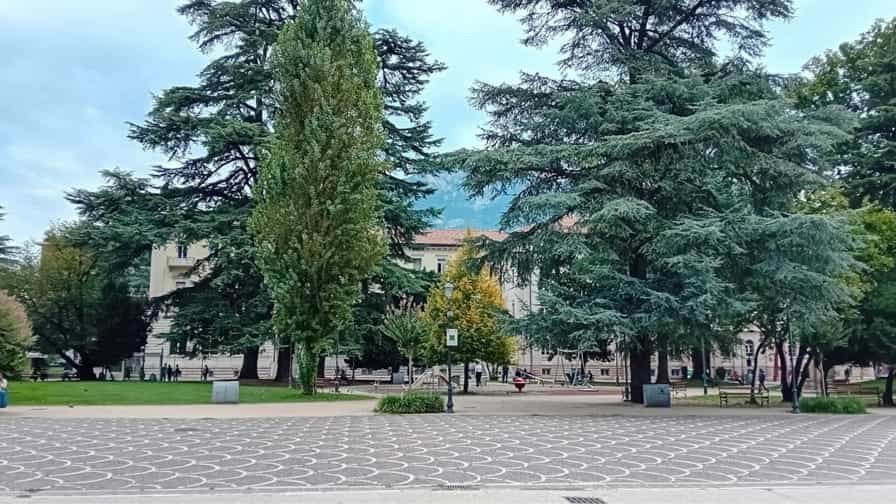
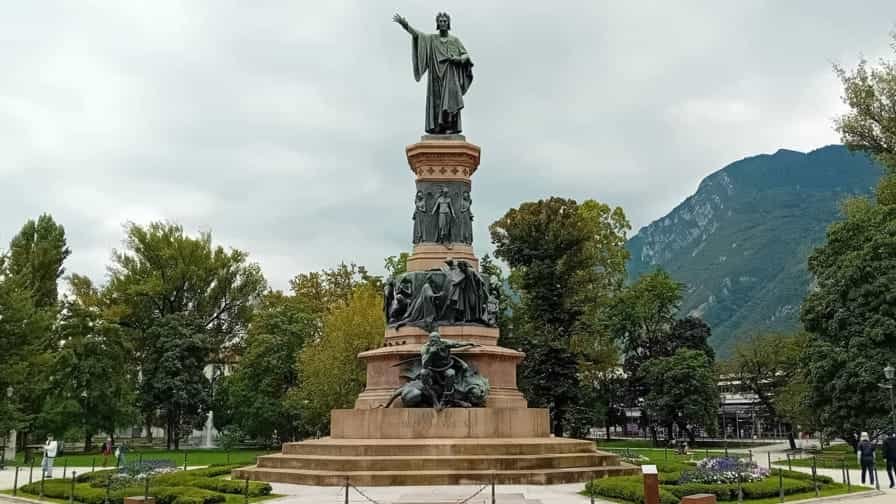
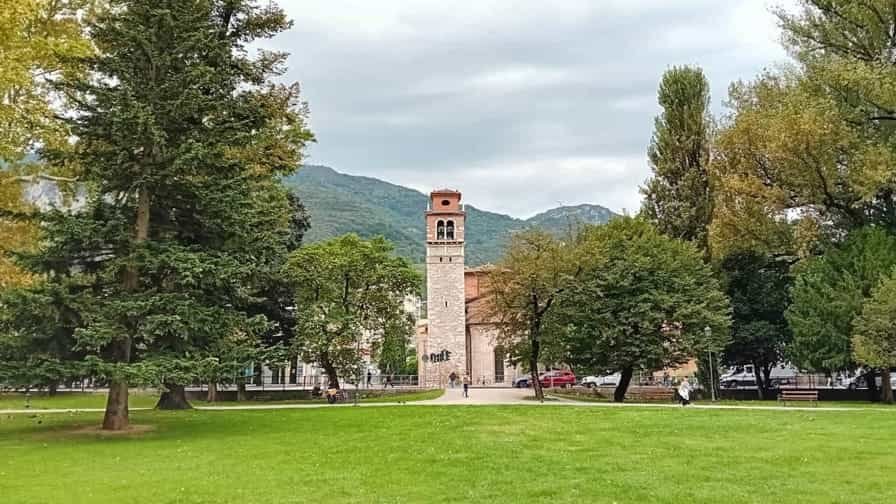
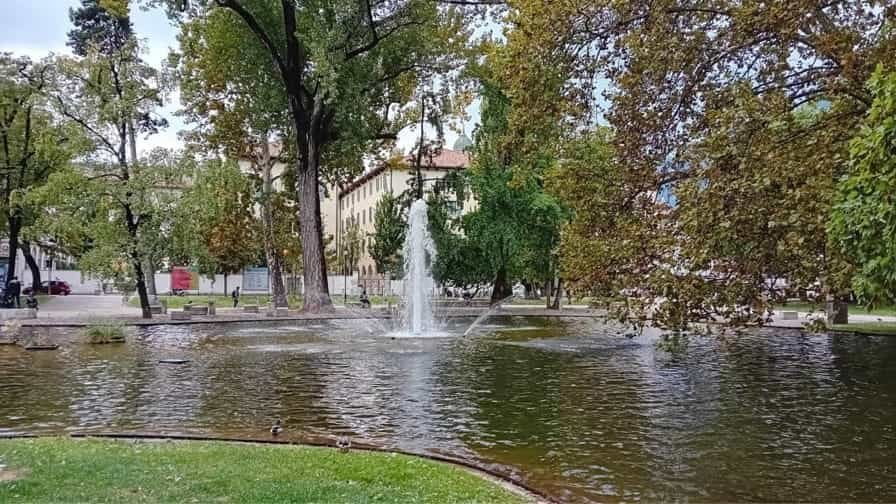
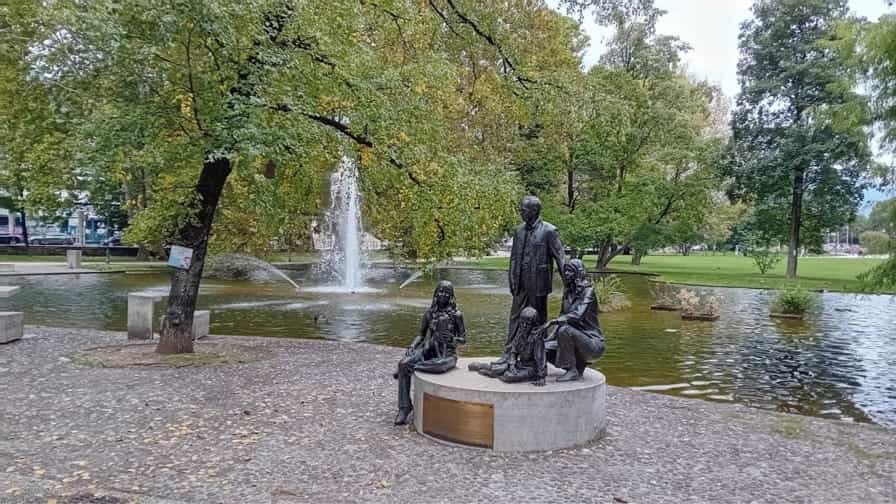
Photo Gallery of Walk 2 – Via Roma to Piazza della Mostra
Approximately 0.00 km – 0.00 miles
The walk starts in Via Roma – Via Gianantonio Manci – Via del Suffragio – Via S. Marco – Giardino pubblico S. Marco – Via S. Marco – Piazza della Mostr
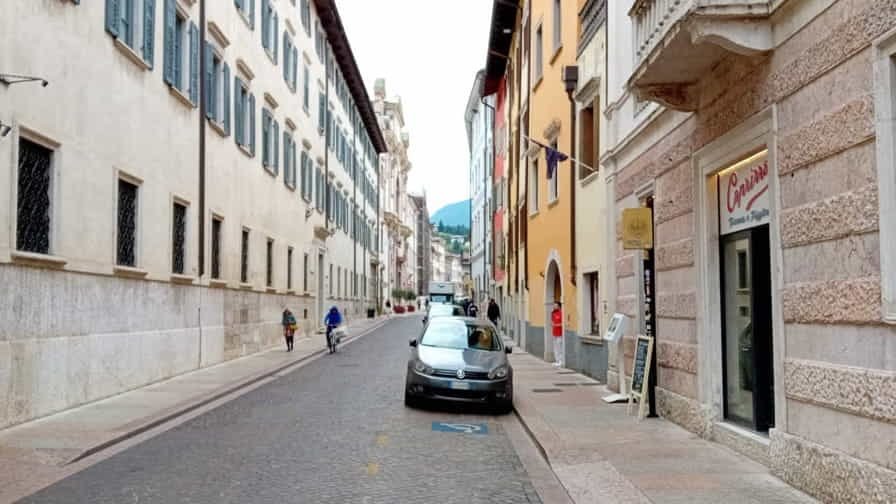
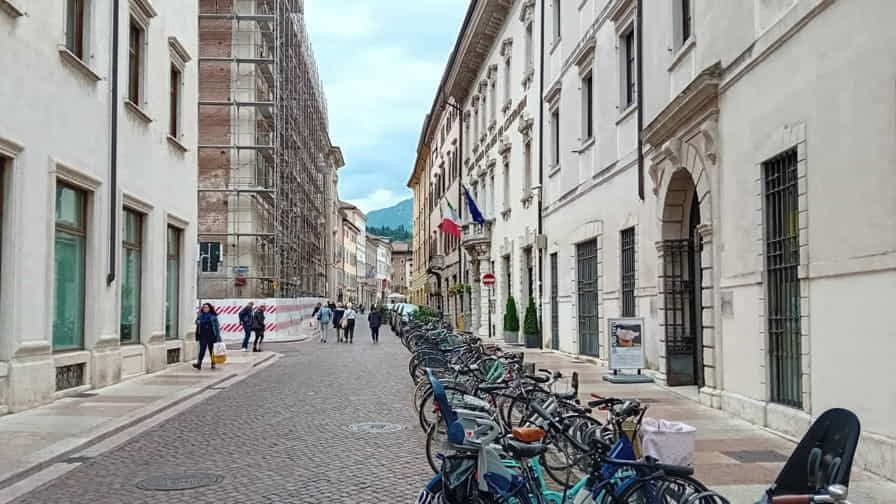
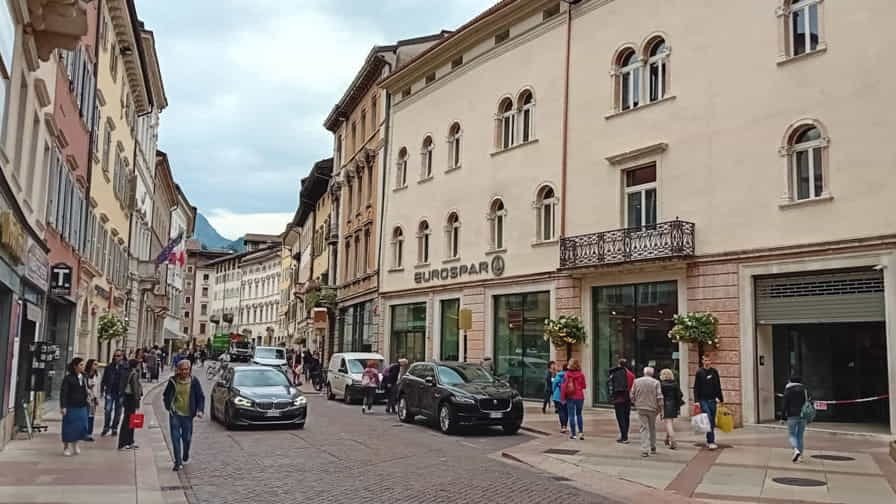
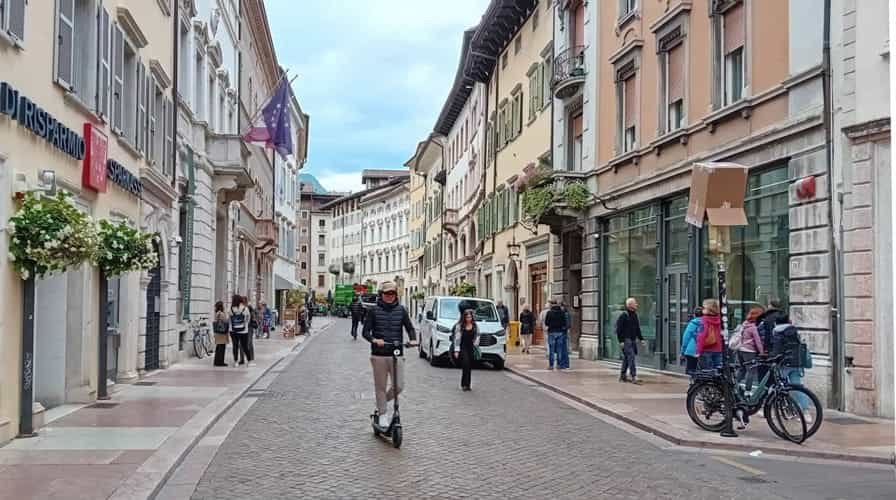
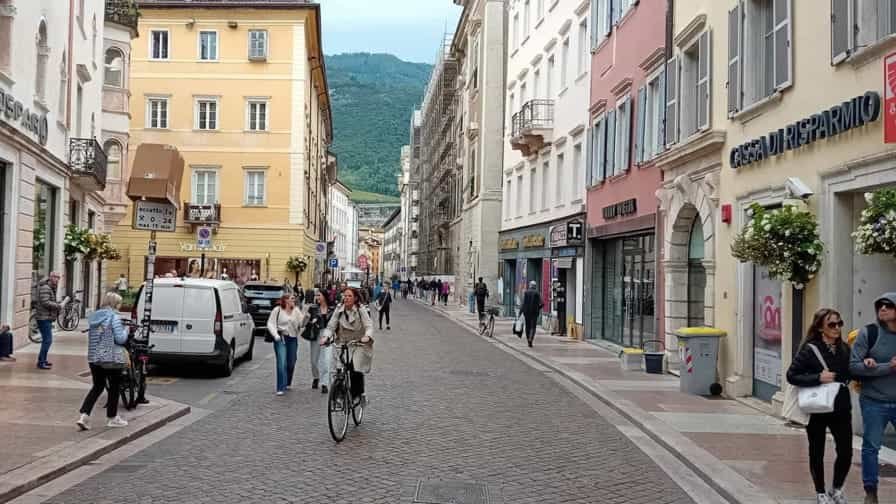
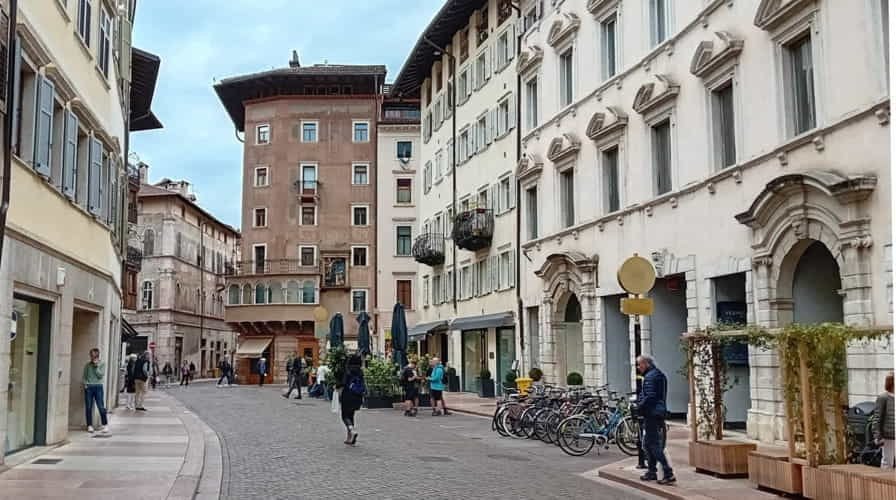
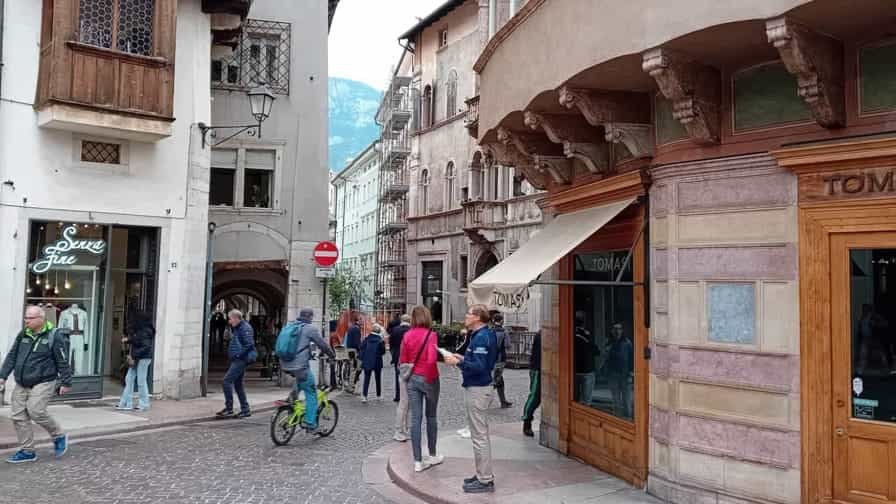
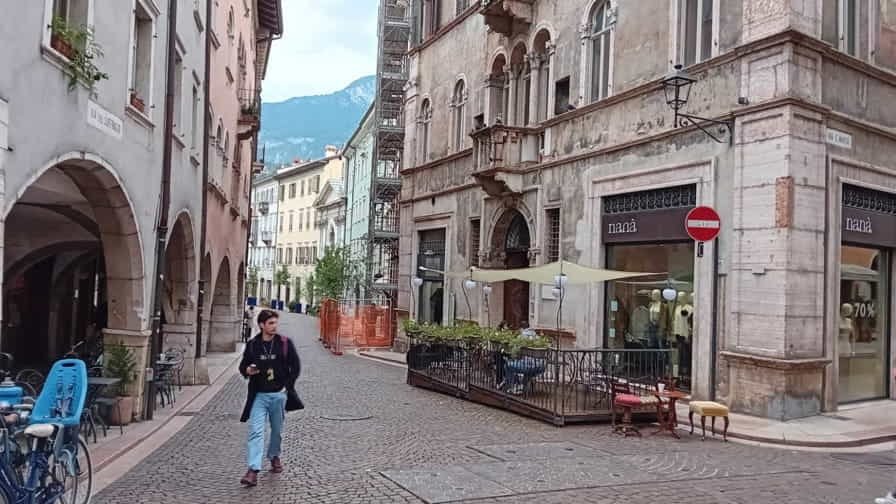
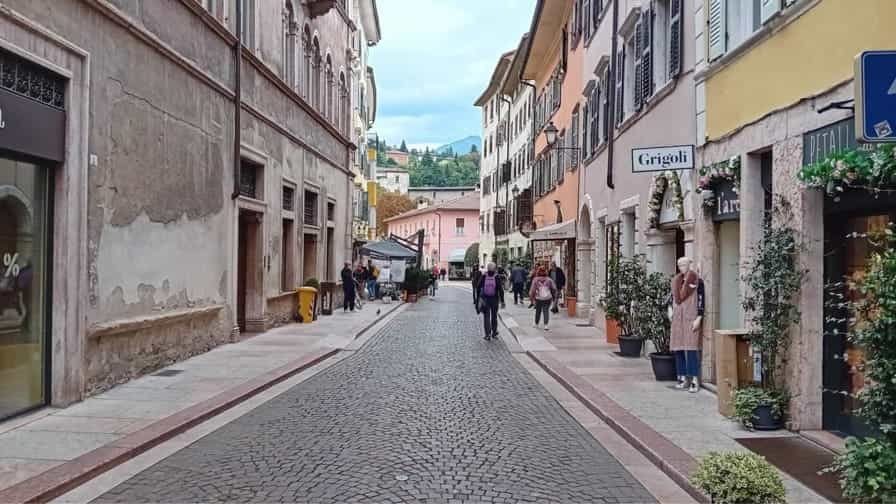
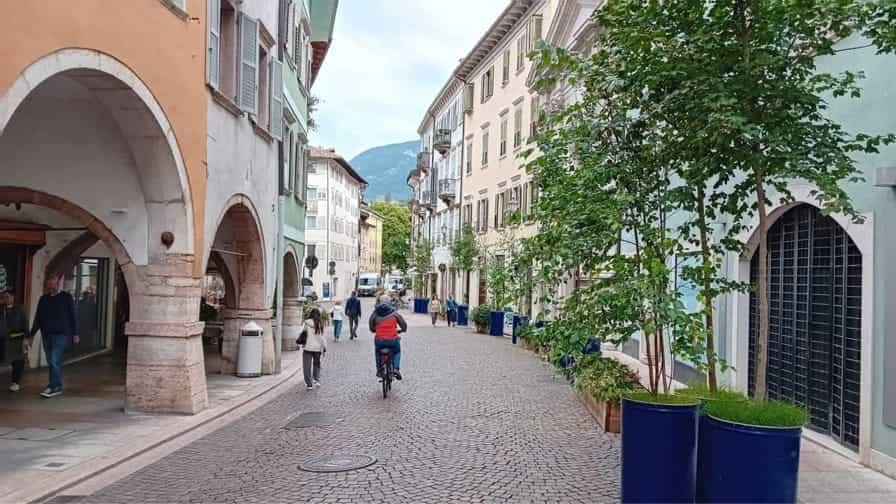
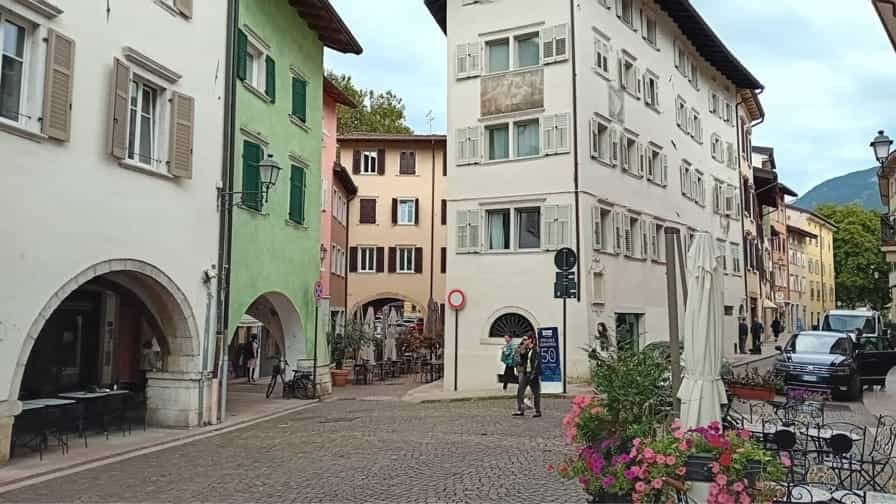
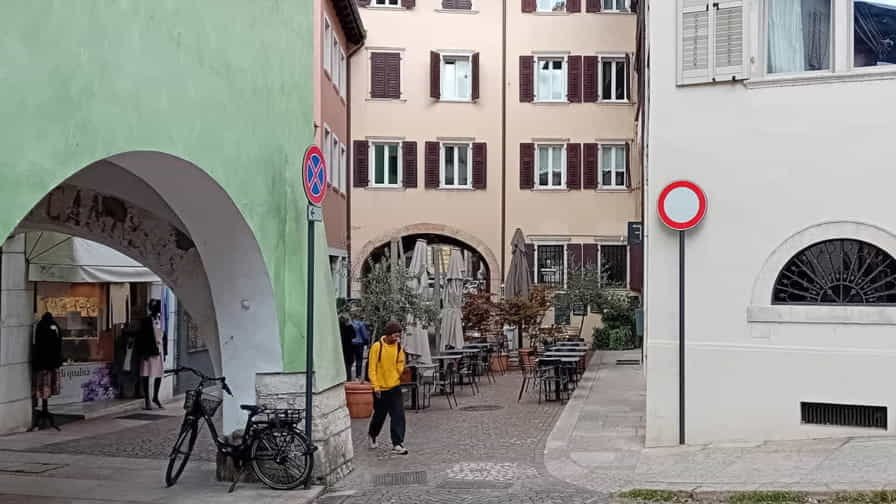
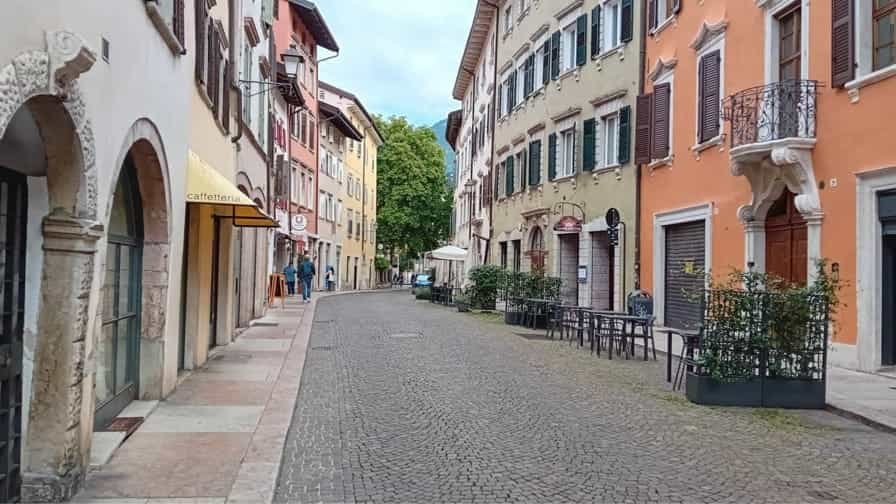
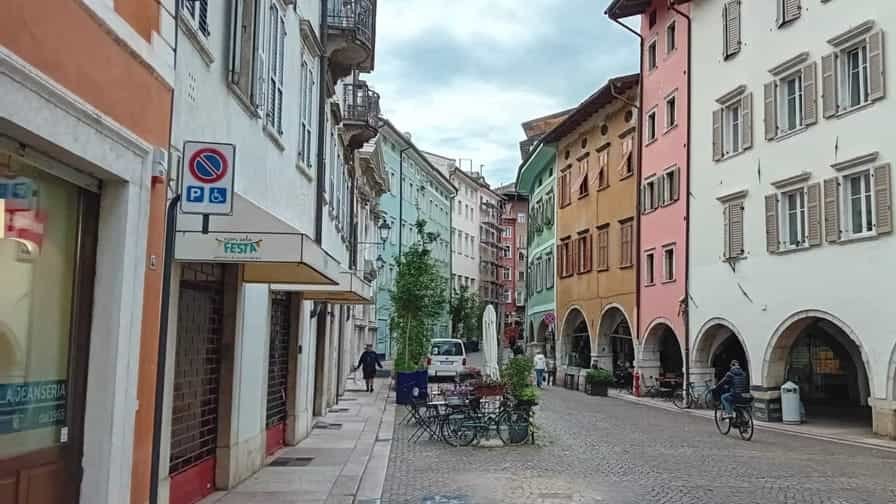
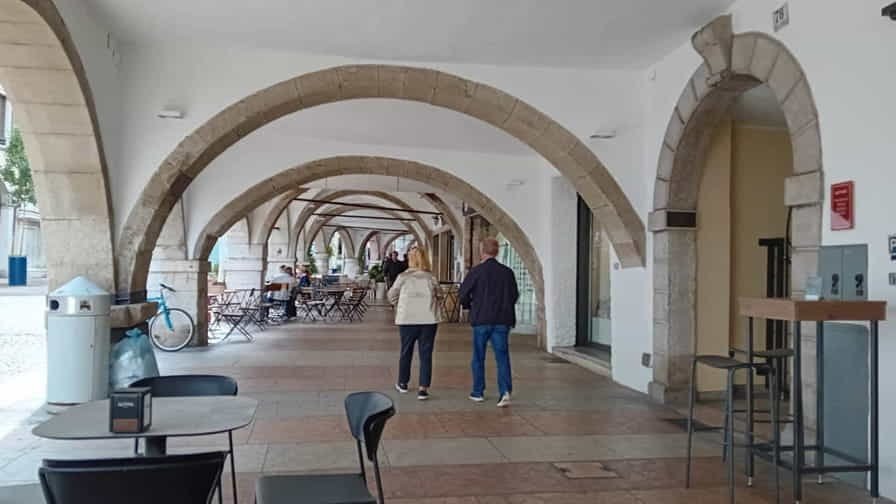
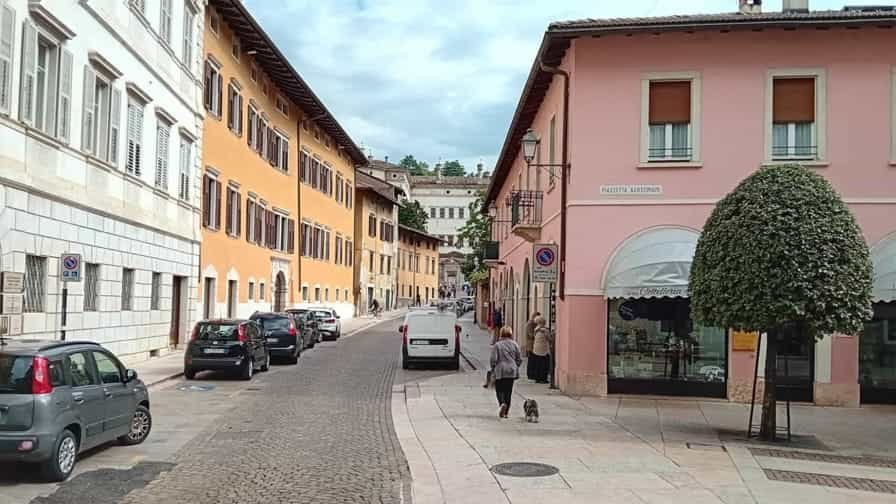
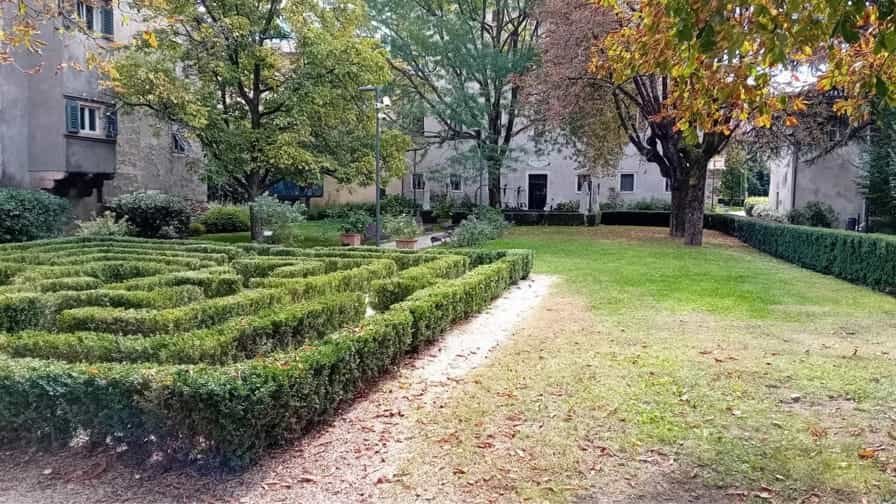
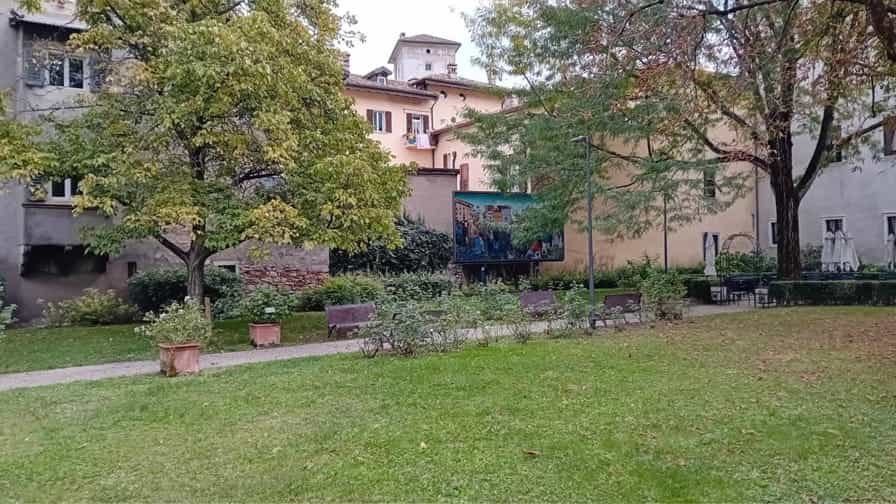
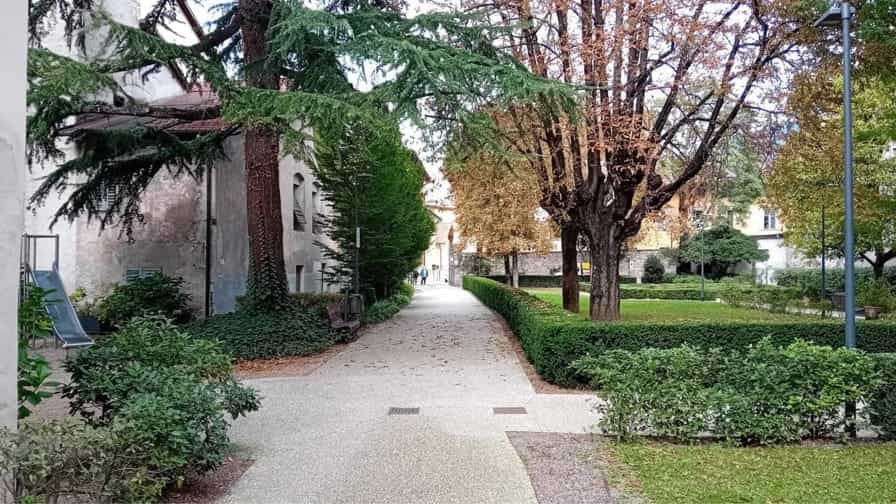
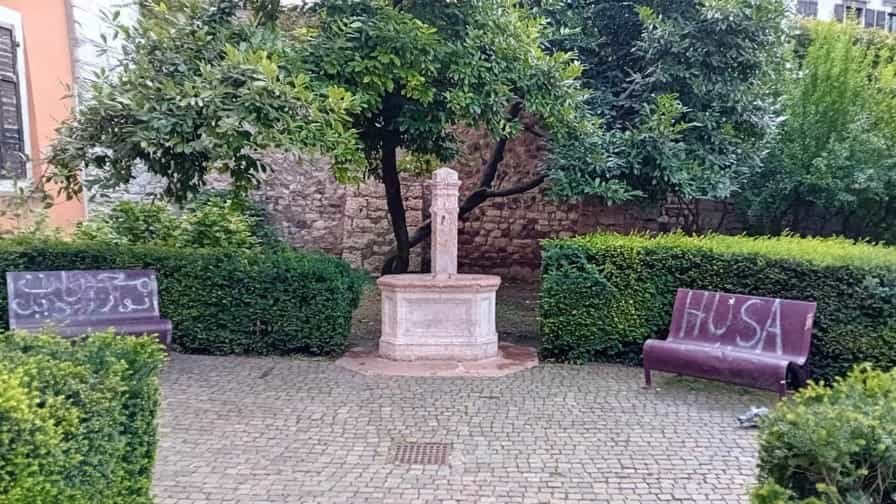
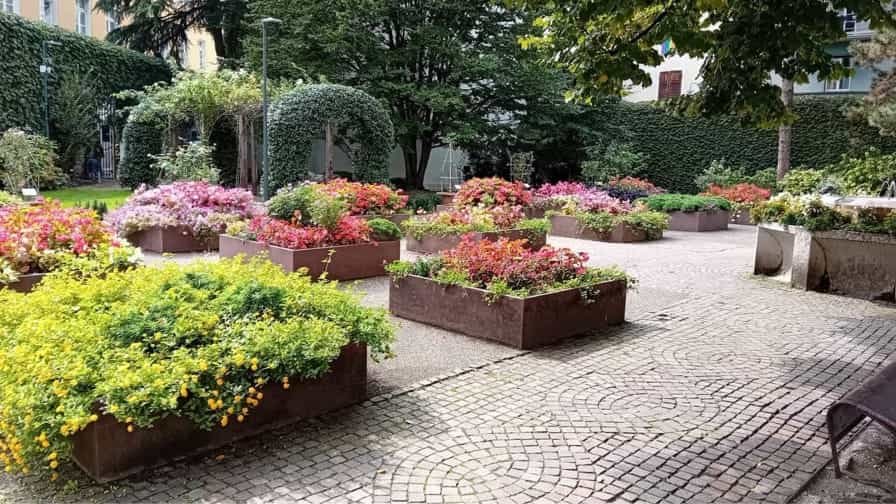
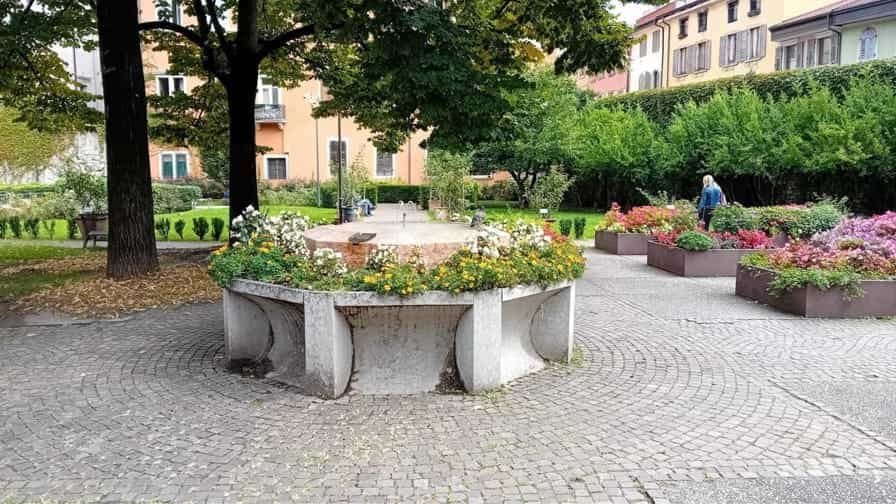
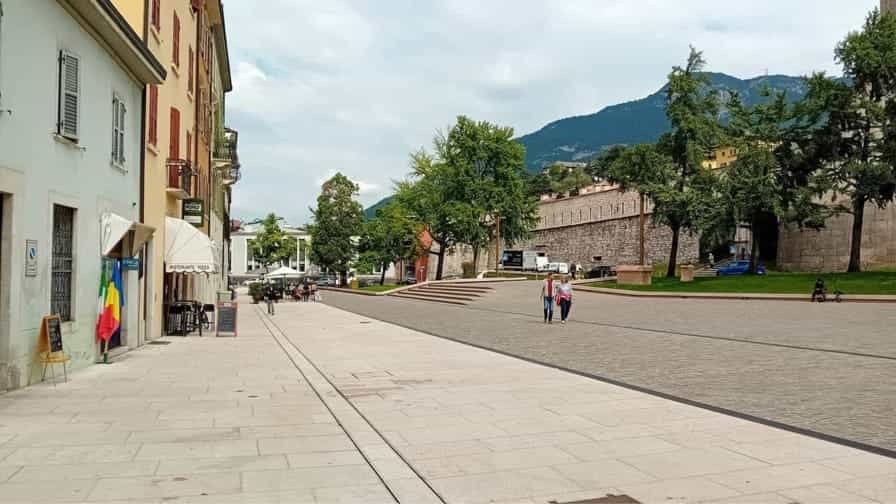
Photo Gallery of Walk 3 – Piazza della Mostra to Piazza del Duomo
Approximately 0.00 km – 0.00 miles
The walk starts in Piazza della Mostra – Museo Castello del Buonconsiglio, Via Bernardo Clesio – Via S. Marco – Via S. Pietro – Chiesa Parrocchiale dei Santi Pietro e Paolo. Piazzetta dell’Anfiteatro – Piazzetta Michael Gaismayr – Via S. Pietro – Via Paolo Oss-Mazzurana – Via Oriola – Piazza Mario Pasi – Via Giuseppe Garibaldi – Piazza Adamo d’Arogno – Duomo di San Vigilio, Piazza del Duomo – Piazza del Duomo
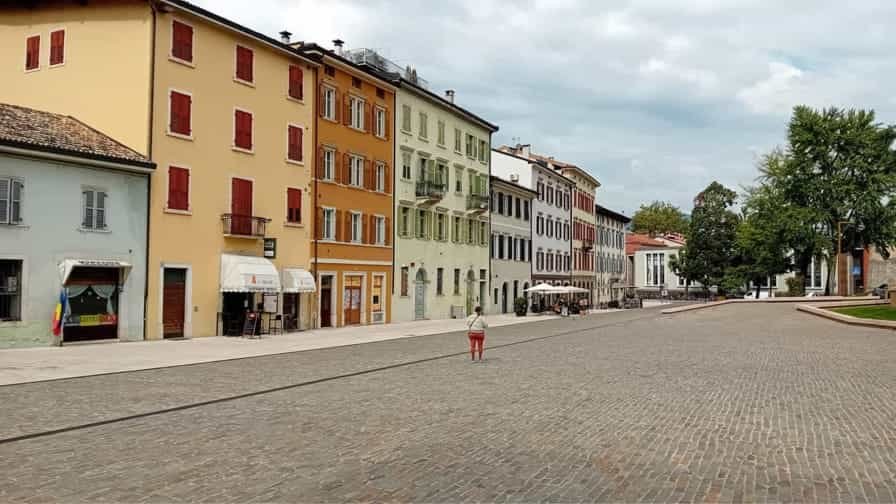
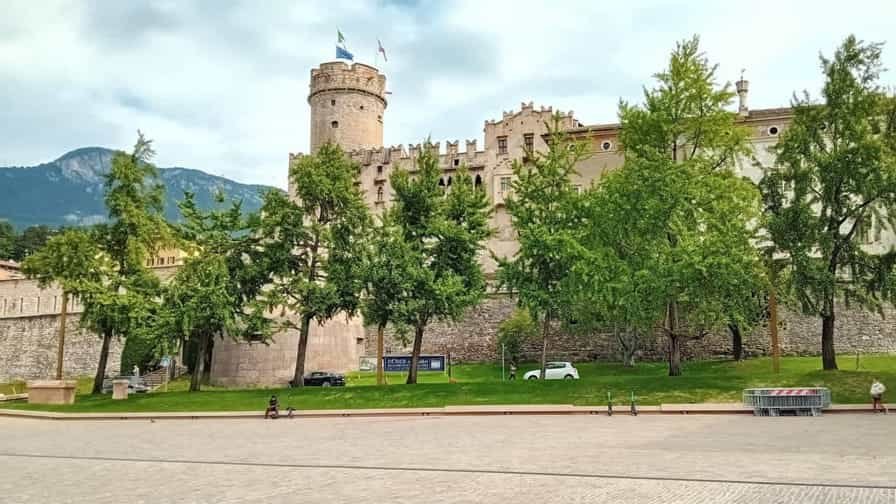
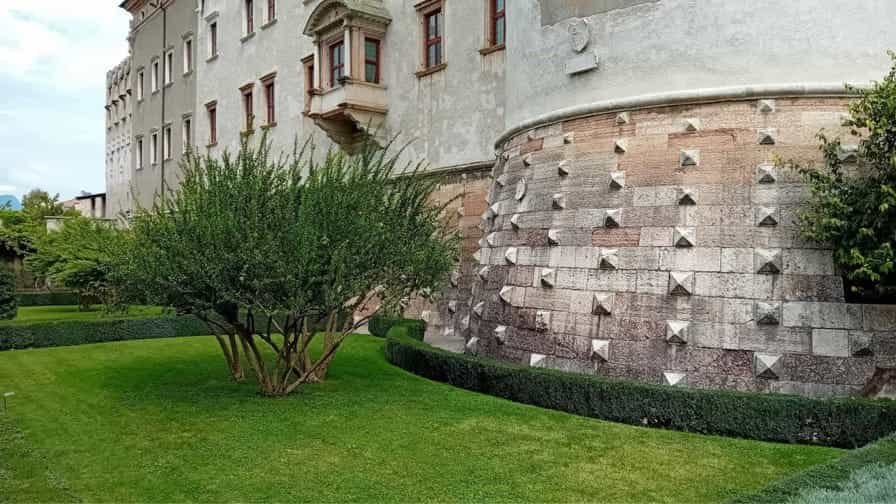
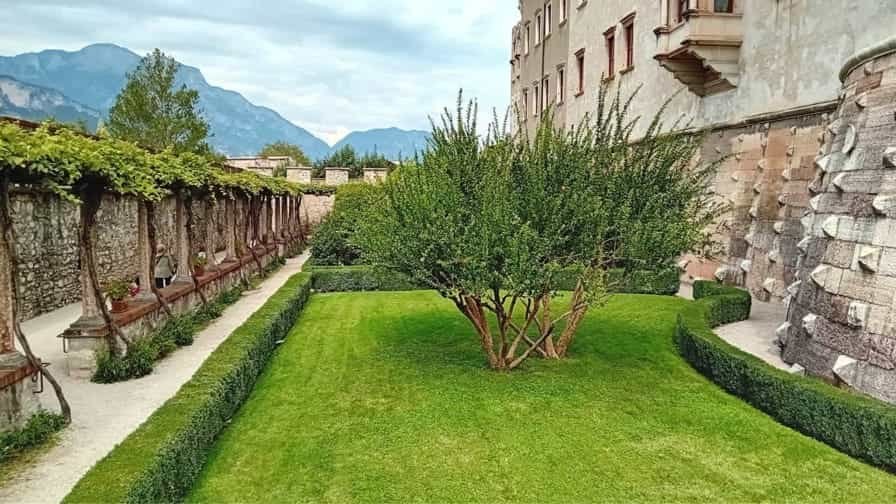
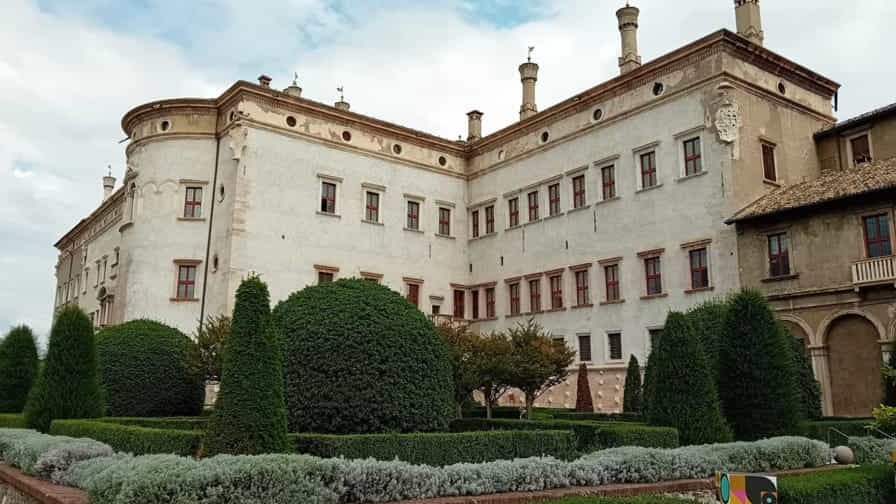
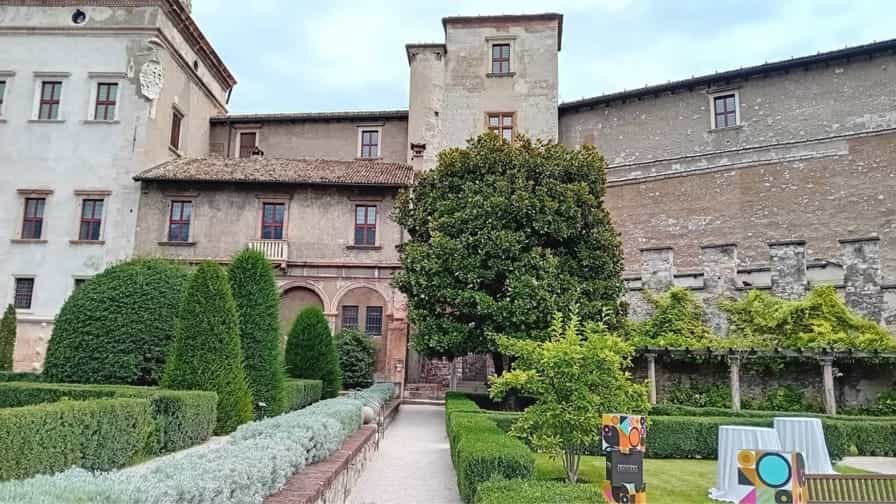
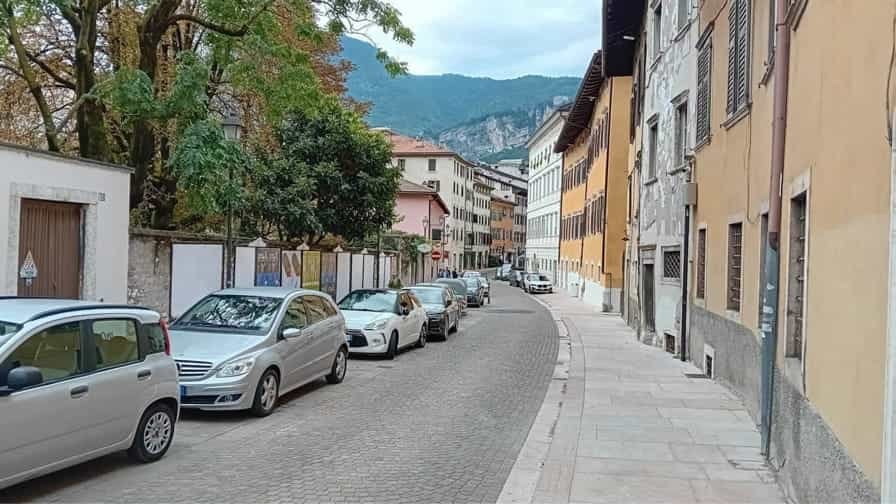
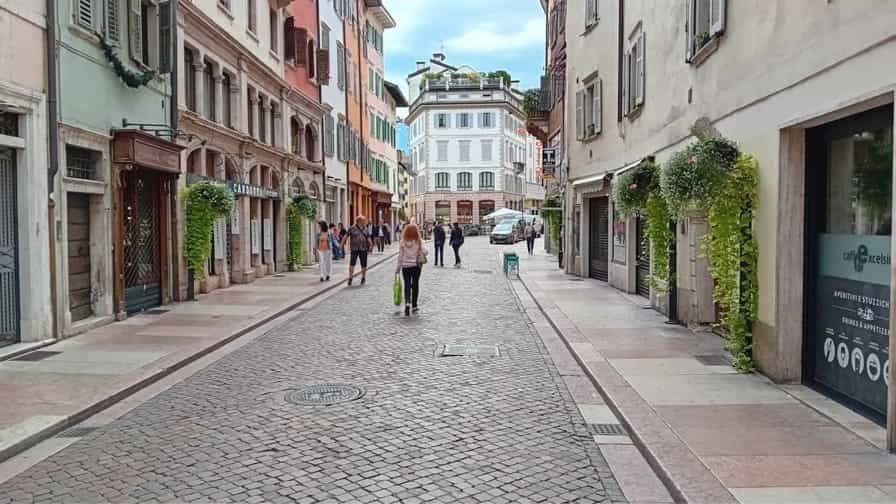
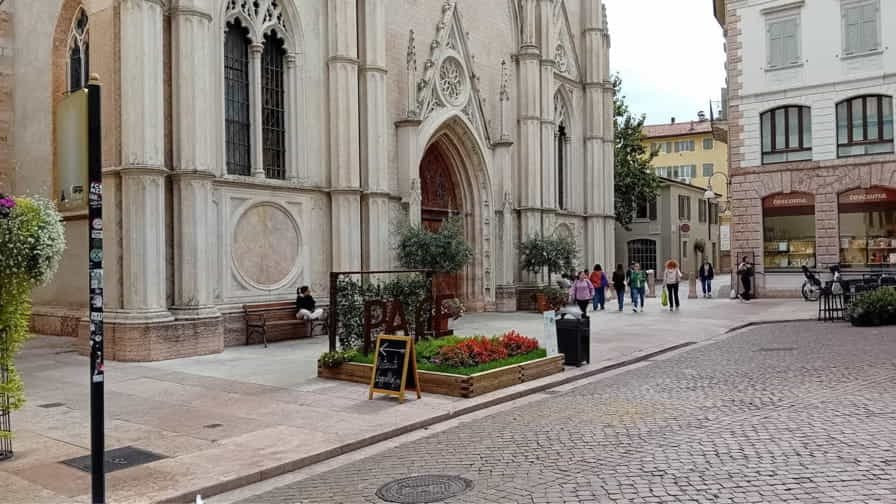
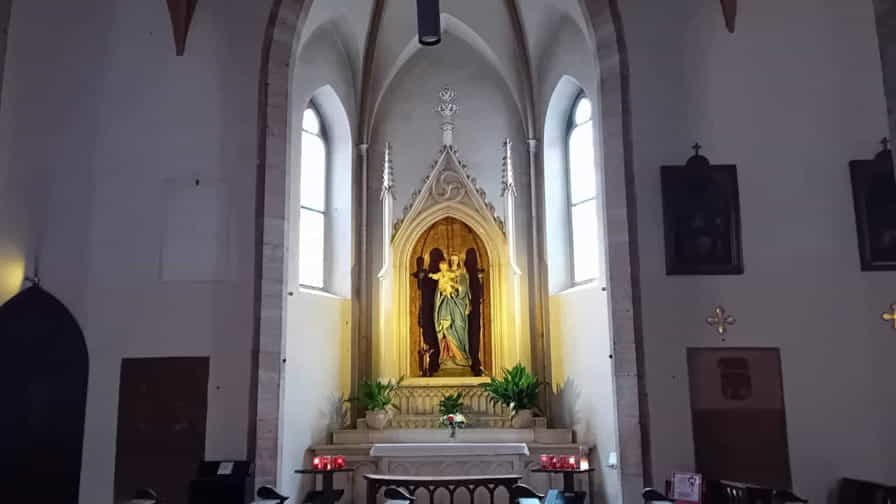
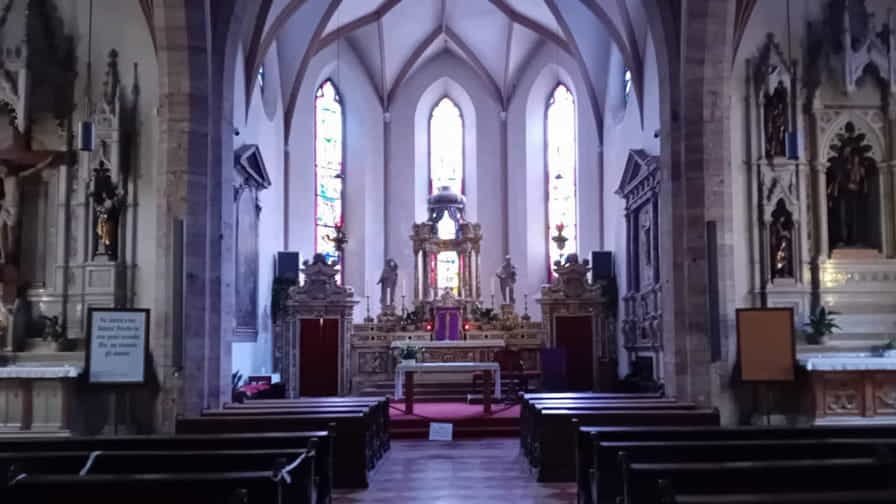
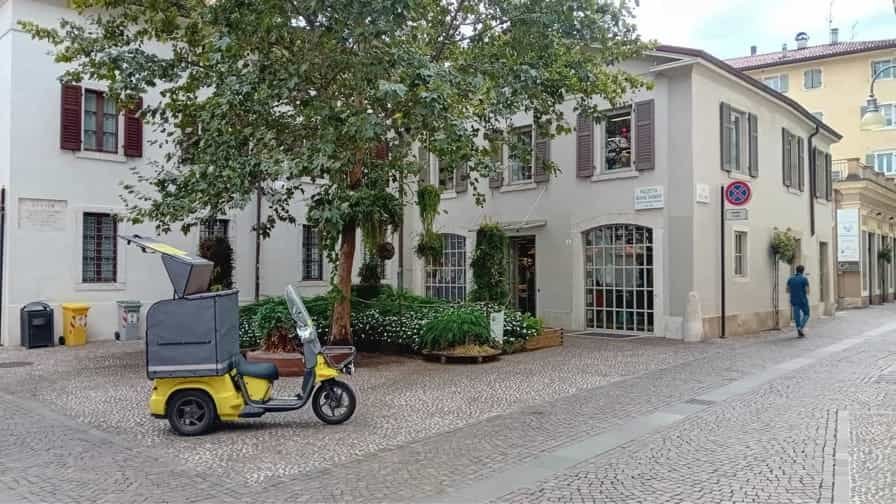
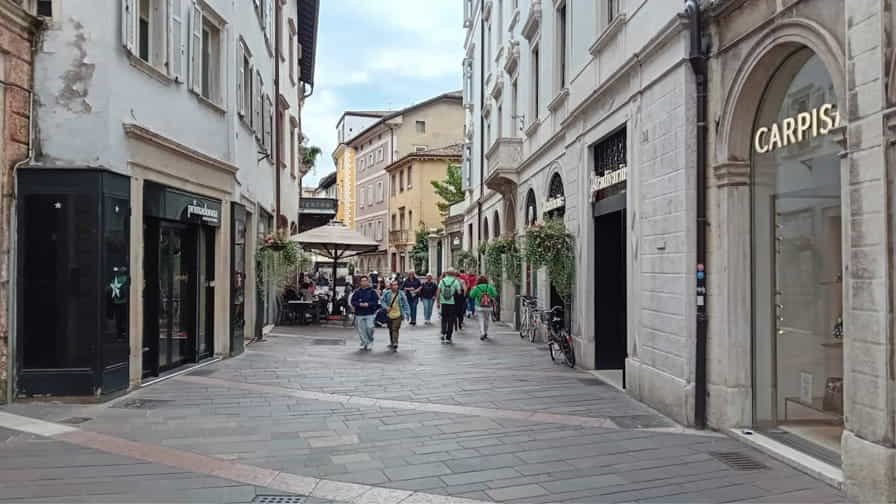
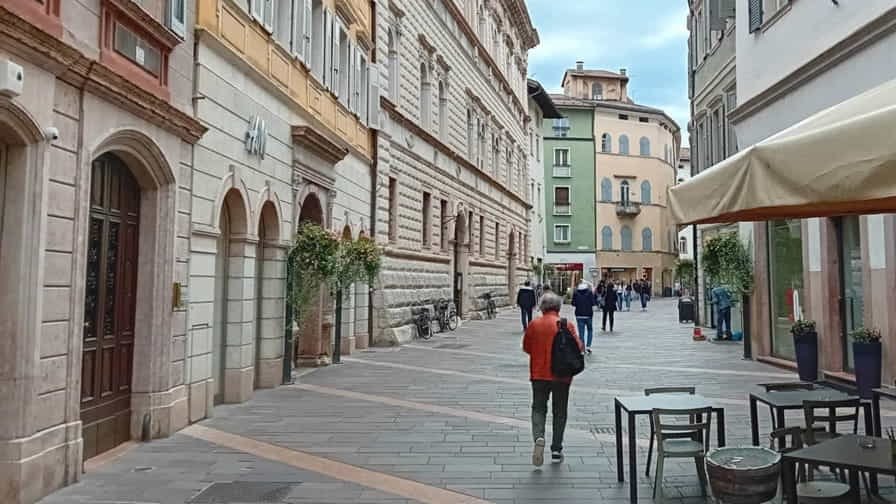
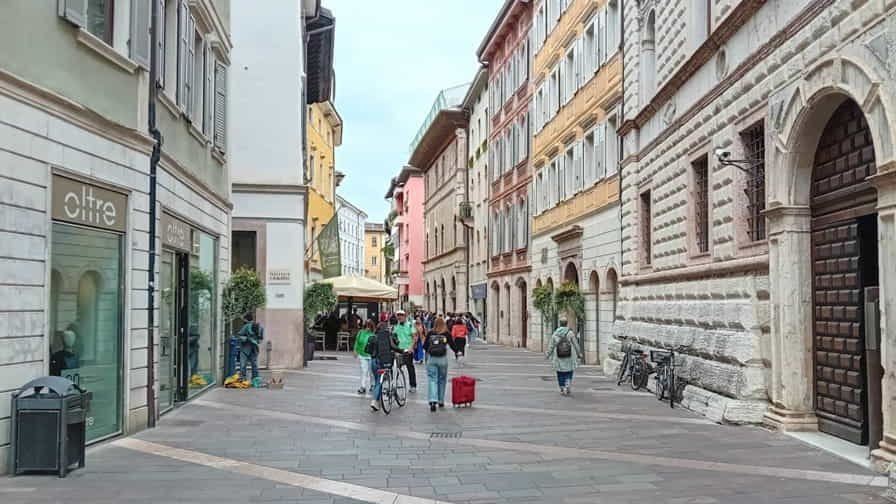
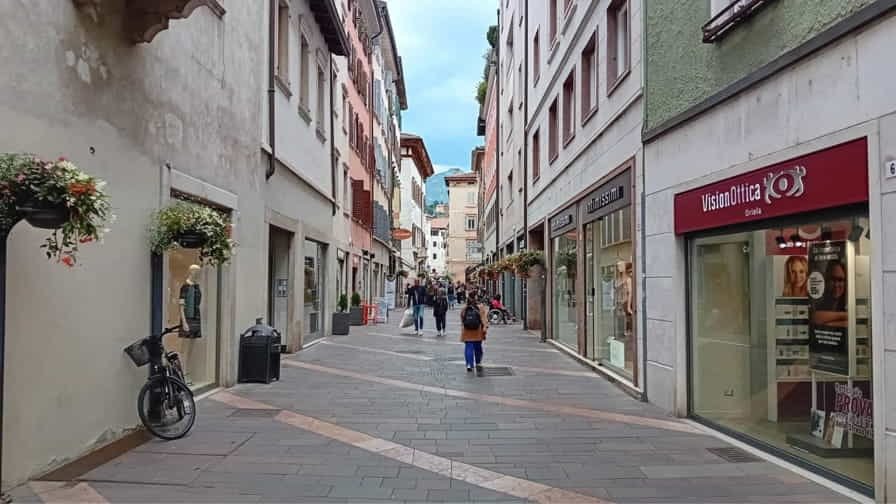
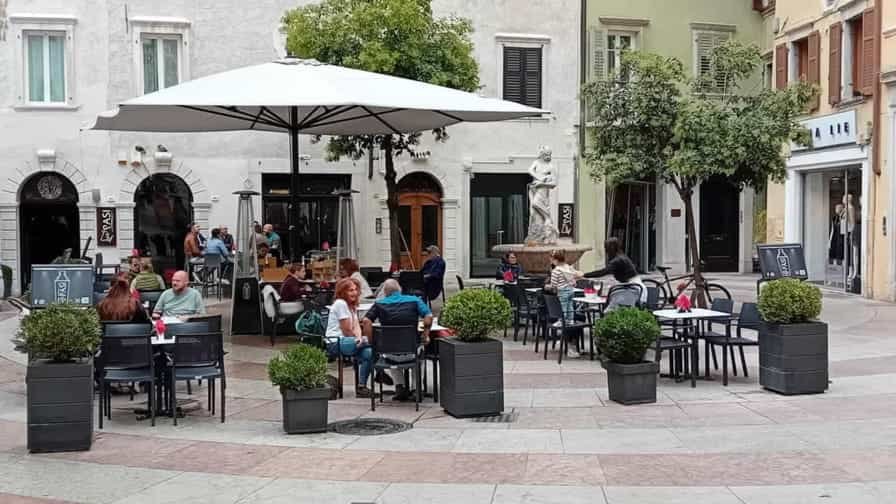
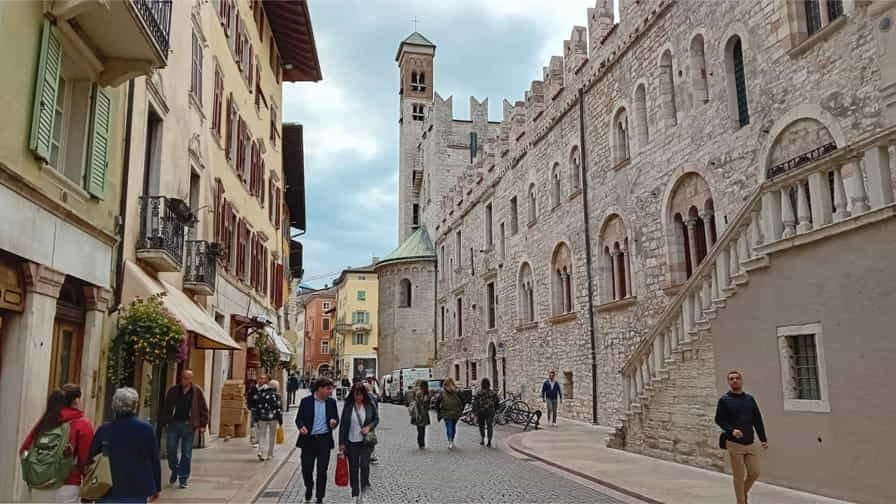
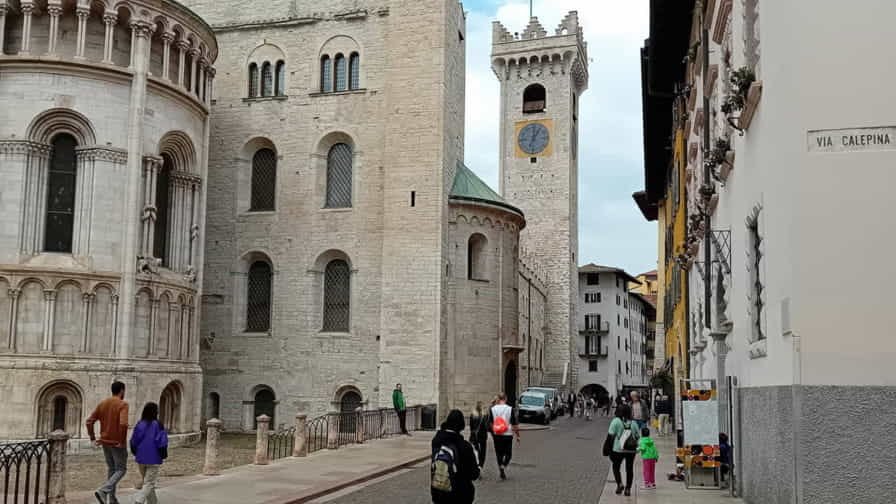
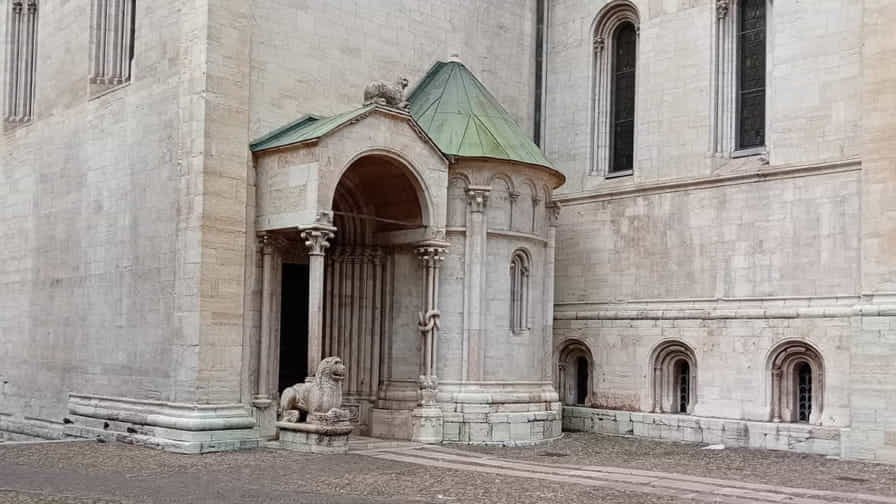
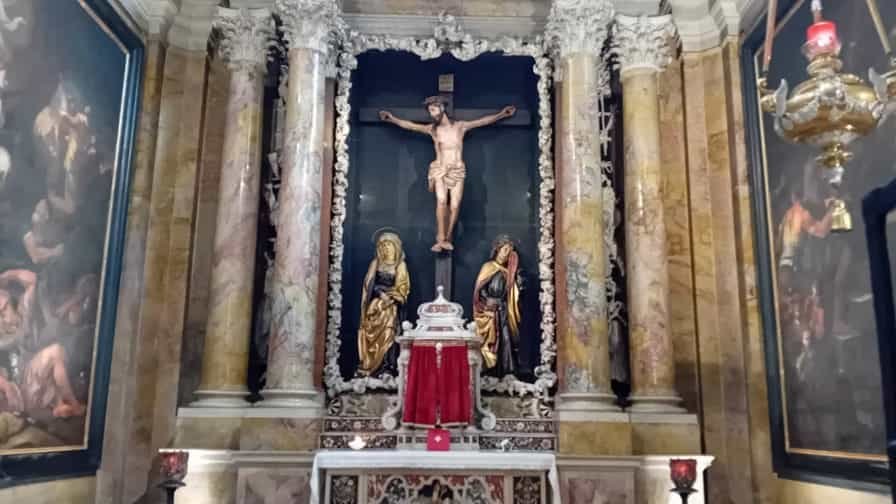
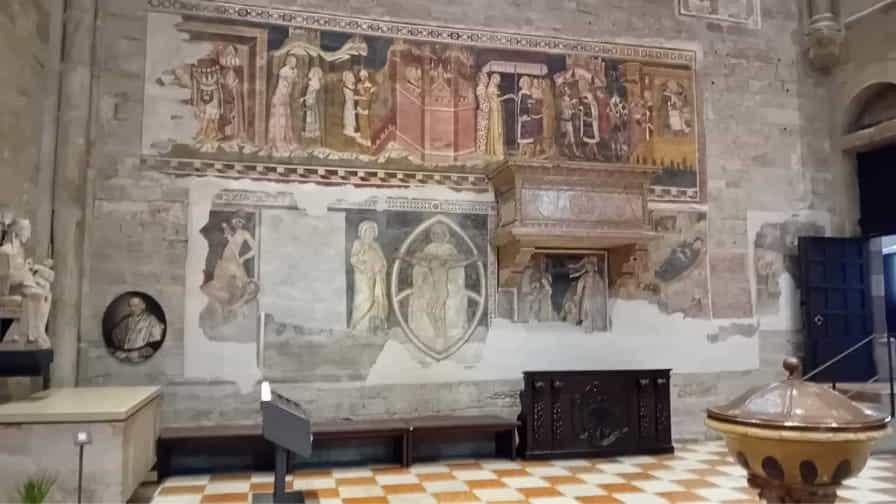
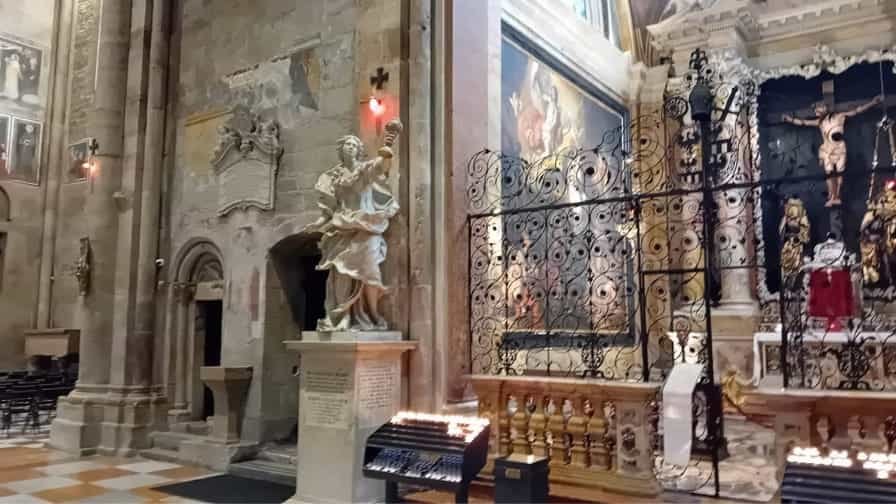
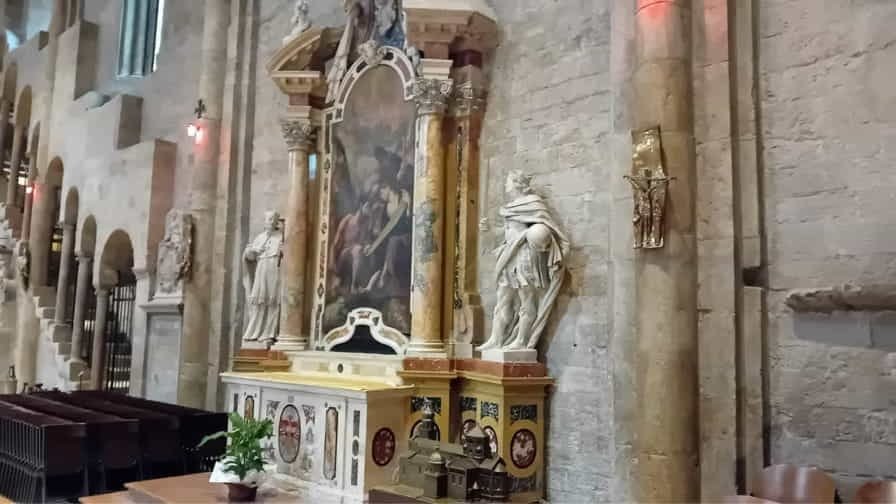
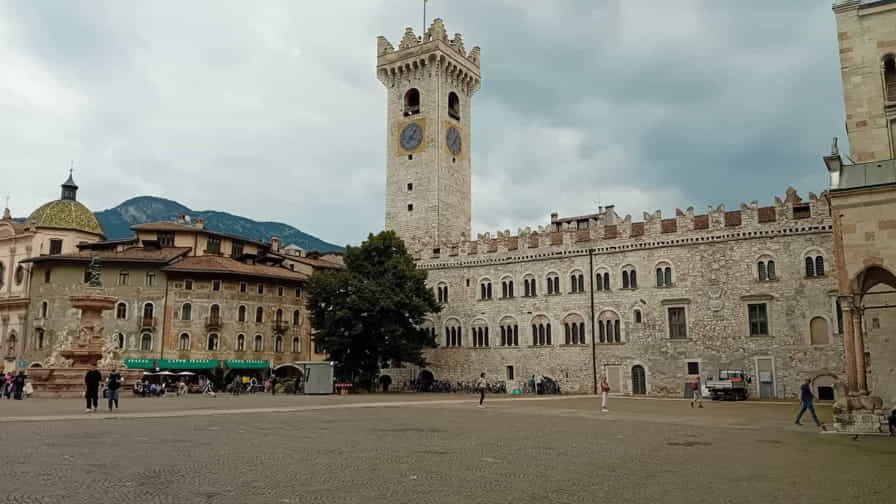
Photo Gallery of Walk 4 – Piazza del Duomo to Via Camillo Cavour
Approximately 0,00 km – 0.00
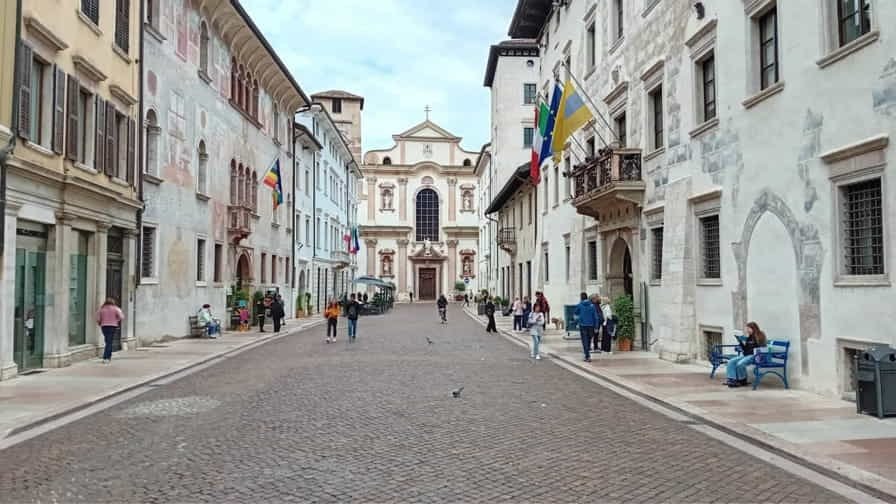
The walk starts in Piazza del Duomo – Via Rodolfo Belenzani – Walk back along Via Rodolfo Belenzani to Piazza del Duomo – Via Camillo Cavour
COPYRIGHT © 2018-2026 ITALY IN PHOTOS – ALL RIGHTS RESERVED