
HOME
REGIONS OF ITALY
PLACES IN ITALY
TRAVEL GUIDES
Italy in Photos
Villa Comunale di Taormina, 98039 Taormina ME, Italy (April 2023)
Sicily
Sicily, the largest island in the Mediterranean Sea, occupies a unique position at the crossroads of Europe, Africa, and the Middle East. Its strategic location has made it a hub of cultural exchange and conquest throughout history, leaving a rich tapestry of traditions, languages, and architecture. The island is separated from mainland Italy by the narrow Strait of Messina, yet its culture and identity remain distinctly Sicilian, shaped by centuries of foreign influence alongside strong indigenous traditions.
Geographically, Sicily is a land of striking contrasts. It features rolling hills, fertile plains, dramatic coastlines, and imposing mountains. The interior is dominated by the Madonie and Nebrodi mountain ranges, while the south boasts the flat expanse of the Val di Noto, famous for its agricultural productivity. Perhaps the most iconic natural feature of Sicily is Mount Etna, Europe’s highest and most active volcano. Etna’s eruptions have both threatened and nourished the island, with volcanic soil contributing to some of the region’s most fertile farmland. Sicily’s diverse landscapes provide habitats for unique flora and fauna and offer stunning scenery that ranges from golden beaches to lush forests.
Sicily’s climate is typically Mediterranean, with hot, dry summers and mild, wet winters. This climate, combined with fertile soil, has allowed Sicily to become a major agricultural centre. Olive trees, vineyards, citrus groves, and almond orchards cover the island, producing some of Italy’s finest wines, oils, and fruits. Fishing also plays a significant role in local life, with a rich variety of seafood available along the island’s extensive coastline. The traditional Sicilian diet reflects this abundance, blending grains, vegetables, fresh seafood, and citrus flavours, contributing to a culinary culture that is both diverse and celebrated worldwide.
The island’s history is long and complex. Sicily has been inhabited since prehistoric times, and over millennia, it has attracted a succession of civilizations including the Phoenicians, Greeks, Romans, Byzantines, Arabs, Normans, and Spaniards. Each of these cultures has left its mark, resulting in a unique and layered cultural heritage. The ancient Greek temples of Agrigento, the Roman mosaics of Piazza Armerina, and the Norman palaces of Palermo all testify to the island’s rich past. This diversity is also evident in local customs, festivals, and the Sicilian language, which incorporates elements from many of the peoples who once ruled the island.
Sicily’s cities and towns offer a vibrant blend of historical and modern life. Palermo, the regional capital, is renowned for its bustling markets, baroque churches, and Norman architecture. Catania, at the foot of Mount Etna, combines volcanic landscapes with lively urban culture. Smaller towns like Taormina and Syracuse charm visitors with ancient ruins, scenic views, and a sense of timelessness. Throughout Sicily, festivals and religious celebrations punctuate the year, reflecting a deep connection to tradition, community, and faith.
Beyond its history and natural beauty, Sicily has had a profound influence on art, literature, and music. The island has inspired poets, writers, and filmmakers, and its folklore, operatic traditions, and folk music remain integral to Sicilian identity. Handicrafts, ceramics, and embroidery continue to thrive, preserving artisanal techniques passed down through generations.
In summary, Sicily is an island of contrasts and convergence. Its landscape combines mountains, plains, and coastline, while its culture reflects layers of historical influence and indigenous traditions. The region’s natural wealth, vibrant cities, and rich heritage make it a distinctive and captivating destination. Sicily embodies a unique blend of beauty, history, and vitality, offering both residents and visitors a deep connection to the past while remaining a lively, evolving society. Its enduring allure lies in its ability to harmonize diversity, blending natural splendour, historical depth, and cultural richness into a singular Mediterranean experience.
The Provinces of Sicily
The photos shown for each province were taken during my visits to those locations. For more information, click on the name to be taken to the main page for that place.
The Province of Palermo
Palermo
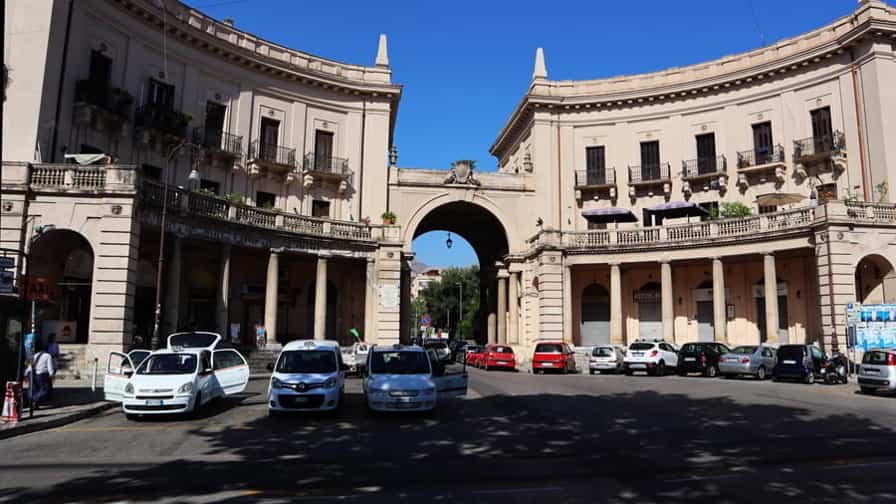
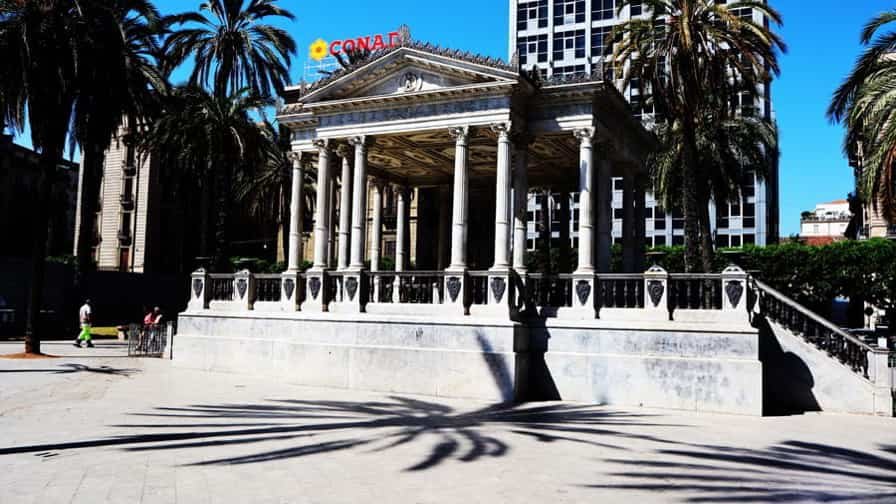
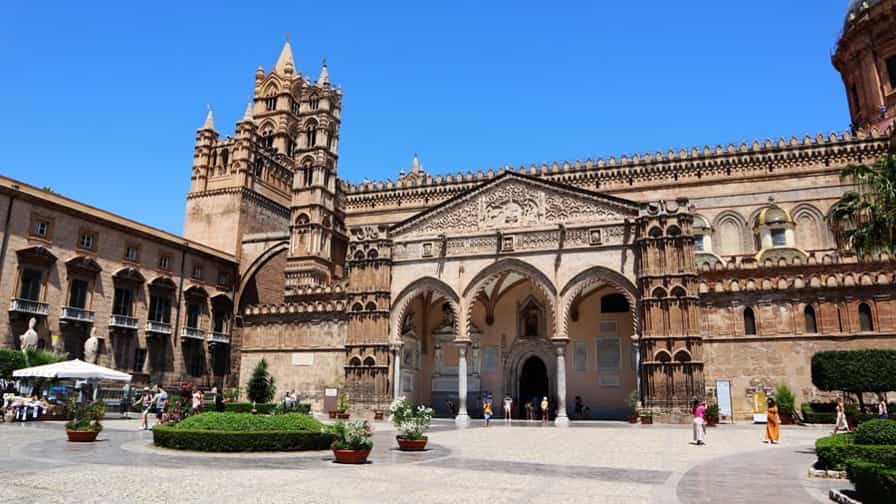
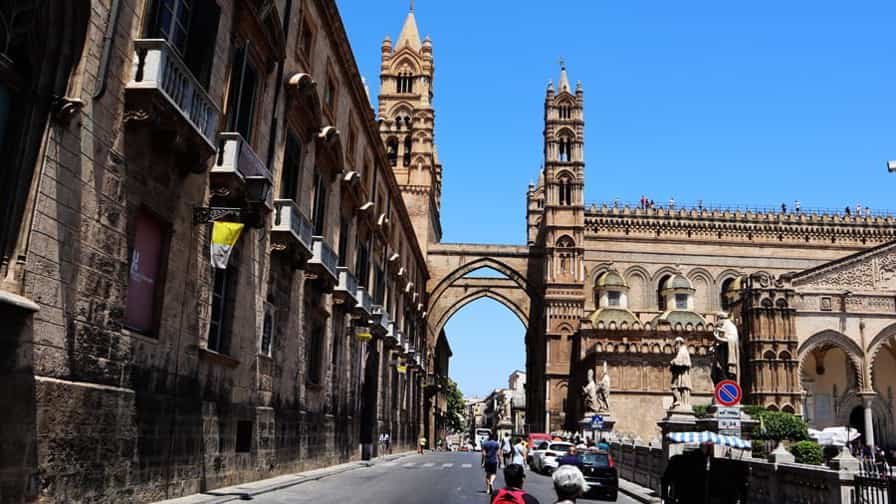
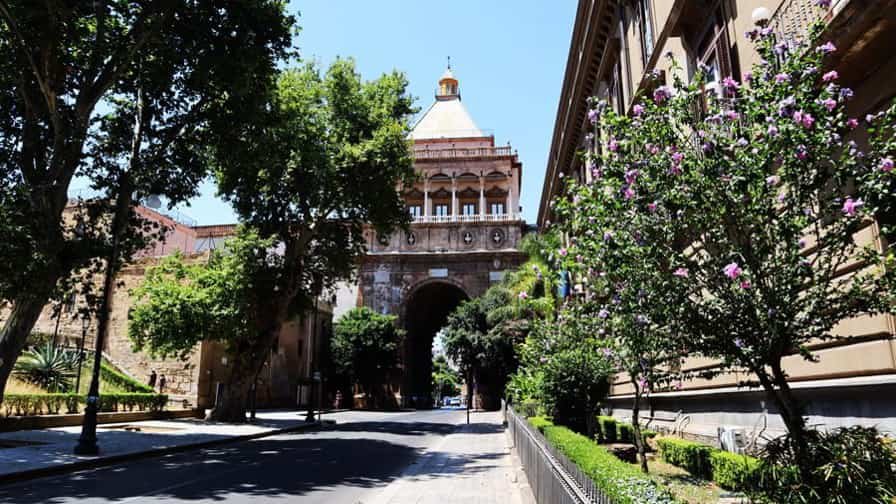

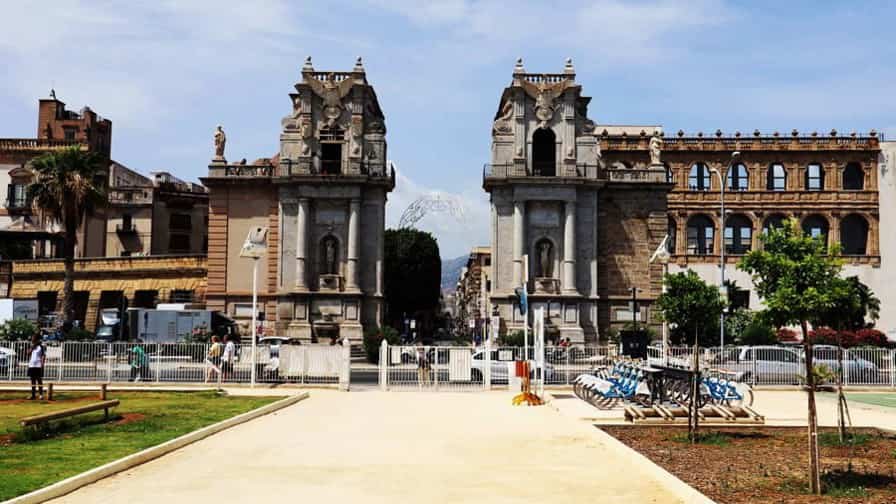
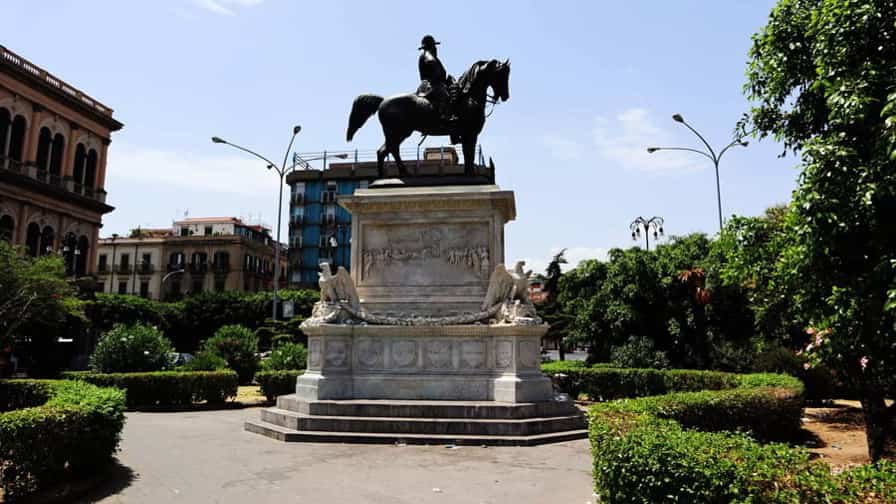
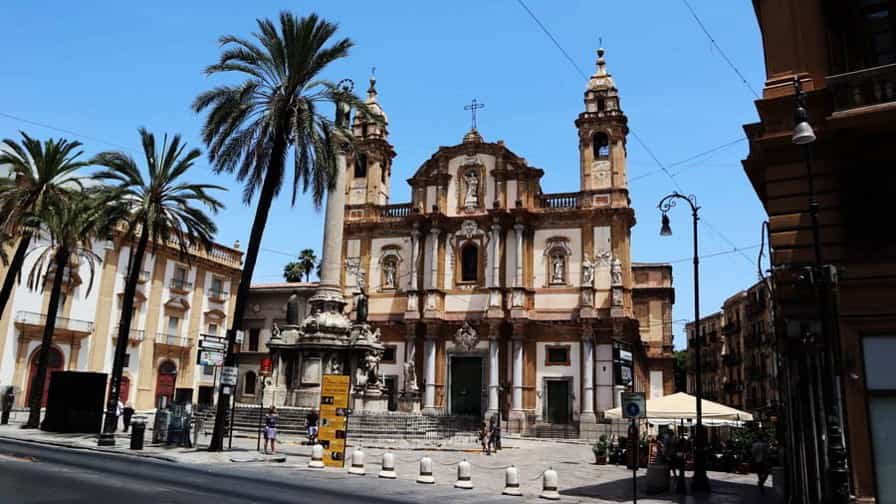
The Province of Palermo, located on the northern coast of Sicily, is one of the most historically and culturally significant areas of the region. Centred around the city of Palermo, the provincial capital and regional seat of government, this area has long served as a political, economic, and cultural crossroads in the Mediterranean. Its position along important maritime routes contributed to centuries of exchange, trade, and influence from diverse civilizations.
Geographically, the Province of Palermo is marked by remarkable variety. It stretches from the Tyrrhenian coastline, characterized by sandy beaches and rocky coves, to mountainous inland areas such as the Madonie range, one of Sicily’s most important natural parks. Fertile valleys support agriculture, including olive groves, citrus orchards, and vineyards, while fishing remains vital to coastal communities. This diverse landscape offers both natural beauty and valuable resources that have shaped local livelihoods.
The province reflects Sicily’s layered history through its architecture and traditions. Arab-Norman monuments, Baroque churches, medieval villages, and ancient ruins coexist, telling the story of successive cultures that ruled the area. Today, the Province of Palermo blends historic heritage with modern life, maintaining strong traditions while continuing to evolve as a dynamic and influential part of Sicily.
The Province of Catania
The Province of Catania, located on the eastern coast of Sicily, is a region defined by dramatic landscapes, historical depth, and vibrant urban life. At its heart lies the city of Catania, one of Sicily’s largest and most dynamic urban centres, which has played a crucial role in the island’s economic and cultural development. Its coastal position along the Ionian Sea has historically supported trade, commerce, and cultural exchange with other Mediterranean civilizations.
The geography of the Province of Catania is strongly shaped by Mount Etna, Europe’s highest and most active volcano. Etna dominates the landscape and has profoundly influenced settlement patterns, agriculture, and local identity. Volcanic soil has created some of the most fertile land in Sicily, supporting extensive citrus groves, vineyards, and orchards. Inland areas transition into rolling hills and rural communities, while the coastline features beaches, lava cliffs, and bustling ports.
Historically, the province reflects layers of Greek, Roman, Norman, and Baroque influence, visible in its architecture and archaeological sites. Rebuilt after devastating earthquakes and eruptions, Catania embodies resilience and renewal. Today, the Province of Catania combines natural power, cultural richness, and economic vitality, making it a central and distinctive part of the Sicilian region.
The Province of Messina
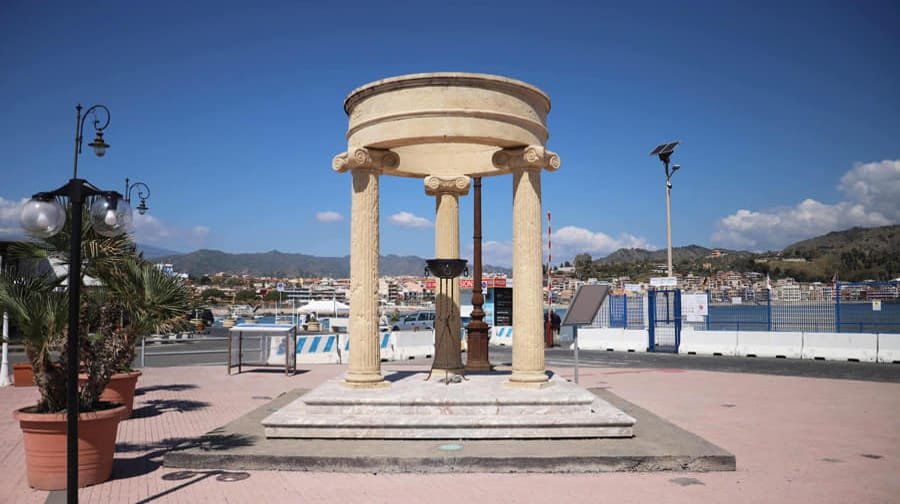
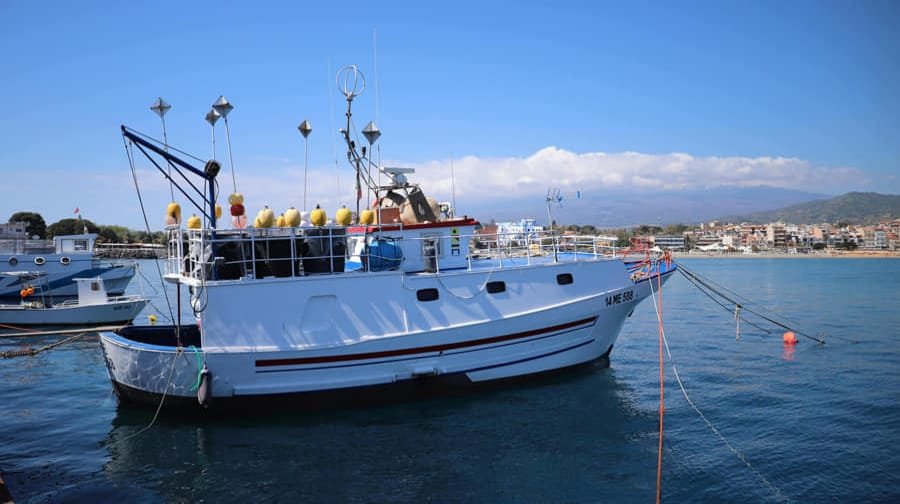
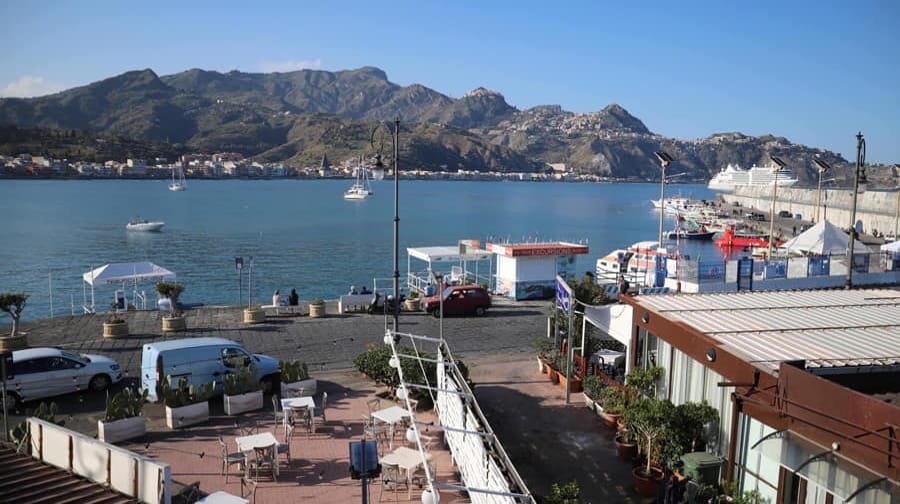
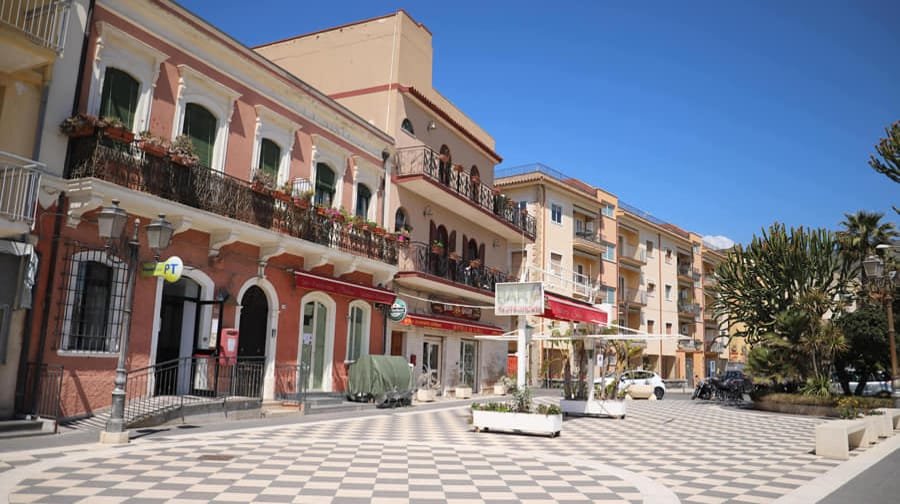
Giardini Naxos
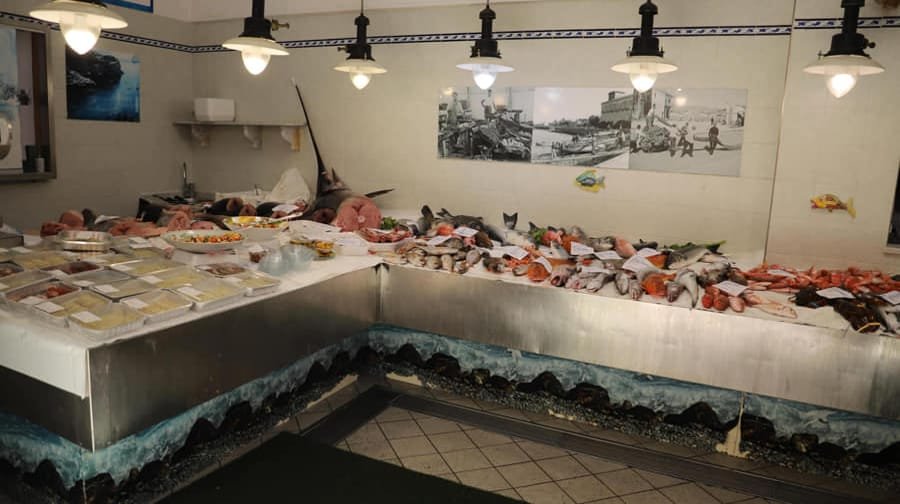
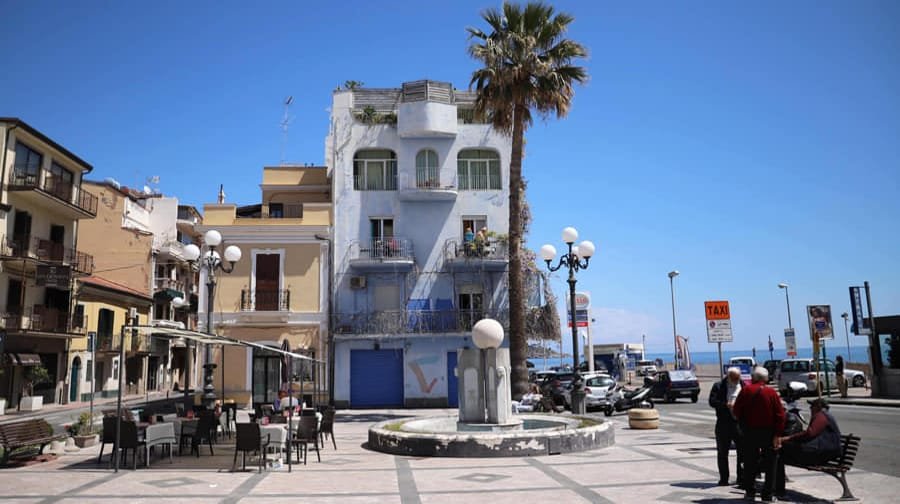
Taormina
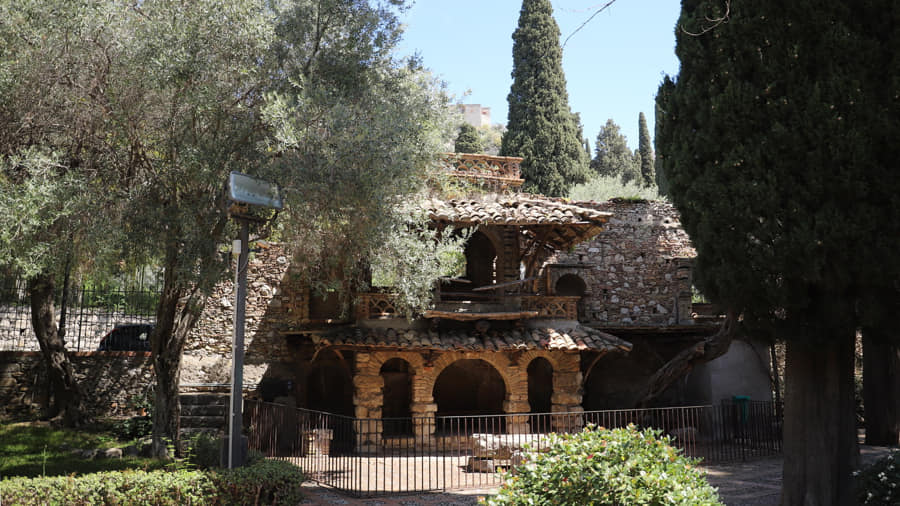
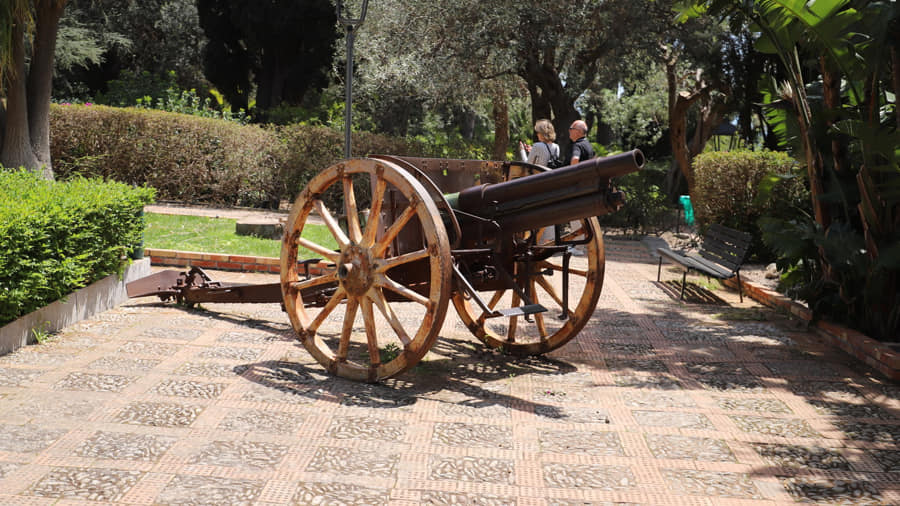
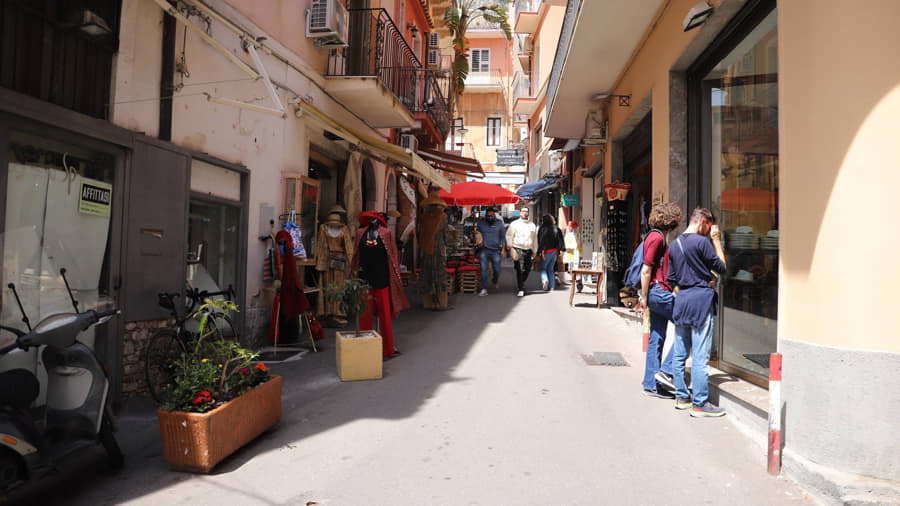
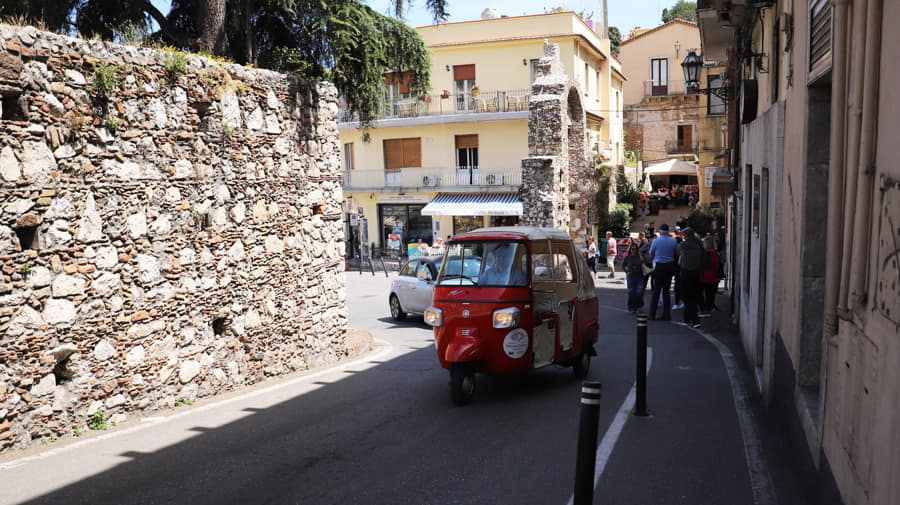
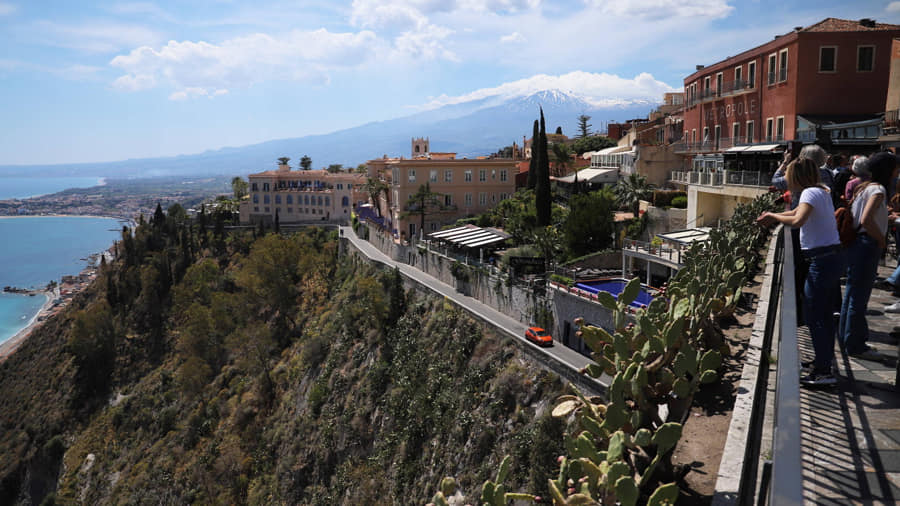
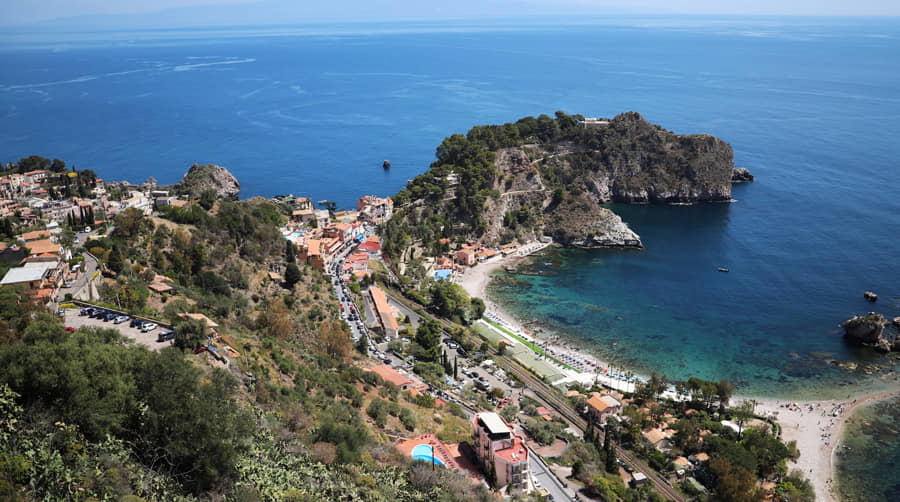
The Province of Messina occupies the north-eastern corner of Sicily and serves as a vital gateway between the island and mainland Italy. Bordered by the Tyrrhenian Sea to the north and the Ionian Sea to the east, the province is defined by its strategic position along the Strait of Messina, a narrow passage that has played an important role in Mediterranean navigation and trade since ancient times. The city of Messina, the provincial capital, has long functioned as a major port and point of cultural exchange.
The landscape of the Province of Messina is notably diverse. Coastal plains give way quickly to mountainous terrain, including the Nebrodi and Peloritani ranges, which shape much of the interior. These mountains create picturesque villages, forested areas, and fertile valleys where agriculture remains central to local life. Olive oil production, citrus farming, and fishing contribute significantly to the provincial economy, supported by a mild Mediterranean climate.
Historically, the province reflects Sicily’s complex past, having been influenced by Greek, Roman, Byzantine, Norman, and Spanish civilizations. Repeated earthquakes and reconstructions have shaped its cities and towns, fostering a strong sense of resilience. Today, the Province of Messina combines natural beauty, historical depth, and maritime importance, forming a distinctive and dynamic part of the Sicilian region.
The Province of Agrigento
The Province of Agrigento is located along the southern coast of Sicily and is renowned for its exceptional historical heritage and distinctive landscape. The city of Agrigento, the provincial capital, stands on a hillside overlooking the Mediterranean Sea and has been an important settlement since ancient times. Its position along historic trade routes contributed to the province’s long-standing cultural and economic significance within the region.
The geography of the Province of Agrigento is characterized by rolling hills, fertile plains, and an extensive coastline. Agricultural activity plays a central role in local life, supported by a warm Mediterranean climate and productive soil. Olive groves, vineyards, almond trees, and cereal crops dominate the countryside, while fishing remains important in coastal communities. The province also features natural areas of scenic beauty, including cliffs, beaches, and protected reserves.
Agrigento is internationally famous for the Valley of the Temples, one of the best-preserved collections of ancient Greek temples in the world and a UNESCO World Heritage Site. This extraordinary archaeological area reflects the province’s prominence during the era of Magna Graecia. Alongside ancient ruins, medieval towns and rural traditions continue to shape the local identity. Today, the Province of Agrigento blends historical grandeur, agricultural heritage, and coastal charm, making it a significant and enduring part of the Sicilian region.
The Province of Trapani
The Province of Trapani is located on the westernmost edge of Sicily and is distinguished by its coastal landscapes, maritime heritage, and long history of cultural exchange. Surrounded by the Tyrrhenian Sea and the Mediterranean, the province has historically served as a gateway between Sicily and the wider Mediterranean world. The city of Trapani, the provincial capital, developed as an important port, shaping the economic and social life of the area.
Geographically, the Province of Trapani offers a varied and striking environment. It features sandy beaches, rocky cliffs, fertile plains, and rolling hills, as well as nearby islands such as the Egadi archipelago. Salt pans near Trapani and Marsala are among the most iconic features of the province, reflecting centuries-old traditions of salt production that continue today. Agriculture is also central to the local economy, with vineyards, olive groves, and wheat fields dominating the countryside.
The province is rich in historical and cultural landmarks, influenced by Phoenician, Greek, Roman, Arab, and Norman civilizations. Ancient settlements such as Mozia and medieval hill towns like Erice highlight this layered past. Today, the Province of Trapani combines natural beauty, historical depth, and strong local traditions, making it a distinctive and culturally significant part of the Sicilian region.
The Province of Syracuse
The Province of Syracuse is located along the south-eastern coast of Sicily and is one of the region’s most historically significant areas. The city of Syracuse, the provincial capital, was among the most powerful centres of the ancient Greek world and played a crucial role in the political, cultural, and military history of the Mediterranean. Its coastal position along the Ionian Sea supported maritime trade and cultural exchange for centuries.
The geography of the Province of Syracuse is characterized by a combination of coastline, fertile plains, and gently rolling inland terrain. The area benefits from a mild Mediterranean climate that supports extensive agricultural activity, particularly the cultivation of citrus fruits, olives, and almonds. Along the coast, natural harbours, beaches, and limestone cliffs shape the landscape, while inland areas feature river valleys and archaeological sites.
Historically, the province preserves an extraordinary cultural heritage. Ancient Greek theatres, Roman ruins, early Christian catacombs, and Baroque architecture coexist, especially in the historic centre of Ortigia. The Val di Noto area, much of which lies within the province, is recognized as a UNESCO World Heritage Site for its Baroque towns rebuilt after the 1693 earthquake. Today, the Province of Syracuse blends classical heritage, agricultural tradition, and coastal beauty, forming a vital and culturally rich part of the Sicilian region.
The Province of Ragusa
The Province of Ragusa is located in the south-eastern part of Sicily and is distinguished by its elegant Baroque towns, agricultural traditions, and unique landscape. The city of Ragusa, the provincial capital, is divided into modern Ragusa Superiore and the historic Ragusa Ibla, reflecting the province’s layered history and architectural richness. Its position away from major ports has contributed to a strong rural identity and well-preserved local traditions.
Geographically, the Province of Ragusa is characterized by rolling hills, fertile plateaus, and deep river valleys known as cave. The mild Mediterranean climate and productive soil support extensive agriculture, making the province one of Sicily’s most important farming areas. Olive oil, carob, citrus fruits, and dairy products play a central role in the local economy, alongside a growing reputation for quality food production. Coastal areas, including towns such as Marina di Ragusa, add sandy beaches and tourism to the province’s economic profile.
The province is internationally recognized for its Baroque architecture, much of which was rebuilt after the devastating 1693 earthquake. Towns such as Modica, Scicli, and Ragusa Ibla form part of the UNESCO-listed Val di Noto. Today, the Province of Ragusa combines historical elegance, agricultural productivity, and coastal appeal, making it a distinctive and culturally rich part of the Sicilian region.
The Province of Enna
The Province of Enna is located in the geographic heart of Sicily and is the island’s only landlocked province. Often referred to as the spiritual and agricultural centre of the region, it is characterized by its elevated terrain and panoramic landscapes. The city of Enna, the provincial capital, stands atop a high plateau and offers sweeping views across much of Sicily, reflecting its historical importance as a strategic stronghold.
The geography of the Province of Enna is dominated by rolling hills, fertile plains, and mountainous areas that support traditional rural life. Agriculture remains the foundation of the local economy, with wheat fields, olive groves, and pastoral farming shaping both the landscape and cultural identity. The province is also home to Lake Pergusa, one of Sicily’s most important natural reserves, known for its ecological significance and connection to ancient mythology.
Historically, Enna has been influenced by numerous civilizations, including the Greeks, Romans, Arabs, and Normans, each leaving traces in local architecture, traditions, and folklore. Its relative isolation has helped preserve strong customs, religious celebrations, and a slower pace of life. Today, the Province of Enna represents a quieter, deeply rooted side of Sicily, where natural beauty, historical continuity, and agricultural heritage come together to form a distinctive and enduring part of the Sicilian region.
The Province of Caltanissetta
The Province of Caltanissetta is located in the central part of Sicily and is characterized by its inland landscapes, historical resilience, and strong agricultural traditions. The city of Caltanissetta, the provincial capital, developed as an important administrative and commercial centre, particularly during the nineteenth and early twentieth centuries. Its inland position has shaped a cultural identity closely connected to rural life and local customs.
Geographically, the province is defined by rolling hills, wide valleys, and fertile plains that support extensive farming. Wheat cultivation has long been a cornerstone of the local economy, along with olive groves, vineyards, and almond orchards. The area also has a notable industrial past linked to sulphur mining, which once played a major role in Sicily’s economy and left a lasting mark on the region’s social and historical development. Today, former mining sites stand as reminders of this industrial heritage.
The Province of Caltanissetta preserves a rich cultural legacy expressed through traditional festivals, religious processions, and craftsmanship. Baroque churches, historic town centres, and archaeological remains reflect centuries of influence from Greek, Roman, Arab, and Norman civilizations. Modern Caltanissetta balances its historical roots with gradual development, maintaining a strong sense of identity. The province represents an authentic and deeply rooted part of Sicily, shaped by land, labour, and enduring tradition.
Giardini Naxos
Palermo
Taormina
COPYRIGHT © 2018-2026 ITALY IN PHOTOS – ALL RIGHTS RESERVED