
HOME
REGIONS OF ITALY
PLACES IN ITALY
TRAVEL GUIDES
Italy in Photos
Piazza San Marco, 30124 Venezia VE, Italy (July 2022)
Slideshows & Maps for Walks in the ity of Venice
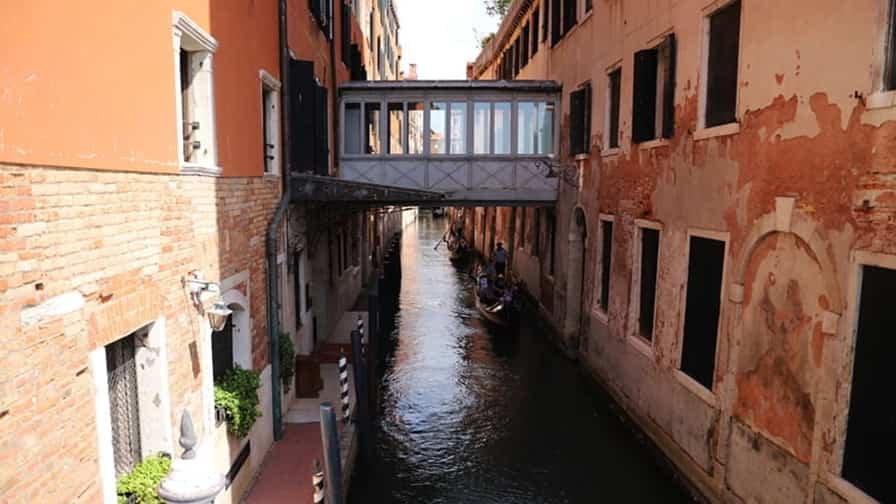
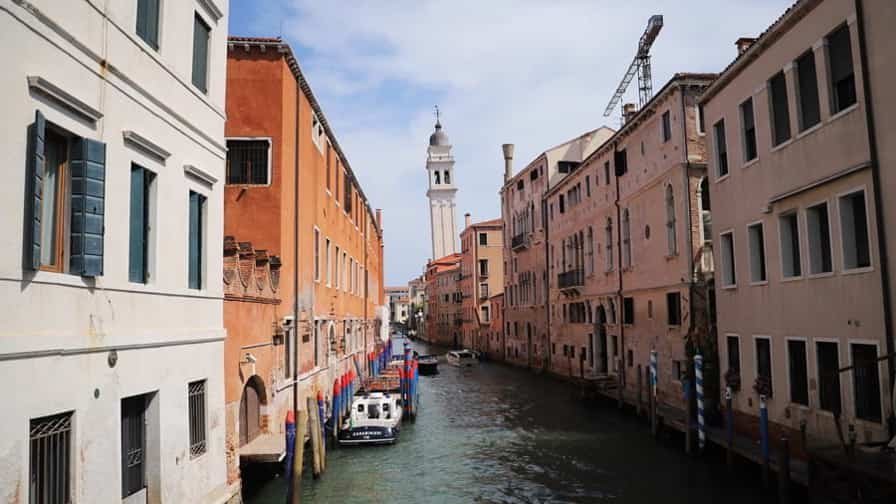
Venice, Italy, often referred to as “La Serenissima” (The Most Serene), is one of the most unique and enchanting cities in the world. Famous for its intricate network of canals, stunning architecture, and rich history, Venice seems like a place lifted from a dream. Situated in the north-eastern part of Italy, Venice is built across 118 small islands in the Venetian Lagoon, separated by canals and linked by over 400 bridges. This floating city, renowned for its beauty, art, and culture, has long captivated the imaginations of travellers, artists, and historians alike. One of the most fascinating aspects of Venice is its setting: a city built entirely on water. The islands that make up Venice are located within a lagoon that lies between the mouths of the Po and Piave rivers. Venice’s unique location has shaped its identity, economy, and way of life for centuries. The city is supported by millions of wooden piles driven into the clay beneath the water. Over time, these wooden foundations have helped preserve V
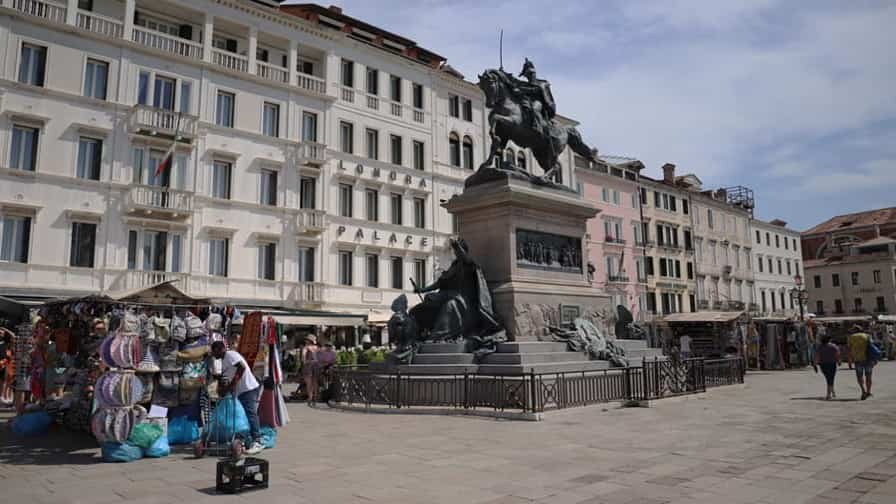
Venice is a treasure trove of architectural wonders, with styles ranging from Gothic to Byzantine, Renaissance to Baroque. The city’s most iconic building, the Basilica di San Marco (St. Mark’s Basilica), stands proudly in Piazza San Marco (St. Mark’s Square). This stunning basilica, with its golden mosaics, domes, and Eastern influences, is a symbol of Venice’s historical ties with Constantinople and the Byzantine Empire. Its interior is just as breath-taking, with vast expanses of intricate mosaics depicting religious scenes, making it one of the most important examples of Italo-Byzantine architecture. Adjacent to the basilica is the Doge’s Palace (Palazzo Ducale), a masterpiece of Venetian Gothic architecture. This grand palace was once the residence of the Doge, the chief magistrate and leader of the Republic of Venice, and it also housed the government institutions of the city. The palace is an opulent reminder of Venice’s former political might and artistic achievements, with its ornate facades, gilded
Beyond St. Mark’s Square, Venice is filled with countless churches, bridges, and palaces that showcase the city’s architectural splendour. The Rialto Bridge, the oldest of the four bridges that cross the Grand Canal, is another iconic structure. Its distinctive stone arch design, lined with shops, has made it a symbol of Venetian craftsmanship and commerce. Venice has long been a centre for art, culture, and innovation. It was home to some of the greatest Renaissance artists, such as Titian, Tintoretto, and Veronese, whose works can still be admired in the city’s museums, churches, and palaces. The Gallerie dell’Accademia, Venice’s most important art museum, houses a vast collection of Venetian masterpieces from the 14th to 18th centuries, offering visitors a deep dive into the city’s artistic legacy. Venice is also famous for its glassmaking tradition, particularly on the nearby island of Murano, where artisans have been crafting delicate glass objects for over 700 years. Murano glass is renowned for its quality and beauty, and visitors can tour the workshops to witness the intricate process of glassblowing firsthand. One of the most iconic cultural events in Venice is the Venice Carnival, a centuries-old festival that attracts visitors from around the world. Known for its elaborate masks and costumes, the carnival turns the city into a vibrant stage of colour and mystery, reviving the grandeur and opulence of Venice’s golden age.
Despite its beauty and cultural importance, Venice faces significant challenges. Rising sea levels and the increasing frequency of Acqua Alta (high tides) threaten the city’s delicate balance. Flooding has become a major issue in recent decades, leading to efforts such as the MOSE project, a system of movable barriers designed to protect Venice from the rising waters of the Adriatic. The city is also grappling with the impacts of over-tourism, which has placed immense pressure on its infrastructure and residents. Venice is a city like no other, a place where history, art, and beauty merge seamlessly with the natural environment. From its gleaming canals and iconic gondolas to its awe-inspiring architecture and rich cultural heritage, Venice offers visitors a truly unforgettable experience. Despite the challenges it faces, Venice remains one of the world’s most treasured destinations, a testament to human ingenuity, creativity, and resilience. Whether strolling through its winding streets, admiring masterpieces in its museums, or simply gliding along its canals, Venice continues to enchant all who visit, offering a glimpse into a world that i
Worth a Visit

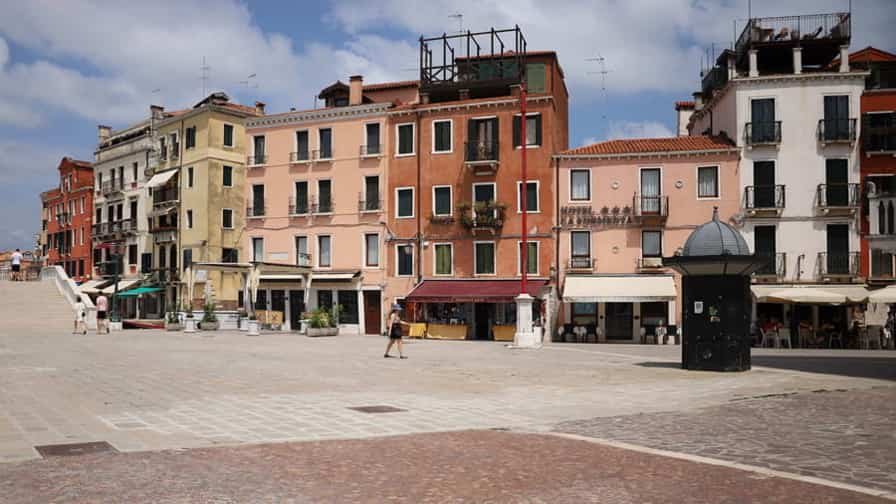
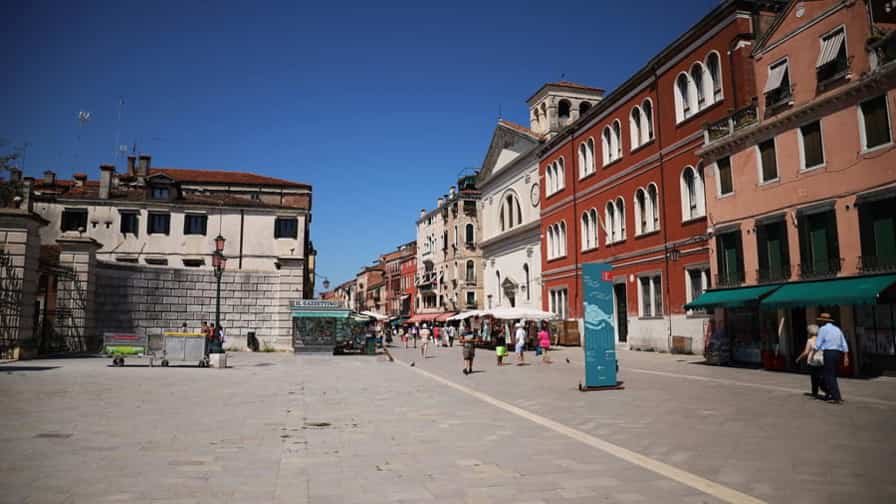
Campo San Geremia is a lively square located in the Cannaregio district of Venice, Italy, just steps from the Grand Canal and near the entrance to the historic Ghetto. The campo takes its name from the Church of San Geremia, a remarkable building that houses the revered relics of Saint Lucy, making it an important site of pilgrimage. Surrounding the square are elegant palazzi, including the Palazzo Labia, known for its frescoes by Giambattista Tiepolo. The area captures a fascinating mix of Venetian life—locals, pilgrims, and visitors all passing through its open space framed by canals and bridges. Campo San Geremia also serves as a gateway to Venice’s northern districts and a vibrant link between the Santa Lucia railway station and the heart of the city. Its atmosphere blends history, devotion, and everyday Venetian charm, offering a perfect glimpse of the city’s enduring character.

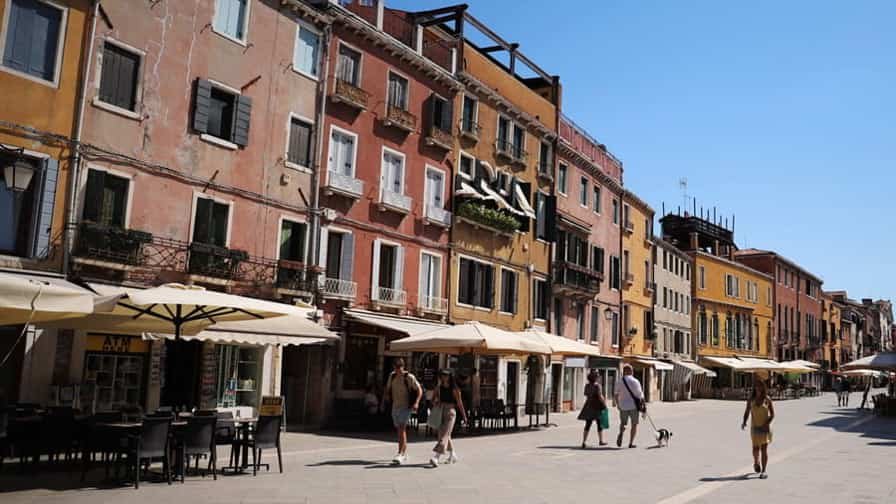
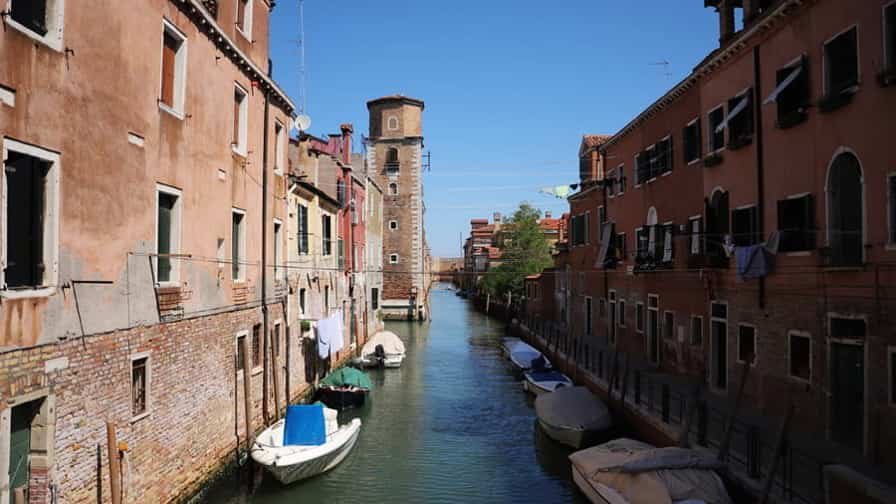
The Sestiere di Cannaregio is one of the six historic districts of Venice, Italy, and among the most authentic and atmospheric parts of the city. Located in the northern section of the lagoon, Cannaregio stretches from the Santa Lucia railway station to the Rialto Bridge, following the course of the Grand Canal. Traditionally a residential area, it preserves a genuine Venetian spirit, with quiet canals, local shops, and charming osterie. Cannaregio is also home to the historic Jewish Ghetto, established in 1516, the first of its kind in the world, which remains a vital cultural and historical landmark. Along its main thoroughfare, the Strada Nova, visitors find a lively mix of daily life and tourism. Elegant churches, such as Madonna dell’Orto and Santa Maria dei Miracoli, enrich its landscape. Cannaregio beautifully balances history, community, and serenity, offering an intimate experience of authentic Venetian life.

Campo Santi Apostoli, located in the Cannaregio district of Venice, is a charming and lively square that marks the transition between the bustling Strada Nova and the quieter, more traditional parts of the city. The campo takes its name from the nearby Church of Santi Apostoli, one of Venice’s oldest religious sites, originally founded in the 9th century and later rebuilt in elegant Renaissance style. The square is a meeting point for locals and visitors alike, with cafés, bakeries, and small shops creating a warm and welcoming atmosphere. Its strategic position makes it a natural crossroads for those heading toward the Rialto Bridge or exploring the northern sestieri. Despite its central location, Campo Santi Apostoli retains a distinctly Venetian character, where daily life unfolds amid historic architecture, soft canal reflections, and the quiet rhythm that defines Venice’s enduring charm.

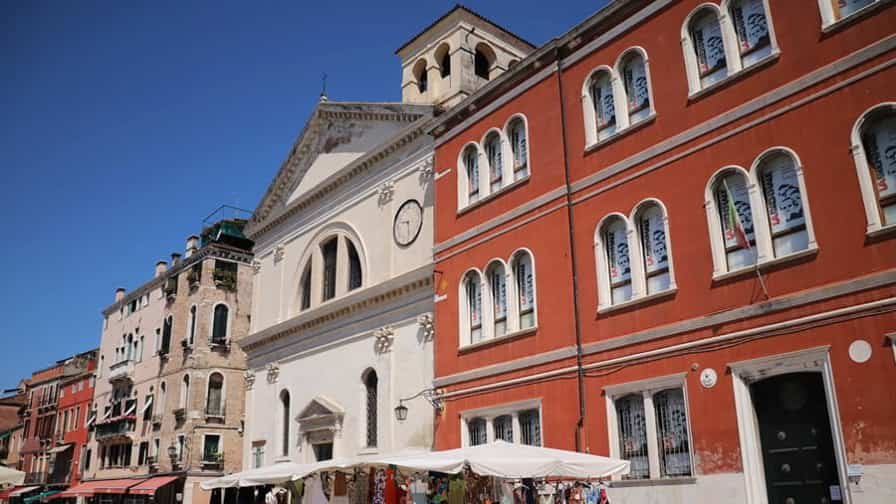
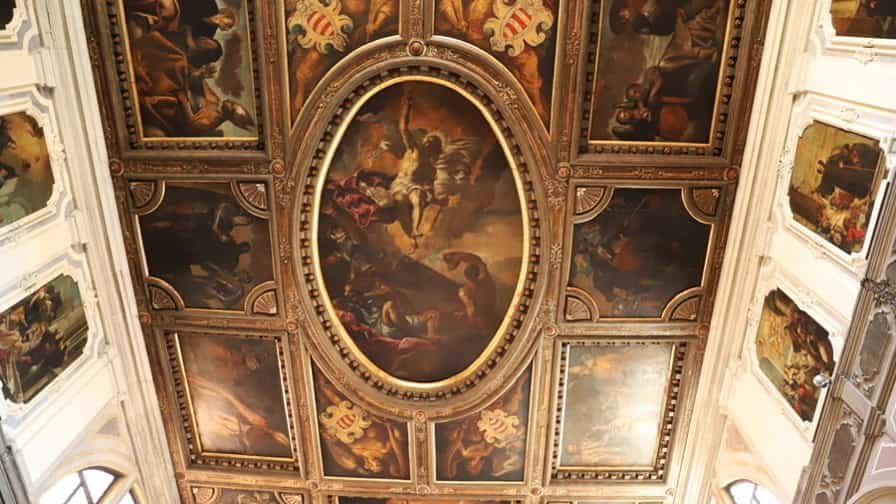
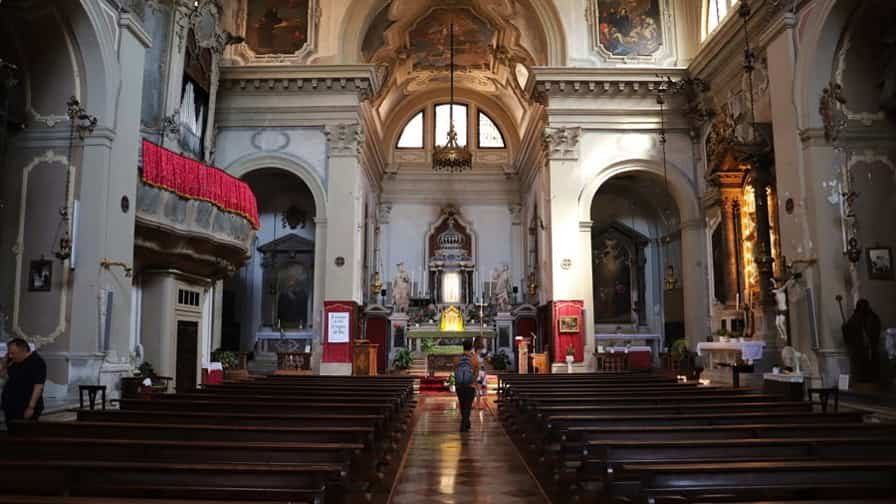
The Chiesa di San Giovanni Crisostomo is a beautiful Renaissance church located in the heart of Venice, near the bustling area of Rialto and the charming Campo Santi Apostoli. Dedicated to Saint John Chrysostom, a revered early Church Father, the church was designed by the renowned architect Mauro Codussi and completed in the late 15th century. Though modest in size, it is celebrated for its harmonious proportions and remarkable collection of artworks. Inside, visitors can admire masterpieces such as “Giovanni Bellini’s“ Saint Jerome, Christopher, and Augustine and Sebastiano del Piombo’s “Saint John Chrysostom with Saints“. The church’s serene interior, with its graceful marble altars and soft light filtering through high windows, offers a peaceful retreat from the lively Venetian streets outside. San Giovanni Crisostomo embodies the city’s fusion of faith, art, and architectural elegance, representing a perfect example of Venice’s enduring Renaissance spirit.
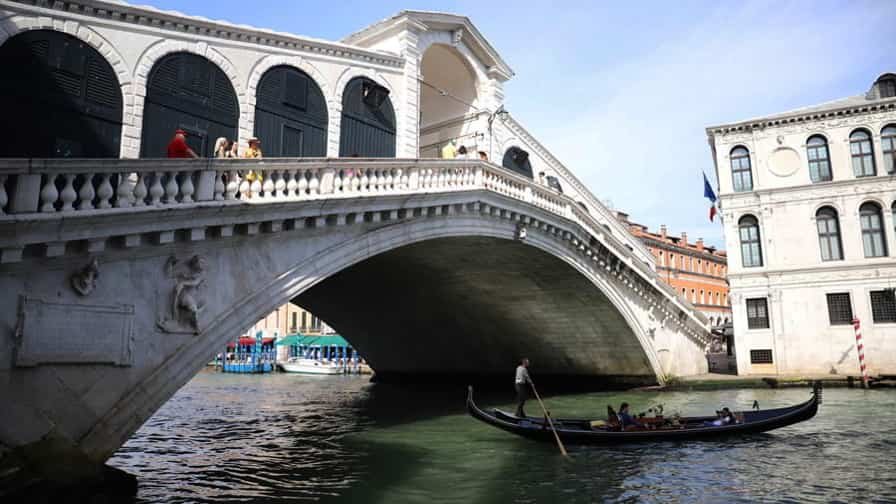
The Ponte di Rialto is one of Venice’s most iconic landmarks and the oldest of the four bridges spanning the Grand Canal. Completed in 1591 to replace a series of earlier wooden bridges, it was designed by Antonio da Ponte, whose daring single-span stone arch became a masterpiece of Renaissance engineering. The bridge connects the San Marco and San Polo districts, standing at the heart of Venice’s historic commercial area. Lined with elegant arcades that house small shops selling jewellery, souvenirs, and Venetian crafts, the Rialto Bridge remains a vibrant hub of city life. From its broad central archway, visitors enjoy one of the most famous views in Venice—the Grand Canal framed by palaces and gondolas gliding below. Both a practical crossing and a symbol of Venetian pride, the Ponte di Rialto beautifully embodies the city’s blend of art, commerce, and timeless architectural grandeur.
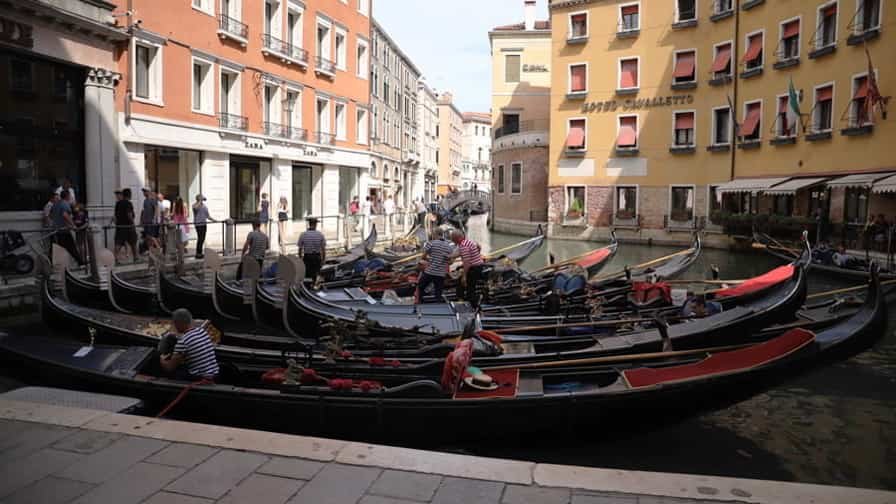
Fondamenta Orseolo, located in the San Marco district of Venice, is a lively and picturesque walkway that borders one of the city’s most famous gondola stations, just behind Piazza San Marco. This canal-side promenade takes its name from the noble Orseolo family, one of Venice’s earliest ducal dynasties, whose legacy is deeply tied to the city’s history. Today, Fondamenta Orseolo offers a quintessential Venetian scene—rows of sleek black gondolas moored along the water, gondoliers in striped shirts preparing for their next journey, and reflections of nearby palaces shimmering in the narrow canal. Its proximity to landmarks like the Bacino Orseolo, Teatro Goldoni, and St. Mark’s Square makes it a crossroads of Venetian elegance and daily activity. Visitors strolling along the fondamenta experience the enchanting rhythm of Venice’s waterways, where tradition, beauty, and motion converge in one of the city’s most photogenic corners.
Photo Gallery of Walk 1 – Fondamenta Santa Lucia to Campo S.S. Apostoli
Approximately 1.92 km – 1.19 miles
The walk starts in – Fondamenta Santa Lucia – Cannaregio – Rio Terà Lista di Spagna – Campo San Geremia – Ponte delle Guglie – Rio Terà S. Leonardo – Rio Terà Farsetti – Calle del Pistor – Calle de l’Anconeta – Rio Terà de la Maddalena – Campo de la Maddalena – Fondamenta de le Colonete – Salizada s. Fosca – Monumento a Paolo Sarpi, Campo Santa Fosca – Sestier De Canarecio – Fondamenta S. Felice – Strada Nova – Campo S.S. Apostoli
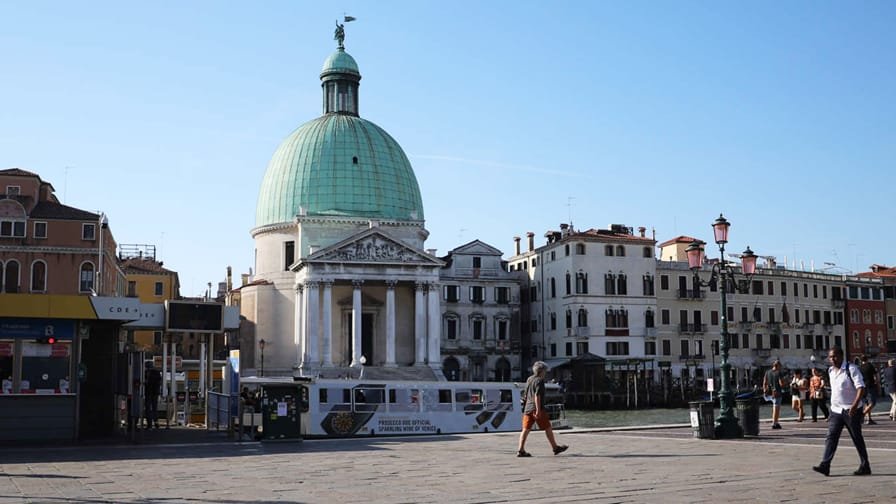


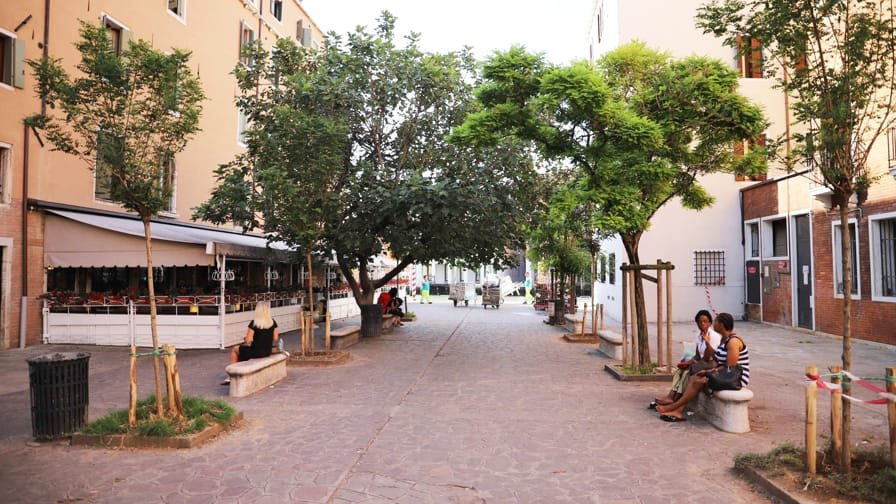
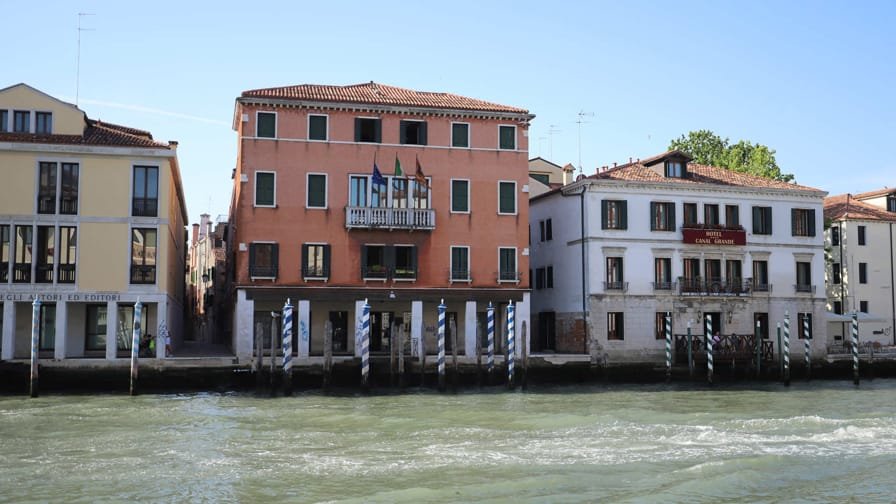
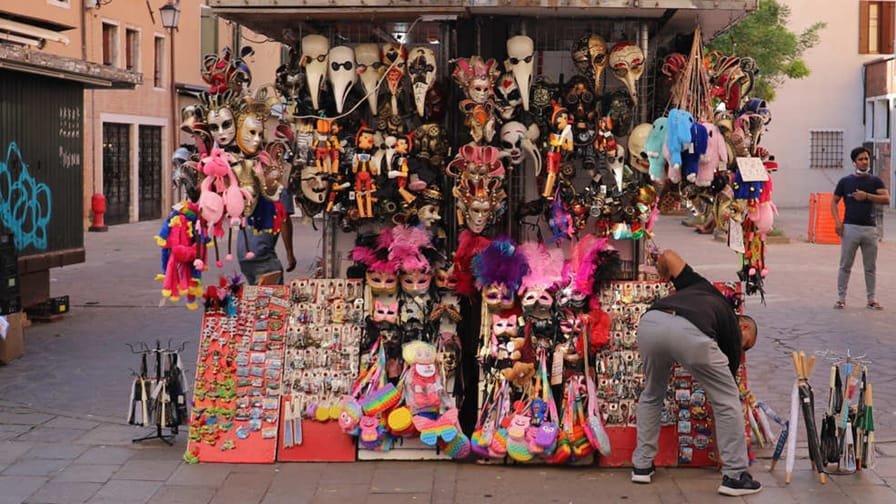
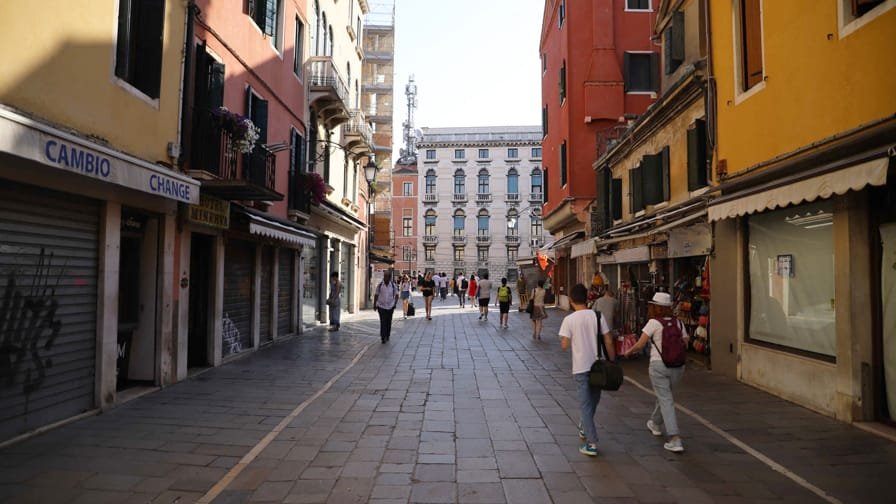
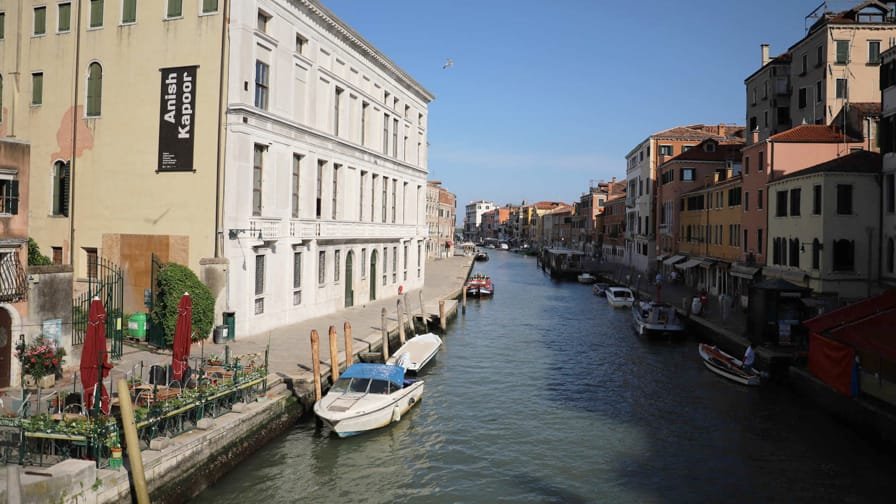
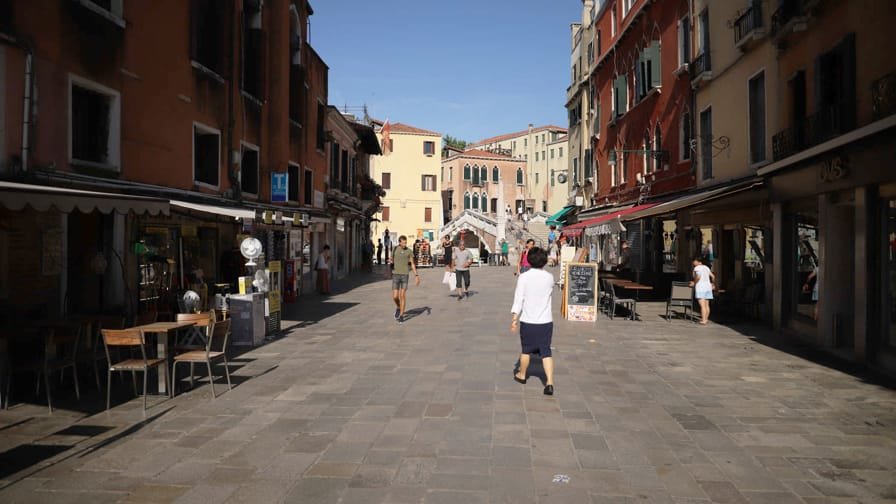
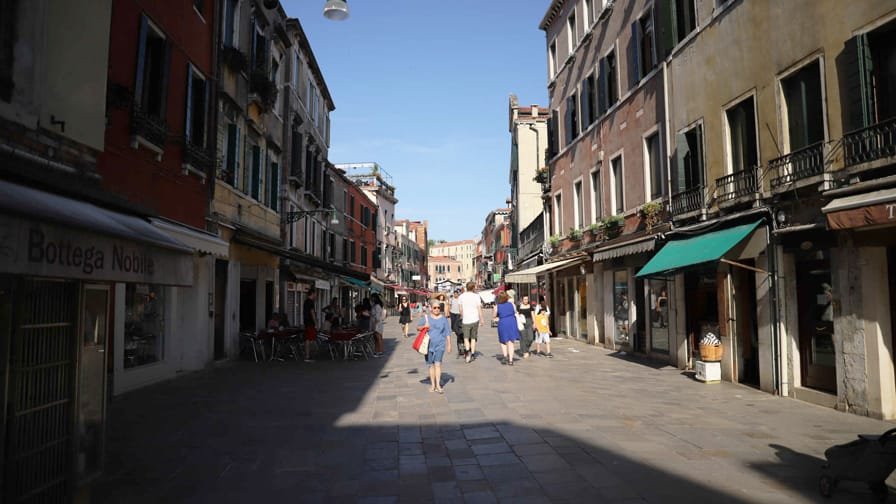

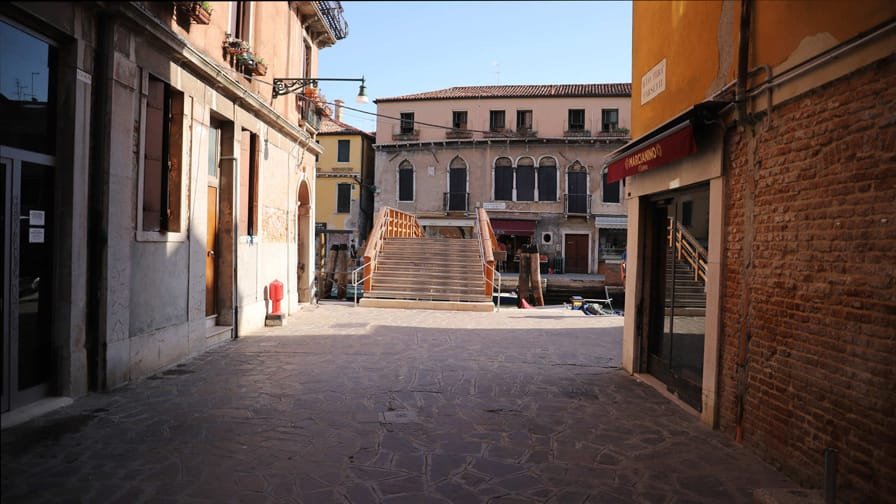
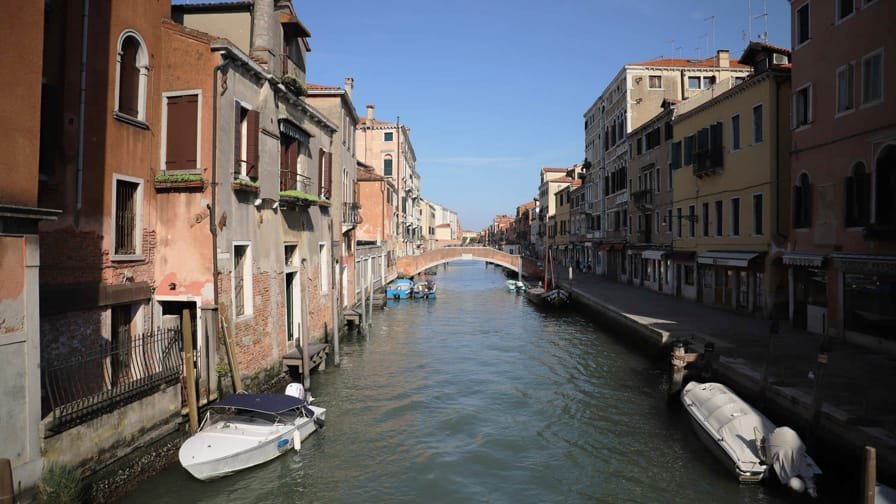
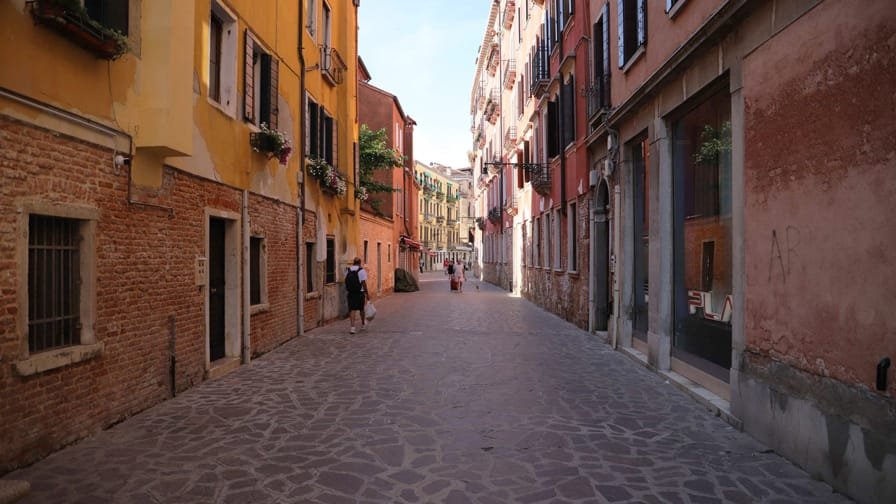


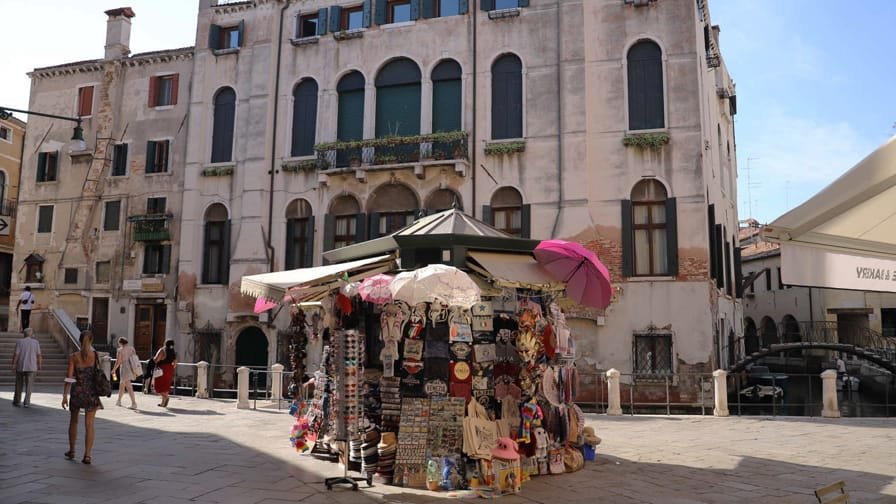

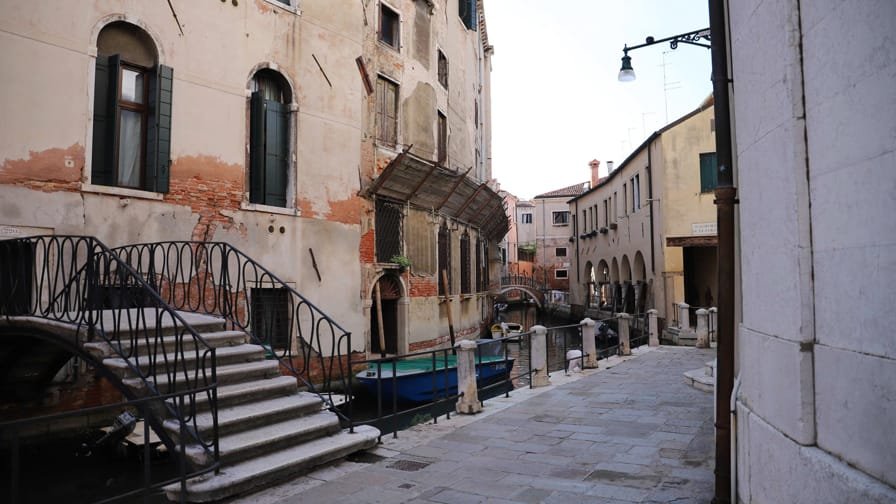

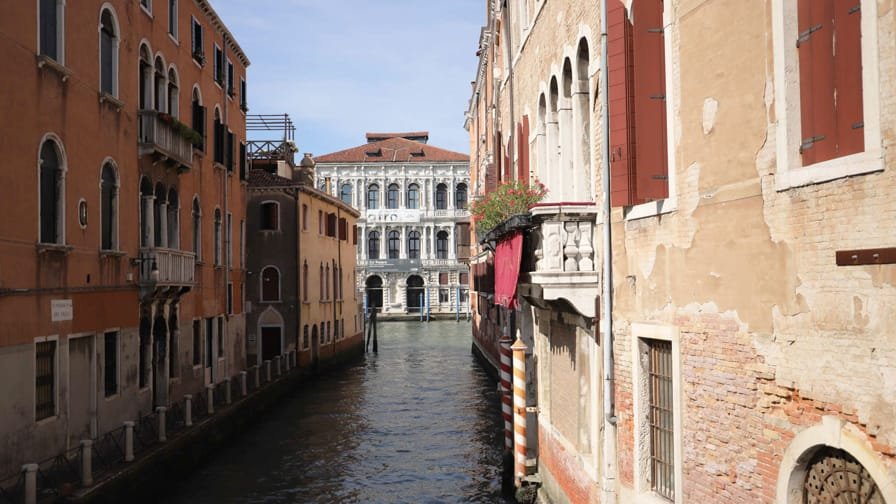
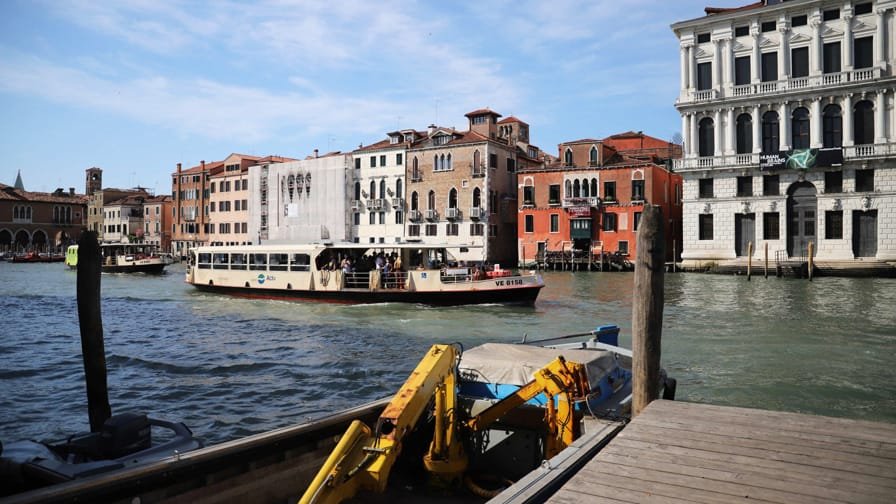
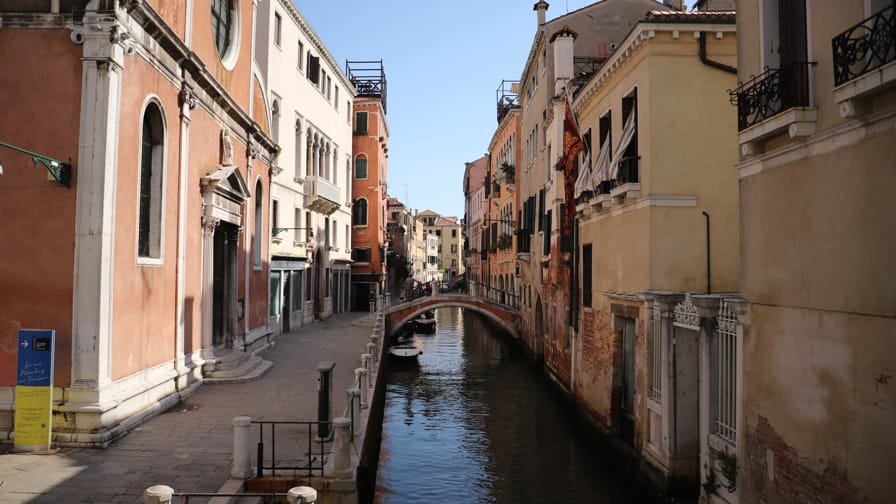
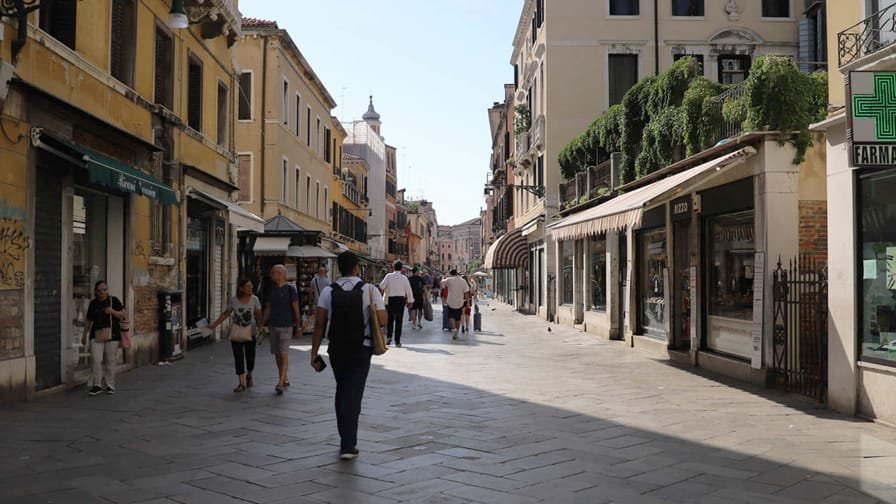

Photo Gallery of Walk 2 – Campo S.S. Apostoli to Fondamenta Orseolo
Approximately 1.23 km – 0.76 miles
The walk starts in Campo S.S. Apostoli – Fondamenta Trapolin – Calle Dolfin – Ponte dei Zogatoli – Salizada S. Giovanni Grisostomo – Ponte de l’Olio – Sestiere di S. Marco – Campo S. Bortolomio – Salizzada Pio X – Ponte di Rialto – Riva del Ferro – Calle del Carbon – Calle Minelli – Calle Dei Fuseri – Ponte Dei Fuseri – Calle Barcaroli – Calle Frezzaria – Calle Tron – Fondamenta Orseolo


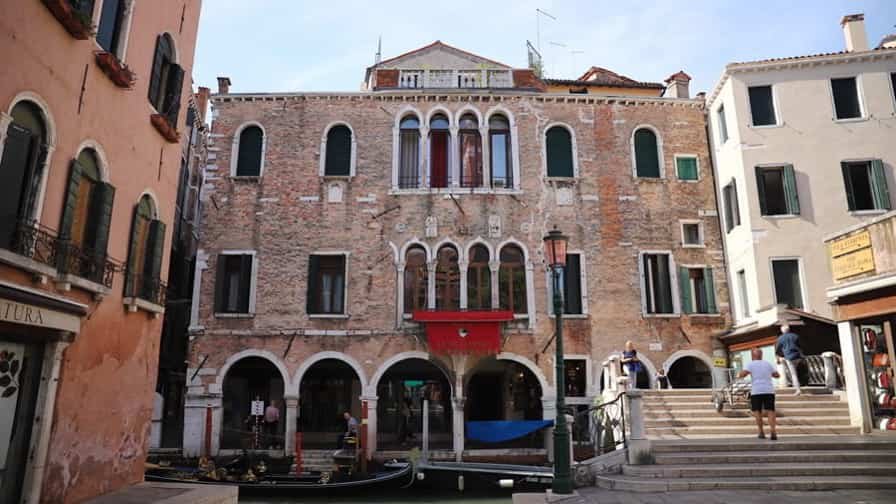

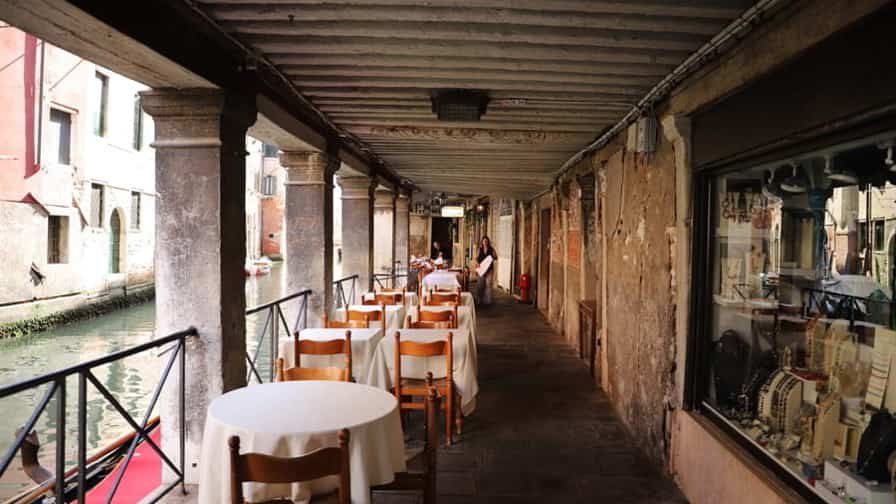
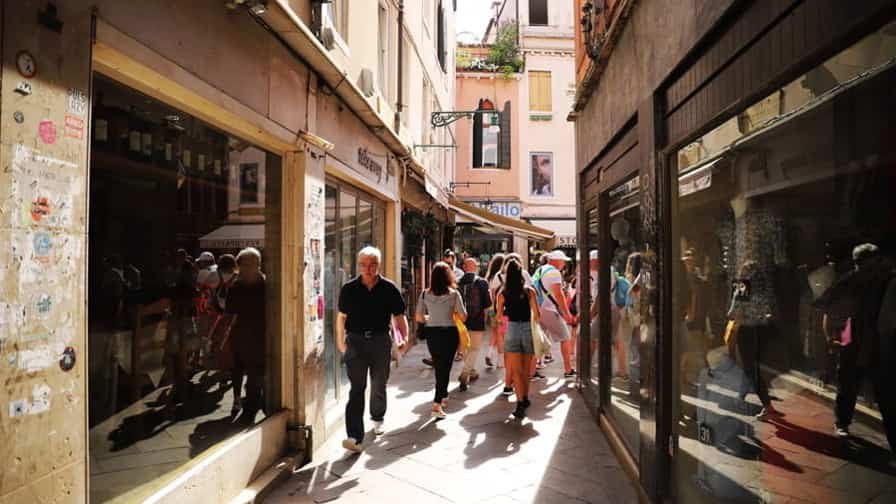
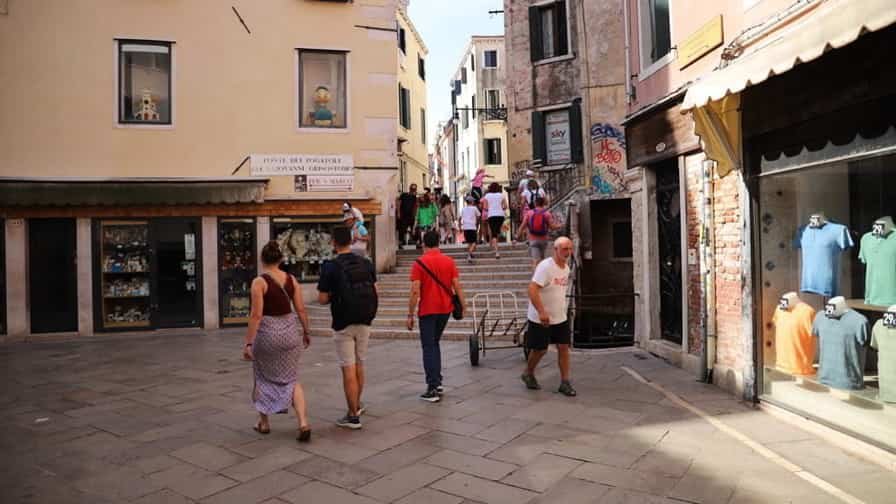
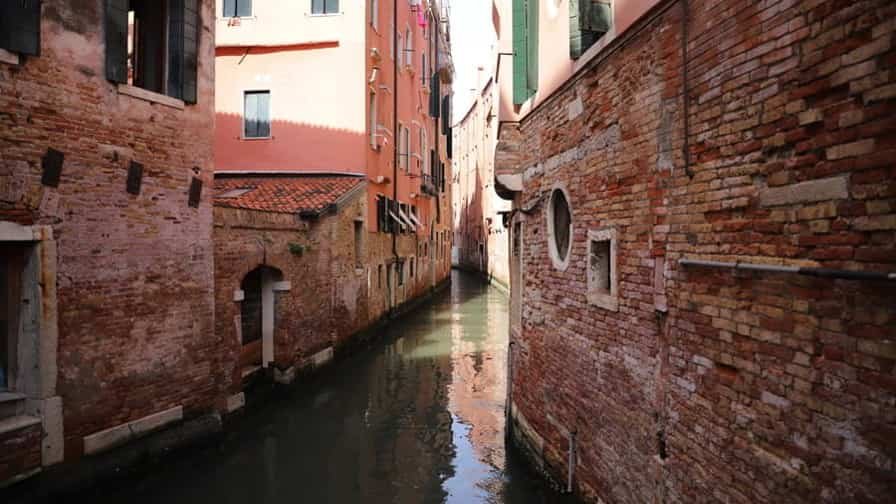
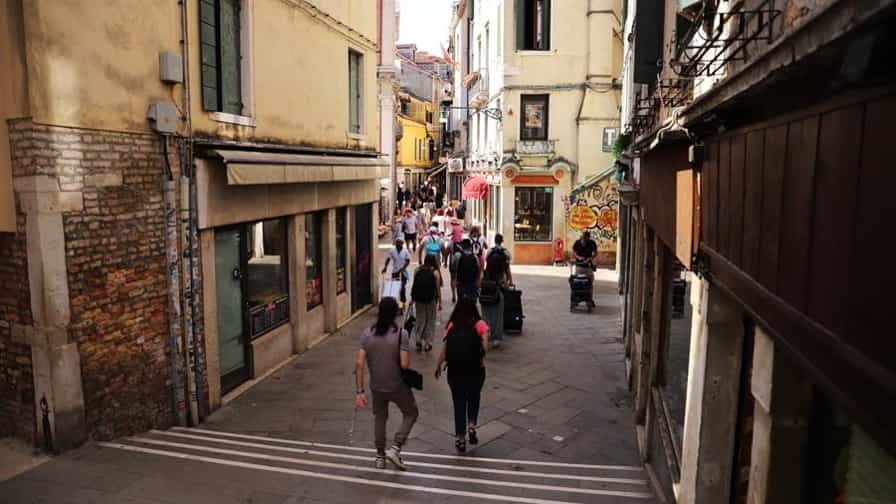

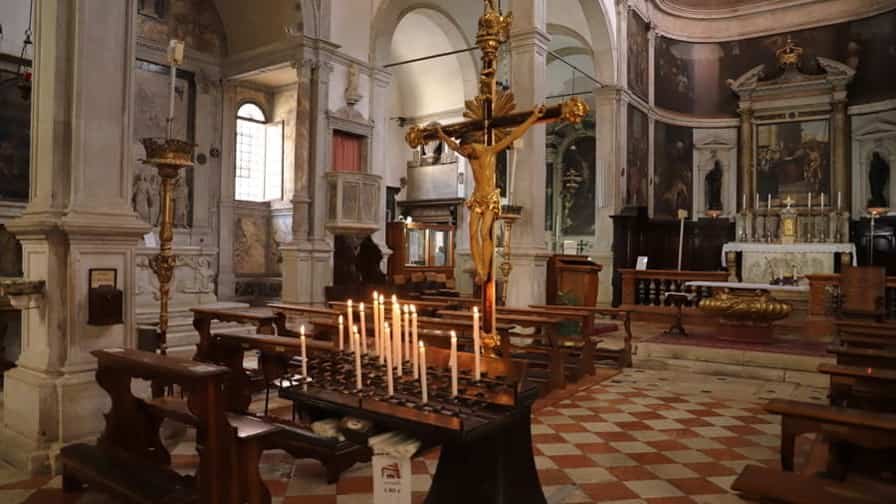
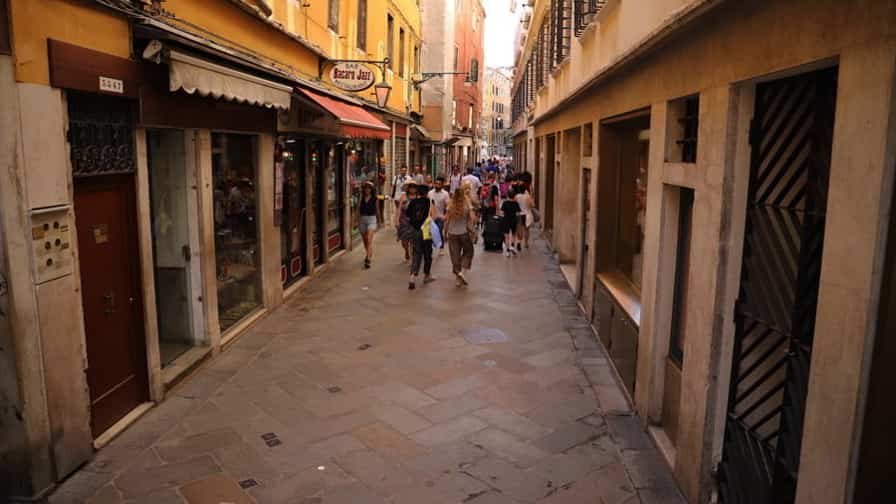
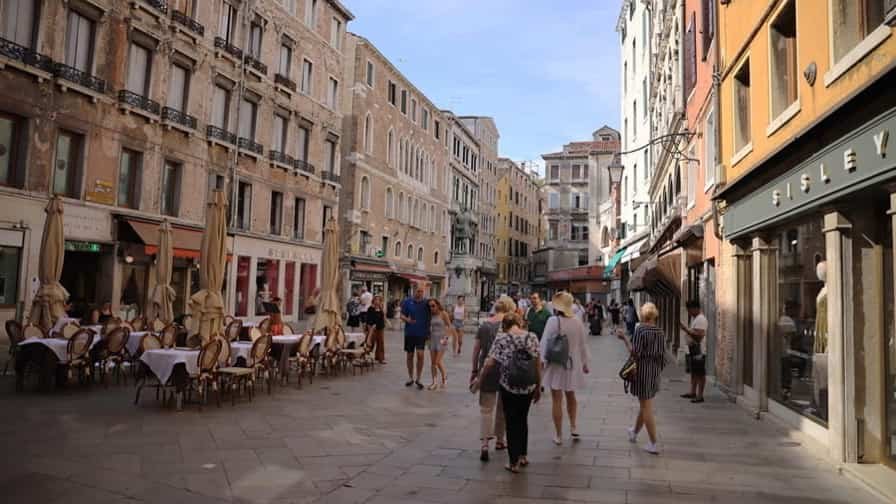

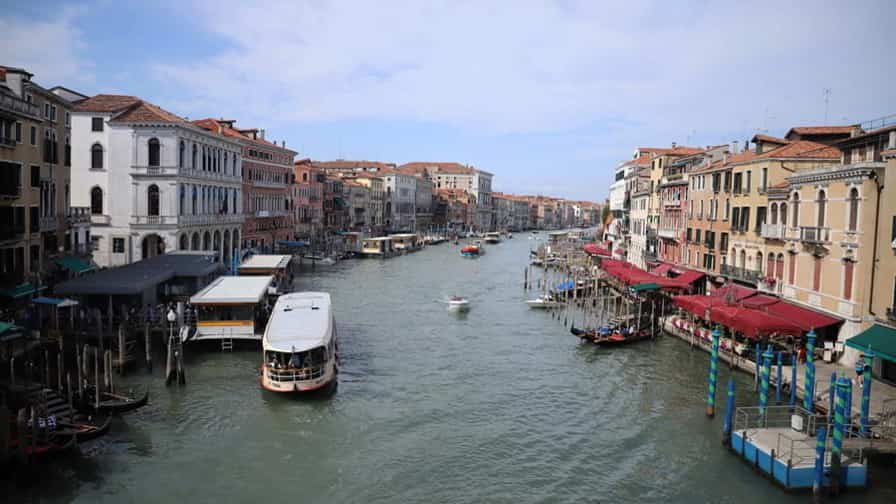
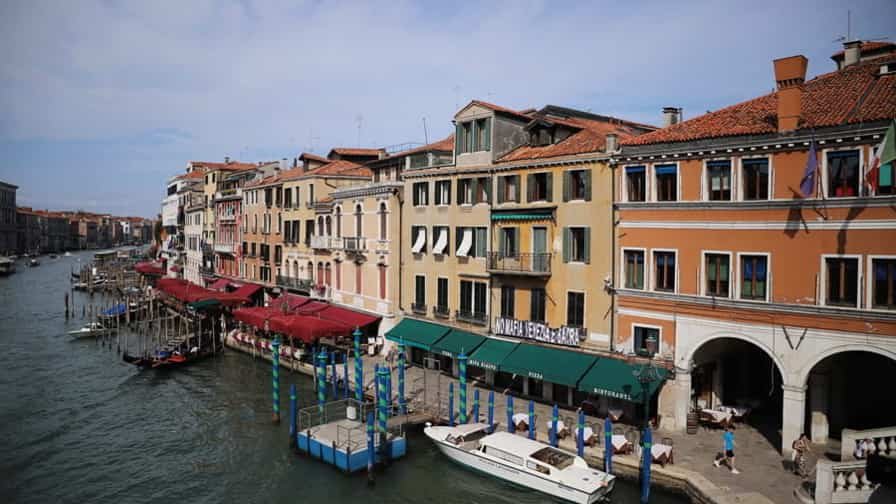
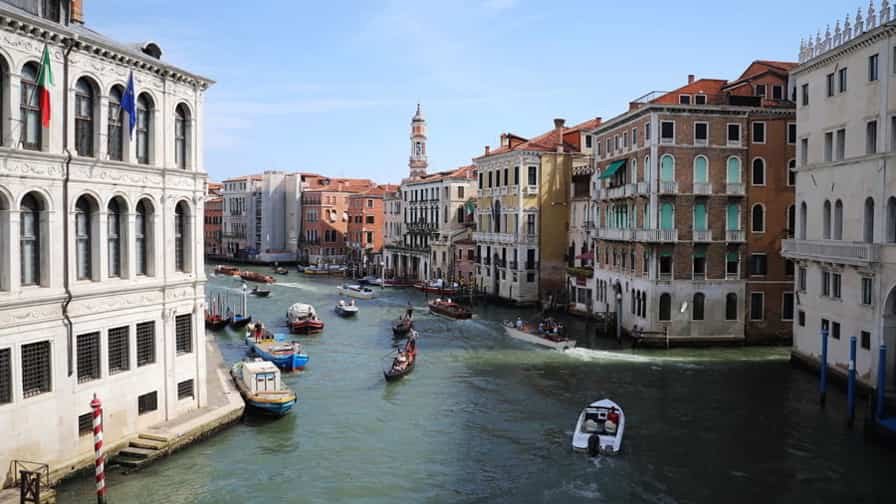
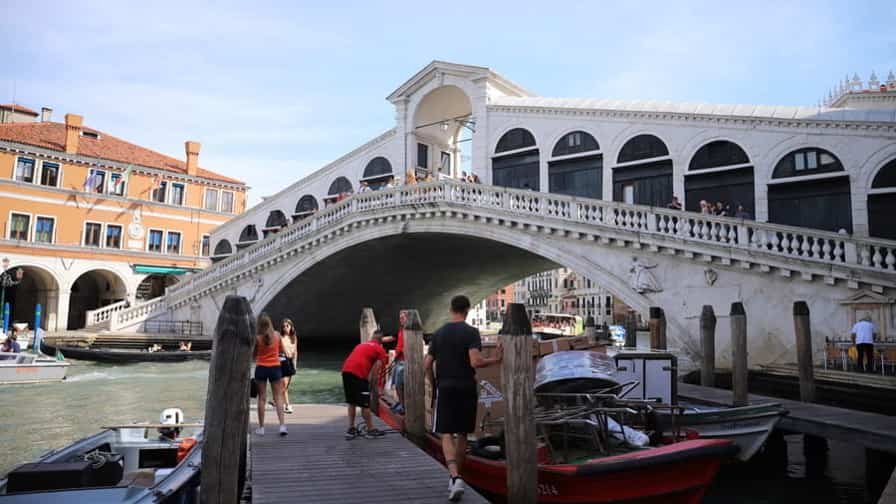


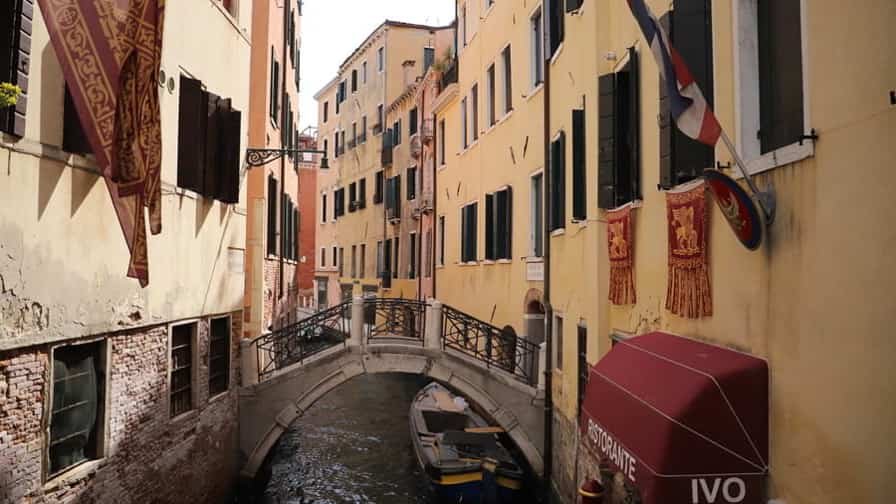

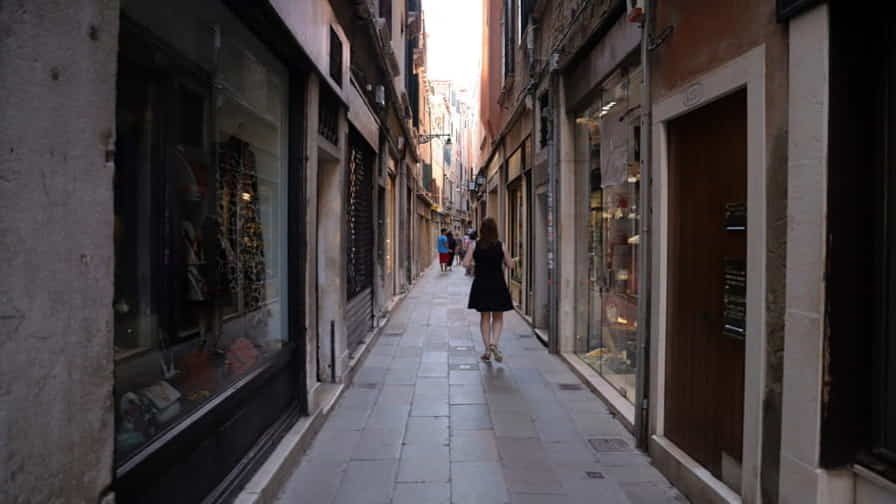

Photo Gallery of Walk 3 – Piazza San Marco to Piazzetta San Marco
Approximately 0.51 km – 0.32 miles
The walk starts in Piazza San Marco – Piazzetta San Marco – Giardini Ex Reali – Walk back along Giardini Ex Reali to Piazzetta San Marco
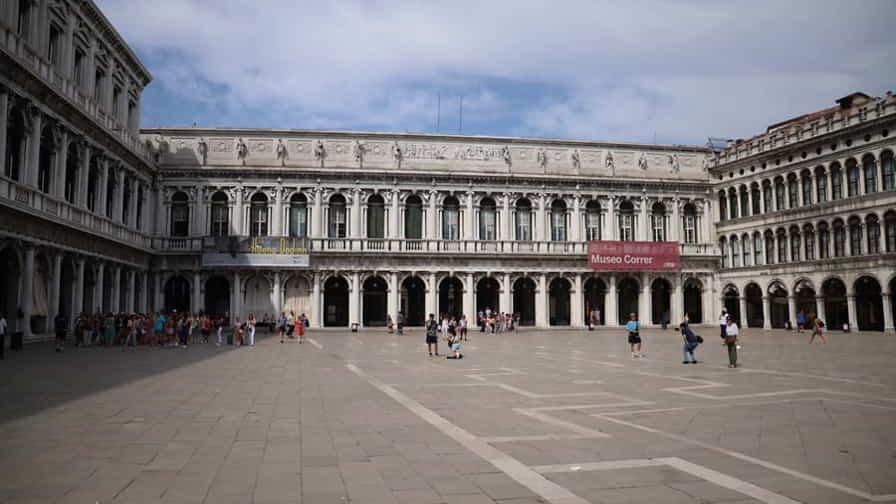
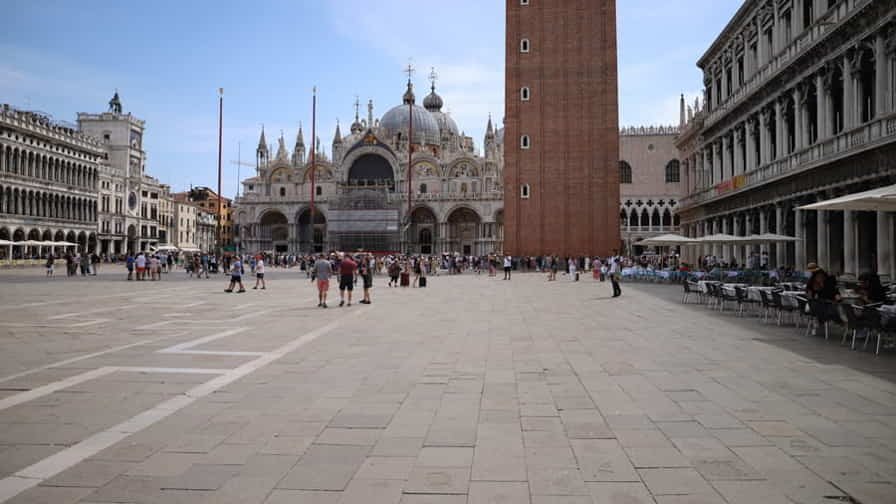

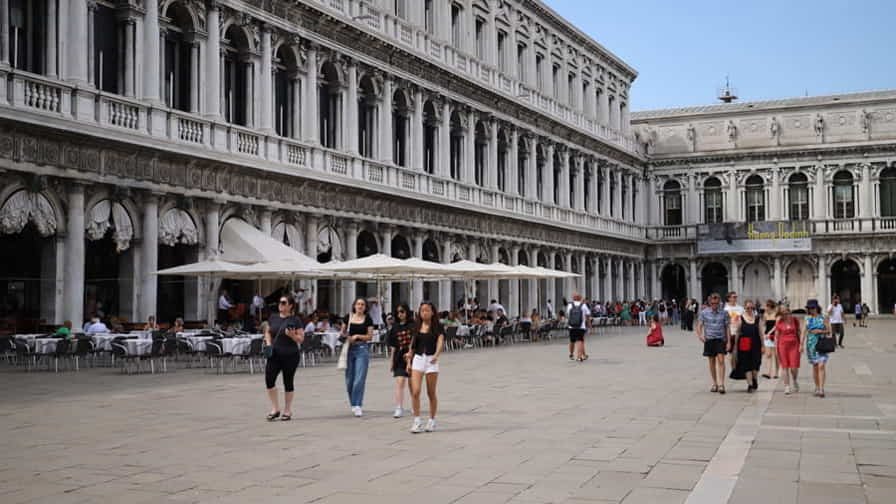
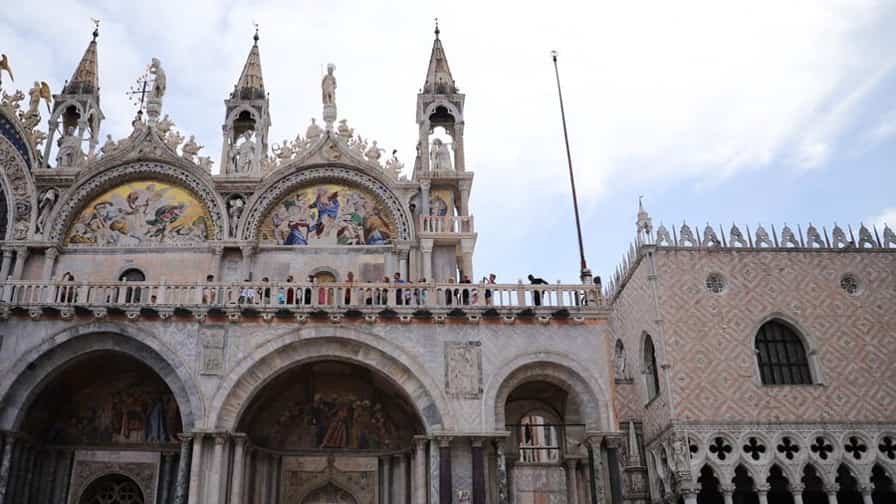
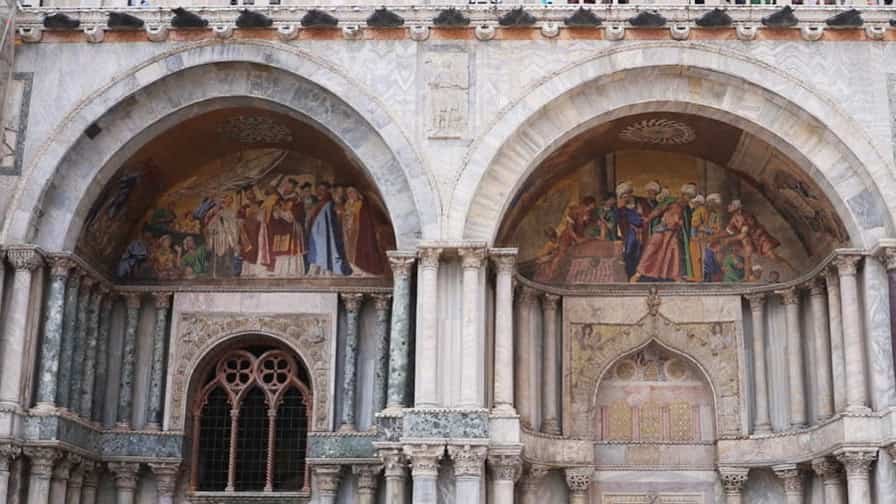
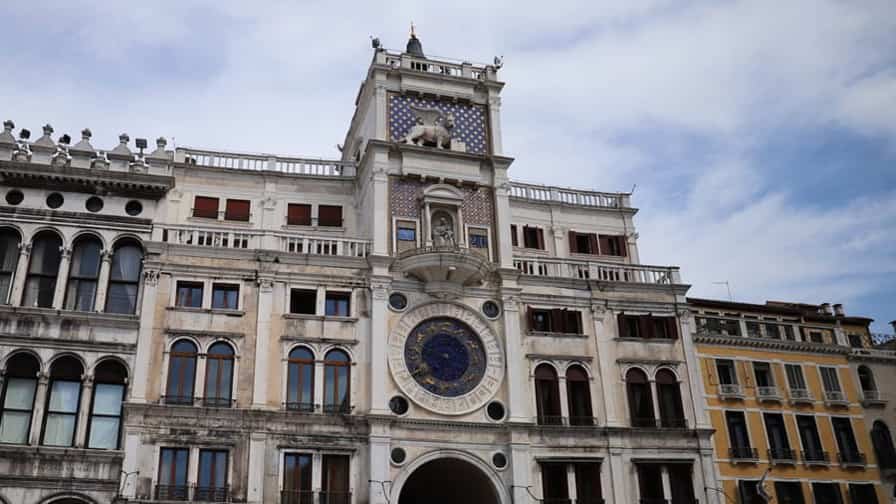

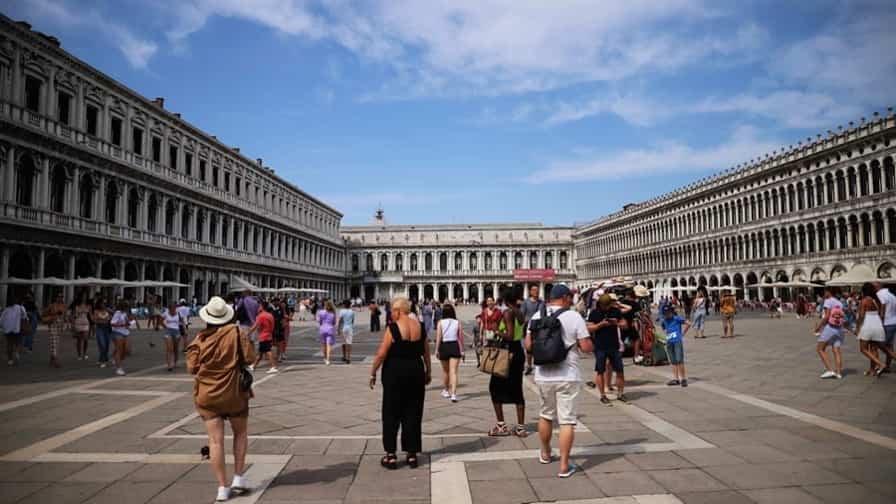
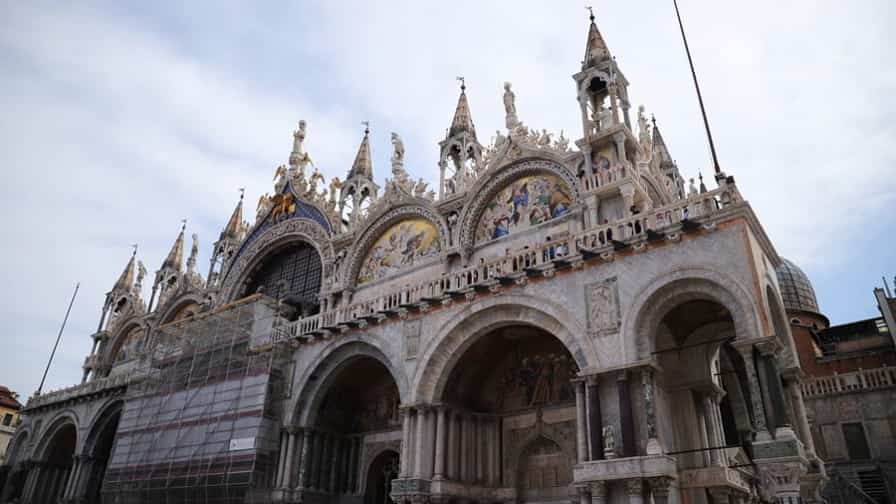
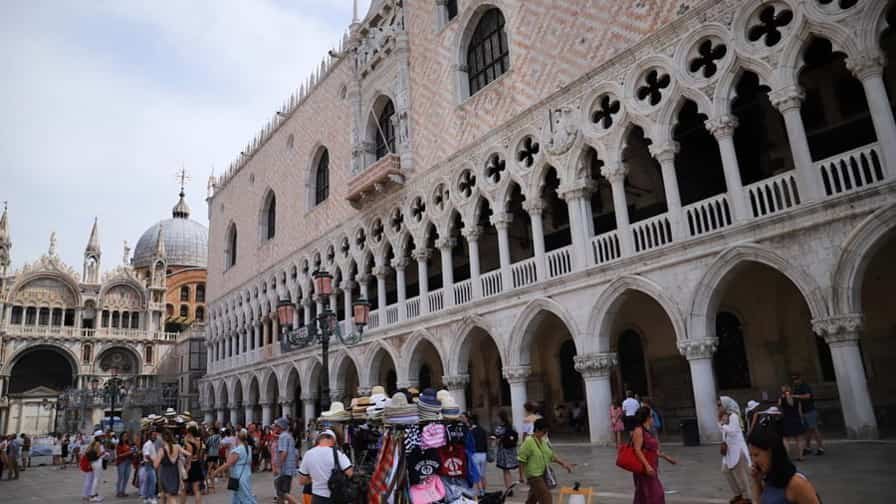


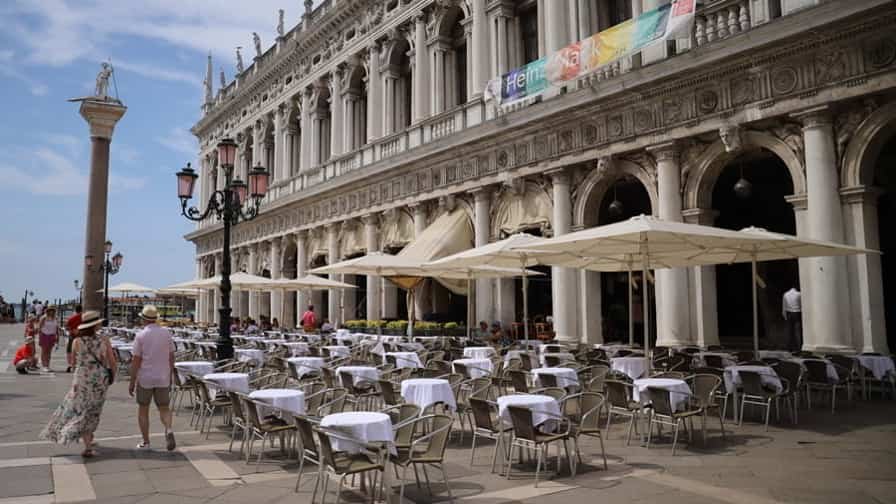
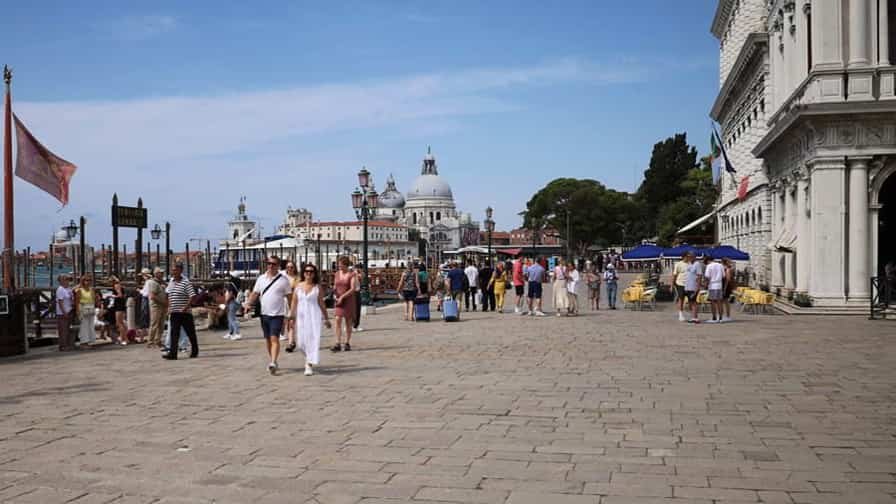
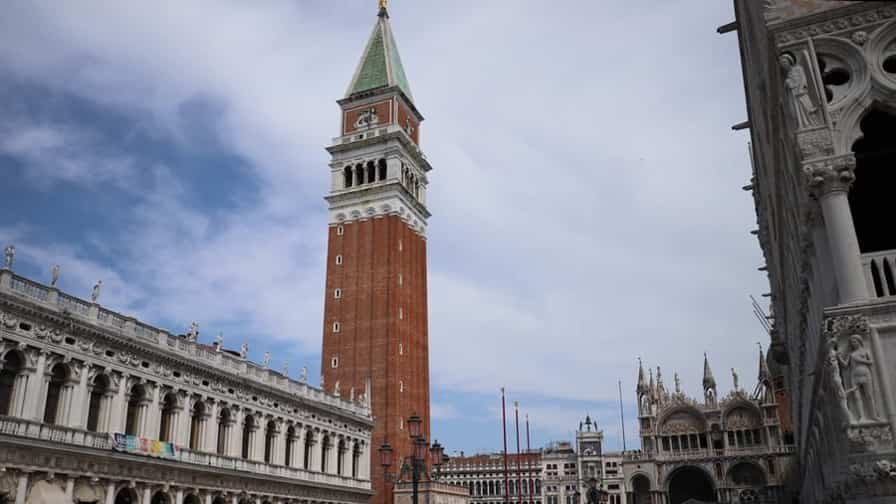
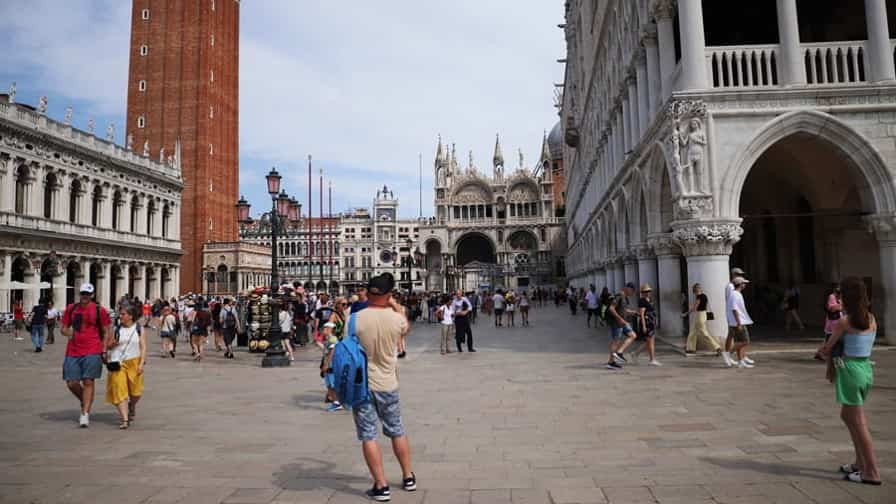
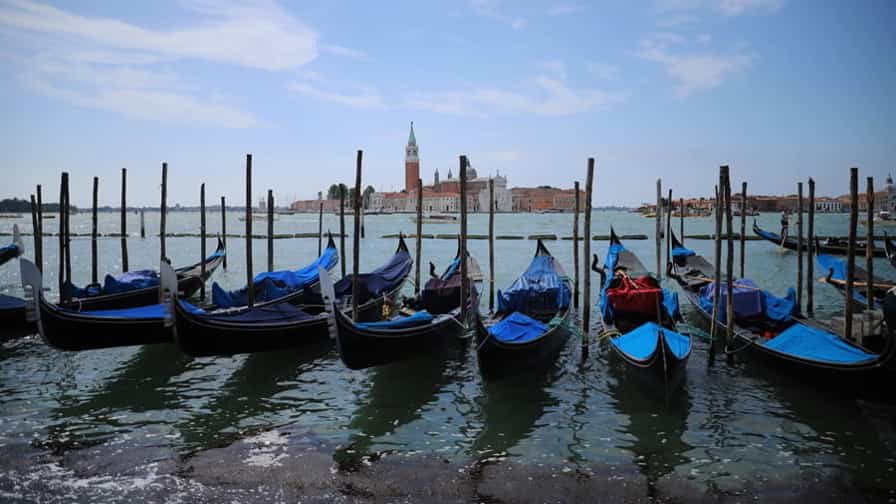
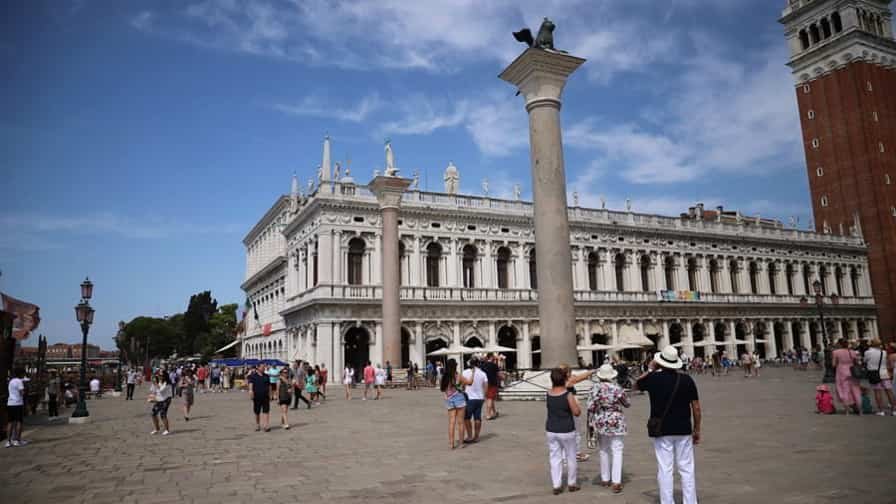
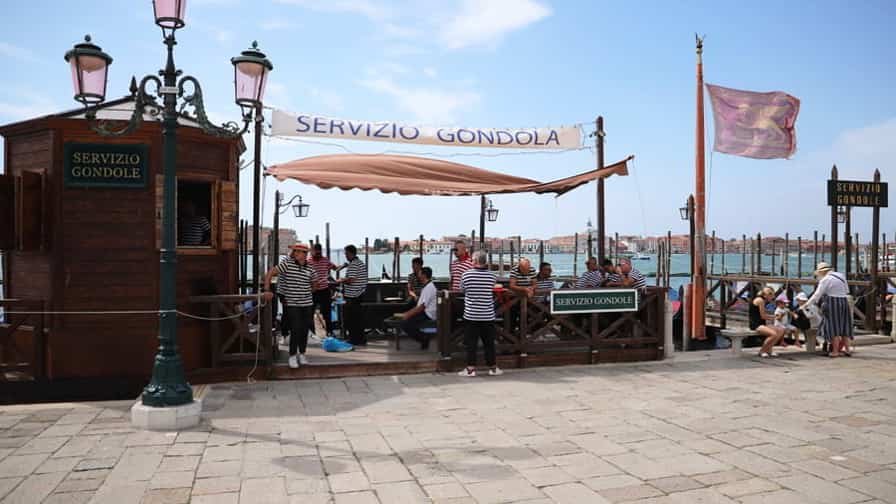

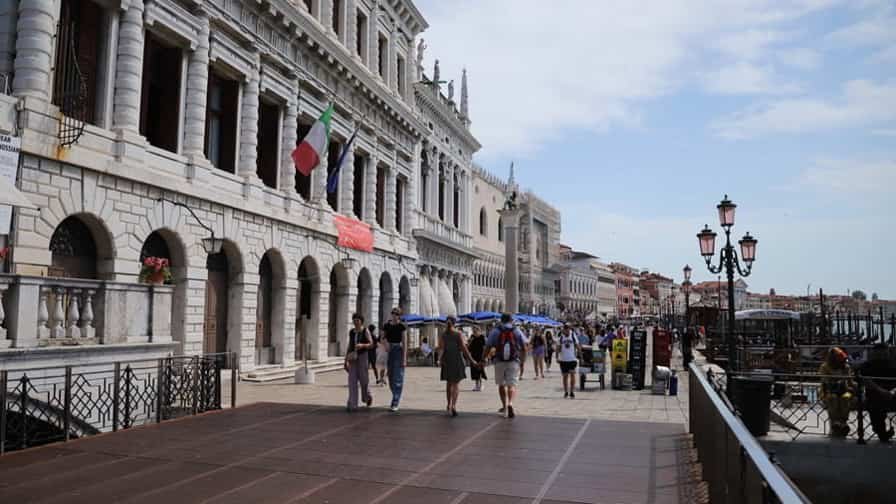

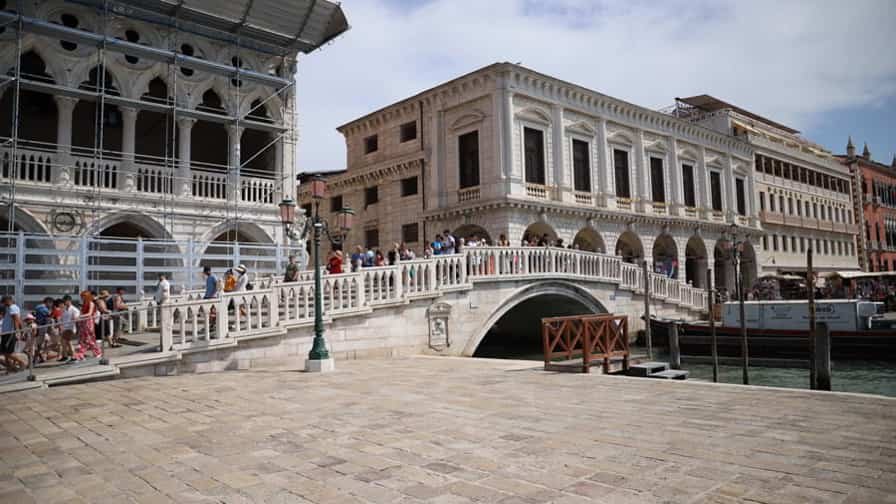
Photo Gallery of Walk 4 – Riva degli Schiavoni to Ponte de Quintavale
Approximately 1.56 km – 0.97 miles
The walk starts in Riva degli Schiavoni – Ponte del Vin – Riva degli Schiavoni – Ponte de la Pietà – Ponte del Sepolcro – Riva degli Schiavoni – Fondamenta Arsenale – Riva S. Biasio – Riva dei Sette Martiri – Via Giuseppe Garibaldi – Church of San Francesco di Paola, Via Giuseppe Garibaldi – Via Giuseppe Garibaldi – Fondamenta S. Gioacchin – Calle S. Gioachino – Fondamenta S Anna – Ponte de Quintavale






COPYRIGHT © 2018-2025 ITALY IN PHOTOS – ALL RIGHTS RESERVED