
HOME
REGIONS OF ITALY
PLACES IN ITALY
TRAVEL GUIDES
Italy in Photos
Giardini la Lizza, 53100 Siena, Italy (September 2018)
Tuscany
Tuscany is a region that seems to exist at the crossroads of nature, history, and imagination. Located in central Italy, it stretches from the Apennine Mountains to the Tyrrhenian Sea and offers a landscape so harmonious that it has shaped the world’s idea of beauty for centuries. Rolling hills patterned with vineyards and olive groves, medieval hill towns rising from ridgelines, and wide valleys bathed in golden light all combine to create a setting that feels both timeless and deeply lived in. Tuscany is not merely a destination to be visited, but a place to be experienced slowly, through its scenery, its art, and its way of life.
The region is perhaps best known for its extraordinary cultural heritage. Tuscany was the cradle of the Renaissance, a period that transformed European art, science, and thought. Cities such as Florence, Pisa, Siena, and Lucca preserve this legacy in their architecture, museums, and public spaces. Florence, the regional capital, is an open-air museum where masterpieces by artists like Michelangelo, Leonardo da Vinci, and Botticelli coexist with vibrant modern life. Beyond the famous cities, smaller towns reveal layers of Etruscan, Roman, medieval, and Renaissance history, each contributing to the region’s rich identity.
Tuscany’s landscapes are as varied as they are iconic. The gentle hills of the Chianti area, dotted with cypress trees and stone farmhouses, have become symbols of rural Italy around the world. To the south, the Val d’Orcia offers sweeping views of wheat fields, vineyards, and ancient villages, a scenery so balanced and evocative that it has been recognized as a UNESCO World Heritage Site. Along the coast, Tuscany reveals a different character, with sandy beaches, rocky promontories, and the islands of the Tuscan Archipelago, including Elba, where natural beauty meets maritime history.
Food and wine play a central role in Tuscan identity. The region’s cuisine is rooted in simplicity and quality, emphasizing seasonal ingredients and traditional methods passed down through generations. Bread, olive oil, beans, vegetables, and locally raised meats form the foundation of many dishes, while wines such as Chianti, Brunello di Montalcino, and Vino Nobile di Montepulciano are celebrated worldwide. Eating in Tuscany is not just about nourishment, but about connection, to the land, to history, and to the people who cultivate it.
Equally important is the Tuscan approach to life, often described as a balance between work, pleasure, and contemplation. Daily rhythms are shaped by long meals, local festivals, and a strong sense of community. This lifestyle reflects a deep respect for tradition while remaining open to creativity and innovation. Tuscany continues to inspire artists, writers, and travelers, just as it has for centuries, because it offers more than scenic beauty or historical significance. It offers a feeling of harmony between humanity and its surroundings.
In essence, Tuscany is a region where past and present exist in constant dialogue. Its cities tell stories of artistic genius and political ambition, its countryside speaks of patience and continuity, and its people embody a culture that values beauty in everyday life. To understand Tuscany is to understand a place where history is not confined to museums, but woven into the landscape, the food, and the rhythm of daily living.
The Provinces in the Region of Tuscany
The photos shown for each province were taken during my visits to those locations. For more information, click on the name to be taken to the main page for that place.
The Province of Florence
Florence
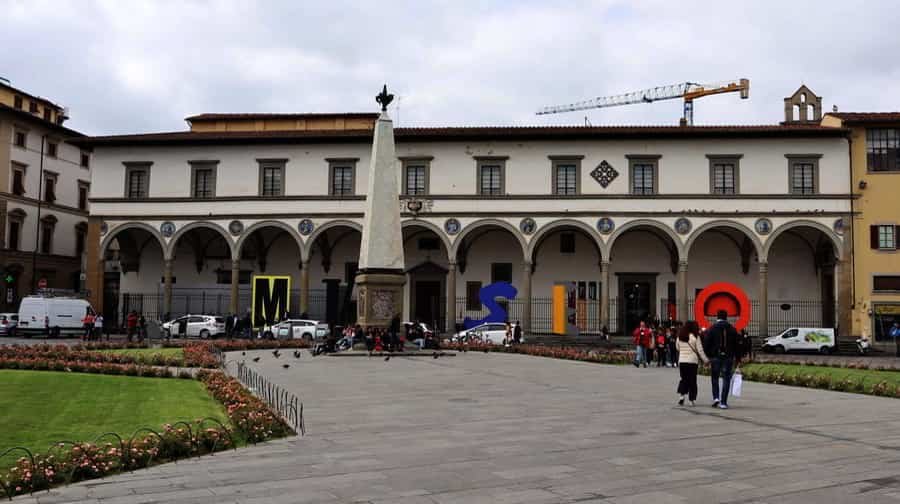
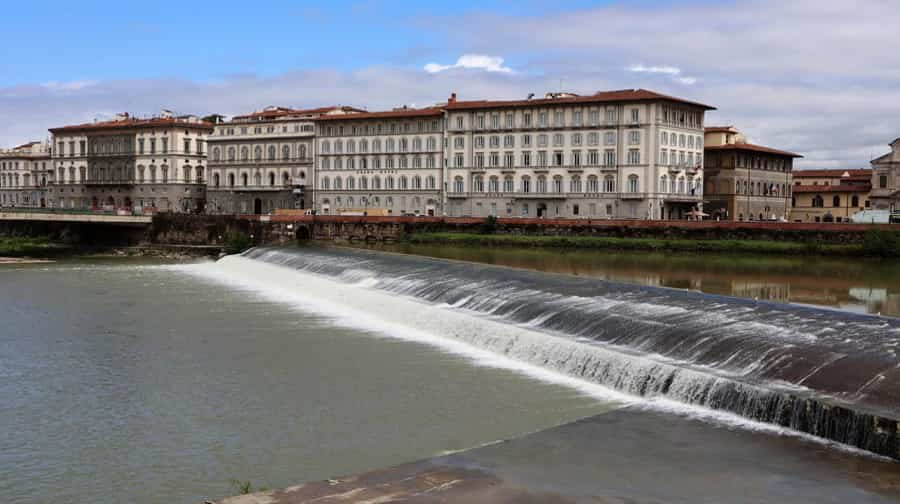
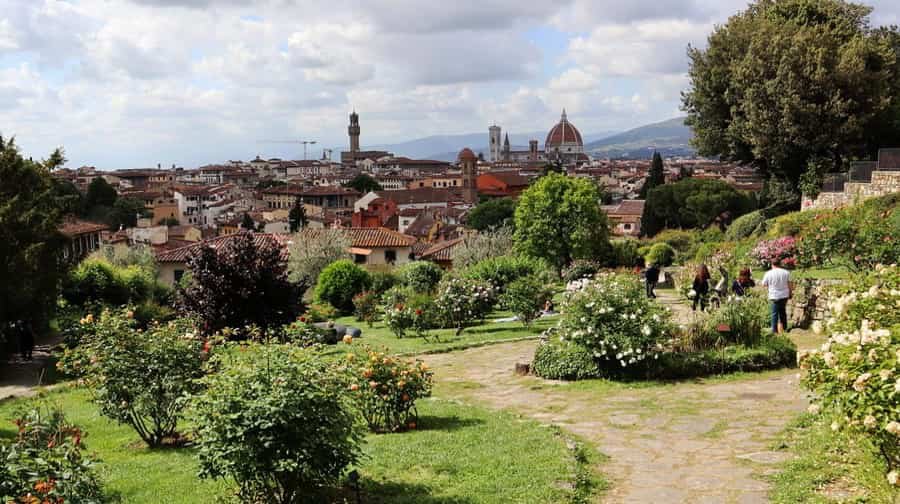
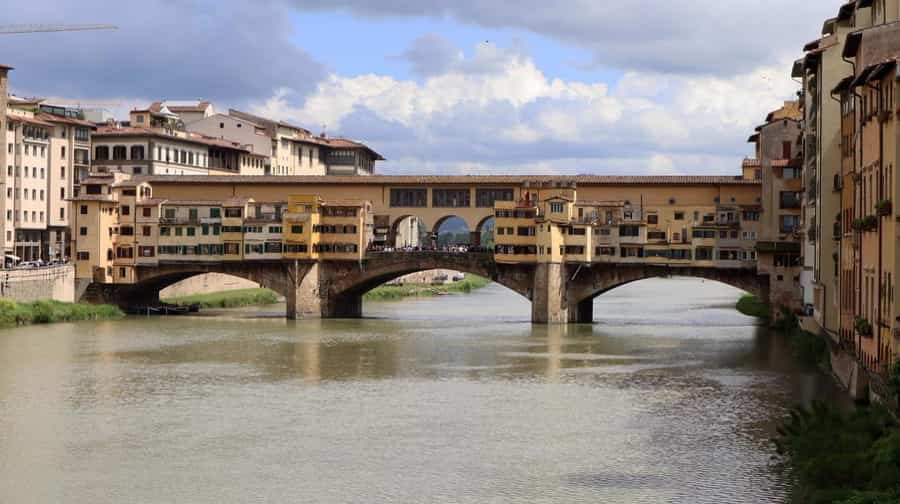
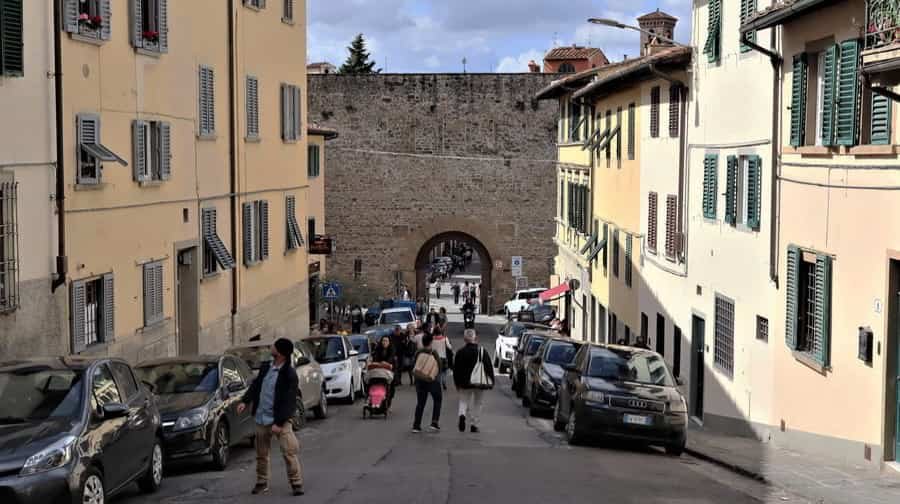
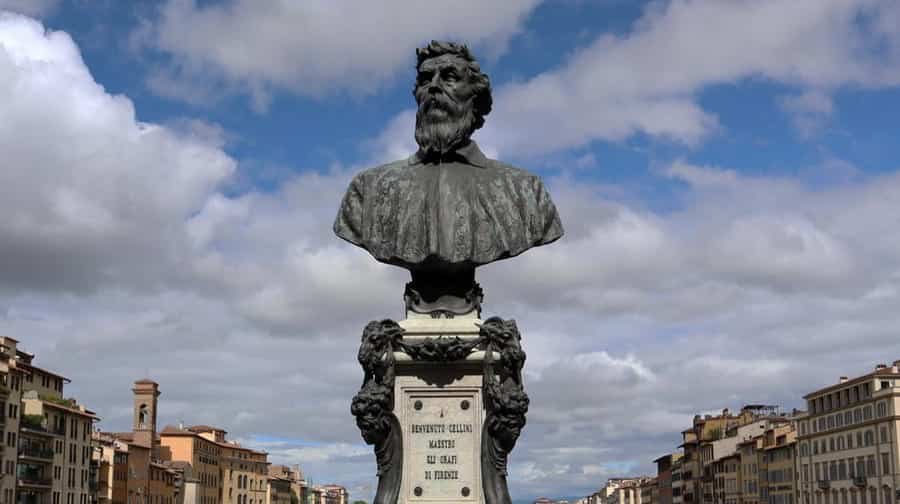
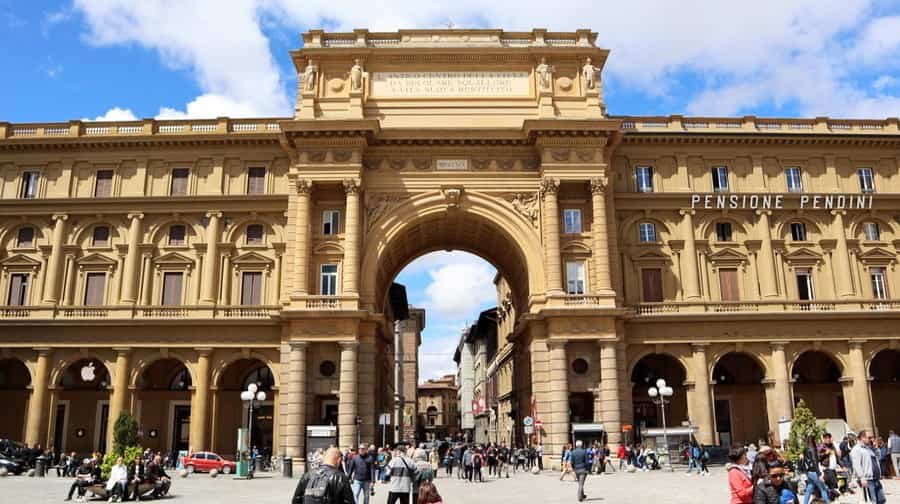
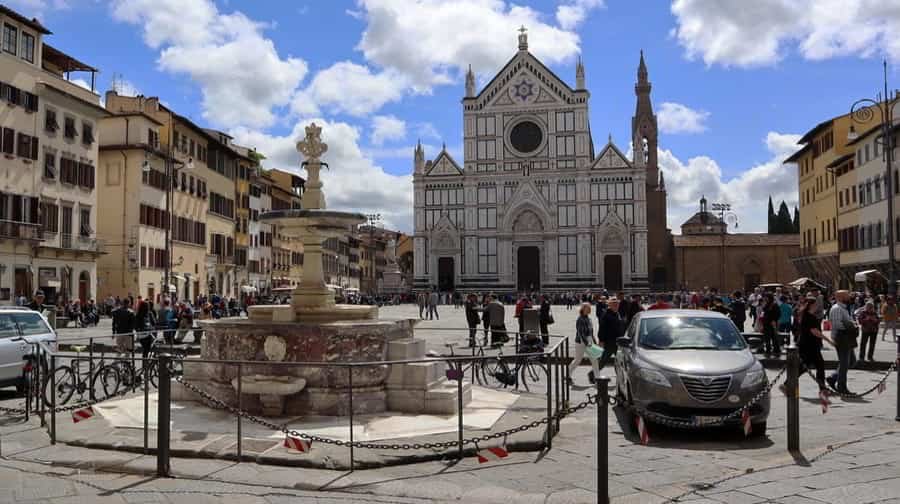
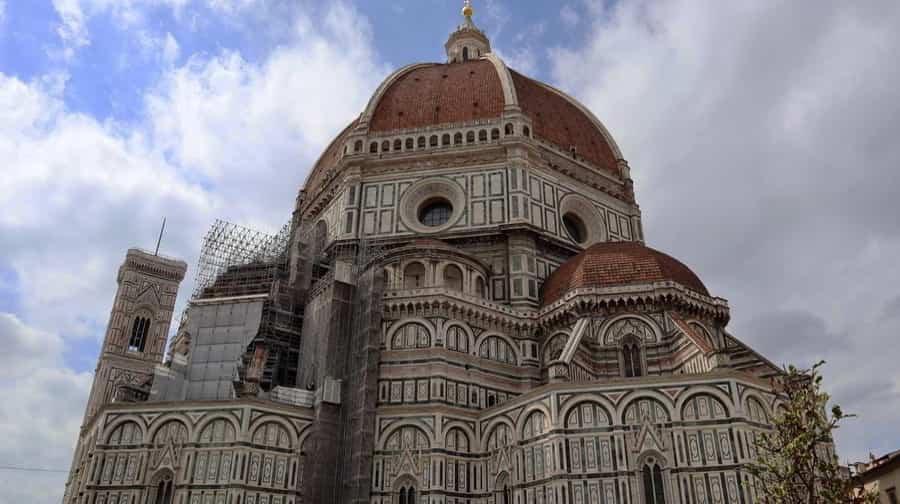
The Province of Florence, located in the heart of the Region of Tuscany, is an area rich in history, culture, and diverse landscapes. Centered around the city of Florence, the province extends beyond the urban setting to include rolling hills, fertile valleys, and charming towns that reflect the deep-rooted traditions of central Italy. Its strategic position has long made it a crossroads for commerce, art, and political influence.
Historically, the province played a crucial role during the Middle Ages and the Renaissance, when Florence emerged as a powerful city-state. The surrounding countryside supported this growth through agriculture, craftsmanship, and trade, creating a close relationship between the city and its rural environment. Today, this balance remains visible in the vineyards, olive groves, and historic villas that characterize the landscape.
The Province of Florence is also known for its cultural richness beyond the capital. Towns such as Fiesole, Empoli, and Pontassieve offer archaeological sites, medieval centers, and strong local identities. Together, these elements make the province a dynamic territory where artistic heritage, natural beauty, and everyday life are closely intertwined, offering a comprehensive expression of Tuscan history and character.
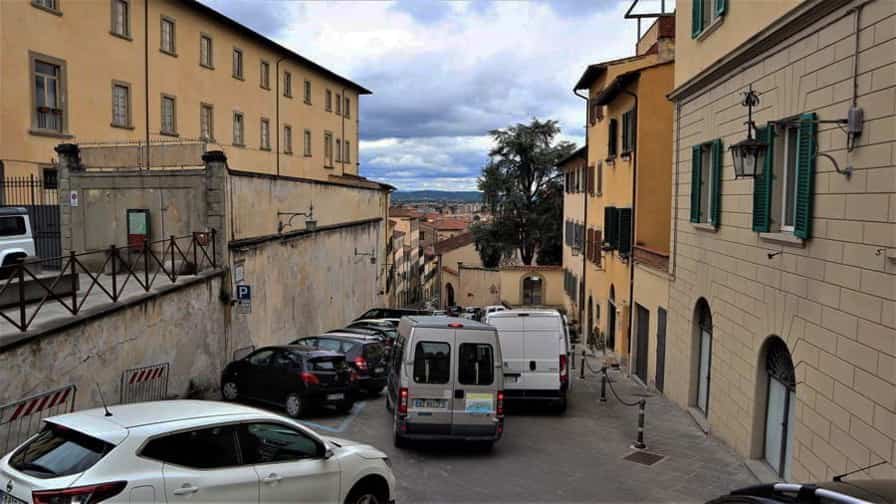
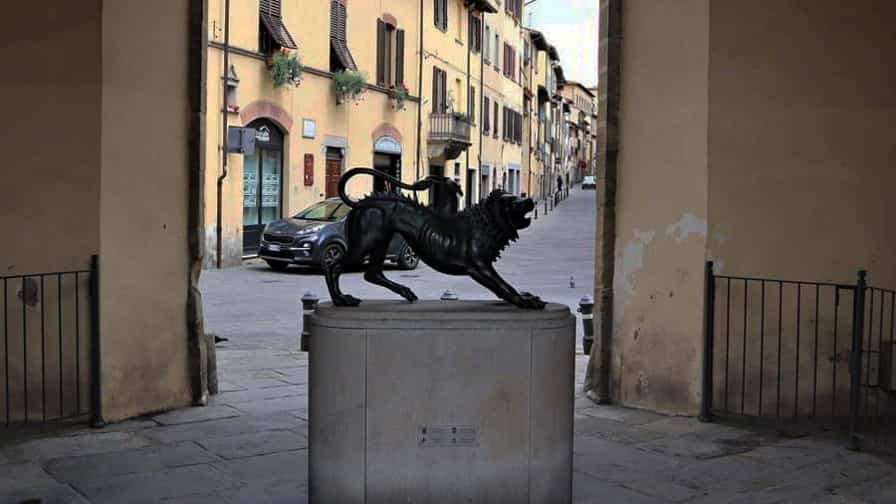
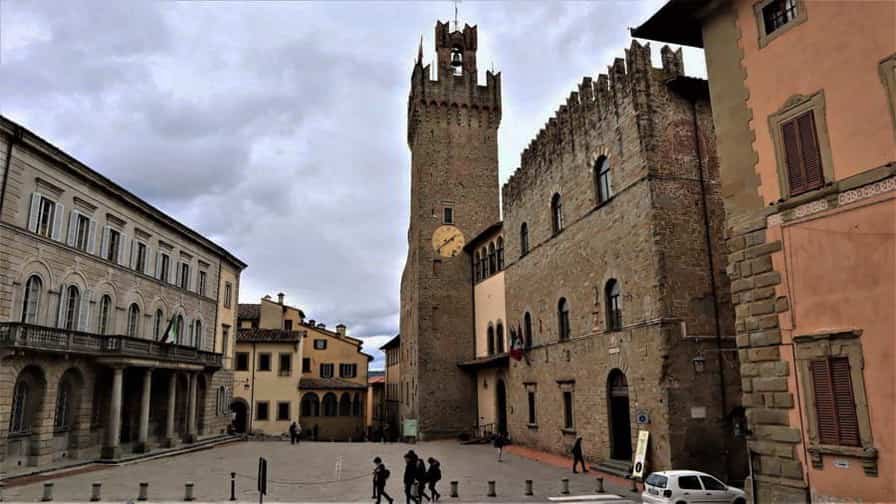
The Province of Arezzo
Arezzo
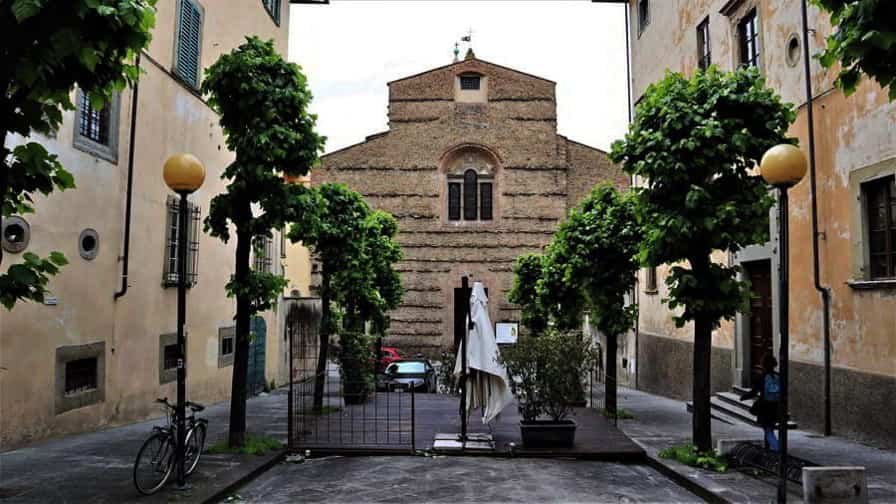
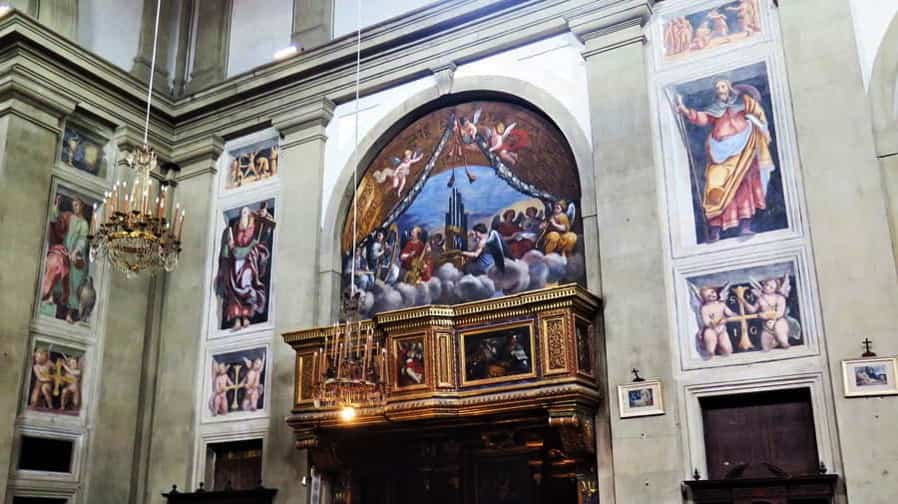
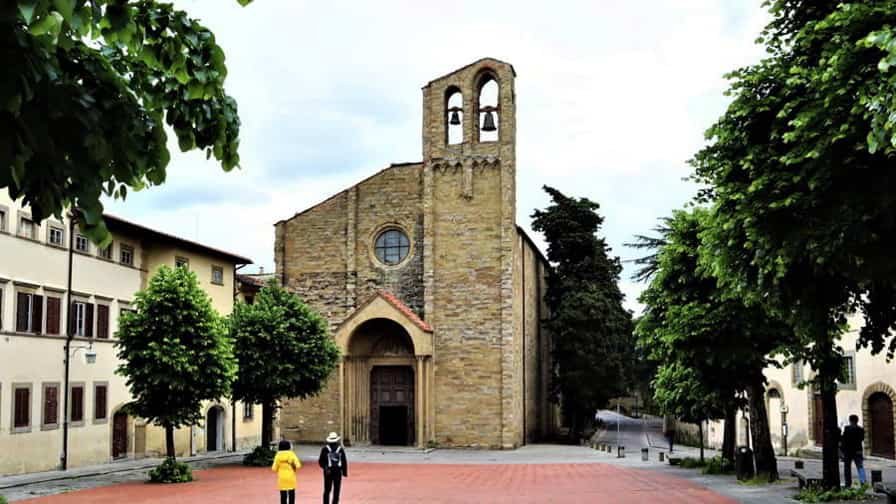
The Province of Grosseto is the southernmost and one of the most expansive provinces in the Region of Tuscany, characterized by wide open landscapes, unspoiled nature, and a strong connection to the land. Extending from the rolling hills of the interior to the Tyrrhenian coastline, the province offers a remarkable variety of environments, including plains, forests, wetlands, and beaches. Its relative isolation has helped preserve a sense of authenticity and natural balance that sets it apart from other parts of Tuscany.
Historically, the Province of Grosseto is closely associated with the Maremma, an area once dominated by marshlands and later transformed through land reclamation. This history is reflected in the region’s rural settlements, fortified towns, and agricultural traditions. The city of Grosseto, enclosed by well-preserved Renaissance walls, serves as the provincial capital and a cultural reference point for the surrounding territory.
The province is also home to protected natural areas such as the Maremma Regional Park and the islands of the Tuscan Archipelago, including Giglio and Giannutri. Combined with ancient villages, Etruscan sites, and a strong agricultural heritage, the Province of Grosseto represents a side of Tuscany defined by space, nature, and enduring traditions.
The Province of Grosseto
The Province of Grosseto is the southernmost and one of the most expansive provinces in the Region of Tuscany, characterized by wide open landscapes, unspoiled nature, and a strong connection to the land. Extending from the rolling hills of the interior to the Tyrrhenian coastline, the province offers a remarkable variety of environments, including plains, forests, wetlands, and beaches. Its relative isolation has helped preserve a sense of authenticity and natural balance that sets it apart from other parts of Tuscany.
Historically, the Province of Grosseto is closely associated with the Maremma, an area once dominated by marshlands and later transformed through land reclamation. This history is reflected in the region’s rural settlements, fortified towns, and agricultural traditions. The city of Grosseto, enclosed by well-preserved Renaissance walls, serves as the provincial capital and a cultural reference point for the surrounding territory.
The province is also home to protected natural areas such as the Maremma Regional Park and the islands of the Tuscan Archipelago, including Giglio and Giannutri. Combined with ancient villages, Etruscan sites, and a strong agricultural heritage, the Province of Grosseto represents a side of Tuscany defined by space, nature, and enduring traditions.
The Province of Livorno
Livorno
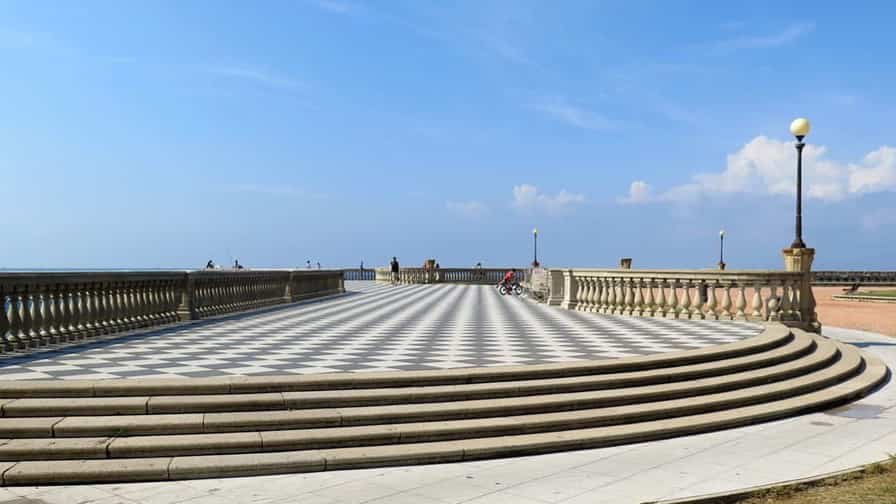
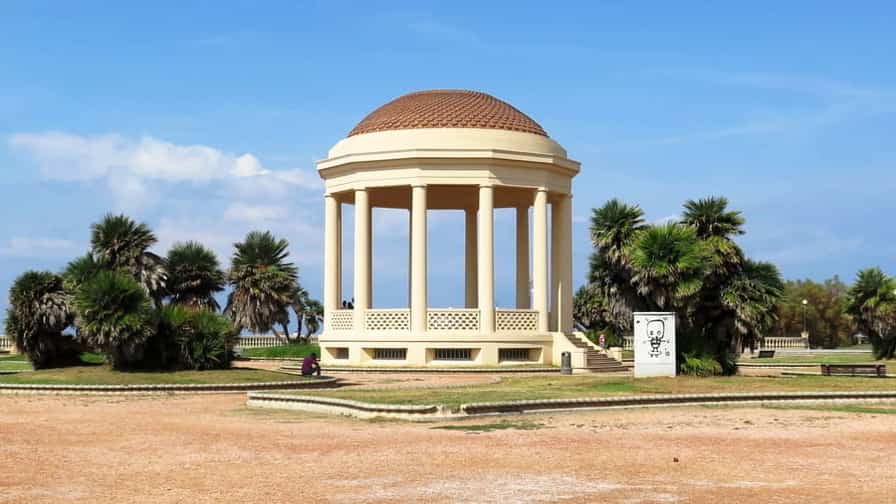
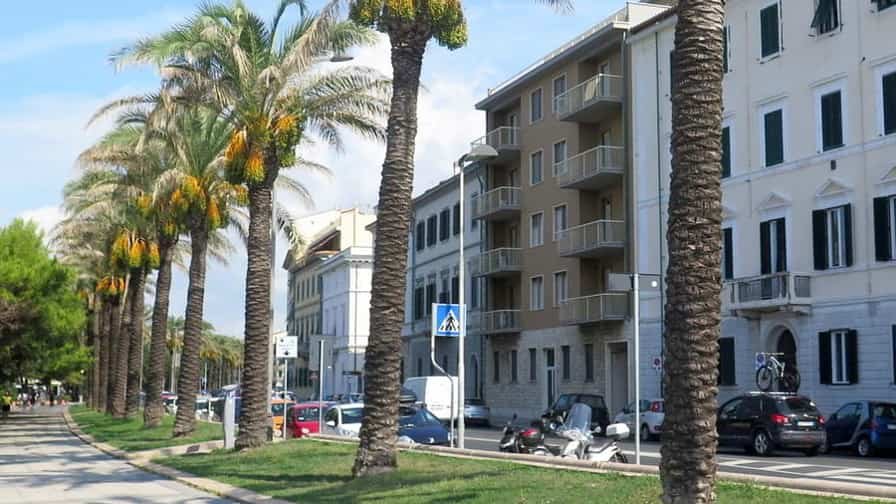
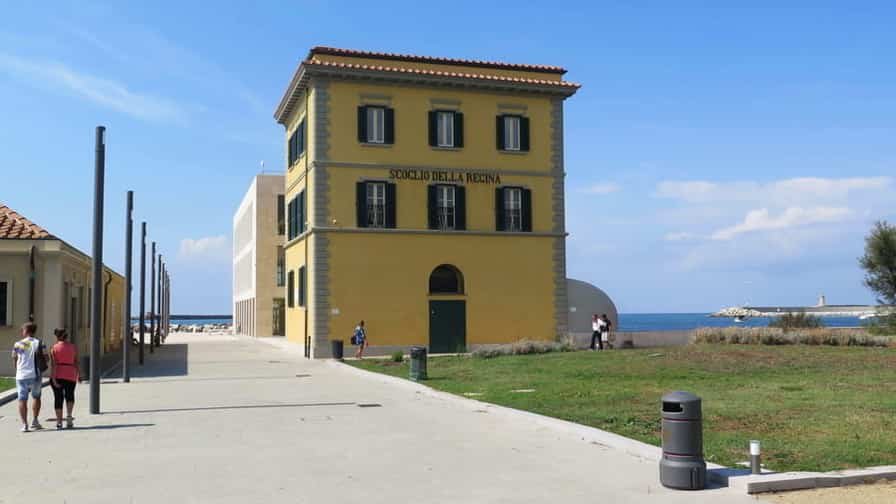
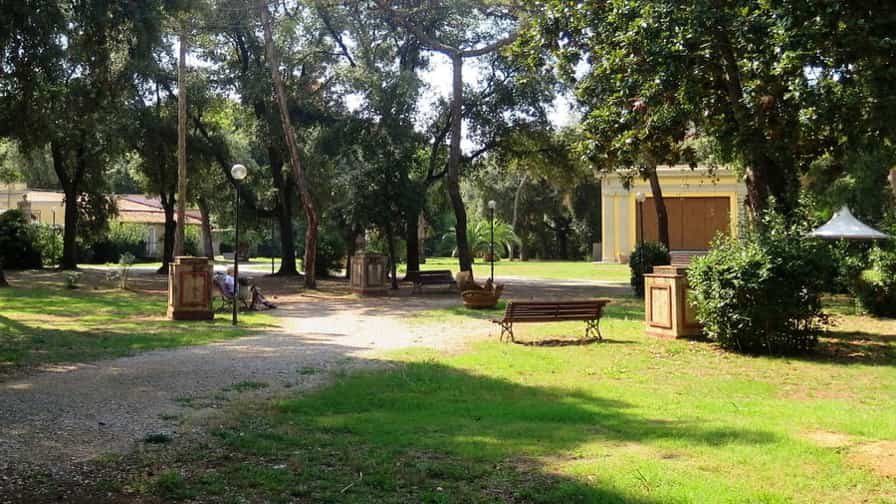
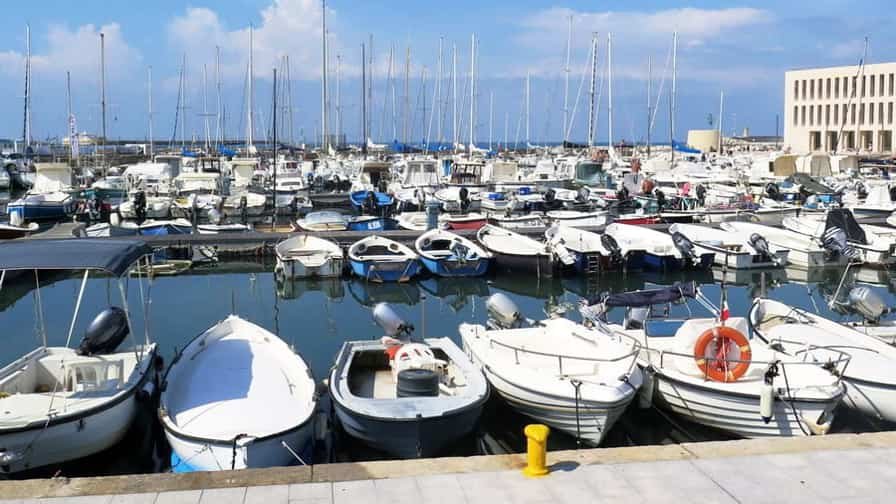
The Province of Livorno is located along the western coast of Tuscany, bordering the Tyrrhenian Sea, and is known for its maritime heritage, scenic landscapes, and cultural diversity. It encompasses a mix of coastal cities, rural inland areas, and islands that together reflect the province’s economic, historical, and natural richness. Livorno, the provincial capital, is a major port city with a distinctive urban design, canals, and a long history as a centre of trade and navigation.
Historically, the province developed as a hub for commerce, shipbuilding, and fishing. Livorno itself was designed as a free port in the Renaissance, attracting merchants, artisans, and settlers from across Europe, which gave the city a multicultural identity that remains visible today. Beyond the coast, the province includes towns such as Cecina, Piombino, and Collesalvetti, each with unique histories, architectural heritage, and agricultural traditions.
The Province of Livorno is also home to the Tuscan Archipelago, including Elba, Capraia, and other islands, renowned for their natural beauty, hiking trails, and historical significance. These islands, along with the coastal beaches, nature reserves, and countryside, make the province a diverse region where maritime culture, history, and natural landscapes converge, representing an essential part of Tuscany’s character.
The Province of Lucca
Lucca
Viareggio
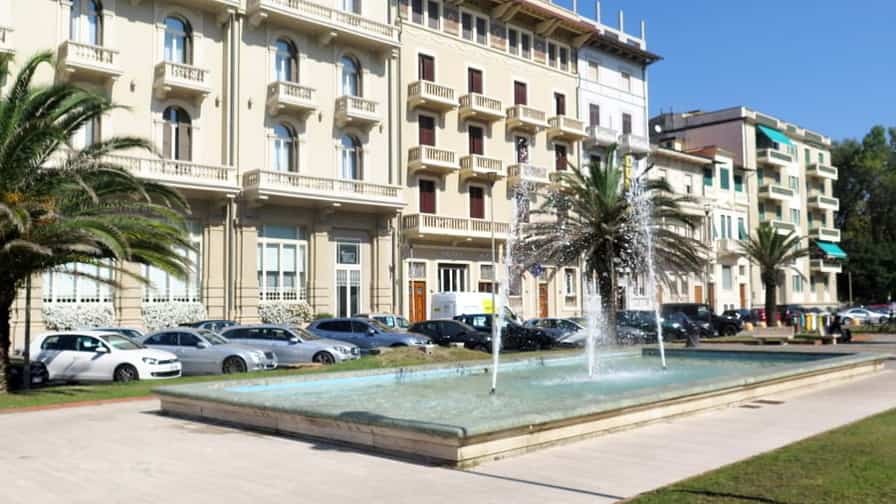
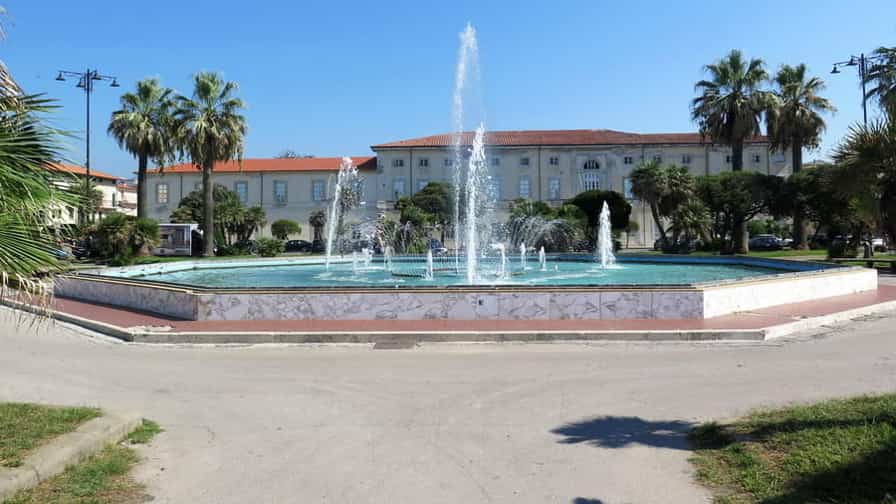
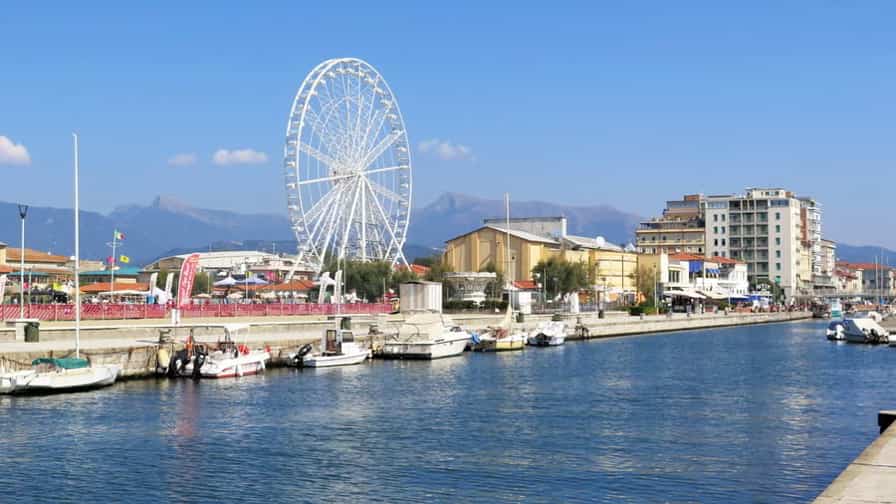
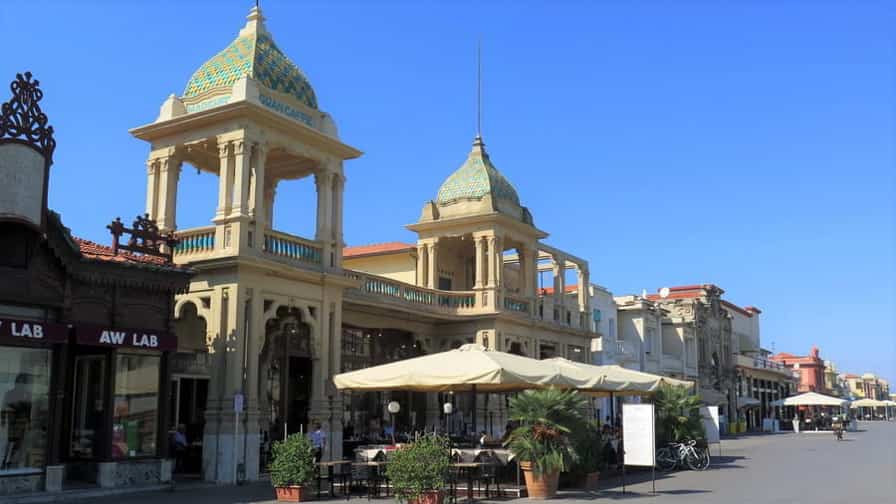
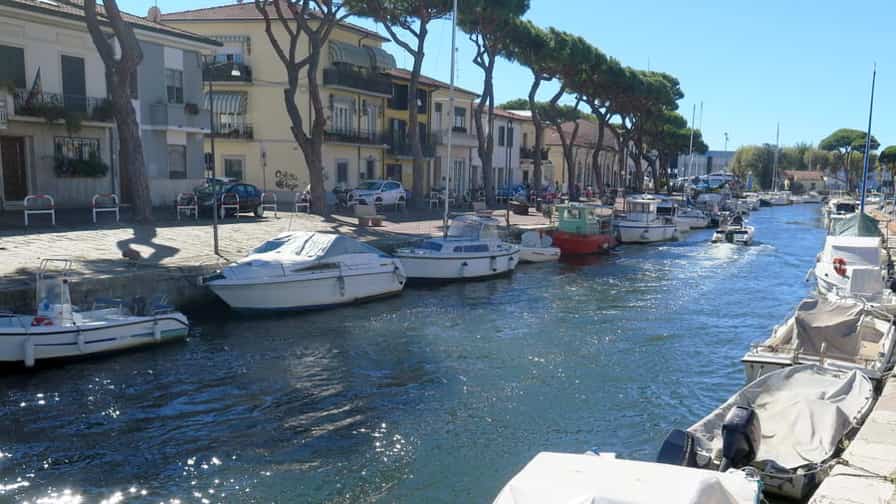
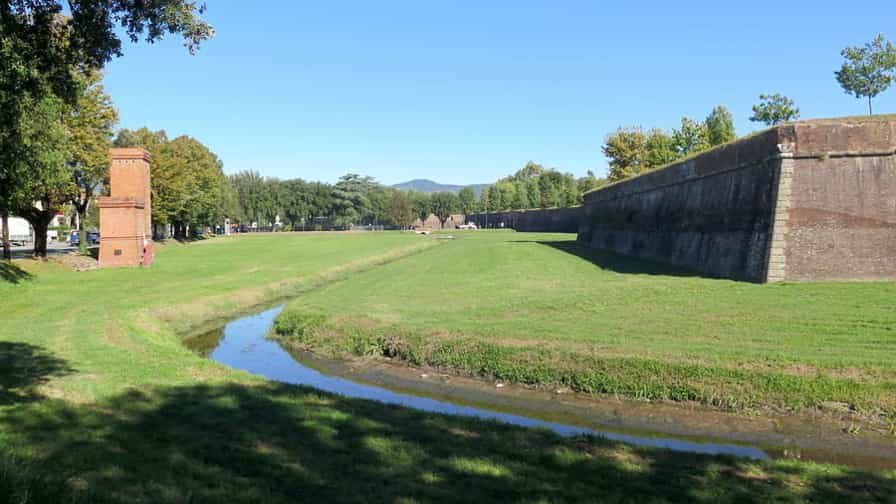
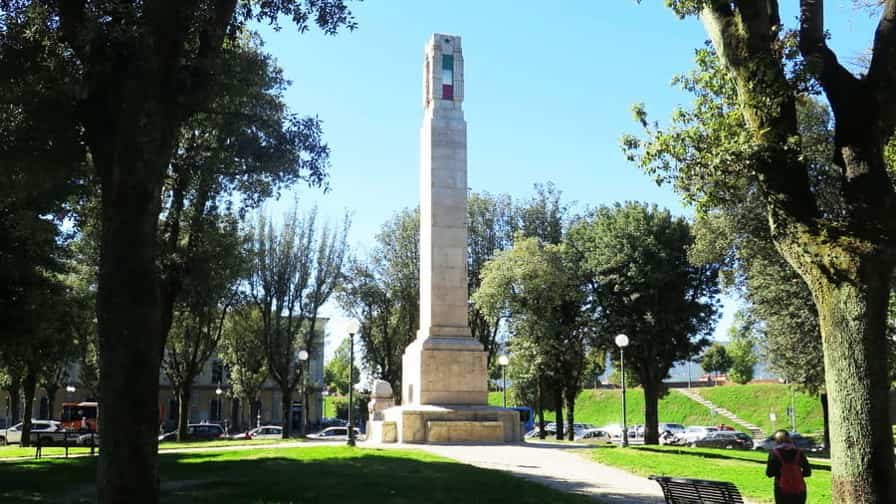
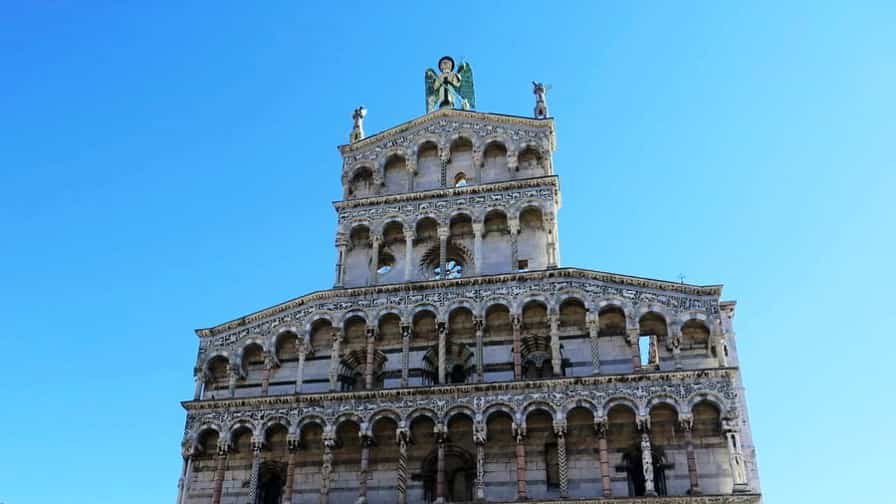
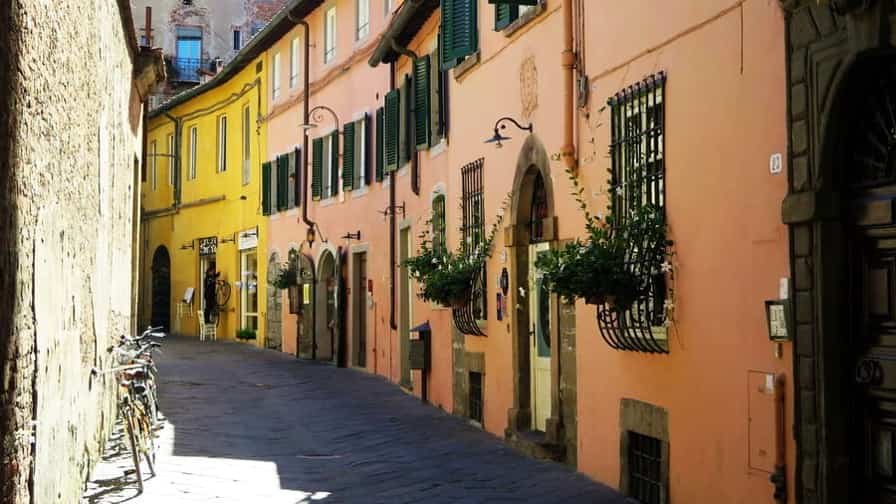
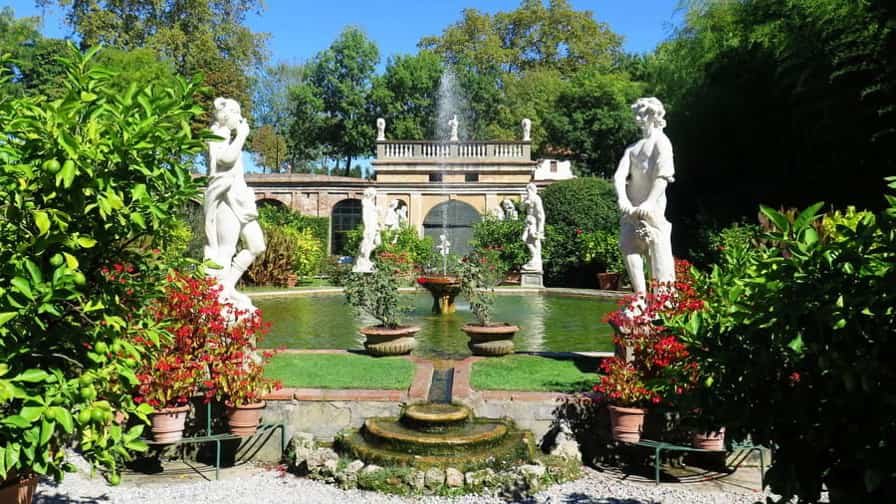
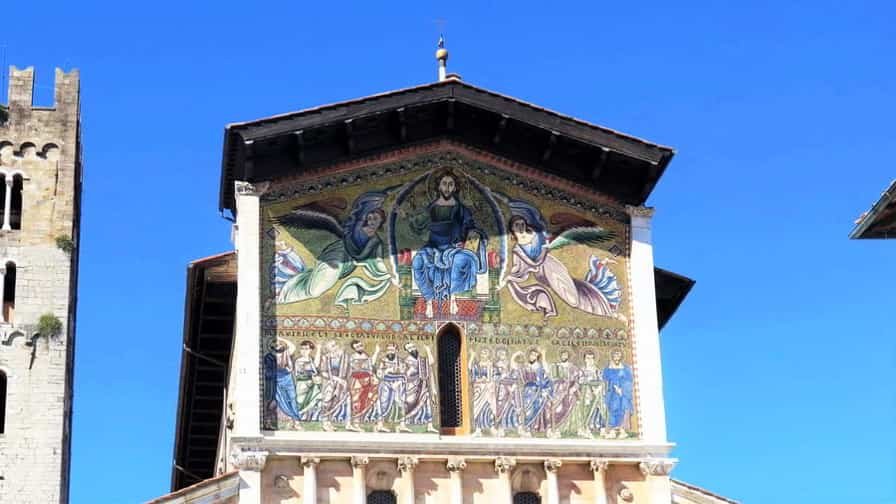
The Province of Lucca is located in northern Tuscany and is celebrated for its well-preserved historic towns, rolling hills, and rich cultural heritage. The provincial capital, the city of Lucca, is famous for its complete Renaissance-era city walls that encircle the historic centre, offering a unique glimpse into the past. Within these walls, narrow streets, piazzas, and Romanesque churches reveal centuries of history and artistic achievement, while lively markets and cultural events keep the city vibrant and connected to modern life.
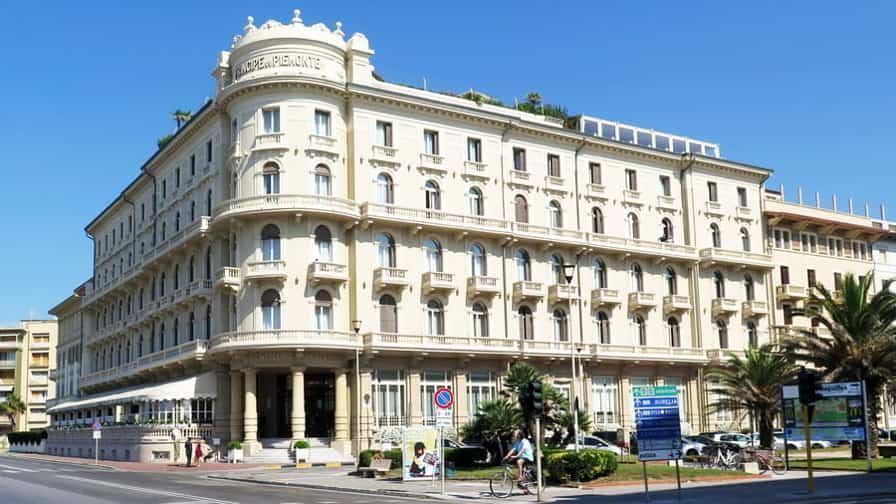
The province extends from the Tyrrhenian coast to the Apennine Mountains, creating a landscape of remarkable diversity. Its fertile plains, gentle hills, and forested areas support agriculture, including vineyards, olive groves, and chestnut forests. Small towns such as Barga, Pietrasanta, and Viareggio each have distinctive identities, reflecting local traditions, craftsmanship, and festivals that celebrate music, art, and cuisine.
Lucca is also known for its contributions to music and literature, producing famous composers, poets, and writers who have left a lasting mark on Italian culture. The combination of historical architecture, scenic beauty, and cultural richness makes the Province of Lucca a distinctive part of Tuscany, offering visitors and residents alike a harmonious blend of history, nature, and tradition.
The Province of Massa-Carrara
Massa
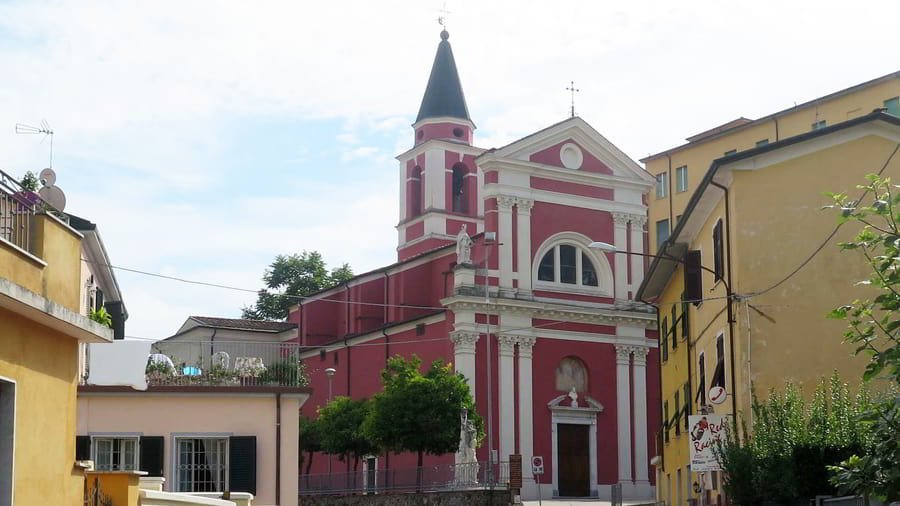
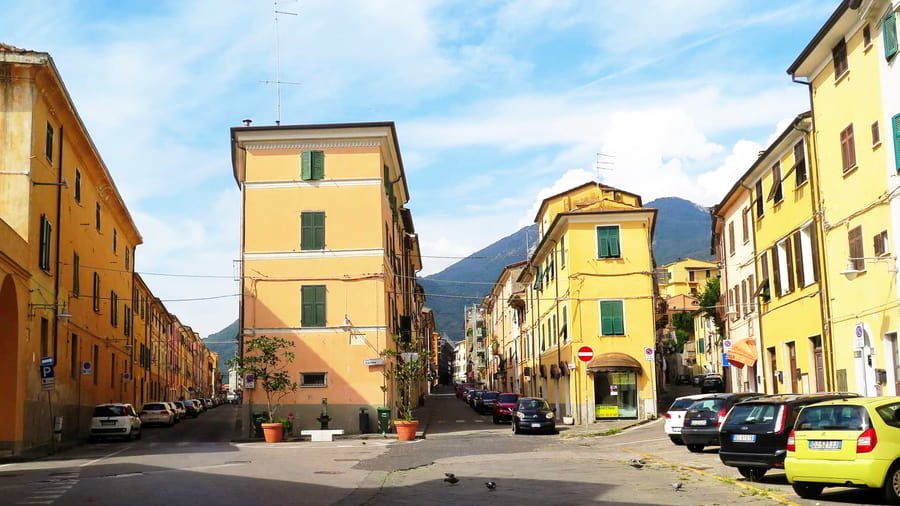
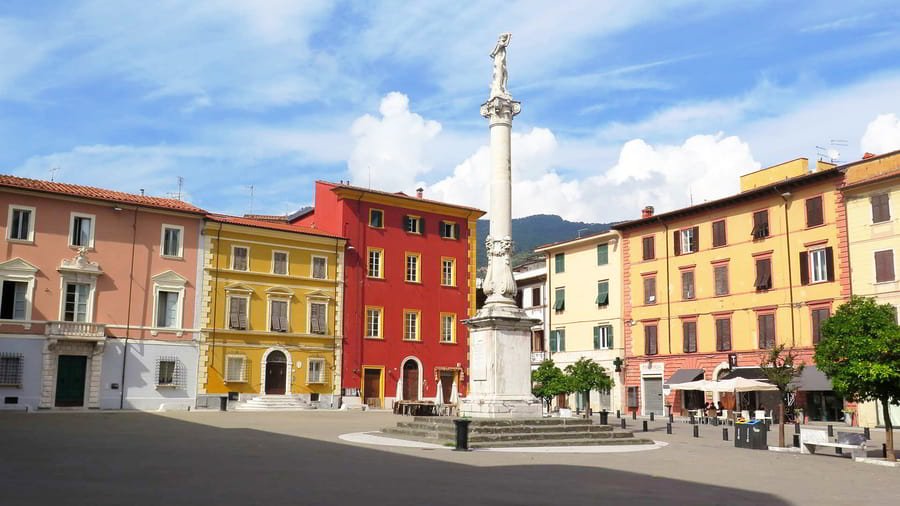
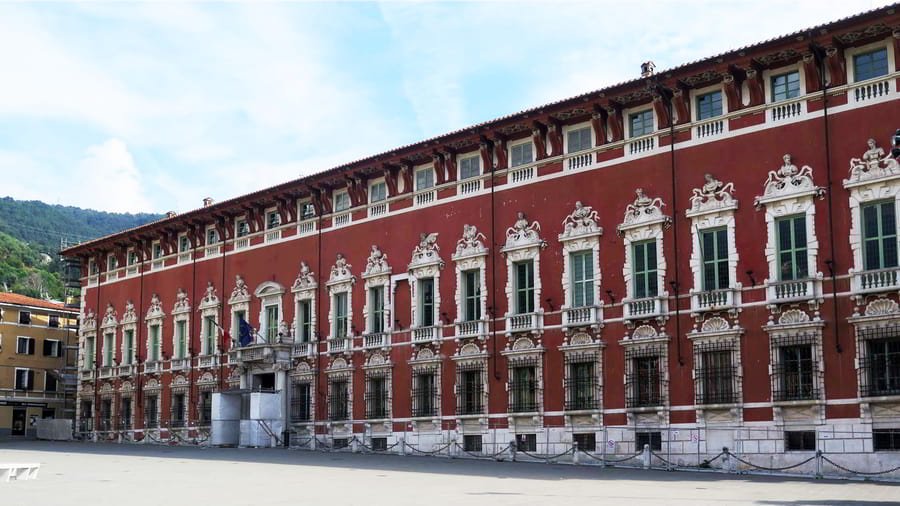
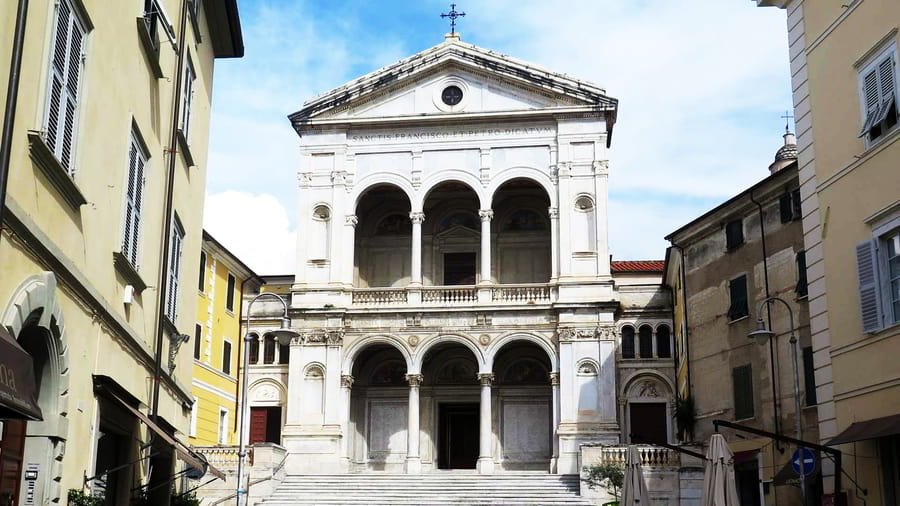
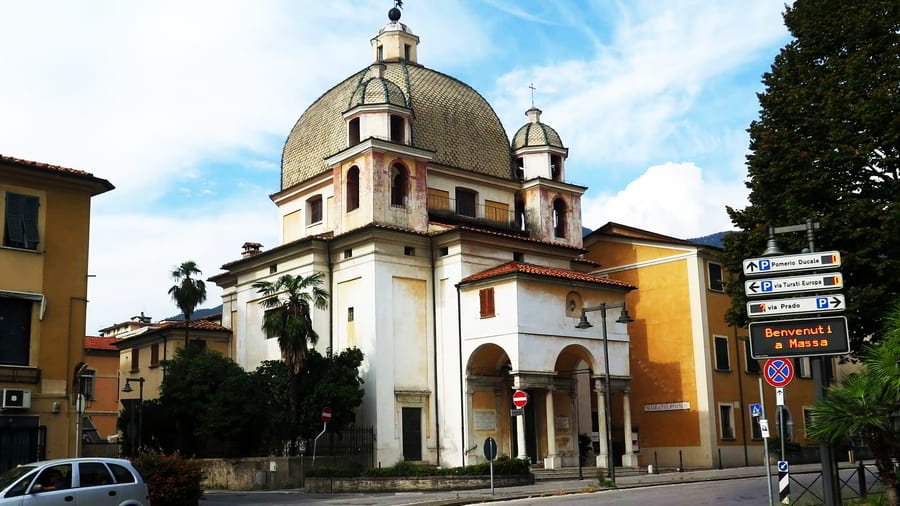
The Province of Massa-Carrara is located in the northern part of Tuscany, bordered by Liguria and Emilia-Romagna, and is distinguished by its dramatic landscapes, historic towns, and renowned marble quarries. The region combines mountainous terrain, including part of the Apennines and the Apuan Alps, with a short stretch of coastline along the Tyrrhenian Sea. This variety of landscapes gives the province a striking natural beauty that attracts artists, hikers, and travellers seeking both adventure and cultural experiences.
Massa and Carrara, the two main cities, serve as the province’s cultural and economic centres. Carrara is world-famous for its high-quality marble, which has been quarried since Roman times and used by sculptors such as Michelangelo. The marble industry has shaped the province’s economy, architecture, and identity for centuries. Beyond the quarries, historic towns and villages with medieval fortresses, churches, and palaces highlight the region’s rich past.
The province is also known for its natural parks and mountainous trails, offering opportunities for outdoor activities such as hiking, climbing, and exploring caves. Combined with its historical significance, artistic heritage, and scenic variety, the Province of Massa-Carrara represents a unique and dynamic corner of Tuscany, where nature, craftsmanship, and history are closely intertwined.
The Province of Pisa
Pisa
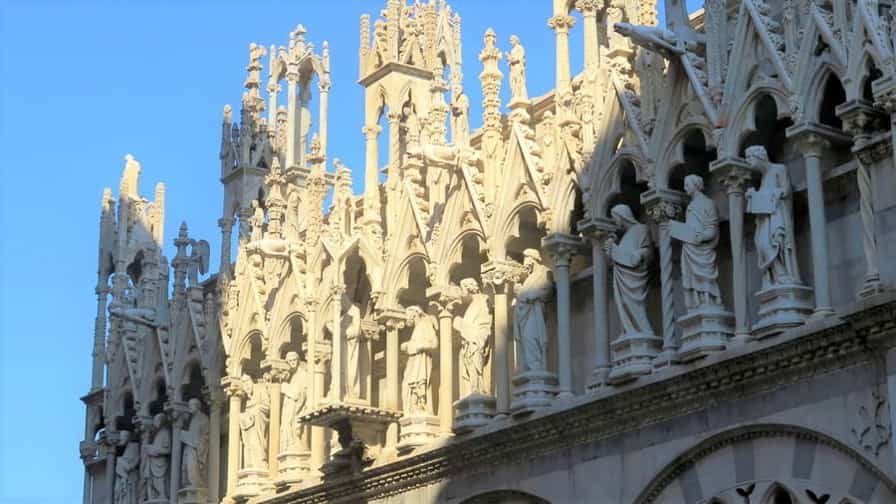
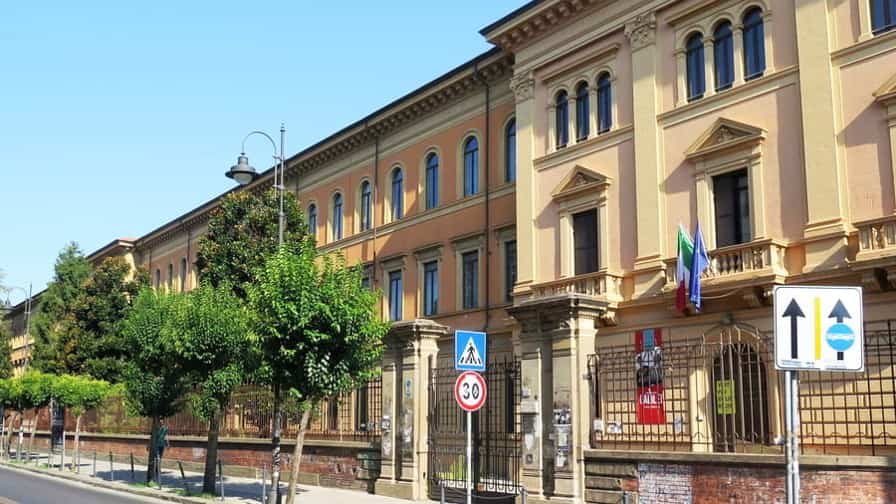
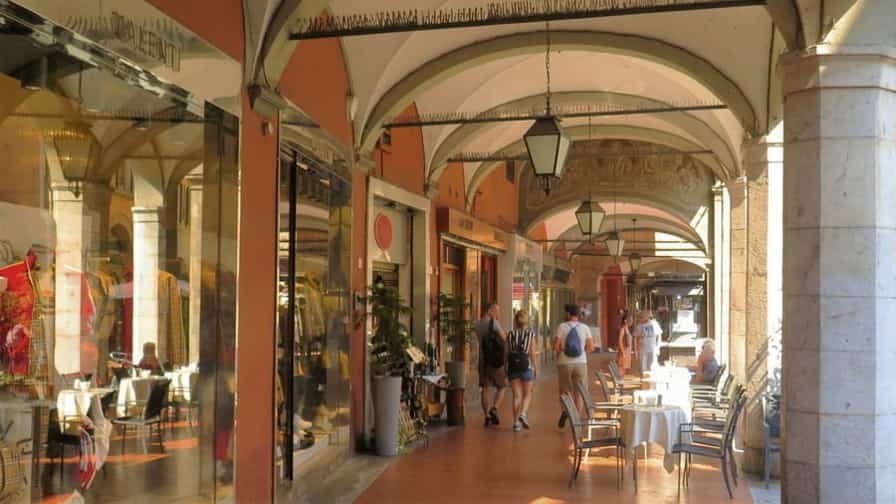
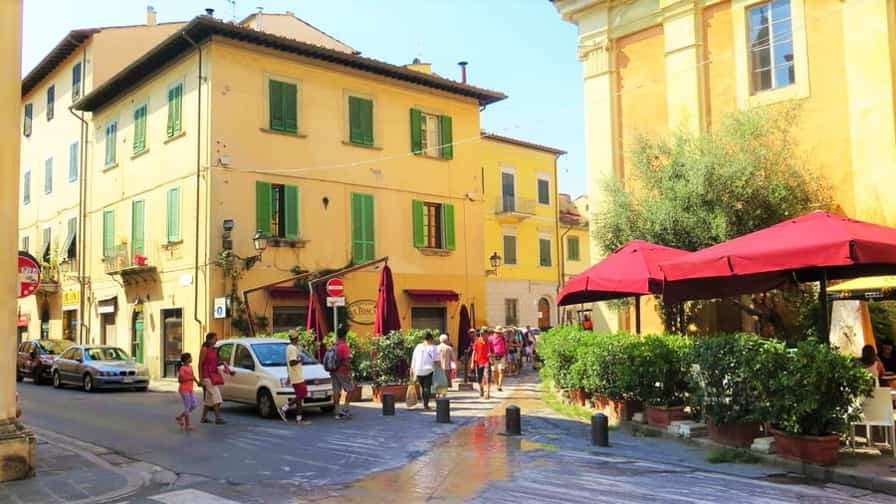
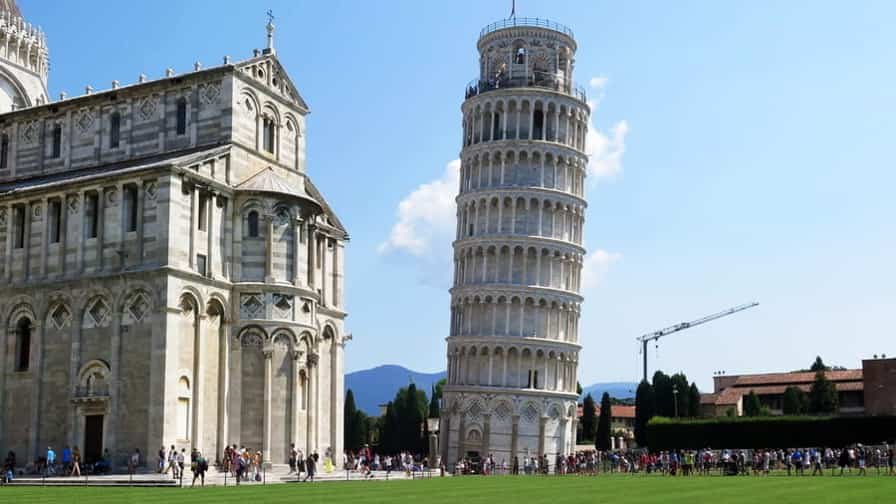
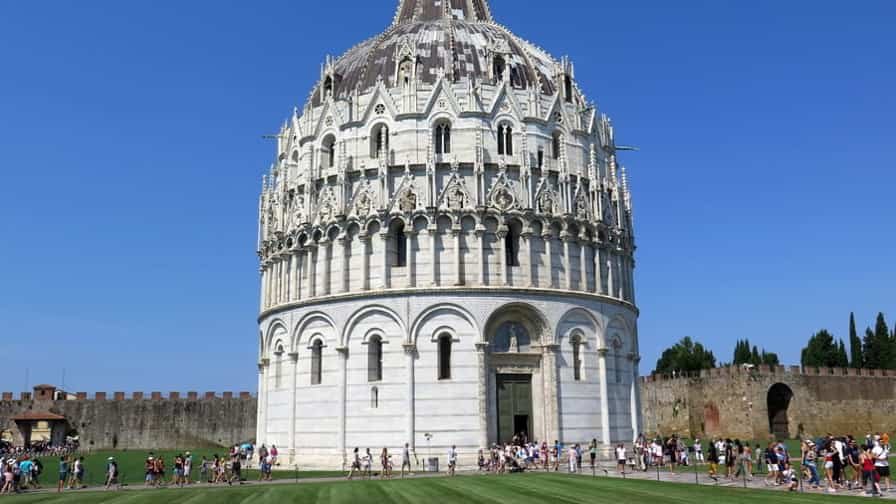
The Province of Pisa is located in the western part of Tuscany, along the Tyrrhenian coast, and is renowned for its historical, cultural, and architectural heritage. The provincial capital, Pisa, is world-famous for the Leaning Tower, a symbol recognized across the globe, as well as for its impressive Piazza dei Miracoli, which also includes the Cathedral, the Baptistery, and the Camposanto Monumentale. These landmarks reflect the city’s importance during the Middle Ages as a maritime republic and centre of trade, learning, and art.
Beyond the city, the province features a diverse landscape that stretches from the fertile Arno River valley to the coastal beaches and rural hills. Towns such as San Miniato, Volterra, and Pontedera offer a mix of medieval architecture, Etruscan heritage, and local traditions. Agriculture has long played a key role in the province, with production of wheat, olives, and wine contributing to its economy and culinary identity.
The province is also known for its educational and cultural institutions, including the University of Pisa, one of Italy’s oldest universities, which attracts students and scholars from around the world. Combining historical significance, natural beauty, and a vibrant intellectual and cultural life, the Province of Pisa represents a central part of Tuscany’s heritage and identity.
The Province of Pistoia
The Province of Pistoia is located in the north-western part of Tuscany, nestled between the plains of the Arno River and the Apennine Mountains. It is a region of remarkable natural beauty, historic towns, and rich cultural traditions. The provincial capital, Pistoia, is known for its medieval architecture, Romanesque churches, and lively historic centre, where narrow streets and piazzas reflect centuries of history. The city also hosts vibrant markets and festivals that celebrate local craftsmanship and religious traditions, maintaining a strong connection to its past.
The province extends from fertile plains to forested hills and mountainous areas, offering a diverse landscape that supports agriculture, forestry, and outdoor activities. Vineyards, olive groves, and chestnut forests are common throughout the territory, contributing to local cuisine and artisanal production. Small towns and villages, such as Montecatini Terme, renowned for its thermal baths, and Pescia, famous for floriculture, highlight the variety of cultural and economic life across the province.
Pistoia has also played a role in art, music, and literature, producing notable figures and maintaining traditions that continue to influence Tuscan culture. Its combination of historical richness, natural landscapes, and vibrant local life makes the Province of Pistoia a distinctive and essential part of Tuscany.
The Province of Prato
The Province of Prato is one of the smallest provinces in Tuscany, yet it holds significant historical, economic, and cultural importance. Located just northwest of Florence, it is strategically positioned within the Arno River valley, benefiting from proximity to major cities while maintaining its own distinct identity. The provincial capital, Prato, is renowned for its rich textile tradition, which dates back to the Middle Ages and remains a cornerstone of the local economy. The city’s textile industry has earned it a reputation as one of Italy’s leading centres for fabric production and innovation.
Prato also boasts a remarkable cultural heritage. Its historic centre features Romanesque and Renaissance architecture, including the Cathedral of Santo Stefano with its famous pulpit by Donatello and the Castello dell’Imperatore, a fortress reflecting the city’s medieval significance. The province’s museums, art galleries, and cultural institutions preserve and celebrate its artistic and historical achievements.
Beyond the urban area, the Province of Prato includes picturesque hills, small towns, and rural landscapes that reflect traditional Tuscan life. Its location near Florence allows it to blend modern economic vitality with historical and cultural richness. This combination of industry, heritage, and scenic beauty makes the Province of Prato a unique and vibrant part of Tuscany.
The Province of Siena
Asciano
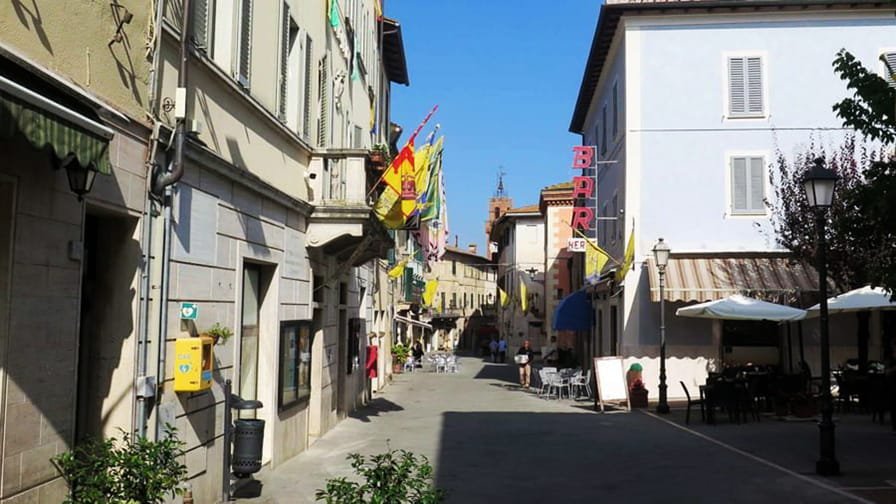
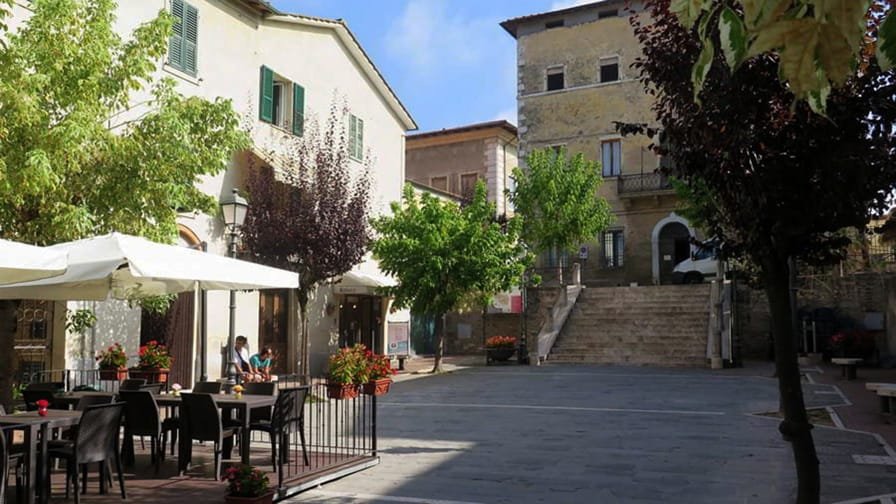

Montalcino

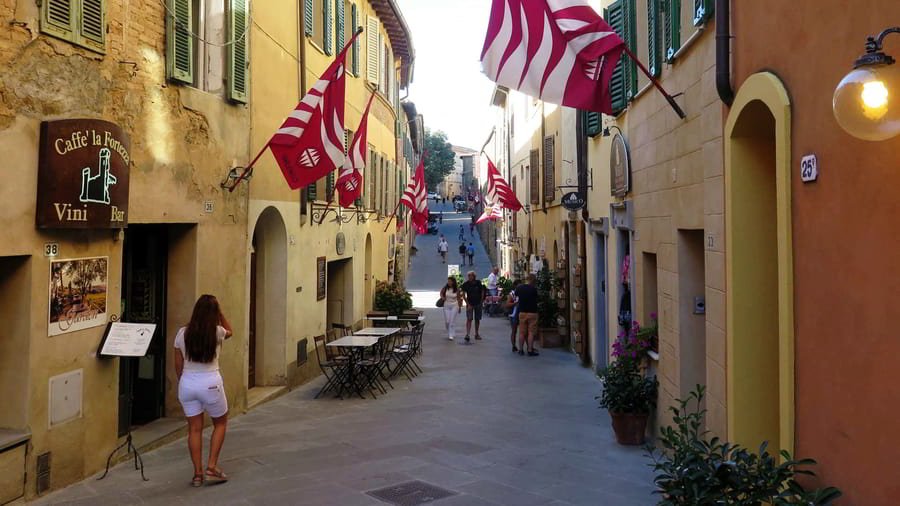
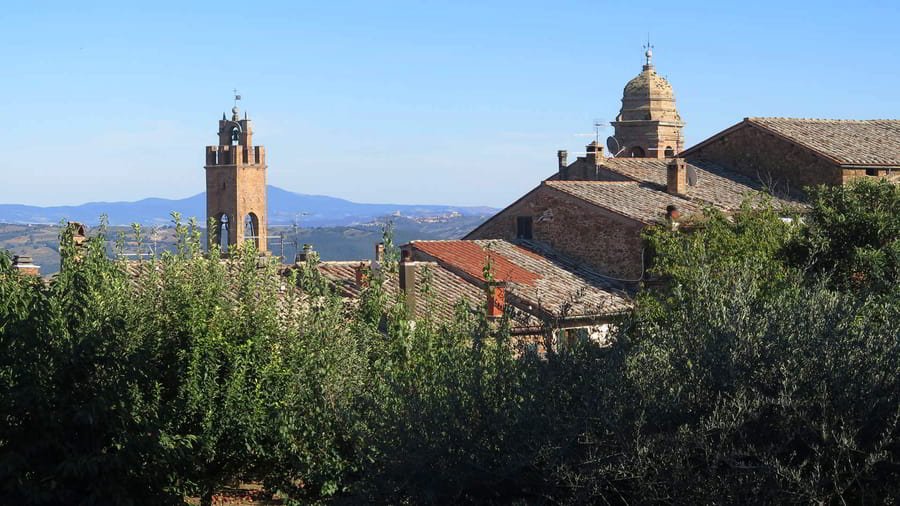
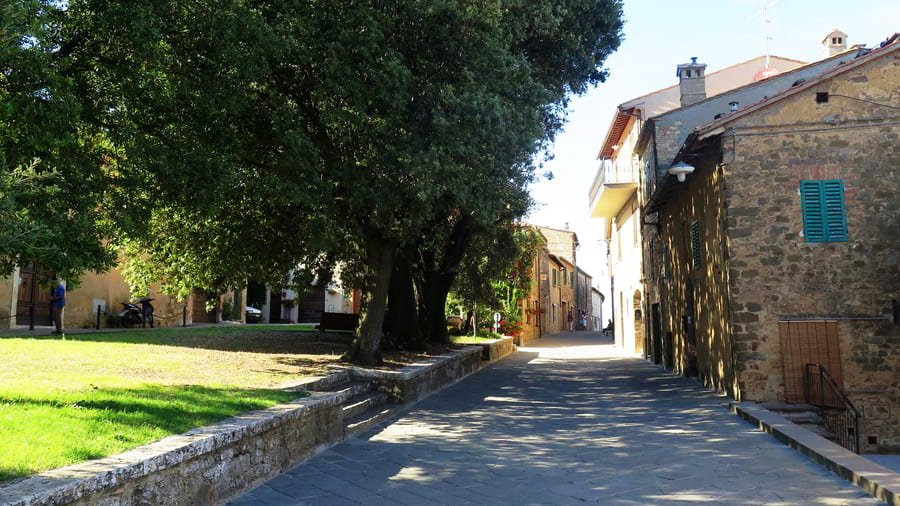
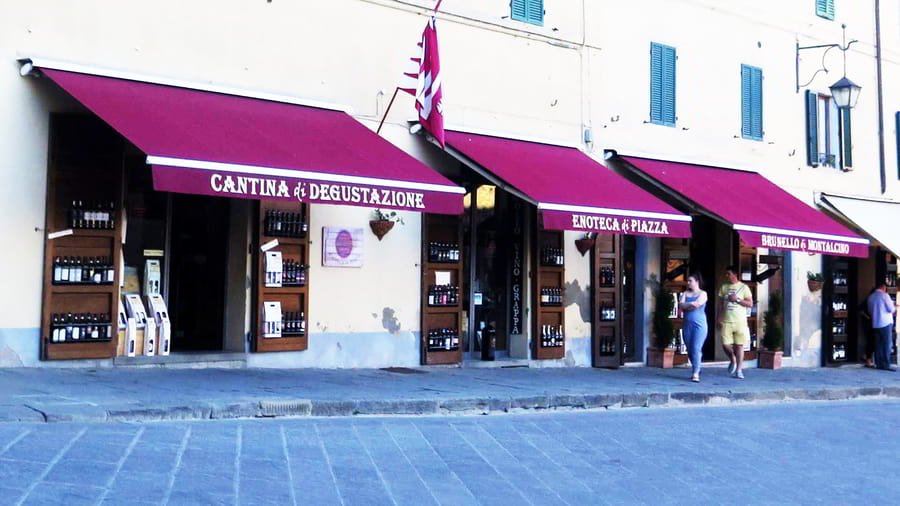

Montepulciano
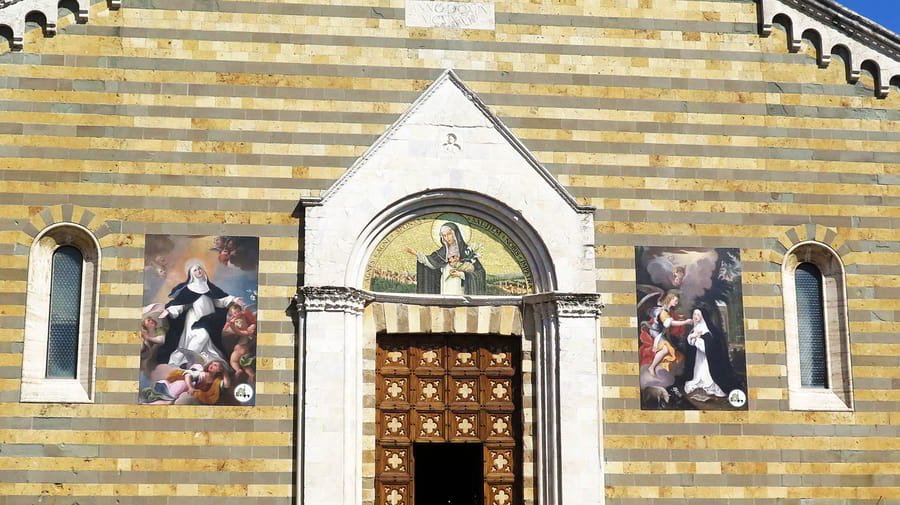
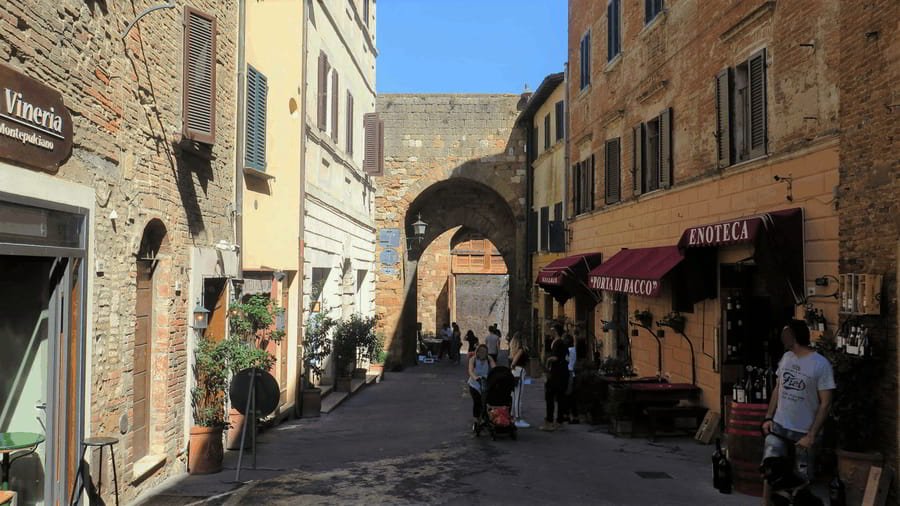
Monteriggioni
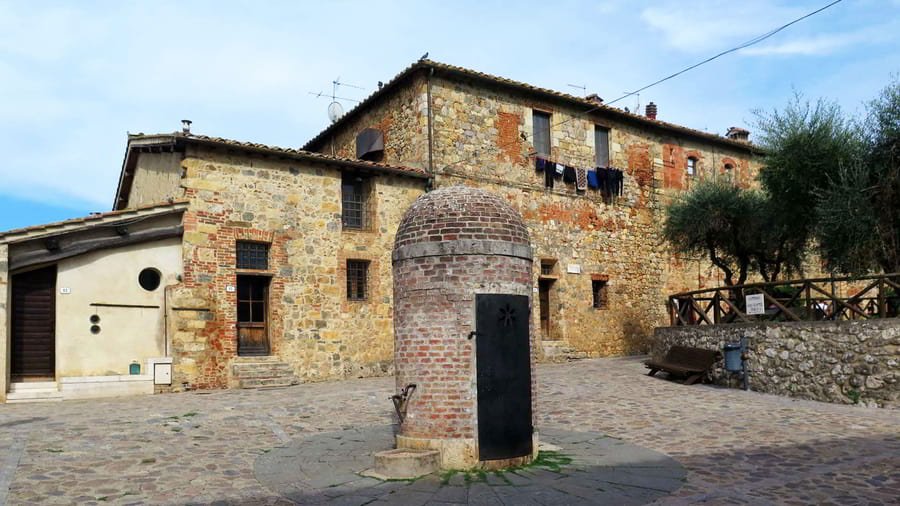
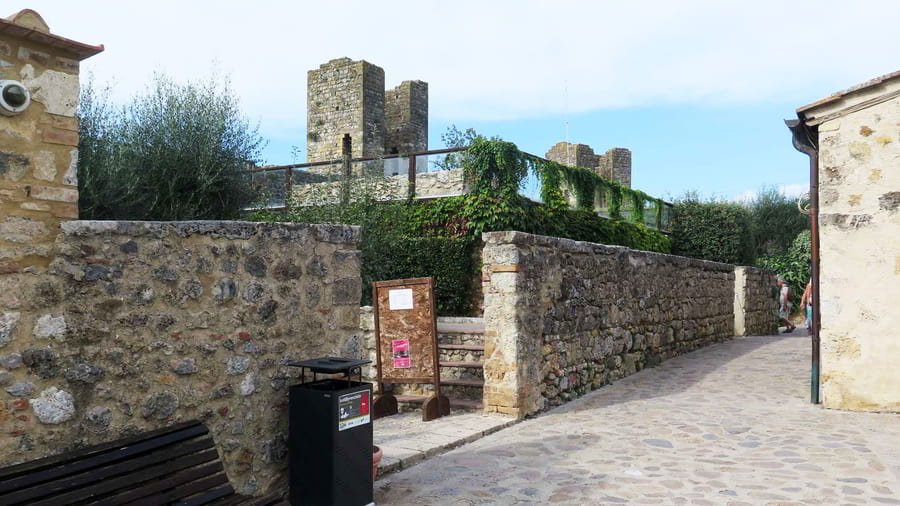
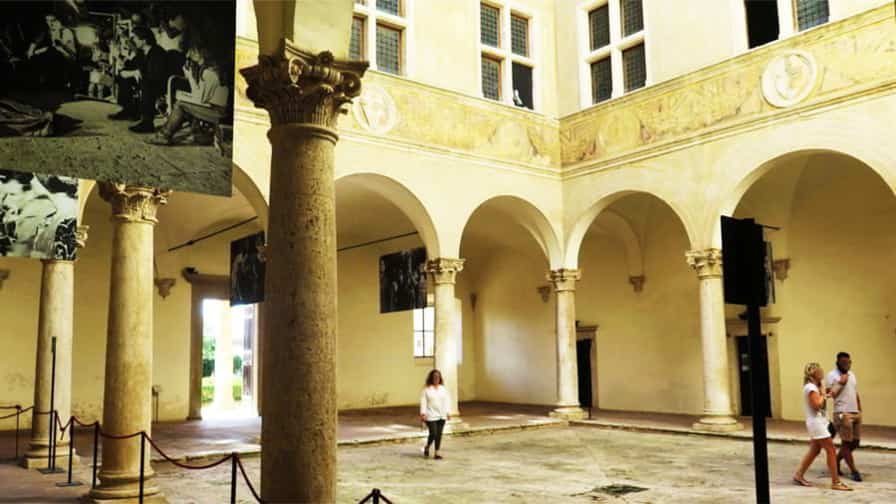
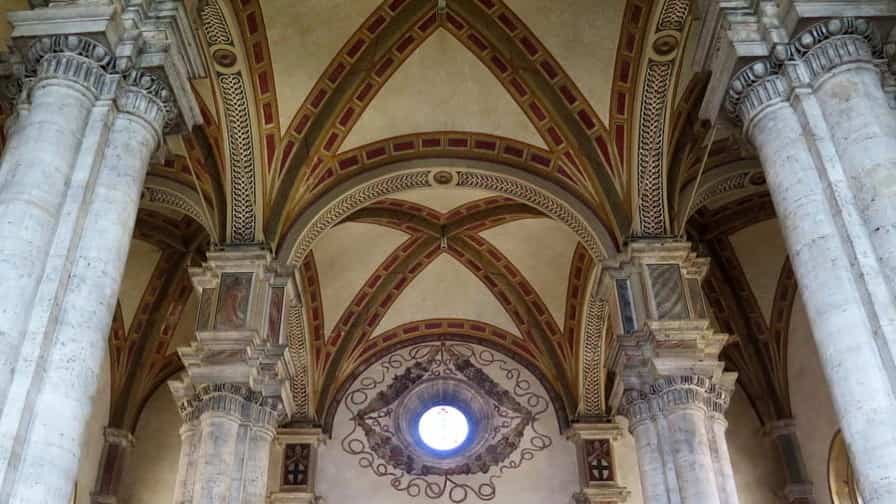
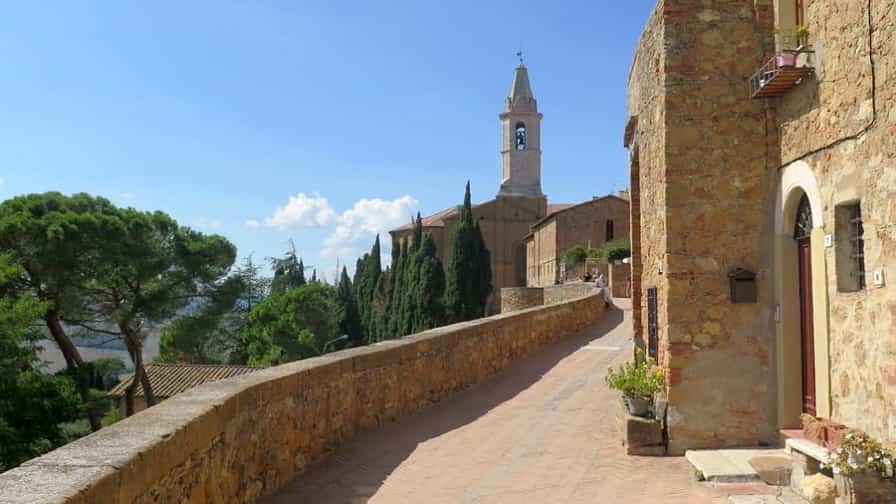
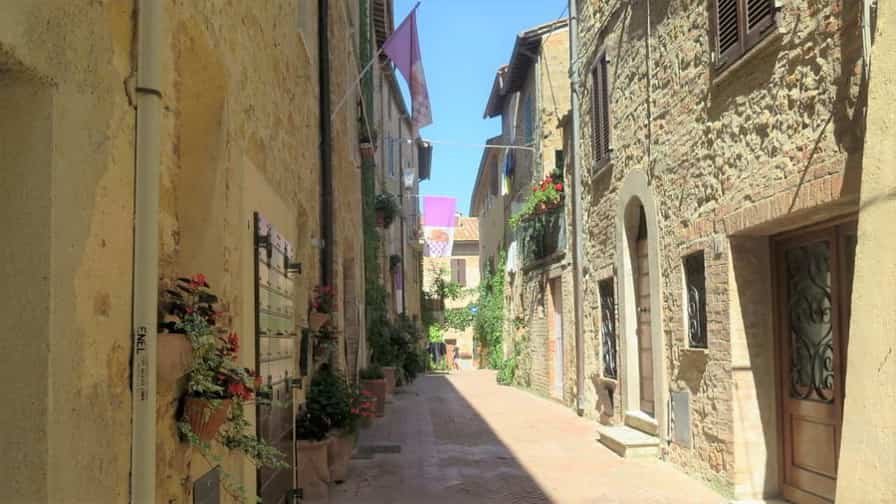
Pienza
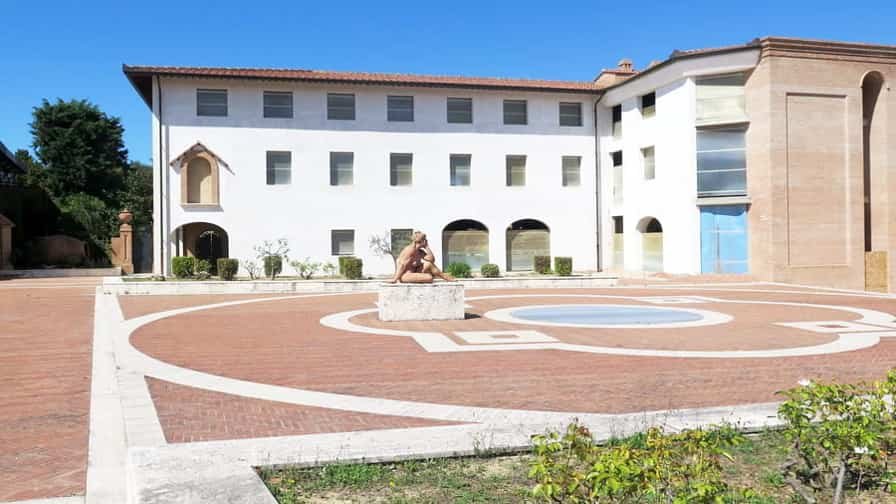
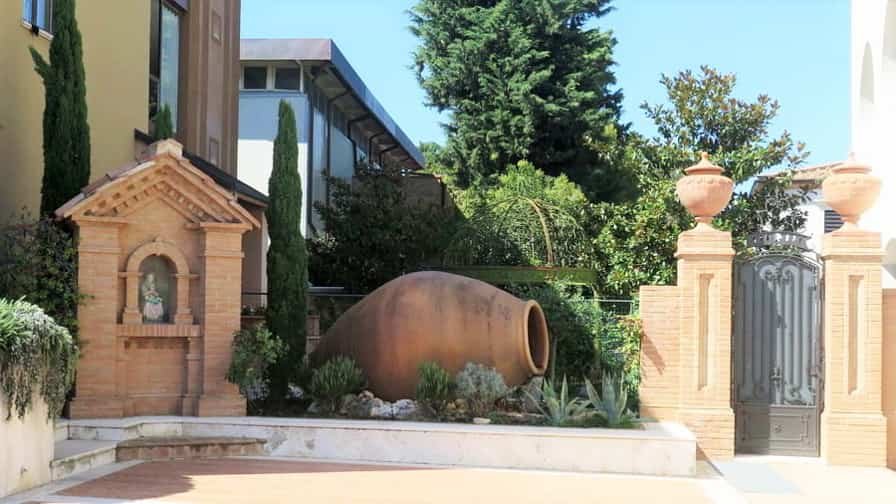
San Gimignano


San Quirico d’Orcia
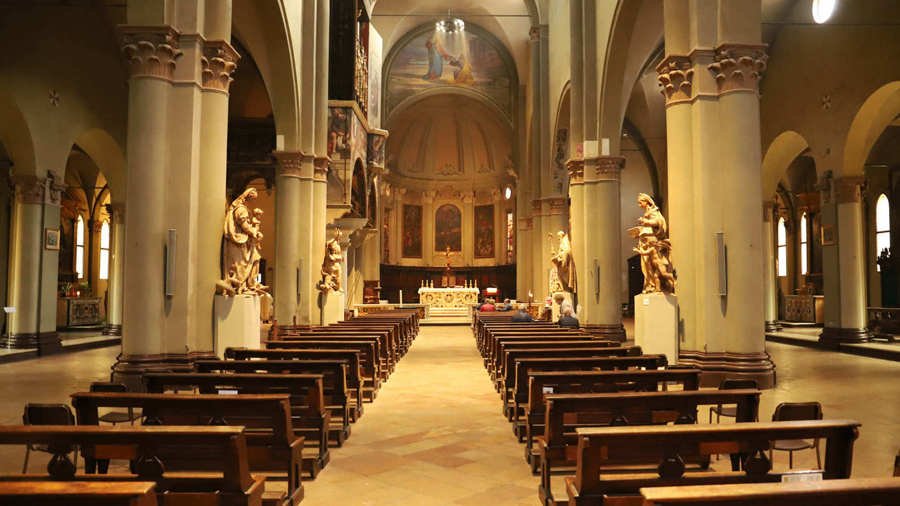
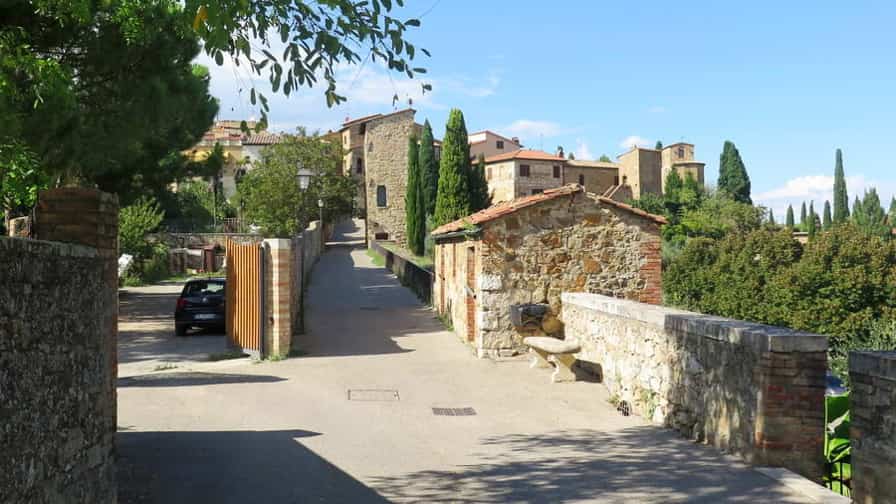
Siena
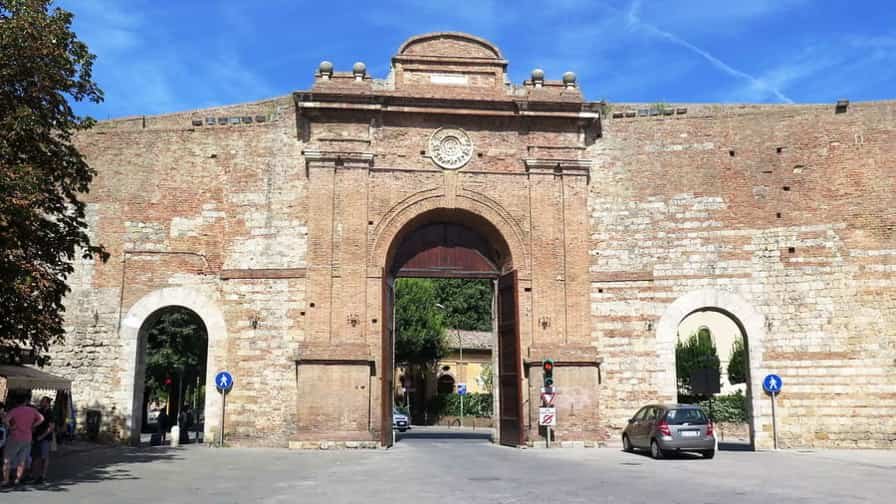


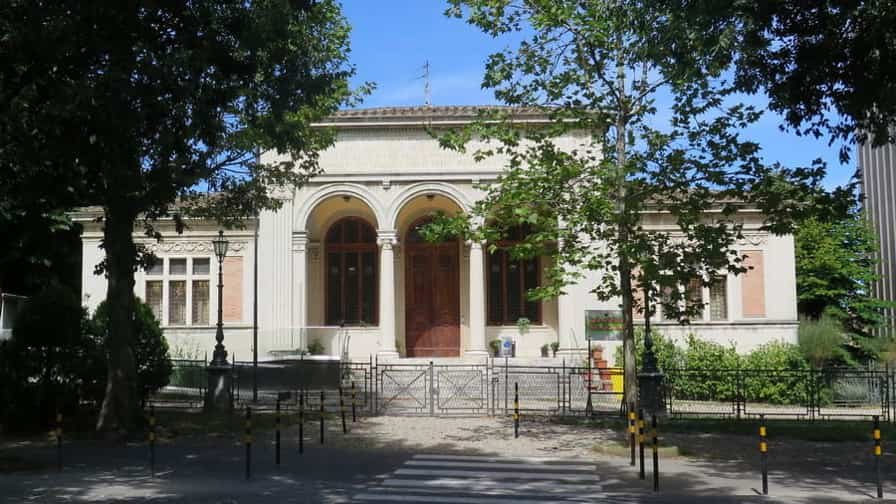


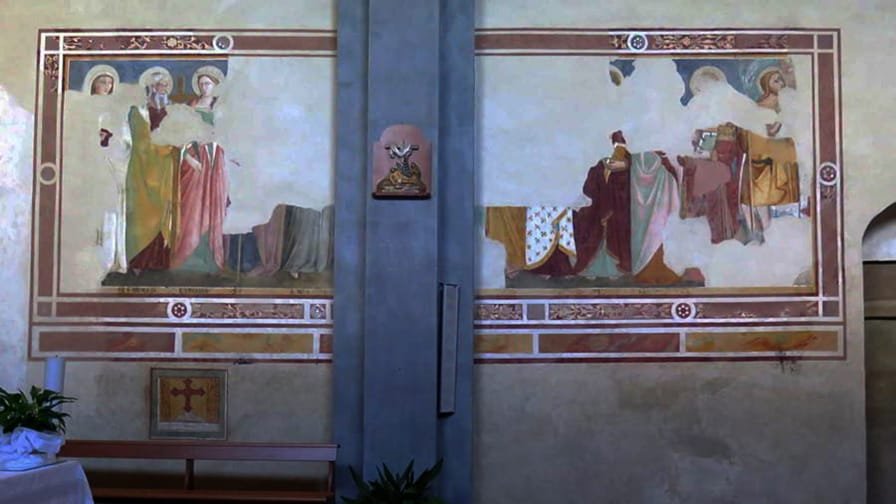
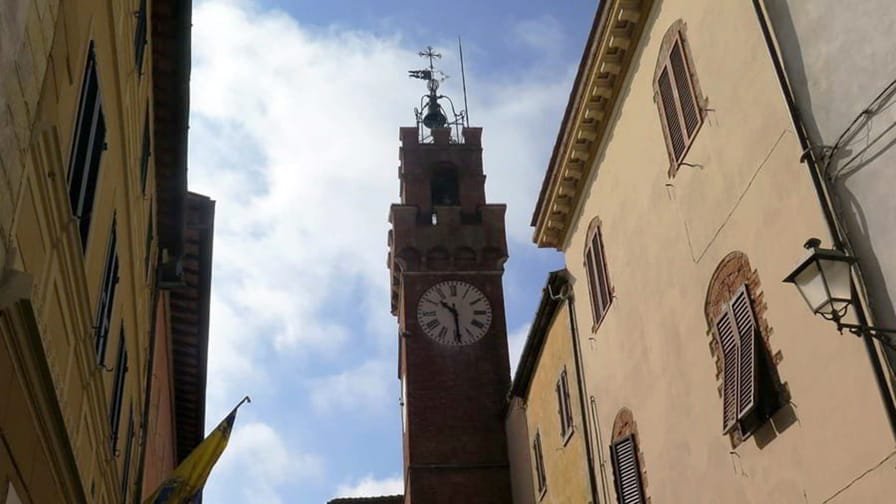
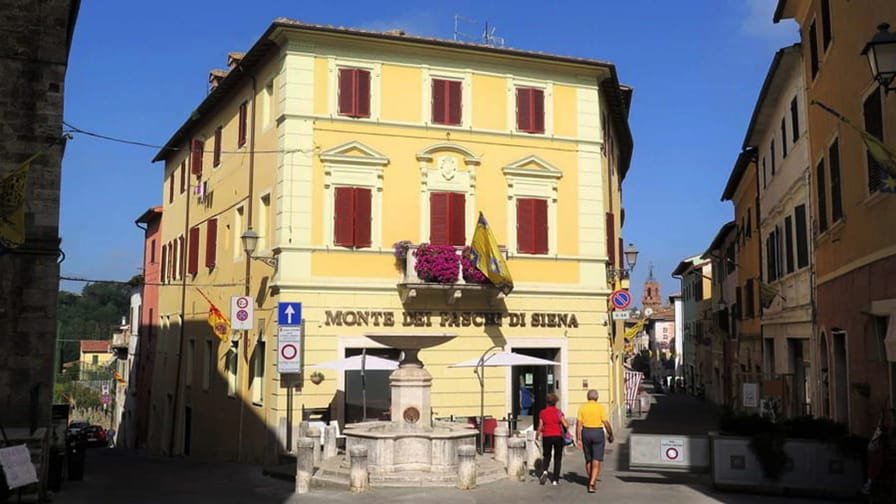
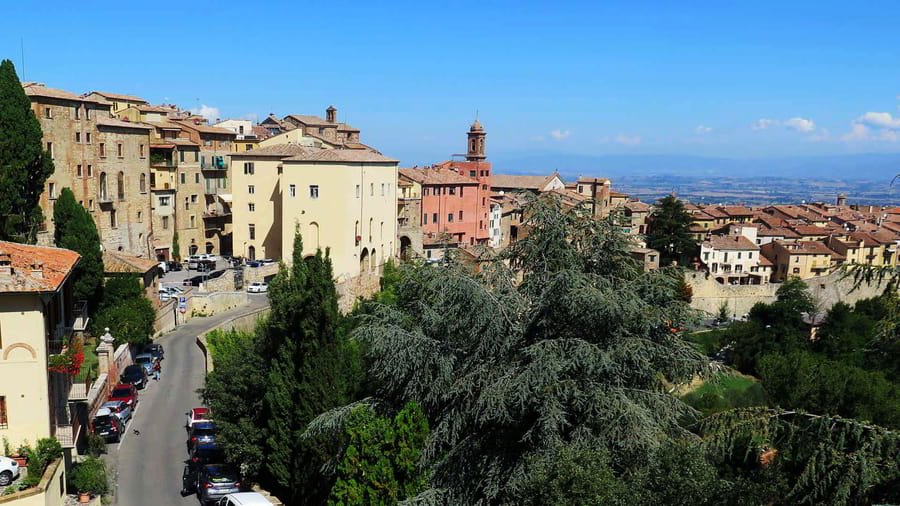
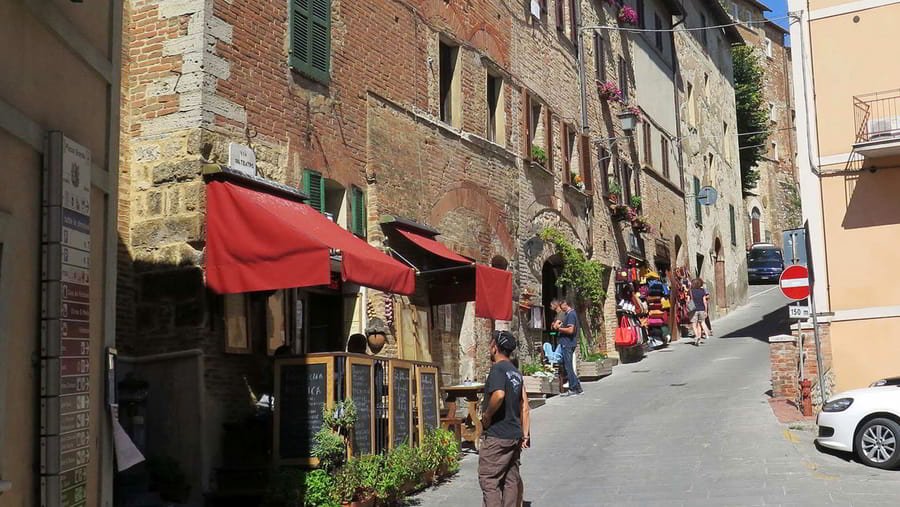
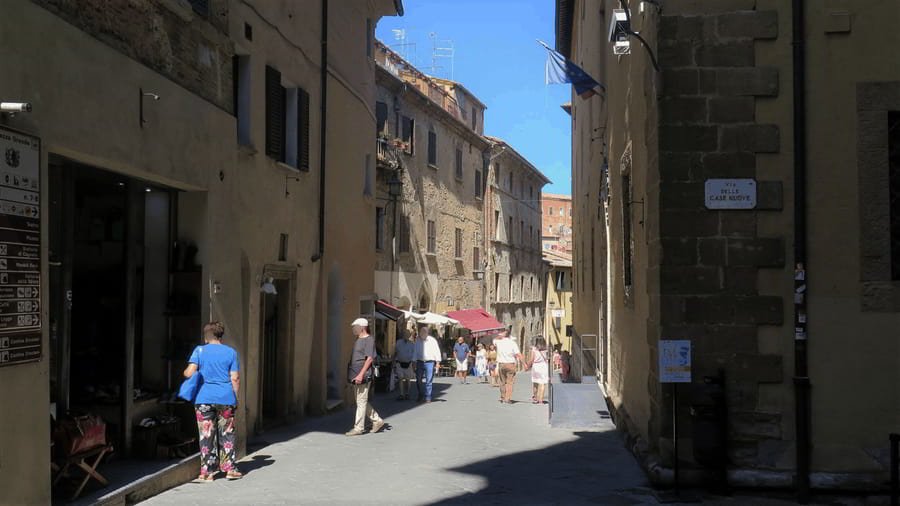
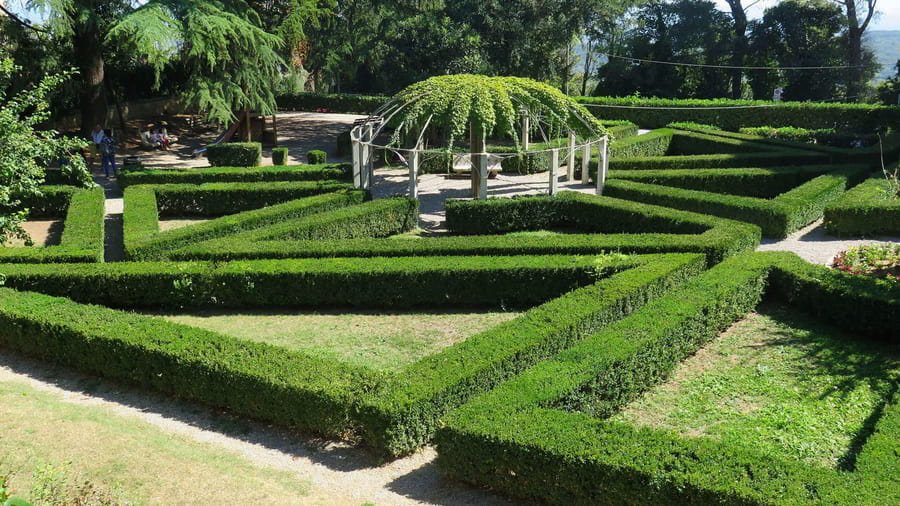
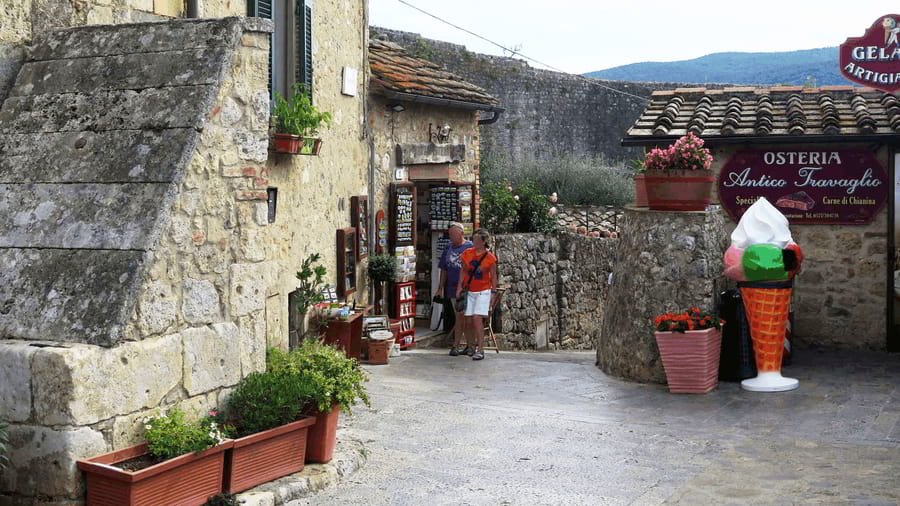
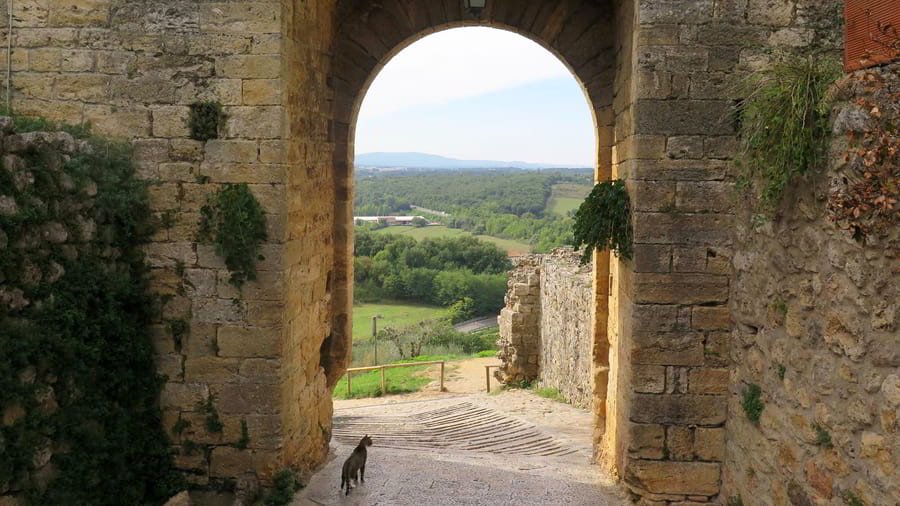
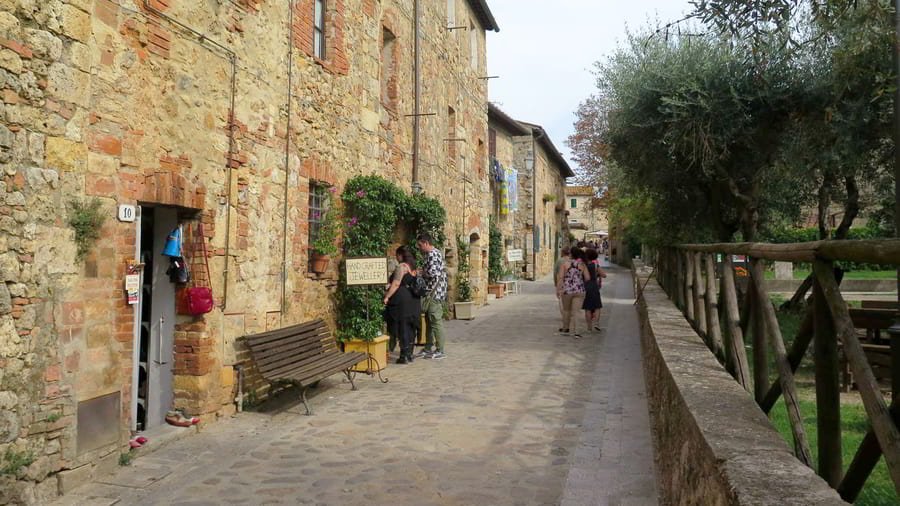
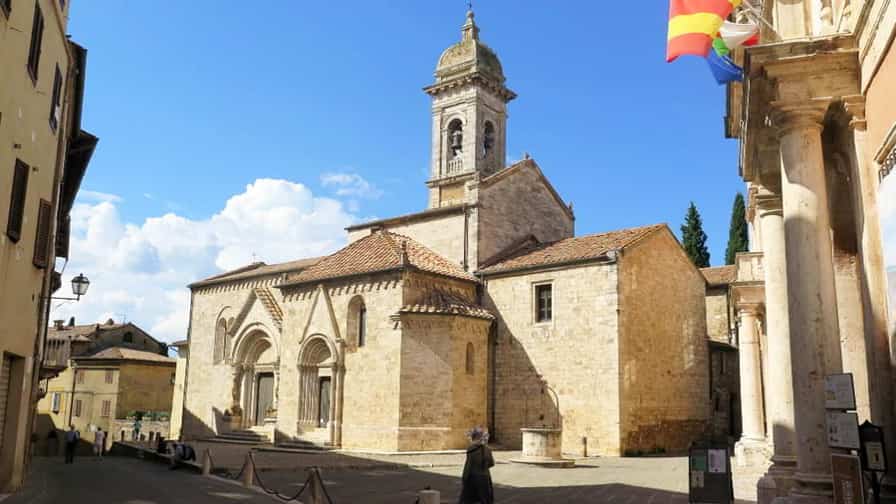
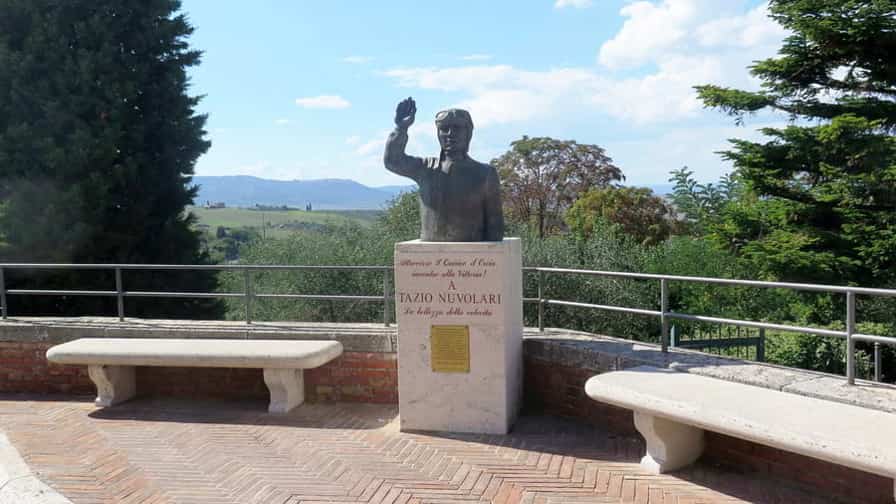
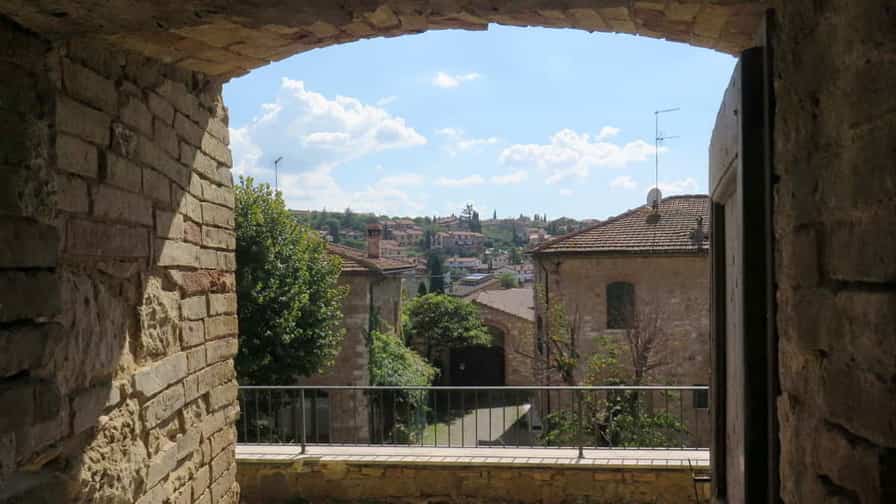
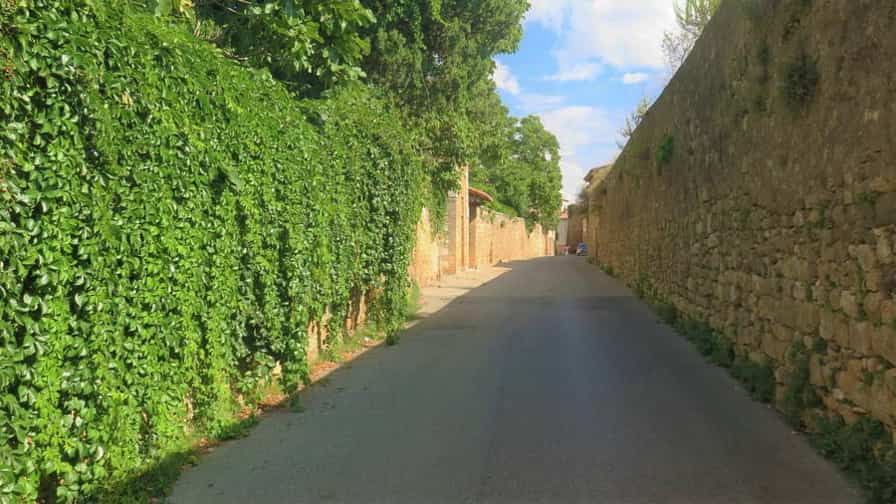
The Province of Siena lies in the heart of Tuscany, central Italy, and is renowned for its timeless landscapes, historic towns, and deep-rooted cultural traditions. Centred on the city of Siena, the province stretches across rolling hills, cypress-lined roads, medieval villages, and fertile countryside shaped by centuries of agriculture and craftsmanship. Its territory includes iconic areas such as the Chianti hills, the Val d’Orcia, and the Crete Senesi, each offering distinct scenery and character.
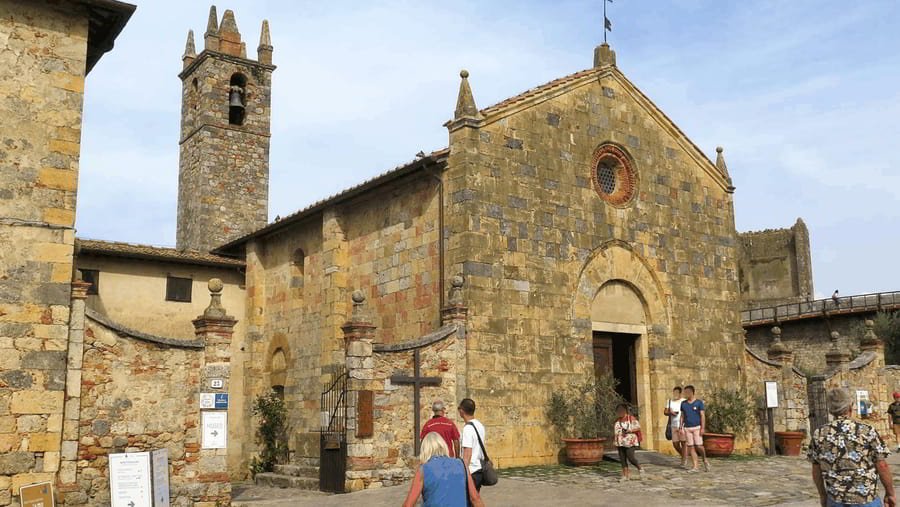
Historically, the province played a significant role during the Middle Ages, when Siena rivalled Florence as a powerful city-state. This legacy remains visible in its well-preserved architecture, fortified towns, Romanesque churches, and public squares that continue to define local life. Siena’s Gothic cathedral and the shell-shaped Piazza del Campo stand as enduring symbols of artistic and civic achievement.
The province is also famous for its traditions, most notably the Palio di Siena, a historic horse race that reflects strong community identity. Alongside culture, Siena is celebrated for its wines, including Brunello di Montalcino and Vino Nobile di Montepulciano, as well as its cuisine rooted in simple, high-quality ingredients. Together, history, landscape, and tradition give the Province of Siena a distinctive and enduring charm.
Arezzo
Asciano
Florence
Livorno
Lucca
Massa
Montalcino
Montepulciano
Monteriggioni
Pienza
Pisa
San Gimignano
San Quirico d’Orcia
Siena
Viareggio
COPYRIGHT © 2018-2026 ITALY IN PHOTOS – ALL RIGHTS RESERVED