
HOME
REGIONS OF ITALY
PLACES IN ITALY
TRAVEL GUIDES
Italy in Photos
Museo Castello del Buonconsiglio, 38122 Trento TN, Italy (September 2024)
Trentino-Alto Adige
The region of Trentino-Alto Adige, also known as Trentino-Südtirol, lies in northern Italy along the border with Austria and Switzerland. It is one of the most distinctive regions in the country, shaped by dramatic Alpine landscapes, a complex history, and a unique cultural identity that blends Italian and Central European influences. Mountains dominate the territory, with the Dolomites and the Alps defining both its geography and its way of life. Deep valleys, clear lakes, dense forests, and high mountain passes give the region a strong sense of place and make it one of Italy’s most visually striking areas.
Trentino-Alto Adige is composed of two autonomous provinces: Trento and Bolzano. This administrative structure reflects the region’s historical development and cultural diversity. While Trento is predominantly Italian-speaking, the province of Bolzano, also known as South Tyrol, has a majority German-speaking population, along with Ladin-speaking communities in certain mountain valleys. This linguistic diversity is not merely symbolic; it is protected by law and visible in everyday life, from bilingual road signs to education and local government. The coexistence of different languages and traditions gives the region a character unlike any other in Italy.
Historically, the region has long been a crossroads between the Mediterranean world and Central Europe. For centuries it was part of the County of Tyrol within the Habsburg Empire, and only became part of Italy after the First World War. This relatively recent integration into the Italian state helps explain the strong sense of local identity and the high level of autonomy granted to both provinces. Today, Trentino-Alto Adige manages many aspects of its own governance, including education, culture, and local infrastructure, allowing it to preserve its traditions while maintaining economic stability.
The natural environment plays a central role in the region’s identity and economy. Agriculture thrives in the valleys, where apple orchards and vineyards are carefully cultivated, producing some of Italy’s most renowned apples and high-quality wines. At higher elevations, alpine pastures support dairy farming, which in turn contributes to a rich tradition of cheese-making. Tourism is another vital sector, with visitors drawn year-round by skiing in winter, hiking and climbing in summer, and the region’s well-developed network of trails and mountain refuges.
Culturally, Trentino-Alto Adige reflects a blend of Italian, Austrian, and local alpine traditions. Architecture ranges from Italian-style piazzas and Renaissance buildings in Trento to Tyrolean farmhouses and medieval castles in South Tyrol. Festivals, cuisine, and daily customs also reveal this mixture. Dishes such as dumplings, speck, polenta, and strudel sit comfortably alongside Italian pasta and espresso, illustrating how different influences have merged rather than competed.
Despite its strong traditions, the region is also forward-looking. It consistently ranks among the highest in Italy for quality of life, public services, and environmental sustainability. Investments in renewable energy, efficient public transport, and education have helped create a balance between economic development and environmental protection. Universities and research centres, particularly in Trento and Bolzano, attract students and scholars from across Europe.
Trentino-Alto Adige stands as a compelling example of how diversity, autonomy, and respect for local identity can coexist within a modern nation-state. Its landscapes, history, and cultures combine to form a region that feels both distinctly Italian and unmistakably Alpine, offering a rich and multifaceted introduction to northern Italy.
The Provinces of Trentino-Alto Adige
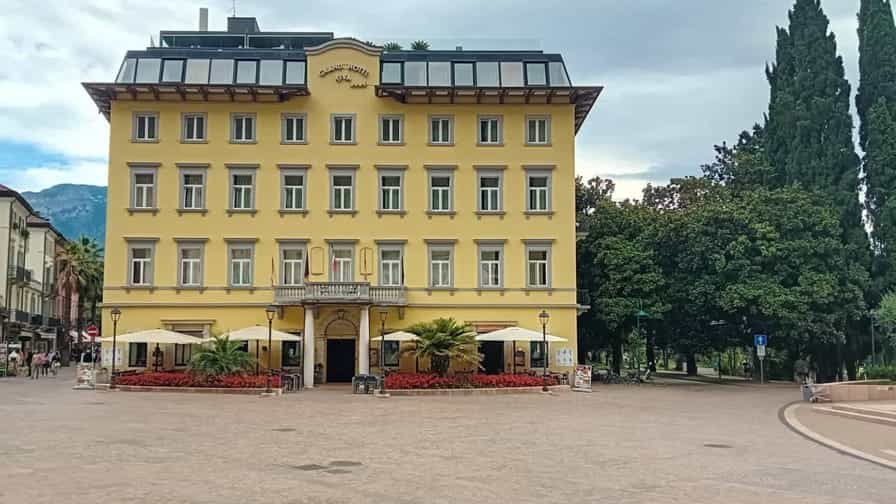
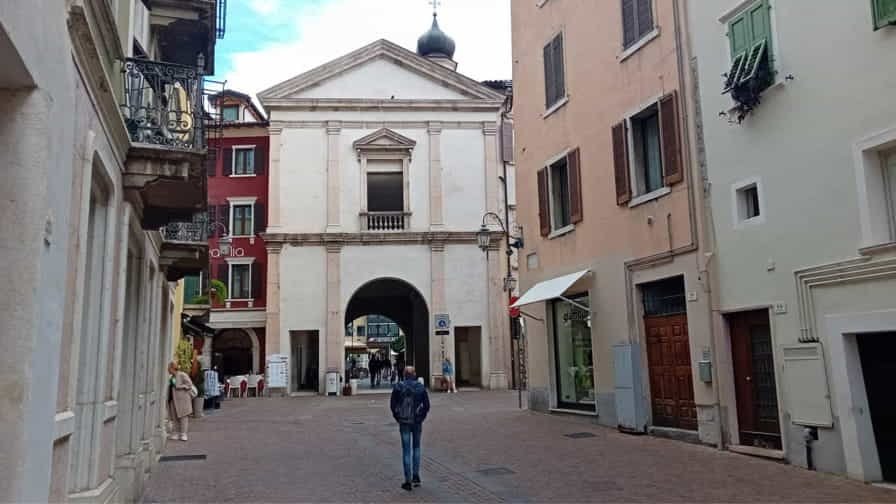
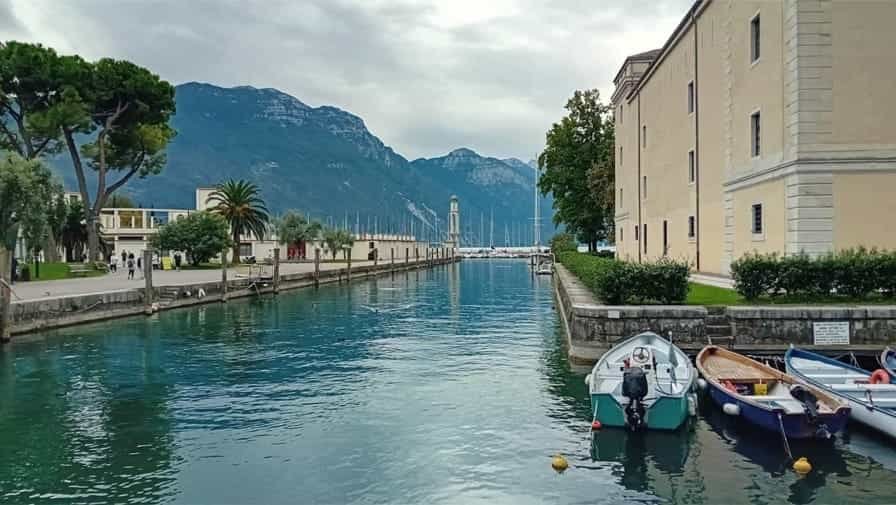
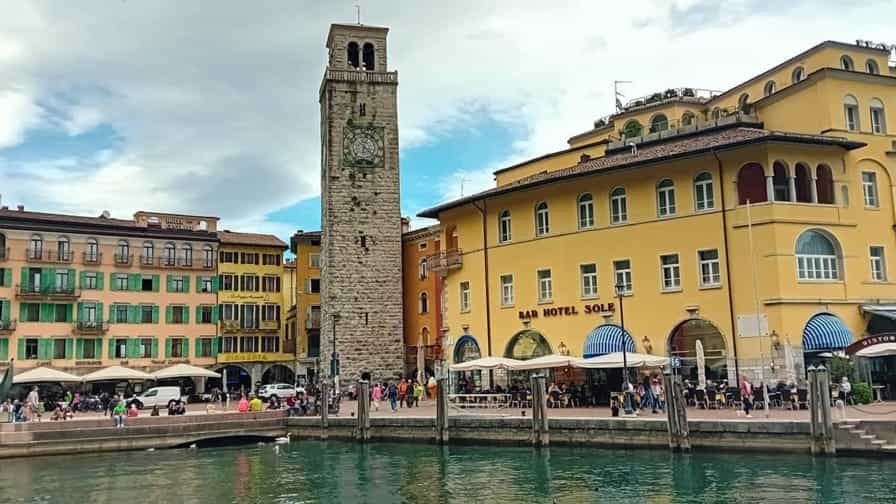
The photos shown for each province were taken during my visits to those locations. For more information, click on the name to be taken to the main page for that place.
The Province of Trento
Arco
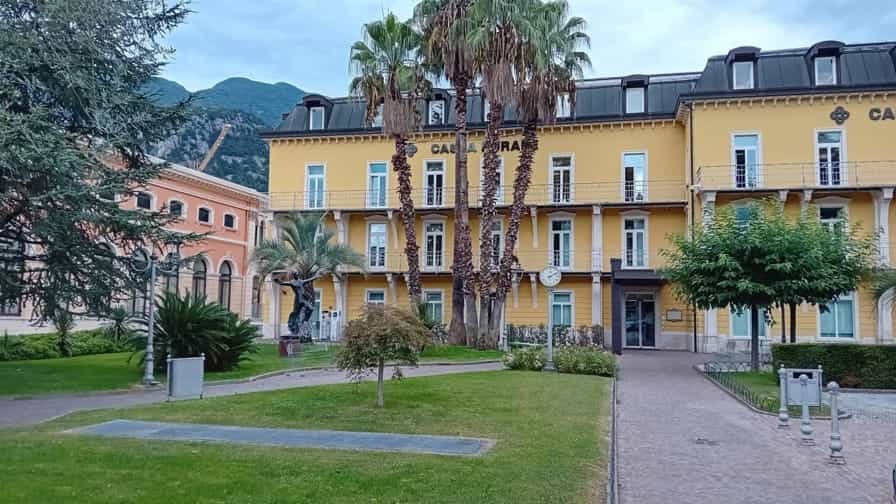
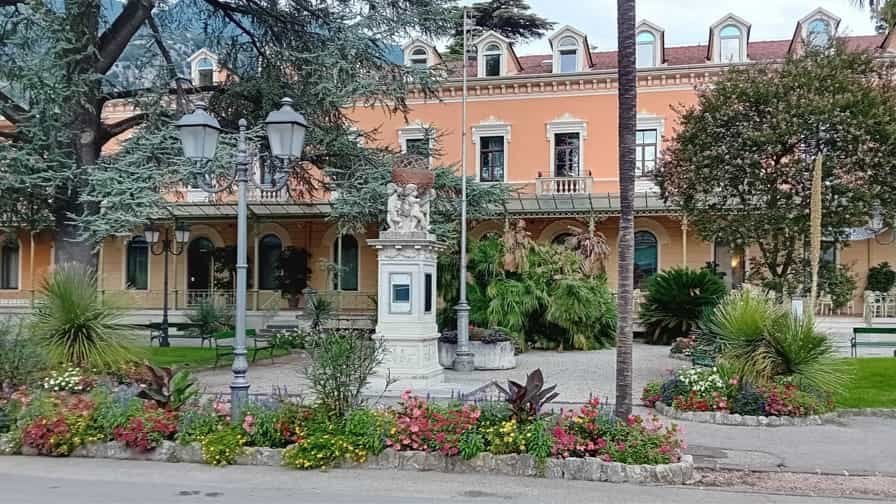
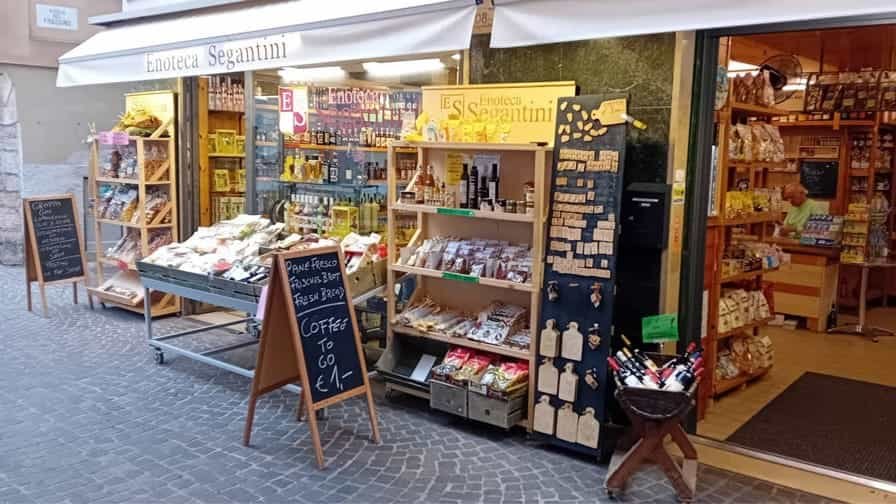

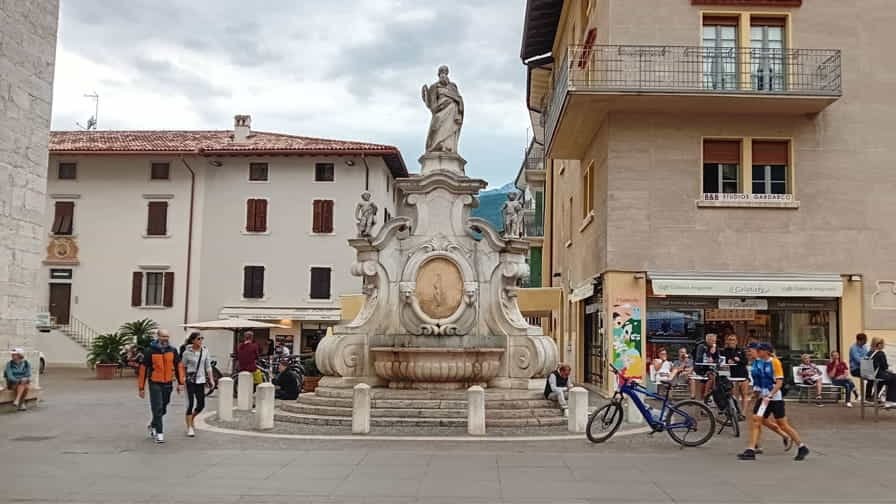
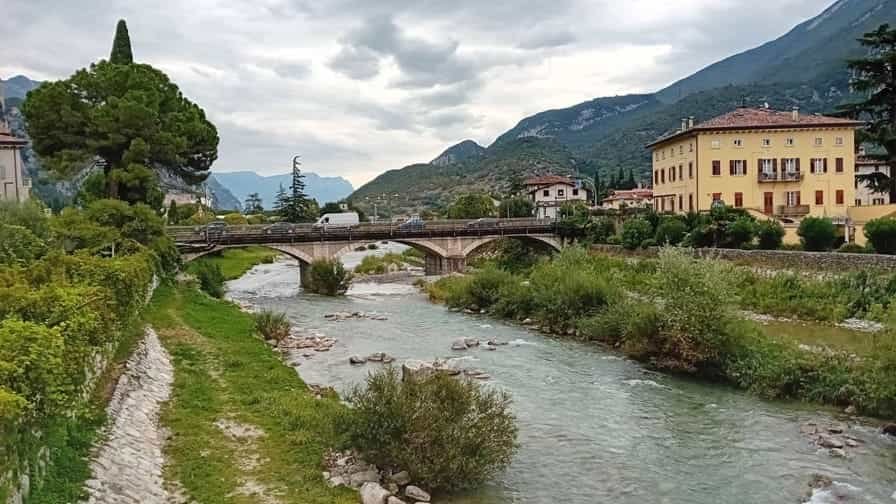
Dro
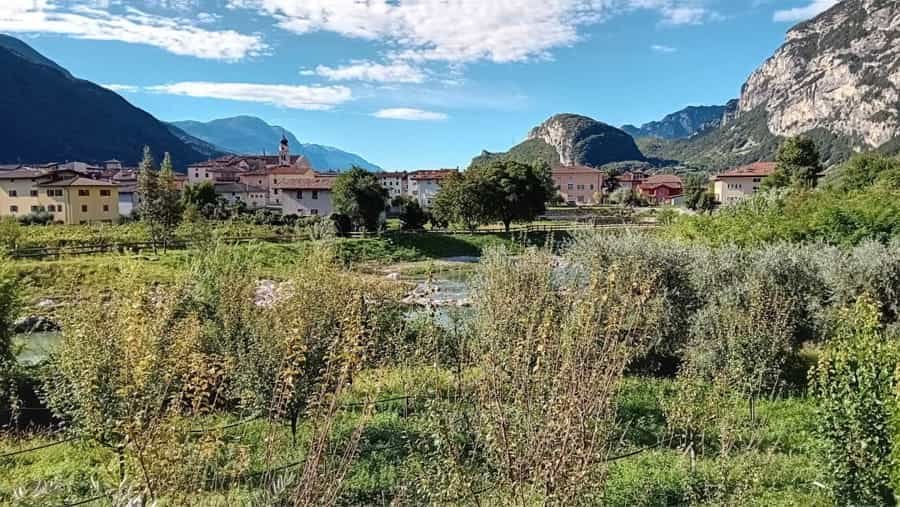
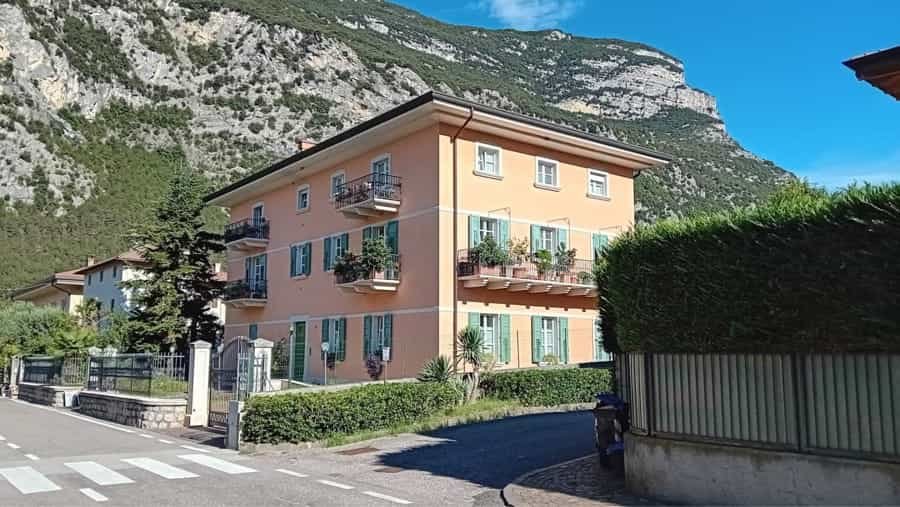
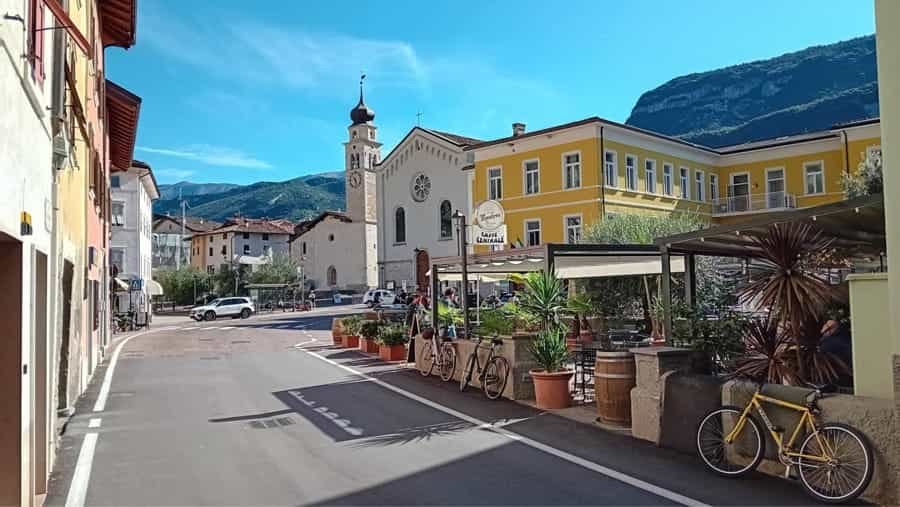
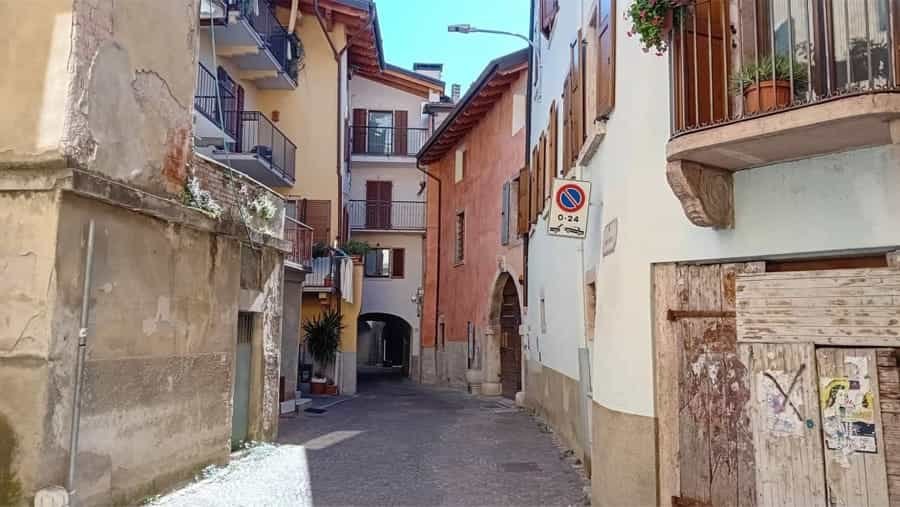
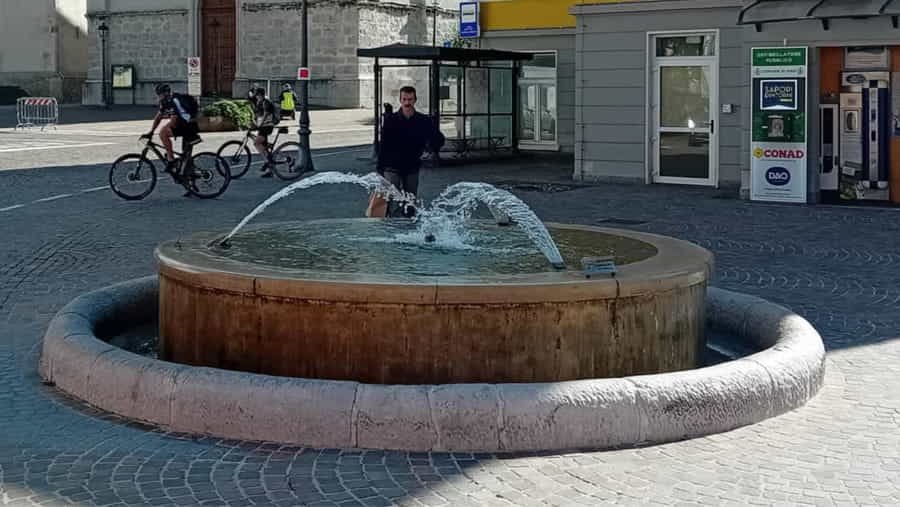
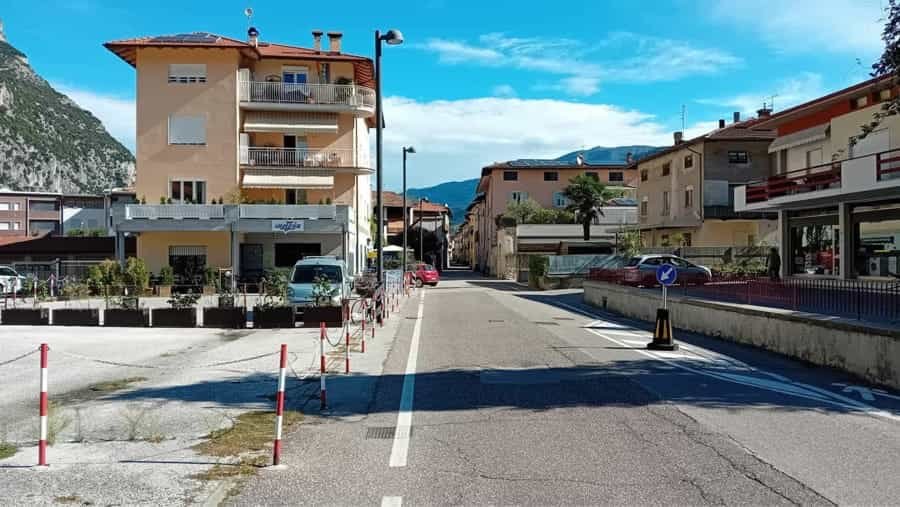
Riva del Garda
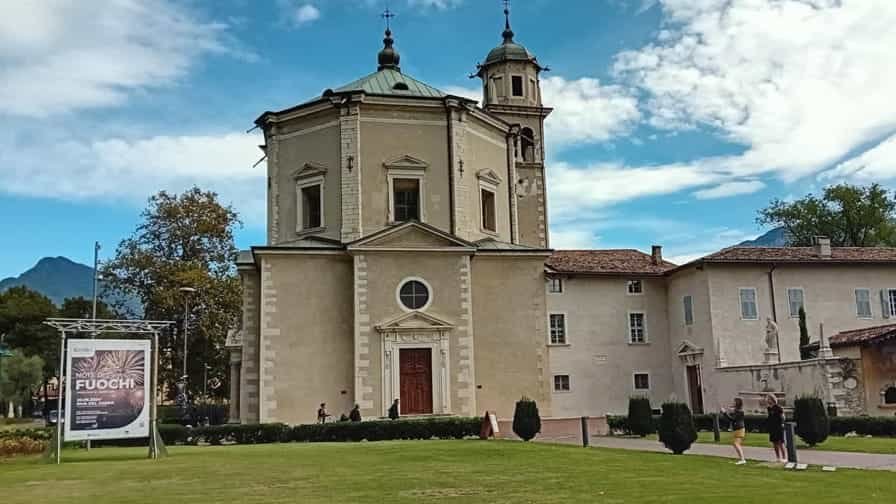

Trento
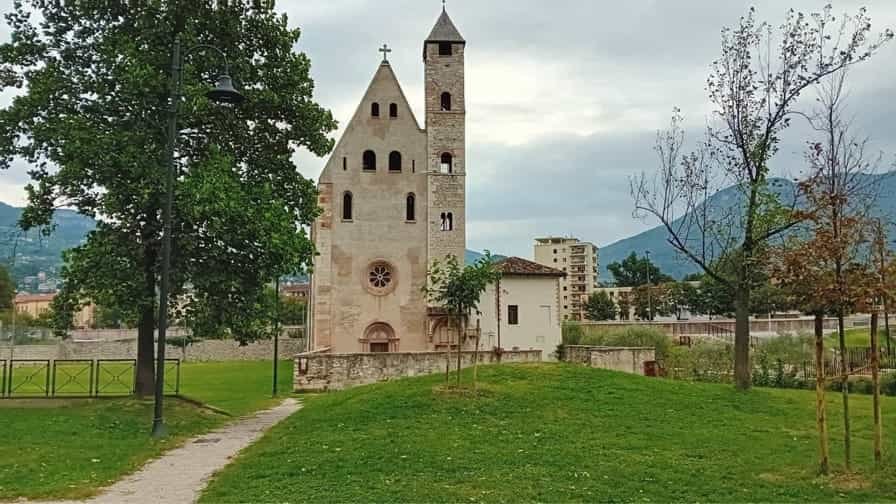
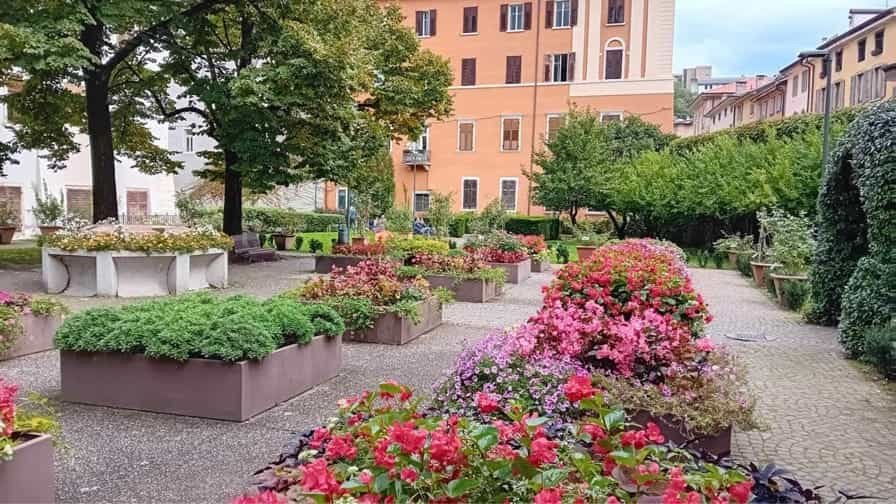
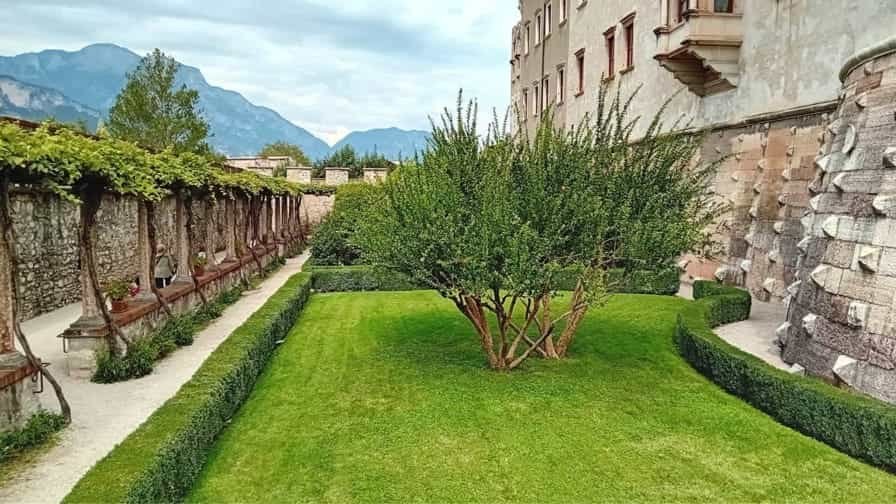
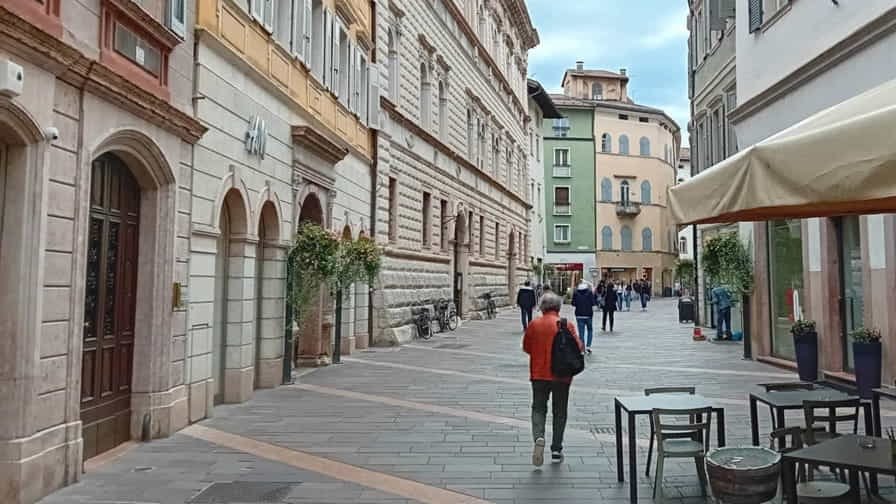
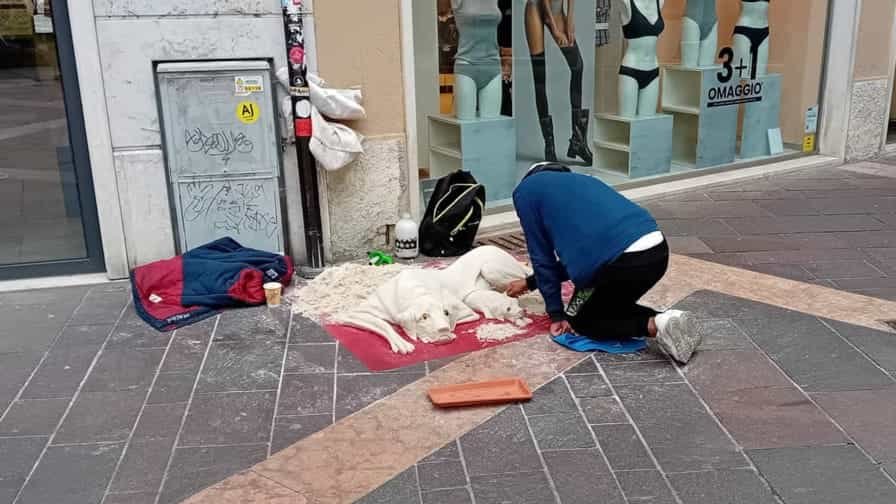
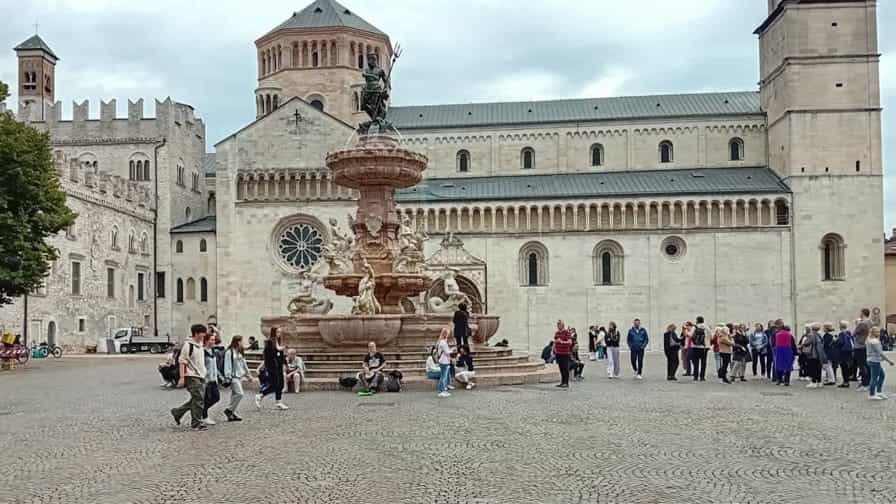
The Province of Trento, commonly known as Trentino, is one of the two autonomous provinces that make up the region of Trentino-Alto Adige in northern Italy. Nestled entirely within the Alps, the province is characterized by a dramatic natural landscape of mountains, valleys, forests, and lakes. The Dolomites rise in the eastern part of the province, while Lake Garda touches its southern edge, creating a varied environment that strongly shapes local life, culture, and economic activity.
Trento, the provincial capital, is a historic city known for its Renaissance architecture and its central role in European history as the site of the Council of Trent in the sixteenth century. Today, the city is also an important academic and research center, home to the University of Trento and several international institutes. Throughout the province, small towns and villages maintain strong local traditions, reflecting a deep connection to the land and to alpine heritage.
The Province of Trento enjoys a high degree of administrative autonomy, allowing it to manage key areas such as education, environmental protection, and local development. This autonomy has contributed to a high quality of life, a strong social system, and a careful balance between economic growth and preservation of the natural environment.
The Province of Bolzano
Merano
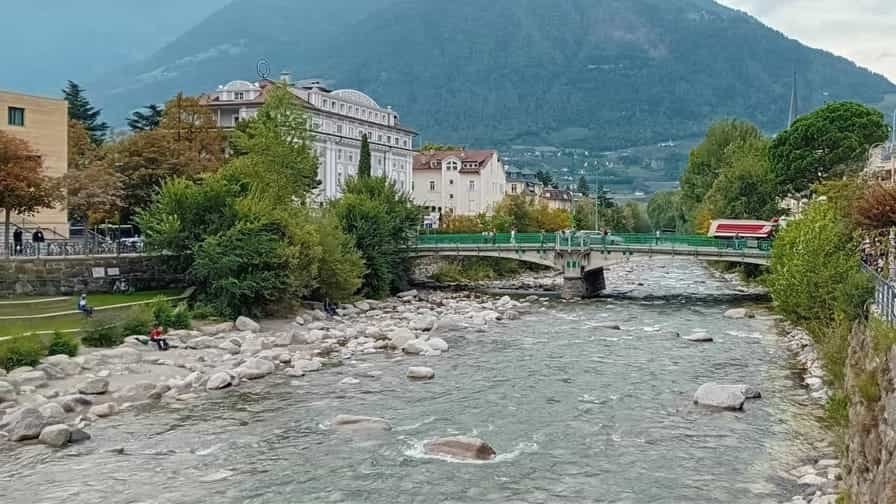
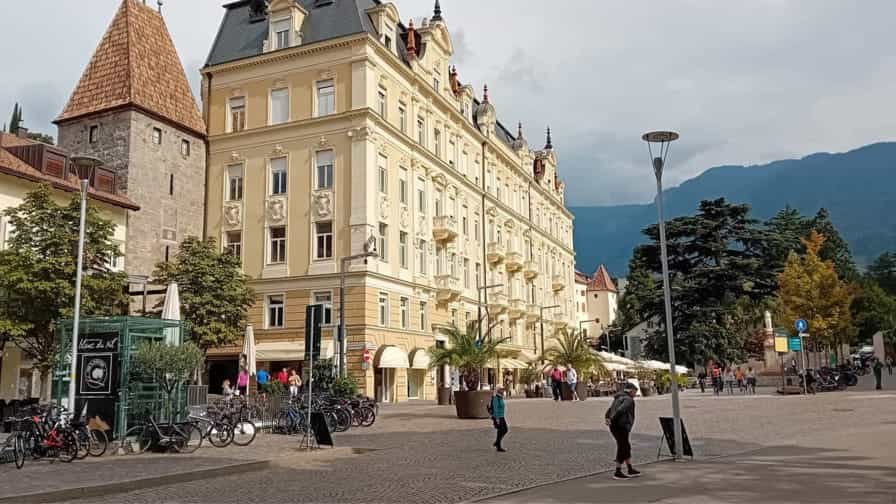
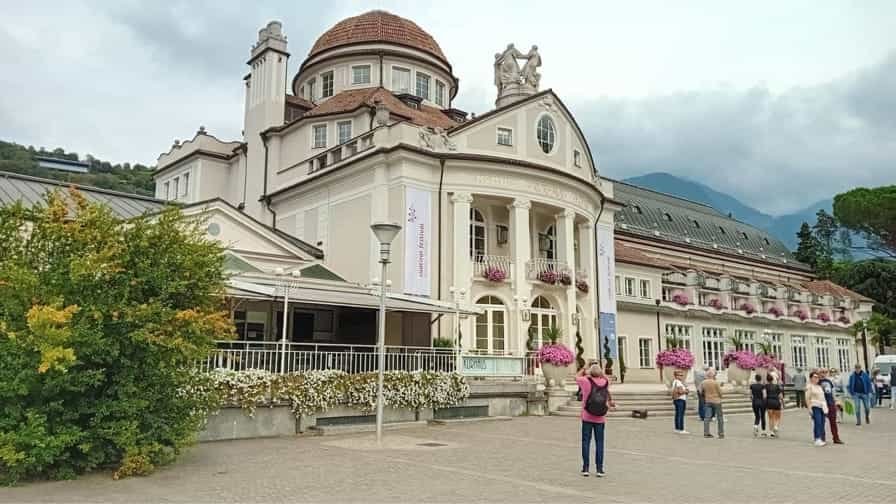
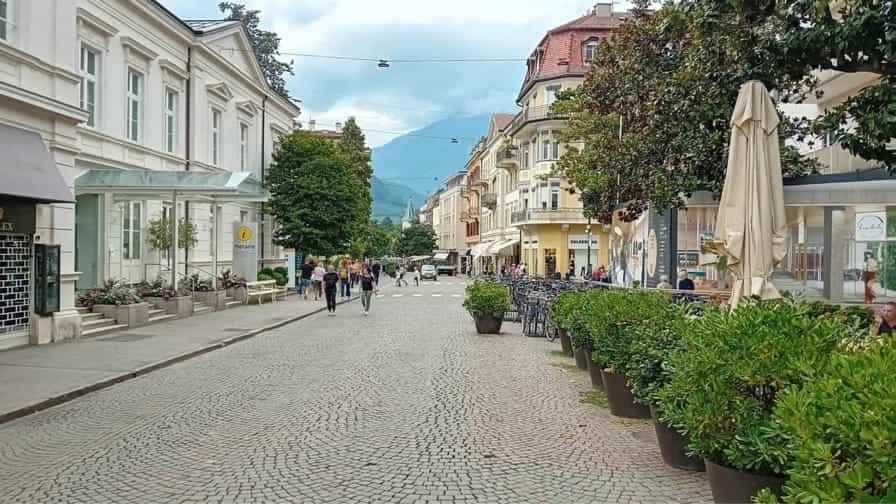
Schenna


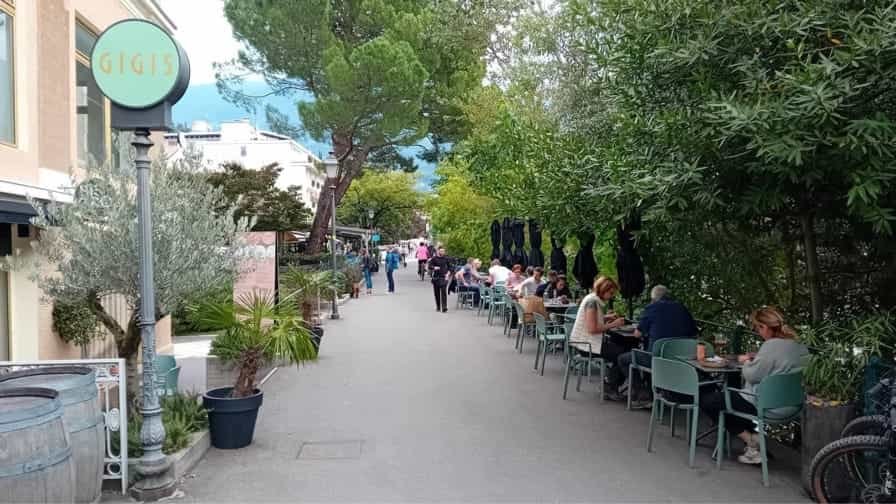
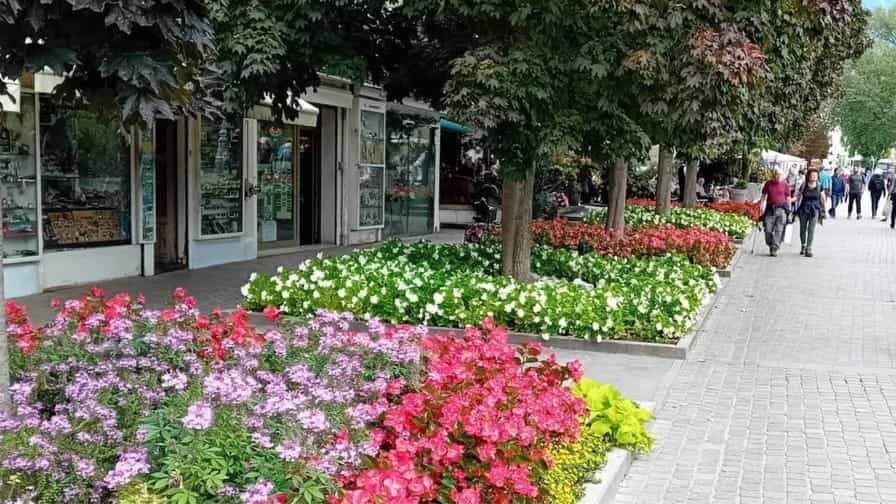
The Province of Bolzano, also known as South Tyrol, is one of the two autonomous provinces that form the region of Trentino-Alto Adige in northern Italy. Located along the border with Austria and Switzerland, the province is defined by its alpine landscape, with towering peaks, wide valleys, and some of the most iconic sections of the Dolomites. This mountainous setting has deeply influenced the history, culture, and economy of the area, shaping a way of life closely connected to the natural environment.
Bolzano is unique within Italy for its strong multilingual identity. The majority of the population speaks German as a first language, while Italian and Ladin are also officially recognized and protected. This linguistic diversity is reflected in public administration, education, and everyday life, where bilingual and trilingual signs are common. The provincial capital, also called Bolzano, is a cultural crossroads that blends Mediterranean and Central European traditions in its architecture, cuisine, and customs.
The Province of Bolzano enjoys extensive autonomy, allowing it to preserve local traditions while supporting economic prosperity. Agriculture, tourism, and craftsmanship play key roles, alongside a strong focus on sustainability, innovation, and high quality public services, making South Tyrol one of Italy’s most distinctive and successful provinces.
Arco
Dro
Merano
Riva del Garda
Schenna
Trento
COPYRIGHT © 2018-2026 ITALY IN PHOTOS – ALL RIGHTS RESERVED