
HOME
REGIONS OF ITALY
PLACES IN ITALY
TRAVEL GUIDES
Italy in Photos
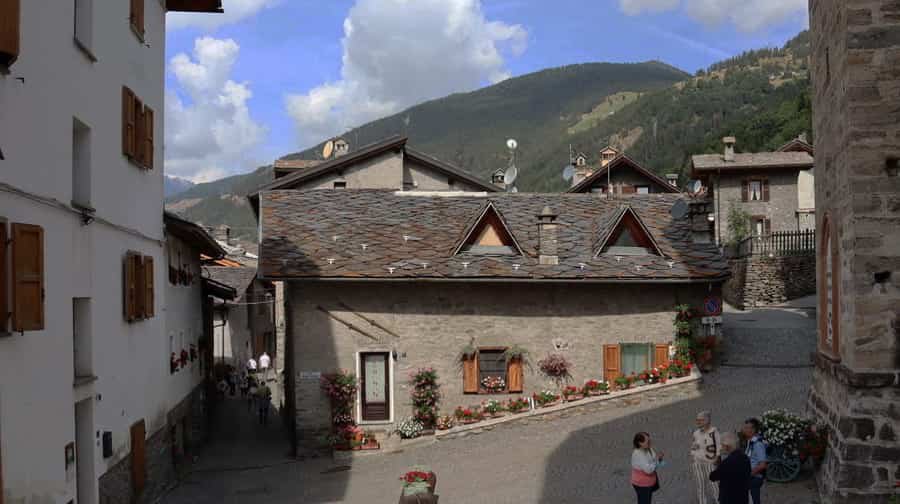
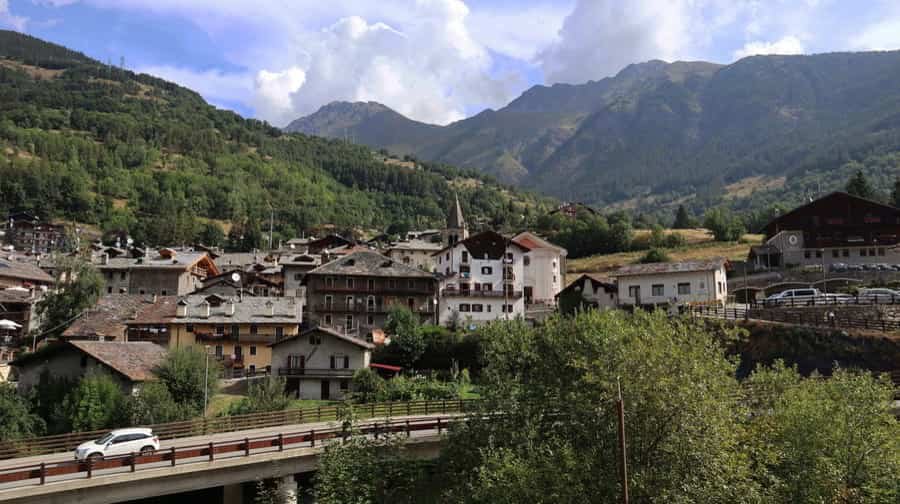
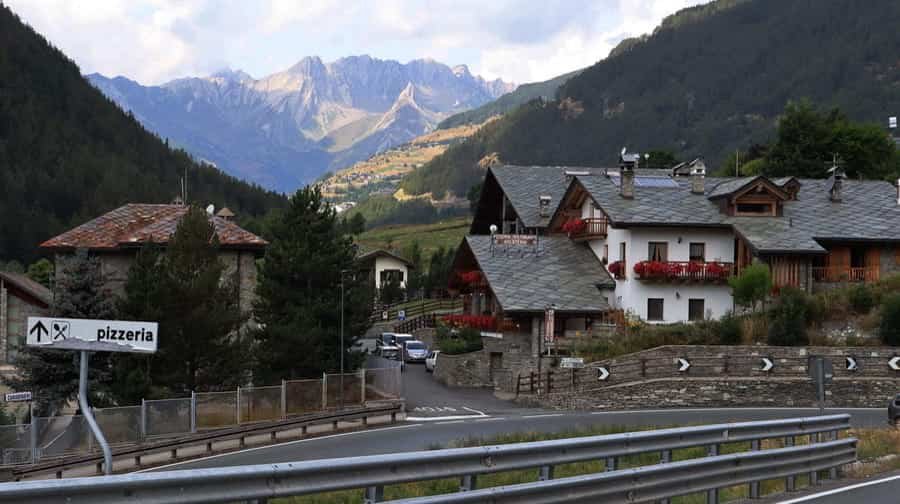
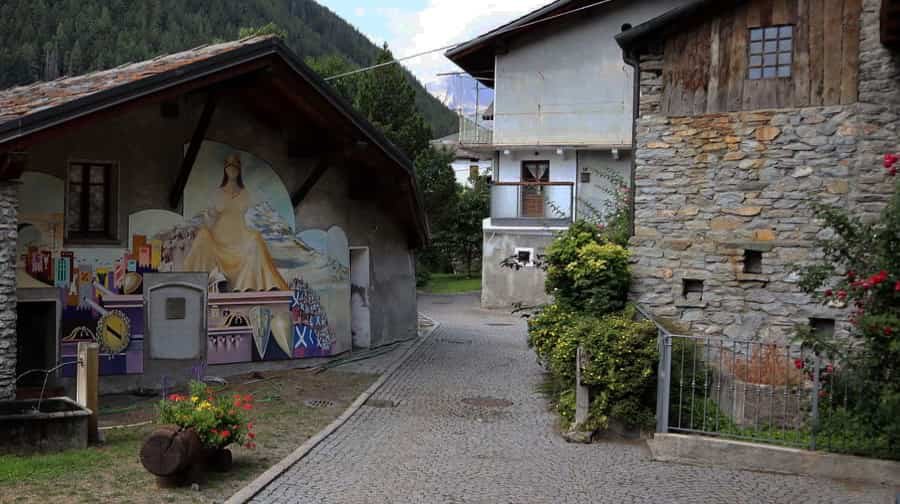
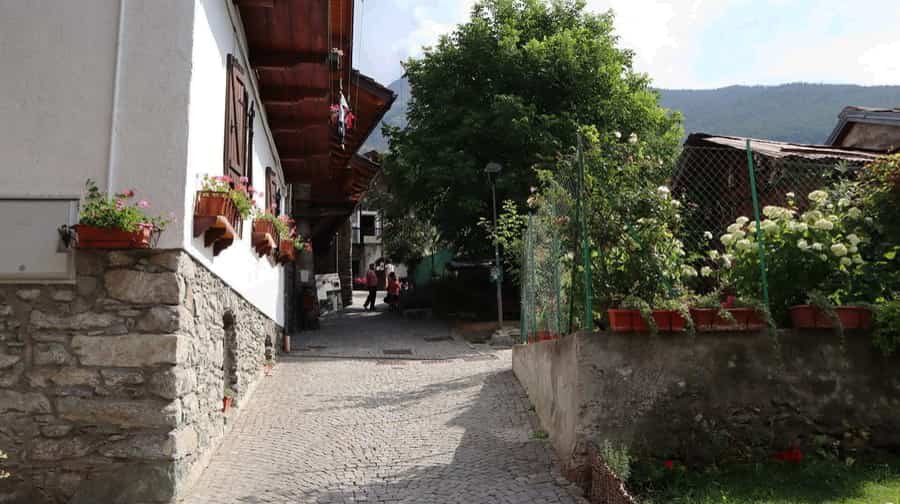
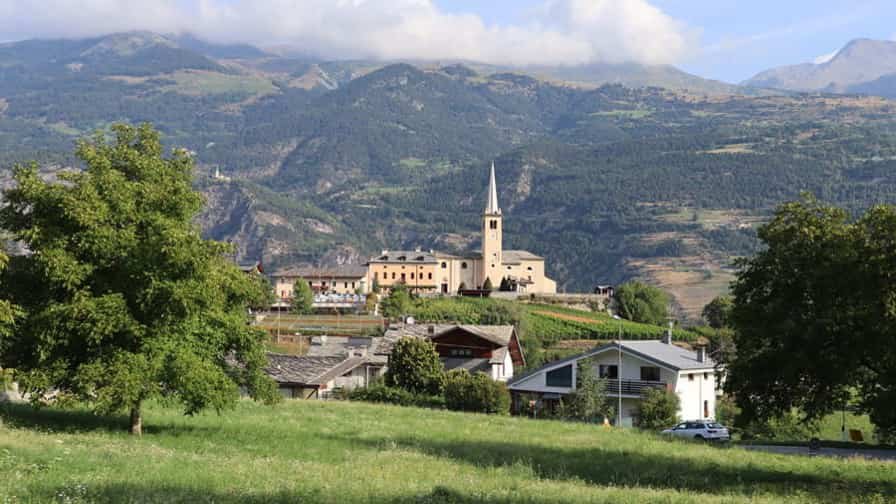
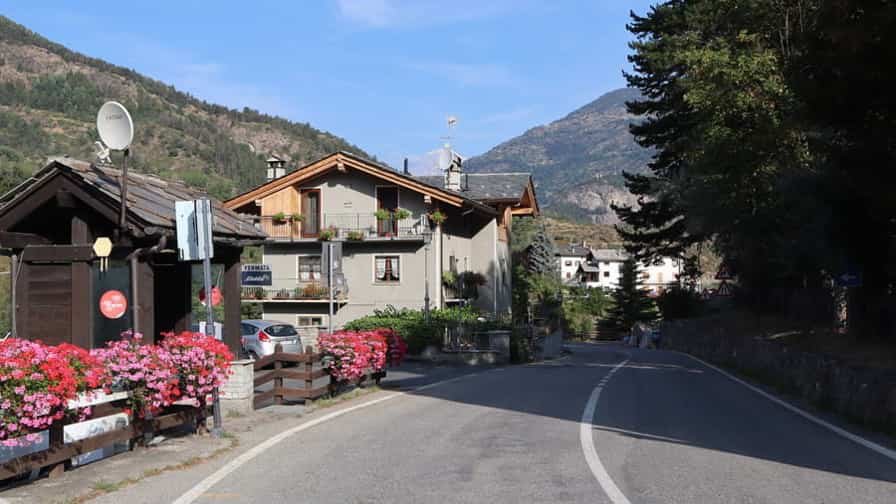
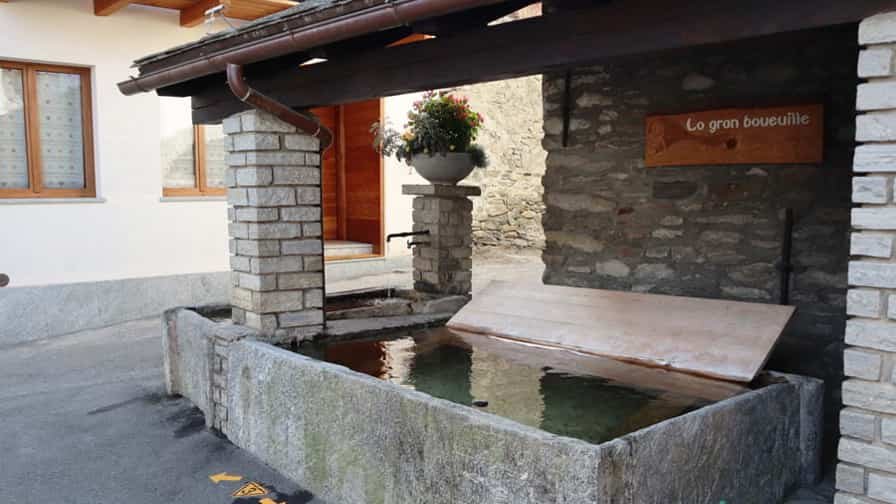
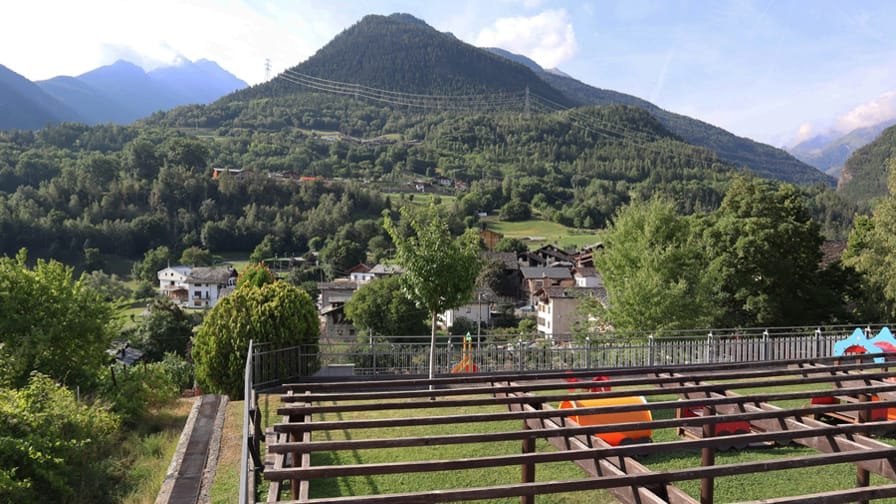
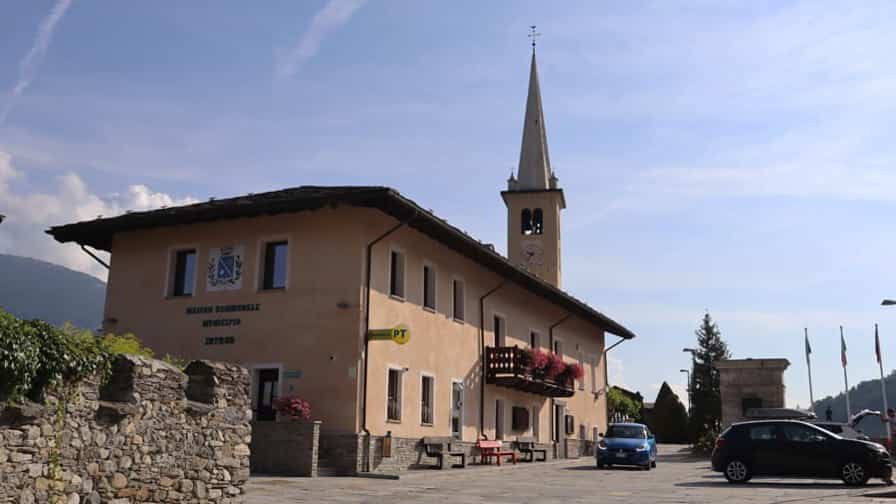
Centro Storico, 11014 Étroubles AO, Italy (August 2020
Valle d’Aosta
The Region of Valle d’Aosta is Italy’s smallest and highest region, nestled in the far northwest of the country and defined by a dramatic alpine landscape unlike any other. Surrounded by some of the tallest peaks in Europe, including Mont Blanc, Monte Rosa, the Matterhorn, and Gran Paradiso, Valle d’Aosta is a land shaped by mountains, glaciers, and deep valleys that have influenced its culture, history, and way of life for centuries. Its geography creates a powerful sense of identity, where nature is not simply a backdrop but an active presence in everyday life.
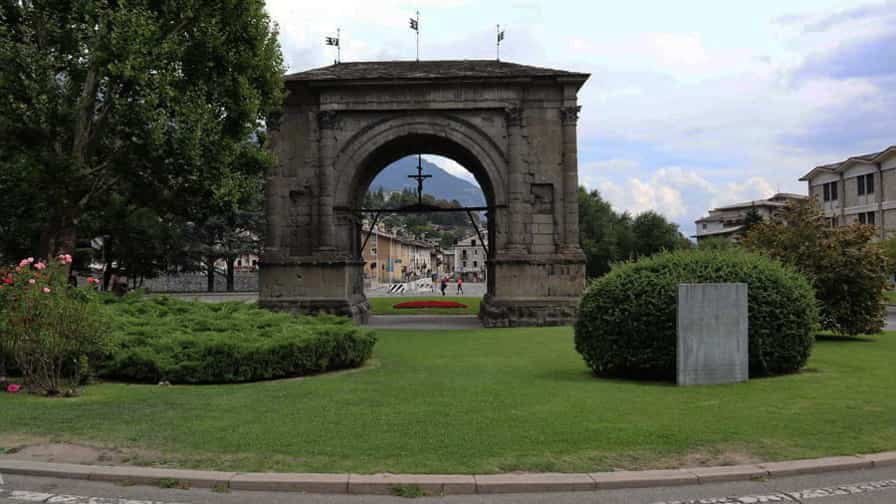
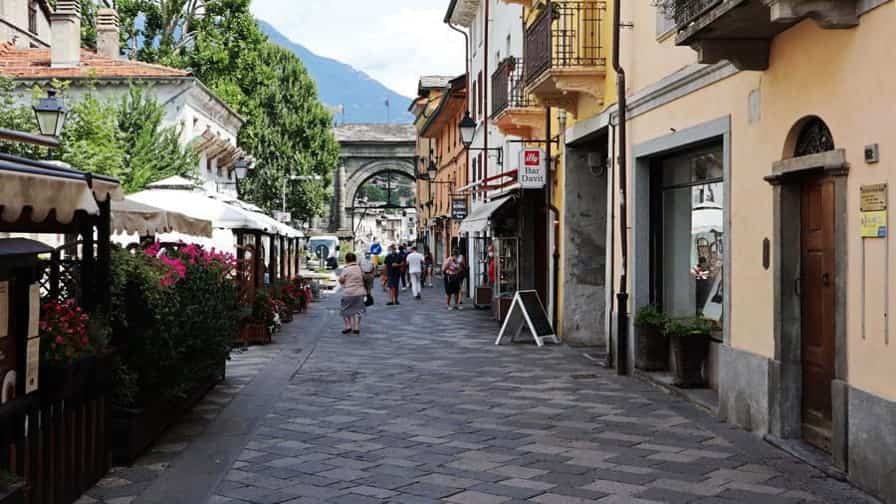
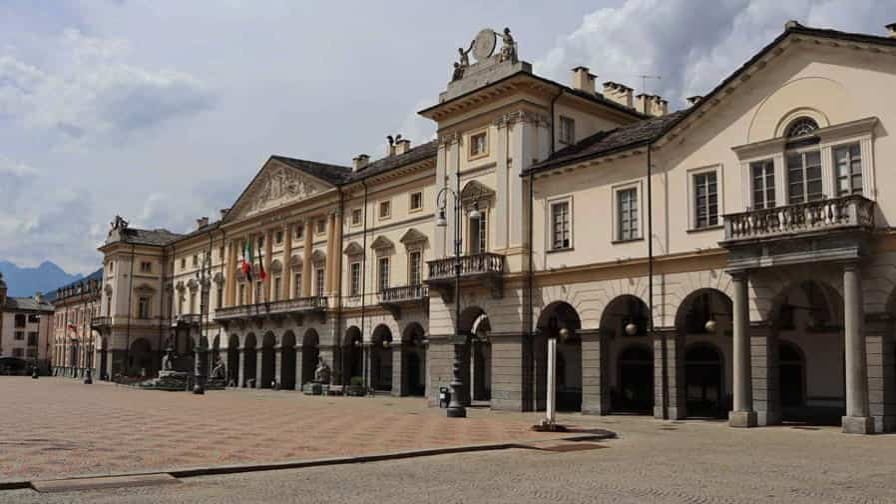
This region holds a unique position in Italy due to its strong bilingual heritage. Italian and French are both official languages, reflecting centuries of cultural exchange across the Alps with France and Switzerland. This cross-border history is visible in local traditions, architecture, and place names, giving Valle d’Aosta a character that feels distinctly alpine and European. The capital city, Aosta, founded by the Romans in 25 BC, preserves remarkable Roman monuments, including an arch, city walls, and a well-planned urban grid that still defines the city today.
Throughout the region, medieval castles rise above valleys and villages, bearing witness to Valle d’Aosta’s strategic importance along ancient trade and military routes. Fortresses such as Fénis, Issogne, Verrès, and Bard are among the best-preserved in Italy and contribute to the region’s strong visual identity. These structures, often perched on rocky outcrops, reflect a long history of defense, governance, and noble life in a challenging mountain environment.
Valle d’Aosta is also deeply connected to its natural heritage. Vast protected areas, including the Gran Paradiso National Park, safeguard alpine ecosystems rich in wildlife such as ibex, chamois, and golden eagles. Seasonal rhythms continue to shape daily life, from summer grazing on high pastures to winter snowfalls that transform the region into a major destination for skiing and mountaineering. Resorts like Courmayeur, Cervinia, and La Thuile attract visitors from around the world, while also maintaining strong ties to traditional mountain culture.
Local cuisine reflects the region’s climate and agricultural practices, favoring hearty and nourishing dishes. Cheeses such as Fontina, cured meats, polenta, and rye bread are staples, often paired with robust mountain wines produced on steep terraced vineyards. Food in Valle d’Aosta is closely tied to communal traditions, festivals, and seasonal celebrations that reinforce a strong sense of belonging.
Despite its small size, Valle d’Aosta possesses a rich and resilient identity shaped by geography, history, and cultural diversity. It is a region where ancient traditions coexist with modern life, where the mountains foster both isolation and connection, and where the landscape continues to define not only how people live, but how they understand themselves and their place in the heart of the Alps.
Valle d’Aosta is a special autonomous region that is not subdivided into provinces
Aosta
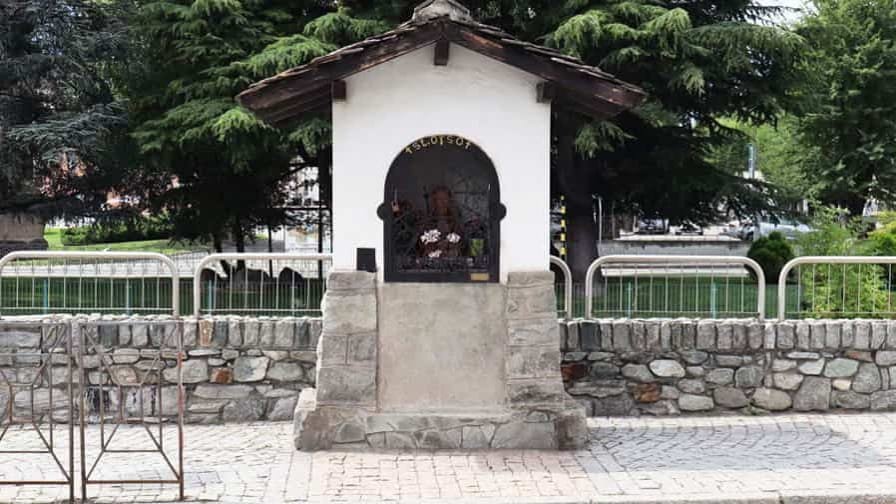
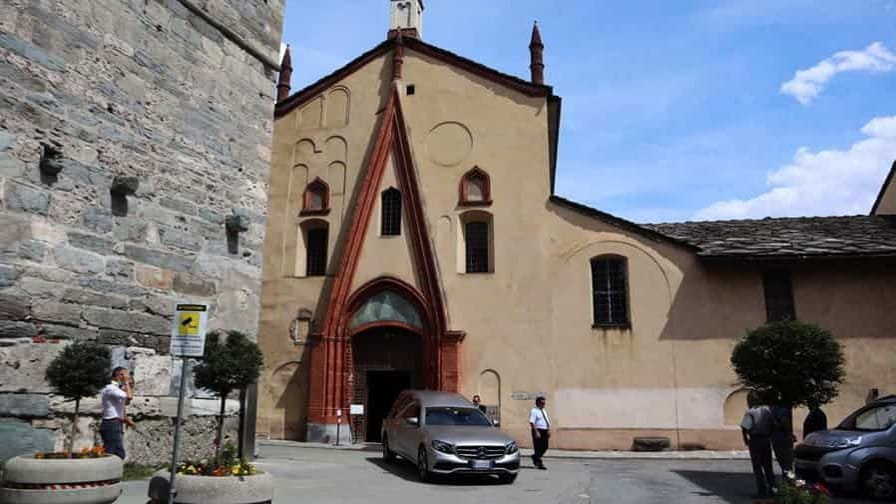
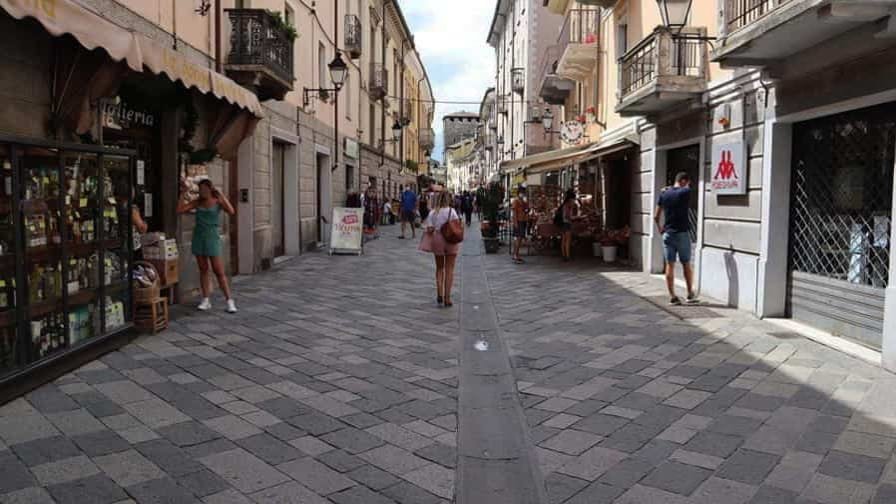
Étroubles
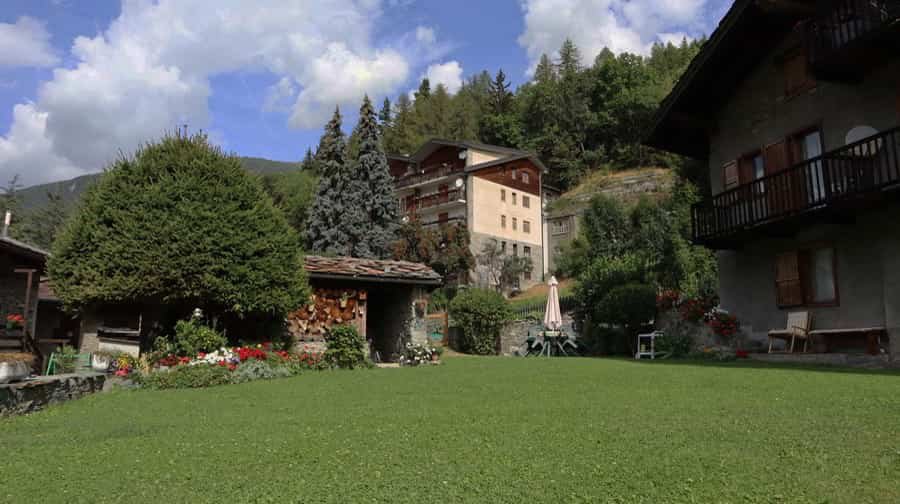
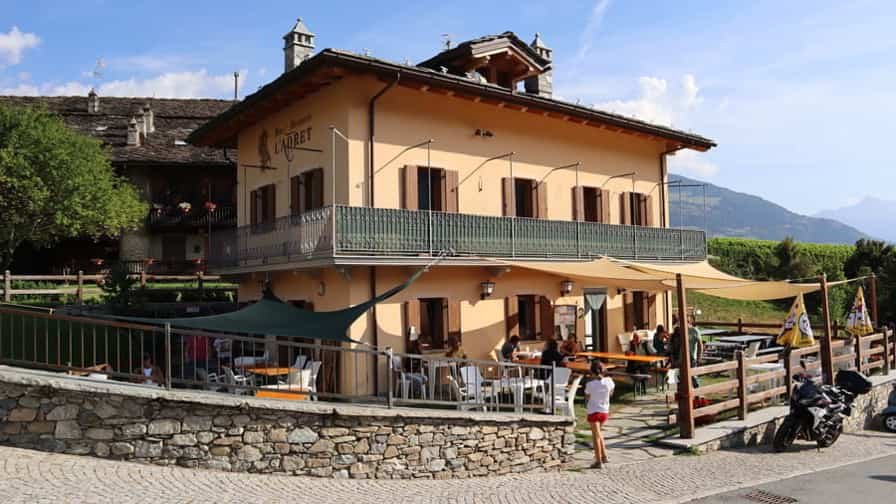
Introd
Aosta
Étroubles
Introd
COPYRIGHT © 2018-2026 ITALY IN PHOTOS – ALL RIGHTS RESERVED