
HOME
REGIONS OF ITALY
PLACES IN ITALY
TRAVEL GUIDES
Italy in Photos
Villa d’Este
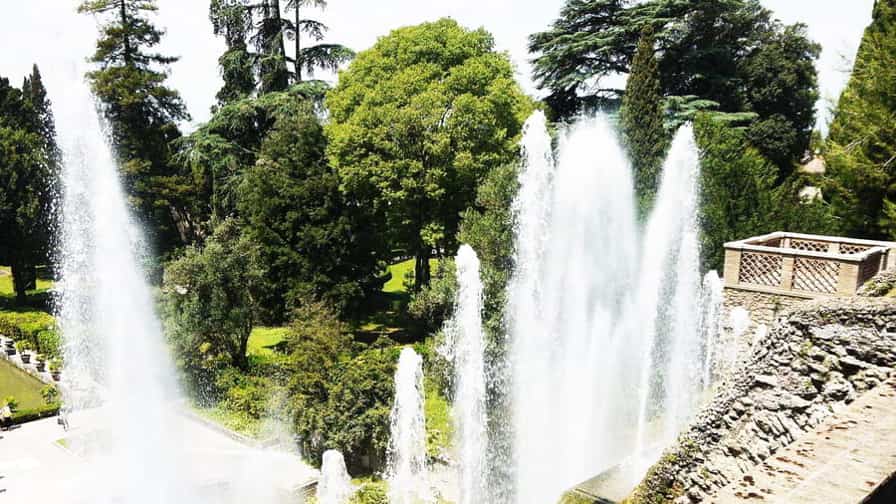
Villa d’Este, located in Tivoli just east of Rome, is one of the most magnificent examples of Renaissance architecture and garden design in Italy. Celebrated for its extraordinary beauty and ingenious hydraulic engineering, the villa is a UNESCO World Heritage Site that continues to enchant visitors from around the world. Its combination of art, water, and nature creates an atmosphere of harmony and splendour that has influenced garden design across Europe for centuries.
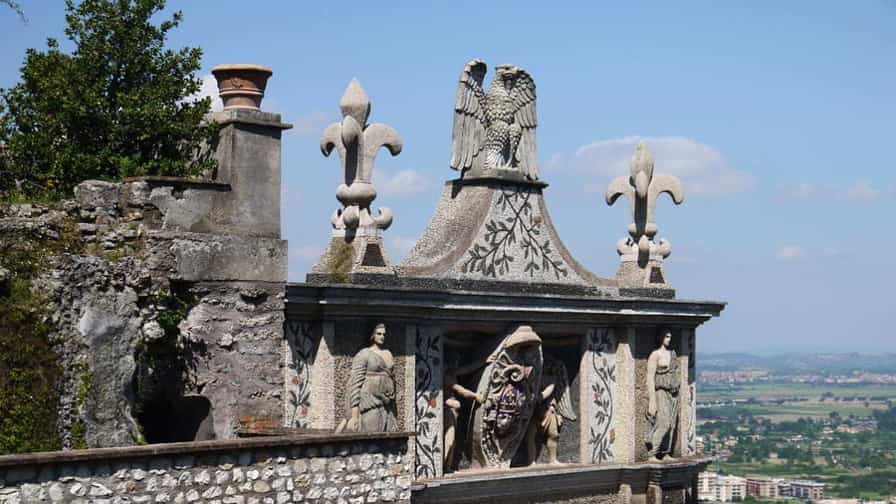
The villa was commissioned in the mid-16th century by Cardinal Ippolito II d’Este, the son of Lucrezia Borgia and grandson of Pope Alexander VI. After being appointed governor of Tivoli, the cardinal set out to transform an old Benedictine monastery into a luxurious residence worthy of his rank and refined taste. To realize his vision, he employed the architect Pirro Ligorio and a team of skilled artists and engineers. Together, they created a masterpiece that merged classical inspiration with Renaissance innovation, turning the steep slopes of Tivoli into a cascading paradise of fountains, terraces, and grottos.
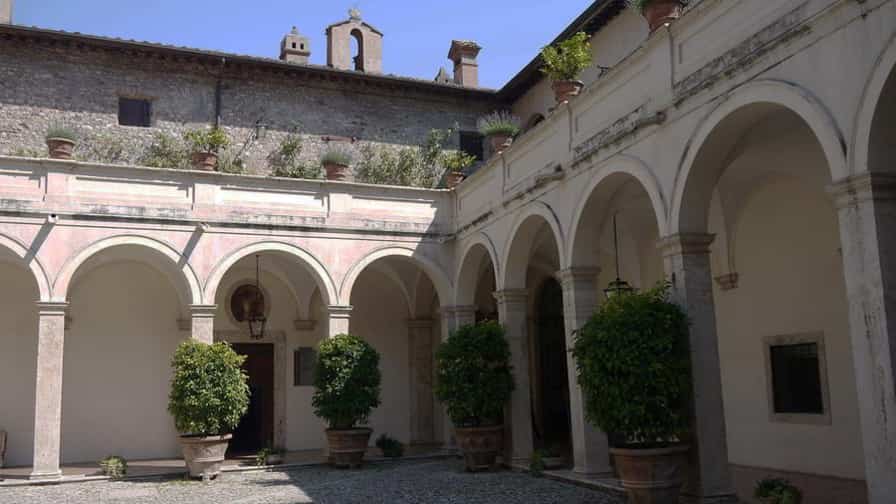
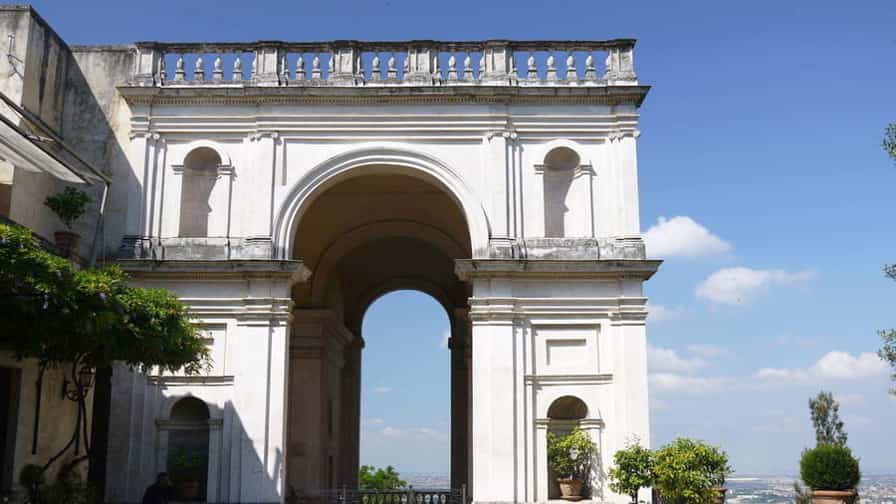
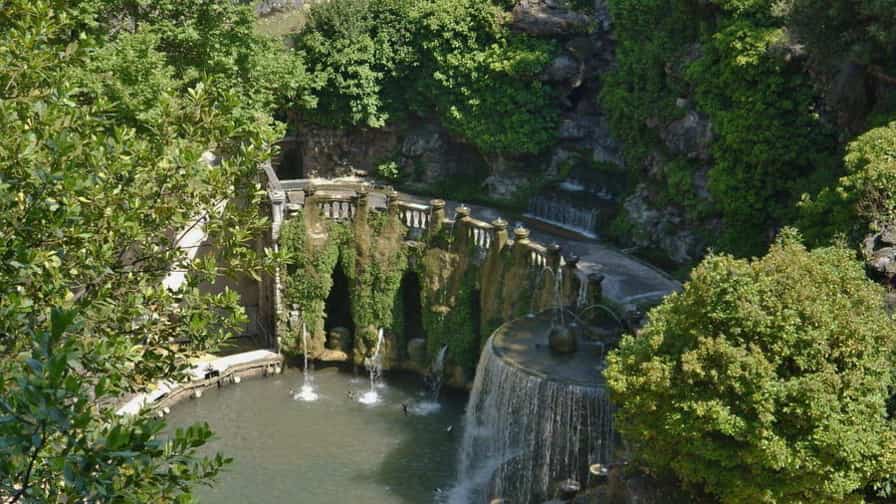
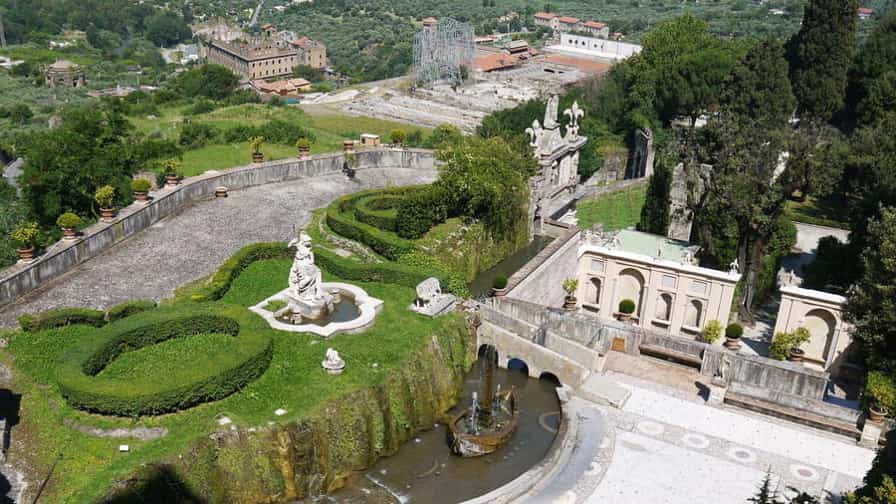
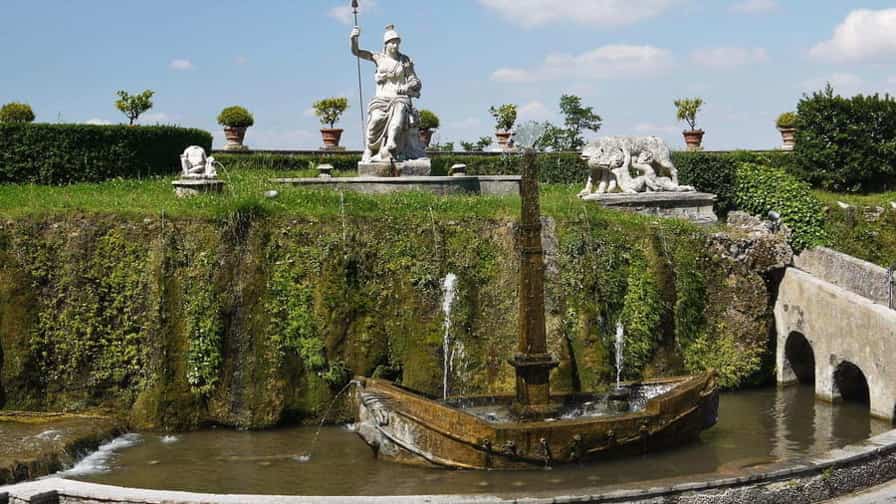
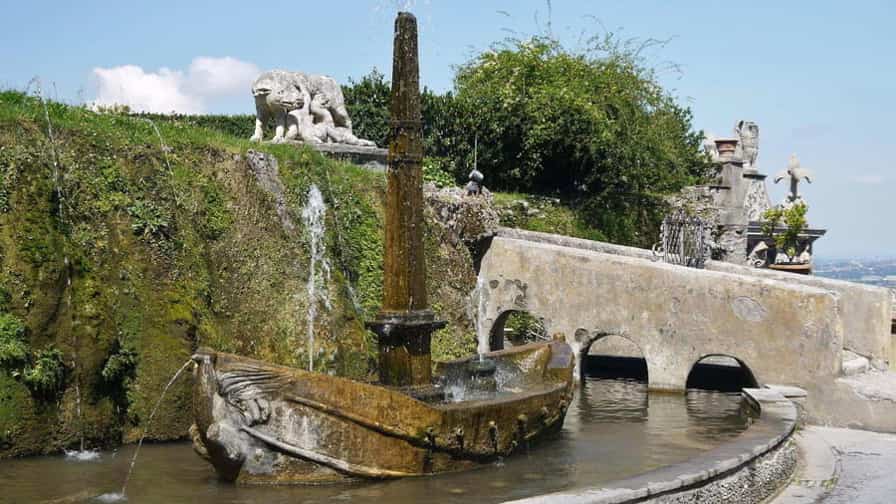
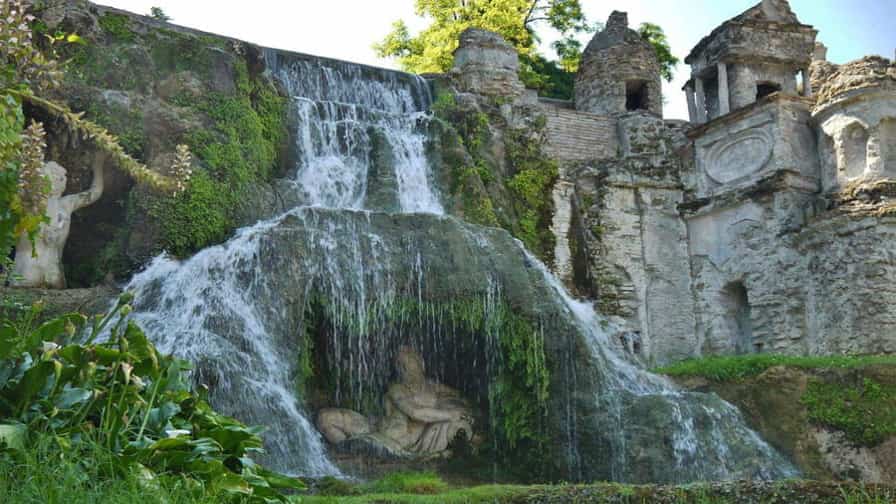
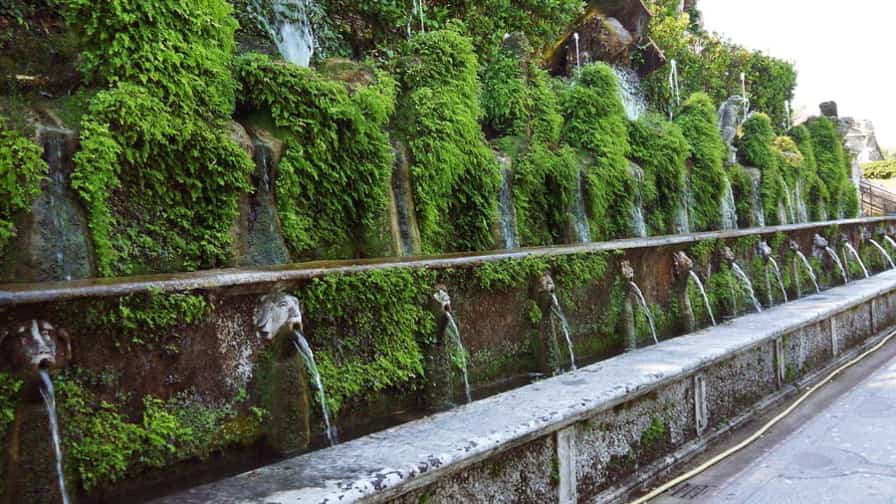
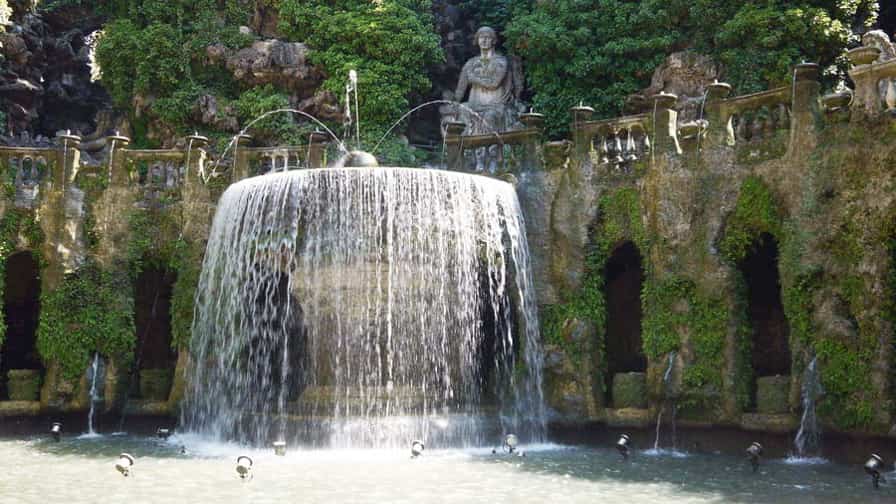
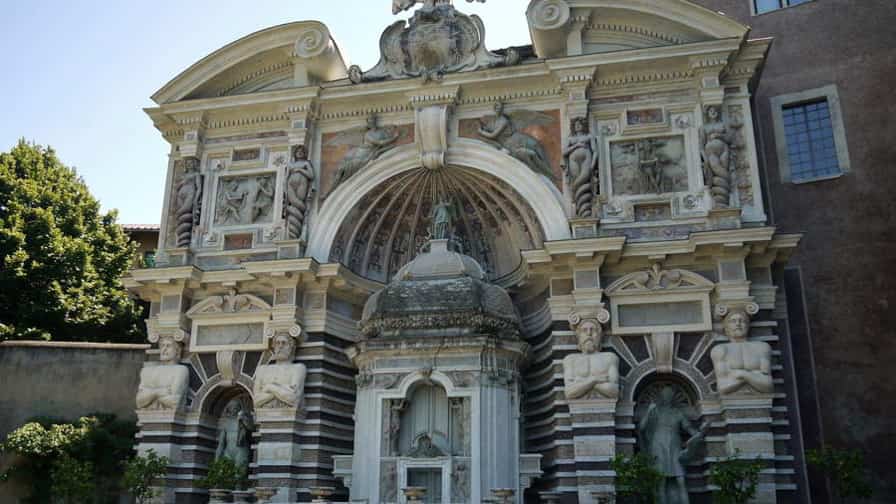
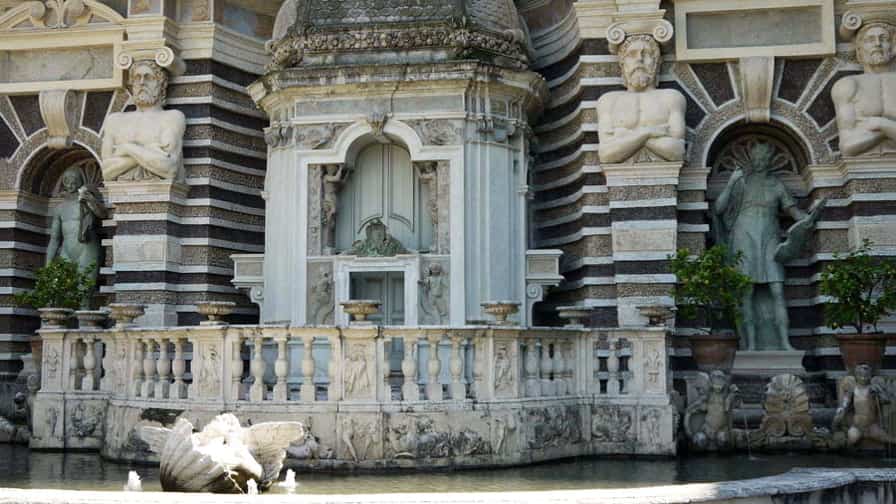
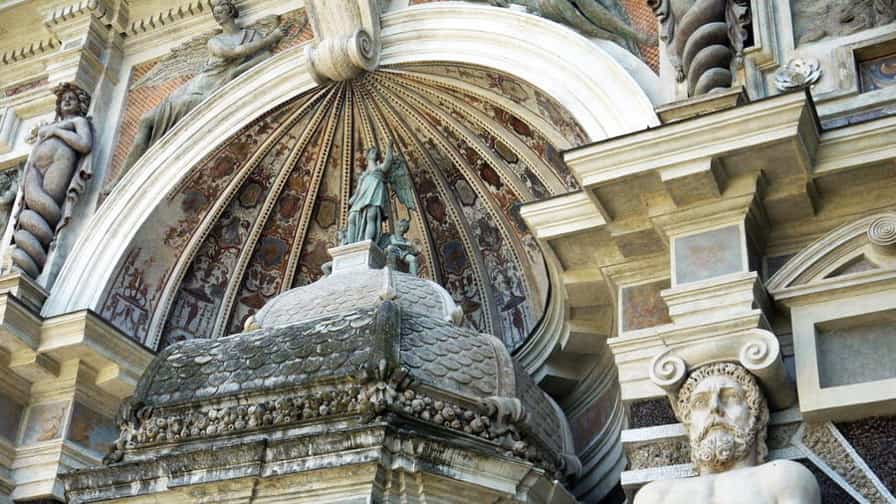
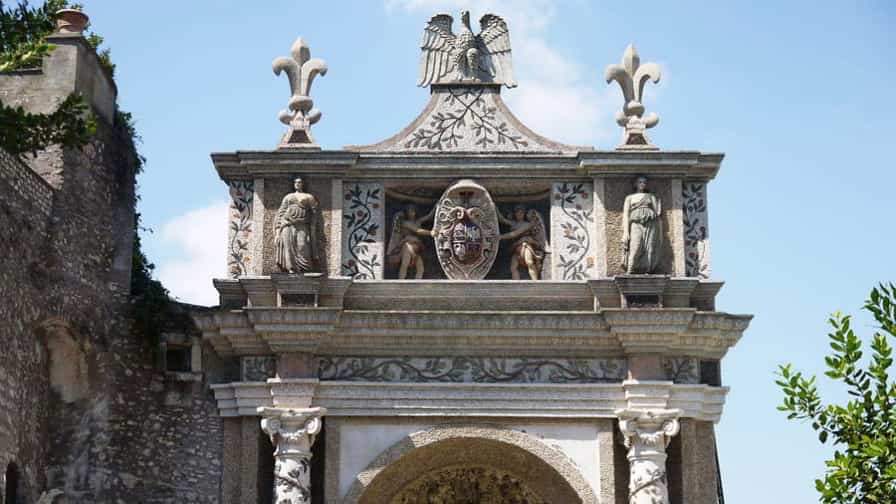
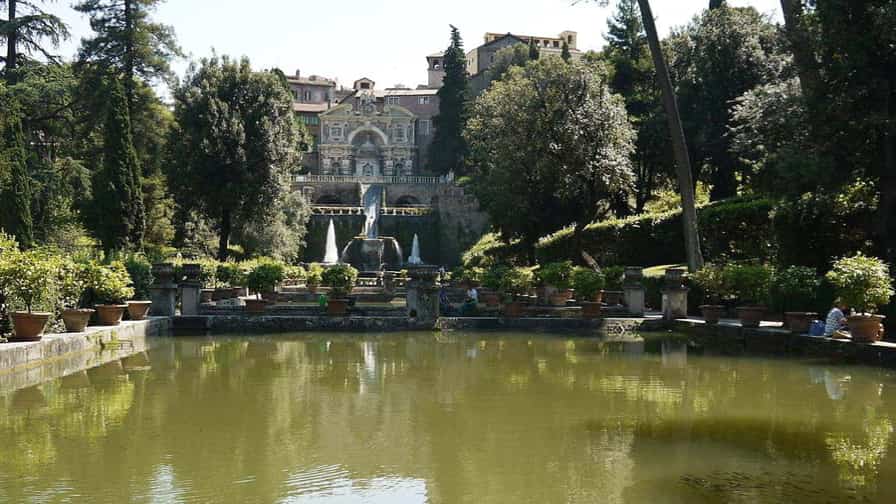
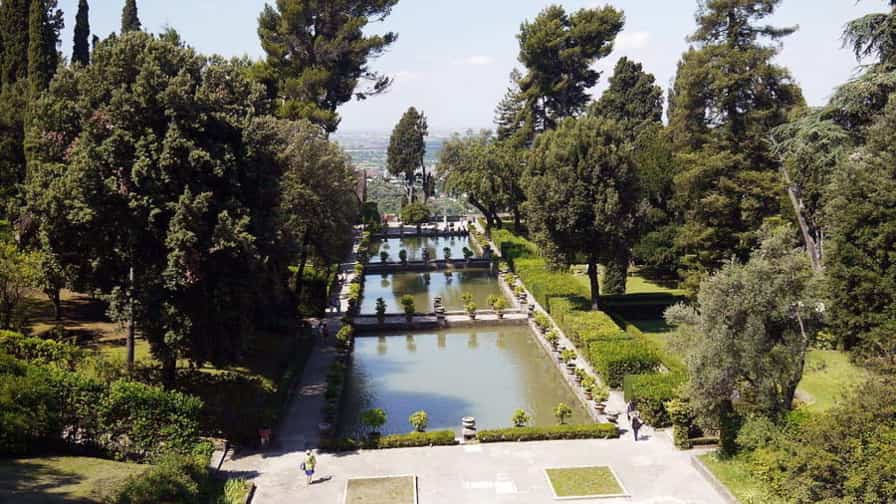
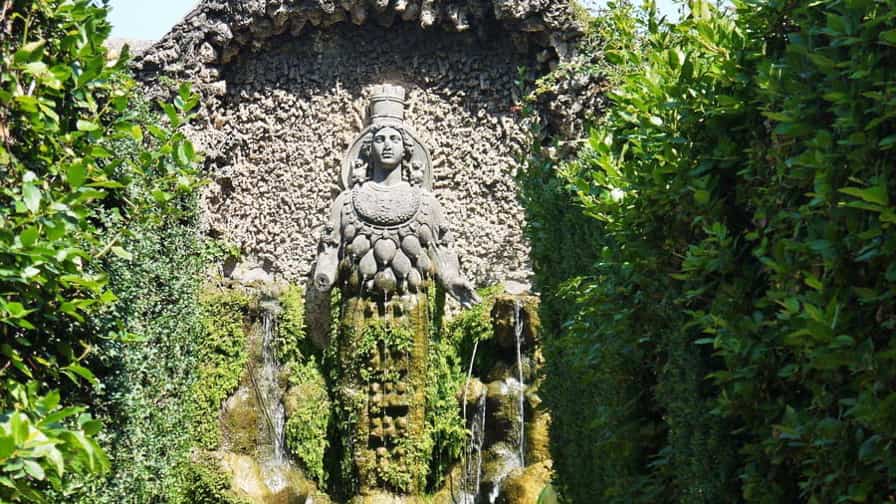
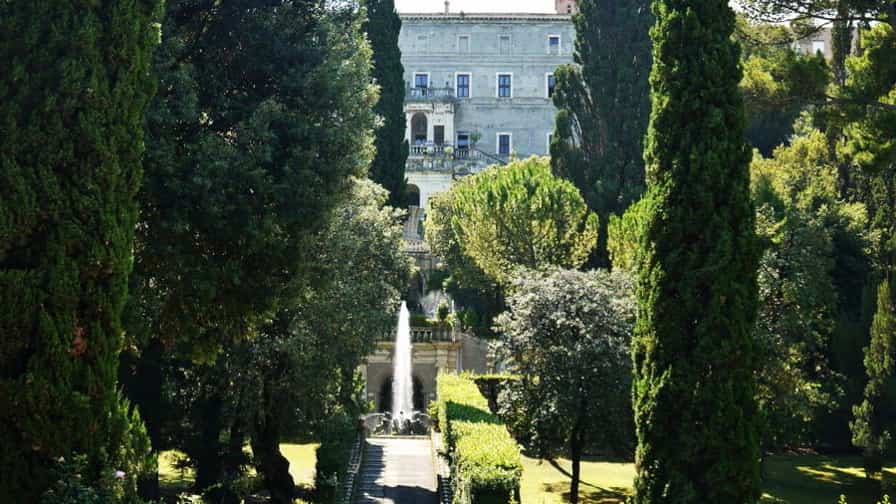
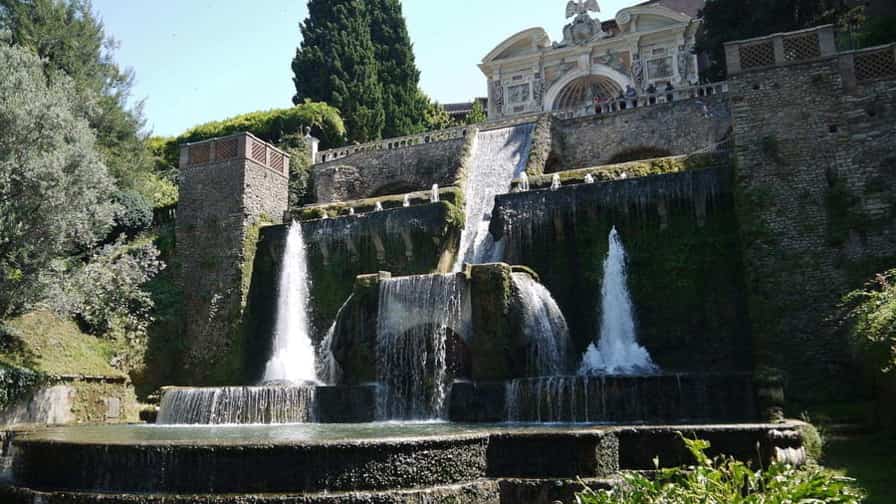
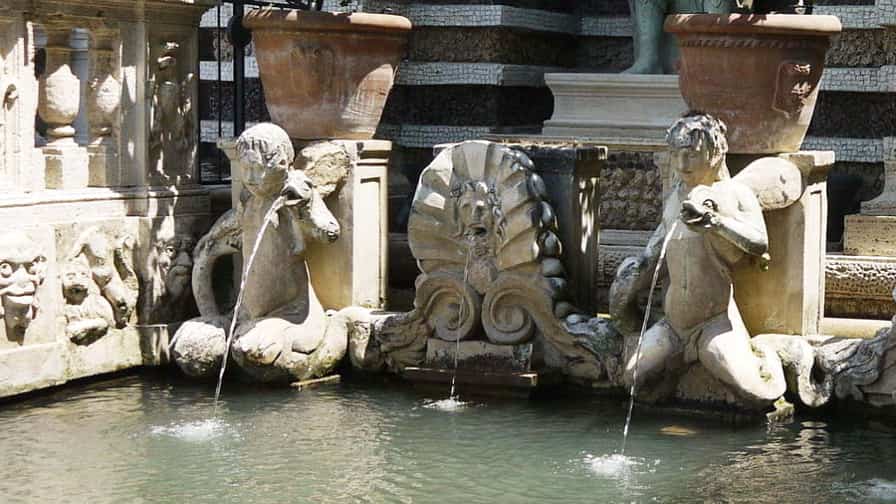
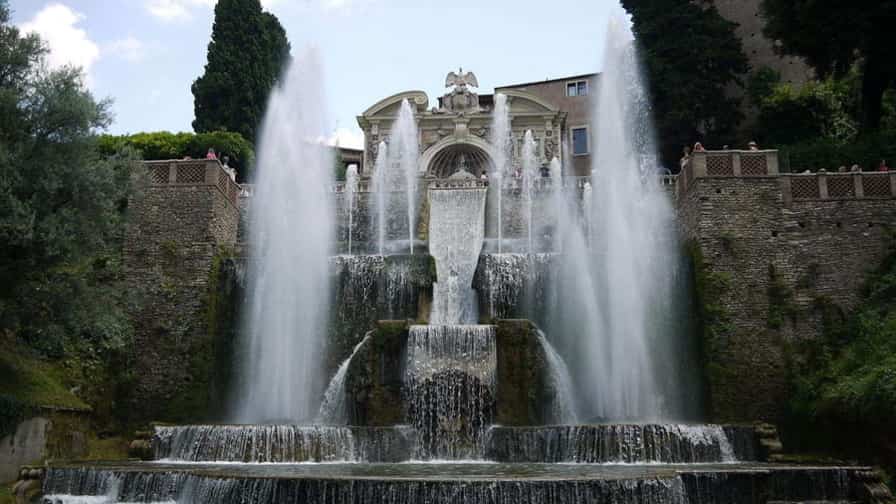
The architecture of Villa d’Este reflects the grandeur of the Italian Renaissance. Its interiors are richly decorated with frescoes depicting mythological scenes, landscapes, and allegories that celebrate both the power of nature and human creativity. However, it is the gardens that truly define the villa’s fame. Designed around an intricate network of water channels and fountains fed by the Aniene River, they represent one of the most ambitious hydraulic systems of the period. The Fountain of Neptune, the Hundred Fountains, and the Oval Fountain are among its most iconic features, each combining artistic elegance with engineering brilliance.
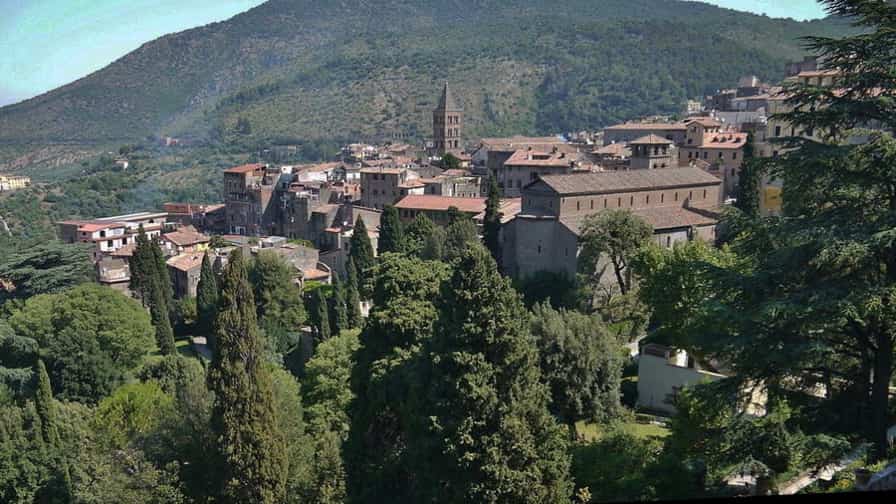
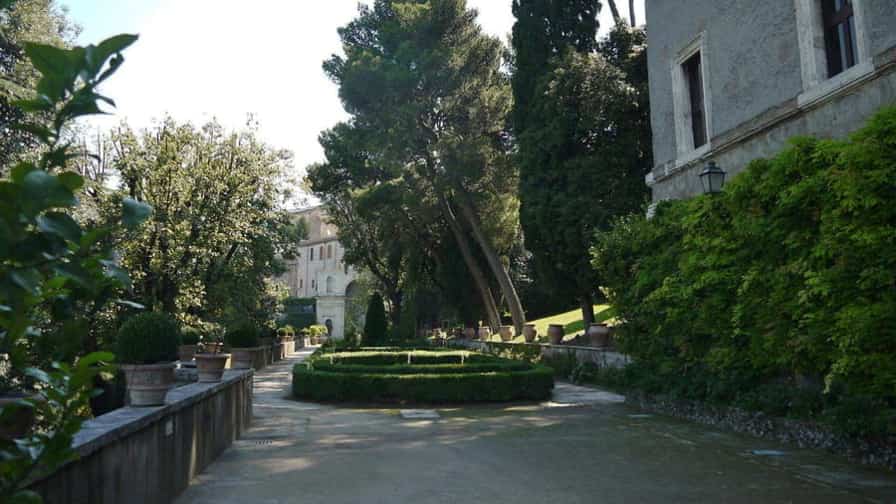
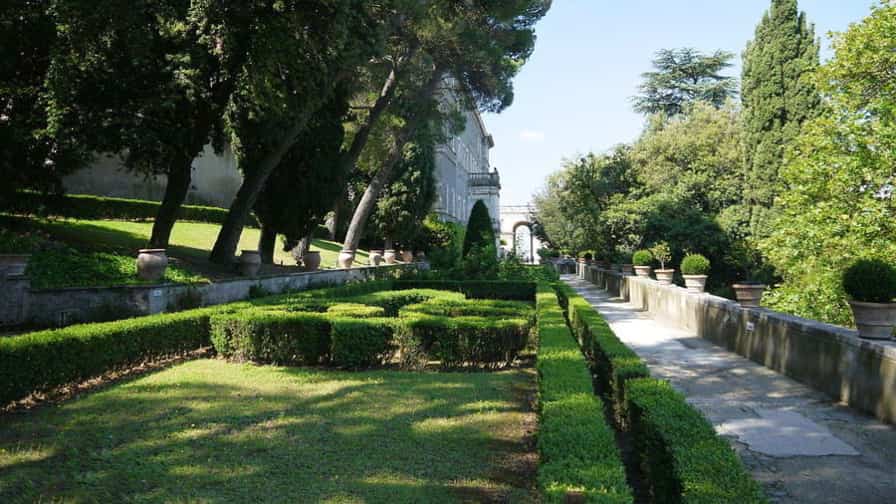
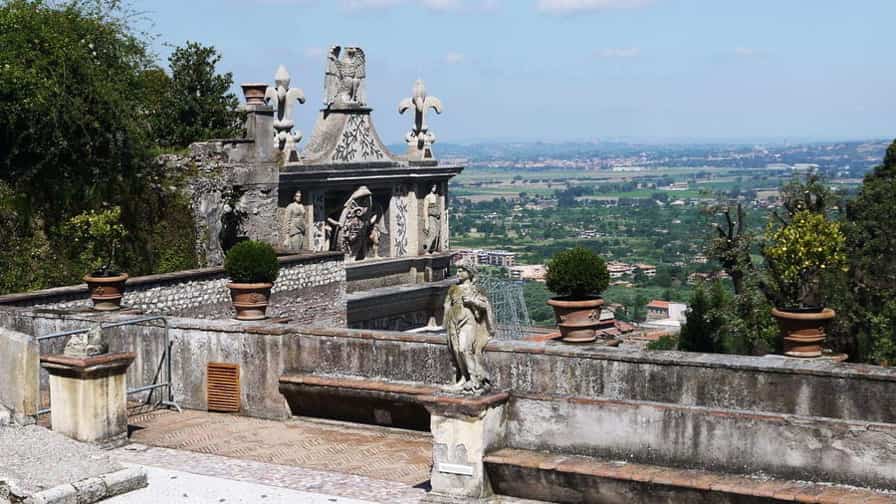
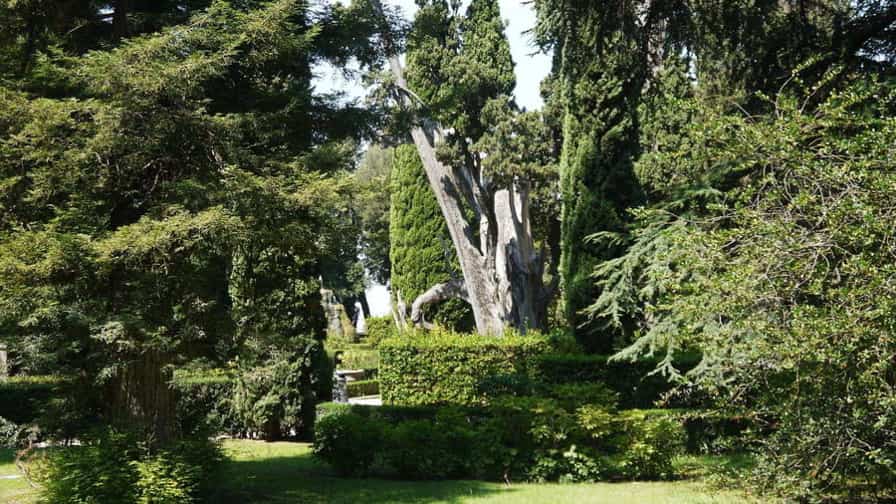
Walking through the gardens of Villa d’Este is like moving through a living work of art. The sound of flowing water accompanies visitors along shaded pathways and open terraces, offering ever-changing views of Tivoli and the Roman countryside. Over the centuries, the villa has inspired countless poets, musicians, and travellers, from Goethe to Liszt, who composed his famous “Fountains of the Villa d’Este” after visiting the site.
Today, Villa d’Este remains one of Italy’s most beloved cultural treasures, a place where history, art, and nature blend seamlessly. Its timeless beauty and technical ingenuity make it not only a symbol of Renaissance creativity but also an enduring testament to the human pursuit of perfection and harmony.
Photo Gallery of the Villa d’Este

COPYRIGHT © 2018-2026 ITALY IN PHOTOS – ALL RIGHTS RESERVED