
HOME
REGIONS OF ITALY
PLACES IN ITALY
PLAN YOUR TRIP
Italy in Photos
Via Vittorio Veneto, 28922 Verbania VB, Italy
Verbania
Verbania is a refined lakeside city in northern Italy, located on the western shore of Lake Maggiore in the Piedmont region. Set against a backdrop of alpine foothills and overlooking one of Italy’s most elegant lakes, Verbania is known for its scenic beauty, historic villas, and lush botanical gardens. Formed in 1939 through the union of several smaller towns, including Pallanza and Intra, Verbania combines the charm of distinct neighborhoods with the amenities of a modern city.
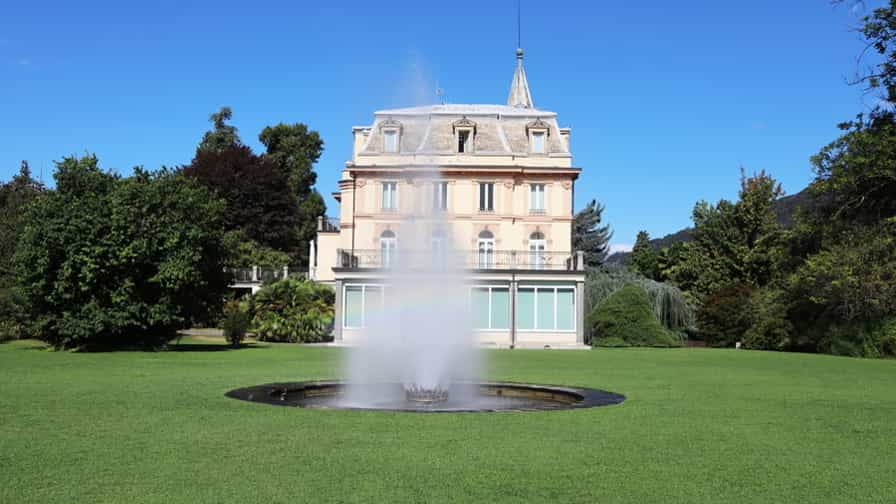
Pallanza, facing the Borromean Gulf, is celebrated for its stately waterfront, tree-lined promenades, and historic architecture. From here, boats depart for the famous Borromean Islands, making Pallanza an important gateway to some of Lake Maggiore’s most iconic attractions. The area is also home to Villa Taranto, one of Europe’s most renowned botanical gardens. Created in the 20th century, the gardens feature thousands of plant species from around the world, arranged across terraced landscapes that bloom spectacularly throughout the seasons.
Intra, the city’s commercial and administrative center, offers a more lively and urban atmosphere. Its historic core is characterized by arcaded streets, traditional shops, and bustling squares where daily life unfolds. The weekly market in Intra is one of the largest in the region, attracting visitors from surrounding towns and adding energy and color to the waterfront. Together, Pallanza and Intra highlight Verbania’s dual identity as both a tranquil resort destination and a working city.
Verbania’s cultural life is closely tied to its natural surroundings. The lake plays a central role in leisure activities, from boating and swimming to scenic walks along the shore. Nearby hills and valleys provide opportunities for hiking and outdoor exploration, while the changing light on Lake Maggiore has long inspired artists and writers. Historic churches, small museums, and cultural events throughout the year reflect the city’s commitment to preserving its heritage.
Well-connected yet relaxed, Verbania offers an appealing balance of accessibility and calm. Its proximity to Switzerland, Milan, and the Alpine region makes it an ideal base for exploring northern Italy, while its elegant atmosphere encourages visitors to slow down and appreciate the landscape. With its blend of natural beauty, cultural richness, and lakeside sophistication, Verbania stands as one of Lake Maggiore’s most inviting destinations.
Worth a Visit
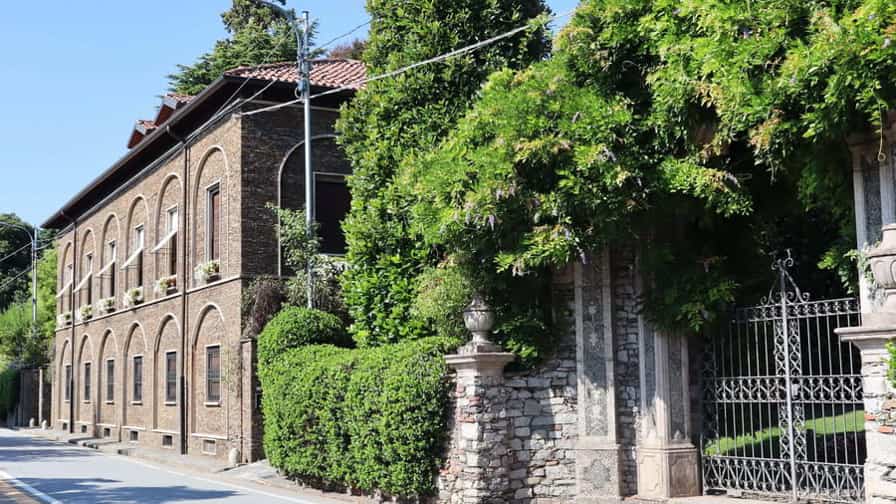
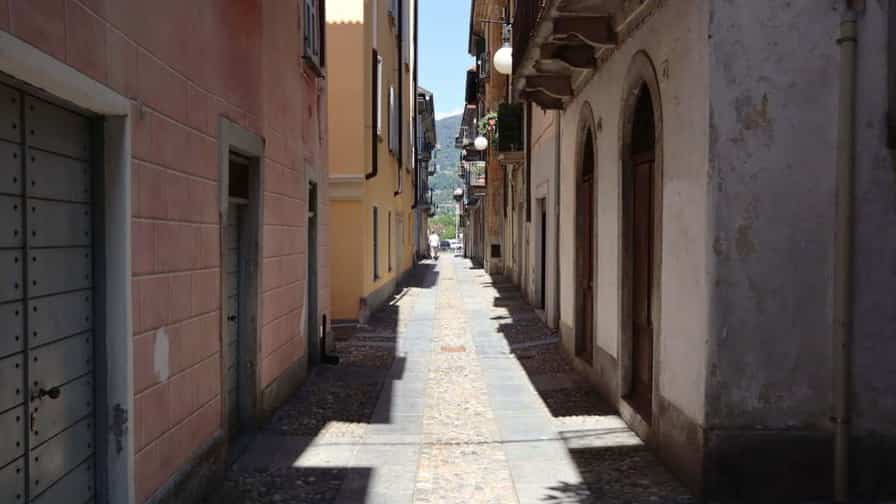
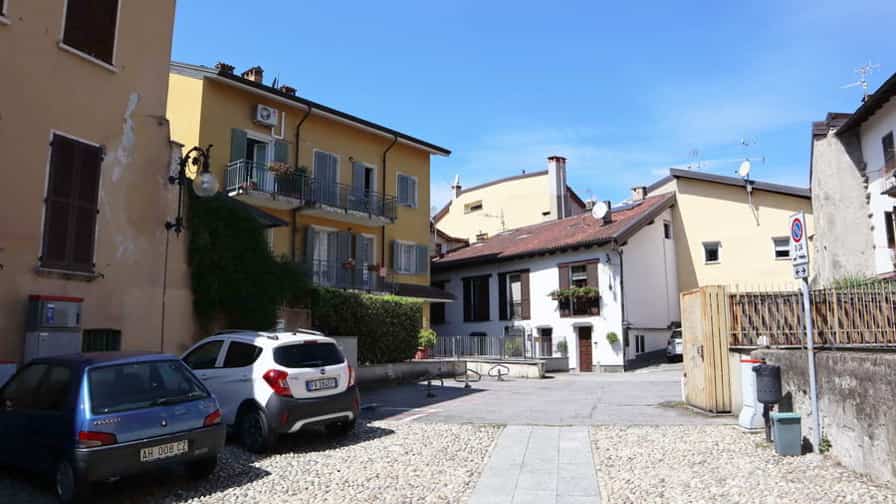
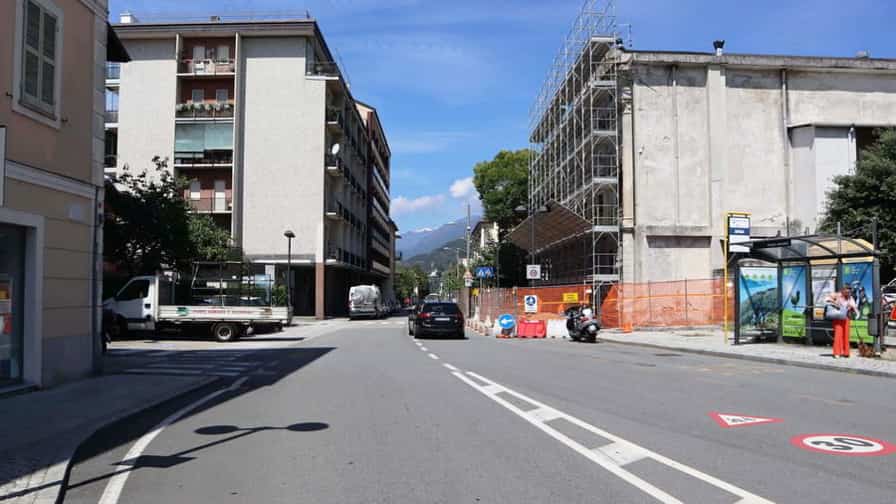
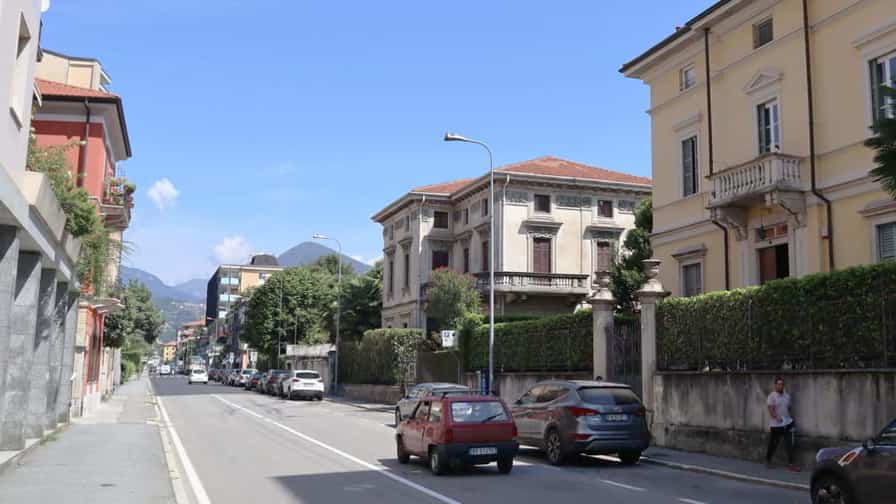
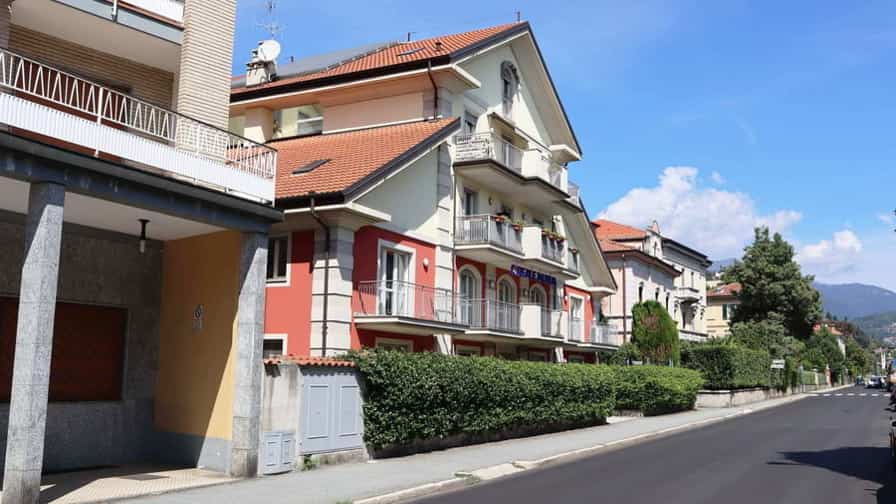
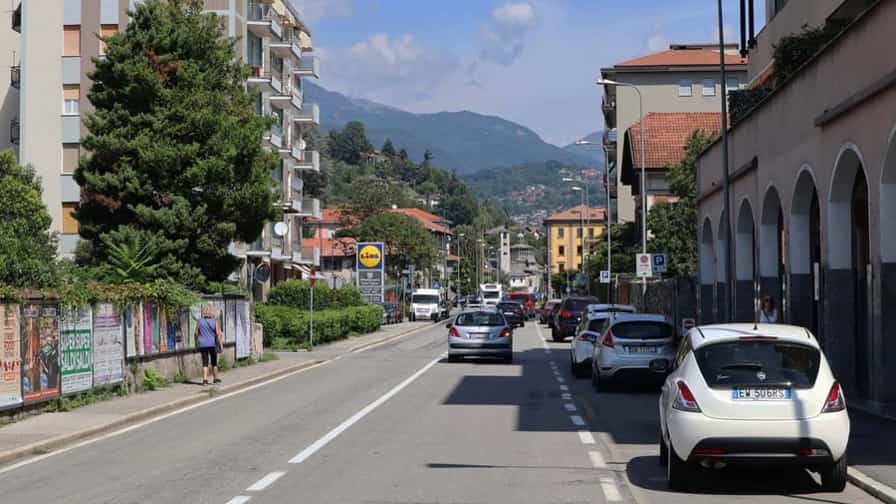
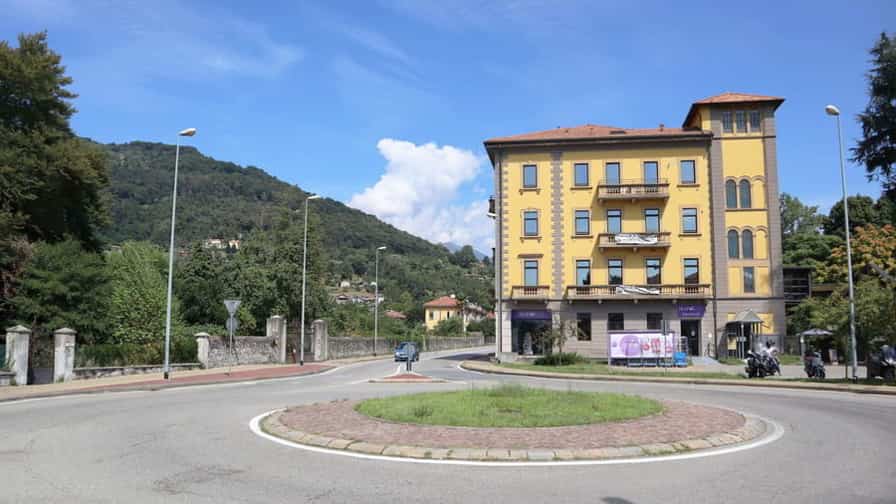
Via Vittorio Veneto is one of the main streets in Verbania, a charming town located on the western shore of Lake Maggiore in northern Italy. Situated in the Piedmont region, Verbania is often referred to as the “garden on the lake” for its elegant villas, lush gardens, and scenic promenades. Via Vittorio Veneto reflects the town’s blend of history, local life, and Italian style. The street is lined with a mix of traditional buildings, small shops, cafés, and services, making it a lively and practical hub for both residents and visitors. Its central location allows easy access to nearby attractions, including the picturesque lakefront, botanical gardens, and ferry connections to other lake towns. With its combination of everyday conveniences and proximity to cultural landmarks, Via Vittorio Veneto offers a glimpse into the authentic rhythm of Verbania, where modern living meets timeless lakeside charm.
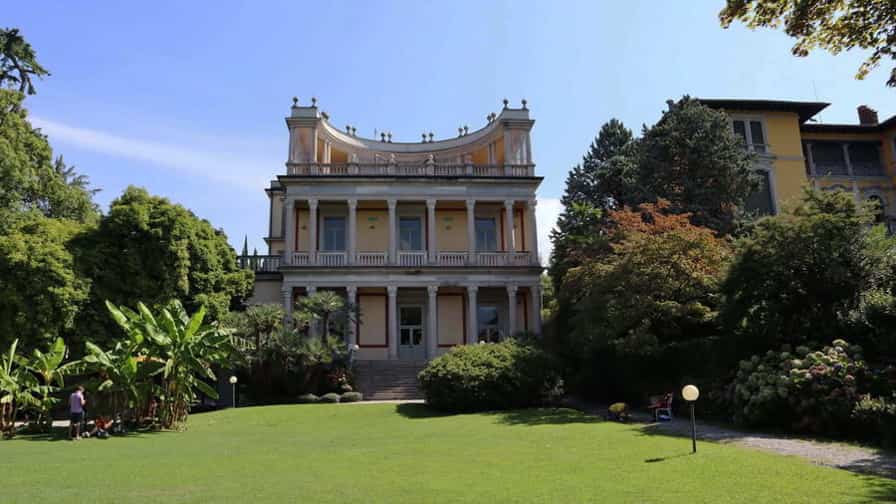
Parco di Villa Giulia, located along Via Vittorio Veneto in Verbania, is one of the town’s most elegant and relaxing green spaces. Overlooking the stunning shores of Lake Maggiore, this historic park was once part of Villa Giulia, a 19th-century residence built as a lakeside retreat. Today, the park is open to the public and offers a blend of natural beauty, landscaped gardens, and sweeping views of the lake and surrounding mountains. Visitors can stroll beneath centuries-old trees, enjoy the colorful seasonal blooms, or pause on benches to admire the tranquil scenery. The park is also used as a venue for cultural events, concerts, and exhibitions, making it a vibrant space where nature, history, and community meet. Whether for a peaceful walk, a family outing, or a romantic lakeside escape, Parco di Villa Giulia is a highlight of Verbania’s charm and elegance.
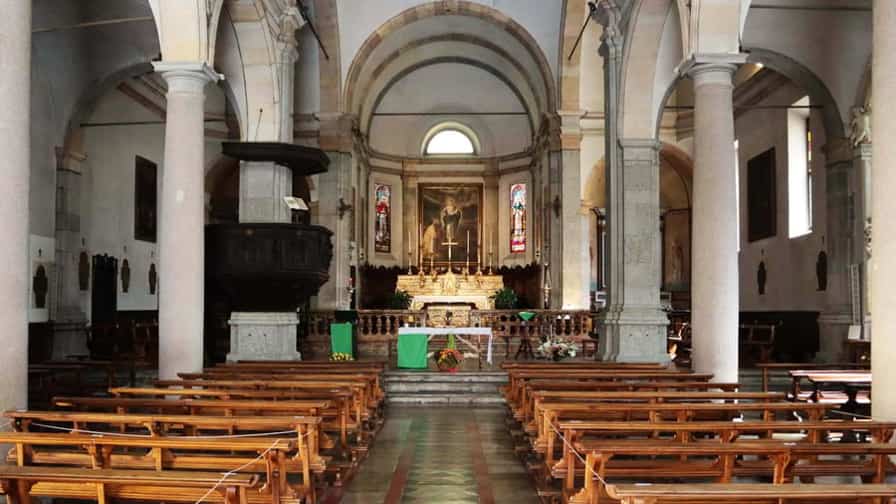
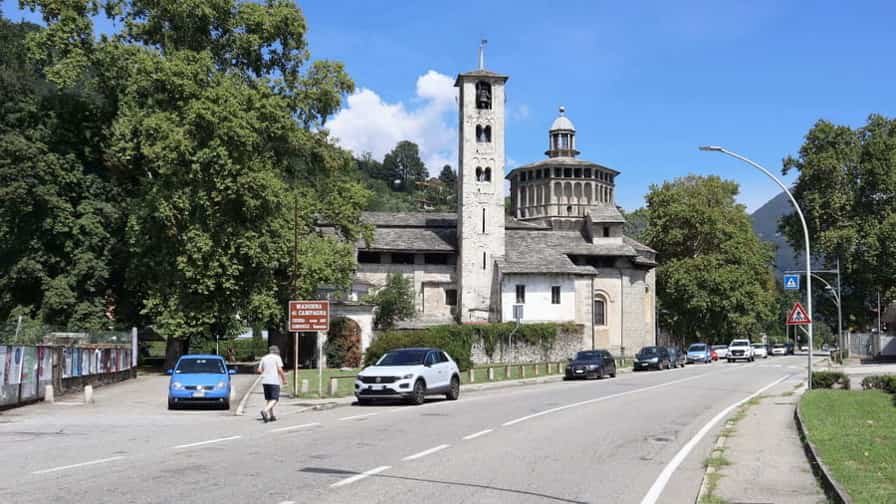
The Chiesa Parrocchiale di San Leonardo is the principal church of Pallanza, one of the historic districts of Verbania on the shores of Lake Maggiore. Situated near the old harbour and just steps from the lakefront promenade, the church occupies a central position in the spiritual and urban life of the community. Dedicated to Saint Leonard, the patron saint of prisoners and the poor, it has long served as a place of worship and gathering for local residents. The church’s origins date back to the Middle Ages, though the building has undergone several renovations and expansions over the centuries. Its present form reflects a blend of architectural styles, with a Baroque-influenced interior that contrasts with a more restrained exterior. Inside, visitors will find decorative stucco work, painted ceilings, and altars that reflect the artistic tastes of different periods. The spacious nave and soft light create a calm and contemplative atmosphere. Beyond its architectural and artistic value, the Chiesa di San Leonardo remains an active parish church. It continues to host religious services, festivals, and community events, maintaining its role as a living landmark that connects Pallanza’s history, faith, and everyday life.
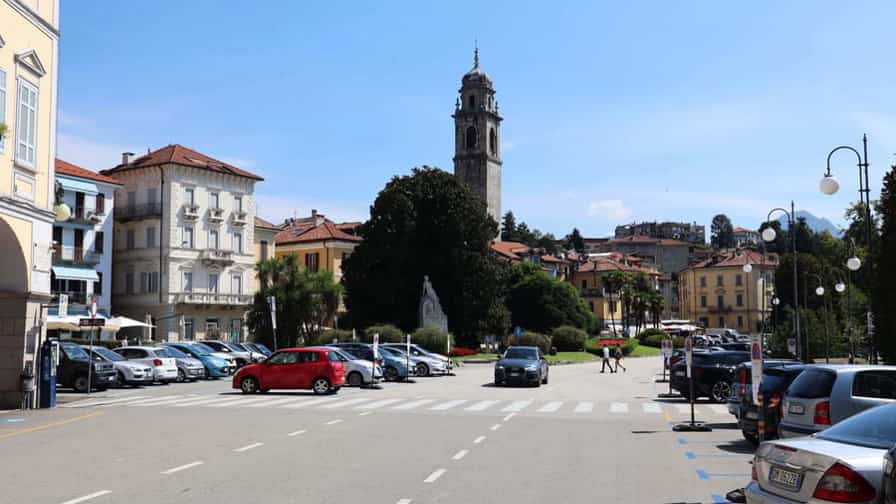
Piazza Giuseppe Garibaldi is the vibrant heart of Verbania, situated in the city’s historic district of Intra along the western shore of Lake Maggiore. Named after the Italian national hero Giuseppe Garibaldi, the square serves as both a social hub and a scenic focal point, drawing locals and visitors alike. Its central location makes it a natural gathering place, connecting the lakefront promenade with surrounding streets lined with shops, cafés, and historic buildings. The square is characterized by elegant architecture, open spaces, and a lively atmosphere that reflects the rhythm of daily life in Verbania. On any given day, one can see residents meeting friends, families strolling, and tourists pausing to admire views of the lake and nearby mountains. Outdoor cafés and gelaterias spill into the square, inviting leisurely conversation and people-watching. Piazza Giuseppe Garibaldi also hosts local events, markets, and seasonal celebrations, reinforcing its role as a communal heart of the city. Its combination of scenic charm, social vitality, and historical significance makes the piazza an essential part of experiencing Verbania, offering a welcoming introduction to the city’s culture, architecture, and lakeside lifestyle.
Photo Gallery of Walk 1 – Lungolago Giovanni Palatucci to Viale delle Magnolie
Approximately 2.54 km – 1.56 miles
Description of Walk 1
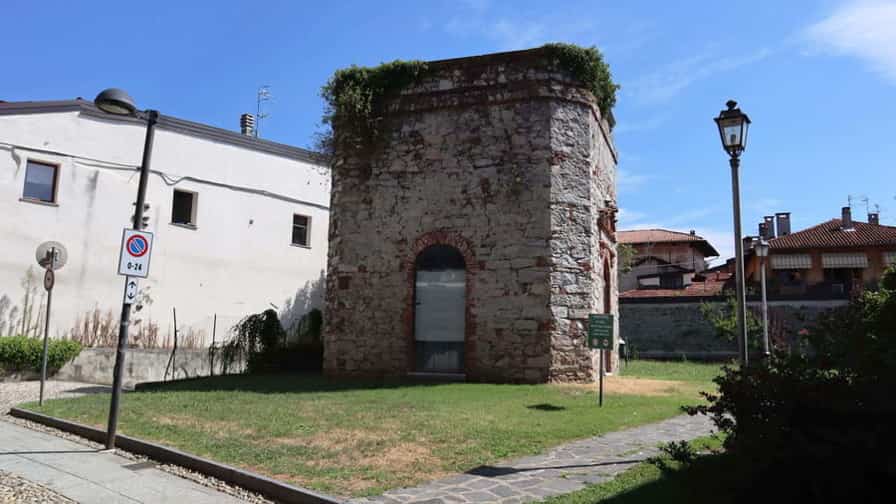
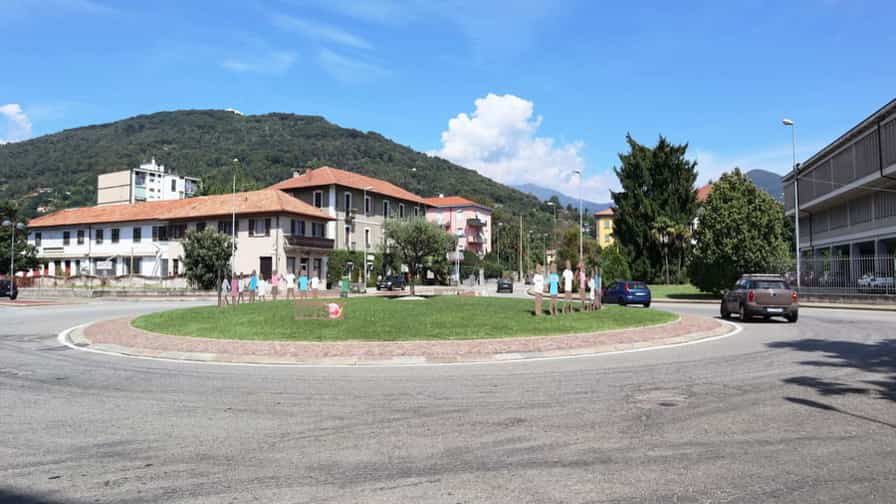
This walk explores the attractive lakeside area of Verbania, a town on the western shore of Lake Maggiore in northern Italy. The route begins at Lungolago Giovanni Palatucci, a scenic promenade that offers wide views across the water and surrounding mountains. Following Via Vittorio Veneto, the walk passes elegant buildings, cafés, and public spaces that reflect the town’s relaxed character and historic charm. The route continues into Piazza San Leonardo, the heart of Pallanza, where the Chiesa Parrocchiale di San Leonardo stands as an important landmark. The church and surrounding square showcase the cultural and architectural heritage of the area. From here, the walk moves through Piazza Giuseppe Garibaldi, a lively lakeside square lined with restaurants and terraces overlooking the lake. The final section follows Viale delle Magnolie, a pleasant tree-lined avenue known for its greenery and peaceful atmosphere. Throughout the walk, visitors experience Verbania’s combination of lakeside beauty, historic architecture, and welcoming public spaces, making it one of Lake Maggiore’s most appealing destinations
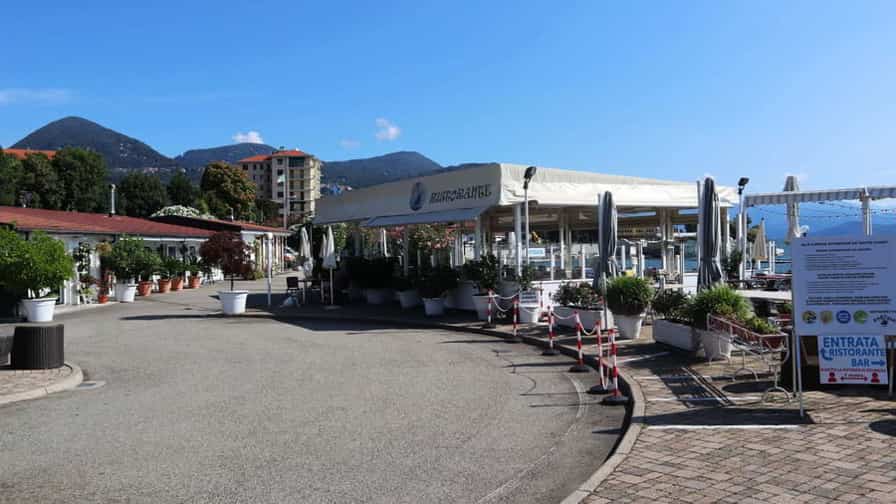
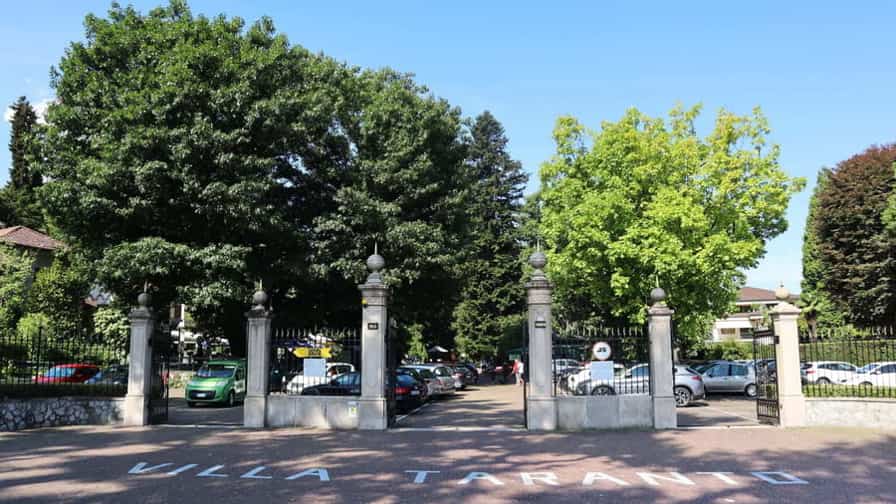
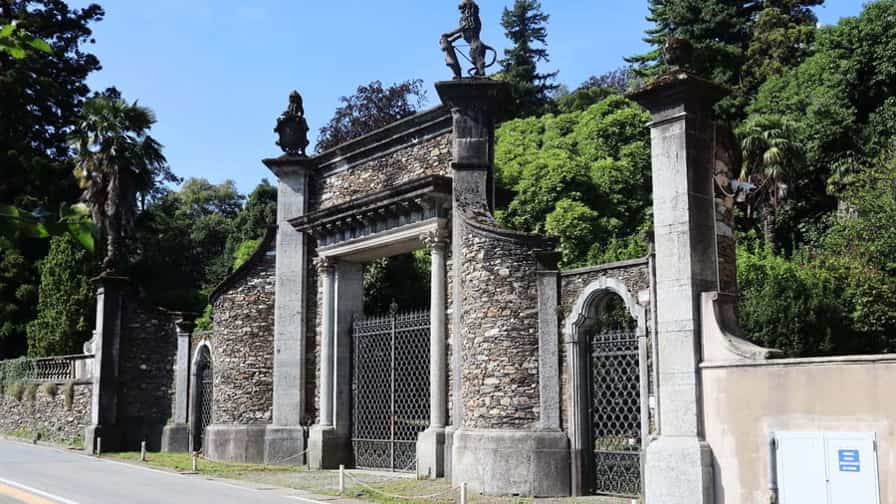
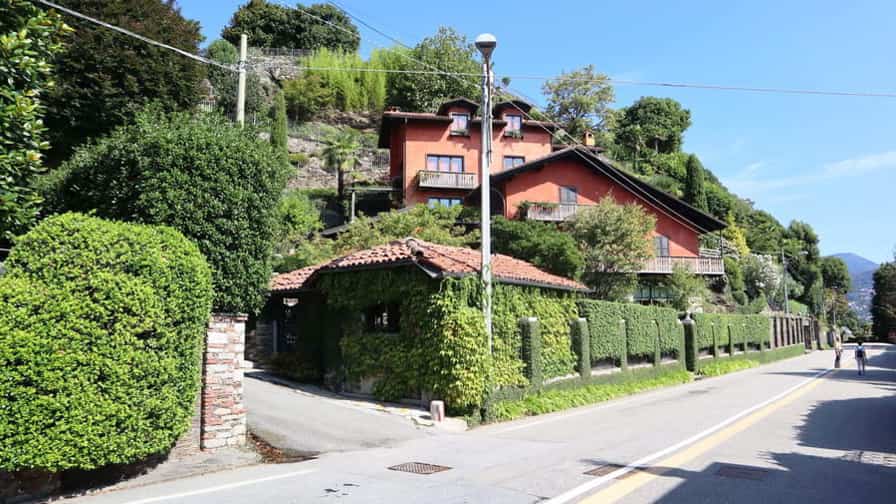
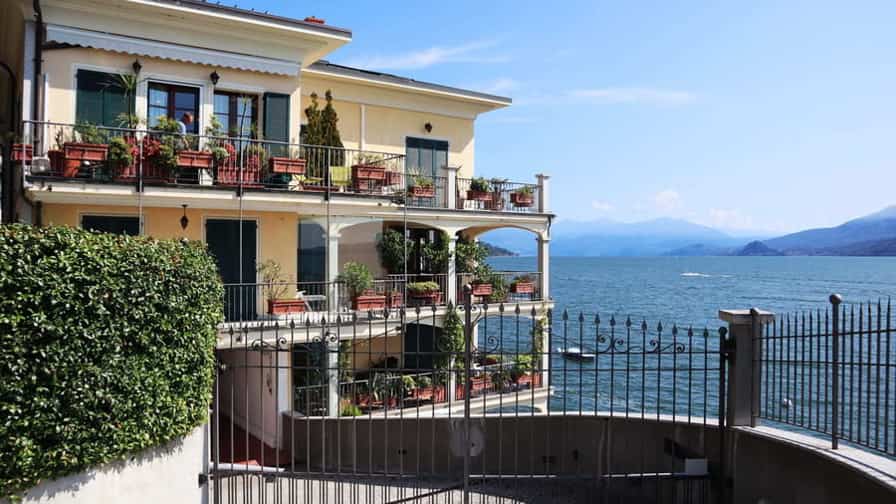
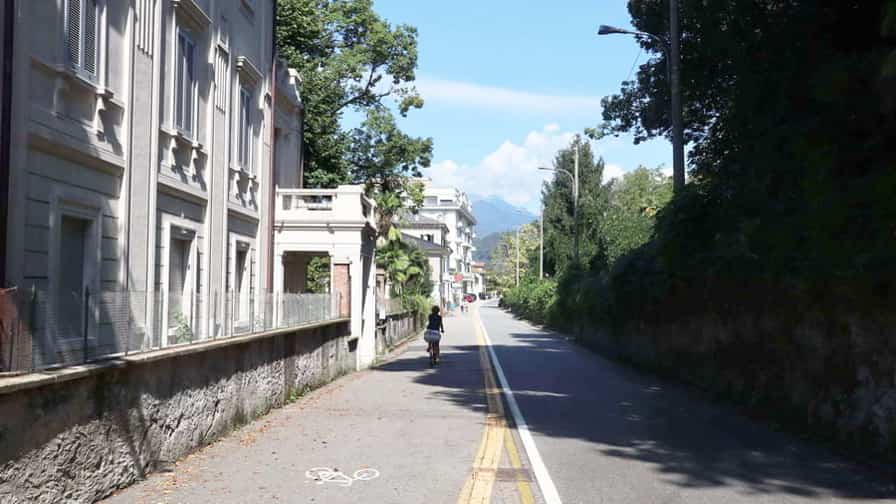
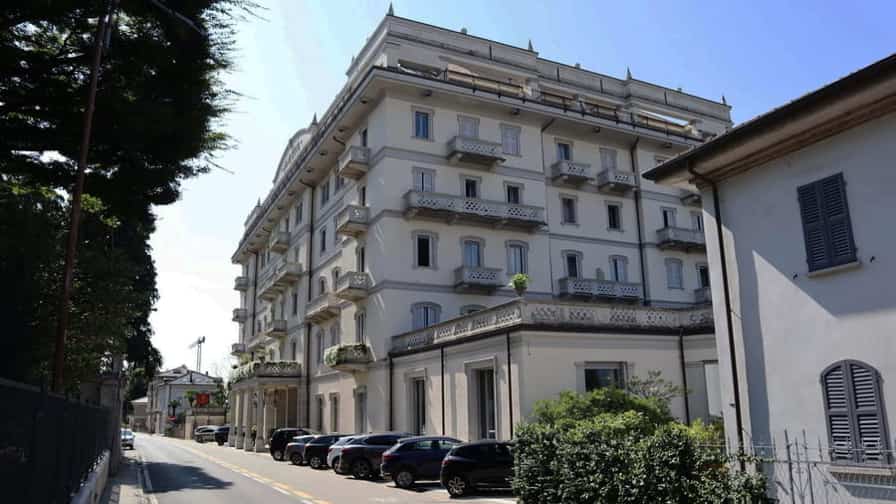
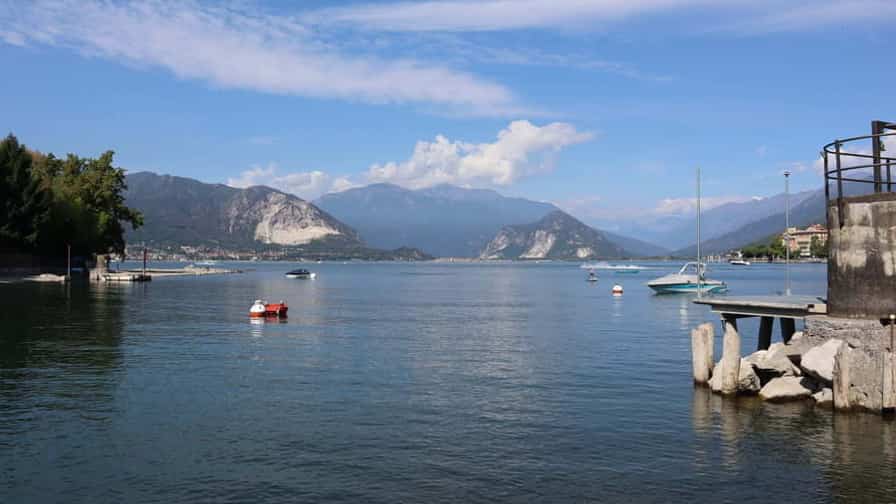
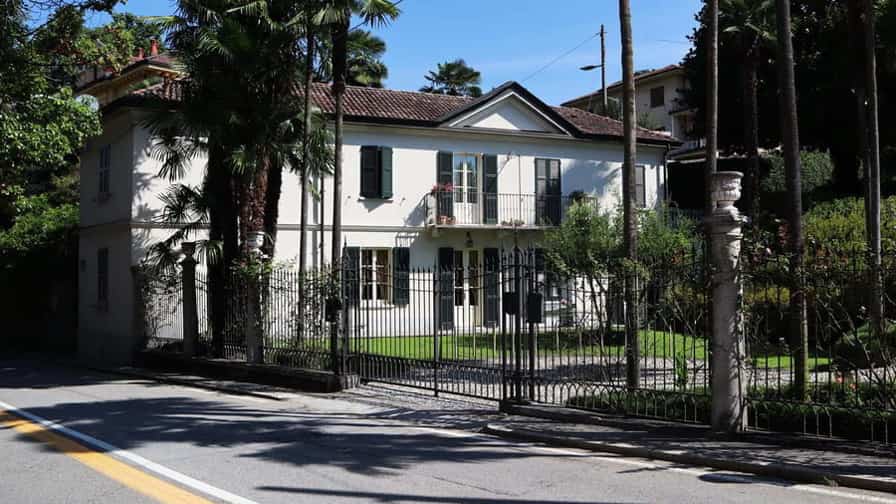
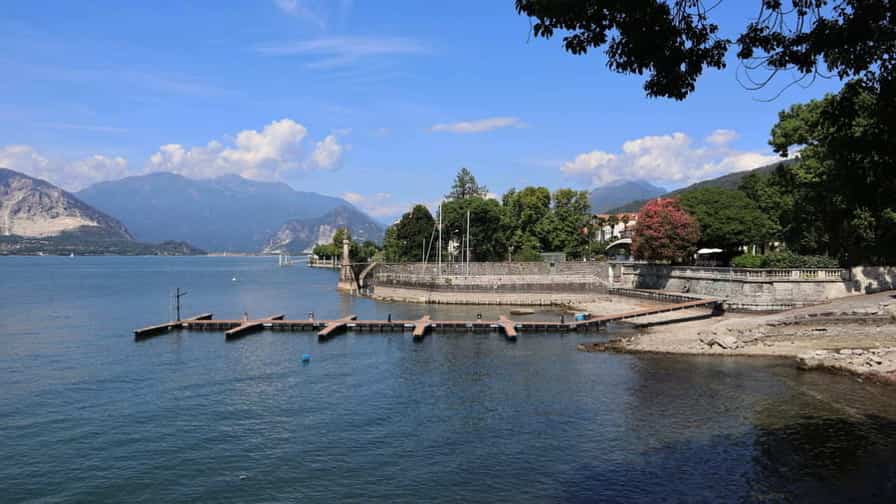
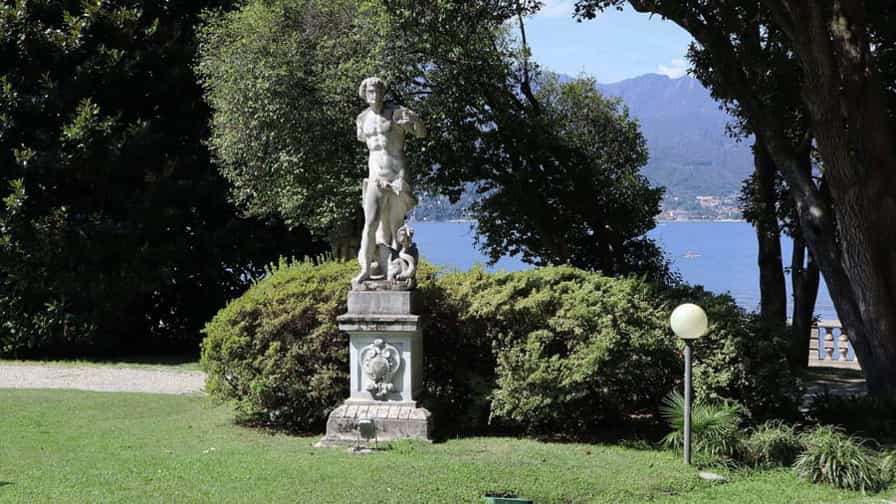
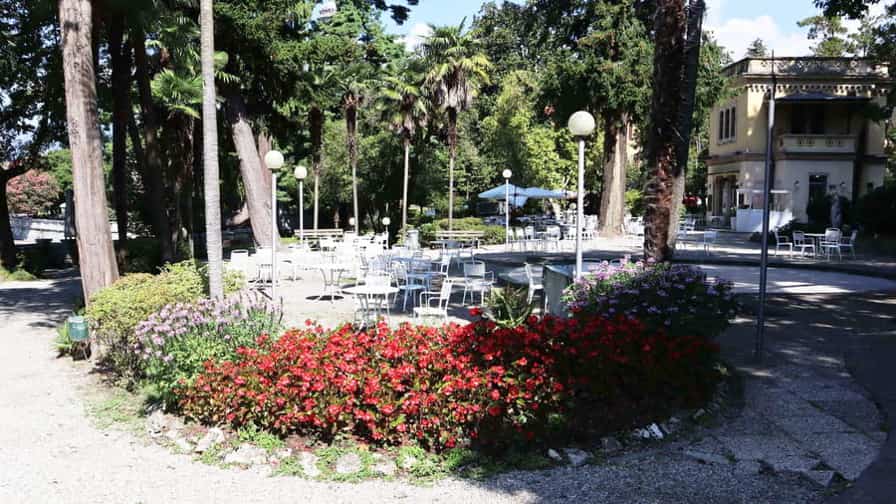
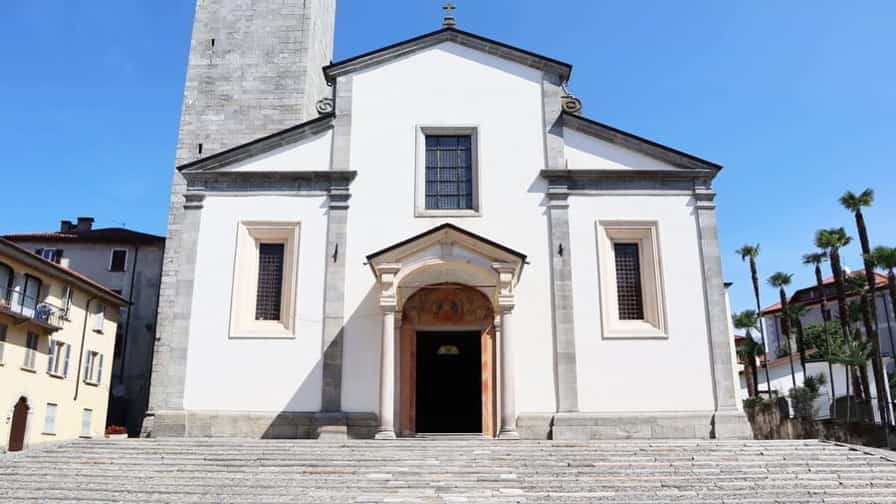
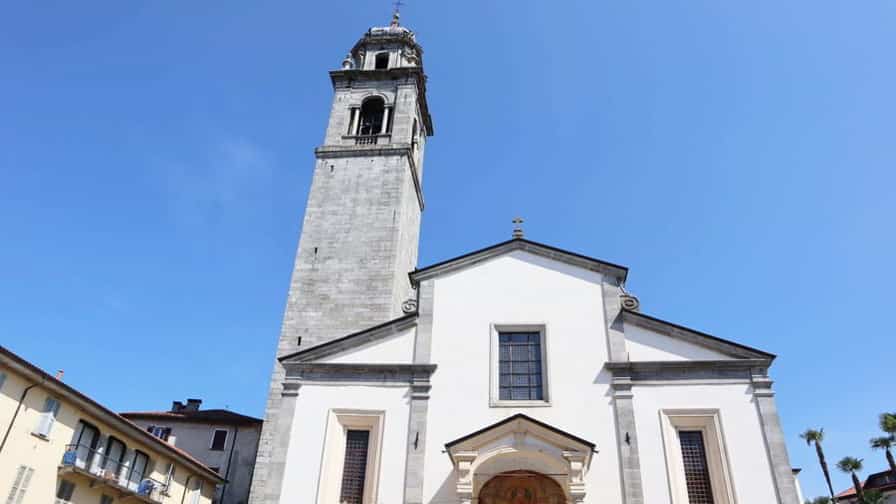
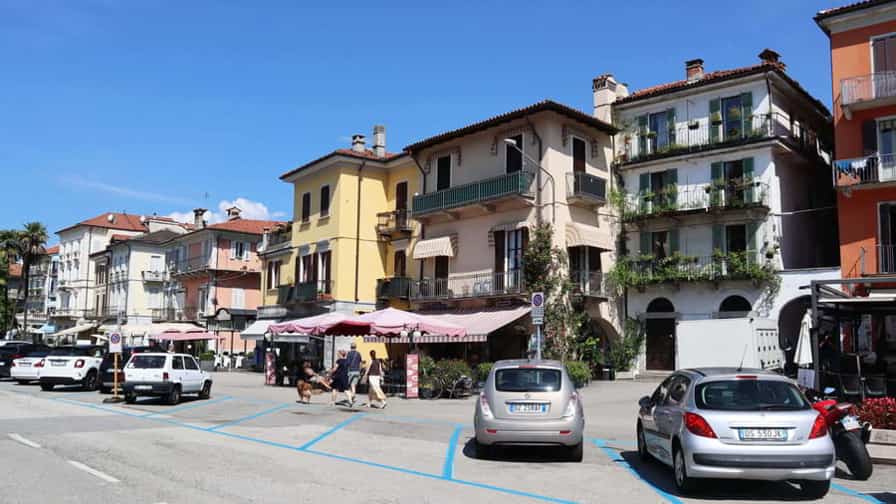
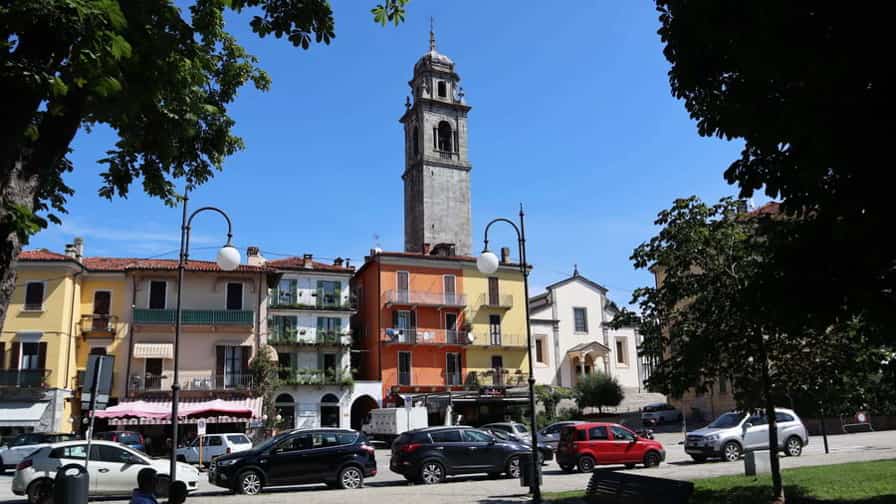
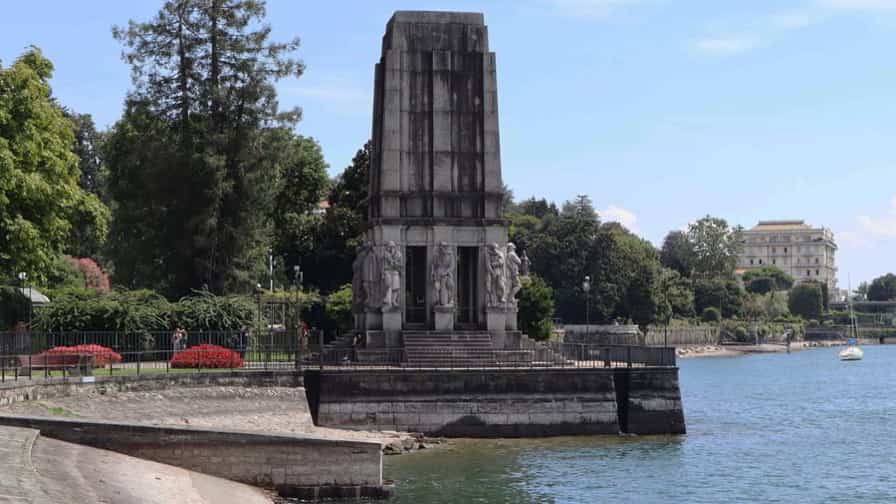
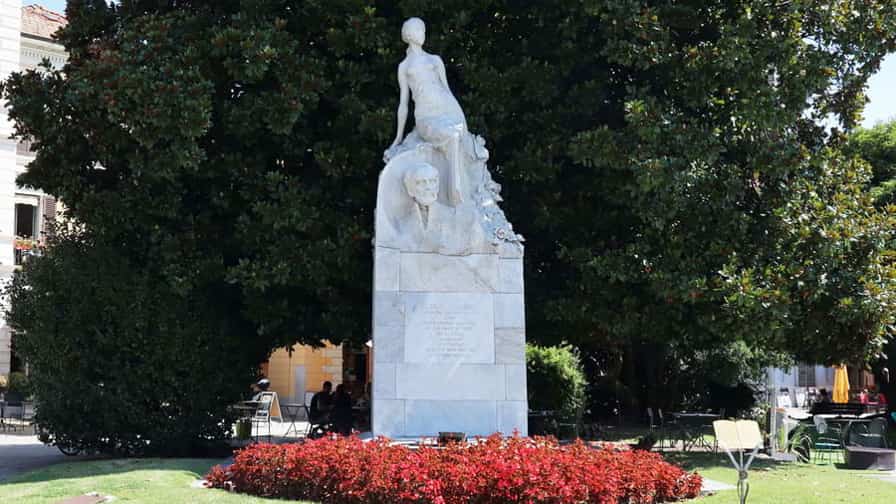
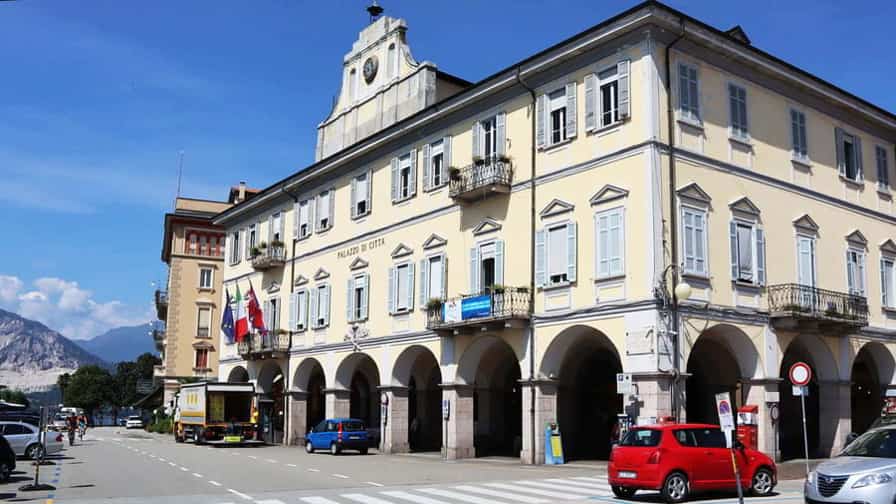
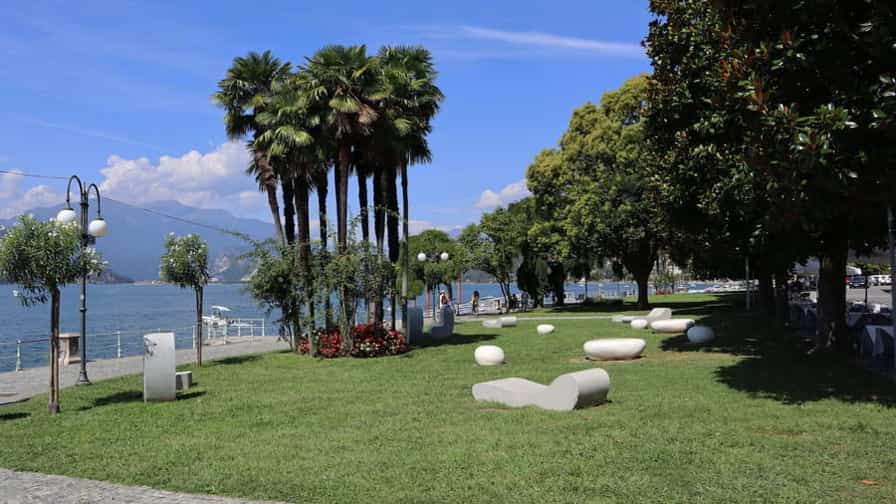
Photo Gallery of Walk 2 – Vicolo Bella Venezia to Via Ruga
Approximately 2.43 km – 1.51 miles
Description of Walk 2
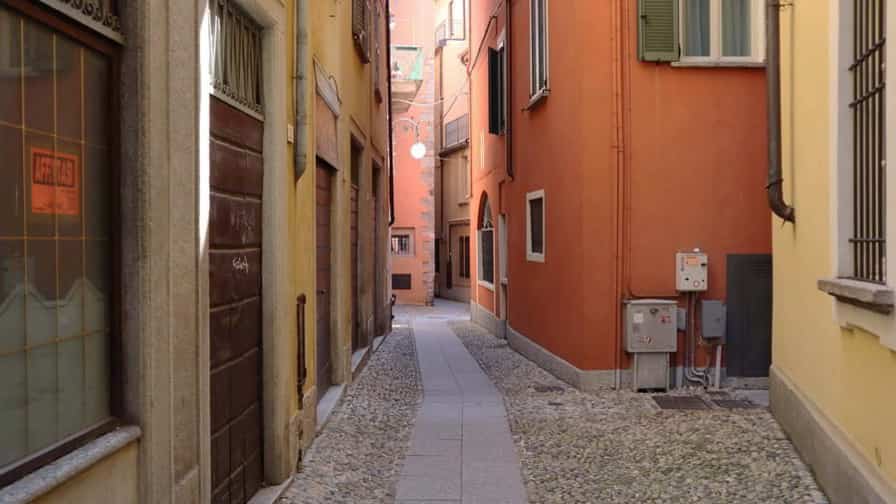
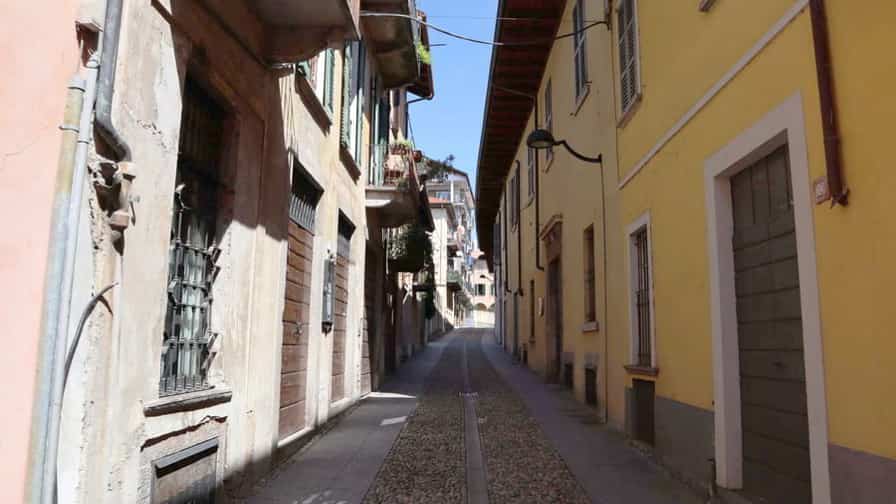
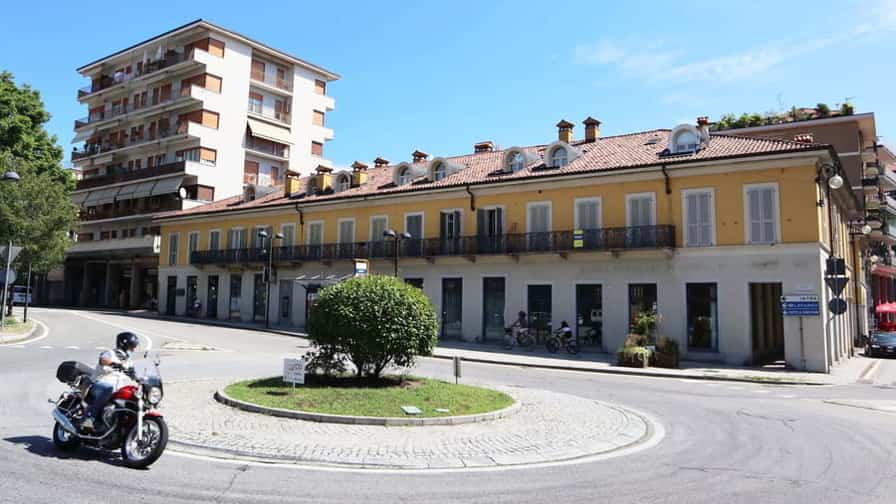
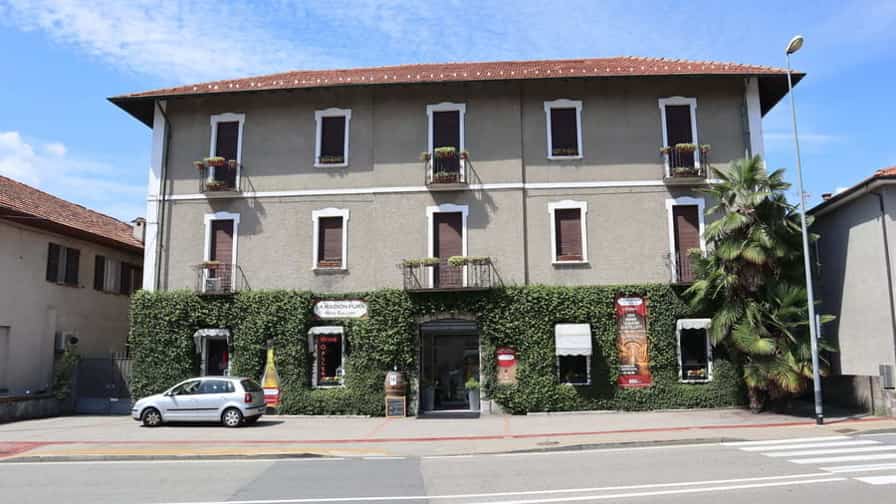
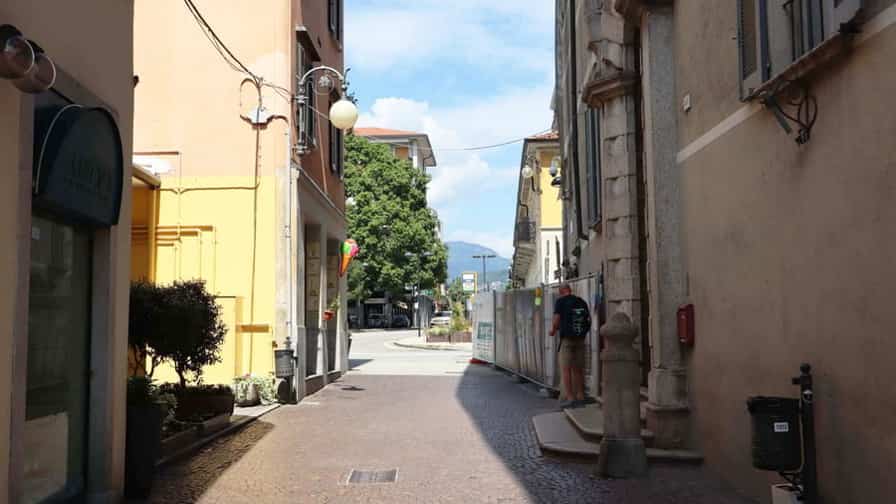
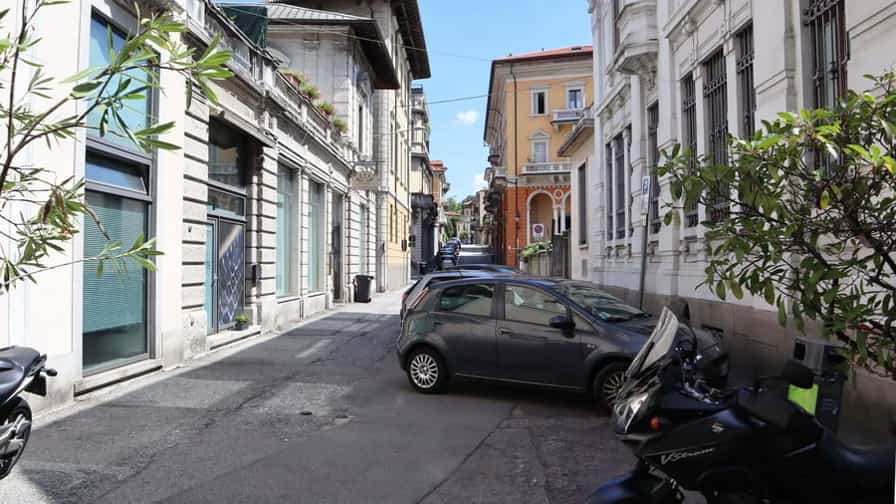
Verbania is a picturesque town on the western shore of Lake Maggiore in the Piedmont region of northern Italy. Formed from the union of several historic settlements, it is known for its elegant lakeside promenades, gardens, and cultural heritage. The area around Intra, one of Verbania’s main districts, combines historic architecture, lively squares, and scenic views of the lake and surrounding mountains. The Grand Canal area reflects the town’s long connection to trade, transport, and waterfront life. The walk begins in Vicolo Bella Venezia, a charming historic lane, and continues along Via Antonio Tacchini and Via Luigi Cadorna, passing through the heart of the old town. Returning briefly to Vicolo Bella Venezia and Via Luigi Cadorna, the route reaches Piazza Antonio Gramsci, a central gathering place surrounded by shops and cafés. It then follows Via Giuseppe Castelli before returning to the square and continuing along Viale Giuseppe Azari, a pleasant boulevard near the waterfront. After retracing steps back to Piazza Antonio Gramsci, the walk concludes along Via Ruga, a traditional street that showcases the historic character and vibrant atmosphere of Verbania.
Villa Taranto Botanical Gardens
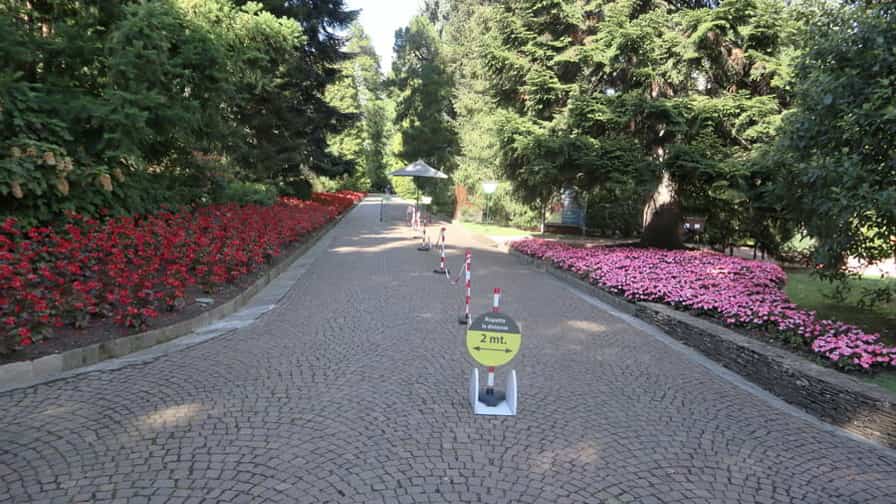
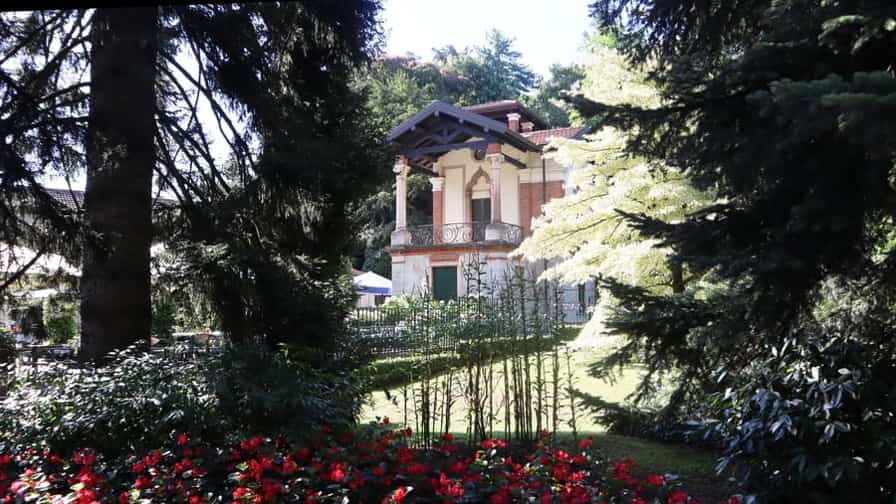
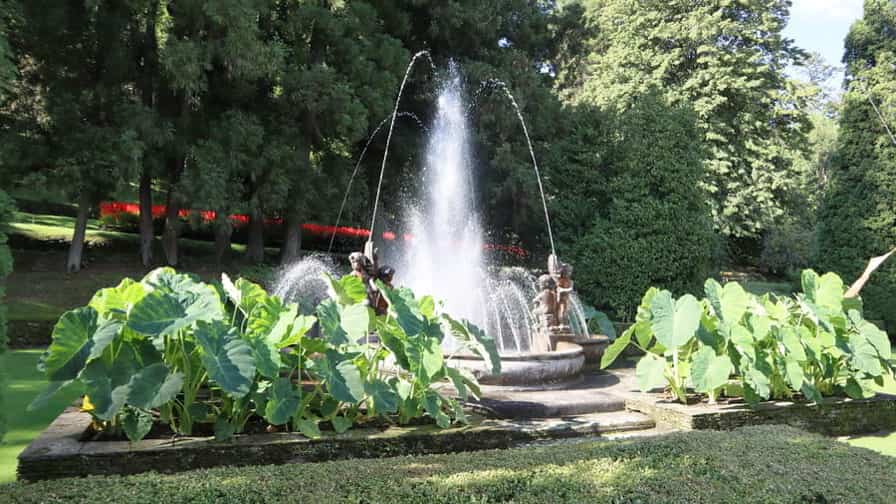
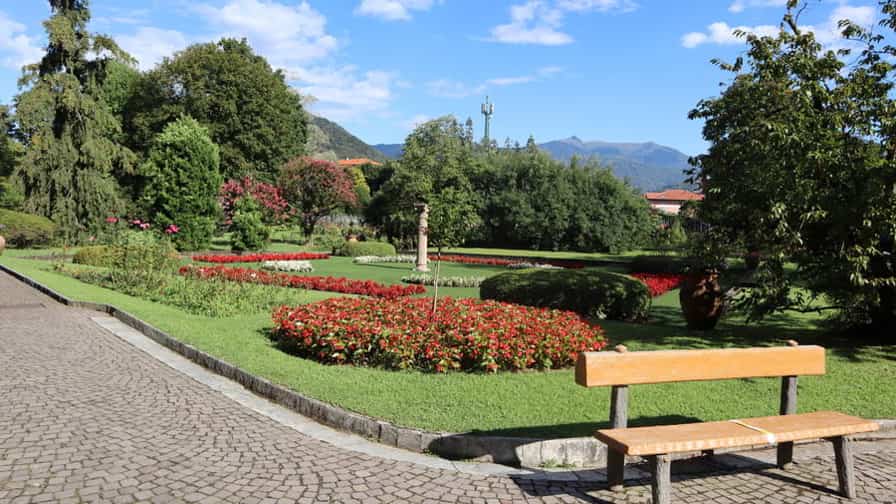
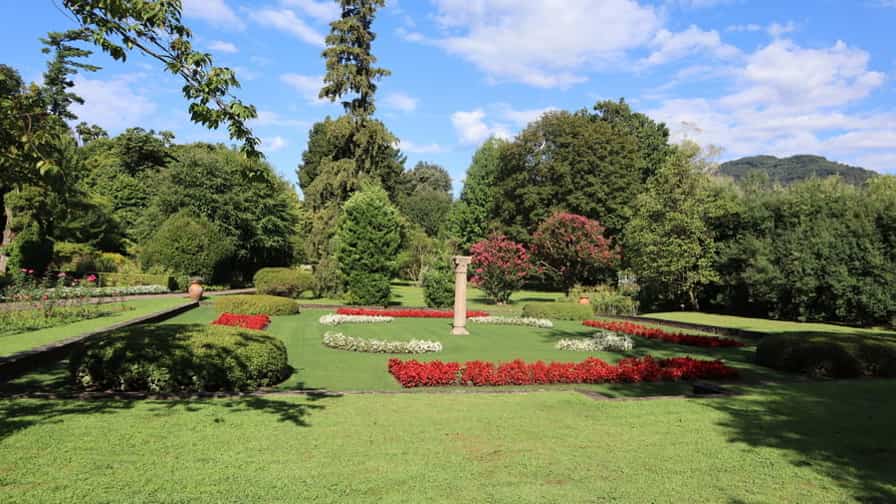
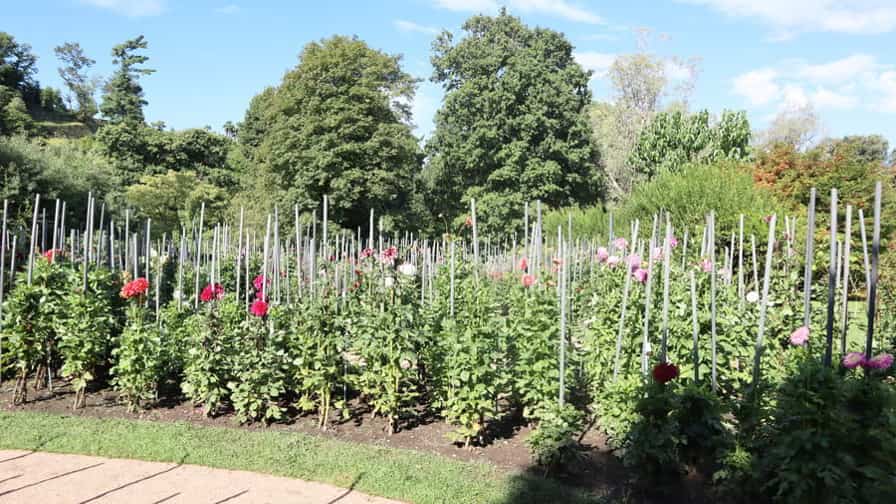
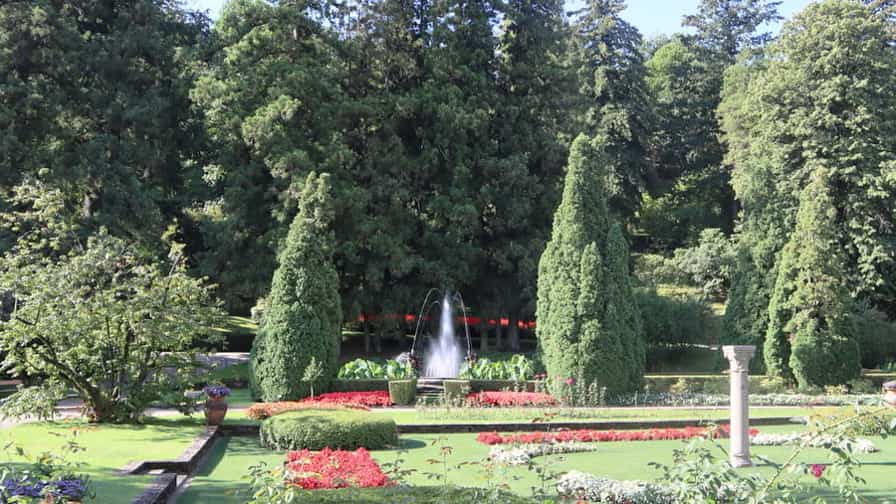
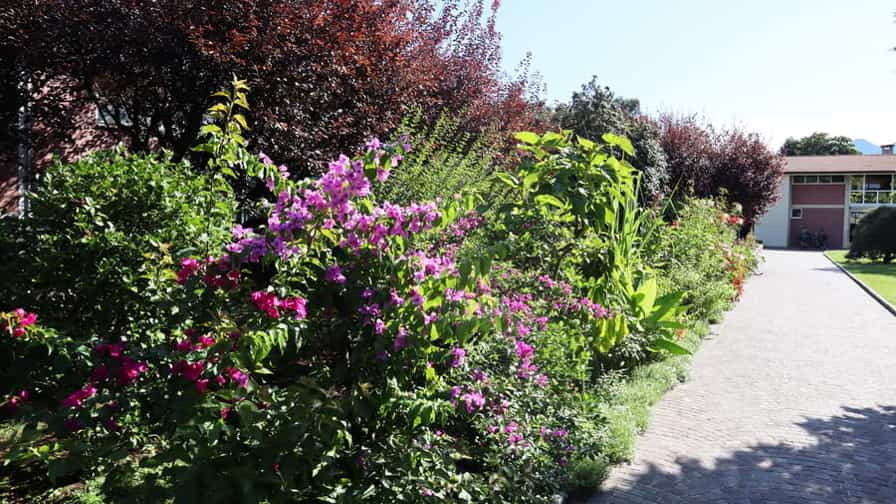
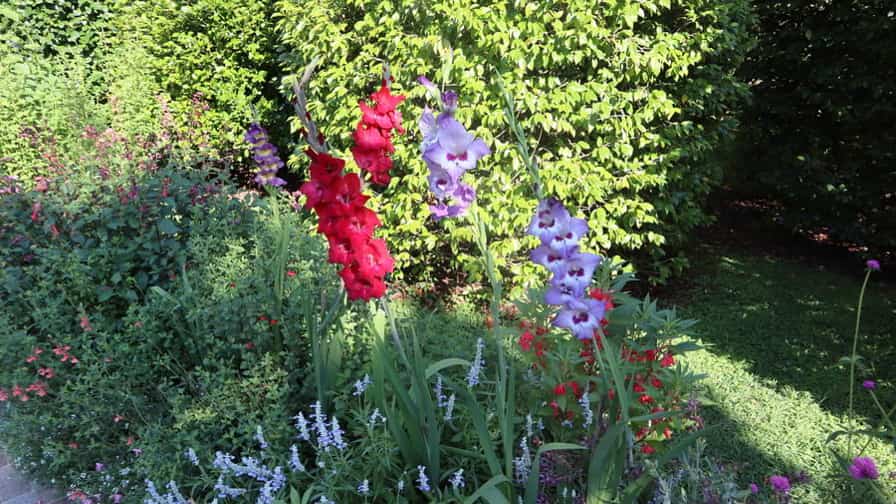
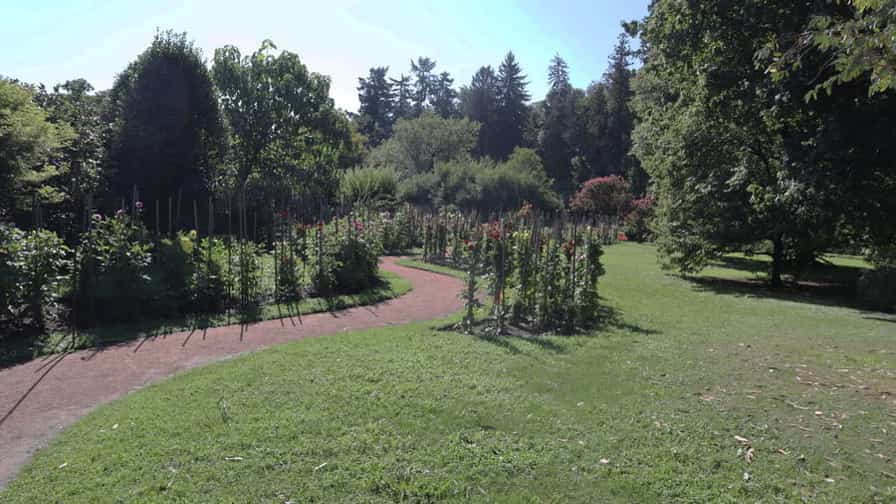
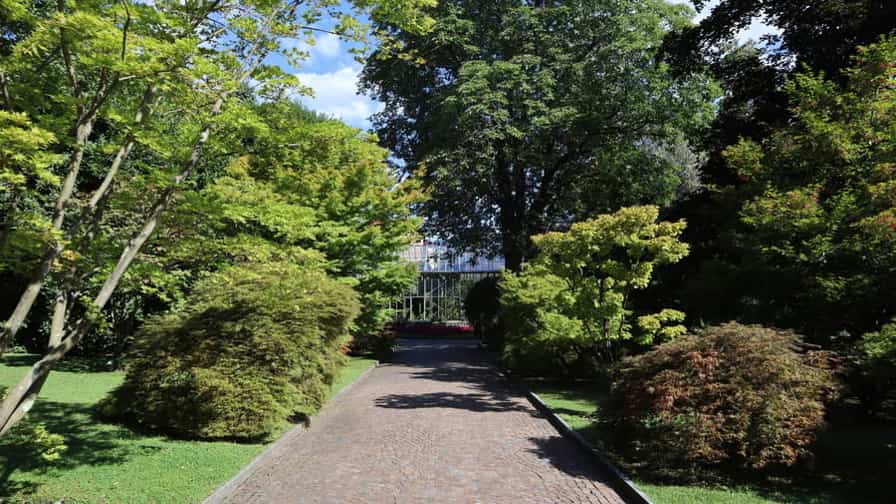
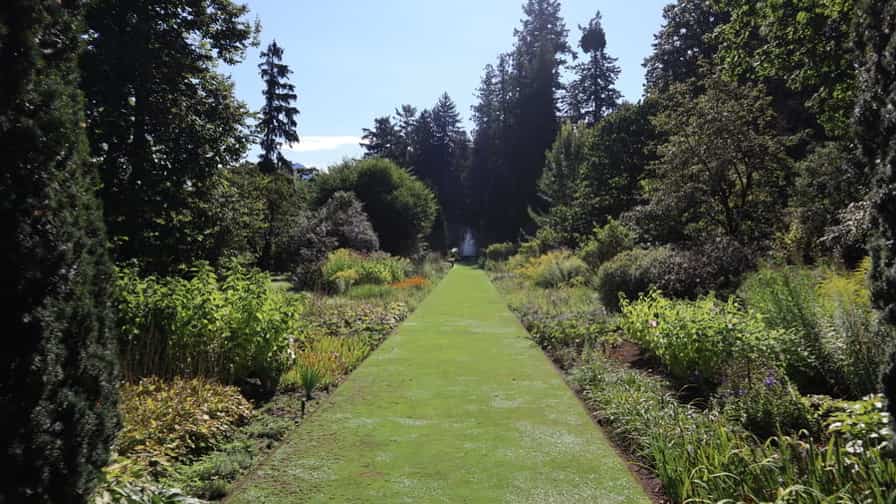
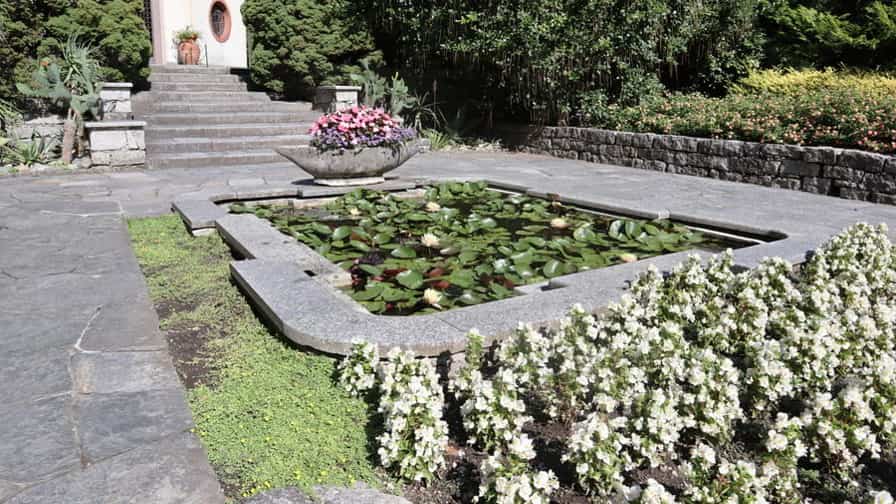
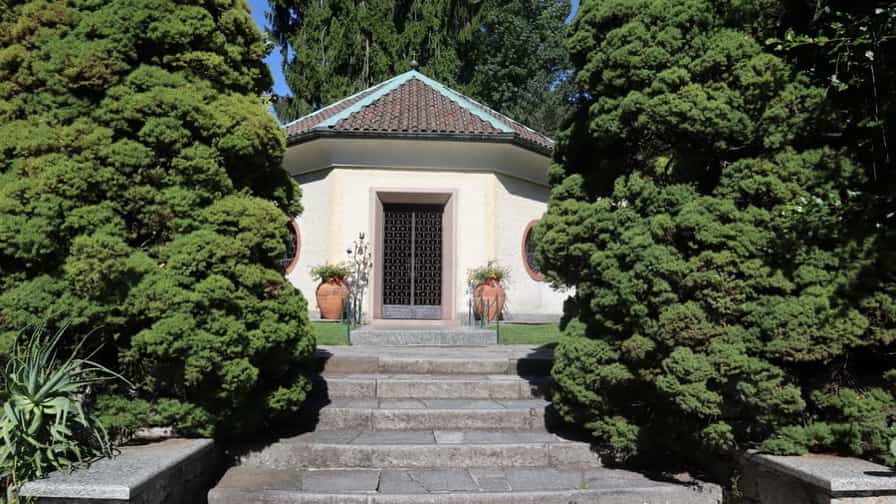
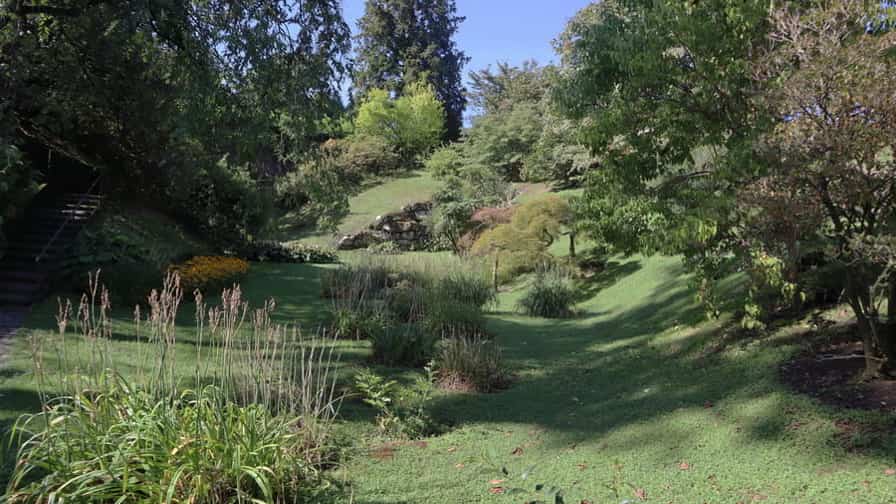
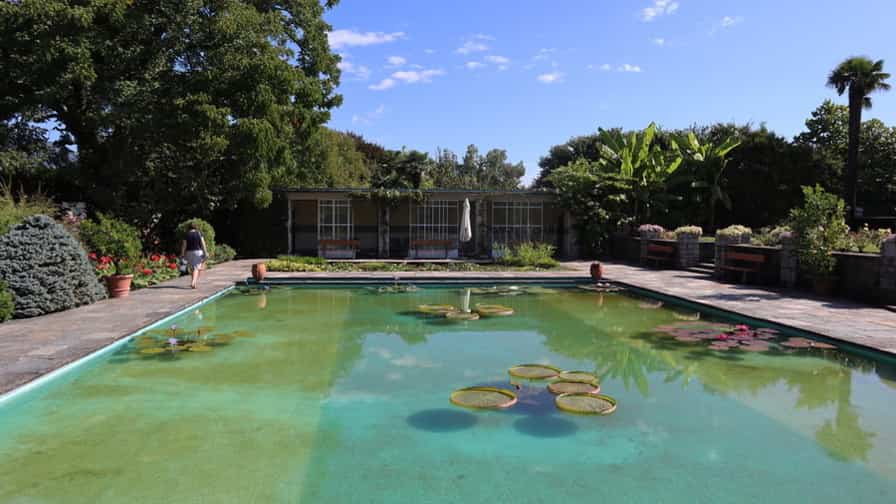
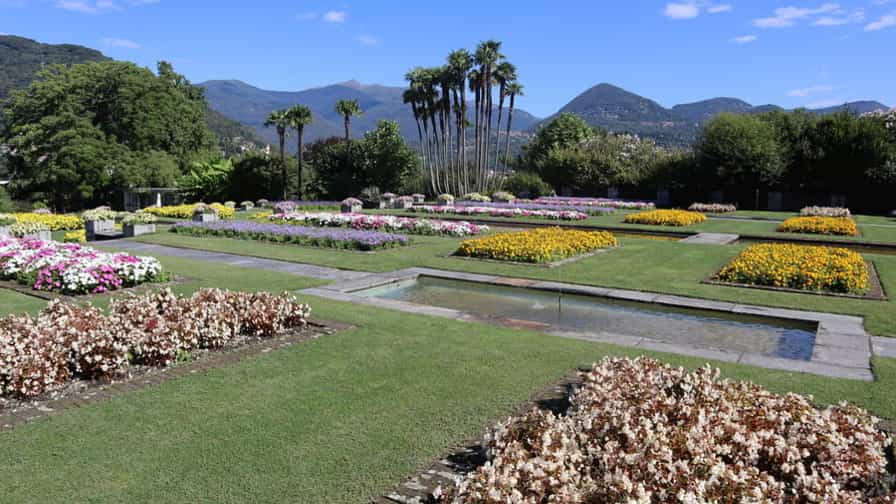
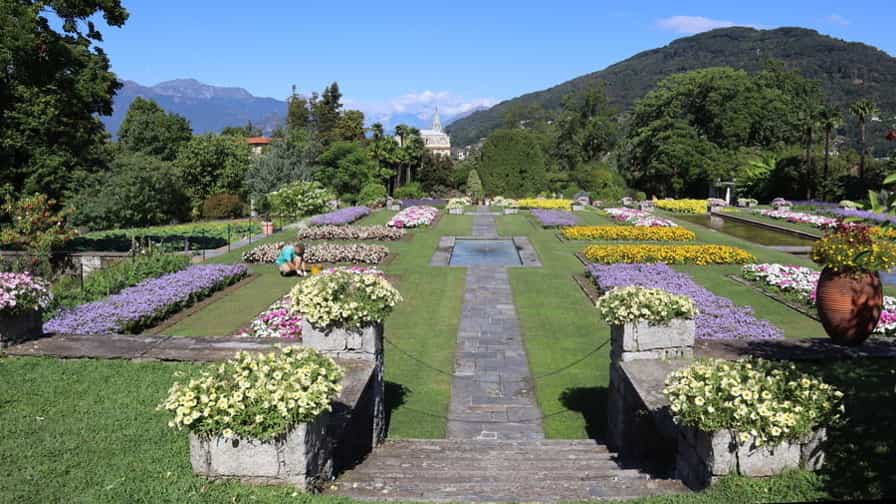
Villa Taranto Botanical Gardens, located in Verbania on the picturesque western shore of Lake Maggiore, are among the most celebrated botanical gardens in Europe. They are not only a haven for plant lovers but also a destination that reflects the perfect harmony between natural beauty, careful planning, and cultural heritage. Spread across approximately 16 hectares, the gardens are renowned for their extraordinary variety, housing more than 20,000 species and cultivars of plants from every corner of the globe. From vibrant seasonal flowers to exotic trees and rare specimens, the gardens offer an ever-changing palette of colours, scents, and textures that delight visitors throughout the year.
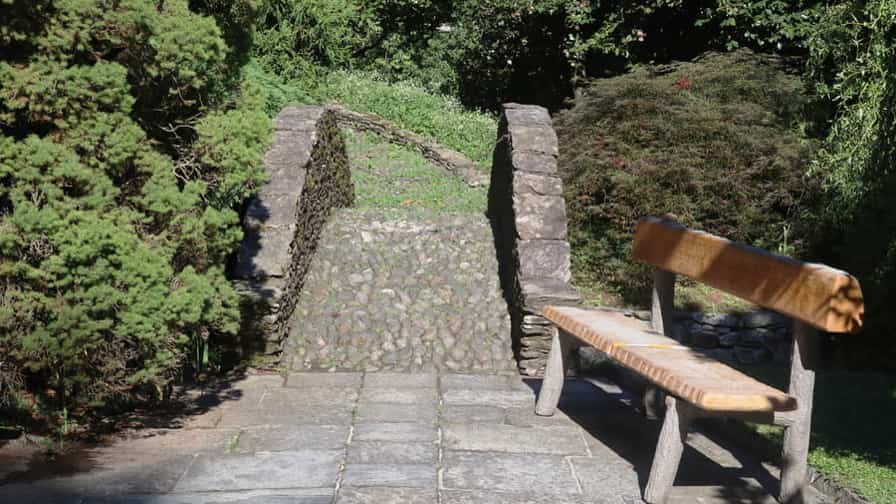
The history of Villa Taranto is deeply tied to the vision of its founder, Captain Neil Boyd McEacharn, a Scottish nobleman with a passion for horticulture. In 1931, he purchased the estate with the dream of creating a garden that could rival the great botanical treasures of the world. Over the years, he transformed the land into a masterpiece of landscape architecture, combining formal Italian-style terraces with English-style lawns, winding paths, and naturalistic areas. Today, his vision continues to thrive, with the gardens open to the public as both a place of enjoyment and scientific study.
One of the most striking features of the gardens is their seasonal variety. In spring, thousands of tulips burst into bloom, creating dazzling fields of colour that have become a signature attraction. Summer brings the enchanting sight of giant water lilies and lotus flowers, while autumn highlights rich foliage and late-blooming species. Carefully curated routes lead visitors past fountains, waterfalls, greenhouses, and panoramic viewpoints, ensuring that every corner reveals something new and memorable.
Beyond their beauty, the Villa Taranto Botanical Gardens also serve an important role in conservation and education. Rare and endangered plants are cultivated here, contributing to biodiversity preservation. Informative signage and organized tours help visitors gain a deeper understanding of the plants and their origins, making the gardens as much a place of learning as of leisure.
For those exploring Lake Maggiore, a visit to Villa Taranto is an unforgettable experience. Whether you are a dedicated botanist, a casual traveller, or someone simply seeking tranquillity surrounded by nature, the gardens offer something unique. They stand as a testament to the passion of their creator and continue to uphold Verbania’s reputation as the “garden on Lake Maggiore.”
COPYRIGHT © 2018-2026 ITALY IN PHOTOS - ALL RIGHTS RESERVED