
HOME
REGIONS OF ITALY
PLACES IN ITALY
PLAN YOUR TRIP
Italy in Photos
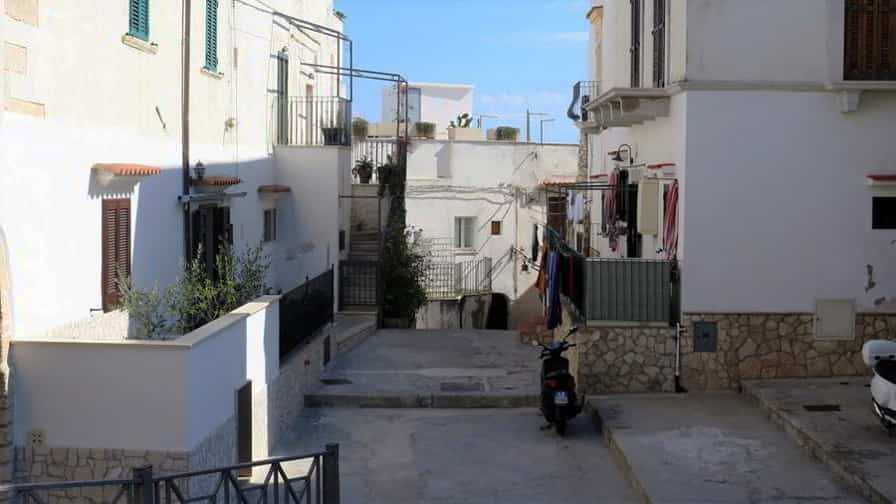
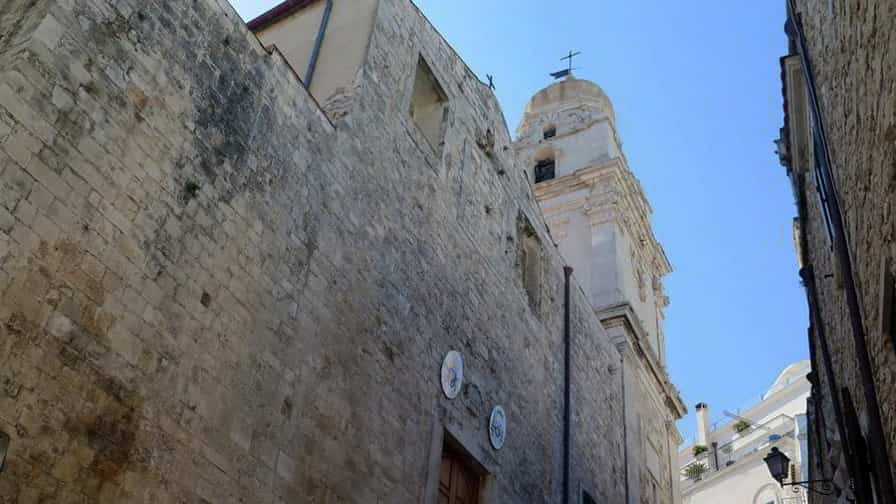
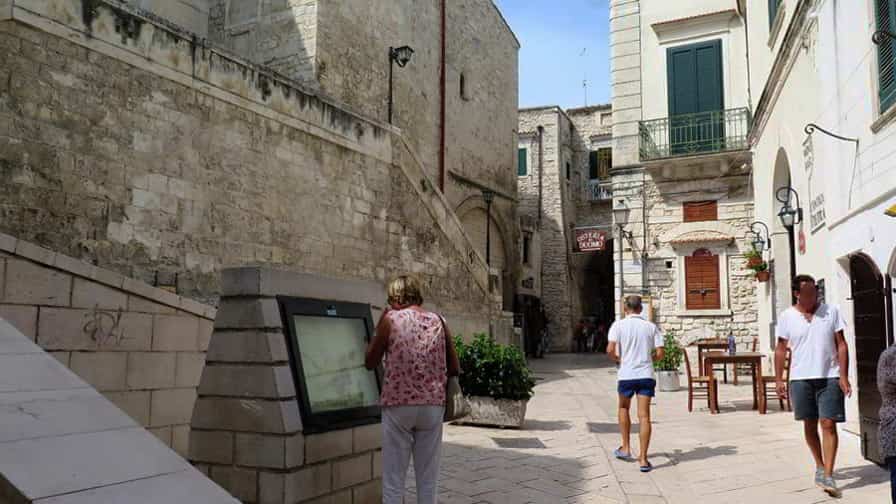
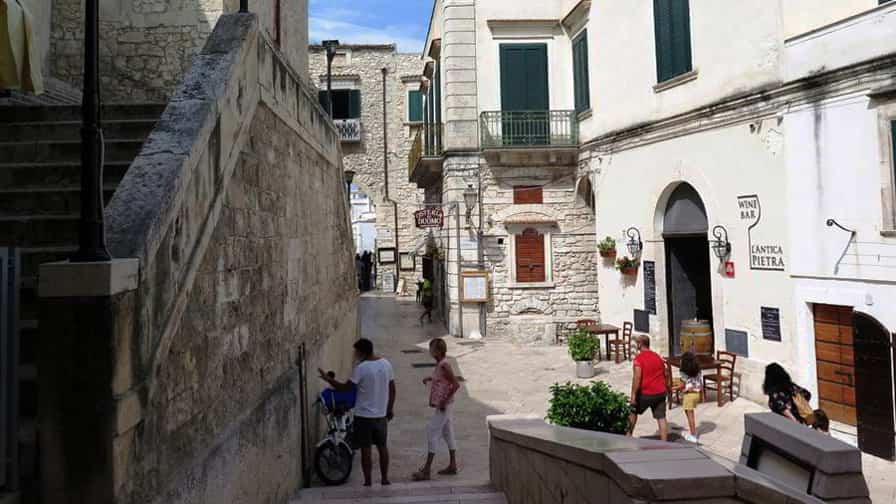
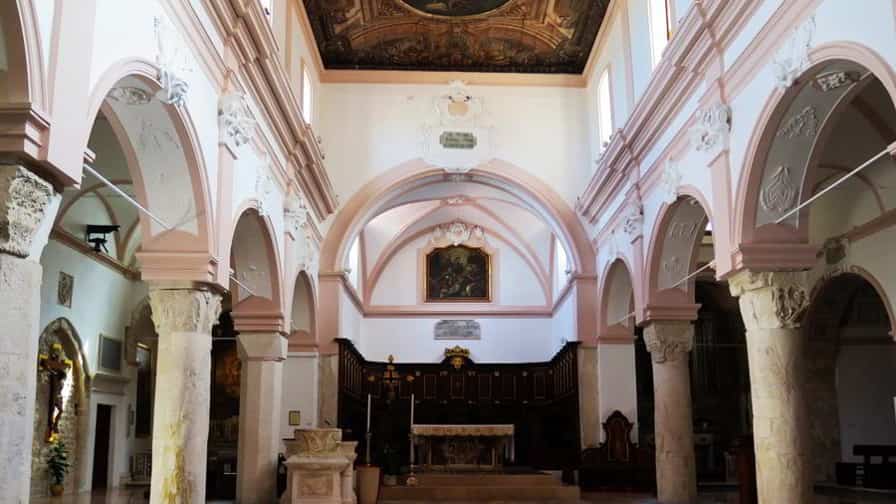
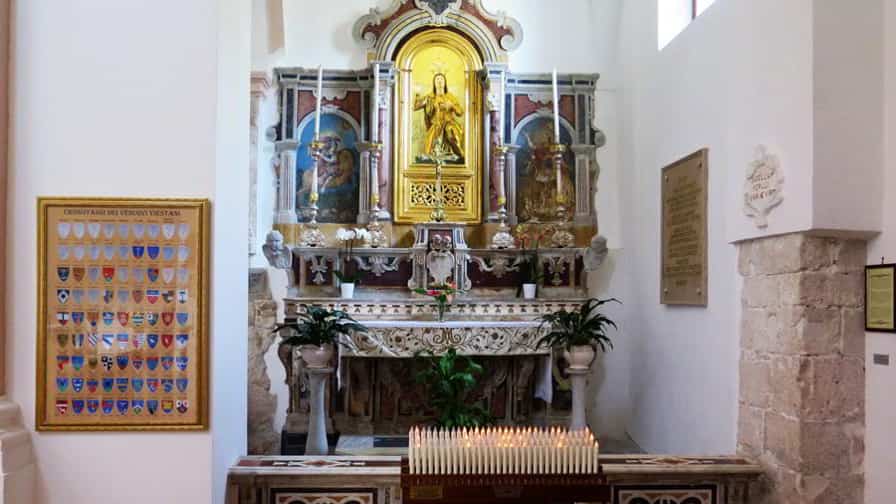
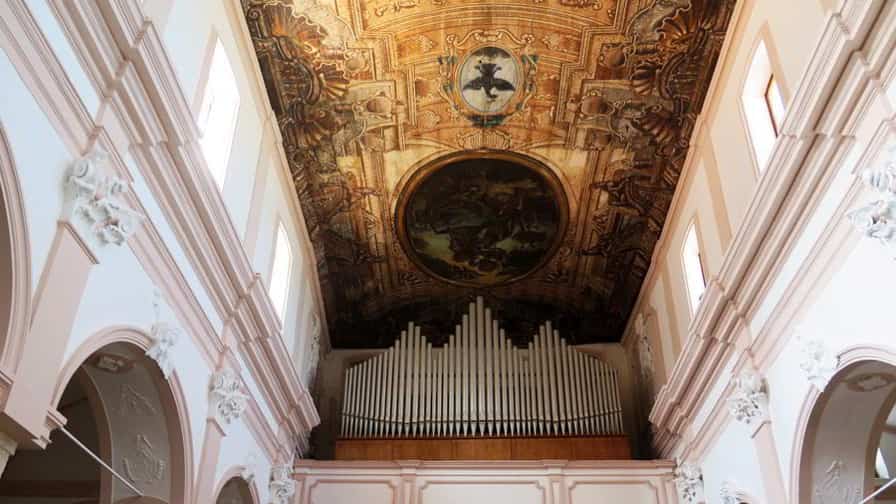
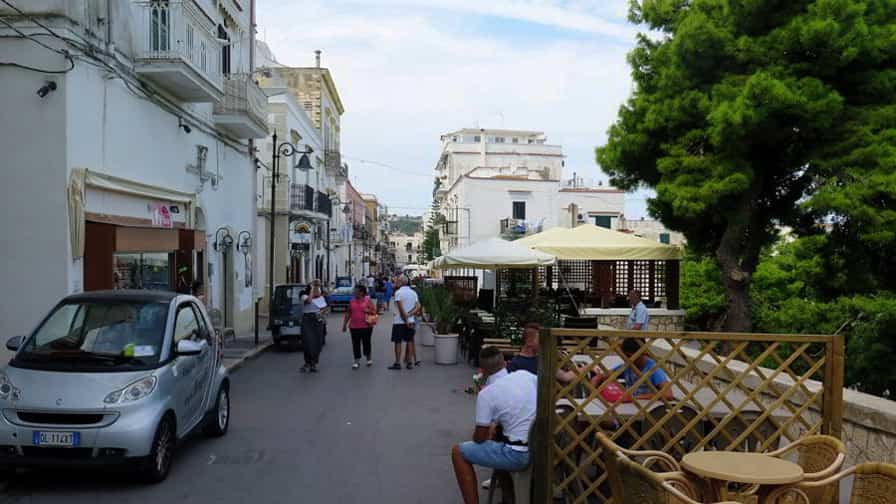
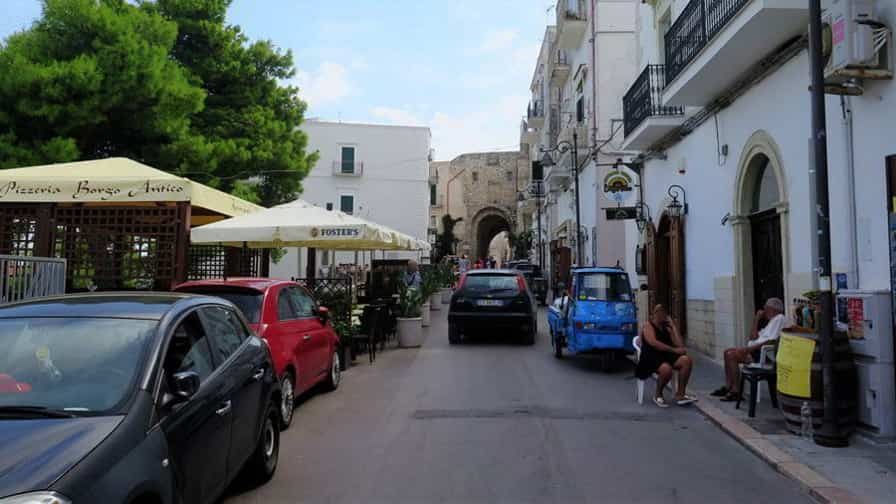
Via Ripe, 71019 Vieste, Italy (September 2018)
Vieste
Perched dramatically on the eastern edge of Italy’s Gargano Peninsula, Vieste is a town where land, sea, and history meet in striking harmony. Often described as the “Pearl of Gargano,” Vieste rises above the turquoise waters of the Adriatic, its whitewashed buildings clustered on a limestone promontory that has watched over sailors, traders, and invaders for centuries. Both picturesque and authentic, it offers visitors a vivid introduction to southern Italy’s lesser-known but deeply evocative landscapes.
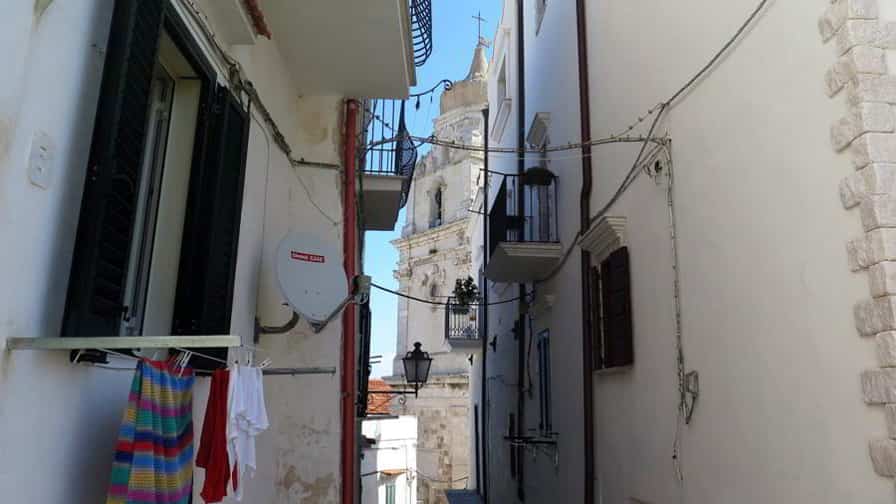
The town’s origins stretch back to ancient times, with evidence of settlements dating to the Greeks and Romans. Over the centuries, Vieste became a strategic coastal stronghold, shaped by Norman, Swabian, and Angevin rule, as well as by repeated pirate raids from the sea. This layered history is still visible today in the old town, known as “Vieste Vecchia“, a maze of narrow stairways, stone arches, and intimate piazzas that seem designed to slow time. At its highest point stands the imposing Swabian Castle, originally built by Frederick II in the 13th century, offering panoramic views over the Adriatic and the rugged coastline below.
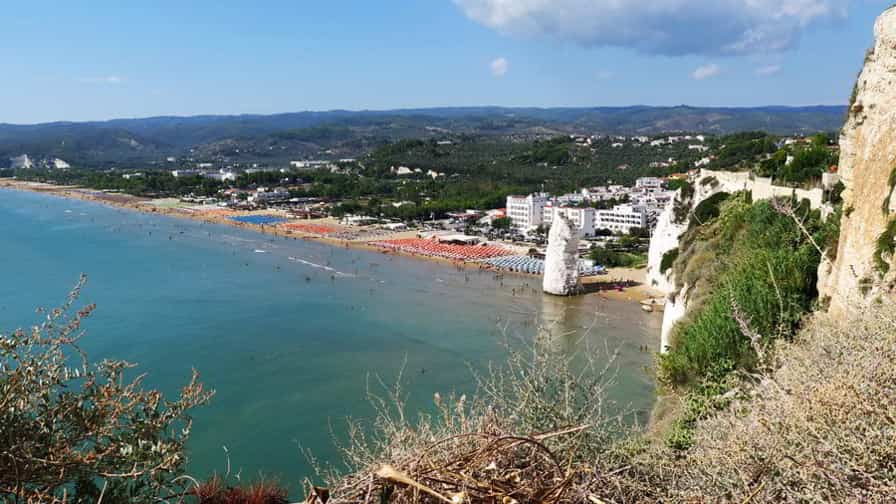
Nature is inseparable from Vieste’s identity. The town is surrounded by the Gargano National Park, one of Italy’s most diverse protected areas, where dense forests, rocky cliffs, and hidden coves coexist within a relatively small area. Vieste’s coastline is especially famous for its dramatic sea stacks and caves, the most iconic being the Pizzomunno, a towering monolith of white limestone that rises from the beach just steps from the town centre. According to local legend, it was formed from a young man turned to stone by jealous sirens, a story that adds a layer of myth to the already striking landscape.
Life in Vieste revolves around the sea. Fishing boats still return daily with their catch, and seafood plays a central role in local cuisine. Simple yet flavourful dishes highlight the region’s bounty: fresh fish, handmade pasta, olive oil, citrus, and wild herbs. Evenings often unfold slowly, with families strolling along the waterfront, sharing gelato, and gathering in piazzas as the sun sets over the Adriatic.
Though tourism has grown, Vieste retains a strong sense of place. Seasonal rhythms, local festivals, and enduring traditions give the town an atmosphere that feels lived-in rather than staged. Whether approached by winding coastal road or by boat from the sea, Vieste leaves a lasting impression—one of light, stone, and water shaped by centuries of human presence and natural beauty. It is a destination that invites not just sightseeing, but immersion in the quieter, deeper rhythms of southern Italy.
Worth a Visit
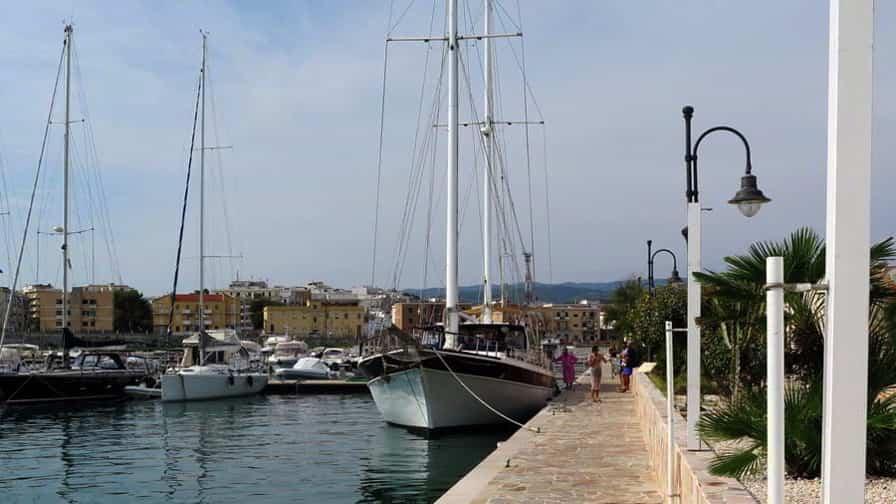
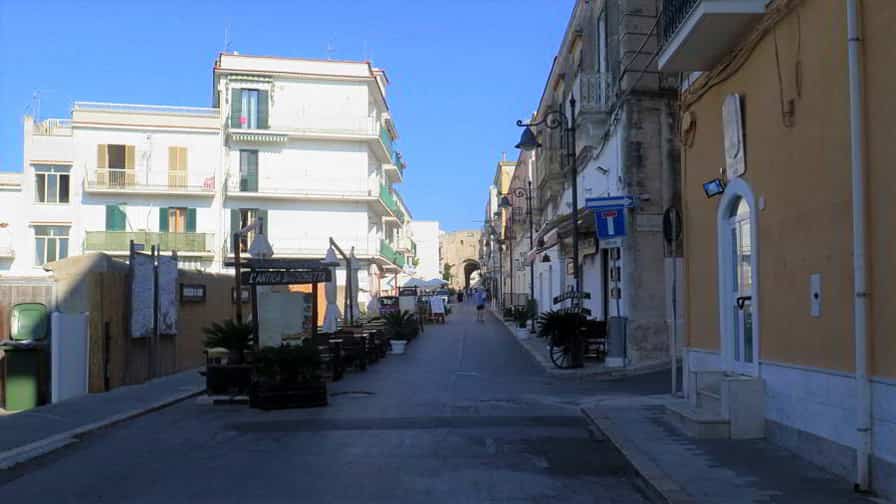
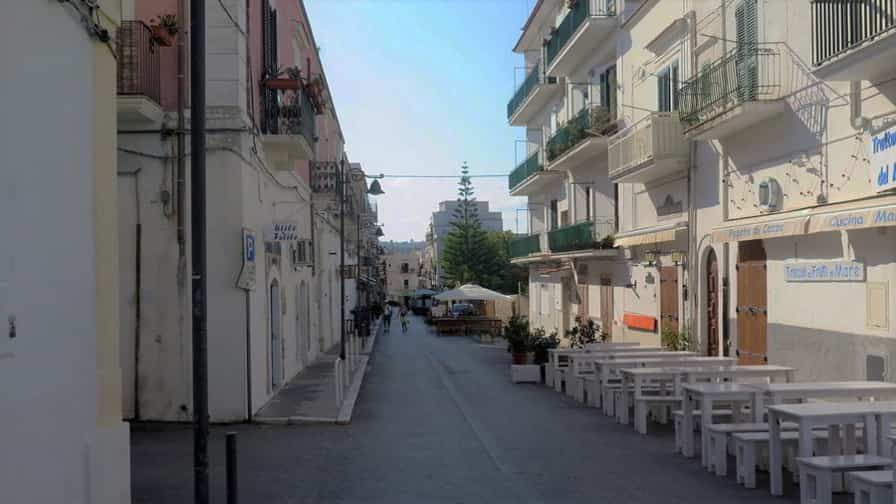
Via Venezia in Vieste, Italy, is a charming street that captures the essence of this picturesque coastal town in Puglia. Nestled within Vieste’s historic centre, Via Venezia winds through narrow lanes lined with traditional whitewashed houses, small artisan shops, and family-owned cafés. The street reflects the timeless Mediterranean atmosphere, where everyday life unfolds at a relaxed pace. Walking along Via Venezia, visitors are greeted by the scent of freshly baked focaccia and the soft sea breeze drifting up from the Adriatic. The location offers easy access to Vieste’s main attractions, including the iconic Pizzomunno rock, sandy beaches, and the impressive Vieste Cathedral. Whether you are strolling in the evening under the warm glow of streetlights or exploring during the day, Via Venezia is both a peaceful retreat and a lively hub. It embodies Vieste’s blend of history, culture, and seaside beauty.
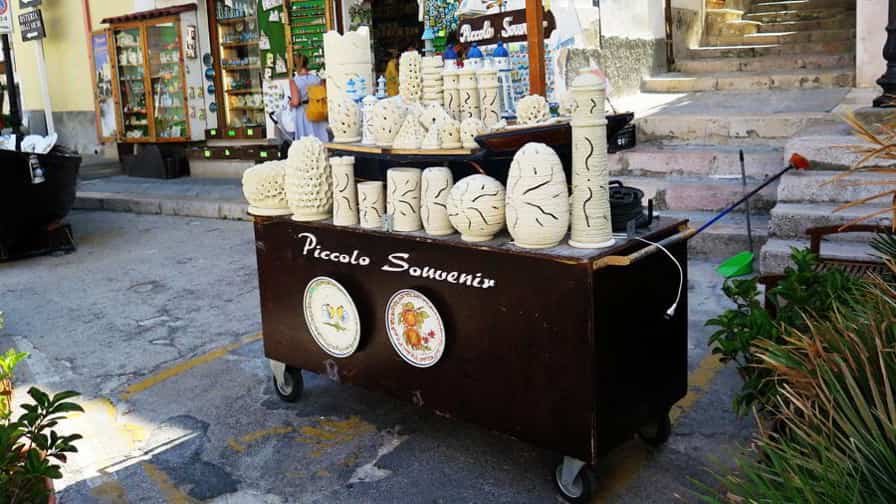
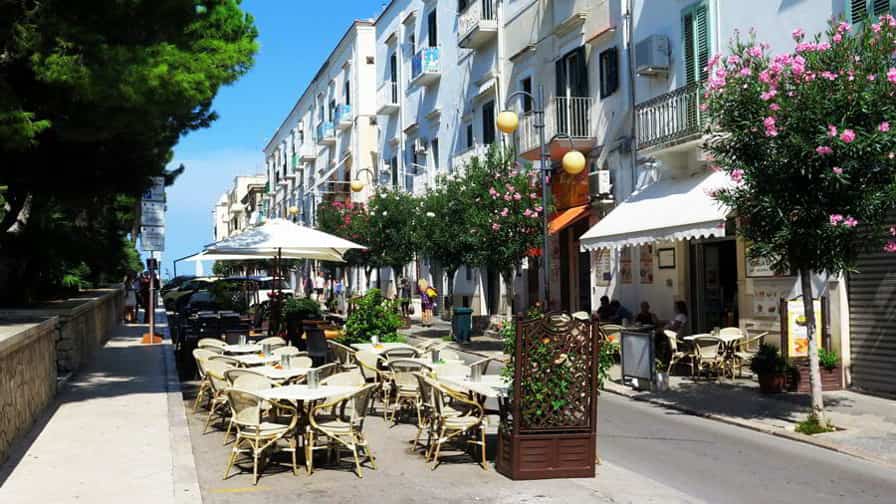
Piazza Vittorio Emanuele II is the beating heart of Vieste, a lively square that reflects the town’s history, culture, and daily rhythms. Located in the center of Vieste, this spacious piazza is both a meeting point for locals and a welcoming stop for visitors exploring the town. Surrounded by cafés, gelaterias, and small shops, it offers the perfect setting to enjoy an espresso, savour local flavour’s, or simply watch life go by. The square often hosts community events, concerts, and celebrations, making it a vibrant stage for Vieste’s traditions. Its central location also makes it an excellent starting point for exploring the historic old town, with its whitewashed houses, charming alleys, and sweeping views of the Adriatic Sea. Whether visited during the day, buzzing with activity, or in the evening, when it becomes beautifully lit and atmospheric, Piazza Vittorio Emanuele II is the social and cultural heart of Vieste.
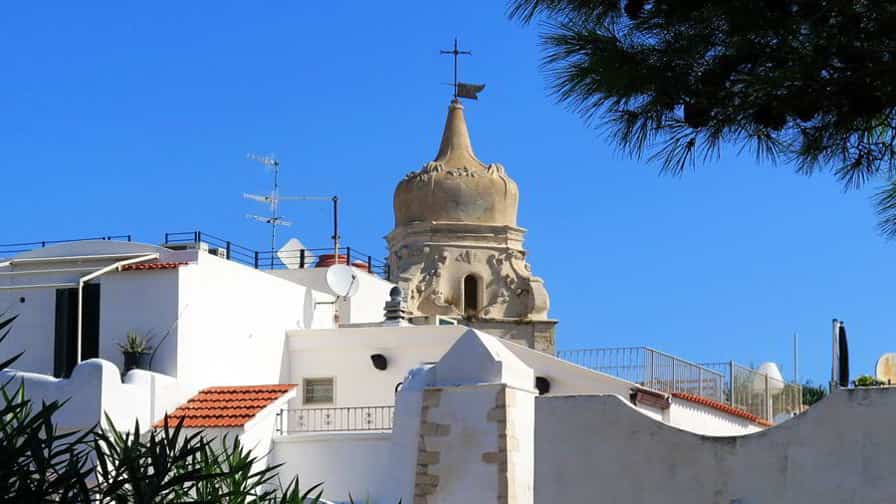
Piazza Castello in Vieste is one of the town’s most striking and atmospheric squares, dominated by the impressive Swabian Castle that overlooks the Adriatic Sea. Steeped in history, this open space offers visitors a glimpse into Vieste’s medieval past while serving as a scenic vantage point with panoramic views of the coastline. The square is lined with charming cafés and restaurants, making it an inviting spot to pause, enjoy local specialties, and take in the breathtaking surroundings. By day, Piazza Castello is alive with visitors exploring the castle and wandering through nearby alleys of the old town. In the evening, the square takes on a romantic glow, with soft lighting and the sound of the sea creating an unforgettable ambiance. Both a cultural landmark and a social hub, Piazza Castello embodies the unique blend of history, charm, and seaside beauty that defines Vieste.
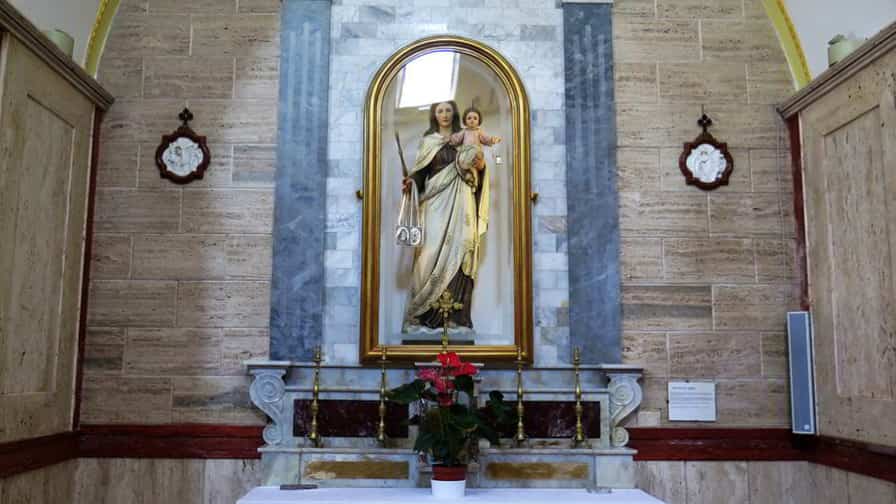
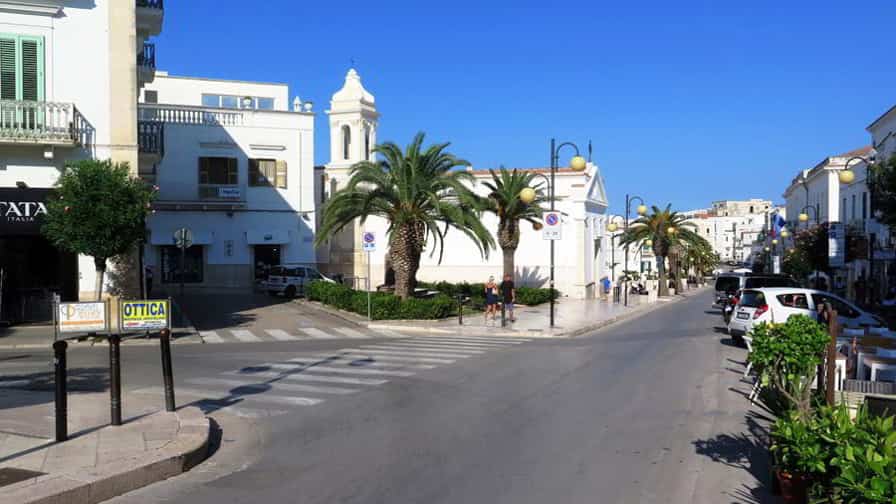
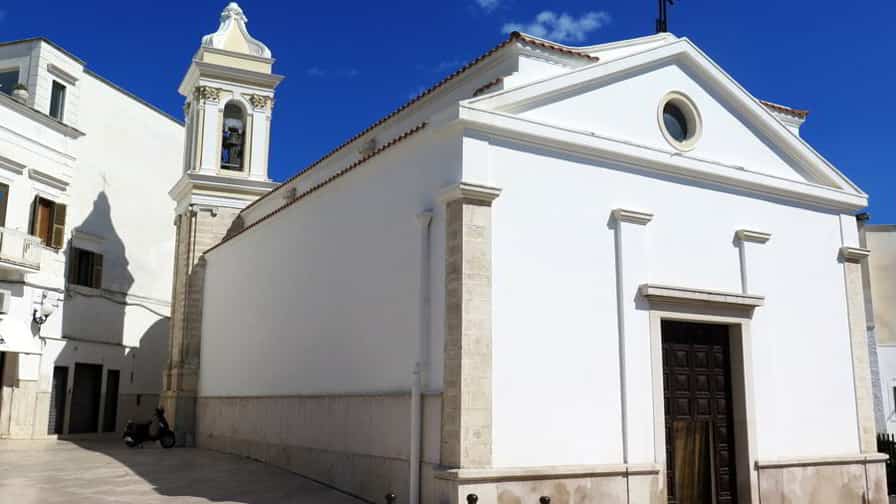
Parrocchia Santa Croce, located on Via Croce in Vieste, is a welcoming parish that serves as both a place of worship and a cornerstone of community life. Though more modern in style compared to the ancient churches of Vieste’s historic center, Santa Croce offers a serene and uplifting atmosphere where locals and visitors alike can gather for prayer, reflection, and celebration. The church is dedicated to the Holy Cross and hosts regular Masses, religious festivals, and community events that reflect the deep-rooted faith traditions of the town. Its simple yet elegant architecture creates a peaceful setting, while its location on Via Croce makes it easily accessible from different parts of Vieste. For travelers, a visit here provides insight into the living spirituality of the town beyond its historic monuments, offering a glimpse of everyday devotion and the enduring importance of faith in Vieste’s cultural identity.
Photo Gallery of Walk 1 – Località Sant’Andrea to Lungomare Cristoforo Colombo
Approximately 4.55 km – 2.83 miles
The walk starts in Località Sant’Andrea – Lungomare Europa – Via Venezia – Via Daunia – Piazzale Paolo VI’ – Lungomare Europa – Lungomare Amerigo Vespucci – Lungomare Cristoforo Colombo
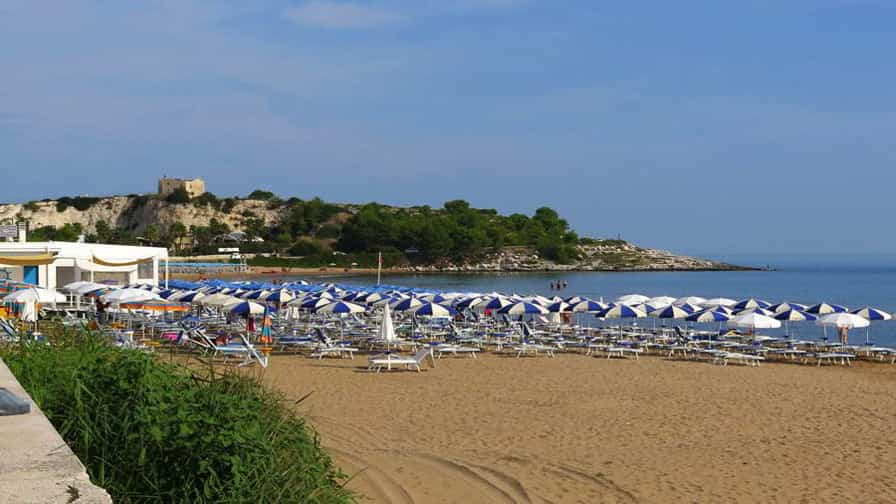
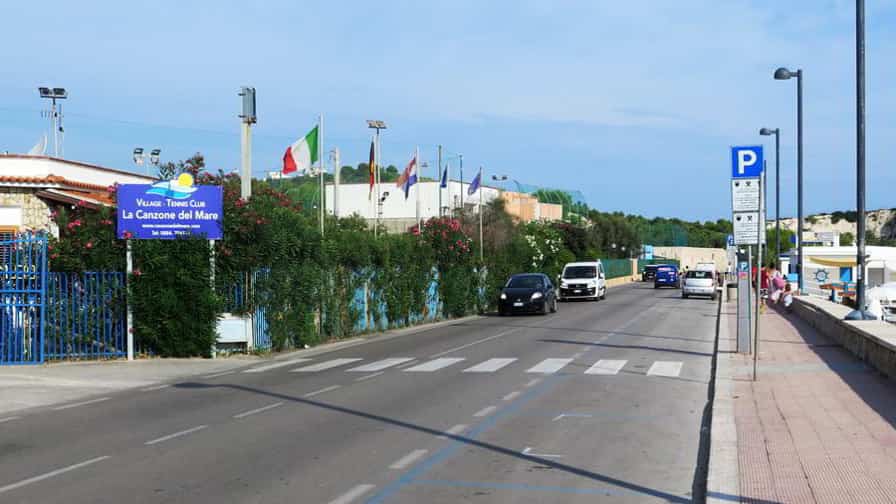
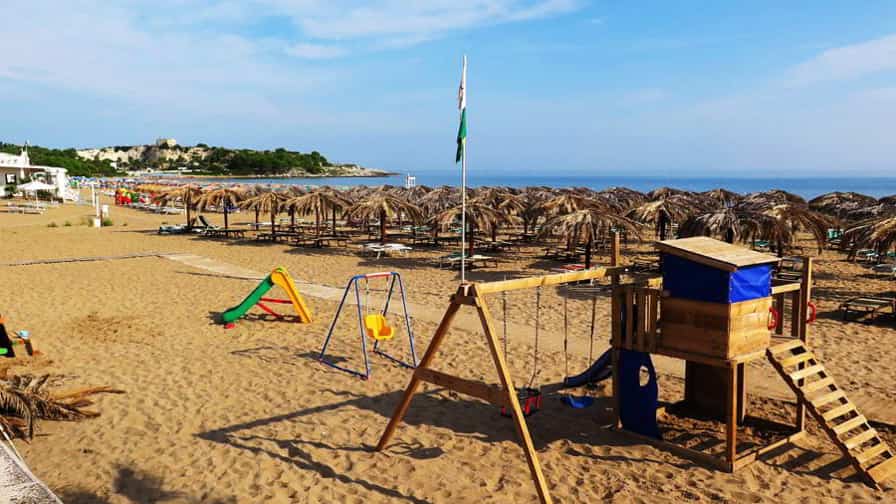
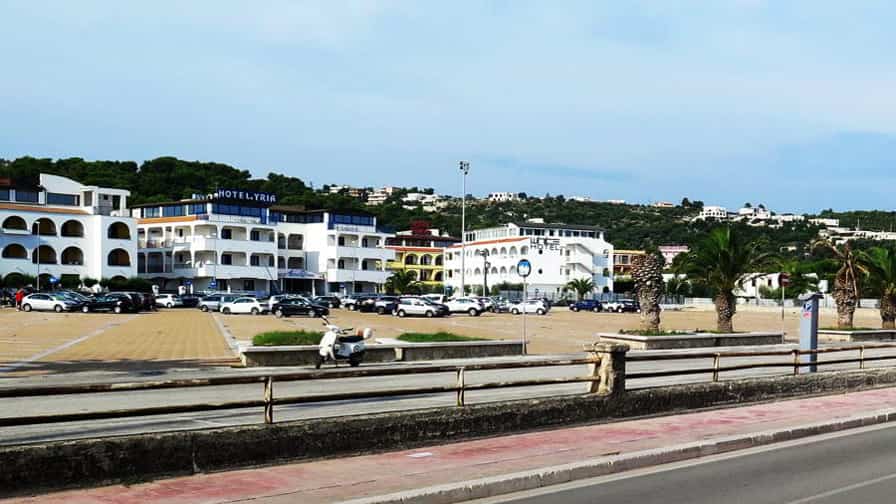
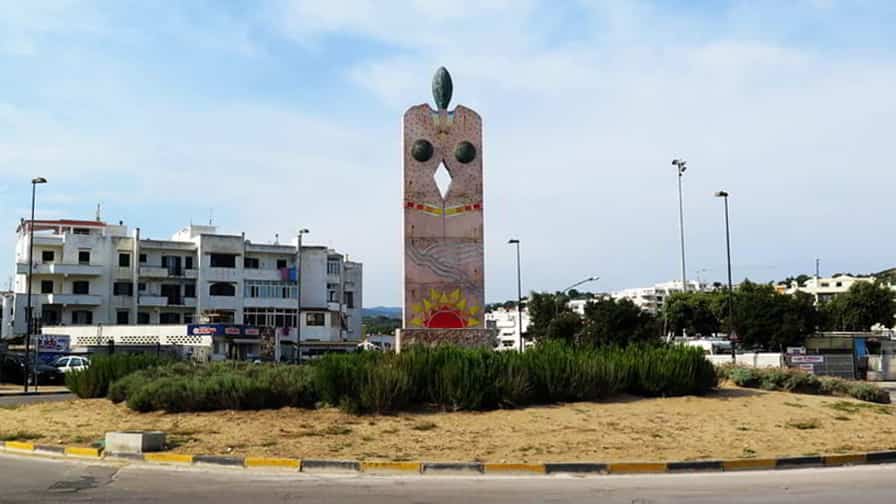
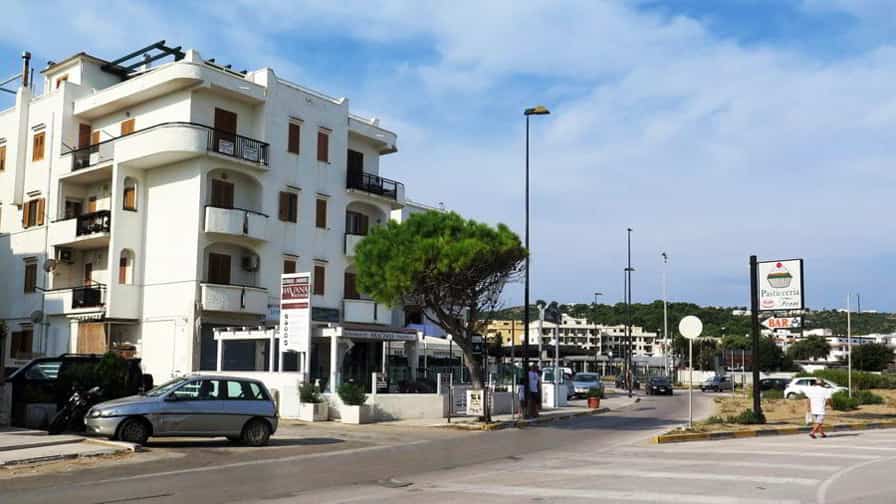
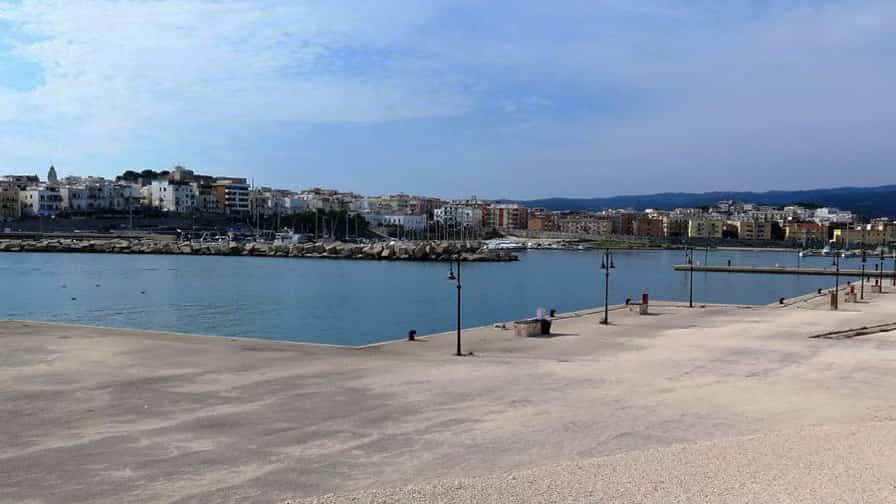


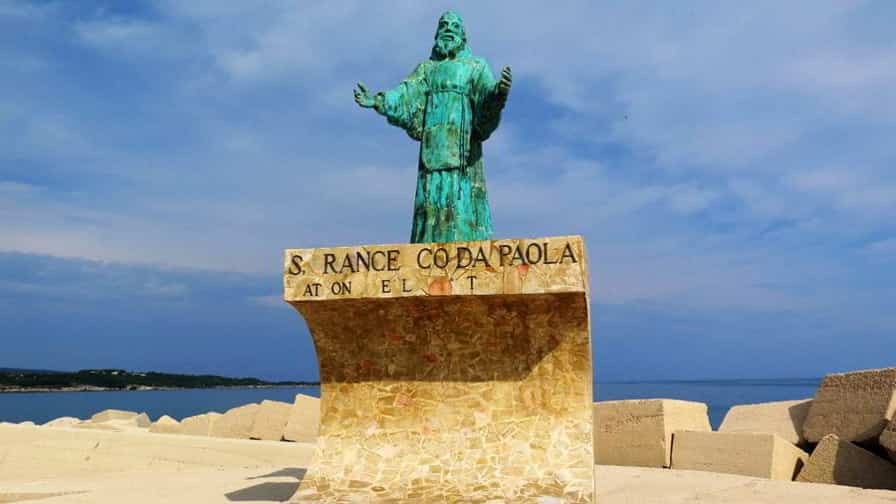


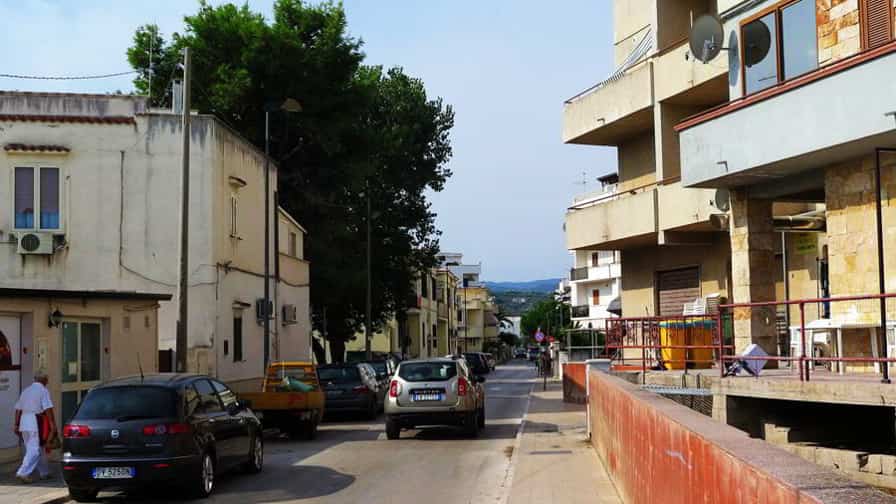
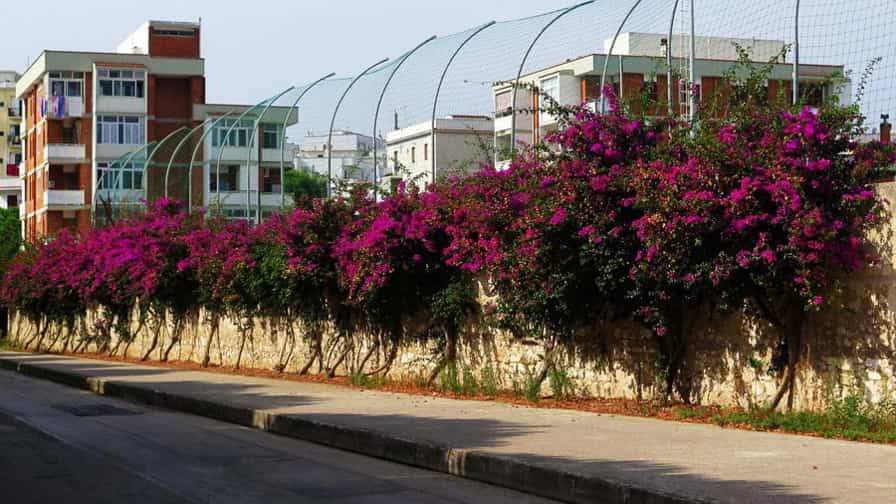
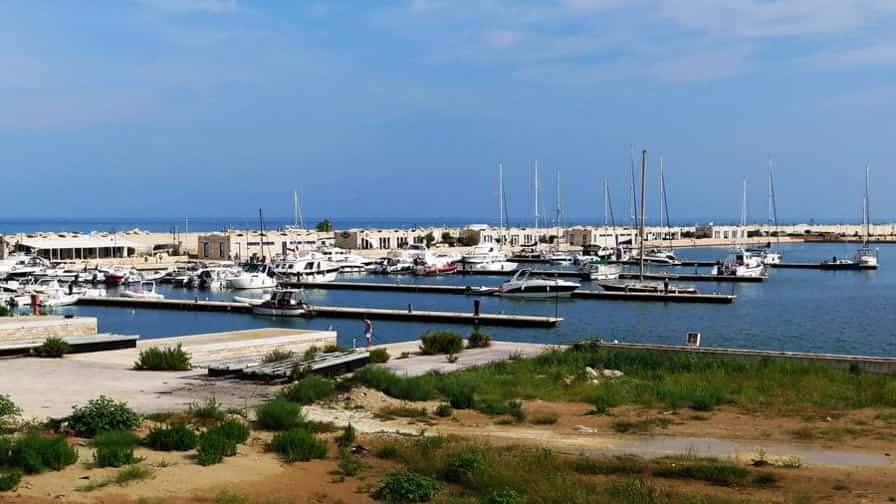
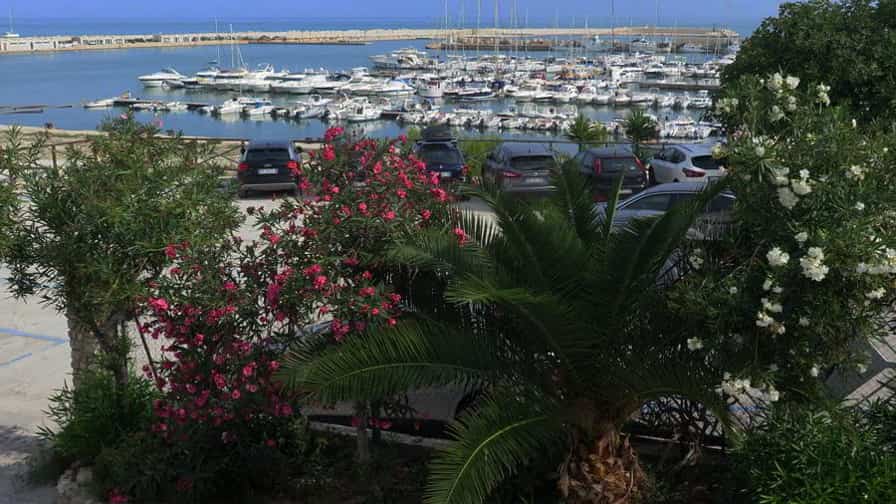
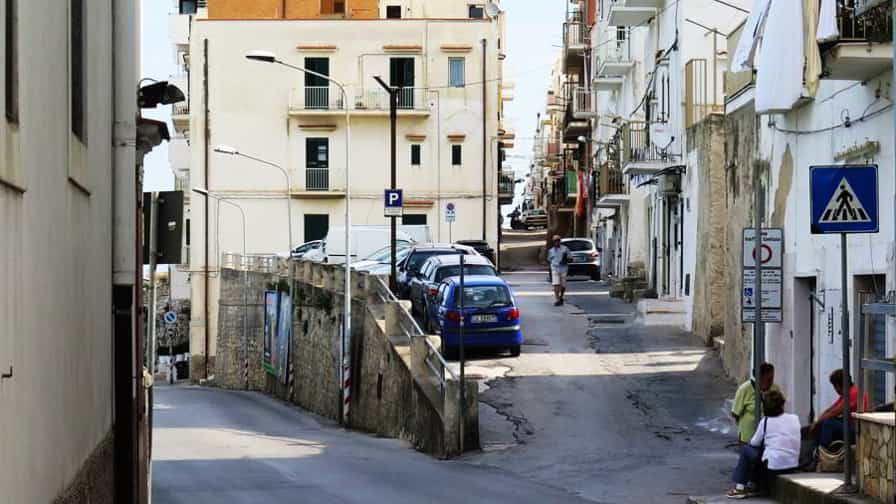
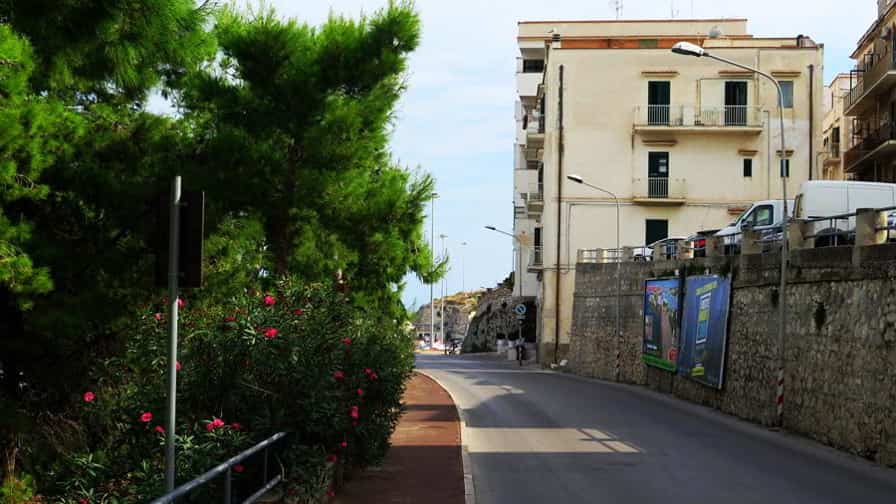
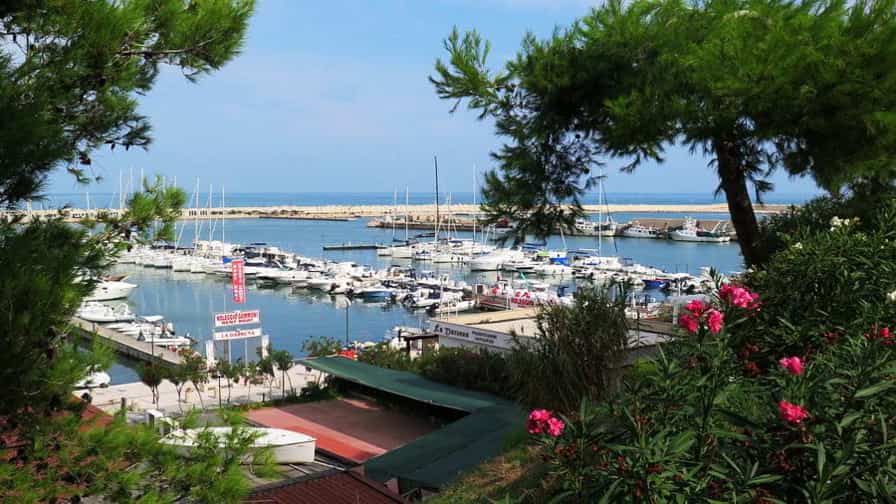
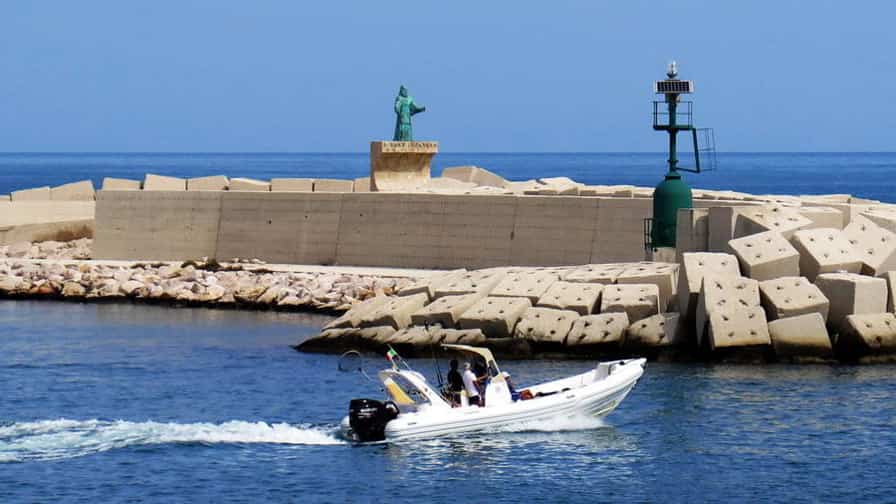
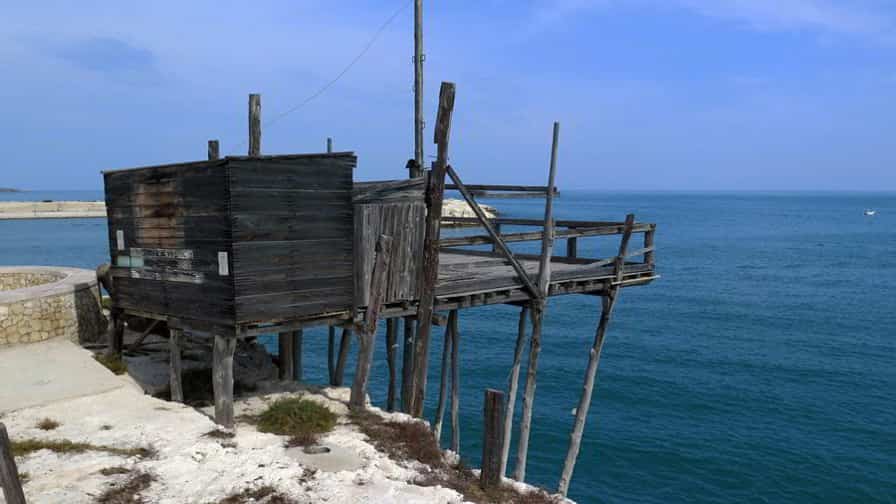
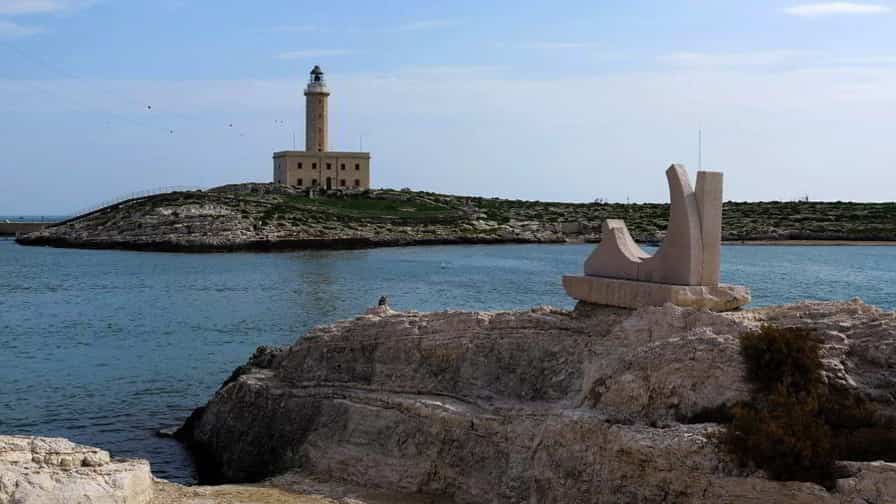
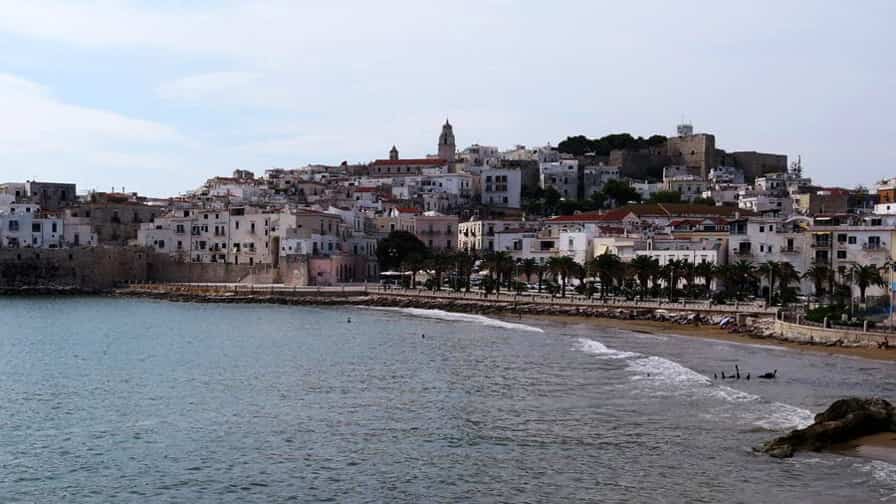
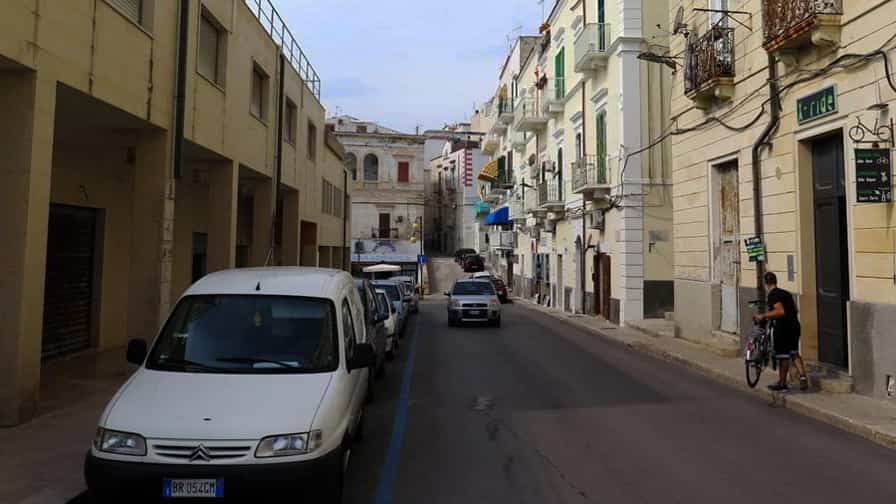
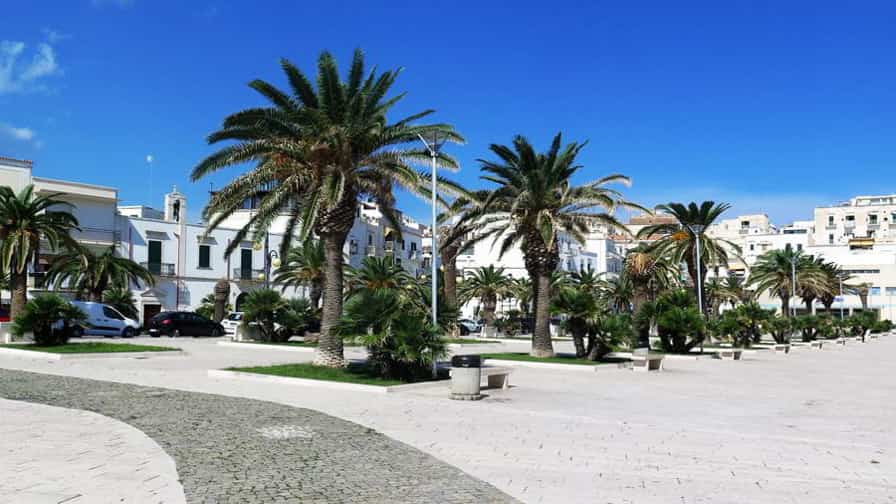
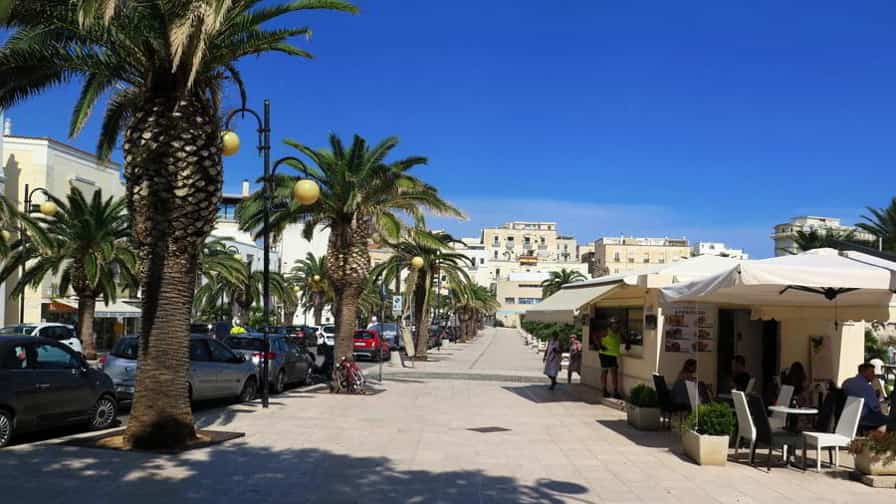
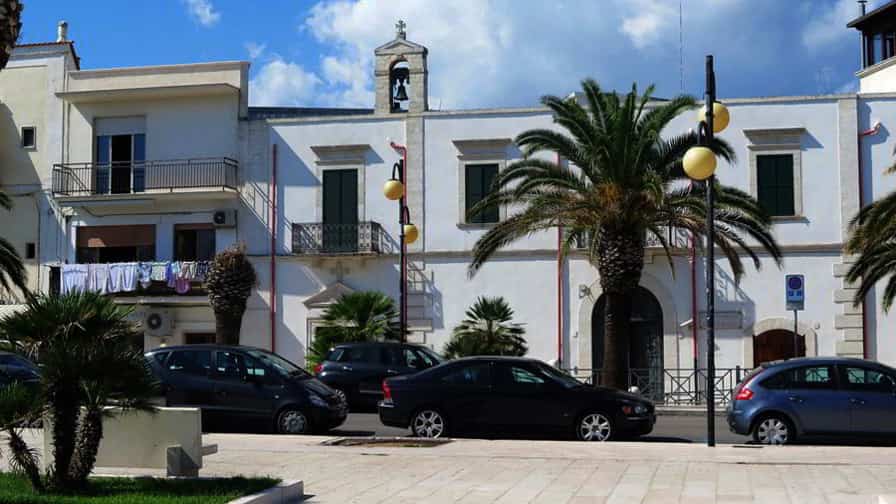
Photo Gallery of Walk 2 – Lungomare Cristoforo Colombo to Via Ripe
Approximately 0.88 km – 0.55 miles
The walk starts in Lungomare Cristoforo Colombo – Viale Marinai d’Italia – Corso Lorenzo Fazzini – Piazza della Liberta – Piazza Vittorio Emanuele II – Via Pola – Via S. Francesco – Chiesa di San Francesco, Via S. Francesco – Via Ripe
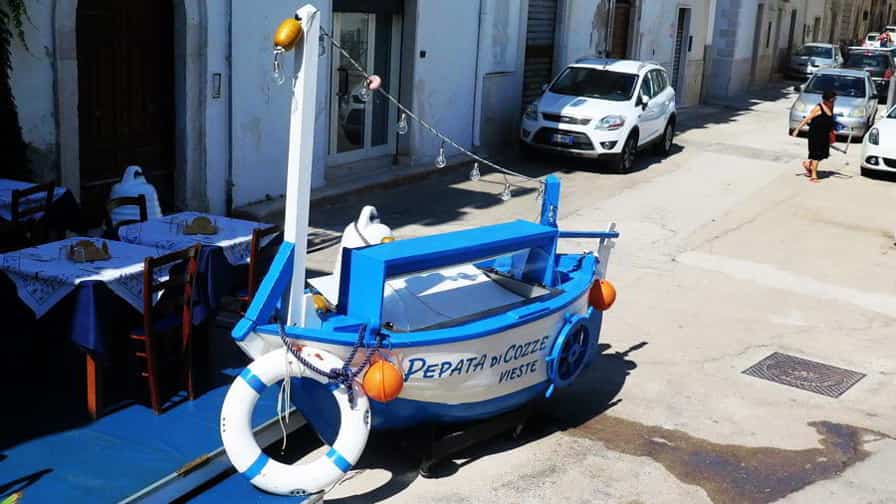
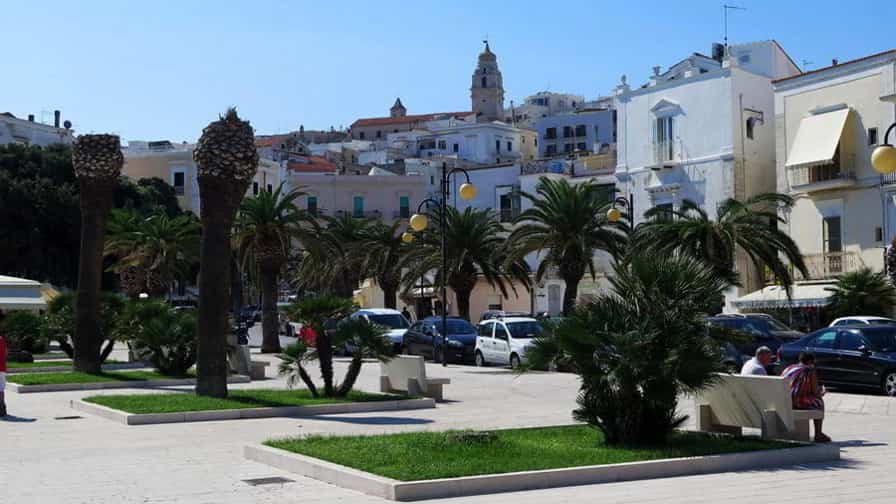
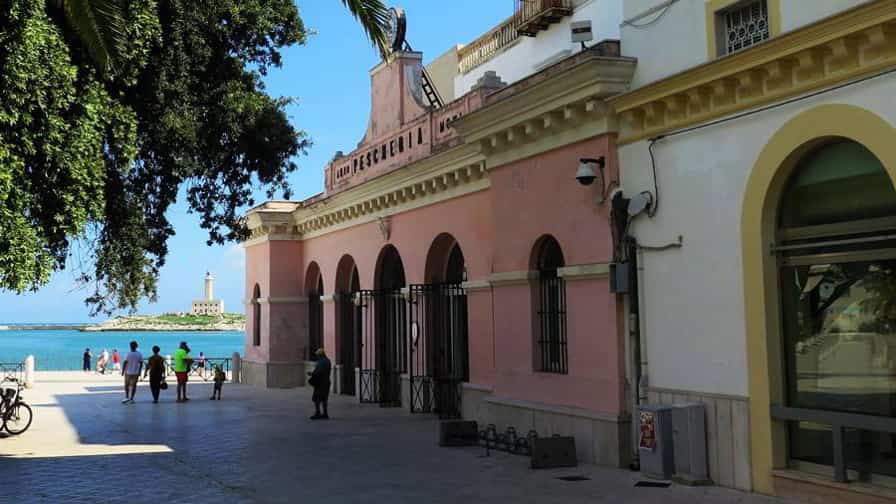
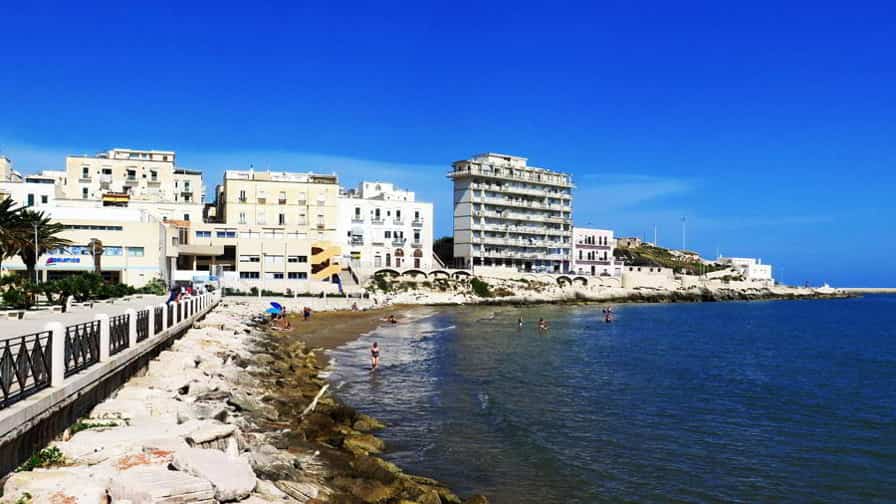
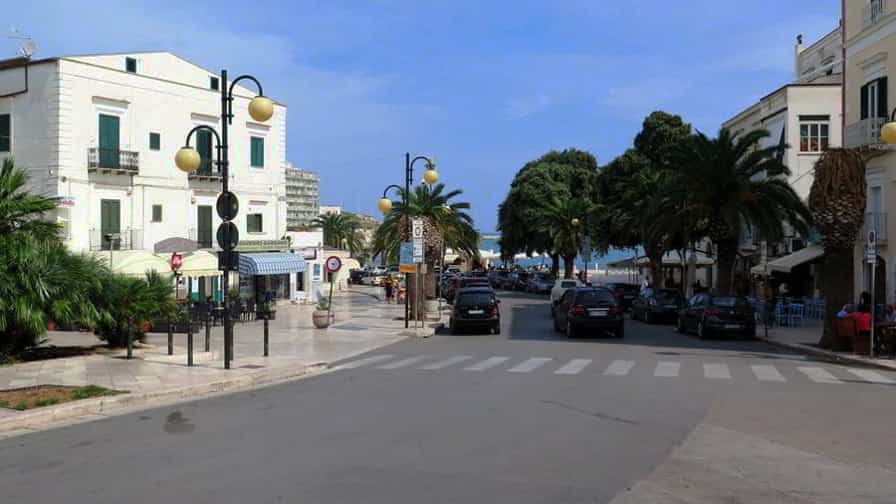
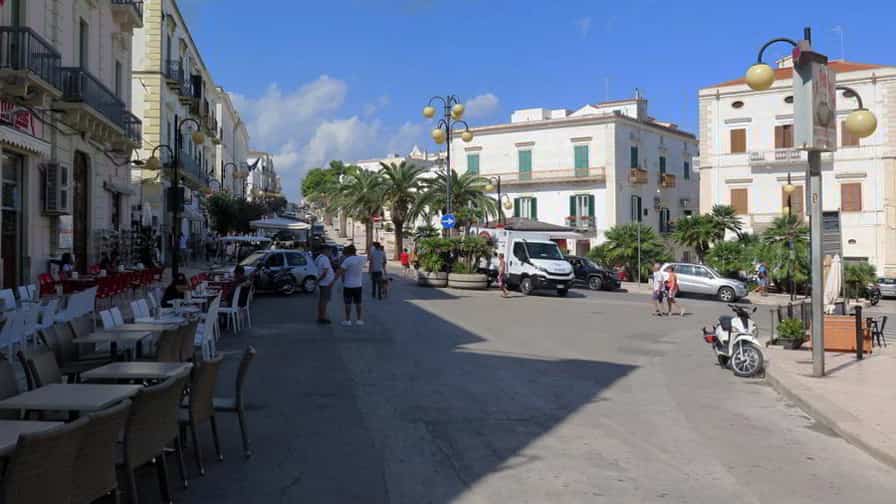


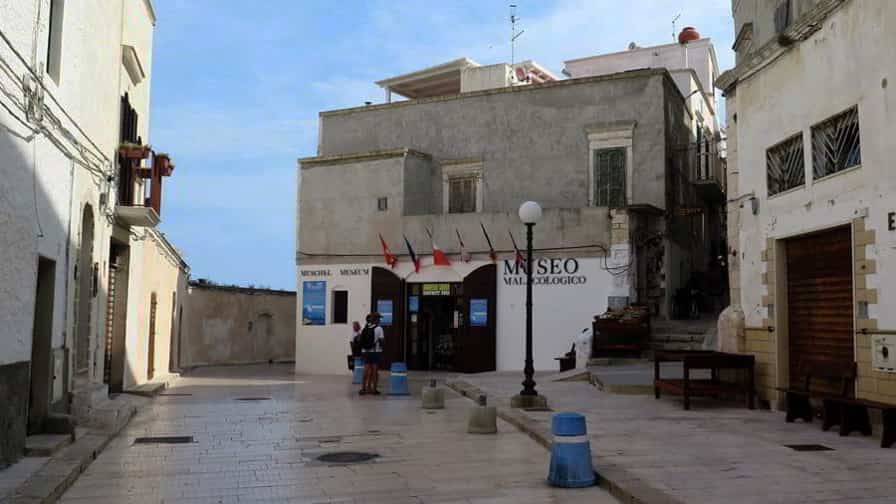
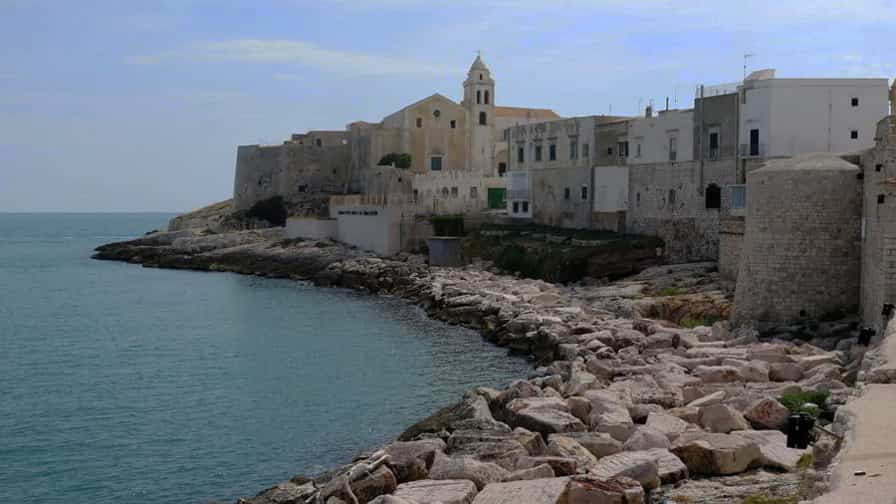
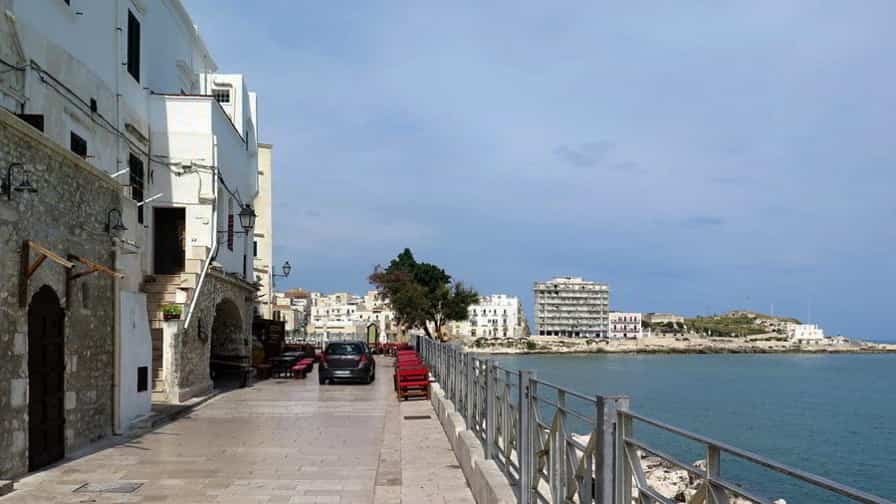
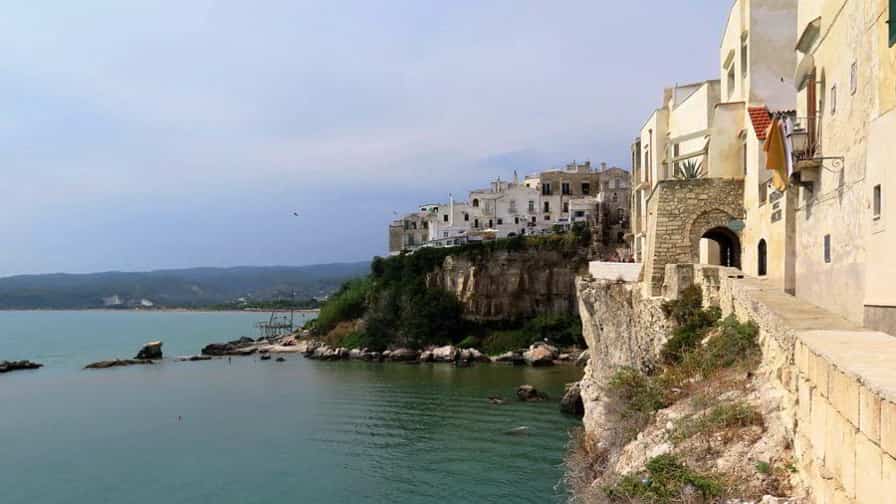
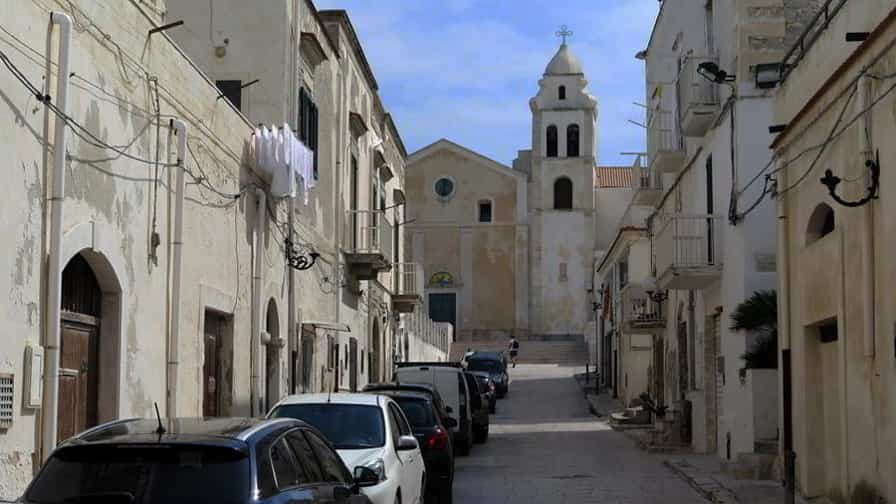
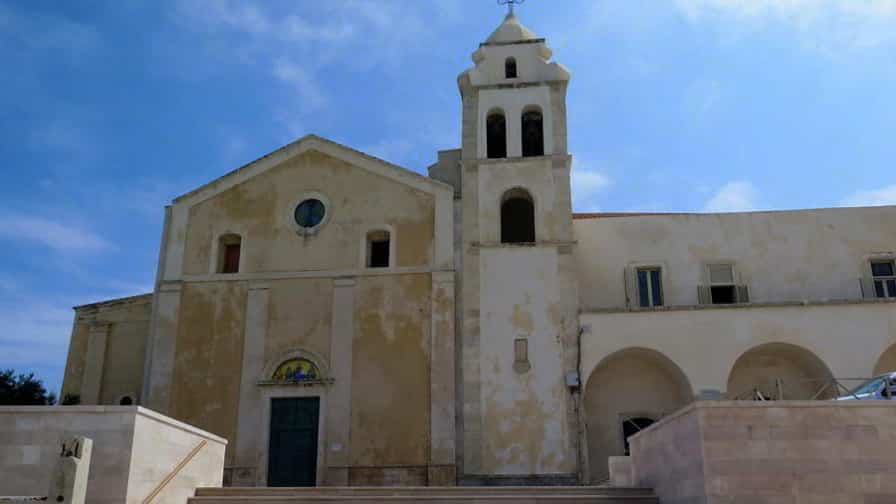
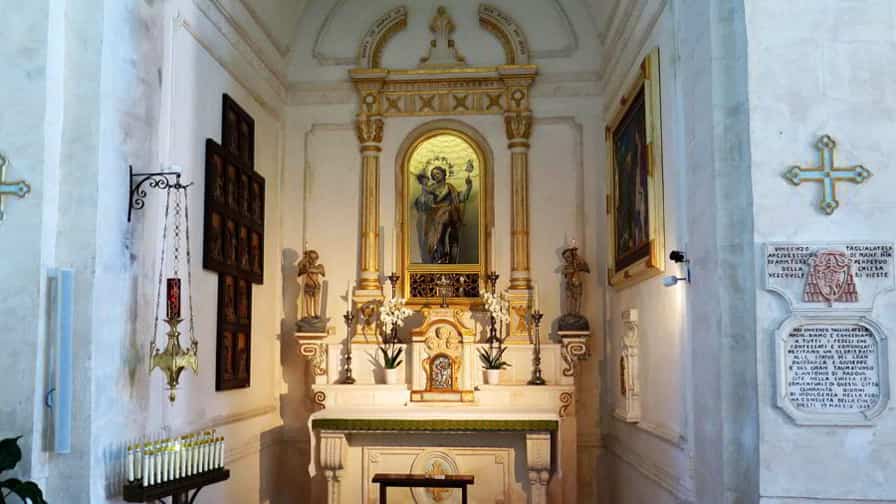
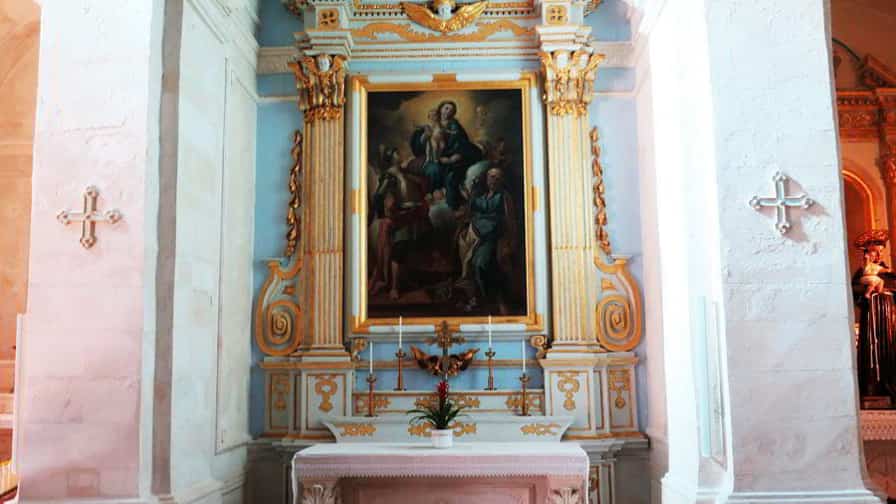

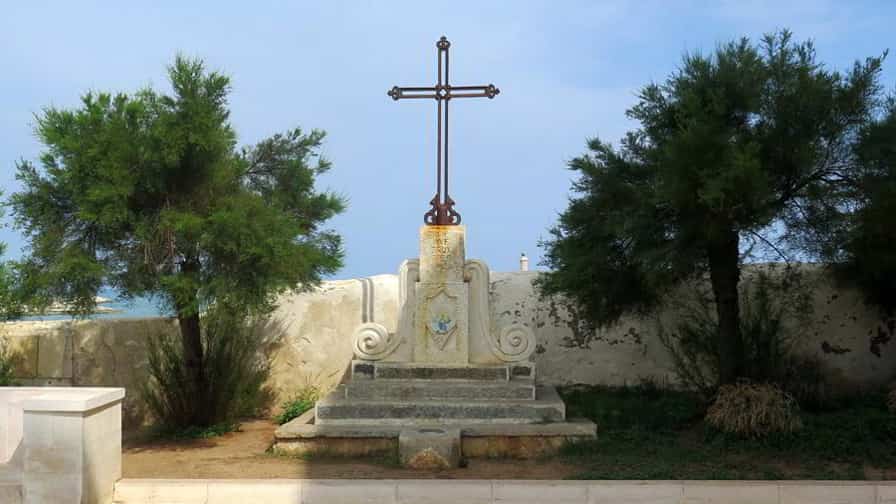
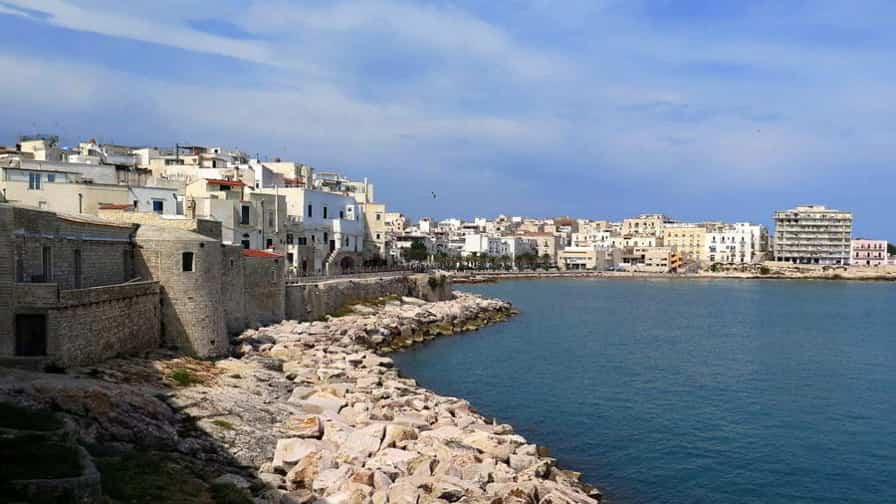
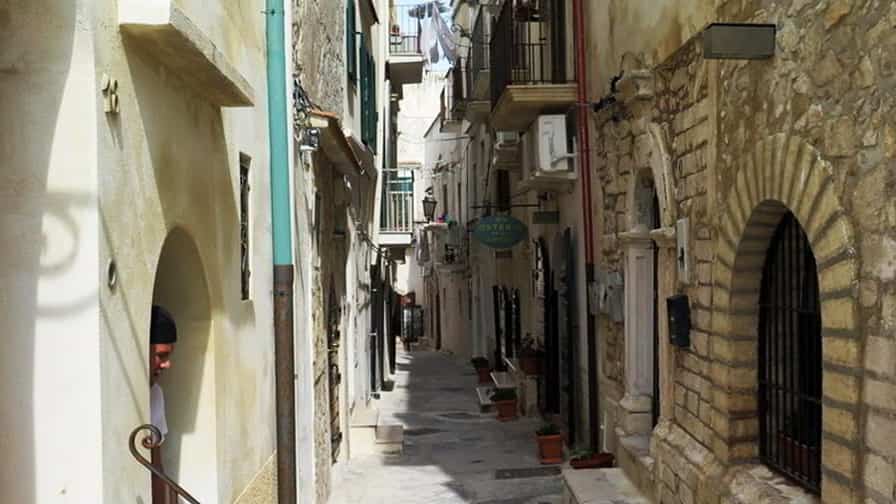

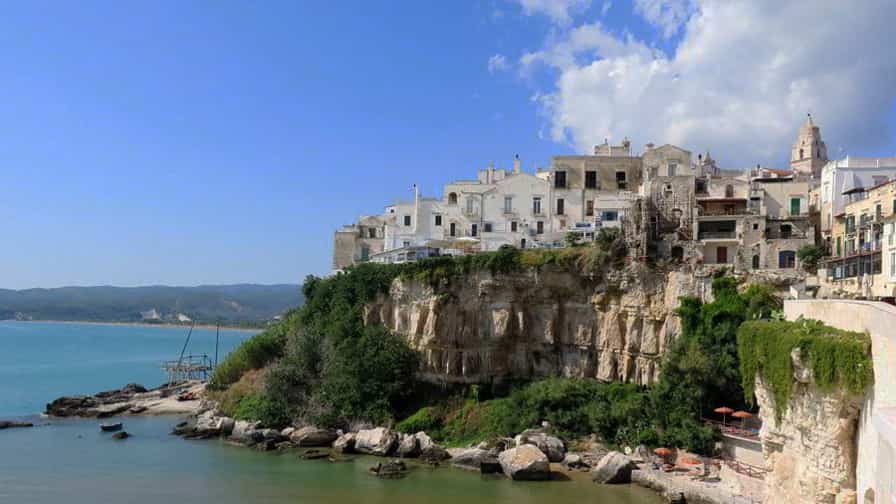
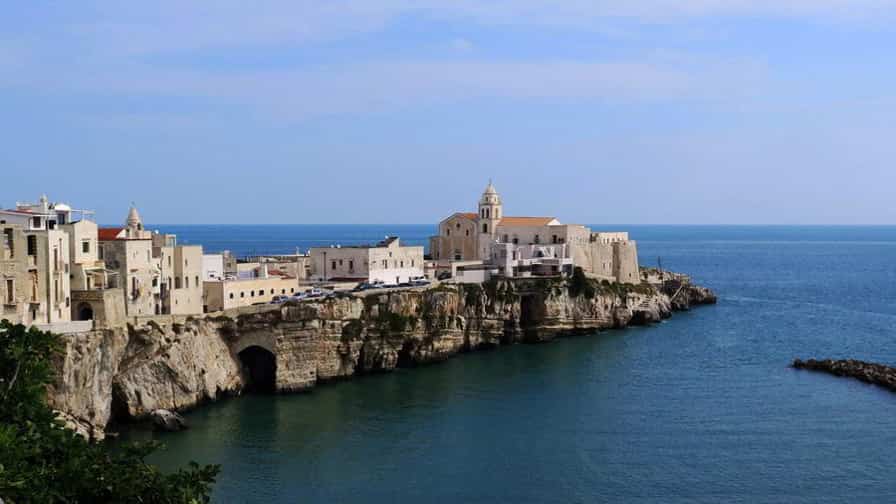
Photo Gallery of Walk 3 – Via Santa Maria di Merino to Viale Federico II
Approximately km 6.10 – 3.79 miles
The walk starts in Via Santa Maria di Merino – Via Vittorio Veneto – Piazza Centrale – Via Madonna della Libera – Lungomare Enrico Mattei – Via Ruggiero Bonghi – Lungomare Enrico Mattei – Walk back along Lungomare Enrico Mattei to Viale Federico II – Via Nicola Santoro – Viale Federico II
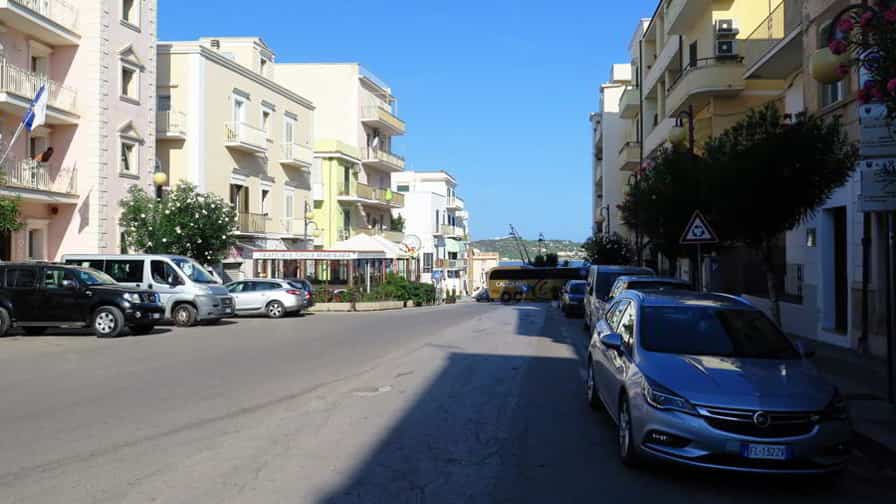
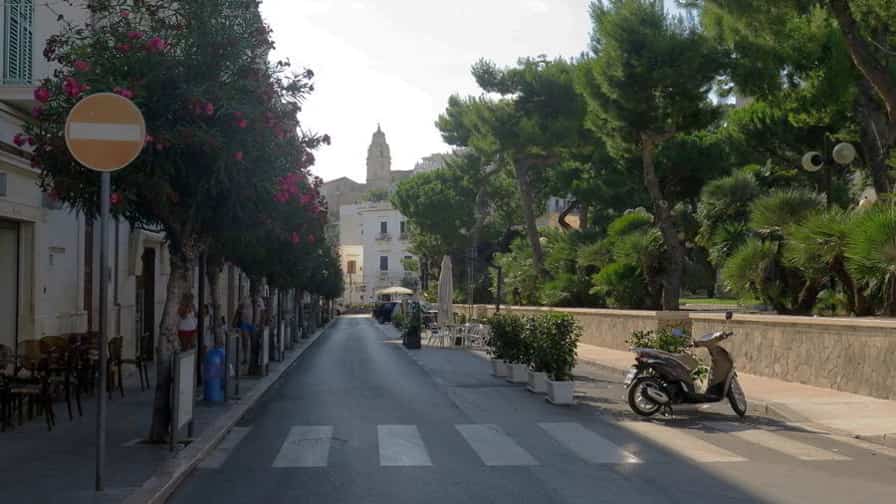
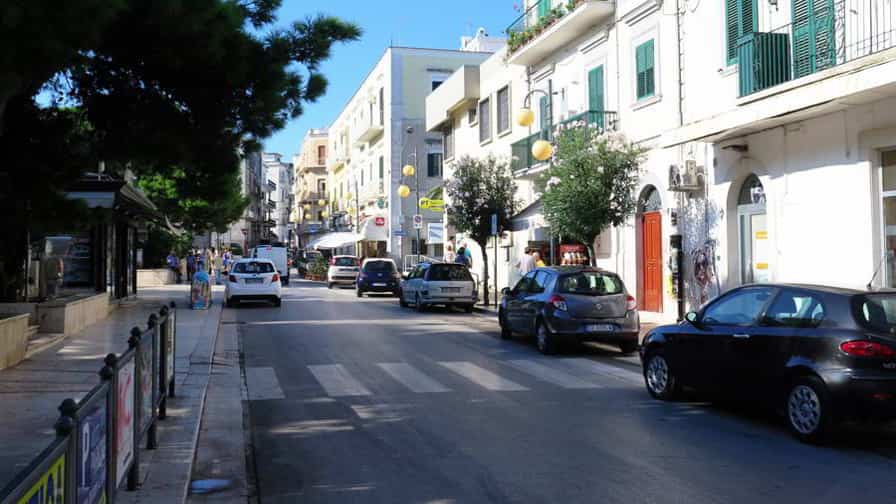
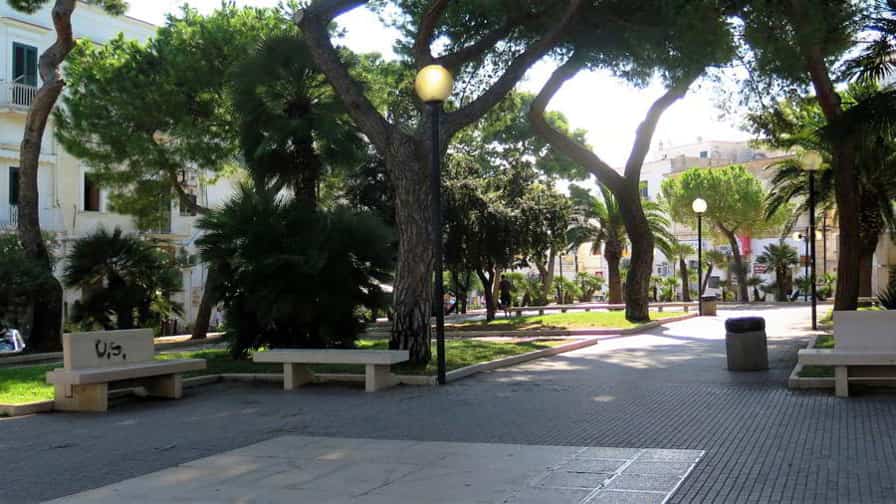
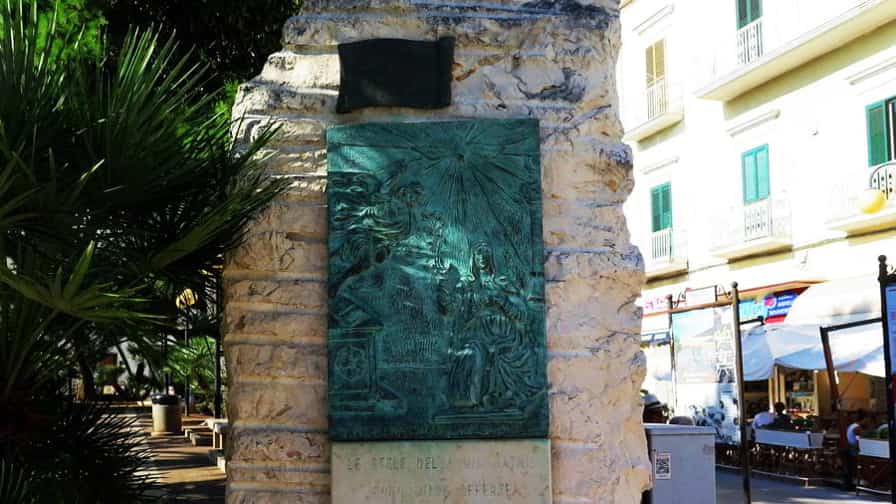
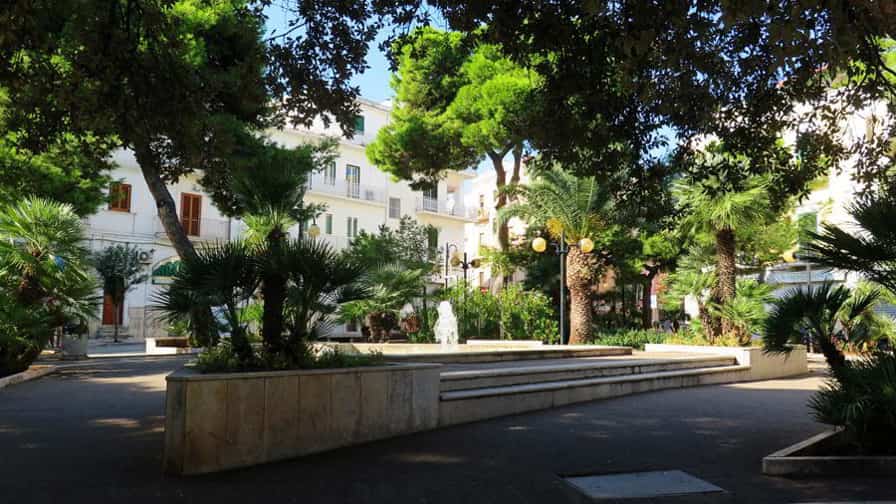
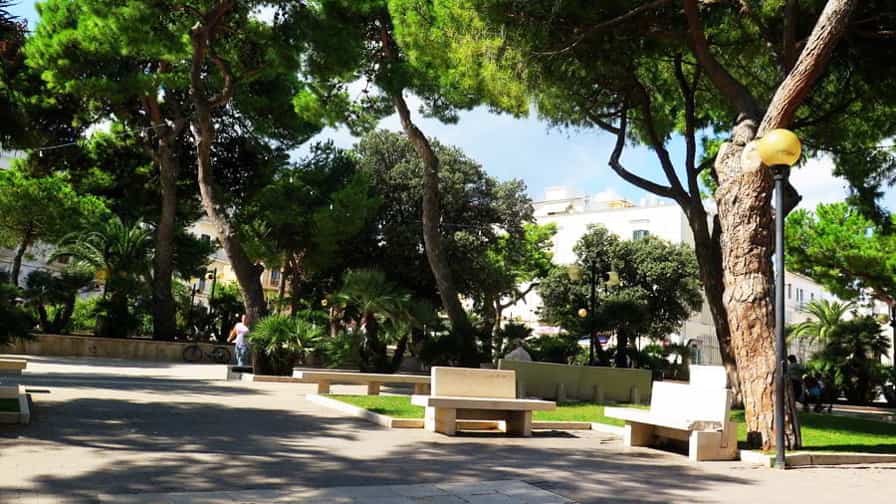
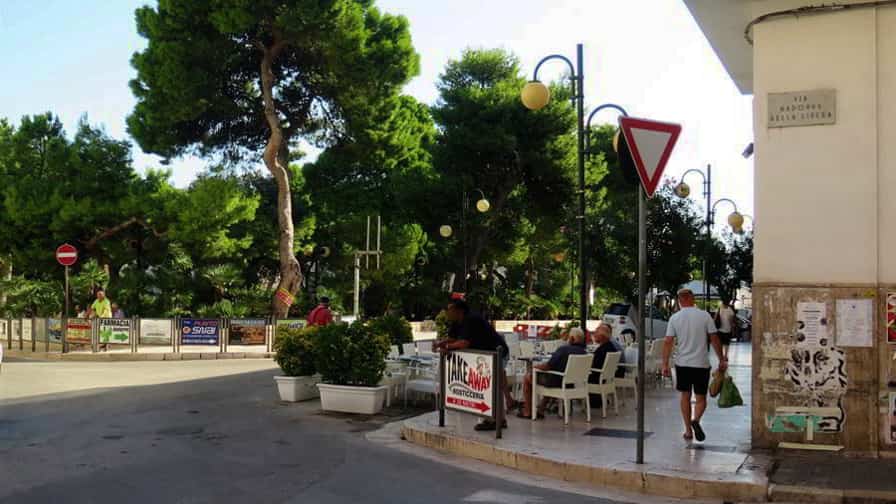
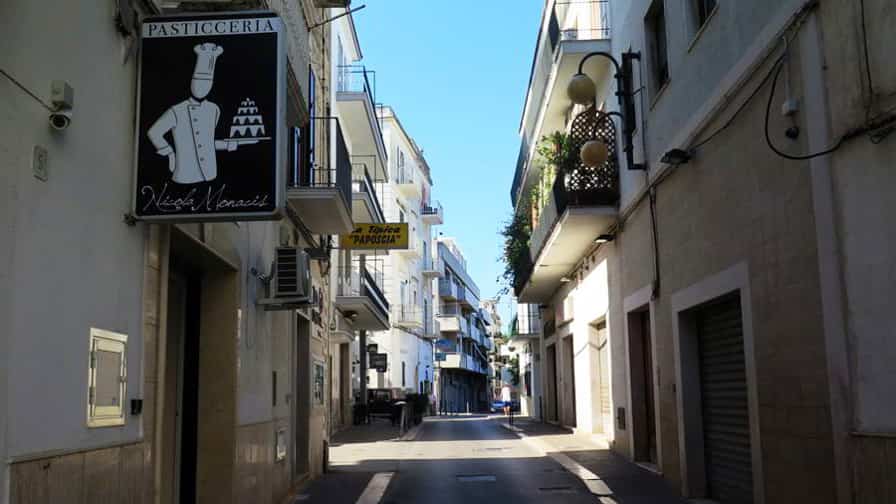
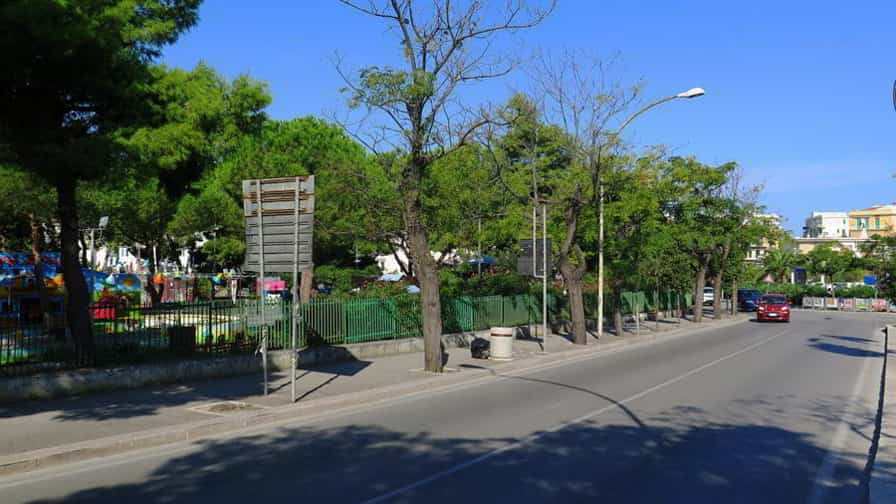
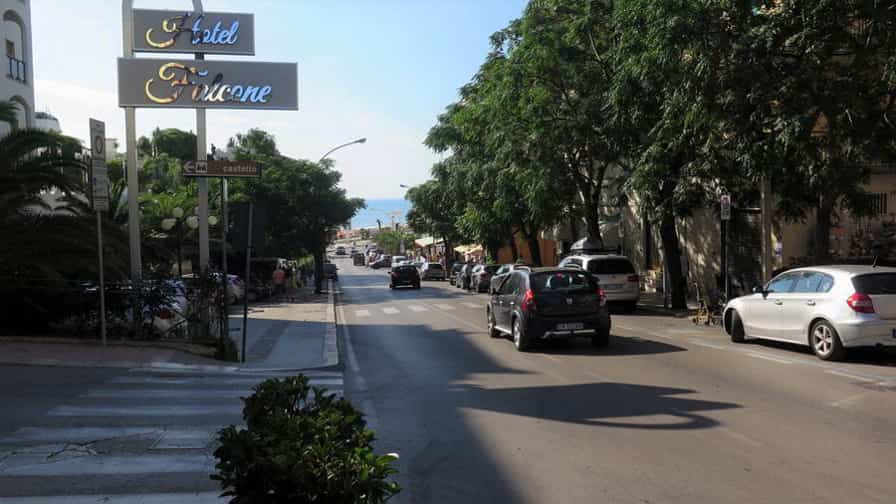
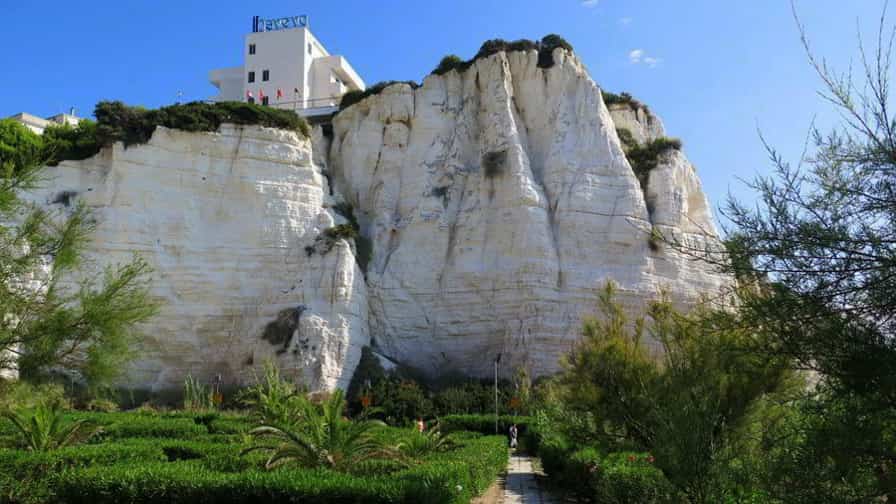
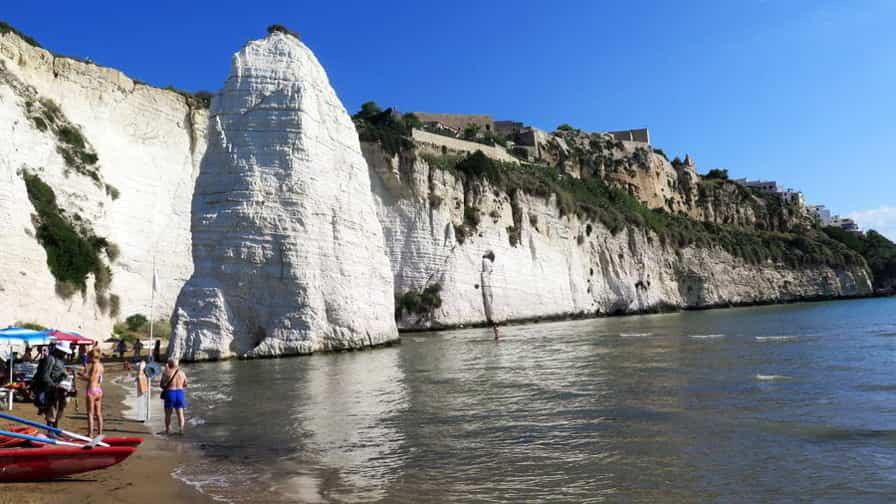
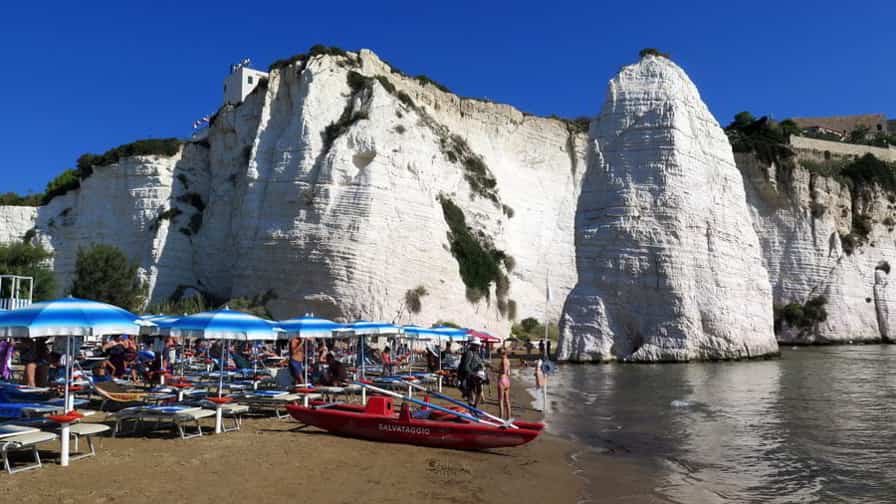
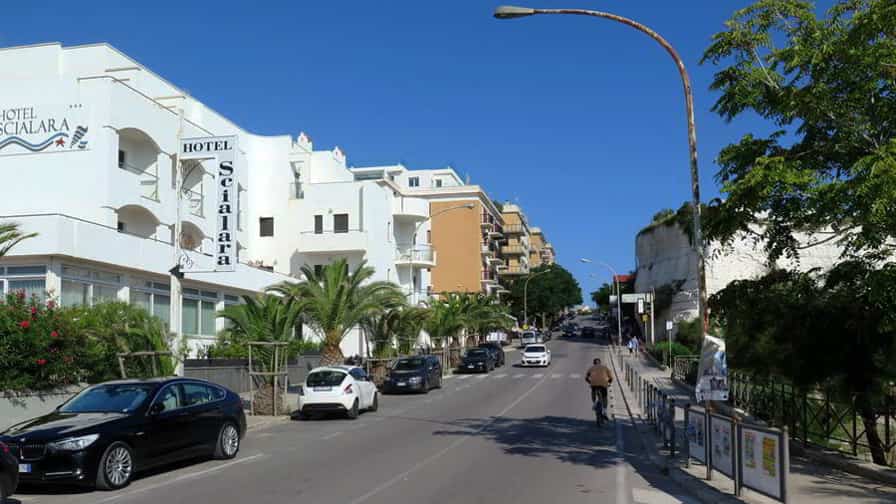
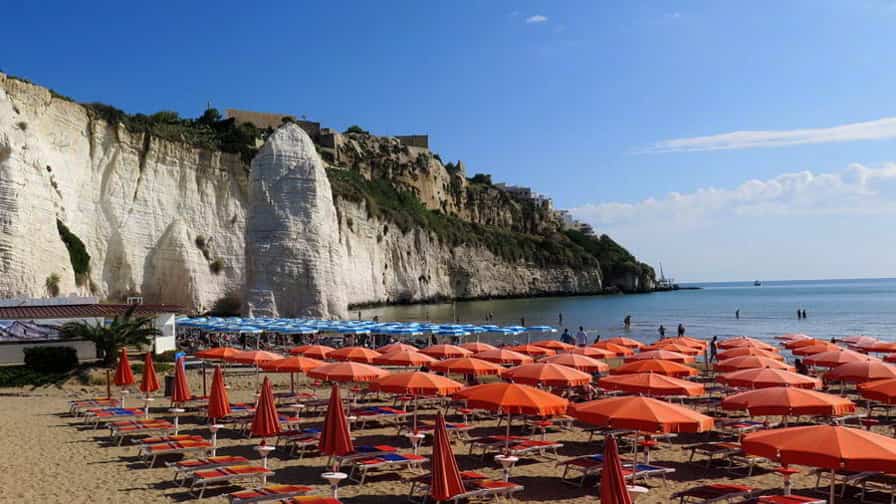
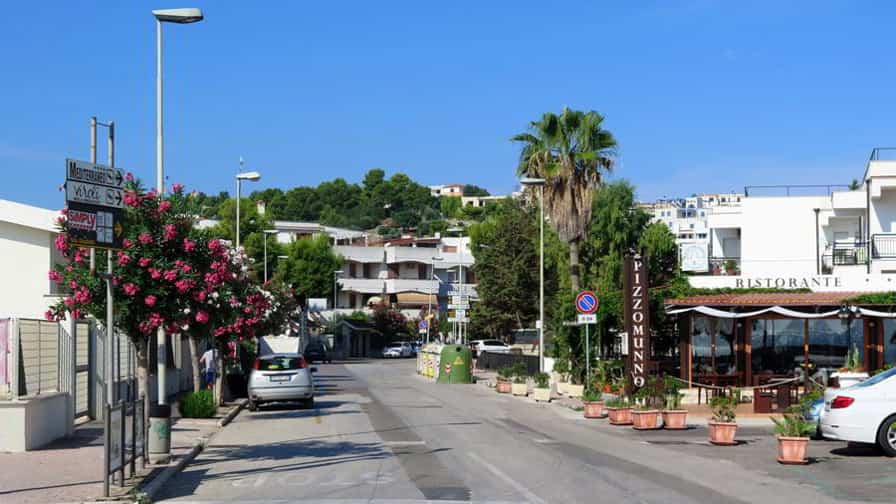
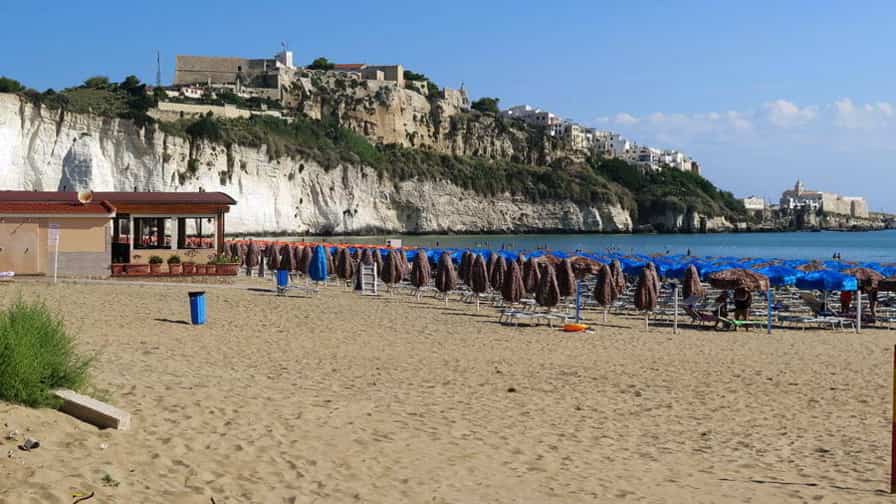

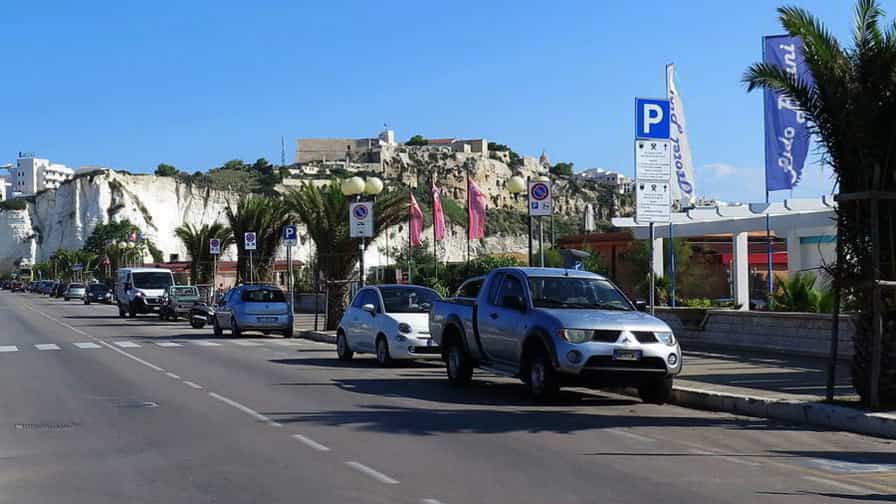
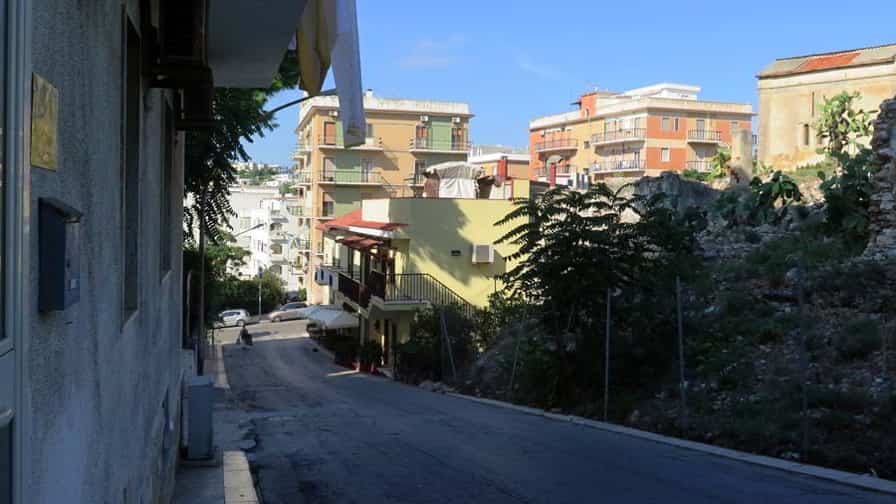
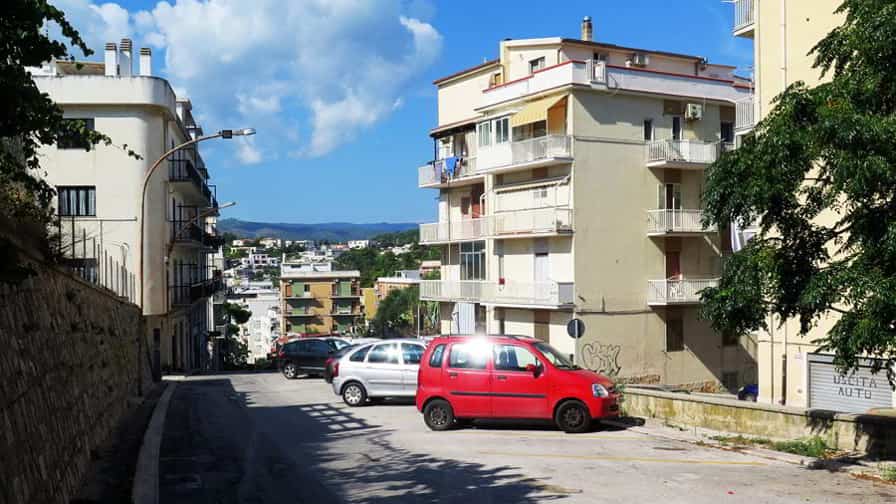
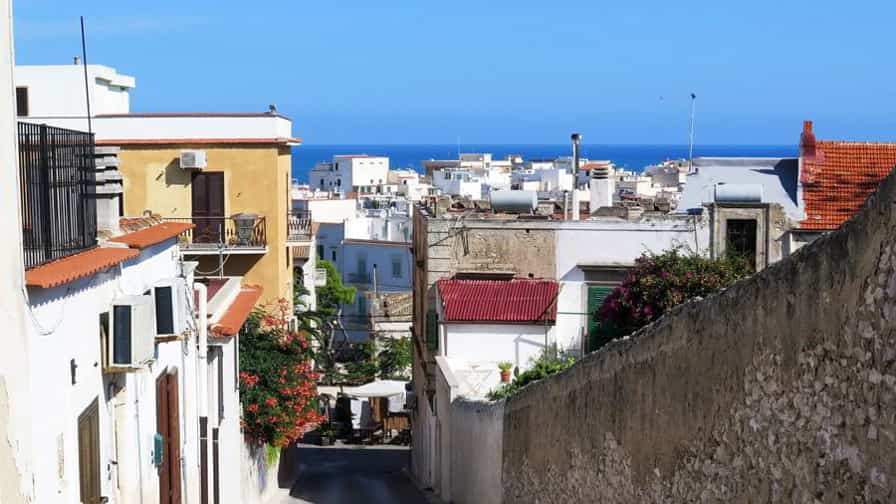
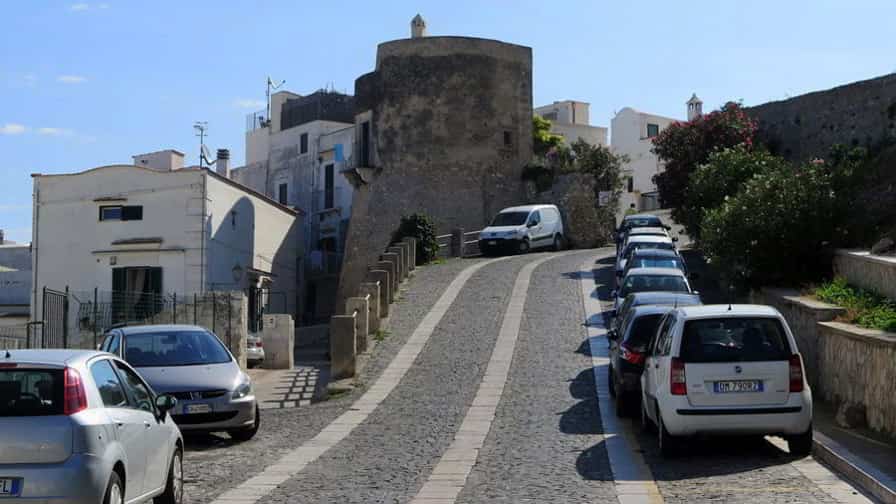
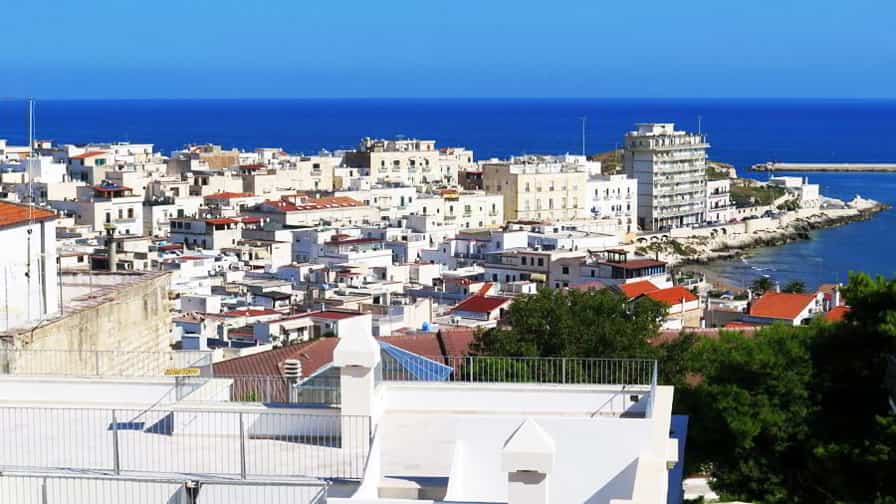
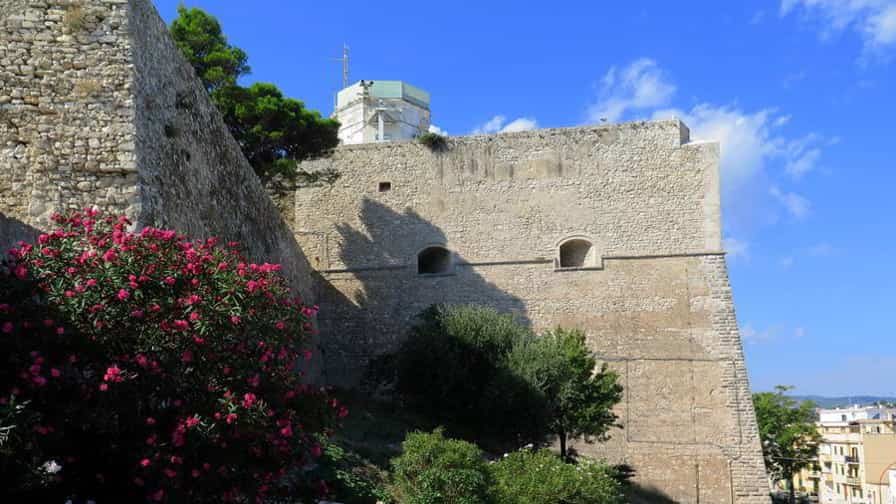
Photo Gallery of Walk 4 – Piazza Castello to Corso Lorenzo Fazzini
Approximately 0.66 km – 0.41 miles
The walk starts in Piazza Castello – Via Simone Vestano – Via Vescovado – Via Duomo – Cattedrale di Santa Maria Assunta, Via Celestino V – Via Cesare Battisti – Via Monte Grappa – Via Cesare Battisti – Via Camillo Benso Conte di Cavour – Via Santa Maria di Merino – Corso Lorenzo Fazzini – Parrocchia S. Croce, Via Croce – Corso Lorenzo Fazzini

COPYRIGHT © 2018-2026 ITALY IN PHOTOS - ALL RIGHTS RESERVED