
HOME
REGIONS OF ITALY
PLACES IN ITALY
PLAN YOUR TRIP
Italy in Photos
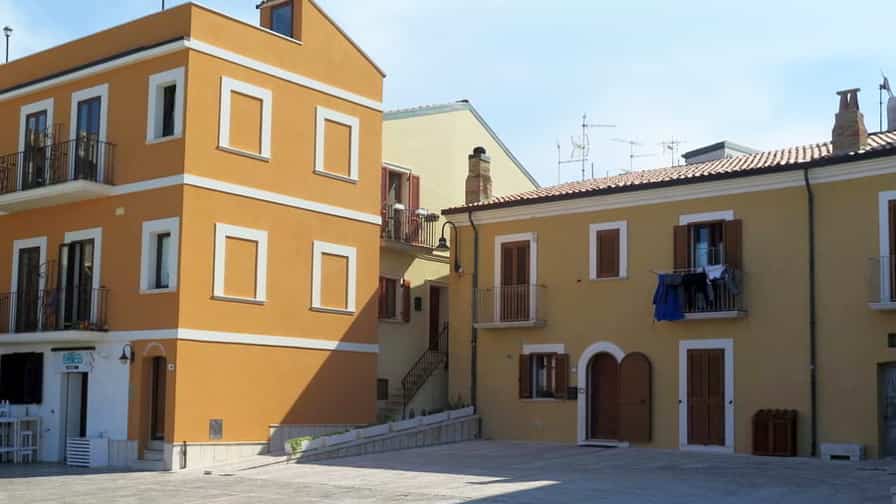
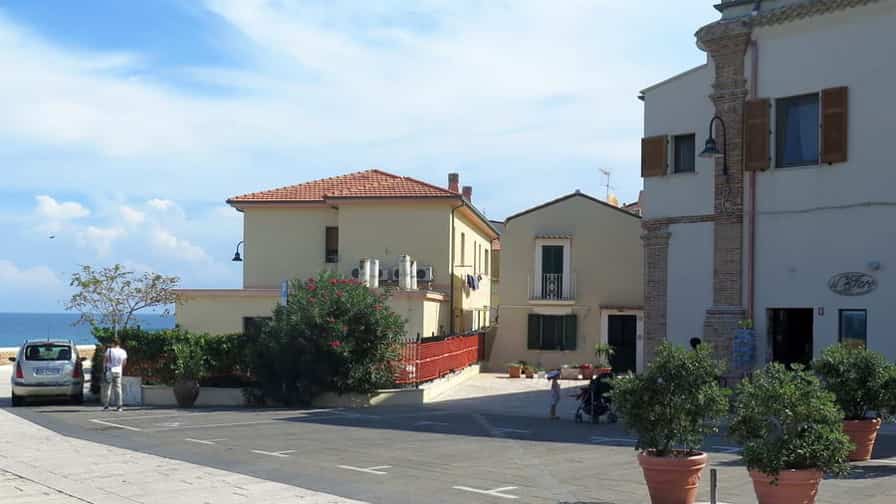
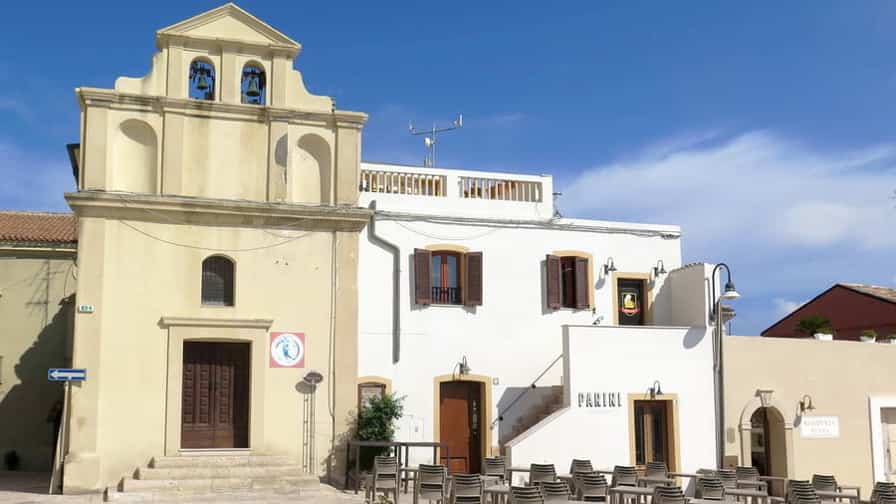
Piazza Sant’Antonio, 86039 Termoli, Italy (September 2018)
Termoli
Termoli is a coastal town in the Molise region of southern Italy, overlooking the Adriatic Sea with a character shaped by maritime tradition, layered history, and a strong sense of local identity. Often overlooked in favour of larger or more famous destinations, it offers a genuine and unhurried introduction to Italy’s eastern coastline, where daily life remains closely tied to the rhythms of the sea.
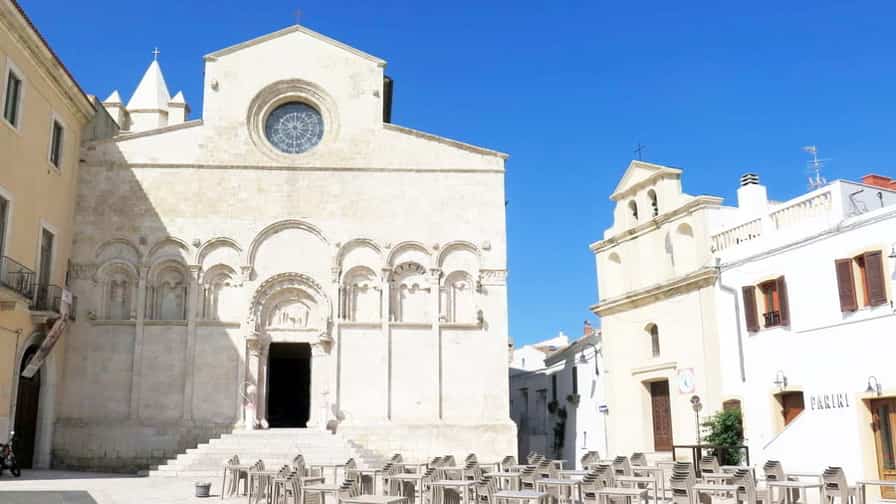
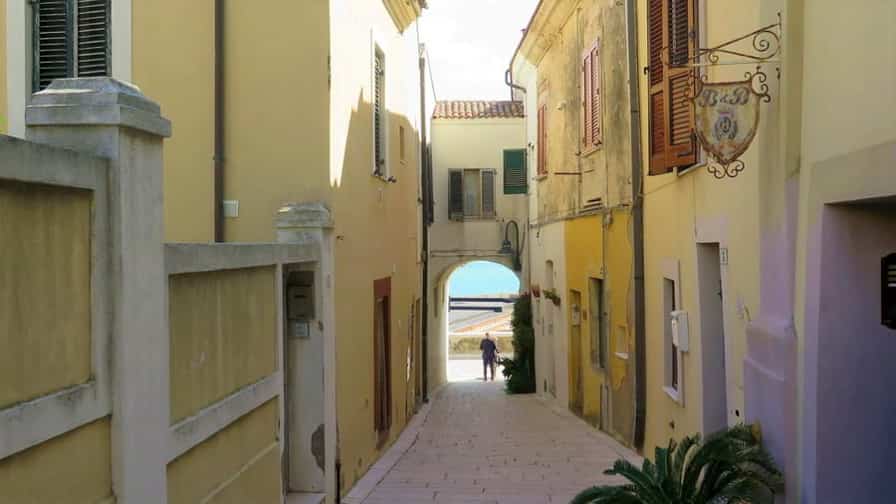
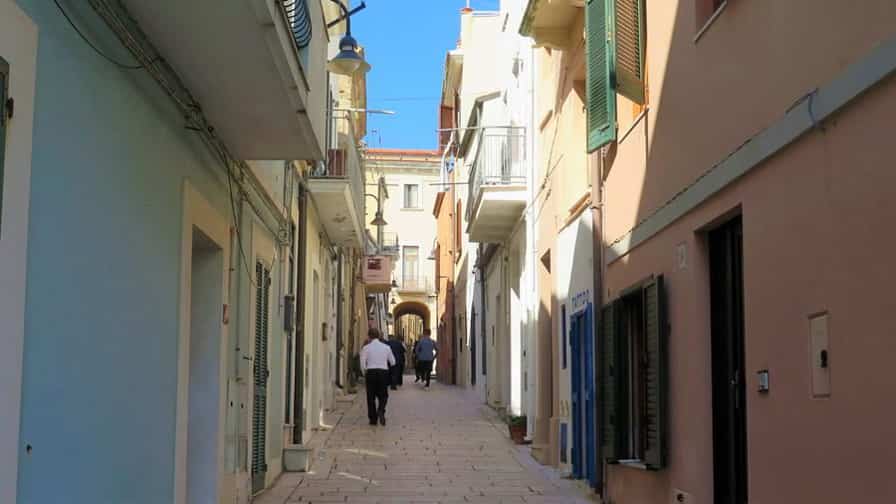
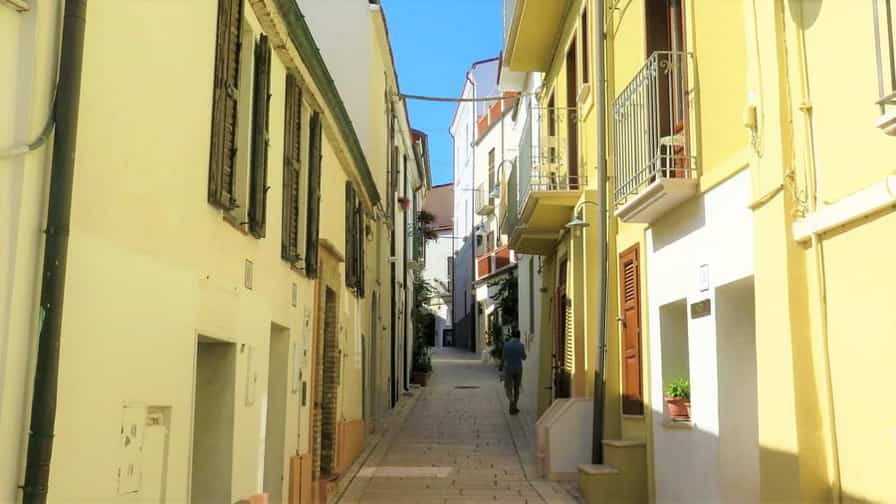
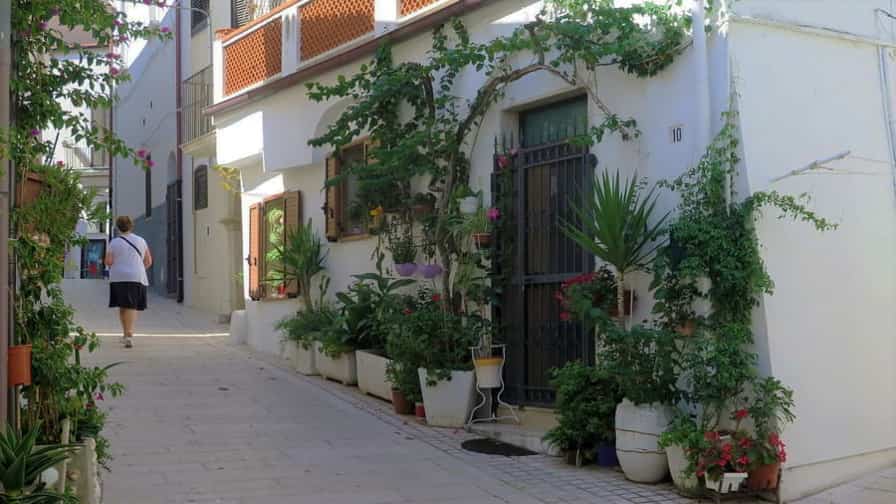
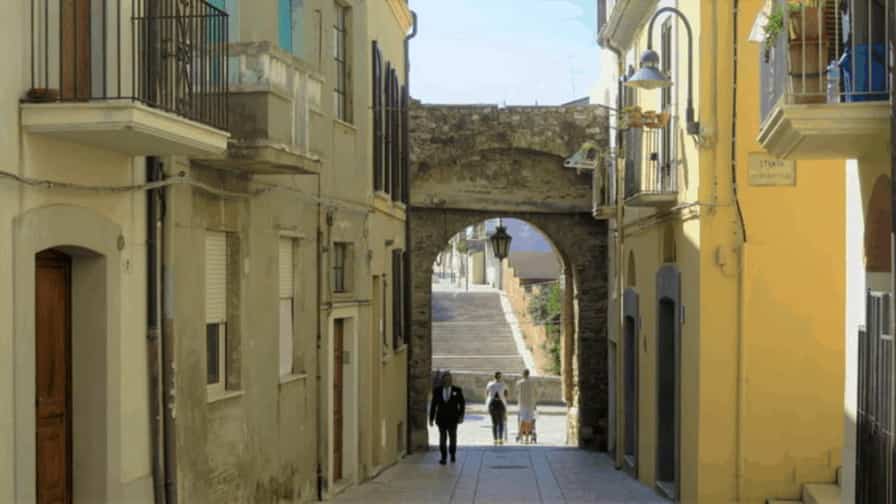
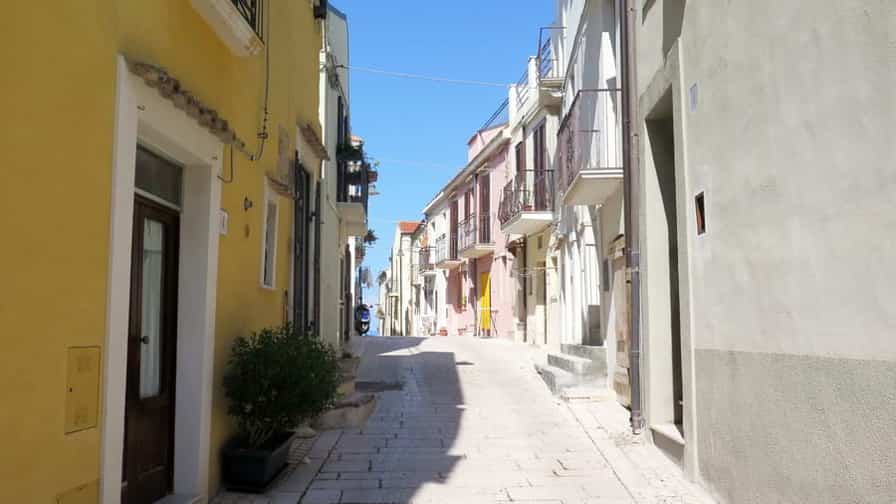
The heart of Termoli is its old town, known as the Borgo Antico, which rises above the harbour on a rocky promontory. Enclosed by defensive walls, this historic quarter is a maze of narrow lanes, stone houses, and small squares that preserve a distinctly medieval atmosphere. At its centre stands the Cathedral of San Basso, an important Romanesque church dedicated to the town’s patron saint. Nearby, the Swabian Castle, built in the 13th century, dominates the skyline with its solid walls and watchtower, a reminder of Termoli’s strategic importance along the Adriatic coast.
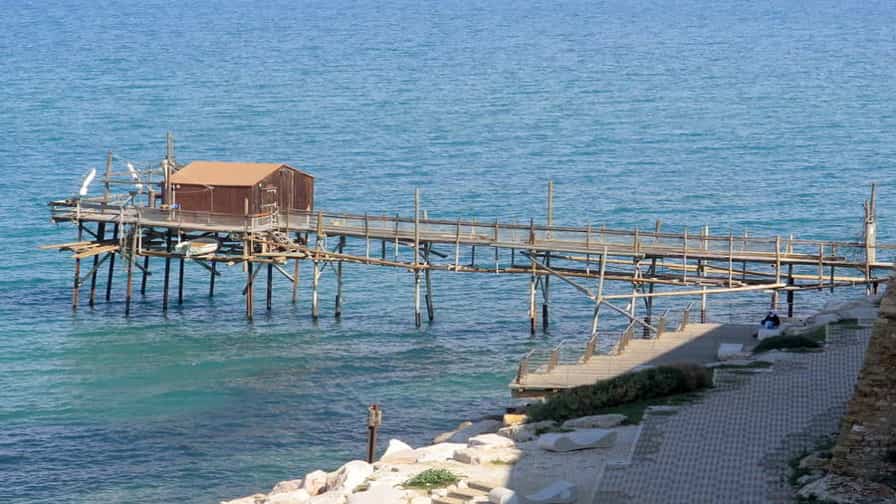
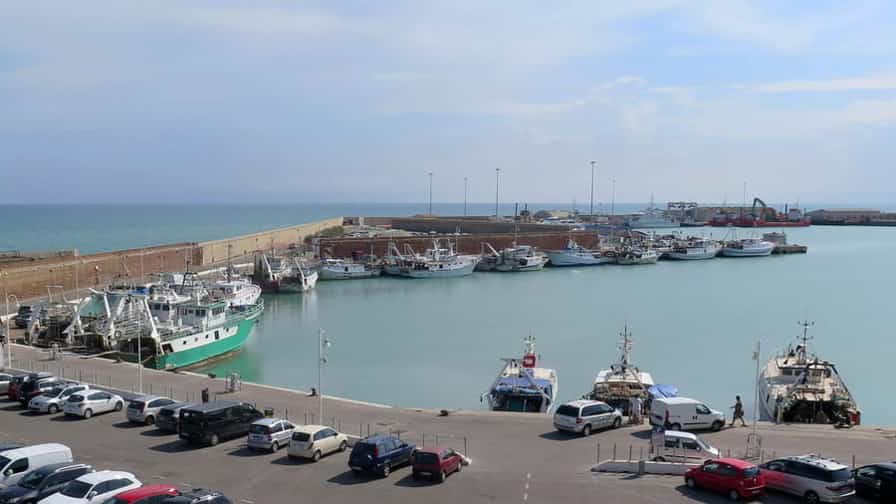
Termoli’s history has long been intertwined with the sea. For centuries, fishing and trade sustained the town, shaping both its economy and its culture. This maritime heritage is still visible today in the working harbour, where fishing boats return with the day’s catch, and in the trabucchi, traditional wooden fishing platforms that extend over the water on long stilts. These distinctive structures, once essential to local fishing practices, have become powerful symbols of the Adriatic coast and remain an evocative link to the past.
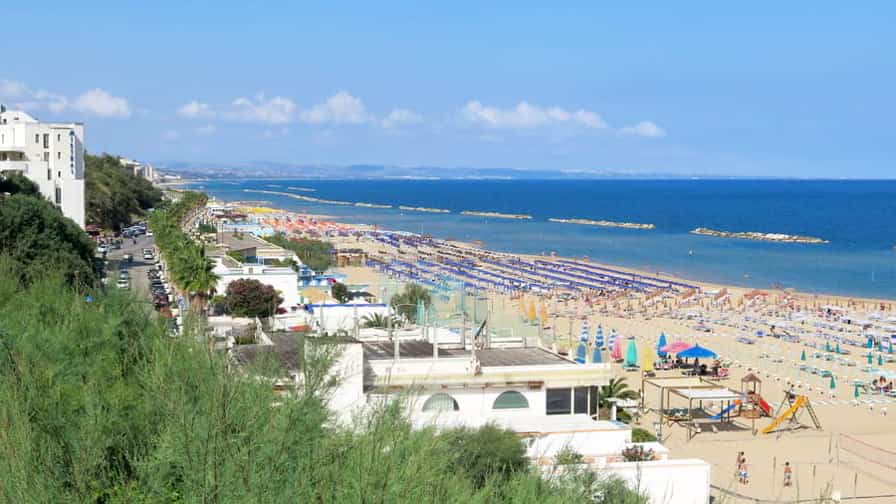
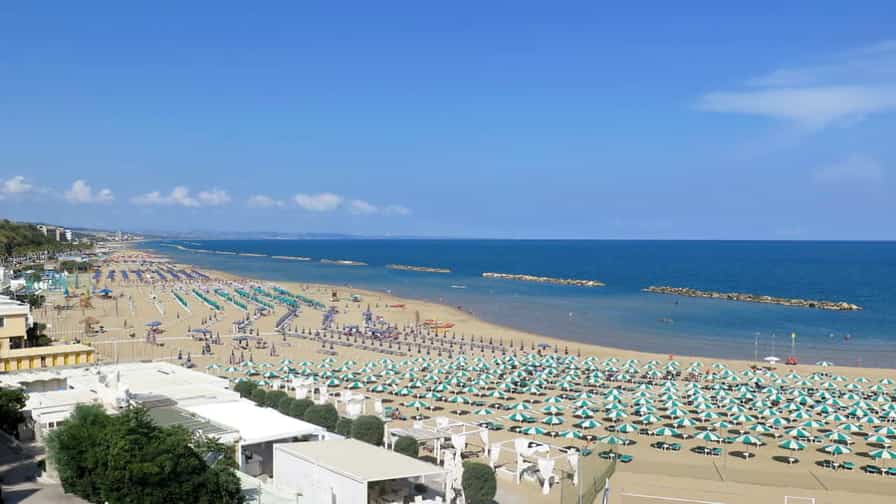
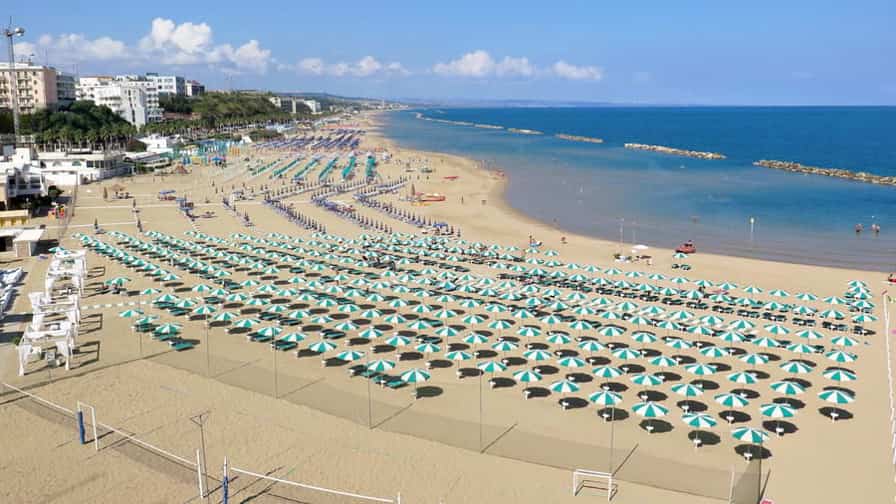
Beyond the old town, Termoli opens onto long stretches of sandy beach that run parallel to the modern part of the city. The Adriatic waters here are generally calm and shallow, making the coastline inviting and accessible. Beach life plays a central role during the summer months, when locals and visitors alike gather to swim, stroll, and enjoy the sea air. Even in quieter seasons, the shoreline remains a defining presence, shaping the town’s relaxed pace and open horizons.
Termoli’s cuisine reflects its coastal setting and regional traditions. Seafood features prominently, often prepared simply to highlight freshness and natural flavour. Dishes such as brodetto, a rich fish stew, and grilled catch of the day are staples of local menus. Inland influences from Molise’s rural landscapes also appear, adding depth through handmade pasta, legumes, olive oil, and robust flavors. Meals are social and generous, often enjoyed slowly in family-run trattorias or seaside restaurants.
The town also serves as an important gateway to the Tremiti Islands, an archipelago known for clear waters and protected marine environments. Ferries departing from Termoli connect the mainland to these islands, reinforcing the town’s role as a link between coast and sea. Termoli’s appeal lies in its authenticity. It is not defined by grand monuments or polished spectacle, but by continuity and character. With its historic core, working harbour, and open beaches, Termoli offers a portrait of Adriatic life shaped by tradition and resilience. For visitors, it provides a chance to experience a lesser-known Italy, where history, community, and the sea remain inseparable.
Worth a Visit
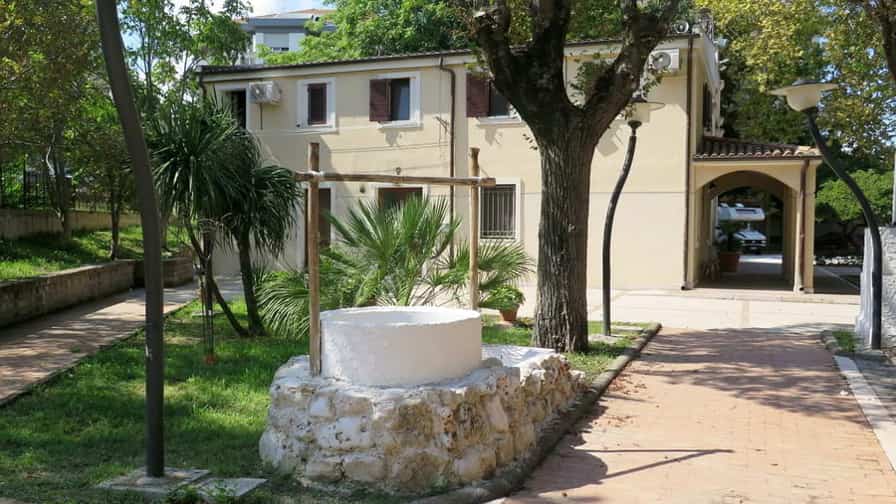
The Santuario Madonna delle Grazie in Termoli, Italy, is a small yet historically significant sanctuary dedicated to the Virgin Mary. Located just outside the old town, it holds a special place in the devotion of local residents, who have long turned to the Madonna delle Grazie for protection and blessings. The origins of the sanctuary date back to medieval times, though the current building reflects later restorations and additions. Its simple architecture conveys a sense of humility and peace, with a welcoming façade that invites pilgrims and visitors alike. Inside, the sanctuary preserves devotional artworks and religious symbols that highlight centuries of faith and tradition. It remains a focal point for local celebrations, particularly during Marian feasts, when the community gathers in processions and prayer. Today, the Santuario Madonna delle Grazie is not only a place of worship but also a cultural and spiritual landmark, reflecting Termoli’s enduring religious heritage.
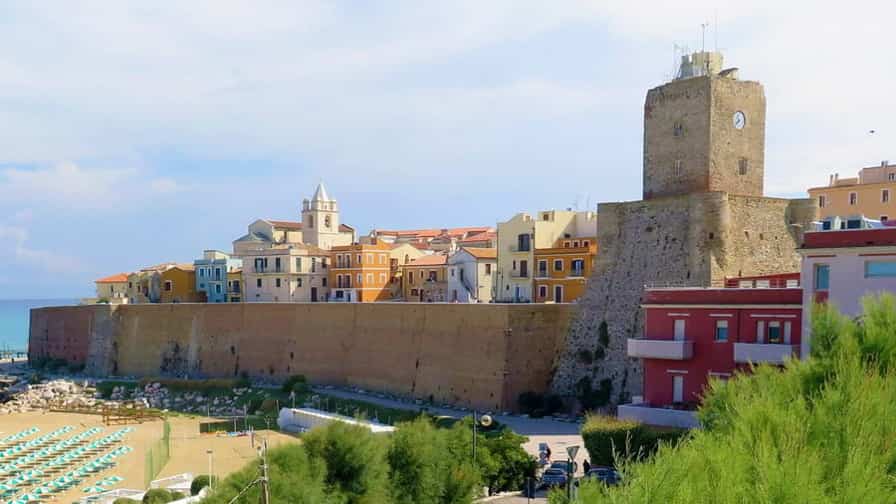
Piazza Sant’Antonio is one of the most charming and lively squares in Termoli, Italy, combining history, culture, and community life. Situated near the old town, it takes its name from the adjacent Church of Sant’Antonio, a Franciscan convent complex with roots in the 13th century. The square has long served as a gathering place for residents, offering a space for markets, festivals, and social events. Framed by historic buildings and shaded by trees, it provides a welcoming atmosphere where tradition and daily life meet. Visitors can enjoy the relaxed rhythm of southern Italy while admiring the views that stretch toward the Adriatic Sea. Beyond its religious and historical significance, Piazza Sant’Antonio remains a vibrant centre for civic life, often hosting concerts, cultural activities, and community celebrations. With its blend of history, spirituality, and local energy, it stands as a key landmark reflecting the identity and heritage of Termoli.
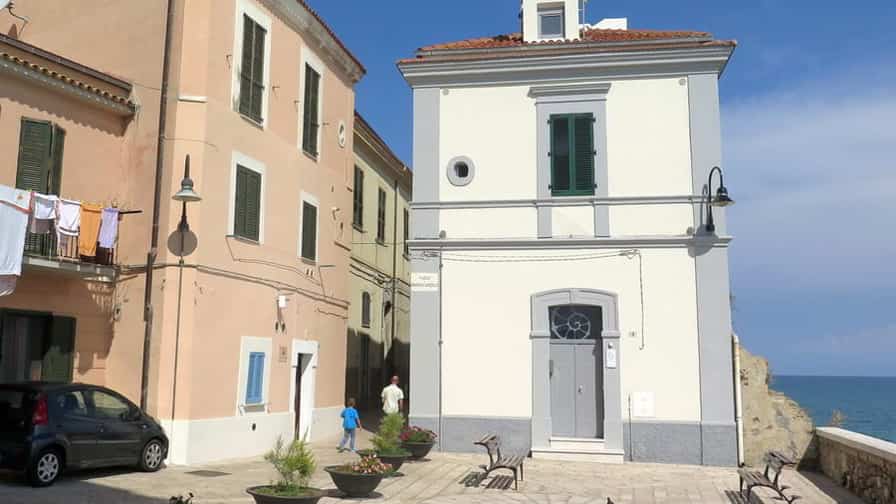
Piazza Bisceglie in Termoli, Italy, is a central square that reflects the town’s blend of tradition, modern life, and community spirit. Named after Termoli’s twin town of Bisceglie in Puglia, the square symbolizes the cultural ties and friendships between the two coastal cities. Located in a lively area not far from the historic centre, Piazza Bisceglie is a hub for daily life, where locals gather, children play, and events often take place. The square is surrounded by shops, cafés, and services, making it both a practical and social meeting point. Modern in layout compared to Termoli’s older piazzas, it provides open space for relaxation, encounters, and community activities. Throughout the year, the square is animated by local celebrations, concerts, and markets, reflecting Termoli’s vibrant identity. Piazza Bisceglie thus serves not only as a public space but also as a living symbol of connection, friendship, and contemporary urban life in Termoli.
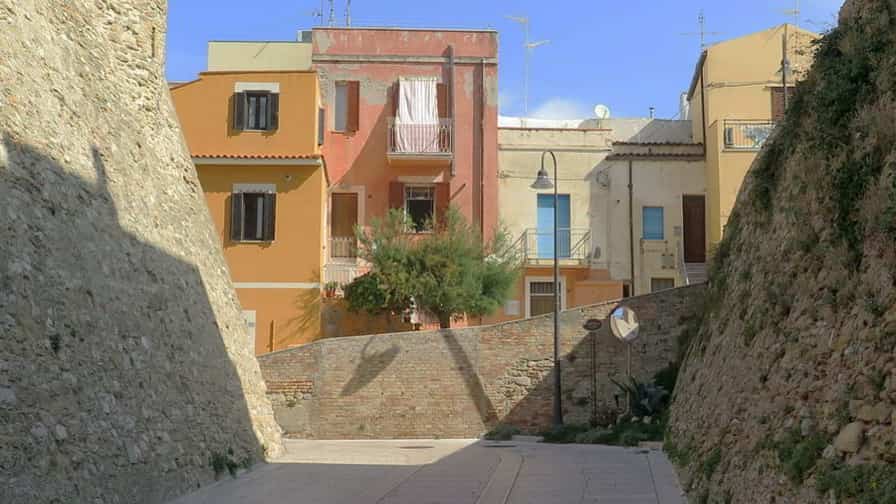
Largo Piè di Castello is a picturesque square located at the foot of Termoli’s historic Swabian Castle, one of the town’s most iconic landmarks. Its name, meaning “at the foot of the castle,” reflects its unique position as a gateway between the medieval fortress and the old town. The square opens up to breathtaking views of the Adriatic Sea, making it a favorite spot for both locals and visitors to pause, admire the scenery, and enjoy the atmosphere. With its stone-paved setting and proximity to ancient walls, Largo Piè di Castello preserves the charm of Termoli’s medieval past while remaining a lively meeting point. Cultural events, small gatherings, and leisurely strolls often animate the square, highlighting its role as both a historic and social space. Today, Largo Piè di Castello stands as a symbol of Termoli’s heritage, linking history, architecture, and natural beauty in one evocative location.
Photo Gallery of Walk 1 – Via America to Piazza Sant’Antonio
Approximately 1.60 km – 0.99 miles
Description of Walk 1
Termoli is a picturesque coastal town in the Molise region of southern Italy, overlooking the Adriatic Sea. Known for its historic old town, sandy beaches, and fishing traditions, it combines maritime character with a rich cultural heritage. The town’s narrow streets, historic churches, and lively public spaces make it an attractive destination for visitors exploring the Adriatic coast. This walk begins on Via Madonna delle Grazie at the Santuario Madonna delle Grazie, an important religious landmark for the local community. The route continues along Via Molise, Viale Trieste, and Via Abruzzi before reaching Corso Nazionale, one of Termoli’s main commercial streets. From there, the walk follows Corso Umberto I and Via XX Settembre through the town centre, passing shops, cafés, and everyday urban life. The route concludes at Piazza Sant’Antonio, a welcoming public square that reflects the town’s historic and social character.
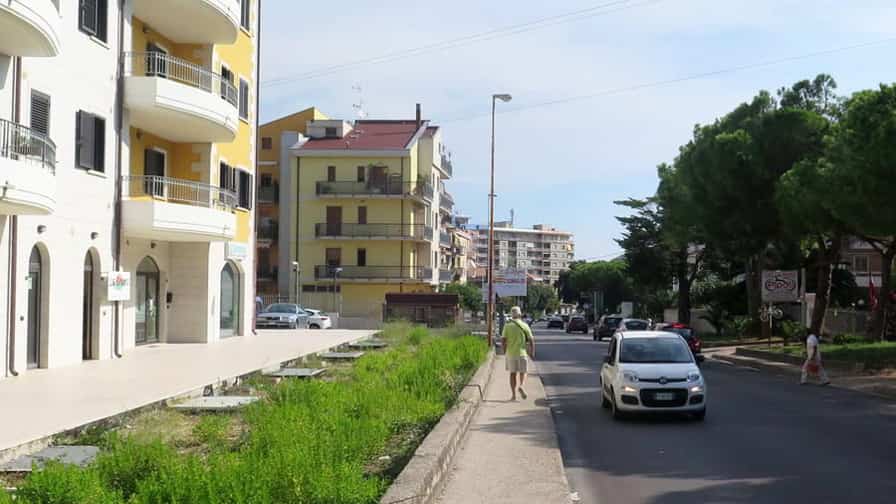
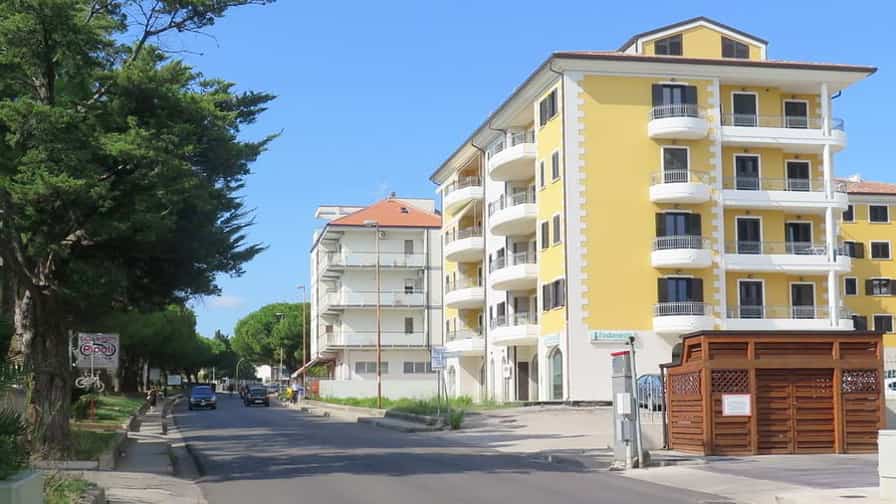
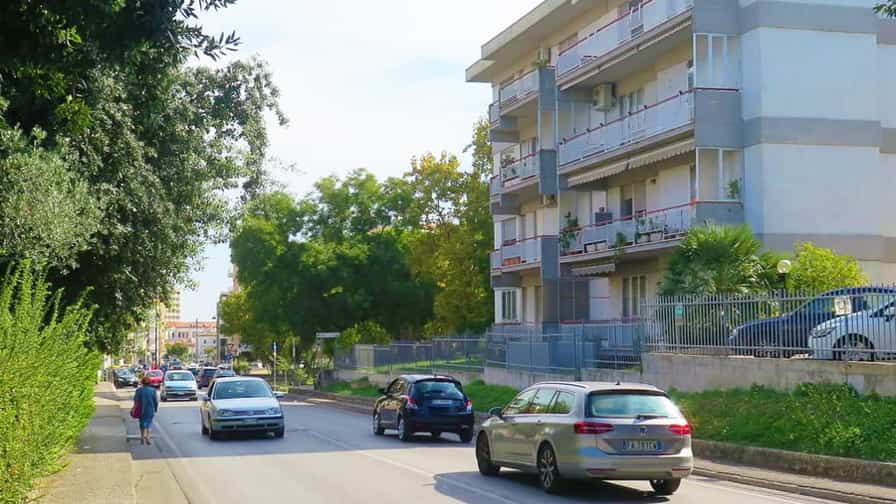
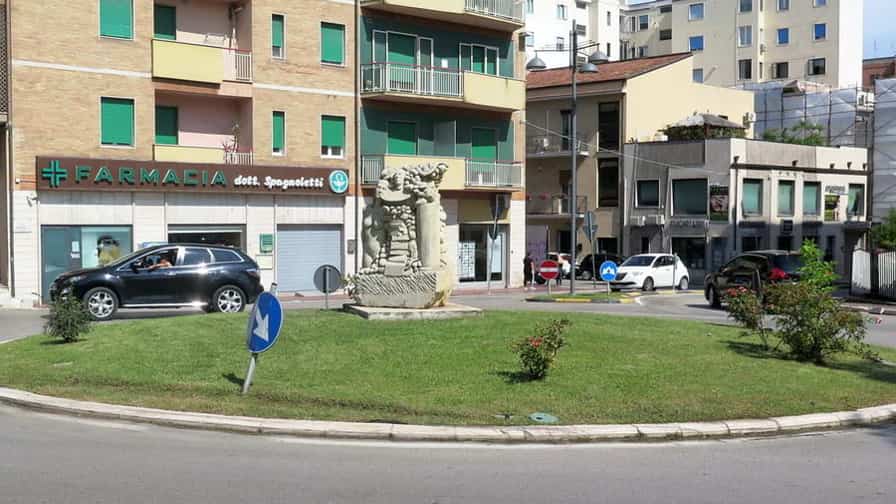
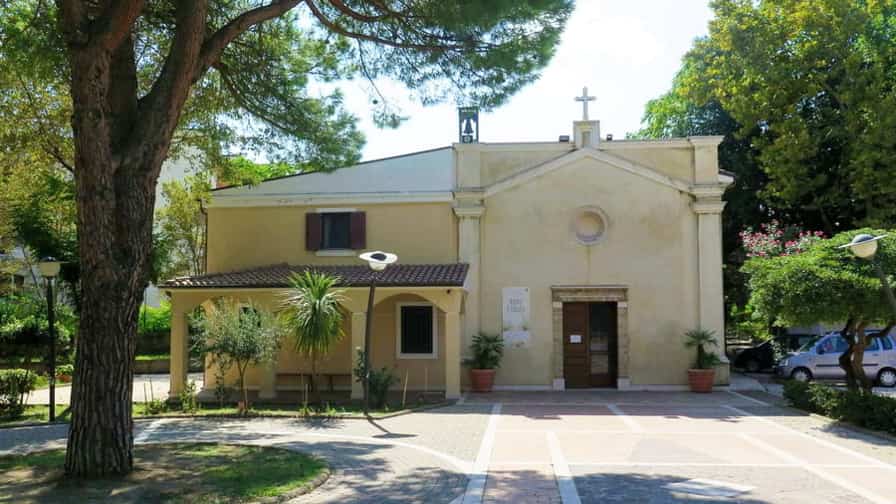
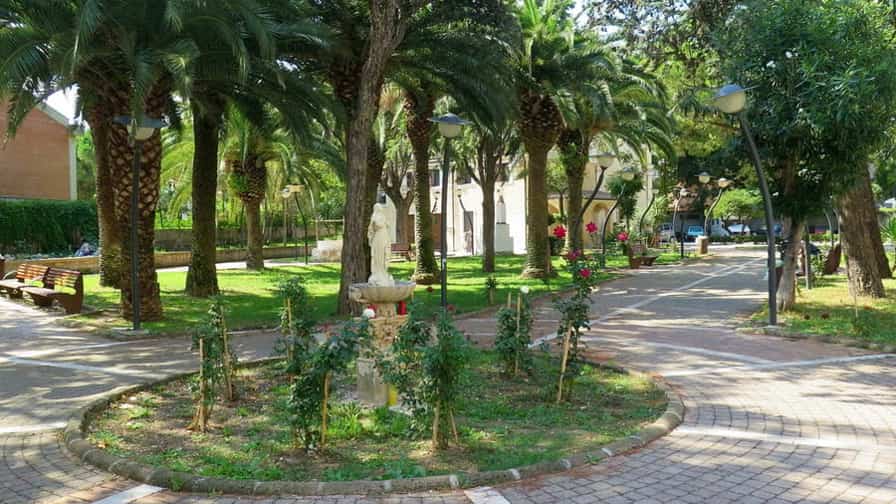
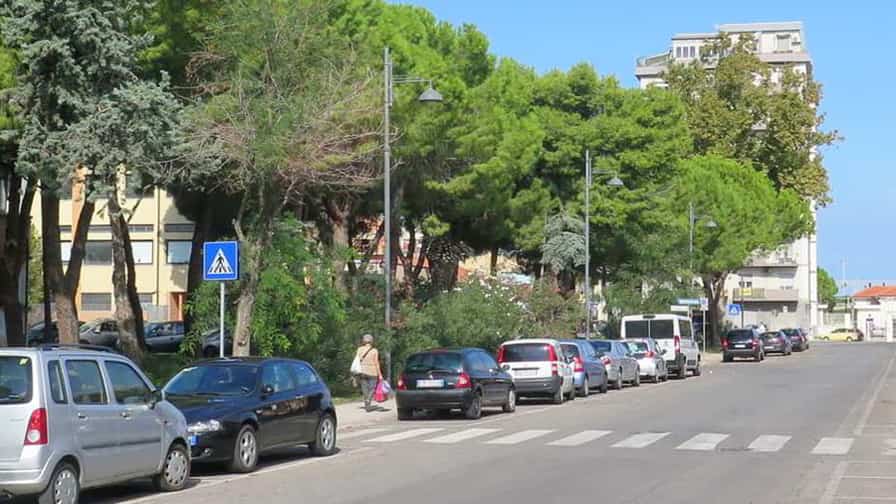
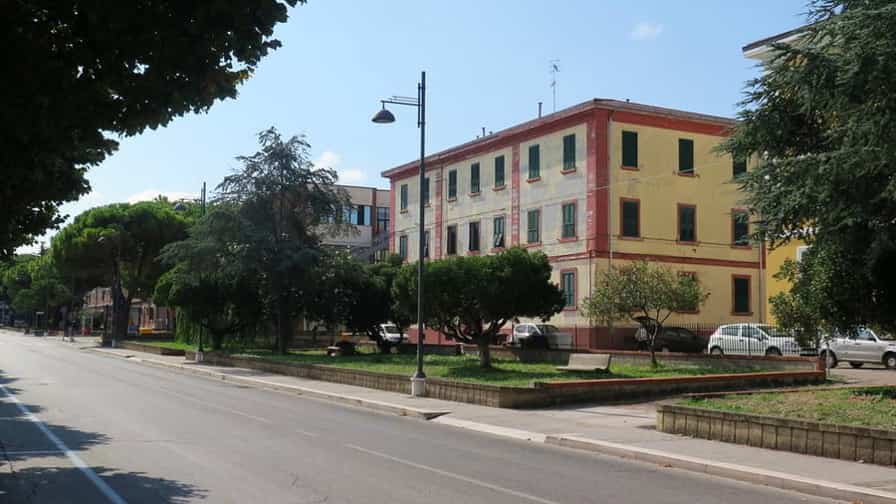
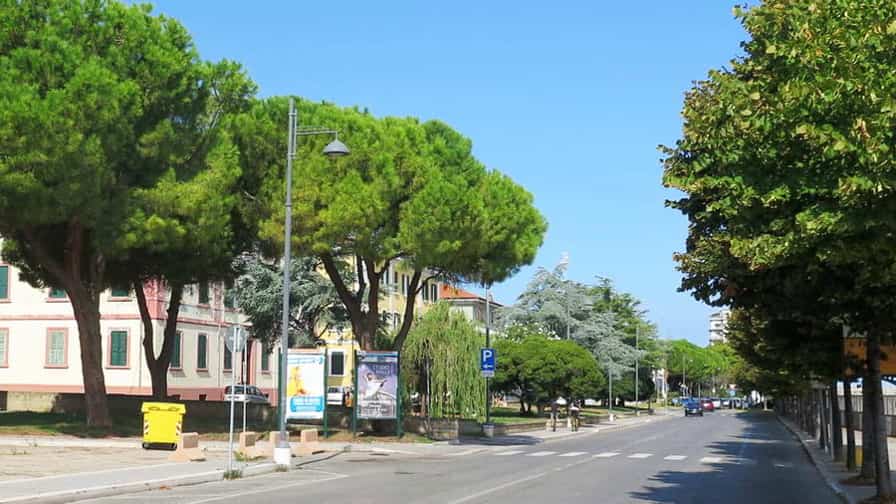
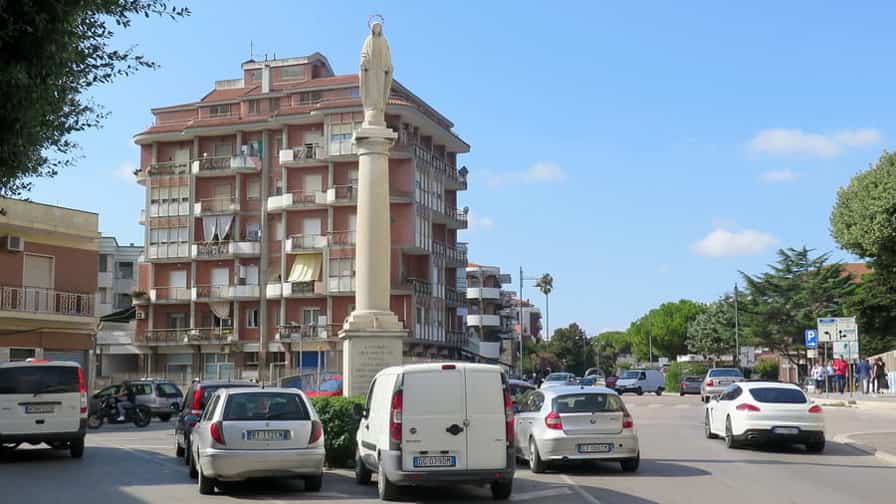

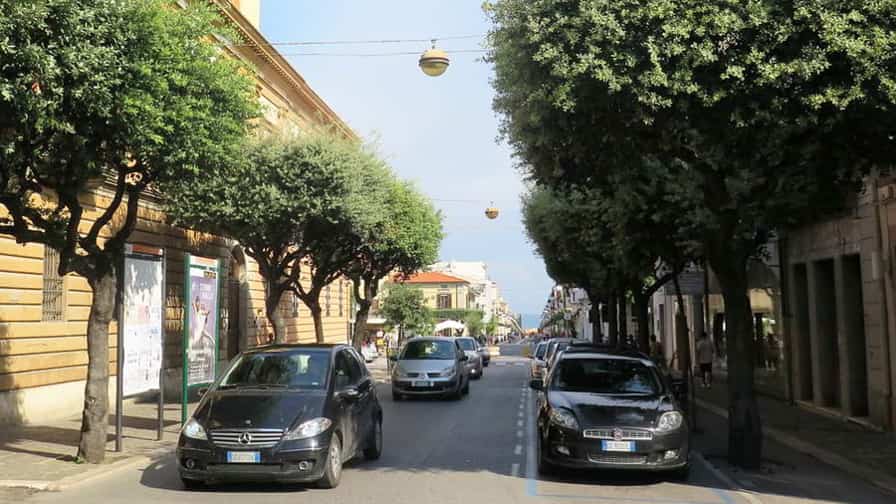
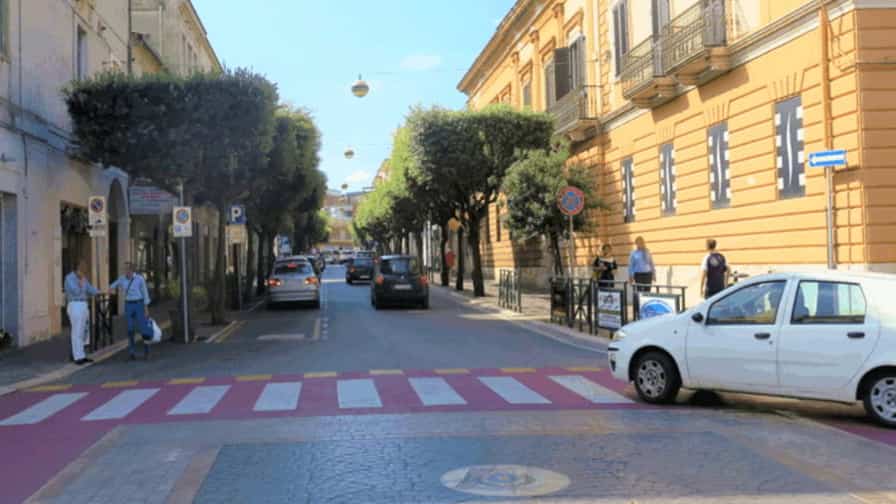
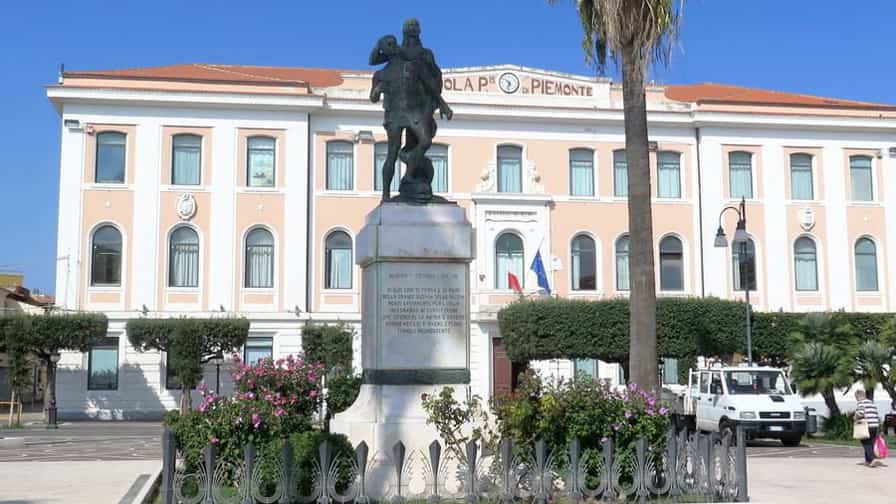
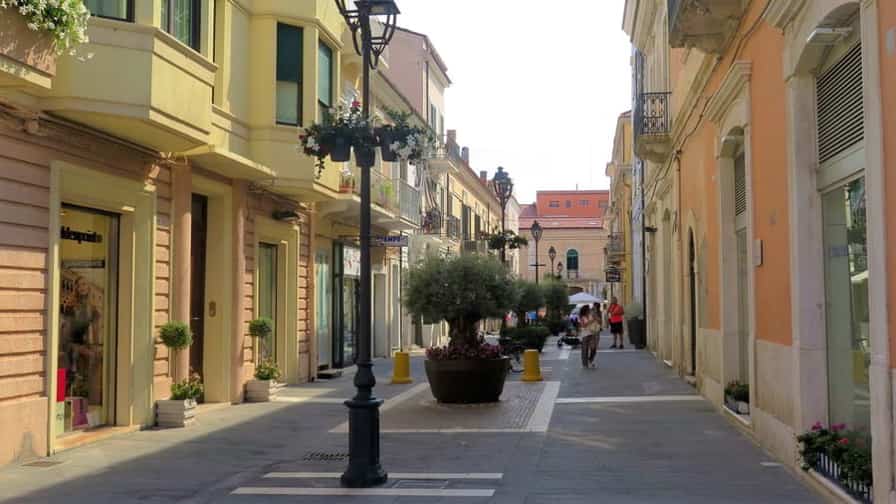
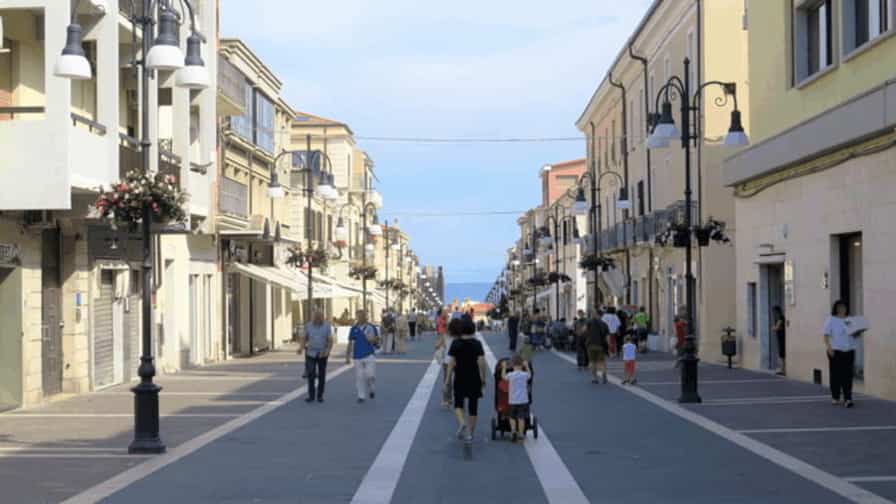
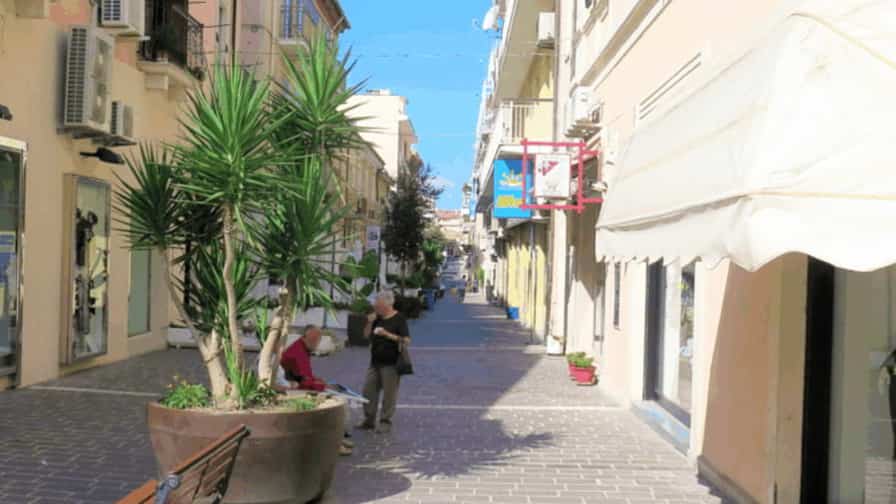
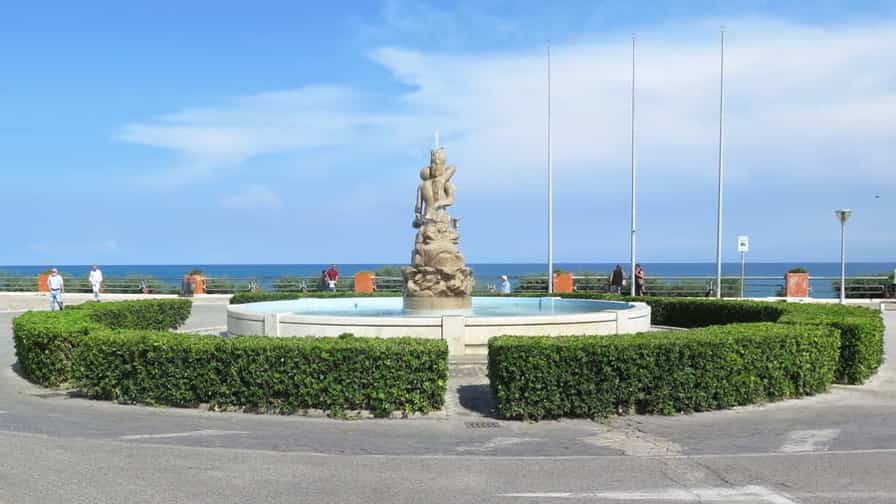
Photo Gallery of Walk 2 – Piazza Sant’Antonio to Largo Piè di Castello
Approximately 0.81 km – 0.50 miles
Description of Walk 2
Termoli is a historic coastal town in the Molise region of southern Italy, situated on a promontory overlooking the Adriatic Sea. The town is particularly known for its well-preserved medieval old town, enclosed by ancient walls and characterised by narrow lanes, historic churches, and panoramic sea views. This historic quarter reflects centuries of maritime, religious, and cultural influence and remains one of the most distinctive areas of the Adriatic coast. This walk begins in Piazza Sant’Antonio and follows Via Roma towards Largo Piè di Castello, the gateway to the medieval centre. The route continues along Via Federico II di Svevia and through Vicolo VI Duomo to Via Duomo, the heart of the old town. Passing Via Vescovo Pitirro and Piazza Bisceglie, the walk explores some of the most historic streets and squares within the fortified district. It then follows Via San Pietro and returns to Via Duomo before continuing along Via Pustierla and Via Federico II di Svevia. The route concludes at Largo Piè di Castello, offering an enjoyable introduction to Termoli’s rich history, architecture, and coastal atmosphere.



COPYRIGHT © 2018-2026 ITALY IN PHOTOS - ALL RIGHTS RESERVED