
HOME
REGIONS OF ITALY
PLACES IN ITALY
PLAN YOUR TRIP
Italy in Photos
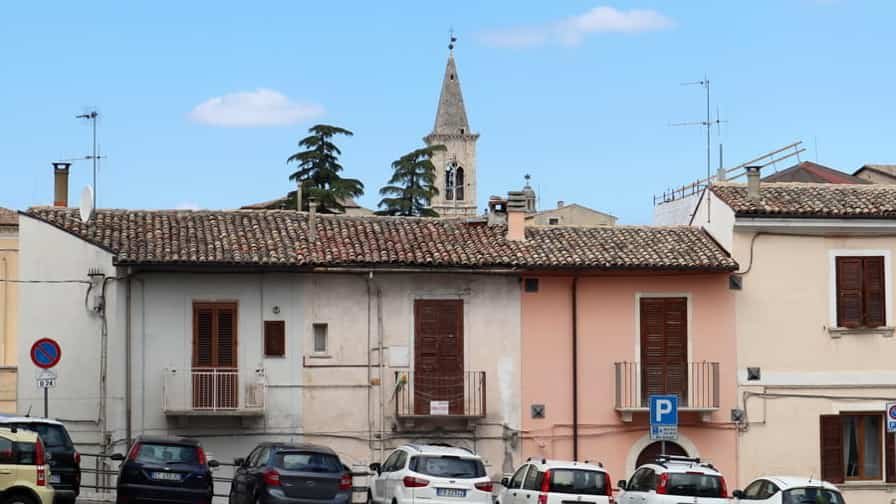
Ponte Capograssi, 67039 Sulmona, Italy (September 2019)
Sulmona
Delayed or cancelled flight?
Get up to £520!
You’ve got rights when your flight’s disrupted.
We enforce them and handle everything so you get paid
Sulmona is a historic town in the Abruzzo region of central Italy, set in a broad valley surrounded by the dramatic peaks of the Apennine Mountains. Known for its ancient roots, architectural richness, and enduring traditions, Sulmona offers a perspective on Italy that feels both authentic and quietly powerful. Far from the country’s busiest tourist routes, it is a place where history, landscape, and community remain closely intertwined.
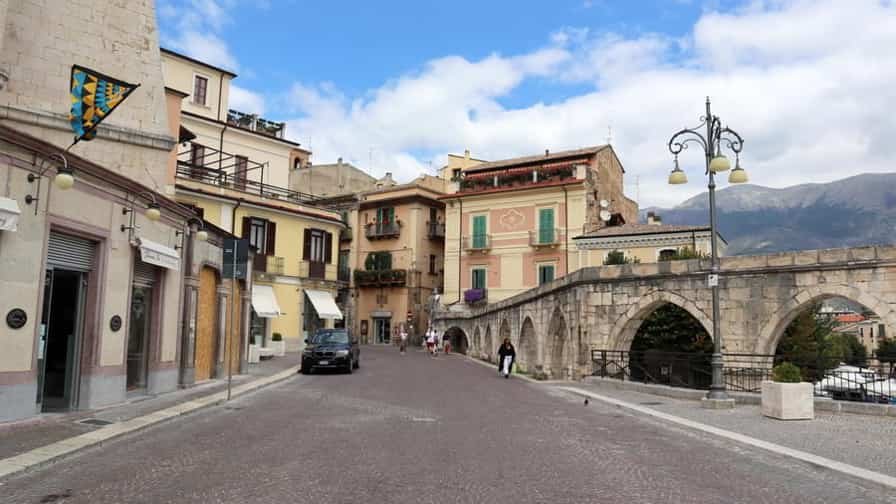
The town’s origins stretch back to antiquity, long before Roman dominance, and Sulmona later flourished as an important Roman settlement along key trade routes. This layered past is still visible in the town’s streets and monuments. At its centre lies Piazza Garibaldi, one of Italy’s largest historic squares, where markets and public life have unfolded for centuries. Nearby, the medieval aqueduct of the 13th century runs in elegant arches along Corso Ovidio, a striking reminder of the town’s engineering and civic pride.
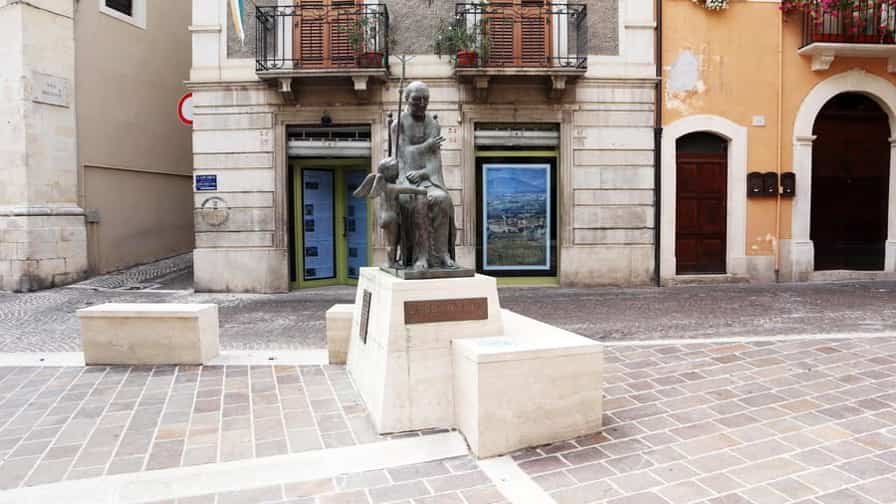
Sulmona is perhaps best known as the birthplace of the Roman poet Ovid, whose literary legacy continues to shape the town’s cultural identity. References to his work appear throughout the historic centre, and his presence is celebrated through statues, inscriptions, and festivals. This literary heritage adds a reflective dimension to Sulmona, connecting its physical beauty with a long tradition of intellectual life.
Walking through Sulmona reveals a town shaped by both medieval and Renaissance influences. Stone palaces, ornate church façades, and quiet courtyards create a sense of elegance without excess. The Cathedral of San Panfilo, with its Romanesque origins and later embellishments, stands as a symbol of continuity, while smaller churches and noble residences speak to periods of prosperity and change. Despite its historical depth, Sulmona feels lived-in rather than preserved, with everyday life unfolding naturally among centuries-old buildings.
One of Sulmona’s most distinctive traditions is the production of confetti, sugar-coated almonds artfully arranged into colourful bouquets and designs. More than a confection, confetti are symbols of celebration, used for weddings, births, and festivals across Italy. In Sulmona, they are crafted by hand in family-run shops that line the main streets, turning a simple ingredient into an expression of local creativity and identity.
The surrounding landscape plays a vital role in shaping life in Sulmona. The town is framed by national parks and high plateaus, offering access to hiking, wildlife, and sweeping views that change with the seasons. Winters can be cold and snowy, while summers bring clear skies and fresh mountain air, reinforcing a close relationship between residents and their environment.
Sulmona’s cuisine reflects the heartiness of Abruzzo, drawing on mountain traditions and local agriculture. Dishes often feature lamb, legumes, handmade pasta, and robust flavours, paired with regional wines. Meals are rooted in family and tradition, emphasizing warmth and simplicity over formality. Sulmona is a town of substance rather than spectacle. Its appeal lies in the balance between cultural depth and everyday authenticity, between a rich past and a steady present. For visitors, Sulmona offers an invitation to discover an Italy that is thoughtful, resilient, and deeply connected to its land.
Worth a Visit

Casa Santa della SS. Annunziata, located on Corso Ovidio in Sulmona, Italy, is one of the city’s most important historical and architectural landmarks. Built between the 14th and 18th centuries, it reflects a harmonious blend of Gothic and Renaissance styles, showcasing the artistic and cultural vitality of Sulmona during the medieval and early modern periods. Originally founded as a charitable institution to provide assistance to the poor, orphans, and pilgrims, the Casa Santa embodied both civic pride and religious devotion. Its elegant façade, adorned with delicate stonework and arched windows, stands as a striking feature along Sulmona’s main street. Inside, visitors can appreciate refined architectural details and a sense of the building’s long history of service to the community. Today, Casa Santa della SS. Annunziata is not only a monument to Sulmona’s past but also a vibrant symbol of its enduring cultural and social heritage.
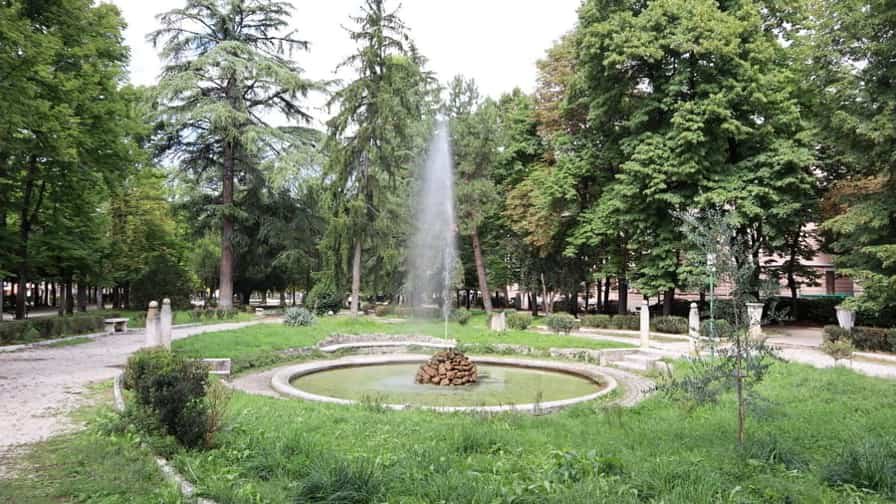
The Giardini della Villa Comunale, located along Viale Roosevelt in Sulmona, Italy, is a peaceful green oasis at the heart of the city. Designed in the 19th century, the gardens provide a welcoming space for relaxation, walks, and social gatherings, surrounded by the scenic backdrop of the Abruzzo mountains. Shaded avenues, elegant fountains, and carefully arranged flowerbeds create a harmonious balance between nature and urban life. The Villa Comunale has long been a favourite meeting point for locals and visitors alike, offering a quiet retreat just steps away from Sulmona’s historic centre. Within its grounds, cultural events, concerts, and public celebrations often take place, making it both a recreational and social hub. The gardens also lead toward the city’s majestic aqueduct arches, connecting history and natural beauty in one setting. With its serene atmosphere, the Giardini della Villa Comunale captures the charm and hospitality of Sulmona.
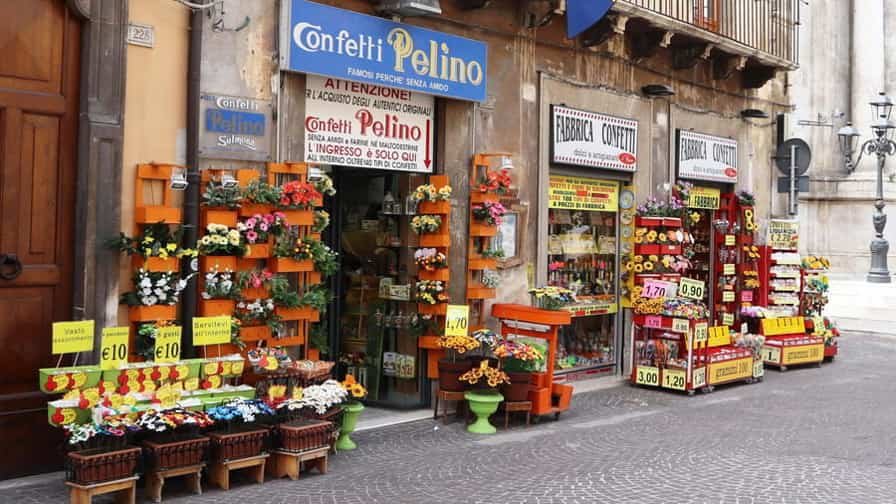
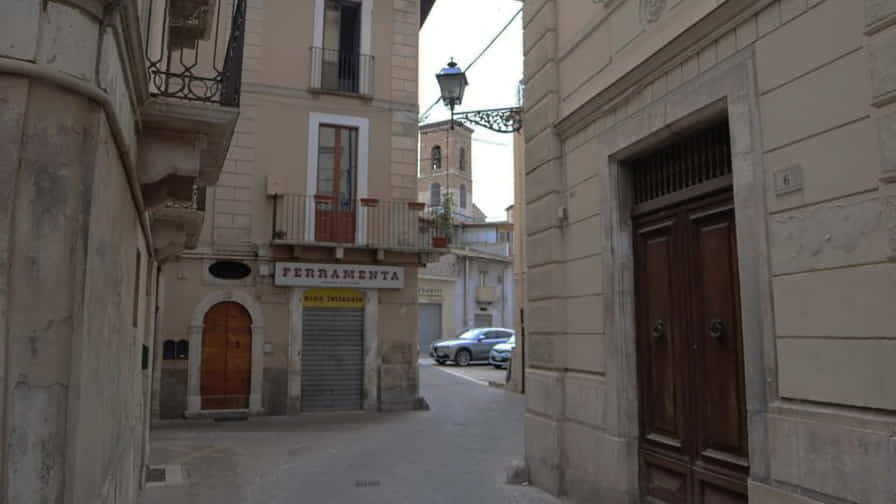
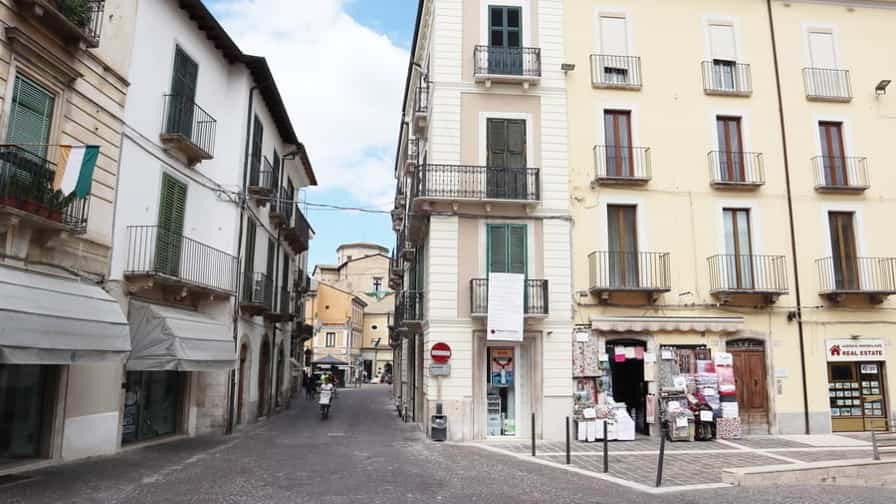
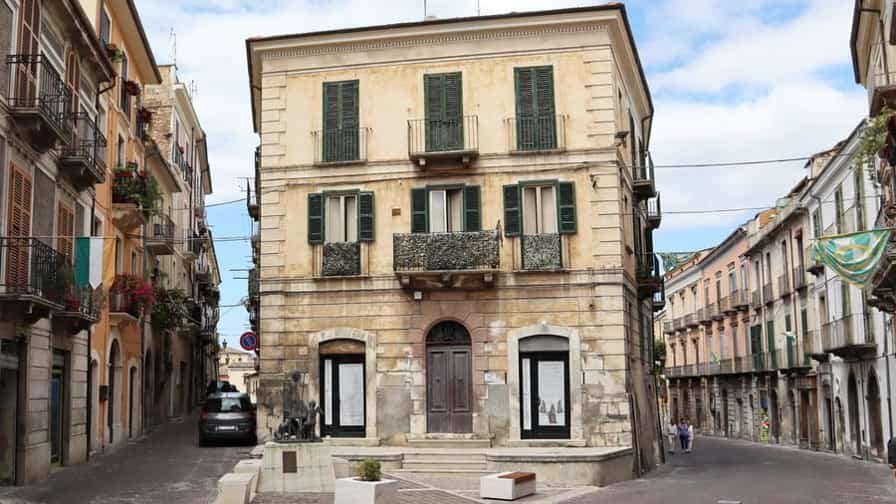
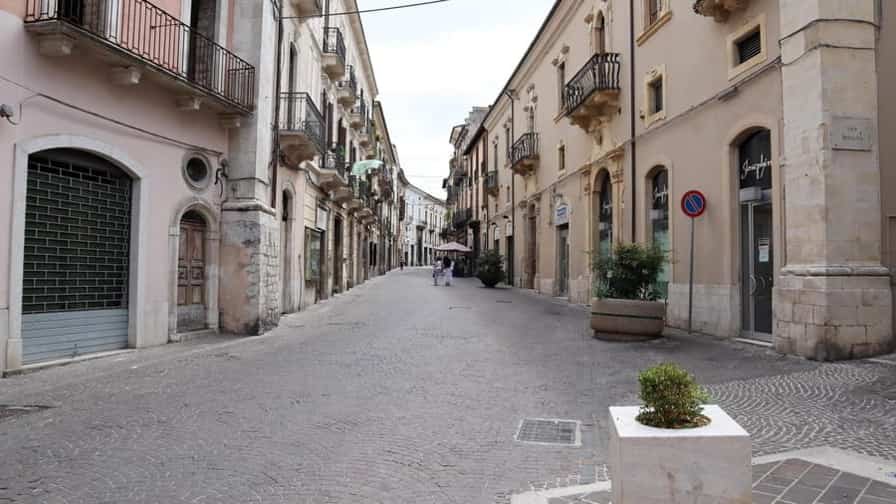
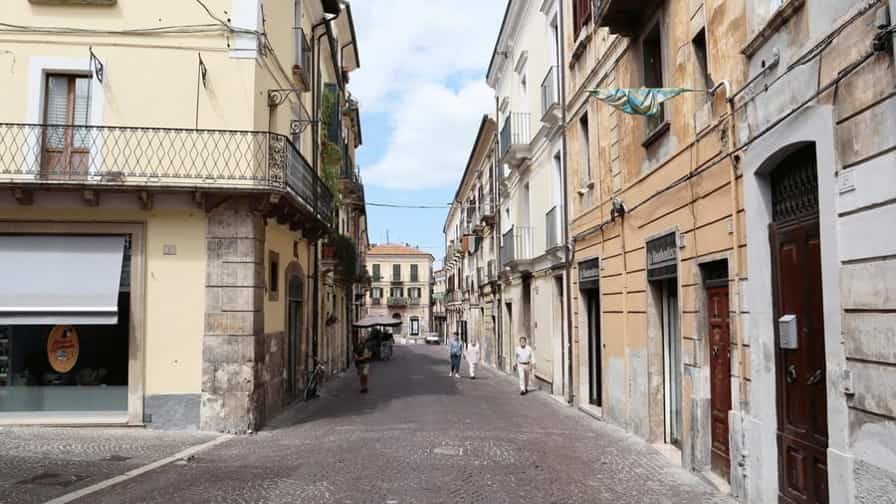
Corso Ovidio is the main street and beating heart of Sulmona, Italy, stretching through the historic centre and connecting many of the city’s most significant landmarks. Named after the famous Latin poet Ovid, who was born in Sulmona, the street reflects both the cultural heritage and vibrant daily life of the town. Lined with elegant palaces, churches, and traditional shops, Corso Ovidio offers visitors a unique blend of history, architecture, and local charm. It is also the location of the renowned Piazza Garibaldi, where festivals, markets, and the traditional Easter celebrations bring the city to life. Walking along Corso Ovidio, one can admire medieval and Renaissance façades, browse artisan boutiques, and enjoy the welcoming atmosphere of cafés and restaurants. As both a social hub and a cultural showcase, Corso Ovidio captures the essence of Sulmona, making it a must-see for those exploring the beauty of Abruzzo.
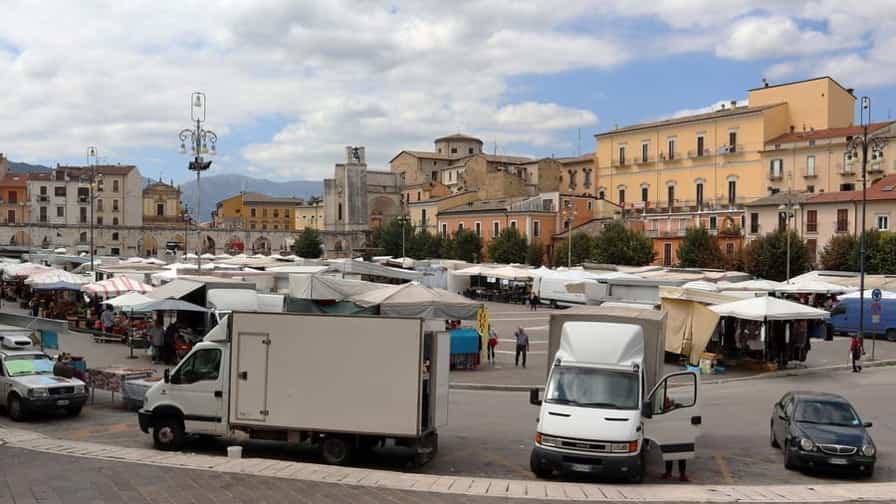
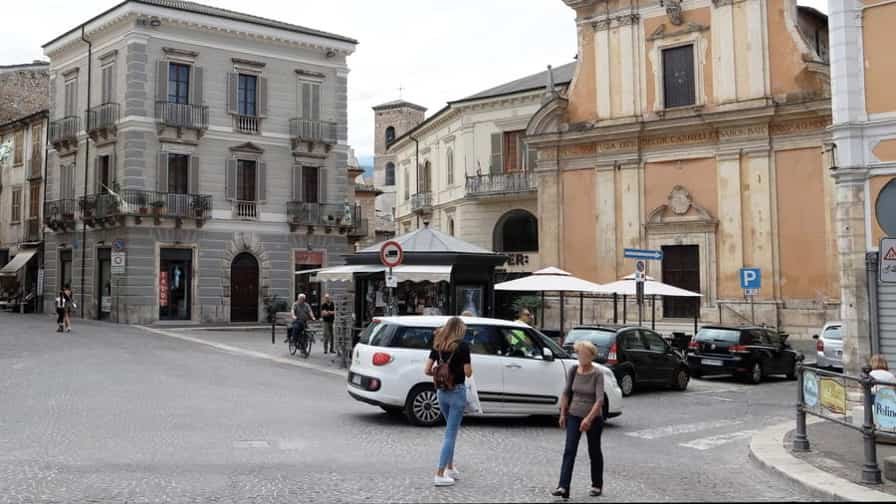
Piazza Giuseppe Garibaldi is the largest and most iconic square in Sulmona, Italy, and a vibrant gathering place that reflects the city’s history and traditions. Surrounded by arcades, historic palaces, and charming cafés, the square opens dramatically toward the backdrop of the Morrone mountains, offering one of the most scenic views in Abruzzo. At its centre stands a graceful fountain, adding to the lively yet elegant atmosphere. Piazza Garibaldi is not only the heart of everyday social life but also the stage for Sulmona’s most important events, including the famous Easter celebration of *La Madonna che Scappa in Piazza*, a centuries-old tradition that draws large crowds each year. Weekly markets, concerts, and festivals also fill the square, making it a hub of cultural and communal activity. Whether for a quiet stroll, a coffee, or a grand celebration, Piazza Giuseppe Garibaldi is the true soul of Sulmona.
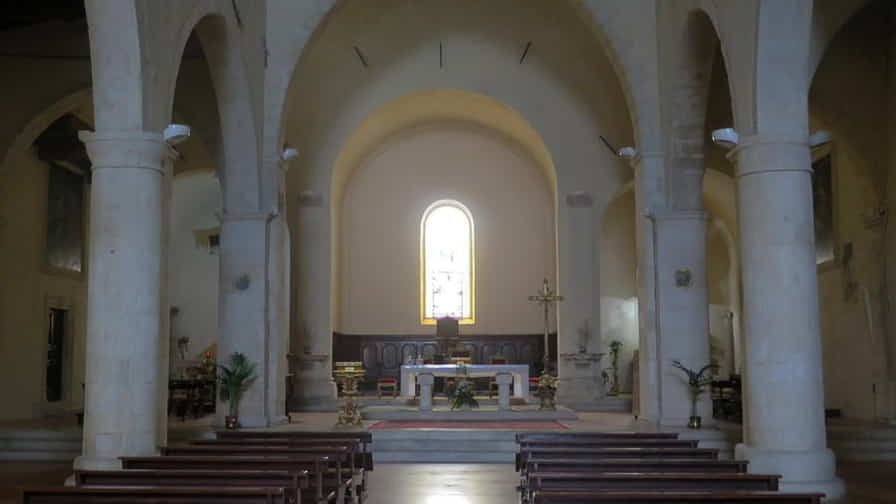
San Filippo Neri, located on Via Margherita in Sulmona, Italy, is a beautiful example of Baroque religious architecture and a testament to the city’s rich spiritual heritage. Built in the 17th century and dedicated to Saint Philip Neri, the church was conceived as a place of devotion and community for the Oratorian Fathers. Its elegant façade, with harmonious proportions and decorative details, reflects the artistic tastes of the Baroque period, while the interior offers an atmosphere of solemnity and grace. Inside, visitors can admire fine stuccoes, altars, and paintings that highlight the craftsmanship of local artists and the deep faith of the community. Though less well-known than Sulmona’s larger churches, San Filippo Neri holds an intimate charm and historic significance, embodying the values of prayer, charity, and cultural expression. Today it stands as both a place of worship and a quiet treasure within Sulmona’s historic centre.
Photo Gallery of Walk 1 – Via Papa Giovanni XXIII to Viale Roosevelt
Approximately 1.12 km – 0.70 miles
Description of Walk 1
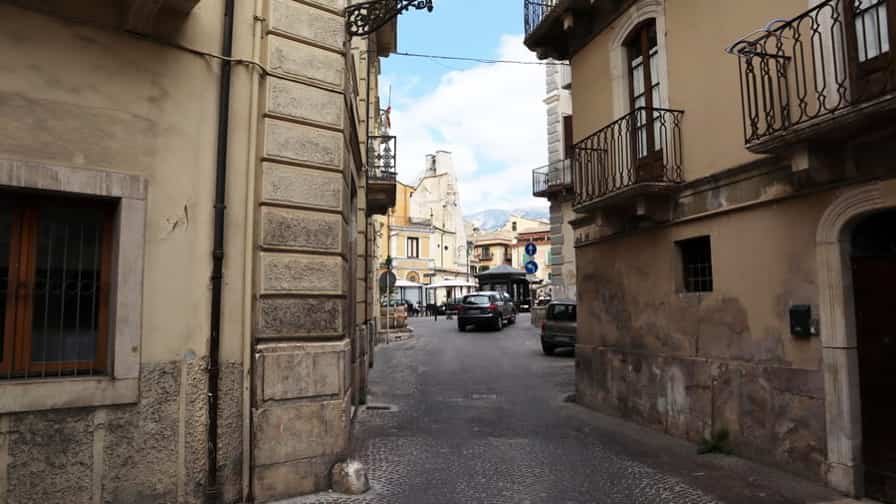
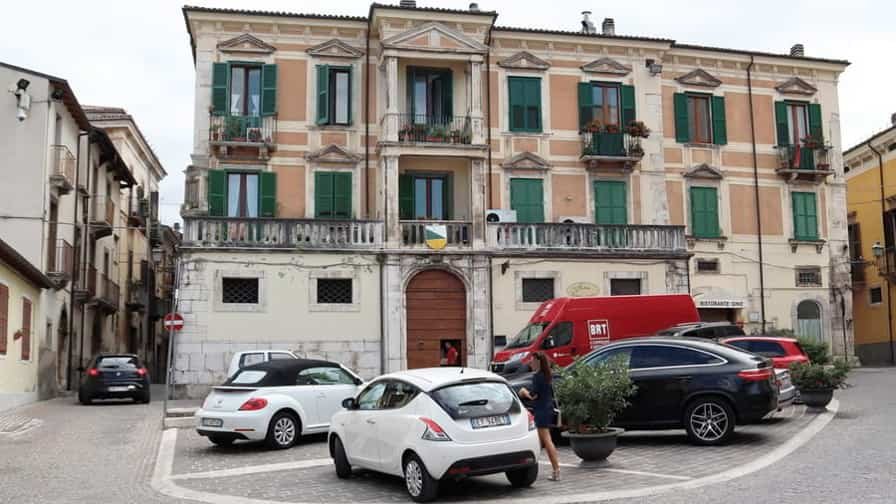
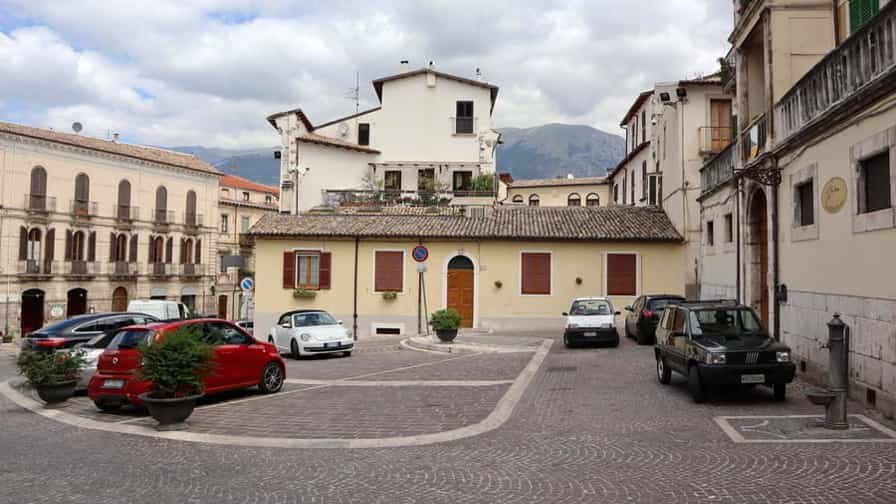
Sulmona is a historic town in the Abruzzo region of central Italy, set within the Peligna Valley and surrounded by the Apennine Mountains. Known as the birthplace of the Roman poet Ovid, the town is celebrated for its elegant medieval and Renaissance architecture, lively piazzas, and the traditional production of confetti, the colourful sugar-coated almonds that have become one of Sulmona’s most famous products. Its streets reflect centuries of history, blending religious landmarks, noble palaces, and attractive public spaces that make the town a rewarding destination for visitors on foot. This walk begins along Via Papa Giovanni XXIII and continues through Via Suor Pier Bafile before returning to Via Papa Giovanni XXIII. The route then reaches Piazza Giuseppe Capograssi and crosses Ponte Capograssi, offering a connection between different parts of the town. It proceeds along Via Giovanni Pansa and Via Giuseppe Andrea Angeloni before joining Via Antonio de Nino and the historic Corso Ovidio, Sulmona’s principal thoroughfare. Passing the Casa Santa della SS. Annunziata and Piazza Santissima Annunziata, the walk explores one of the town’s most significant cultural and architectural areas. The route continues via Via Ercole Ciofano and returns to Corso Ovidio before reaching the Monumento ai Caduti in Piazza Carlo Tresca. It concludes in the pleasant Giardini della Villa Comunale along Viale Roosevelt, a green and peaceful setting ideal for ending the walk.
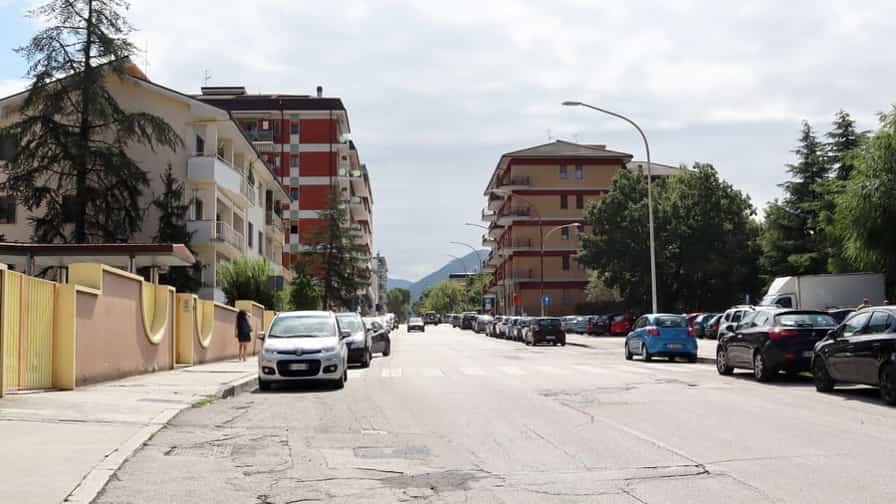
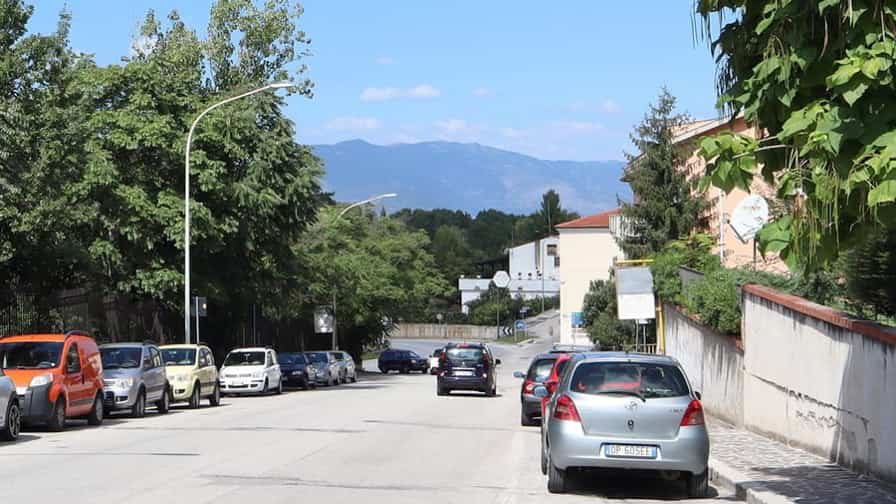
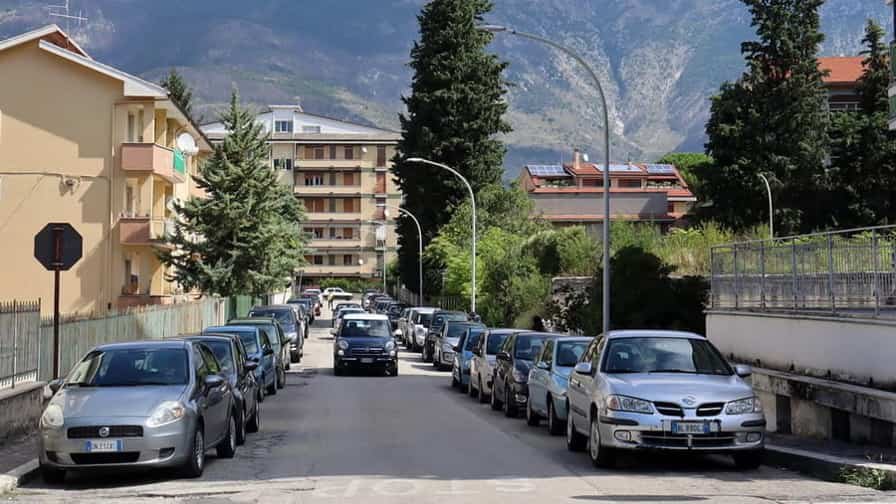
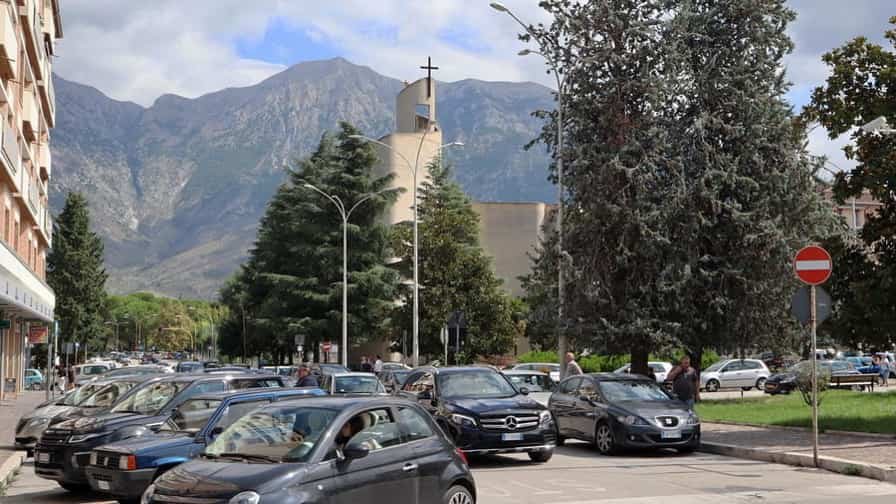
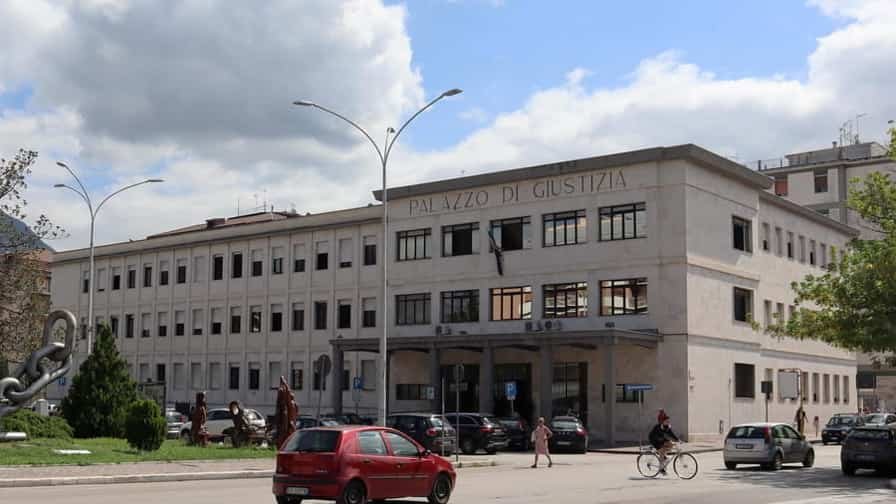
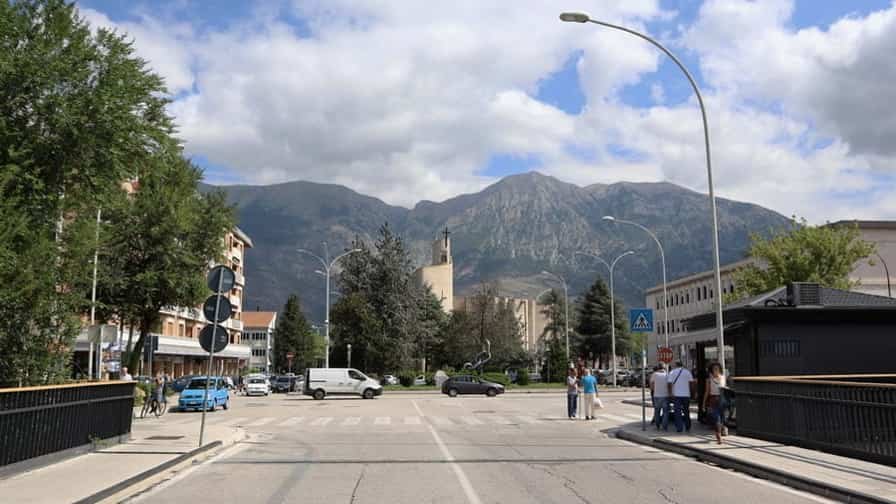
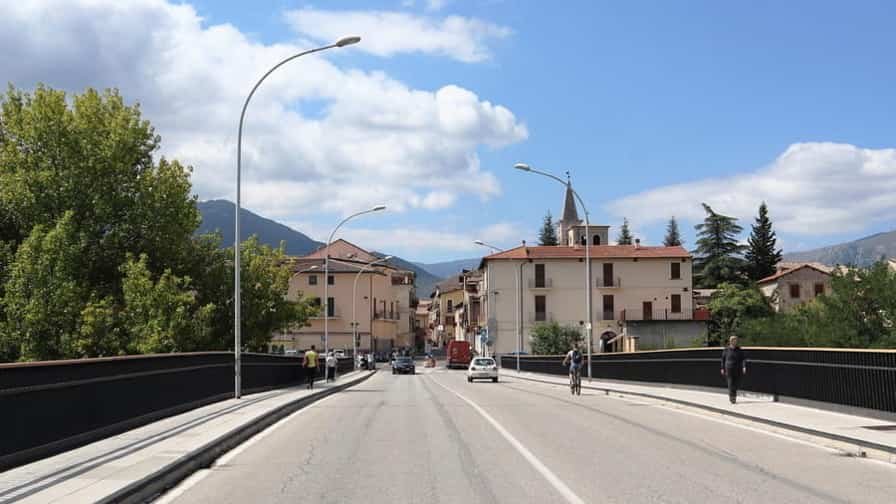
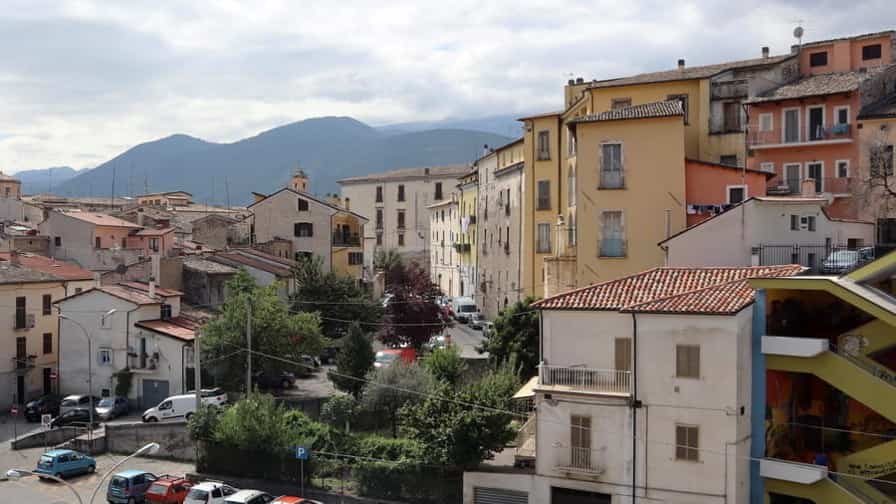
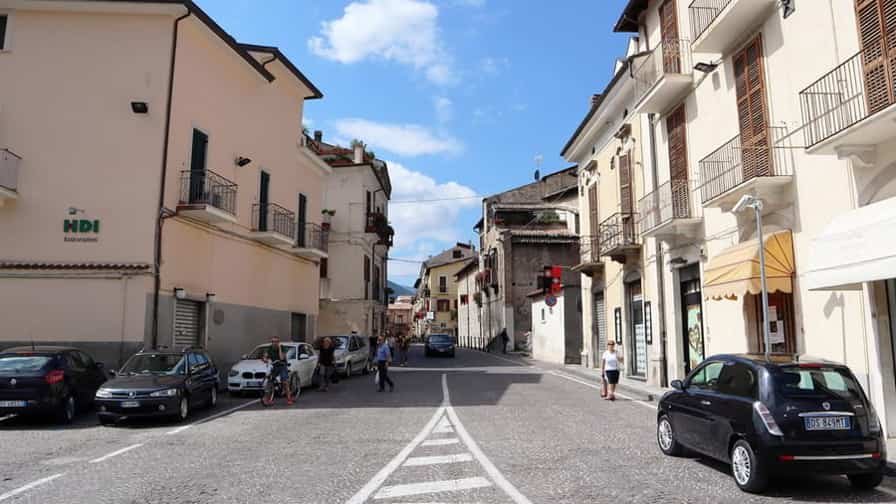
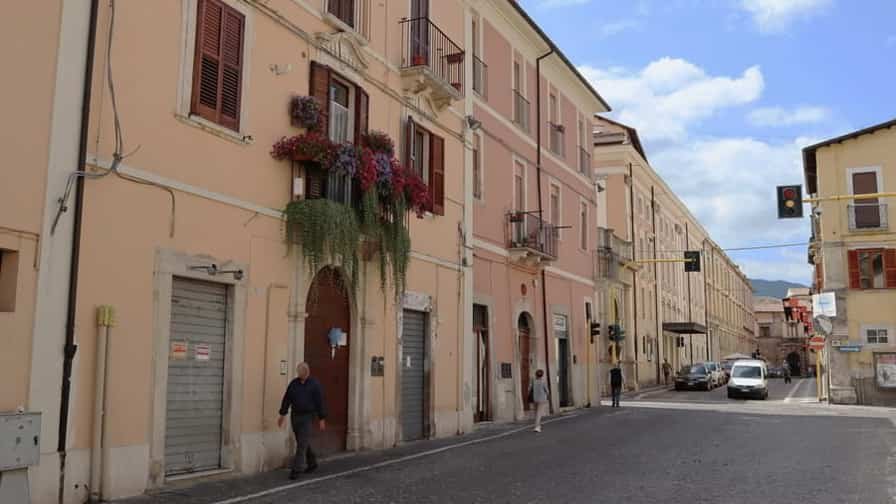
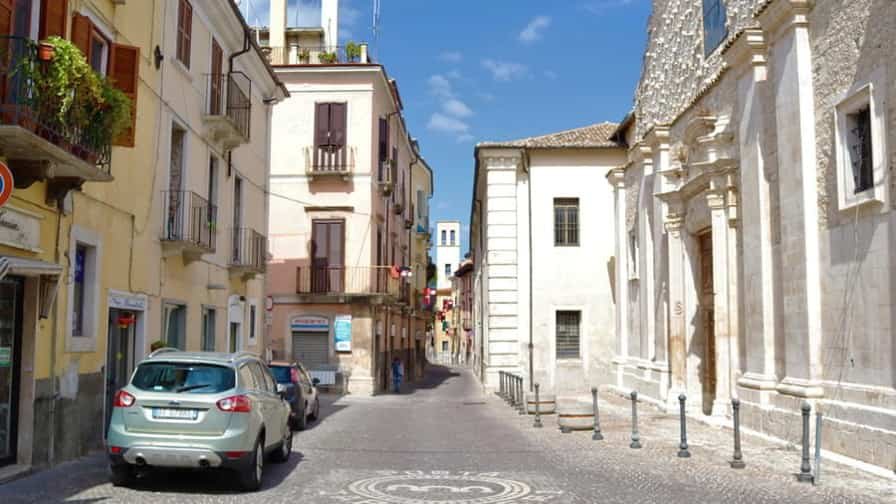
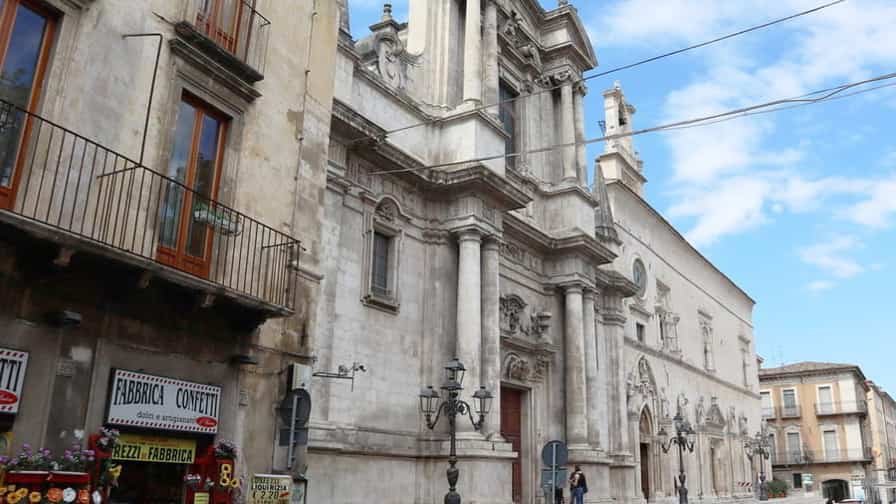
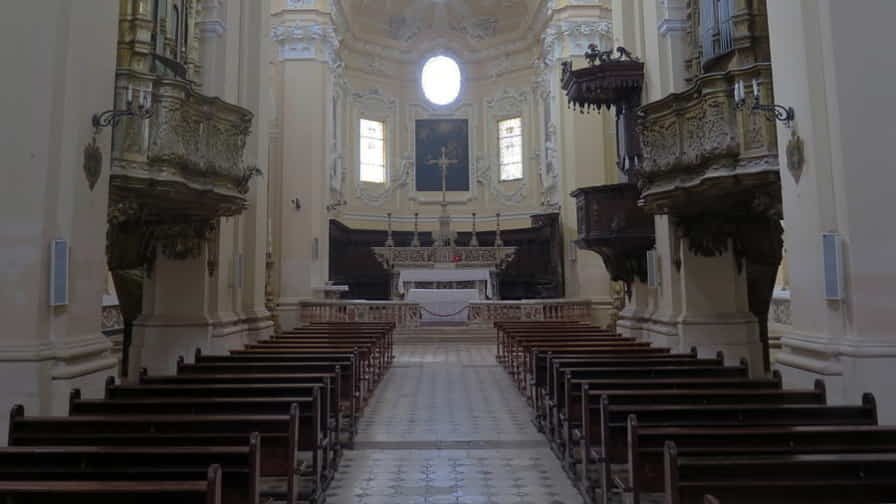
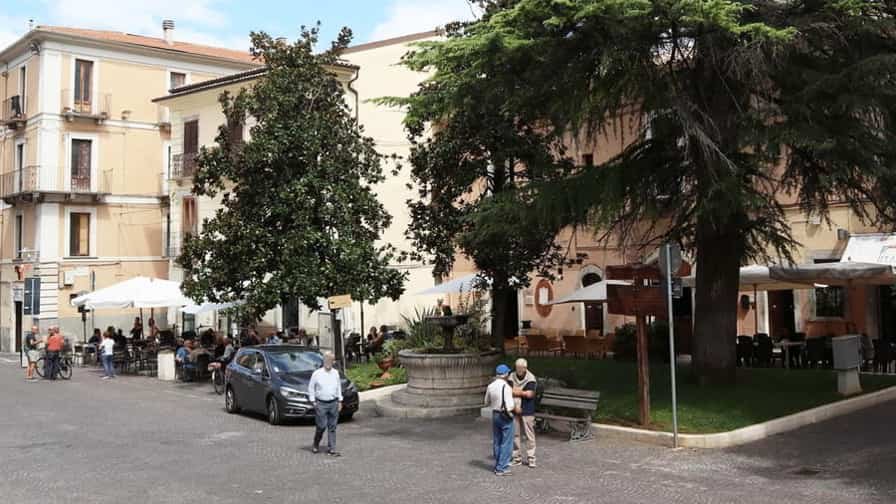
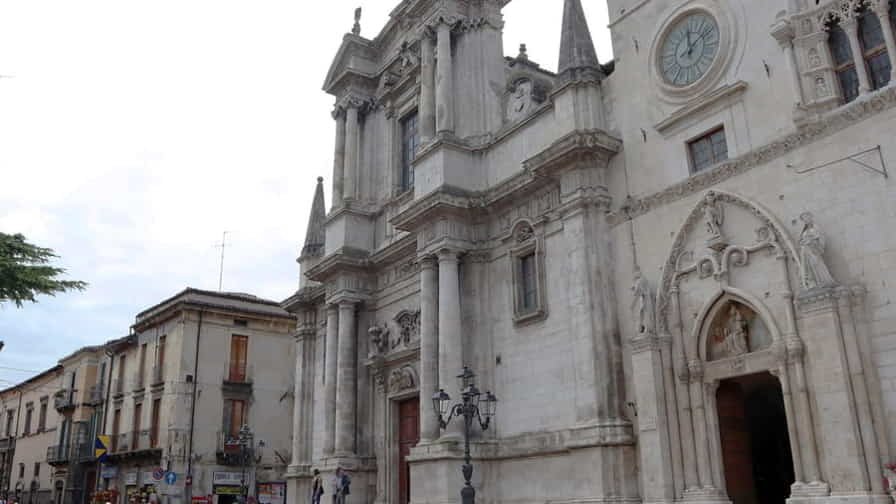
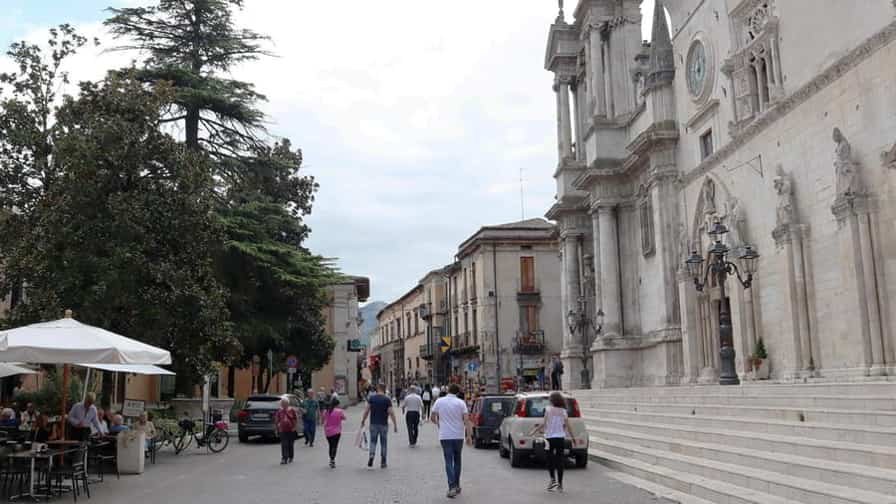
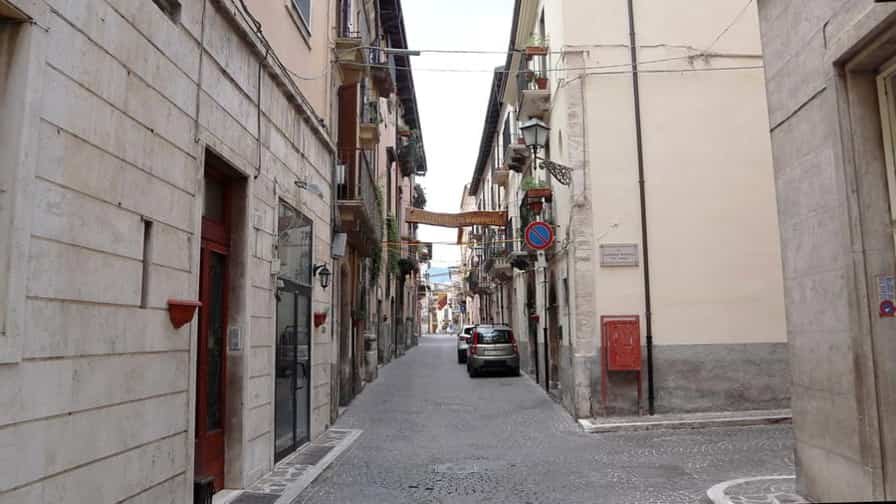
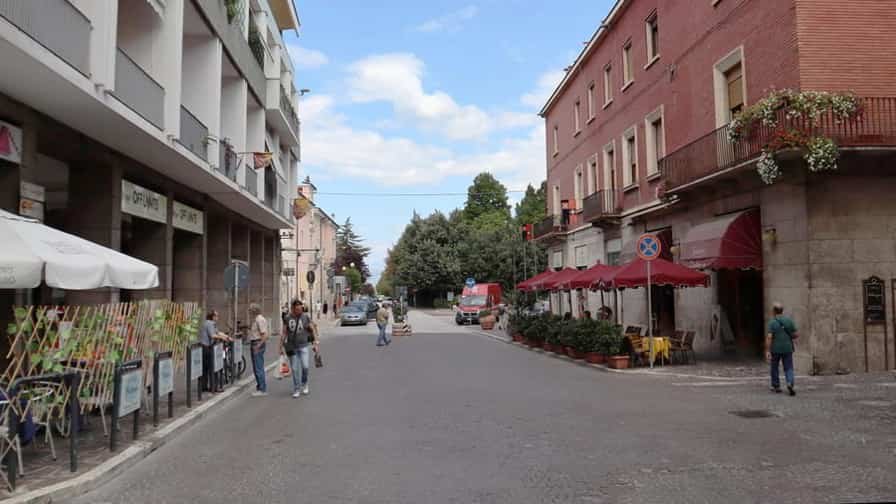
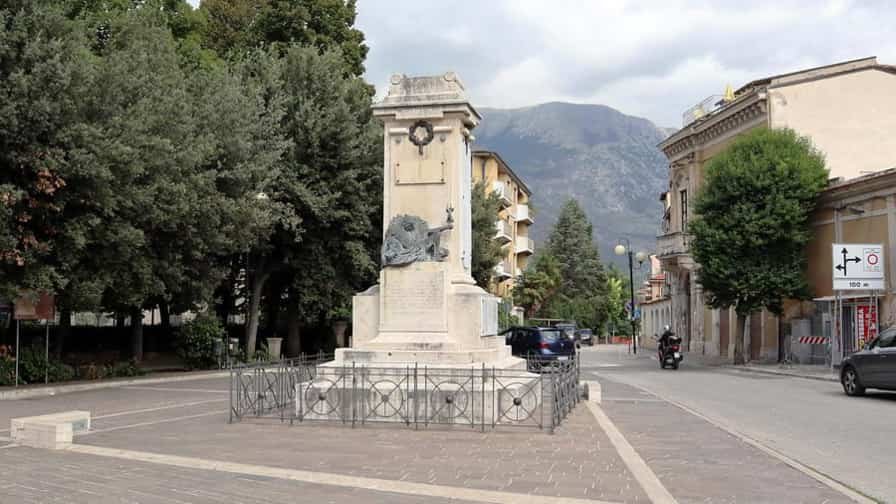
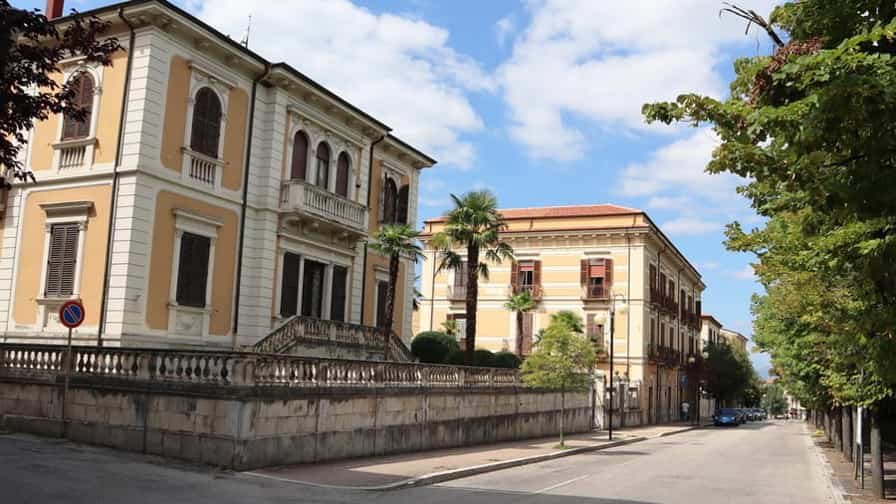


Photo Gallery of Walk 2 – VCorso Ovidio to Piazza Giuseppe Garibaldi – Corso Ovidio
Approximately 0.70 km – 0.44 miles
Description of Walk 2
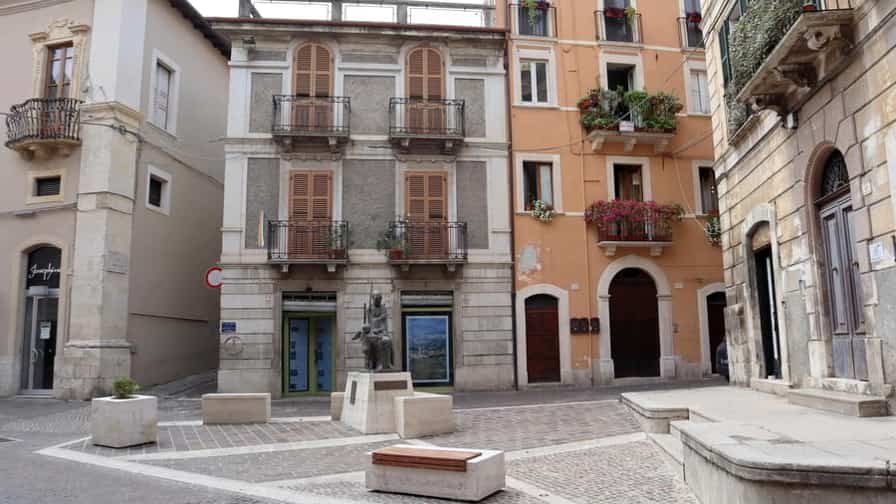
Sulmona is one of the most attractive historic towns in the Abruzzo region of central Italy. Located in the Peligna Valley and surrounded by mountains, it is renowned as the birthplace of the Roman poet Ovid and for its long tradition of producing confetti, the decorative sugar-coated almonds for which the town is famous. Sulmona’s historic centre preserves a rich architectural heritage, with medieval churches, elegant palaces, arcaded streets, and spacious piazzas that reflect its importance through the centuries. This walk begins along Corso Ovidio, the town’s principal street and the heart of daily life in Sulmona. The route reaches Piazza XX Settembre, home to the Statue of Ovid, one of the town’s most recognisable landmarks. After exploring the square, the walk continues along Corso Ovidio and Via Ercole Ciofano before returning to the historic centre and the Statue of Ovid. The route then proceeds along Corso Ovidio to the Chiesa della Madonna del Carmine, an important religious site that contributes to the town’s spiritual and cultural character. Continuing to Piazza Giuseppe Garibaldi, one of the largest and most impressive squares in Abruzzo, the walk passes through Via Federico II to the Church of San Filippo Neri on Via Margherita. Returning to Piazza Garibaldi, the route visits the Fontanone before concluding along Corso Ovidio, offering a comprehensive introduction to Sulmona’s history, architecture, and vibrant public spaces.

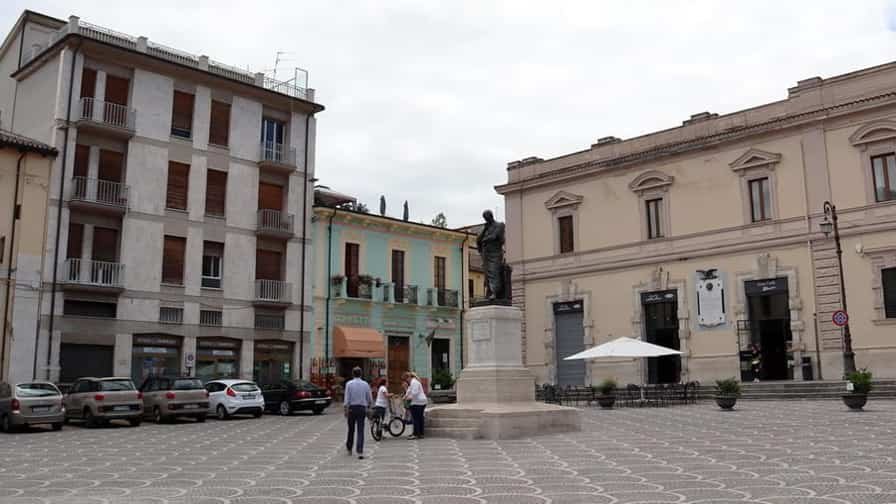

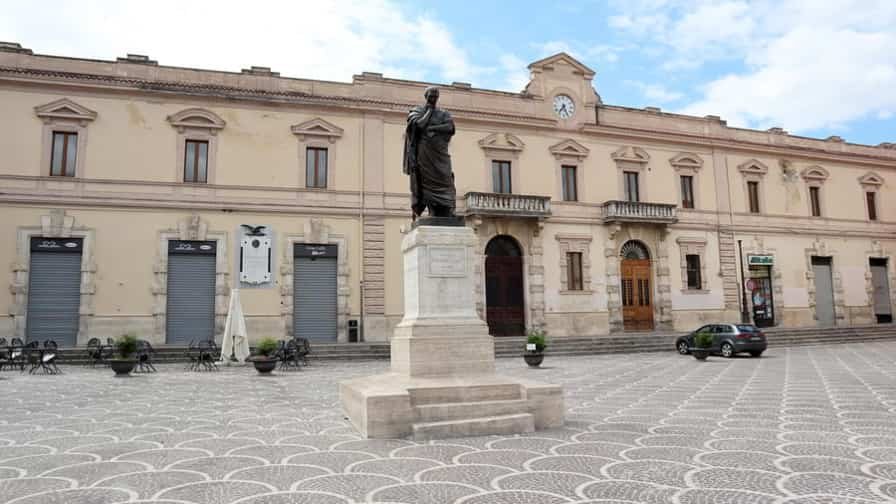
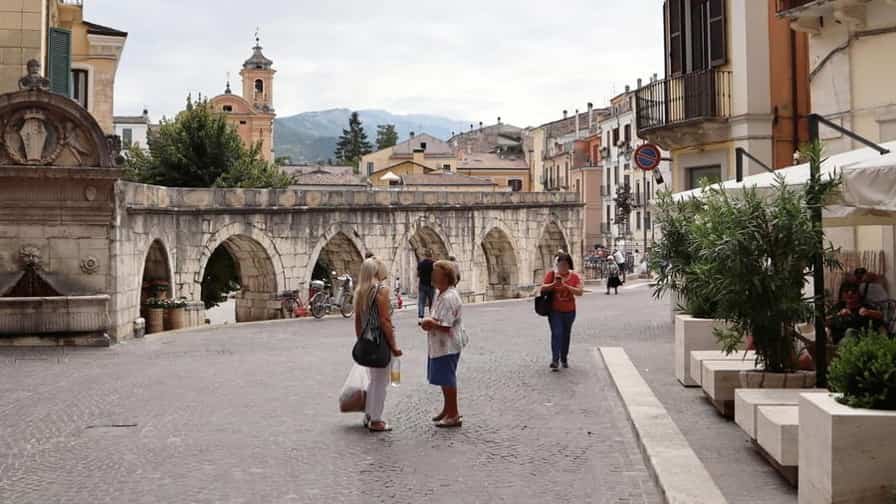
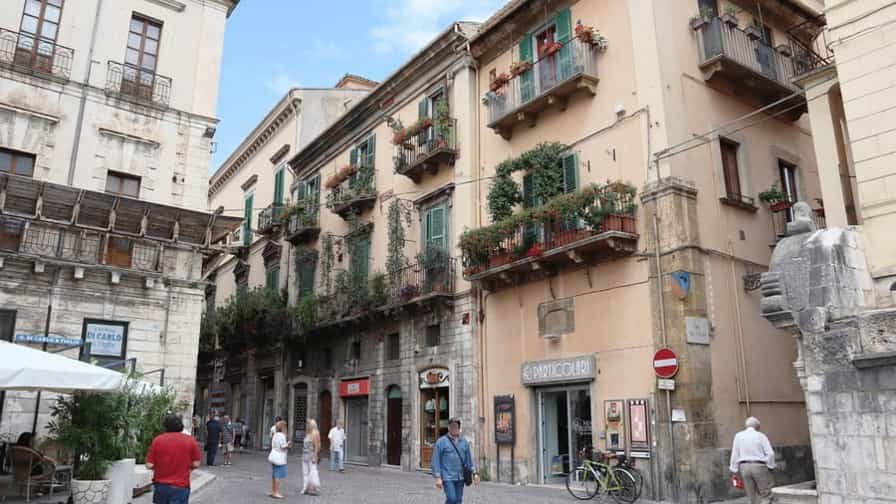

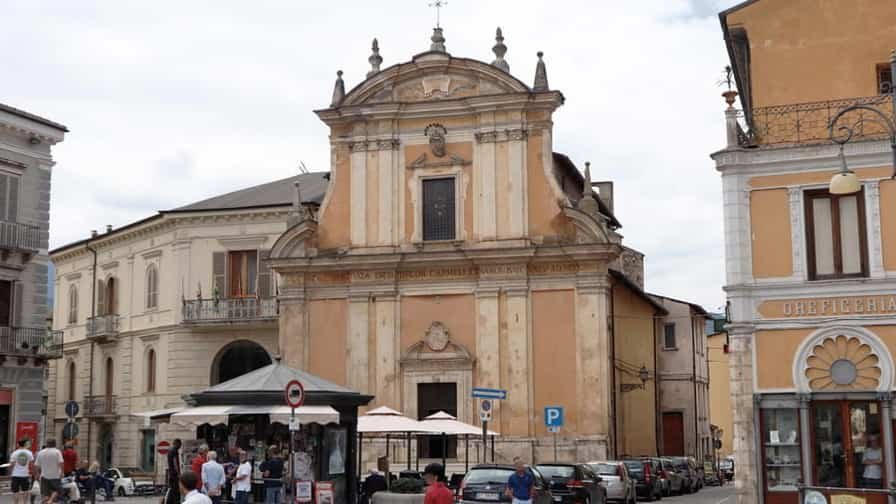
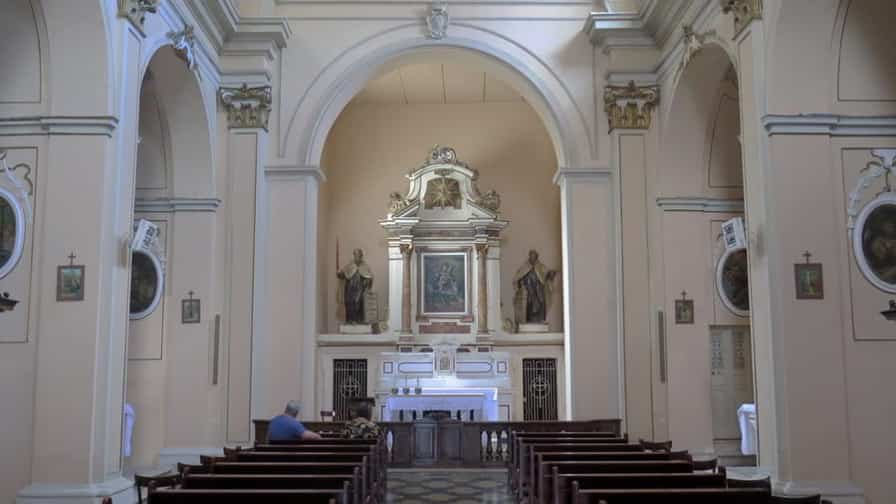
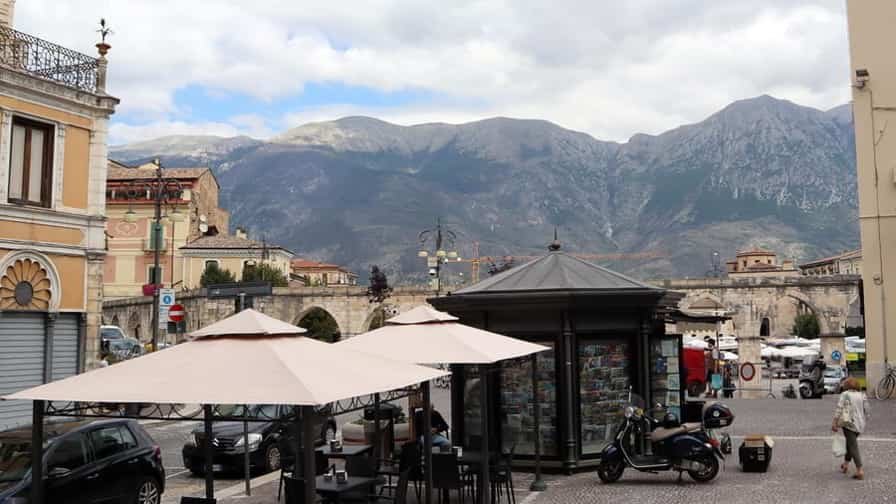
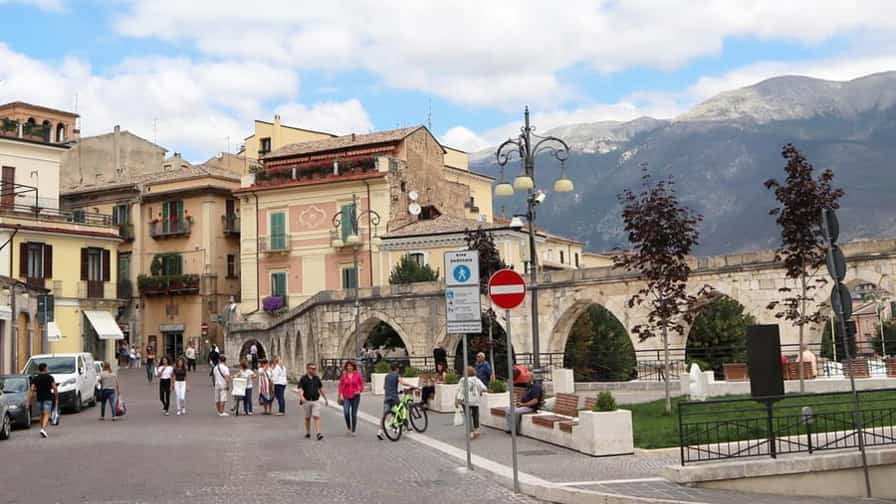
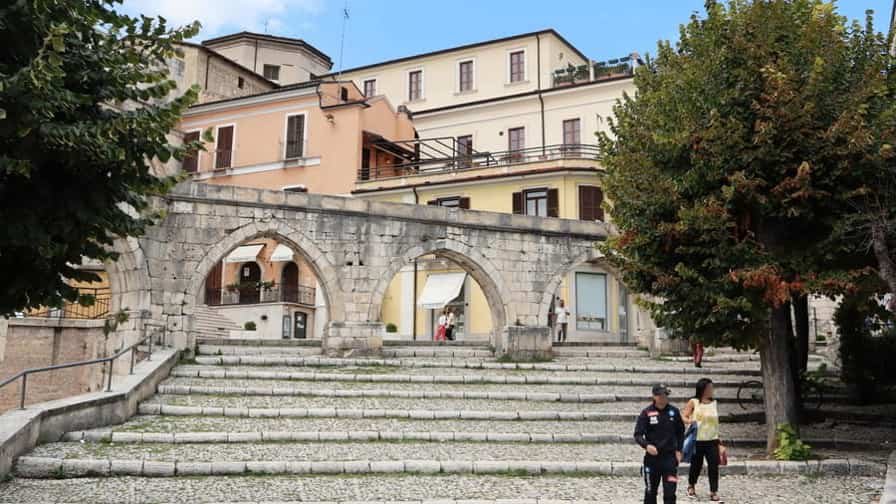
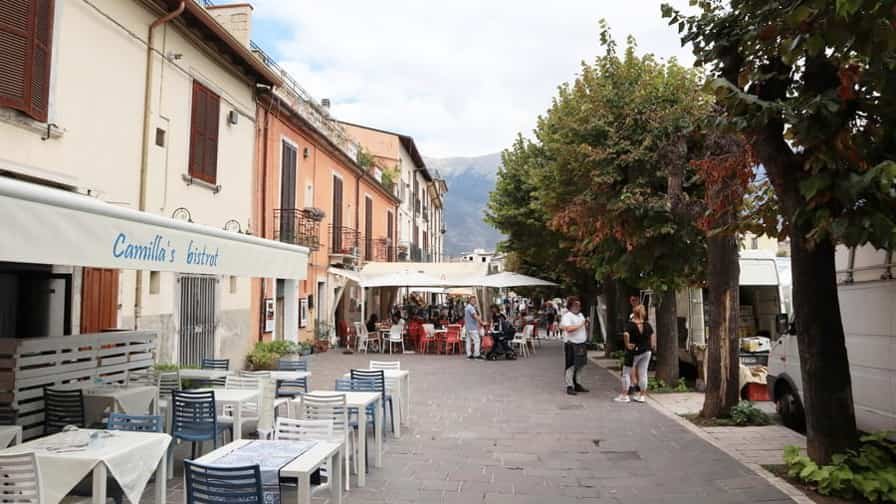
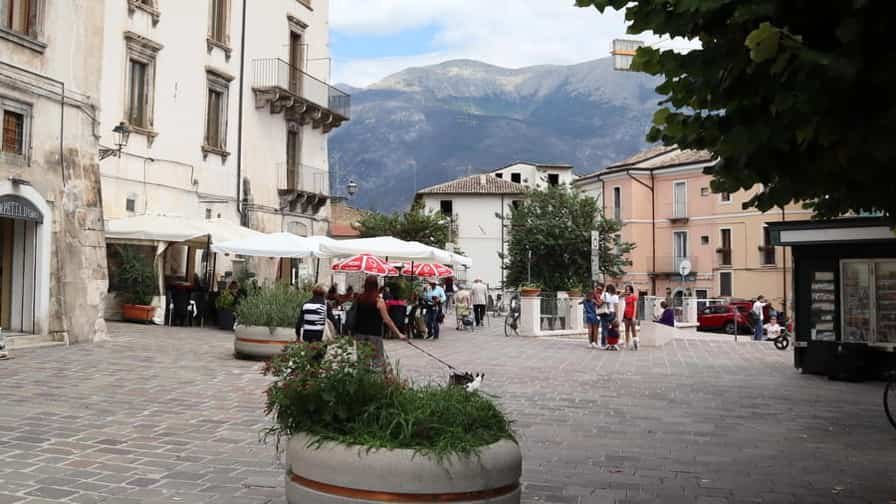
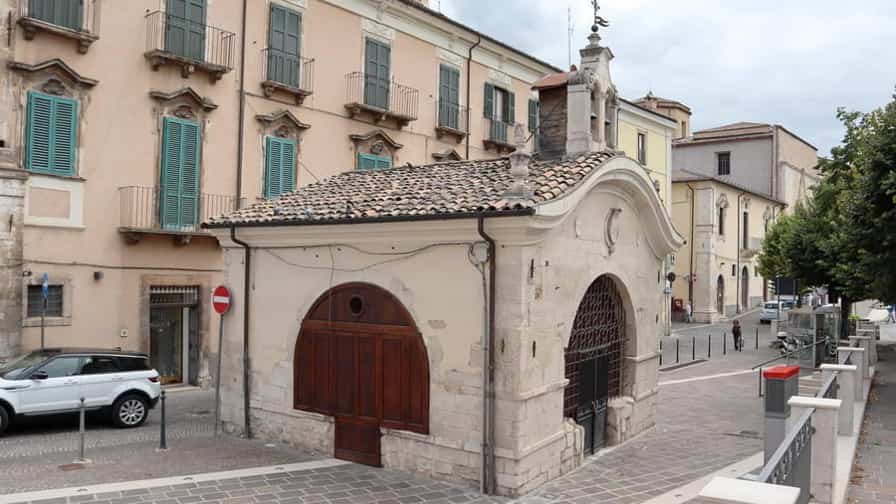
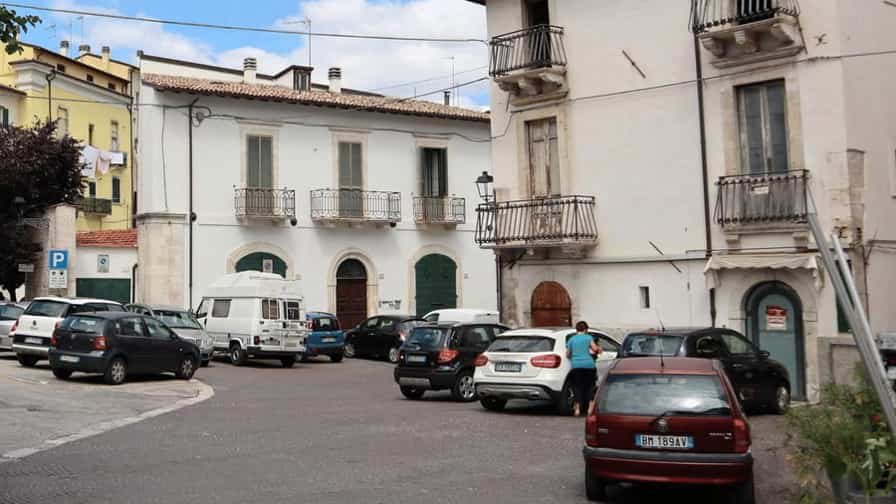
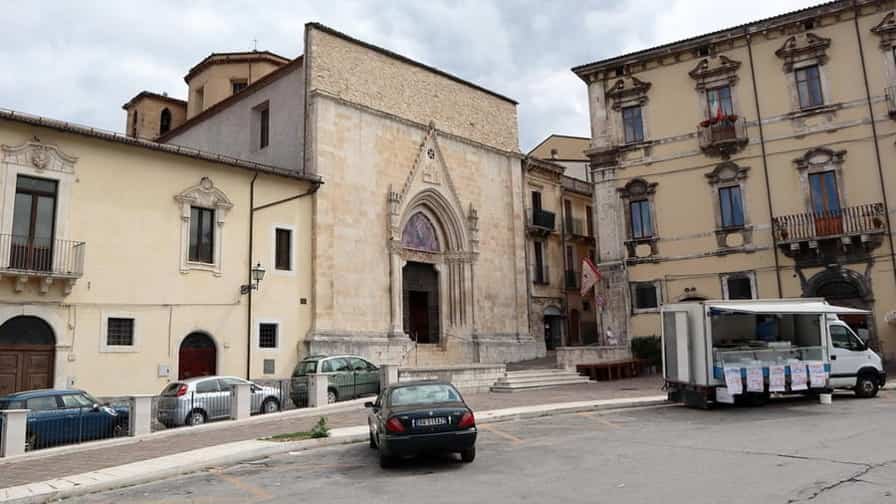

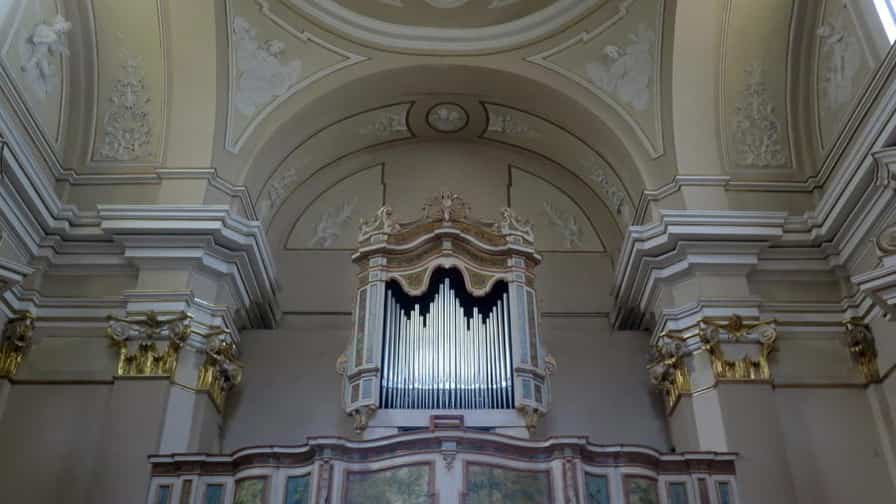
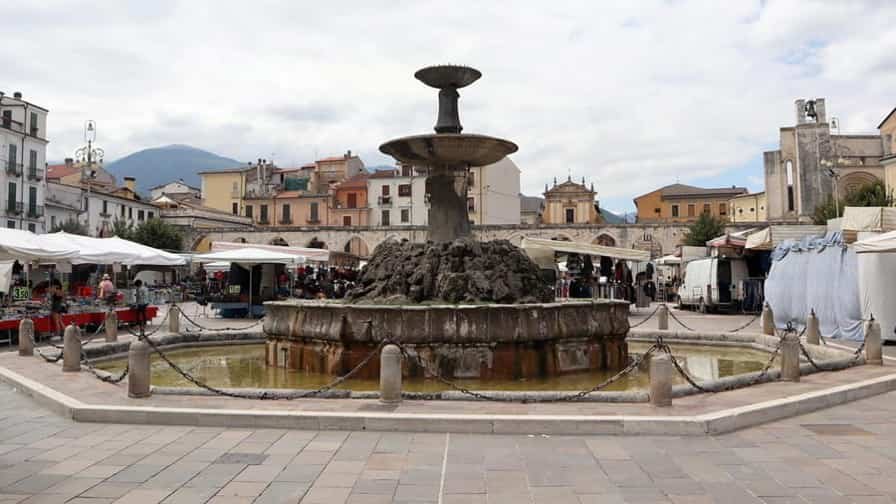
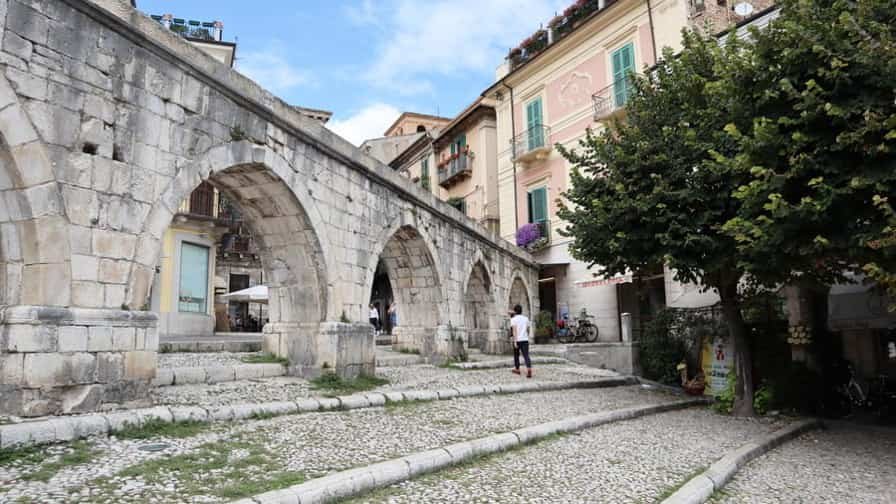

Photo Gallery of Walk 3 – VCorso Ovidio to Corso Ovidio – Piazza Giuseppe Garibaldi
Approximately 0.90 km – 0.56 miles
Description of Walk 3
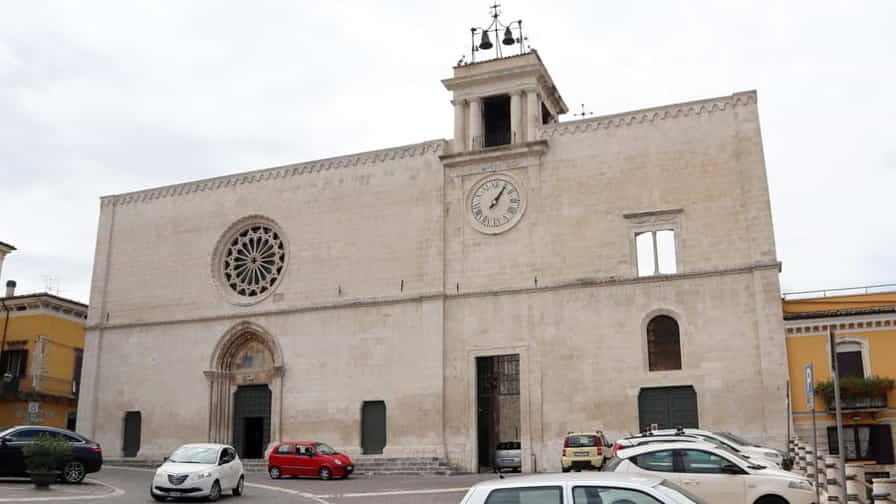
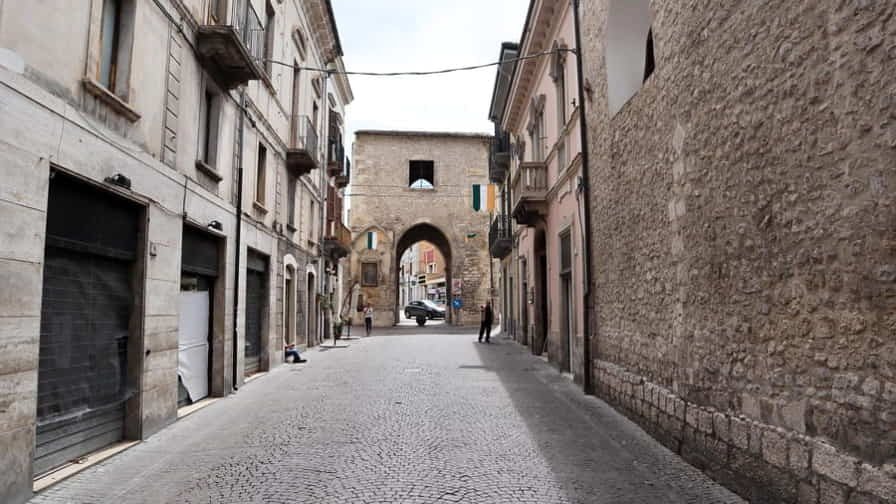
Sulmona is a historic town in the Abruzzo region of central Italy, situated in the scenic Peligna Valley and surrounded by the Apennine Mountains. Best known as the birthplace of the Roman poet Ovid, the town is celebrated for its well-preserved medieval streets, impressive churches, elegant palaces, and its famous tradition of producing confetti, the decorative sugar-coated almonds associated with local celebrations. This short walk begins along Corso Ovidio, the main street of Sulmona’s historic centre and the focal point of its social and commercial life. The route briefly follows Via delle Concerie before returning to Corso Ovidio and continuing towards Piazza Plebiscito. Here, visitors encounter the Church of Santa Maria della Tomba, one of the town’s most significant religious landmarks, distinguished by its historic façade and centuries of local importance. From Piazza Plebiscito, the walk returns to Corso Ovidio and continues to Porta Napoli, one of Sulmona’s historic gateways. The route concludes along Corso Ovidio, offering an enjoyable introduction to the town’s rich history, architecture, and traditional character.




COPYRIGHT © 2018-2026 ITALY IN PHOTOS - ALL RIGHTS RESERVED