
HOME
REGIONS OF ITALY
PLACES IN ITALY
PLAN YOUR TRIP
Italy in Photos
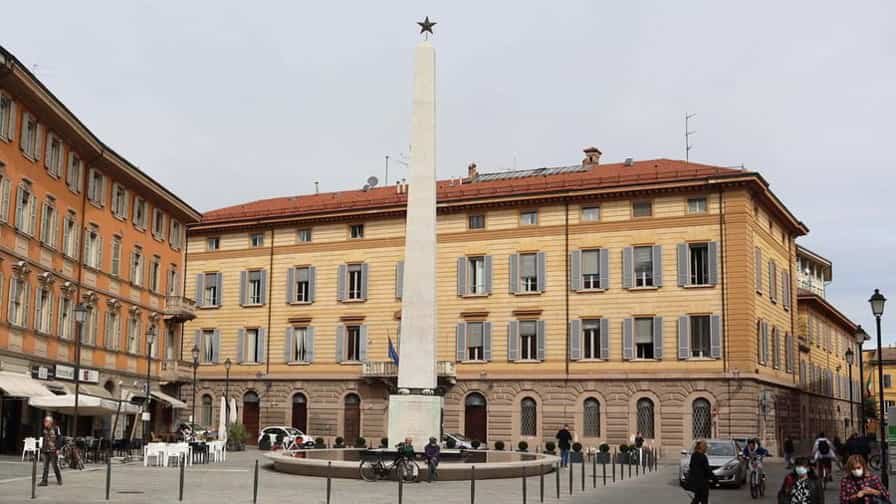
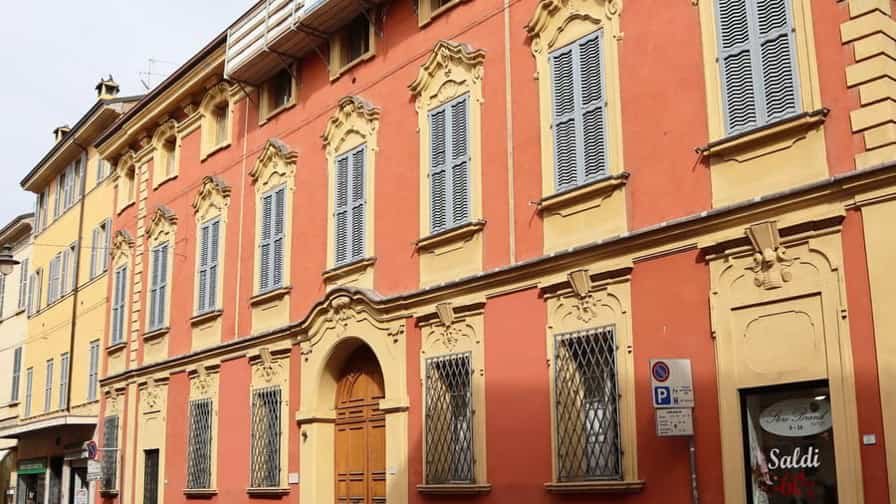
Via Roma, 42121 Reggio Emilia RE (September 2020)
Reggio Emilia
Delayed or cancelled flight?
Get up to £520!
You’ve got rights when your flight’s disrupted.
We enforce them and handle everything so you get paid
Reggio Emilia is an elegant and culturally rich city located in northern Italy, within the Emilia Romagna region. Positioned between Parma and Modena, it sits at the heart of one of Italy’s most fertile and productive areas, known for its culinary excellence, historic towns, and strong civic traditions. Though often less visible on tourist itineraries than some of its neighbors, Reggio Emilia offers a refined blend of history, innovation, and everyday Italian life that rewards those who take the time to explore it.
The city’s origins date back to Roman times, when it was founded as Regium Lepidi along the Via Aemilia, the ancient road that still shapes the geography of the region today. This Roman legacy is reflected in the city’s orderly layout and enduring sense of structure. Over the centuries, Reggio Emilia developed as an important cultural and political centre, influenced by medieval communes, noble families, and periods of artistic growth. Its historic core remains compact and inviting, ideal for walking and discovery.
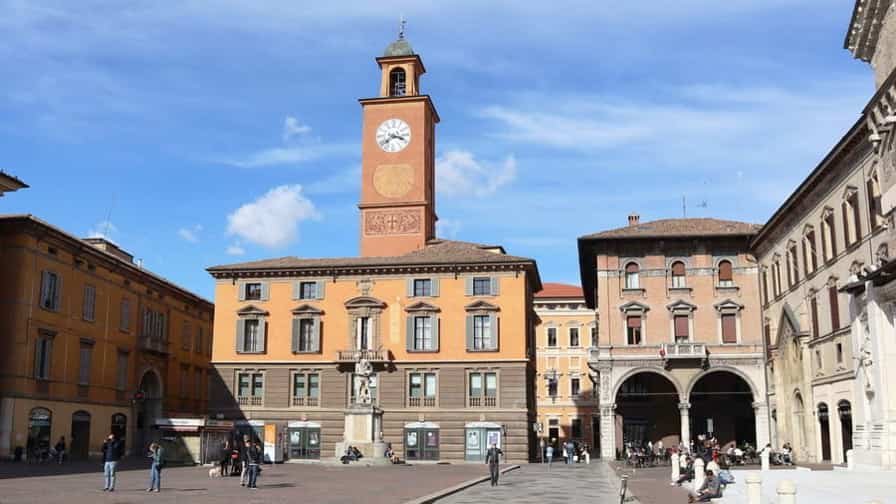
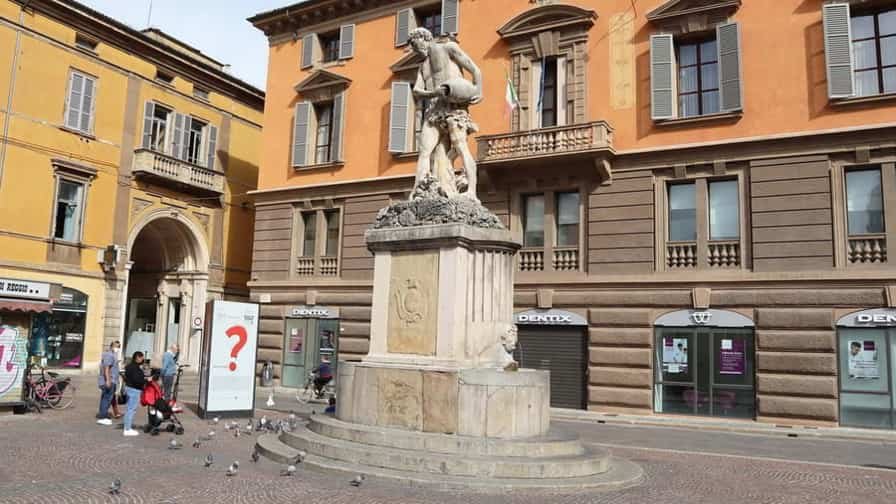
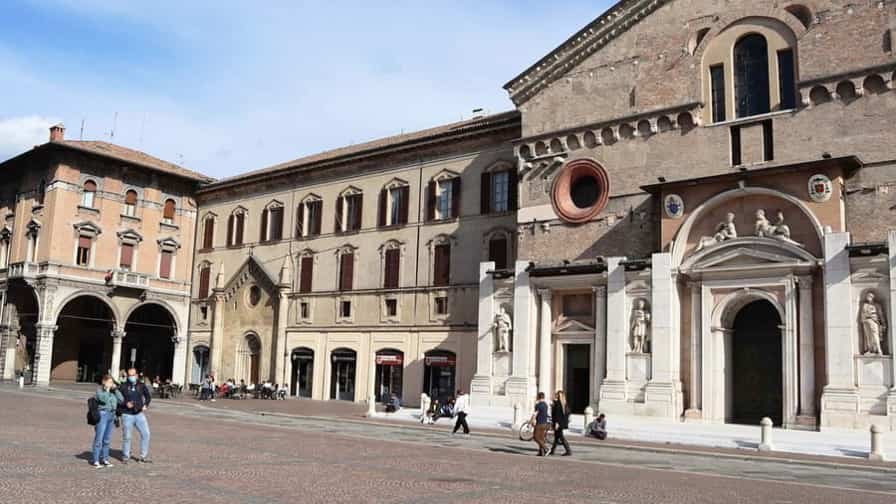
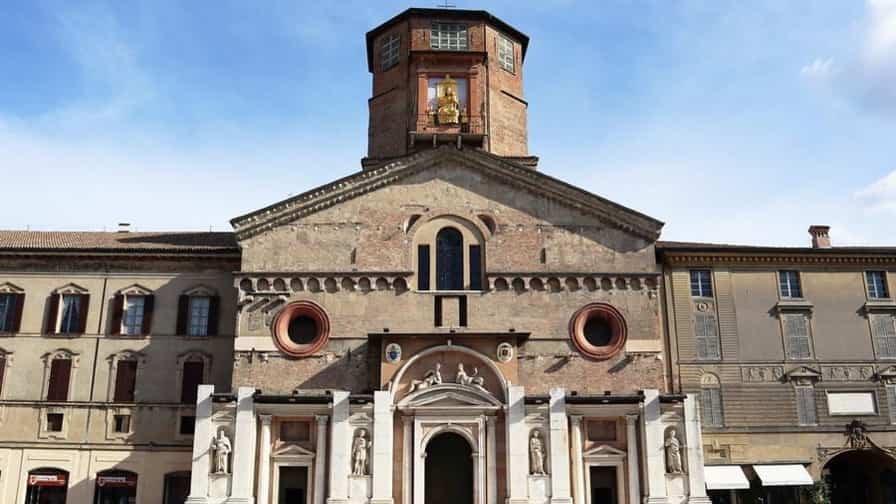
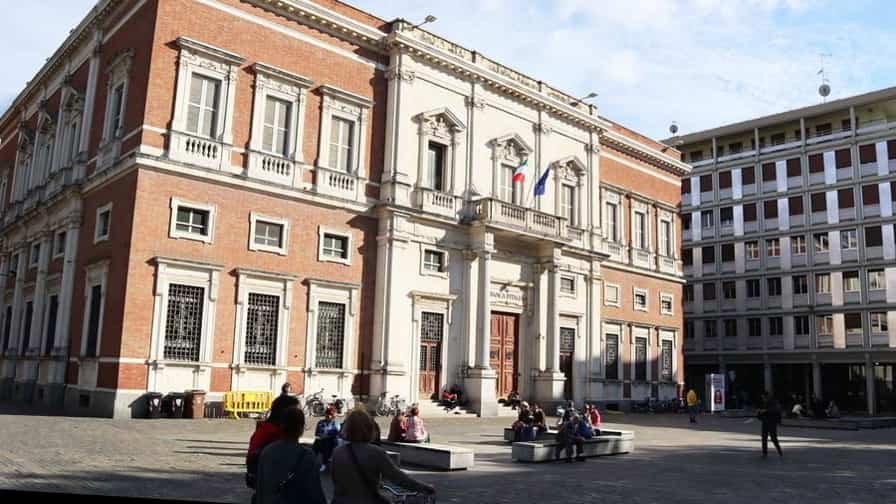
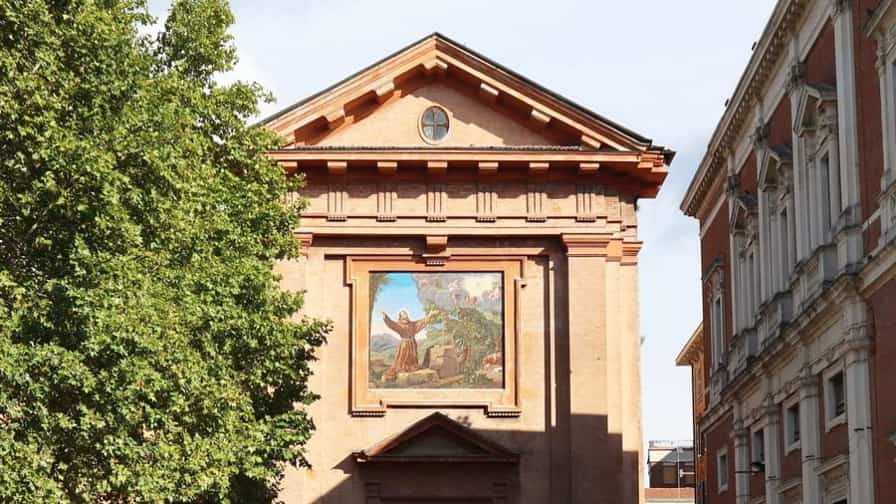
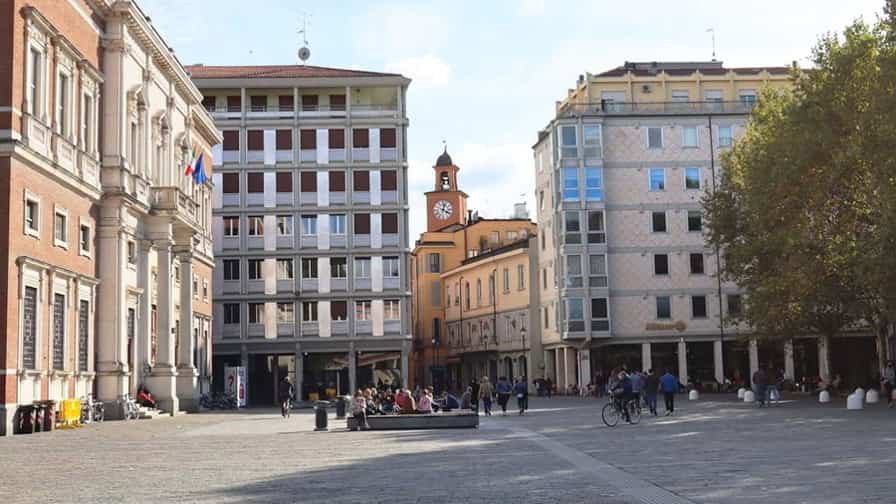
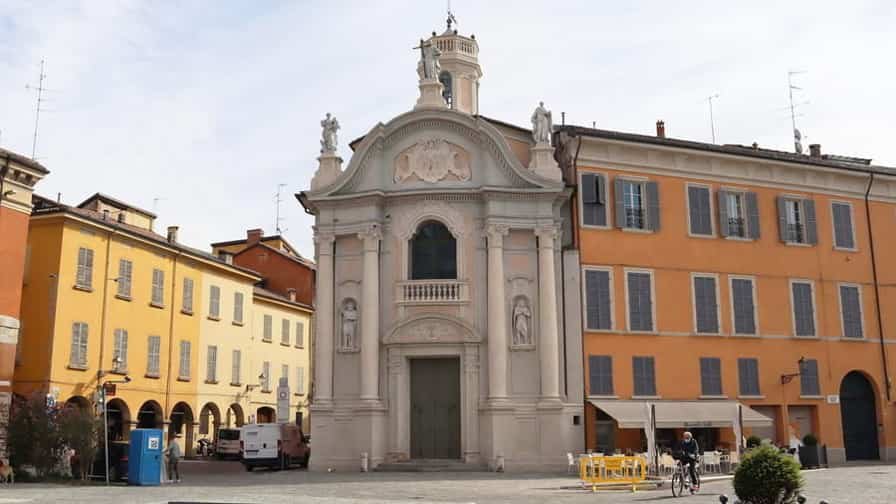
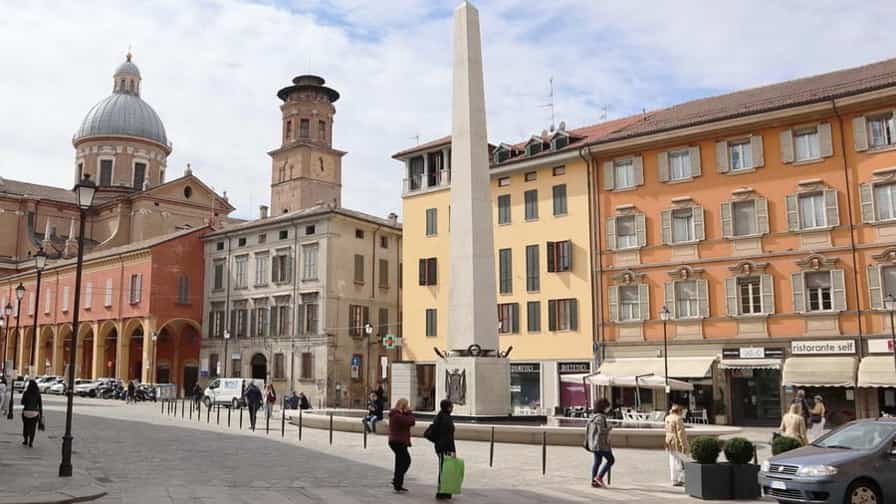
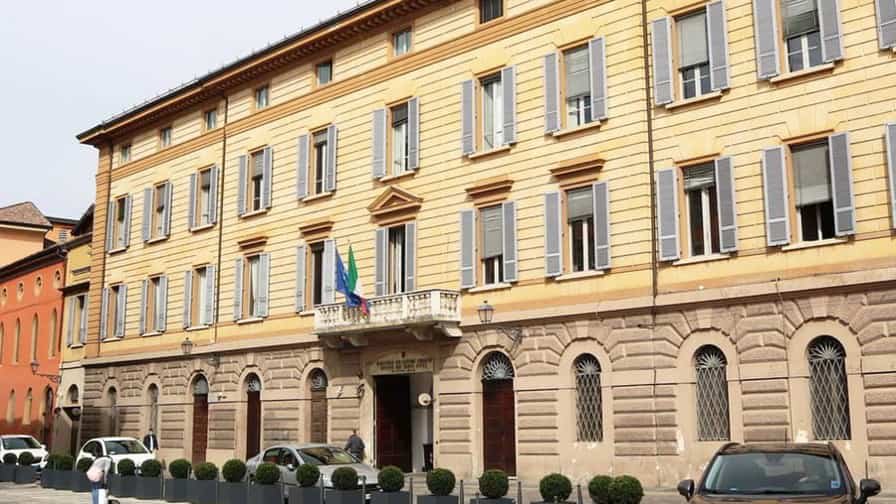
At the heart of the city lies Piazza Prampolini, a graceful square surrounded by key civic and religious buildings. The Cathedral of Santa Maria Assunta stands prominently here, alongside the Town Hall and historic palaces that reflect the city’s administrative heritage. Nearby, Piazza San Prospero offers a more intimate atmosphere, anchored by the Basilica of San Prospero with its distinctive façade adorned with statues. These squares serve as social gathering places where daily life unfolds, from markets and events to casual conversations at cafes.
Reggio Emilia is particularly renowned for its contributions to education and social thought. The city is the birthplace of the Reggio Emilia Approach, an influential philosophy of early childhood education recognized worldwide. This approach emphasizes creativity, collaboration, and respect for children’s ideas, reflecting broader values of community participation and innovation that characterize the city. Educational institutions and cultural centres continue to shape Reggio Emilia’s forward-looking identity.
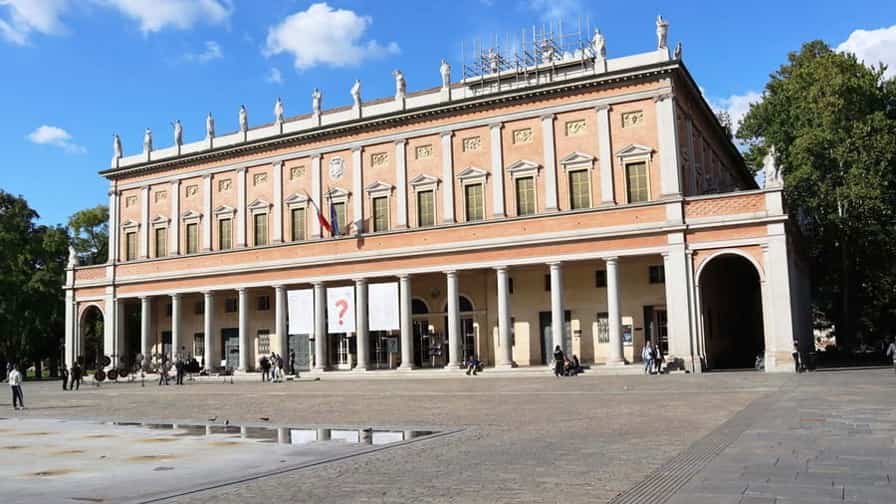
Culture and the arts play an important role in the city’s life. Reggio Emilia has a strong theatrical and musical tradition, with venues such as the Teatro Municipale Romolo Valli hosting performances ranging from opera to contemporary productions. Museums and galleries showcase both historical collections and modern artistic expression, highlighting the city’s ability to honour tradition while embracing change.
The surrounding countryside is deeply intertwined with Reggio Emilia’s identity. The region is famous for its agricultural excellence, particularly as the home of Parmigiano Reggiano cheese. Nearby dairies and farms follow time-honoured methods that have been passed down for generations, producing foods that are recognized and protected around the world. This connection to the land is also reflected in local cuisine, which emphasizes quality ingredients and carefully prepared dishes.
Dining in Reggio Emilia is an expression of regional pride. Traditional recipes such as fresh egg pasta, stuffed tortelli, and slow-cooked meats are central to the local table. Meals are often enjoyed in a convivial atmosphere, where food serves as a way to bring people together. The city’s restaurants range from informal trattorias to refined establishments, all grounded in the same respect for culinary heritage.
Beyond its historic centre, Reggio Emilia is a city that looks confidently toward the future. Modern architecture, green spaces, and efficient infrastructure coexist with centuries-old buildings. The city’s commitment to sustainability, education, and quality of life is evident in its urban planning and community initiatives. This balance between past and present gives Reggio Emilia a distinctive and harmonious character.
Reggio Emilia may not overwhelm visitors with grand monuments, but it offers something equally valuable: a sense of authenticity and continuity. Its streets, squares, and institutions reflect a city shaped by civic responsibility, creativity, and respect for tradition. For travellers interested in understanding the rhythms of northern Italian life beyond the major tourist centers, Reggio Emilia provides a thoughtful and rewarding introduction to the cultural heart of Emilia Romagna.
Worth a Visit
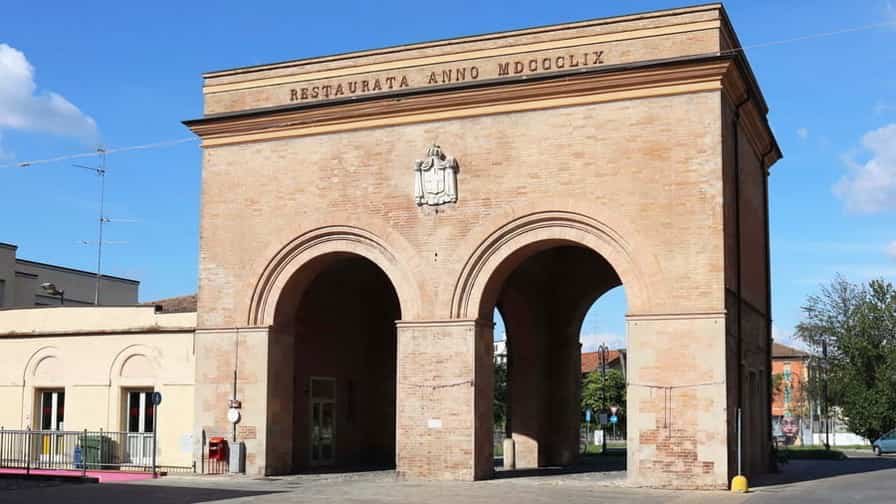
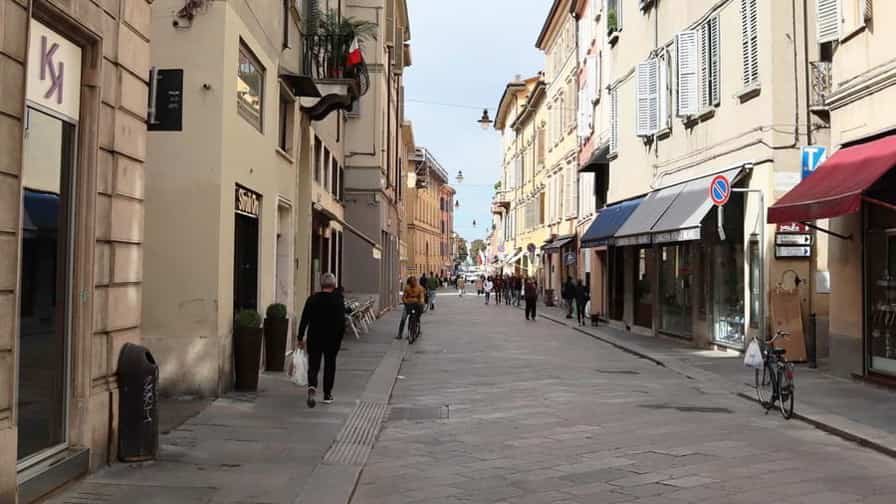
Porta Santa Croce, located on Via Roma in Reggio Emilia, is one of the city’s historic gates and a remarkable example of its medieval defensive architecture. Originally part of the city’s fortified walls, the gate served both as a protective entry point and a symbol of Reggio Emilia’s civic pride. Its robust structure, arches, and stonework reflect the architectural style and engineering techniques of the period, offering a tangible connection to the city’s past. Today, Porta Santa Croce stands as a preserved monument, welcoming visitors into the historic center while highlighting the city’s rich heritage. The gate is surrounded by charming streets, cafés, and shops, making it a lively area for strolling and exploring. Visiting Porta Santa Croce provides a unique glimpse into Reggio Emilia’s medieval history, urban development, and enduring architectural legacy, combining historical significance with the vibrant atmosphere of the modern city.
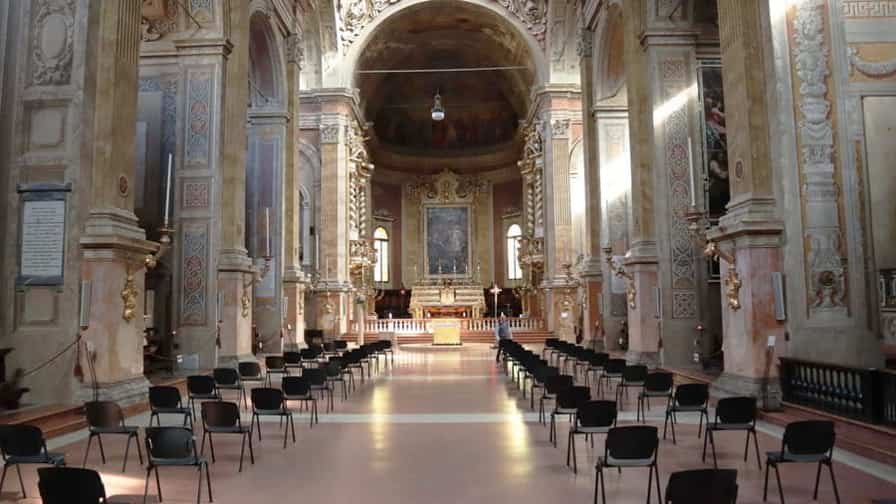
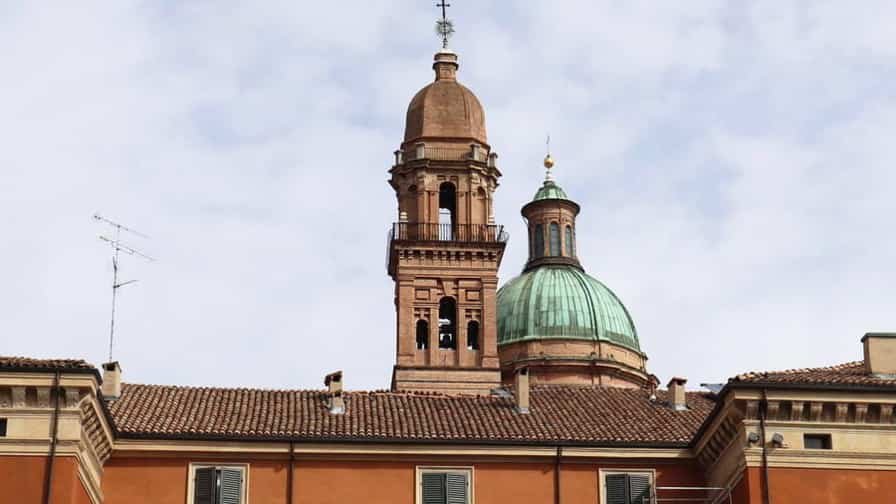
The Basilica of San Prospero, located in Piazza di S. Prospero in Reggio Emilia, is a historic and architecturally significant church dedicated to the city’s patron saint. Originally constructed in the 10th century and rebuilt over subsequent centuries, the basilica reflects a blend of Romanesque and Baroque styles, evident in its ornate façade, elegant bell tower, and richly decorated interior. Inside, visitors can admire intricate frescoes, sculpted altars, and religious artworks that celebrate both the history and spiritual life of the region. The basilica has long served as a center for worship, community gatherings, and cultural events, making it an integral part of Reggio Emilia’s social and religious fabric. Its prominent location in the heart of the city allows easy access to nearby historic streets, piazzas, and landmarks. Visiting the Basilica of San Prospero offers insight into Reggio Emilia’s religious heritage, artistic achievements, and enduring devotion to its patron saint.
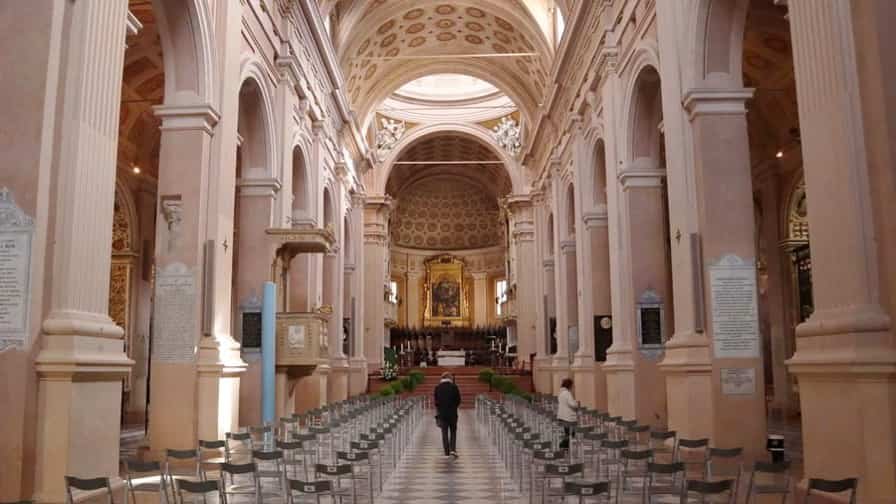
The Cattedrale di Santa Maria Assunta, located in Piazza Camillo Prampolini in Reggio Emilia, is the city’s principal cathedral and a landmark of religious and architectural significance. Originally founded in the 8th century and rebuilt several times over the centuries, the cathedral showcases a blend of Romanesque, Gothic, and Baroque architectural elements. Its elegant façade, ornate portals, and soaring bell tower reflect the historical evolution and artistic heritage of the region. Inside, visitors can admire stunning frescoes, intricately carved altars, and sacred artworks that highlight both devotional practices and local craftsmanship. The cathedral has long been a center for religious ceremonies, community gatherings, and cultural events, serving as a spiritual and civic heart of Reggio Emilia. Its central location in the historic city center provides easy access to nearby piazzas, historic streets, and cultural sites, making the Cattedrale di Santa Maria Assunta a must-visit destination for exploring the city’s history, faith, and artistic legacy.
Photo Gallery of Walk 1 – Via Emilia San Pietro to Piazza di S. Prospero
Approximately 1.76 km – 1.09 miles
Description of Walk 1
The historic centre of Reggio Emilia offers a compact yet richly layered urban landscape, and this walking route traces some of its most characteristic streets and landmarks. Beginning near the Basilica di San Pietro on Via Emilia San Pietro, the path follows the ancient Roman road that still serves as the city’s main artery. This stretch reflects centuries of commercial and civic life, lined with elegant porticoes and local shops. Turning through quieter streets like Via Campo Samarotto and Viale Monte San Michele, the route transitions into a more residential rhythm before reconnecting with the lively Via Dante Alighieri and Via Roma. Along here, the Parrocchia di San Giacomo marks a spiritual waypoint amid everyday city life. Continuing toward Porta Santa Croce, one of the historic gates, the walk reveals remnants of medieval fortifications. The route then loops back toward the heart of the city, passing Piazza del Popol Giost and returning to Via Emilia. The final stretch leads to the vibrant Piazza di San Prospero and the nearby Basilica of San Prospero, where Romanesque architecture and lively cafés capture the enduring cultural spirit of Reggio Emilia.


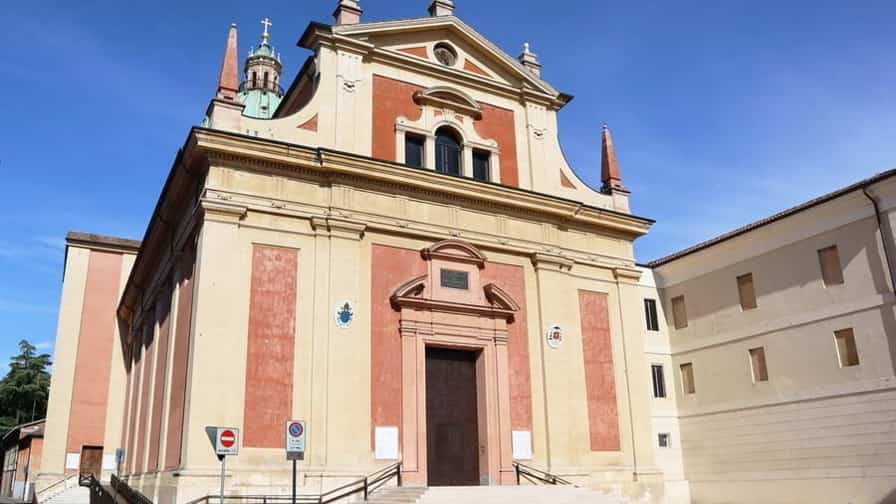
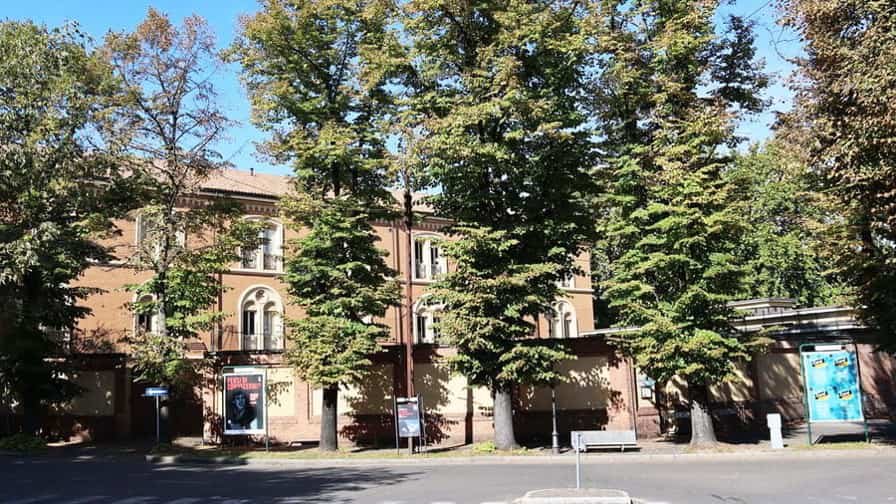
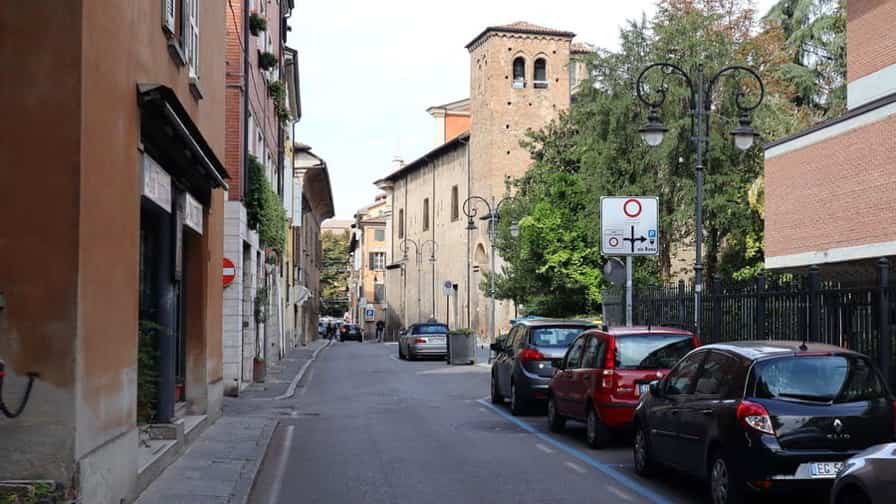

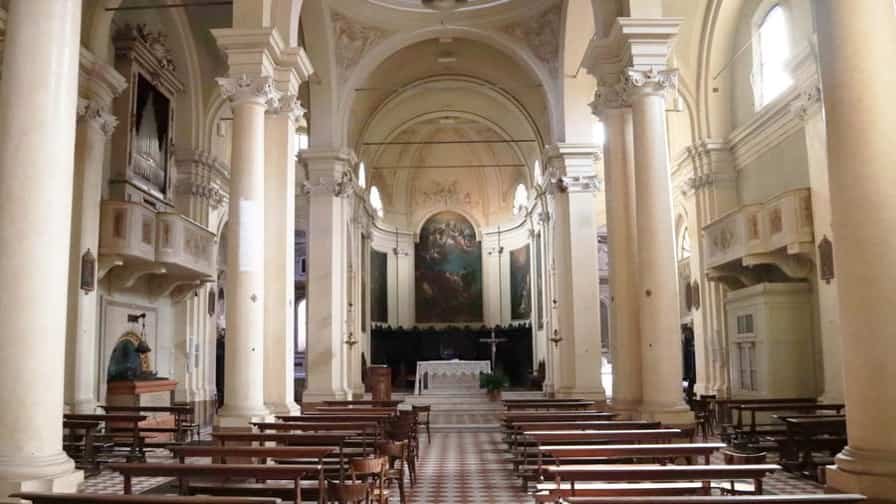

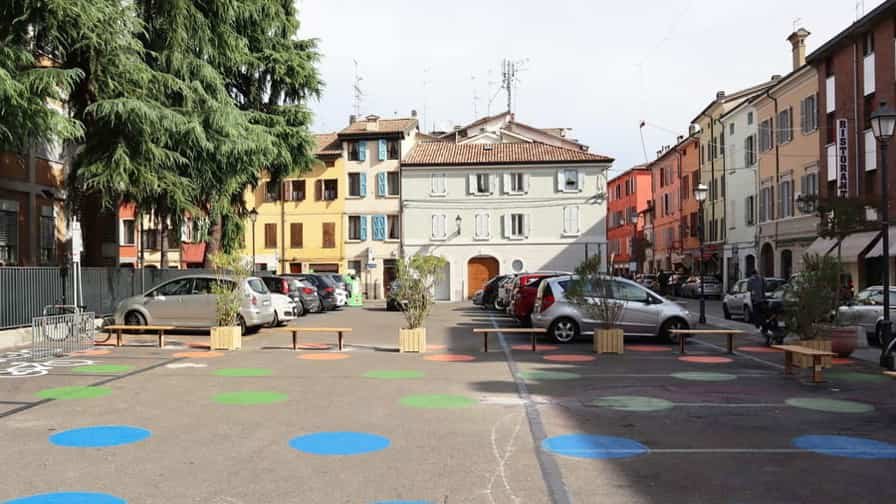

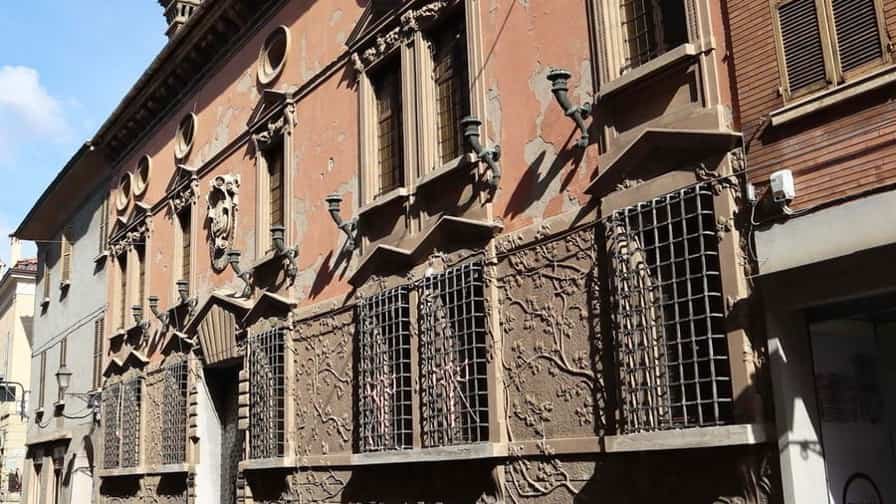
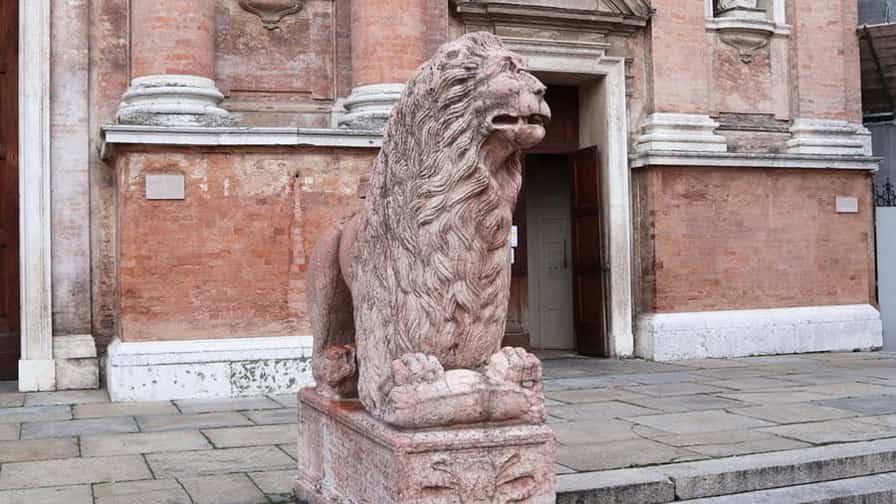
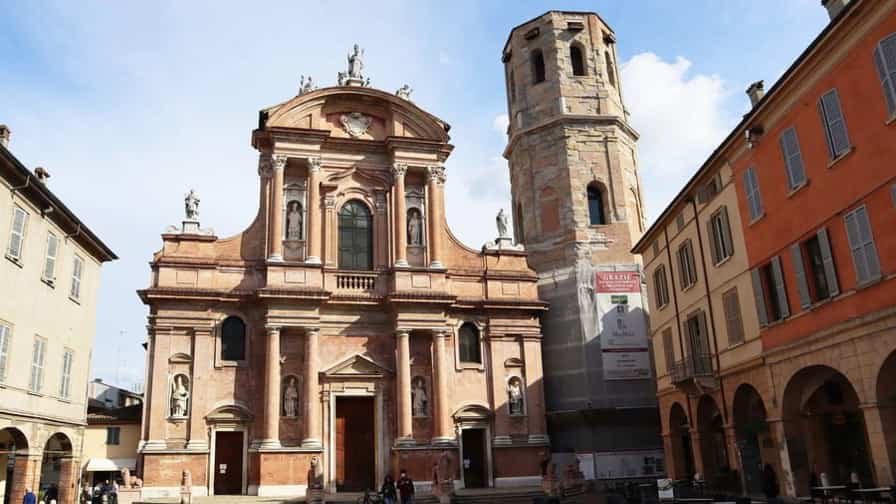

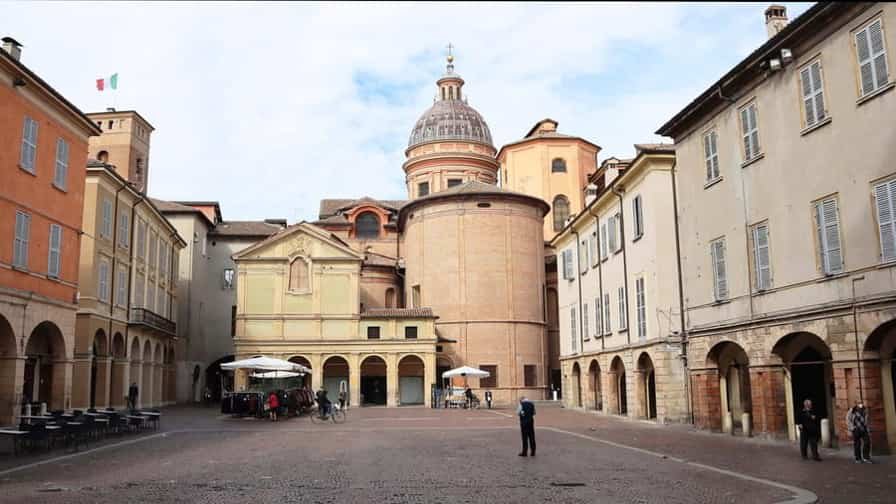
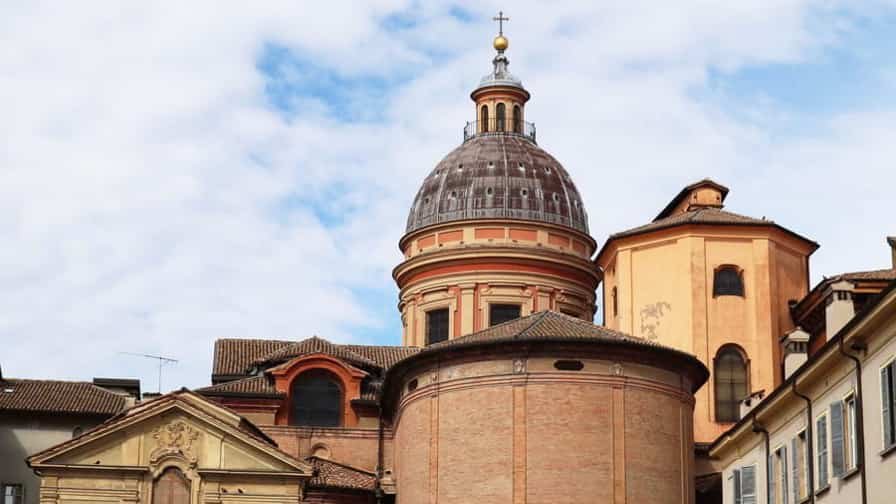
Photo Gallery of Walk 2 – Piazza Camillo Prampolini to Via Emilia Santo Stefano
Approximately 1.93 km – 1.11 miles
Description of Walk 2
The walk begins in the civic heart of Reggio Emilia at Piazza Camillo Prampolini, dominated by the Cattedrale di Santa Maria Assunta. This square reflects the city’s political and religious heritage, surrounded by historic buildings and lively cafés. Moving along Via Filippo Corridoni and onto Via Emilia San Pietro, the route follows the ancient Roman road that still structures daily life, with its arcades, boutiques, and steady pedestrian flow. Turning onto Via Don Giuseppe Andreoli, the atmosphere becomes quieter before opening into Piazza Martiri del 7 Luglio, a space marked by modern history and remembrance. Nearby, Piazza della Vittoria blends culture and leisure, home to theatres and green spaces. Passing through Galleria Cavour, the walk briefly shifts indoors, offering an elegant passage lined with shops. The route continues through smaller streets like Via Naborre Campanini and Via Guido da Castello, revealing a more intimate side of the historic centre. Corso Giuseppe Garibaldi then provides a grander perspective, connecting key squares such as Piazza Roversi and Piazza Vincenzo Gioberti. The walk concludes along Via Emilia Santo Stefano, where the layered architecture and vibrant street life encapsulate the enduring character of Reggio Emilia.



COPYRIGHT © 2018-2026 ITALY IN PHOTOS – ALL RIGHTS RESERVED