
HOME
REGIONS OF ITALY
PLACES IN ITALY
PLAN YOUR TRIP
Italy in Photos
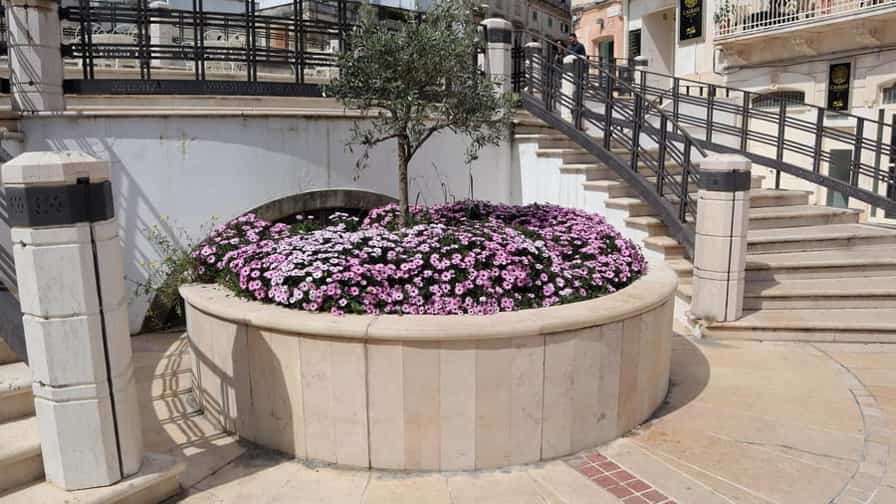
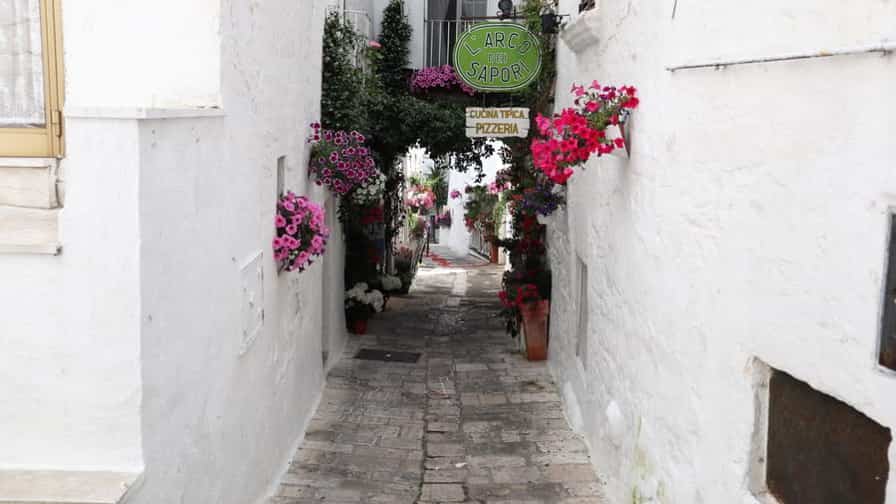
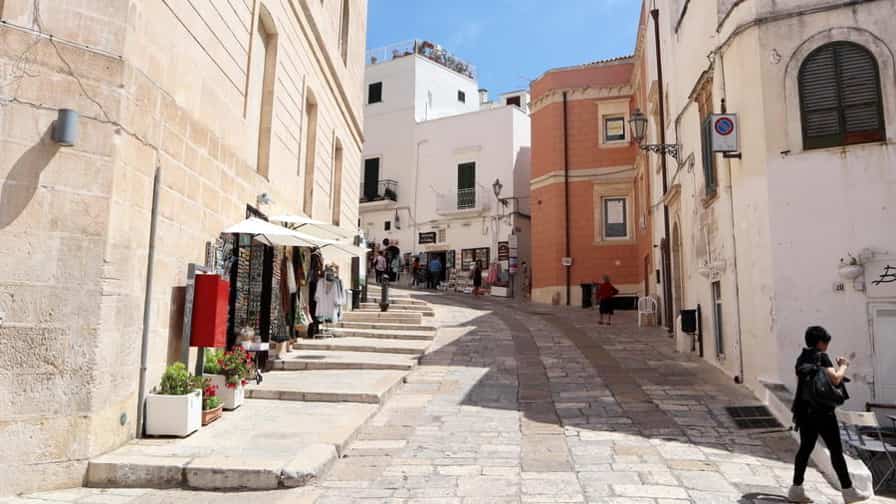
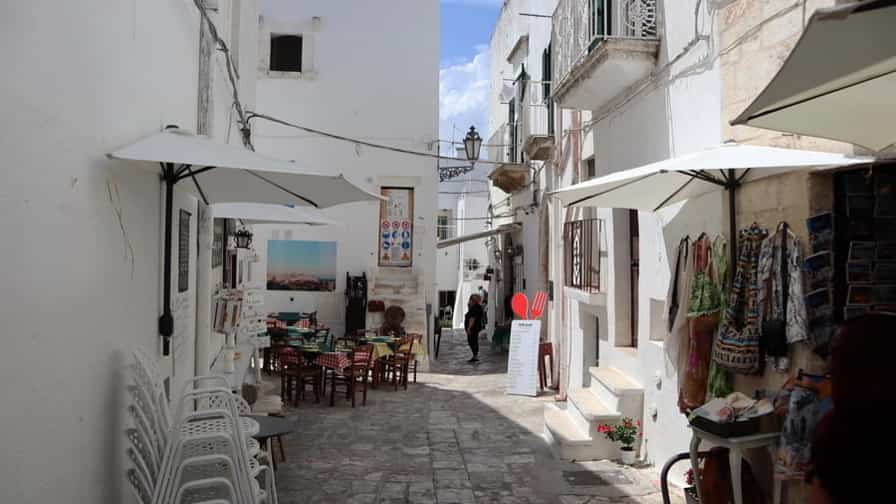
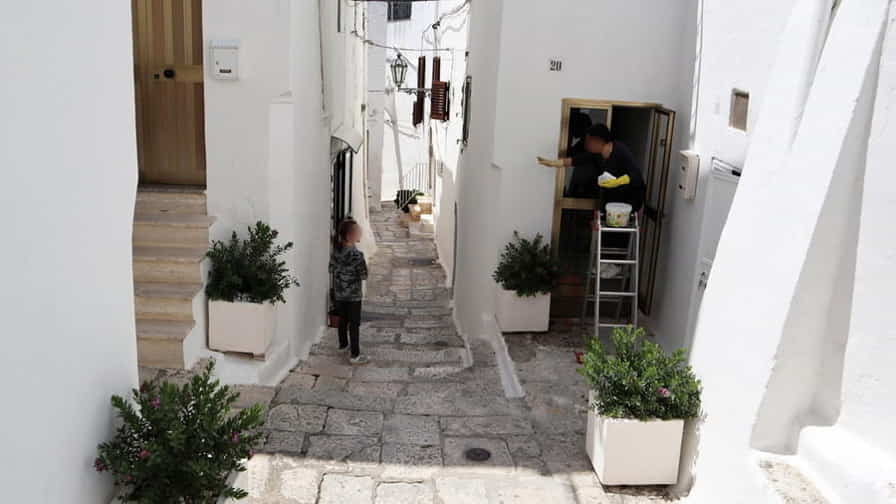
Vicolo Domenico Anglani, 72017 Ostuni, Italy (June 2019)
Ostuni
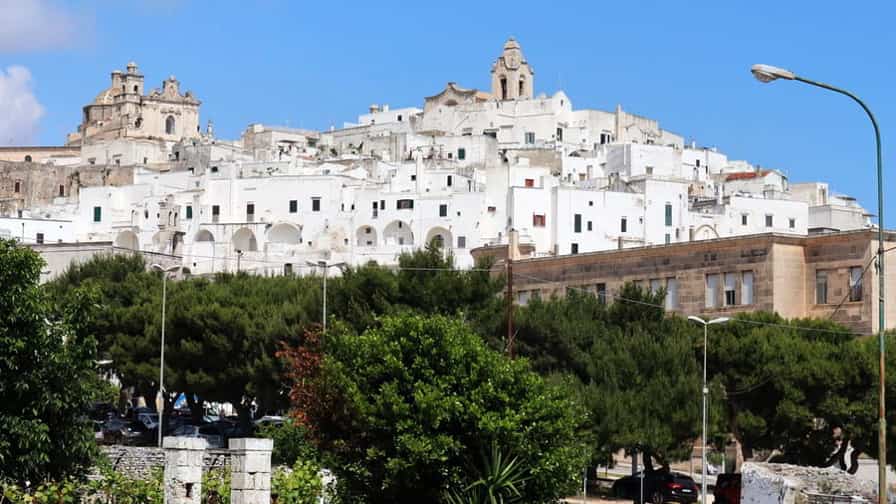
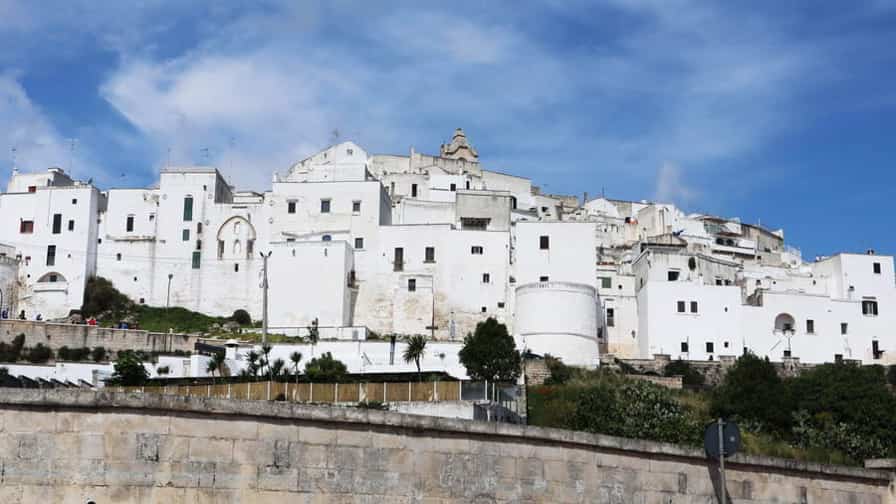
Ostuni is a captivating town located in the Apulia region of southern Italy, renowned for its luminous white architecture and commanding position overlooking the Adriatic Sea. Often referred to as the White City, Ostuni rises from a series of hills surrounded by ancient olive groves, creating a striking contrast between brilliant whitewashed buildings and the deep green of the countryside. Its distinctive appearance, shaped by centuries of tradition and practical design, makes Ostuni one of the most recognizable and visually memorable towns in Italy.
The history of Ostuni stretches back thousands of years, with evidence of settlement dating to prehistoric times. Archaeological findings in the surrounding area reveal traces of early human activity, including burial sites and artifacts that reflect the town’s ancient origins. Over time, Ostuni was influenced by a succession of civilizations, including the Messapians, Romans, Byzantines, Normans, and Spanish. Each culture left its mark on the town’s structure, architecture, and customs, contributing to the layered identity that defines Ostuni today.
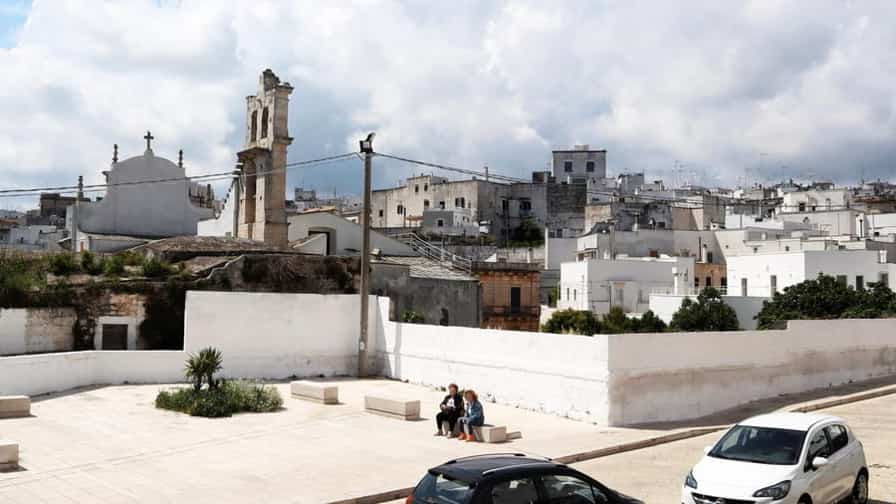
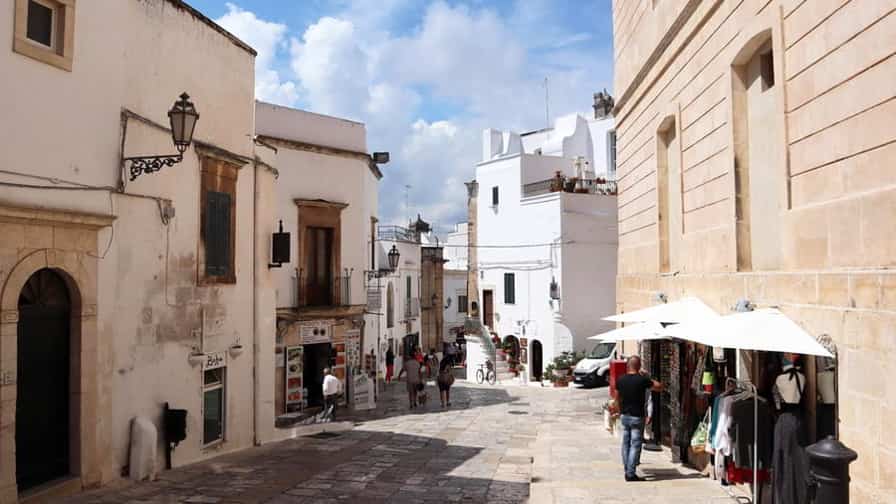
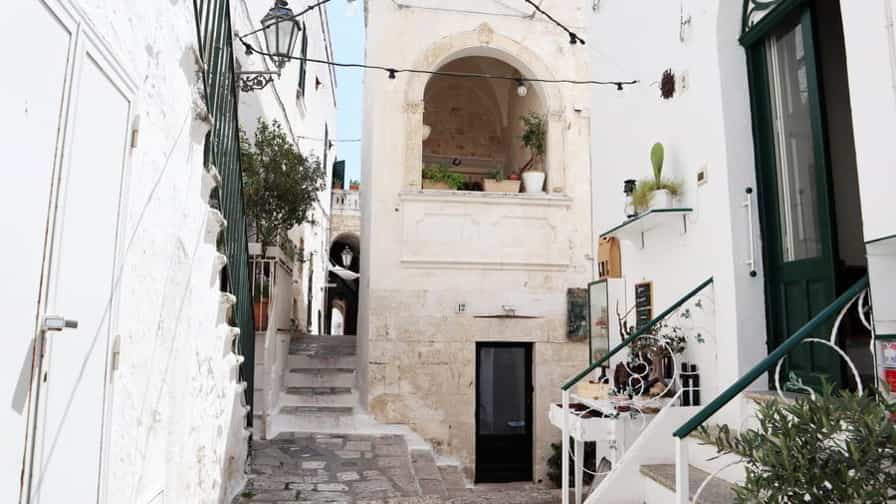
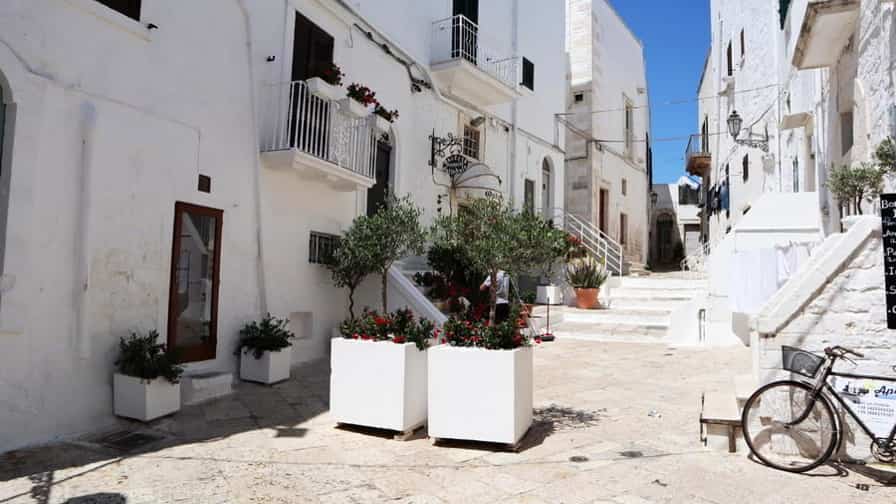
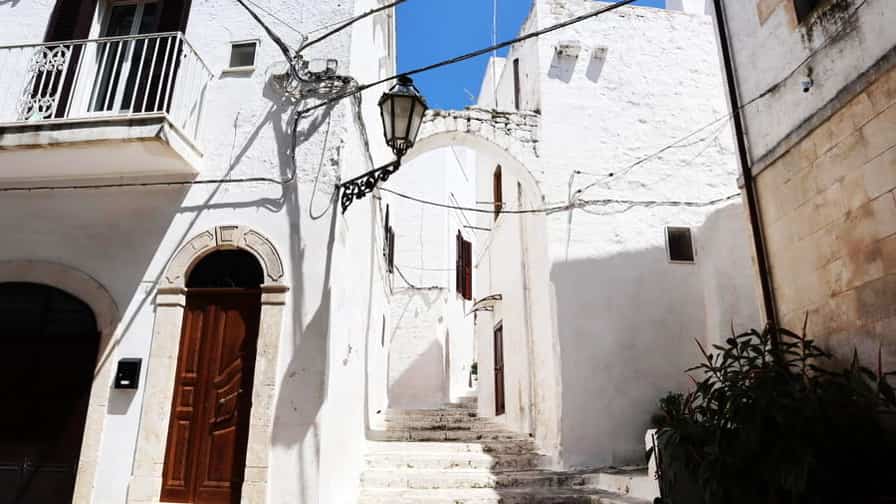
At the heart of the town lies the historic centre, a dense labyrinth of narrow streets, stairways, and arches that climb toward the highest point of the hill. The whitewashed houses, regularly refreshed with lime, were historically used to reflect sunlight and promote cleanliness, particularly during periods of plague. This tradition has endured, giving Ostuni its iconic appearance and a sense of continuity with the past. Wandering through the old town is an immersive experience, where sunlight dances across white walls and sudden viewpoints open onto the sea or the surrounding countryside.
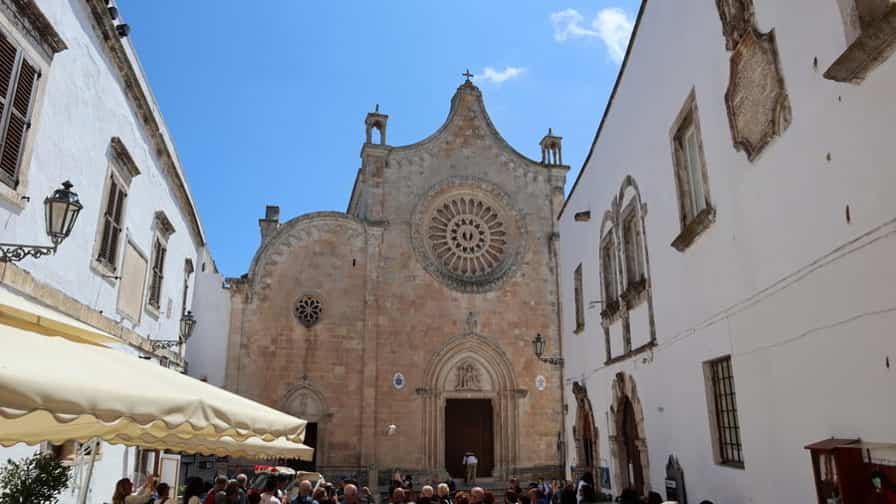
Dominating the skyline is the Ostuni Cathedral, dedicated to Santa Maria Assunta. Built in the late fifteenth century, the cathedral is a masterpiece of Gothic architecture, distinguished by its elaborate rose window and imposing façade. Inside, the church houses significant works of art and offers a serene contrast to the lively streets below. From the cathedral square, visitors can enjoy sweeping panoramic views that extend across olive groves to the Adriatic coastline, reinforcing Ostuni’s close relationship with both land and sea.
Ostuni’s cultural life is deeply rooted in tradition and community. Throughout the year, festivals and religious celebrations bring the town to life, most notably the Feast of Saint Oronzo, the patron saint of Ostuni. This event features processions, music, decorations, and fireworks, drawing both residents and visitors into a shared expression of faith and local pride. These celebrations reflect the strong bonds within the community and the importance of preserving customs that have been passed down through generations.
The surrounding landscape plays a vital role in shaping Ostuni’s identity. The countryside is dominated by centuries-old olive trees, some of which are twisted into sculptural forms by time. Olive oil production remains a cornerstone of the local economy and culture, with techniques refined over generations. Vineyards, almond trees, and small farms further contribute to the region’s agricultural richness. Just a short distance from the historic center, the coastline offers sandy beaches and clear waters, providing a natural extension of the town’s appeal and an opportunity for relaxation by the sea.
Cuisine in Ostuni reflects the simplicity and authenticity of Apulian gastronomy. Local dishes emphasize fresh, seasonal ingredients, including vegetables, legumes, grains, and olive oil. Traditional recipes often feature orecchiette pasta, fresh cheeses, and seafood from the nearby Adriatic. Dining in Ostuni is not only a culinary experience but also a cultural one, where meals are shared leisurely and hospitality is an essential value. Restaurants and family-run trattorias showcase the flavours of the region while maintaining a strong connection to local traditions.
Despite its ancient appearance, Ostuni has embraced modern life while carefully preserving its heritage. The town offers cultural events, art exhibitions, and contemporary accommodations that cater to travellers without compromising its historical integrity. Its location also makes it an ideal base for exploring the wider Apulia region, including nearby towns, rural landscapes, and coastal areas.
Ostuni is a town where history, light, and landscape converge to create a uniquely evocative atmosphere. Its whitewashed streets, rich cultural traditions, and harmonious relationship with nature offer visitors an authentic introduction to southern Italy. Ostuni invites exploration at a gentle pace, encouraging travellers to experience not only its beauty but also the enduring spirit of a community deeply connected to its past and its land.
Worth a Visit
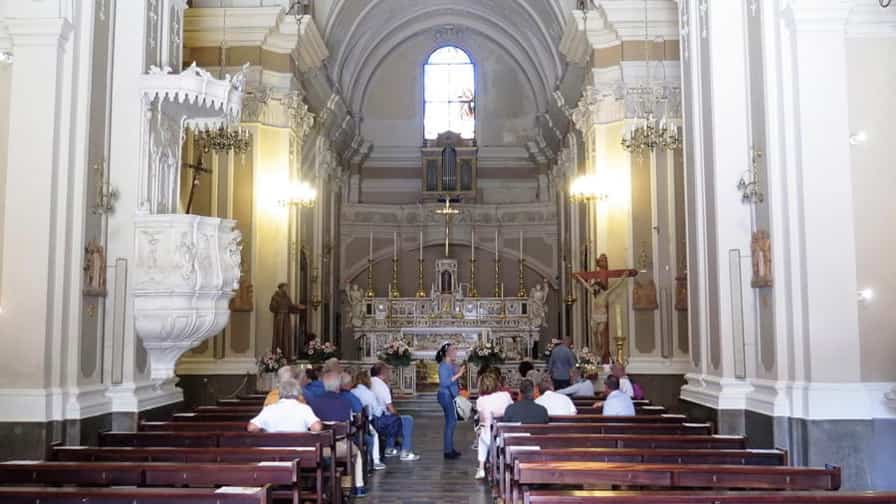
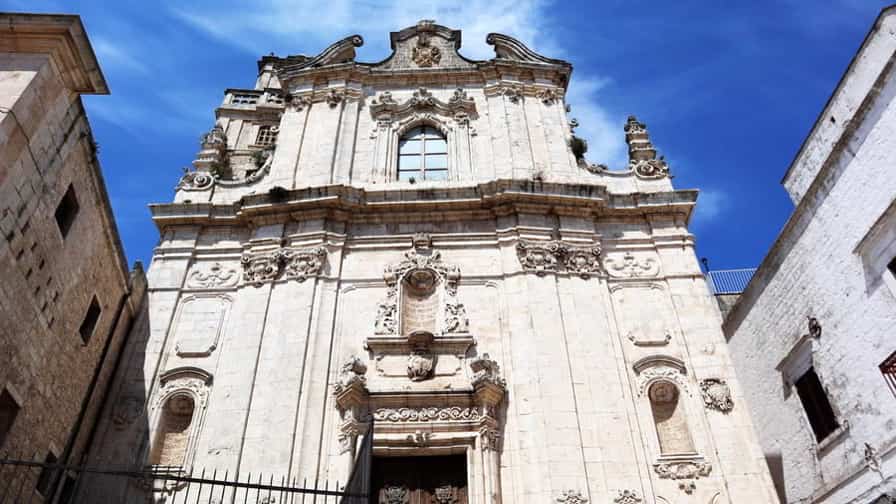
The Chiesa di San Francesco, located along Corso Giuseppe Mazzini in Ostuni, is one of the city’s most distinguished and historically rich churches. Originally founded in the 13th century by the Franciscan order, it has undergone several transformations that blend Gothic and Baroque architectural elements. Its elegant façade, featuring intricate stonework and a majestic portal, reflects the artistic refinement of the period. Inside, the church offers a serene and contemplative atmosphere, adorned with beautiful altars, religious sculptures, and frescoes that narrate centuries of devotion and craftsmanship. The main altar, crafted in marble and gilded details, stands as a focal point of sacred artistry. Beyond its religious importance, the Chiesa di San Francesco is also a cultural treasure, representing Ostuni’s deep spiritual heritage and architectural splendour. Nestled within the whitewashed streets of the “White City,” it remains a peaceful haven of beauty, faith, and history.
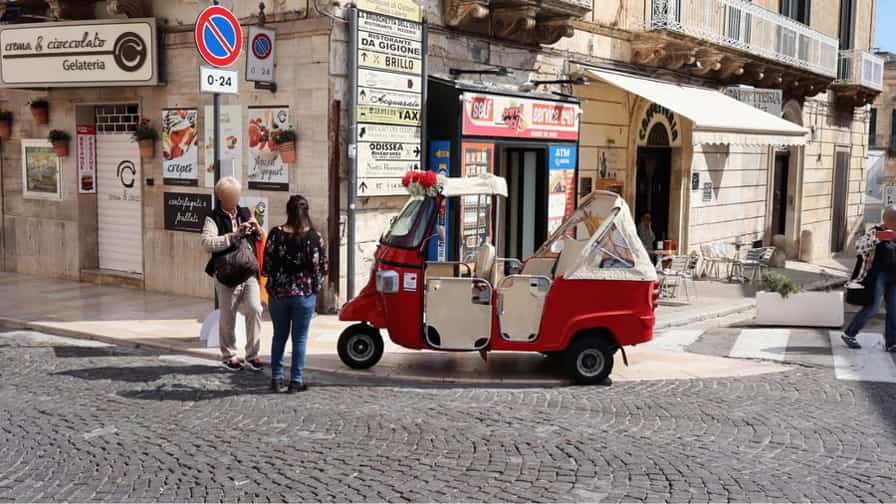
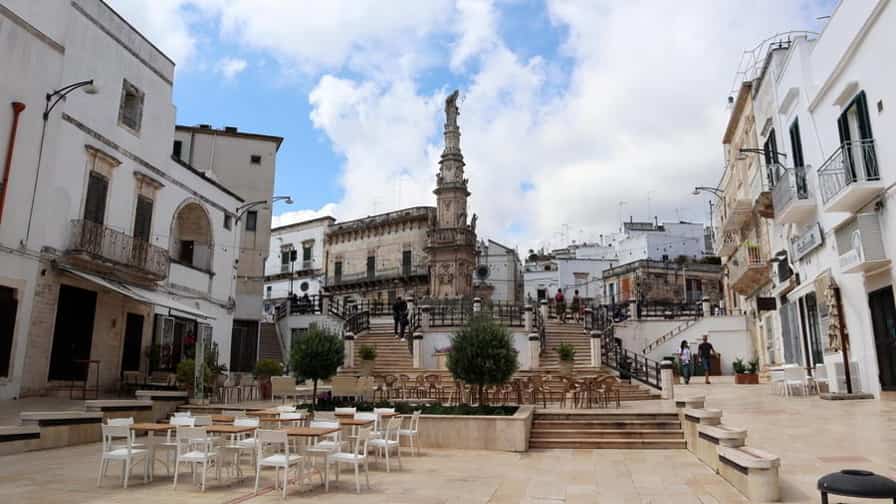
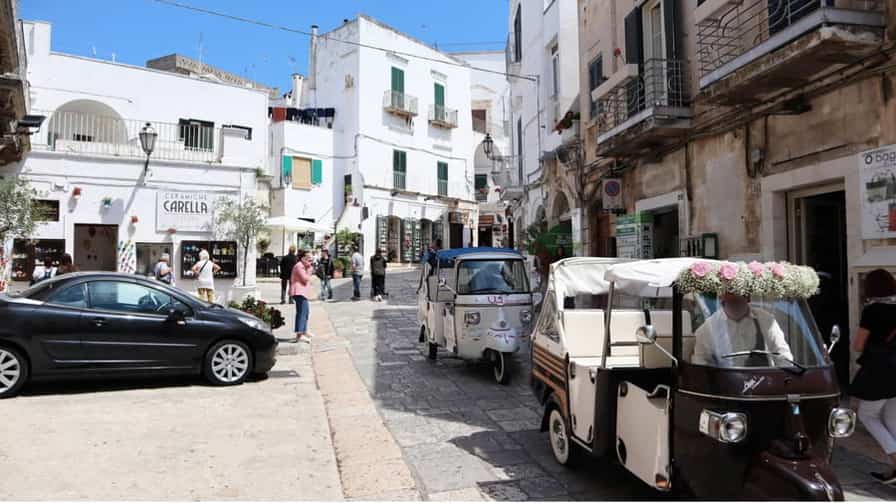
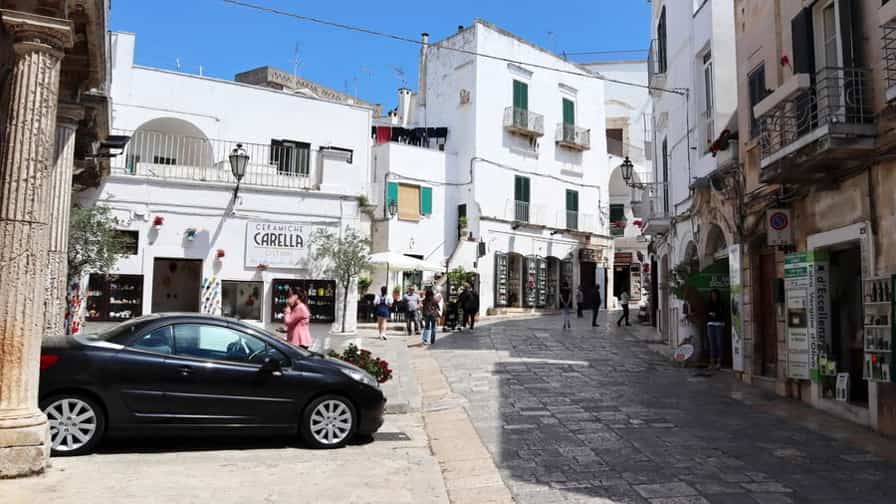
Piazza della Libertà is the vibrant heart of Ostuni, the famous “White City” in southern Italy’s Puglia region. Surrounded by elegant baroque and neoclassical buildings, the square serves as a lively meeting point for locals and visitors alike. Dominating the piazza is the impressive Colonna di Sant’Oronzo, an 18th-century column dedicated to the city’s patron saint, offering both historical and artistic significance. The surrounding architecture, including the former town hall and the Church of San Francesco, reflects Ostuni’s rich blend of cultural influences. By day, the square buzzes with cafés, restaurants, and market life, while at night it transforms into a beautifully illuminated stage for social gatherings and events. Piazza della Libertà also marks the gateway to Ostuni’s old town, with its maze of whitewashed alleys and panoramic viewpoints. It remains a symbol of Ostuni’s enduring charm, history, and Mediterranean spirit.
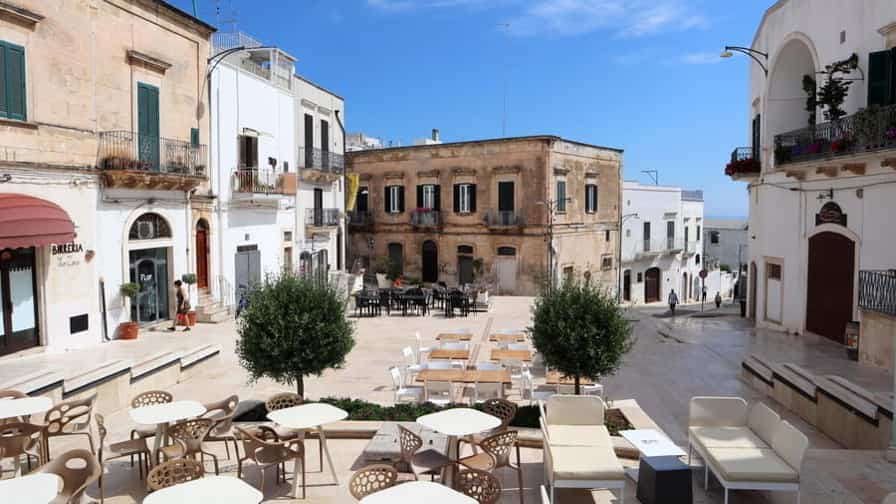
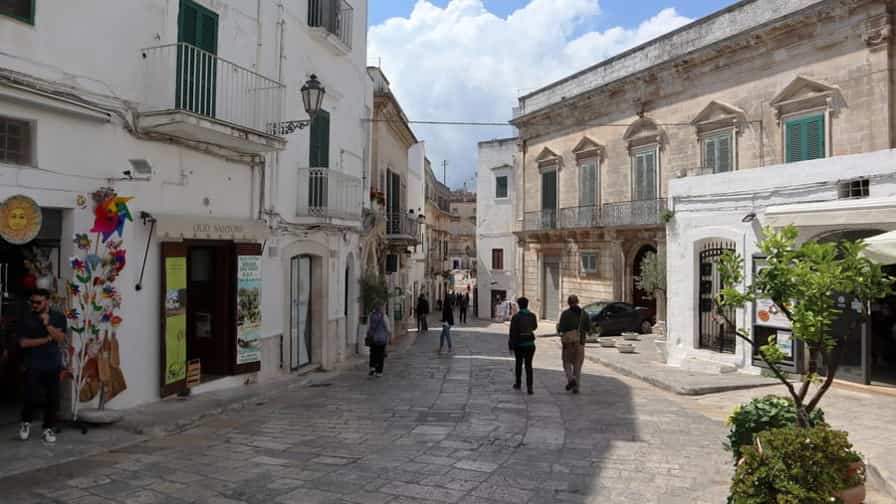
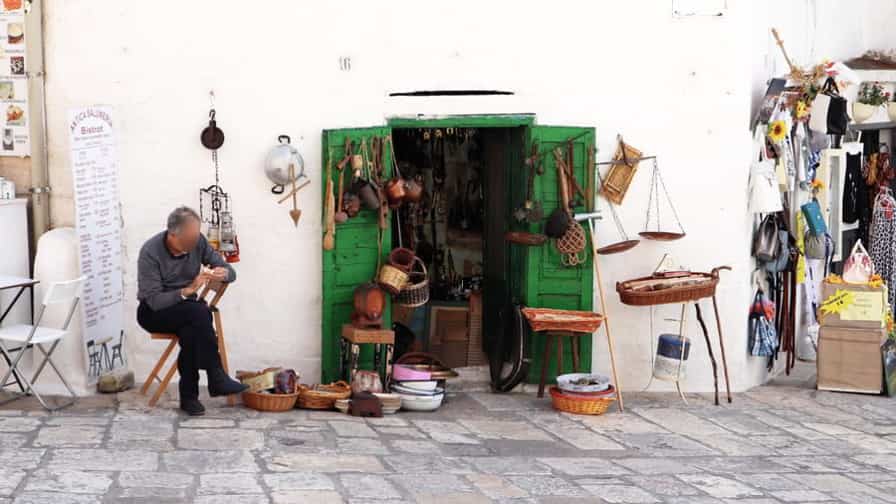
Via Indipendenza is one of Ostuni’s most charming and characteristic streets, reflecting the timeless beauty of the “White City” in southern Italy’s Puglia region. Stretching gracefully through the historic centre, it connects important landmarks while offering a picturesque glimpse of daily life. Lined with whitewashed houses, quaint balconies overflowing with flowers, and artisan shops, the street embodies the warm Mediterranean spirit that defines Ostuni. As visitors stroll along Via Indipendenza, they can admire stunning views of the surrounding countryside and the Adriatic Sea shimmering in the distance. The street is also home to cosy cafés and traditional restaurants, where local cuisine and hospitality come together in perfect harmony. Whether visited during the quiet morning hours or under the golden evening light, Via Indipendenza captures the authentic soul of Ostuni, a blend of history, elegance, and southern Italian charm that enchants every traveller.
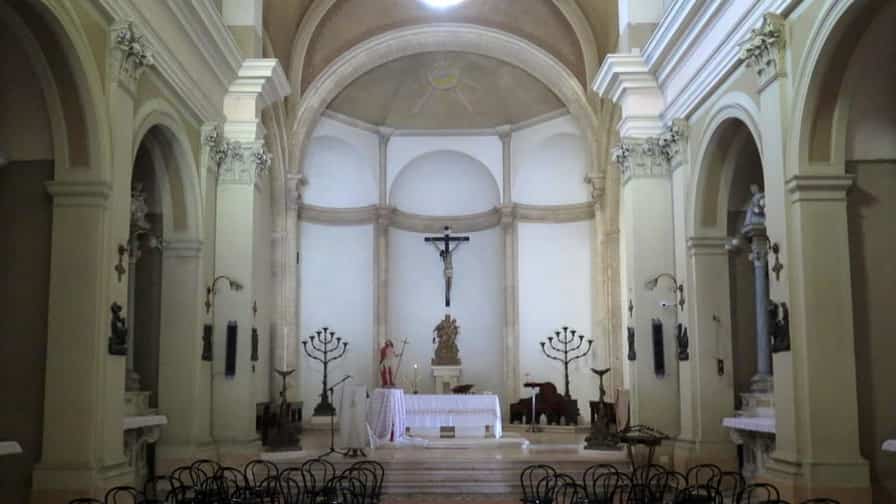
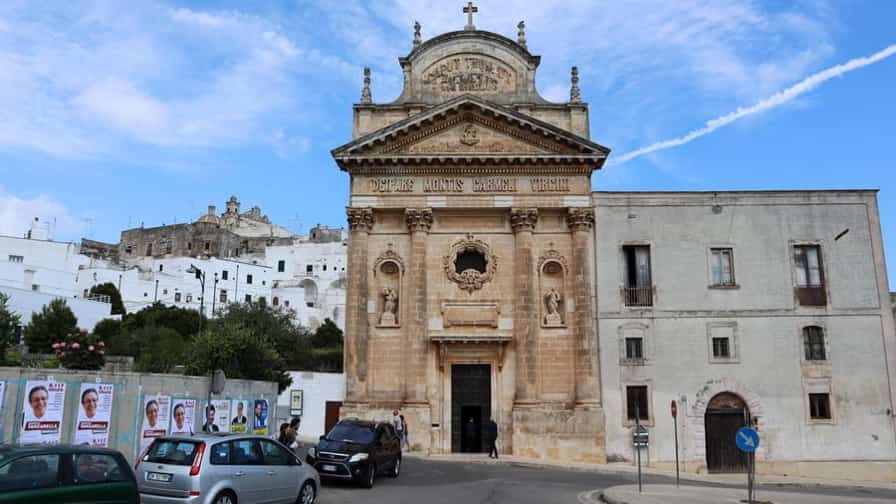
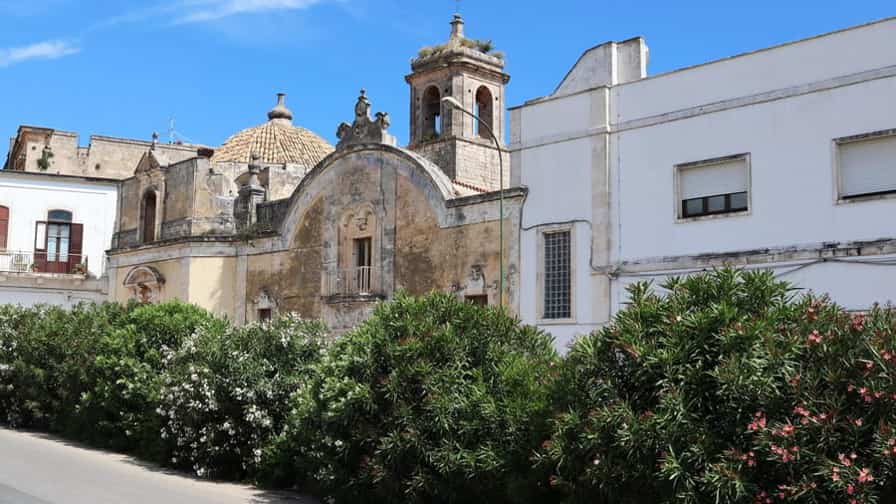
The Chiesa del Carmine, located on Via Giosuè Pinto in Ostuni, is a beautiful example of Baroque religious architecture that enriches the city’s historic charm. Built in the 18th century, the church is dedicated to Our Lady of Mount Carmel and reflects the deep devotion of the Carmelite order. Its elegant façade, adorned with ornate stone carvings and graceful curves, captures the artistic spirit of the period. Inside, the atmosphere is serene and contemplative, featuring richly decorated altars, intricate stucco work, and paintings depicting scenes from the life of the Virgin Mary. The main altar, crowned by a statue of the Madonna del Carmine, stands as a focal point of faith and beauty. Surrounded by Ostuni’s characteristic whitewashed streets, the Chiesa del Carmine offers visitors a peaceful retreat and a glimpse into the city’s spiritual and artistic heritage, harmoniously blending art, devotion, and history.
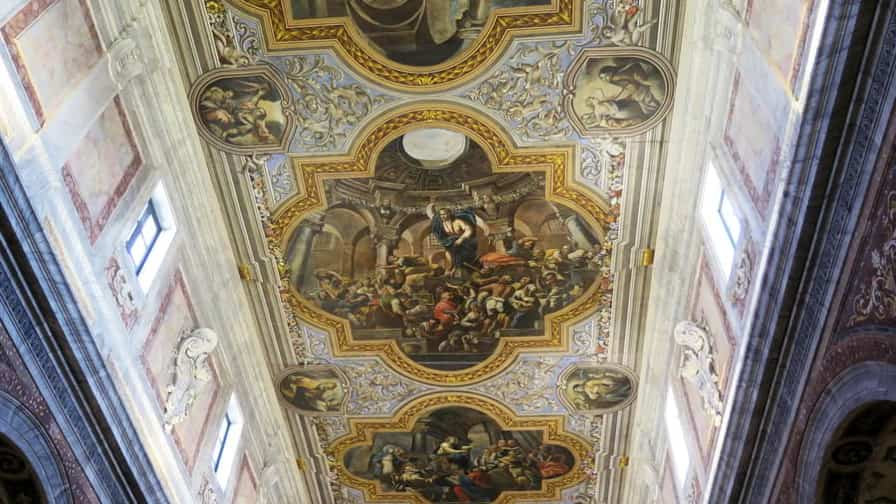
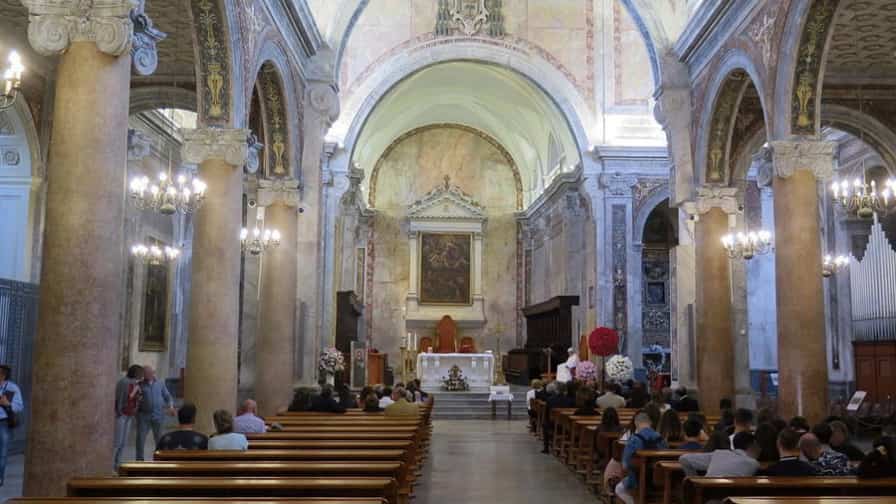
The Concattedrale di Santa Maria Assunta in Cielo, located in Piazza Beato Giovanni Paolo II in Ostuni, is the city’s most important religious monument and a masterpiece of late Gothic architecture. Built between the 15th and 16th centuries, the cathedral stands majestically at the highest point of Ostuni’s old town, offering sweeping views over the whitewashed houses and the Adriatic Sea beyond. Its stunning rose window—one of the largest in Europe—is a defining feature, intricately carved with symbolic motifs representing the harmony of creation. Inside, the cathedral exudes serenity, with elegant arches, ornate chapels, and precious artworks that reflect centuries of faith and craftsmanship. The interior’s blend of Gothic and Baroque styles reveals the evolving artistic influences of the region. As a spiritual and cultural landmark, the Concattedrale di Santa Maria Assunta in Cielo embodies Ostuni’s deep devotion, architectural splendour, and enduring historical legacy.
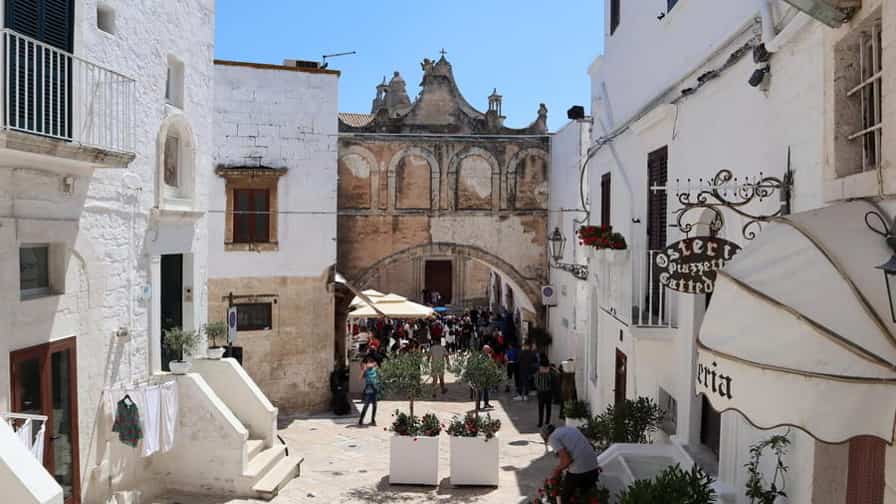
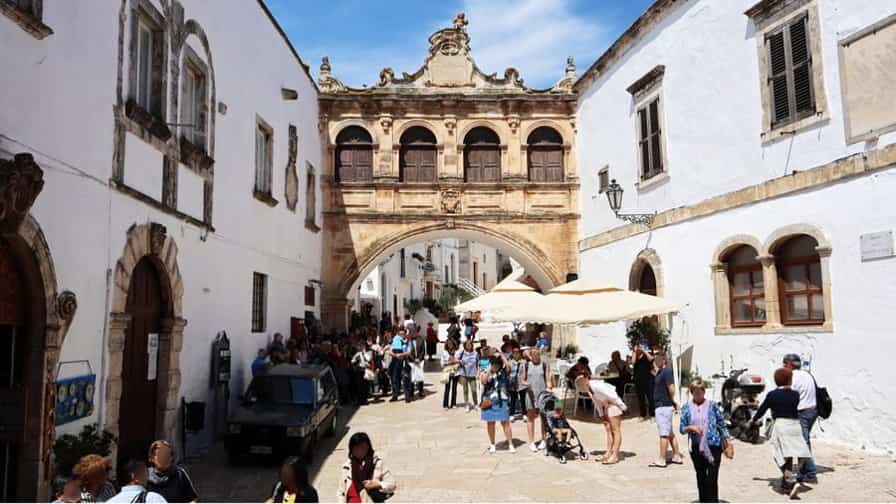
The Arco Scoppa, located on Largo Arcidiacono Trinchera in Ostuni, is one of the most iconic architectural landmarks of the “White City.” This elegant 18th-century arch gracefully connects the Concattedrale di Santa Maria Assunta in Cielo with the former Episcopal Palace, symbolizing the union of spiritual and civic power. Built in 1750, the arch features intricate Baroque and Rococo details, with elegant stone carvings and a series of small windows that create a harmonious balance between lightness and strength. Its design is said to have been inspired by Venice’s Bridge of Sighs, giving it a romantic and timeless charm. Standing beneath the Arco Scoppa offers a perfect view of Ostuni’s winding streets and whitewashed buildings, capturing the city’s enchanting character. Today, it remains a favourite spot for photographers and visitors, representing Ostuni’s artistic heritage, architectural grace, and enduring southern Italian beauty.
Photo Gallery of Walk 1 – Corso Giuseppe Mazzini to Corso Vittorio Emanuele II
Approximately 1.18 km – 0.73 miles
Description of Walk 1
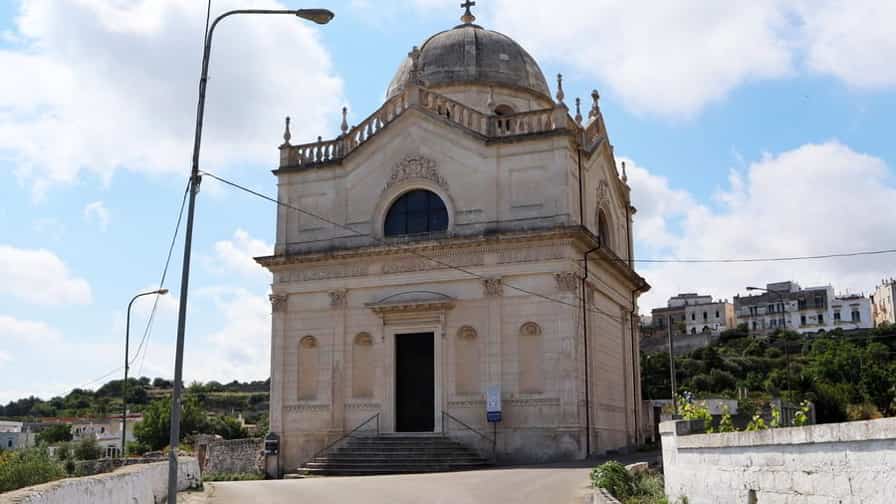
This walk explores the historic centre of Ostuni, often called the “White City” because of the whitewashed buildings that cover its hillside. Perched above the Adriatic coast, Ostuni is one of the most distinctive towns in Puglia, celebrated for its maze of narrow streets, elegant squares, and panoramic views of olive groves stretching toward the sea. The route begins along Corso Giuseppe Mazzini, a lively street that connects several important parts of the town. It follows Via Giuseppe Rodio and passes the monument dedicated to Giuseppe Orlando before returning to Corso Giuseppe Mazzini. The walk continues through charming lanes such as Vicolo Domenico Anglani and Vico Aurelio Saffi, which reveal the intimate character of Ostuni’s historic urban fabric. The route then reaches Via G. Pisanelli and visits the Chiesa di San Francesco, an important religious landmark. From there, it proceeds to Piazza della Libertà, the town’s principal square and social hub. Continuing along Via Matteo Renato Imbriani, the walk arrives at the Chiesa dello Spirito Santo before concluding on Corso Vittorio Emanuele II. Overall, the route offers a rich introduction to Ostuni’s history, architecture, and vibrant atmosphere.
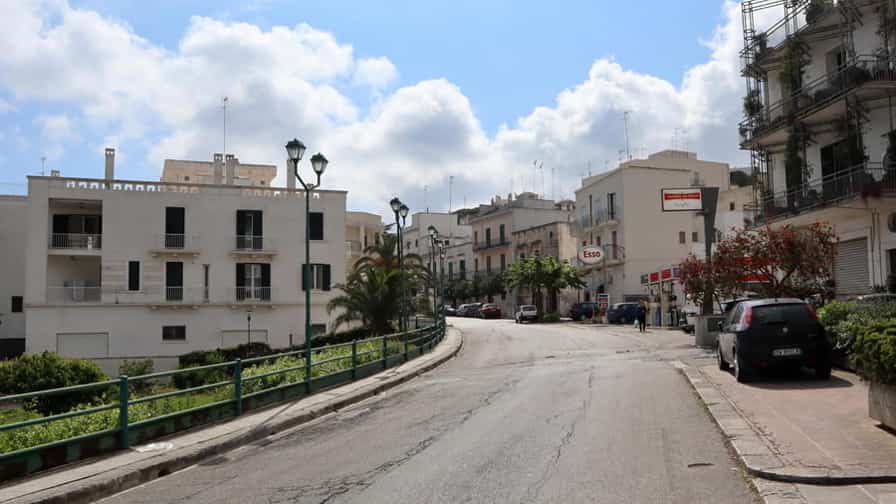
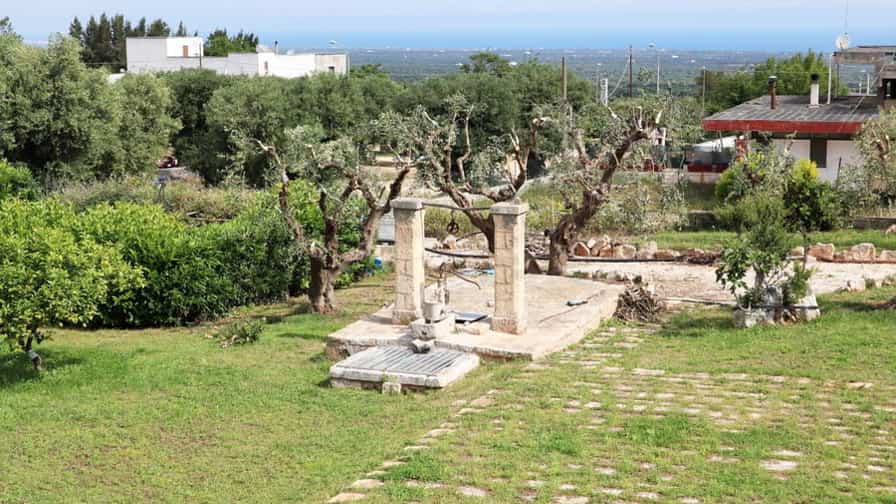
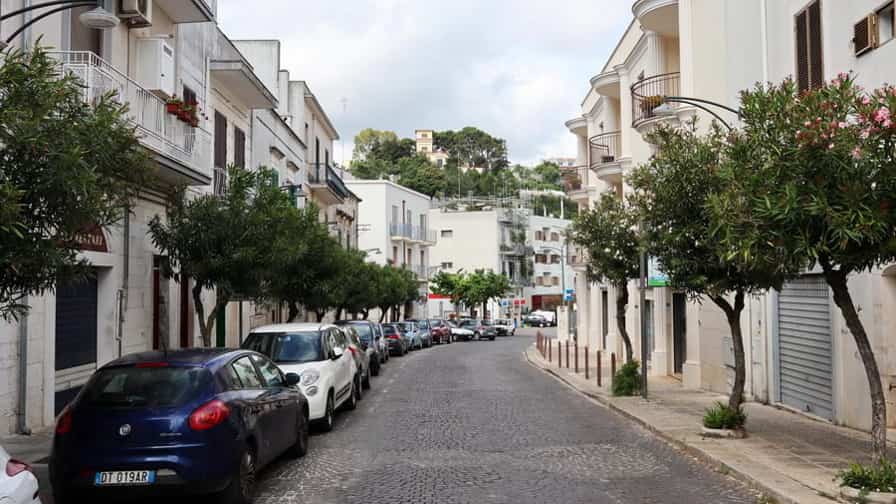
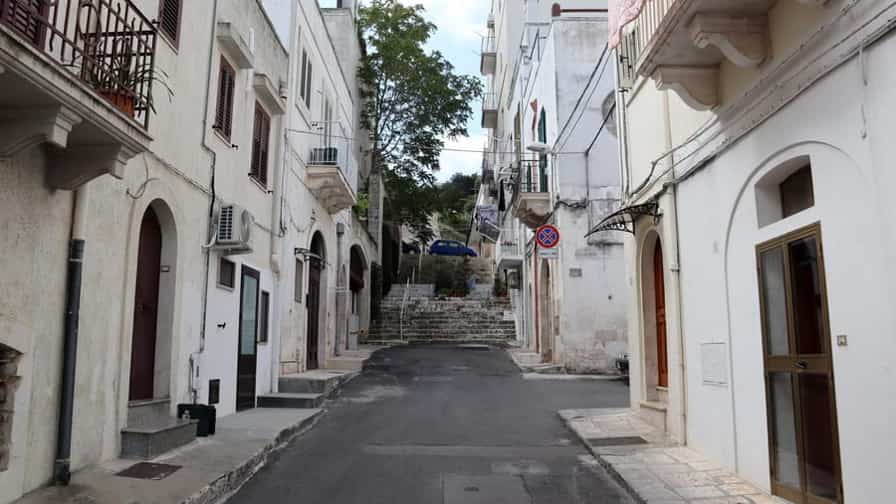
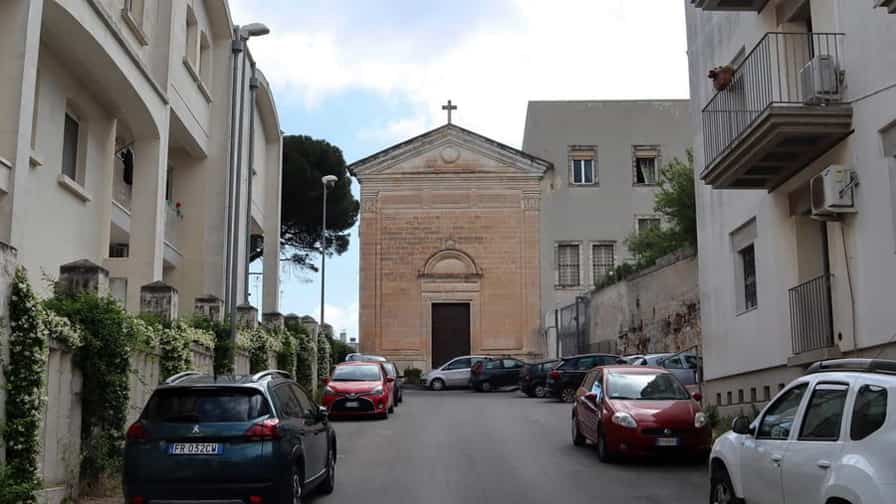
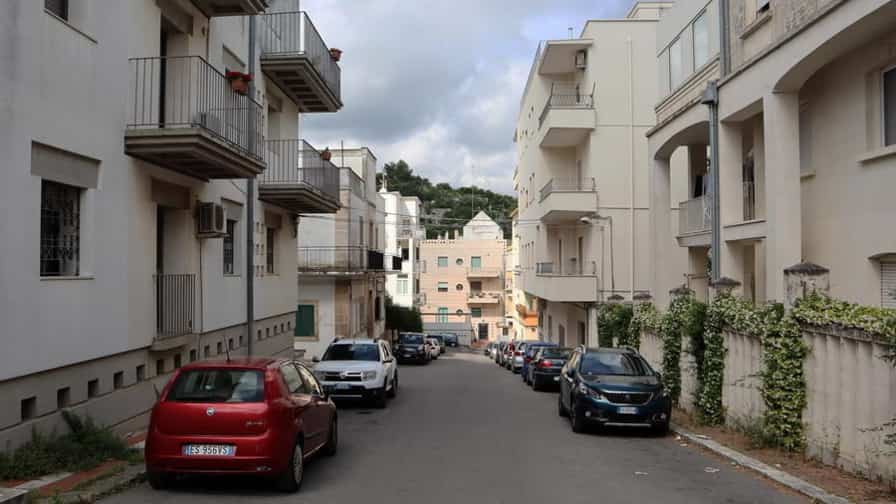
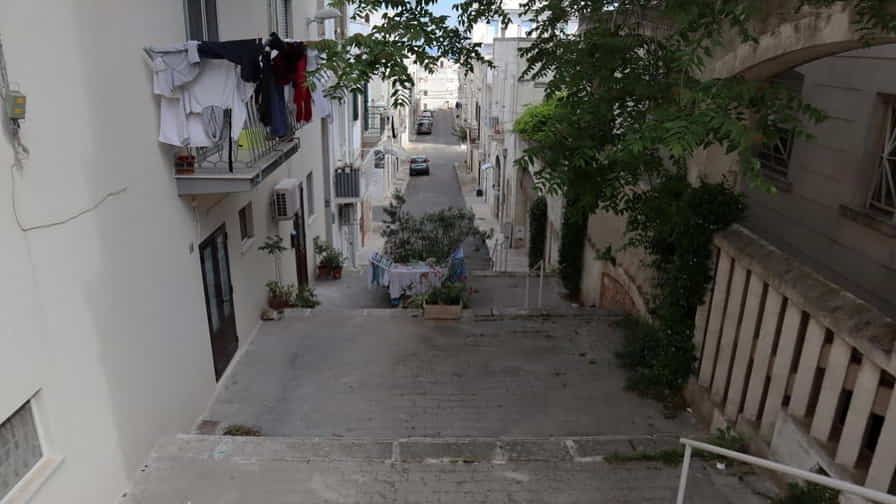
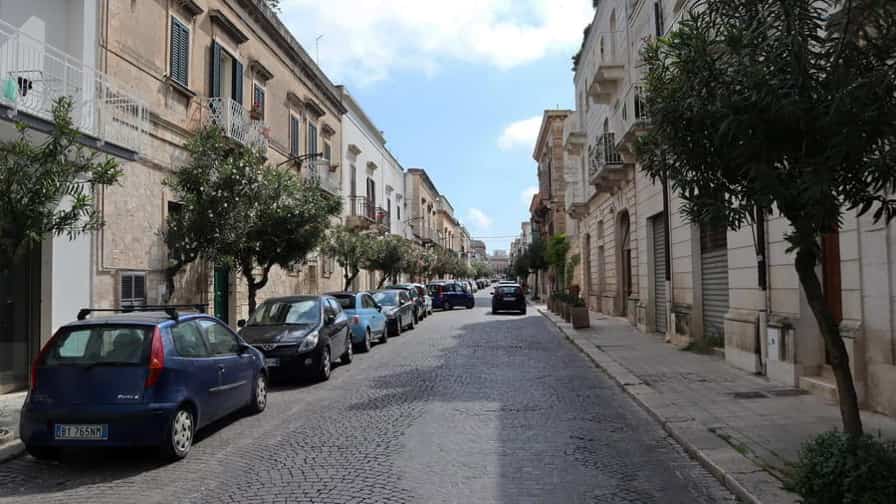
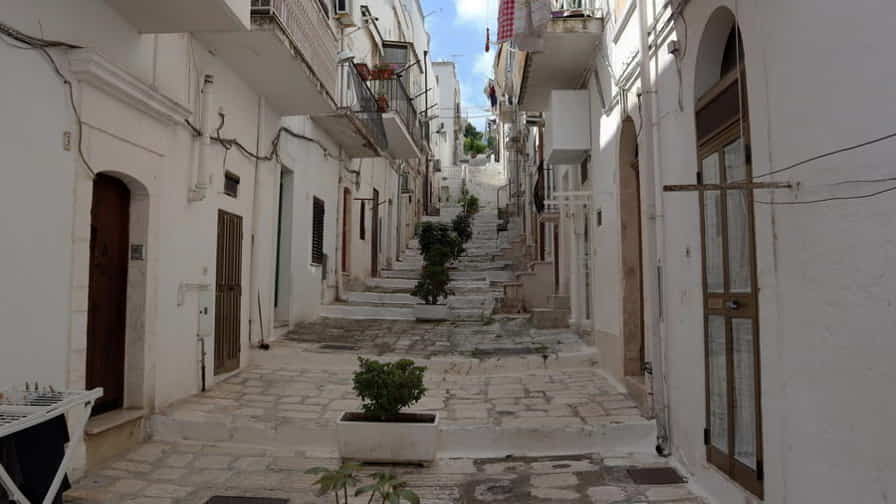
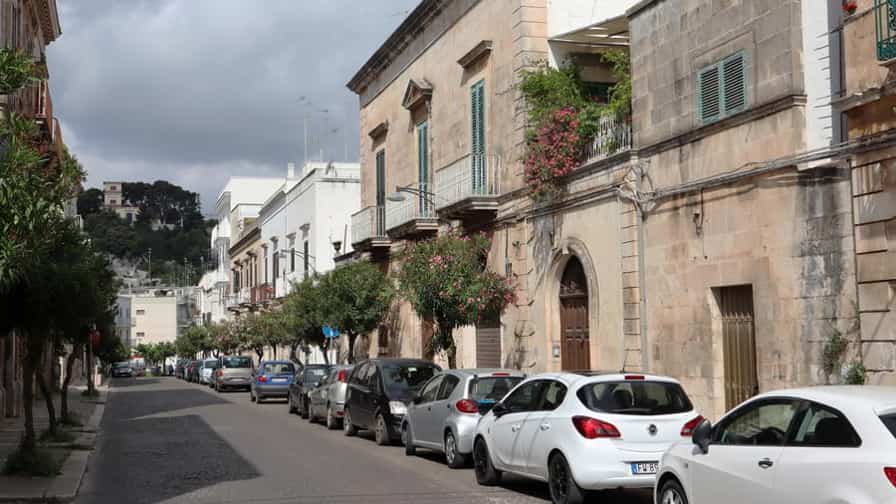
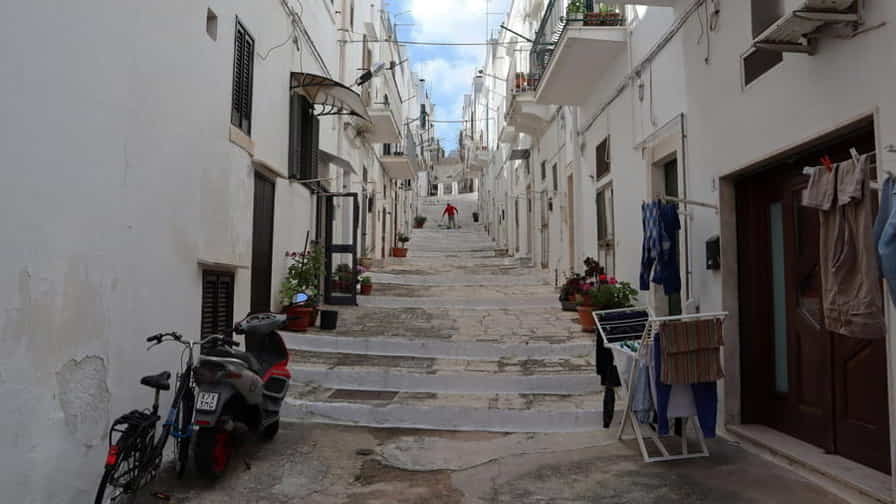
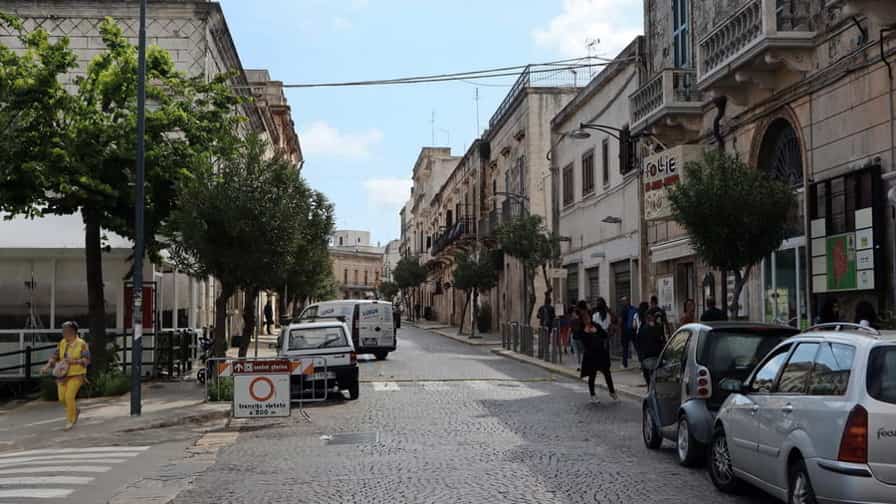
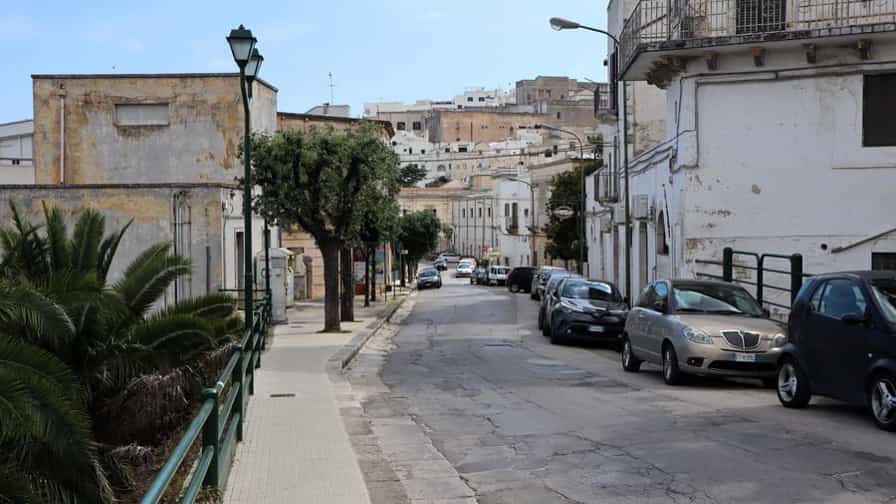
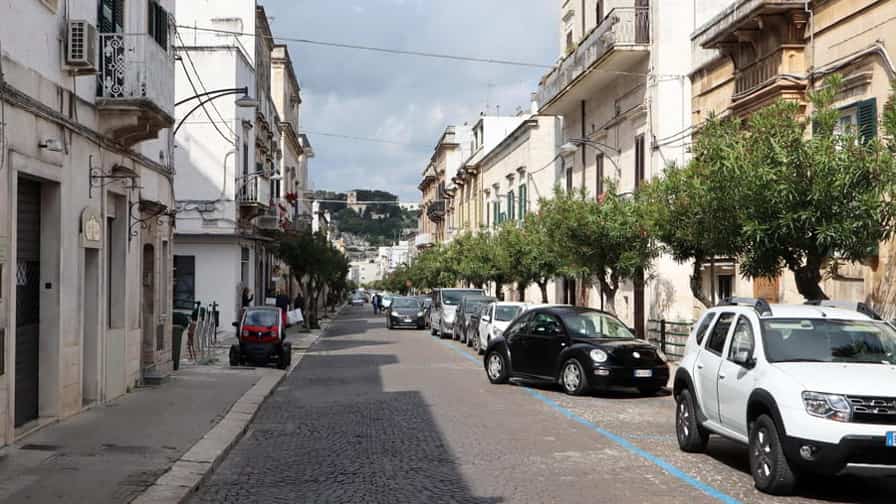
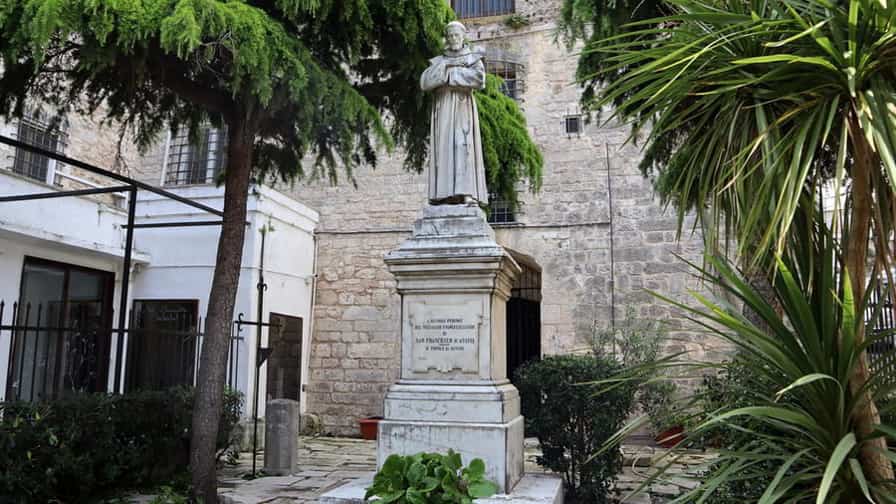
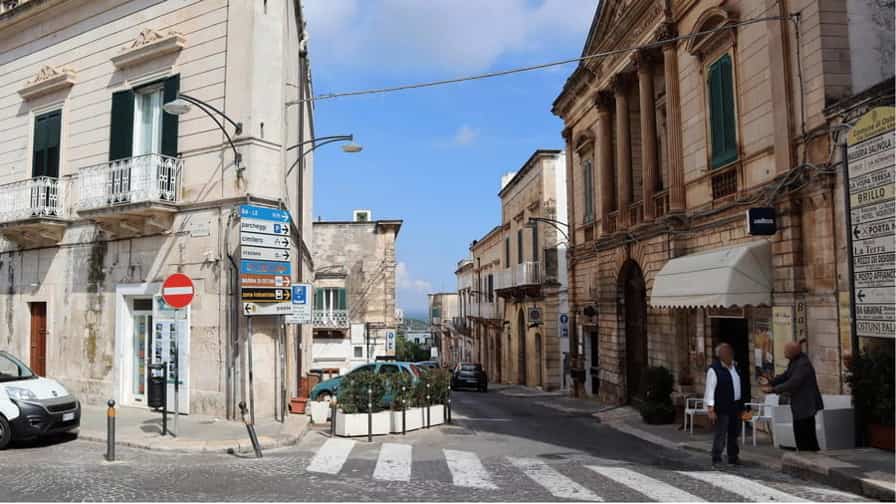
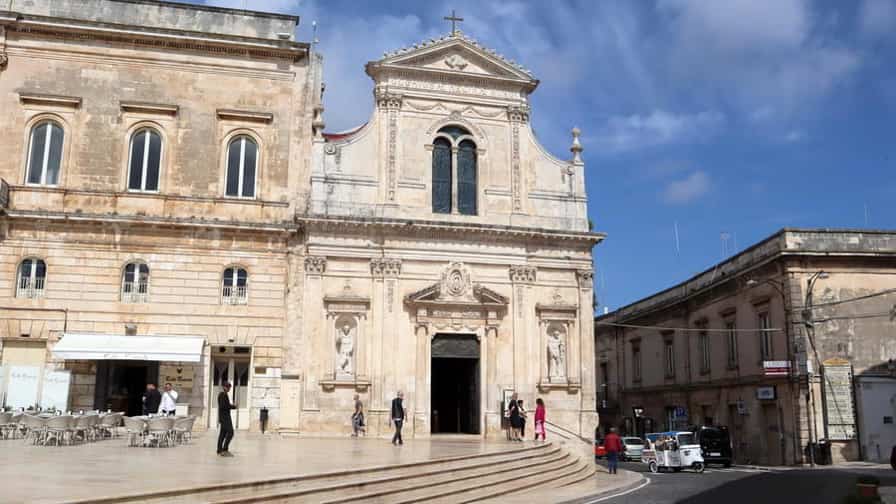
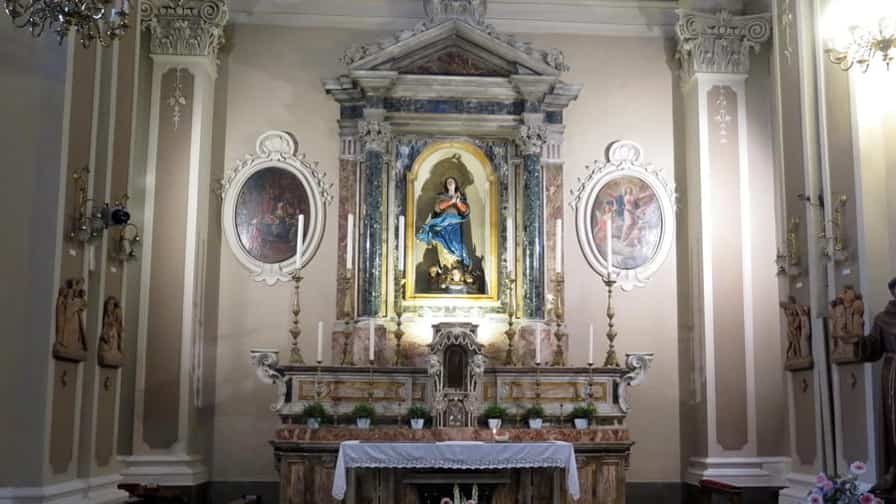
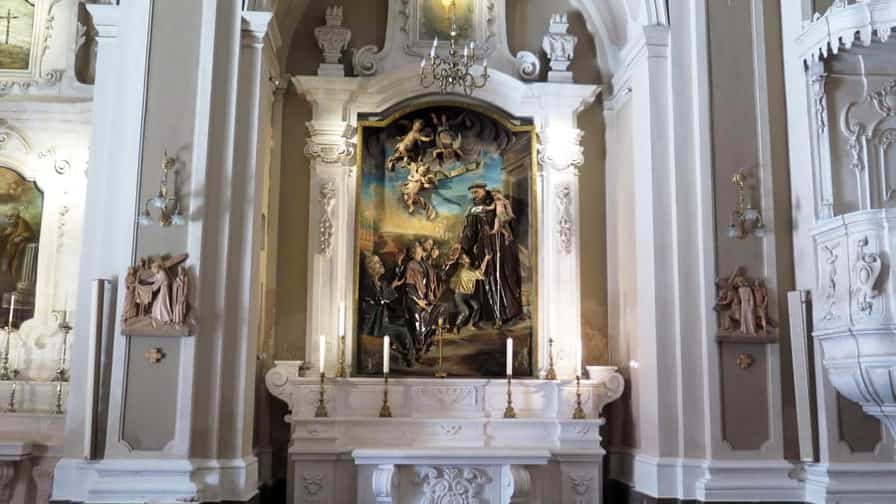
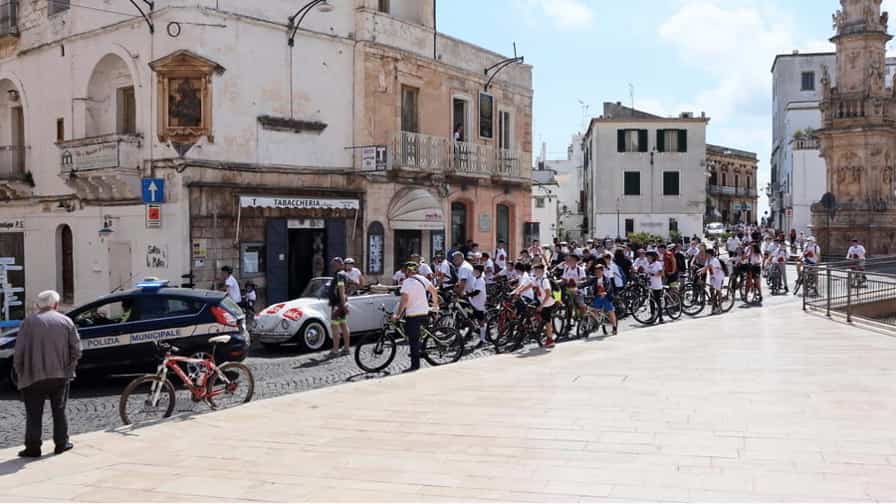
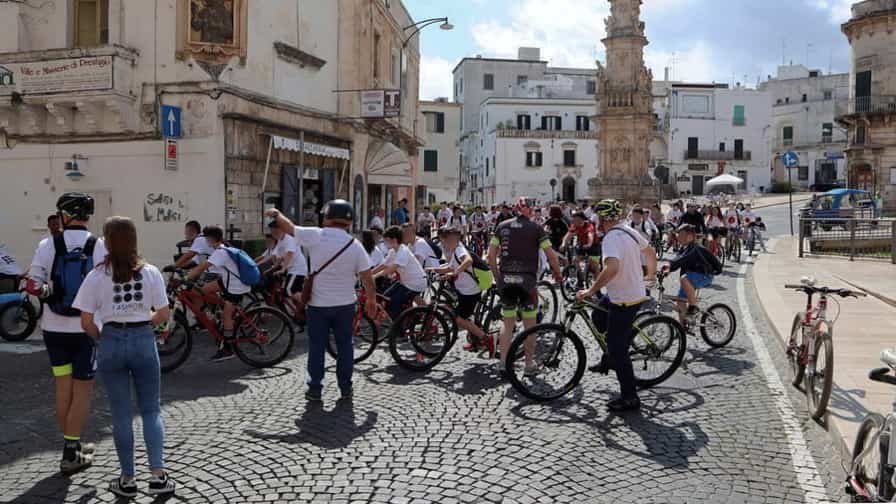
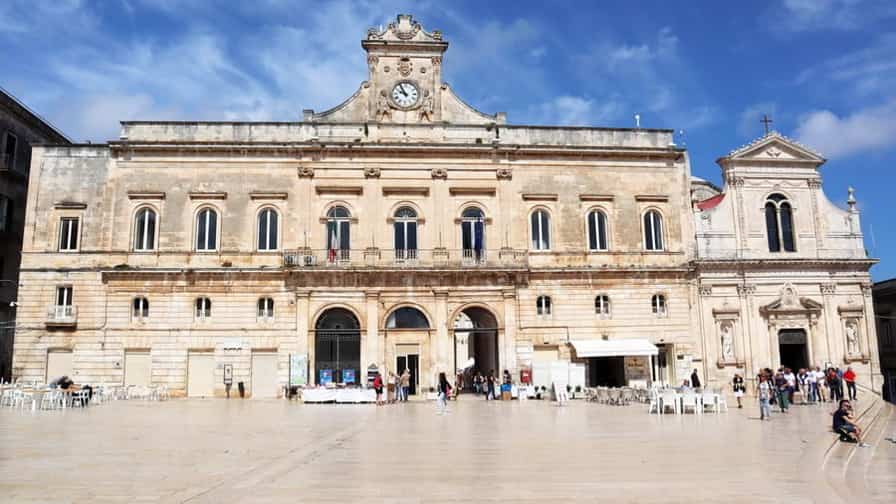
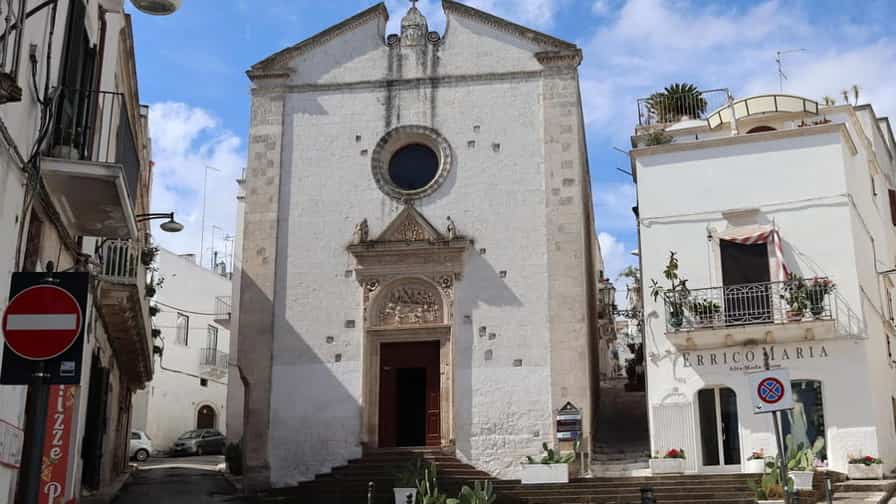
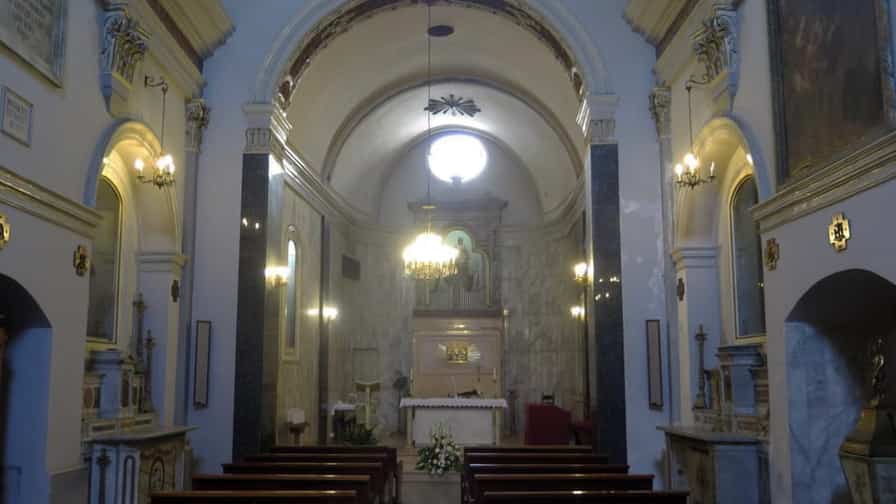
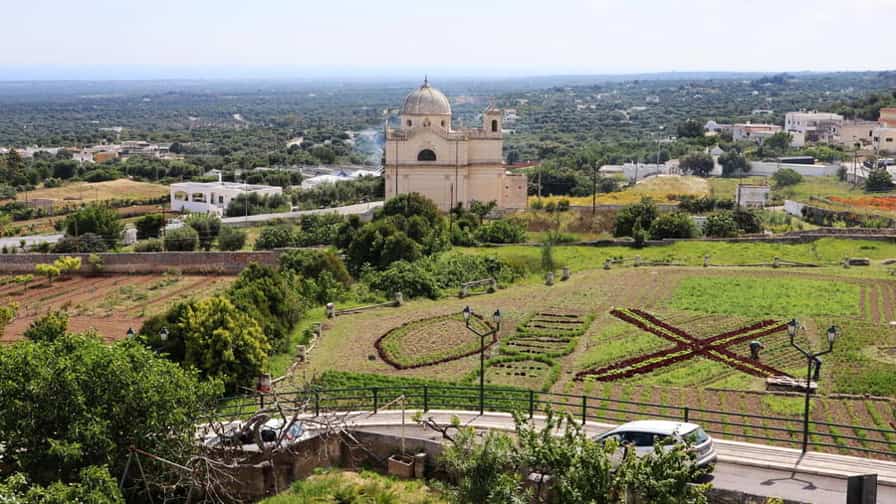
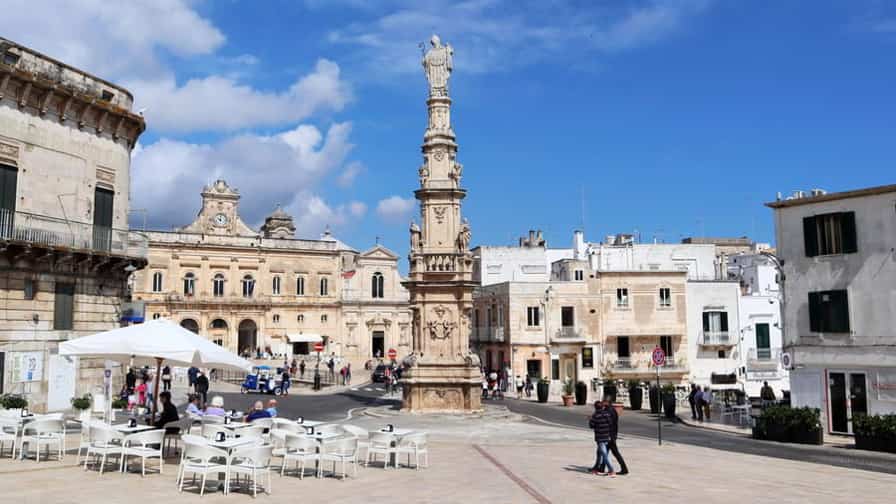
Photo Gallery of Walk 2 – Via Indipendenza to Via Giovanni Antonio Petrarolo
Approximately 1.51 km – 0.94 miles
Description of Walk 2
This walk explores the historic heart of Ostuni, one of the most beautiful towns in southern Italy. Known as the “White City,” Ostuni is famous for its whitewashed houses, winding alleys, and spectacular views over the Adriatic coastline and the surrounding olive groves. The historic centre, enclosed by ancient walls, preserves a distinctive medieval atmosphere shaped by centuries of cultural influences. The route begins on Via Indipendenza and continues along Via Salvatore Tommasi to the Chiesa del Carmine, a religious landmark that reflects the town’s spiritual heritage. It then follows Via Giosuè Pinto and Via Arciduca Francesco Antonio Zaccaria before reaching Via Cattedrale, one of the most important streets in the old town. The walk arrives at the magnificent Concattedrale di Santa Maria Assunta in Cielo in Piazza Beato Giovanni Paolo II. This Gothic cathedral is among Ostuni’s most significant monuments and dominates the historic centre. From the square, the route continues through L. Arcidiacono Trinchera to the elegant Arco Scoppa, which links historic buildings across a narrow street. The walk concludes along Via F. Incalzi Antonelli, Vico Pasquale Villari, and Via Giovanni Antonio Petrarolo, offering further views of Ostuni’s charming architecture and unique urban landscape.
COPYRIGHT © 2018-2026 ITALY IN PHOTOS - ALL RIGHTS RESERVED