
HOME
REGIONS OF ITALY
PLACES IN ITALY
PLAN YOUR TRIP
Italy in Photos
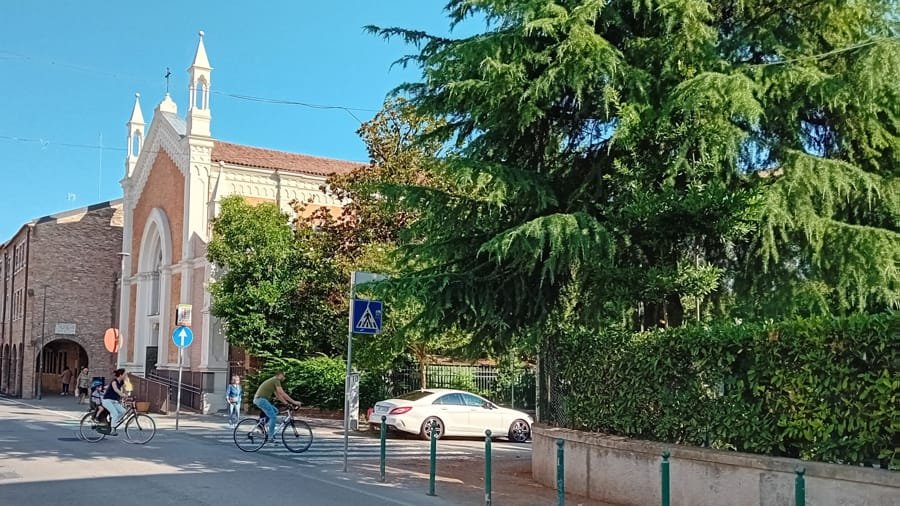
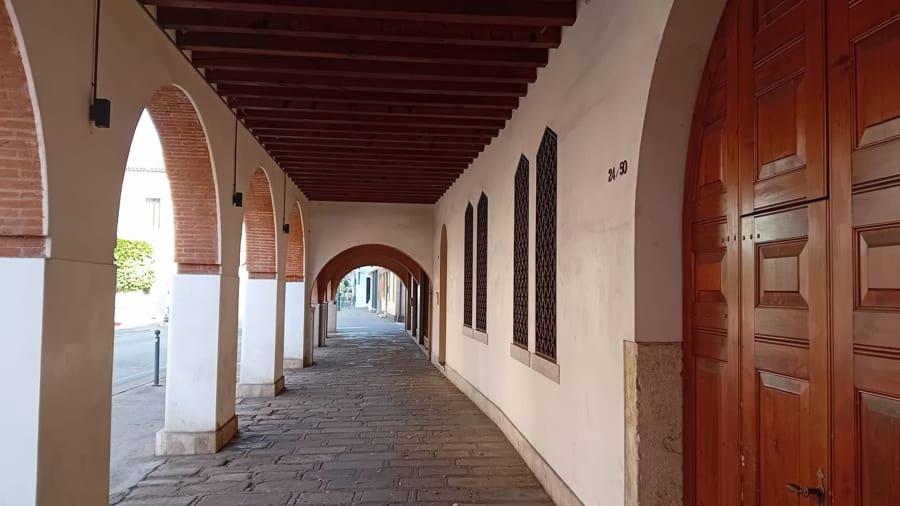
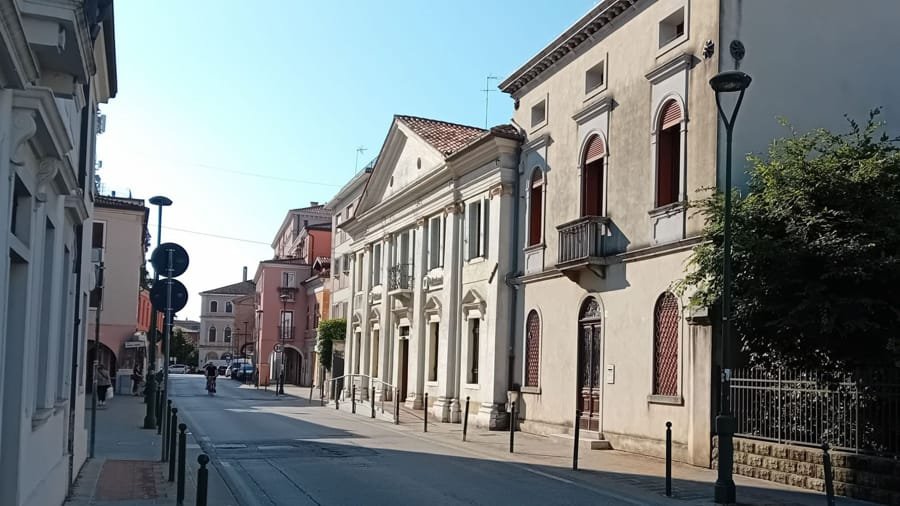
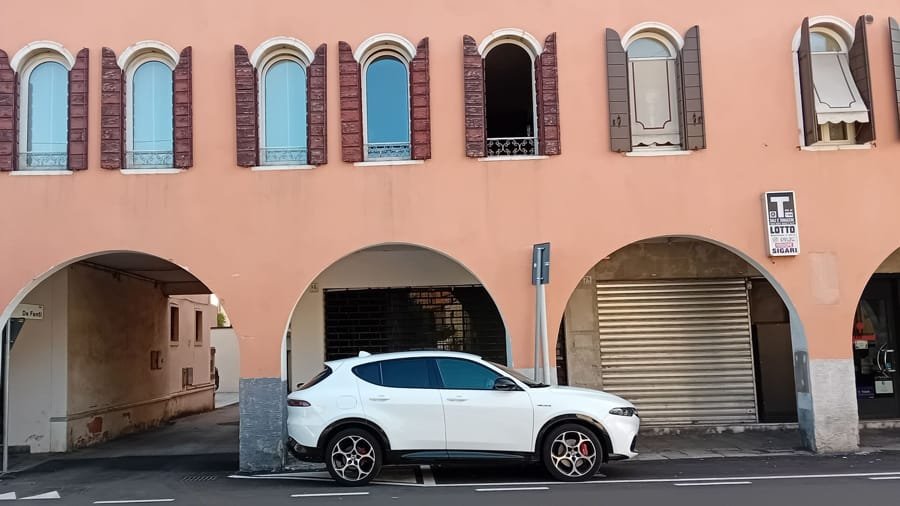
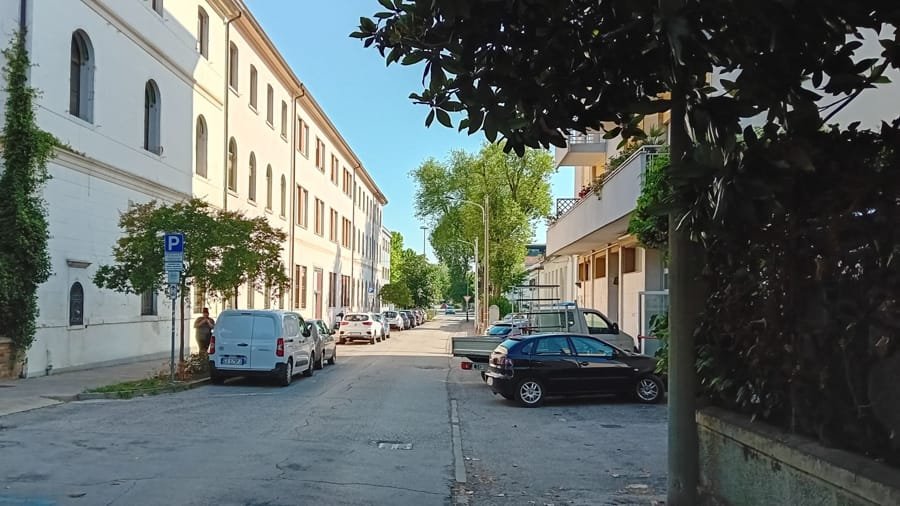
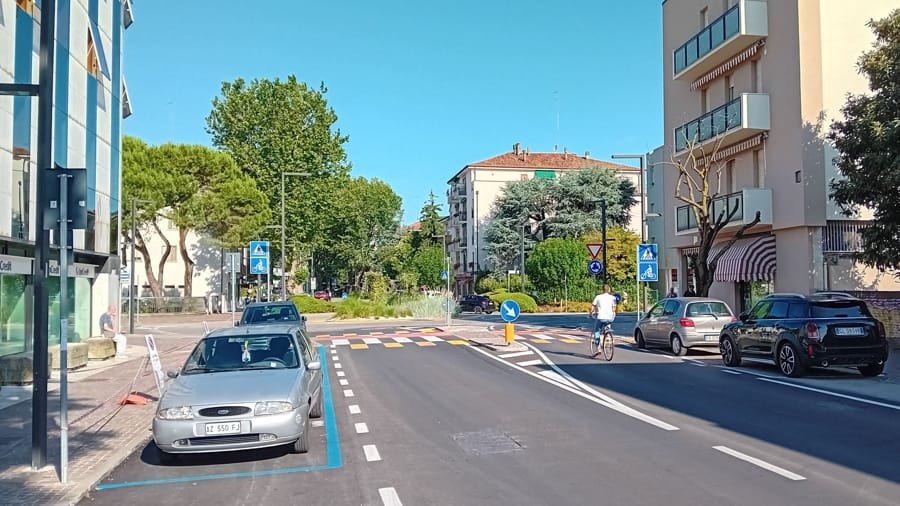
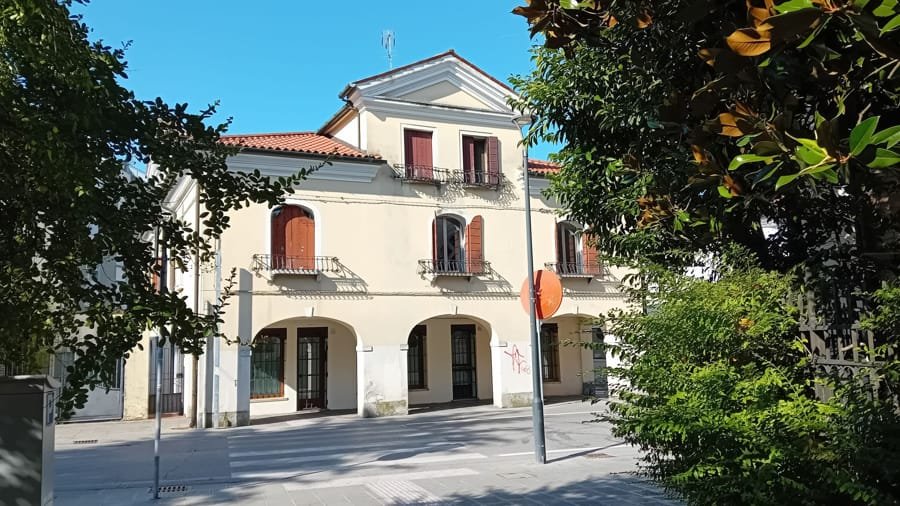
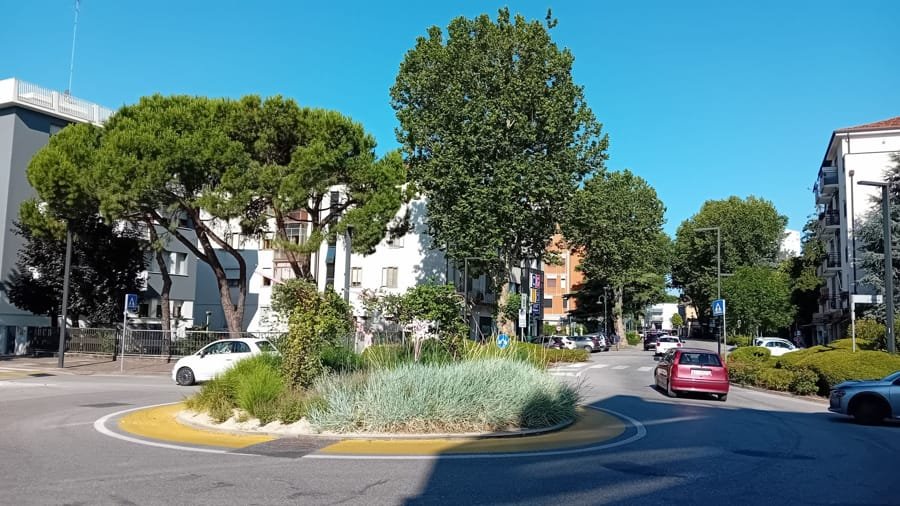
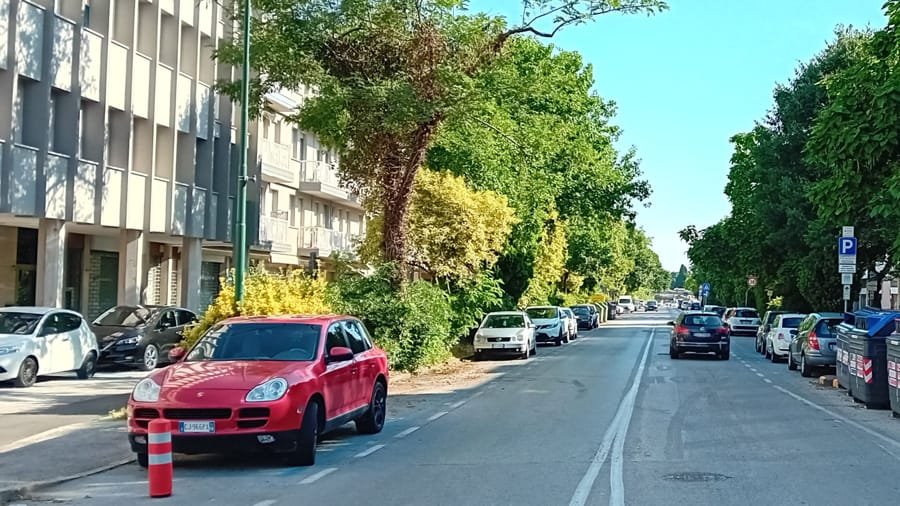
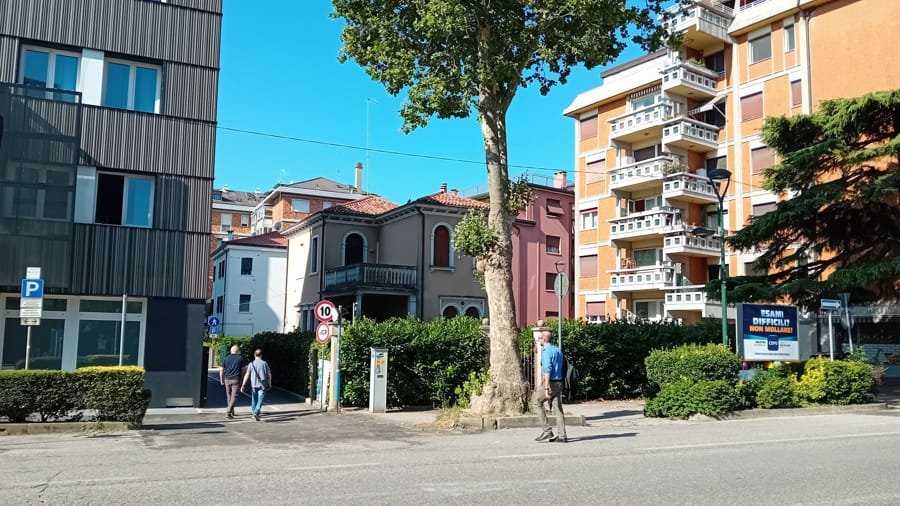
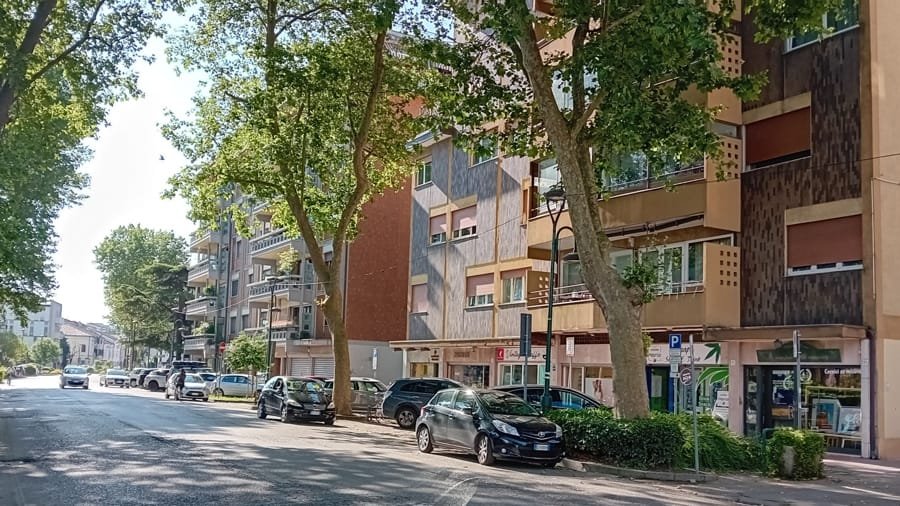
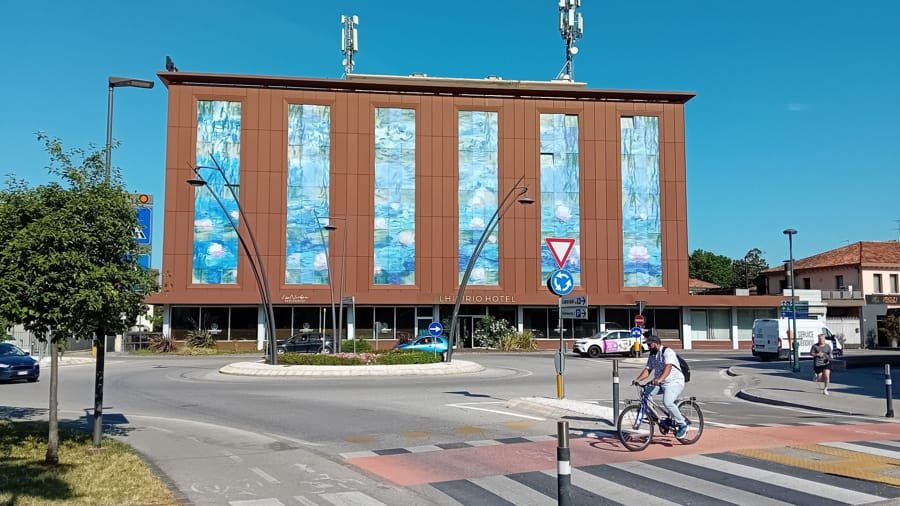
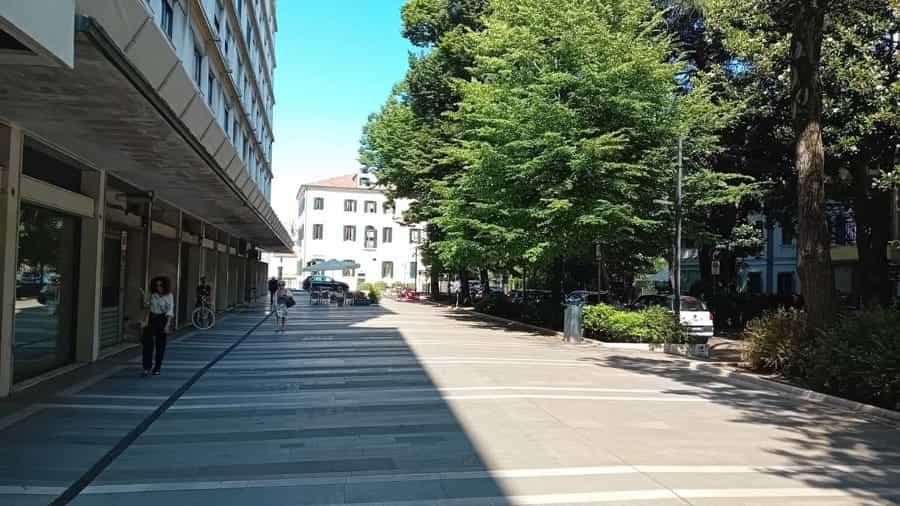
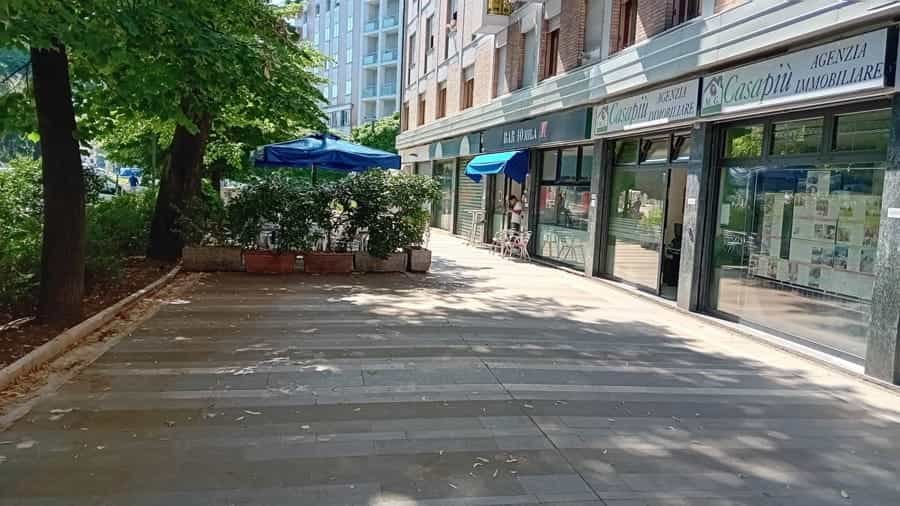
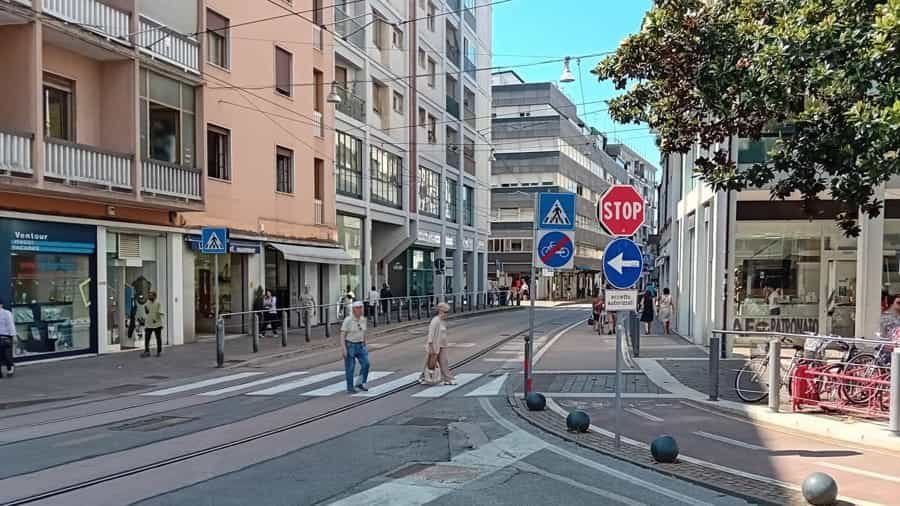
Via Giosuè Carducci, 30171 Venezia VE, Italy (June 2025)
Mestre – Venice
Mestre – Venice is a dynamic and often underestimated city in north-eastern Italy, forming an essential part of the wider municipality of Venice. Situated on the mainland, just a short distance from the historic islands of Venice, Mestre offers a different yet complementary perspective on the region’s culture, history, and daily life. While many visitors rush through Mestre on their way to canals and palaces, the city itself has a rich identity shaped by centuries of transformation, resilience, and modern growth.
Historically, Mestre developed as a strategic settlement long before Venice rose to prominence. Its position on the mainland made it an important point of connection between inland trade routes and the Venetian lagoon. Over time, Mestre evolved from a fortified medieval town into a commercial and industrial hub, especially during the nineteenth and twentieth centuries. This evolution left visible marks on its urban landscape, where historic buildings stand alongside modern infrastructure, reflecting the city’s role as a bridge between past and present.
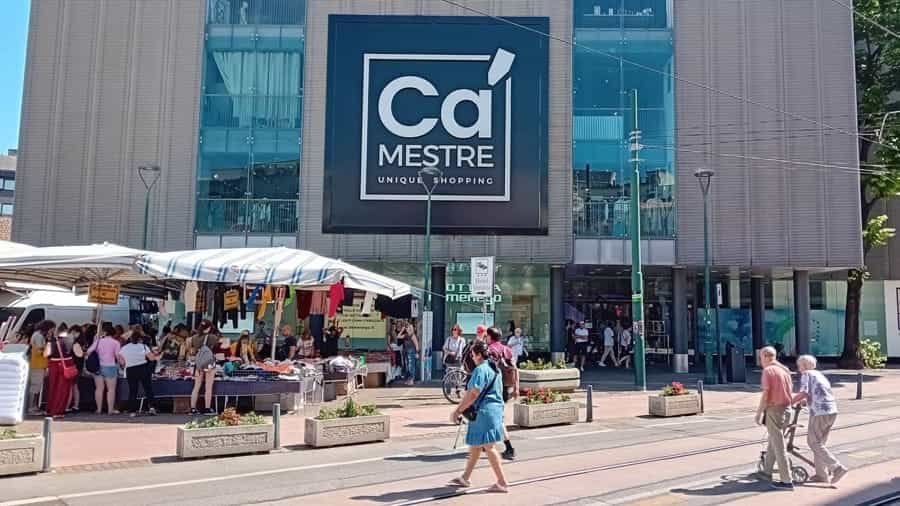
Today, Mestre functions as the mainland heart of Venice’s metropolitan area. It is home to a large residential population, many of whom work in Venice or in the surrounding Veneto region. This gives Mestre a lived in, authentic atmosphere that contrasts with the highly touristic character of Venice’s historic centre. Daily life here revolves around local markets, neighbourhood cafes, public parks, and busy streets filled with students, commuters, and families. For visitors seeking a more grounded Italian experience, Mestre offers a chance to observe contemporary life without the constant presence of crowds and souvenir shops.
One of Mestre’s defining characteristics is its accessibility. The city is a major transportation hub, with excellent rail, bus, and tram connections linking it to Venice, Padua, Treviso, and beyond. Venice’s historic centre can be reached in minutes, making Mestre an ideal base for exploring the lagoon while enjoying more affordable accommodation and services. This accessibility has also encouraged cultural exchange, turning Mestre into a diverse and multicultural city where different traditions and communities coexist.
Culturally, Mestre has made significant efforts to establish its own artistic and social identity. Institutions such as cultural centres, theatres, and museums play a key role in local life. Spaces like renovated fortresses, former industrial areas, and modern exhibition halls host concerts, festivals, and art shows throughout the year. These initiatives have helped redefine Mestre as more than a transit point, highlighting its creative energy and commitment to urban renewal.
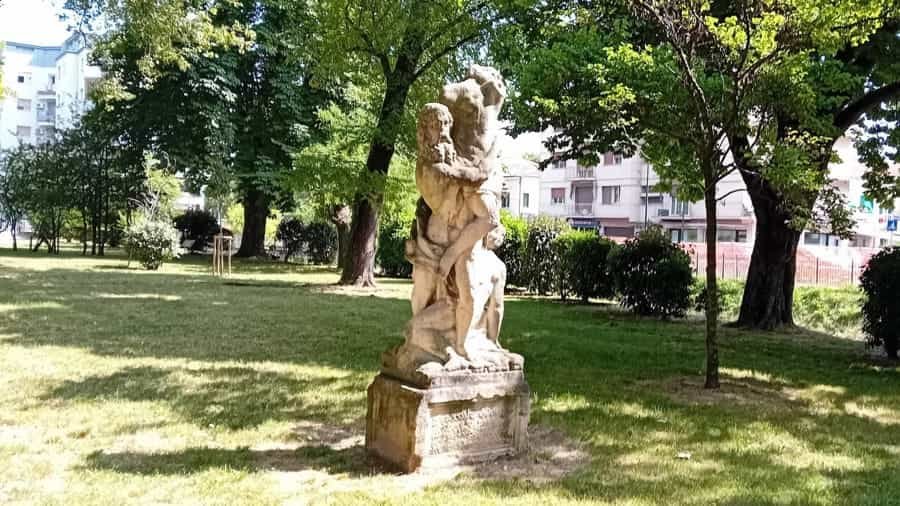
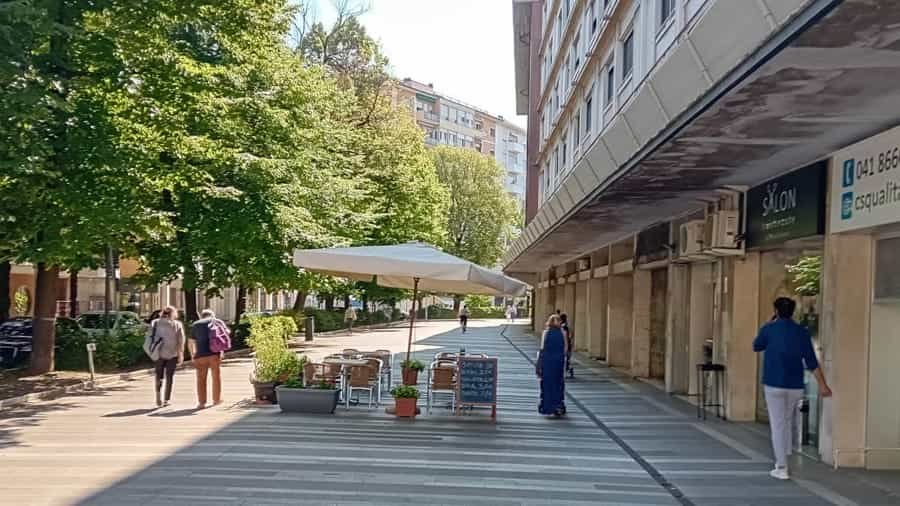
Green spaces are another important feature of Mestre. Parks such as Parco San Giuliano, one of the largest urban parks in Europe, offer sweeping views of the Venetian lagoon and the skyline of Venice in the distance. These areas provide residents and visitors with room to relax, exercise, and enjoy nature, reinforcing the city’s focus on liveability. Tree lined avenues and pedestrian zones further contribute to a sense of openness and balance within the urban environment.
Mestre’s culinary scene reflects both Venetian traditions and broader Italian influences. Local trattorias serve classic dishes based on seasonal ingredients, while international restaurants mirror the city’s cultural diversity. Food in Mestre is less shaped by tourism and more by everyday habits, offering simple, flavourful meals that emphasize authenticity. This makes dining an integral part of understanding the city’s character and rhythm. Mestre represents the modern face of the Venetian area, grounded in history yet oriented toward the future. It is a city of connections, between land and water, tradition and innovation, local life and global movement. By looking beyond its role as a gateway to Venice, one can discover Mestre as a destination in its own right, offering insight into contemporary Italy and the evolving story of the region.
Worth a Visit
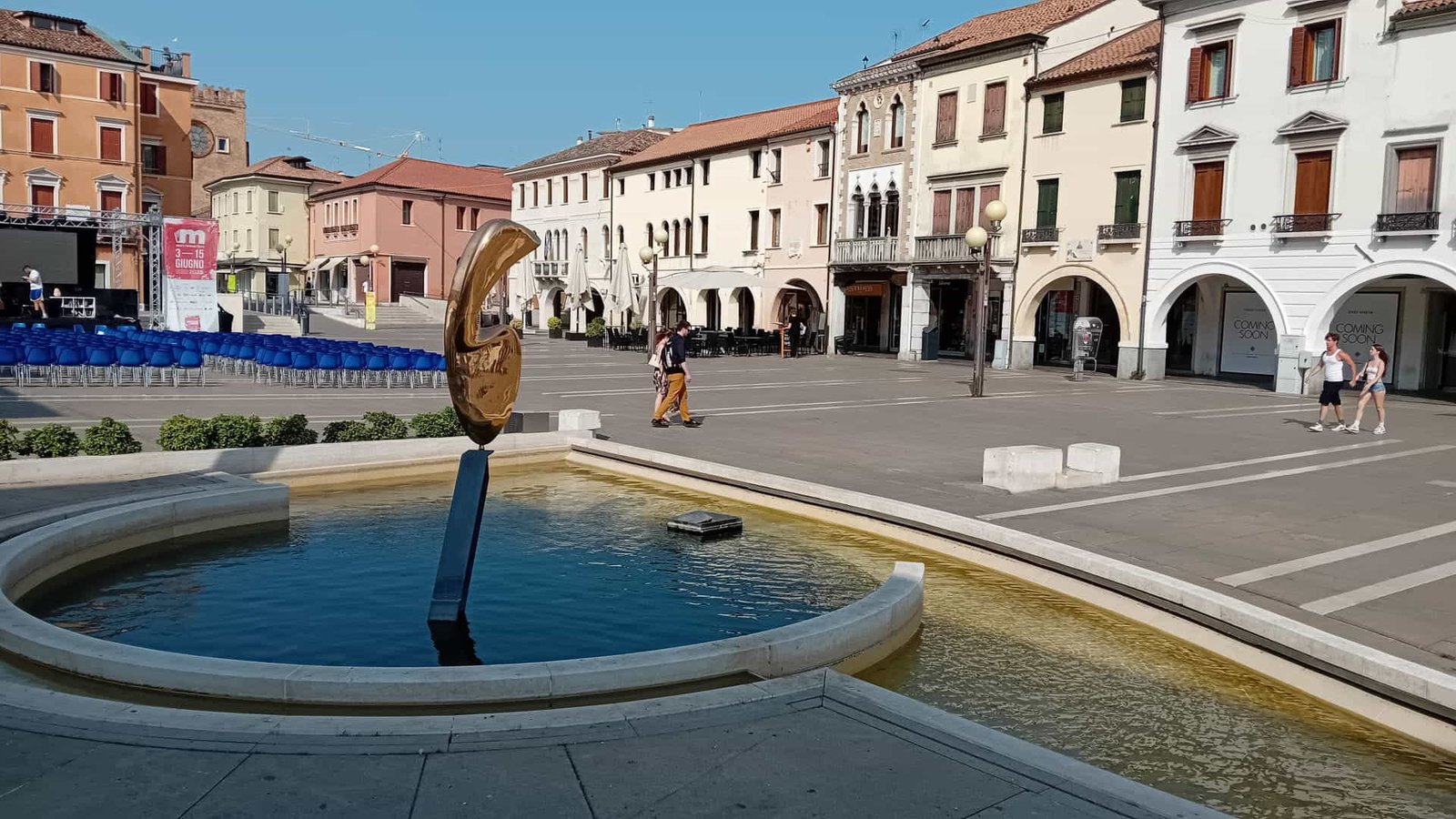
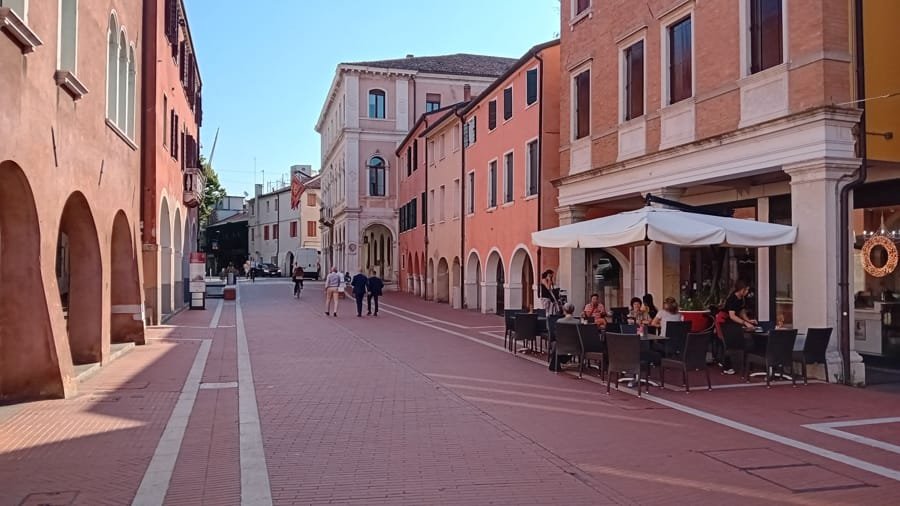
Piazza Erminio Ferretto is the vibrant heart of Mestre, serving as the city’s main square and a lively meeting point for residents and visitors alike. Surrounded by elegant porticoes, cafés, and shops, the piazza reflects the authentic rhythm of local life away from the more tourist-heavy areas of Venice. It is named after Erminio Ferretto, a figure of local importance, and stands as a symbol of Mestre’s civic pride. The square hosts markets, concerts, and seasonal events that bring together people of all ages, creating a warm and welcoming atmosphere. At its centre rises the historic clock tower, the Torre dell’Orologio, a reminder of Mestre’s medieval origins. Nearby, cultural institutions and theatres enrich the area’s artistic appeal. Whether for a morning coffee, an evening stroll, or a community celebration, Piazza Ferretto offers a glimpse into the social and cultural soul of Mestre.
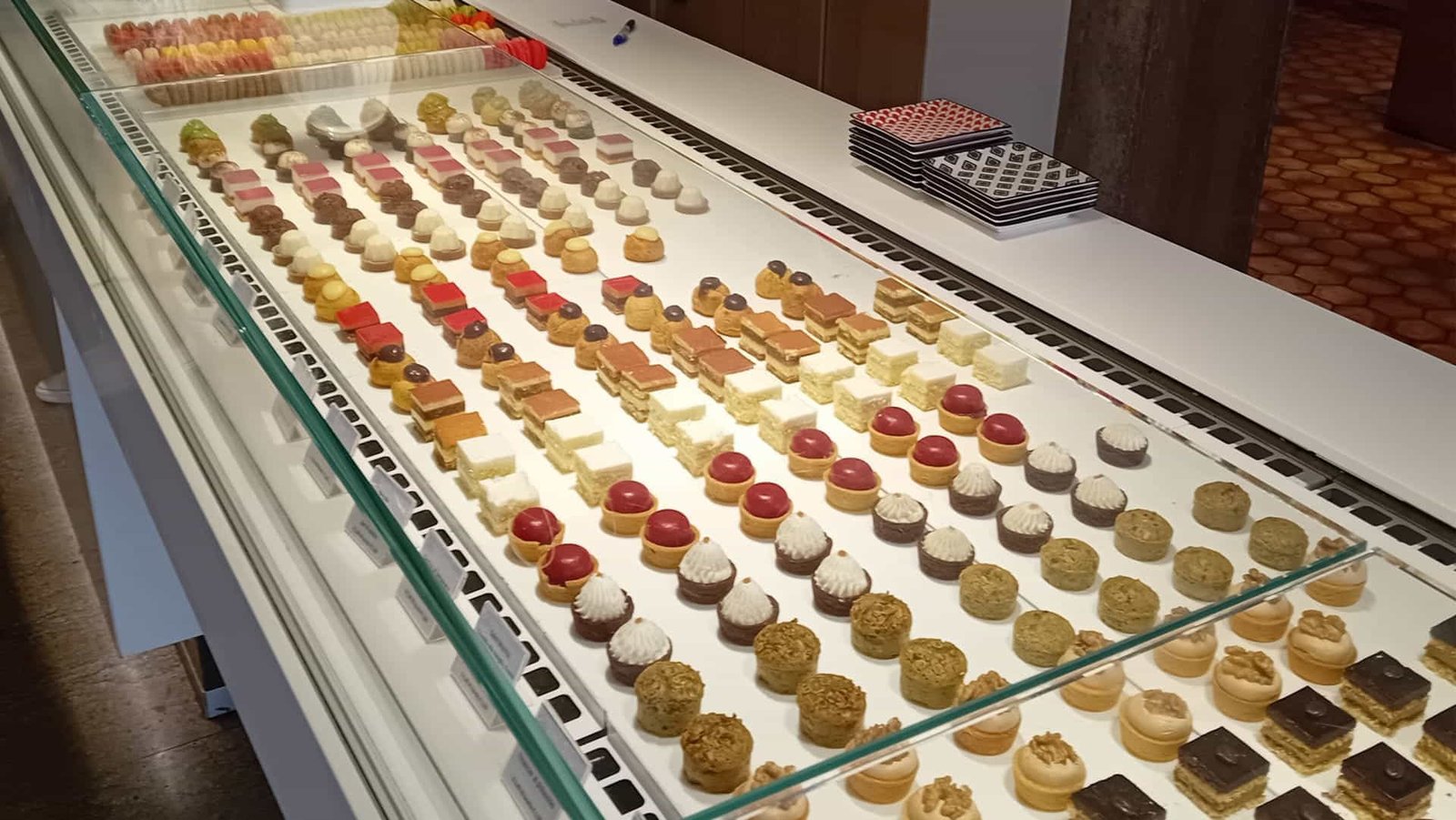
Pasticceria Bido is one of Mestre’s most renowned pastry shops, celebrated for its refined craftsmanship and dedication to traditional Italian confectionery. Located in the heart of the city, this elegant patisserie combines classic Venetian flavours with a touch of modern creativity. Founded by skilled pastry chefs passionate about quality and authenticity, Pasticceria Bido has earned a loyal following among locals and visitors who come to enjoy its exquisite desserts, from delicate pastries and rich chocolates to beautifully crafted cakes. Each creation reflects a deep respect for Italian culinary tradition, using only the finest ingredients and meticulous attention to detail. The warm, inviting atmosphere makes it an ideal place to start the day with a cappuccino and a fresh croissant or to indulge in an afternoon treat. Pasticceria Bido embodies the art of Italian pastry making, offering a sweet taste of Venice’s mainland elegance.
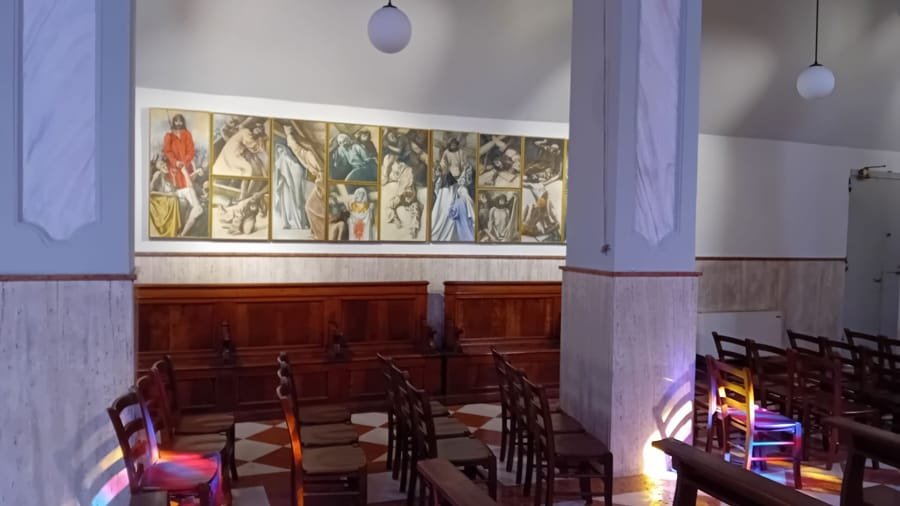
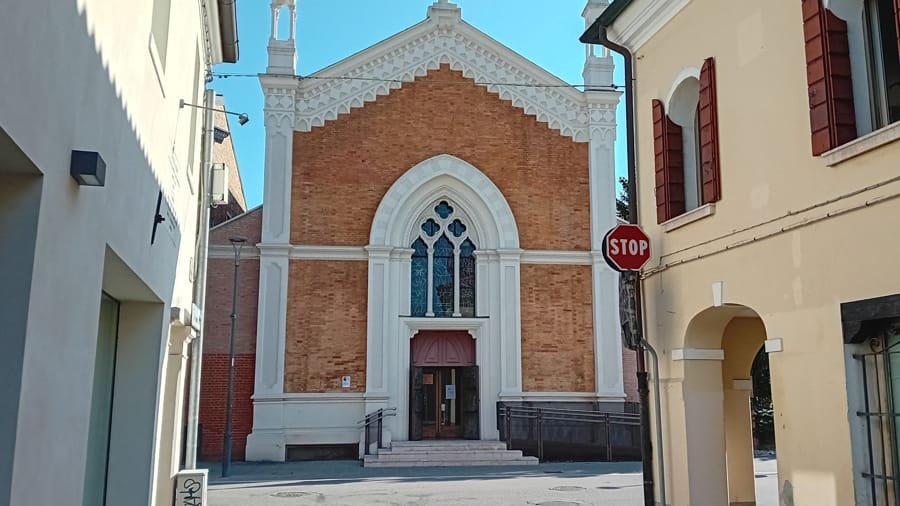
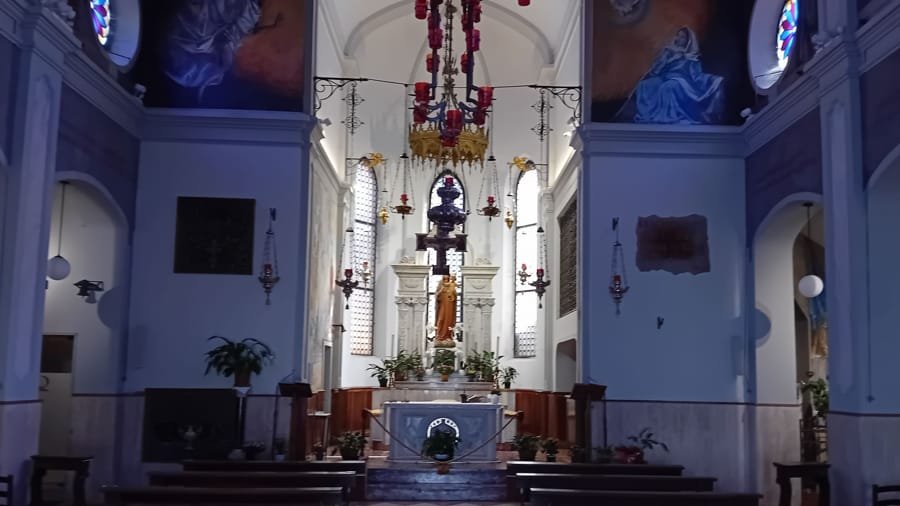
The Chiesa della Madonna della Salute in Mestre is a graceful and historically significant church that stands as a symbol of faith and gratitude. Inspired by the famous Basilica della Salute in Venice, it was built as a place of devotion to the Virgin Mary, protector against illness and hardship. The church’s elegant neoclassical architecture and serene interior create an atmosphere of reflection and peace, inviting both worshippers and visitors to pause amid the city’s bustle. Inside, soft light filters through the windows, illuminating beautifully preserved artworks and sacred decorations that highlight the deep religious tradition of the community. The church is not only a place of prayer but also a cultural landmark, hosting religious celebrations and local gatherings that strengthen the bond between faith and everyday life. The Chiesa della Madonna della Salute remains a cherished presence in Mestre’s spiritual and cultural landscape.
Photo Gallery of Walk 1 – Via Francesco Crispi to Via Piave
Approximately 0.00 km – 0.00 miles
Description of Walk 1
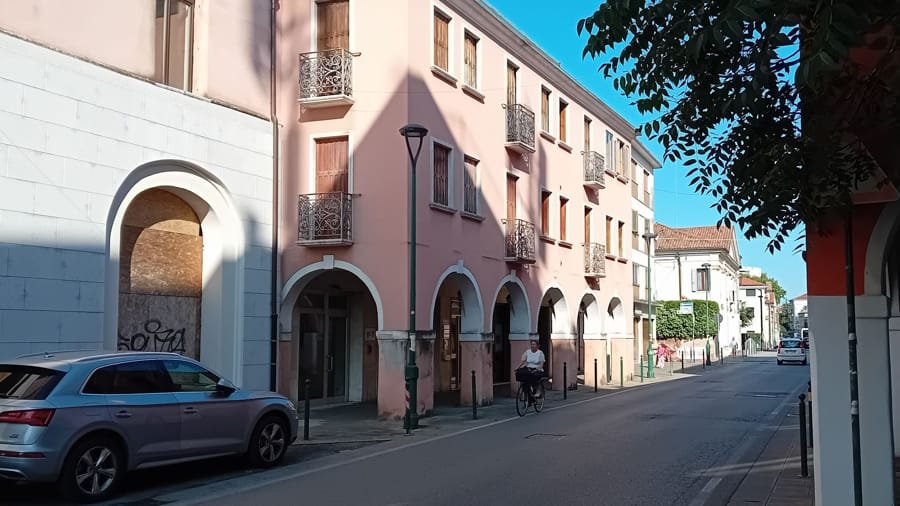
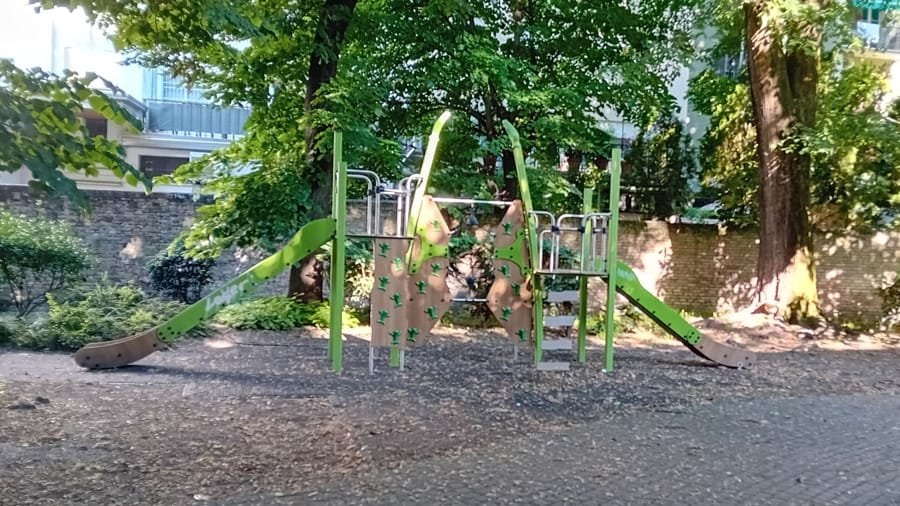
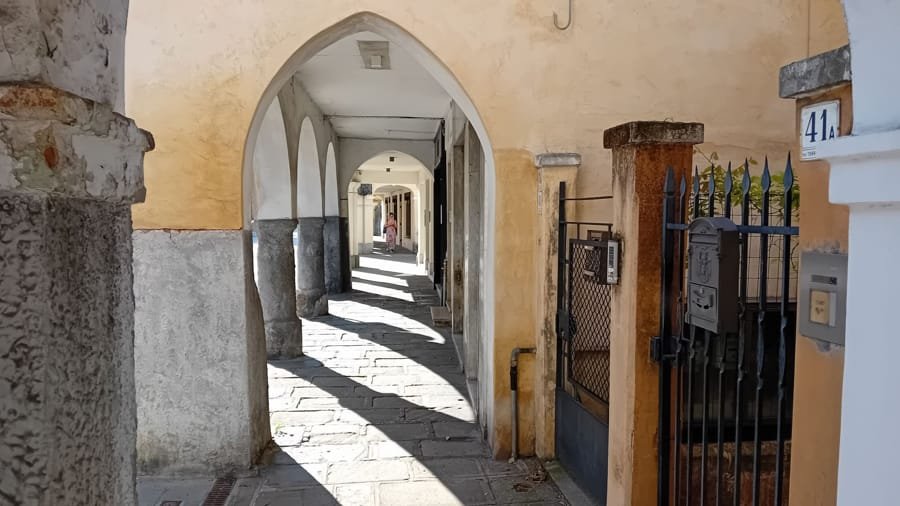
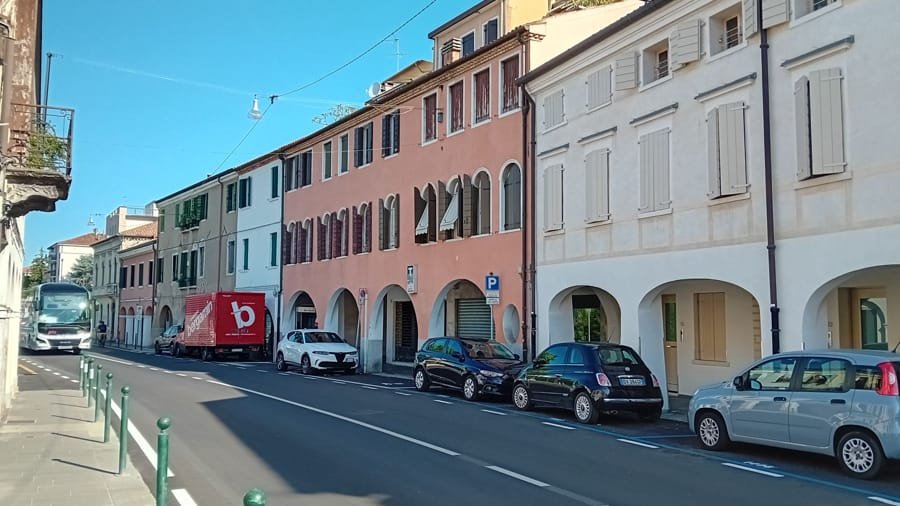
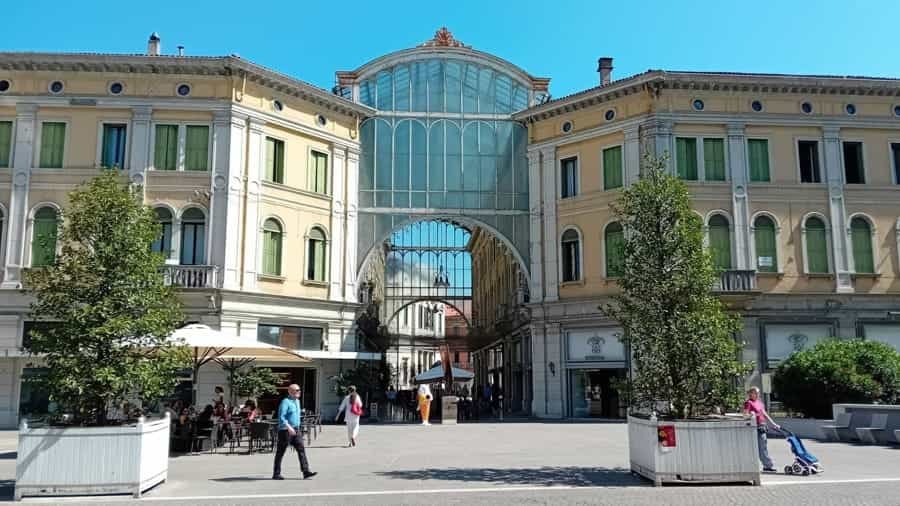
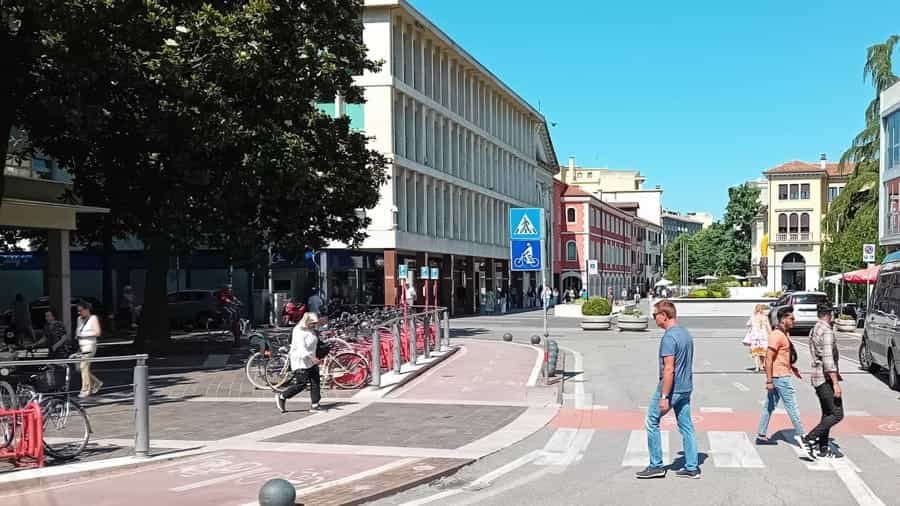
This walk explores the heart of Mestre, a lively mainland centre that blends historic character with modern urban life just across the lagoon from Venice. Beginning on Via Francesco Crispi, the route passes through everyday residential streets before moving along Via Caneve and Via San Girolamo, where local shops and quieter neighbourhood corners reveal Mestre’s authentic atmosphere. Continuing along Via San Rocco and Via Palazzo, the walk gradually approaches the town’s central hub, Piazza Erminio Ferretto. This bustling square forms the social and cultural core of Mestre, surrounded by cafés, boutiques, and historic façades. Nearby, Pasticceria Bido offers a typical Venetian stop, known for pastries and coffee. The route loops through the square multiple times, passing landmarks such as Duomo di San Lorenzo Martire and nearby arcades like Galleria Barcella and Galleria Matteotti. These passages add a mix of modern shopping and traditional architecture. Finally, the walk continues through Largo Divisione Julia and along Via Carducci and Via Piave, showcasing Mestre’s transition from historic centre to more contemporary urban streets, highlighting its dynamic and lived-in character.
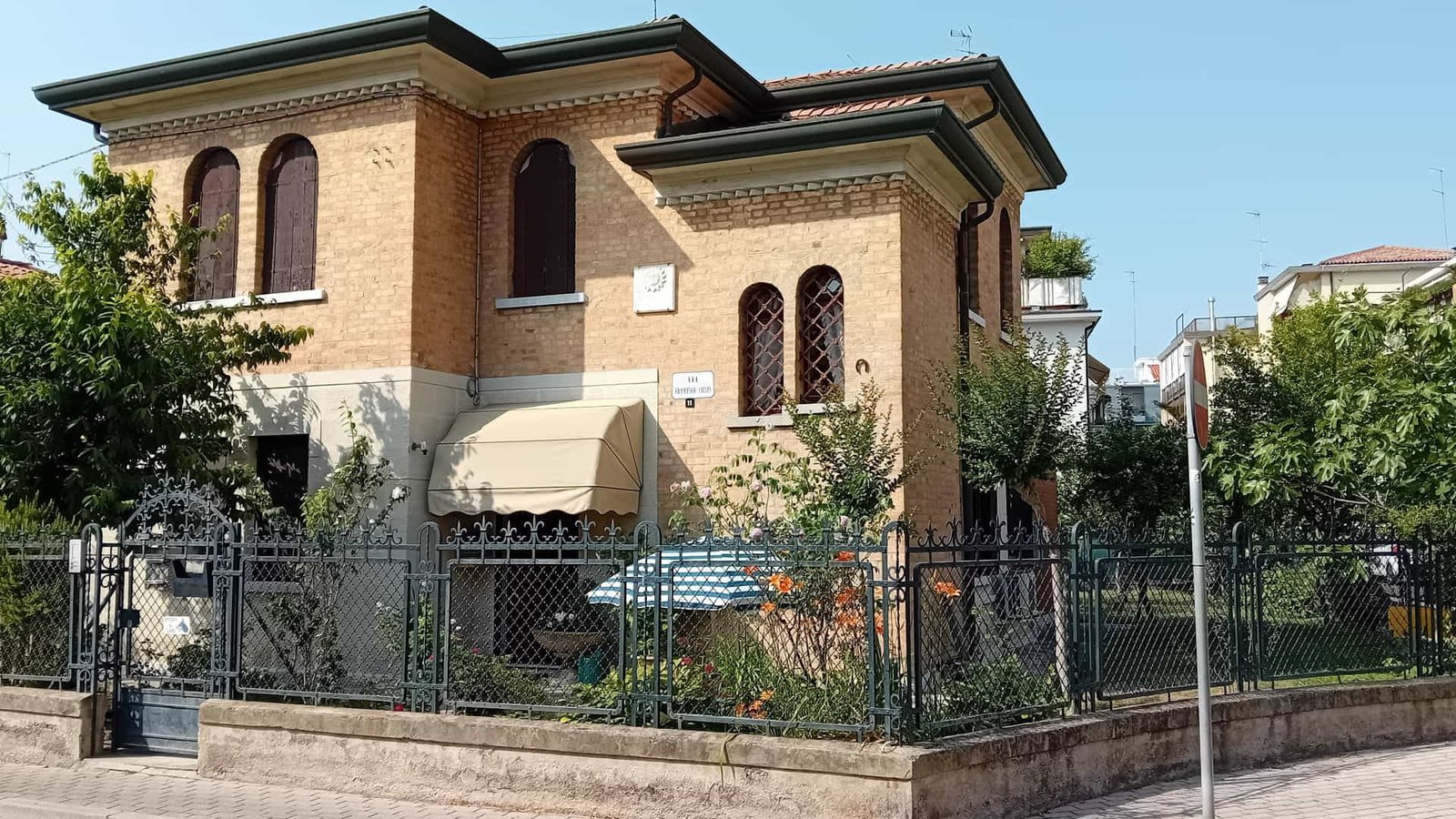
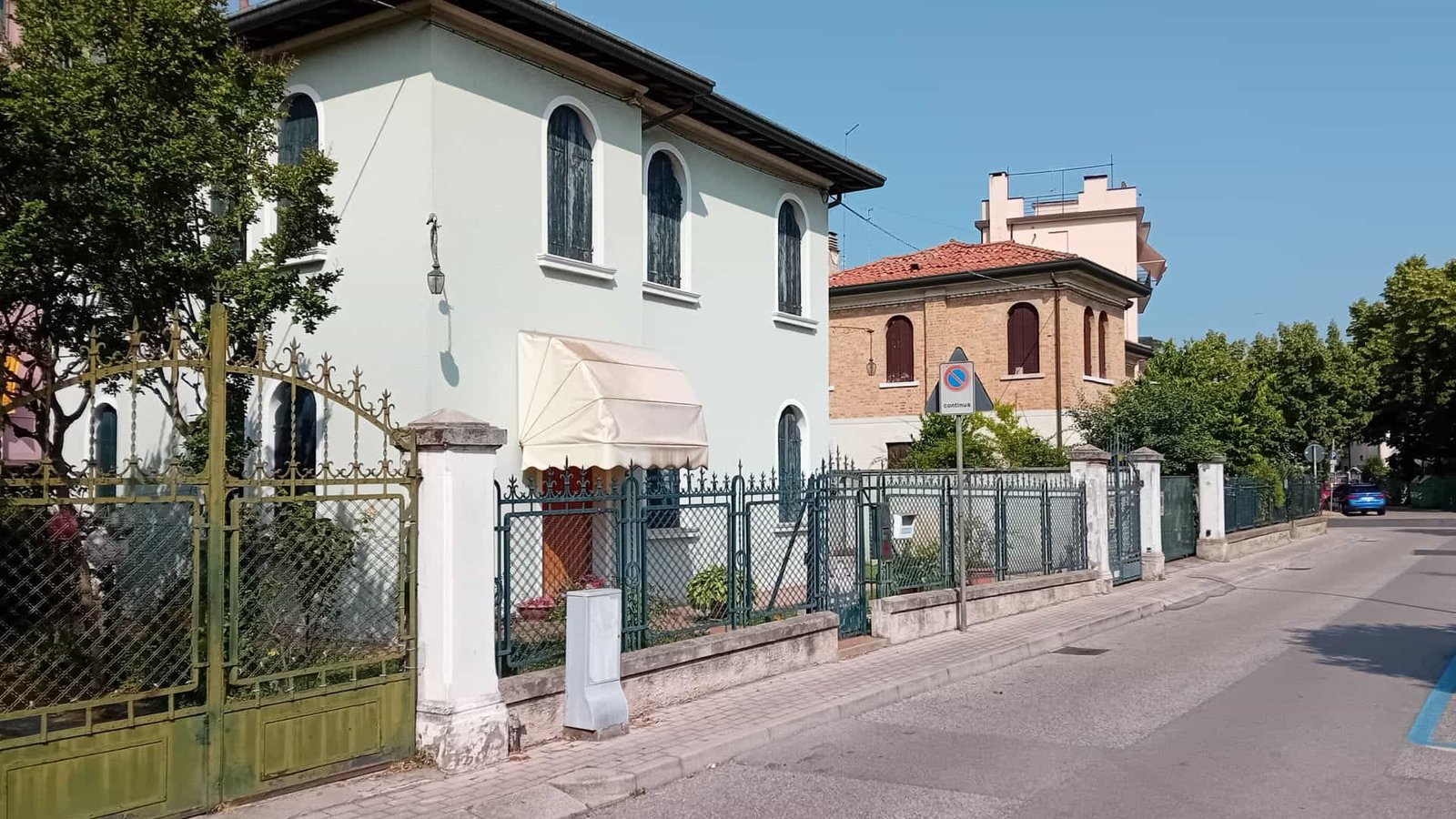
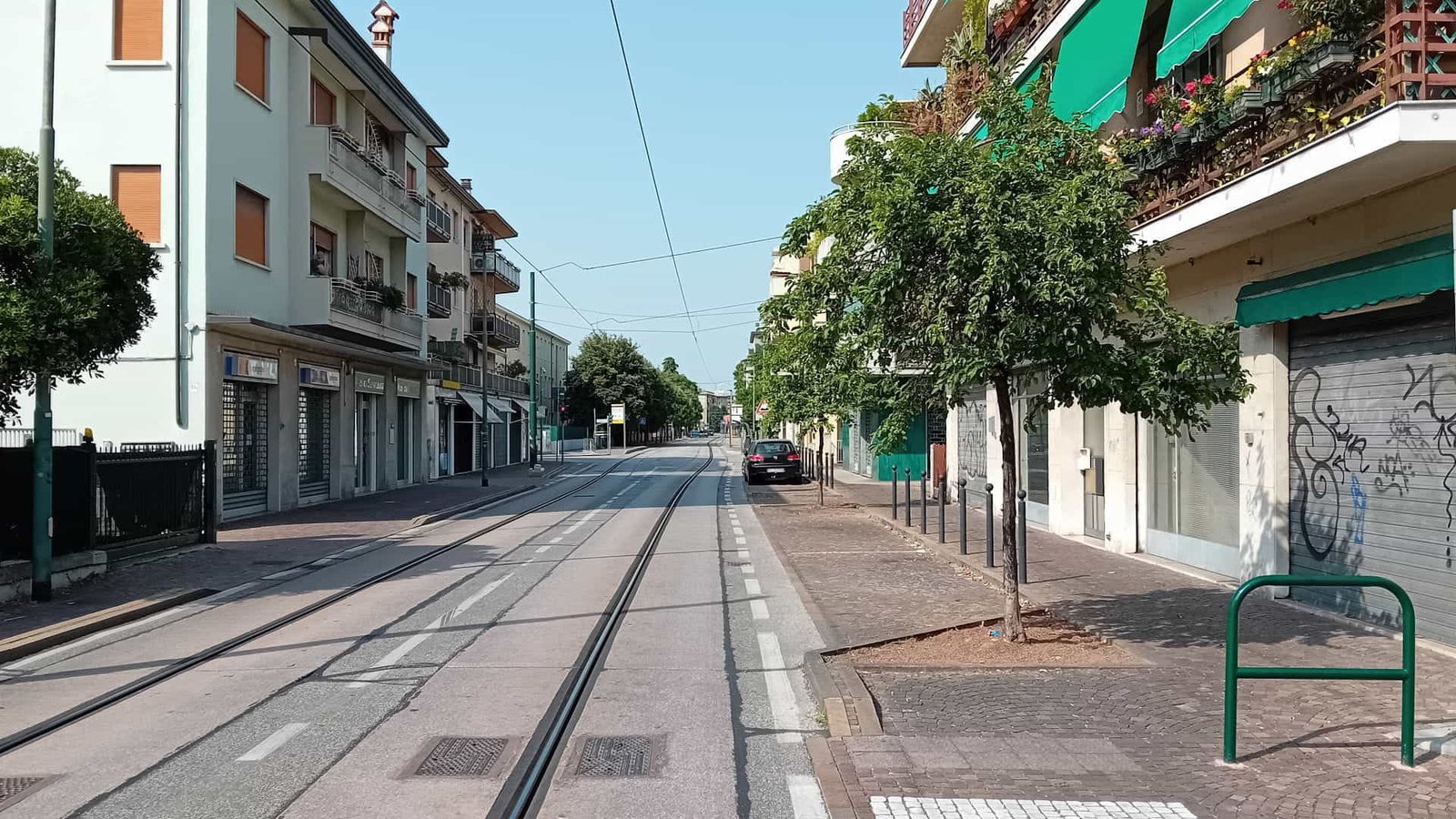
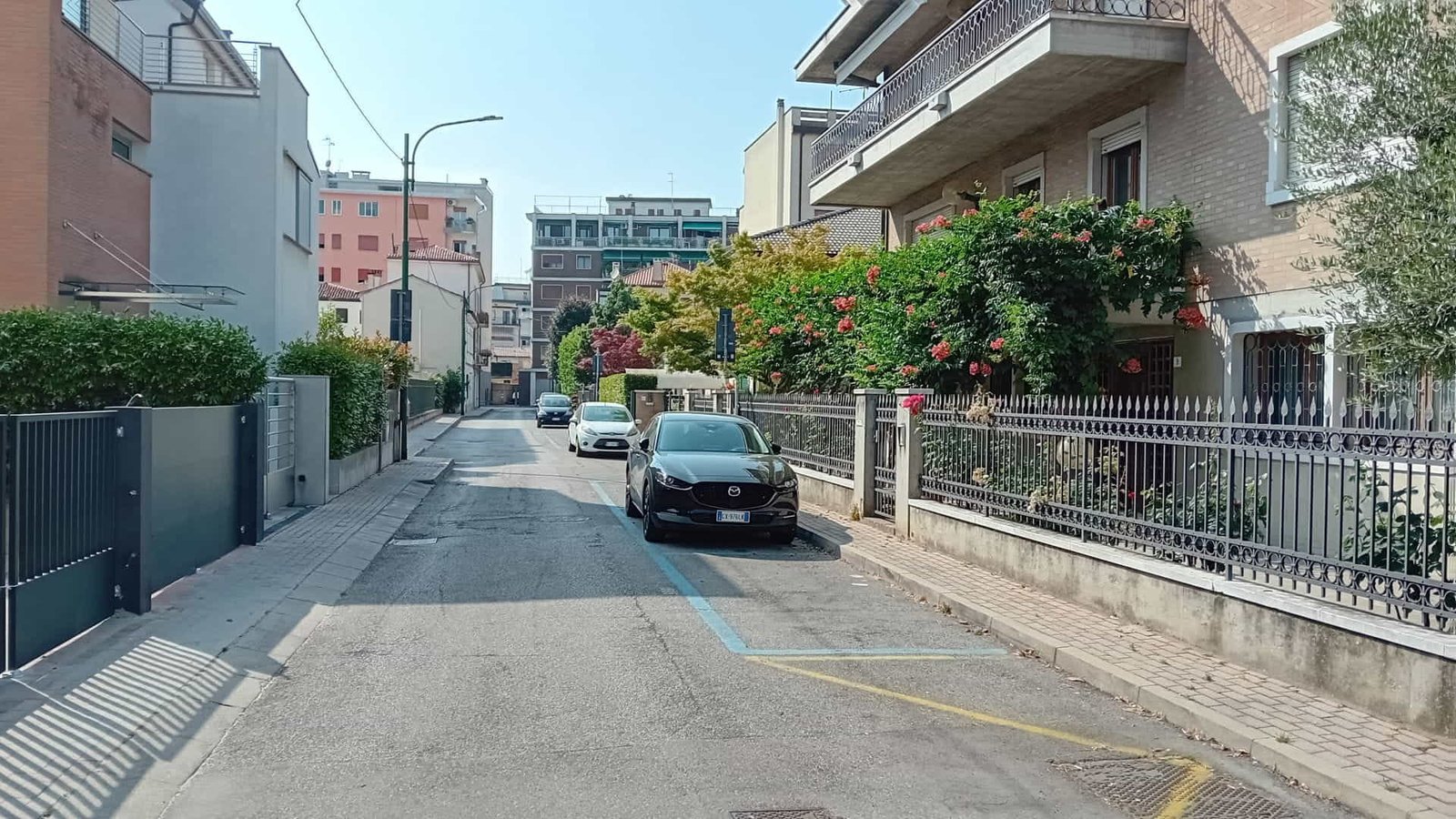
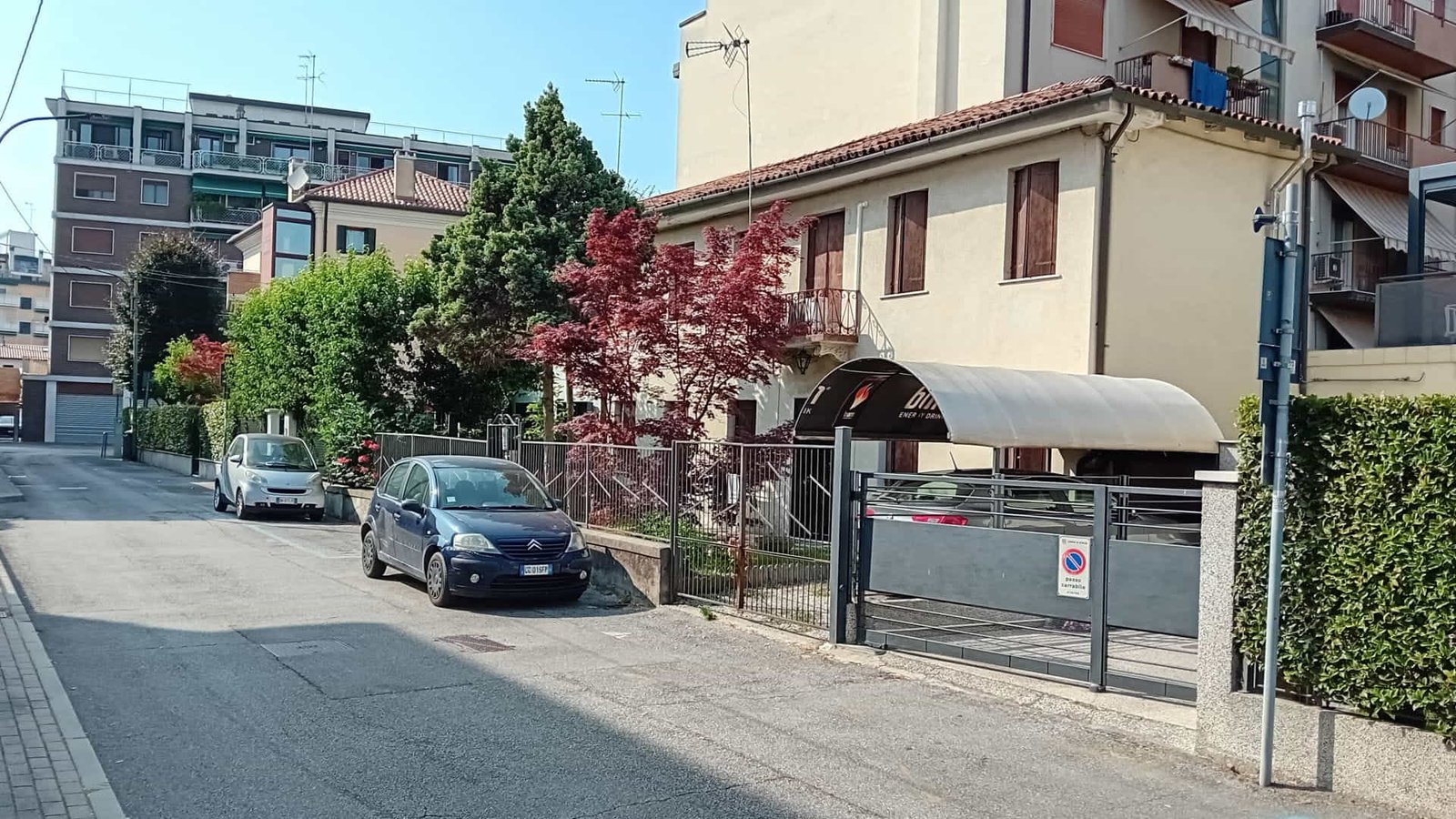
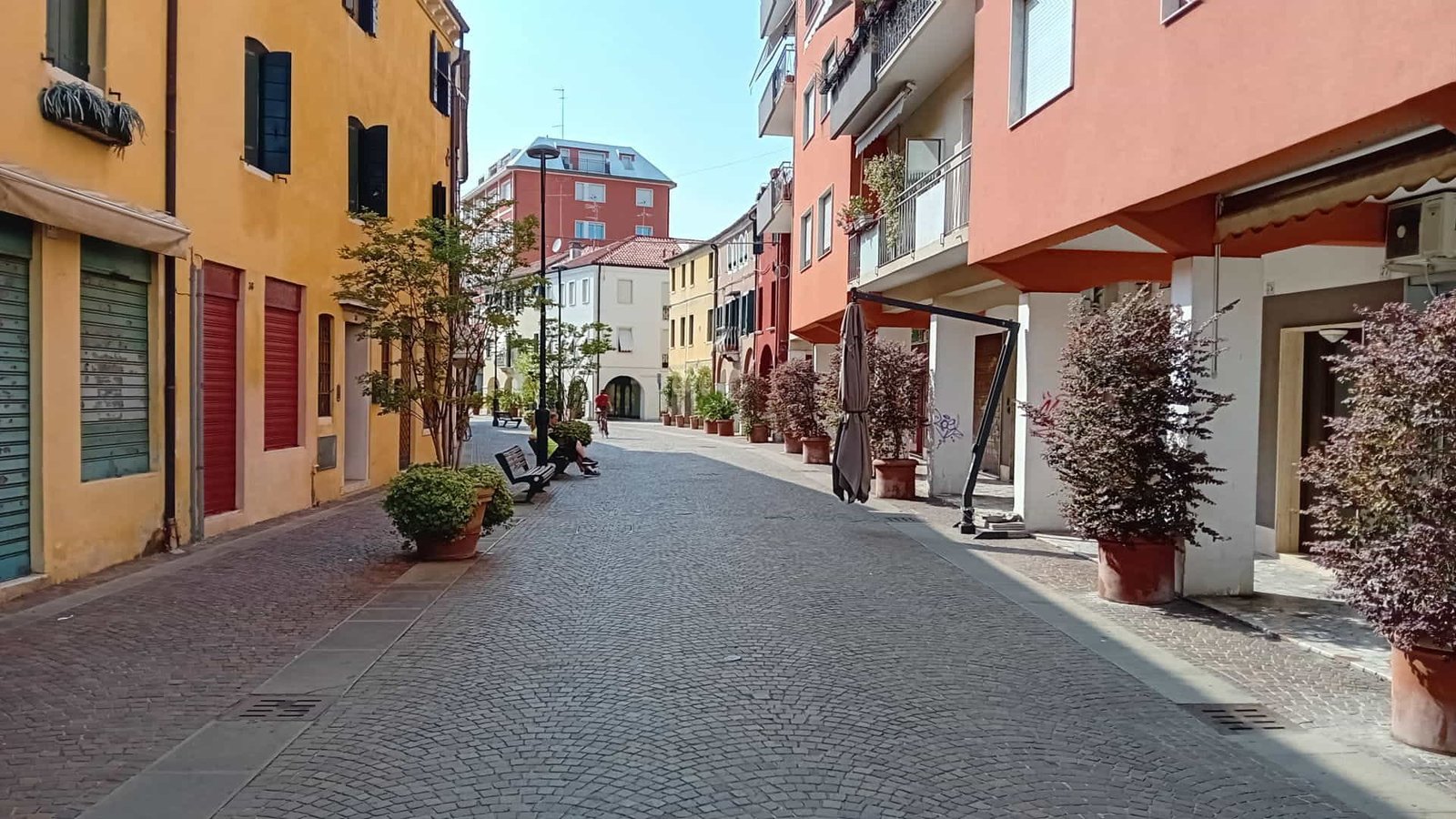
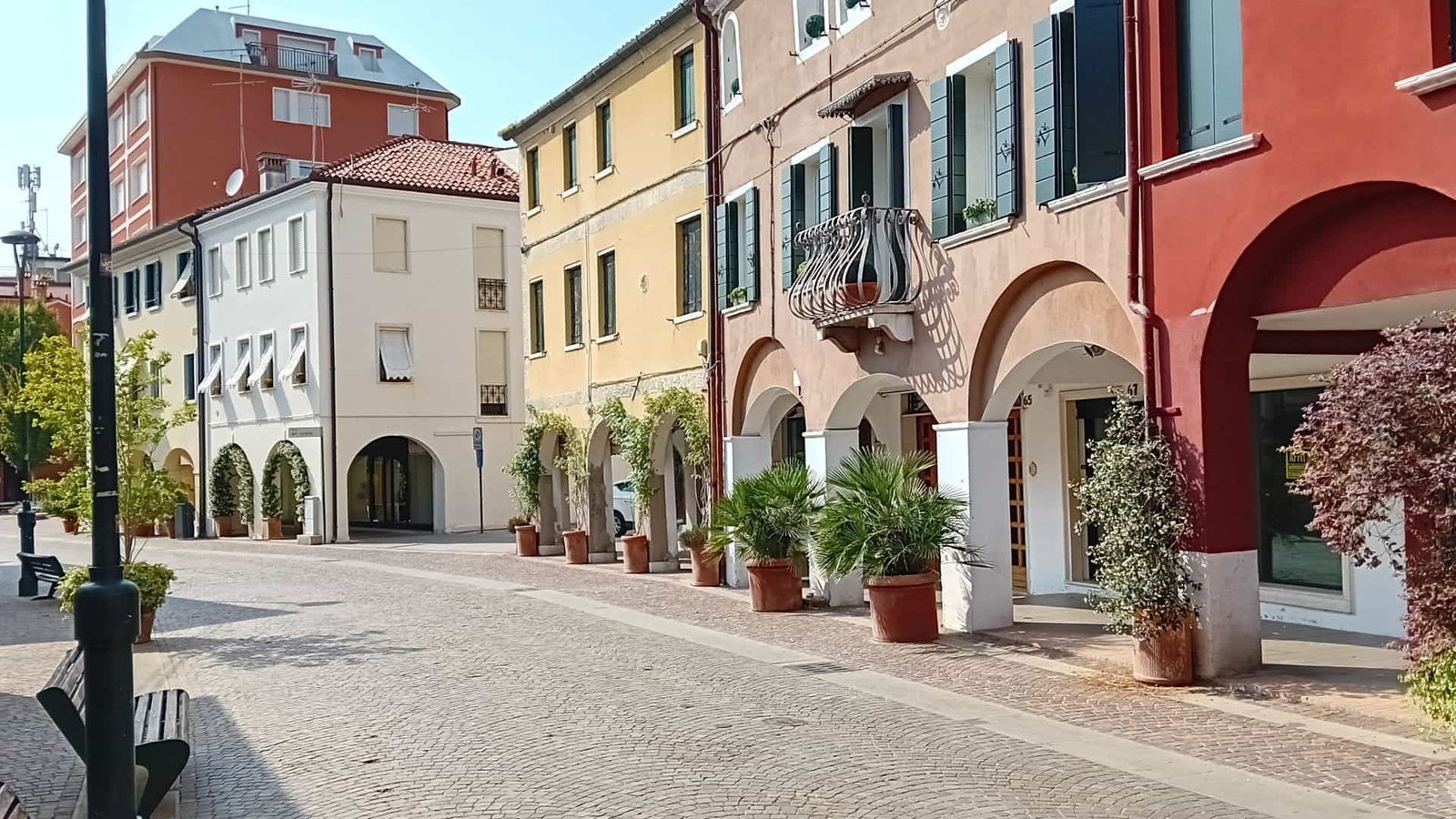
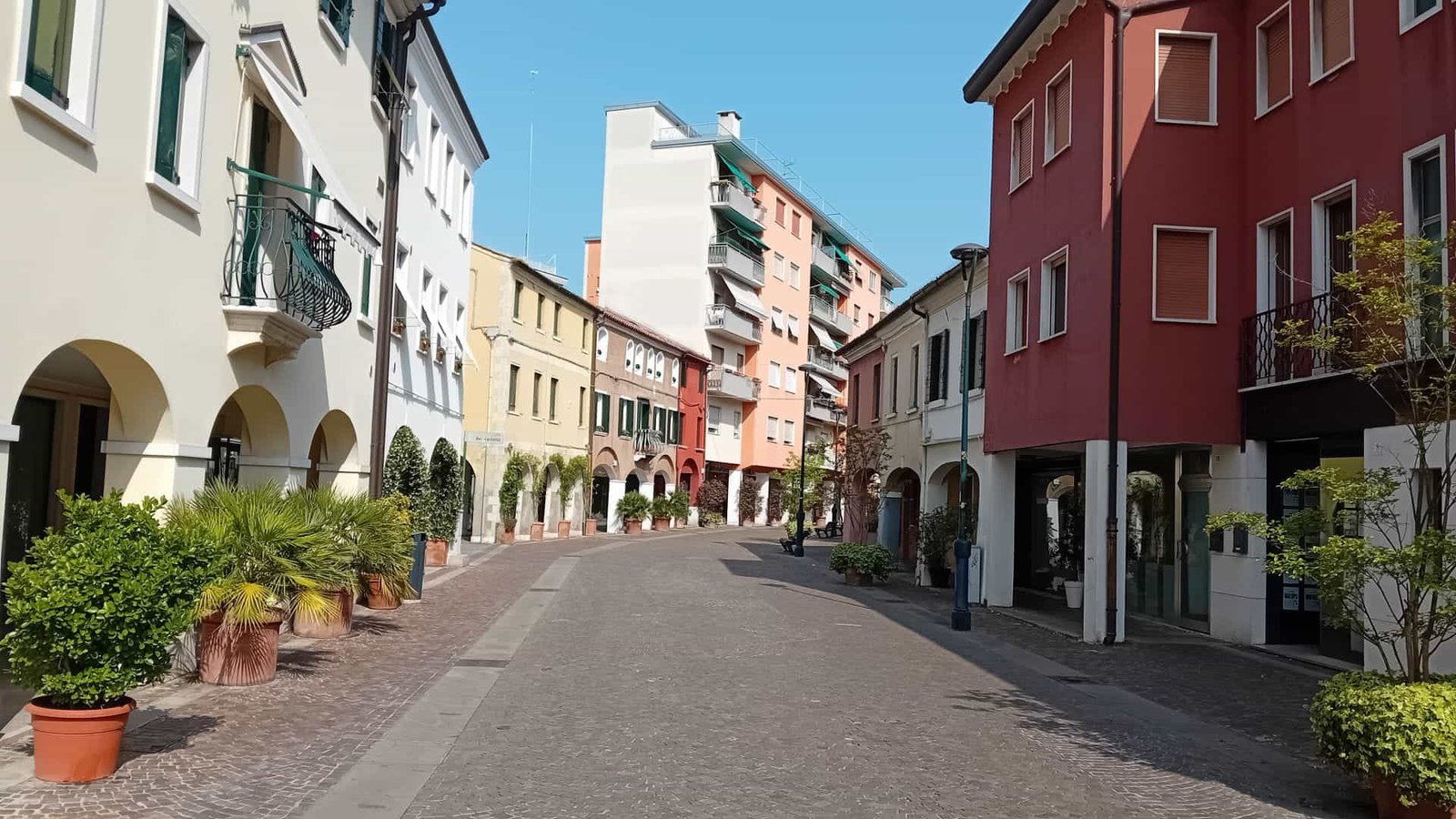
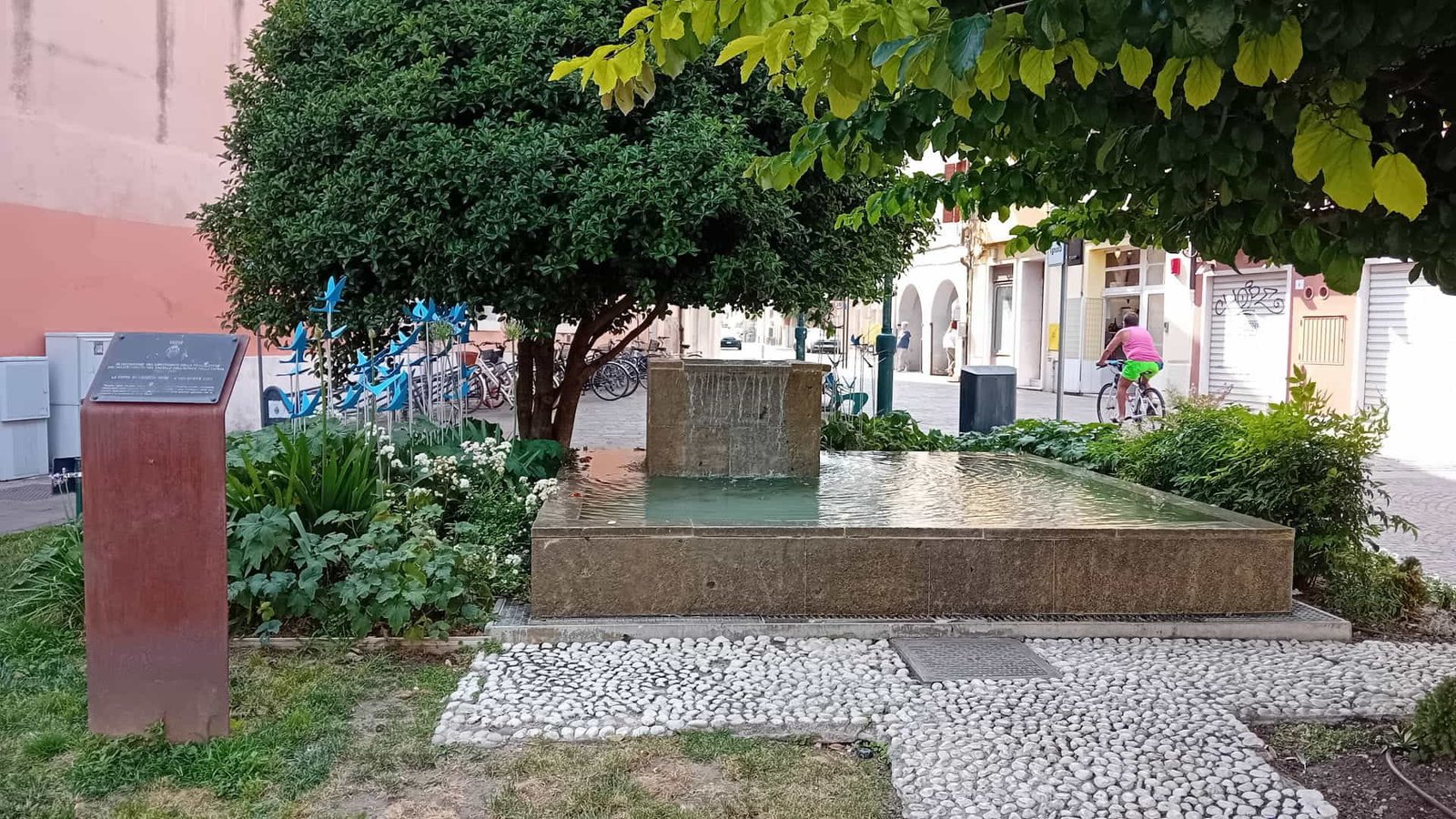
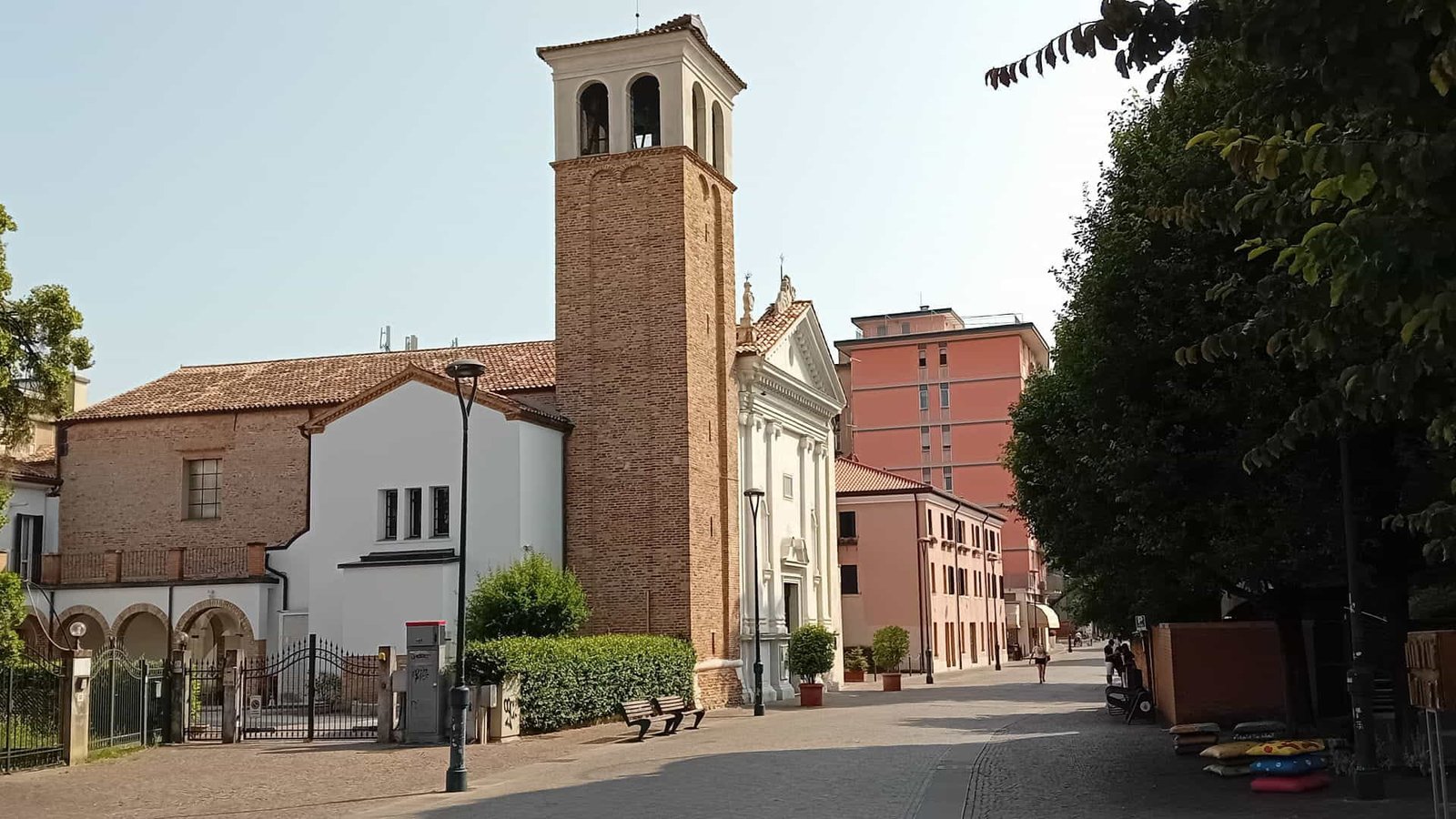
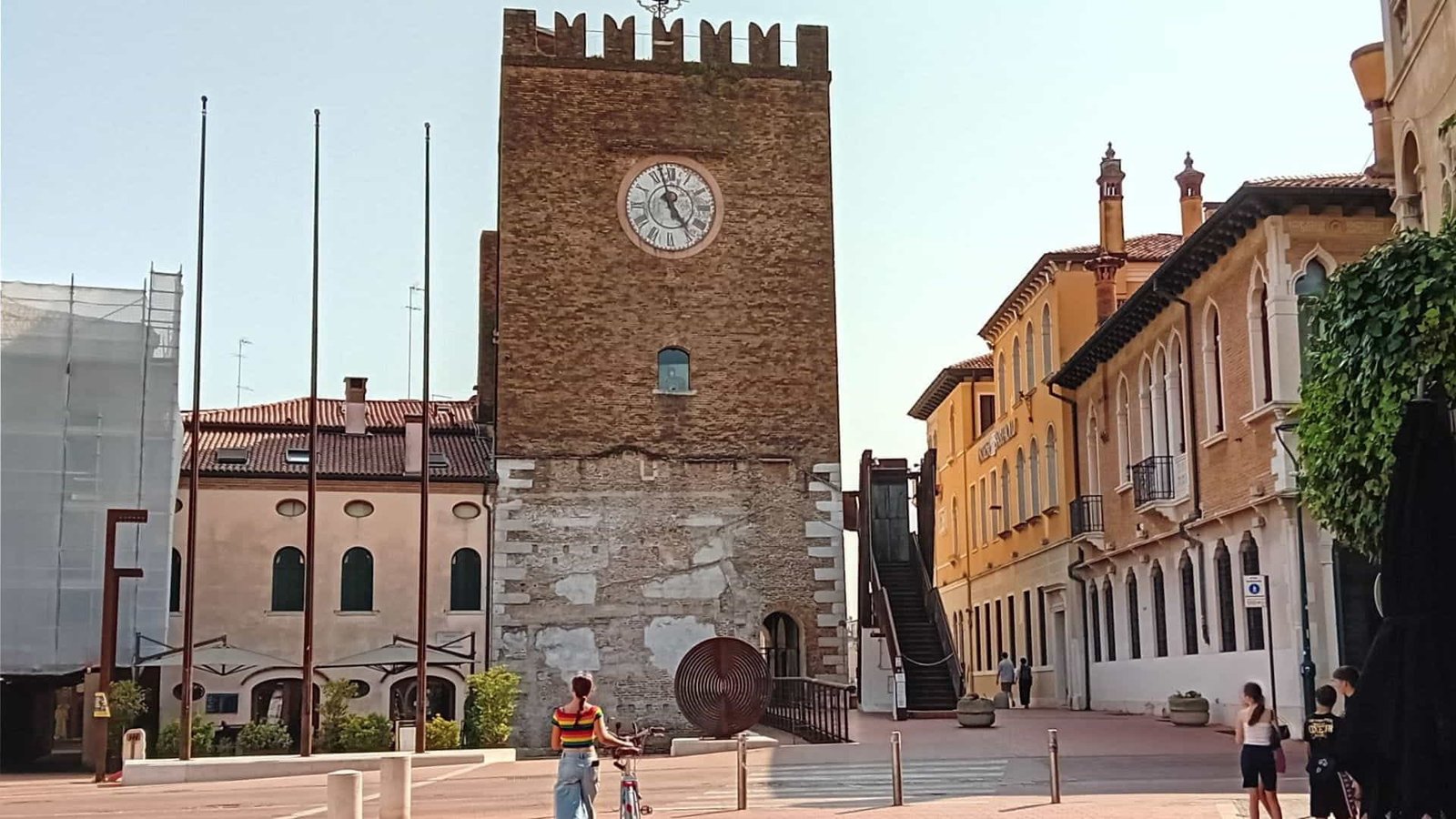
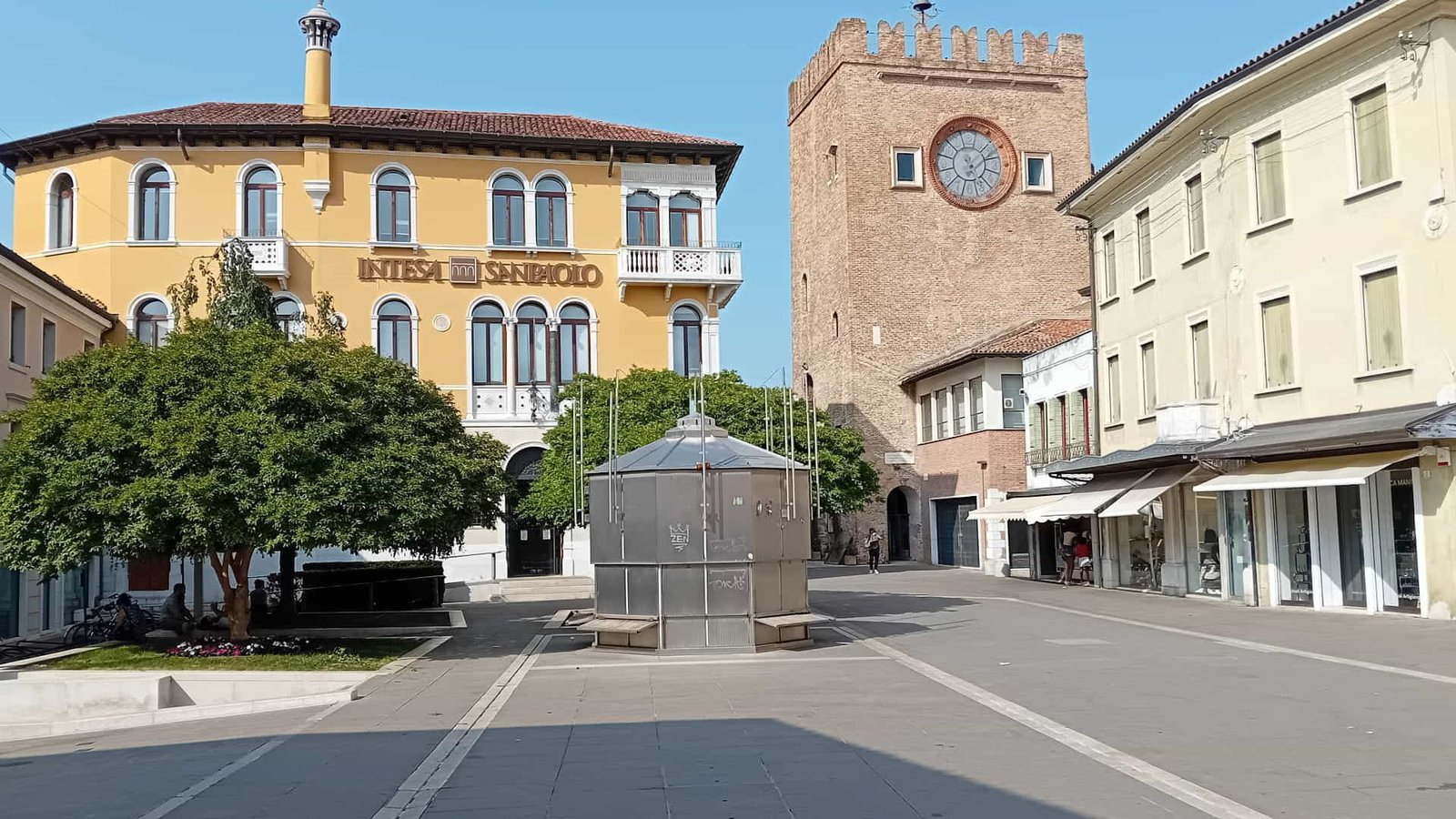
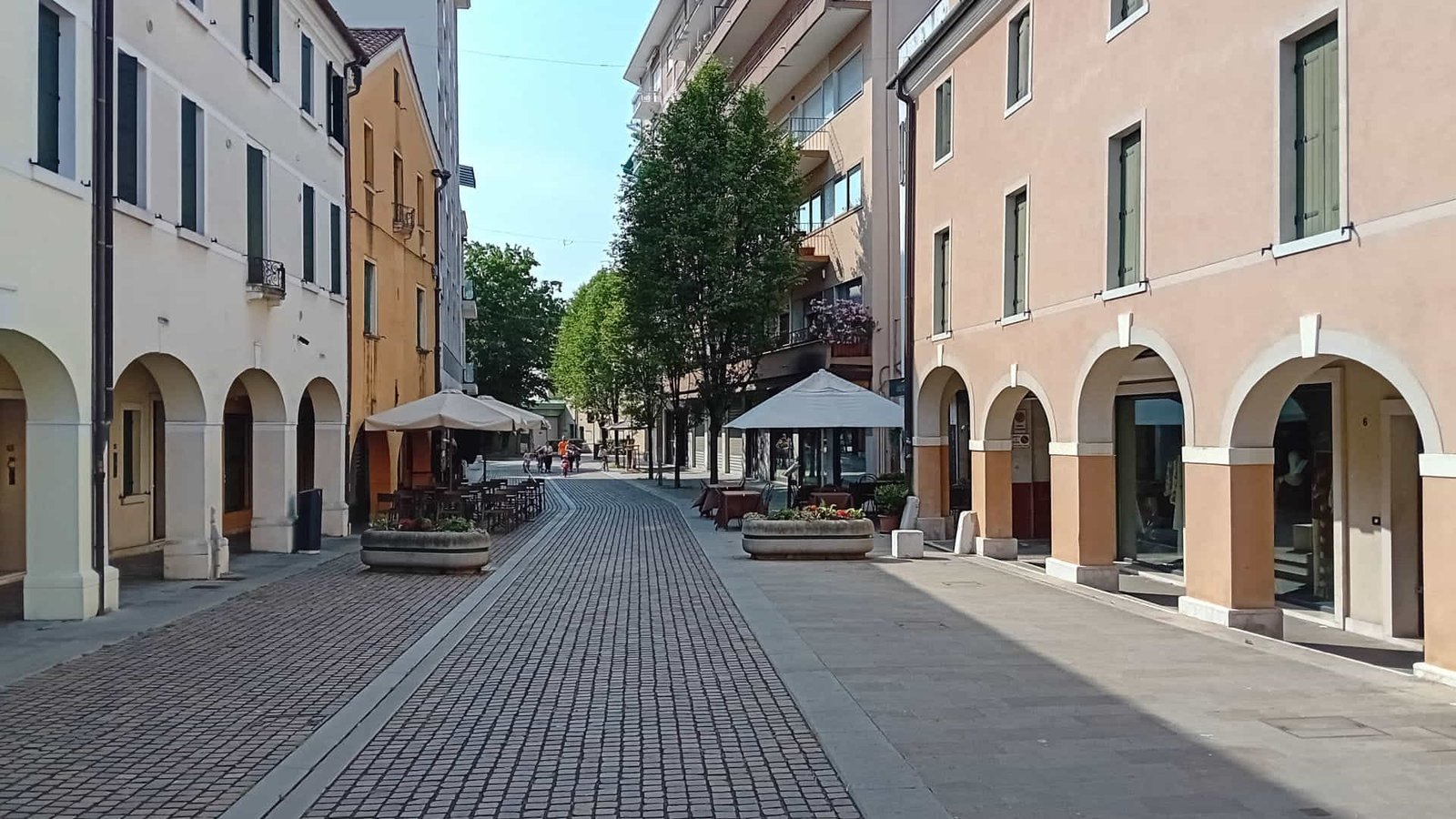
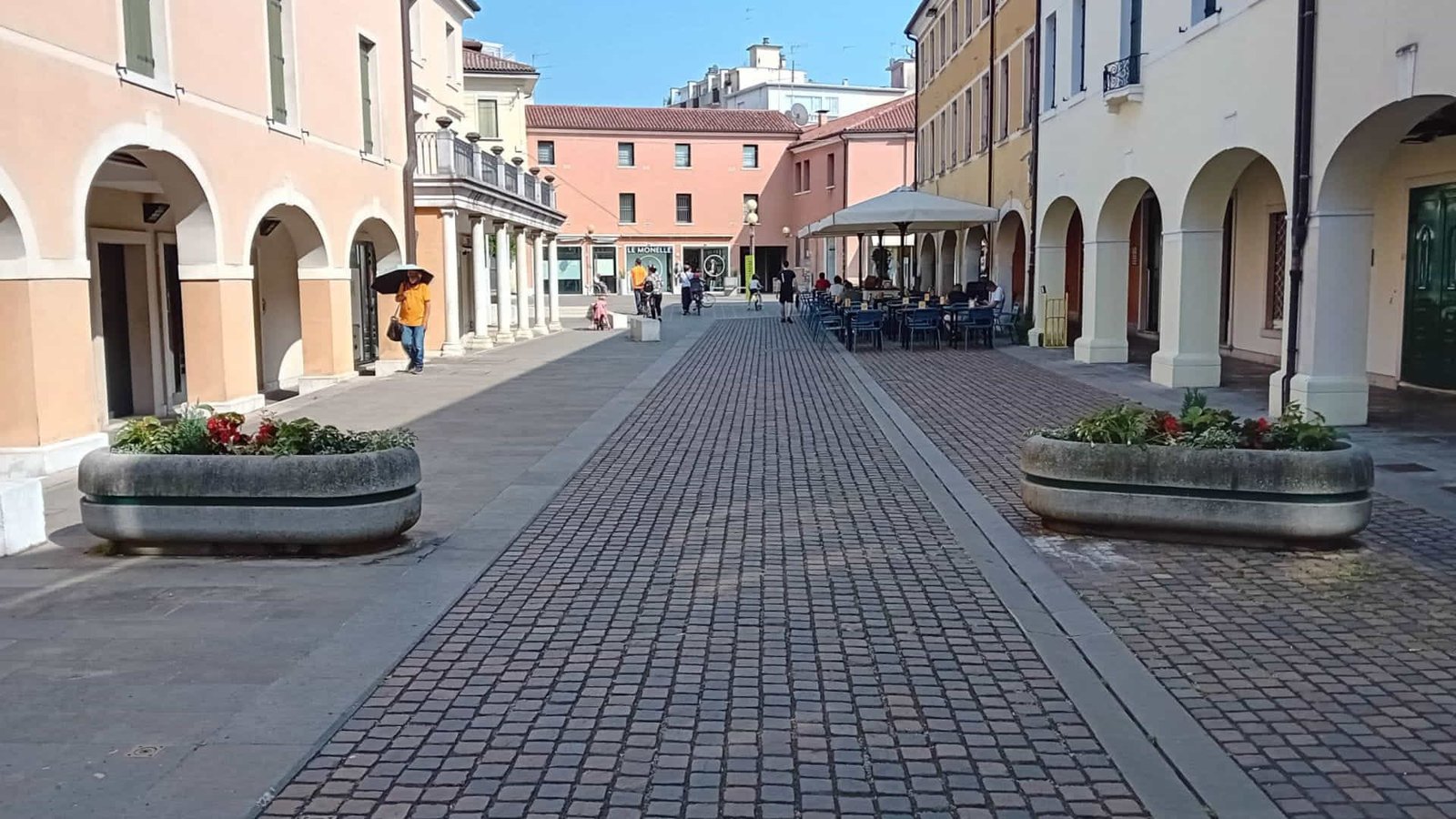
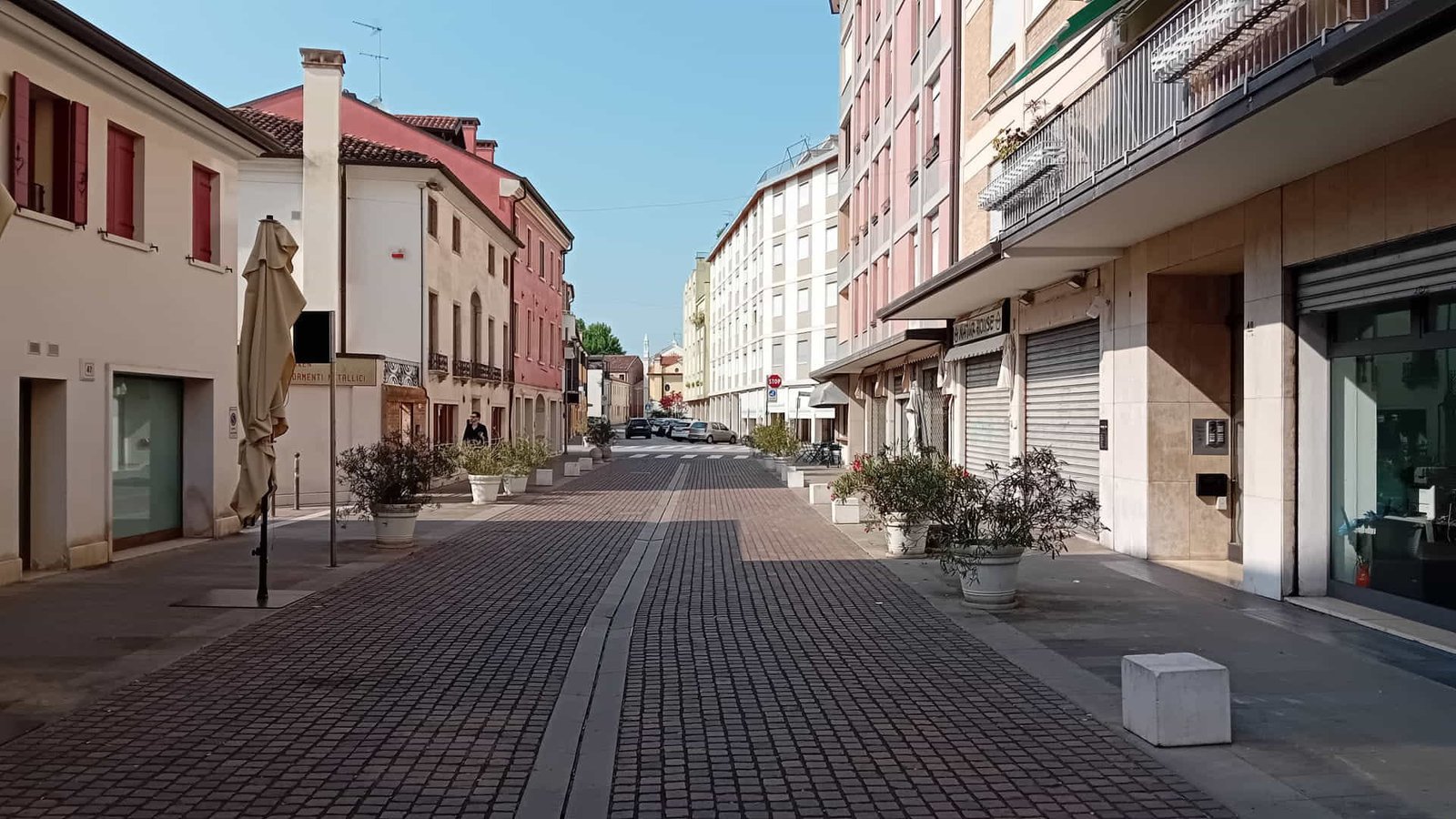
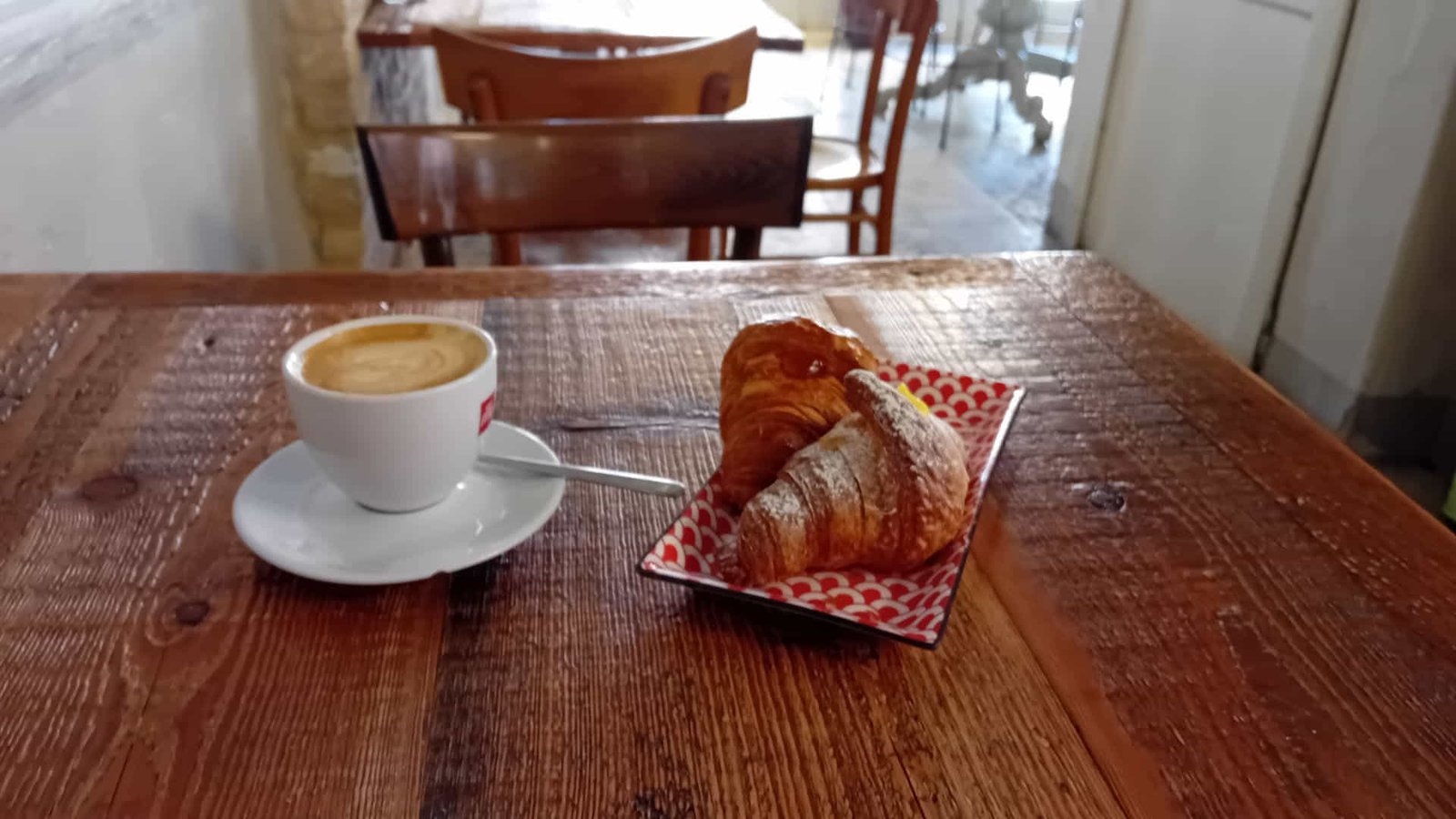
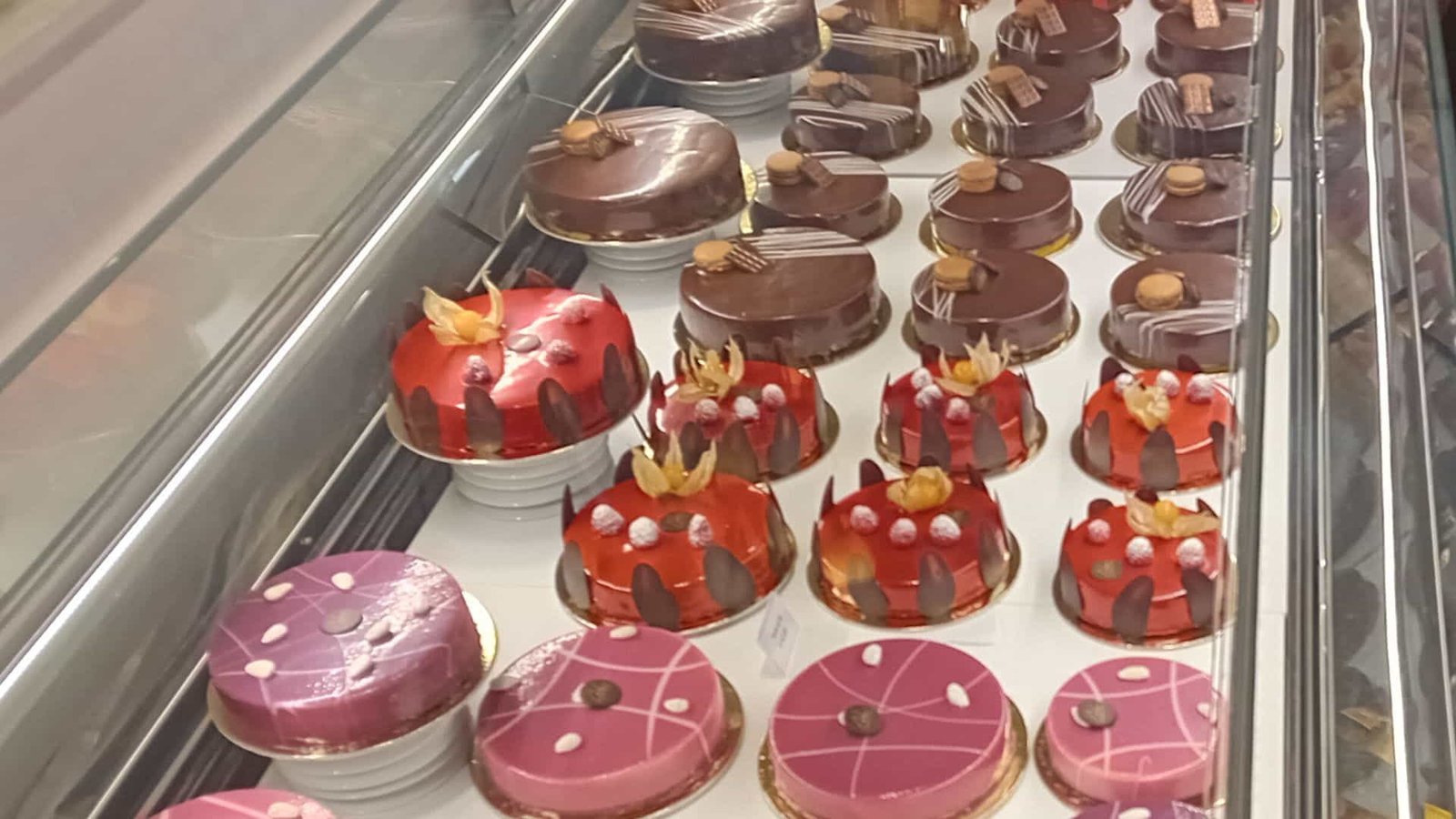
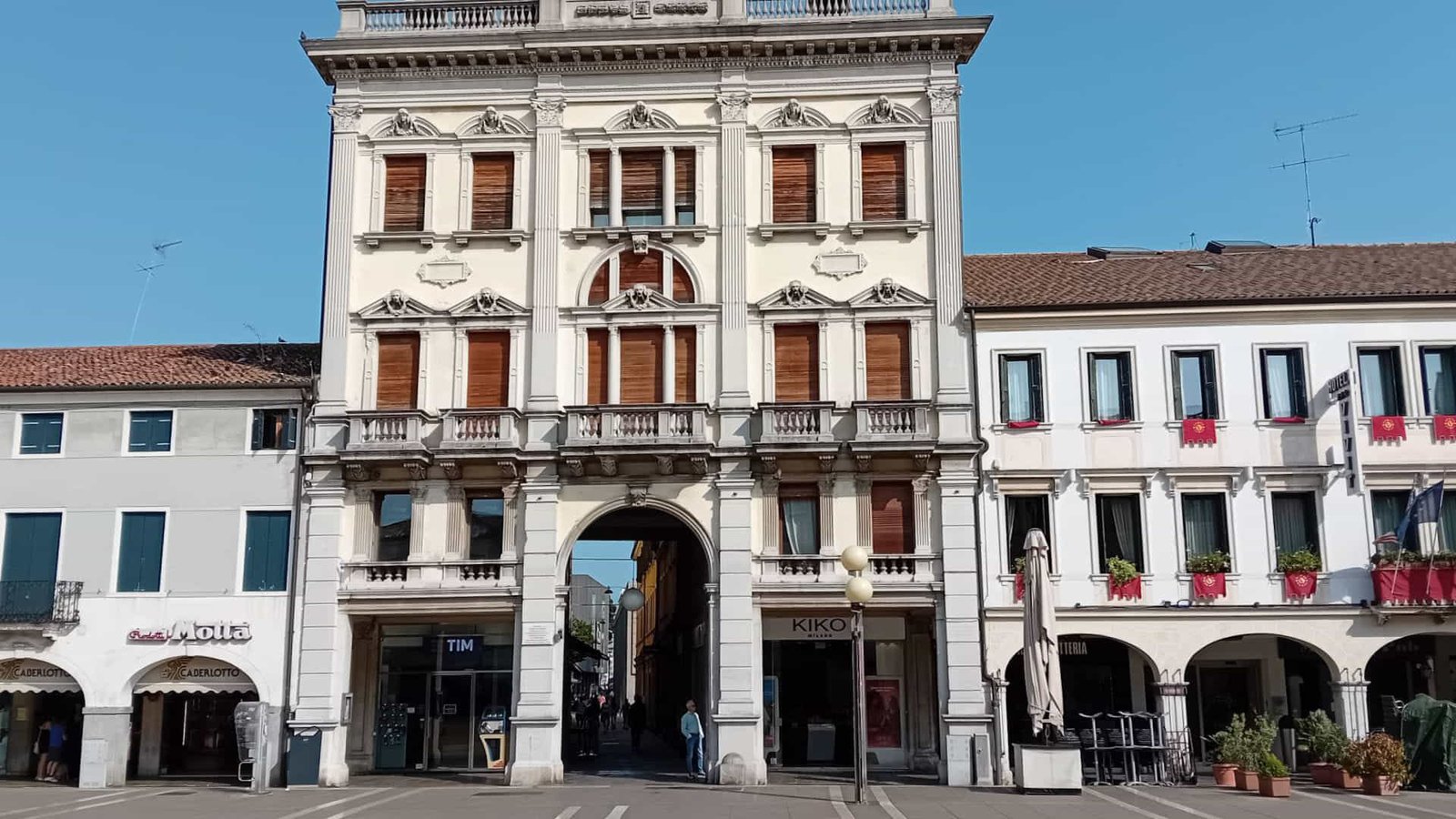
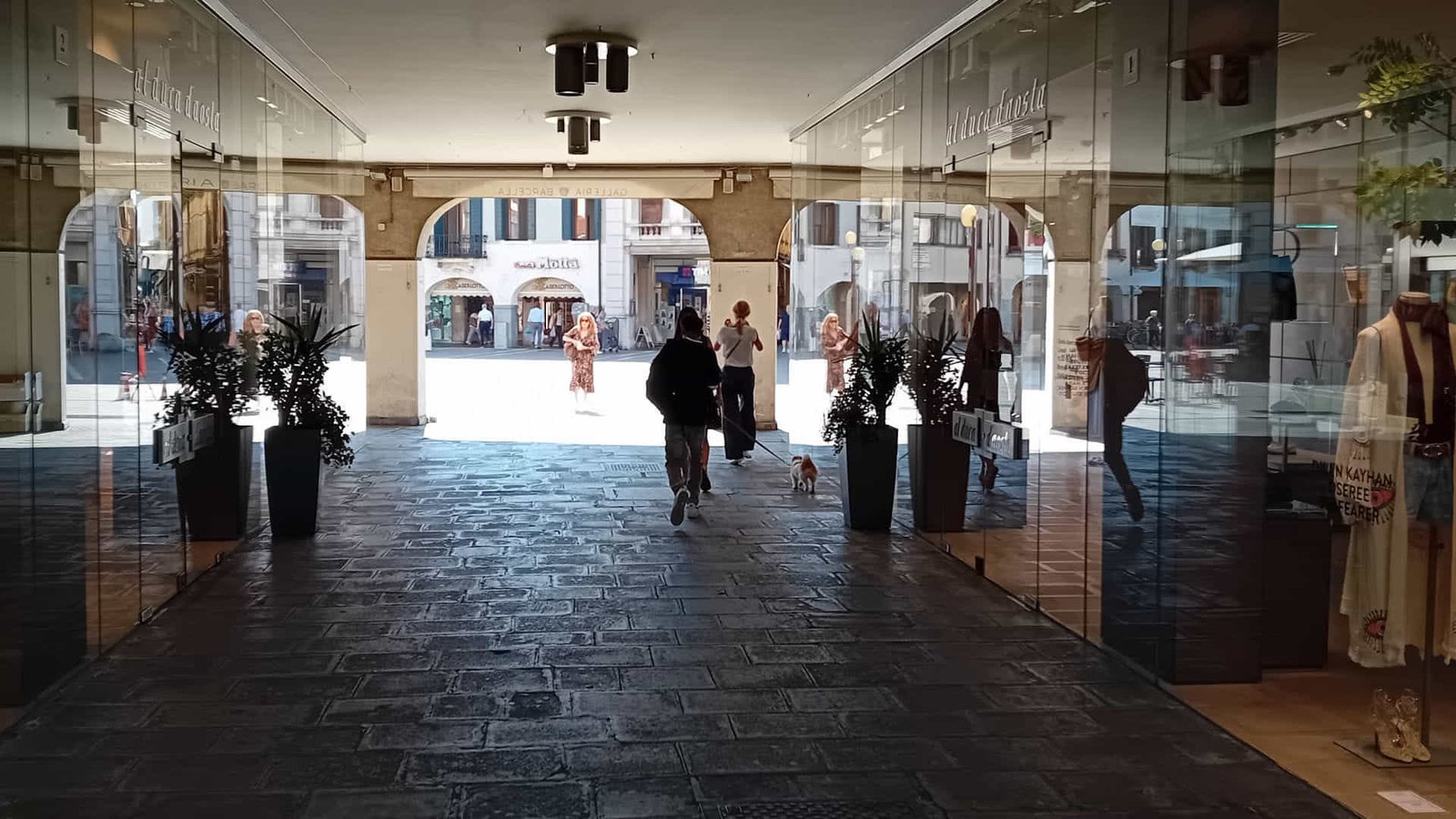
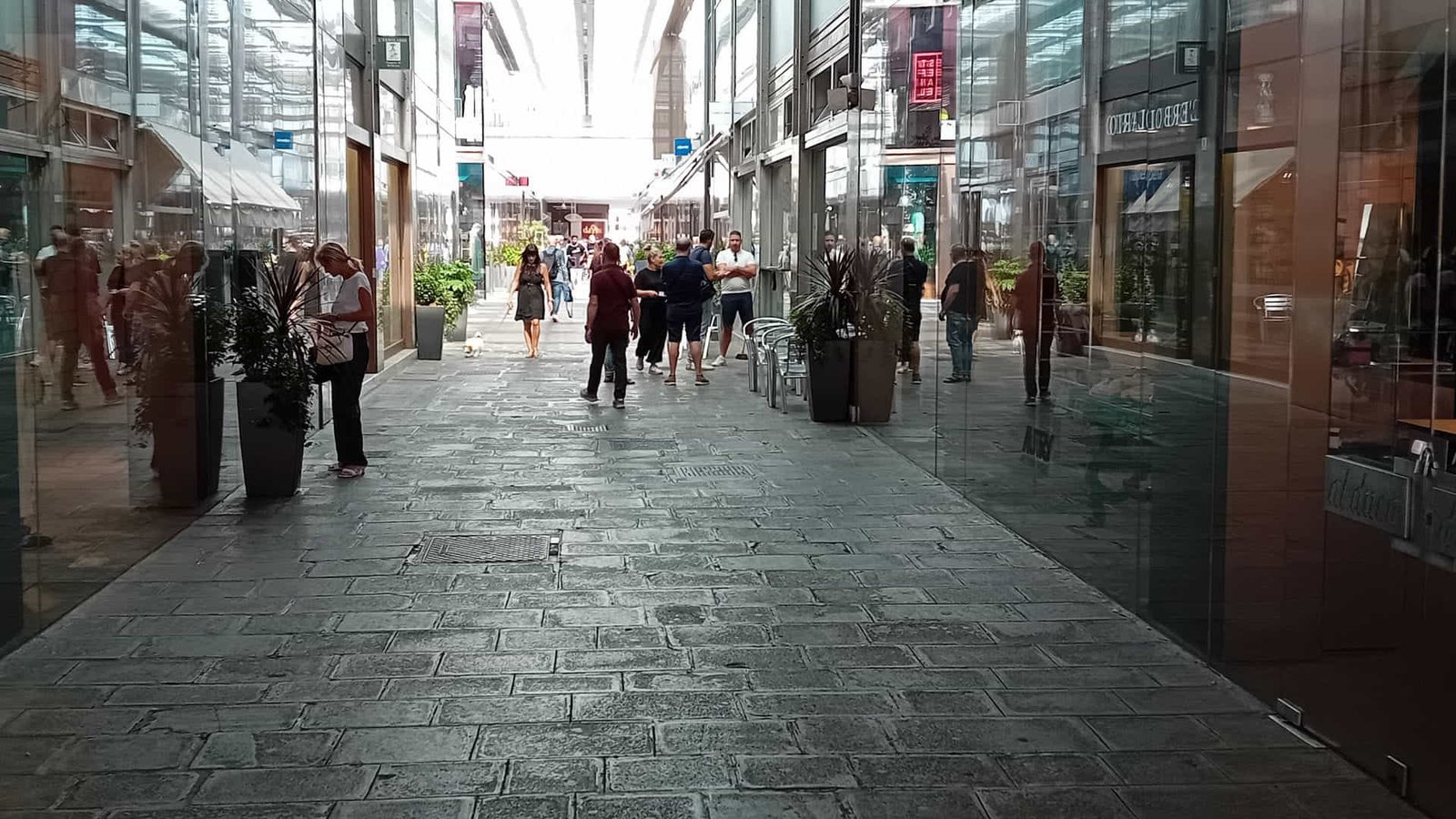
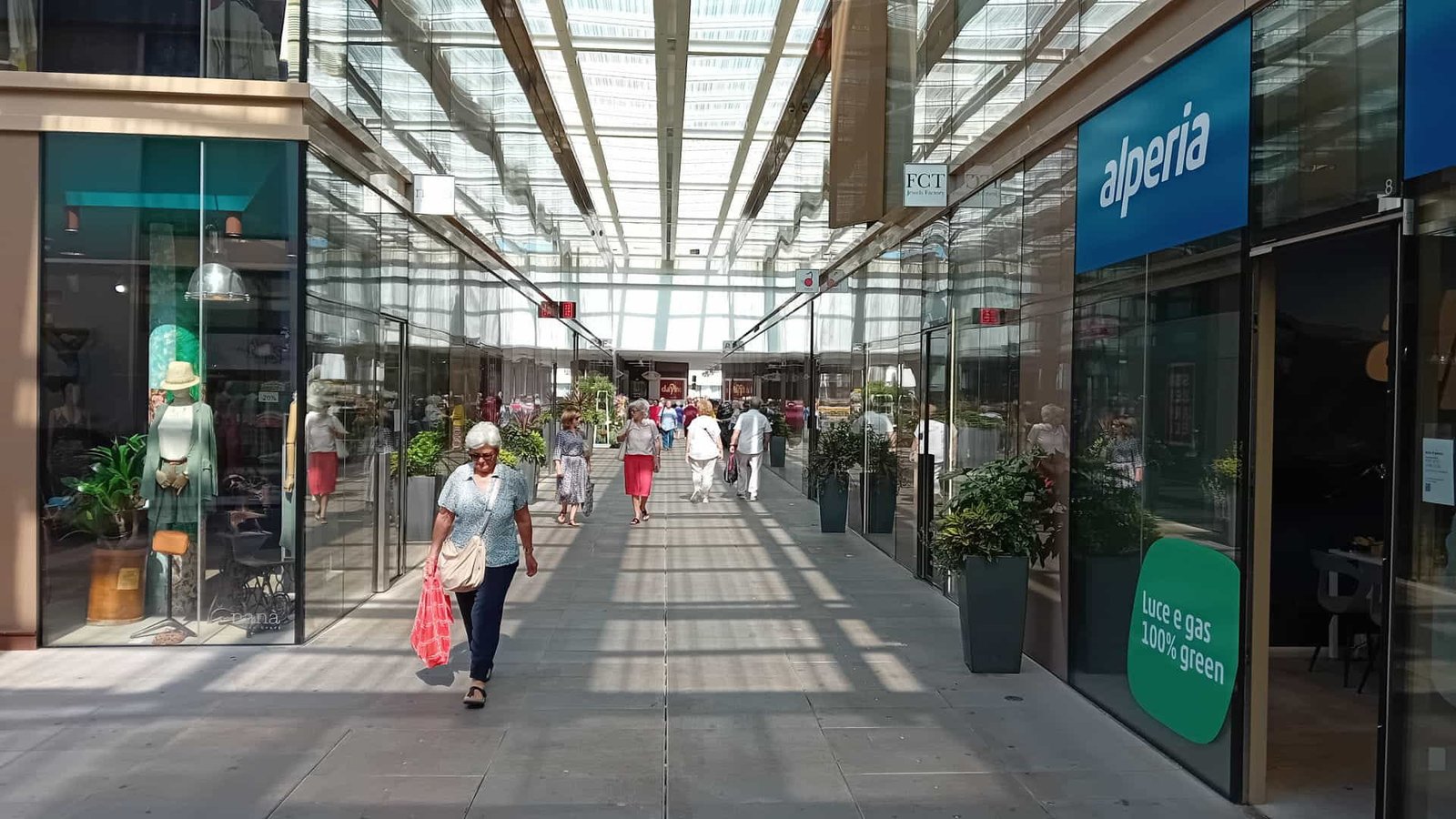
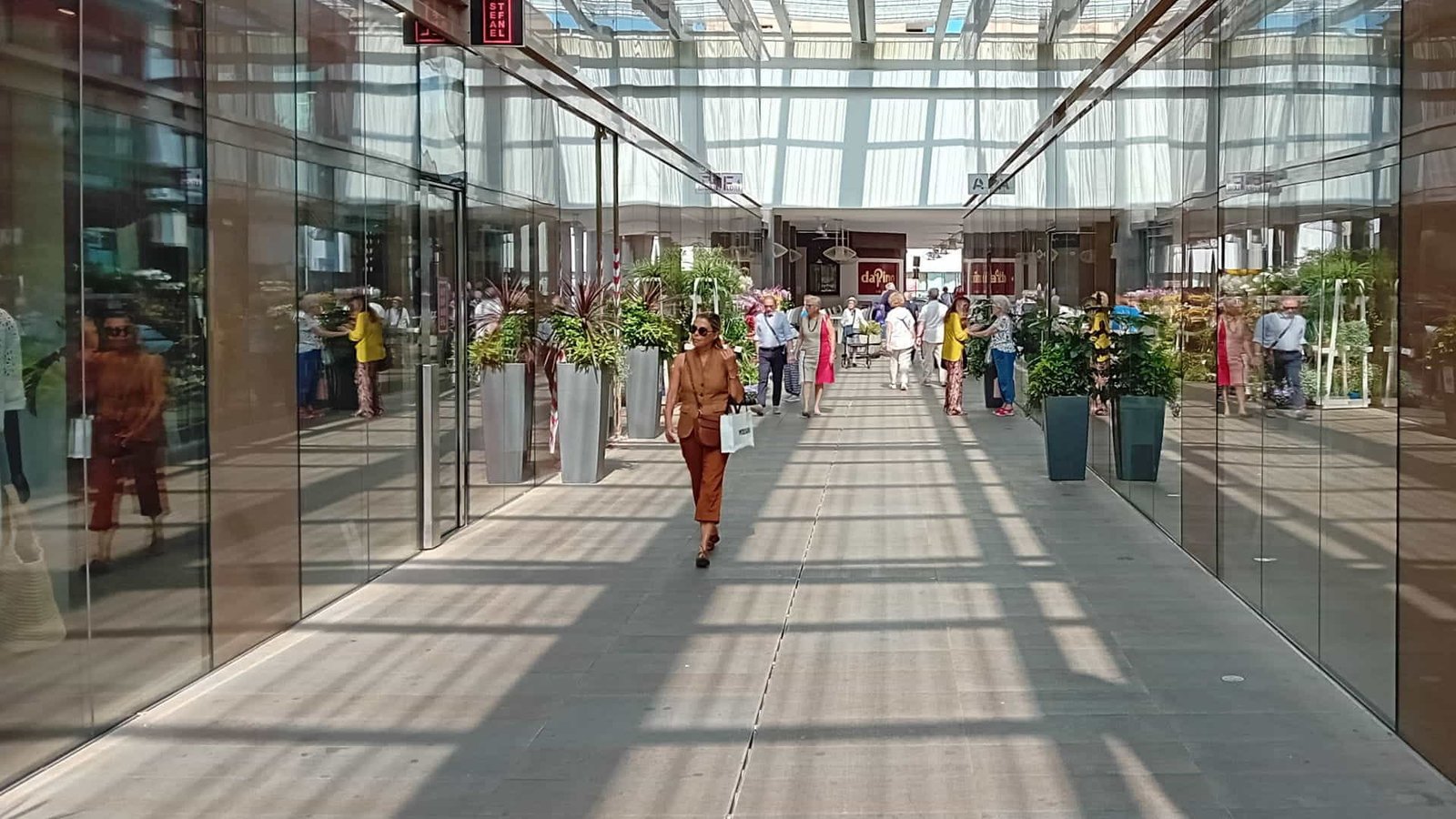
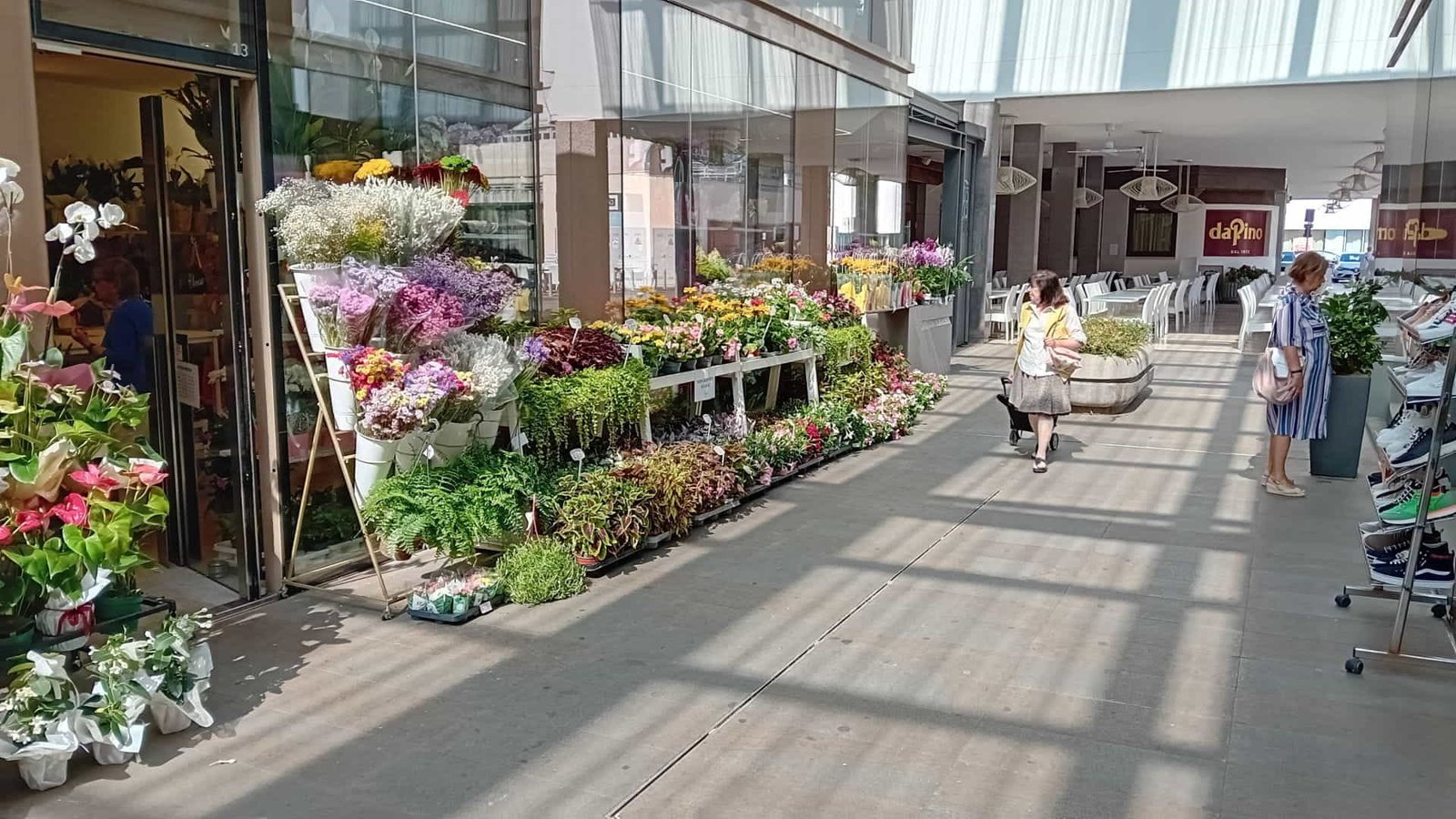
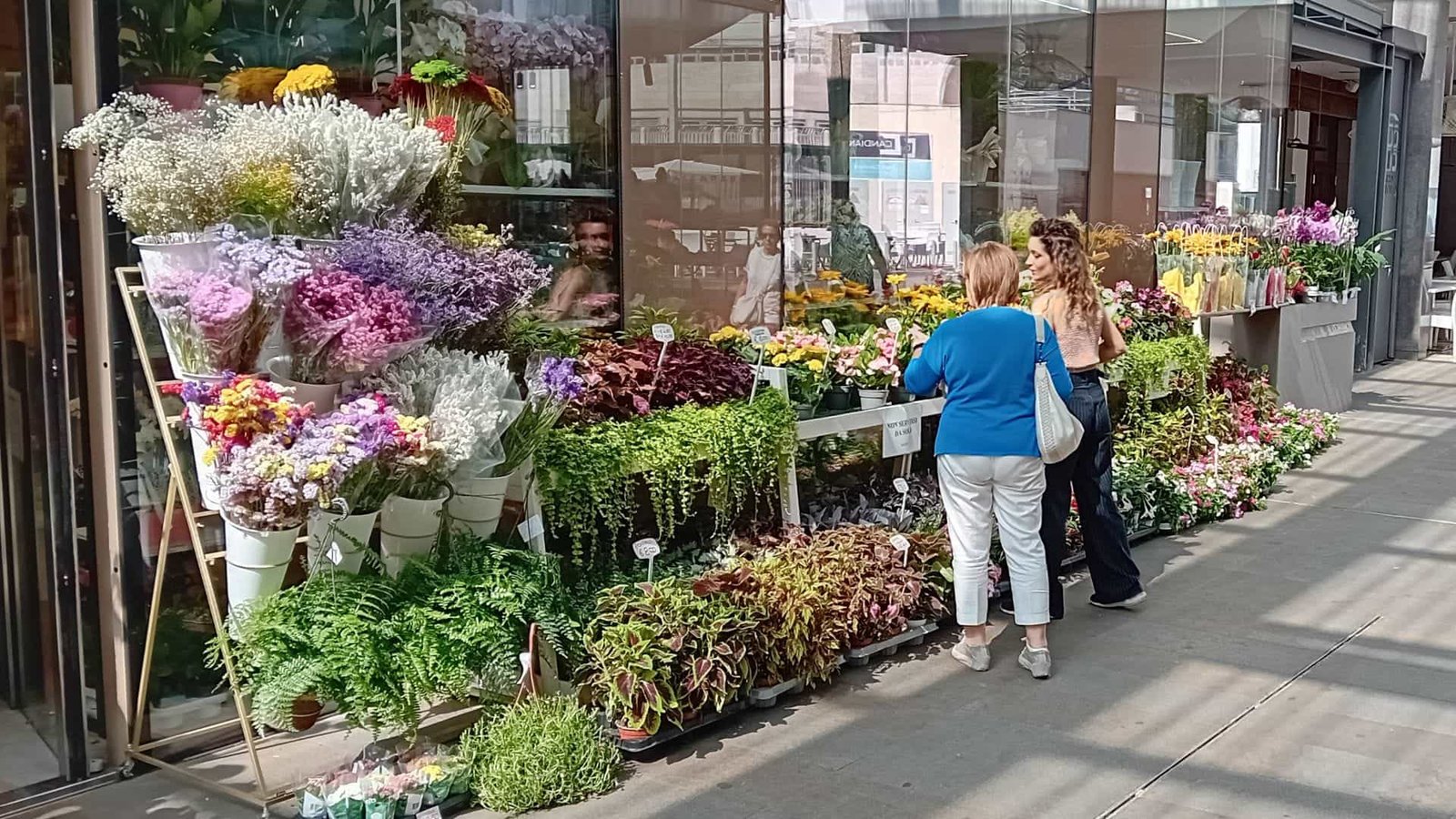
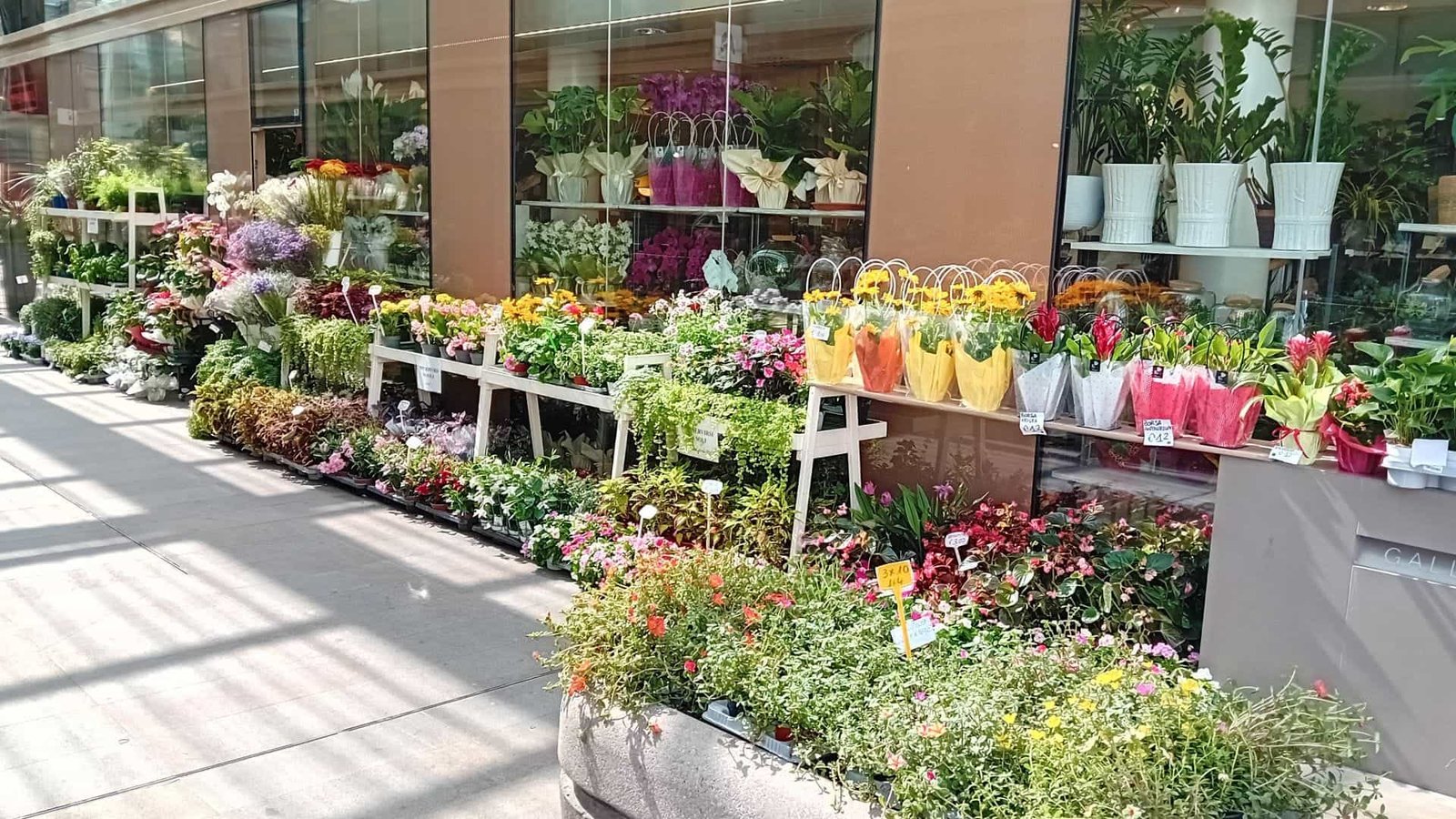
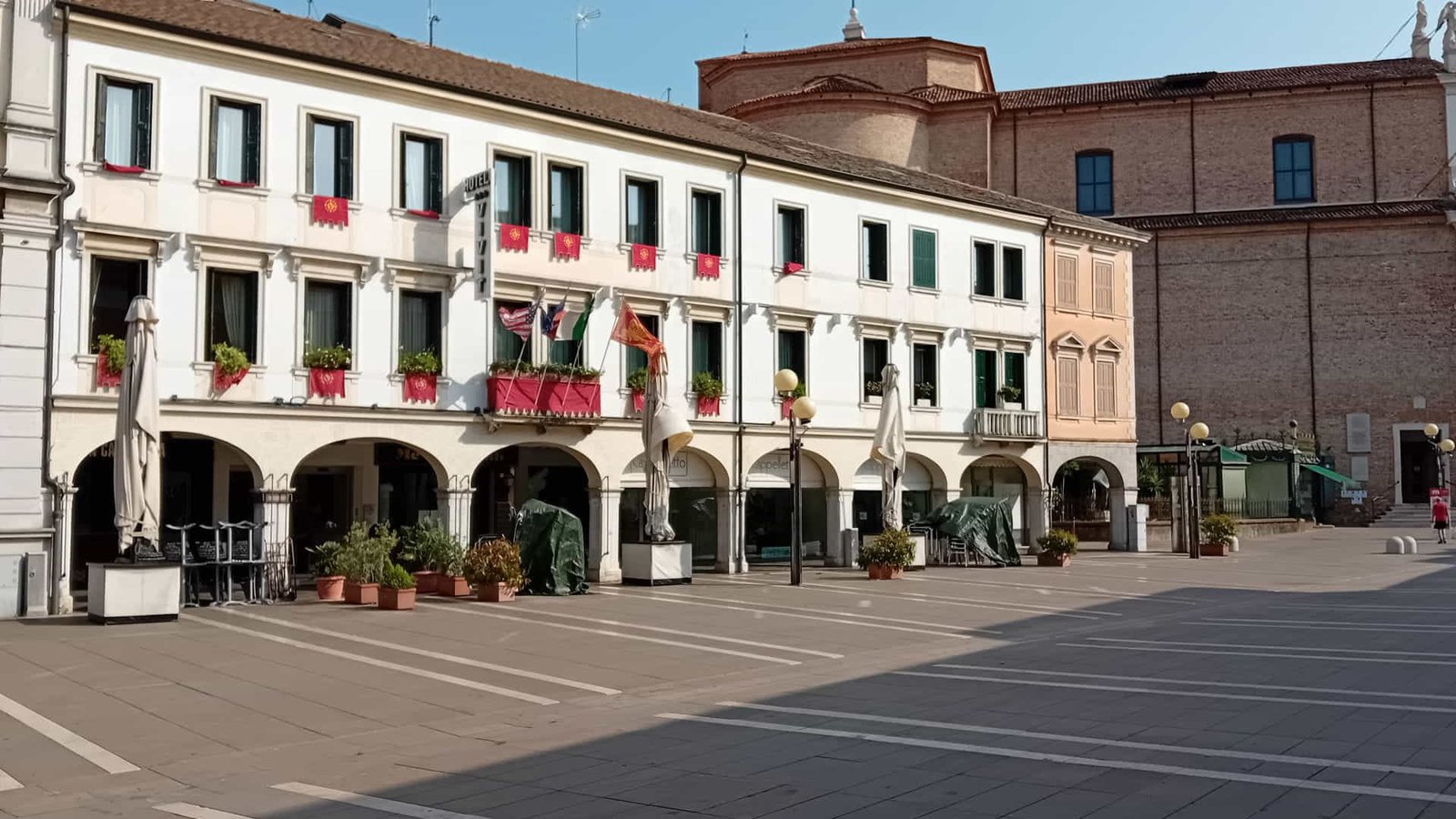
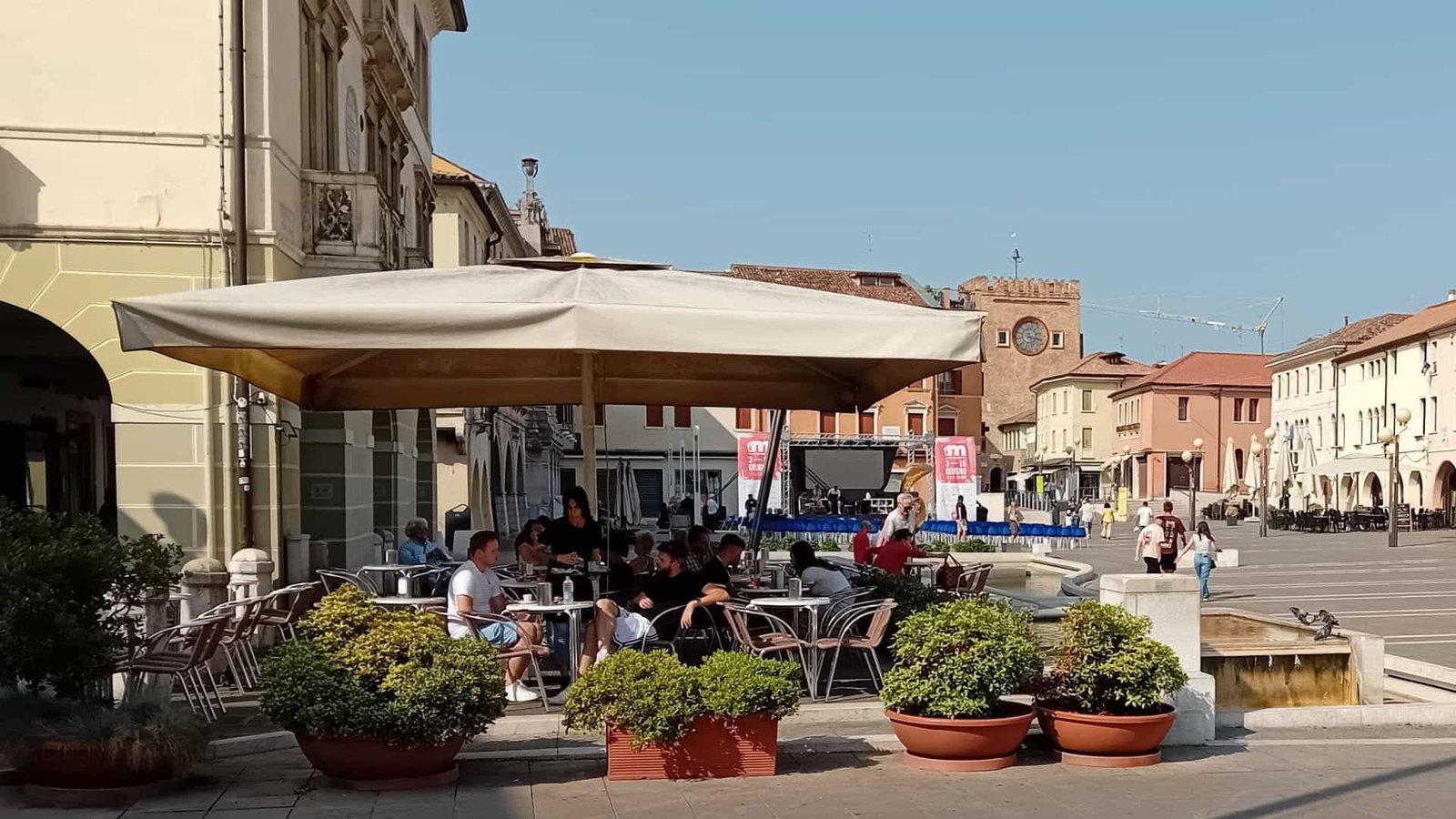
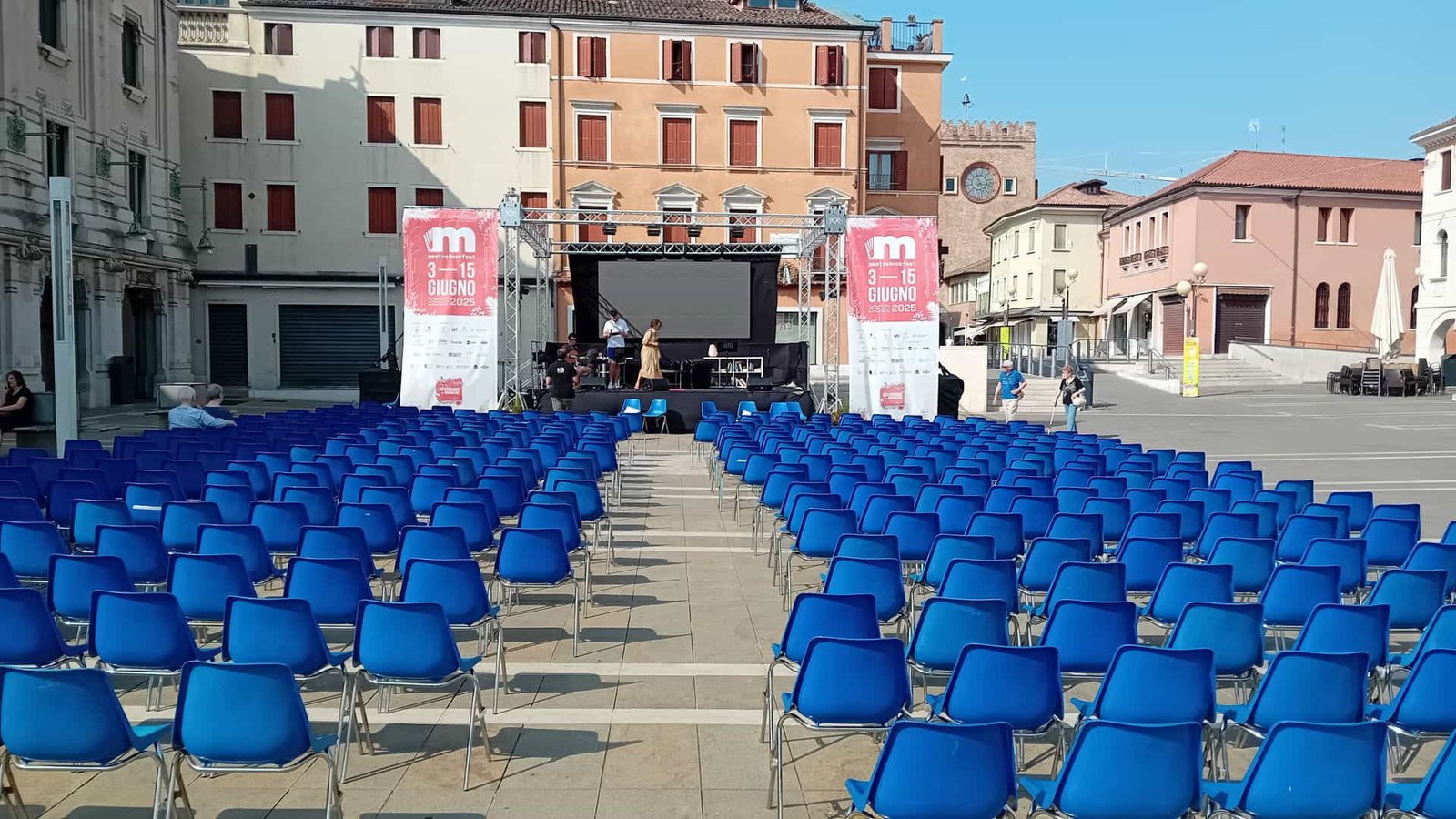
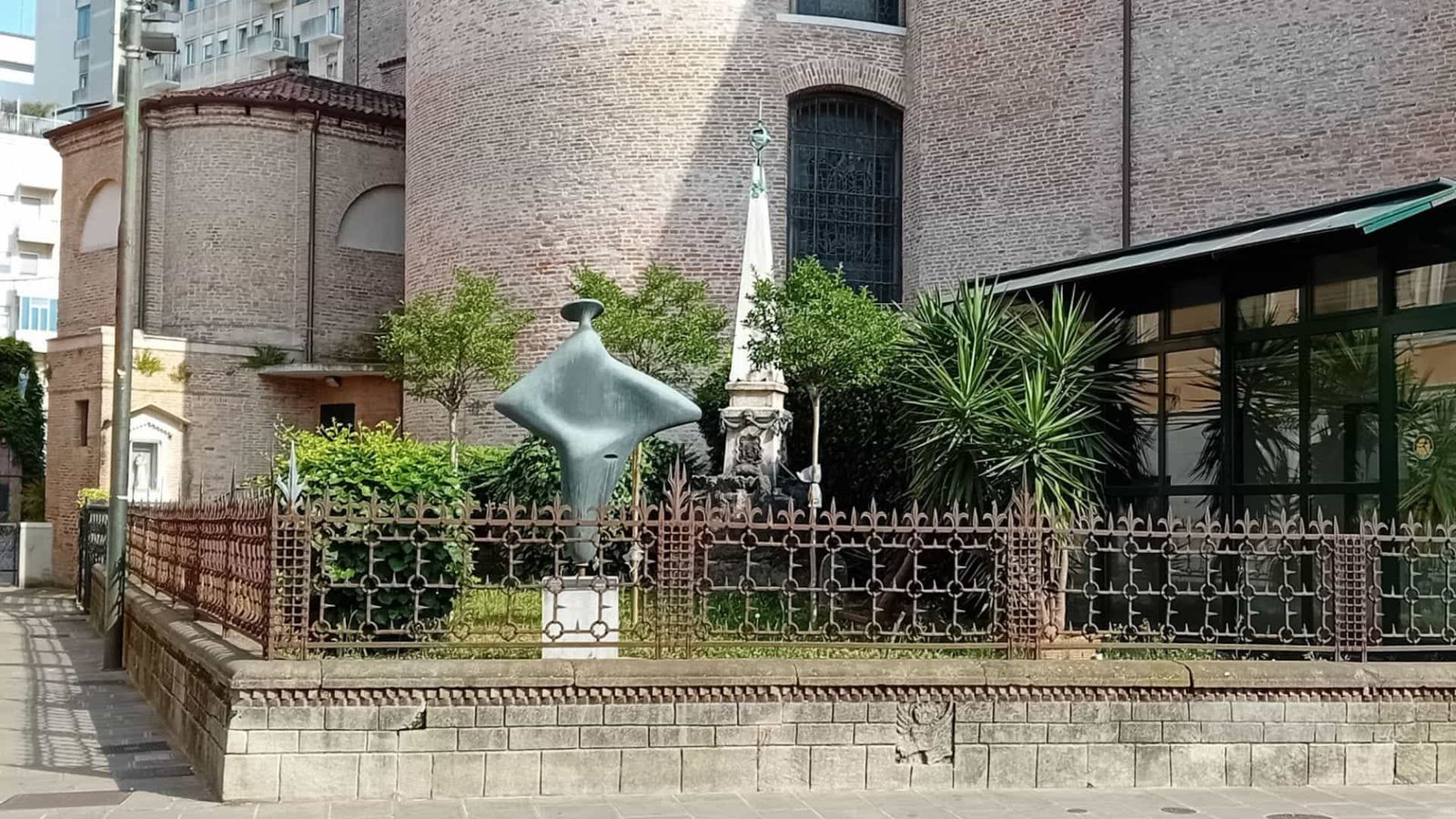
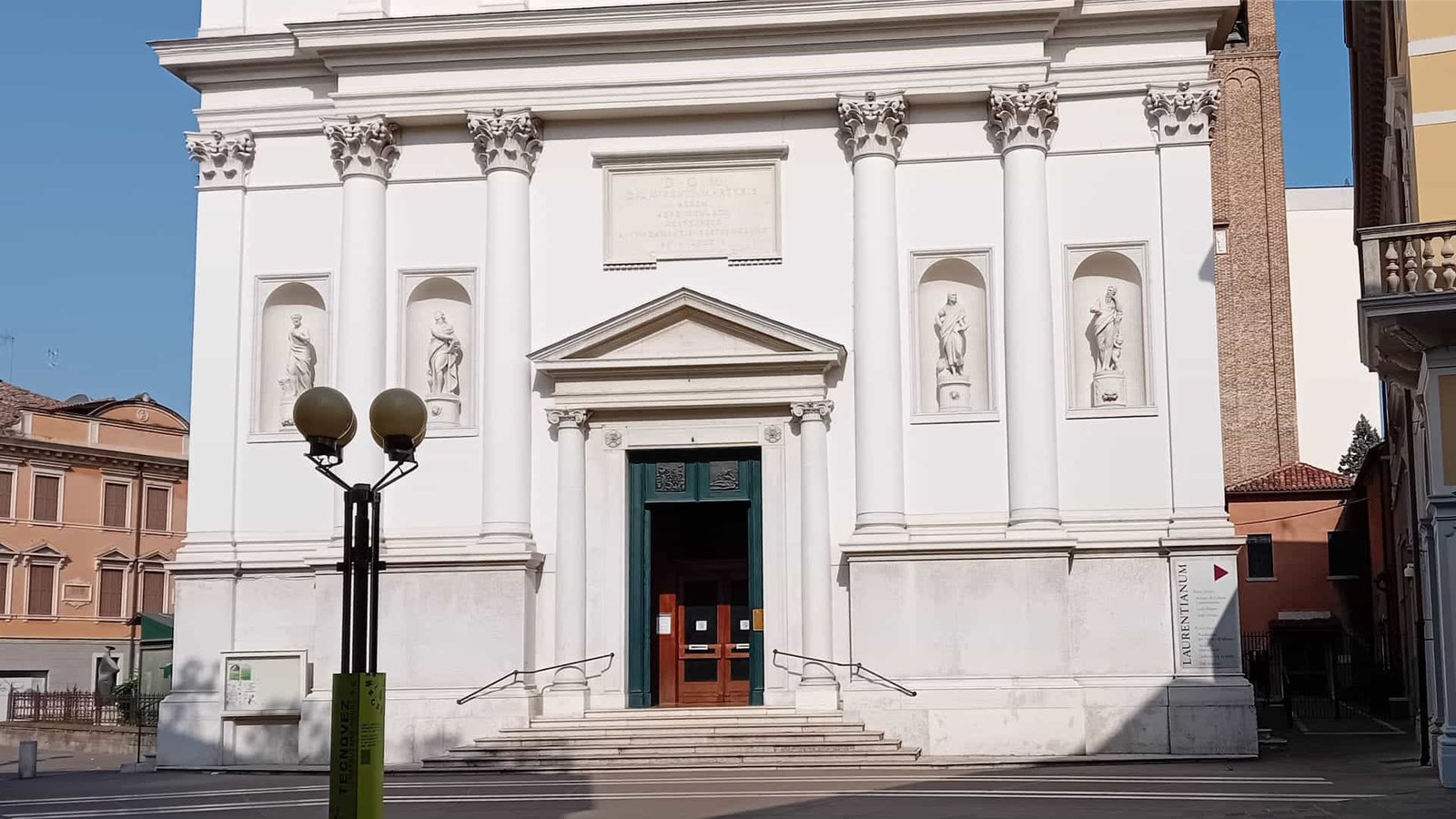
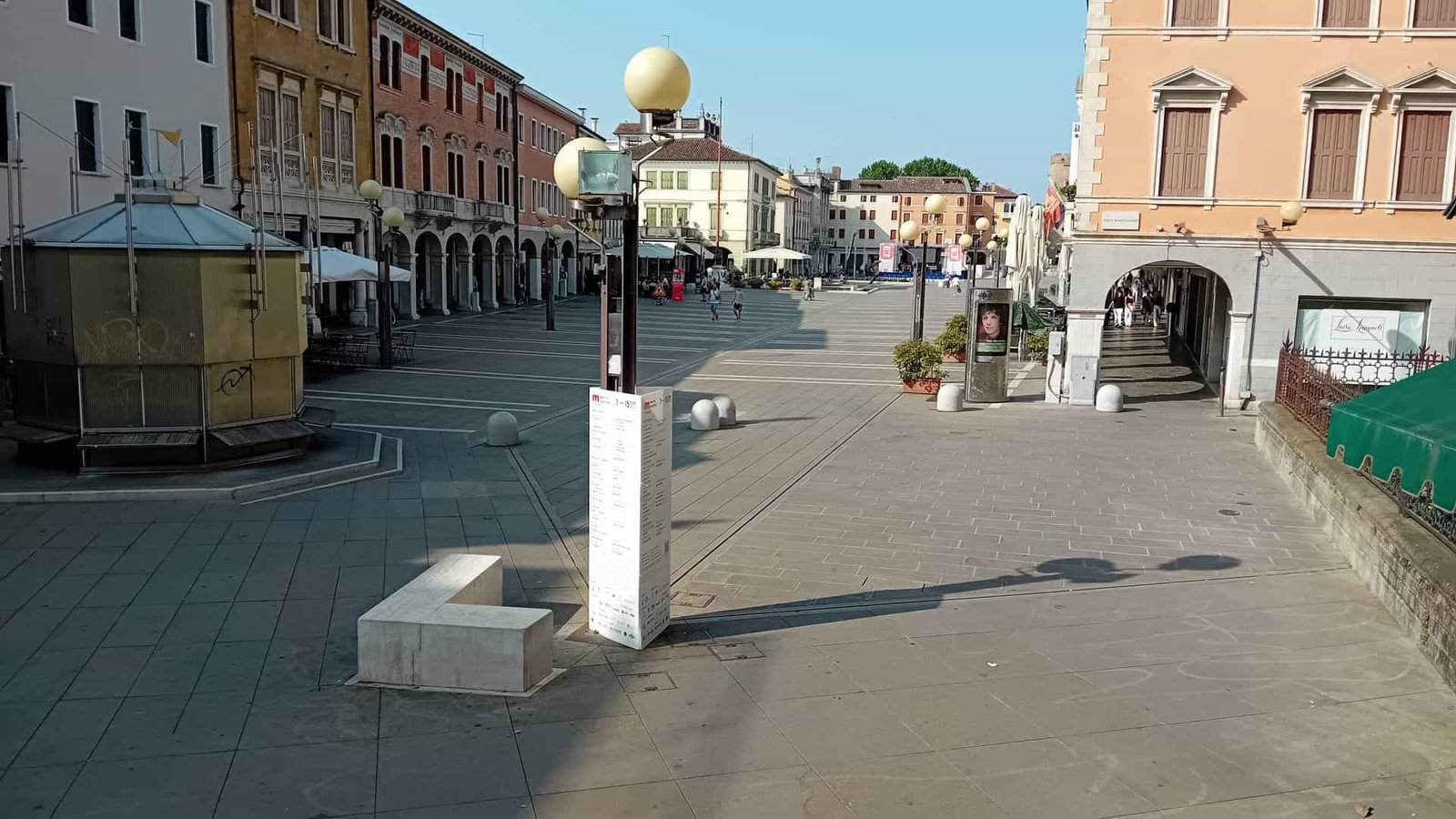

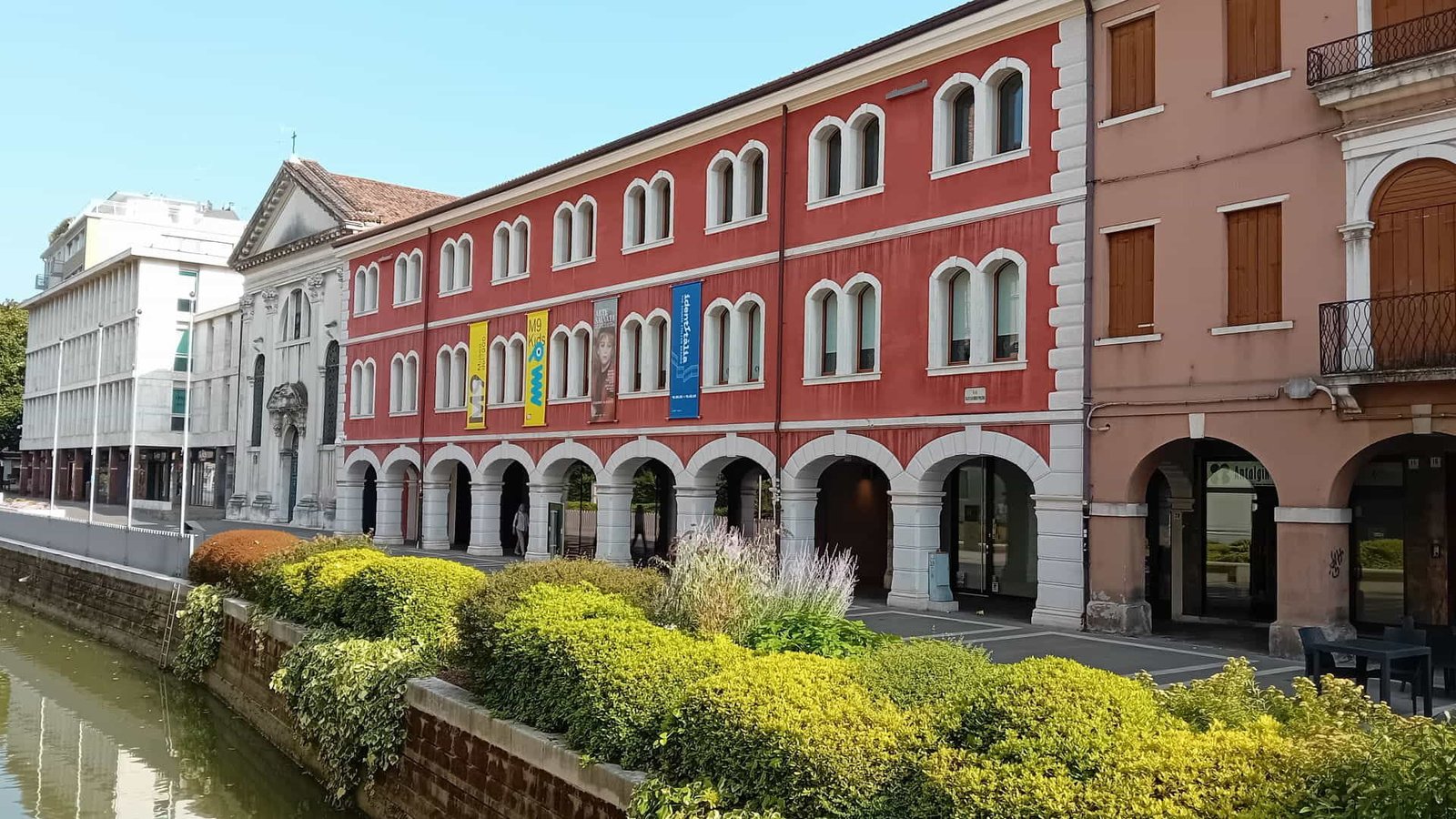
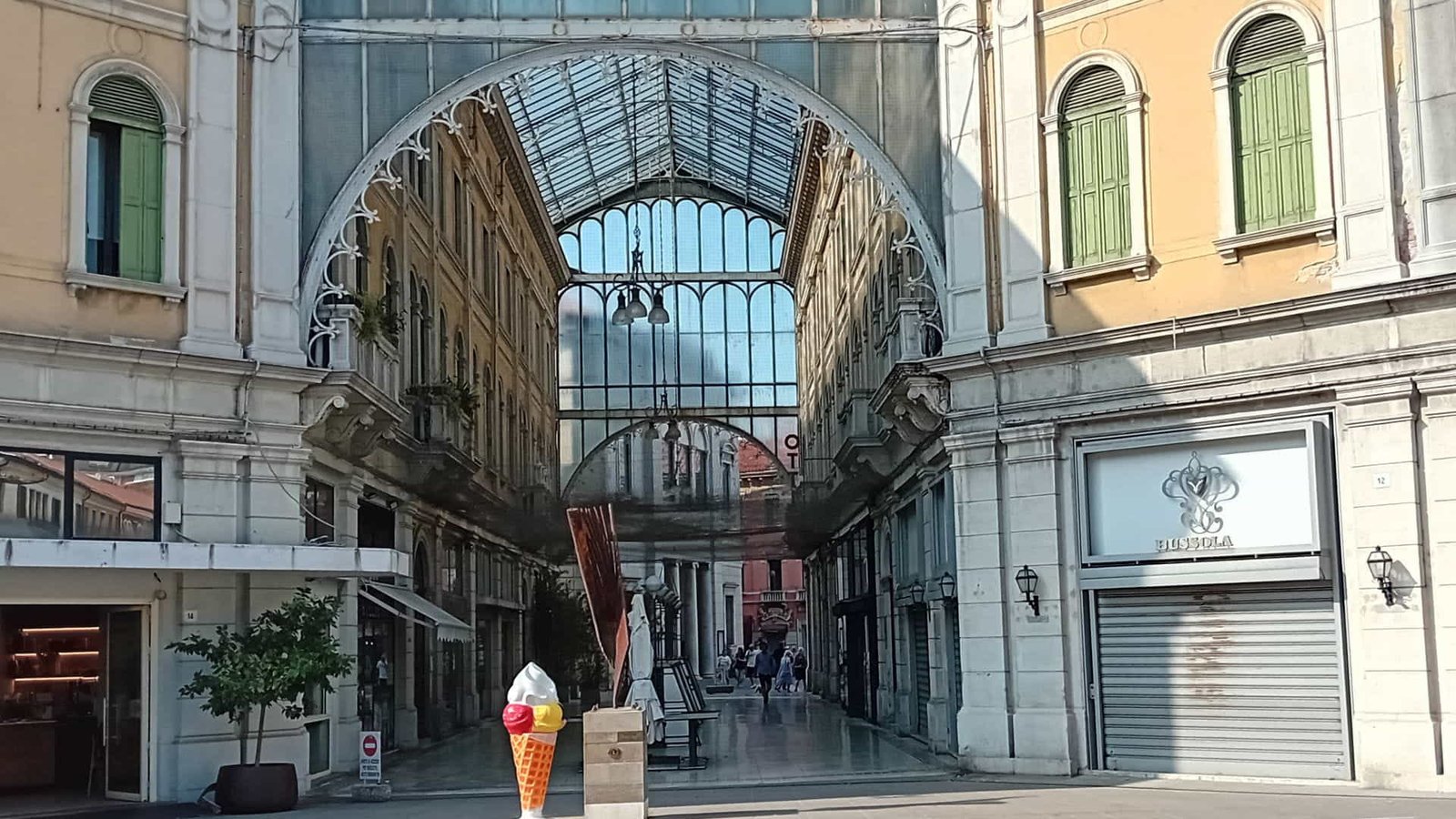
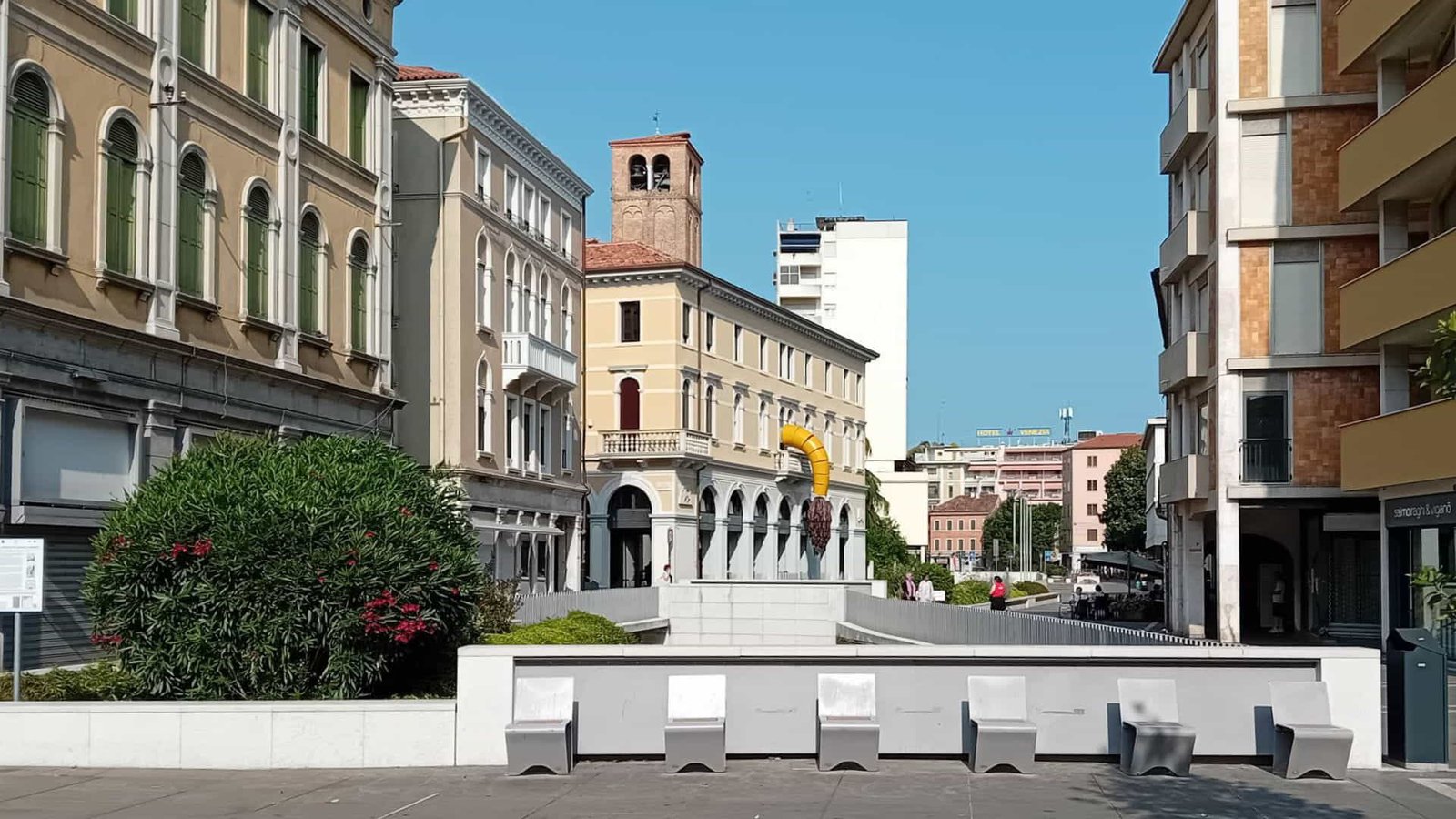
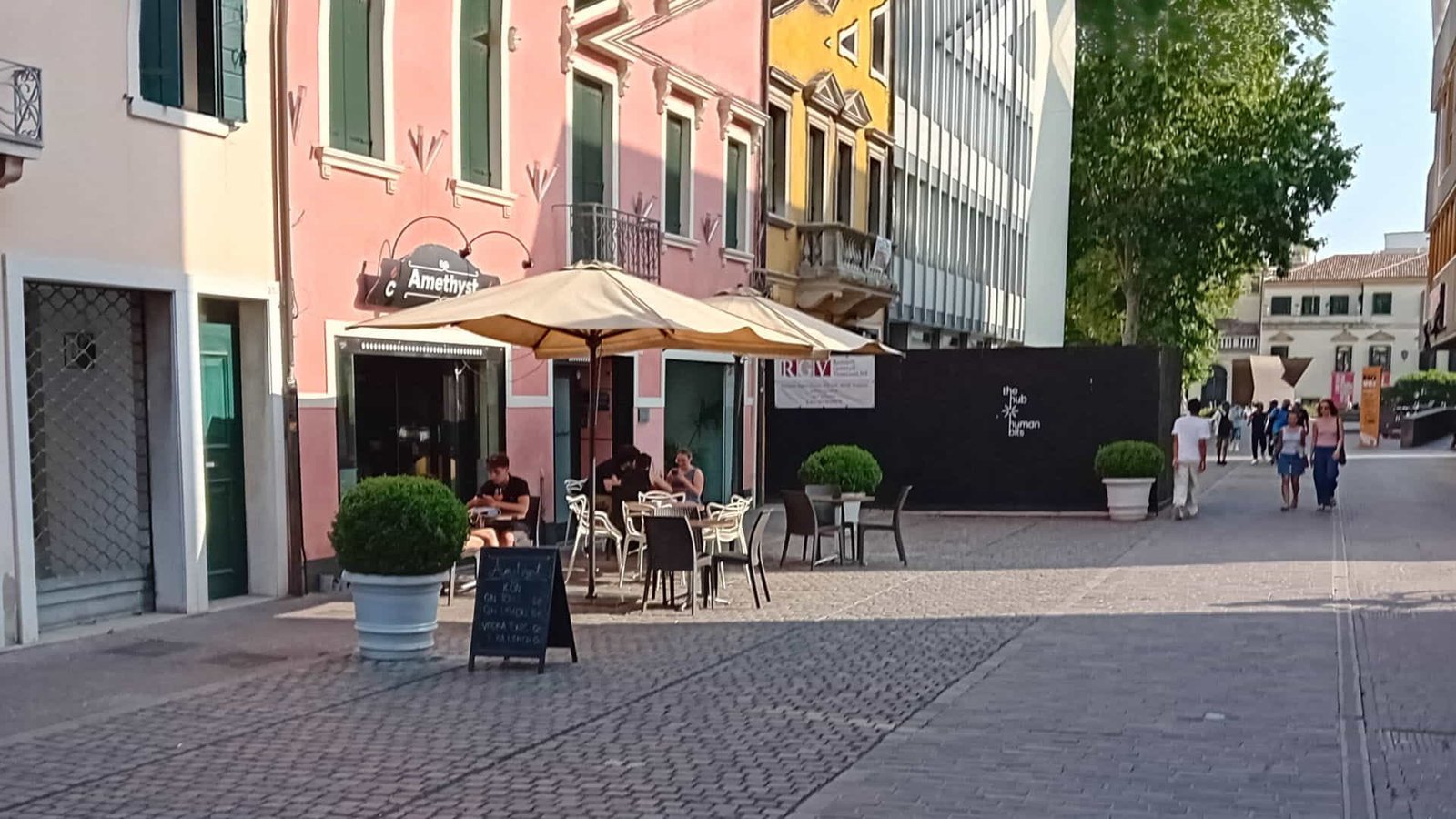
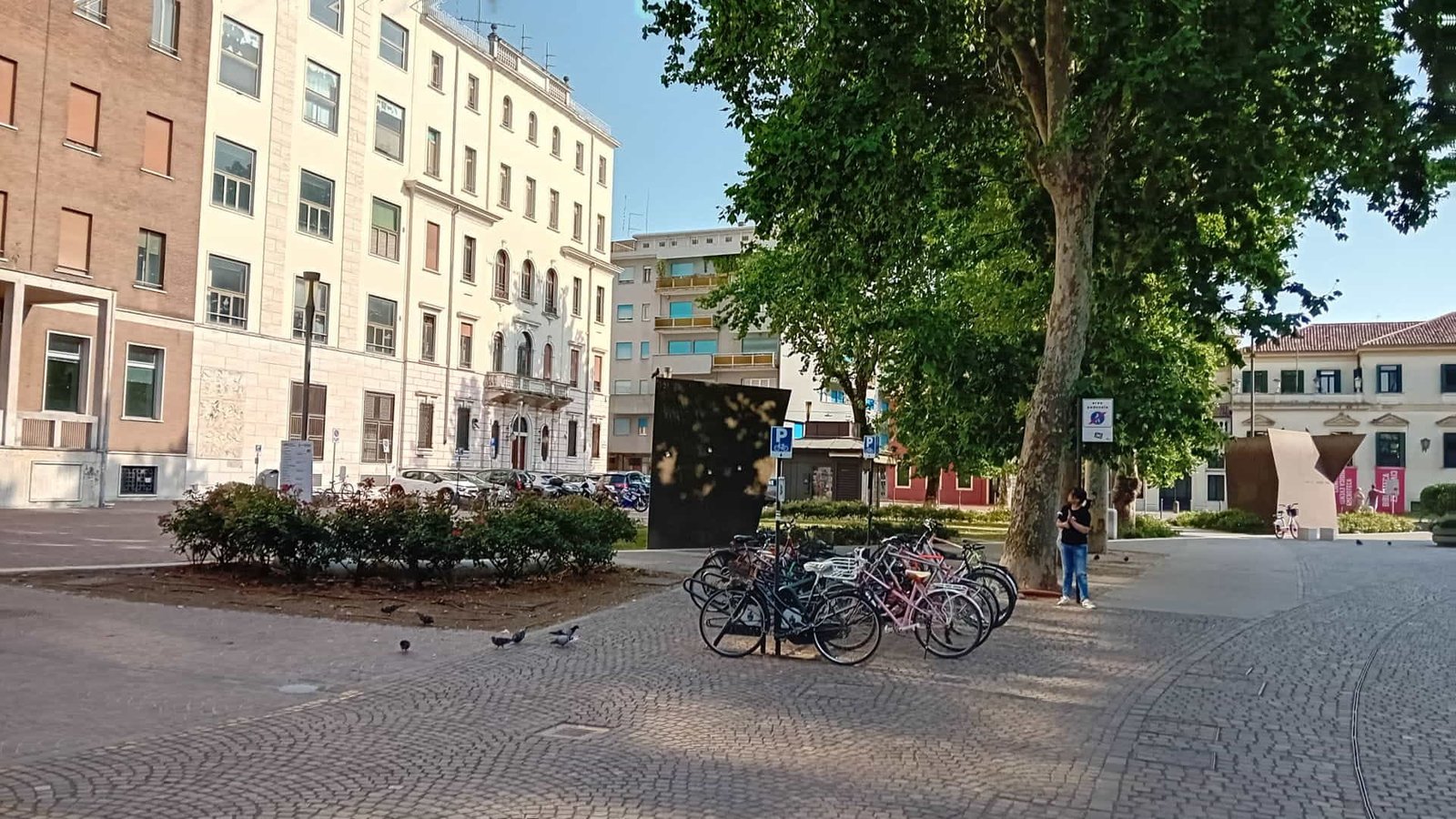

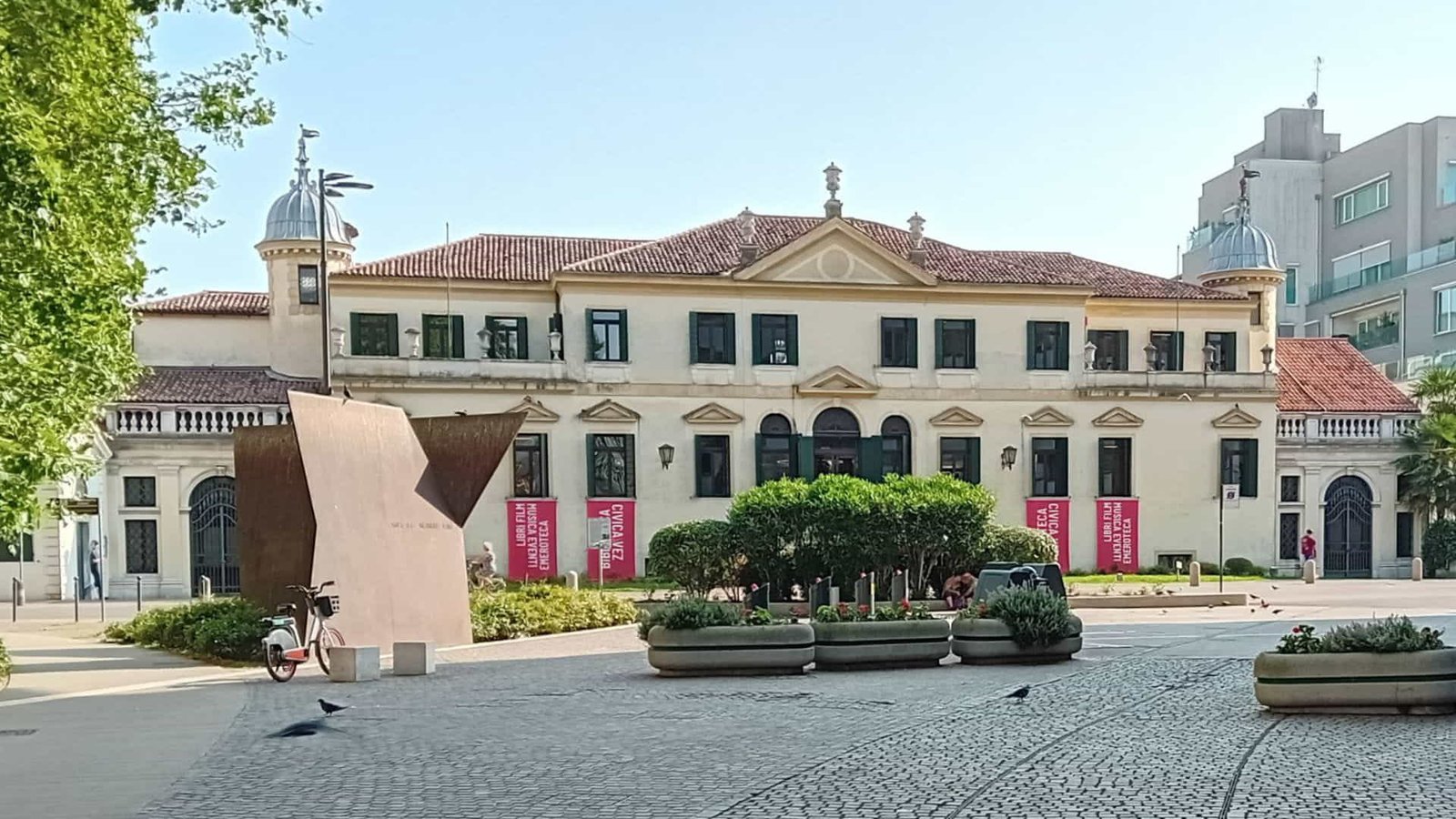
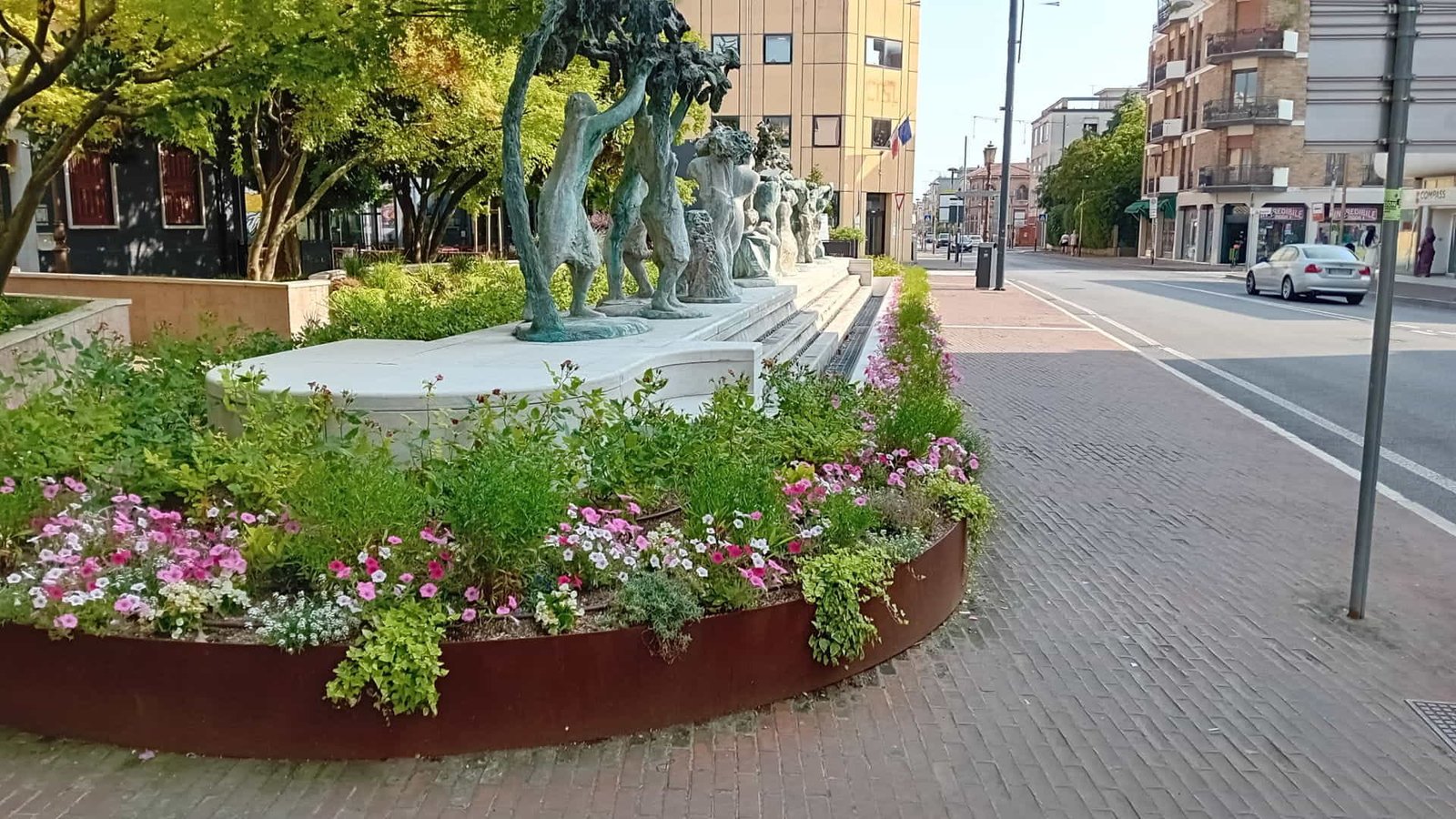
Photo Gallery of Walk 2 – Piazza del Tomolo to Via Adriatica
Approximately 0.60 km – 0.37 miles
Description of Walk 2
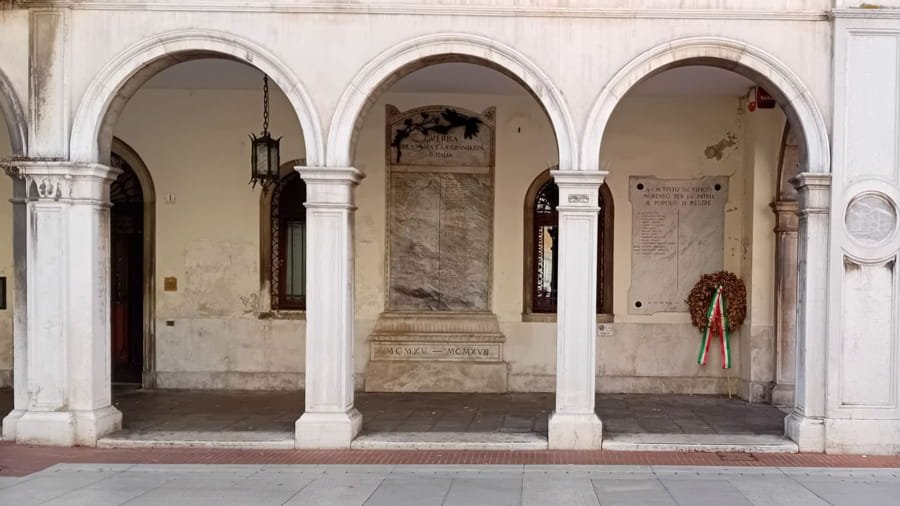
This walk explores a quieter and more traditional side of Mestre, offering insight into its local character beyond the busy commercial centre. Starting in Piazza del Tomolo, the route begins in a small, less crowded square that reflects the everyday rhythm of the area.Following Via Santa Maria and Via Giosia, the walk passes through residential streets lined with modest buildings and local activity, giving a sense of Mestre as a lived-in community rather than just a gateway to Venice. The route then reaches Piazza L. V. Pudente, a focal point visited several times throughout the walk. Here stands the Cattedrale di San Giuseppe, an important religious landmark that anchors the square with its simple yet dignified architecture. Continuing along Via Vescovado and returning again to the square, the walk highlights how local life centres around these communal spaces. The route then extends to Piazza del Popolo, another open area that adds to the neighbourhood’s social atmosphere, before finishing along Via Adriatica. Overall, the walk reveals Mestre’s quieter charm, shaped by community, tradition, and everyday life.





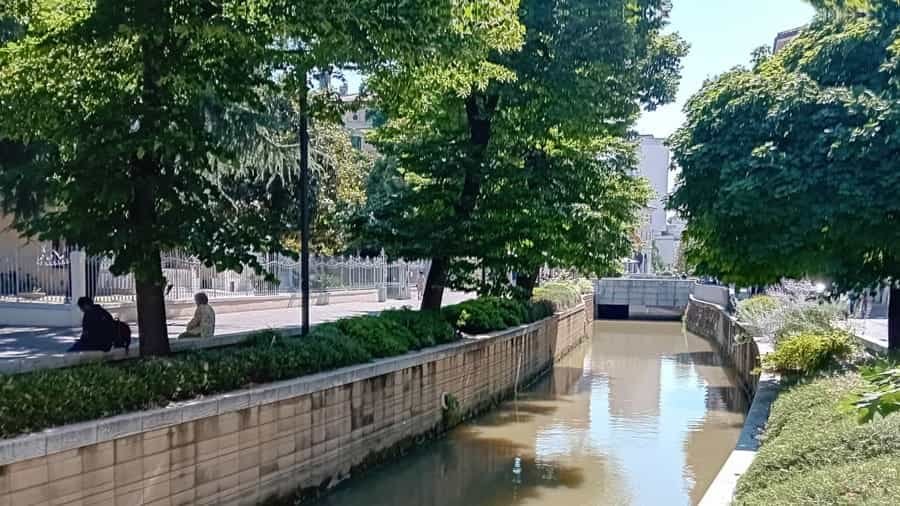
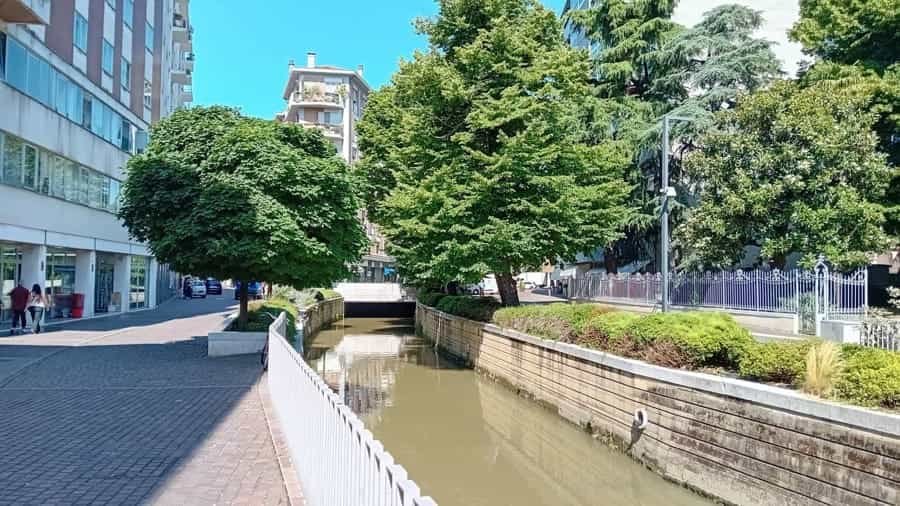
Walk along the Canale di San Giuliano
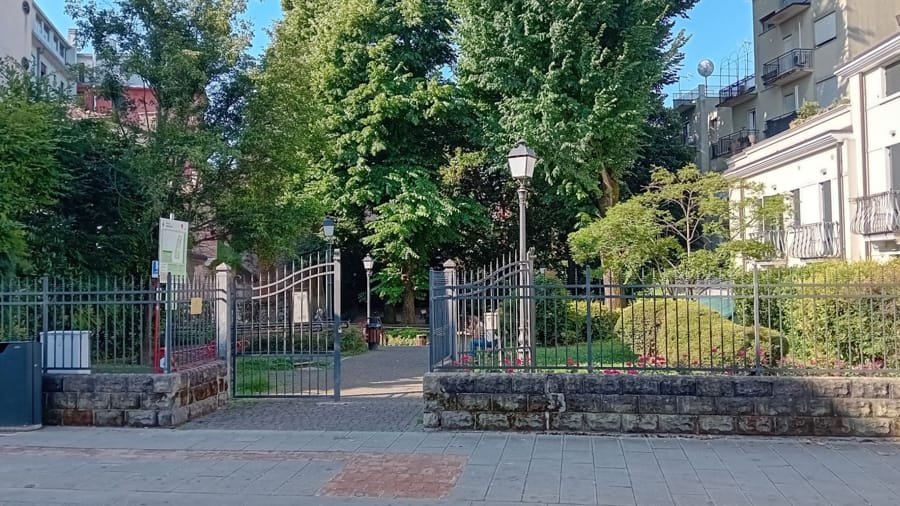
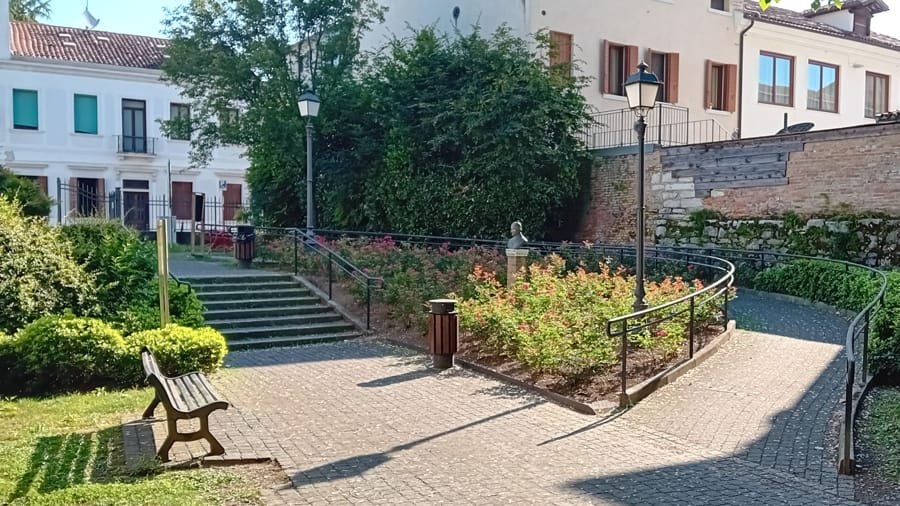
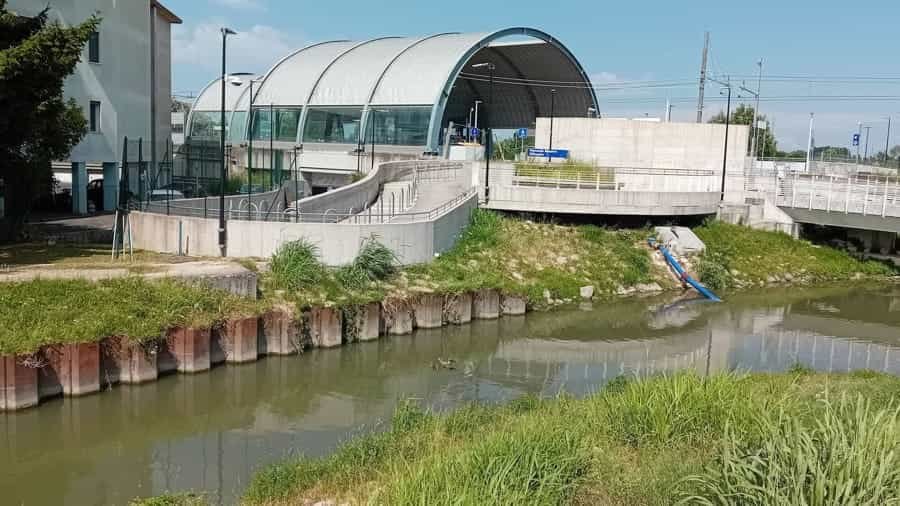
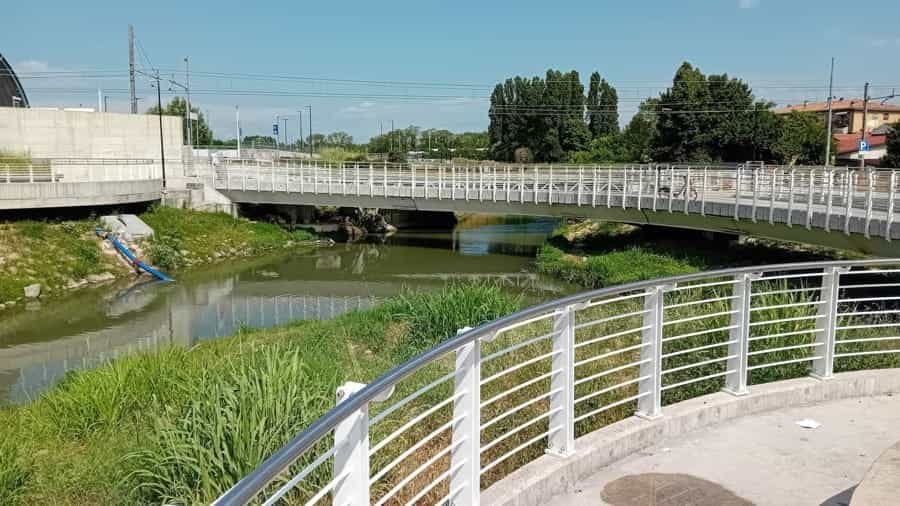
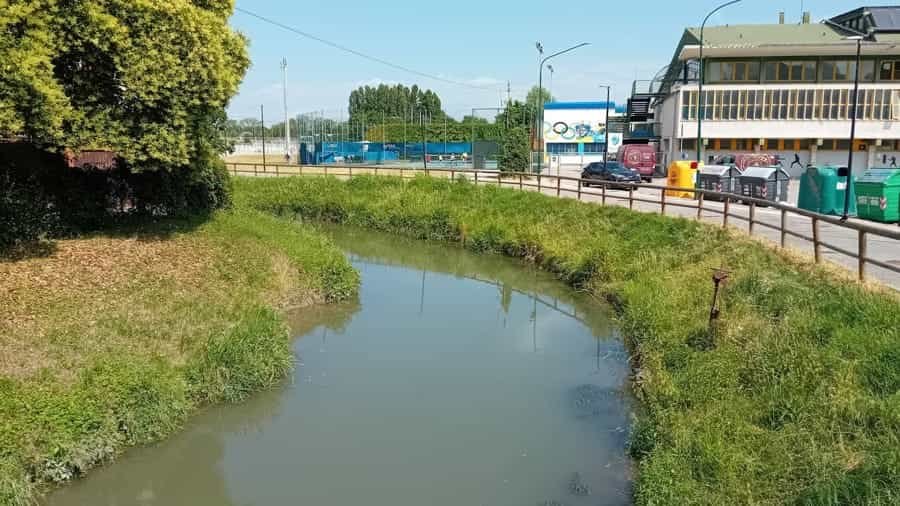
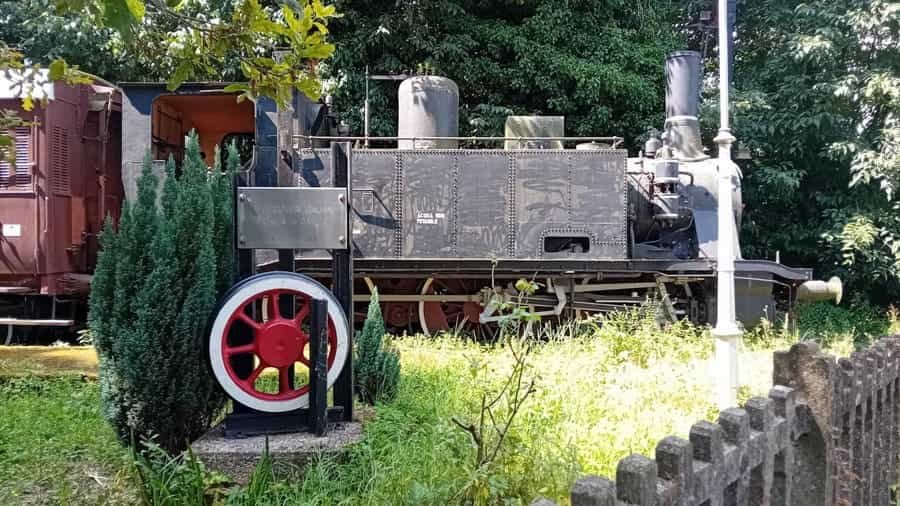
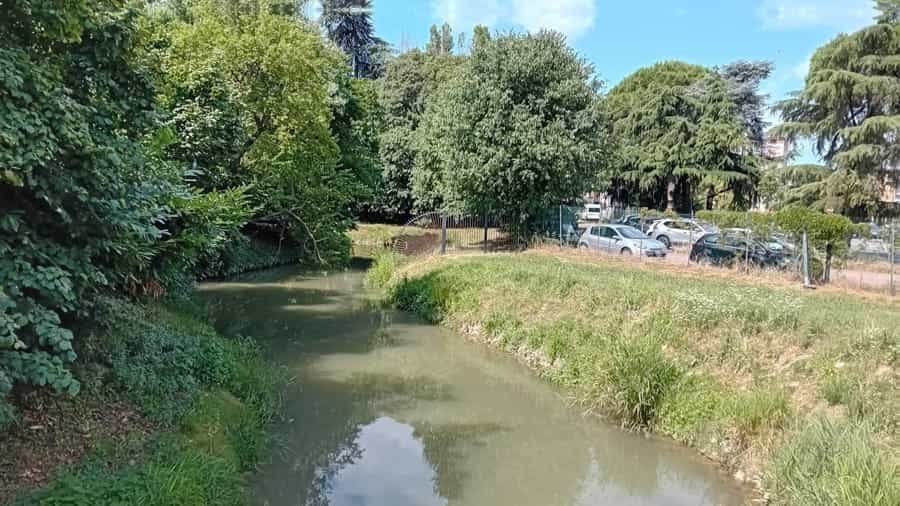
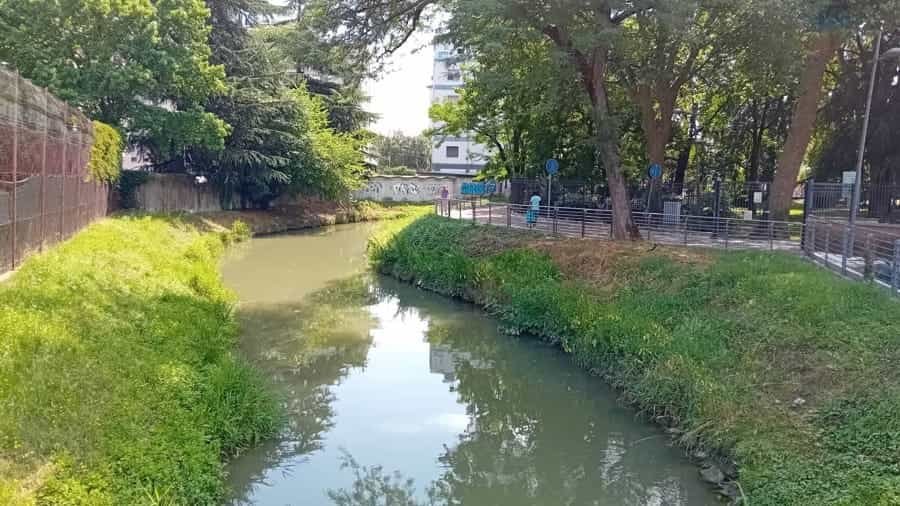
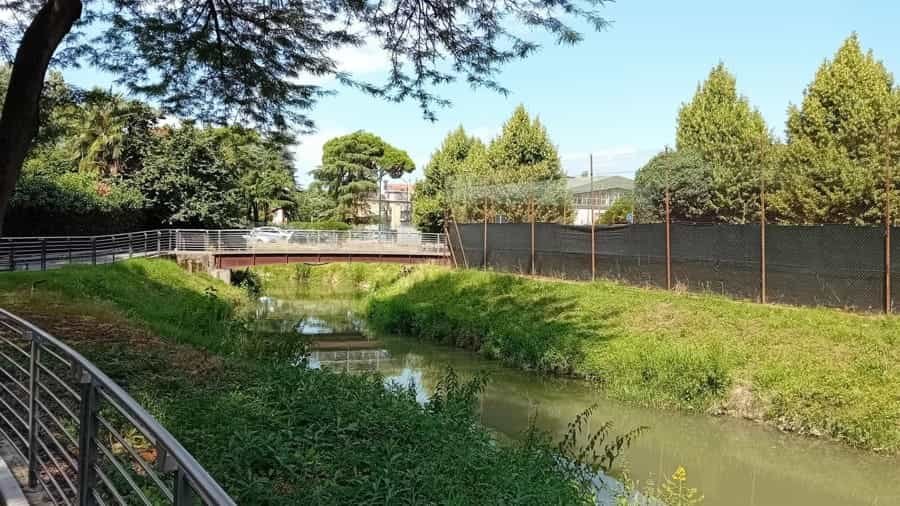
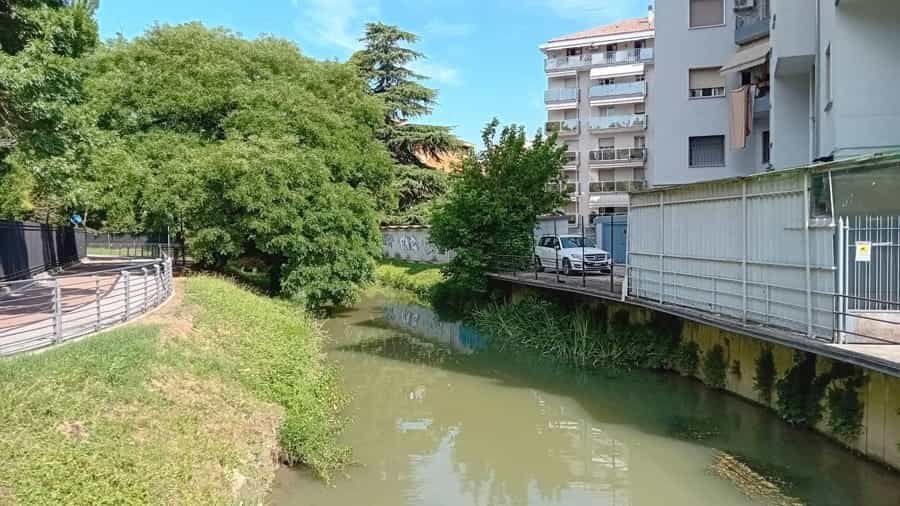
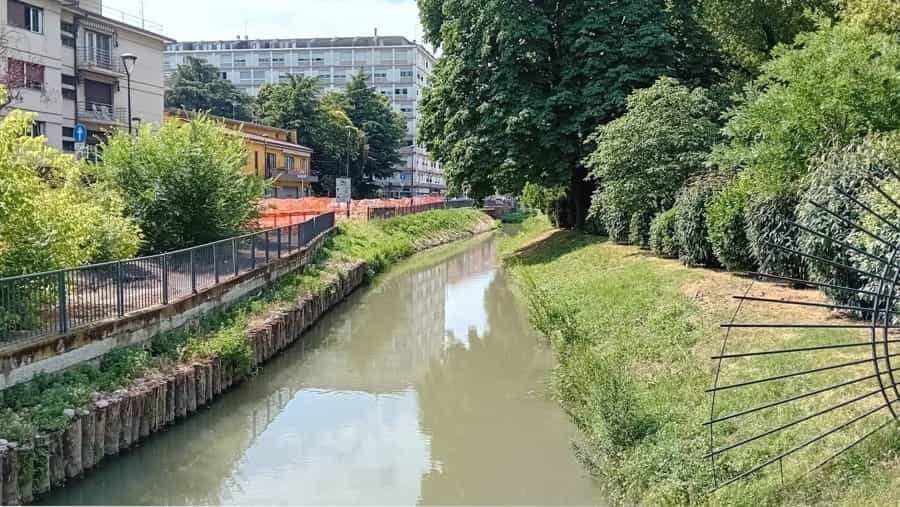
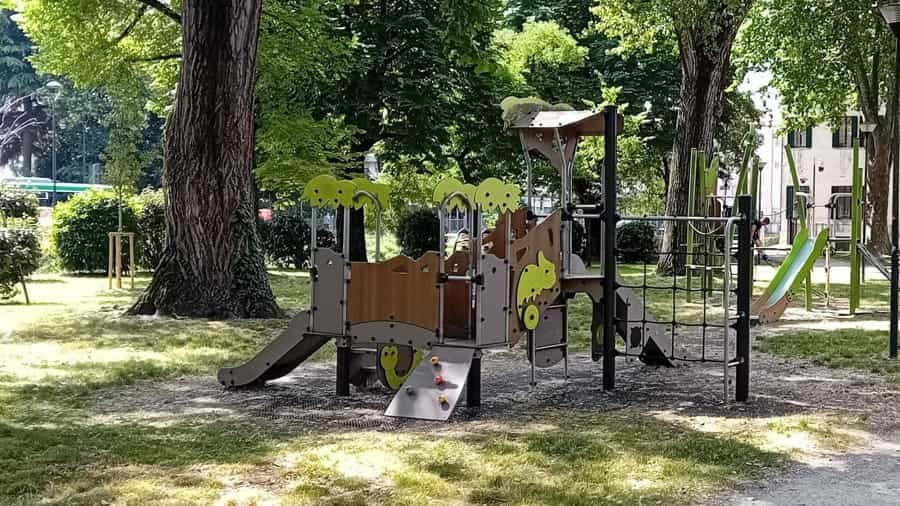
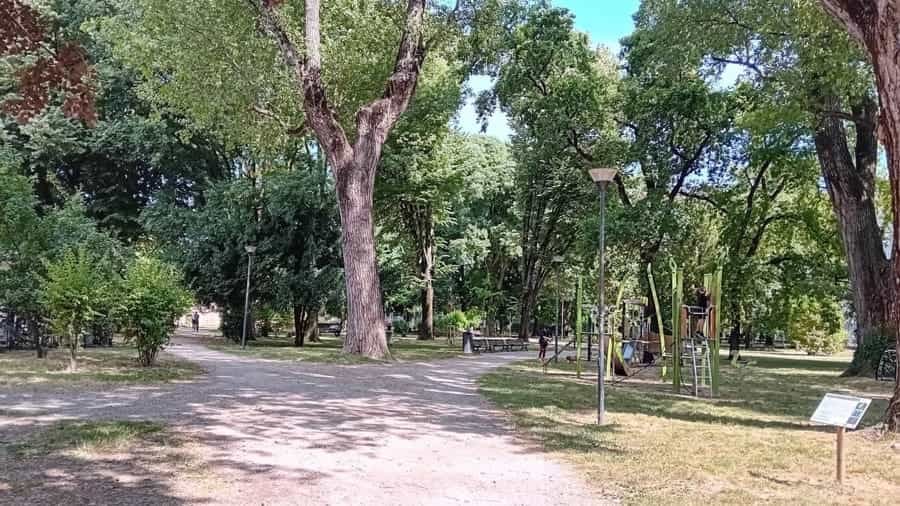
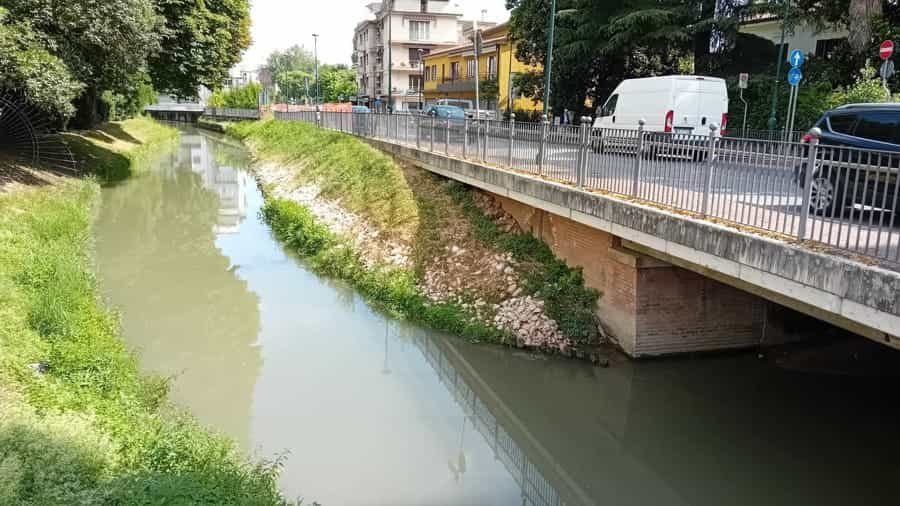
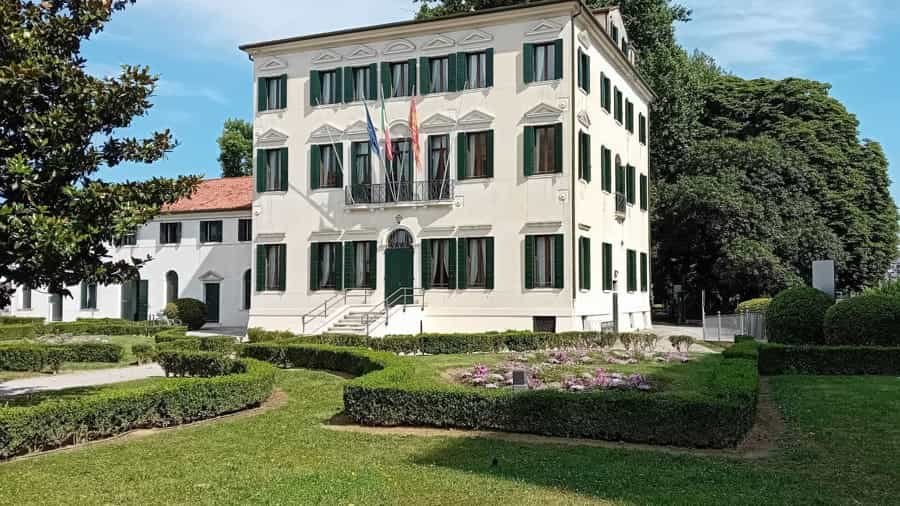
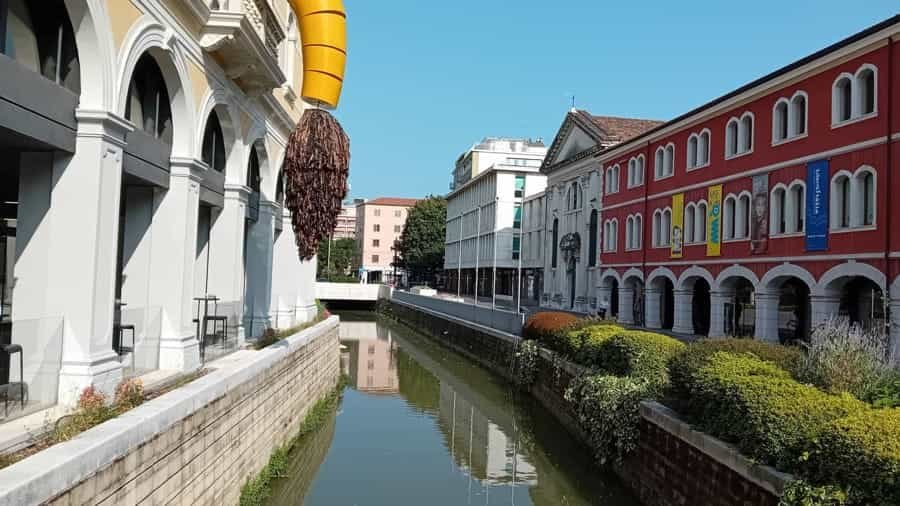
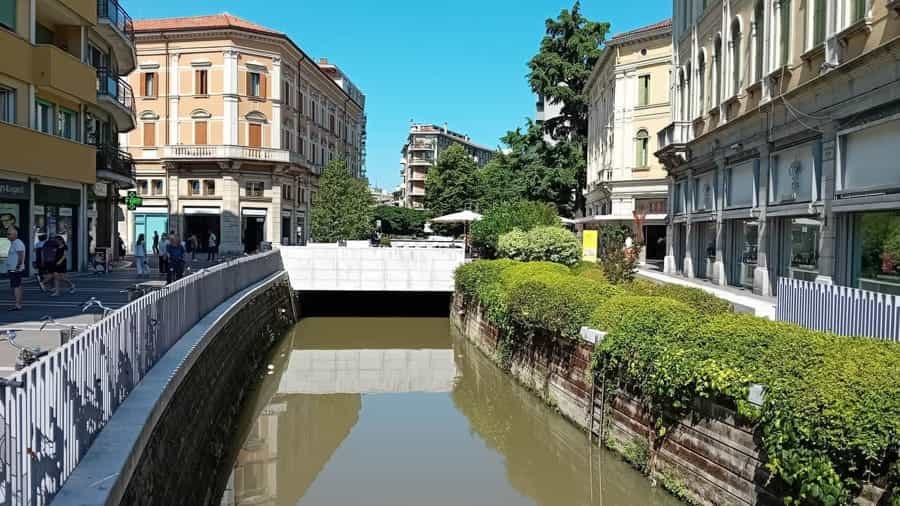
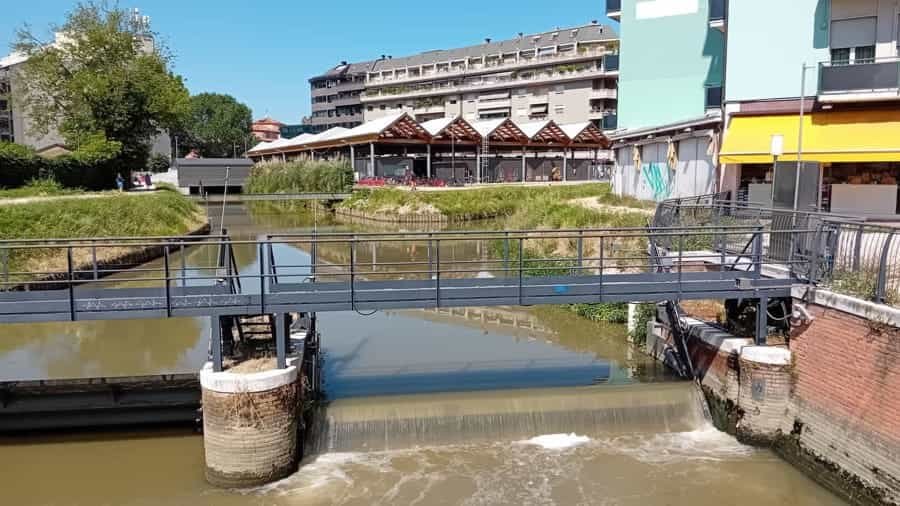
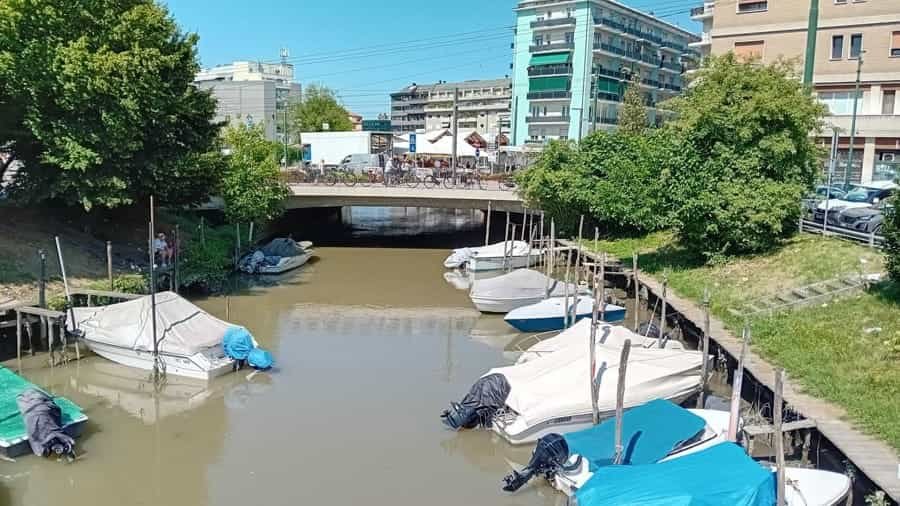
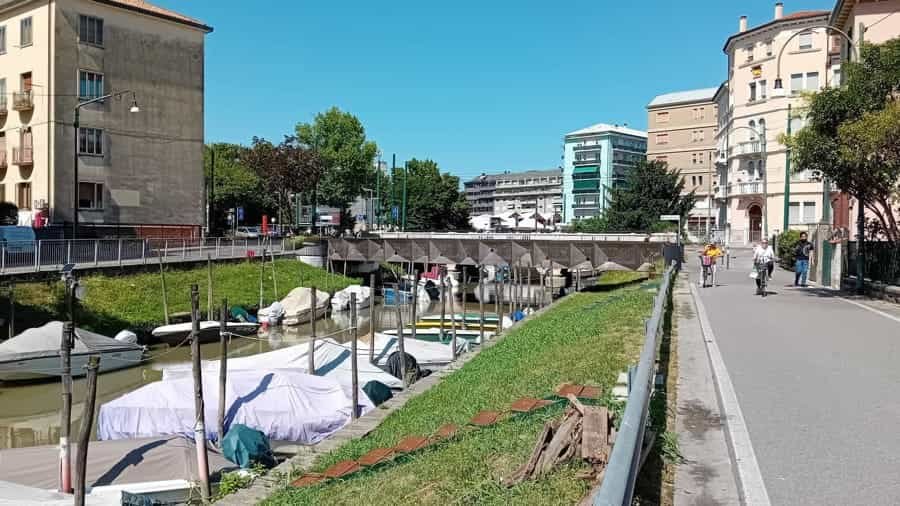
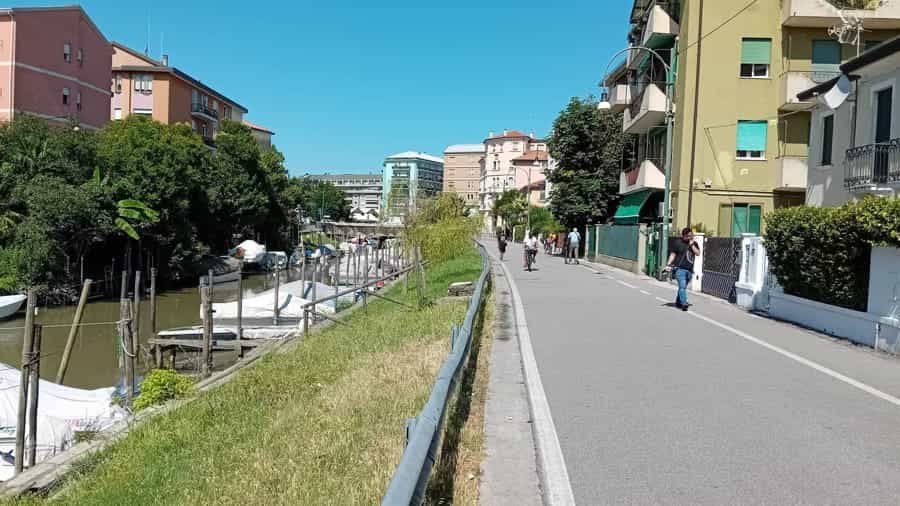
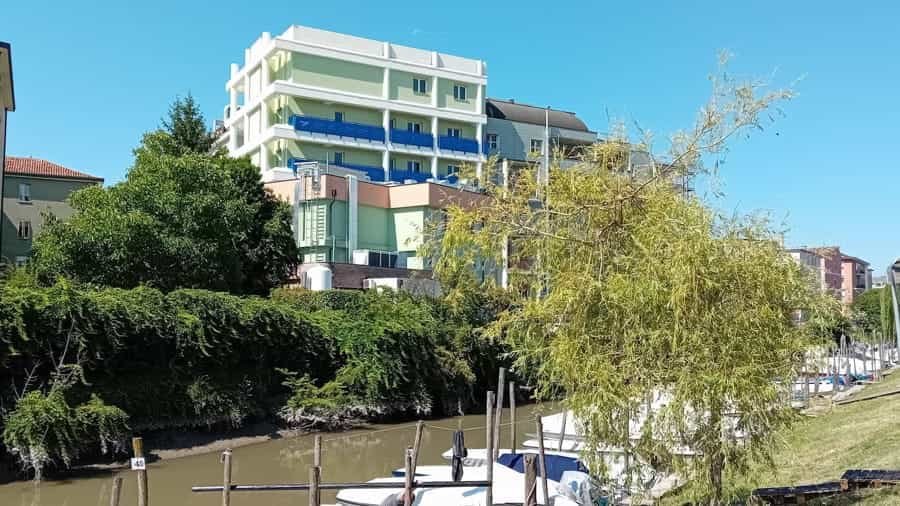
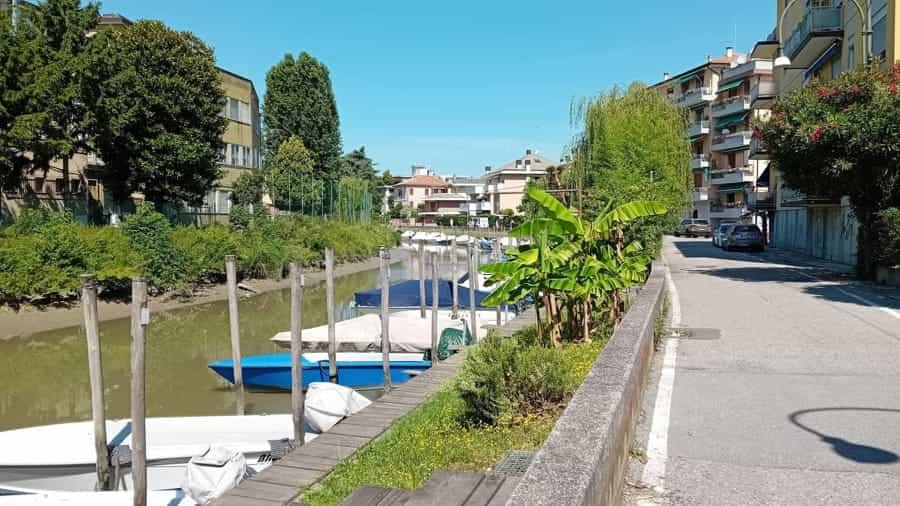
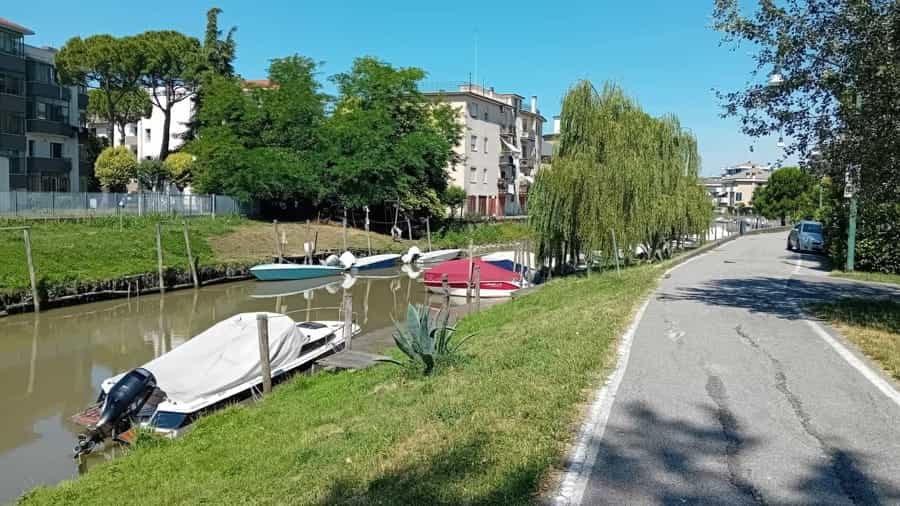
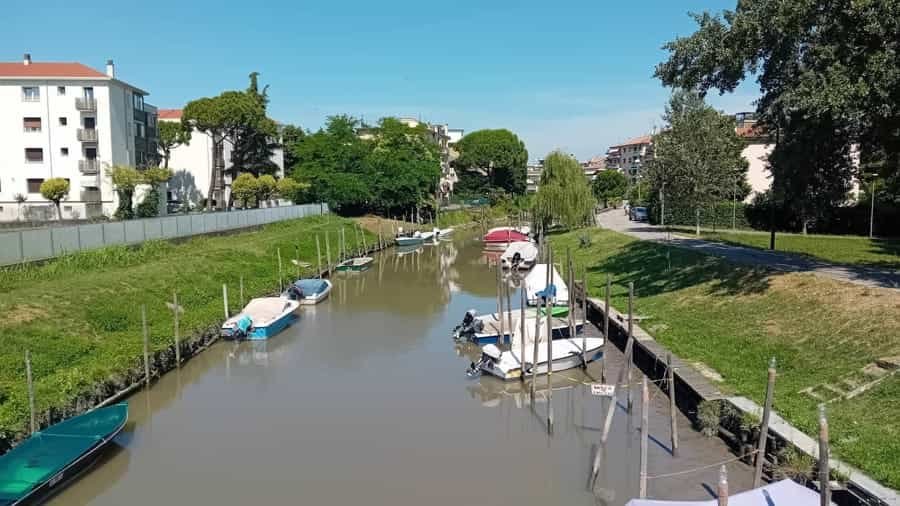
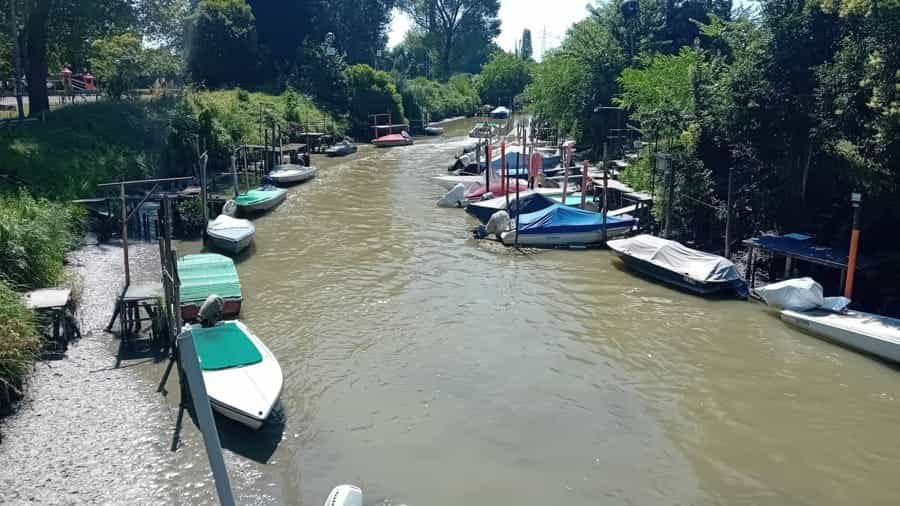
The Canale di San Giuliano in Mestre is a charming and historically rich waterway that forms part of the unique network of canals connecting the mainland of Venice to its lagoon. Flowing gracefully through the urban landscape, it offers a rare blend of natural beauty and cultural heritage, making it a beloved feature for residents and visitors alike. The canal has long served both a practical and aesthetic role, linking Mestre’s green spaces and residential areas to the Venetian lagoon while providing a tranquil route for walking, cycling, or simply enjoying the reflections of the trees and sky on the water. One of the most picturesque places along its path is the Parco di Villa Querini “Andrea Zanzotto,” a beautiful public park that combines historical architecture with lush greenery. Once the private gardens of the Querini family’s elegant eighteenth-century villa, the park today stands as an oasis of calm in the heart of Mestre. Its wide lawns, shaded pathways, and artistic installations make it a popular destination for relaxation, reading, or cultural events dedicated to the Venetian poet Andrea Zanzotto. The park’s proximity to the canal allows visitors to appreciate the gentle rhythm of the water while immersed in a setting that evokes both history and poetry. As the canal continues its course, it approaches the Riviera Marco Polo, an avenue that reflects Mestre’s evolving relationship with modernity and tradition. Here, elegant residences and local businesses line the waterway, blending the charm of old-world craftsmanship with contemporary urban life. The Riviera, named after the famous Venetian explorer, invites leisurely strolls where one can admire the play of light on the canal’s surface and the architectural diversity of the surroundings. Together, the Canale di San Giuliano, Villa Querini Park, and Riviera Marco Polo form a harmonious landscape that captures the essence of Mestre’s connection to Venice’s enduring spirit.






COPYRIGHT © 2018-2026 ITALY IN PHOTOS - ALL RIGHTS RESERVED