
HOME
REGIONS OF ITALY
PLACES IN ITALY
PLAN YOUR TRIP
Italy in Photos
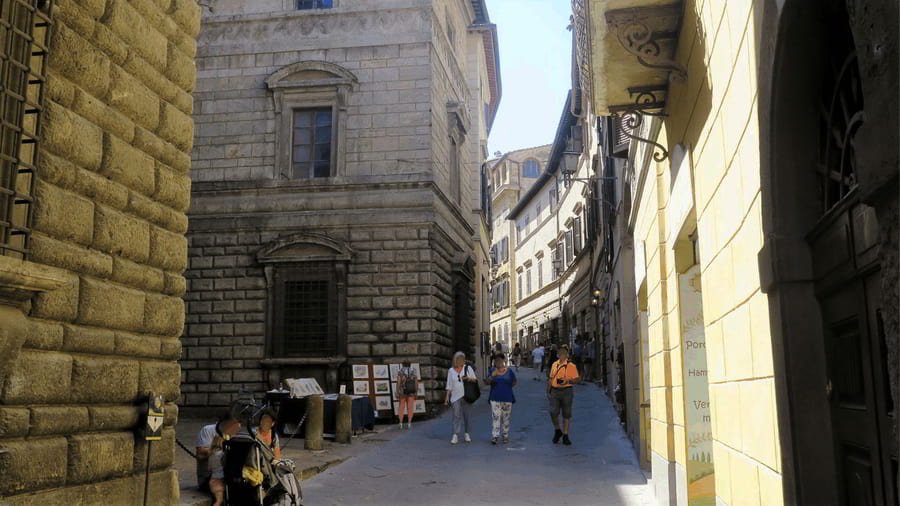
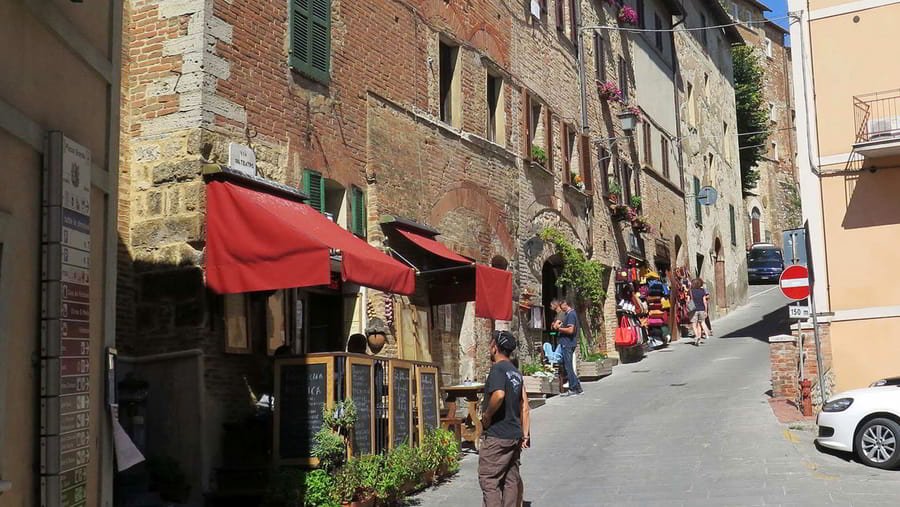
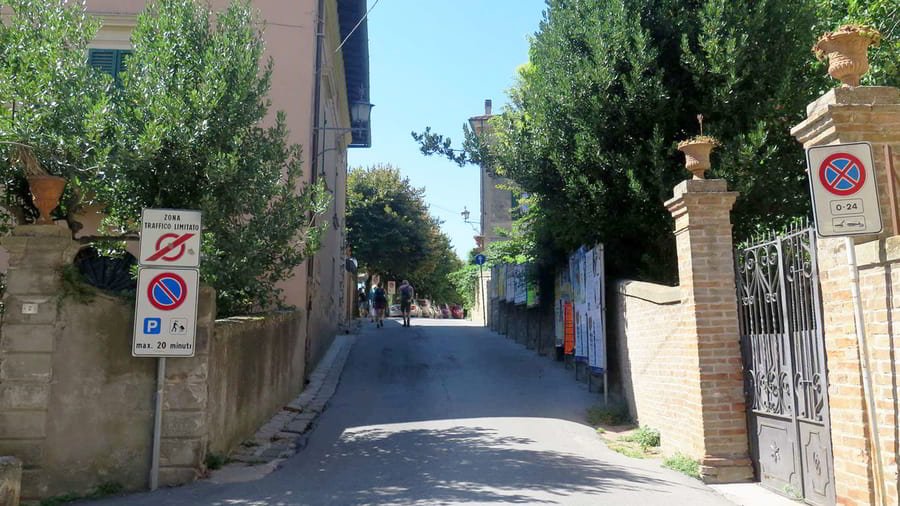
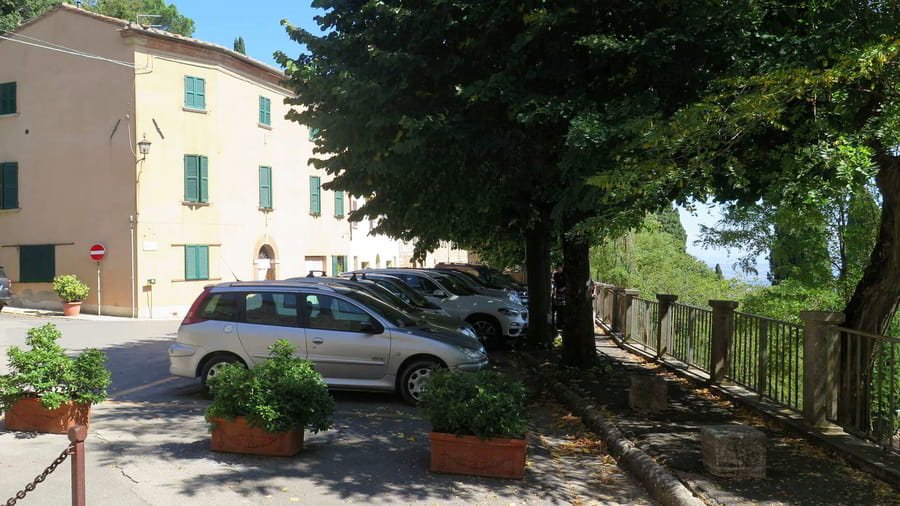
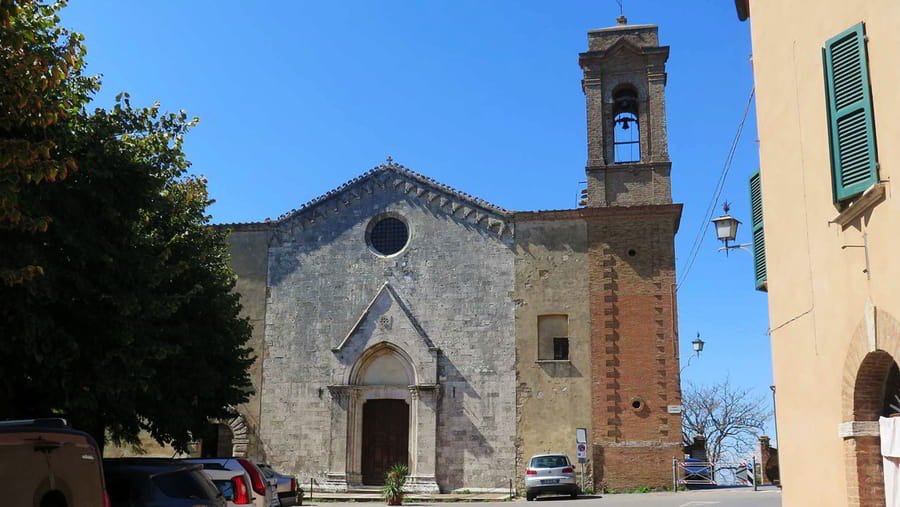
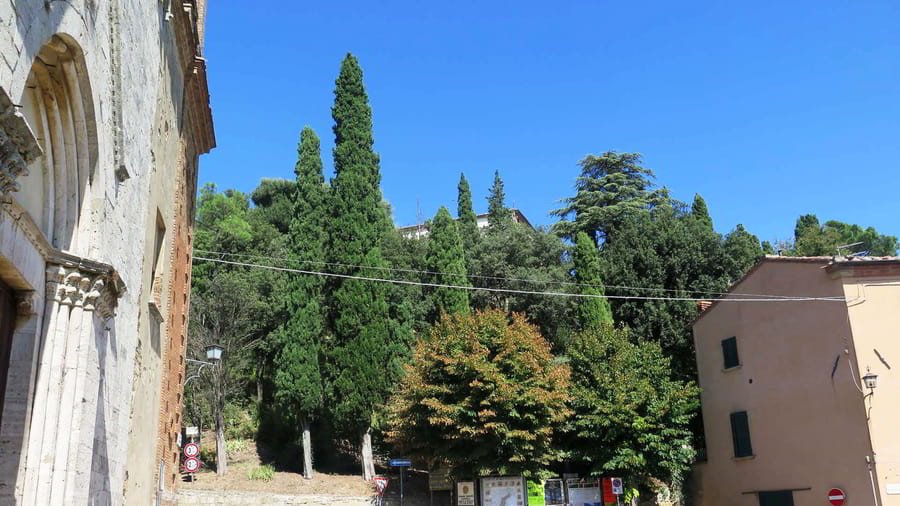
Piazza Michelozzo, 53045 Montepulciano Italy (September 2018)
Montepulciano
Delayed or cancelled flight?
Get up to £520!
You’ve got rights when your flight’s disrupted.
We enforce them and handle everything so you get paid
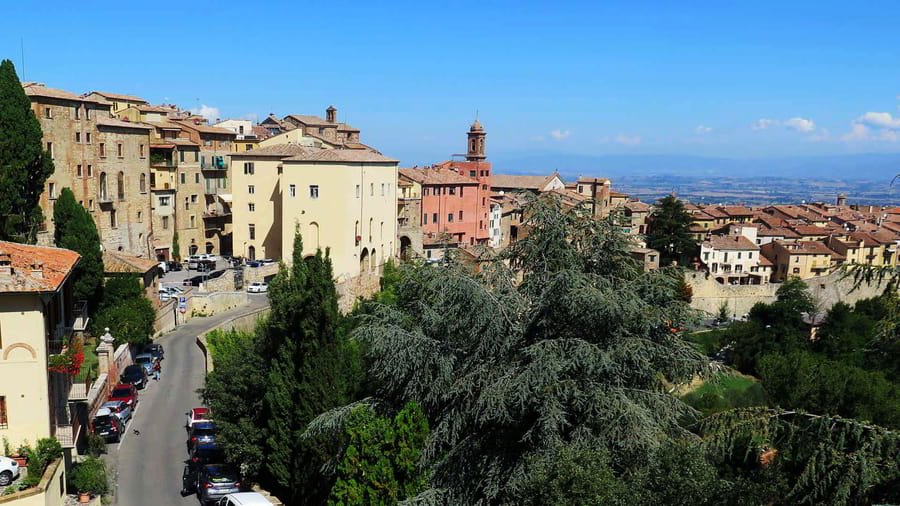
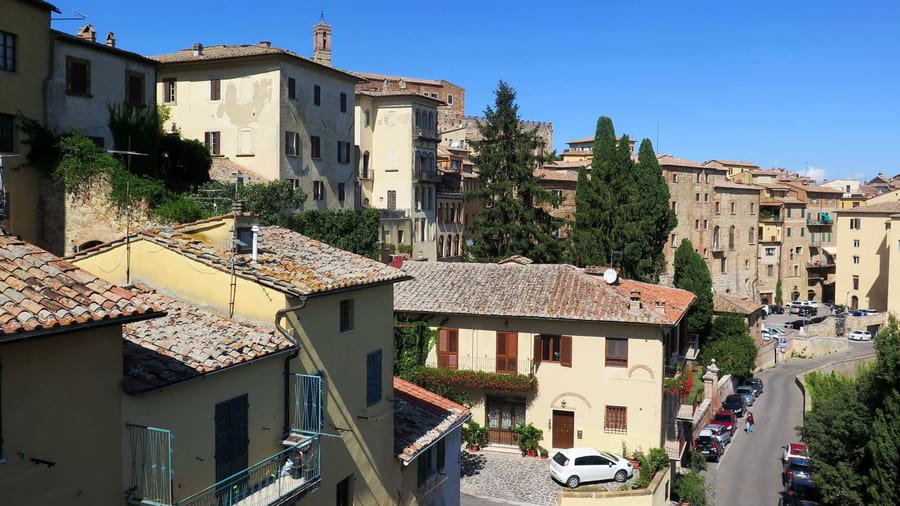
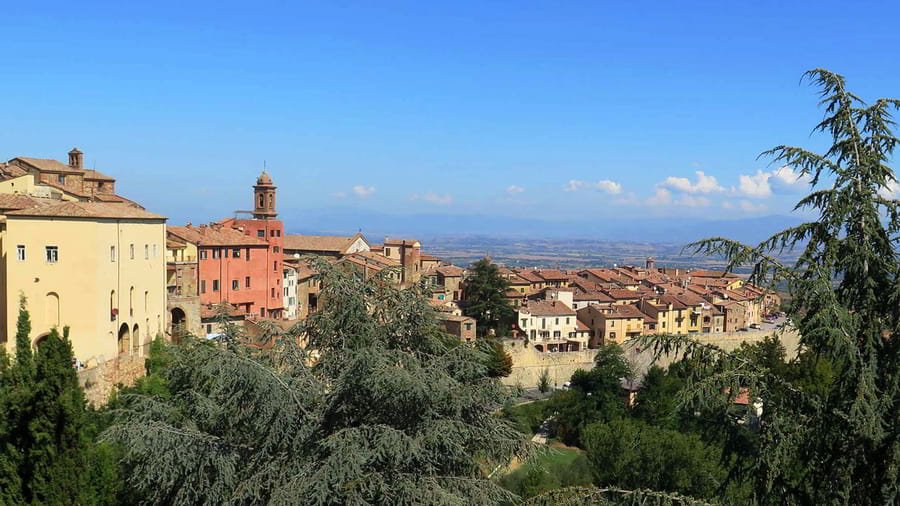
Montepulciano is a historic hill town in south-eastern Tuscany that captures the essence of the region through its architecture, landscape, and enduring traditions. Perched on a limestone ridge between the Val d’Orcia and the Val di Chiana, Montepulciano commands sweeping views of vineyards, olive groves, and rolling countryside. Its elevated position gives the town a majestic presence, while its compact historic centre preserves a sense of intimacy and continuity.
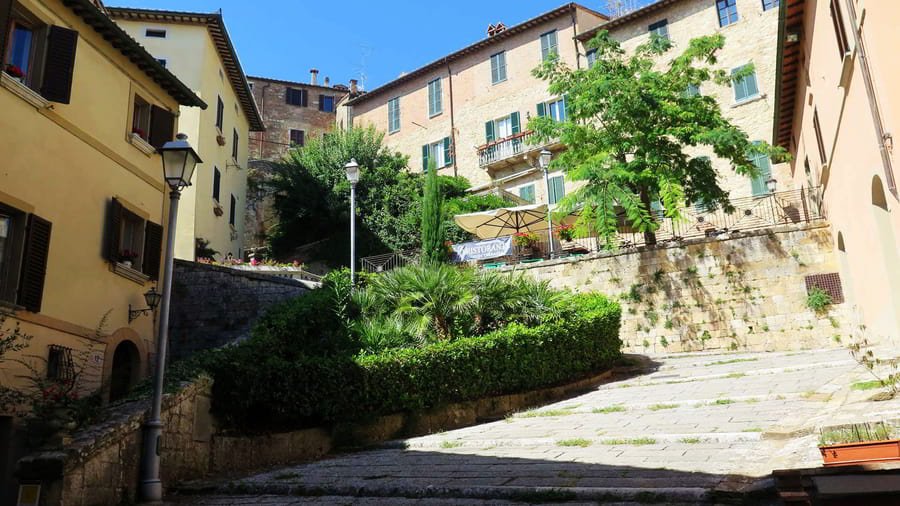
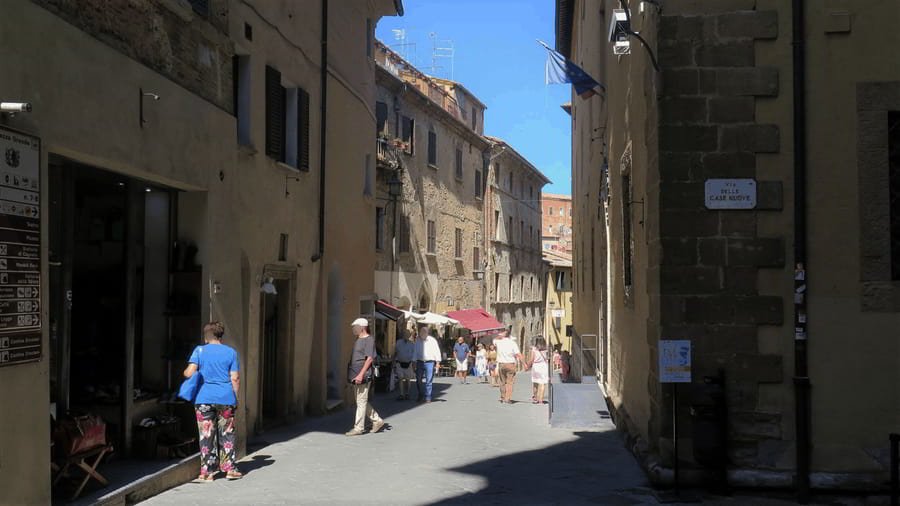
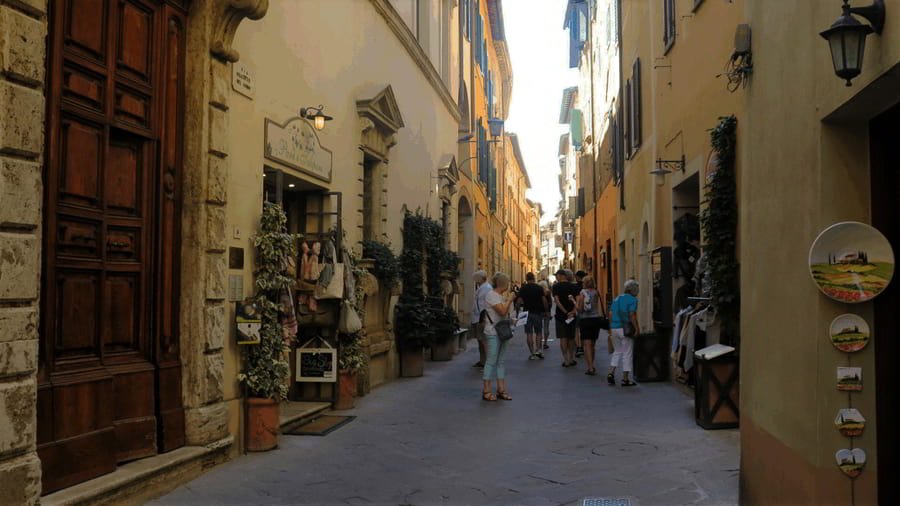
The history of Montepulciano stretches back to Etruscan times, and over the centuries it developed into an important cultural and political centre. During the Renaissance, the town flourished under the influence of Siena and Florence, resulting in elegant palaces, refined churches, and harmonious public spaces. Walking through Montepulciano, visitors encounter grand stone buildings, narrow sloping streets, and hidden courtyards that reveal layers of artistic and civic ambition. The Piazza Grande, at the summit of the town, stands as a powerful expression of Renaissance ideals, surrounded by architectural landmarks that reflect balance and proportion.
Architecture plays a central role in shaping Montepulciano’s identity. Noble residences built by prominent families line the main streets, their facades conveying wealth, taste, and political influence. Churches such as the Temple of San Biagio, located just outside the town walls, demonstrate the refined artistry of the period and the deep connection between faith and aesthetics. These structures are not isolated monuments but integral parts of the town’s living fabric.
Montepulciano is internationally recognized for its wine, particularly Vino Nobile di Montepulciano, one of Italy’s oldest and most esteemed wines. Produced primarily from Sangiovese grapes grown on the surrounding hills, this wine reflects the unique climate and soil of the area. Vineyards form a green belt around the town, linking the urban centre to the rural landscape. Wine production here is guided by tradition, discipline, and respect for time, with techniques refined over generations.
The local cuisine complements the town’s wines with flavours rooted in Tuscan simplicity. Seasonal vegetables, legumes, grains, and meats form the basis of many dishes, enhanced by locally produced olive oil. Handmade pasta, slow cooked sauces, and rustic breads reflect a culinary philosophy that values authenticity and balance. Meals in Montepulciano are moments of connection, often enjoyed leisurely and in good company.
Beyond its physical beauty and gastronomic reputation, Montepulciano offers a way of life shaped by tradition and community. The town’s calendar is marked by historical events and festivals, most notably the Bravio delle Botti, a competition that celebrates local identity through pageantry and teamwork. These occasions bring the past into the present, reinforcing a strong sense of belonging among residents.
Montepulciano invites visitors to experience Tuscany through depth rather than haste. Its streets encourage wandering, its views inspire reflection, and its rhythms promote a slower engagement with place. The town’s appeal lies not only in its visual grandeur but in the harmony between culture, landscape, and daily life. As an introduction to Tuscany, Montepulciano offers a rich and layered portrait of Italy, where history is lived rather than displayed, and where beauty emerges from patience, care, and enduring connection to the land.
Worth a Visit
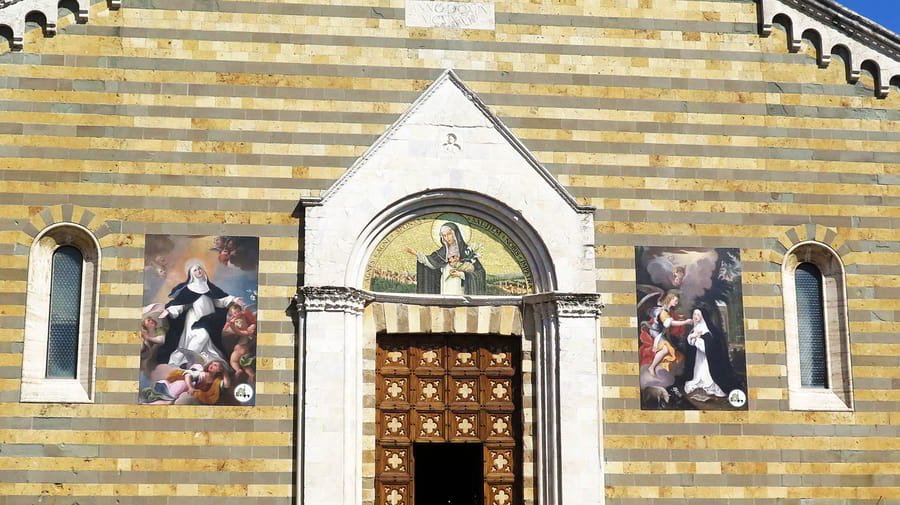
Parrocchia Sant’Agnese Convento Santuario in Montepulciano is a deeply revered religious site that holds significant spiritual and historical importance. Dedicated to Saint Agnes of Montepulciano, a Dominican nun and mystic who lived in the 13th century, the church and convent are central to the religious life of the town. The sanctuary was built in the 14th century, shortly after Saint Agnes’ death, to honour her memory and her contributions to the Christian faith. The church’s architecture is a blend of Gothic and Renaissance styles, reflecting the transitional period during which it was constructed. Inside, the sanctuary houses several important relics, including the incorrupt body of Saint Agnes, which is enshrined in a glass casket above the main altar. This relic is a focal point for pilgrims and visitors who come to seek the saint’s intercession and to admire the serene beauty of the sanctuary.
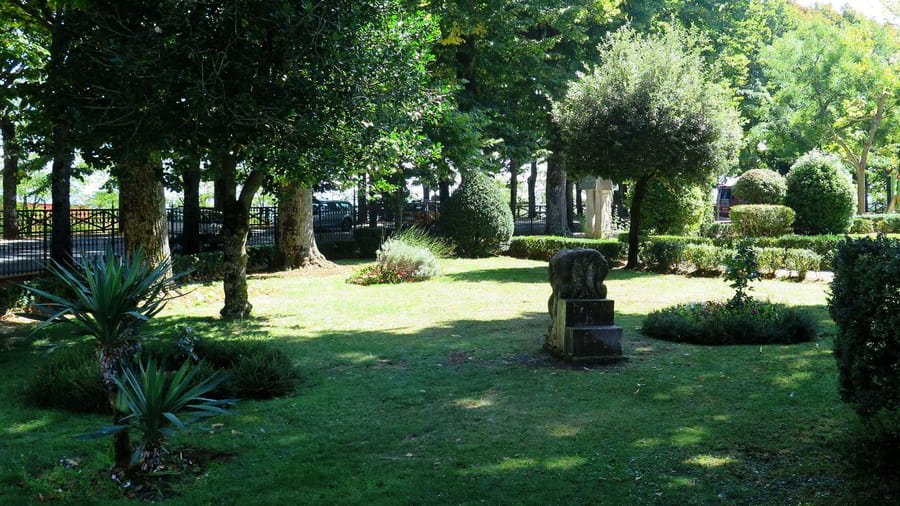
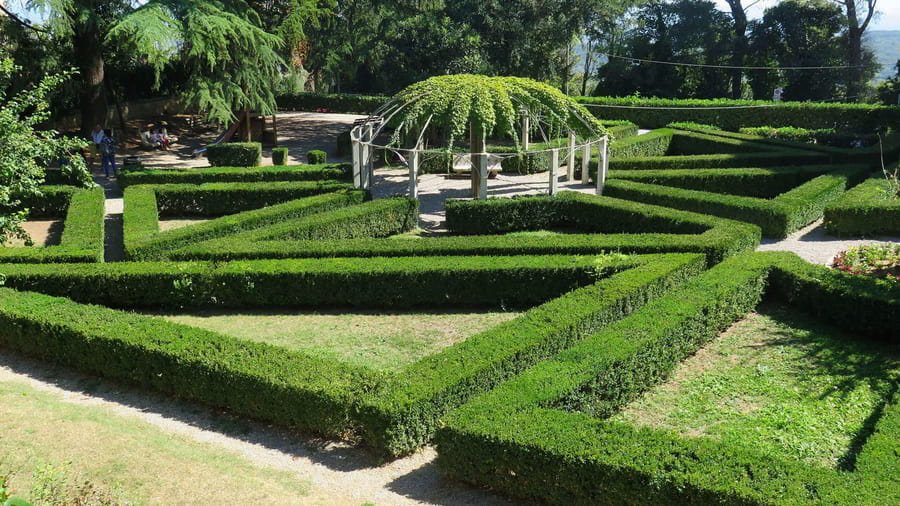
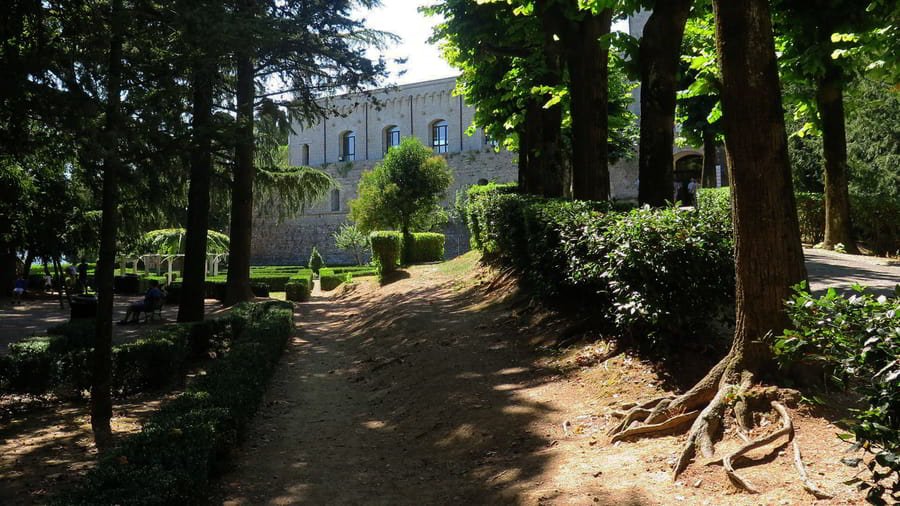
Giardino di Poggiofanti is a tranquil and scenic garden located in Montepulciano, a picturesque town in Tuscany. Perched on the slopes of the town, this garden offers stunning panoramic views of the surrounding Tuscan countryside, including rolling hills, vineyards, and olive groves. The Giardino di Poggiofanti is a hidden gem that provides a peaceful retreat for both locals and visitors. The garden is characterized by its lush greenery, well-maintained pathways, and a variety of Mediterranean plants and trees. Benches are strategically placed throughout the garden, inviting visitors to sit and take in the breath-taking views while enjoying the serene ambiance. The garden is particularly popular during the golden hours of sunrise and sunset when the light casts a warm glow over the landscape. In addition to its natural beauty, Giardino di Poggiofanti also features several statues and fountains that add to its charm. It is a perfect spot for a leisurely stroll, a quiet moment of reflection, or even a romantic picnic.
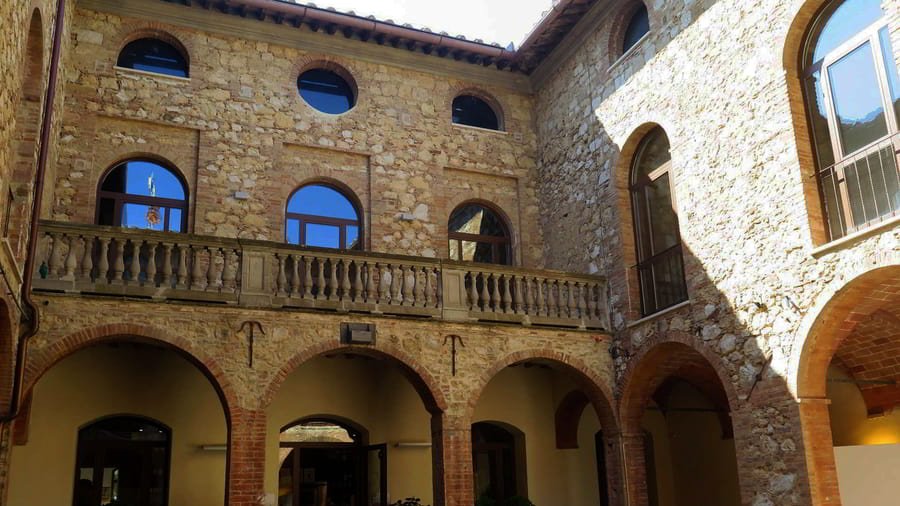
The Fortezza di Montepulciano, located on Via di S. Donato, is a historic fortress that stands as a symbol of Montepulciano’s rich past. Originally built in the 14th century, the fortress has undergone several modifications over the centuries, reflecting the changing needs and architectural styles of its time. The structure served as a defensive stronghold, protecting the town from invasions and conflicts during the turbulent medieval period. Perched on a hilltop, the Fortezza offers commanding views of the surrounding Tuscan countryside, including vineyards, olive groves, and distant rolling hills. These panoramic vistas make it a popular spot for both locals and tourists to appreciate the beauty of the region. Today, the Fortezza di Montepulciano is more than just a historical monument; it has been transformed into a vibrant cultural centre. It hosts art exhibitions, wine tastings, and various events throughout the year, attracting visitors who are interested in exploring the intersection of history.
Photo Gallery of Walk 1 – Piazza Don Giovanni Minzoni to Borgo Buio
Approximately 0.59 km – 0.37 miles
Description of Walk 1
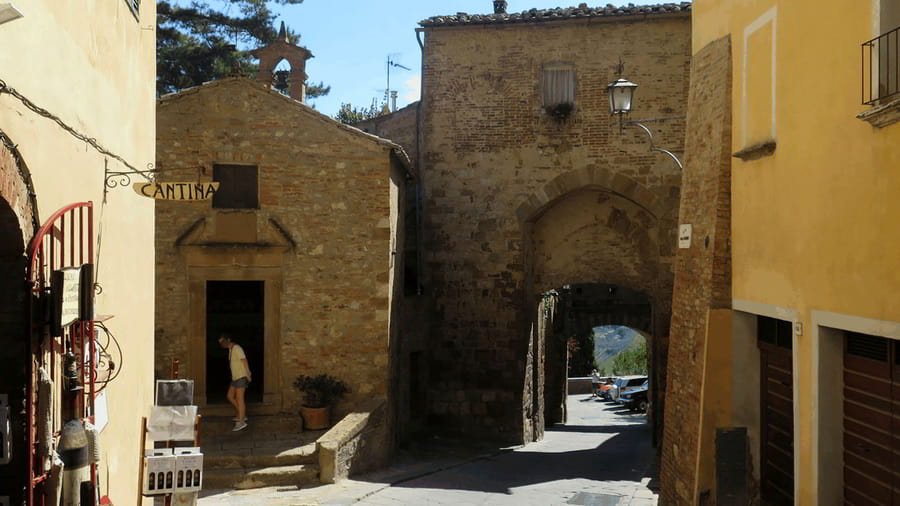
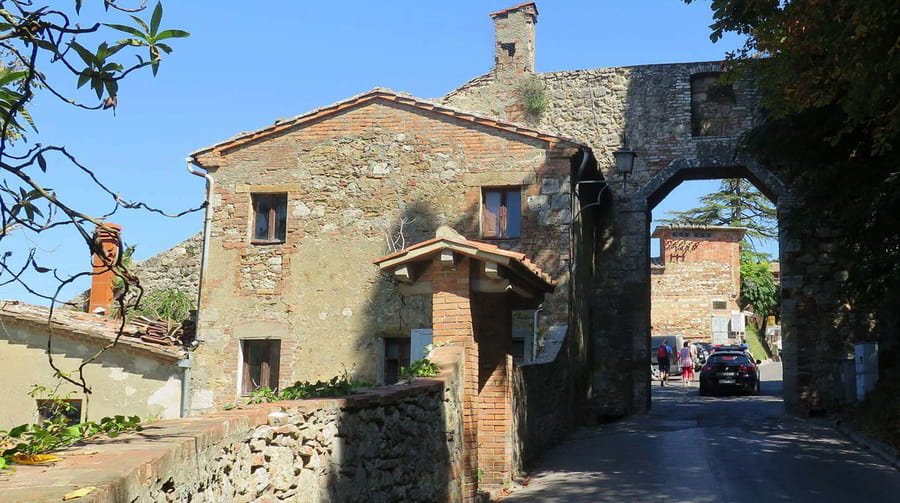
This walking route explores the historic center of Montepulciano, a beautiful Renaissance hill town renowned for its elegant architecture, medieval streets, and world-famous Vino Nobile di Montepulciano wine. Set among the rolling landscapes of southern Tuscany, Montepulciano offers a rich blend of history, culture, and scenic views. The walk begins in Piazza Don Giovanni Minzoni and continues to Piazza Santa Agnese, home to the Santuario di Sant’Agnese, dedicated to the town’s patron saint. From the nearby Giardino di Poggiofanti, the route follows Via di Gracciano nel Corso, one of Montepulciano’s main streets, to Piazza Savonarola. Continuing along Via di Voltaia nel Corso, it reaches the historic Church of Sant’Agostino and Piazza Michelozzo before ending in the atmospheric Borgo Buio, offering a memorable glimpse into Montepulciano’s artistic and architectural heritage.
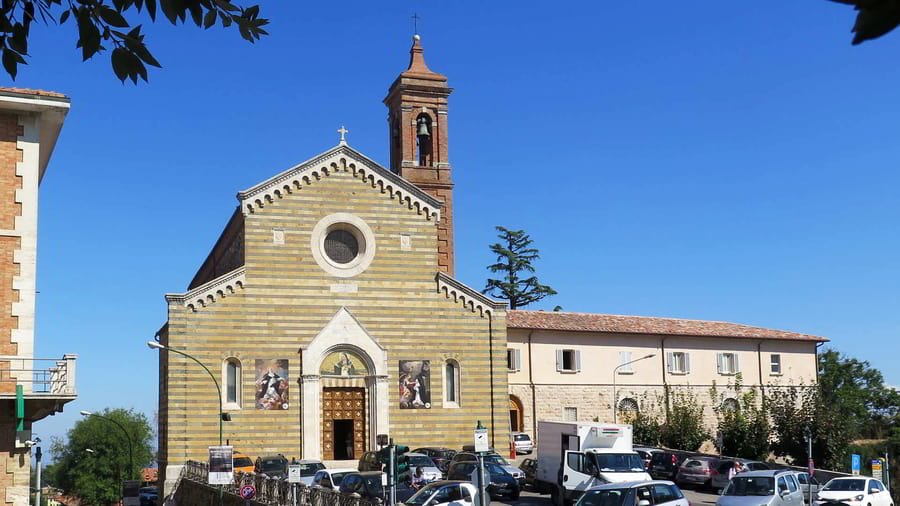
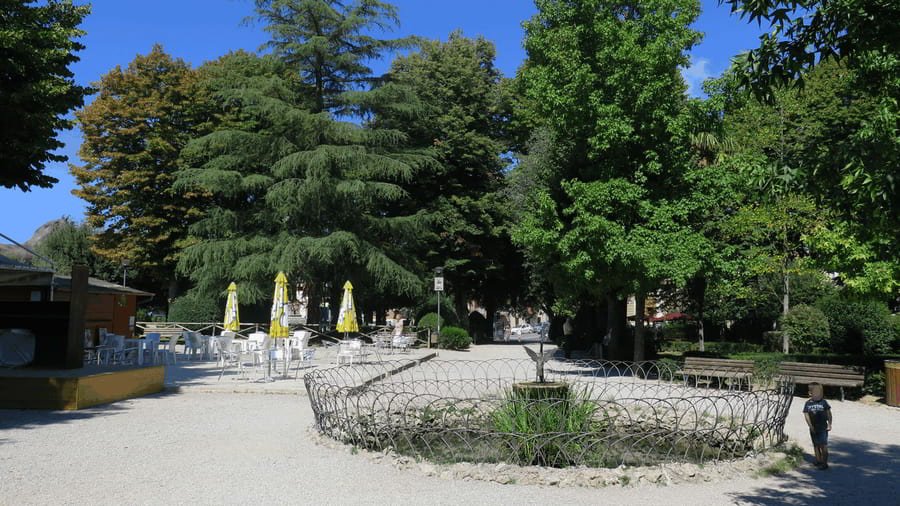
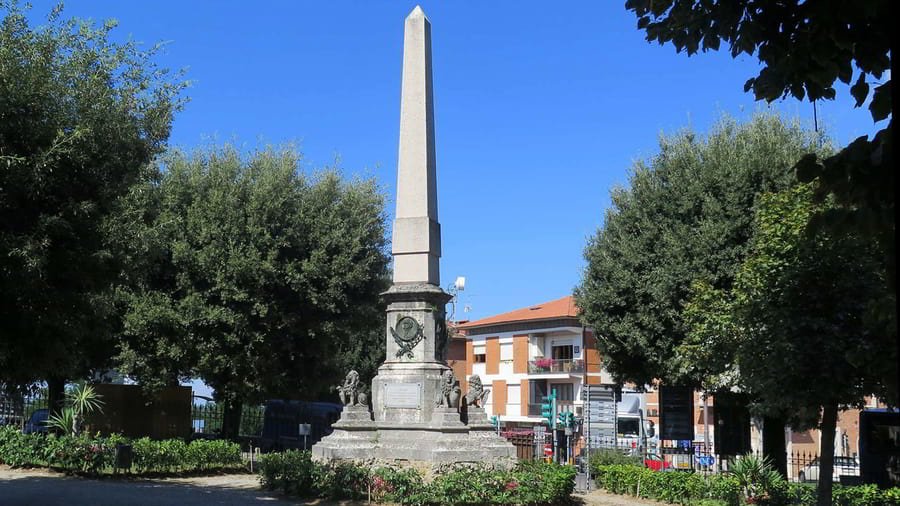
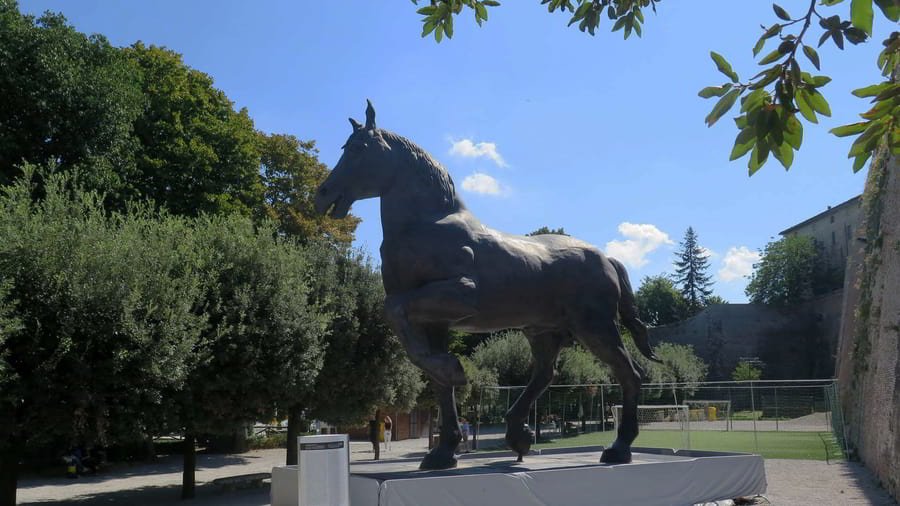
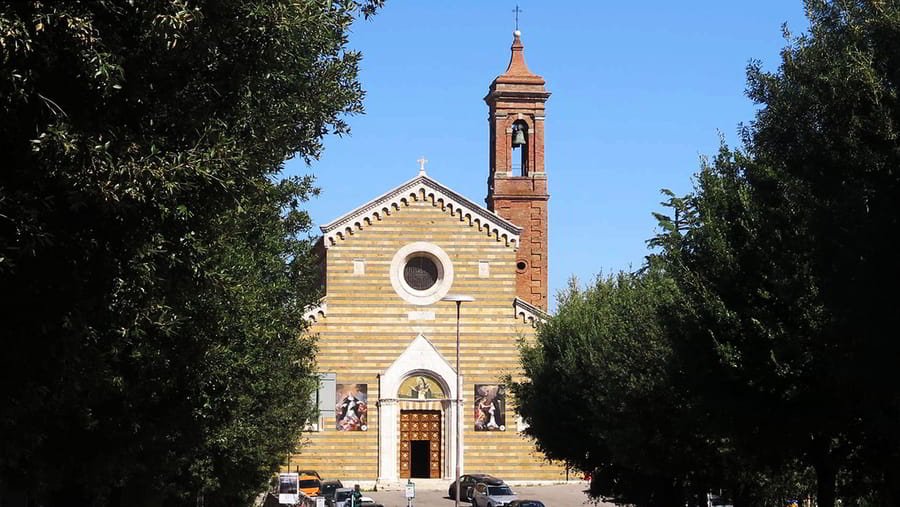
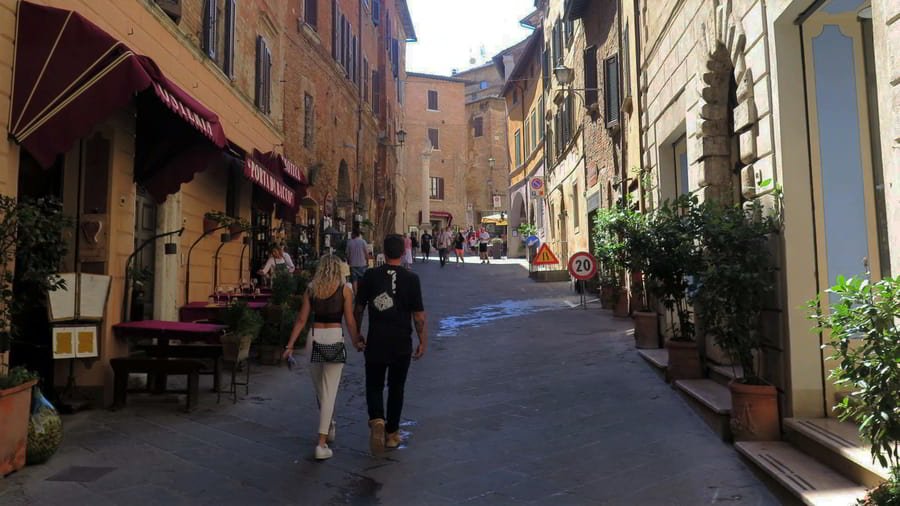
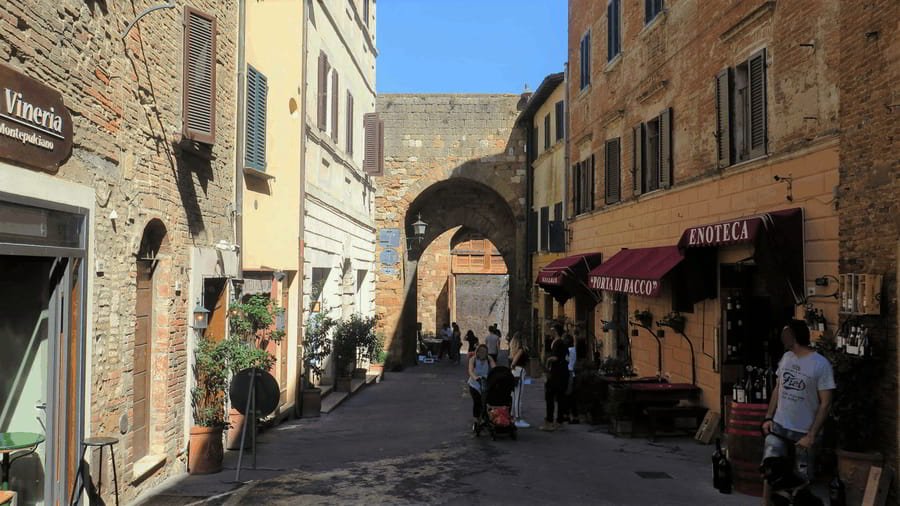
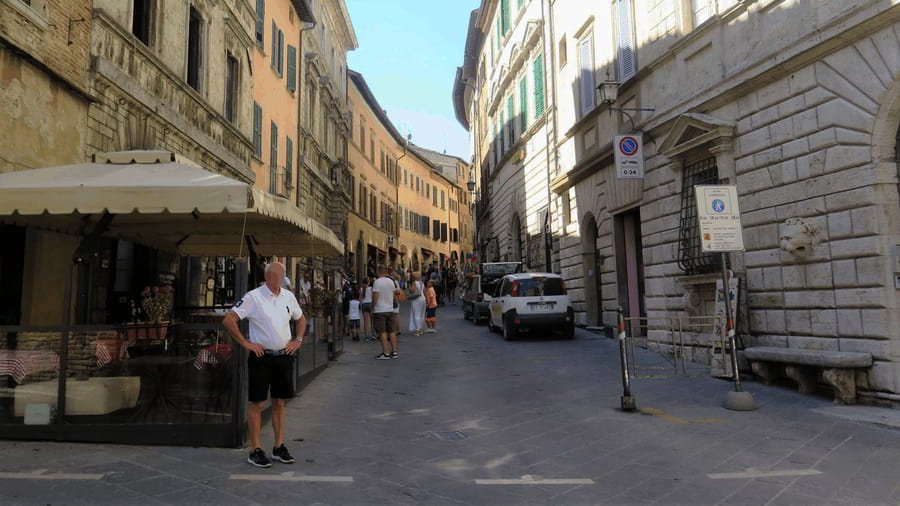
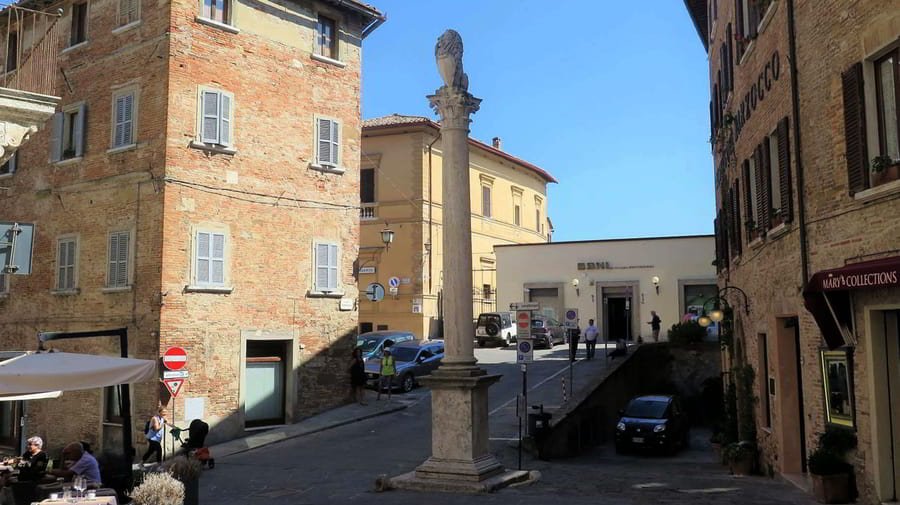
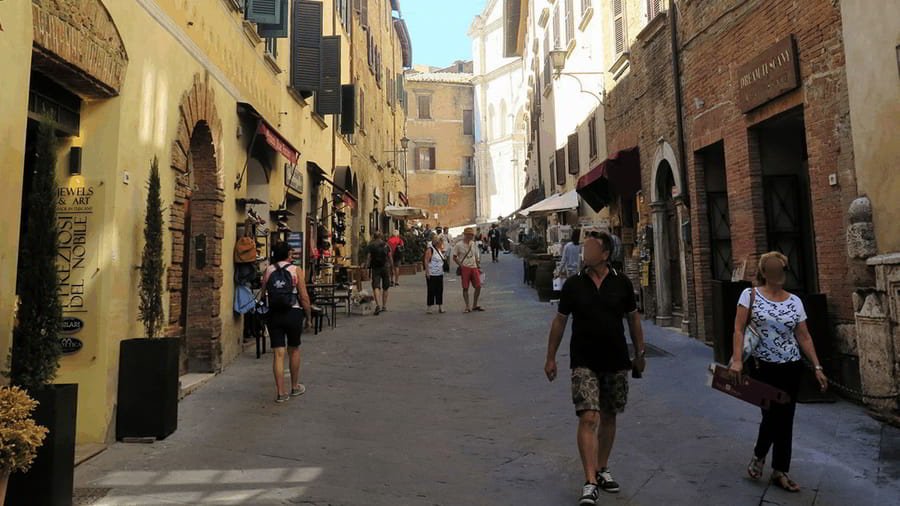
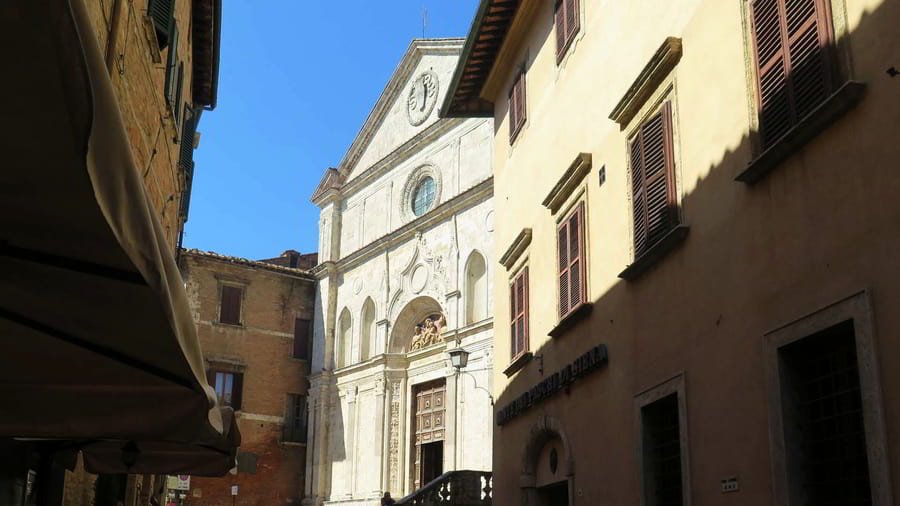
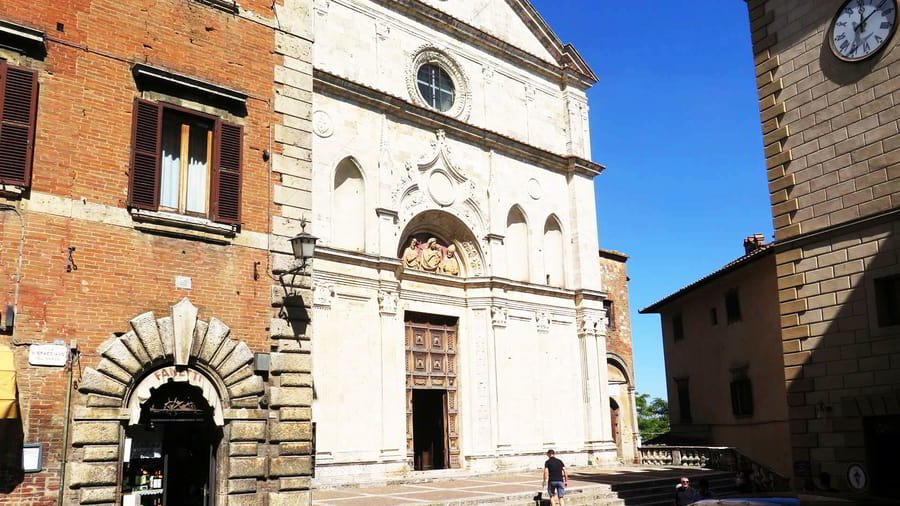
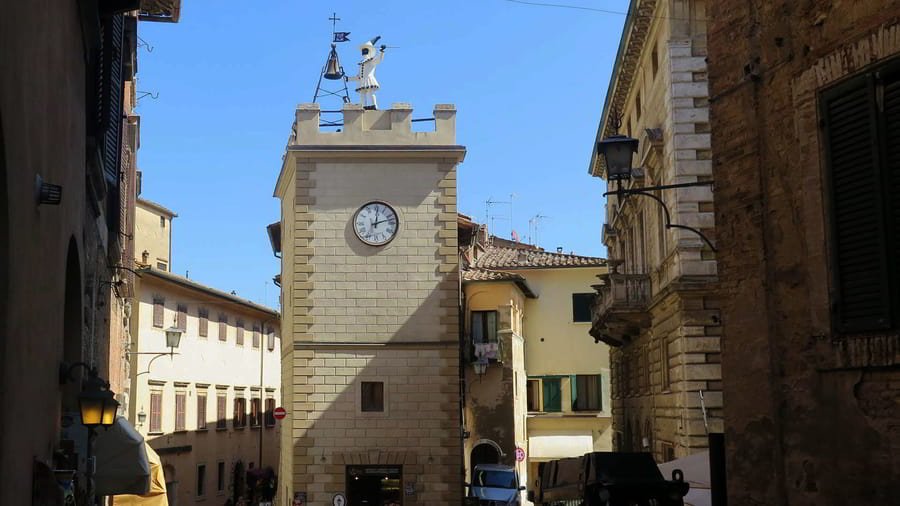
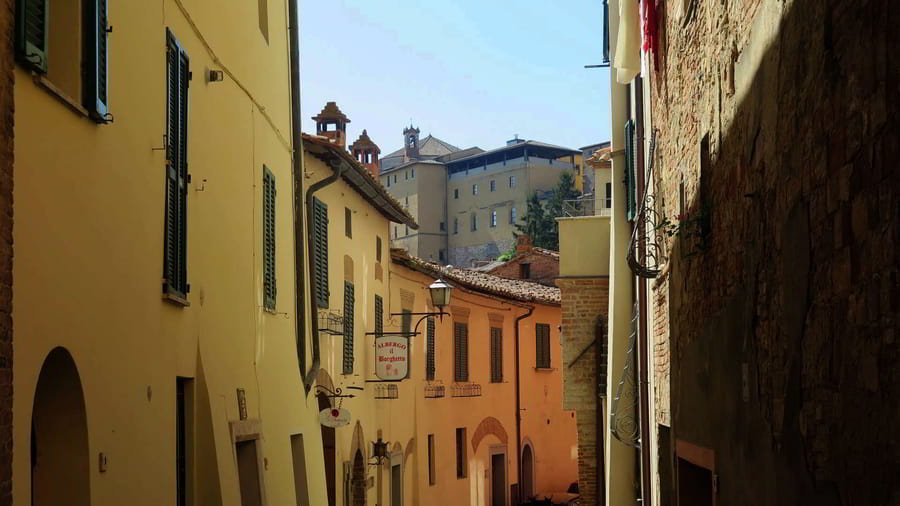
Photo Gallery of Walk 2 – Via di Gracciano nel Corso to Via di S. Donato
Approximately 1.06 km – 0.66 miles
Description of Walk 2
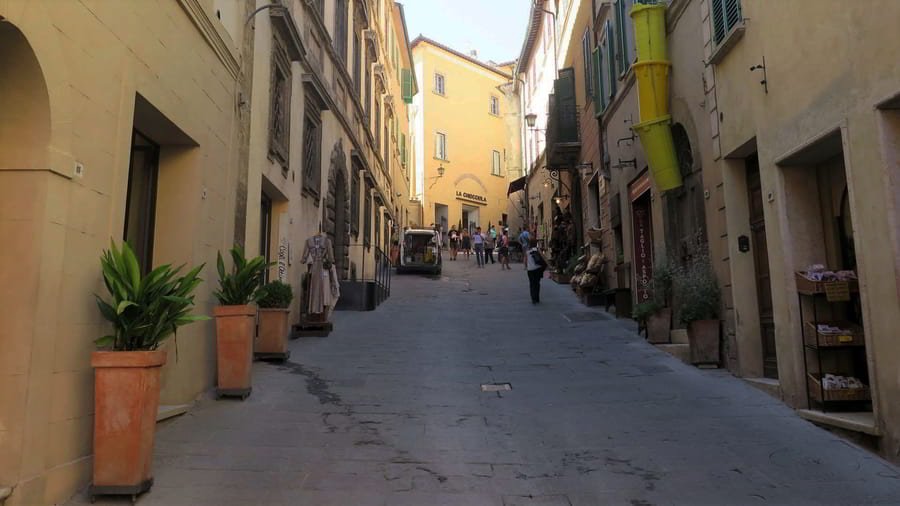
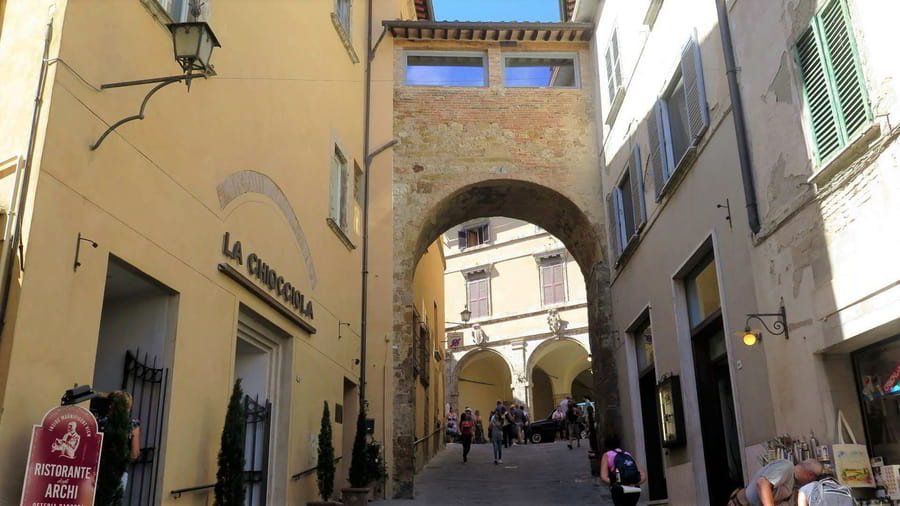
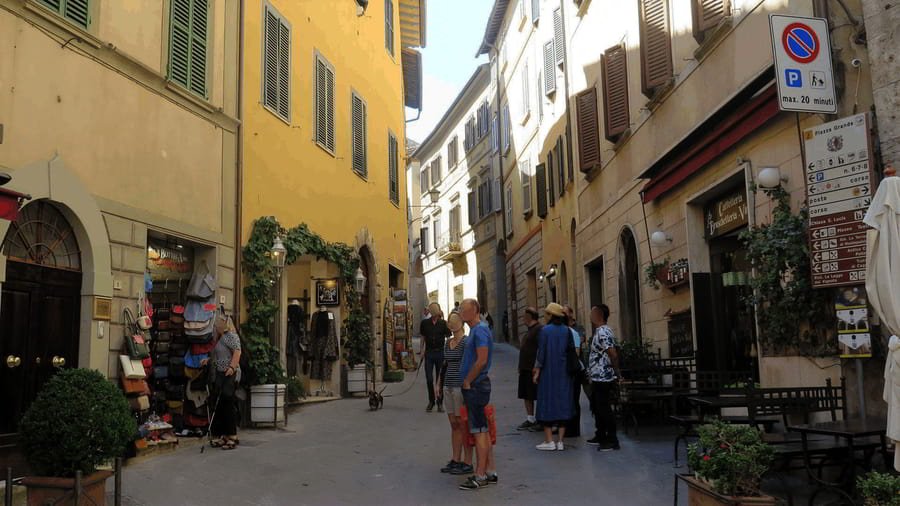
This walking route explores the upper part of Montepulciano, a historic hill town celebrated for its Renaissance architecture, medieval atmosphere, and renowned Vino Nobile di Montepulciano. The area is characterized by narrow stone streets, elegant palaces, and panoramic views across the Tuscan countryside. Beginning on Via di Gracciano nel Corso, the route follows Via di Voltaia nel Corso through the heart of the old town before reaching the Parrocchia del Santissimo Nome di Gesù near Vicolo delle Scuole Pie. It continues along Via dell’Opio nel Corso and Via delle Farine, passing historic buildings and quiet corners of the medieval center. The walk then proceeds via Via del Teatro and Via del Poliziano to Via di San Donato, ending at the impressive Fortezza di Montepulciano, a fortress that offers magnificent views and reflects the town’s strategic importance throughout history.
COPYRIGHT © 2018-2026 ITALY IN PHOTOS - ALL RIGHTS RESERVED