
HOME
REGIONS OF ITALY
PLACES IN ITALY
PLAN YOUR TRIP
Italy in Photos
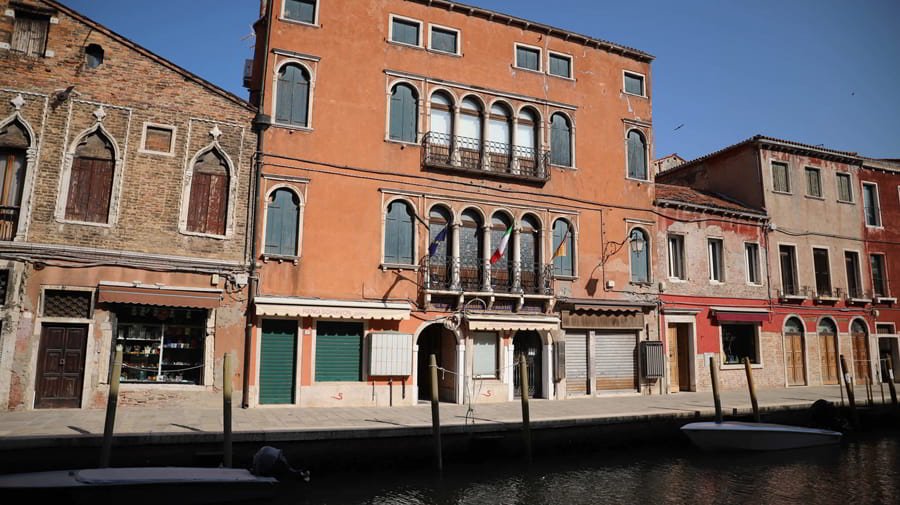
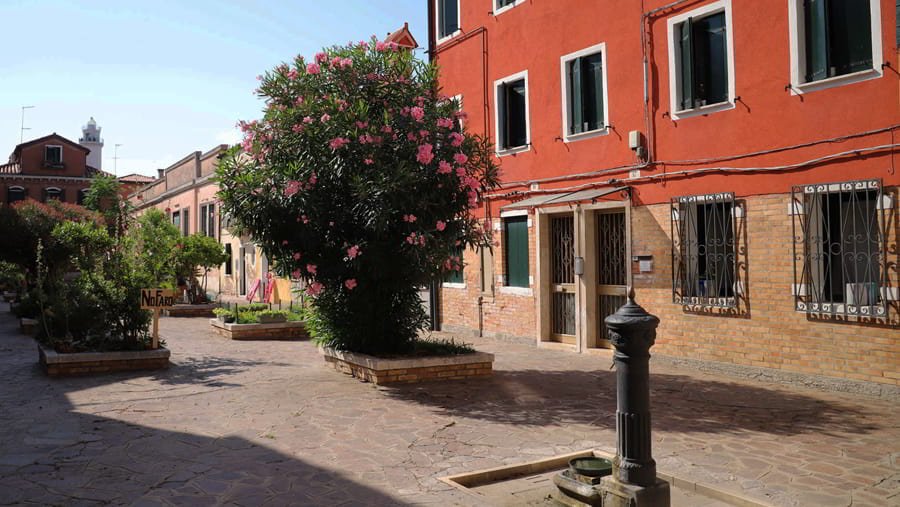
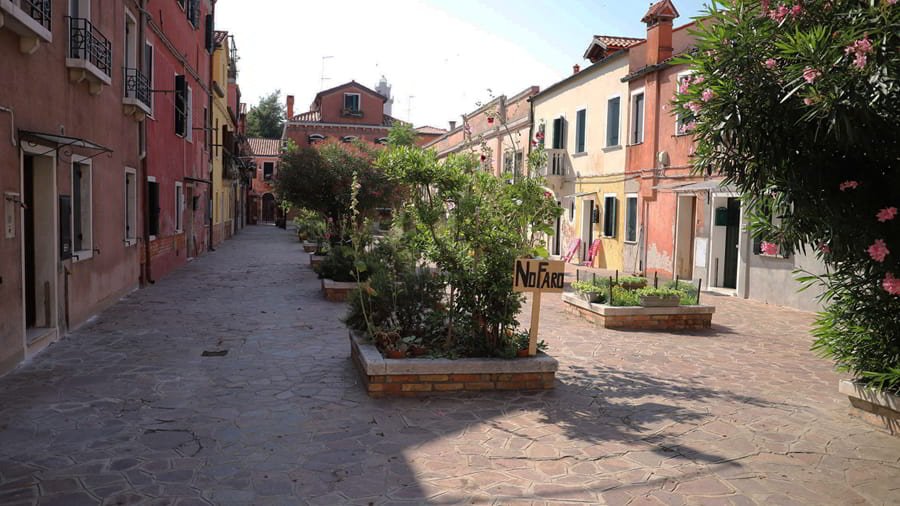
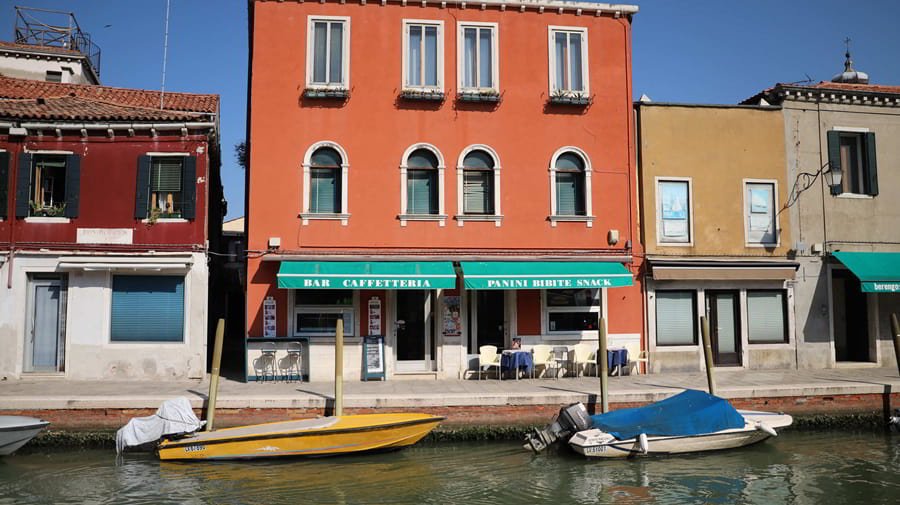
Calle Bressagio, 30141 Venezia VE, Italy (July 2022)
Murano
Delayed or cancelled flight?
Get up to £520!
You’ve got rights when your flight’s disrupted.
We enforce them and handle everything so you get paid
Murano is a small island in the Venetian Lagoon that holds an outsized place in the cultural and artistic identity of Italy. Located just a short distance from Venice, Murano is world renowned for its centuries old tradition of glassmaking, an art form that has shaped the island’s history, economy, and international reputation. Though closely connected to Venice, Murano has developed a character of its own, defined by craftsmanship, creativity, and a strong sense of community.
The story of Murano is inseparable from glass. In the late thirteenth century, Venetian authorities ordered glassmakers to move their furnaces to Murano, largely to reduce the risk of fires in Venice’s densely built centre. This decision transformed the island into a specialized hub of innovation and skill. Over time, Murano’s glassmakers perfected techniques that were unmatched in Europe, producing crystal, mirrors, beads, and elaborate decorative pieces that became symbols of luxury and refinement across the world.
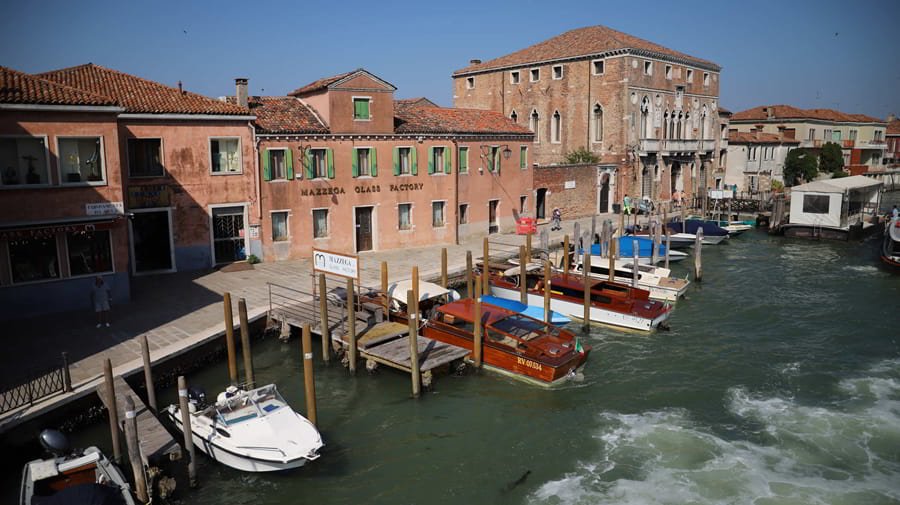
Walking through Murano today, the legacy of this craft is visible everywhere. Workshops, furnaces, and showrooms line the canals and streets, offering glimpses into a living tradition. The Glass Museum of Murano traces the evolution of the art from Roman times to the modern era, highlighting the technical mastery and artistic vision that have defined Murano’s identity. Glass here is not simply an object but a language, capable of expressing both tradition and contemporary design.
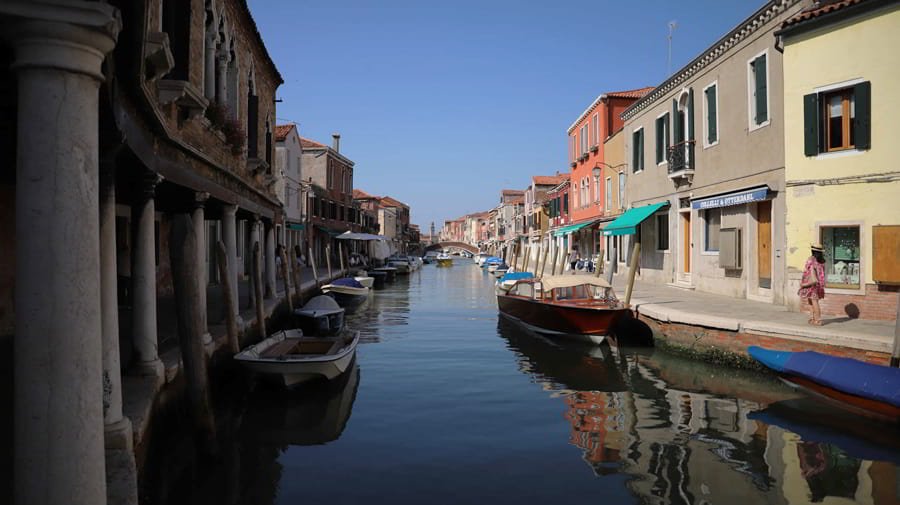
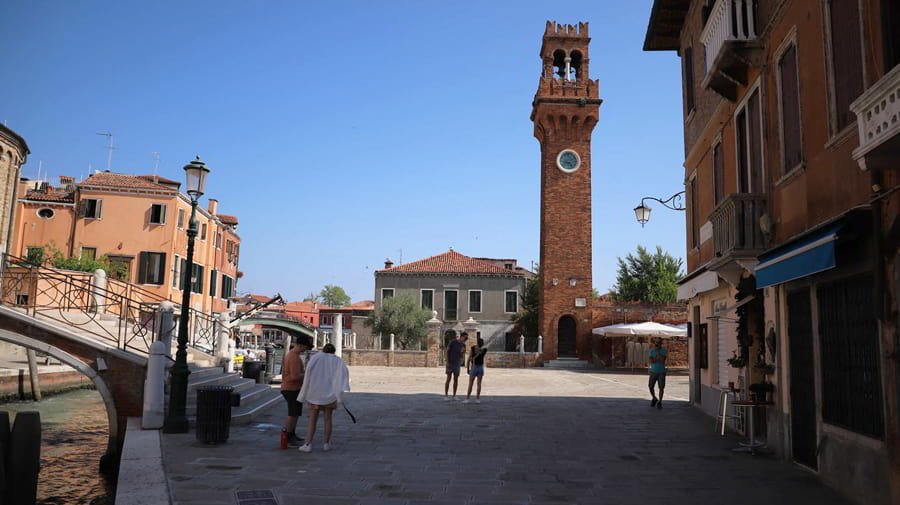
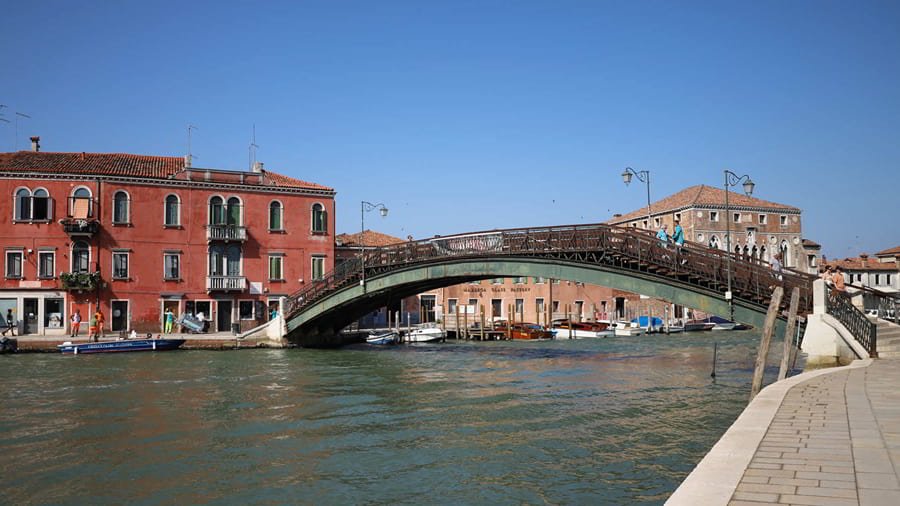
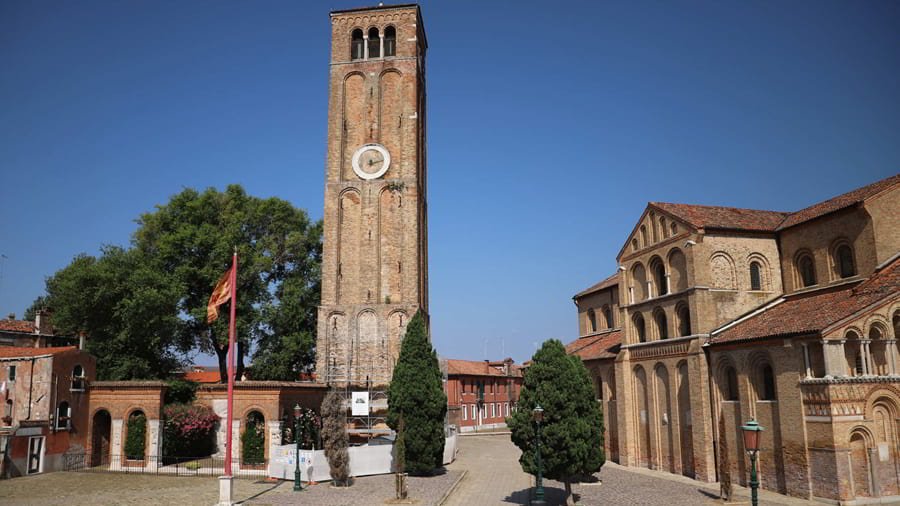
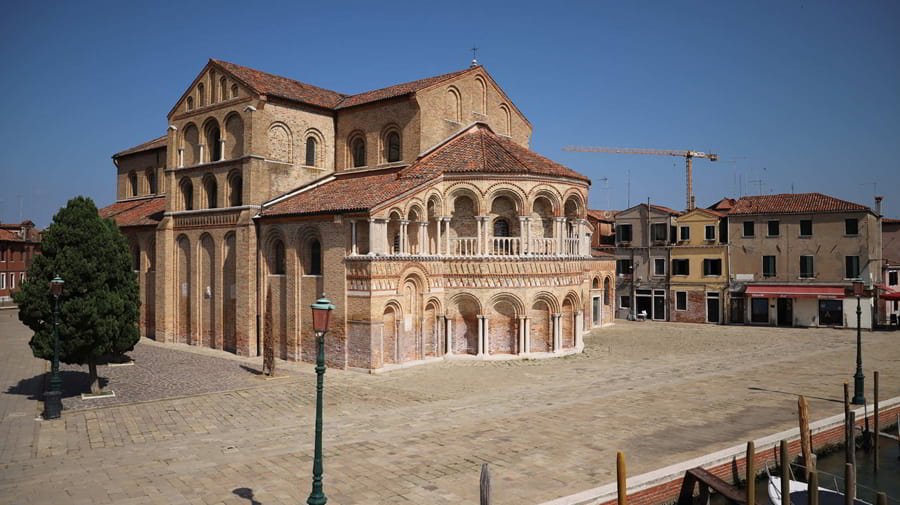
Beyond its artistic fame, Murano is a place of quiet beauty and everyday life. The island is crossed by canals and connected by bridges, creating a familiar yet more relaxed version of the Venetian landscape. Churches, homes, and small squares reflect centuries of adaptation to lagoon life. The Basilica of Saints Mary and Donatus stands as one of Murano’s most important historical landmarks, known for its ancient mosaics and serene interior that contrasts with the island’s industrial past.
Murano’s relationship with Venice has always been close yet distinct. While the island benefited from Venetian power and trade, it also developed a degree of independence rooted in its specialized economy. Glassmakers were once held in high esteem, granted privileges and protections in exchange for guarding their techniques. This history fostered a strong local identity and pride that continues to define the community today.
Daily life on Murano unfolds at a calmer pace than in central Venice. Residents balance tourism with long established routines, maintaining schools, shops, and social spaces that serve the local population. Cafes along the canals provide places for conversation and reflection, while boats move steadily through the lagoon, connecting Murano to the broader network of islands. This rhythm reinforces the sense that Murano is not a museum but a living place shaped by work and tradition.
Murano also represents the challenges and possibilities of preserving heritage in the modern world. Contemporary artists and designers continue to reinterpret glassmaking, blending ancient techniques with new forms and ideas. This ongoing innovation keeps the tradition relevant and ensures that Murano’s identity remains dynamic rather than static.
As an introduction to the Venetian Lagoon, Murano offers insight into the craftsmanship and creativity that helped define Venice’s global influence. It reveals how a small island, through dedication to a single art, can shape culture far beyond its shores. Murano invites visitors to look beyond its famous glass and discover a community where history, artistry, and daily life remain closely fused, creating a place of enduring beauty and meaning.
Worth a Visit
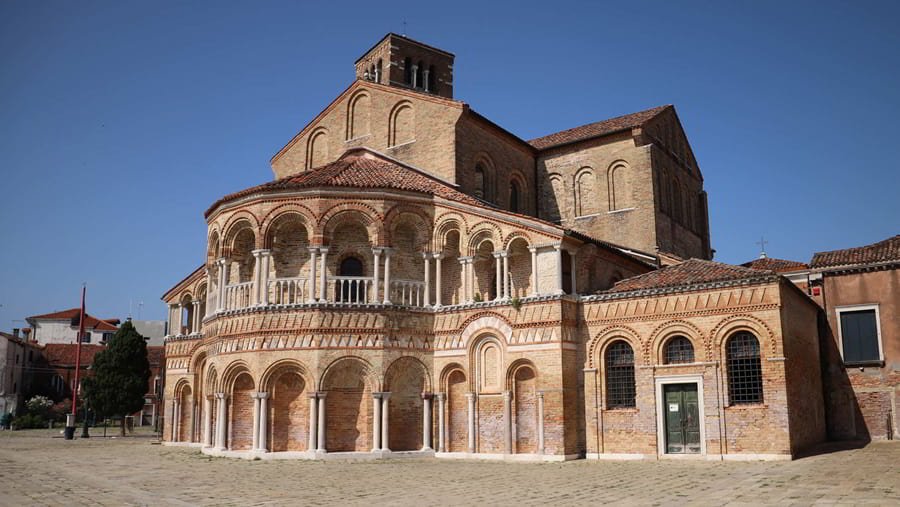
The Basilica dei Santi Maria e Donato is one of the most remarkable and historically significant religious monuments on the island of Murano, in the Venetian Lagoon. Its origins trace back to the early centuries of the common era: the church is believed to have been founded in the 7th century, making it one of the oldest ecclesiastical structures in the entire lagoon. Originally dedicated solely to the Virgin Mary, it acquired its current name in 1125, when the relics of Saint Donatus of Arezzo were brought to Murano from Cephalonia, merging the cult of the saint with that of the Virgin in a profound spiritual and cultural gesture. Architecturally, the basilica stands as a stunning testament to the Venetian-Byzantine style, enhanced with Romanesque influences that reflect Murano’s position at the crossroads of Eastern and Western artistic traditions. The striking exterior is characterised by a monumental apse facing the canal, adorned with paired columns, arcades, and contrasting materials that create a rich polychrome effect. A freestanding bell tower, dating from the 12th century, accompanies the church, forming a picturesque silhouette against the Venetian sky. Inside, visitors encounter a luminous space defined by three naves supported by columns with distinctive Venetian-Byzantine capitals. The basilica’s mosaic floor, laid around 1140, is among the most celebrated in Italy: composed of vibrant marble and glass tesserae, it features symbolic figures such as peacocks, griffins, and geometric motifs that guide contemplation and exemplify medieval mosaic artistry. Above the apse remains a stunning 12th-century mosaic of the Madonna Orante set against a golden background, underscoring the church’s devotional and artistic significance.
Photo Gallery of Walk – Piazzale Calle Colonna to Fondamenta S. Lorenzo
Approximately 1.33 km – 0.83 miles
Description of Walk
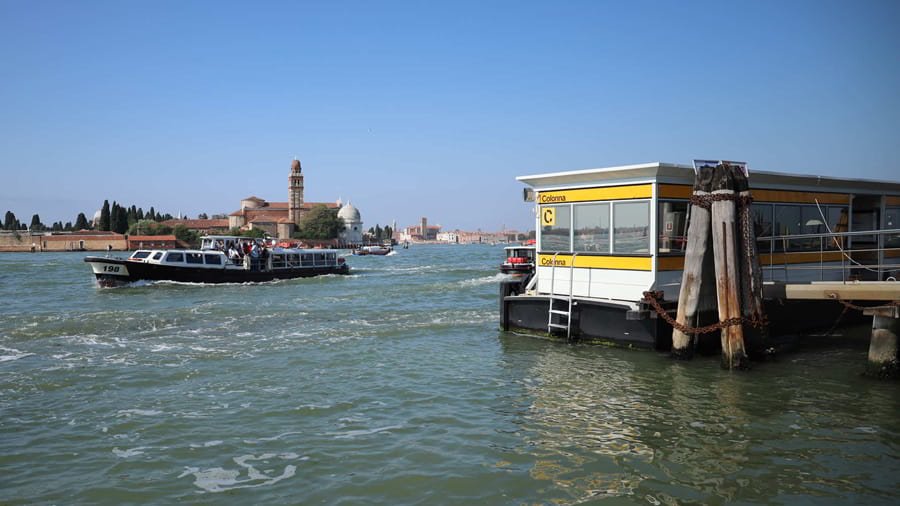
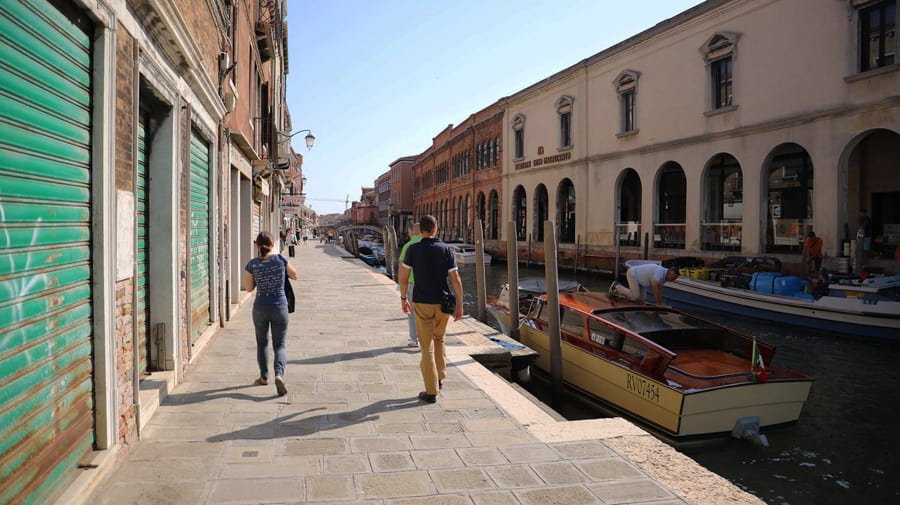
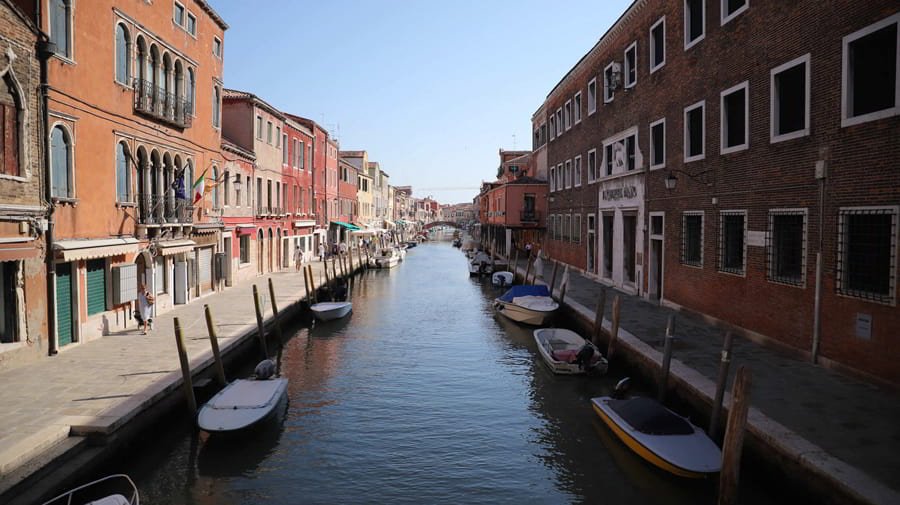
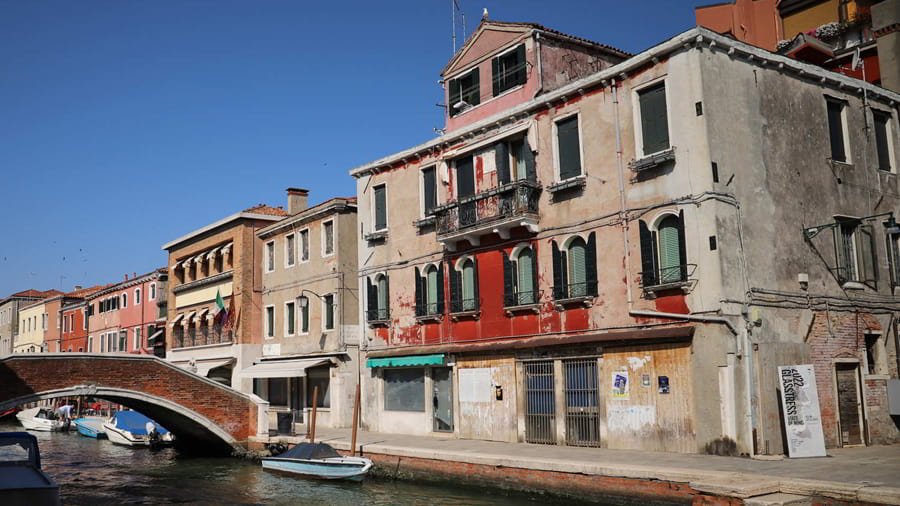
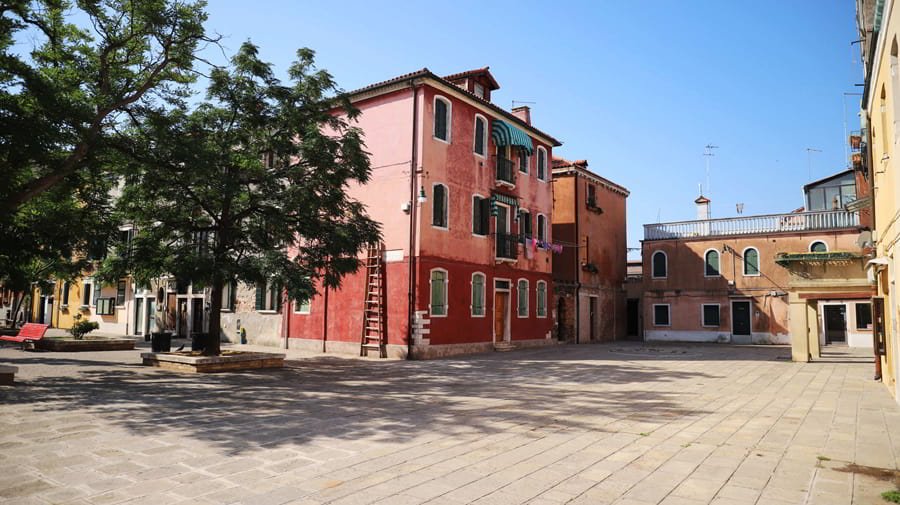
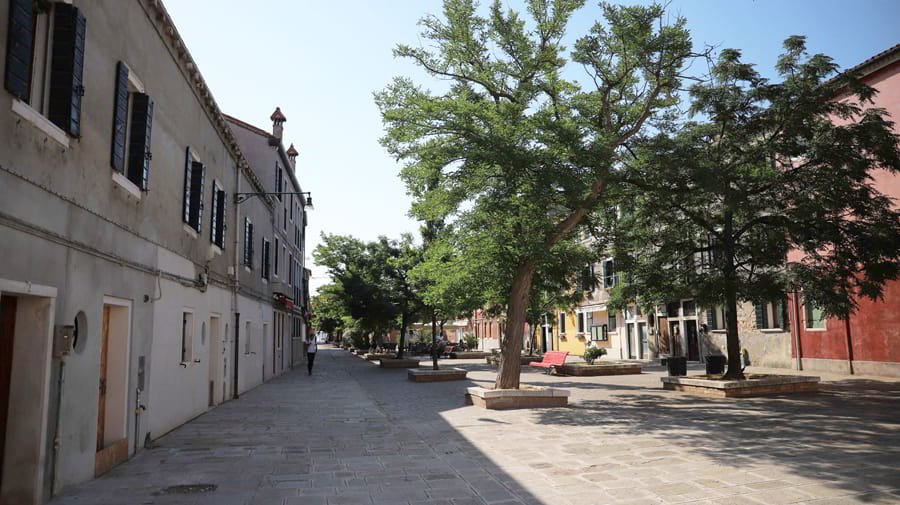
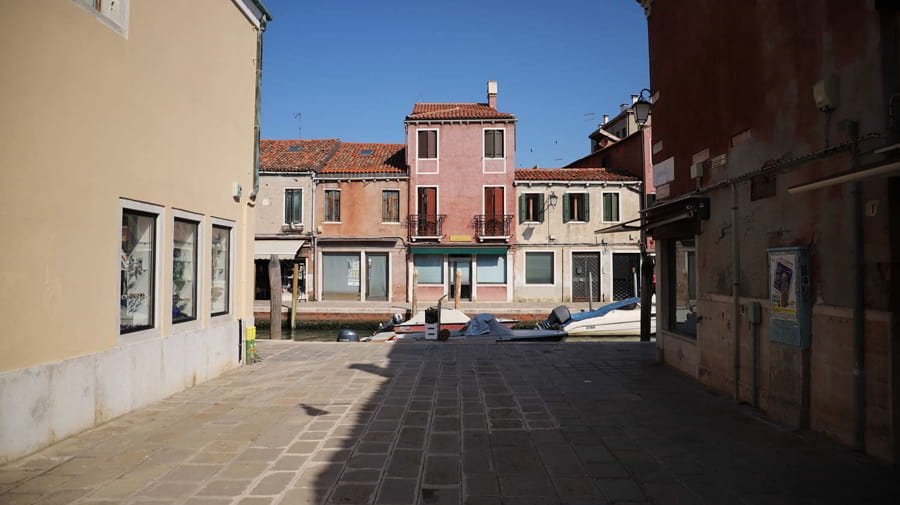
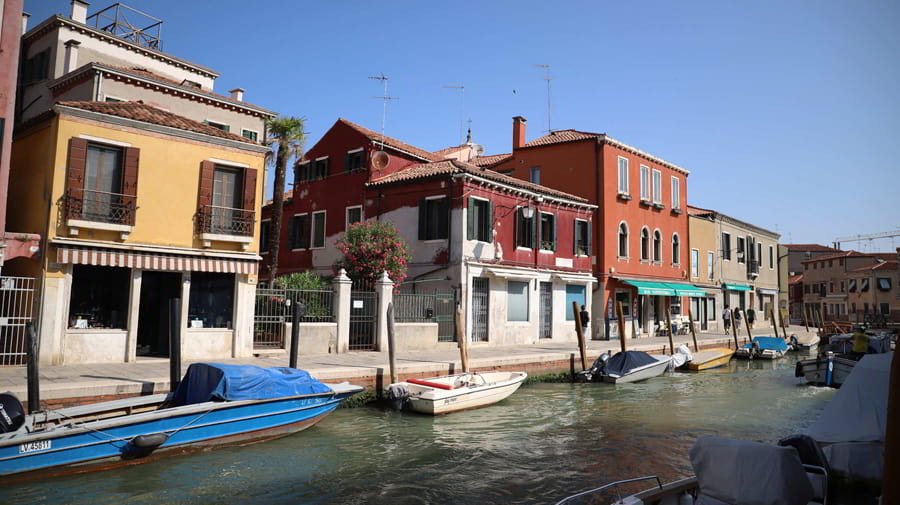
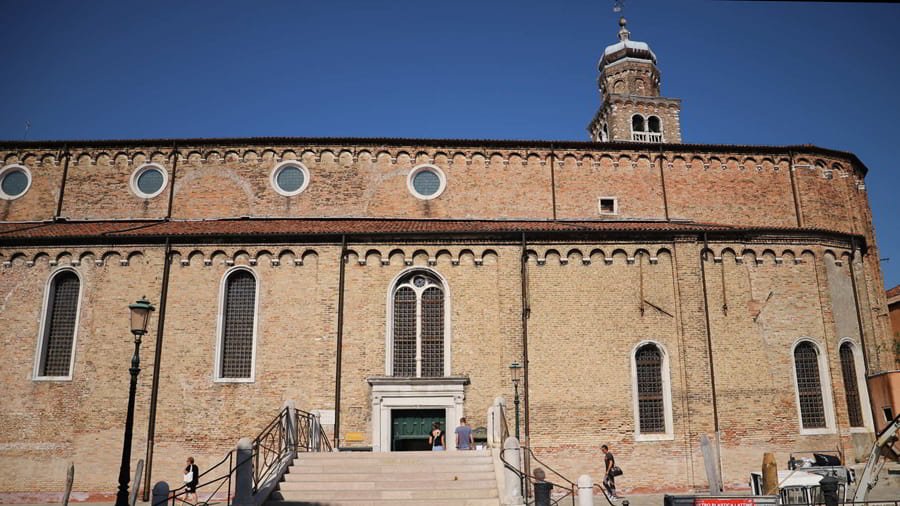
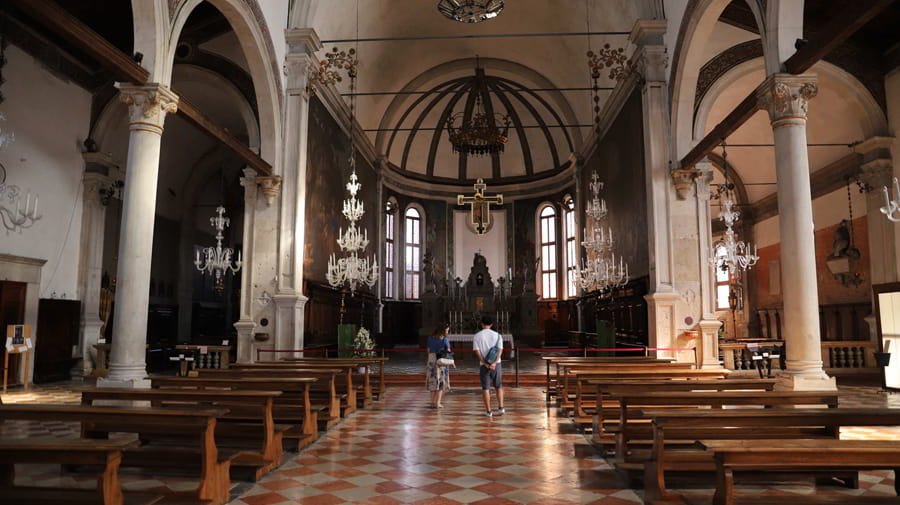
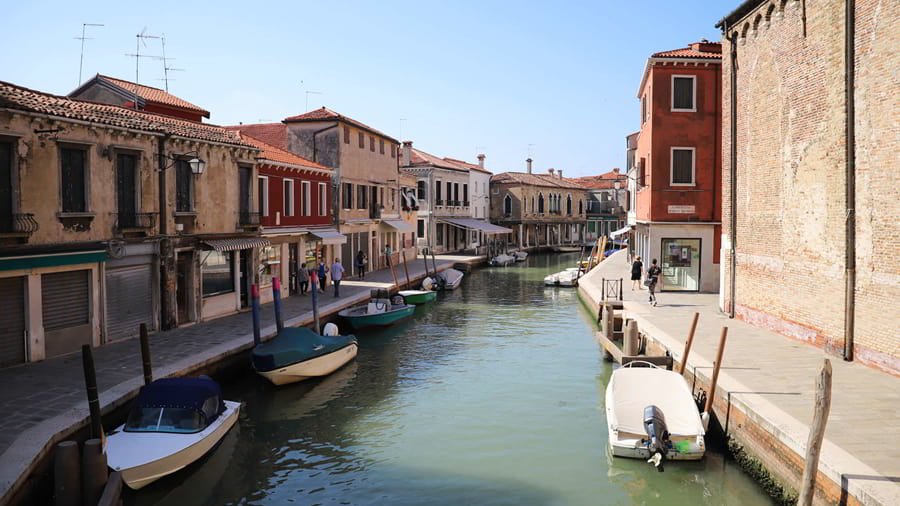
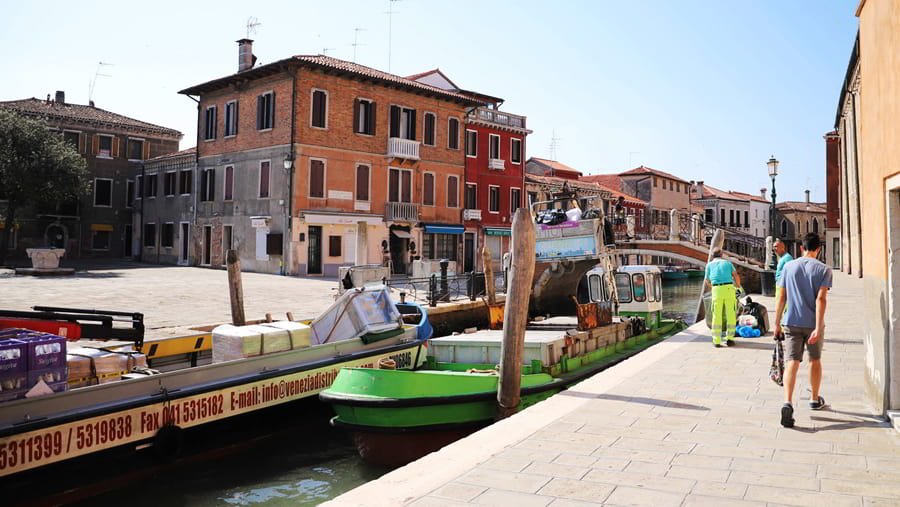
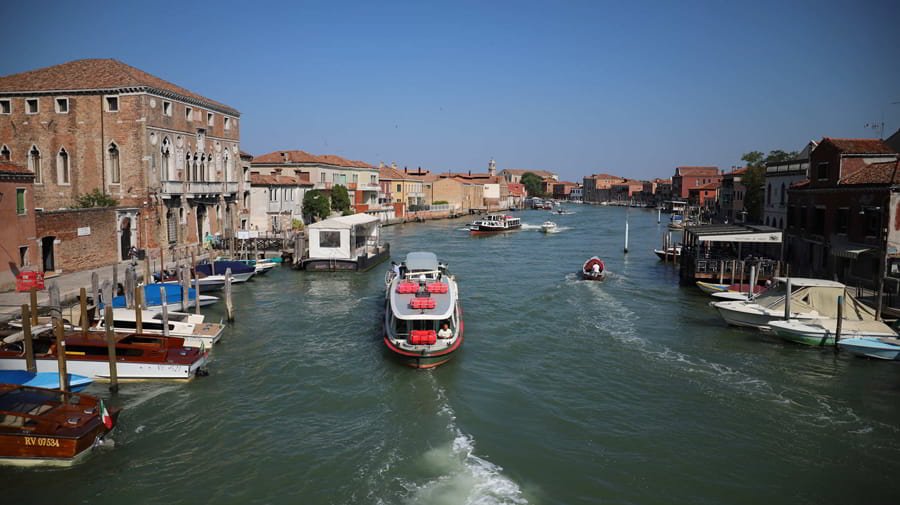
This walking route explores the island of Murano, one of the most famous islands of the Venetian Lagoon and internationally renowned for its centuries-old glassmaking tradition. Since the thirteenth century, Murano has been a center of artistic glass production, attracting visitors with its workshops, historic buildings, canals, and distinctive island atmosphere. The walk begins at Piazzale Calle Colonna and follows Fondamenta dei Vetrai, the island’s principal promenade and home to many glass studios and artisan shops. Continuing through Calle Bressagio and Fondamenta Manin, the route reaches Campiello P. Bigaglia before arriving at the historic Church of San Pietro Martire, known for its artistic treasures and religious significance. The walk then returns along Fondamenta dei Vetrai and continues via Fondamenta da Mula and Ponte Longo Lino Toffolo. Following the scenic waterfront of Riva Longa, the route concludes on Fondamenta San Lorenzo, offering beautiful canal views and an excellent introduction to Murano’s cultural heritage, architecture, and enduring connection to glassmaking.
COPYRIGHT © 2018-2026 ITALY IN PHOTOS - ALL RIGHTS RESERVED