
HOME
REGIONS OF ITALY
PLACES IN ITALY
PLAN YOUR TRIP
Italy in Photos
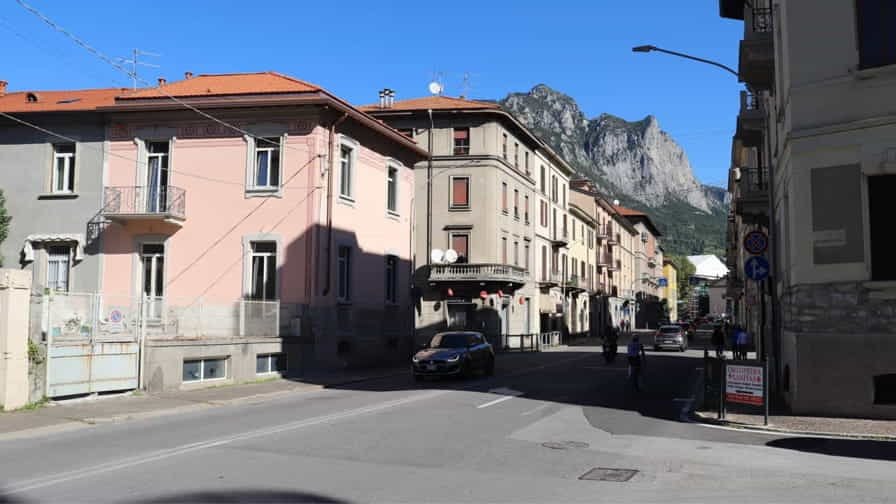
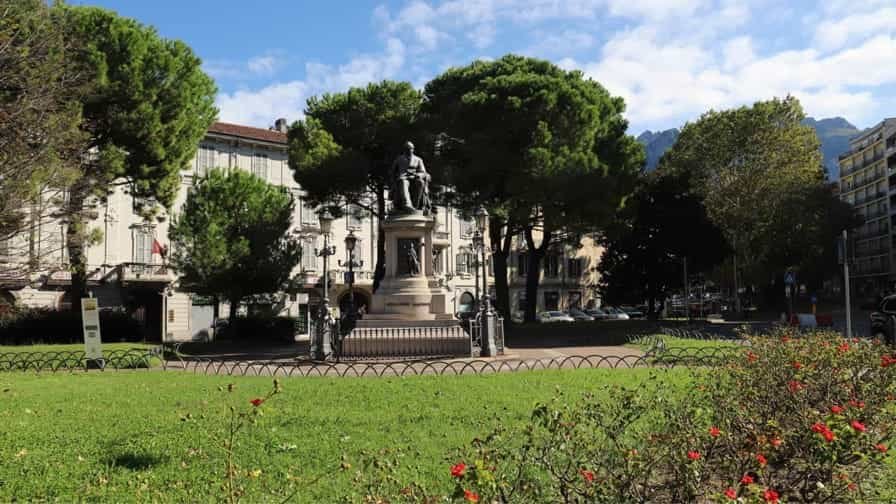
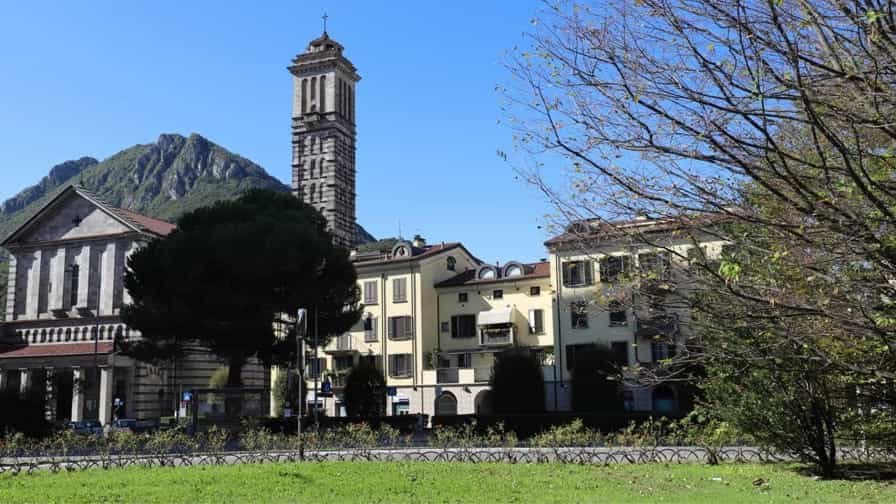
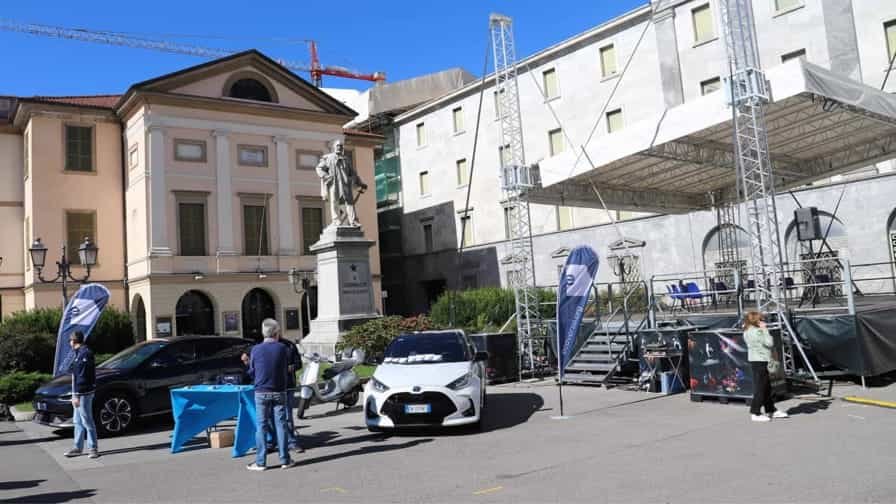
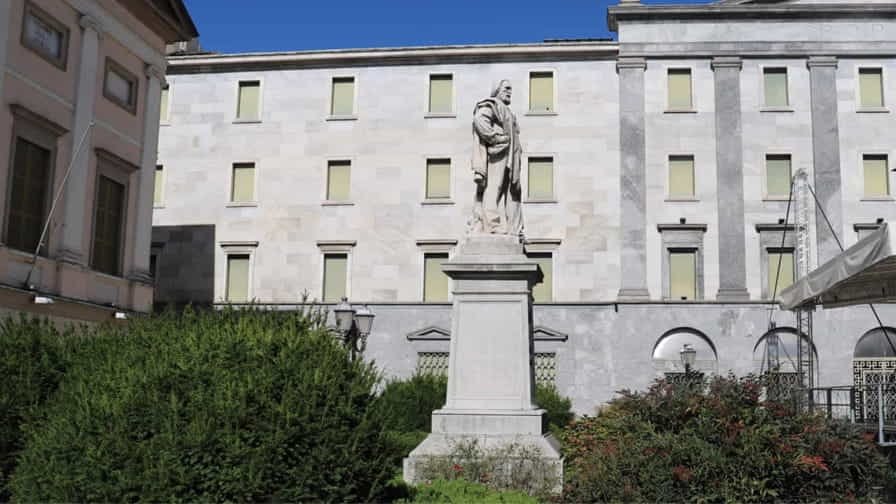
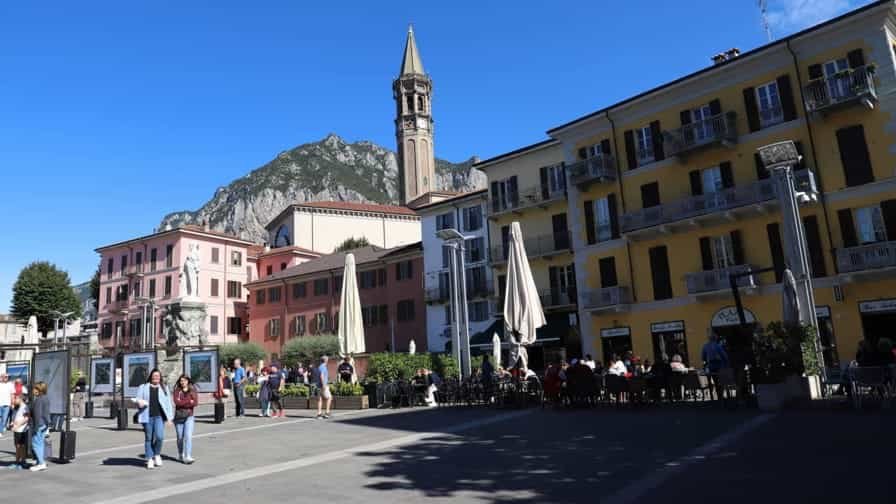
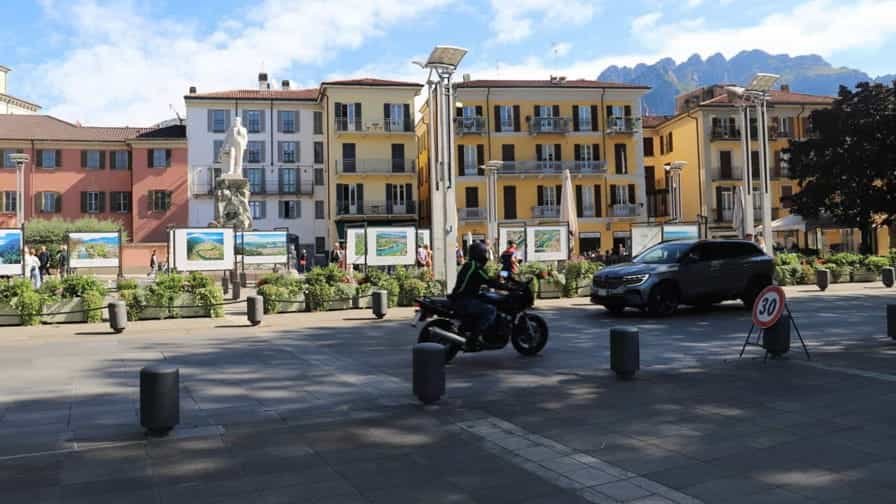
Piazza Giuseppe Garibaldi, 23900 Lecco LC, Italy (September 2024)
Lecco
Delayed or cancelled flight?
Get up to £520!
You’ve got rights when your flight’s disrupted.
We enforce them and handle everything so you get paid
Lecco is a picturesque city in northern Italy, located on the south-eastern shore of Lake Como in the Lombardy region. Nestled between the dramatic peaks of the Alps and the serene waters of the lake, Lecco offers a unique combination of natural beauty, historical significance, and modern vitality. Its strategic position at the end of the south-eastern branch of Lake Como has shaped the city’s identity as a hub for trade, industry, and tourism while maintaining a strong connection to its natural surroundings.
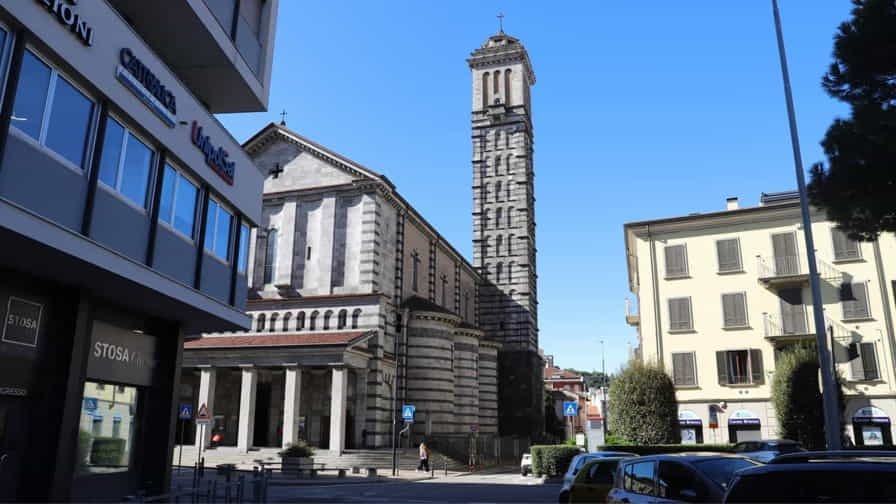
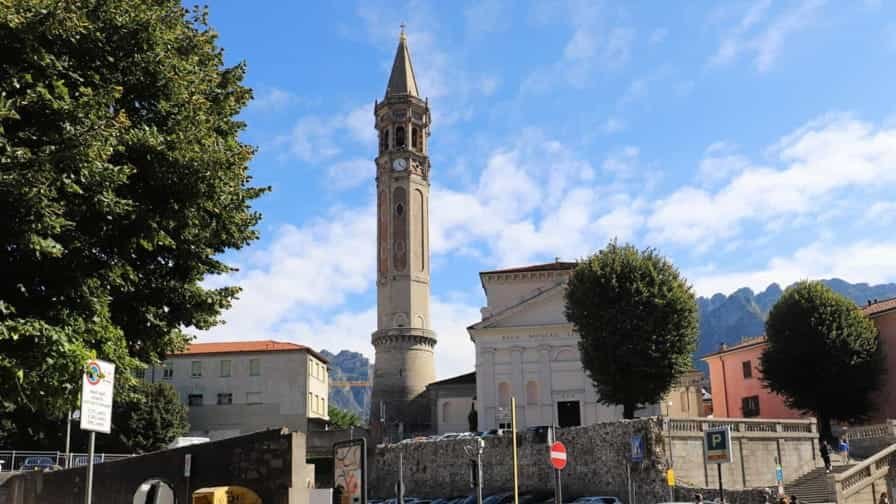
The history of Lecco dates back to Roman times, when the area was part of a network of settlements along the lake and the Adda River. Over the centuries, the city grew under the influence of different rulers, including the Visconti and Sforza families during the Middle Ages and Renaissance. Evidence of this rich history can still be seen in Lecco’s historic centre, which features medieval streets, elegant squares, and notable religious buildings. Among these, the Basilica of San Nicolò stands out for its tall bell tower, which dominates the skyline and serves as a symbol of the city.
Lecco’s urban landscape is characterized by a harmonious blend of history and industry. During the nineteenth and twentieth centuries, the city became an important centre for manufacturing, particularly in textiles, silk production, and engineering. This industrial growth helped shape the modern city, contributing to its infrastructure and economic vitality while also fostering a diverse community of workers, artisans, and entrepreneurs. Despite its industrial past, Lecco has maintained a strong commitment to preserving its natural environment and historic heritage, creating a balance that is evident throughout the city.
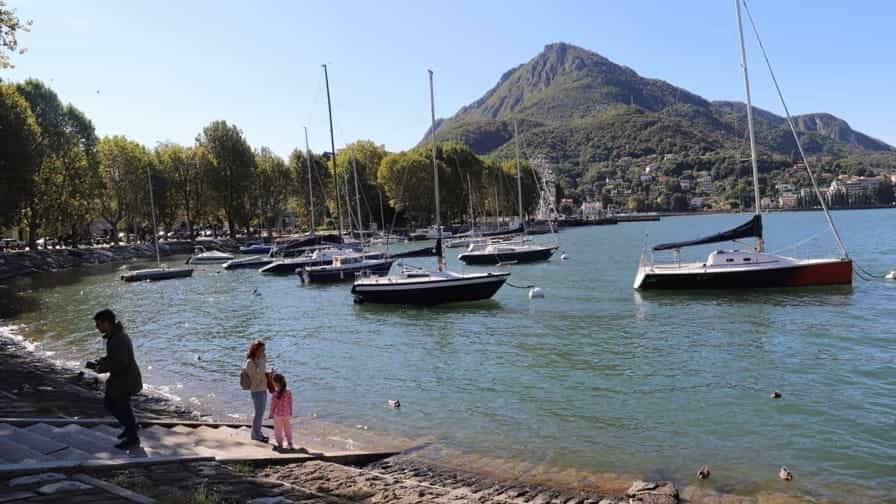
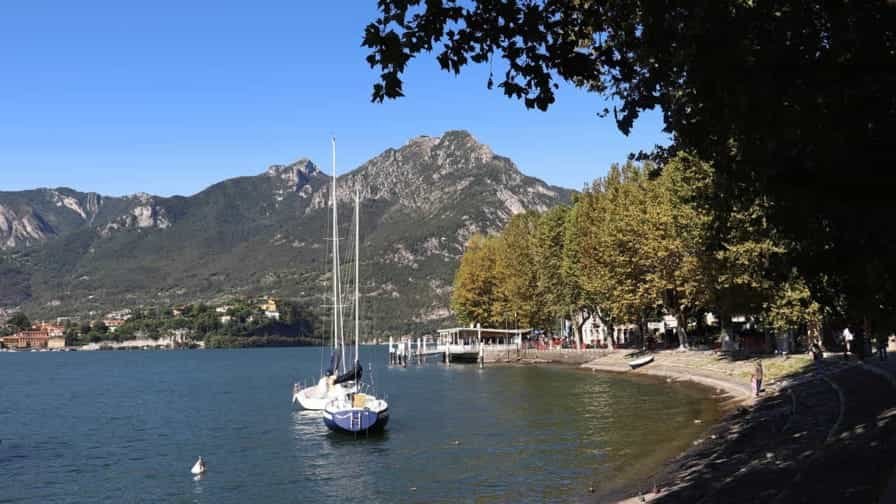
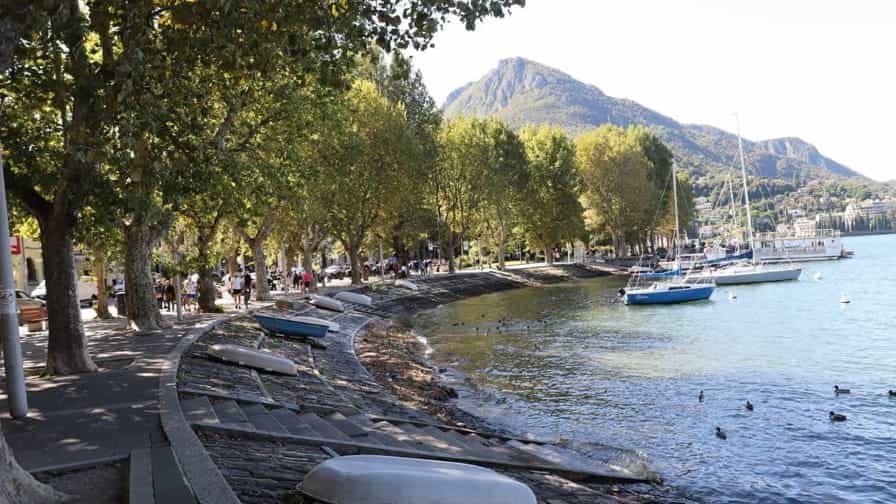
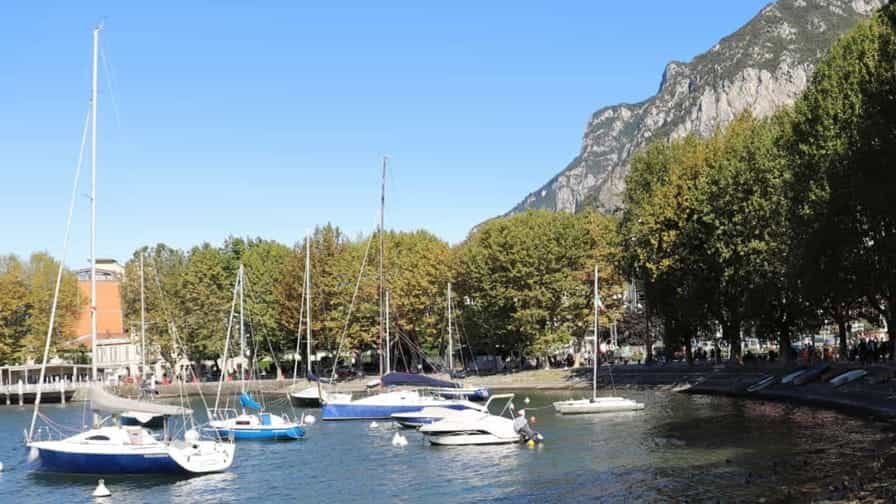
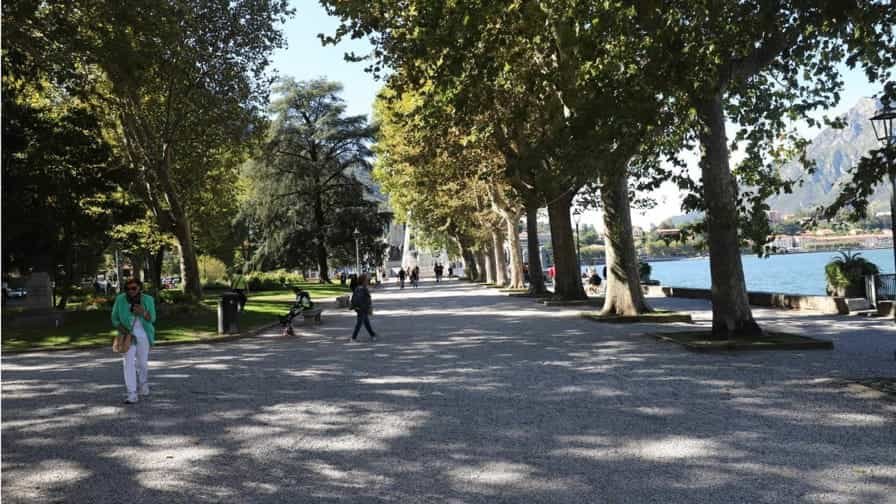
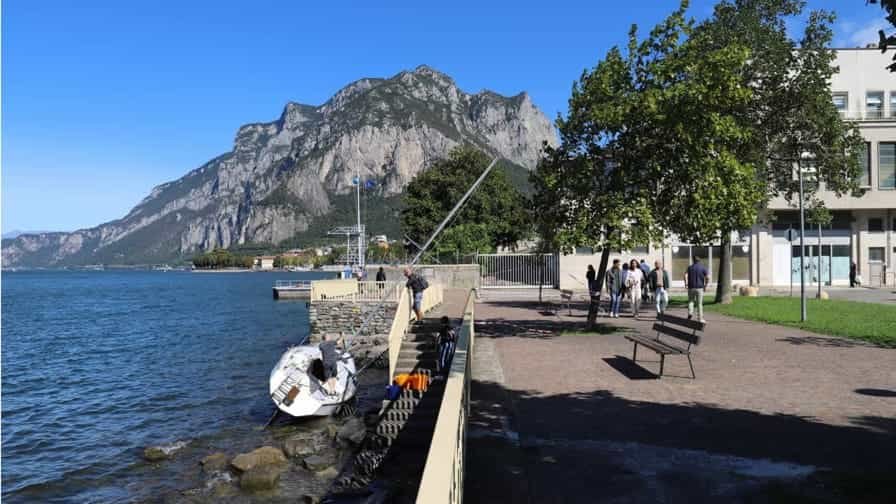
One of Lecco’s most attractive features is its connection to the outdoors. The surrounding mountains provide ample opportunities for hiking, climbing, and winter sports, while the lake offers boating, fishing, and leisurely walks along its promenades. The Lungolago, the lakeside promenade, is a central gathering place for both residents and visitors, offering stunning views of the surrounding peaks and the gentle waters of Lake Como. This integration of urban life with natural scenery makes Lecco particularly appealing to those who enjoy active lifestyles or simply wish to relax in a tranquil setting.
Lecco is also closely associated with Italian literature. It gained fame through the works of the nineteenth-century writer Alessandro Manzoni, whose novel explored themes of love, society, and the human experience in the region. The landscapes of Lecco and Lake Como served as inspiration for his descriptions, linking the city to Italian cultural heritage and literary history. Today, visitors can explore locations mentioned in his works, adding a layer of cultural depth to the natural beauty.
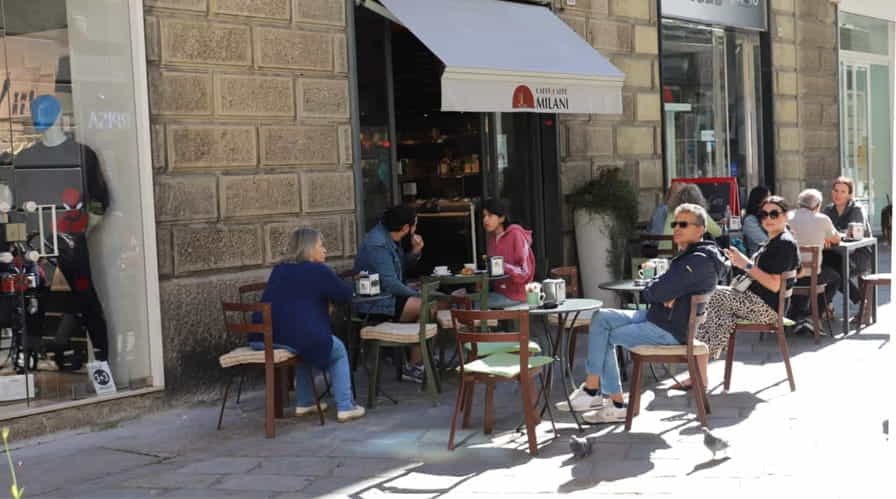
The city’s culinary traditions further enhance its appeal. Local cuisine reflects Lombardy’s emphasis on hearty, flavourful dishes, including freshwater fish from the lake, risotto, polenta, and cured meats. Family-run restaurants and cafes offer authentic dining experiences, providing a taste of local culture alongside the scenic backdrop of the lake and mountains.
Lecco is a city that combines history, culture, and natural splendour in a uniquely compelling way. Its harmonious integration of urban life with lakeside tranquillity and alpine landscapes makes it a distinctive destination on Lake Como. Visitors are drawn not only to its scenic beauty but also to its vibrant cultural life, historic architecture, and welcoming atmosphere, making Lecco a remarkable example of northern Italy’s charm and diversity.
Worth a Visit
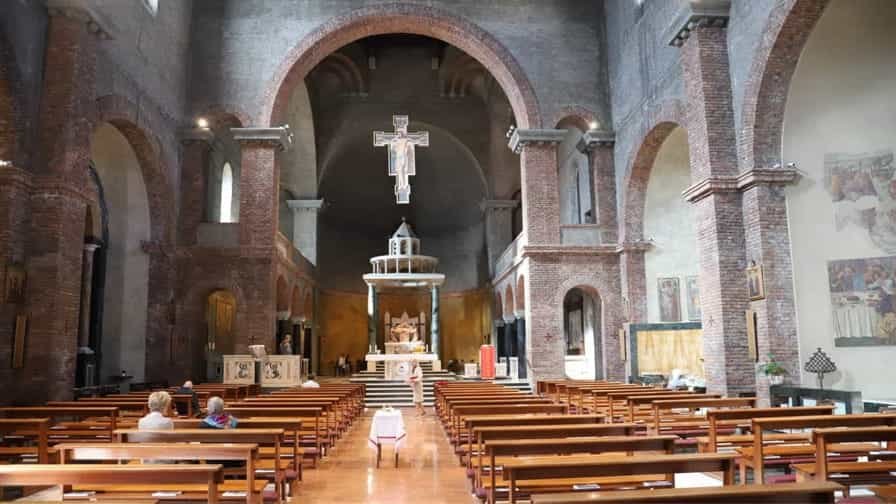
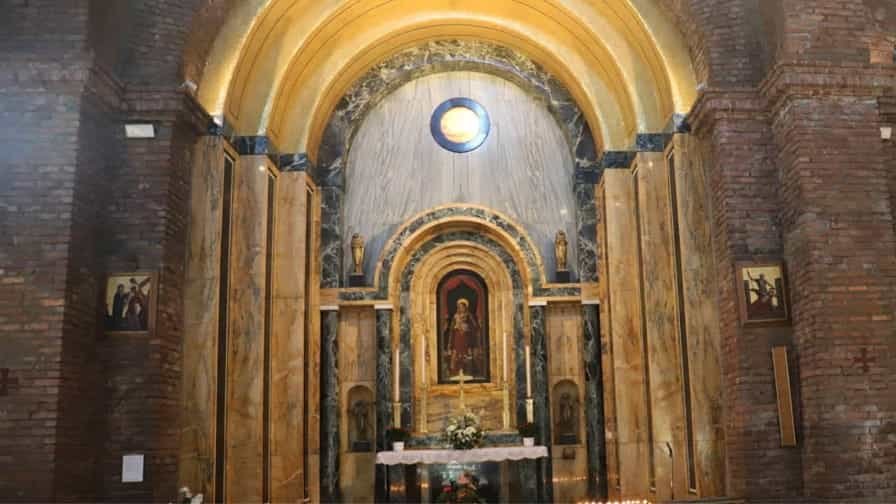
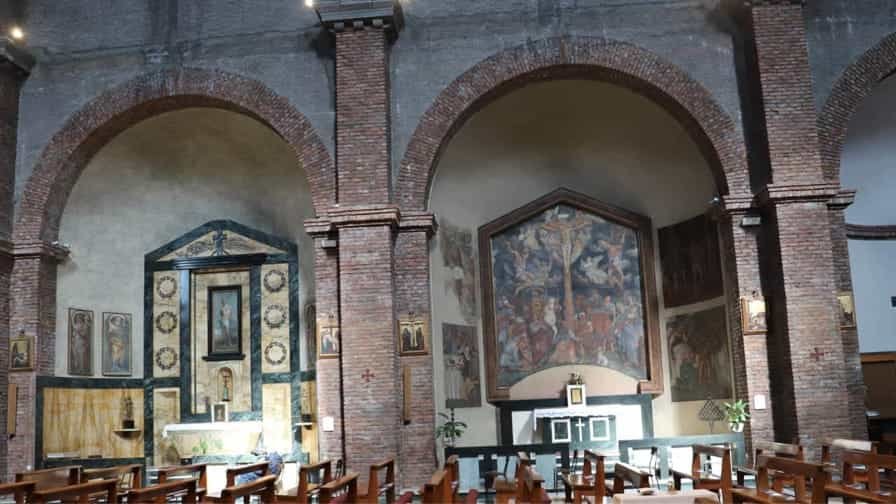
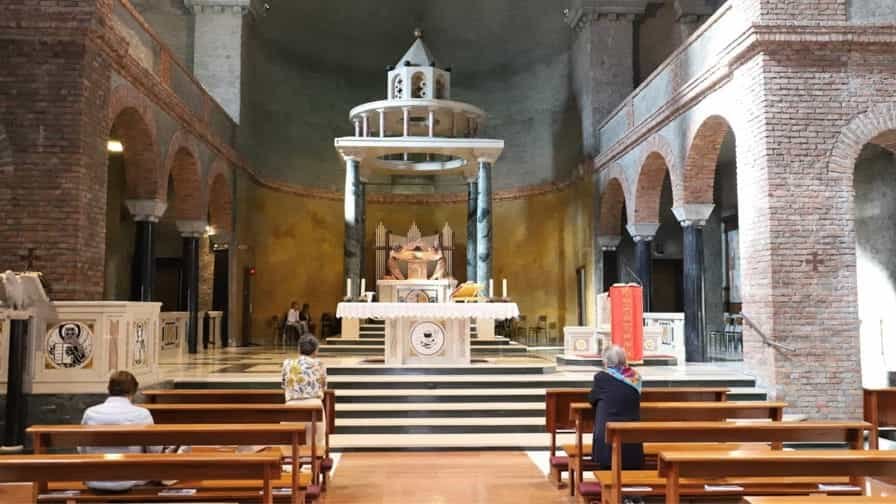
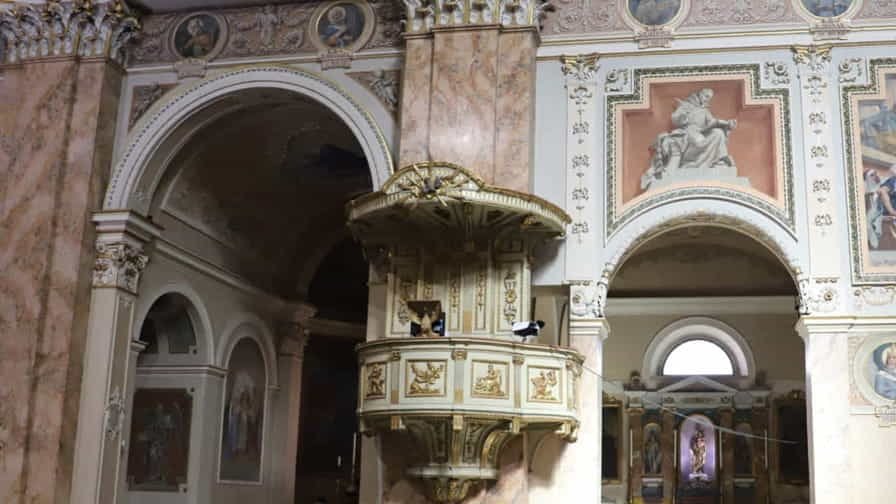
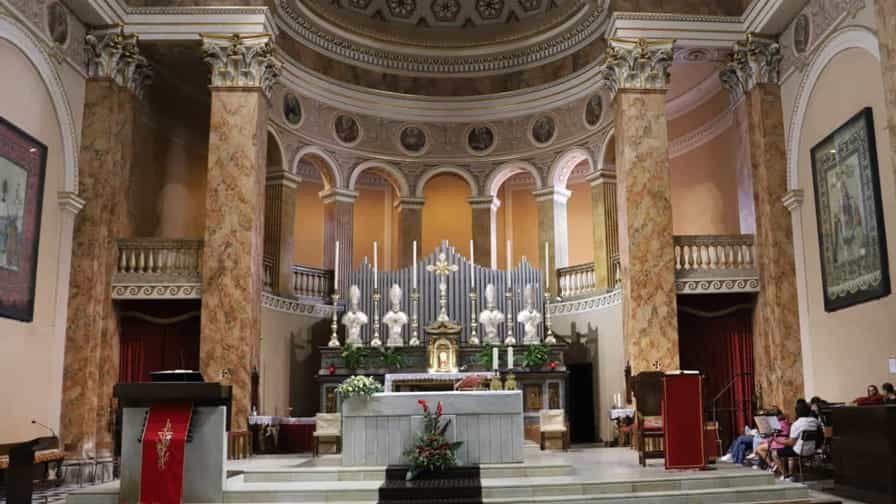
The Santuario Beata Vergine della Vittoria in Lecco is one of the city’s most important religious monuments and a symbol of gratitude and faith deeply rooted in the local community. Standing just a short distance from the historic centre, this sanctuary was built in the early seventeenth century to commemorate a decisive moment in history: the Christian victory over Ottoman forces at the Battle of Lepanto in 1571. Dedicated to the Virgin Mary, who was invoked as a protector during the conflict, the sanctuary remains both a place of worship and a reminder of Lecco’s connection to wider European history. Construction of the sanctuary began in 1600, following a vow made by the people of Lecco to honour the Virgin Mary for her protection.
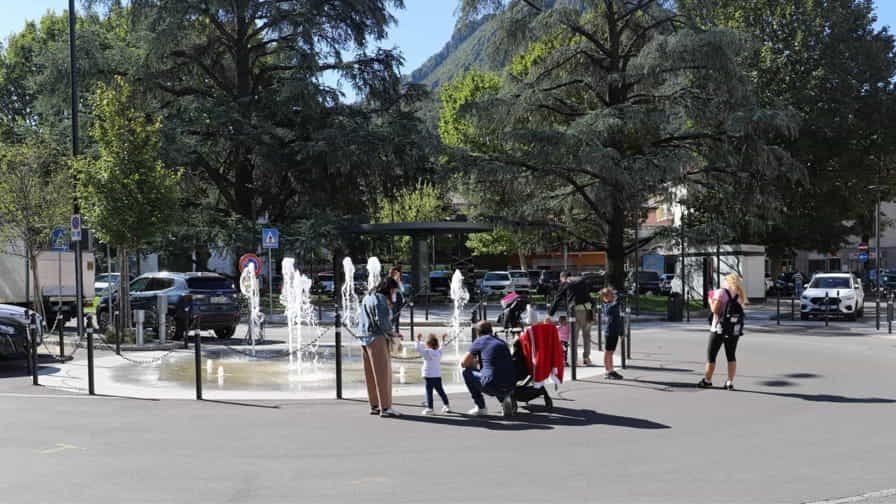
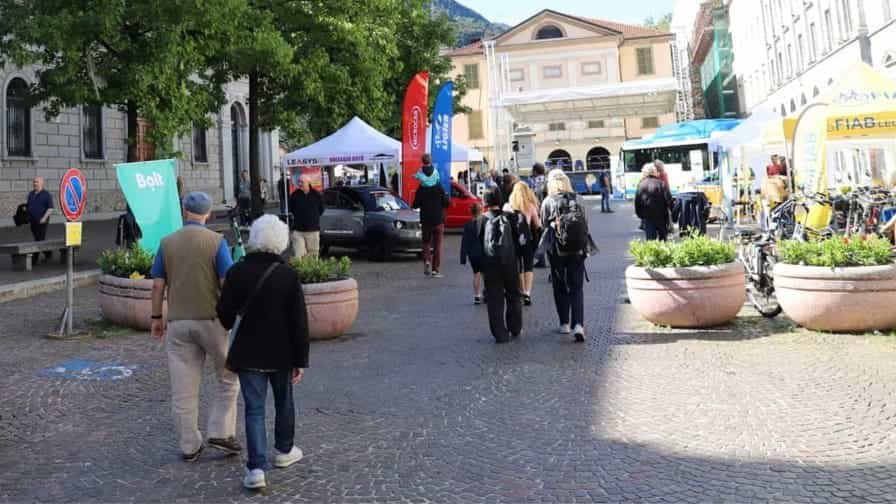
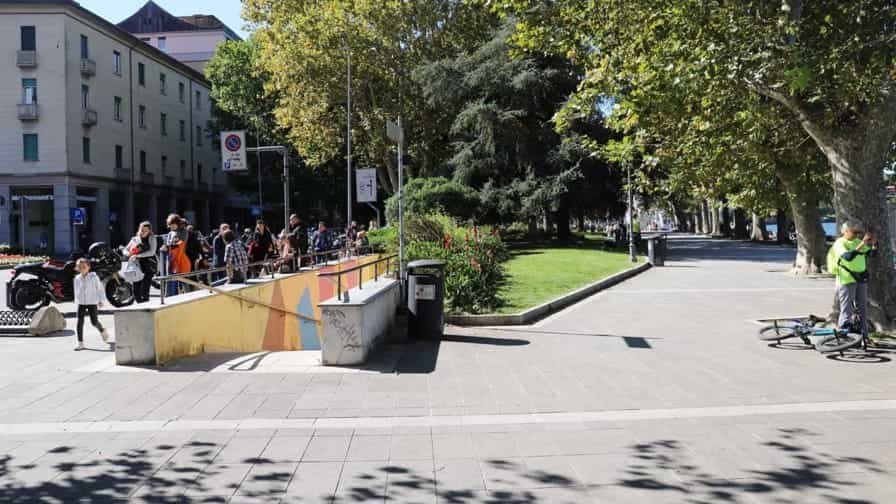
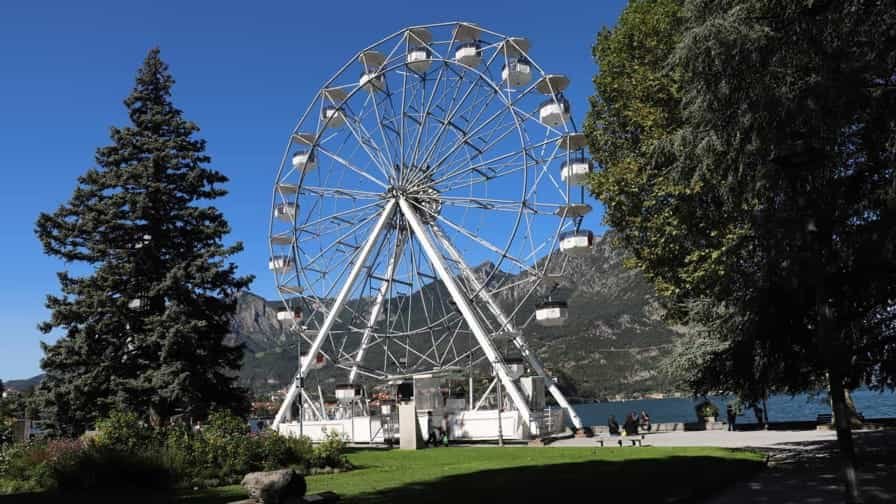
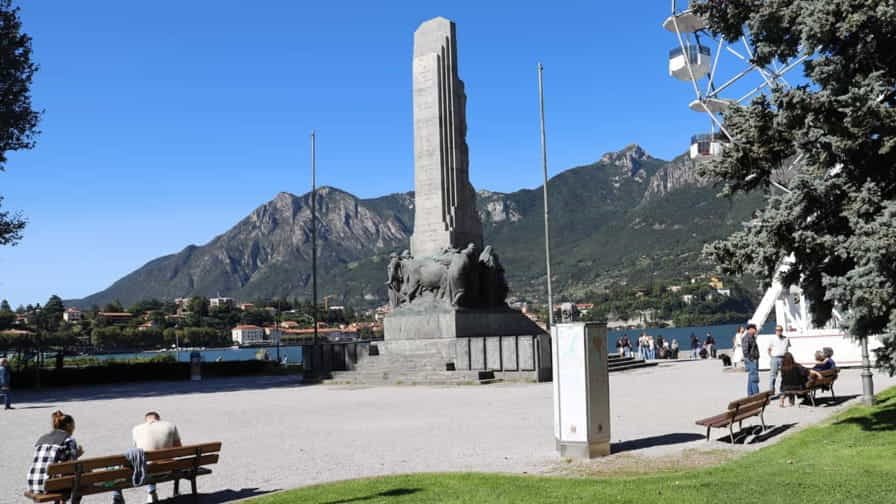
Piazza Giuseppe Garibaldi in Lecco is one of the city’s central meeting points and a lively space that embodies both its modern vitality and its historical depth. Located at the edge of the historic centre, the square serves as a gateway between the older streets of Lecco and the newer urban areas that developed during the nineteenth and twentieth centuries. Dedicated to Giuseppe Garibaldi, the national hero of Italian unification, the piazza reflects both civic pride and the city’s participation in the wider story of Italy’s Risorgimento. The square began to take shape in the nineteenth century, a period of great transformation for Lecco. As the city expanded and modernized, new spaces were created to accommodate growing social and commercial life.
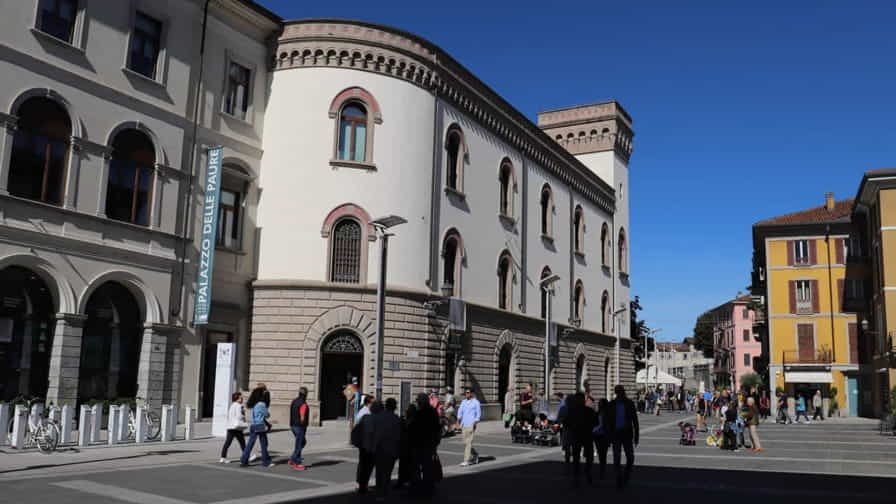
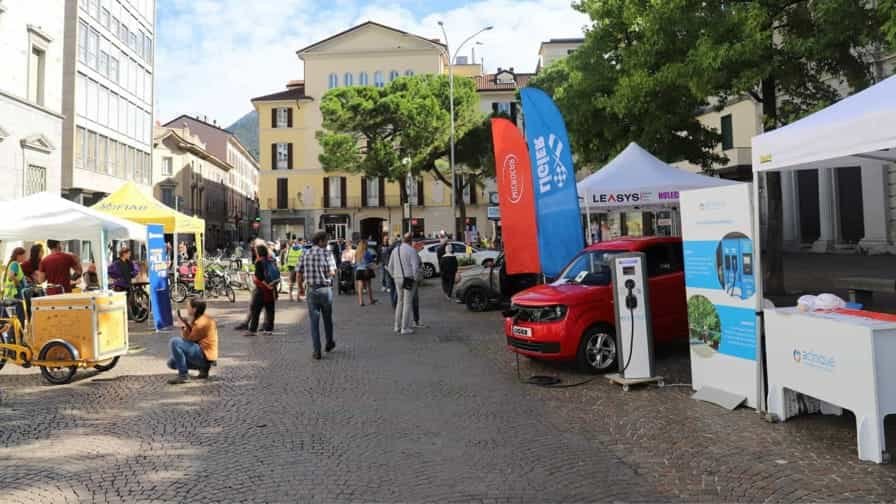
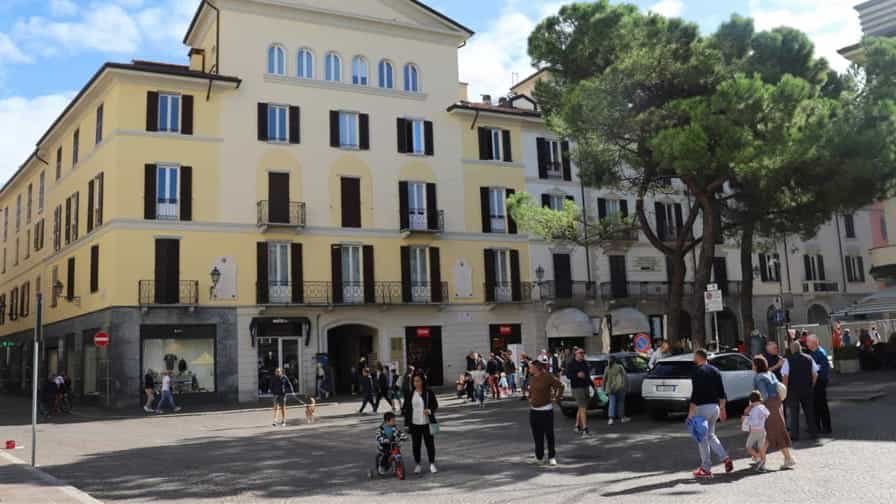
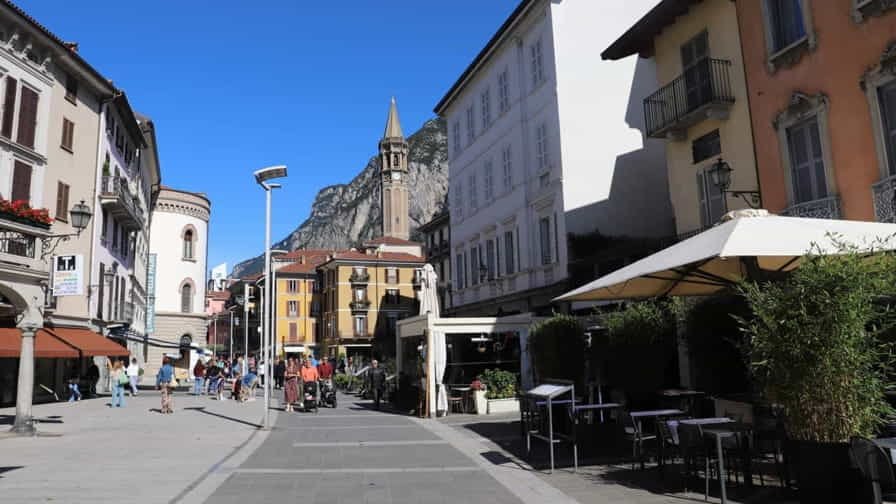
Piazza XX Settembre in Lecco is one of the most charming and historically significant squares in the city, serving as a symbolic entrance to the old town and a vibrant hub of daily life. Located near the shores of Lake Como and framed by elegant buildings, the square has long been a place where history, commerce, and community intersect. Its name commemorates September 20, 1870, the date of the capture of Rome during the Italian unification process, an event that marked the final step in the creation of modern Italy. Thus, the piazza is not only a beautiful urban space but also a reminder of the ideals of the Risorgimento. The origins of Piazza XX Settembre can be traced to the medieval period, when it functioned as one of the main entrances to the walled town of Lecco.
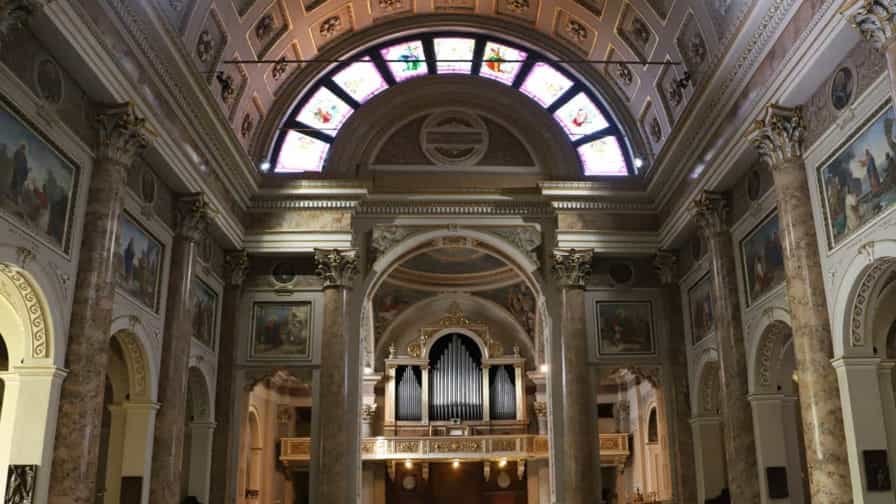
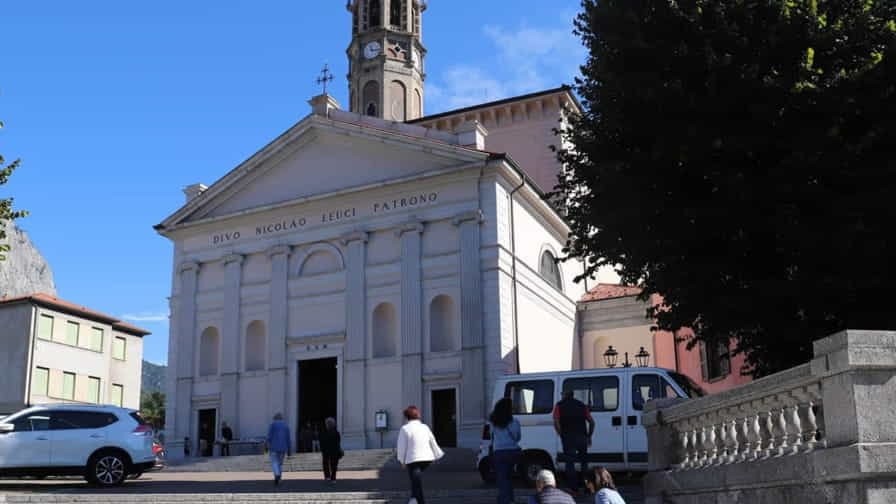
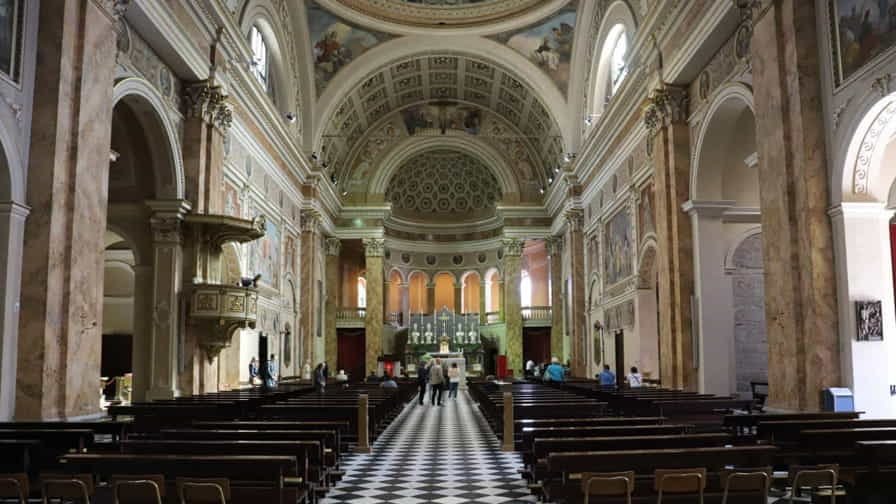
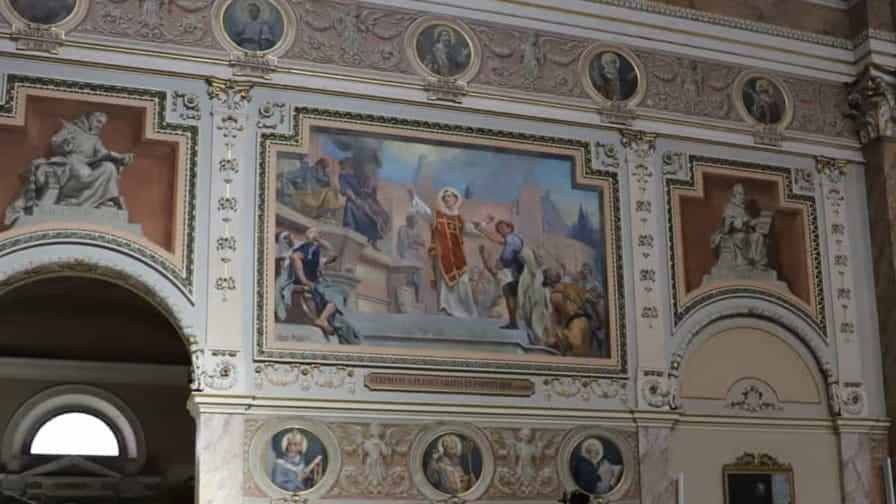
The Basilica of San Nicolò in Lecco is the city’s principal church and one of its most recognizable landmarks, standing as a symbol of faith, history, and community. Dedicated to Saint Nicholas, the patron saint of sailors and boatmen, the basilica reflects the deep connection between Lecco and Lake Como. With its striking neo-Gothic façade and soaring bell tower, the church dominates the skyline and offers visitors a place of both spiritual reflection and cultural discovery. The origins of the Basilica of San Nicolò date back to the Middle Ages, when a smaller church was first built on the site. Over time, as Lecco grew in importance, the need for a larger and more monumental place of worship became clear.
Photo Gallery of Walk in Lecco – Via Leonardo Da Vinci to Via Pietro Nava
Approximately 0.00 km – 0.00 miles
Description of Walk
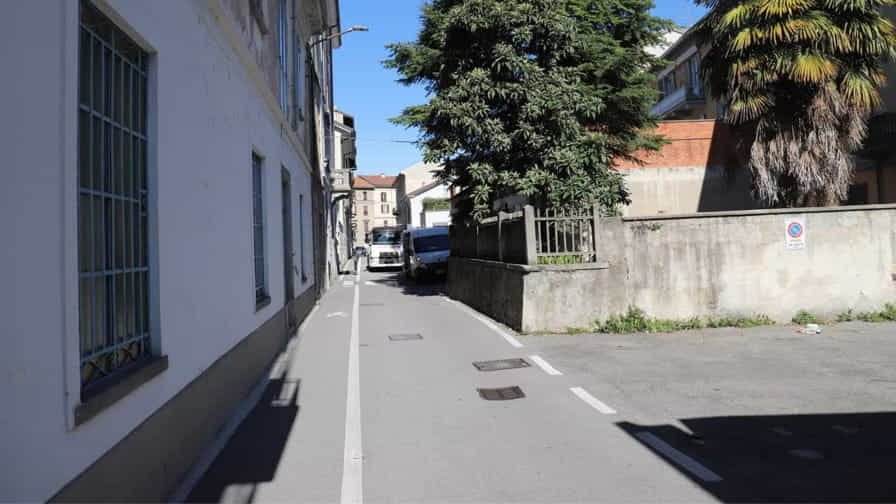
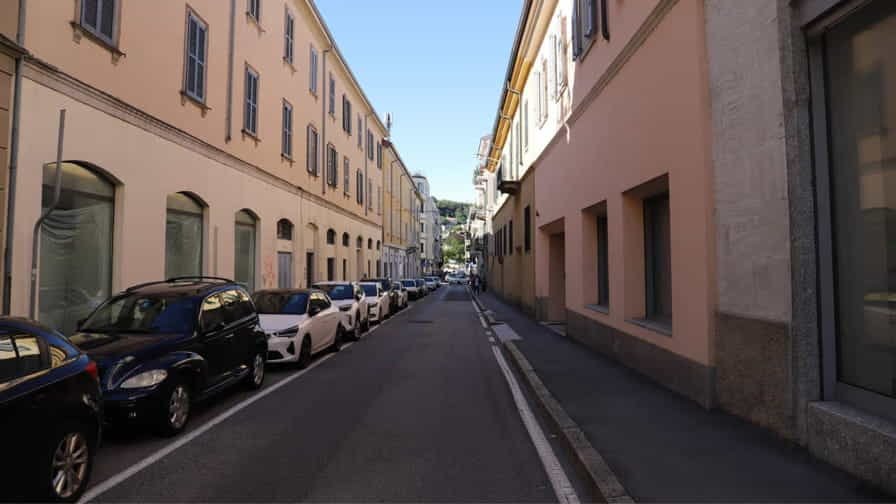
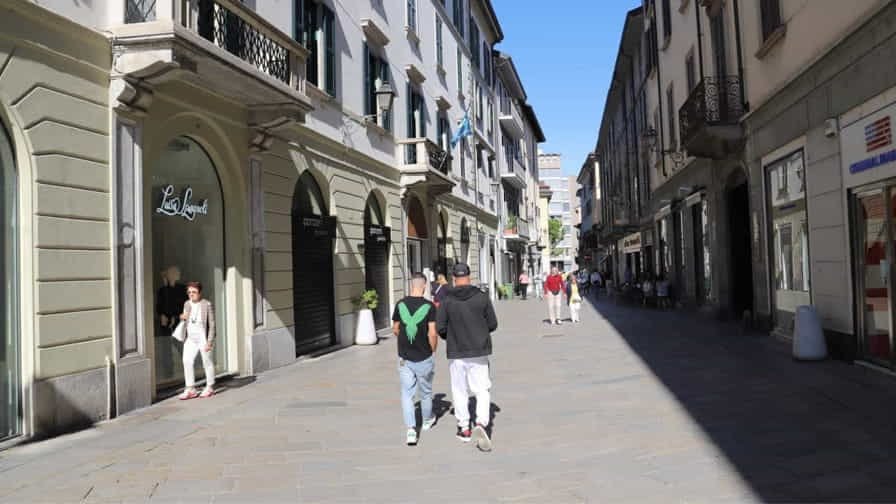
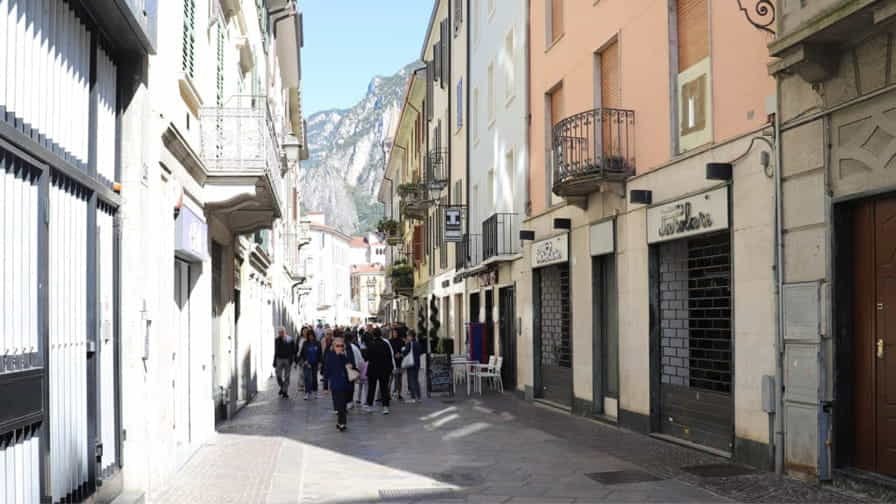
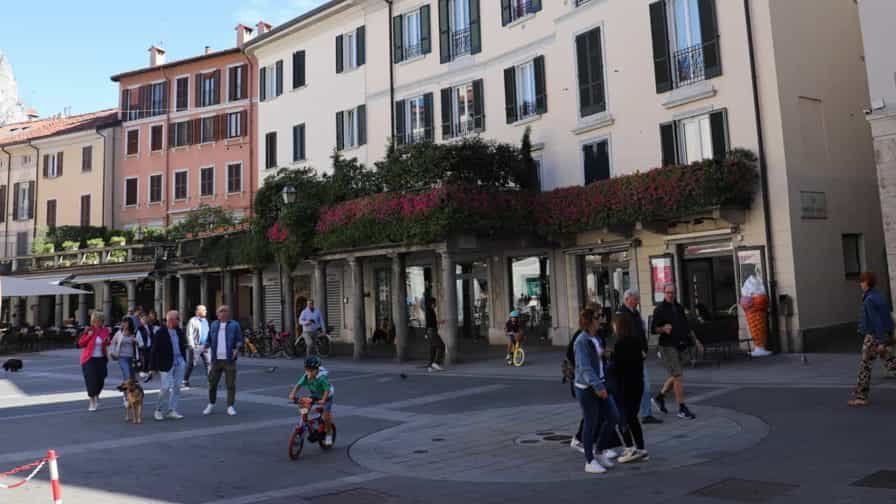
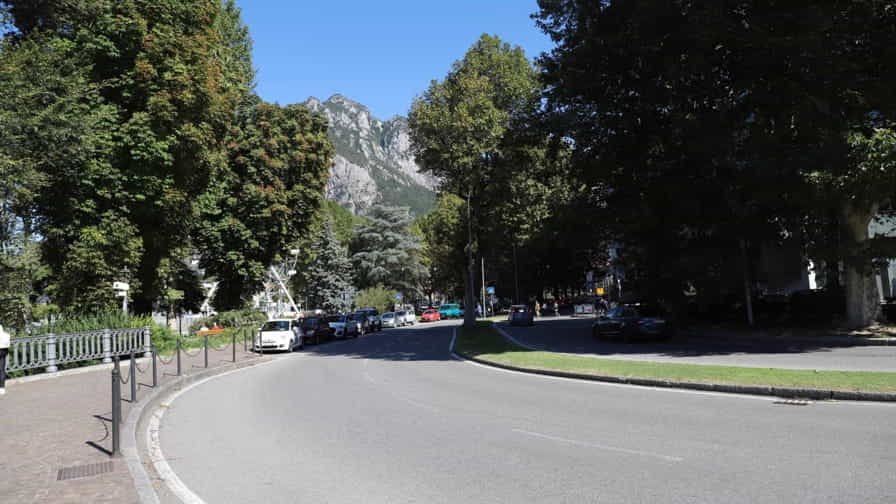
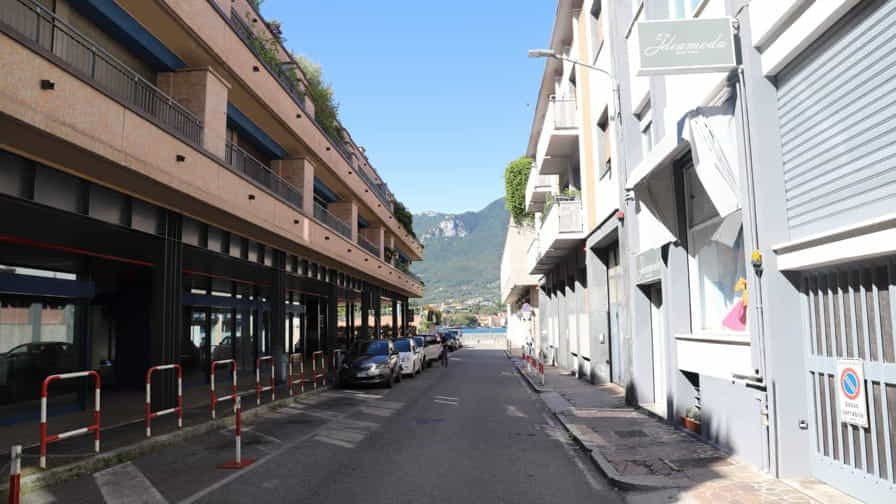
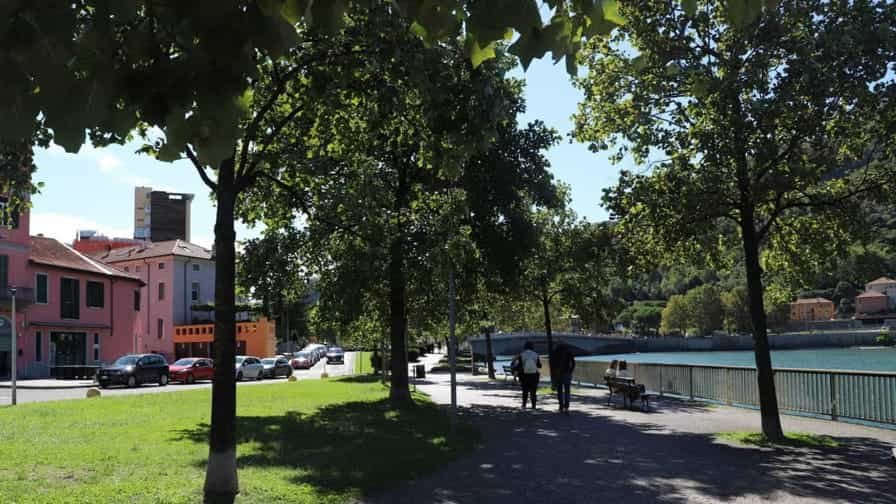
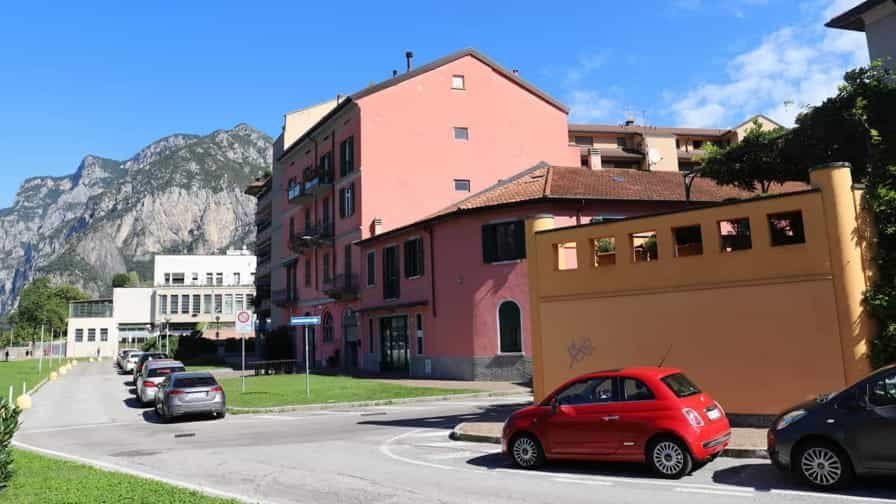
The city of Lecco lies at the southeastern tip of Lake Como, surrounded by dramatic mountains that give the area its striking character. Known for its literary connection to Alessandro Manzoni, Lecco blends natural beauty with a strong cultural and historical identity. The waterfront, historic squares, and religious landmarks all reflect a town shaped by both landscape and tradition. This walk begins along Via Leonardo Da Vinci, moving through quieter residential streets such as Via Lazzaretto and Via Bezzecca before reaching Via Trieste. Here stands the Santuario della Beata Vergine della Vittoria, an important site that adds spiritual significance to the route. Continuing into Piazza Manzoni, the walk enters the heart of Lecco, where the influence of its famous writer is most evident. Via Roma leads to Piazza Giuseppe Garibaldi and then to Piazza XX Settembre, both lively spaces filled with local activity. The route continues to Piazza Mario Cermenati before heading toward the Basilica di San Nicolò, known for its tall bell tower.Returning through the waterfront along Lungolario Isonzo and looping back via Via Costituzione, the walk ends near Via Adda, offering a complete view of Lecco’s charm.
COPYRIGHT © 2018-2026 ITALY IN PHOTOS - ALL RIGHTS RESERVED