
HOME
REGIONS OF ITALY
PLACES IN ITALY
PLAN YOUR TRIP
Italy in Photos
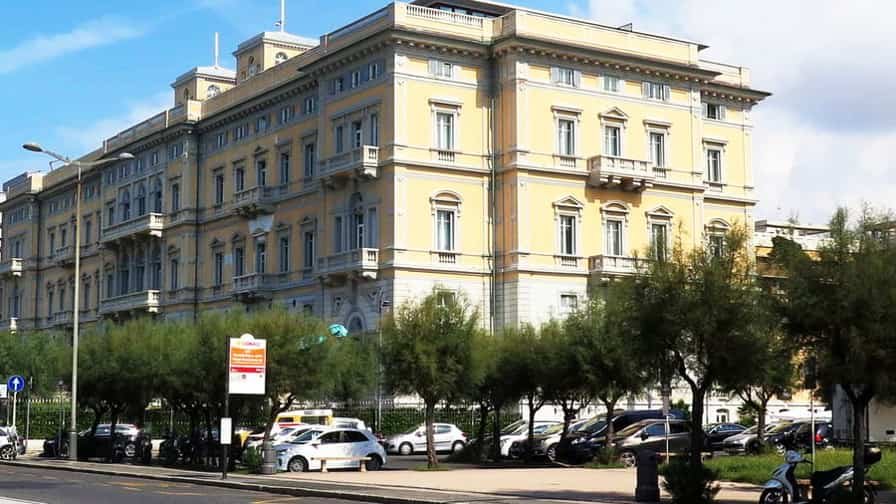
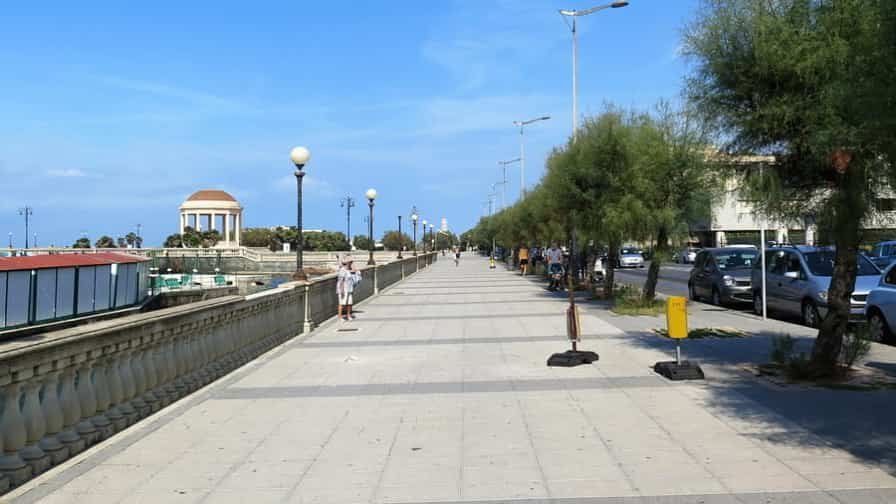
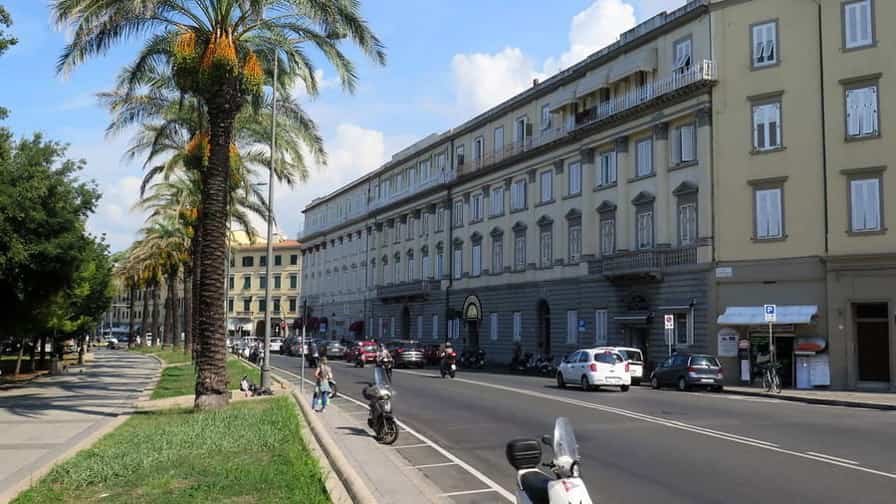
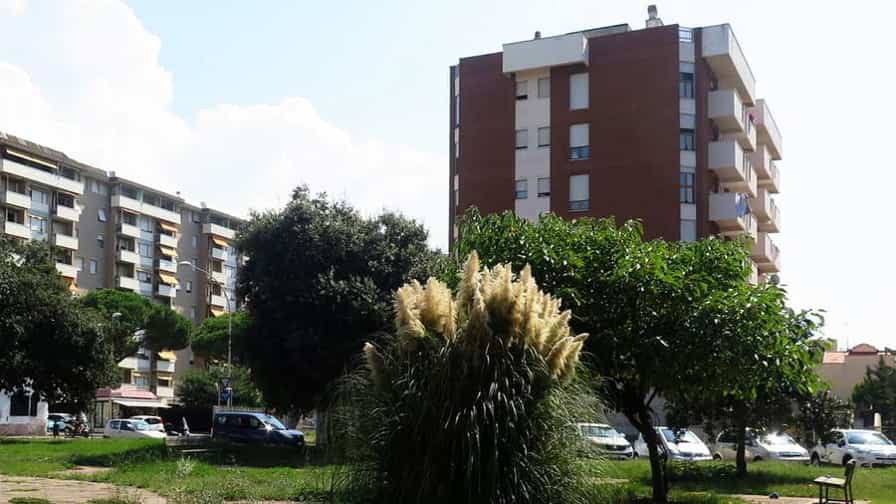
Viale Italia, 57127 Livorno, Italy (September 2018)
Livorno
Delayed or cancelled flight?
Get up to £520!
You’ve got rights when your flight’s disrupted.
We enforce them and handle everything so you get paid
Livorno is a city shaped by the sea, defined by openness, movement, and a spirit that sets it apart from many other Italian destinations. Located on the western coast of Tuscany, facing the Ligurian Sea, Livorno has long served as a gateway between Italy and the wider world. Its identity is deeply connected to maritime trade, cultural exchange, and a tradition of independence that continues to influence the city’s character today.
Unlike many Tuscan cities that trace their origins back to Etruscan or Roman times, Livorno is relatively young. It rose to prominence during the Renaissance, when the powerful Medici family transformed a small fishing settlement into a strategic port. Designed as an ideal city, Livorno was planned with wide streets, canals, and fortified walls to support commerce and defence. This thoughtful urban layout still shapes the city, giving it a distinctive atmosphere that blends practicality with unexpected elegance.
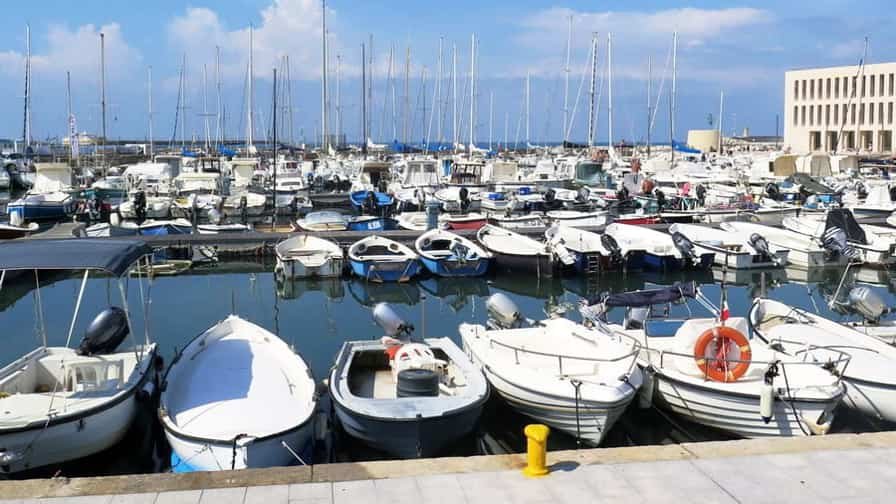
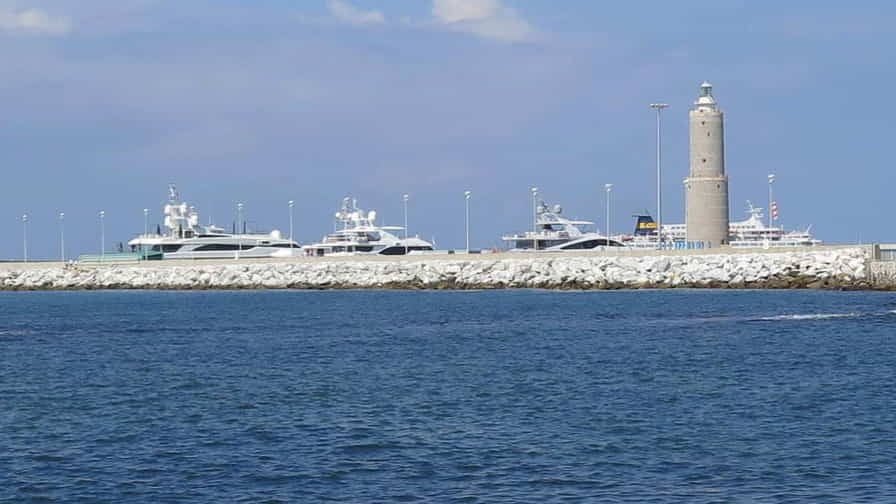
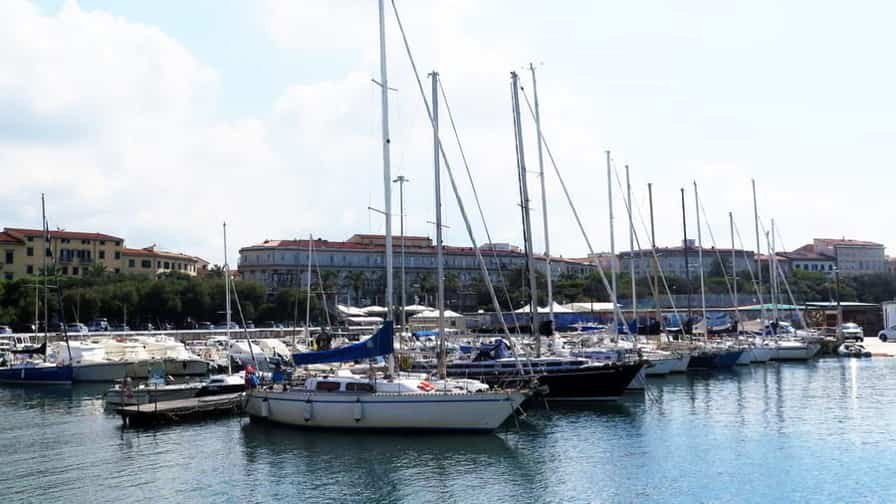
One of Livorno’s defining features is its historic port, which has played a crucial role in the city’s development. For centuries, the harbour welcomed ships, merchants, and travellers from across the Mediterranean and beyond. To encourage growth, the Medici issued laws guaranteeing religious and cultural freedom, attracting Jewish, Greek, Armenian, Dutch, and English communities. This tradition of tolerance created a multicultural society rare for its time, and its influence remains visible in Livorno’s architecture, cuisine, and social fabric.
The city’s network of canals, especially in the Venezia Nuova district, reflects its maritime heritage. Built to allow goods to move directly from ships into warehouses, these waterways now offer one of Livorno’s most atmospheric areas. Stone bridges, quiet reflections on the water, and historic buildings create a setting that feels both authentic and timeless, especially in the early morning or at sunset.
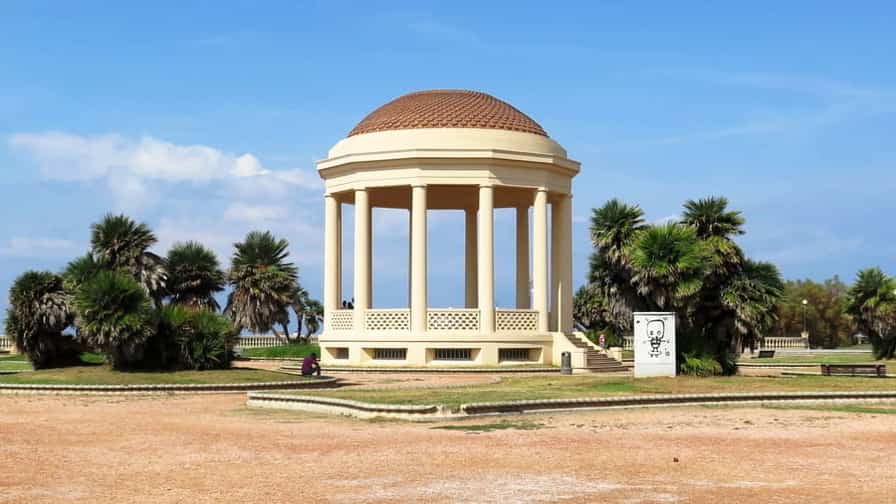
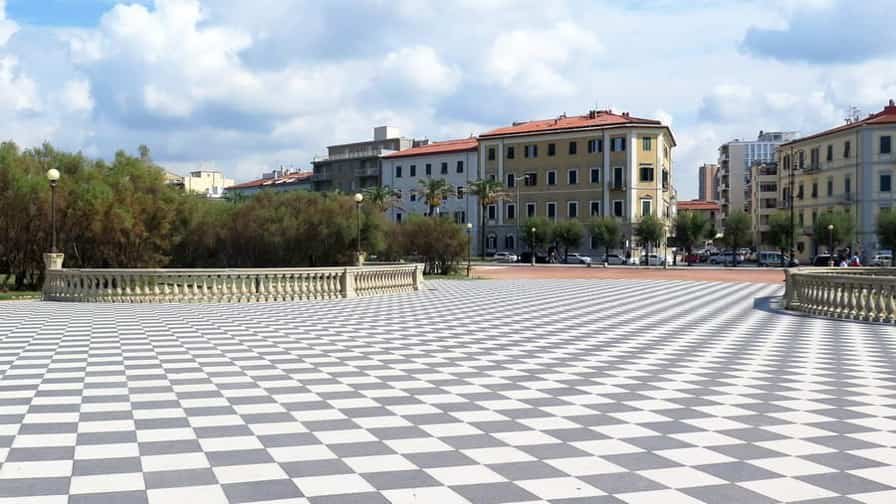
Livorno’s relationship with the sea extends beyond trade. The waterfront promenade, known as the Terrazza Mascagni, is one of the city’s most iconic spaces. With its distinctive black and white checkerboard pavement and open views across the sea, it serves as a gathering place for locals and visitors alike. Nearby, rocky coves and seaside paths provide access to the Tyrrhenian coast, where the sea is not only a backdrop but an essential part of daily life.
Culturally, Livorno is known for its directness, humour, and strong local pride. This personality is often reflected in its cuisine, which emphasizes bold flavours and simple ingredients. The city’s most famous dish, cacciucco, is a rich seafood stew that embodies Livorno’s working port roots and deep connection to the sea. Food here is not just tradition, but an expression of identity.
Today, Livorno is both a functioning port city and a place of discovery. While it may not have the polished image of nearby Florence or Pisa, it offers something equally compelling: authenticity. Markets bustle with everyday activity, neighbourhoods reveal layers of history, and the sea remains a constant presence. As an introduction, Livorno invites visitors to experience Tuscany from a different perspective, one shaped by water, diversity, and a proud maritime soul.
Worth a Visit
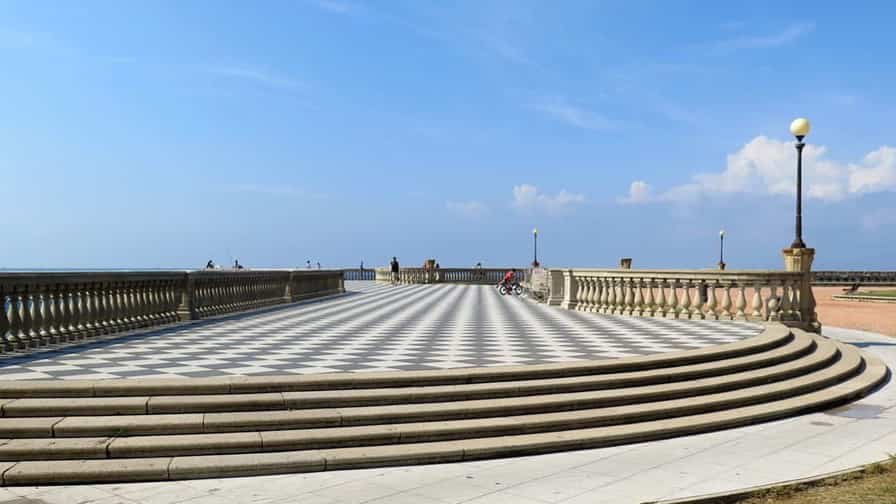
Piazza Mascagni in Livorno is one of the most iconic and beloved landmarks of the Tuscan coast, a place where the elegance of urban design meets the vast beauty of the sea. Overlooking the Ligurian Sea, this grand square has become a symbol of Livorno and a favourite gathering point for locals and visitors alike. Its most distinctive feature is the striking chequered black and white pavement, which covers thousands of square meters and creates a dramatic effect reminiscent of a giant chessboard stretching towards the horizon. This geometric pattern, combined with the open views of the sea, gives Piazza Mascagni an atmosphere that is both monumental and poetic. The square is named after Pietro Mascagni, the famous composer born in Livorno in 1863, whose operas, such as Cavalleria Rusticana, earned him international recognition.
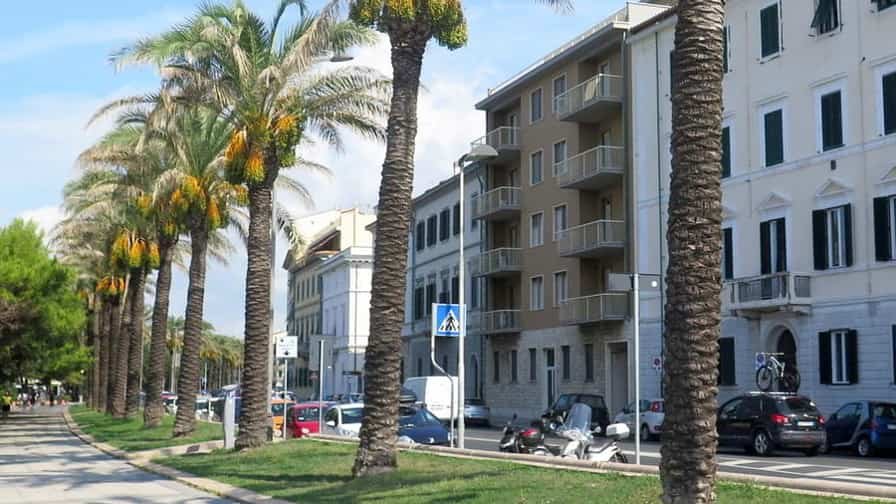
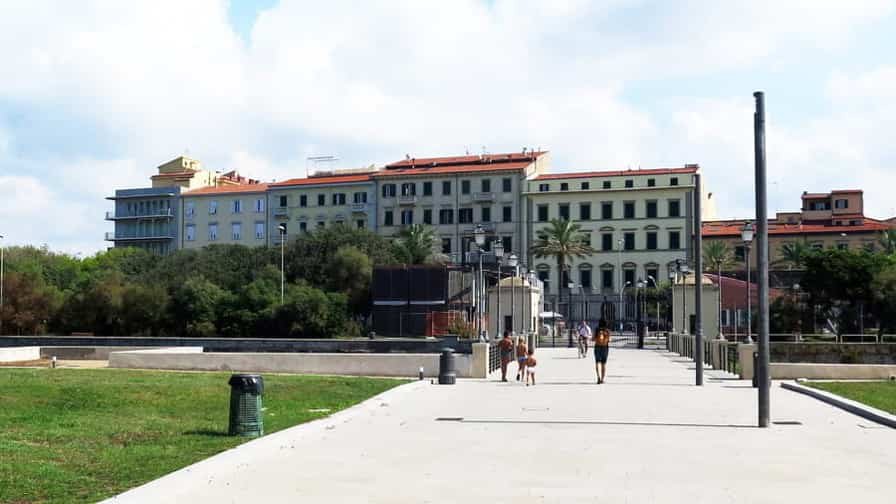
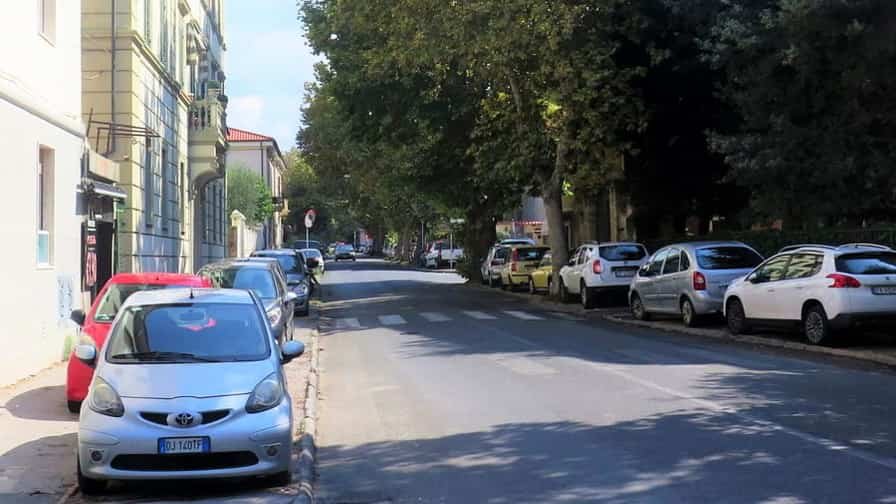
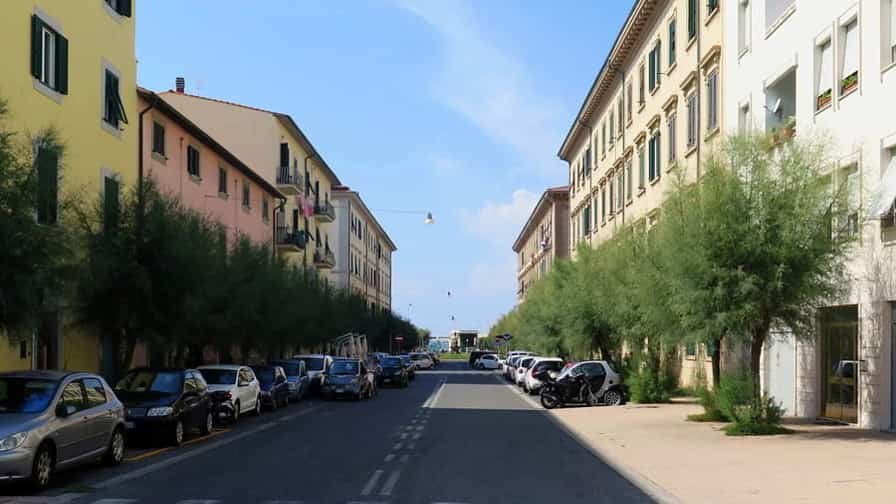
Viale Italia in Livorno is one of the city’s most celebrated avenues, a long and scenic road that runs parallel to the sea and showcases the maritime charm of this Tuscan port town. Stretching for several kilometres along the waterfront, it offers residents and visitors a unique blend of natural beauty, urban vitality, and cultural heritage. With its wide pavements, elegant villas, palm trees, and constant views of the Ligurian Sea, Viale Italia is more than a road: it is an experience of Livorno’s identity and lifestyle. Historically, this seafront avenue developed during the late nineteenth and early twentieth centuries, a period when Livorno was modernizing and embracing its role as both a port and a seaside resort.
Photo Gallery of Walk – Viale Italia to Via Malta
Approximately 4.01 km – 2.49 miles
Description of Walk
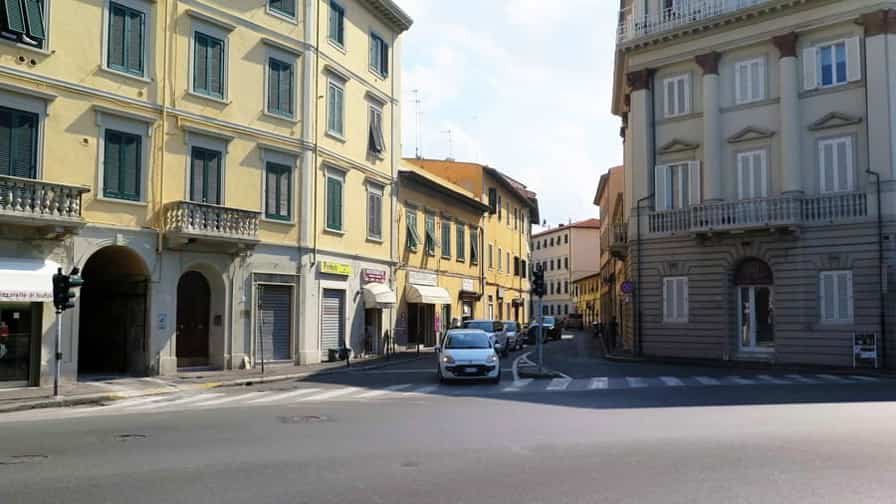
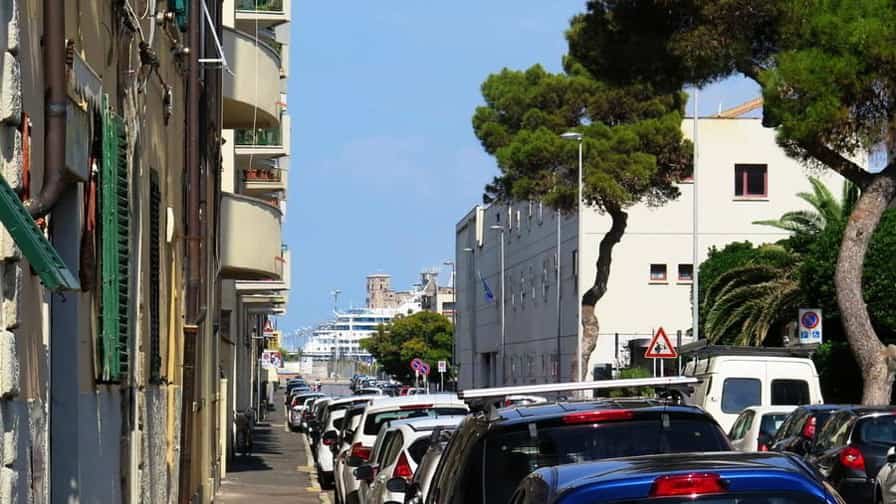
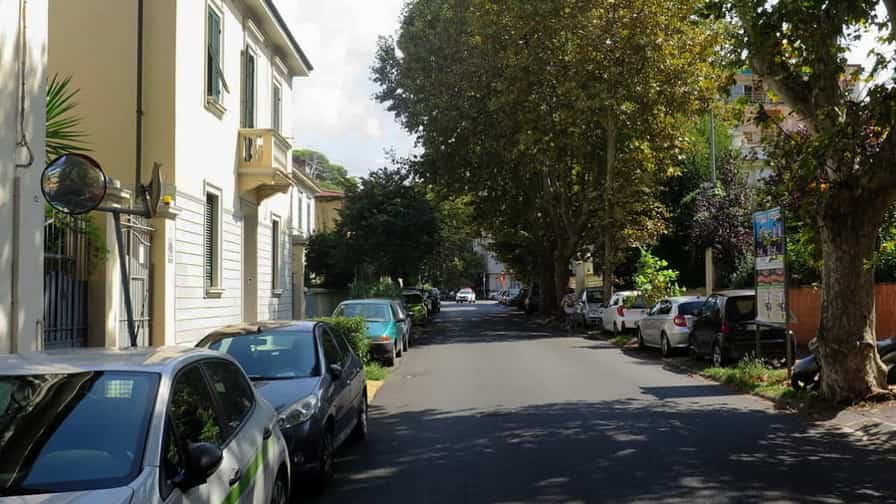
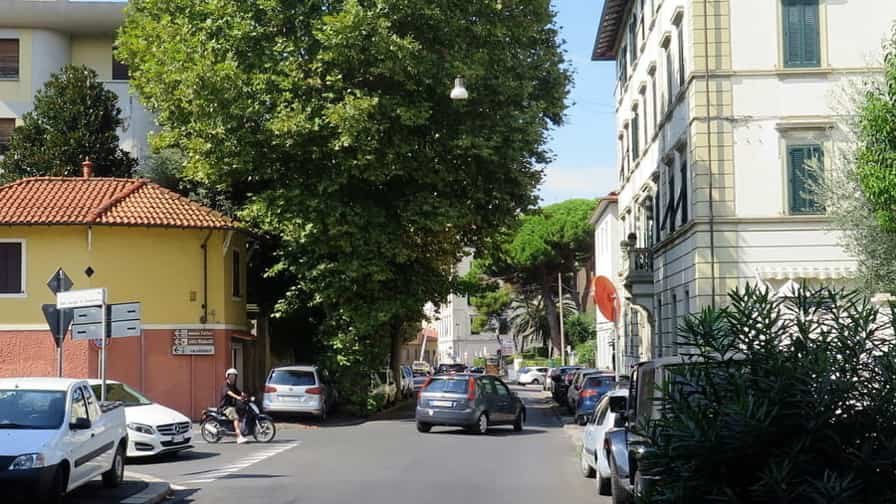
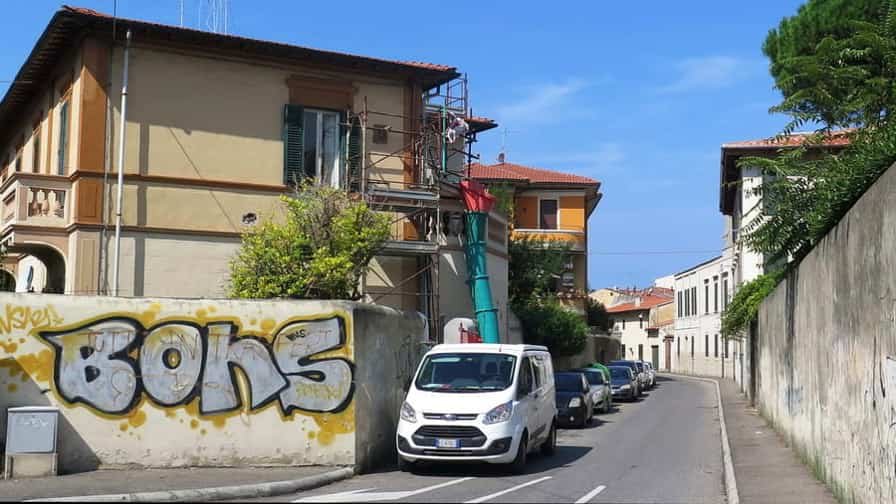
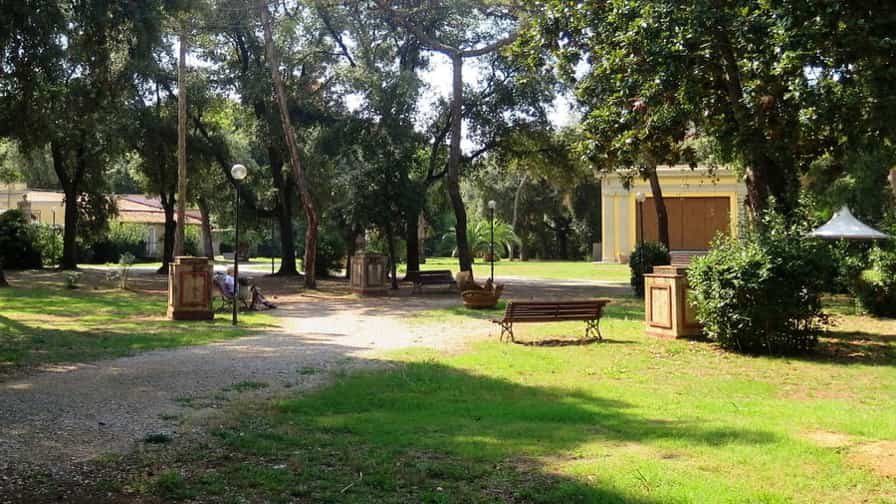
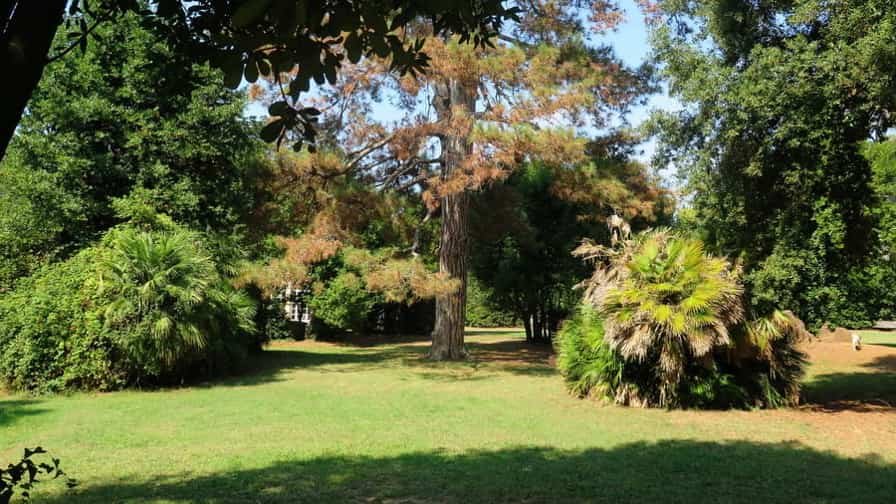
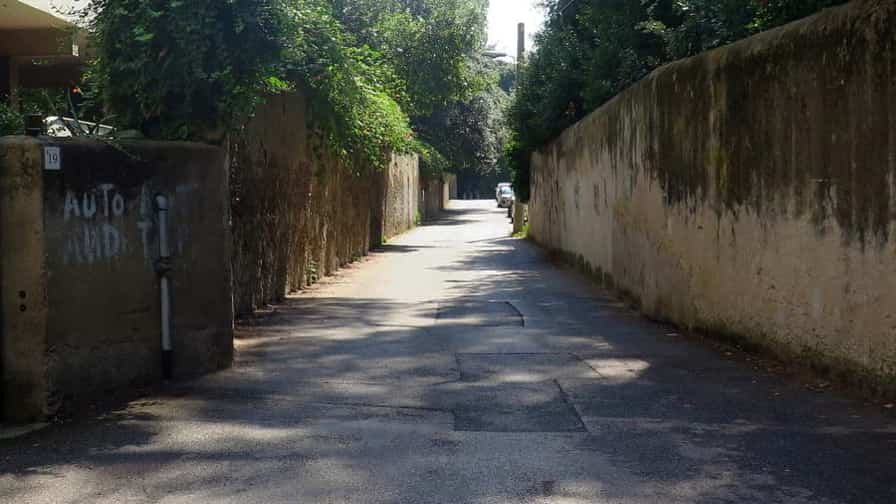
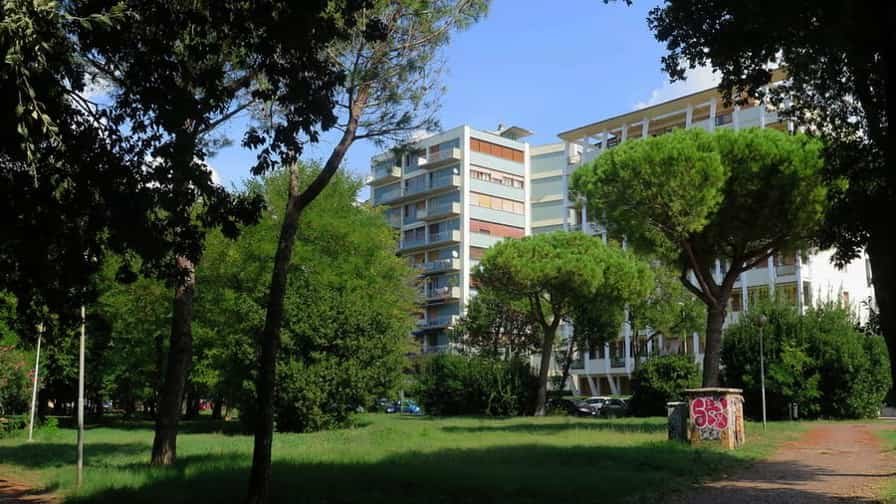
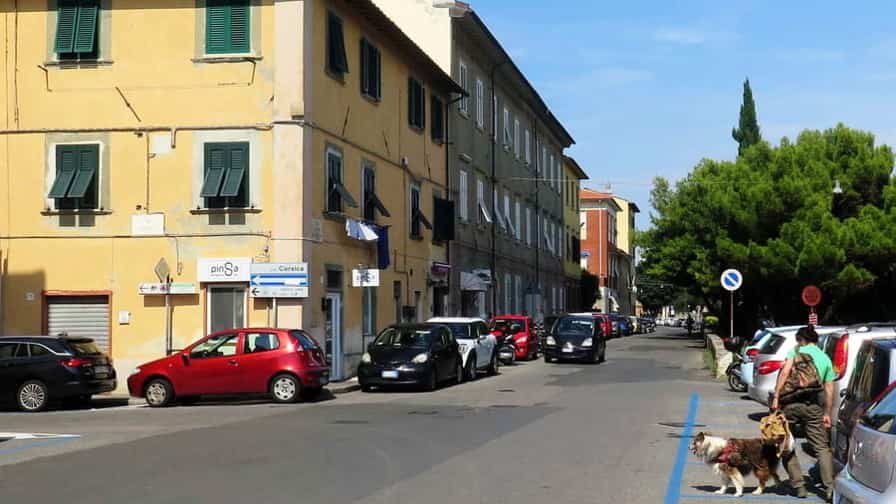
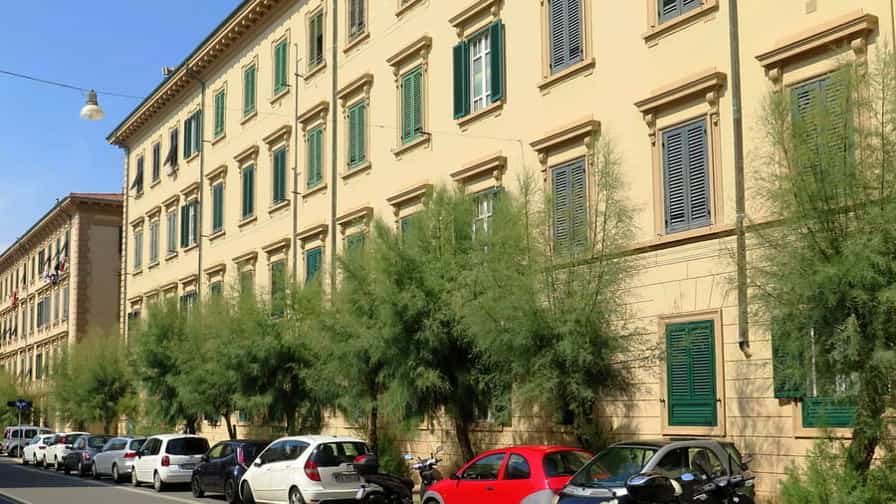
The walk explores some of the most characteristic seaside and residential areas of Livorno, a historic port city on the western coast of Tuscany known for its maritime culture, elegant promenades, and relaxed atmosphere. Beginning along Viale Italia, the route passes through Piazza Mascagni, one of the city’s most famous landmarks. The square is admired for its striking black-and-white checkerboard pavement and panoramic views across the Ligurian Sea. Continuing along Viale Italia, the walk follows the waterfront before turning inland toward Via dei Funaioli and Via della Bassata, quieter streets that reveal the everyday rhythm of local life. Entering Borgo San Jacopo, the route reaches one of Livorno’s oldest and most charming neighbourhoods, where historic buildings, cafés, and small shops reflect the city’s traditional character. The walk then continues through Via delle Case Rosse to Parco Villa Mimbelli, a peaceful green space surrounding an elegant nineteenth-century villa that today houses important civic museums. Returning through nearby residential streets such as Via Giuseppe Pietri and Via Beppe Orlandi, the route ends in Via Malta, combining coastal scenery, history, and local neighbourhood life in a compact urban journey.
COPYRIGHT © 2018-2026 ITALY IN PHOTOS - ALL RIGHTS RESERVED