
HOME
REGIONS OF ITALY
PLACES IN ITALY
PLAN YOUR TRIP
Italy in Photos
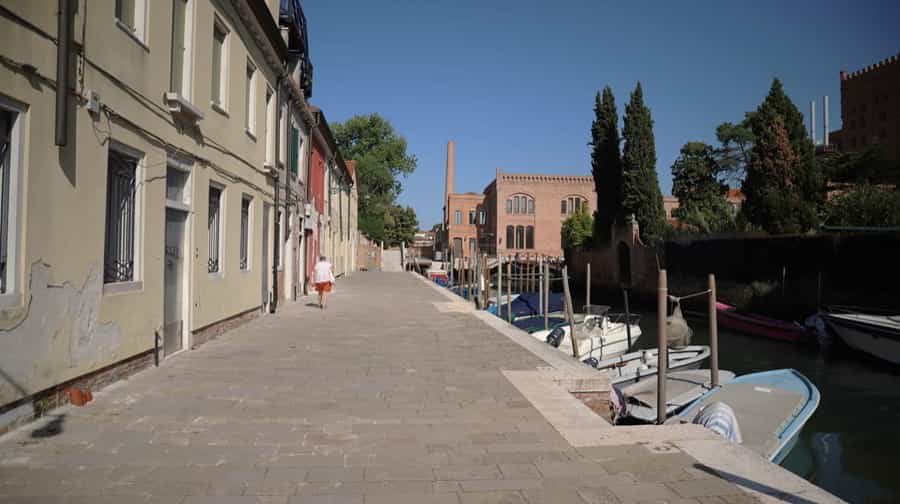
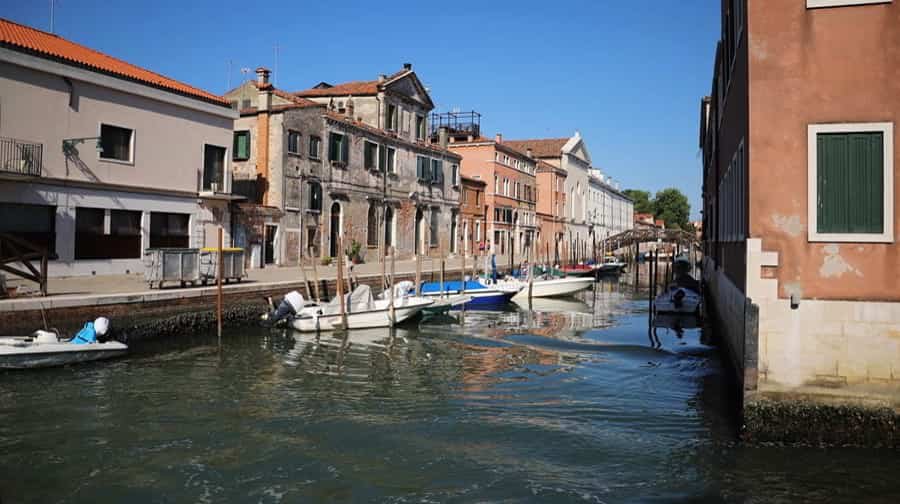
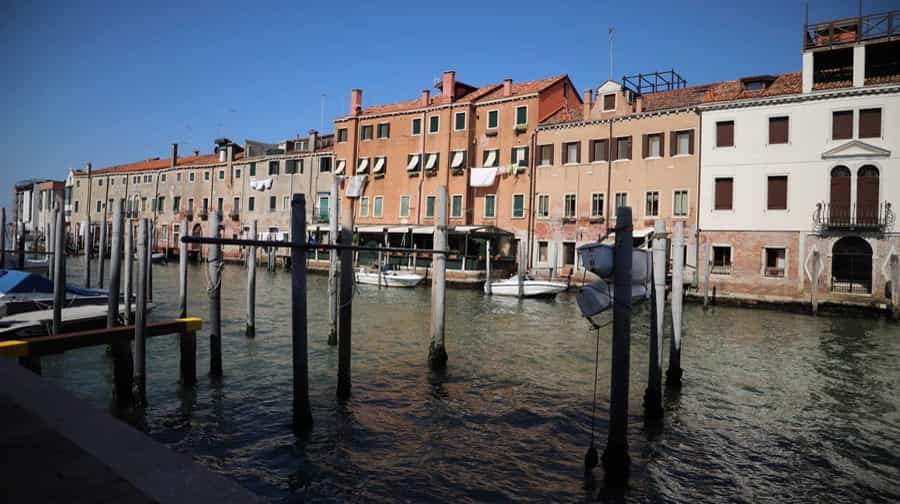
Fondamenta Fianco Ponte Lungo, 30133 Venezia VE, Italy (July 2022)
Giudecca
Delayed or cancelled flight?
Get up to £520!
You’ve got rights when your flight’s disrupted.
We enforce them and handle everything so you get paid
Giudecca is a slender island located just south of Venice, in the heart of the Venetian Lagoon. Unlike the bustling tourist centres of Venice, Giudecca offers a more tranquil and residential atmosphere, making it an ideal place to experience the city from a quieter perspective. The island is separated from Venice’s main districts by the Giudecca Canal, providing panoramic views of iconic landmarks such as Saint Mark’s Basilica and the Doge’s Palace while maintaining a sense of calm and detachment from the busy city centre.
Historically, Giudecca has been an important part of Venice’s maritime and industrial life. During the Renaissance, it was known for its spacious gardens, orchards, and noble villas. The island later became home to shipyards, factories, and warehouses, which contributed to Venice’s economic growth. Many of these structures still exist today, some repurposed as cultural venues, hotels, and residences, giving Giudecca a unique character that blends history, industry, and art. The legacy of craftsmanship and trade remains visible in its architecture and urban layout, reflecting the industrious spirit of its past inhabitants.
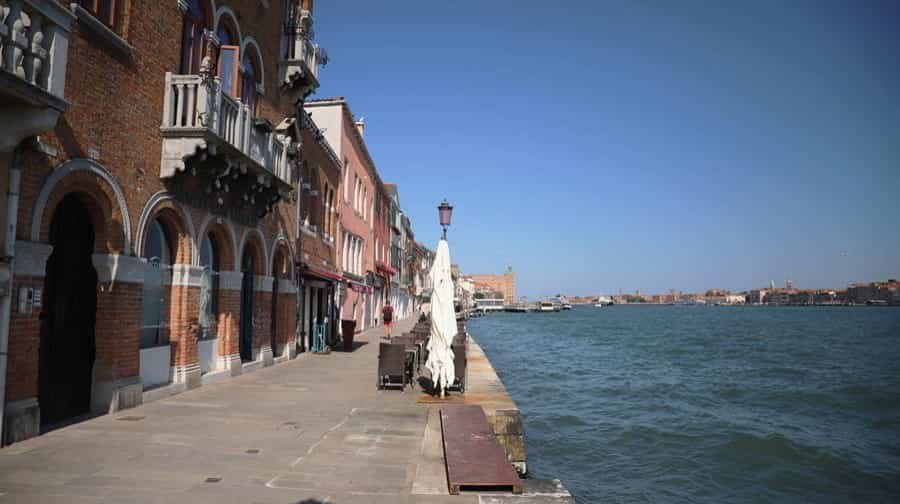
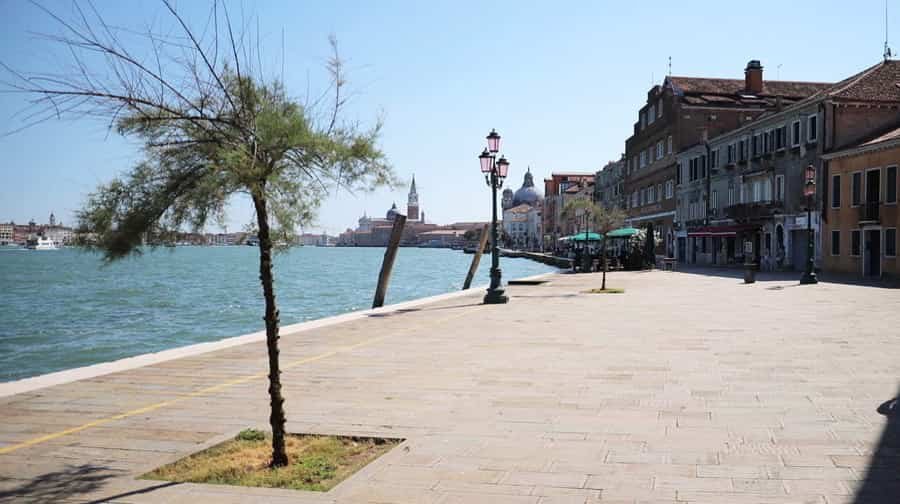
One of Giudecca’s most striking features is its waterfront, which offers expansive views across the Giudecca Canal toward central Venice. Walking along the promenade, visitors can appreciate the contrast between the island’s quiet streets and the grandeur of Venice across the water. The island is dotted with churches and religious buildings, many of which hold historical and artistic significance. Among them, the Church of the Most Holy Redeemer, designed by the renowned architect Andrea Palladio, is a notable example of Renaissance architecture and serves as a focal point for both religious and cultural activities on the island.
Giudecca is also home to a lively artistic community. Former industrial spaces have been transformed into galleries, studios, and performance venues, attracting artists and creatives seeking inspiration away from the crowded streets of Venice. Cultural festivals, exhibitions, and concerts are held throughout the year, allowing visitors to engage with contemporary art while surrounded by historic architecture and scenic views of the lagoon.
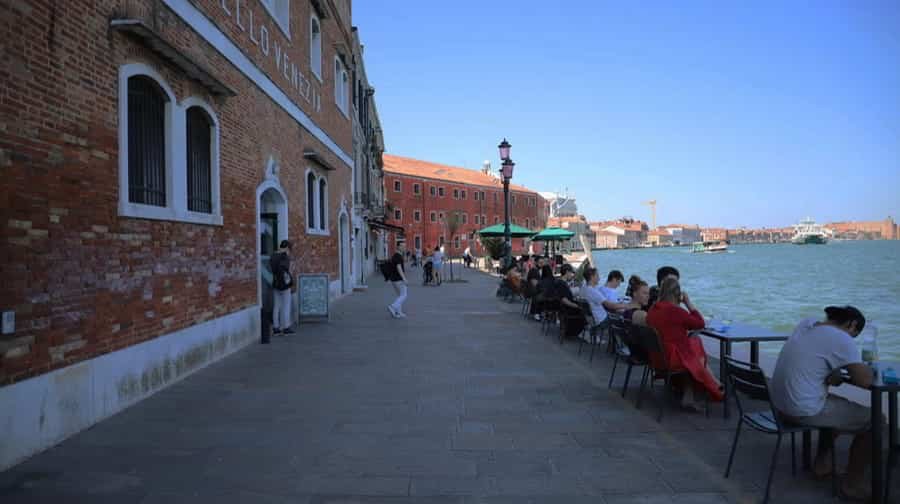
Nature and leisure play an important role in life on Giudecca. The island’s quiet streets, small squares, and canals create a sense of openness and calm. Residents and visitors alike enjoy walking or cycling along its paths, stopping at local cafes and restaurants that emphasize Venetian cuisine and fresh seafood. The slower pace of life encourages reflection and observation, offering a different perspective on Venice that highlights everyday life, local traditions, and the rhythms of the lagoon.
Giudecca’s proximity to Venice makes it easily accessible while maintaining a distinct identity. Vaporetto lines connect the island to the main districts, allowing visitors to explore both areas in a single day. Despite its accessibility, Giudecca retains a sense of separation and serenity, offering a balance between urban convenience and peaceful retreat.
Giudecca is an island of contrasts. It combines historical depth, industrial heritage, artistic vitality, and scenic beauty into a unique Venetian experience. Visitors to Giudecca discover a side of Venice that is quieter, more contemplative, and intimately connected to both history and contemporary life, providing a rich and rewarding perspective on the lagoon city.
Worth a Visit
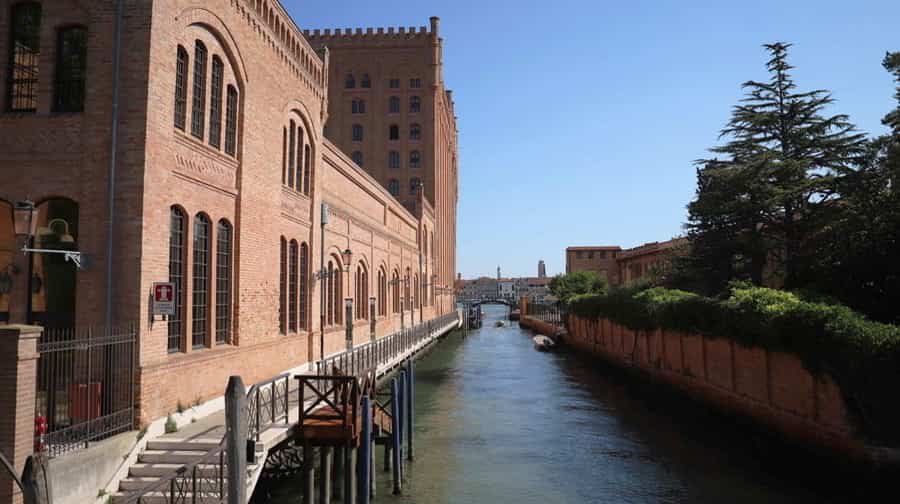
The Fondamenta de le Convertite, located on the island of Giudecca in Venice, is a quiet and atmospheric promenade that embodies the layered history of the Venetian lagoon. Unlike the bustling banks of the Grand Canal or the lively piazzas of the city center, this stretch of waterfront offers a more contemplative atmosphere, blending traces of the past with the serene rhythms of local life. Its name, “Convertite,” recalls the Convent of the Convertite, a religious institution once dedicated to the rehabilitation of women who sought a new beginning. Though much has changed over the centuries, the fondamenta retains a unique character, shaped by its spiritual, social, and maritime heritage. The Convent of the Convertite was established in the 16th century and became a place of refuge for women who had lived on the margins of Venetian society, offering them shelter, guidance, and the possibility of reintegration.
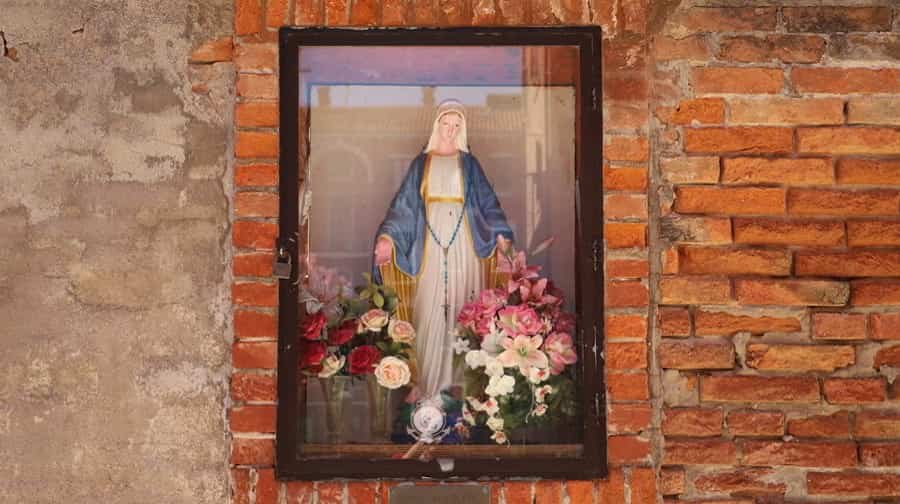
The Contrà Orti on the island of Giudecca in Venice is a place where the city’s unique relationship with land, water, and community is expressed in its most authentic form. Unlike the monumental splendor of San Marco or the grand façades along the Grand Canal, Contrà Orti reflects the quieter, more domestic side of Venetian life. The name itself, “Orti,” meaning gardens, points to one of Giudecca’s defining features: its long tradition of fertile plots and green spaces, which for centuries have supplied Venetians with fresh produce and created a vital connection between urban living and cultivation. Giudecca has often been described as Venice’s “green island,” and Contrà Orti is at the heart of this reputation. Historically, the island was dotted with monasteries, convents, and religious retreats, many of which maintained gardens, orchards, and vineyards.
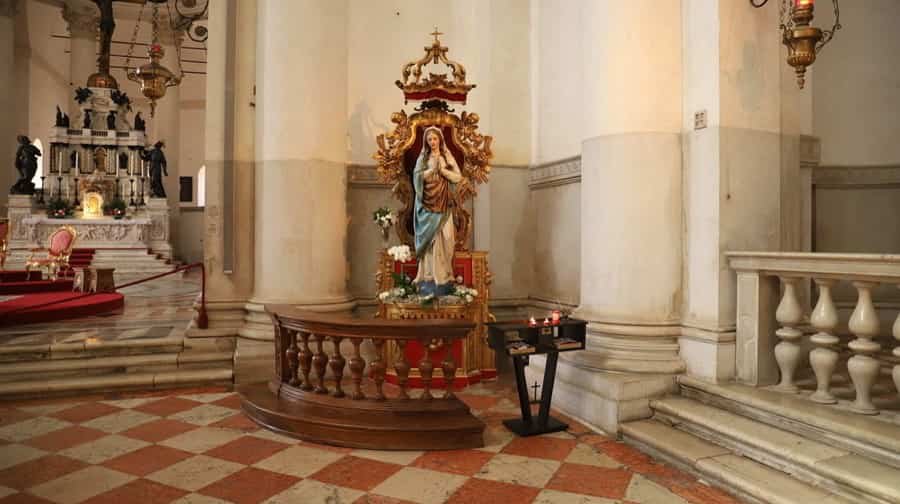
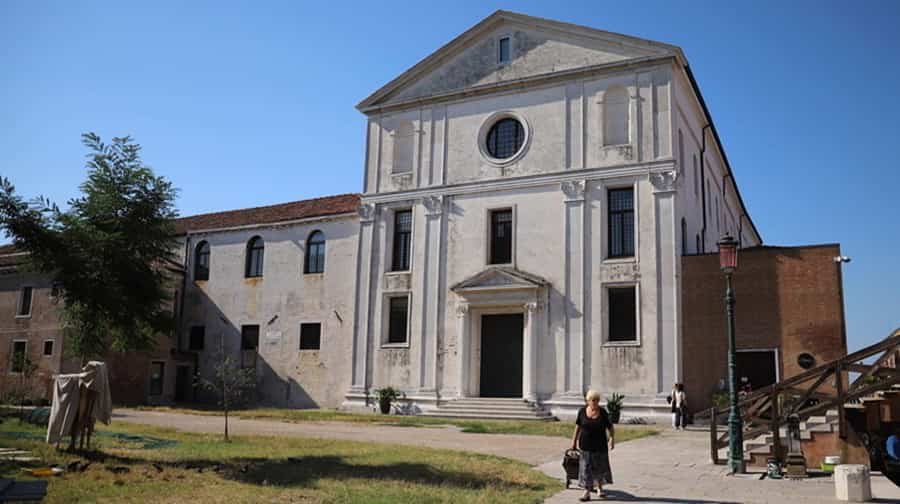
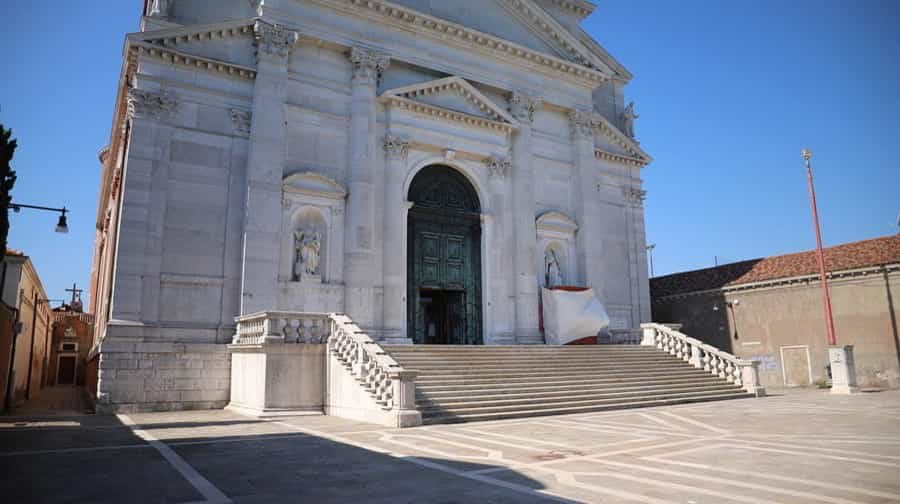
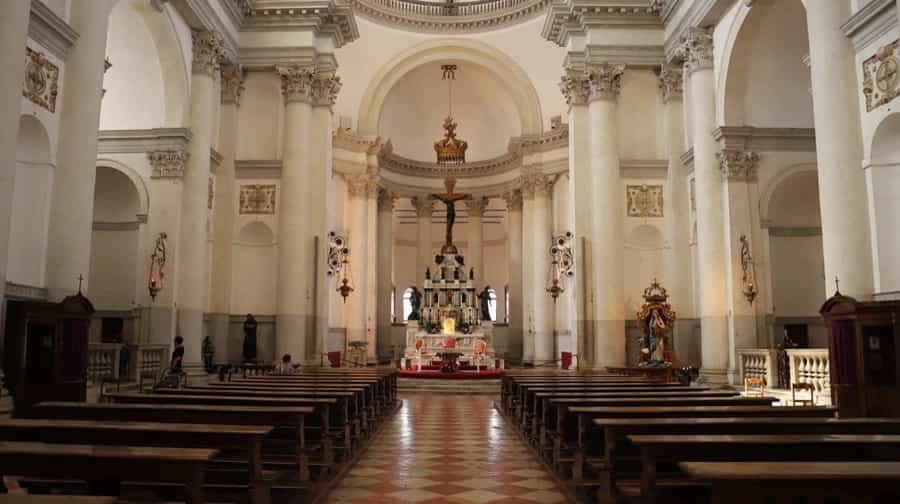
The Chiesa del Santissimo Redentore, commonly known as Il Redentore, is one of the most iconic landmarks on the island of Giudecca and a masterpiece of Venetian architecture. Designed by the great Renaissance architect Andrea Palladio, the church was constructed in the late 16th century as a monumental act of thanksgiving after Venice was delivered from a devastating outbreak of the plague. Its majestic silhouette dominates the Giudecca Canal, facing directly toward the historic heart of Venice, and stands as both a symbol of faith and an enduring testament to the city’s artistic and cultural grandeur. The origins of the church are deeply tied to one of Venice’s darkest moments. In 1575, the plague struck the city, claiming tens of thousands of lives and threatening the stability of the Republic.
Photo Gallery of Walk – Ponte dei Lavraneri – Fondamenta Croce
Approximately 2.61 km – 1.62 miles
Description of Walk
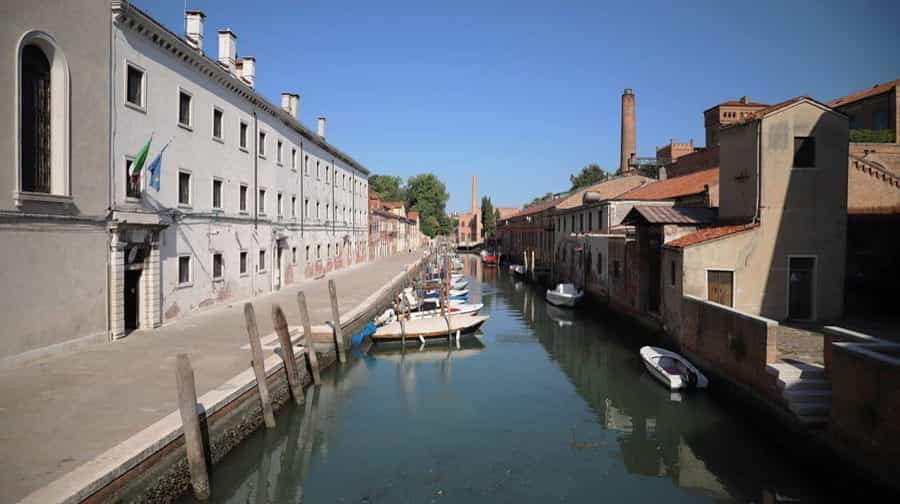
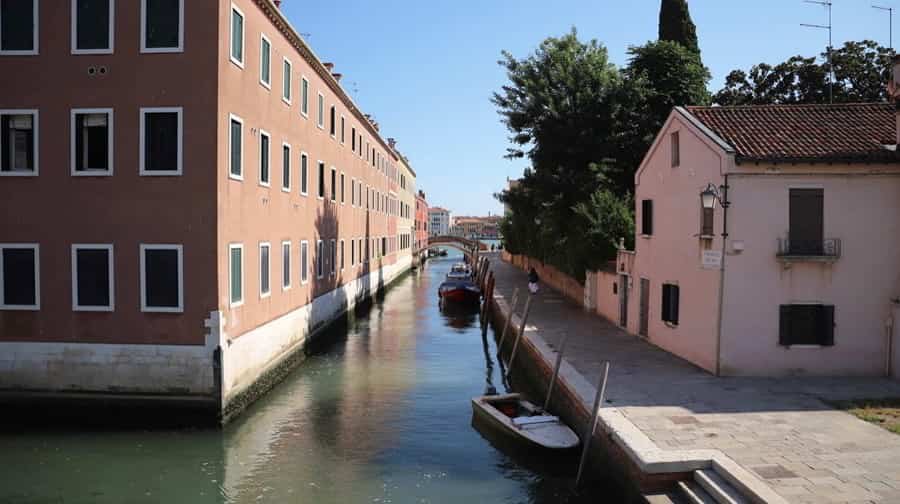
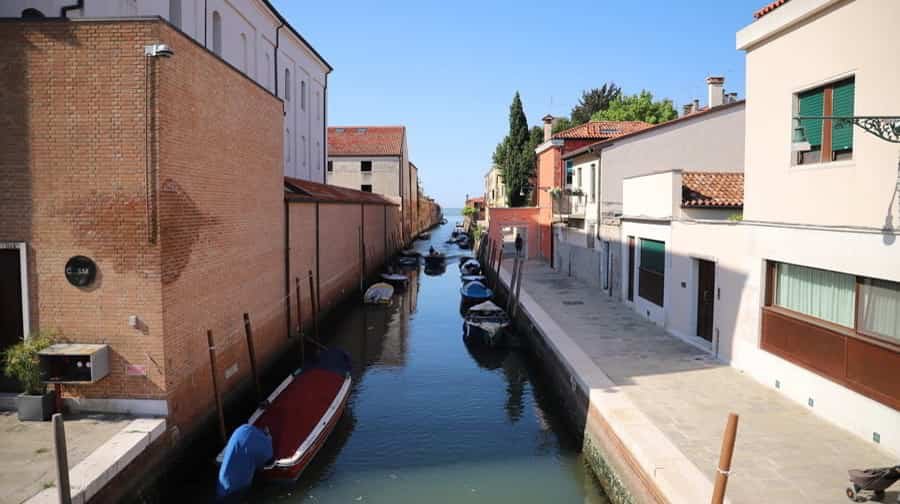
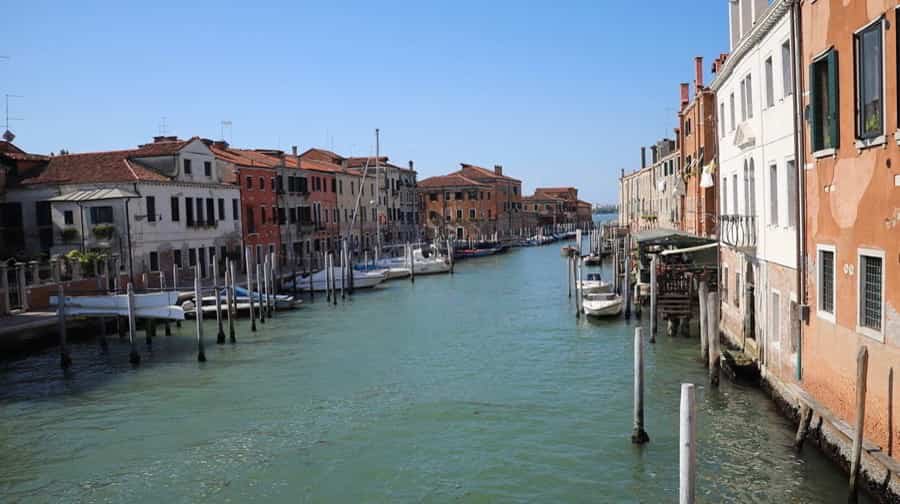
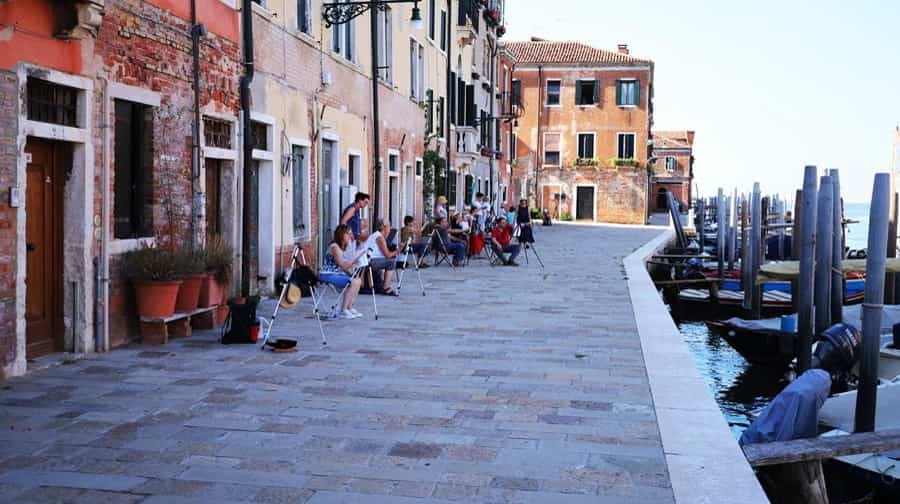
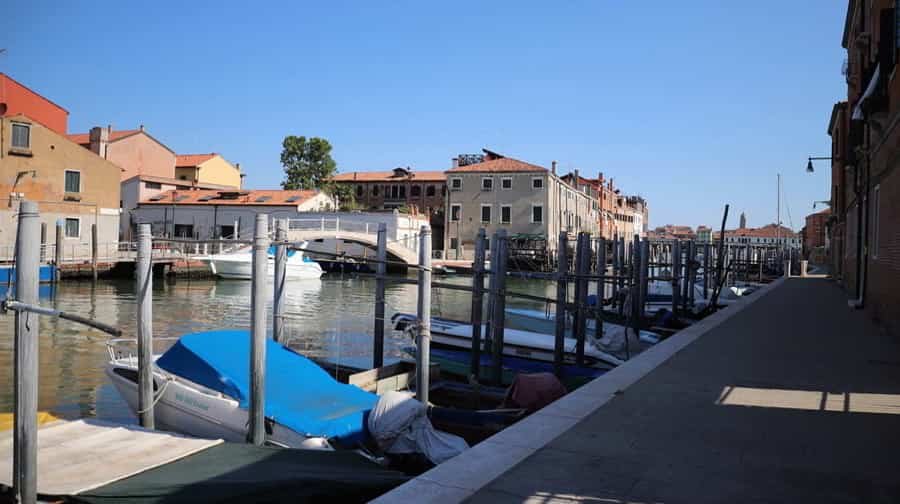
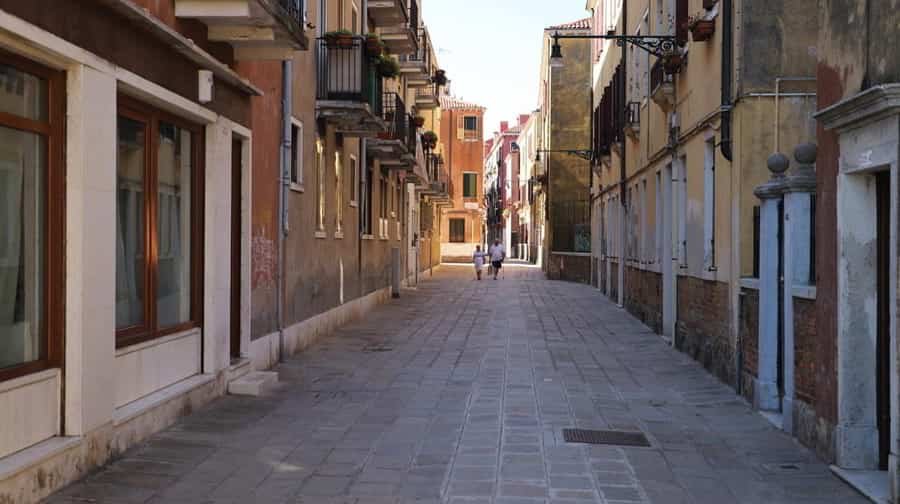
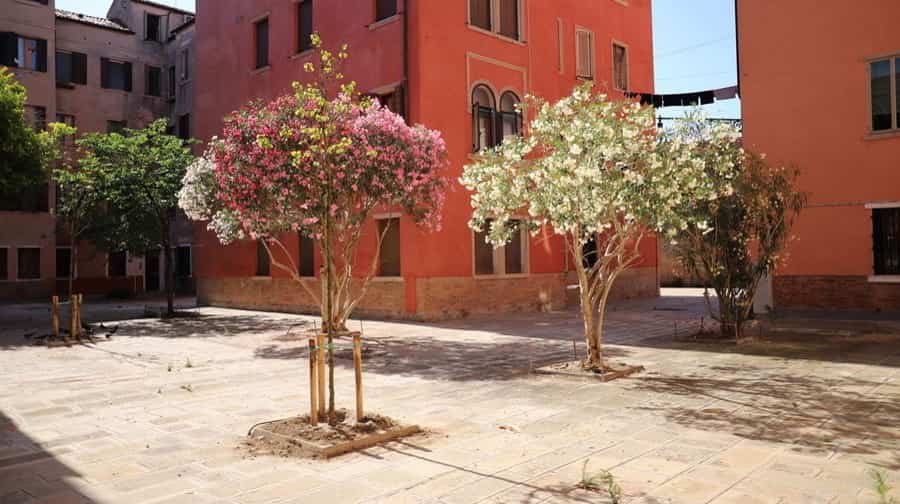
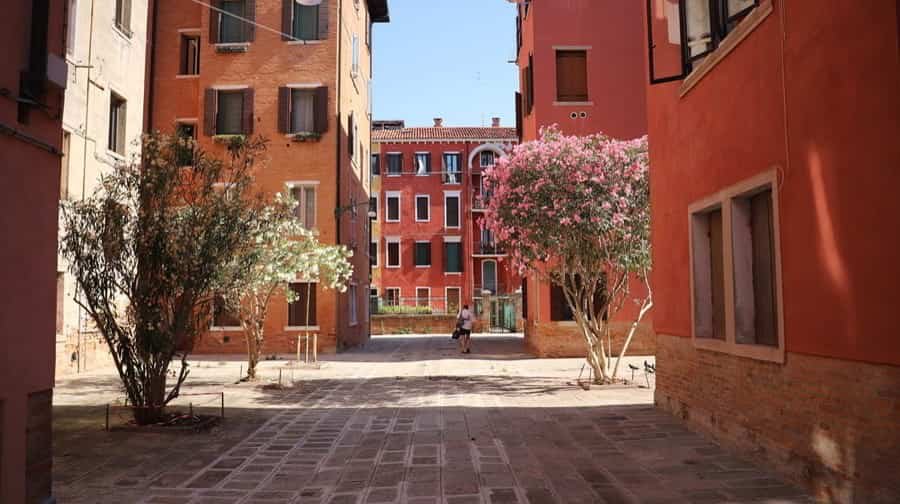
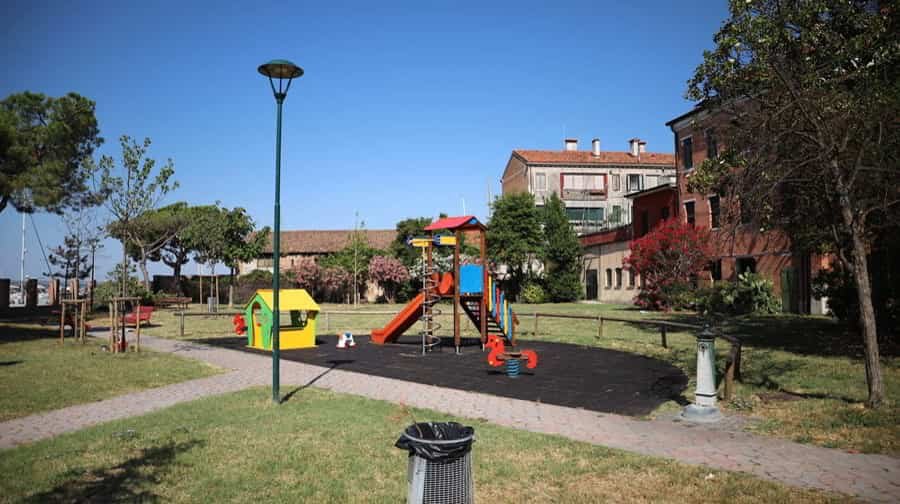
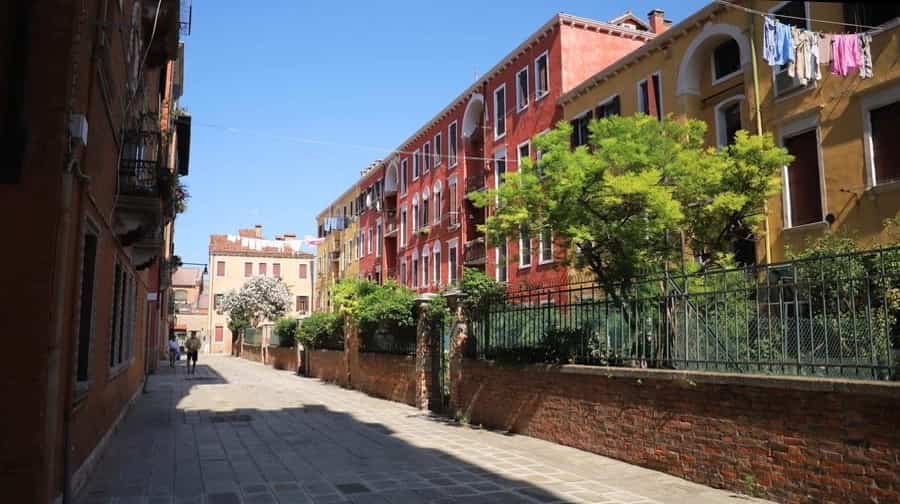
This walk takes place on Giudecca, a quieter, more residential island just across the water from central Venice. Known for its peaceful atmosphere and wide canals, Giudecca offers a different perspective on Venetian life, away from the busiest tourist routes. Starting at Ponte dei Lavraneri, the route follows Fondamenta de le Convertite and C. S. Cosmo, where modest homes, small gardens, and local workshops reflect the island’s authentic character. Walking along Fondamenta del Rio Sant’Eufemia and Fondamenta Ponte Lungo, the canalside views open up, with boats drifting by and glimpses across the lagoon toward the main city. The path then weaves through narrow calli such as Calle S. Giacomo and Calle Albero, leading to Contrà Orti and the green space of Giardino Comunale, a rare pocket of greenery in Venice. Returning through Calle More and Fondamenta S. Giacomo, the walk reaches Campo del Santissimo Redentore, home to the impressive Chiesa del Santissimo Redentore. This grand church, designed by Andrea Palladio, stands as a highlight of the island. The route ends along Fondamenta Croce, with calm waterfront views completing this serene exploration.
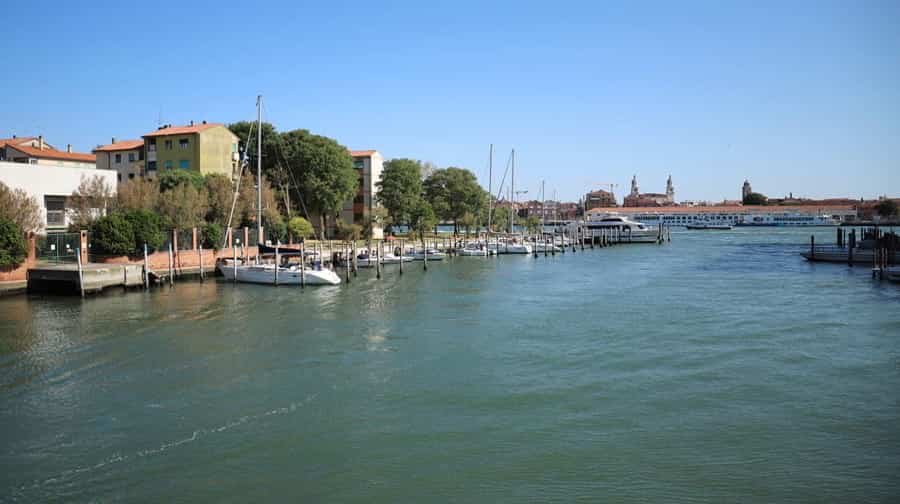
COPYRIGHT © 2018-2026 ITALY IN PHOTOS – ALL RIGHTS RESERVED