
HOME
REGIONS OF ITALY
PLACES IN ITALY
PLAN YOUR TRIP
Italy in Photos
Piazza Sant’Anna, 81100 Caserta, Italy (August 2019)
Caserta
Delayed or cancelled flight?
Get up to £520!
You’ve got rights when your flight’s disrupted.
We enforce them and handle everything so you get paid
Caserta, a captivating city in the Campania region of southern Italy, is best known for its extraordinary royal palace, but it also offers visitors a rich blend of history, culture, and vibrant local life. Situated just north of Naples, Caserta is an ideal destination for travellers seeking to explore Italy beyond the more commonly visited cities while still enjoying easy access to the historical and natural wonders of the region. Its location, history, and architectural treasures make it a destination that combines elegance with everyday Italian charm, offering an experience that is both grand and approachable.
The centrepiece of Caserta is undoubtedly the Royal Palace, or Reggia di Caserta, often considered one of the most impressive examples of Baroque architecture in Europe. Built in the eighteenth century for the Bourbon kings of Naples, the palace was designed to rival the grandeur of Versailles in France. Its vast façade stretches over 250 meters and is complemented by an extensive park featuring fountains, canals, and meticulously designed gardens. The palace’s interior is equally stunning, with grand staircases, opulent rooms, and intricate decorations that reflect the power and sophistication of the Bourbon dynasty. Visitors can explore the royal apartments, the Throne Room, and the vast collection of art and furnishings, gaining insight into the history of the Neapolitan monarchy.
Beyond the palace, Caserta is a city with a rich historical and cultural fabric. The town itself boasts a charming historic centre, where narrow streets wind past centuries-old buildings, quaint piazzas, and beautiful churches. The Cathedral of San Michele Arcangelo is a notable landmark, blending architectural styles from different periods and housing important works of religious art. Walking through the streets of Caserta, visitors can appreciate the harmony of its urban layout, where modern life coexists with historical structures, creating a vibrant yet relaxed atmosphere.
Caserta is also known for its cultural life and artistic heritage. The city hosts various festivals, exhibitions, and performances throughout the year, showcasing local traditions, music, and art. The Teatro Comunale di Caserta, the city’s main theatre, presents a diverse program ranging from classical music concerts to theatrical productions, serving as a hub for the performing arts. Local markets and artisan shops offer visitors the opportunity to discover regional products, from fresh produce to handmade crafts, reflecting the culinary and artistic richness of the Campania region.
The surrounding region enhances Caserta’s appeal as a destination. The fertile plains of Campania support vineyards, olive groves, and fields of vegetables, contributing to the city’s culinary reputation. Local restaurants offer a taste of traditional Campanian cuisine, with specialties such as pizza, pasta, and mozzarella di bufala, often paired with wines produced in nearby areas. The combination of historical architecture, cultural activities, and gastronomic delights ensures that visitors enjoy a well-rounded experience.
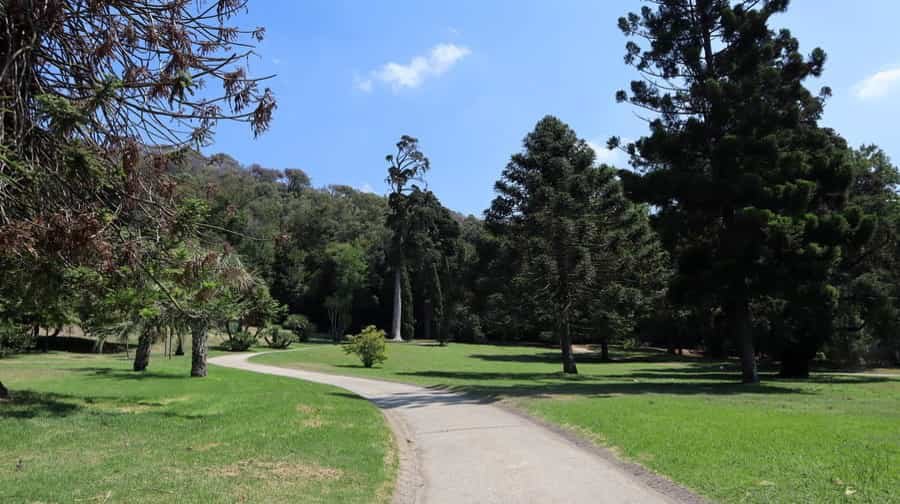
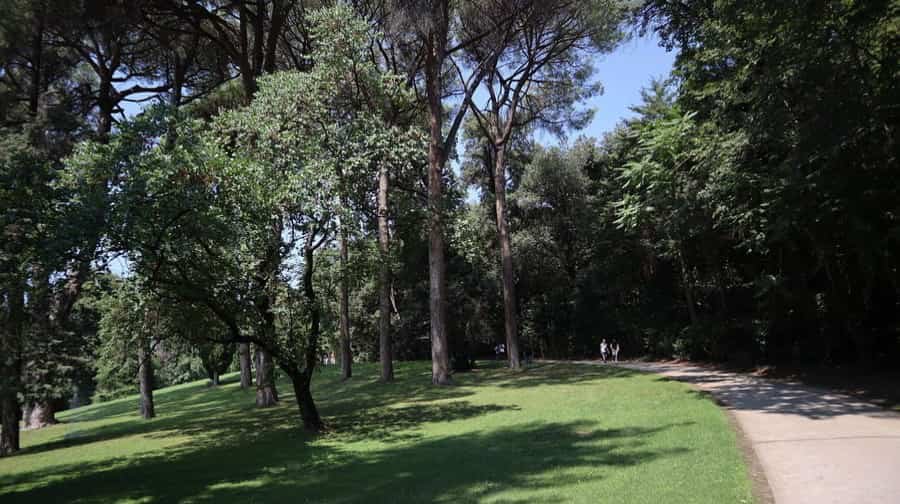
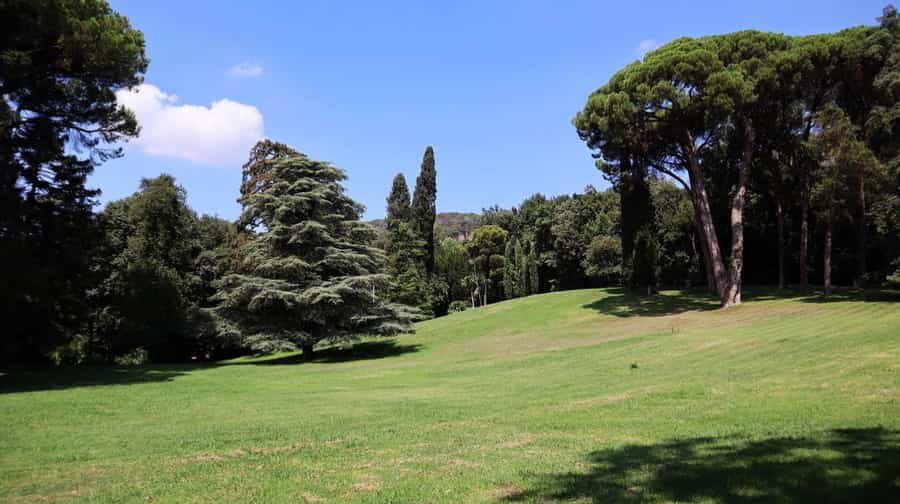
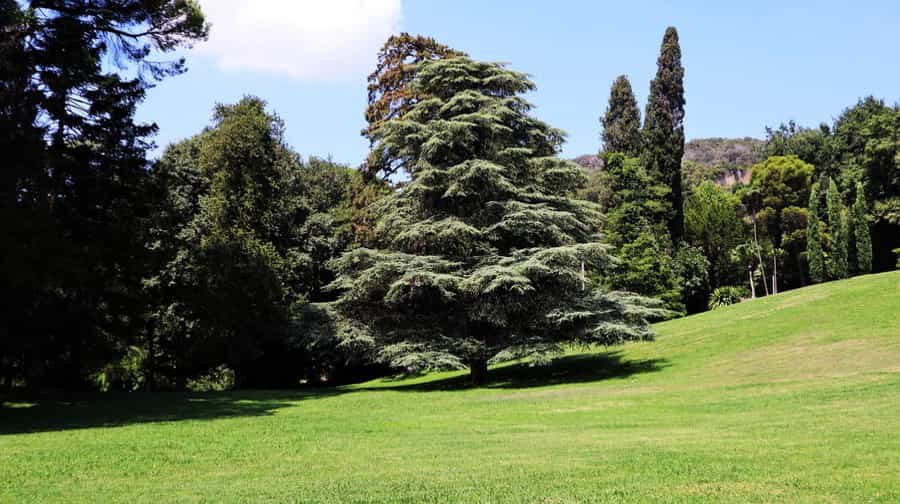
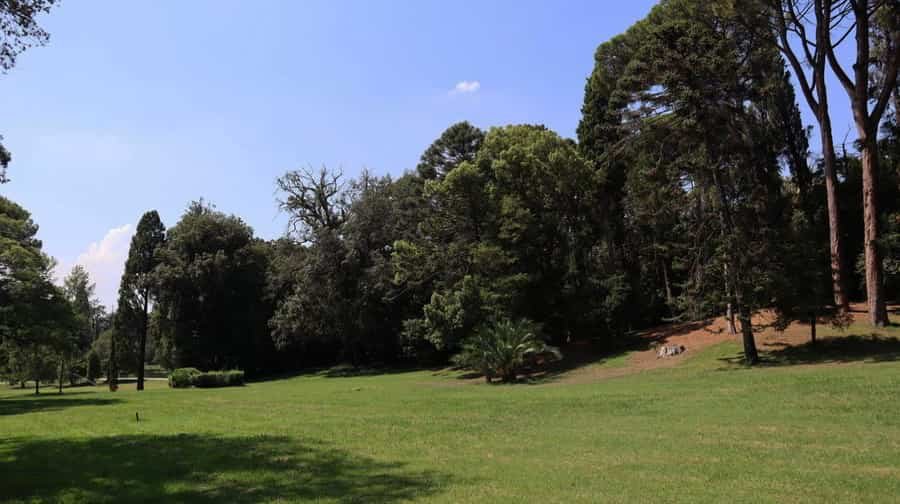
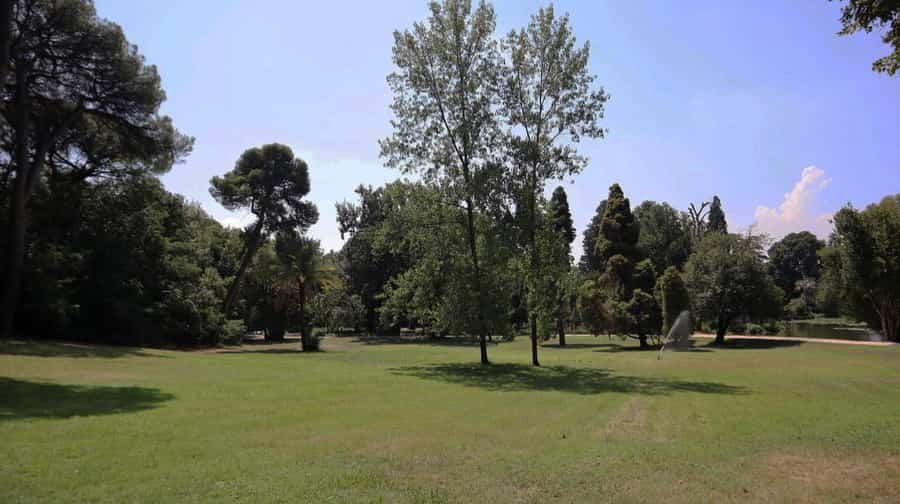
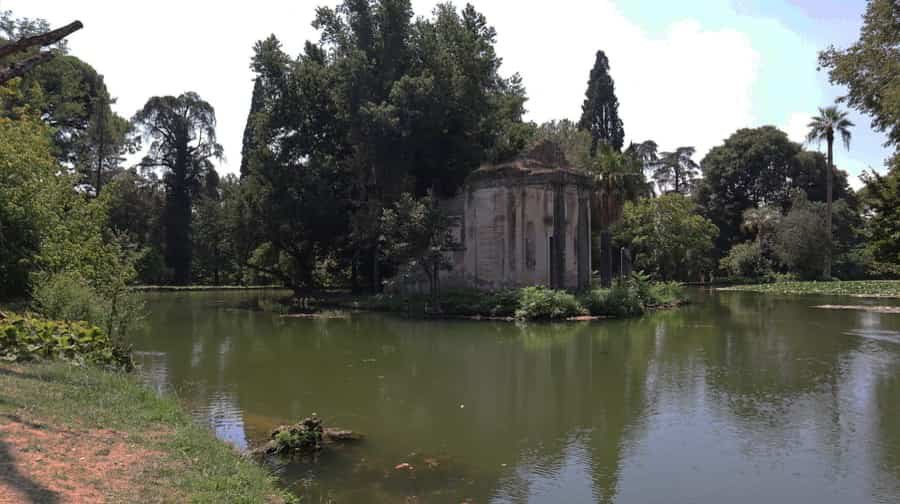
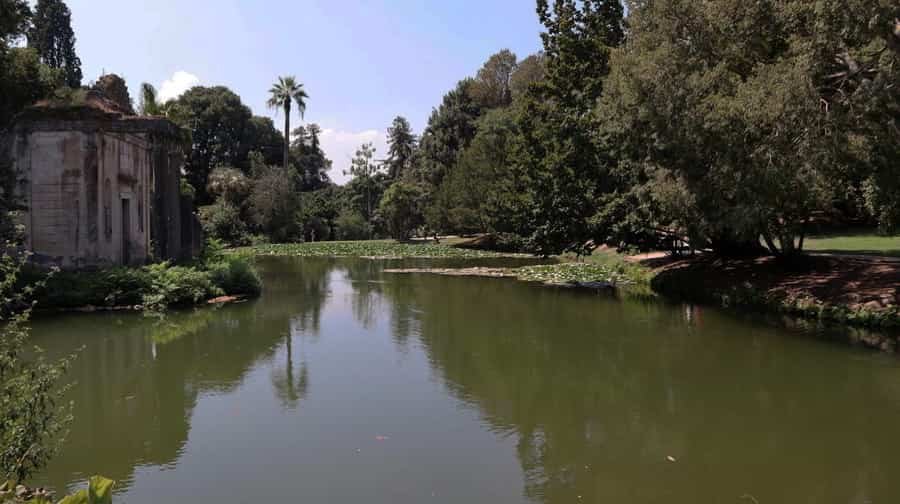
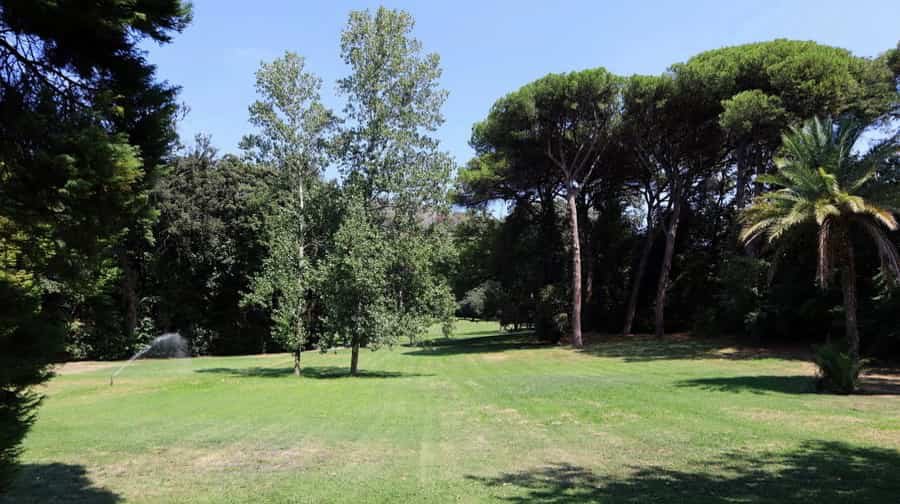
Nature enthusiasts will also find plenty to explore near Caserta. The city is close to the Matese Mountains, offering opportunities for hiking, cycling, and outdoor recreation. The nearby Royal Park of Caserta, designed as an extension of the palace, provides a peaceful setting for strolling among centuries-old trees, artificial lakes, and elegant fountains. These green spaces create a perfect contrast to the grandeur of the palace, allowing visitors to enjoy both artistic magnificence and serene natural beauty.
In addition to its cultural and historical significance, Caserta plays a vital role in modern Italy. It serves as a regional centre for commerce, education, and transportation, making it a dynamic and well-connected city. Despite its development, Caserta has preserved its unique character, blending historical elegance with contemporary life.
Caserta is a city that embodies both majesty and warmth. From the awe-inspiring Royal Palace and its gardens to the lively streets of the historic centre, from cultural festivals to exquisite local cuisine, Caserta offers a multifaceted experience that appeals to all kinds of travellers. It is a destination where history, culture, and natural beauty come together, making it a must-see location in southern Italy for anyone seeking to explore beyond the usual tourist routes.
Worth a Visit
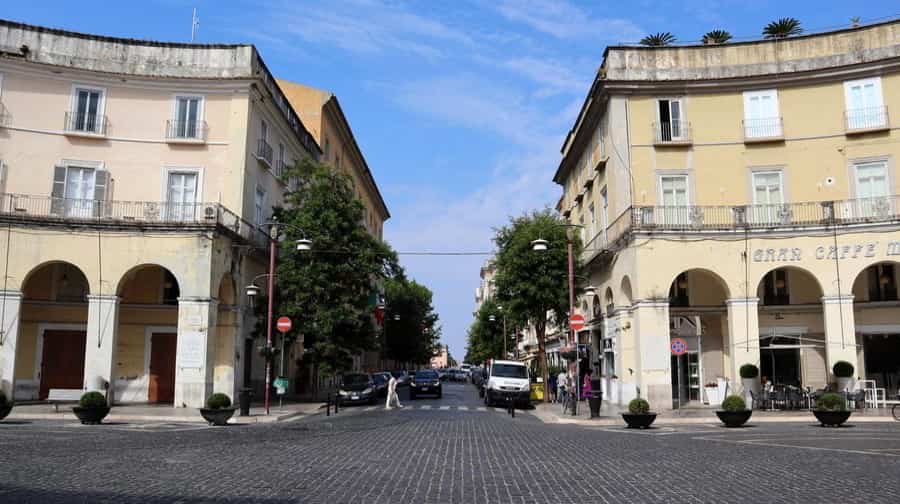
Piazza Dante, originally known as Piazzetta ellittica del Trivio, was created in the early 19th century as part of the new east–west axis extending from the Royal Palace’s gardens. Following Italy’s unification, it was renamed “Piazza Margherita*“ in honour of the Queen and swiftly became Caserta’s “salotto buono”, a refined gathering place for civic life. The square is defined by its elegant elliptical shape and four identical porticoed buildings, hence its earlier name, Piazza dei Quattro Canti. These harmonious facades house the historic Circolo Nazionale and Circolo Sociale, key social hubs since the early 20th century, as well as the iconic Caffè Margherita, still operating under its original name.
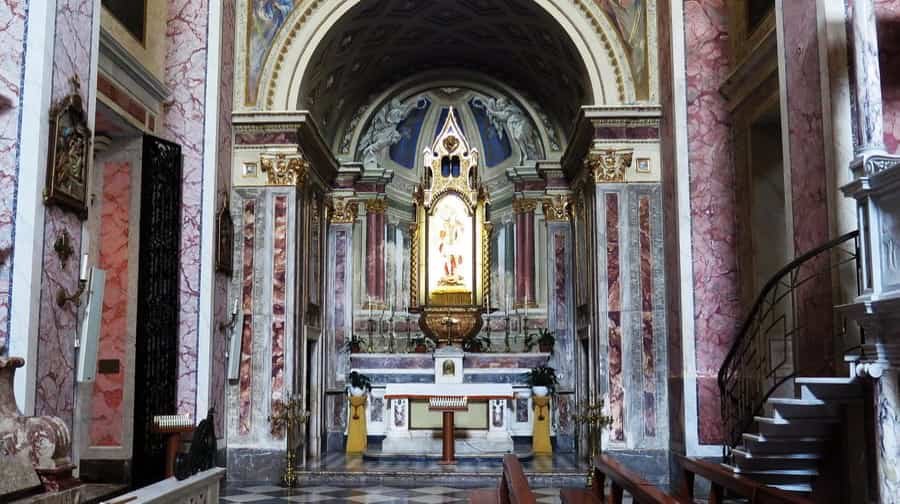
The Duomo di San Michele Arcangelo stands at the heart of Caserta, serving as the seat of the diocese and a key symbol of the city’s spiritual life and architectural heritage. Built upon the site of an earlier church, the 15th-century Madonna Annunziata, this present-day cathedral reflects a narrative of rebirth and renewal. The cathedral’s founding arises from tragedy: in 1783, a fire consumed the parish church of San Sebastiano, prompting interim worship at the Madonna Annunziata chapel. Distressed by inadequate space, the local community petitioned King Ferdinand I of the Two Sicilies. In 1815, court architect Giovanni Patturelli was entrusted with drafting a new cathedral, though his design did not satisfy civic authorities.
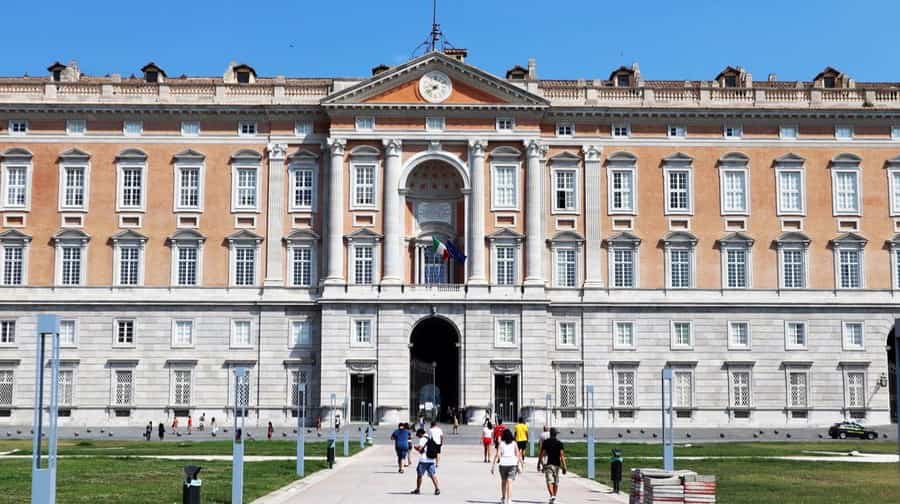
The Royal Palace of Caserta (Reggia di Caserta) stands as the largest royal residence constructed in Europe during the 18th century and ranks among the most majestic globally. Commissioned by Charles VII of Naples (later Charles III of Spain) in 1752, it was envisioned by architect Luigi Vanvitelli as both a statement of power and a functional centre where monarchy, court, and government intermingled, an ideal of enlightened absolutism realized through architectural cohesion. The palace occupies an astonishing 47,000 m² of floor space distributed over five floors, enveloping approximately 1,200 rooms and four internal courtyards. Its striking façade stretches symmetrically, anchored within a monumental structure reminiscent. but not derivative, of counterparts like Versailles.
Photo Gallery of Walk 1 – Via Fulvio Renella to Duomo di San Michele Arcangelo, Piazza Duomo
Approximately 1.59 km – 0.99 miles
Description of Walk 1
This walk through Caserta offers a rich introduction to the historic character, religious heritage, and lively streets of one of Campania’s most elegant provincial cities. Beginning in Via Fulvio Renella and moving into Piazza Sant’Anna, the route immediately reveals the intimate atmosphere of the old town, where narrow streets and small piazzas preserve the rhythm of traditional southern Italian life. The Santuario di Sant’Anna stands as an important spiritual landmark, reflecting the deep religious identity that has shaped Caserta for centuries. Continuing along Via Giuseppe Verdi, Via Cesare Battisti, and Via Roma, the walk passes through commercial and residential areas filled with cafés, historic buildings, and local shops. Piazza Dante and Corso Trieste introduce a broader urban landscape, connecting the historical centre with the more modern parts of the city. Along Via Giuseppe Mazzini and Via Alessio Simmaco Mazzocchi, visitors encounter refined architecture and a distinctly civic atmosphere. The final section towards Piazza Duomo and the Duomo di San Michele Arcangelo highlights Caserta’s artistic and religious heritage. The cathedral, located in the heart of the city, provides a fitting conclusion to a route that combines history, culture, and everyday local life.
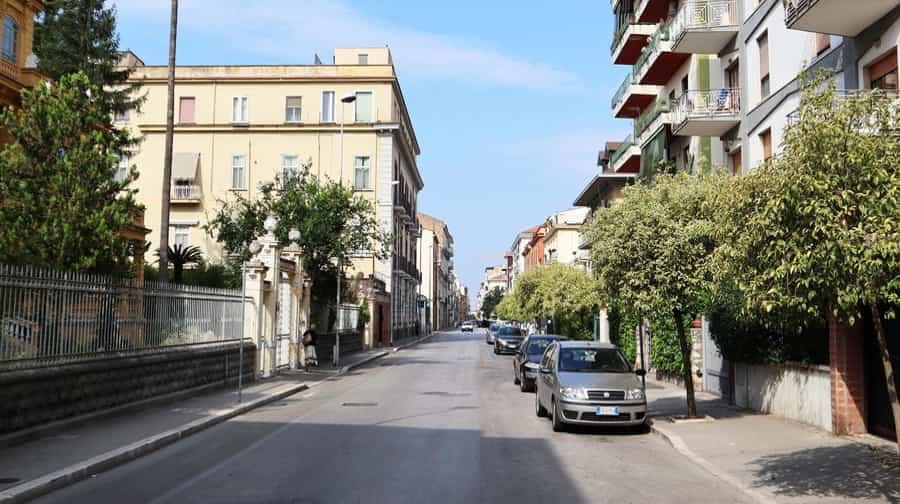
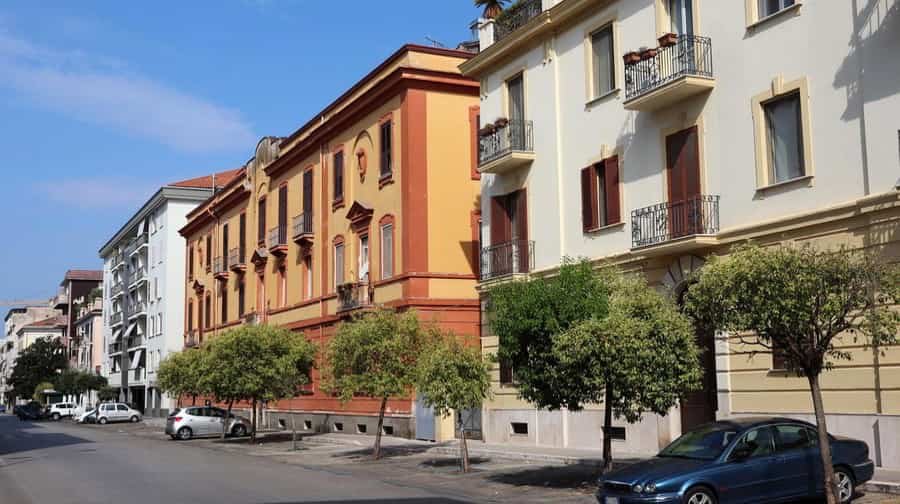
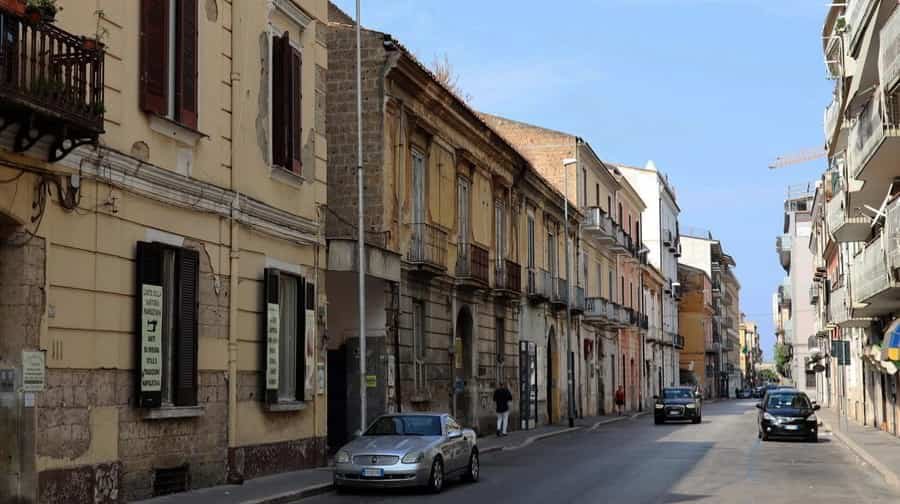
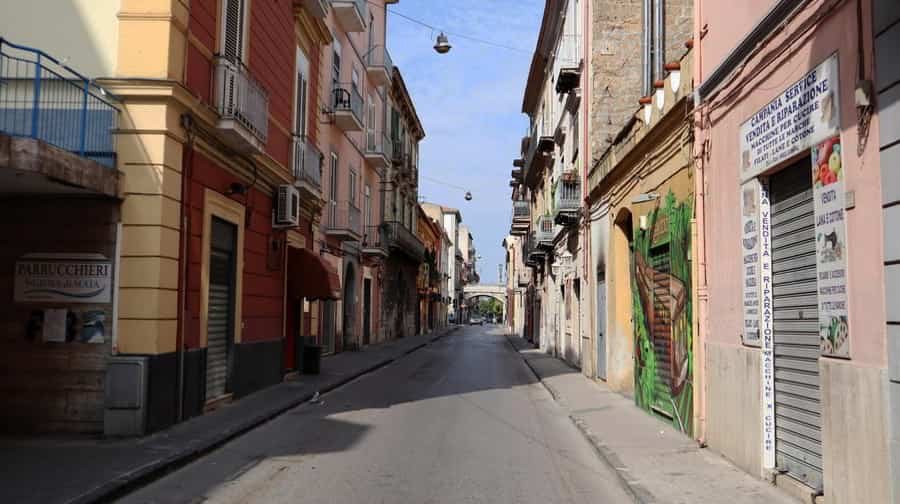
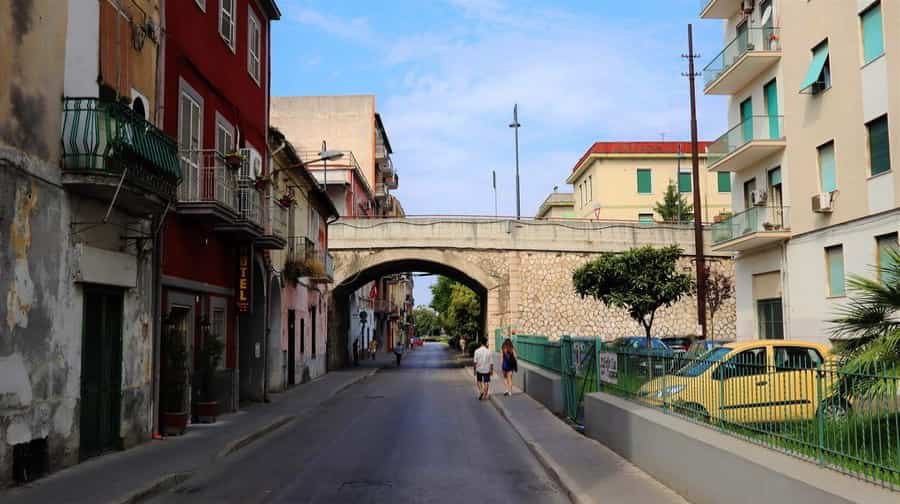
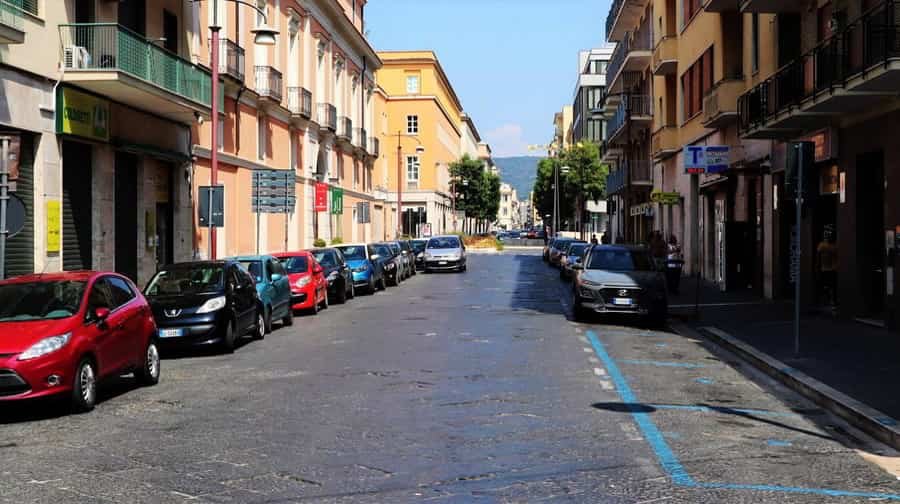
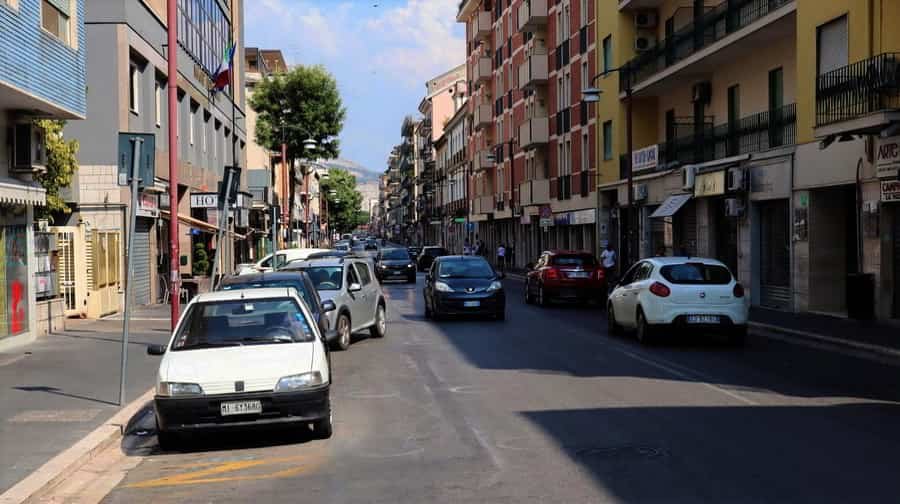
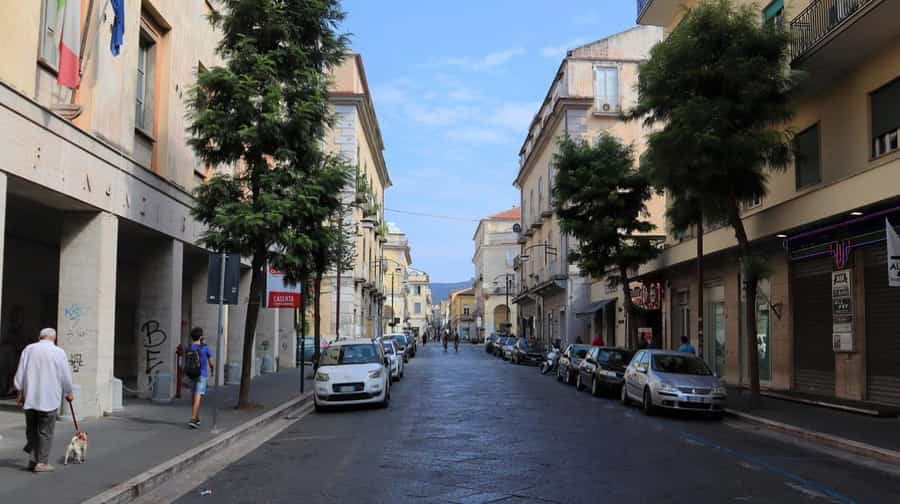
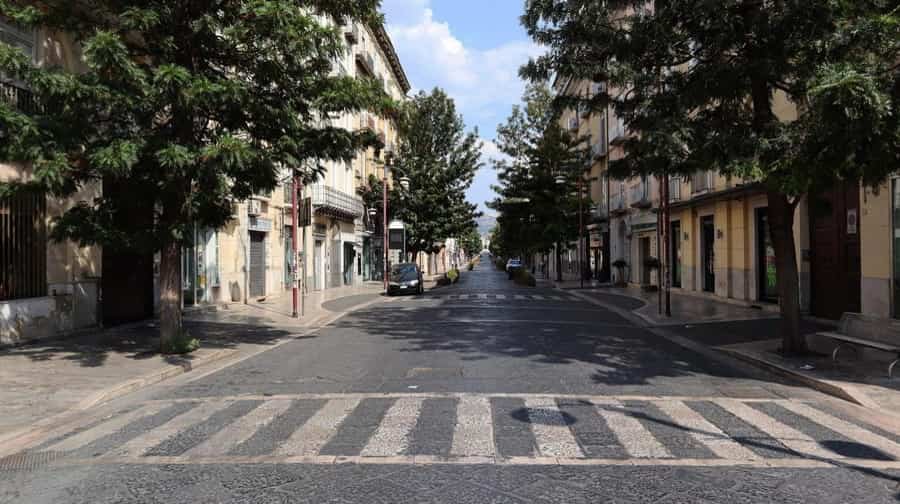
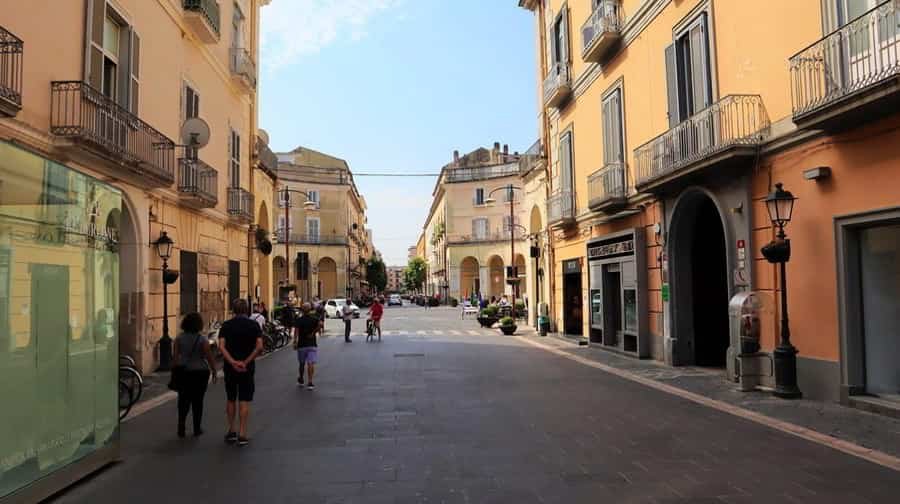
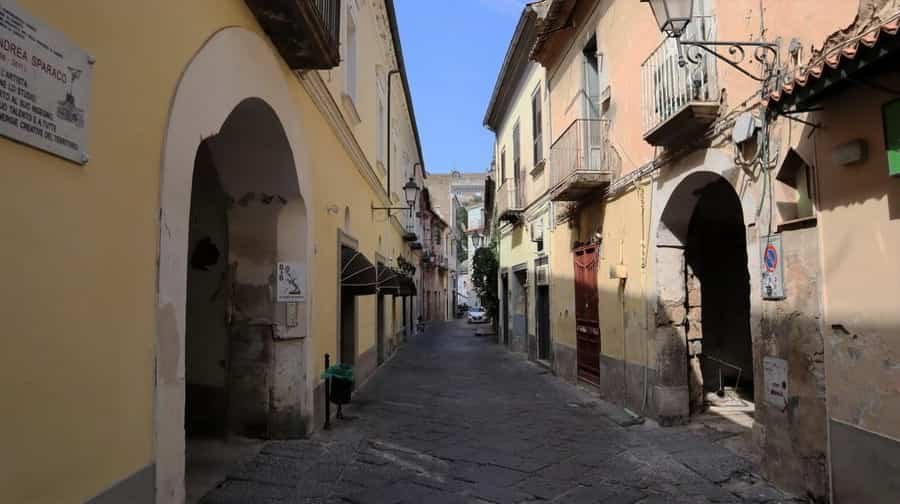
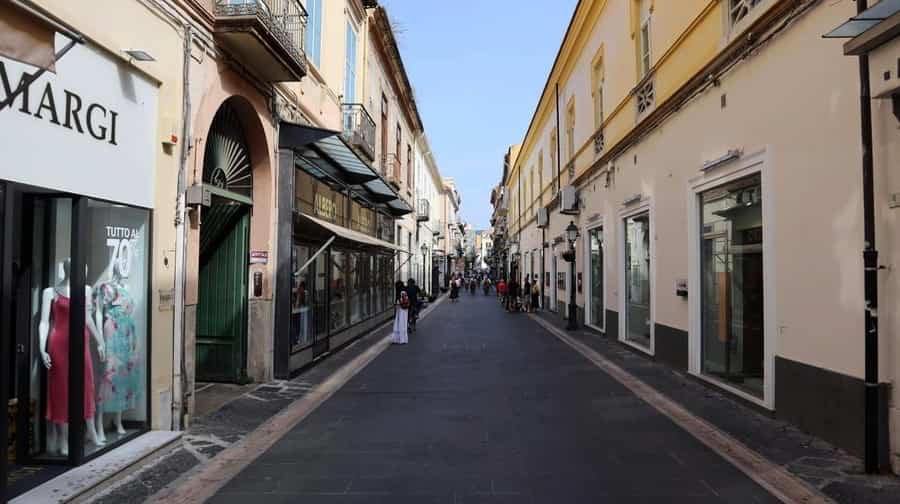
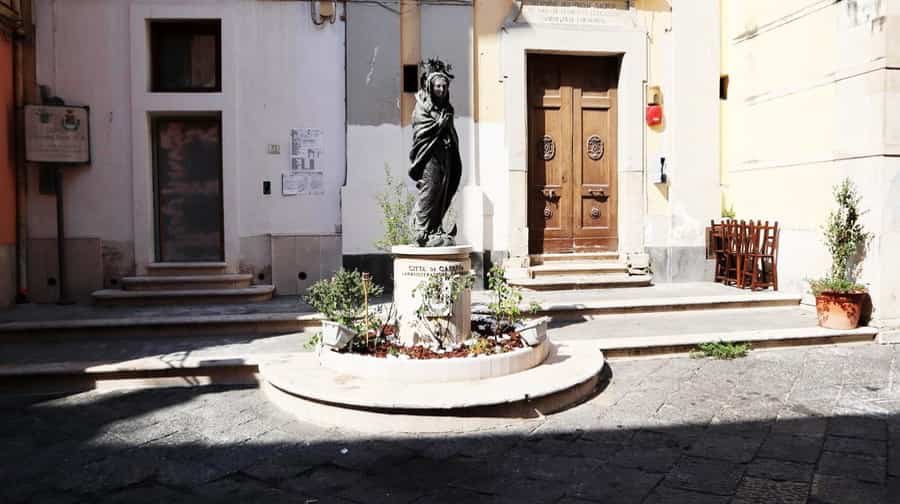
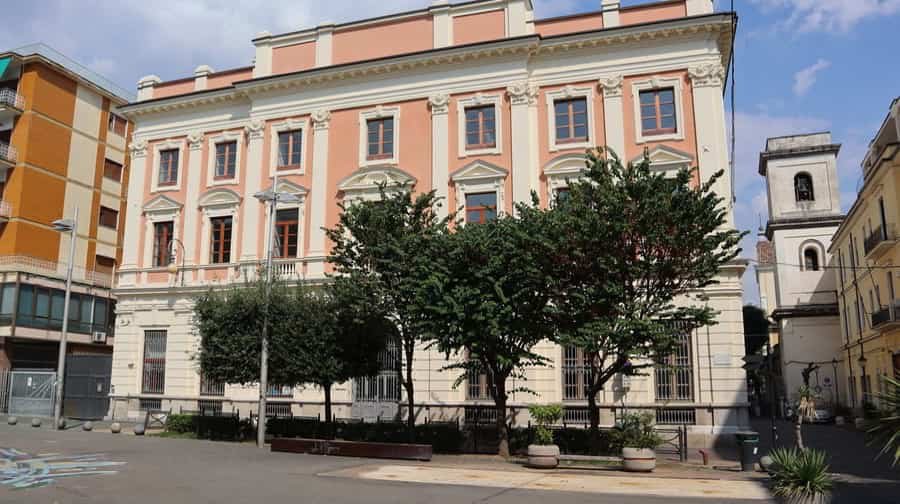
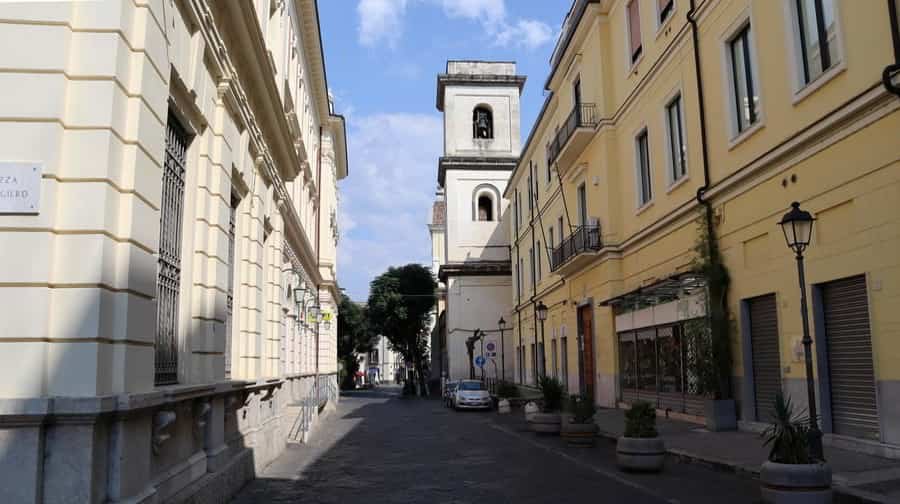
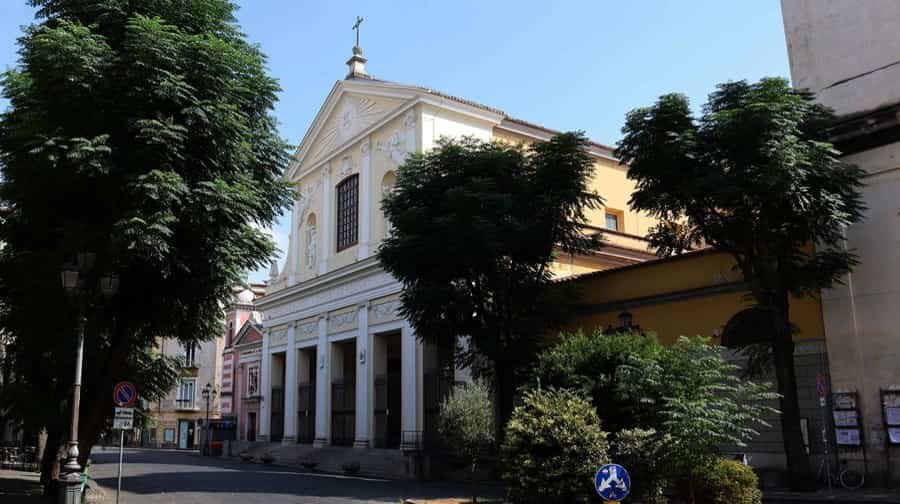
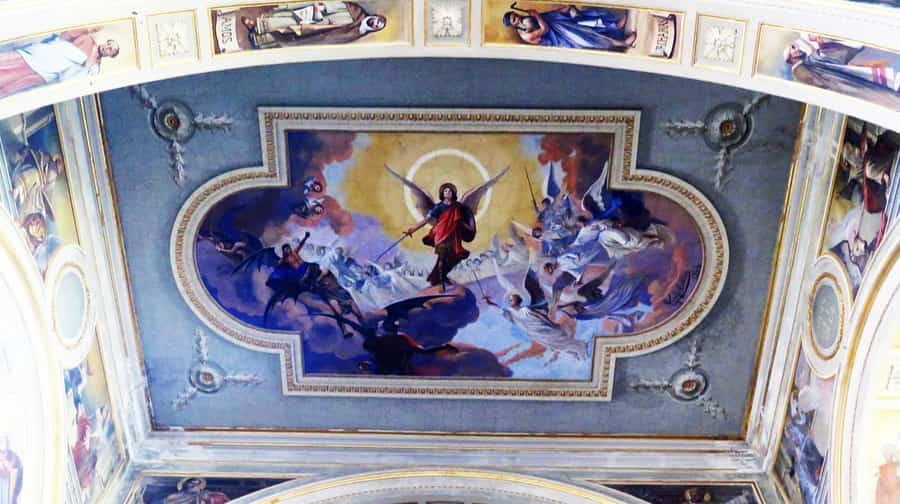
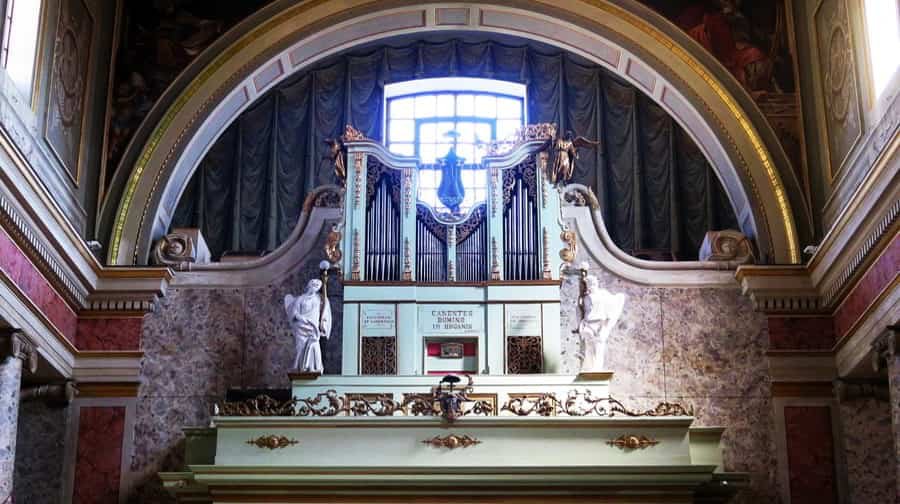
Photo Gallery of Walk 2 – Via S. Carlo to Via Giuseppe Verdi
Approximately 2.85 km – 1.77 miles
Description of Walk 2
This walking route explores the civic and cultural heart of Caserta, revealing the elegant urban layout and historical atmosphere that define the city. Beginning along Via San Carlo and Via Vincenzo Crispo, the walk passes through lively residential streets that reflect the everyday rhythm of local life. The route repeatedly returns to Via San Carlo, one of the city’s important central roads, lined with shops, cafés, and historic buildings. A key point of interest is the Chiesa di Montevergine, a religious landmark that highlights the spiritual traditions deeply rooted in the community. Continuing through Viale Medaglie d’Oro and Via Generale Alberto Pollio, the walk reaches Piazza Luigi Vanvitelli, dedicated to the architect of the nearby Royal Palace and one of the most significant figures in Caserta’s history. The route then follows Via Giuseppe Mazzini and Corso Trieste, important commercial and social avenues filled with elegant architecture and public spaces. Near Piazza Antonio Gramsci stands the Sacrario dei Caduti dell’Aeronautica, a memorial honouring fallen air force soldiers. The walk concludes around Piazza Carlo III and Piazza Garibaldi, areas closely connected to the city’s modern identity and historic development.
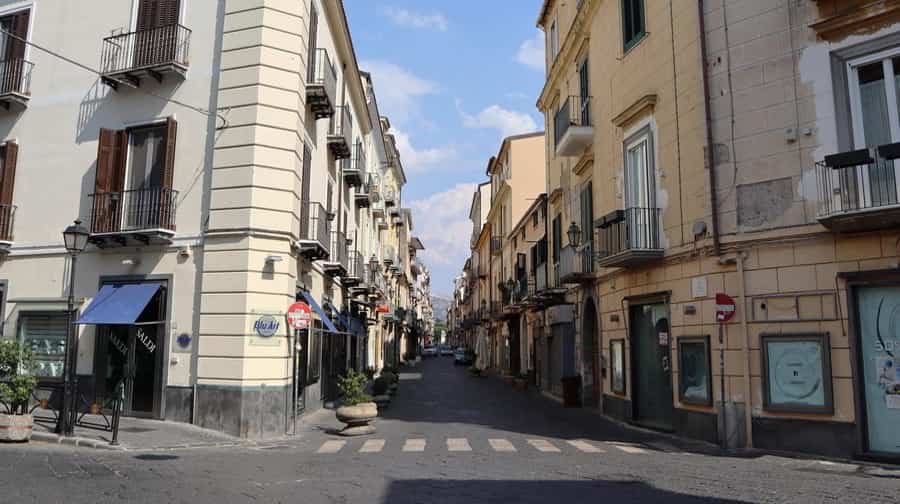
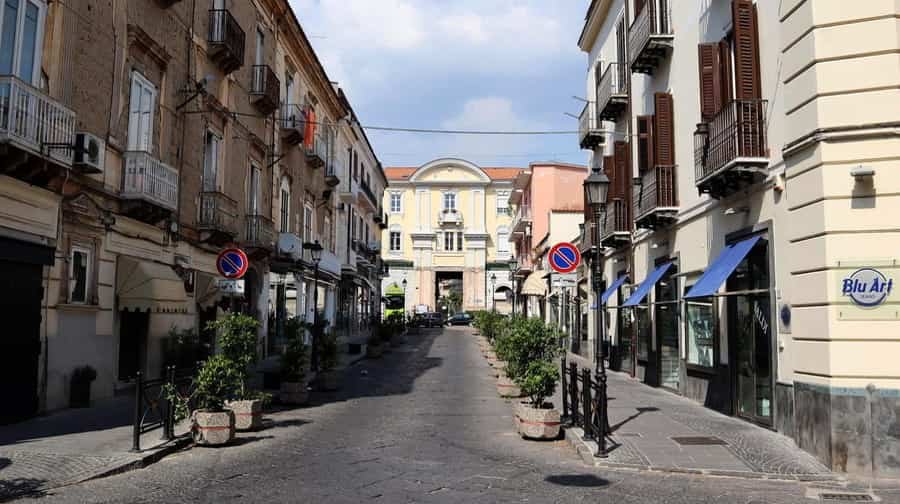
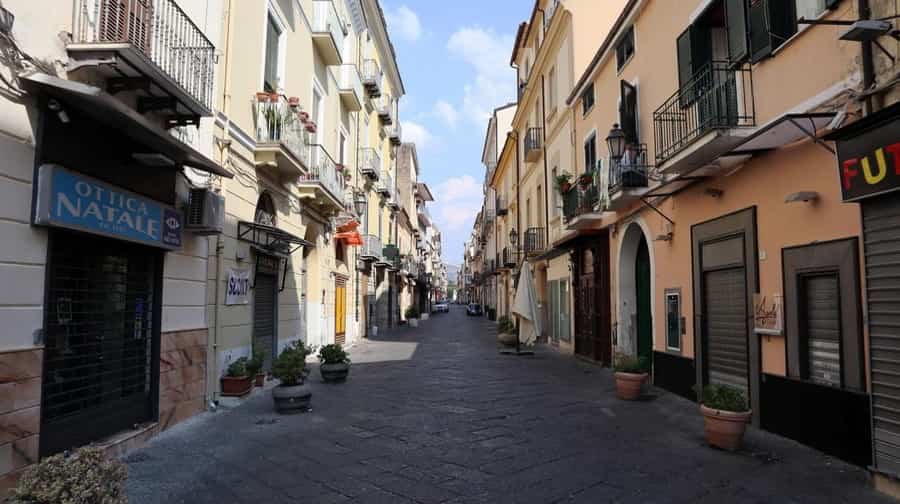
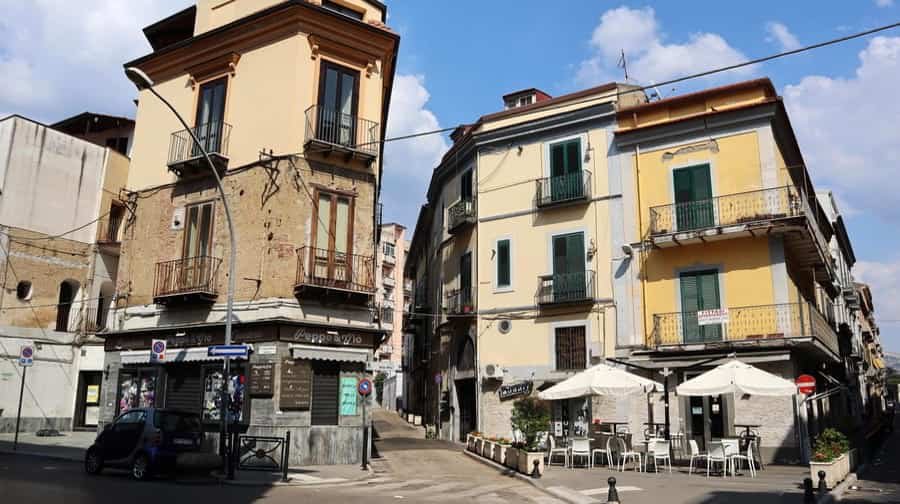
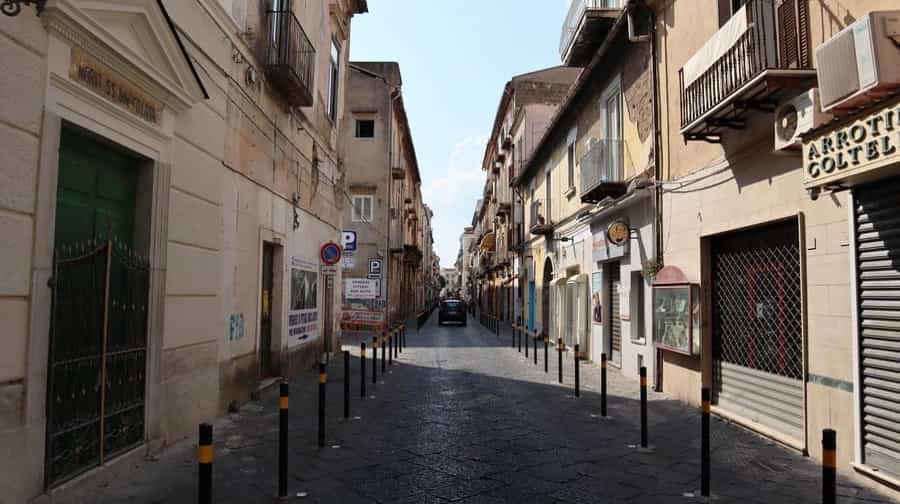
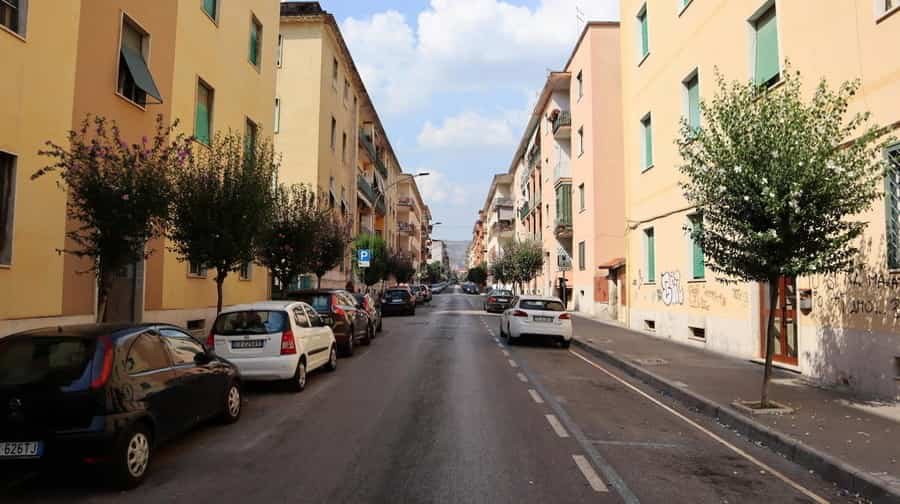
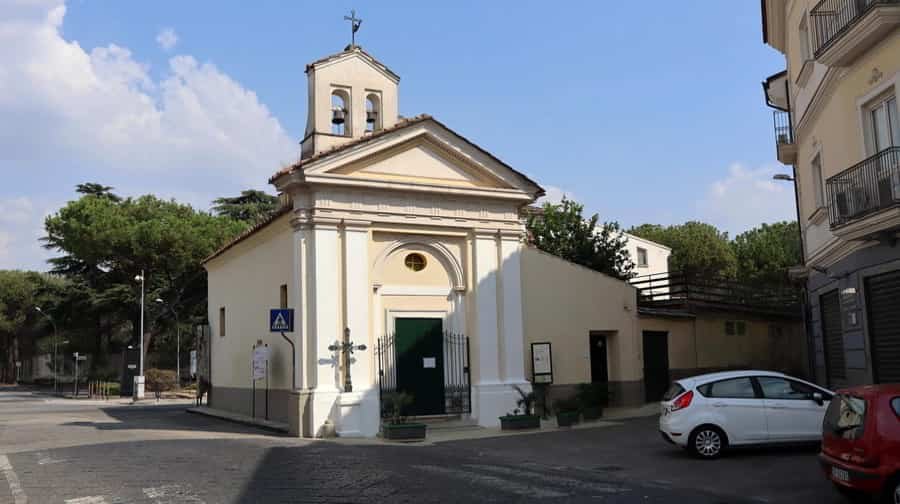
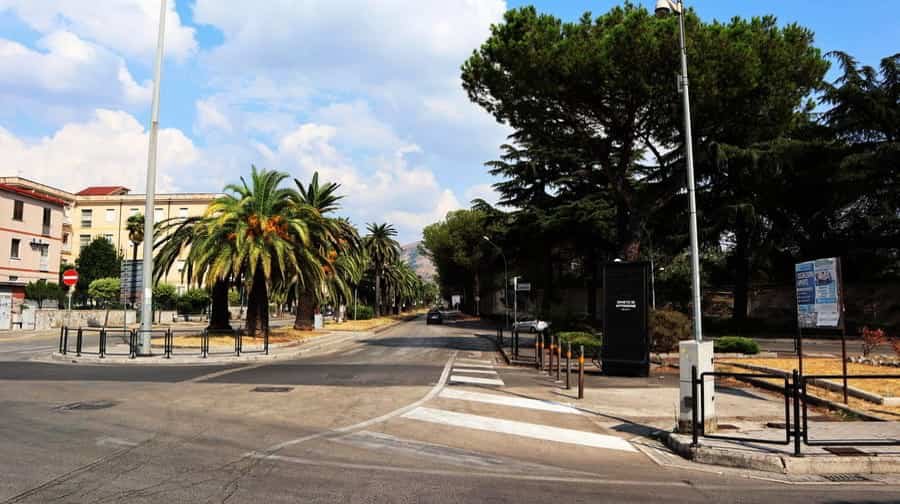
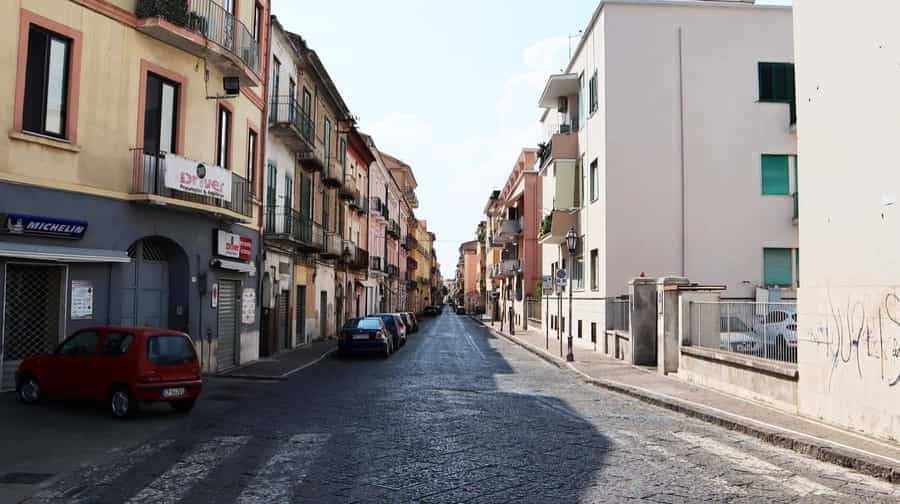
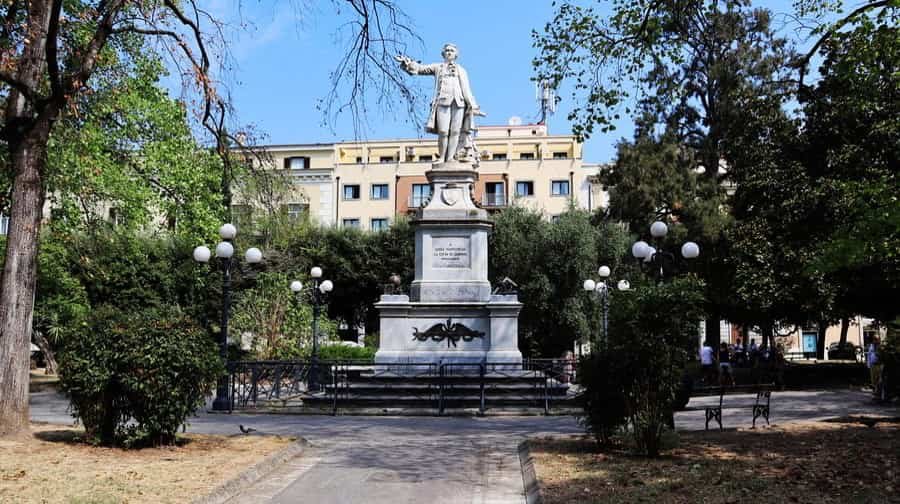
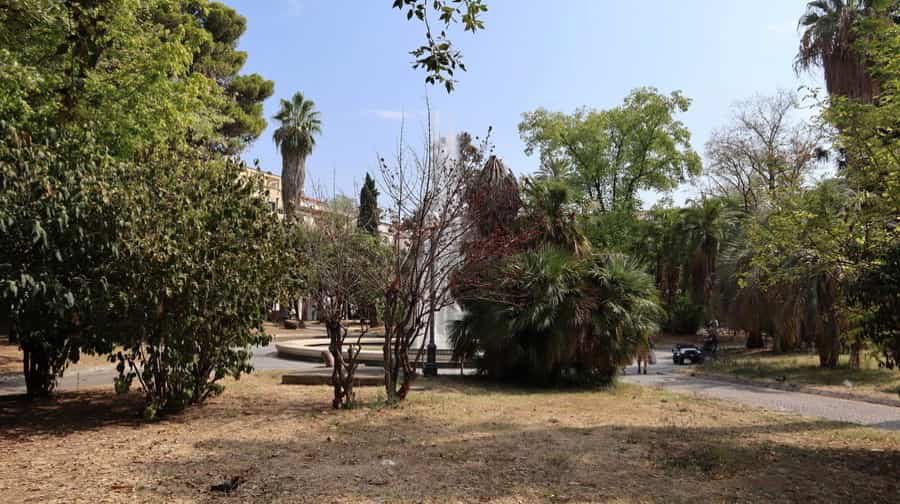
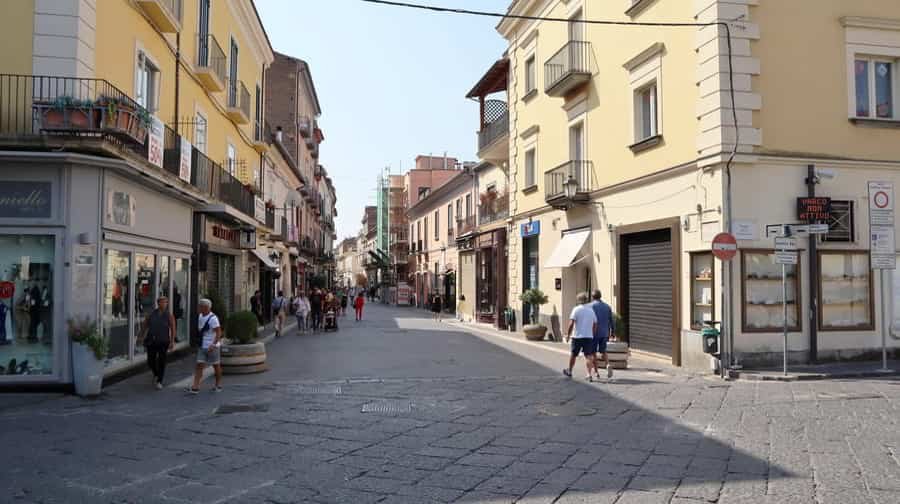
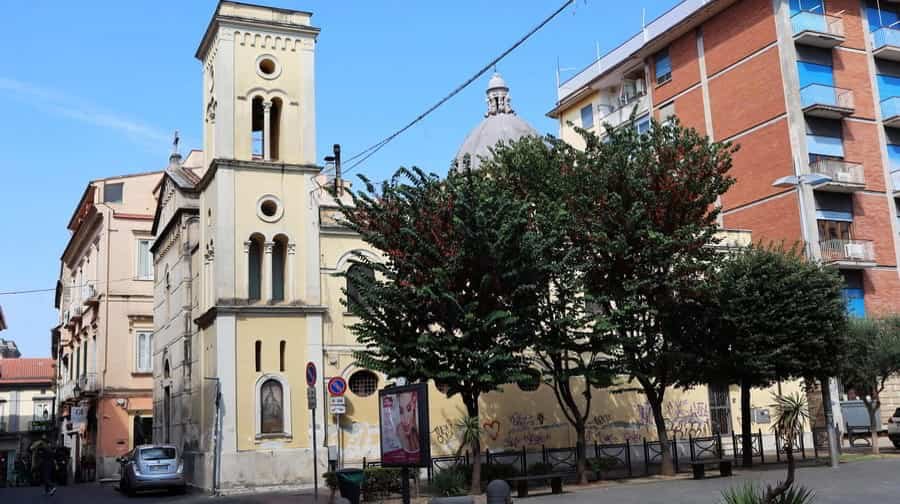
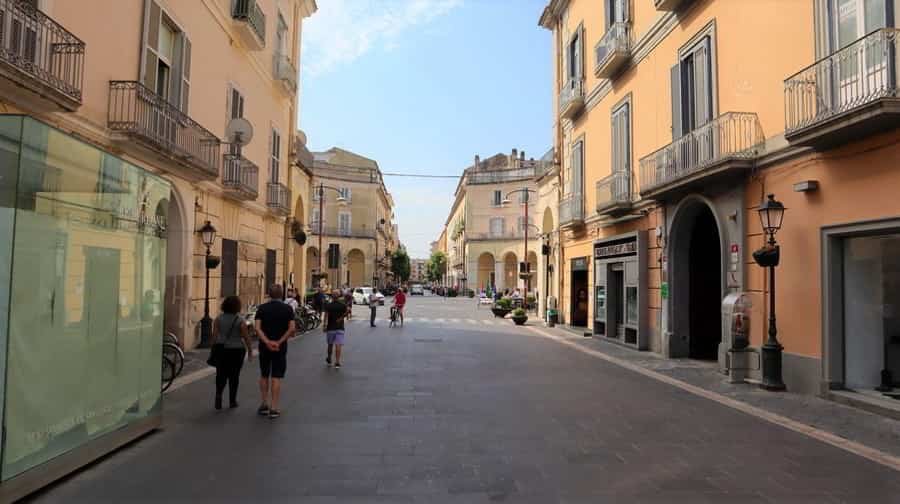
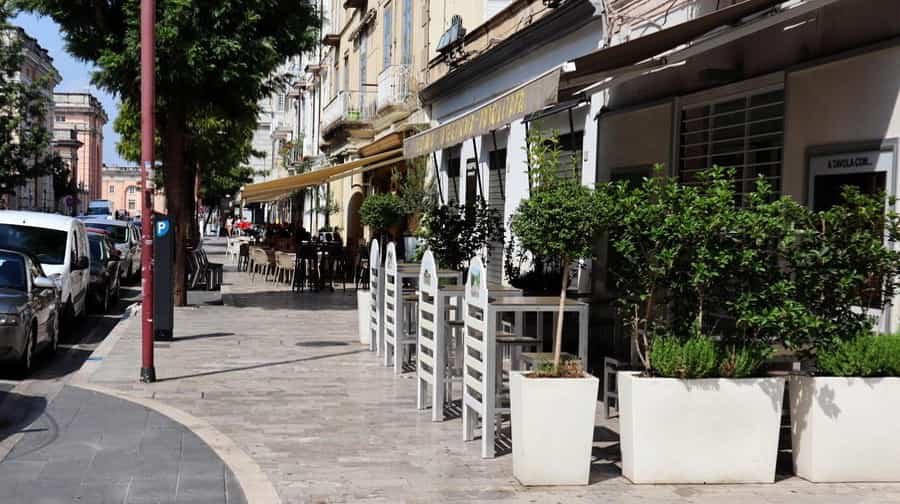
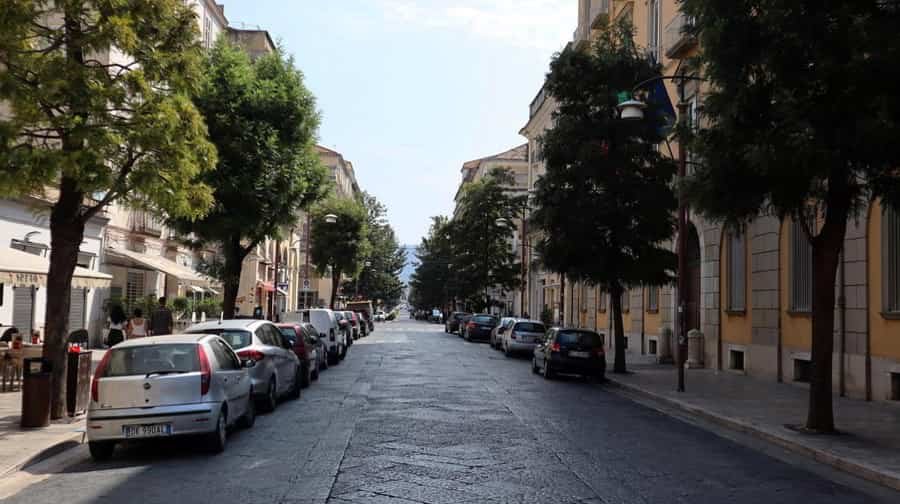
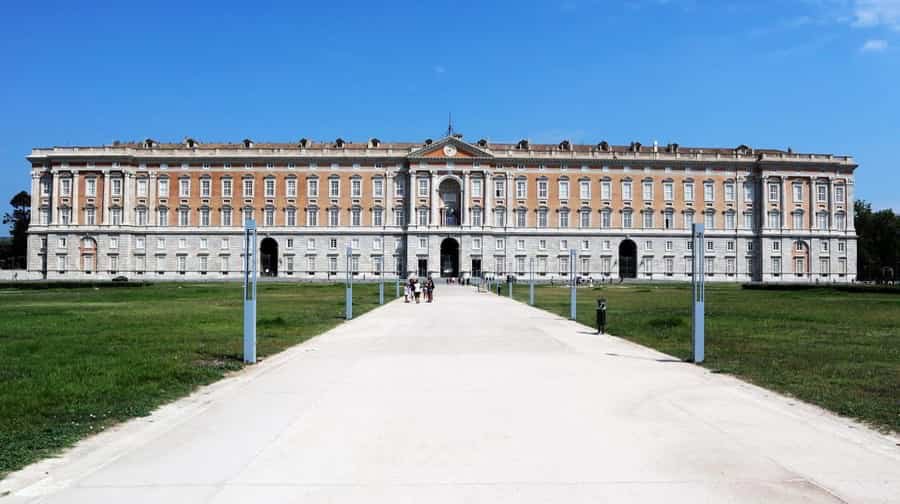
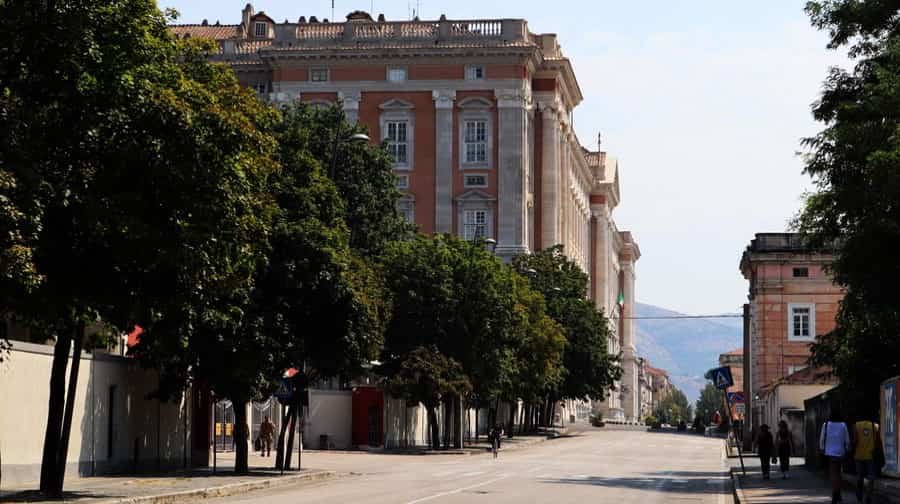
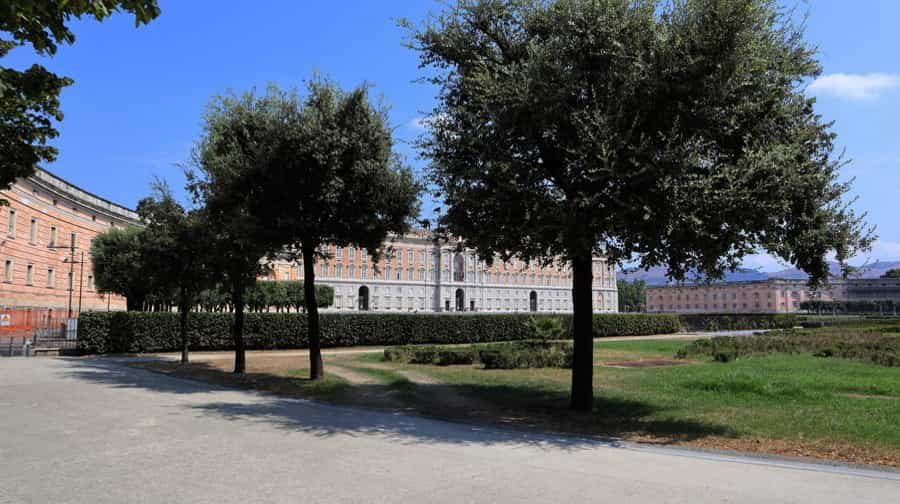
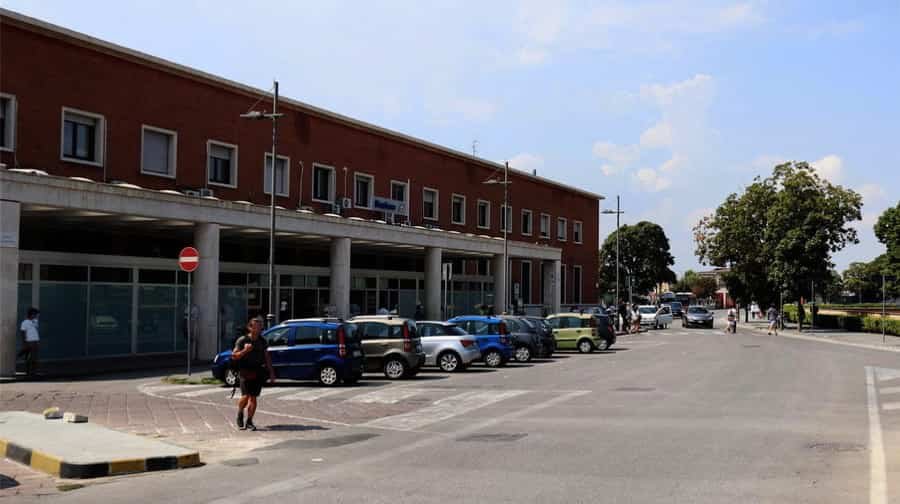
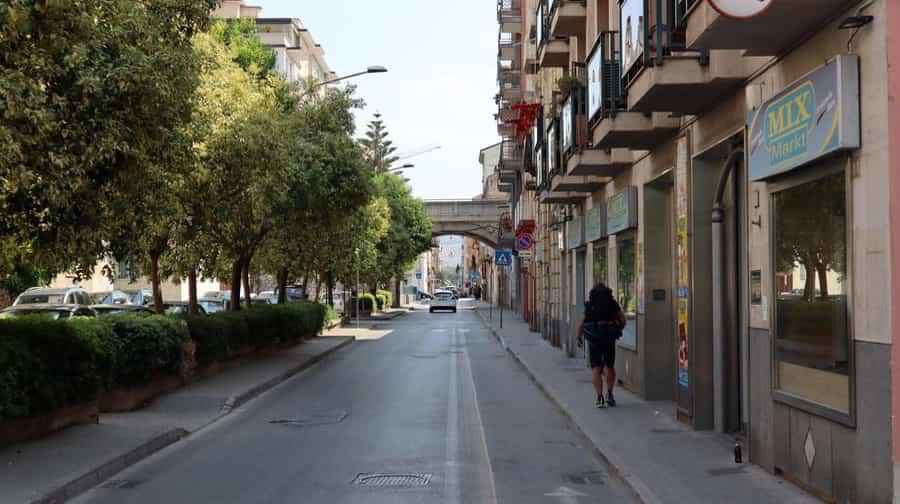
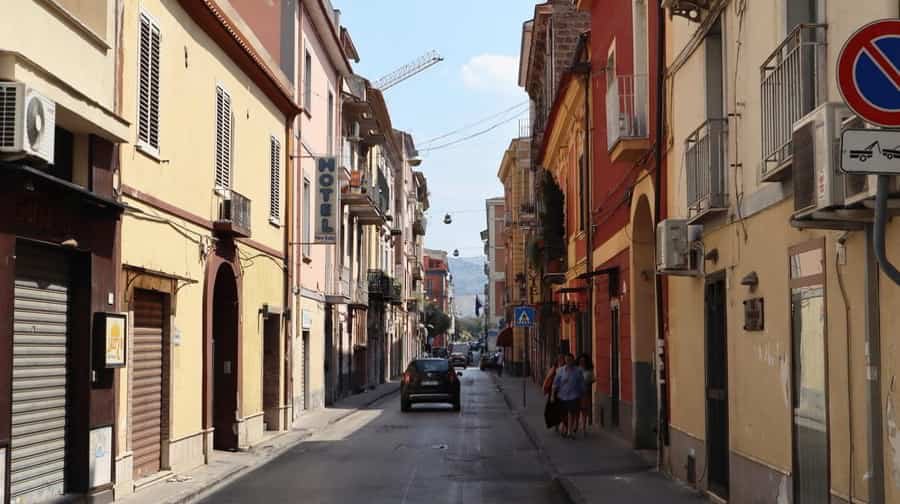
Photo Gallery of La Reggia di Caserta ed il Parco Reale
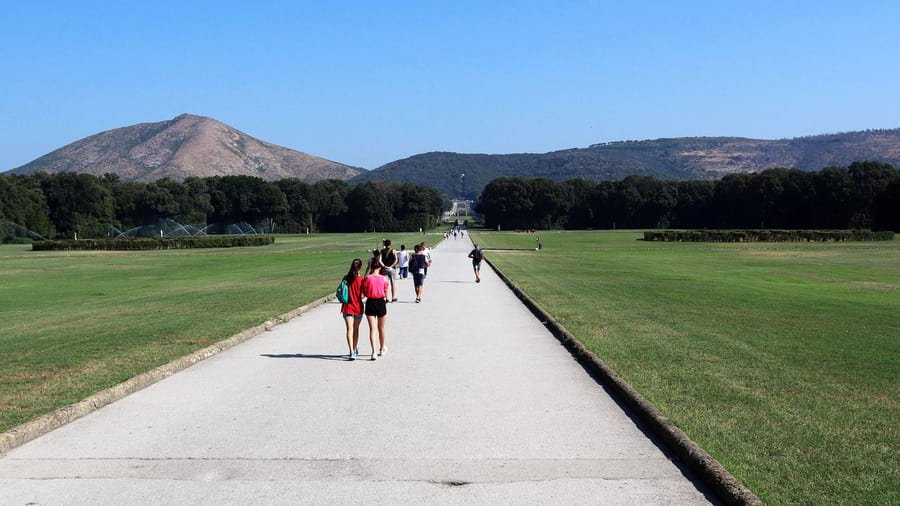
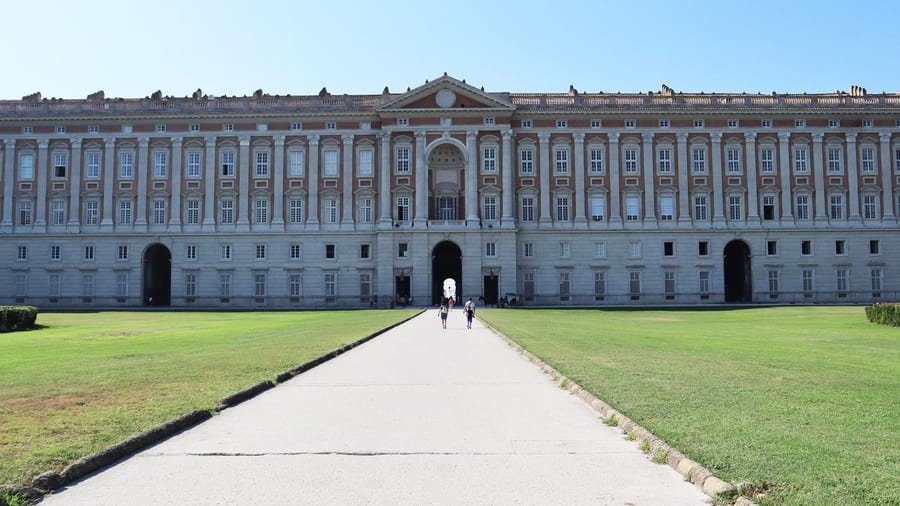
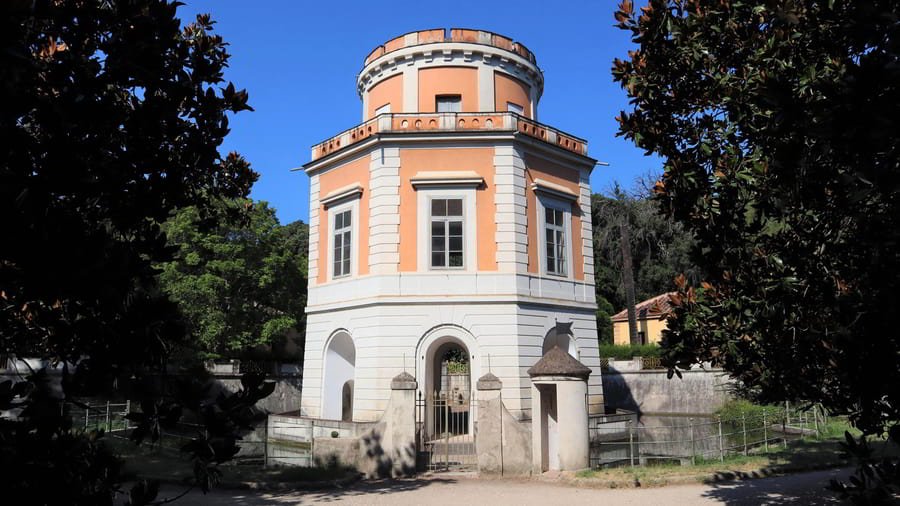
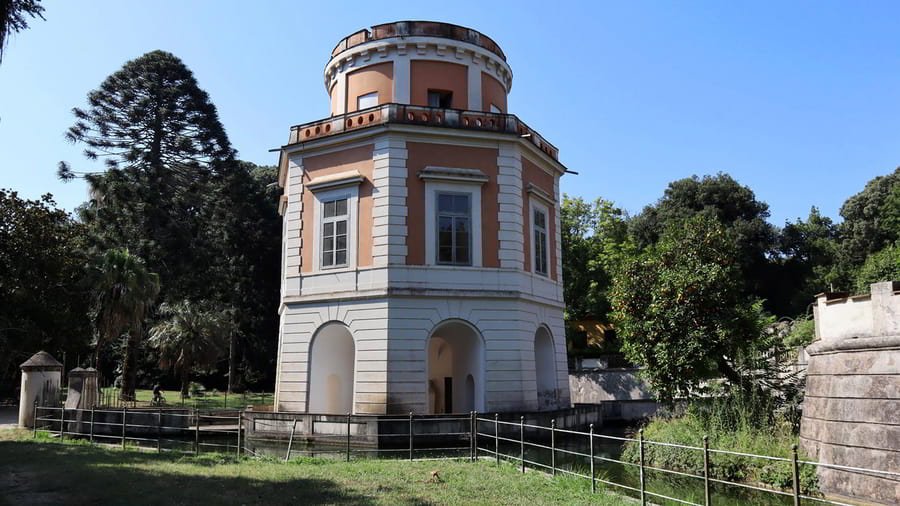
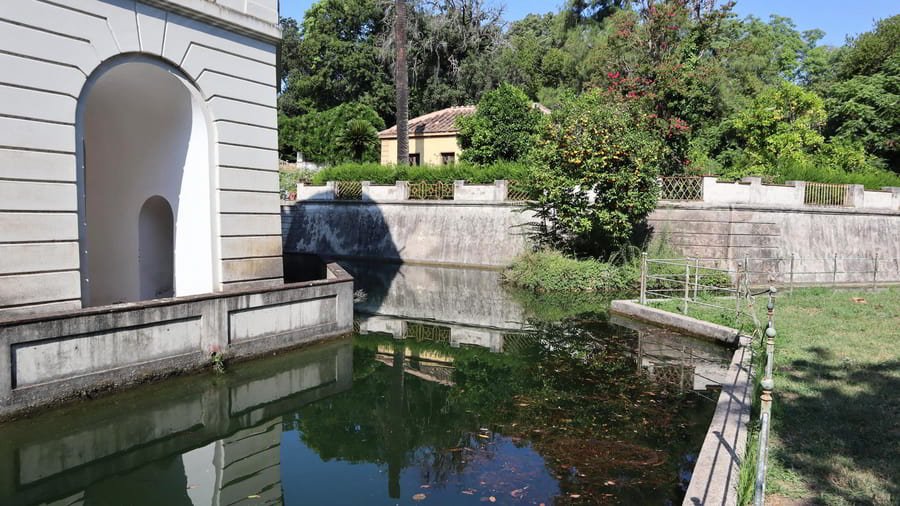
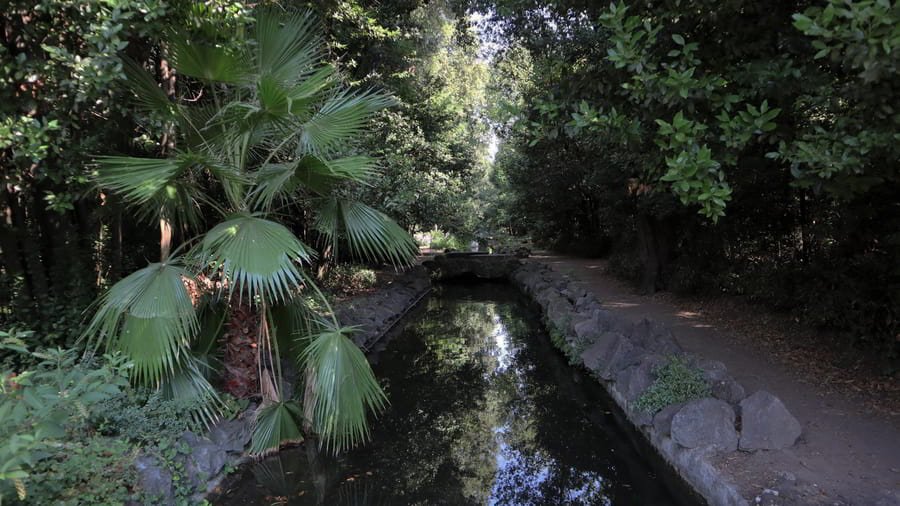
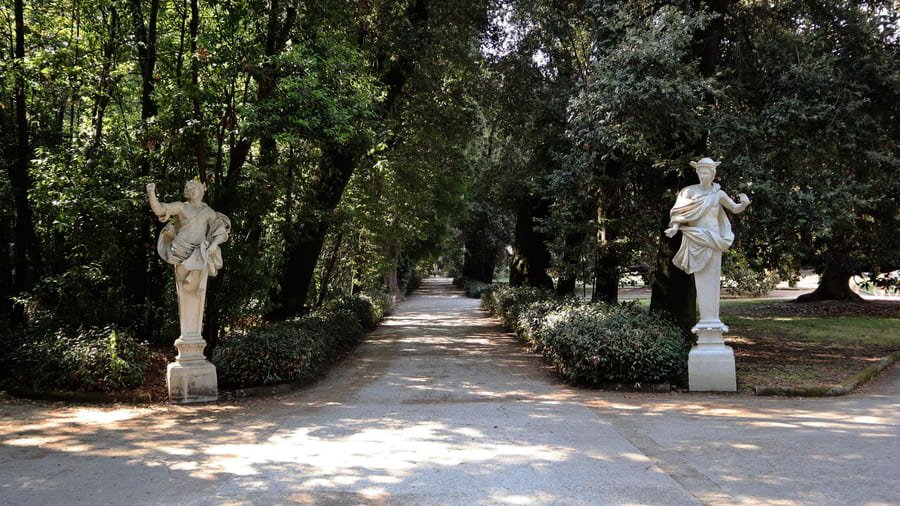
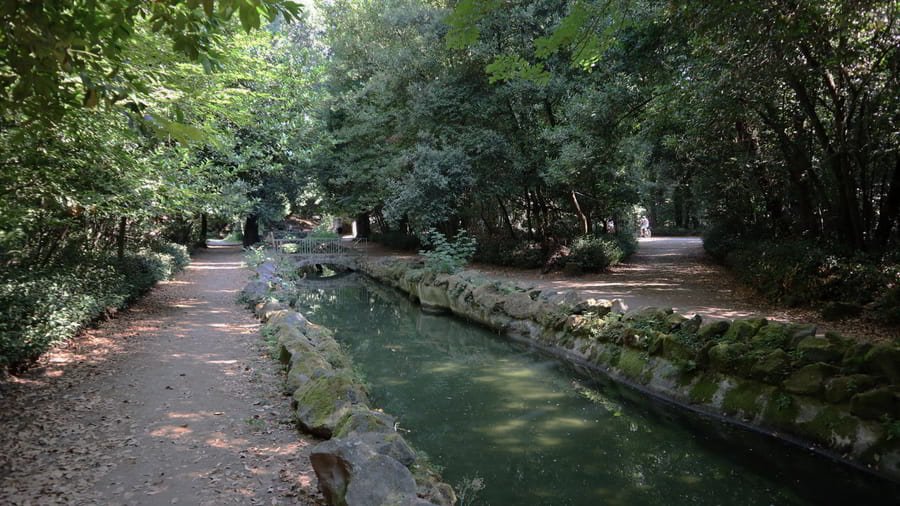
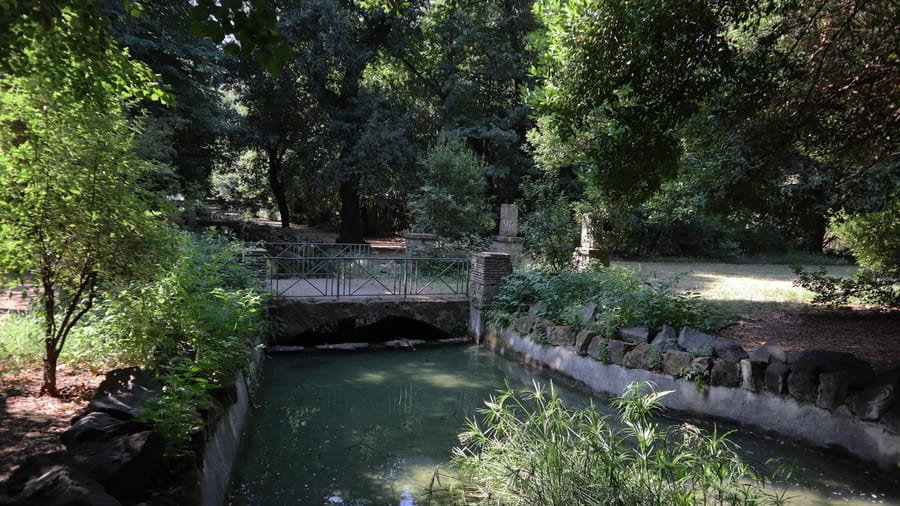
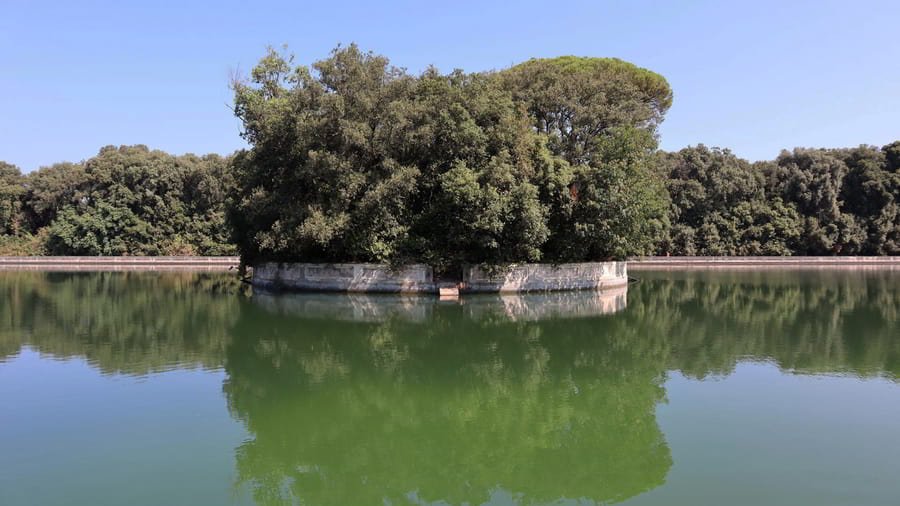
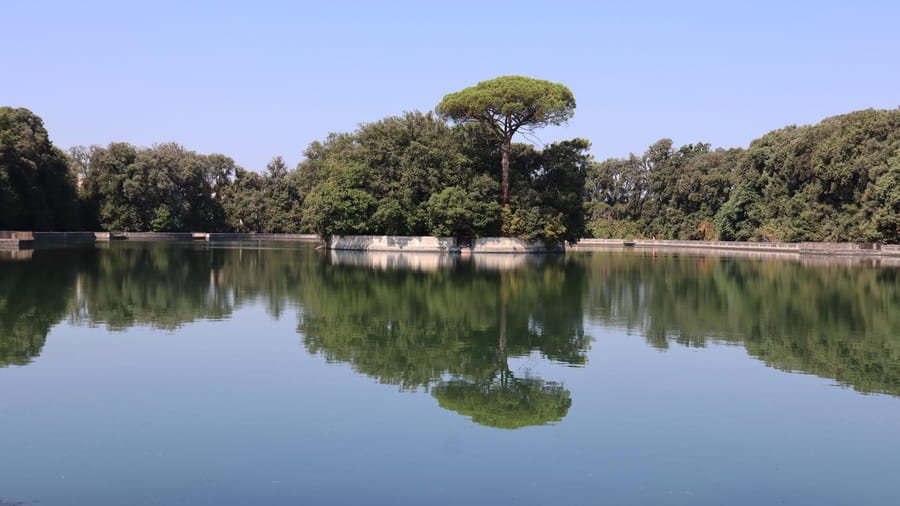
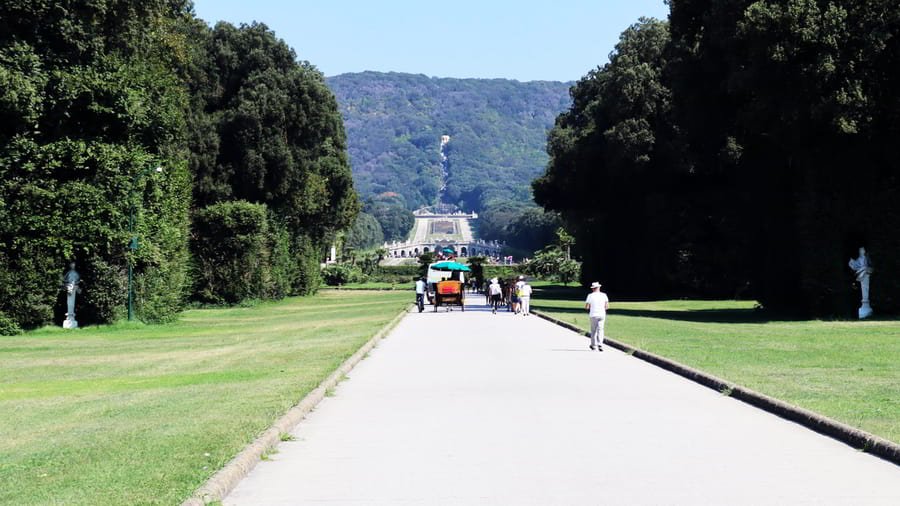
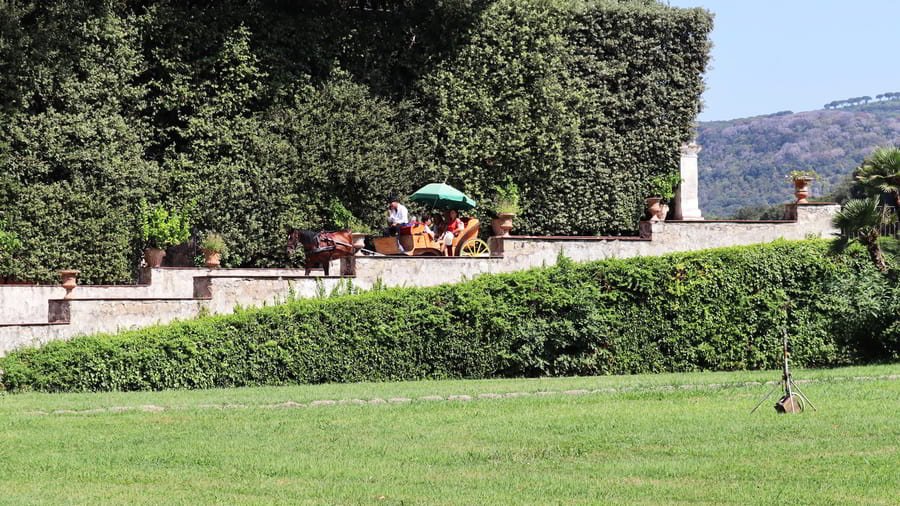
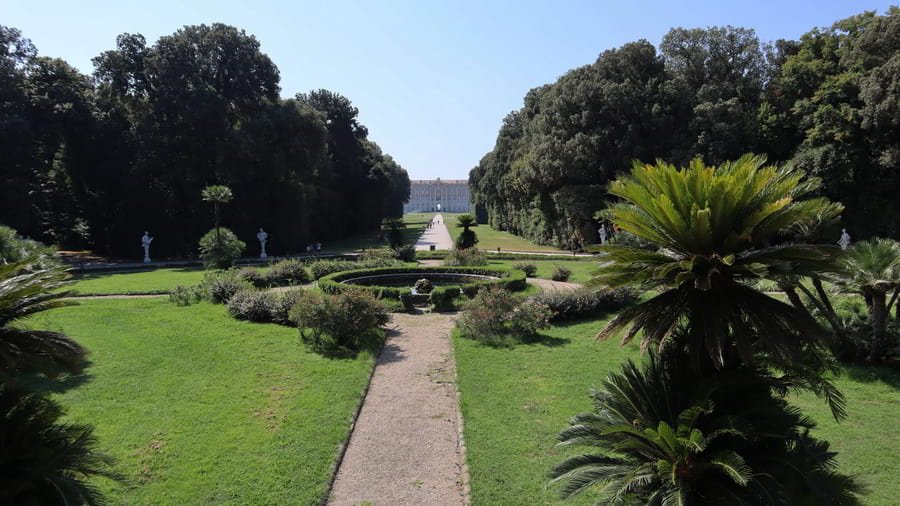
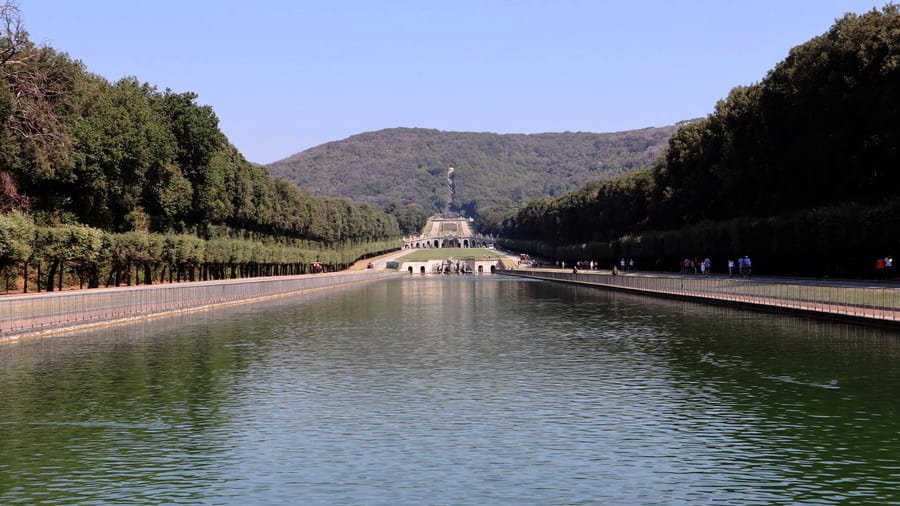
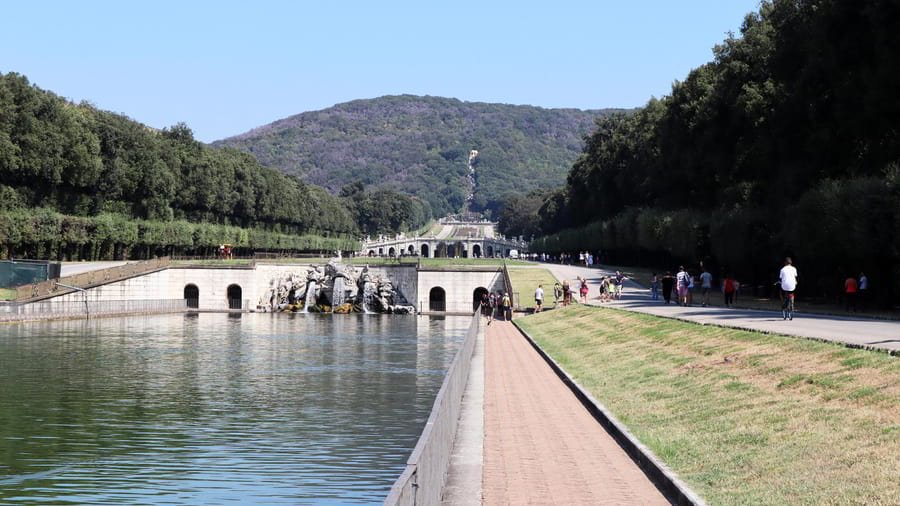
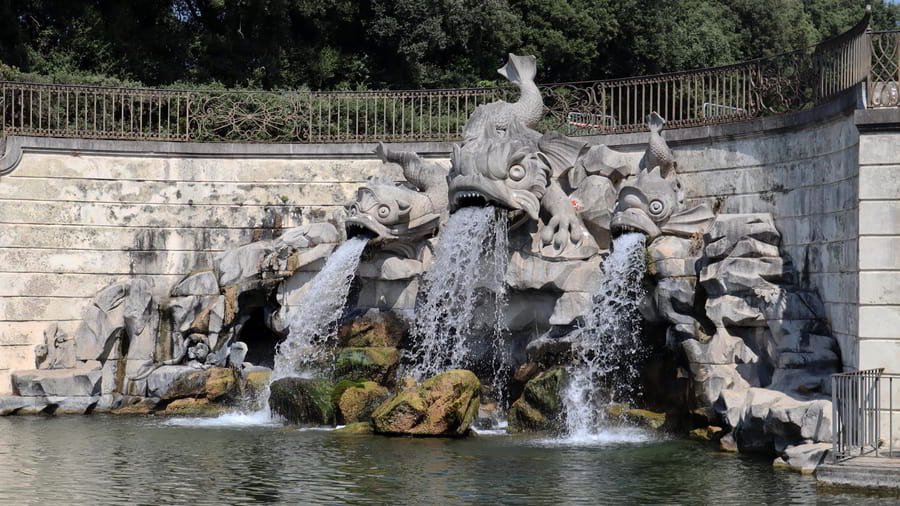
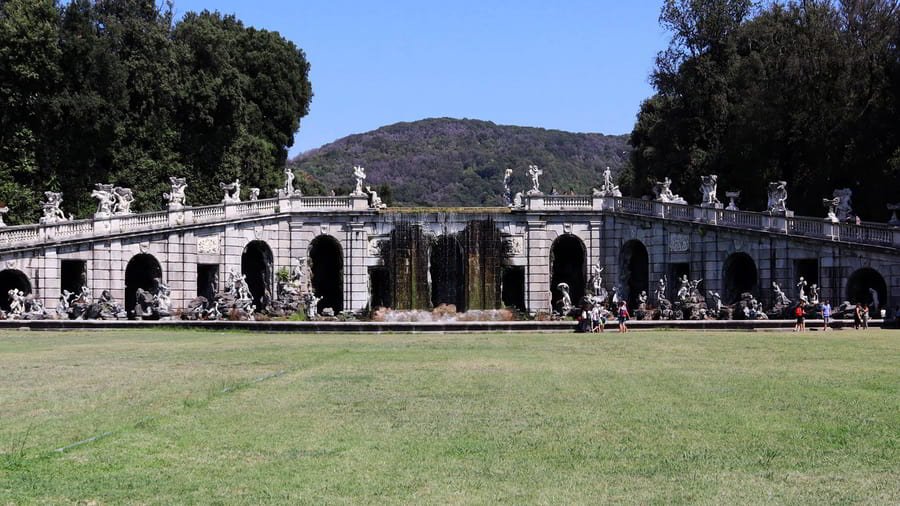
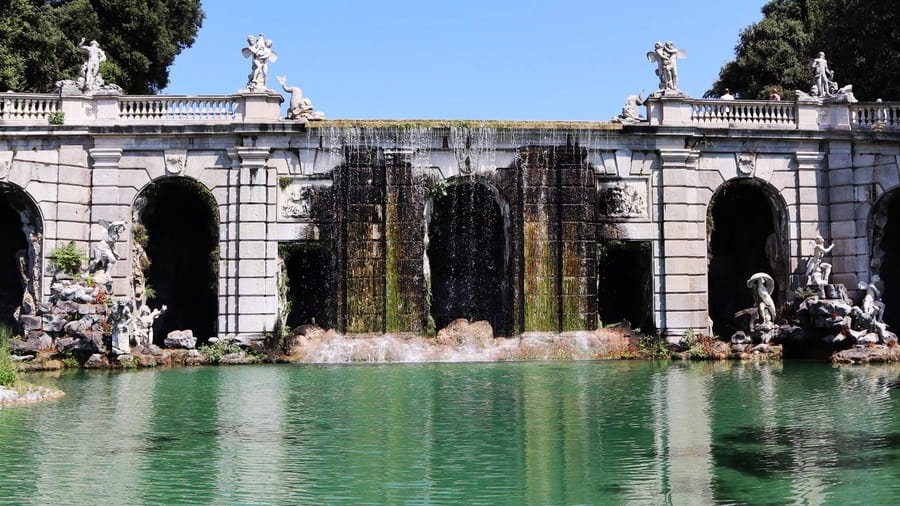
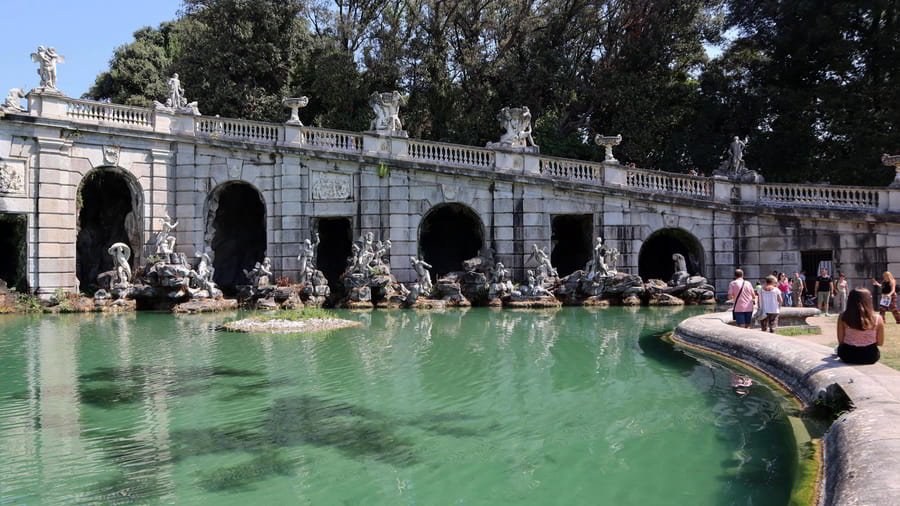
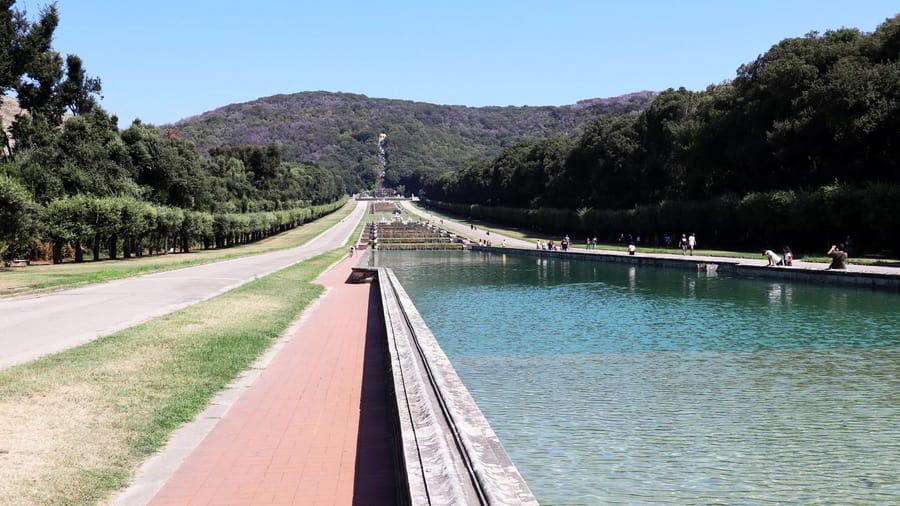
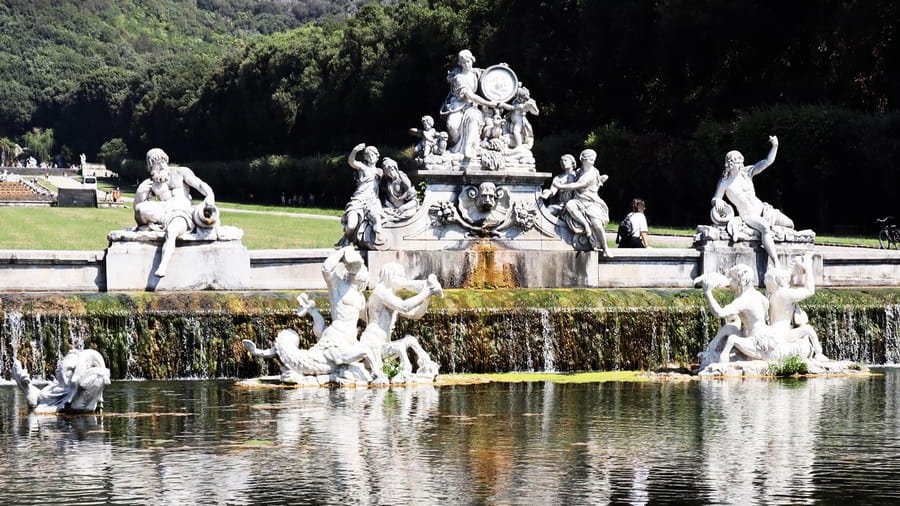
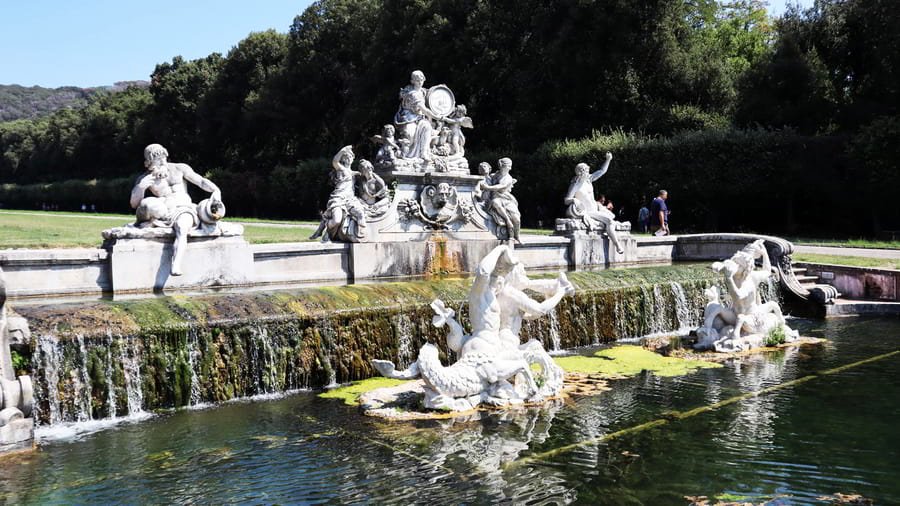
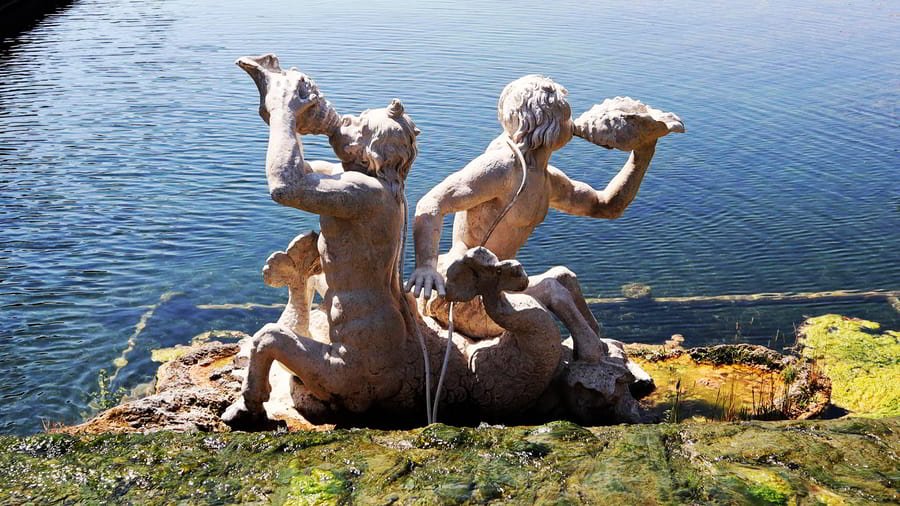
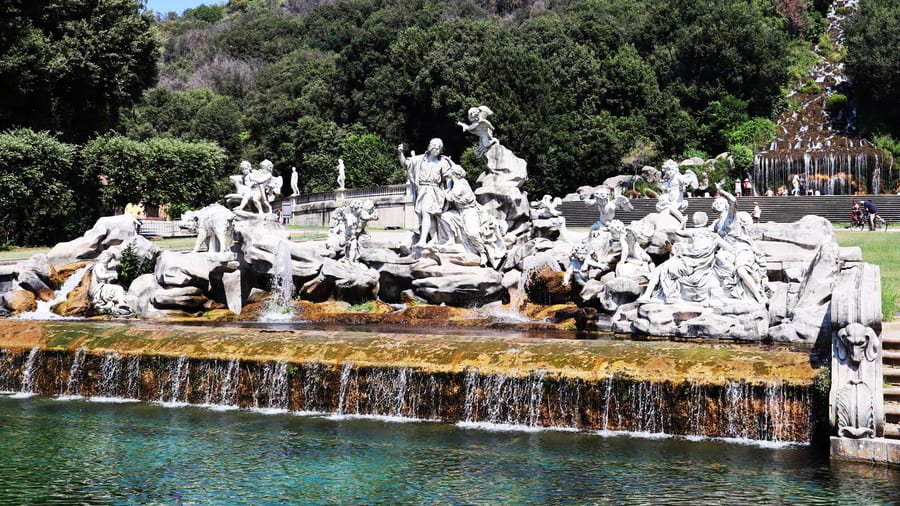
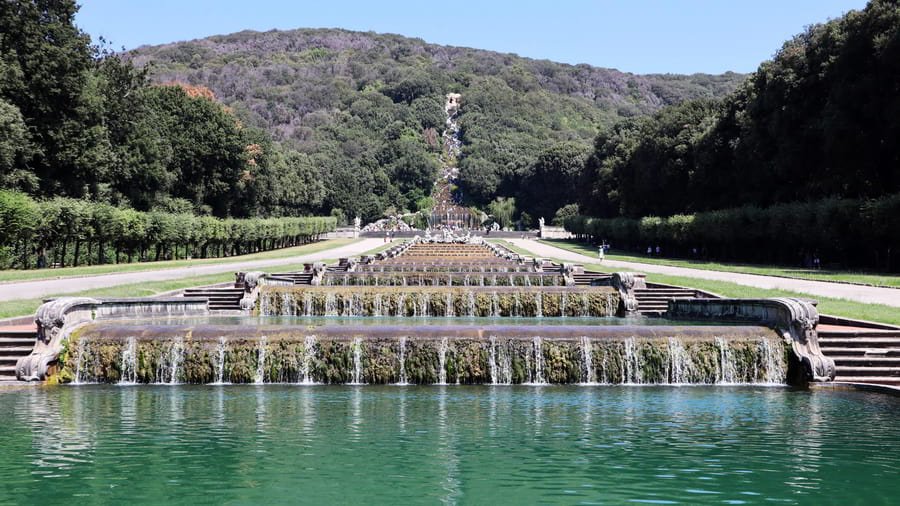
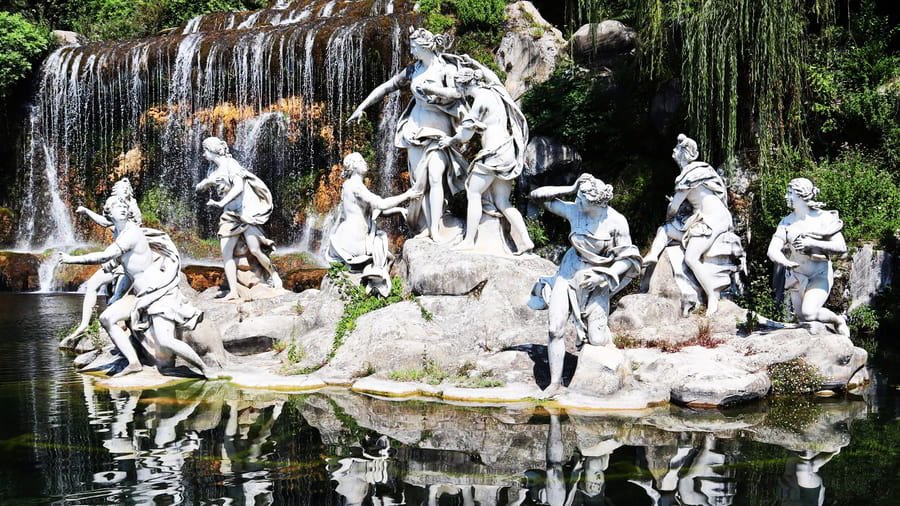
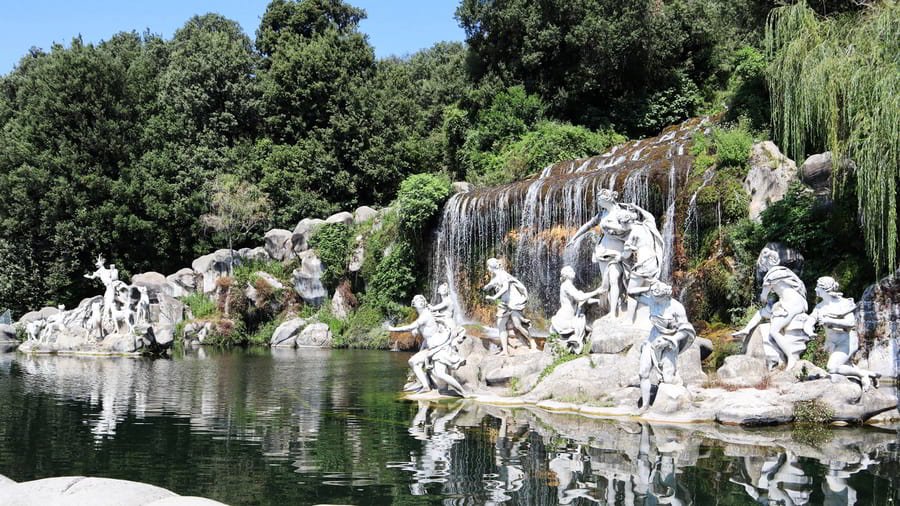
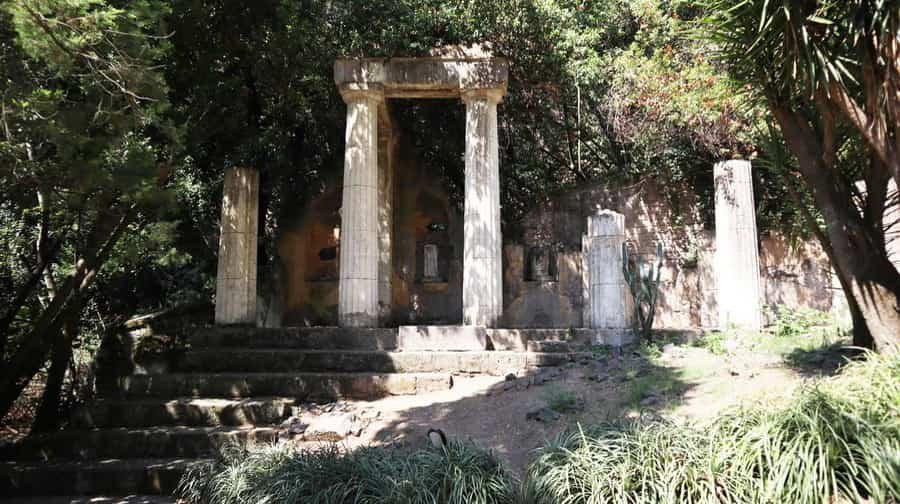
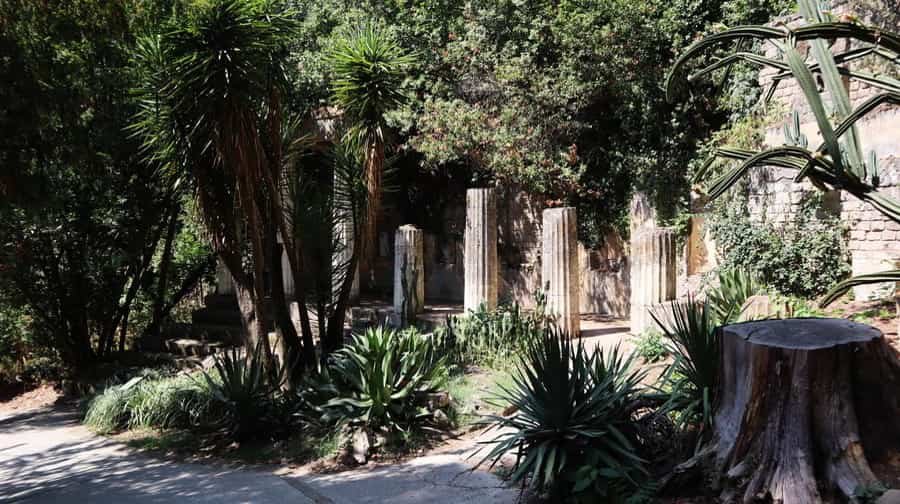
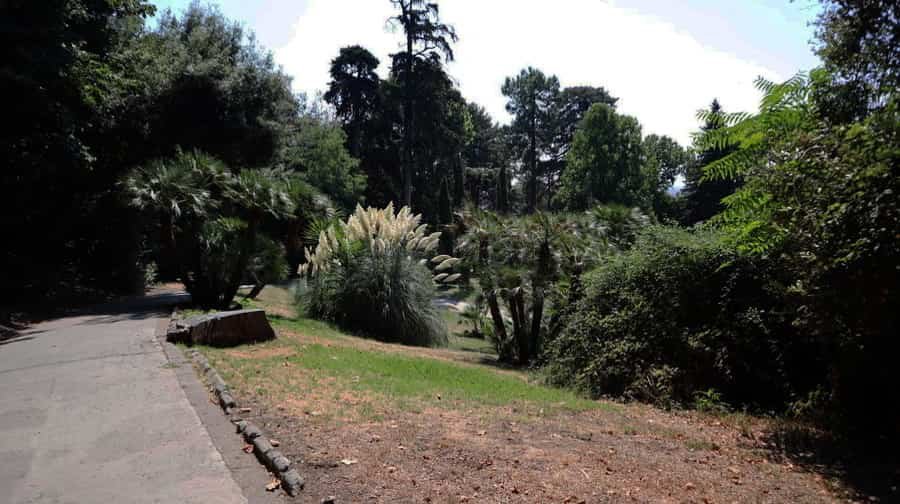
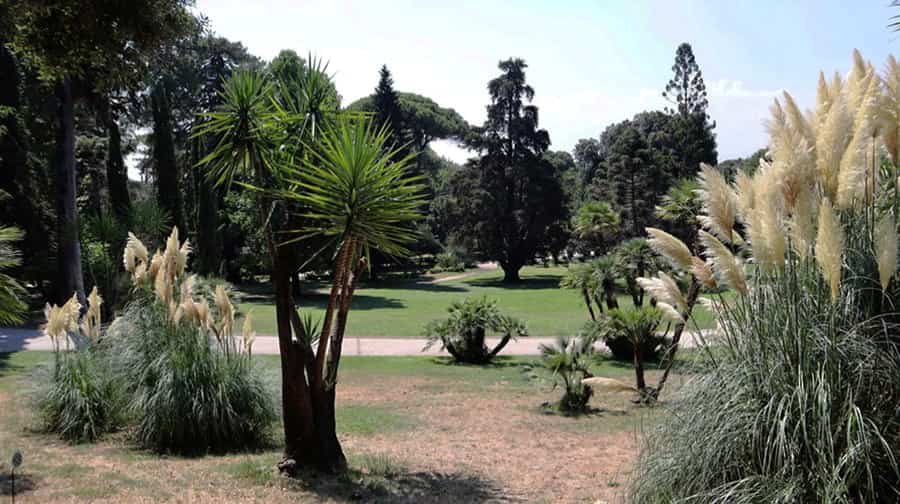
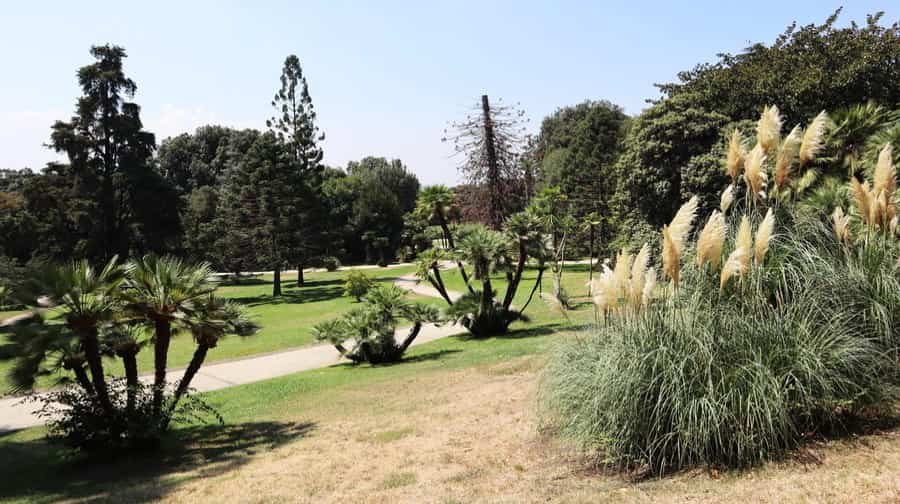
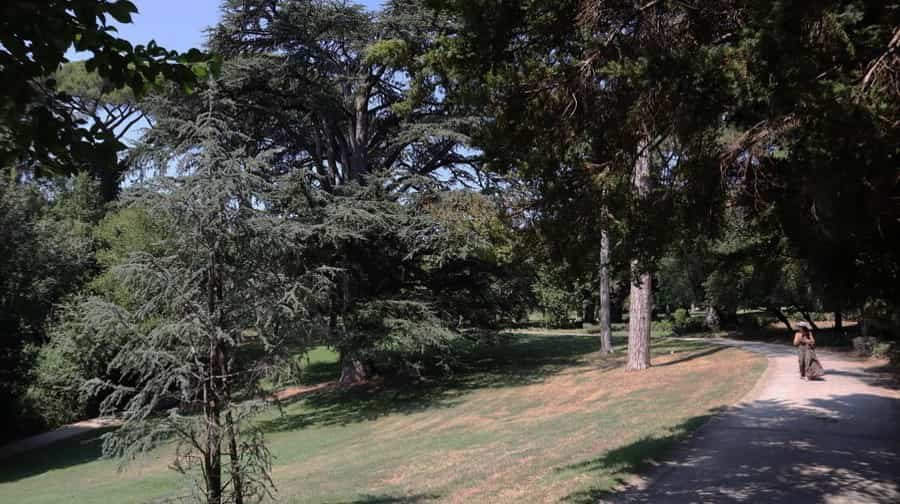
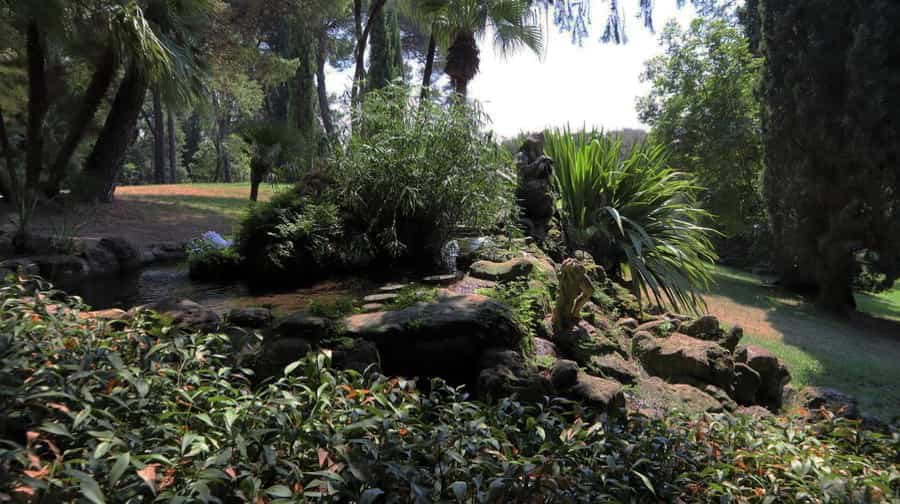
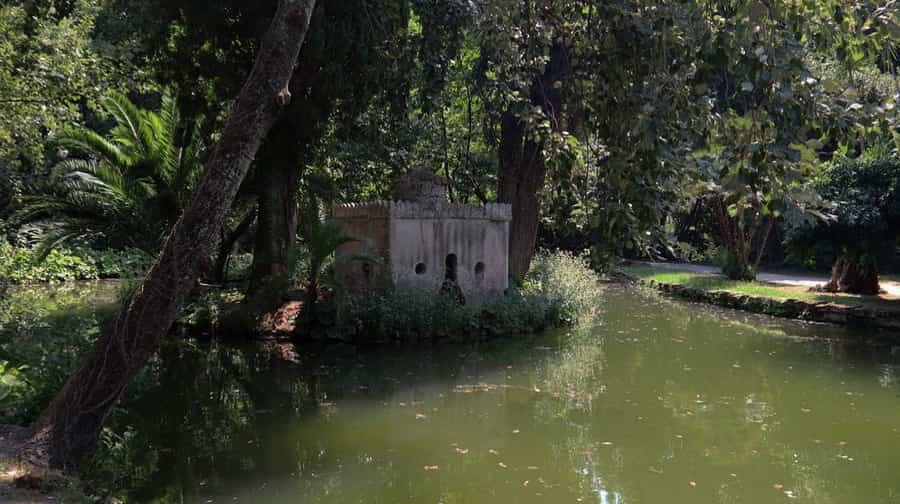
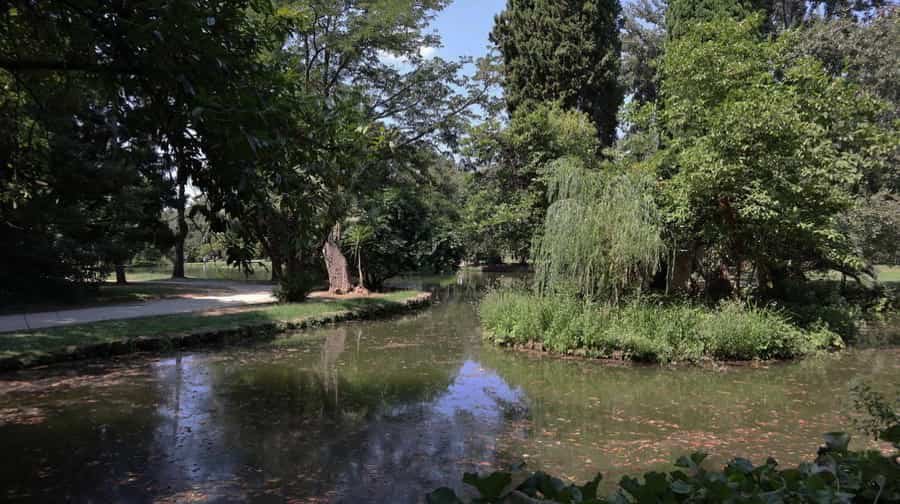
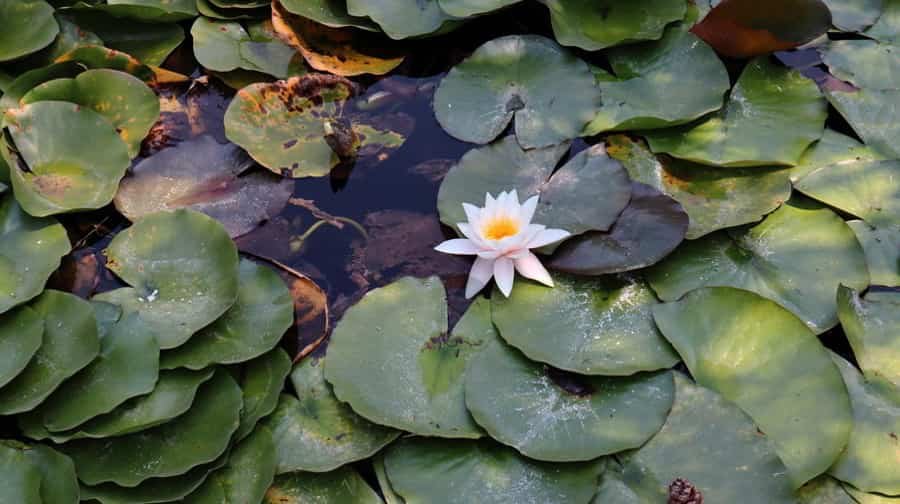
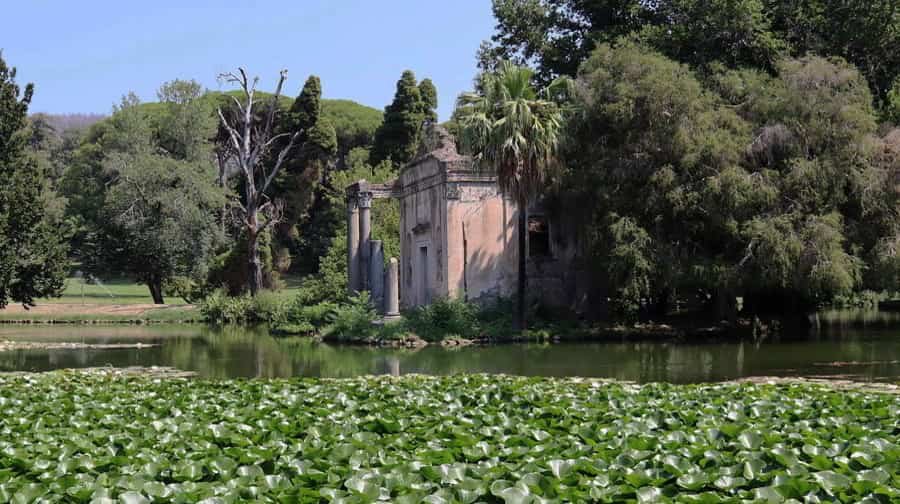
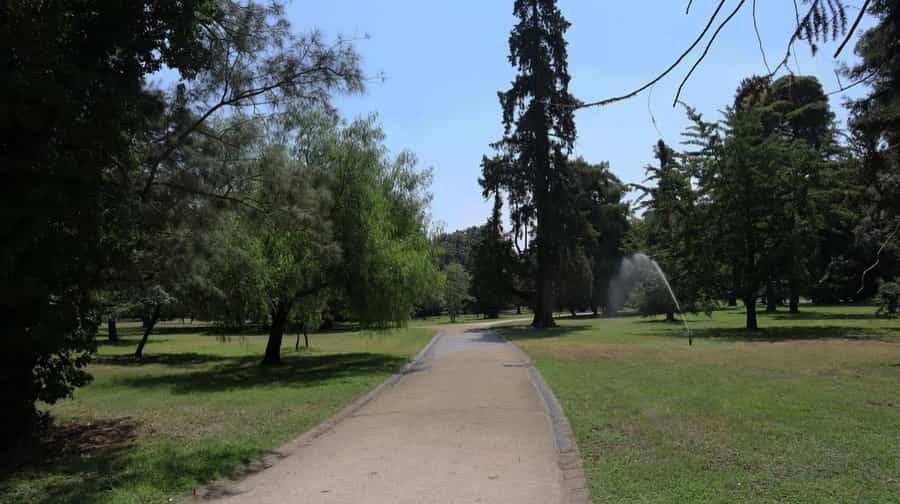
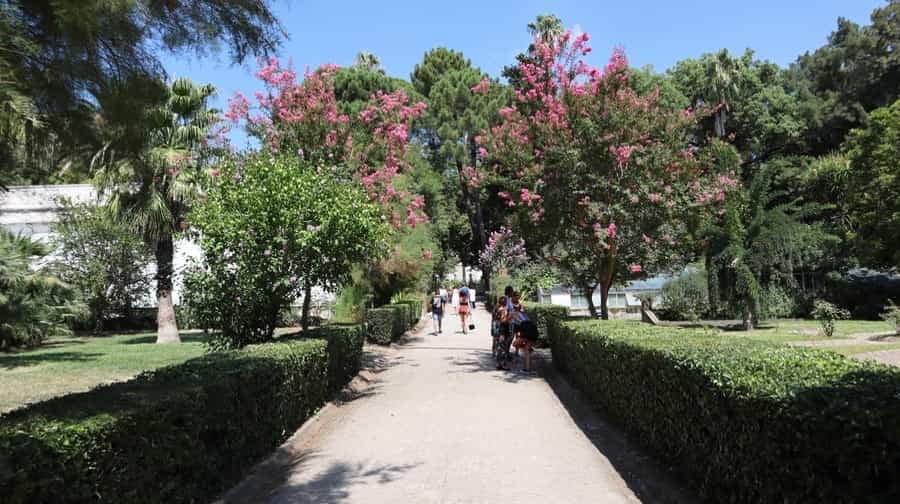
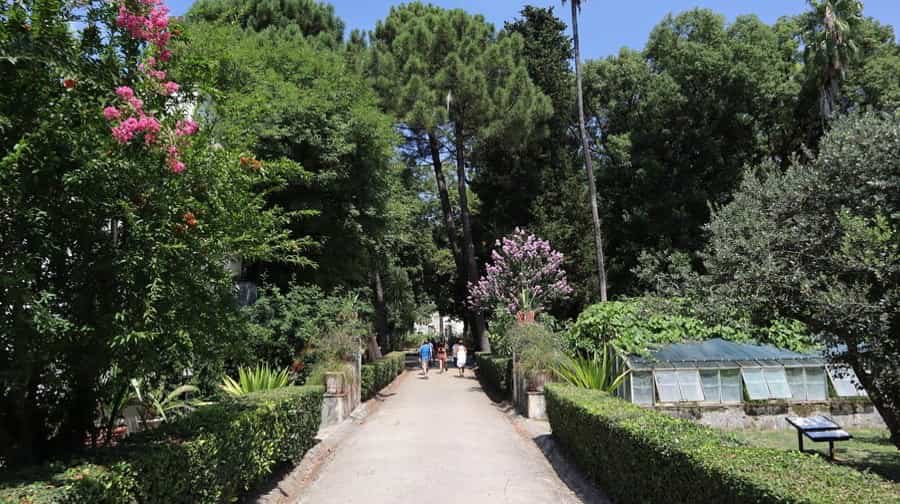
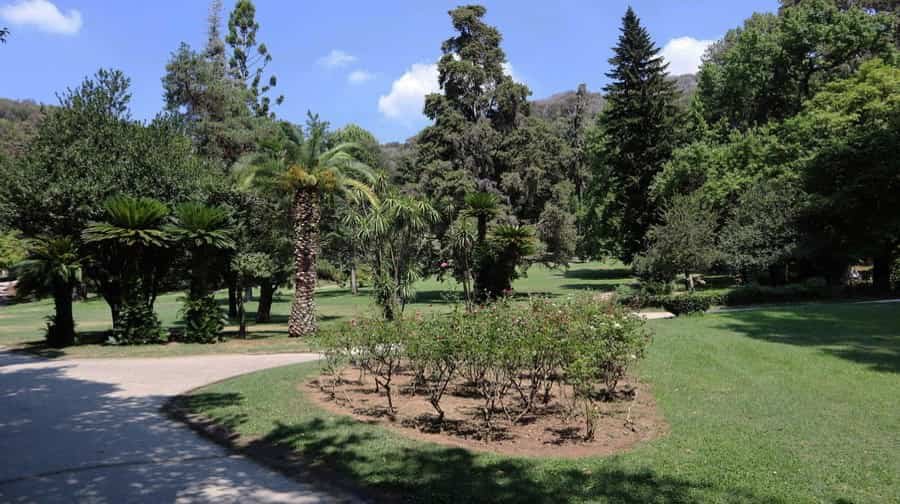
Photo Gallery of Giardino Inglese, La Reggia di Caserta ed il Parco Reale
COPYRIGHT © 2018-2026 ITALY IN PHOTOS - ALL RIGHTS RESERVED