
HOME
REGIONS OF ITALY
PLACES IN ITALY
PLAN YOUR TRIP
Italy in Photos
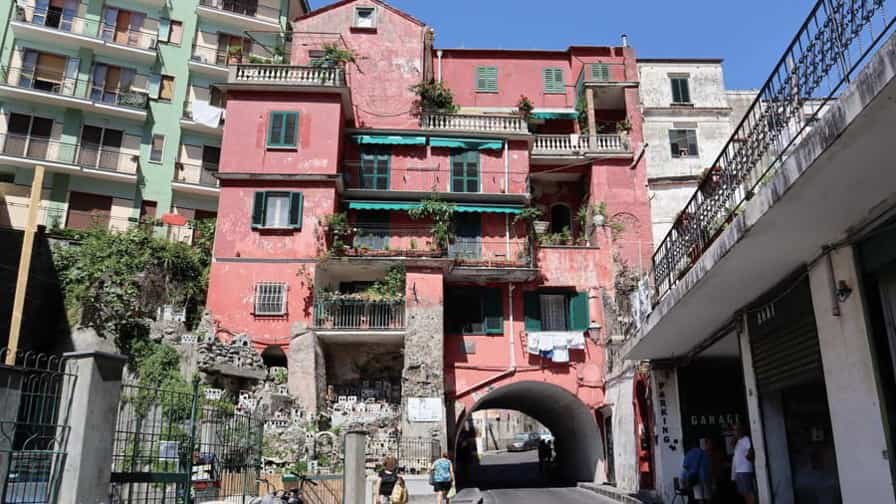
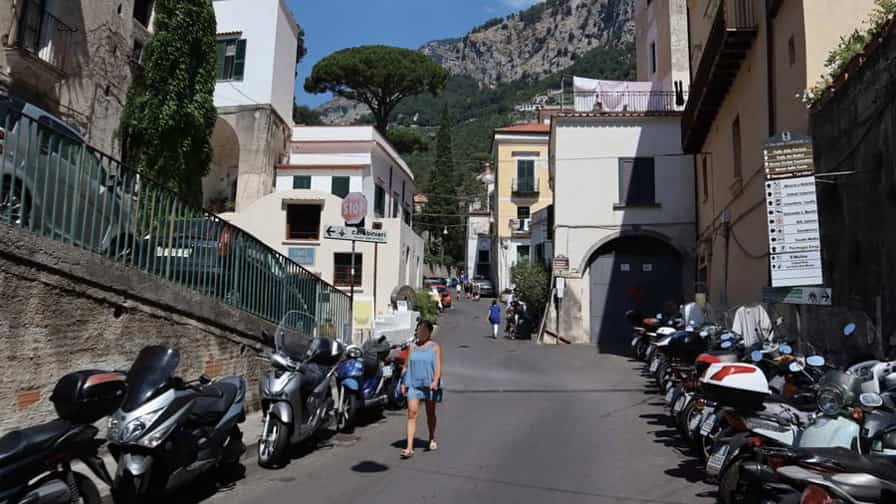
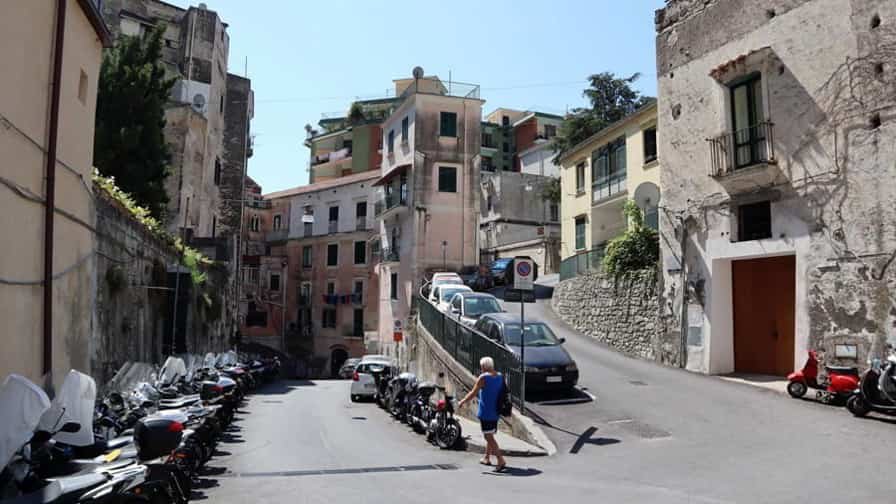
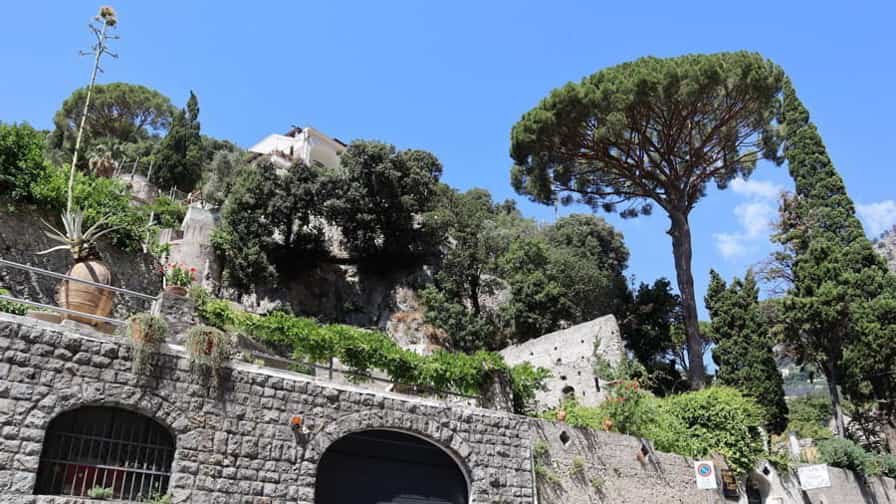
Via Lungomare dei Cavalieri, 84011 Amalfi SA, Italy (August 2019)
Amalfi
Delayed or cancelled flight?
Get up to £520!
You’ve got rights when your flight’s disrupted.
We enforce them and handle everything so you get paid
Dramatically set between sheer limestone cliffs and the deep blue waters of the Tyrrhenian Sea, Amalfi is one of Italy’s most evocative coastal towns. Located along the famed Amalfi Coast in southern Italy, the town is a place where natural beauty, maritime history, and Mediterranean culture come together in striking harmony. Though small in size, Amalfi carries an outsized historical and cultural legacy, shaped by centuries of trade, seafaring, and close ties to the sea.
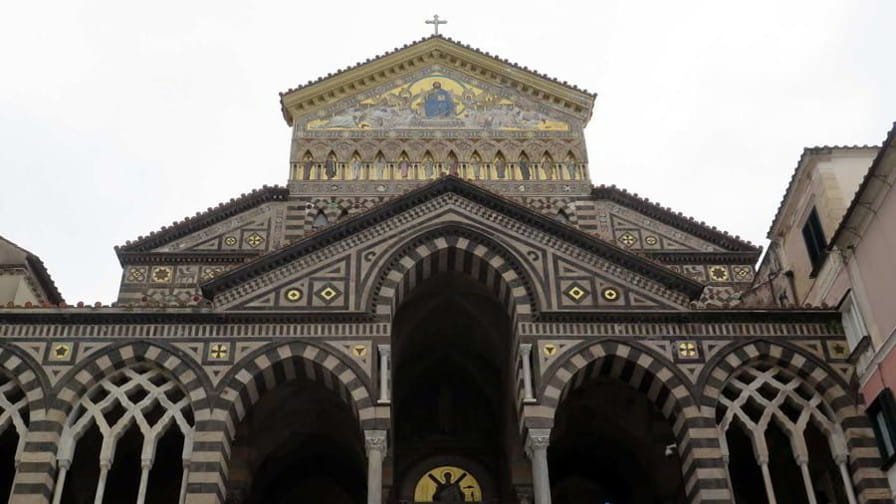
Amalfi rose to prominence during the early Middle Ages as the capital of the powerful Maritime Republic of Amalfi. Between the 9th and 11th centuries, it rivalled Venice, Pisa, and Genoa as a major naval and commercial power, trading with the Byzantine Empire, North Africa, and the Middle East. This era of prosperity left a lasting imprint on the town’s identity and architecture. At the heart of Amalfi stands the magnificent Cathedral of Sant’Andrea, whose grand staircase and striking Arab-Norman façade dominate the main piazza. Inside, the cathedral preserves mosaics, relics, and artistic elements that reflect the town’s cosmopolitan past and deep religious heritage.
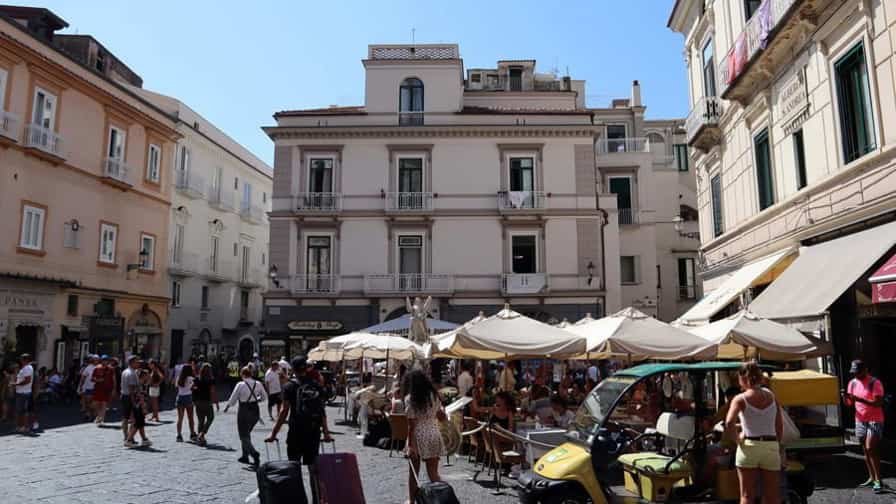
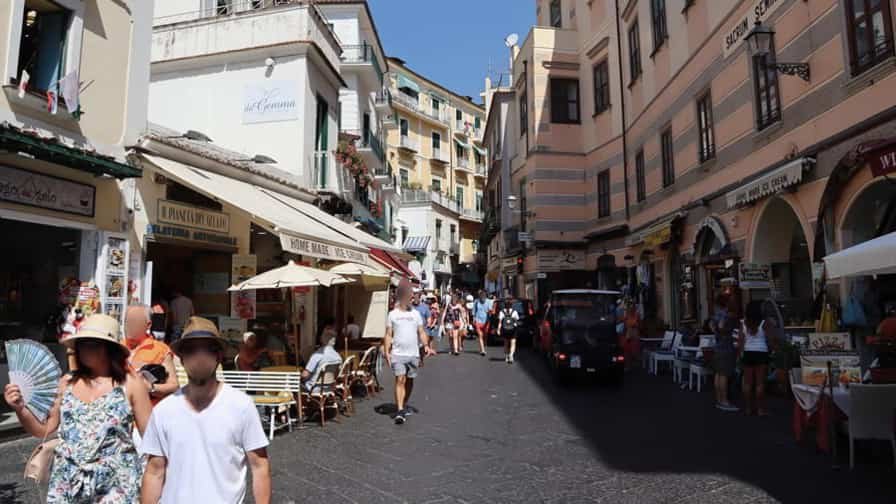
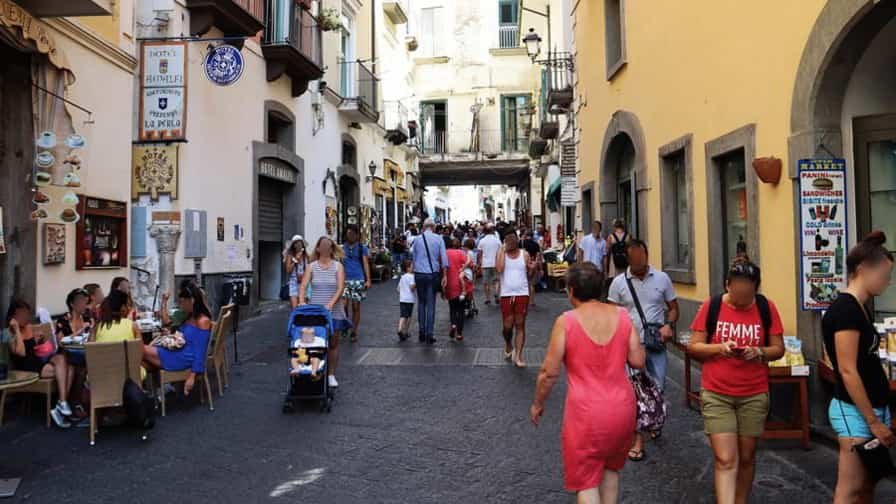
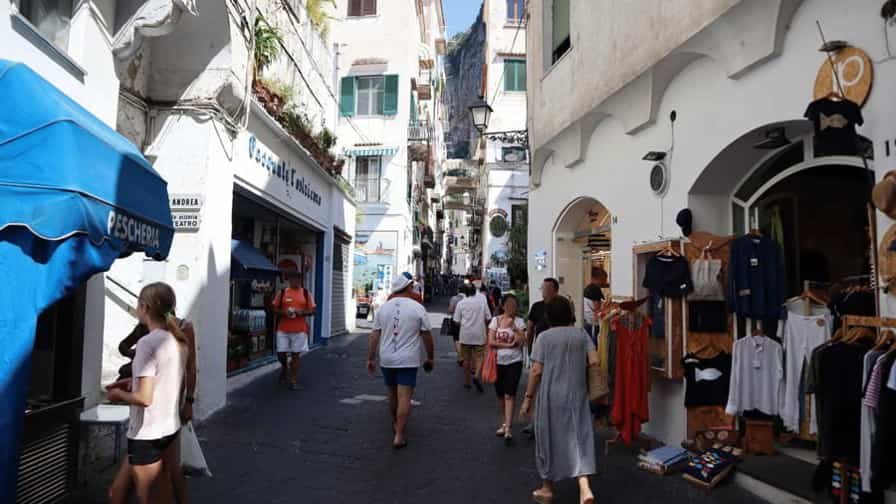
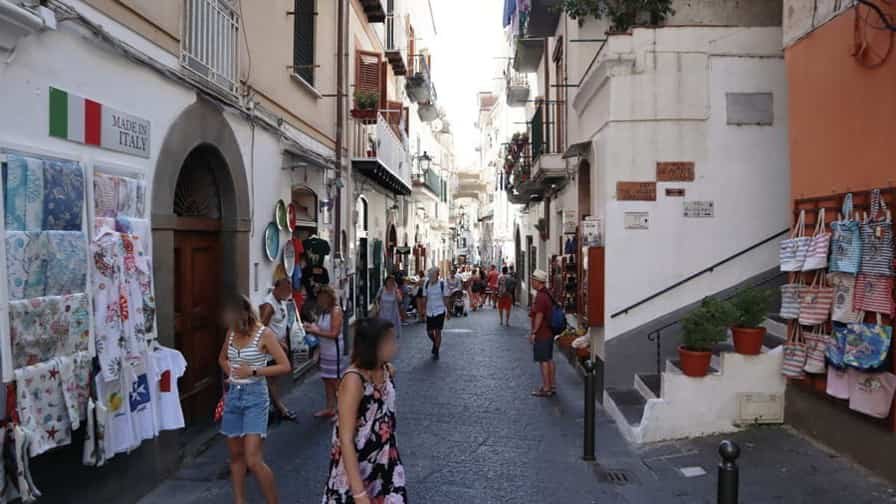
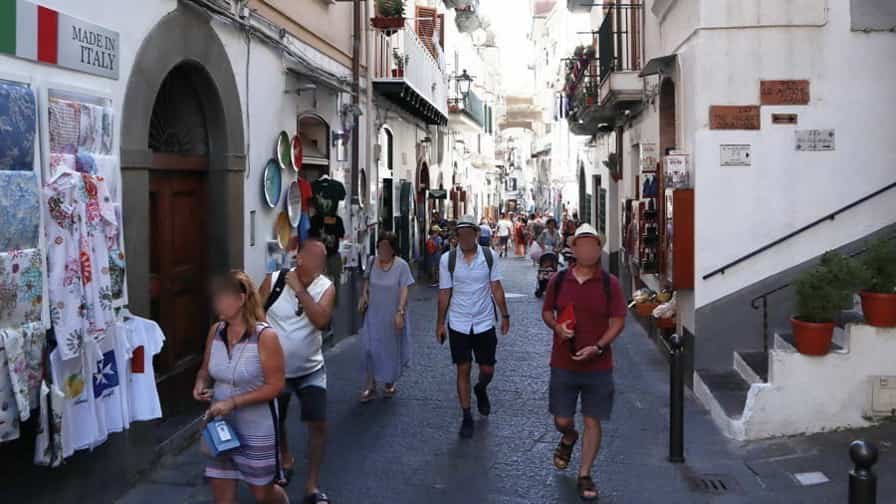
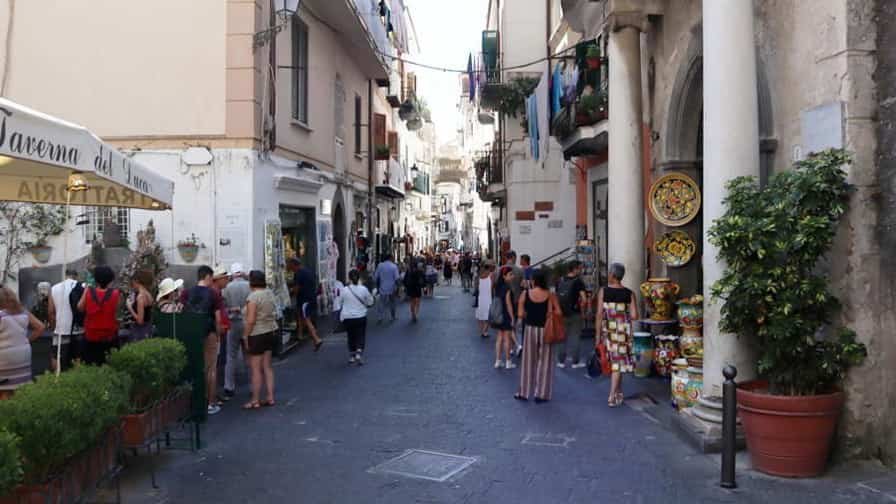
The historic centre of Amalfi is a dense and lively network of narrow streets, vaulted passageways, and small squares that open unexpectedly toward the sea. Built into the steep terrain, the town unfolds vertically, with homes, shops, and gardens layered along the hillside. Everyday life blends seamlessly with tourism, as fishermen mend nets near the harbour while cafés and artisan shops line the streets above. Despite its popularity, Amalfi retains a sense of authenticity rooted in daily routines and long-standing traditions.
Nature plays a defining role in Amalfi’s character. Terraced lemon groves climb the slopes above the town, producing the famous sfusato amalfitano, a fragrant lemon variety essential to local cuisine and the production of limoncello. The surrounding mountains and coastal paths offer dramatic views and a quieter perspective on the region, revealing how closely life here has always been tied to a challenging but generous landscape. The Valle delle Ferriere, just inland from the town, highlights this relationship further, with ancient paper mills and lush vegetation nourished by mountain streams.
Amalfi is also historically linked to innovation and law. The town is traditionally associated with the Tavole Amalfitane, one of the earliest maritime legal codes in the Mediterranean, underscoring its importance as a center of navigation and commerce. This legal and nautical heritage adds intellectual depth to Amalfi’s scenic appeal, reminding visitors that beauty and influence have long gone hand in hand here.
Today, Amalfi continues to captivate with its blend of grandeur and intimacy. Whether approached by sea or by the winding coastal road, the town makes an unforgettable first impression. Amalfi is not merely a postcard destination, but a place shaped by resilience, trade, and the rhythms of the Mediterranean, an enduring symbol of Italy’s coastal soul.
Worth a Visit
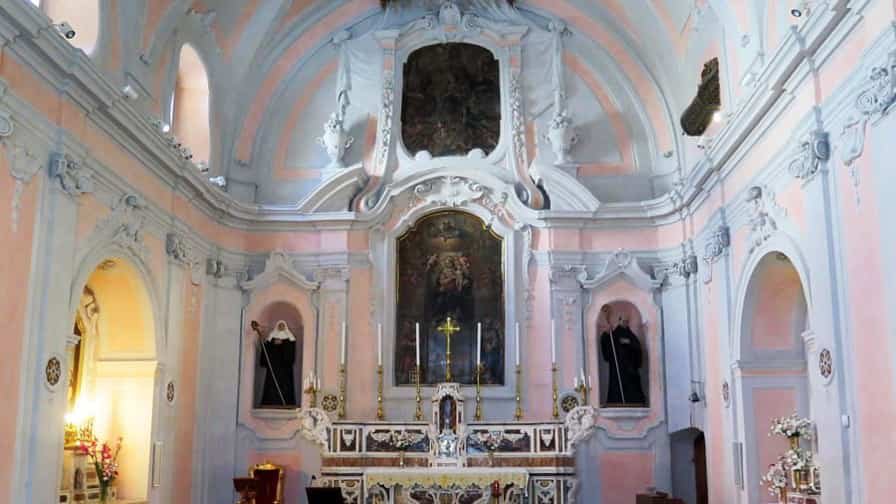
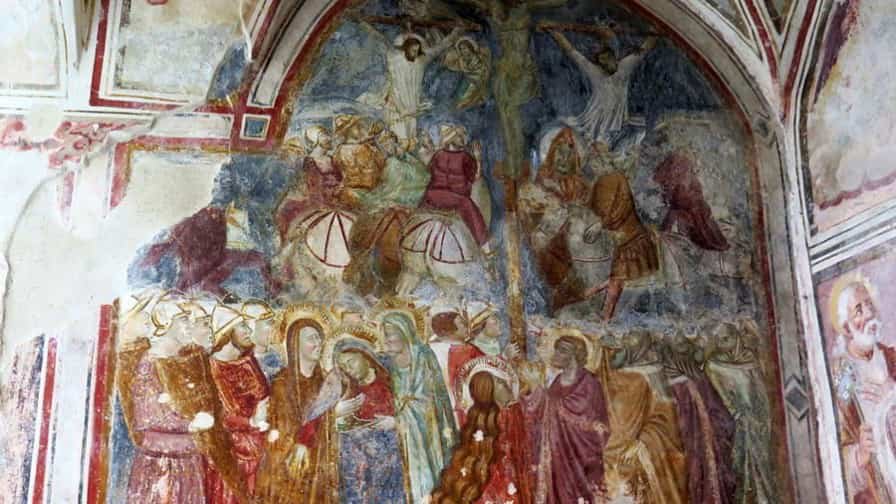
The Church of San Benedetto in Amalfi is a beautiful example of the town’s rich spiritual and artistic heritage. Located near the historic center, this church dates back to the tenth century and was originally part of a Benedictine monastery that played an important role in the religious life of the community. Over the centuries, the structure has undergone several transformations, blending different architectural styles that reflect Amalfi’s long history and cultural influences. The church’s simple yet elegant façade contrasts with its richly decorated interior, where visitors can admire delicate frescoes, fine stucco work, and sacred artworks from various periods. Though smaller and less famous than the nearby Cathedral of Saint Andrew, the Church of San Benedetto offers a peaceful and intimate atmosphere. It stands as a quiet reminder of Amalfi’s devotion and the enduring presence of monastic traditions along the spectacular Amalfi Coast.
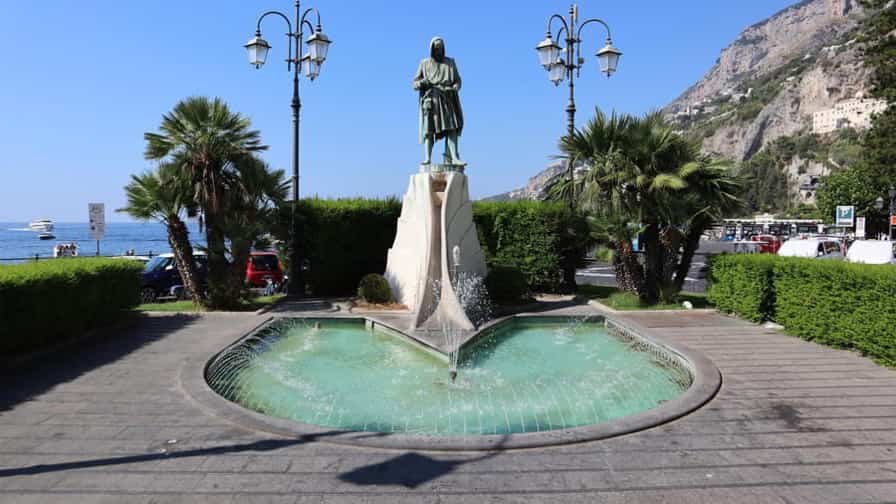
Piazza Flavio Gioia is the lively gateway to the historic heart of Amalfi, a picturesque coastal town in southern Italy. Named after the legendary mariner Flavio Gioia, who is often credited with perfecting the magnetic compass, the square blends maritime heritage with Mediterranean charm. Located near the seafront, it welcomes visitors with palm trees, stone benches, and a magnificent statue honouring Gioia himself. From here, narrow cobblestone streets lead to Amalfi’s famous Cathedral of Saint Andrew and a maze of quaint shops, cafés, and gelaterias. The gentle sea breeze carries the scent of lemon and salt, while the sound of lapping waves mingles with the chatter of travellers and locals alike. Piazza Flavio Gioia is more than just a meeting point, it is a symbol of Amalfi’s proud seafaring past and its warm, timeless atmosphere that continues to enchant visitors from around the world.
Photo Gallery of Walk 1 – Via Pantaleone Comite to Via Lungomare dei Cavalieri
Approximately 1.16 km – 0.72 miles
Description of Walk 1
The walk through Amalfi captures the essence of this historic maritime town, once a powerful republic. Beginning along Via Pantaleone Comite, a narrow street lined with small shops and cafés, the route quickly opens into Piazza Municipio, a lively civic space reflecting local daily life. From here, the walk follows Corso delle Repubbliche Marinare, the town’s main artery, named after the historic maritime powers of Italy. This bustling promenade leads past the impressive Amalfi Cathedral (Duomo di Amalfi), a striking blend of Arab-Norman and Gothic architecture. Continuing toward Piazza Flavio Gioia, the route honors the legendary inventor of the compass, symbolizing Amalfi’s seafaring legacy. The path then reaches the waterfront at Molo Darsena di Amalfi, where boats bob in the harbor against a backdrop of steep cliffs and pastel buildings. Finally, the walk concludes along Via Lungomare dei Cavalieri, a scenic seaside promenade offering expansive views of the Tyrrhenian Sea. Altogether, this route blends history, architecture, and coastal beauty into a compact yet memorable journey.
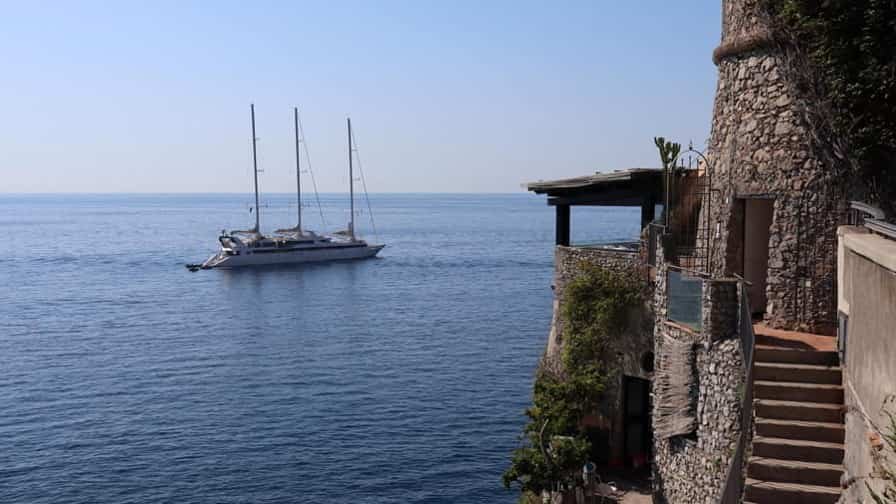
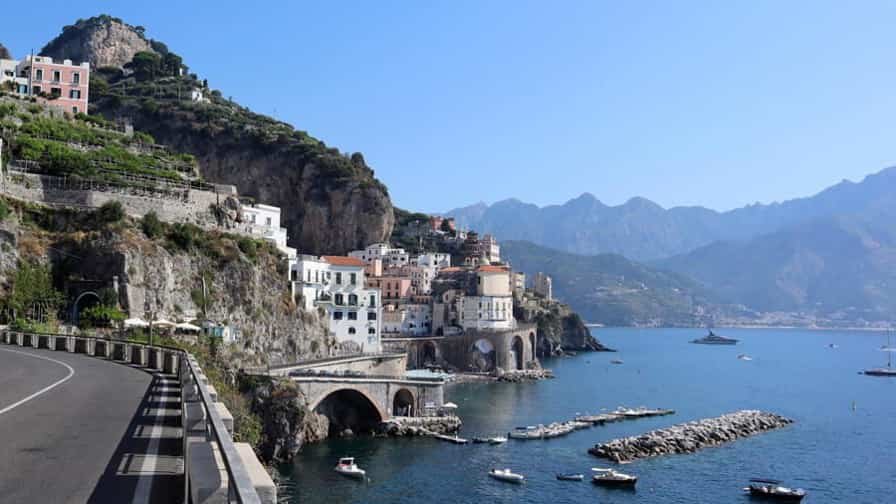
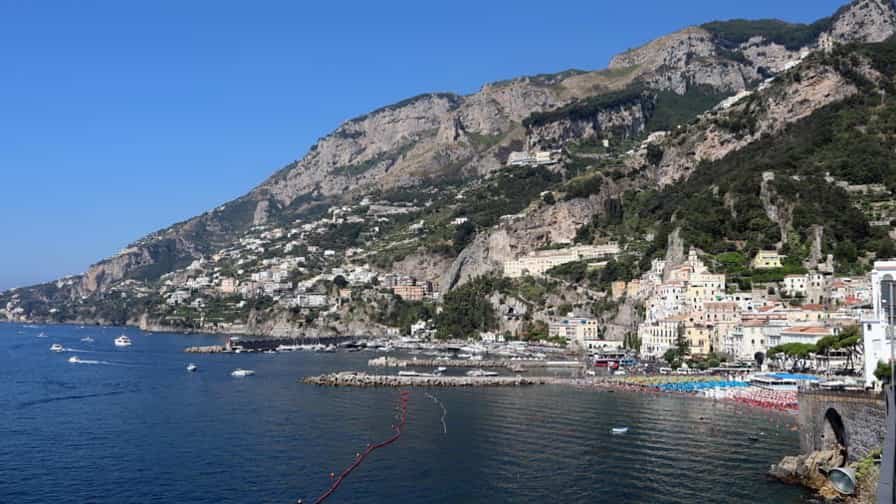
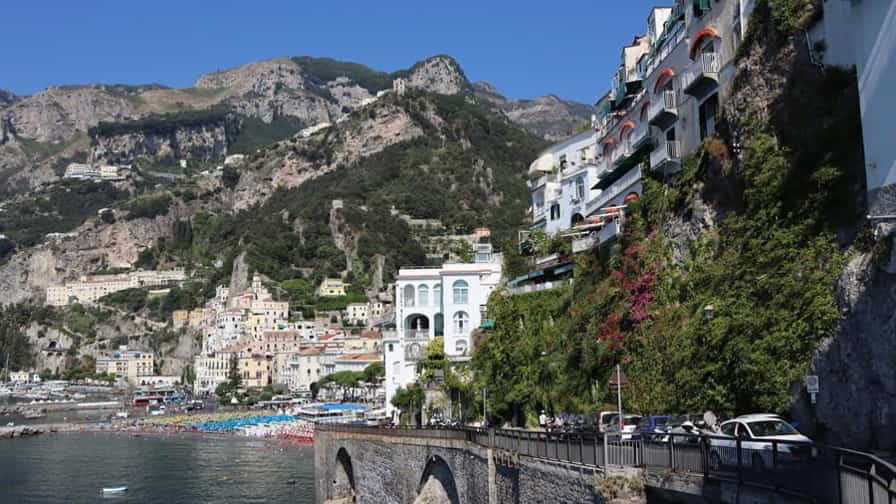
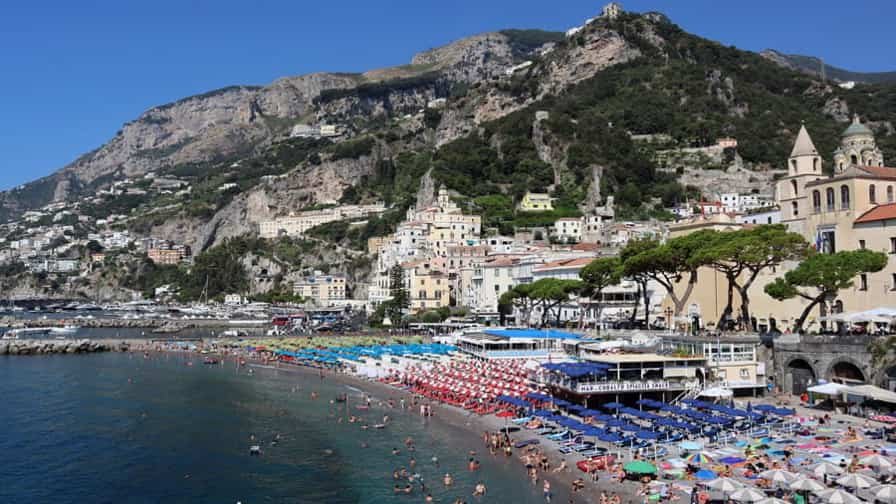
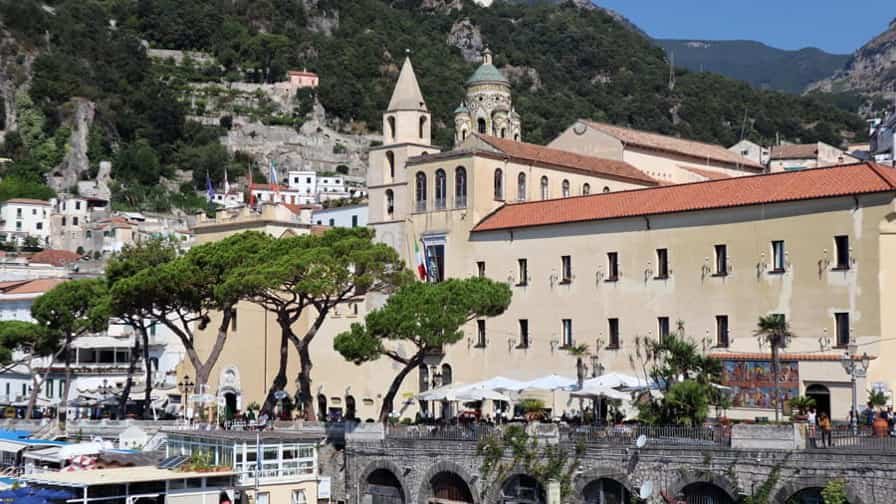
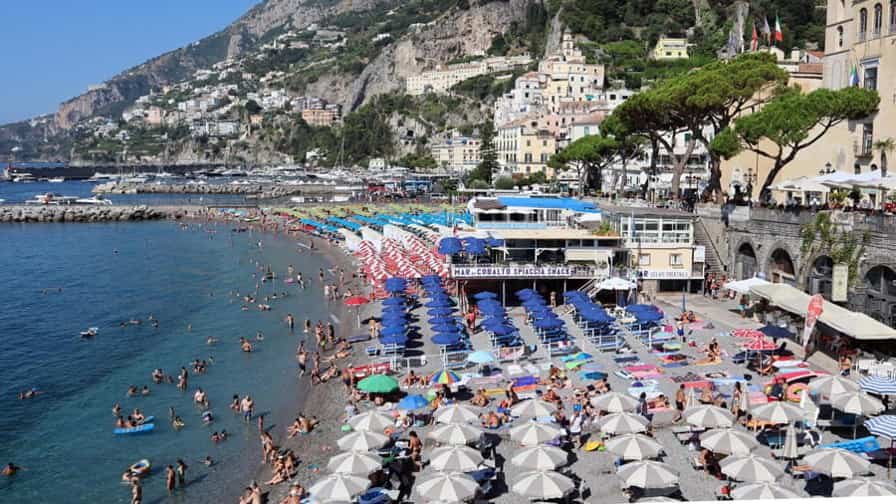
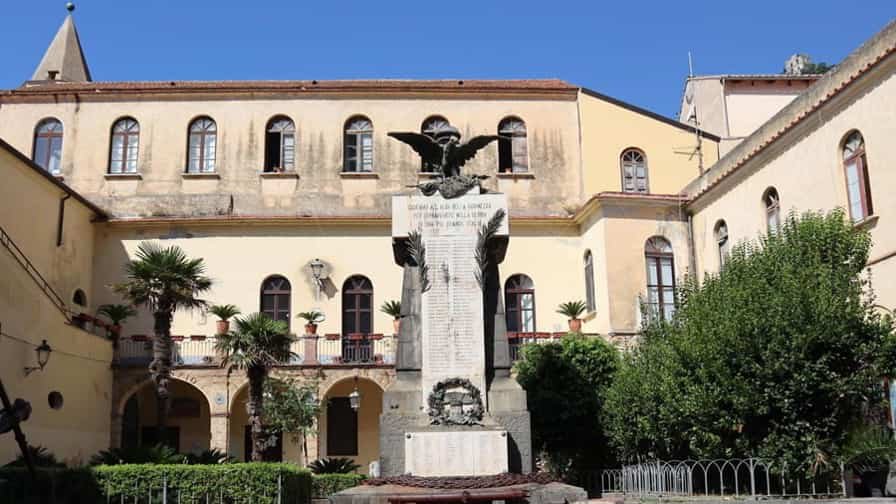
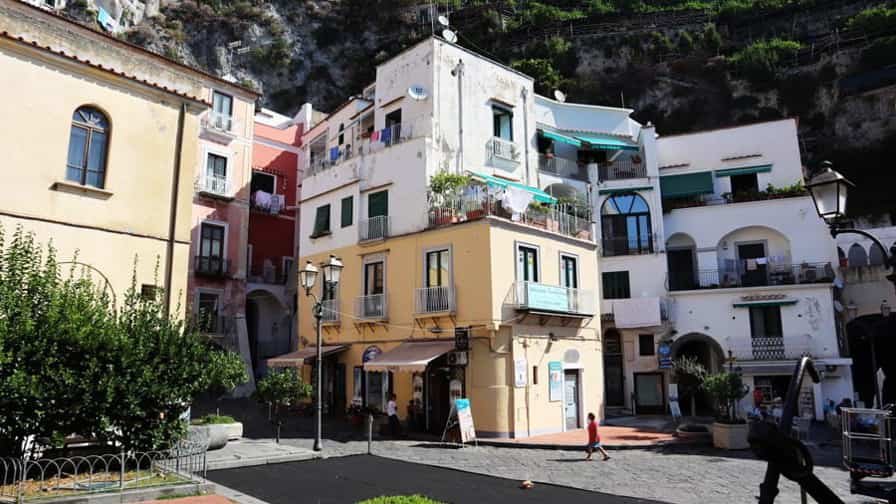
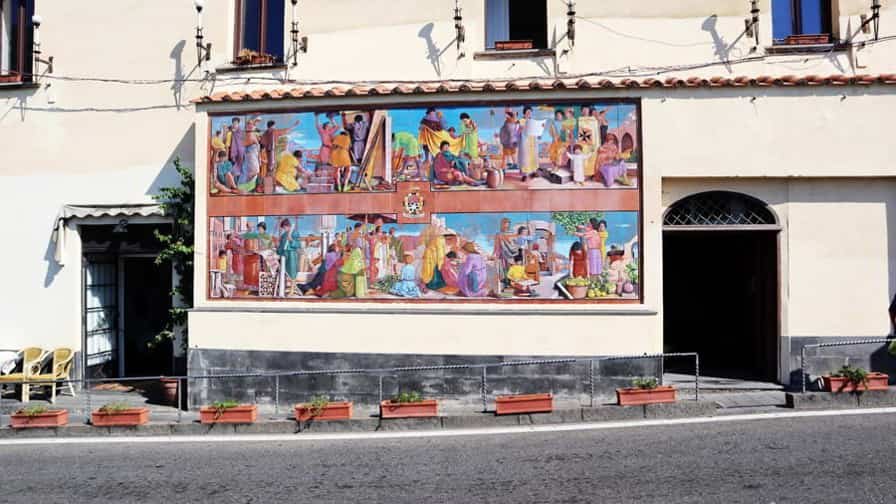
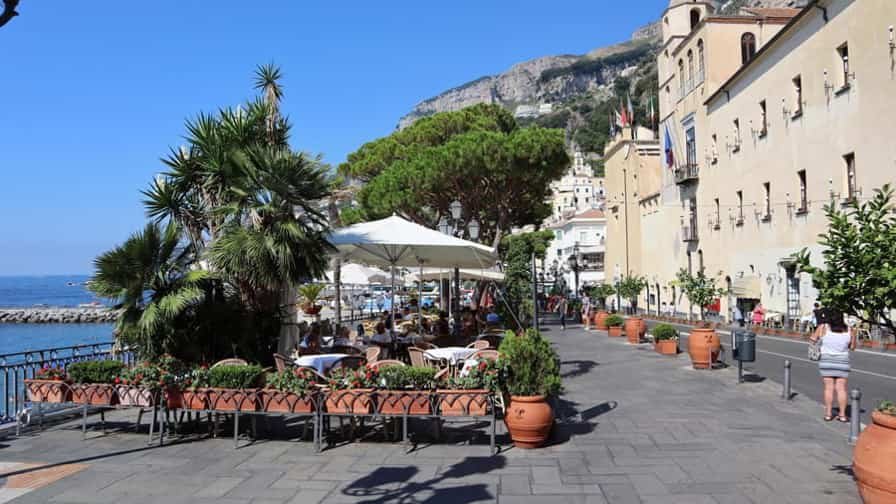
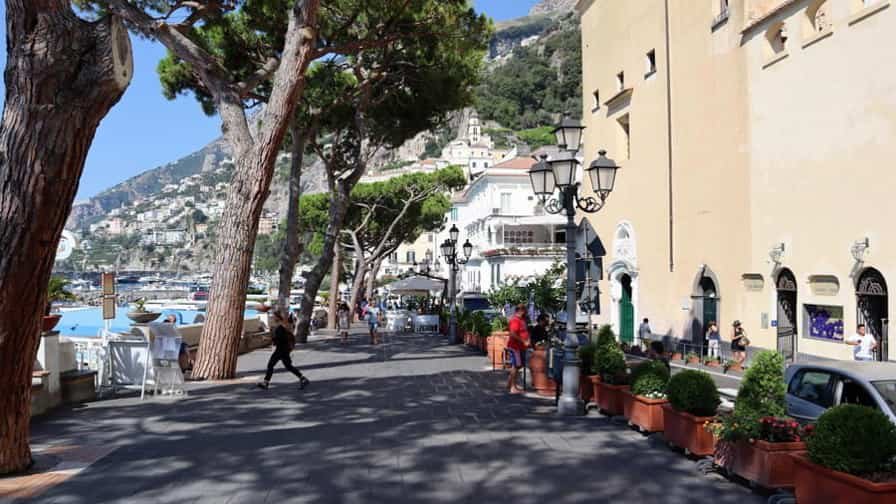
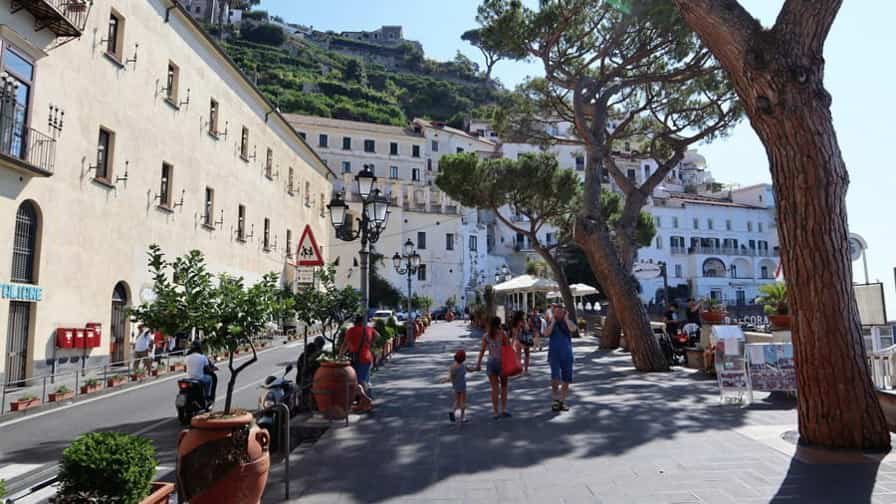
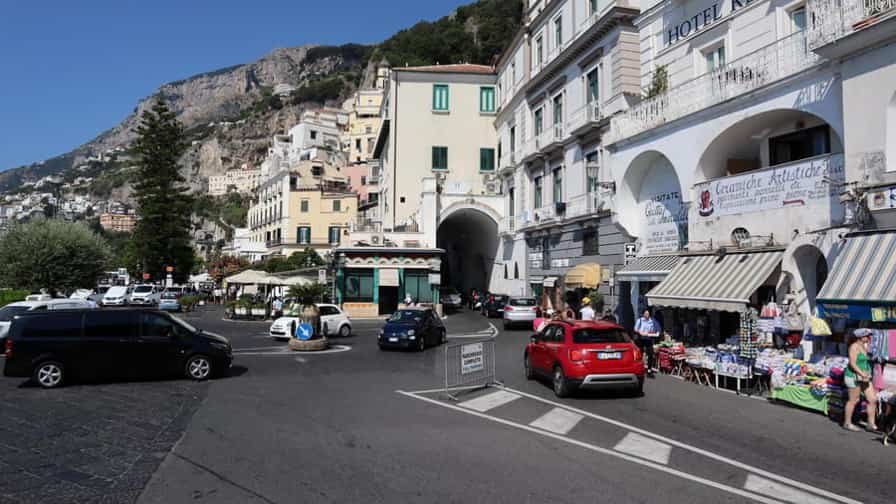
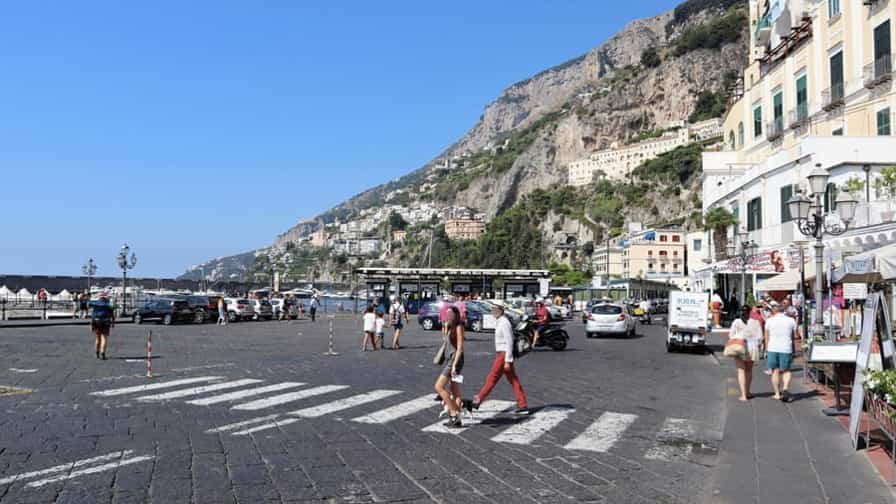
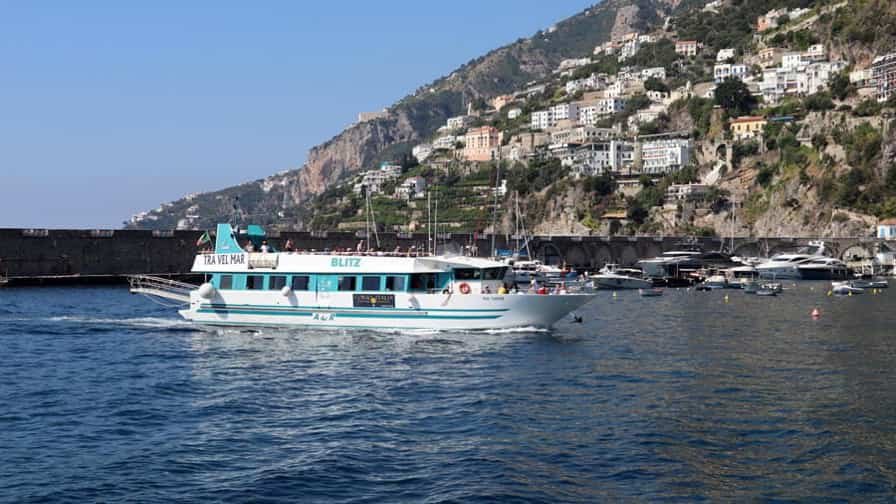
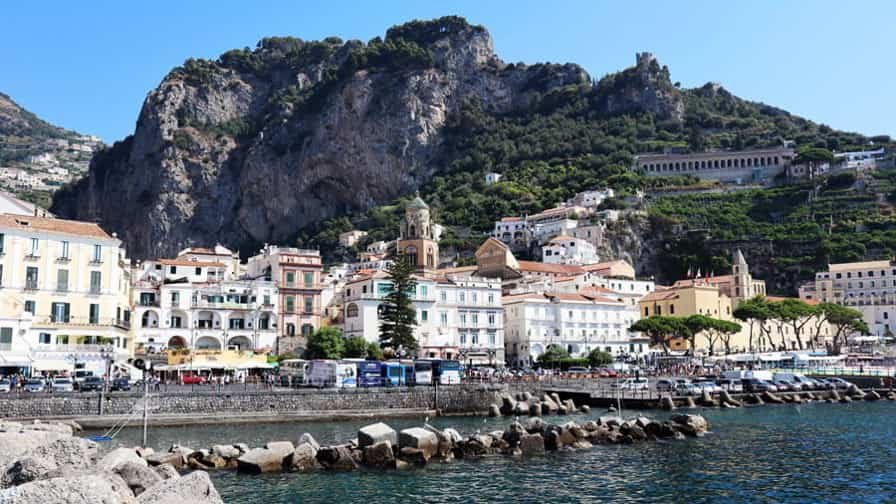
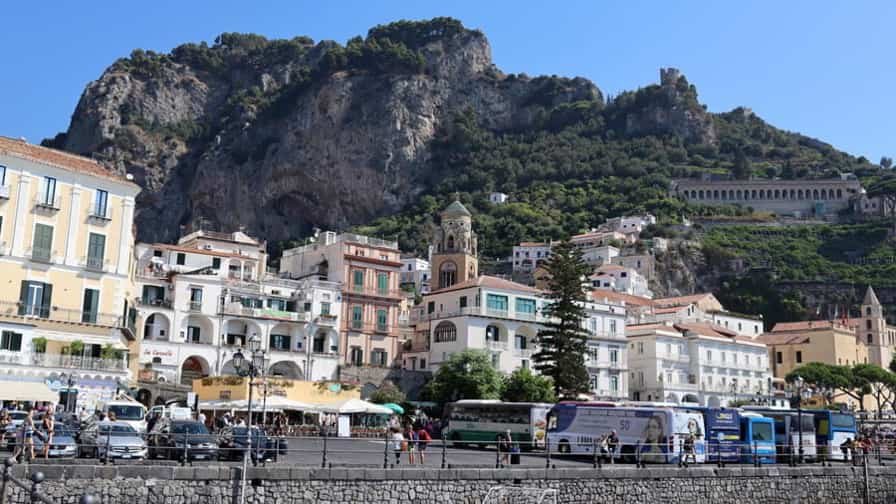
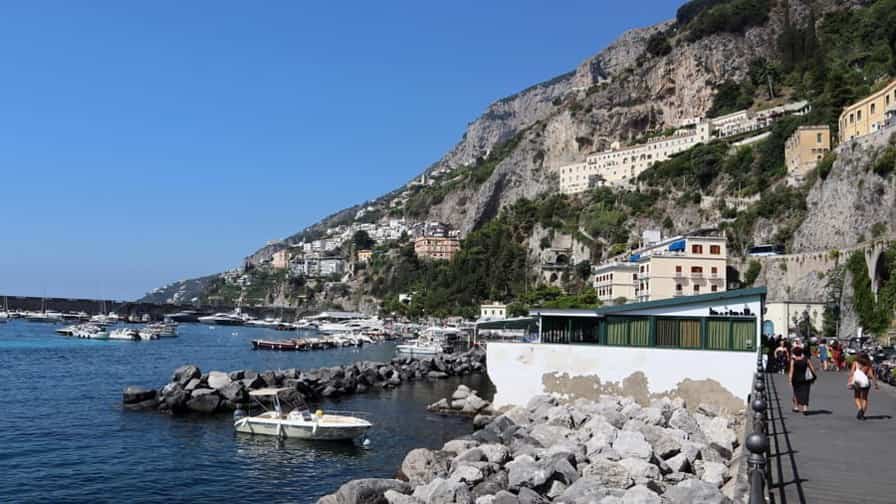
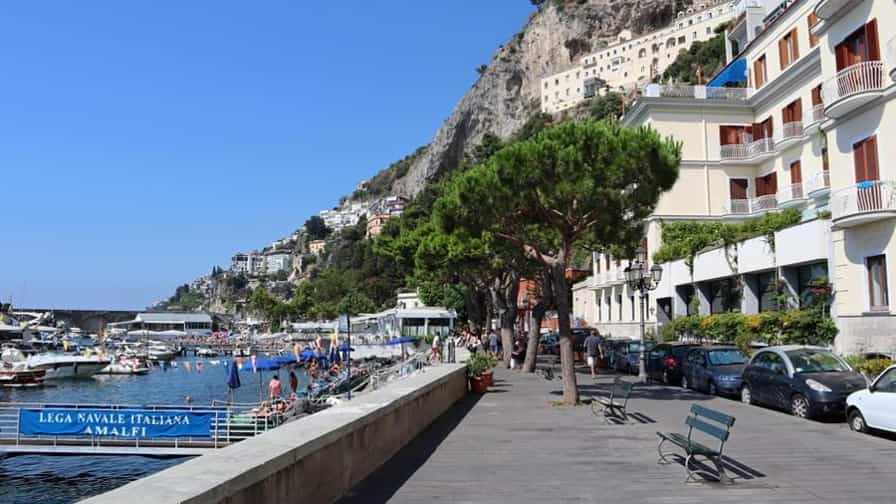
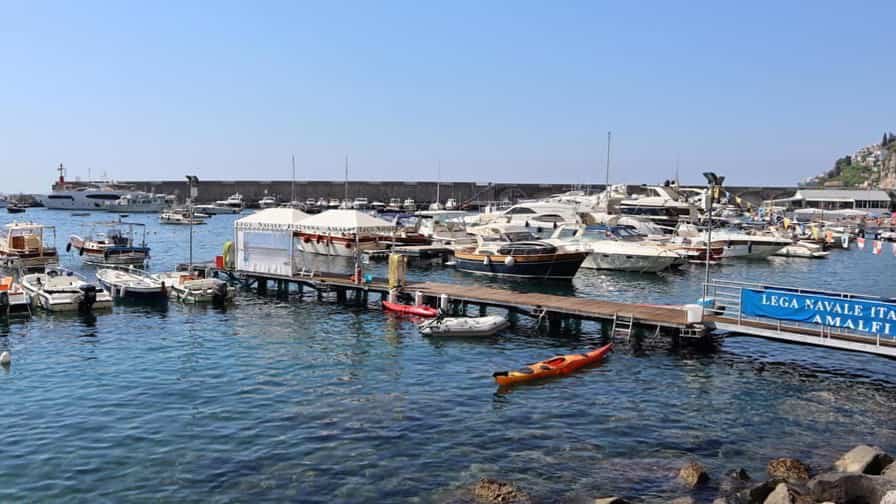
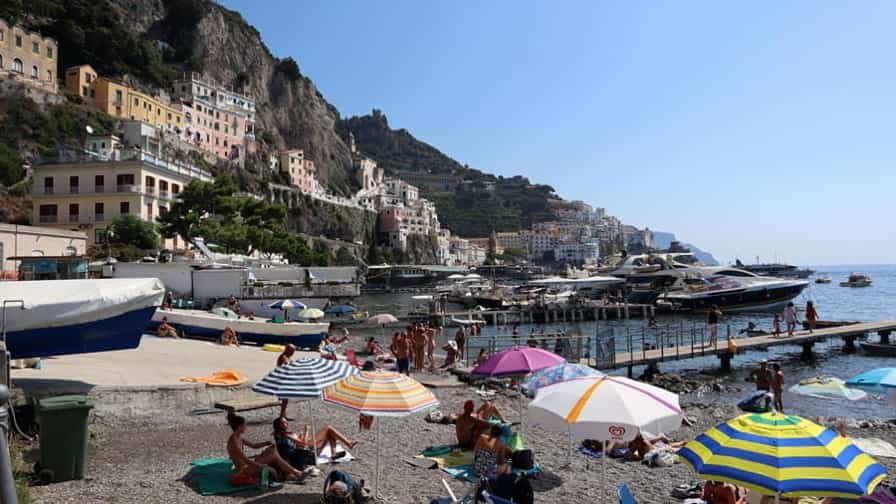
Photo Gallery of Walk 2 – Piazza Duomo to Via delle Cartiere
Approximately 0.97 km – 0.60 miles
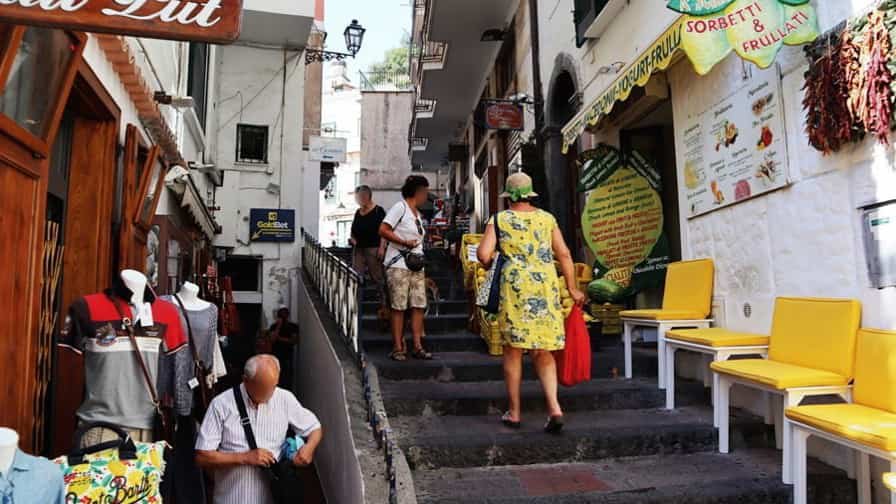
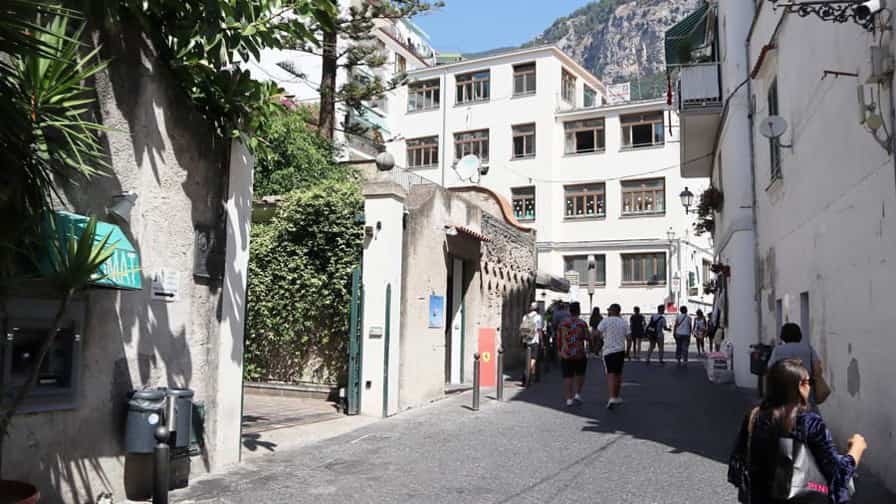
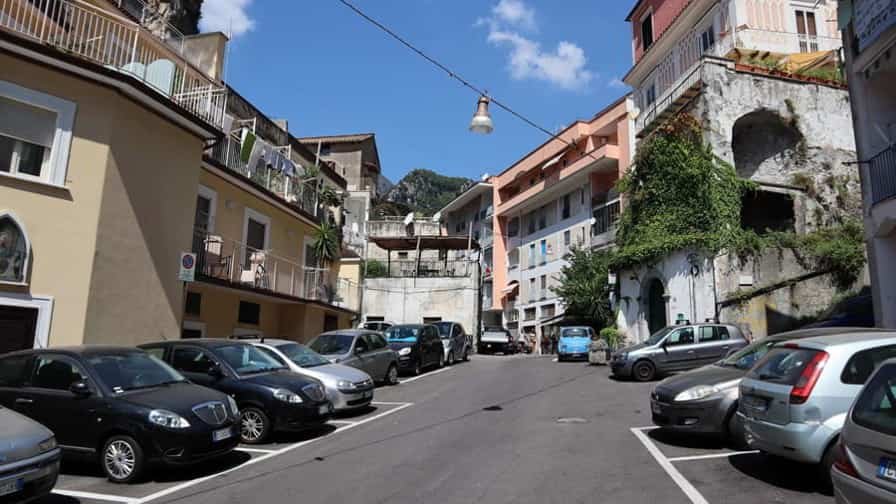
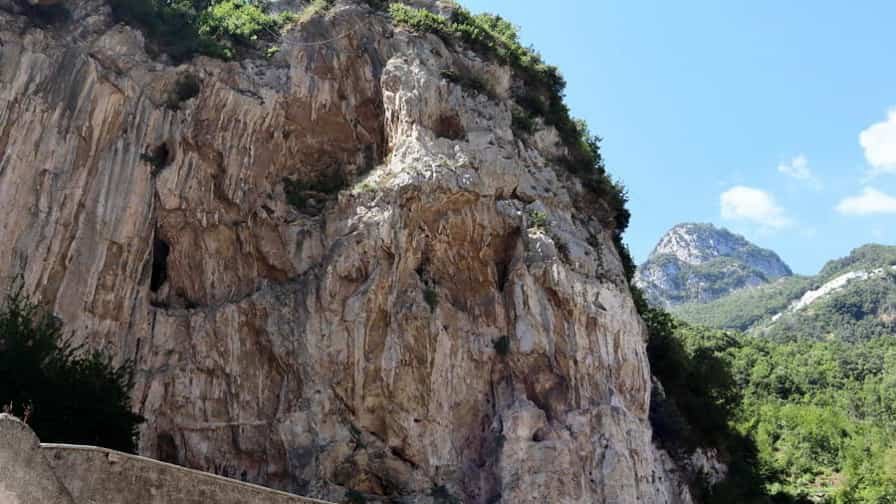
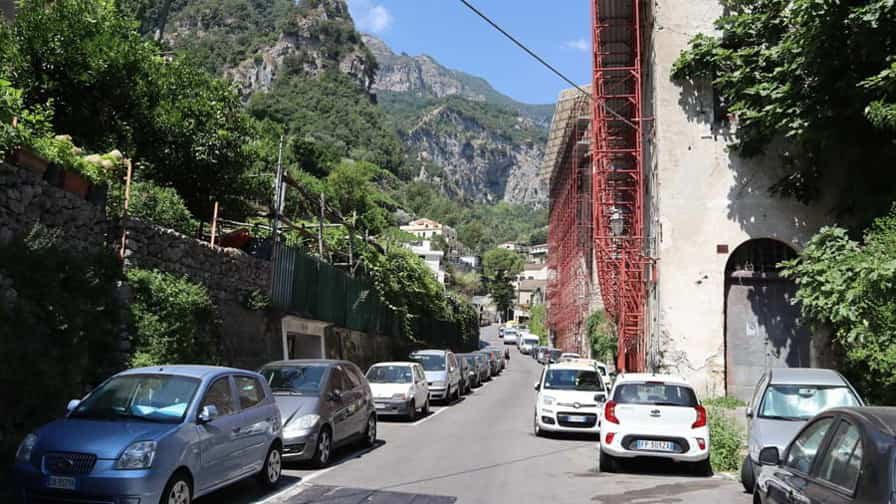
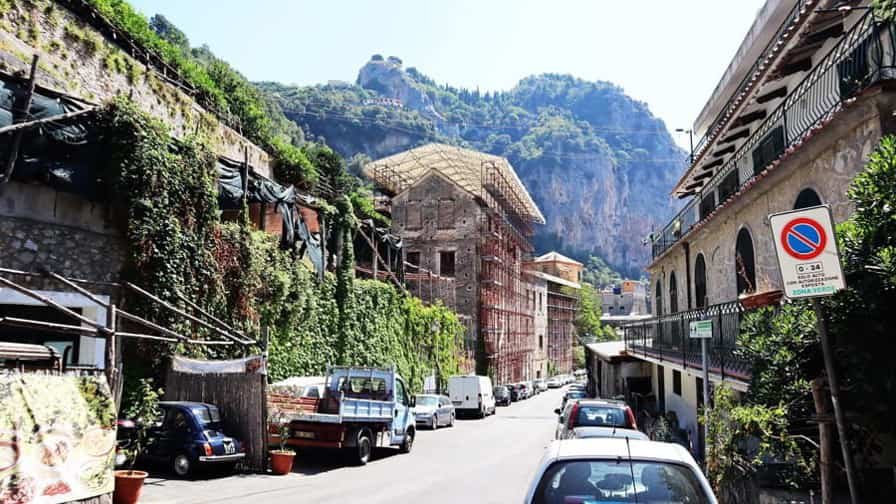
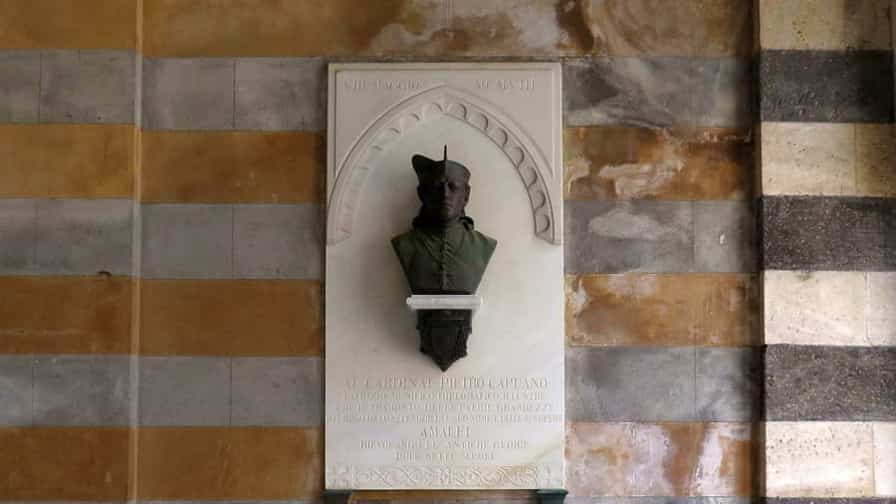
This walking route explores the historic heart and quieter backstreets of Amalfi, revealing both its grandeur and local character. It begins in Piazza Duomo, the town’s vibrant main square, dominated by the iconic Amalfi Cathedral (Duomo di Amalfi). At its center stands the Fontana di Sant’Andrea, a Baroque fountain dedicated to the town’s patron saint, anchoring the lively atmosphere of cafés and visitors. From the square, the route follows Via Lorenzo D’Amalfi, a bustling street filled with shops and traditional architecture. A turn up Salita Fra’ Gerardo Sasso introduces steep steps and quieter corners, offering glimpses into residential life and the town’s layered layout. Returning to the main flow, the walk continues along Via Pietro Capuano and reaches Piazza dello Spirito Santo, a more relaxed square away from the main crowds. The route then winds through Via Cardinale Marino del Giudice before ending along Via delle Cartiere, a scenic valley road once home to Amalfi’s famous paper mills. This path reveals the town’s rich history, from maritime power to artisanal tradition.
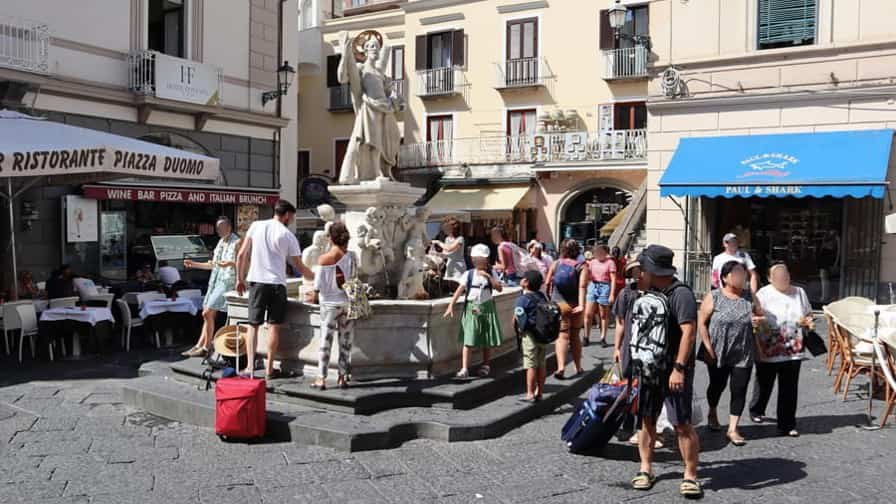
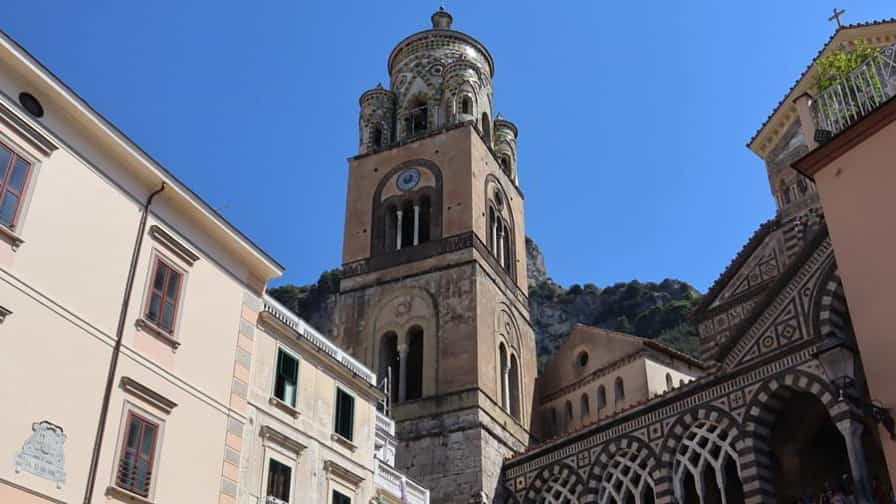
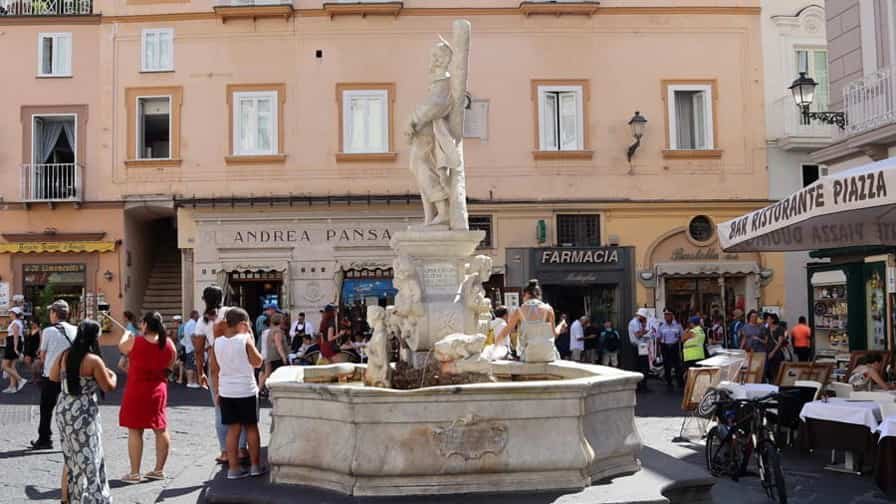
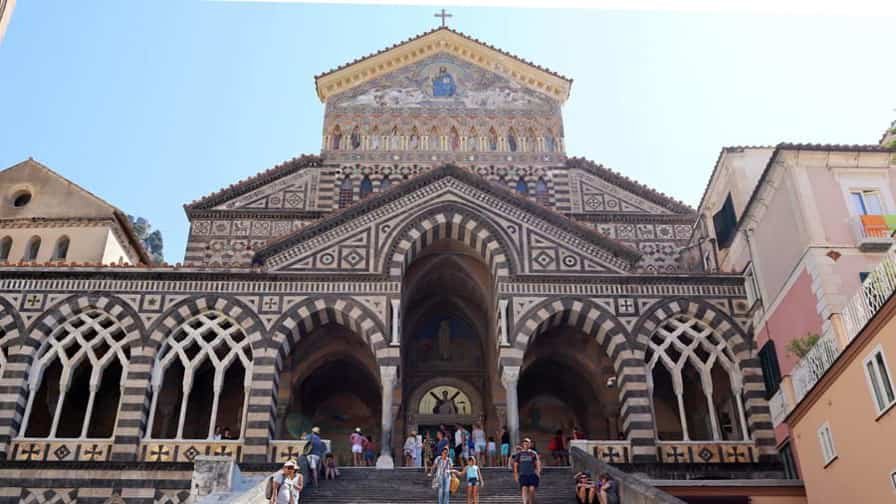
Duomo di Amalfi
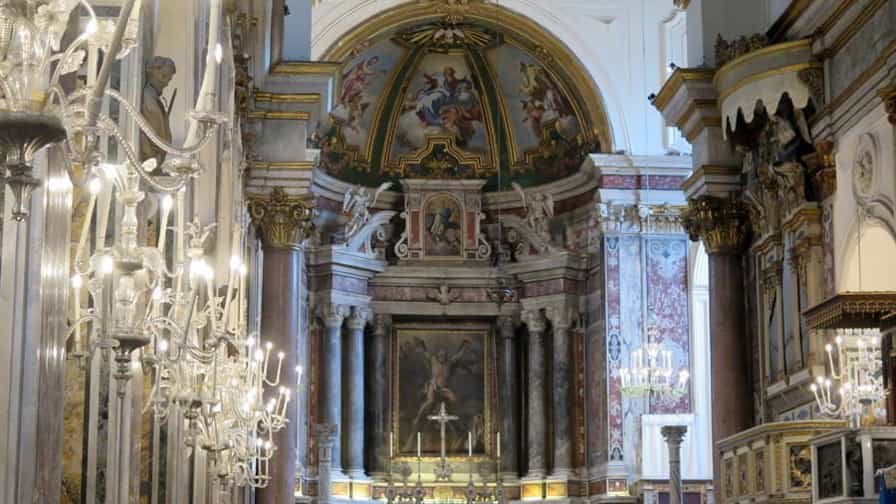
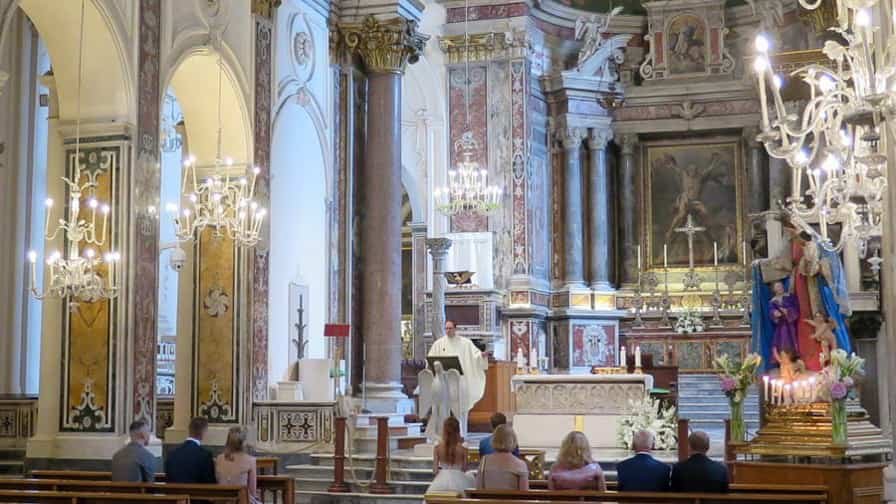
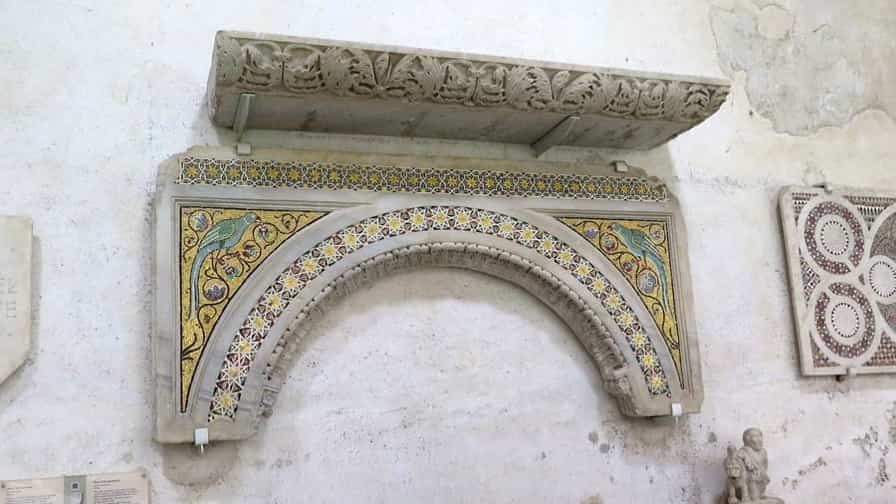
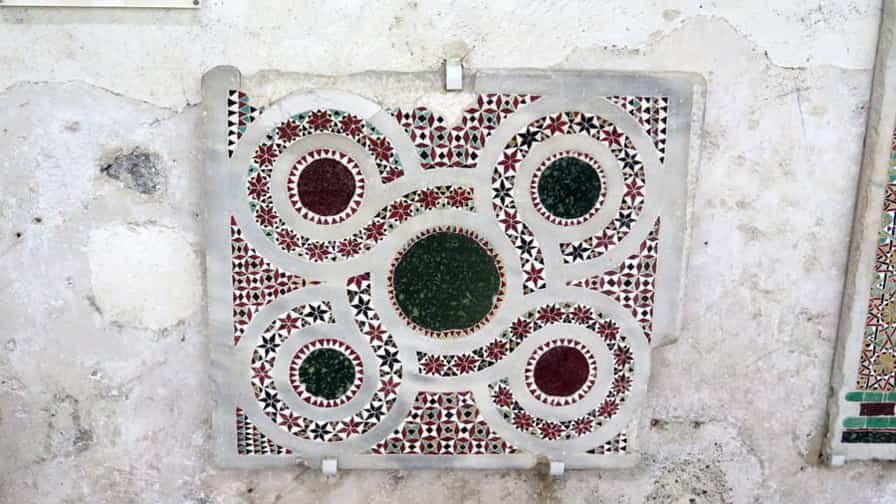
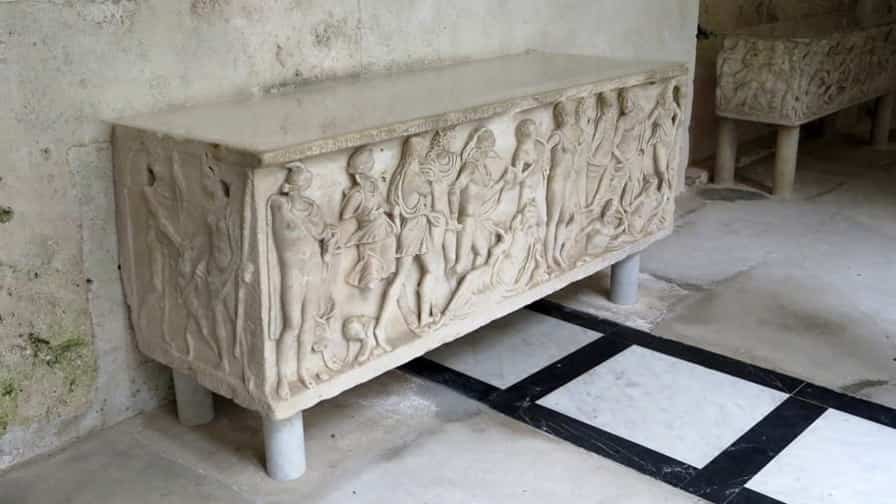
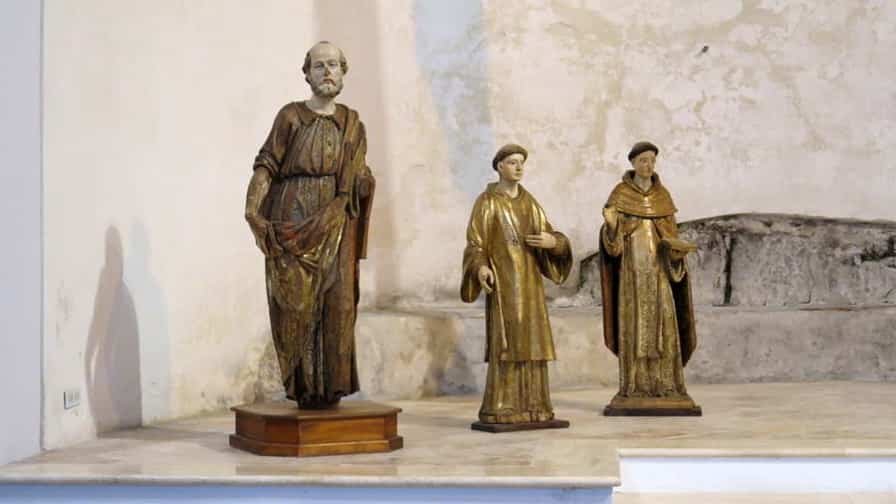
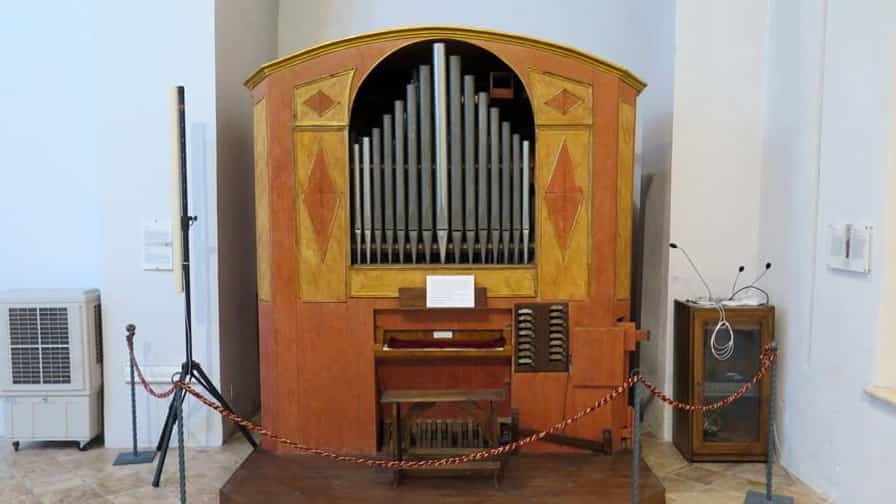
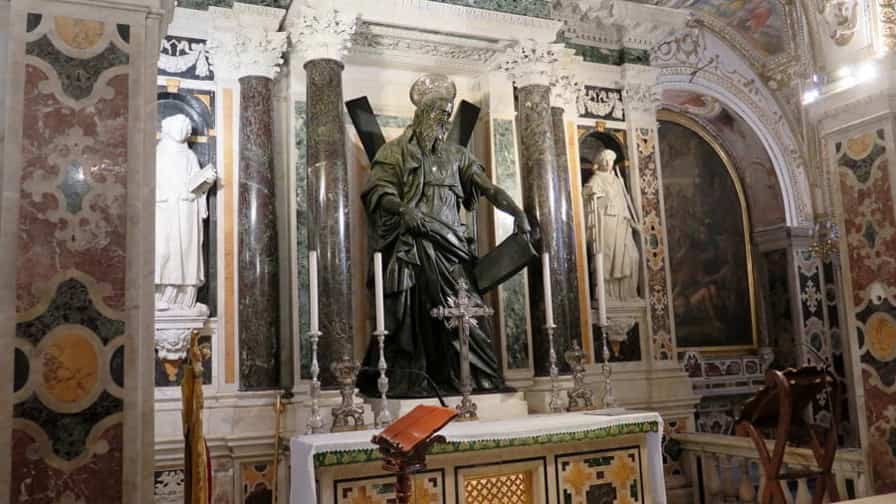
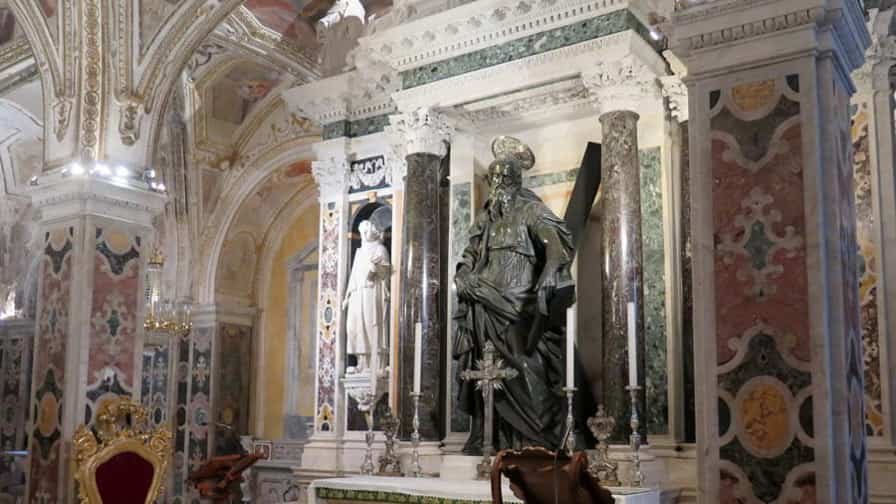
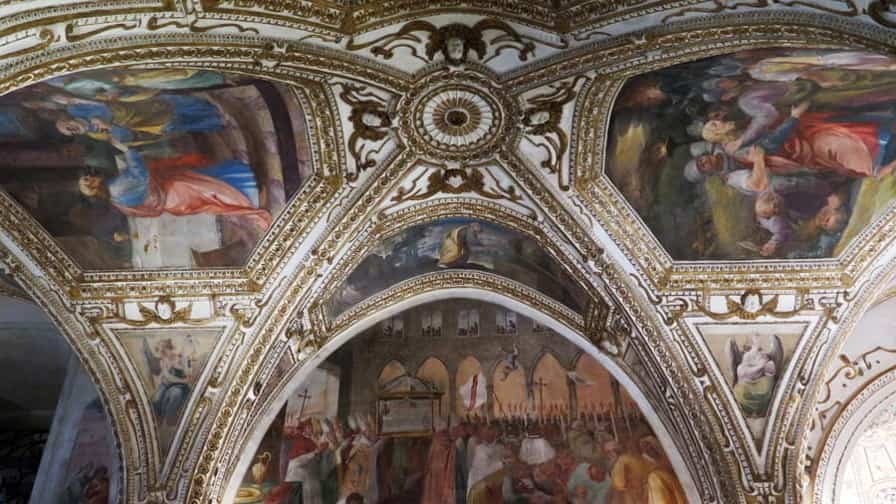
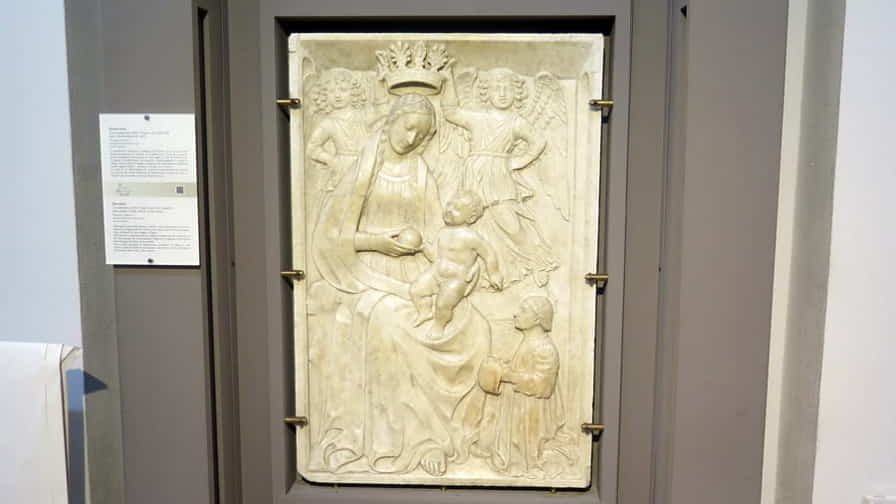
The Duomo di Amalfi, also known as the Cathedral of Saint Andrew, is the most iconic landmark in Amalfi and one of the finest examples of medieval architecture on the Amalfi Coast. Rising majestically above Piazza del Duomo, its striking staircase, intricate façade, and rich history make it a symbol of the town’s glorious past and deep spiritual heritage. Dedicated to Saint Andrew the Apostle, the patron saint of Amalfi, the cathedral has stood at the heart of the community for nearly a thousand years, welcoming pilgrims, travelers, and art lovers alike.
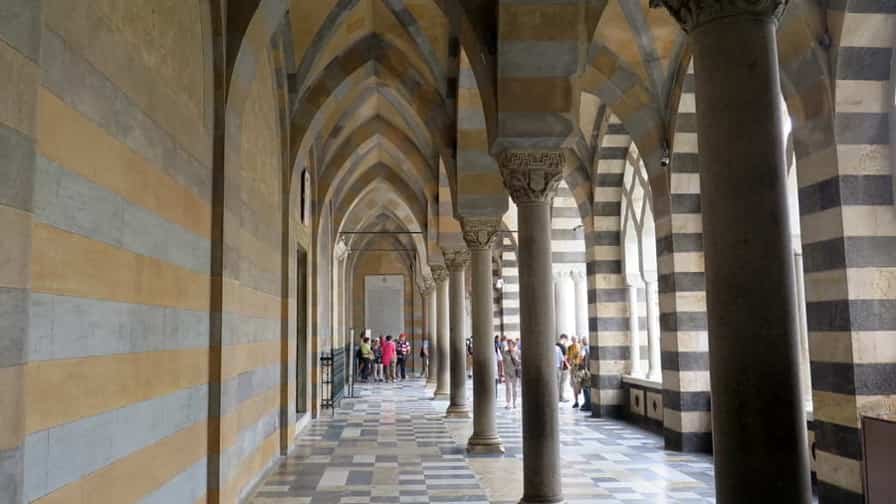
The origins of the Duomo date back to the ninth century, when Amalfi was a powerful maritime republic with close ties to both the Byzantine and Arab worlds. Over the centuries, the church underwent numerous renovations and additions, resulting in a captivating blend of architectural styles, including Romanesque, Byzantine, Gothic, and Baroque influences. The façade that visitors see today, completed in the nineteenth century, is decorated with geometric mosaics and crowned by a graceful bell tower, creating one of the most recognizable images of southern Italy.
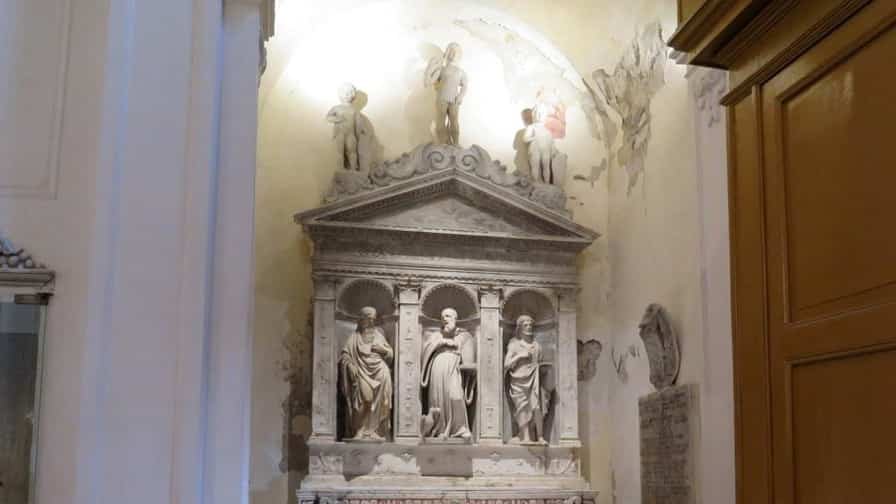
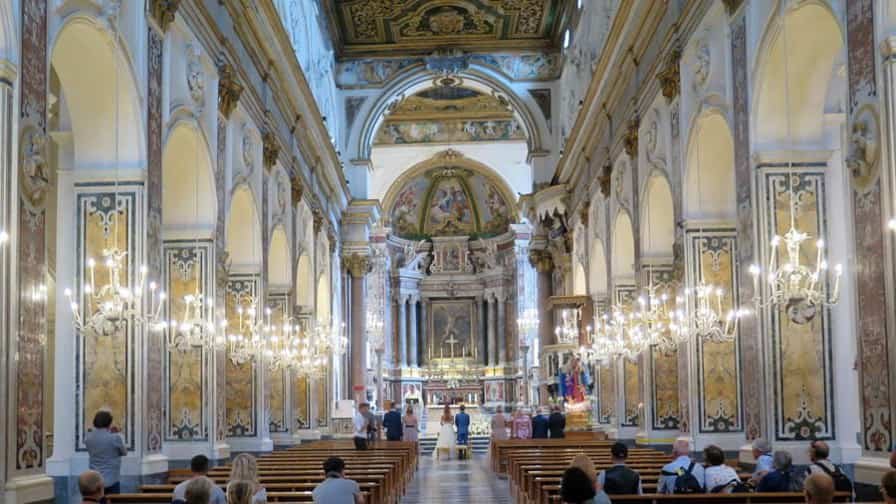
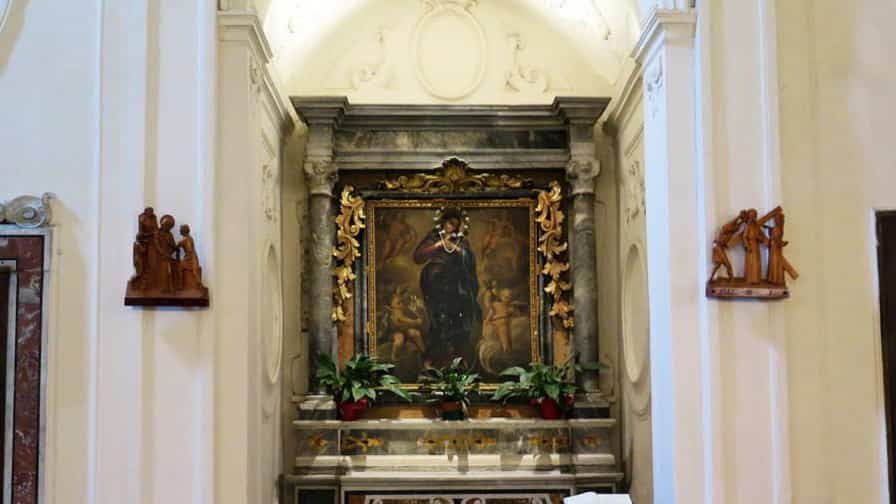
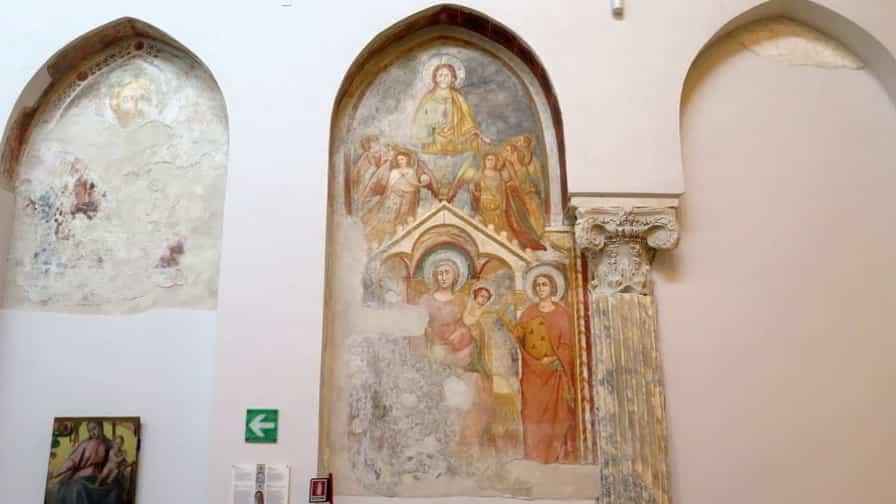
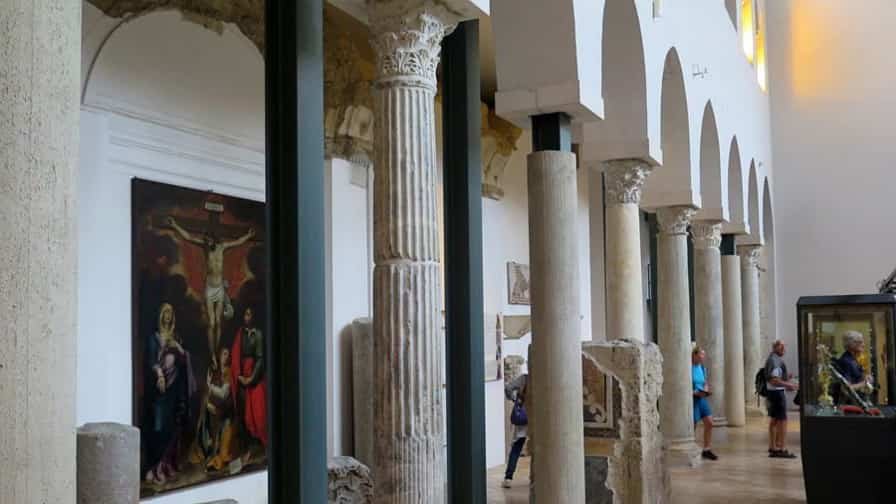
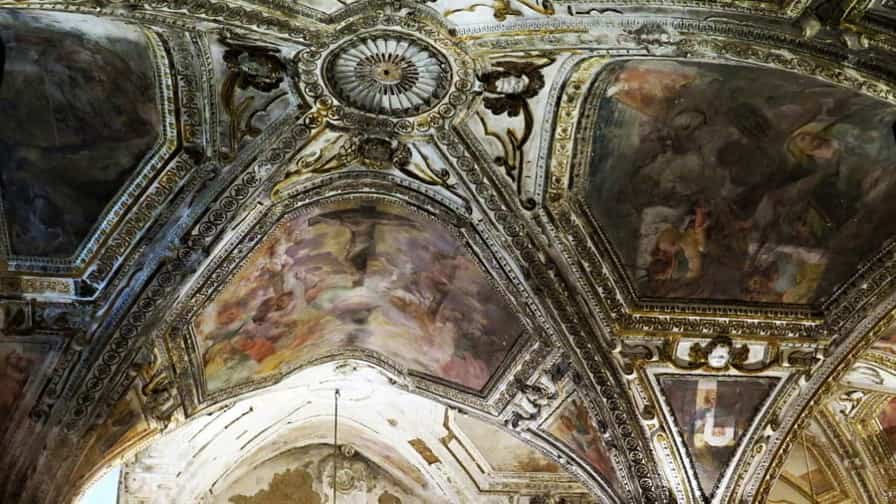
The grand staircase leading up to the entrance enhances the cathedral’s dramatic presence, inviting visitors to climb toward a space filled with beauty and reverence. Inside, the Duomo impresses with its soaring arches, marble columns, and detailed chapels. The central nave is adorned with gold accents and fine paintings that reflect the skill of local and Neapolitan artists. Every corner of the cathedral tells a story of devotion, artistic creativity, and the passage of centuries.
Beneath the main church lies the magnificent crypt, which houses the relics of Saint Andrew. These relics were brought to Amalfi from Constantinople in the thirteenth century, and since then, the cathedral has been an important place of pilgrimage. The crypt, decorated with marble and frescoes, glows with a sacred atmosphere that continues to inspire both locals and visitors.
The Duomo di Amalfi is more than just a religious building; it is a living testament to the town’s cultural and historical identity. It reflects Amalfi’s role as a crossroads of civilizations, where Eastern and Western influences met and blended harmoniously. Standing before its façade or exploring its peaceful interior, visitors can feel the enduring spirit of faith, beauty, and history that defines this remarkable monument on the Amalfi Coast.
COPYRIGHT © 2018-2026 ITALY IN PHOTOS - ALL RIGHTS RESERVED