
HOME
REGIONS OF ITALY
PLACES IN ITALY
PLAN YOUR TRIP
Italy in Photos
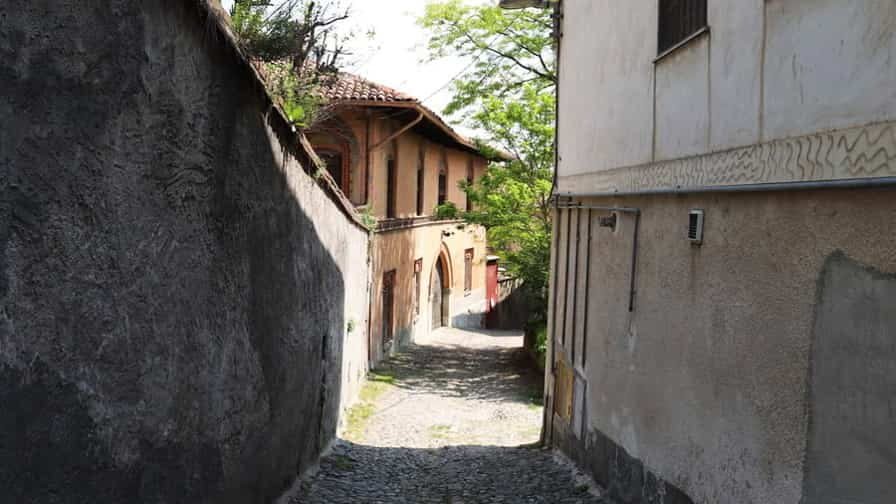
Via Sant’Agostino, 10051 Avigliana TO, Italy (May 2022)
Avigliana
Delayed or cancelled flight?
Get up to £520!
You’ve got rights when your flight’s disrupted.
We enforce them and handle everything so you get paid
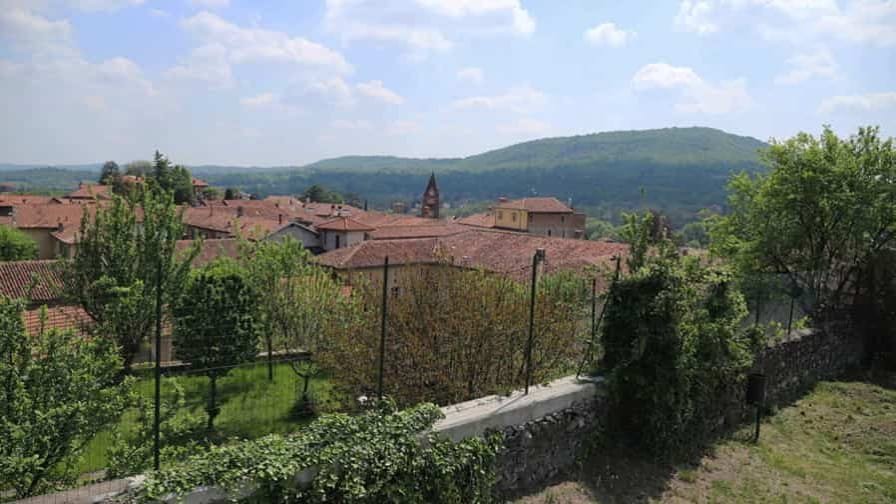
Nestled at the entrance to the Susa Valley in the Piedmont region of northern Italy, Avigliana is a town where history, nature, and strategic geography come together in striking harmony. Located just west of Turin, Avigliana has long served as a gateway between Italy and France, a role that has shaped its development for centuries. Framed by rolling hills, alpine foothills, and two serene lakes, the town offers a captivating blend of medieval character and natural beauty.
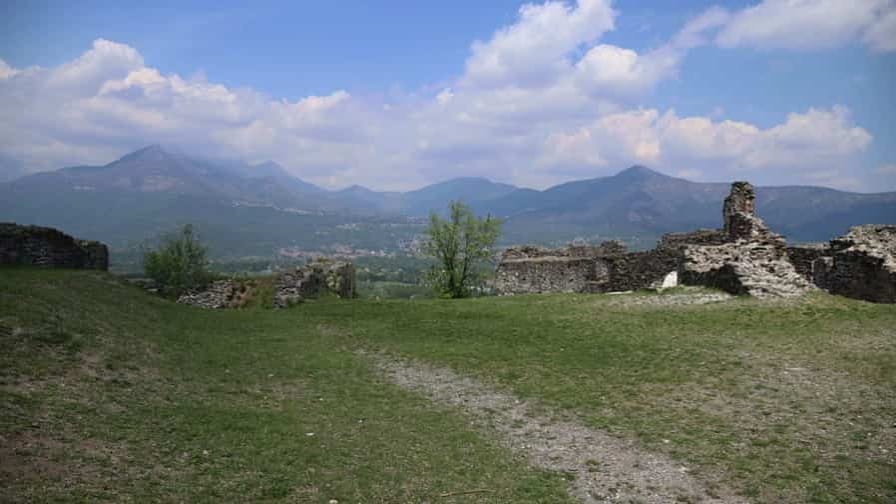
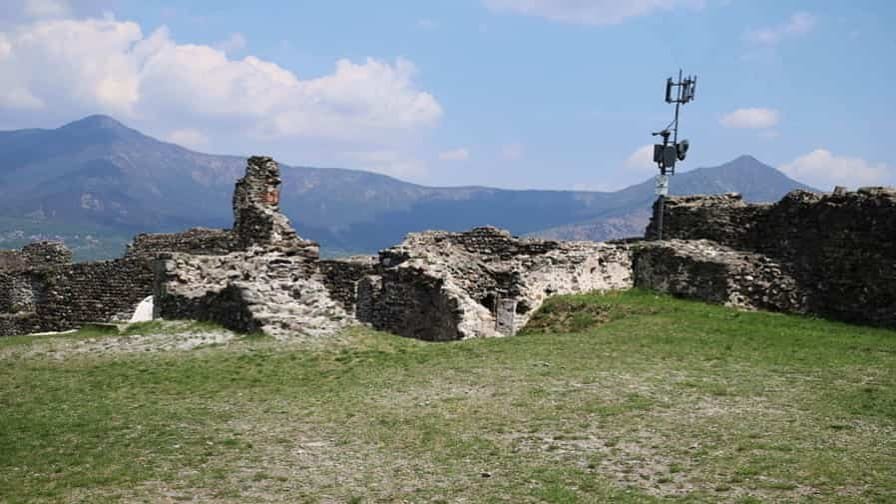
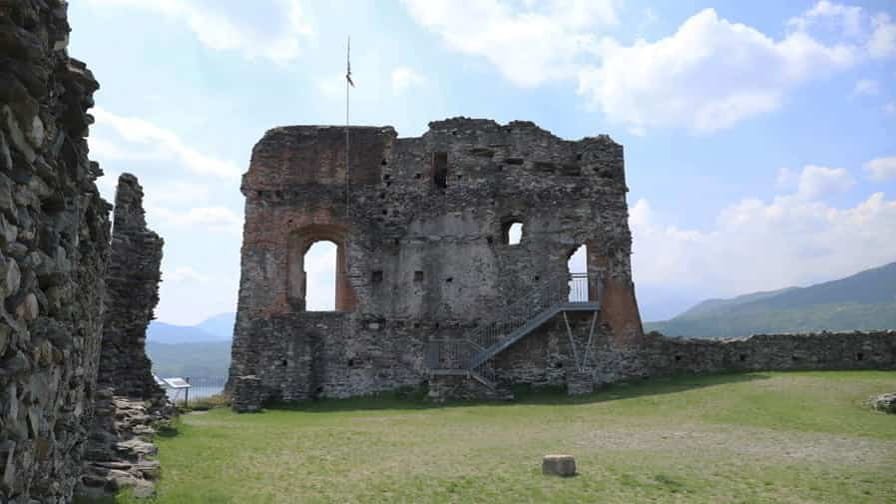
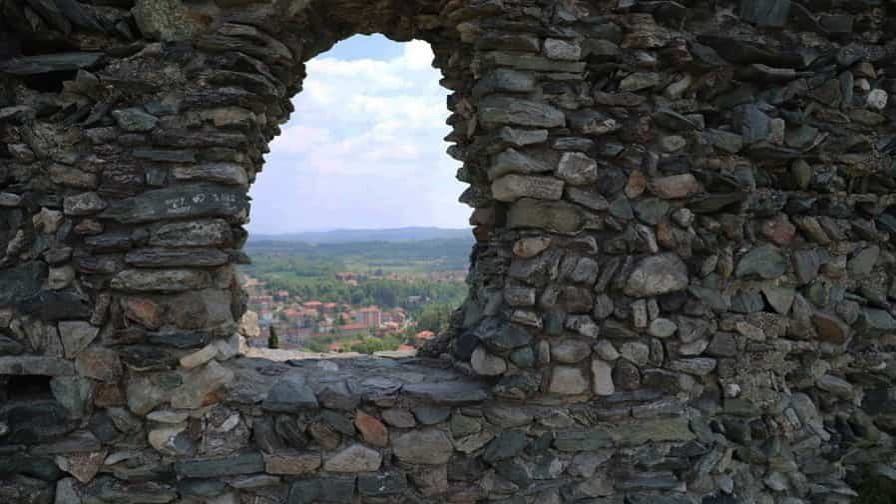
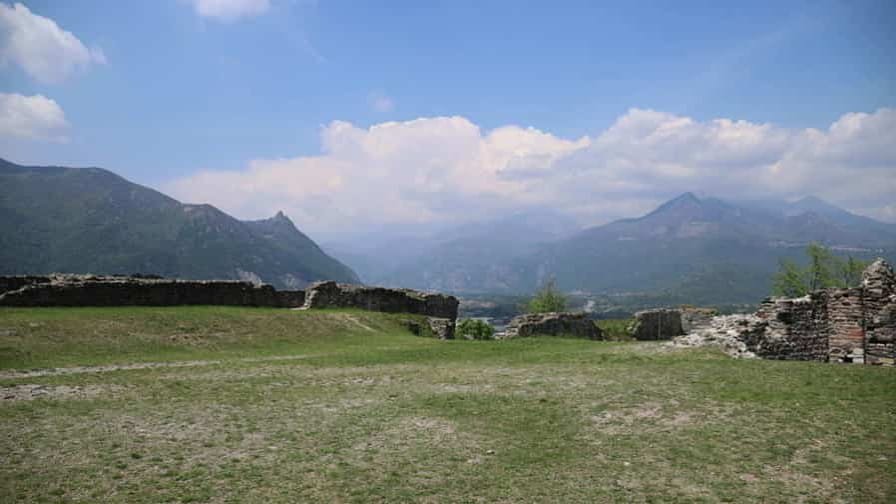
Avigliana’s origins date back to Roman times, when its position along important transit routes made it a vital stopping point for travellers and traders crossing the Alps. During the Middle Ages, the town rose to prominence under the influence of the House of Savoy, becoming an important fortified centre. Dominating the skyline are the ruins of the Castello di Avigliana, perched dramatically on a hilltop. Though now partially in ruins, the castle remains one of the town’s most recognizable symbols, offering sweeping views of the surrounding valley and standing as a testament to Avigliana’s strategic importance in regional politics and defence.
The historic centre of Avigliana retains a distinctly medieval atmosphere. Narrow streets, stone buildings, and small squares reflect centuries of urban continuity. Architectural highlights include the Church of San Giovanni, one of the oldest Romanesque structures in the area, and the Church of Santa Maria Maggiore, which features elements from different historical periods. These religious buildings anchor the town’s cultural and spiritual heritage, connecting modern life to its medieval roots.
One of Avigliana’s most distinctive features is its natural setting. The Lakes of Avigliana, located just below the historic centre, are part of a protected natural park and form a tranquil counterpoint to the town’s architectural heritage. Surrounded by reeds, woodlands, and walking paths, the lakes attract birdlife and offer opportunities for recreation, relaxation, and scenic exploration. This close relationship between town and landscape enhances Avigliana’s appeal, making it a destination that balances culture with outdoor enjoyment.
Avigliana’s role as a crossroads has also influenced its economic and social character. Historically, the town benefited from trade and travel, welcoming merchants, pilgrims, and soldiers. Today, it continues to thrive as a lively community with a strong local identity. Cafés, artisan shops, and restaurants line the streets, reflecting Piedmontese traditions and cuisine. Local dishes emphasize seasonal ingredients, cheeses, and regional wines, offering visitors a taste of the area’s culinary heritage.
Cultural events and festivals punctuate the year, celebrating Avigliana’s history and community spirit. Medieval re-enactments, local fairs, and religious celebrations bring residents together and animate the historic streets, reinforcing the town’s connection to its past while remaining firmly rooted in the present.
Avigliana is a place where layers of history unfold against a backdrop of remarkable natural beauty. Neither purely alpine nor entirely urban, it occupies a unique position at the threshold of the mountains. With its medieval ruins, peaceful lakes, and enduring sense of place, Avigliana offers an inviting and well-rounded introduction to the cultural and geographic richness of northern Italy.
Worth a Visit
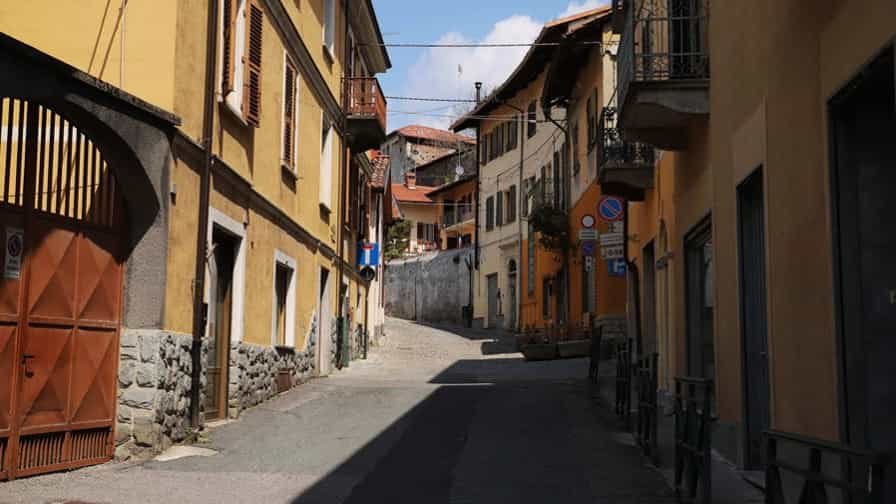
Via Garibaldi in Avigliana is more than just a street, it is a living corridor of history, architecture, and contemporary life in the heart of this Piedmontese town. Stretching through the medieval core of Avigliana, Via Garibaldi traces paths that pilgrims once travelled along the historic Via Francigena and now leads visitors amid layers of urban renewal, local commerce, and heritage preservation. As the town’s main thoroughfare, Via Garibaldi emerged as a vital connection between the old village, known as Borgo Vecchio, and the later developed Borgo Nuovo. Along its length, one can still sense the rhythms of medieval activity: once lined with forges, workshops, and markets, the street served pilgrims and locals alike, echoing with artisans, religious travellers, and daily trade.
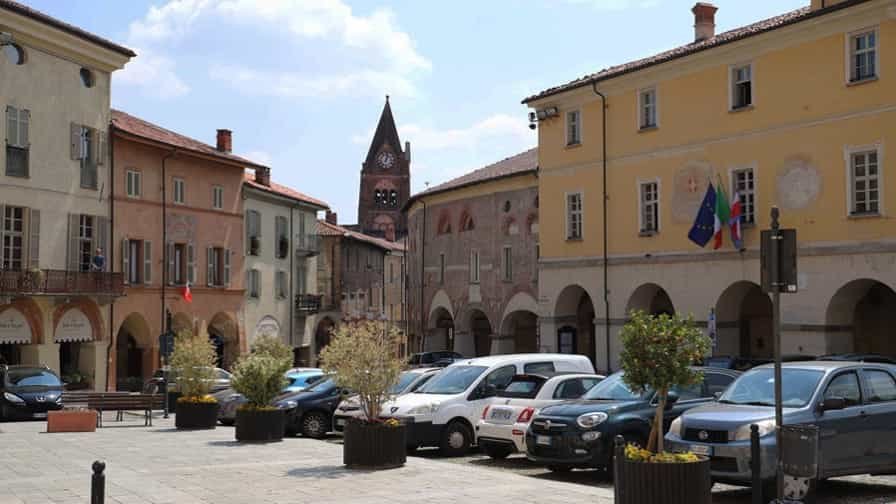
Piazza Conte Rosso, nestled within the heart of Avigliana’s historic centre in Piedmont, is a vibrant fusion of medieval architecture, community life, and local identity. Its name honours Amedeo VII of Savoy, known as “Conte Rosso” (the Red Count), who was born in Avigliana in 1360 and became a pivotal figure in the house of Savoy’s legacy. From the 12th century, Piazza Conte Rosso served as the organisational heart of the newly founded *Borgo Nuovo*, acting as the main square where markets, fairs, and civic events convened, the medieval platea fori. To this day, the square retains its original function as a public crossroads where locals and visitors mingle beneath stone arcades and framed views of imposing ruins.
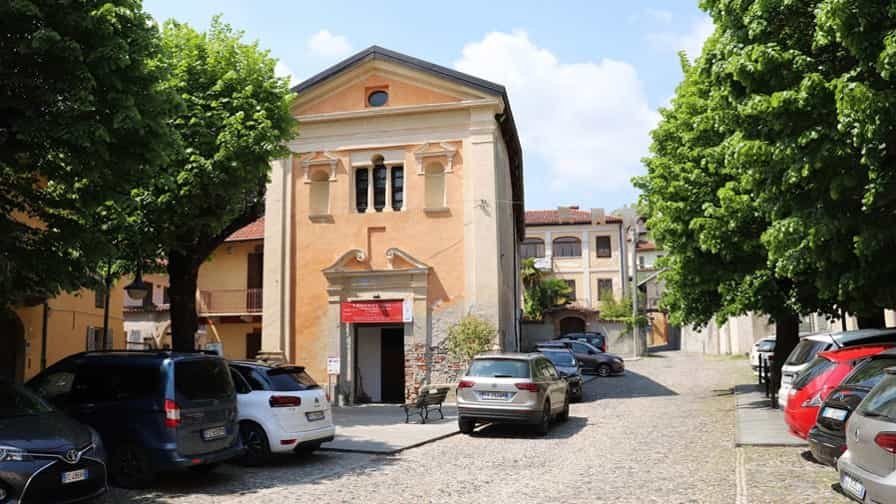
The Chiesa di Santa Croce in Avigliana is a small but historically significant oratory located on the western side of Piazza Conte Rosso, a space that has been the civic and spiritual heart of the medieval town for centuries. Dating back to at least the 17th century, the church appears in the famous Theatrum Sabaudiae, a printed representation of Savoy territory. It served for centuries as the headquarters of the Compagnia di Santa Croce, a brotherhood especially comprised of merchants, artisans, and civic leaders from Avigliana’s Borgo Nuovo. This confraternity, rooted in local traditions dating to the mid-15th century, held devotional gatherings parallel to those of other associations, such as the Compagnia del Gesù in the Santa Maria district.
Photo Gallery of Walk 1 – Via Bacchiasso to Via S. Pietro
Approximately 1.41 km – o.88 miles
Description of Walk 1
The walk takes place in Avigliana, a historic town at the entrance of the Susa Valley, not far from Turin. Known for its medieval character and proximity to the Lakes of Avigliana, the area blends natural beauty with a rich cultural past. Beginning on Via Bacchiasso, the route moves into Via Sant’Agostino, where narrow streets and old buildings reflect the town’s historic layout. The walk then reaches Corso Laghi, a more open road that connects the town centre to the lakes, offering glimpses of the surrounding greenery and hills. Turning back along Via S. Pietro, the route returns to a quieter, more traditional part of Avigliana. This street, close to the town’s historic core, highlights its authentic atmosphere, with local homes and small details that speak to everyday life. Overall, the walk is short but varied, combining peaceful residential lanes with broader routes that hint at the nearby lakes, giving a compact yet vivid impression of Avigliana’s charm.
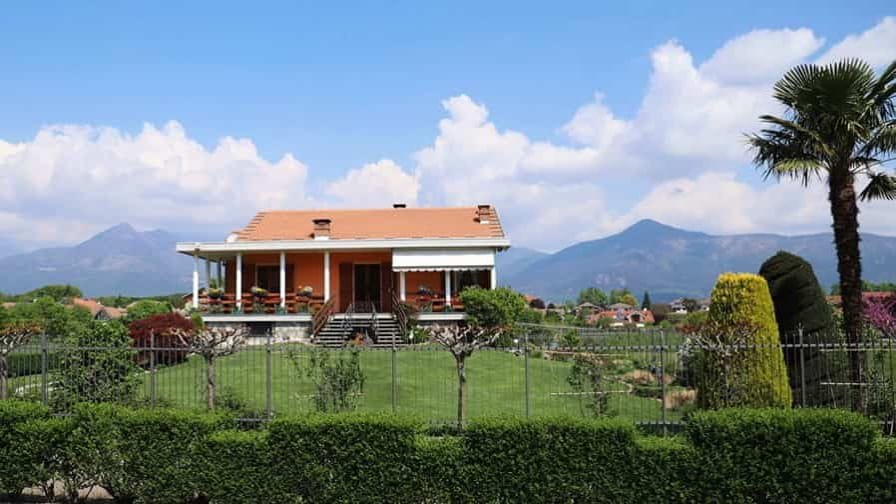
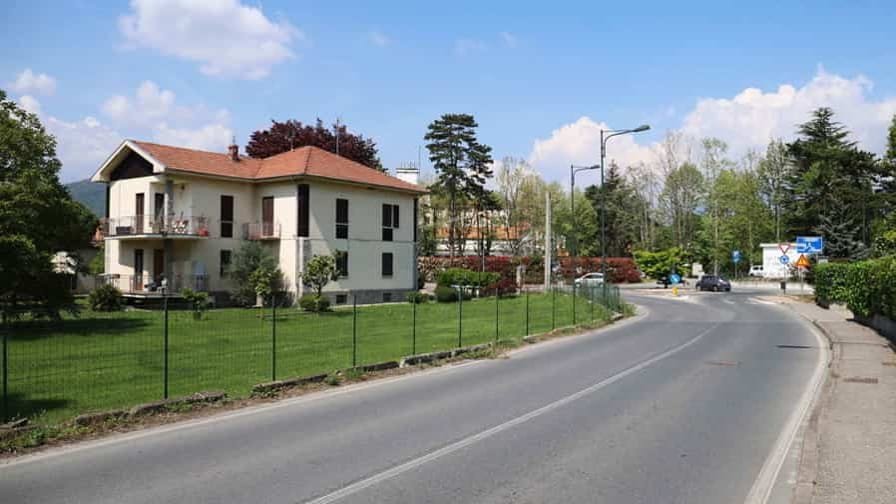
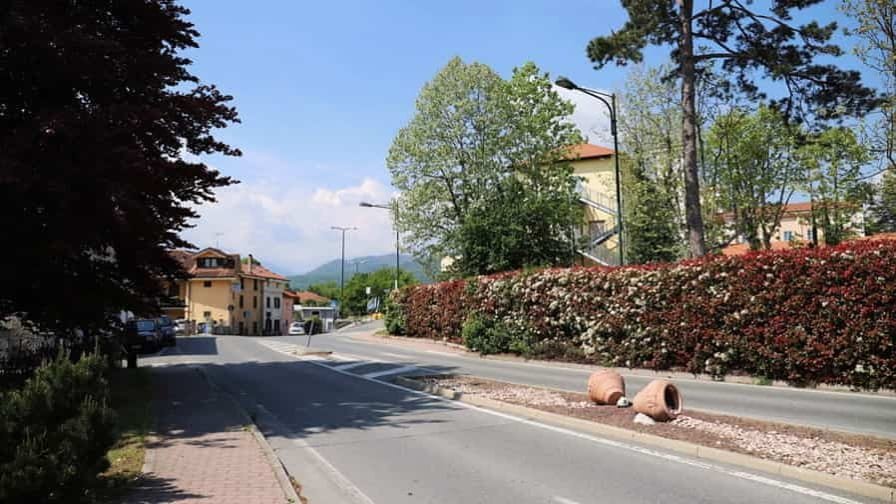
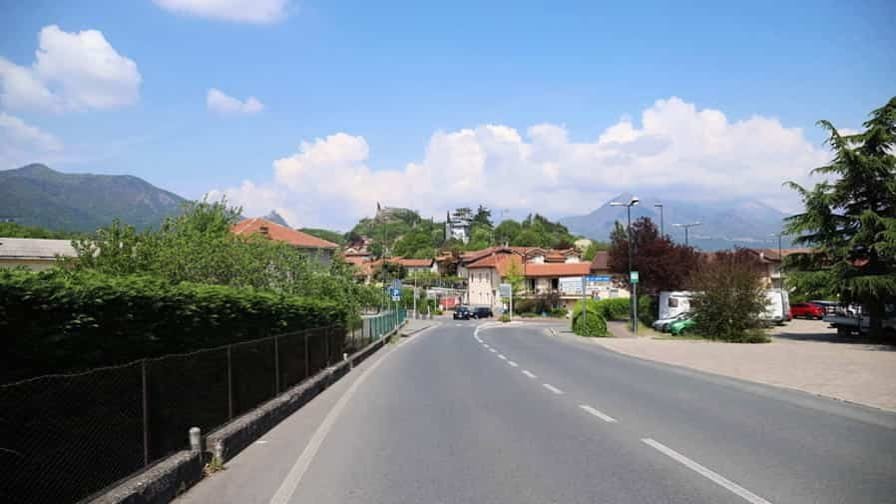
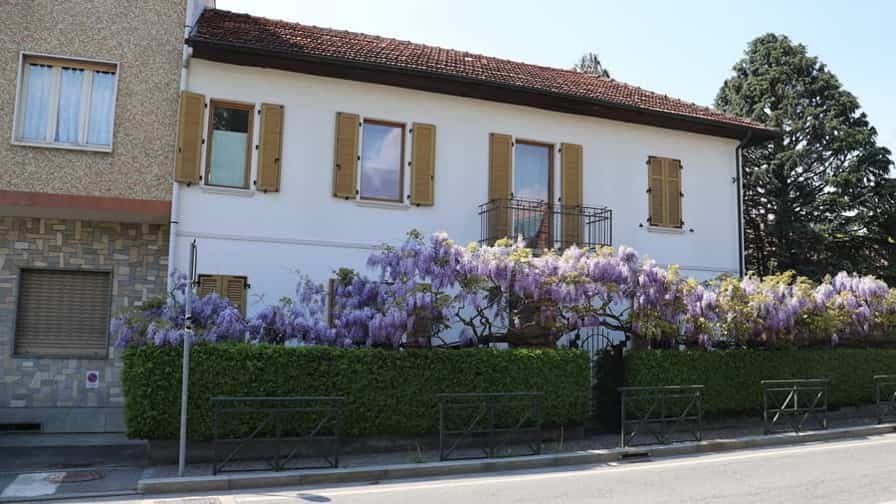
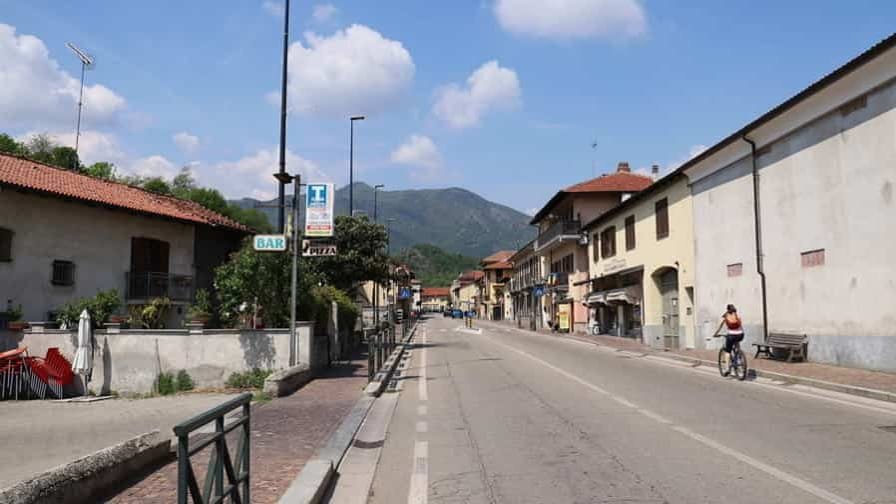
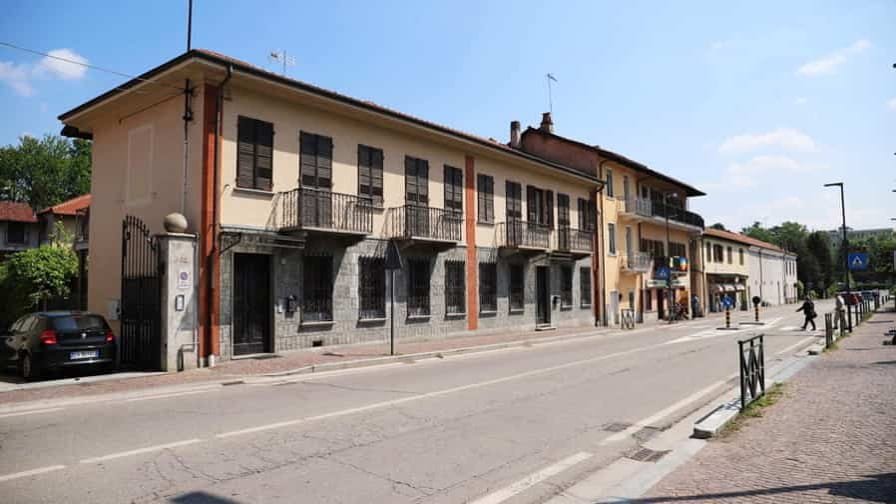
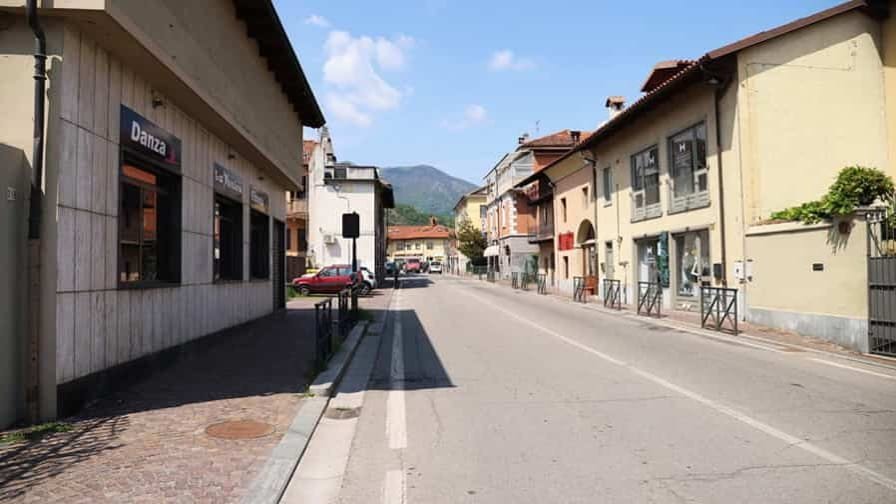
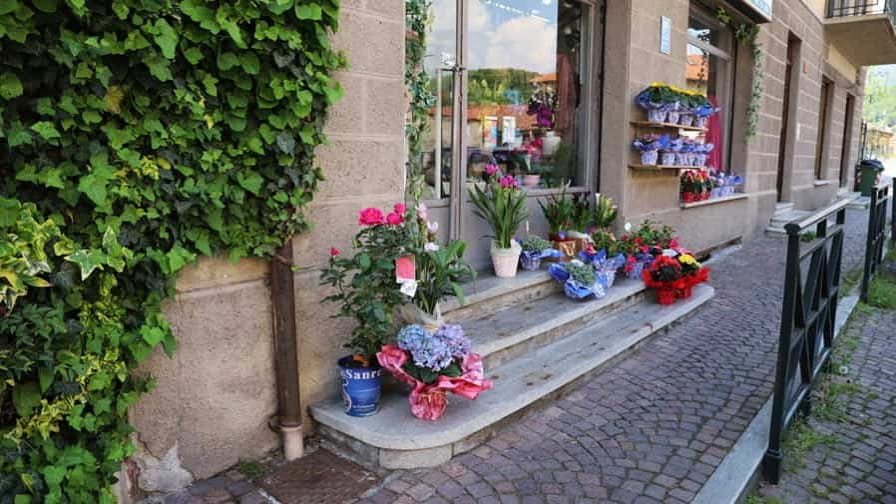
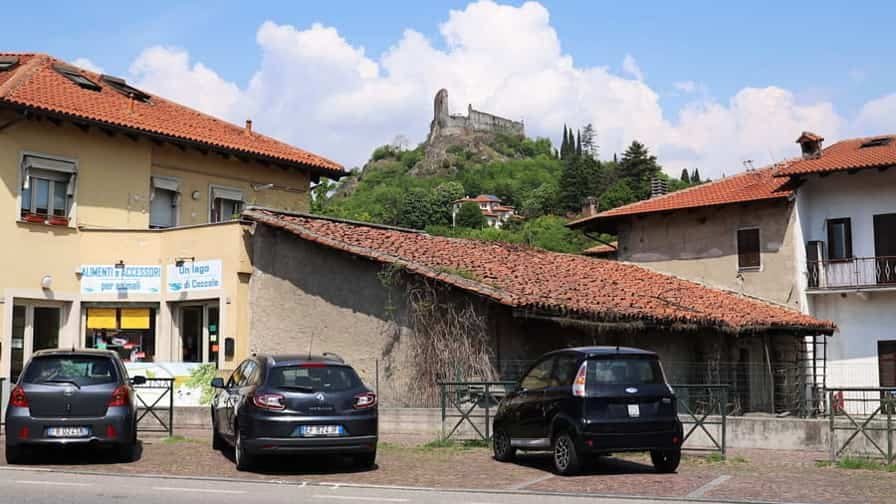
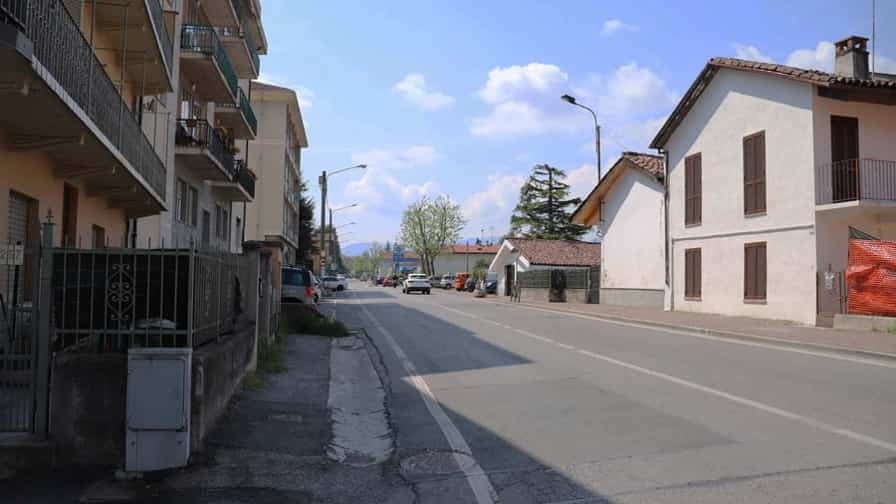
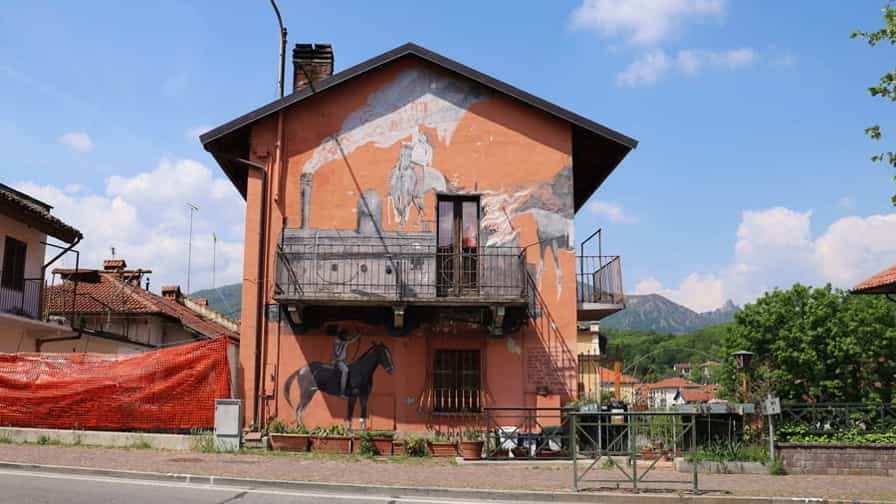
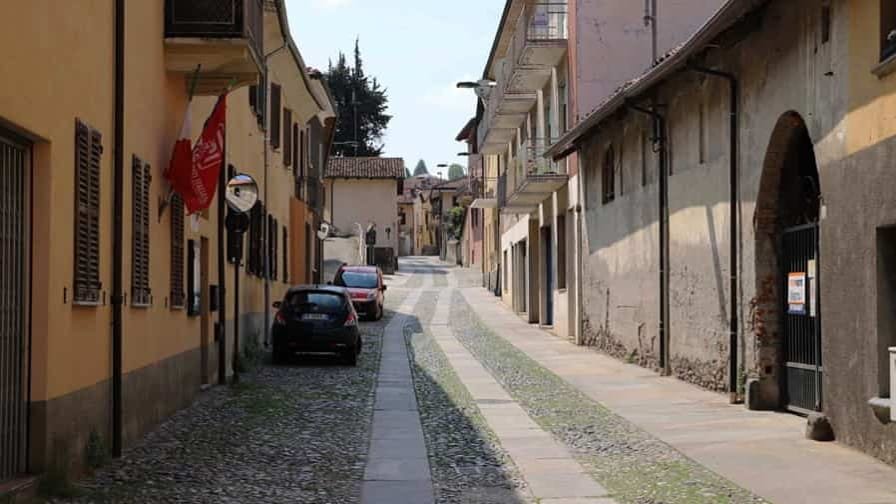
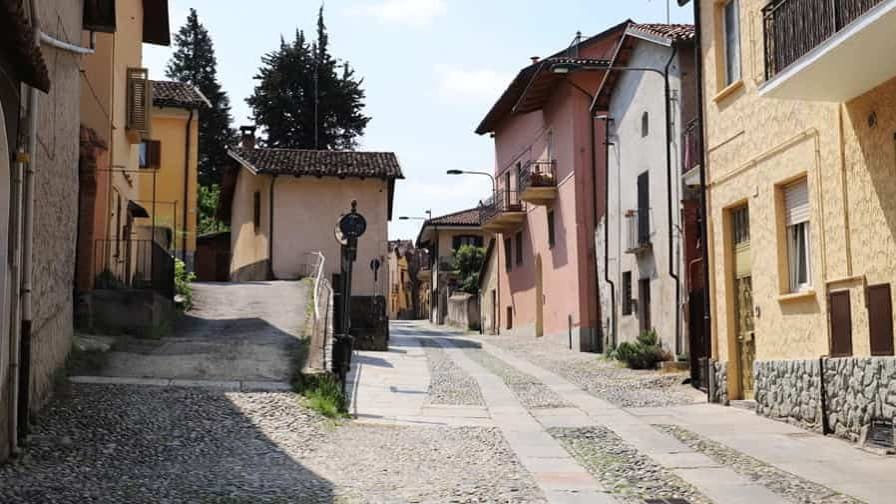
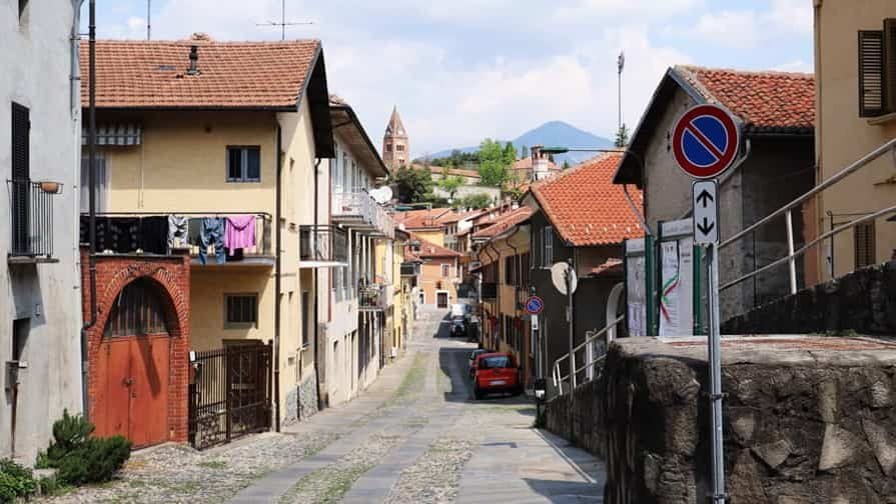
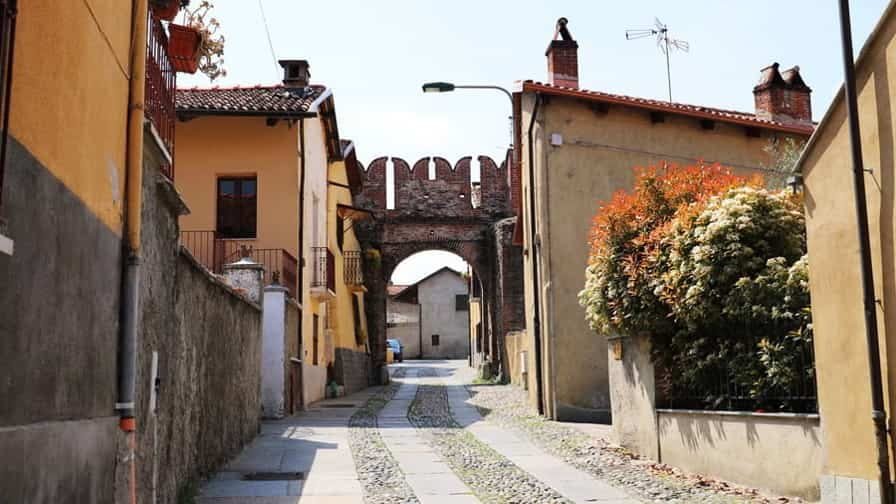
Photo Gallery of Walk 2 – Via Garibaldi to Via Mario Berta
Approximately 1.05 km – 0,65 miles
Description of Walk 2
The walk takes place in Avigliana, a picturesque town near Turin, known for its well-preserved medieval centre and scenic setting at the foot of the Alps. Rich in history, Avigliana features narrow streets, ancient buildings, and lively squares that reflect its past importance along trade routes through the Susa Valley. Starting along Via Garibaldi, the route passes through local streets such as Via Oscar Borgesa before returning to the main road. A key highlight is the Chiesa Parrocchiale dei Santi Giovanni e Pietro, an important religious landmark that showcases the town’s cultural heritage. Continuing along Via Beato Angelico Testa and Via Umberto I, the walk reaches Piazza Conte Rosso, the historic heart of the town, surrounded by medieval buildings and cafés. The route loops through Via Piave and Via Porta Ferrata, offering views of old fortifications and traditional architecture, before returning again to Piazza Conte Rosso. The final stretch along Via Umberto I and Via Mario Berta completes a circular walk that highlights Avigliana’s blend of history, community life, and timeless charm.
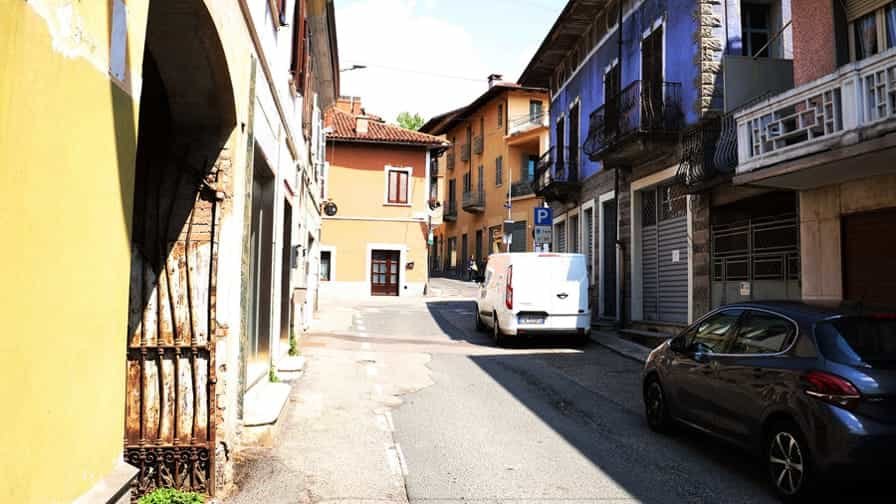

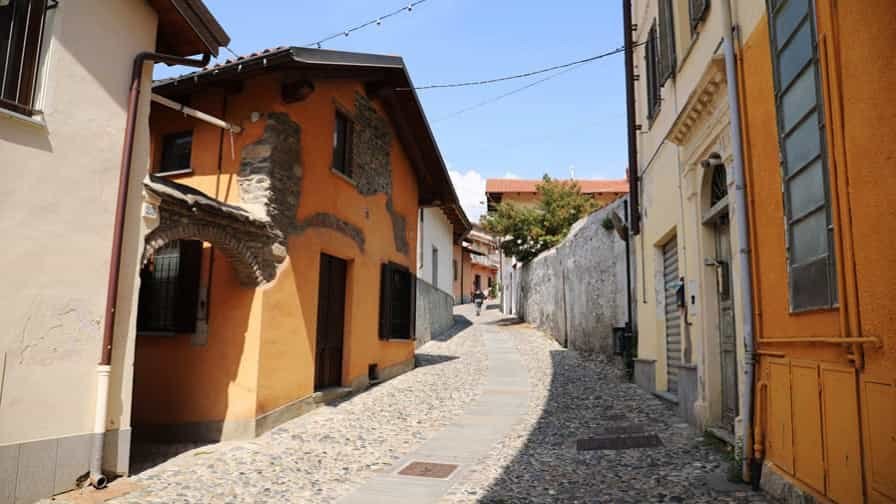
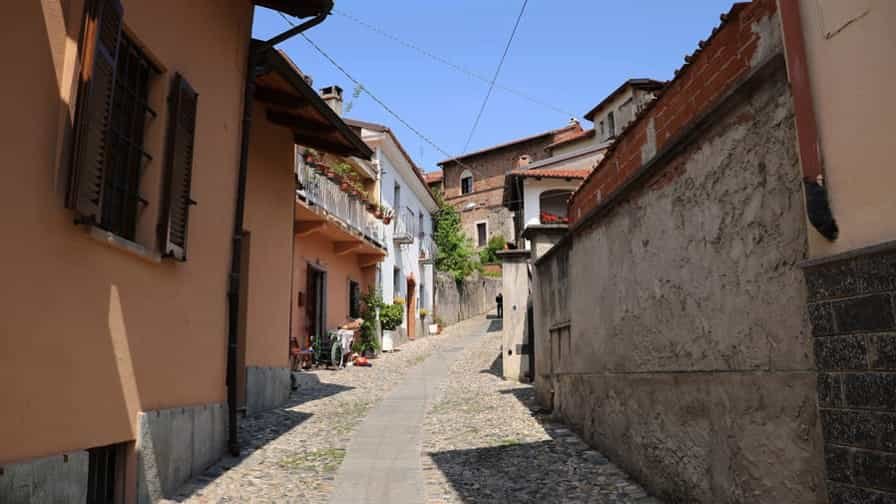
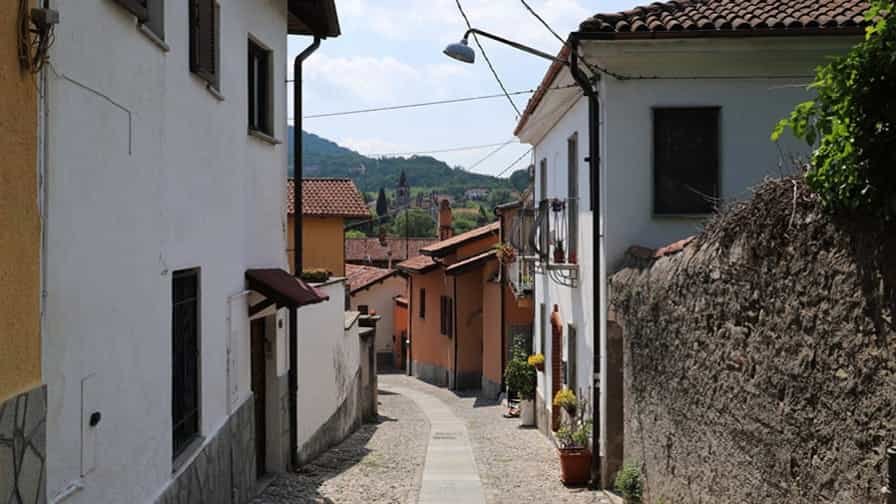
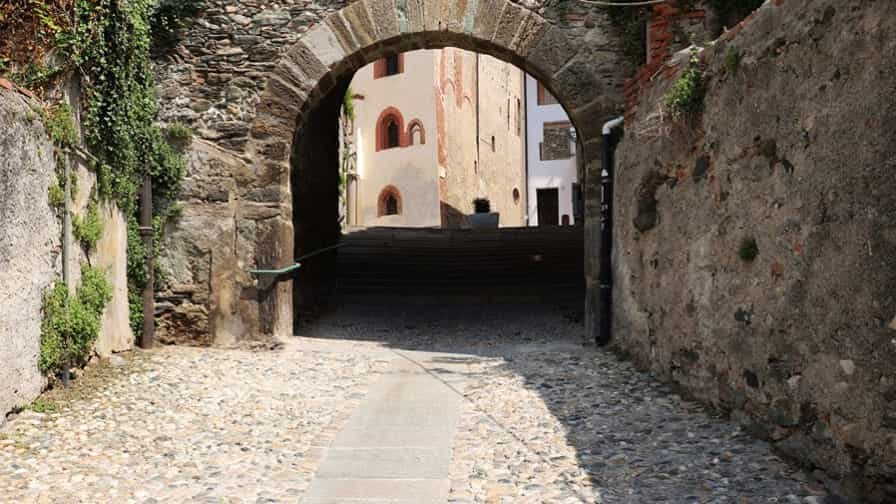
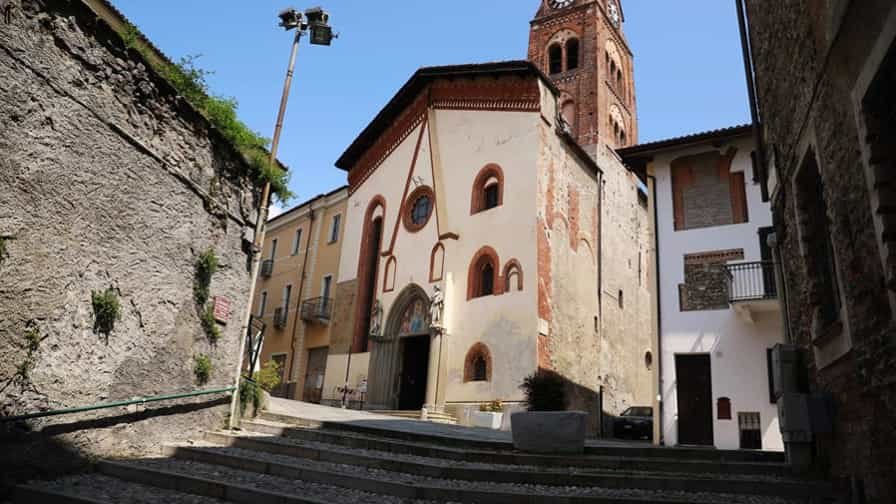
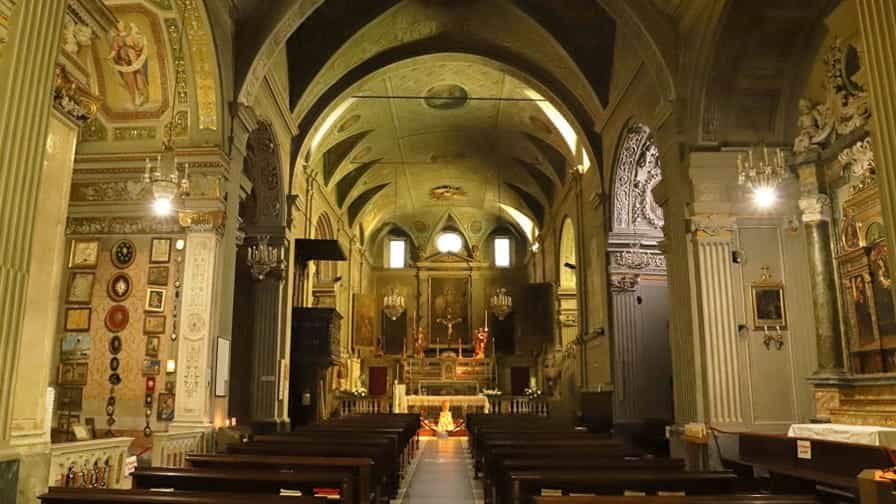
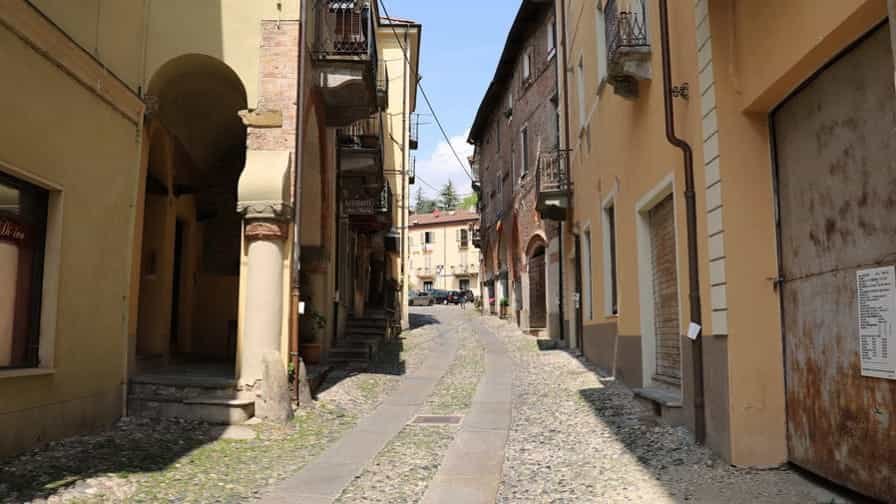
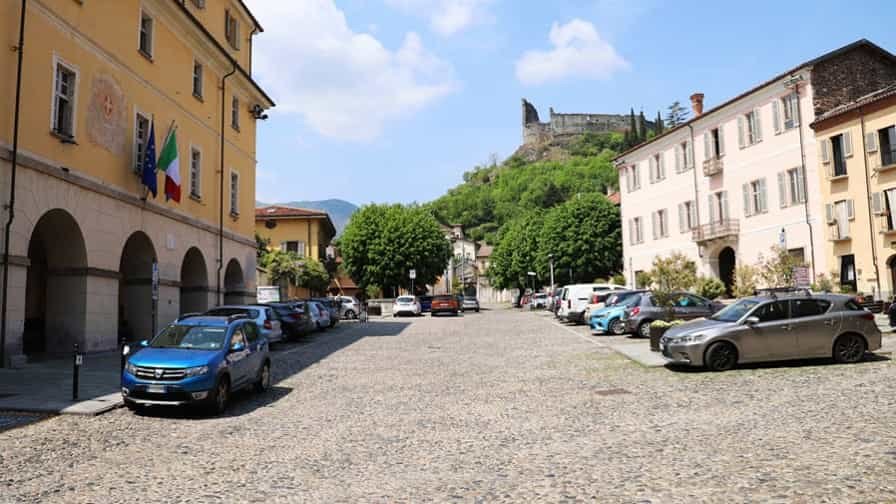
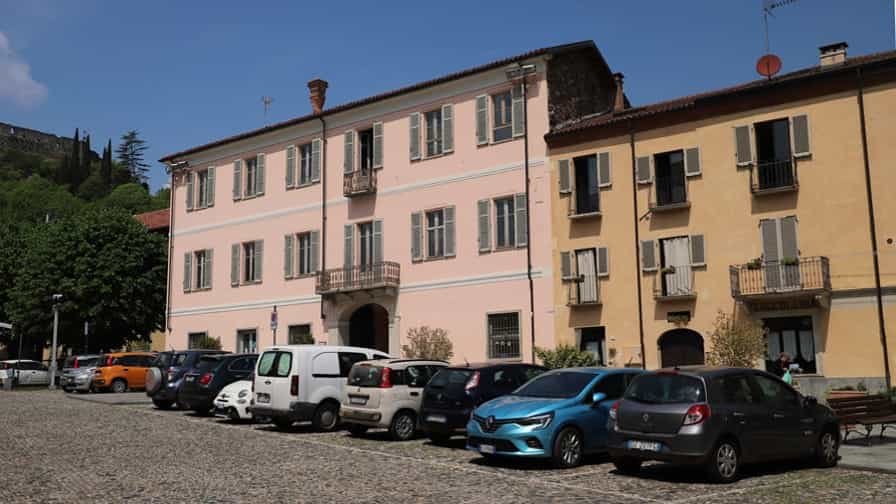
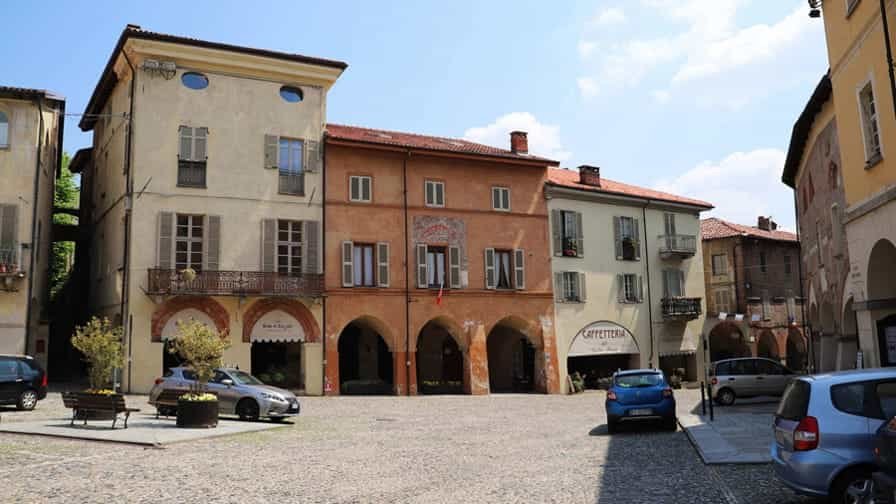
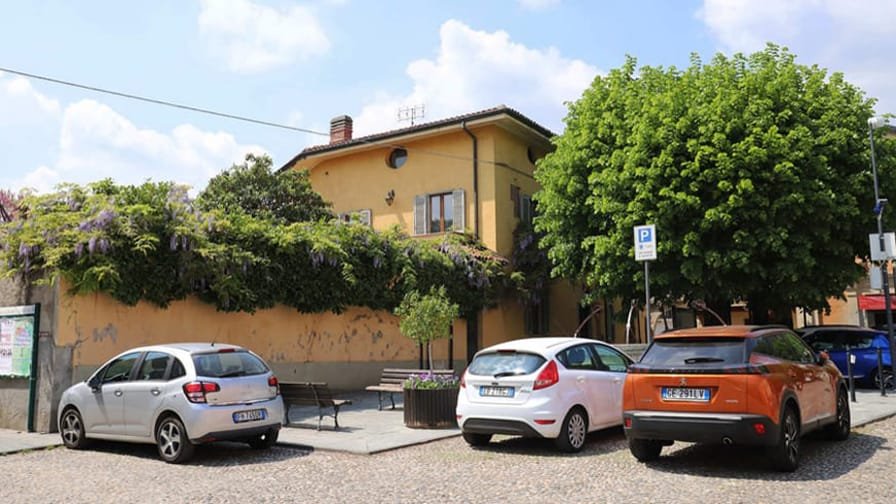
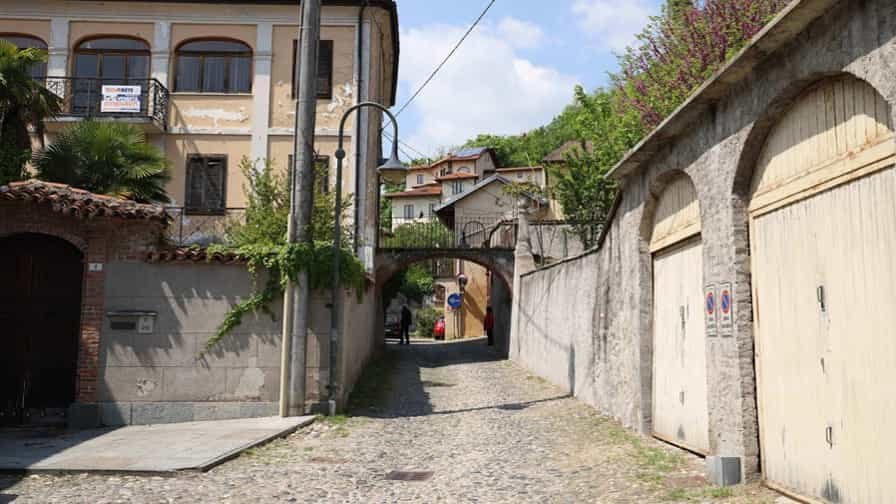
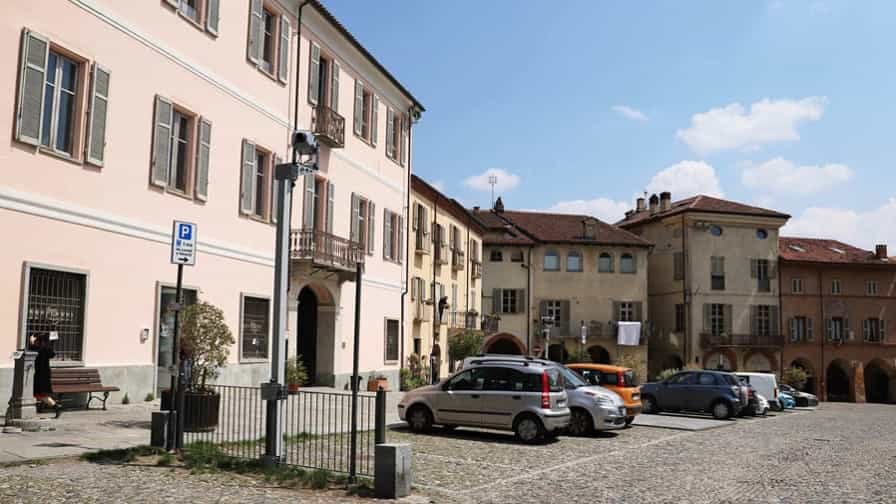
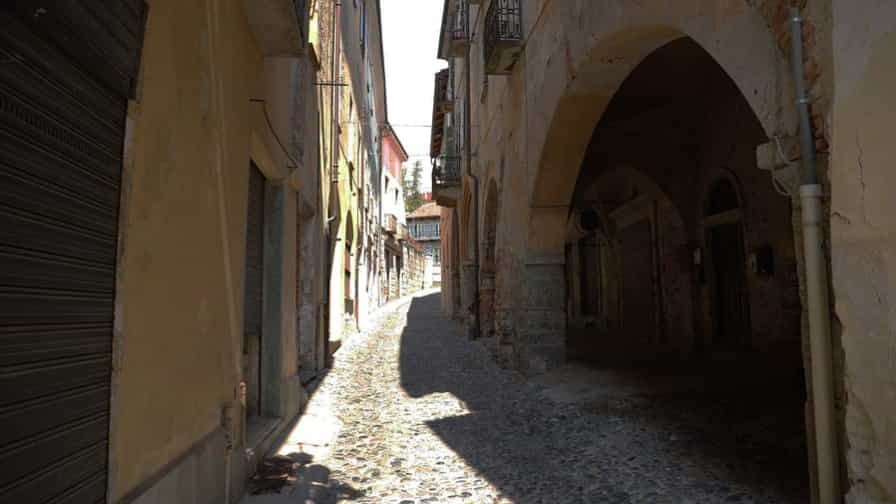
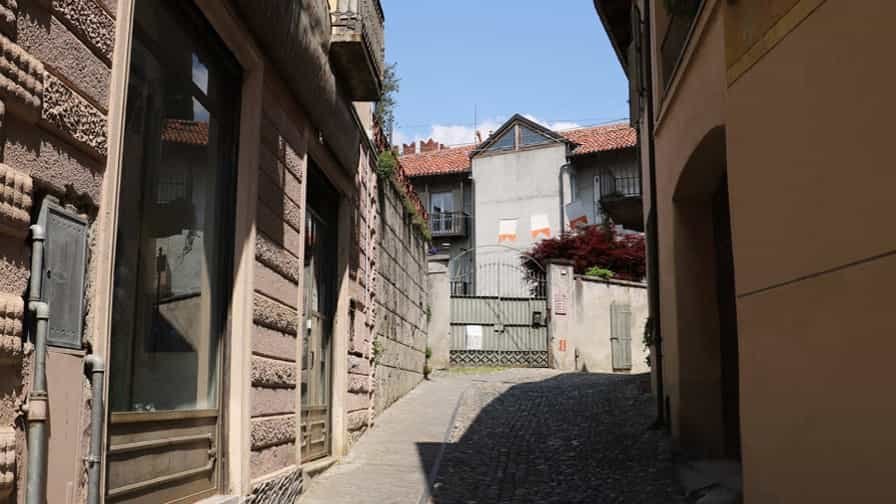
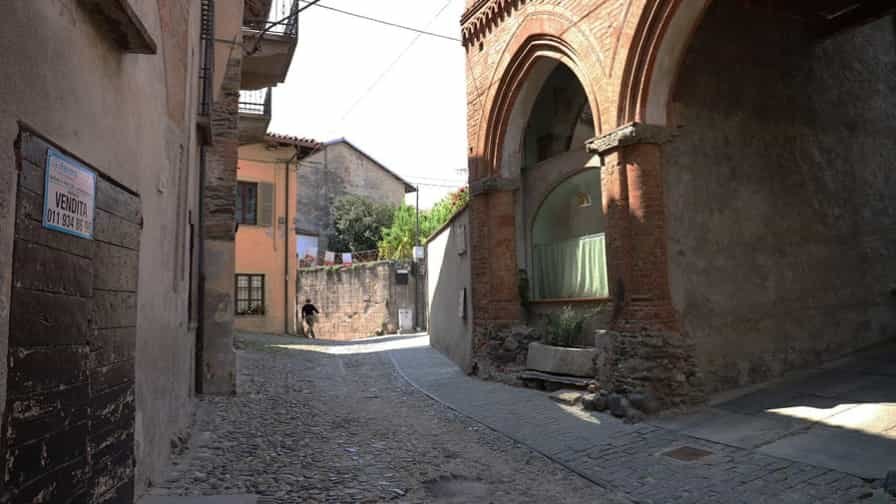
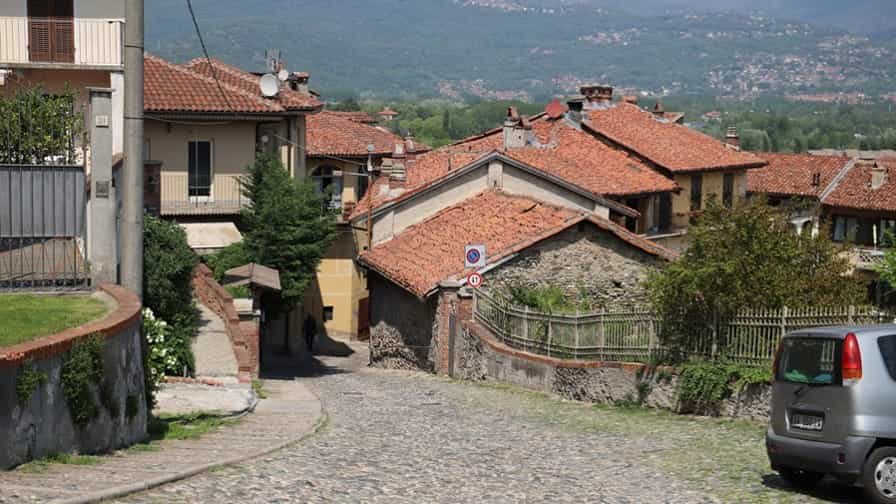
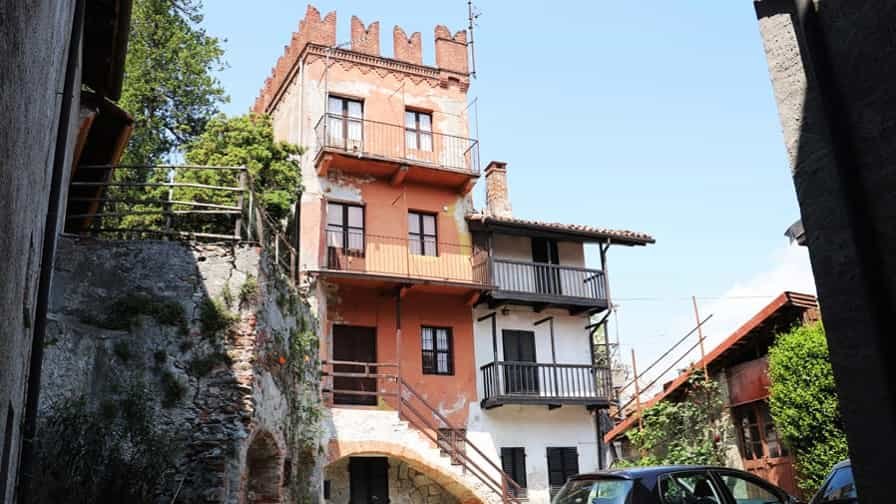
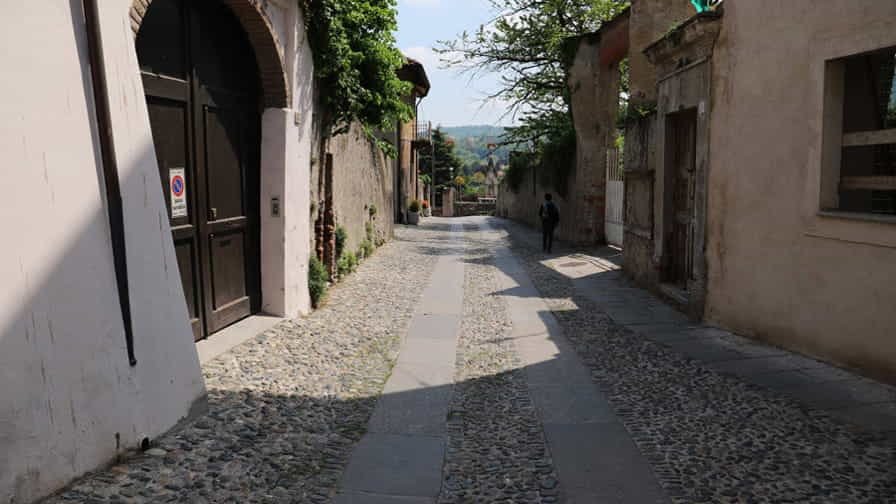
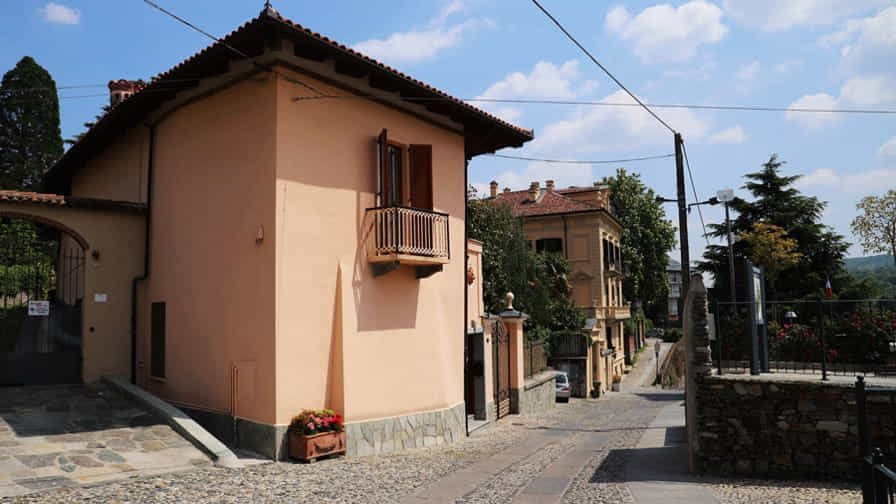
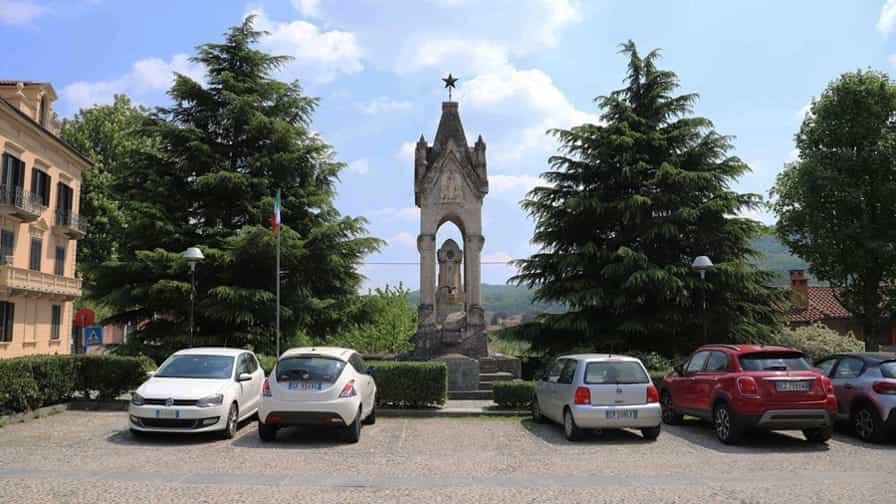
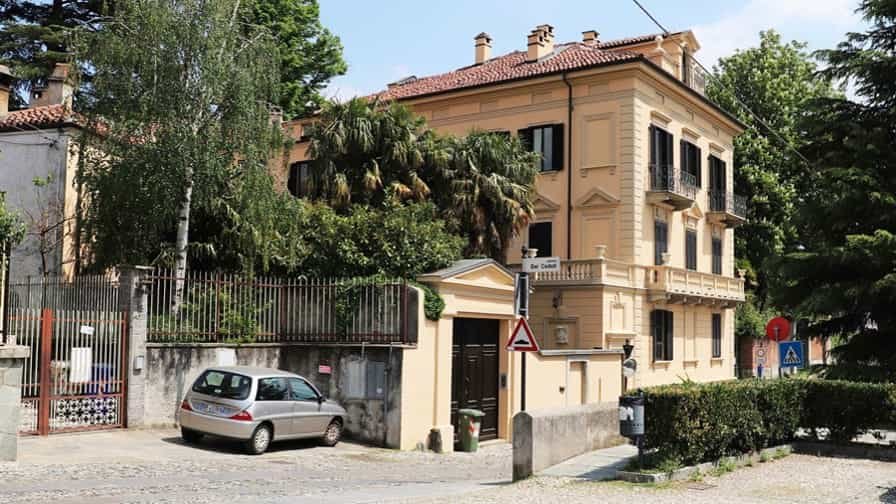

Photo Gallery of Walk 3 – Via Norberto Rosa to Castello
Approximately 0.52 km – 0.32 miles
Description of Walk 3
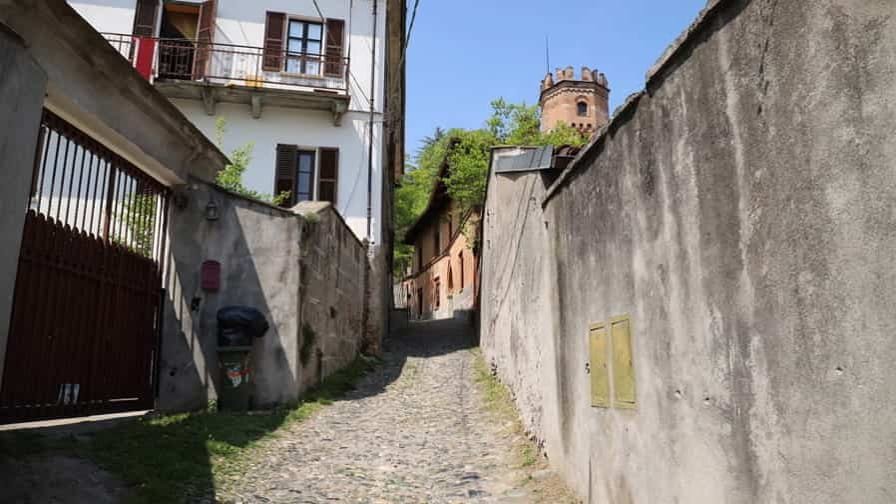
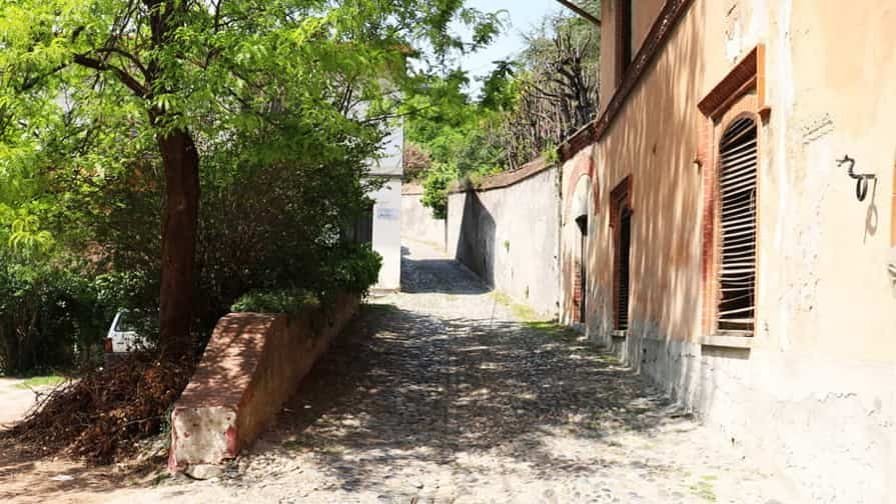
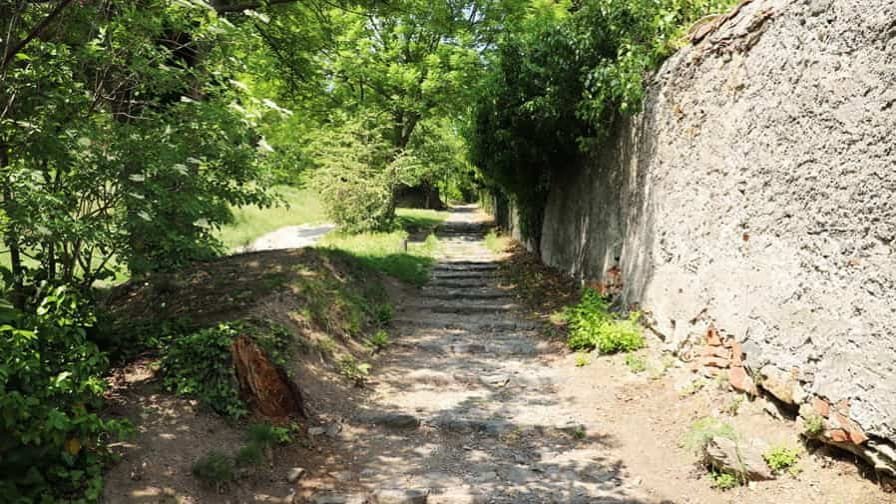
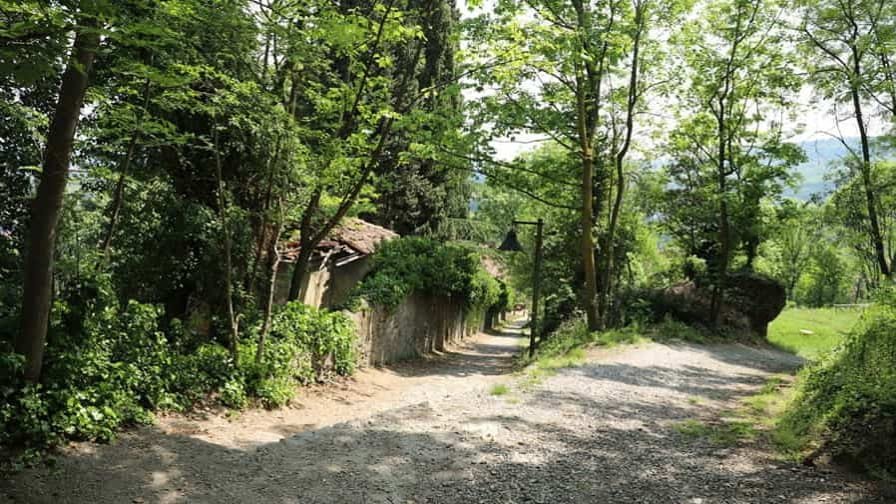
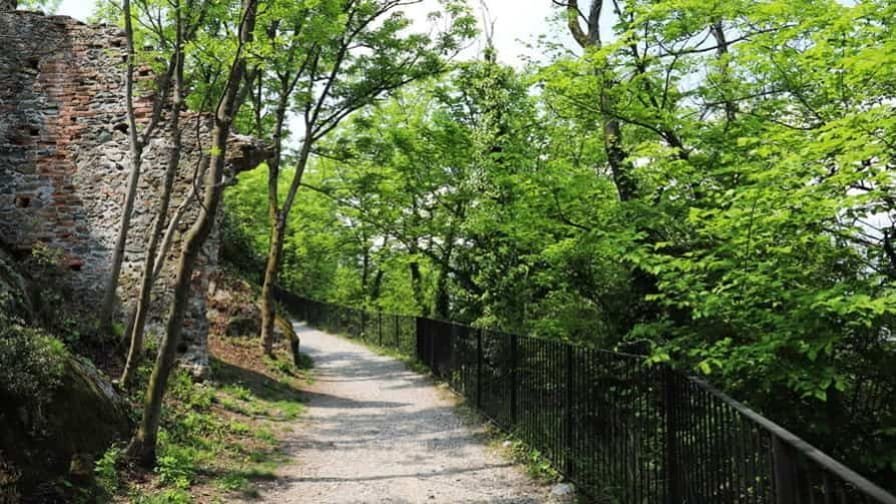
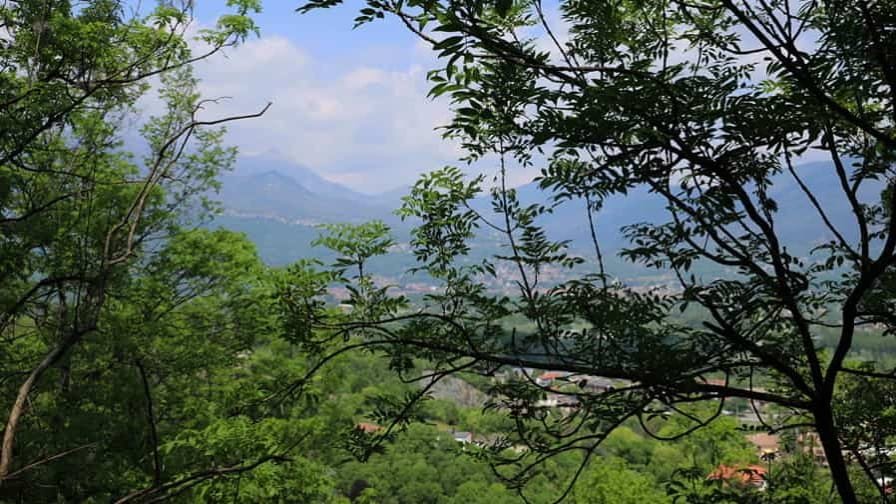
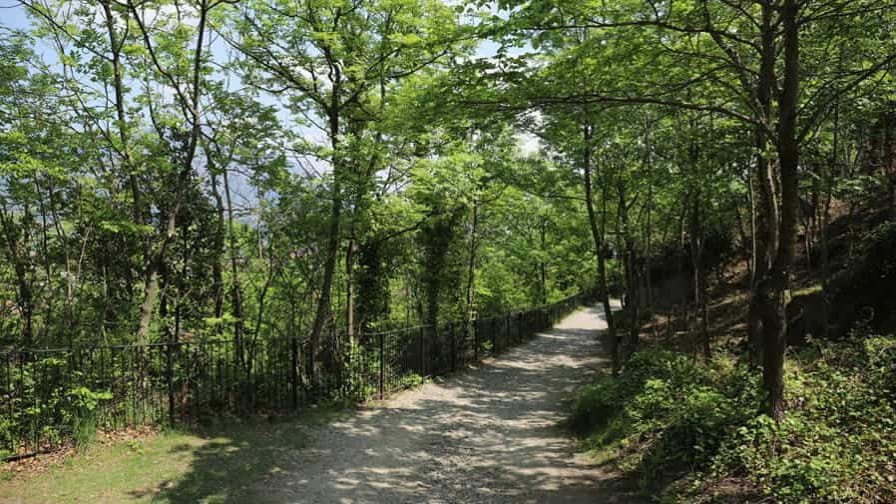
The walk takes place in Avigliana, a historic town near Turin, set against the backdrop of the Susa Valley. Known for its medieval heritage and natural scenery, Avigliana offers impressive views and cultural landmarks. Starting on Via Norberto Rosa, the route follows the Sentiero per il Castello, a scenic uphill path surrounded by greenery. The walk leads to the Castello di Avigliana, where visitors can enjoy panoramic views over the town and nearby lakes, making the short climb both rewarding and memorable.


COPYRIGHT © 2018-2026 ITALY IN PHOTOS - ALL RIGHTS RESERVED