
HOME
REGIONS OF ITALY
PLACES IN ITALY
PLAN YOUR TRIP
Italy in Photos
Discover the Regions of Italy
Passeggiata del Lisippo, 61032 Fano, Italy (May 2019)
Marche
The Marche Region, often called Italy in miniature, stretches along the central Adriatic coast and rises gently inland toward the Apennine Mountains. It is a land of balance and quiet beauty, where sea, hills, and high peaks coexist within a relatively compact territory. Unlike some of Italy’s more famous regions, Marche reveals itself slowly, rewarding those who take the time to explore its landscapes, towns, and traditions. Its character is shaped by harmony rather than spectacle, offering an authentic vision of Italian life that feels both timeless and deeply rooted.
Geographically, Marche is defined by a series of parallel valleys that run from the Apennines to the Adriatic Sea. These valleys have shaped settlement patterns for centuries, giving rise to hill towns perched on ridges and slopes, each with its own identity and history. To the west, the Apennines form a natural boundary, with dramatic scenery such as the Monti Sibillini range, home to legends, rare wildlife, and sweeping views. To the east, the Adriatic coastline alternates between sandy beaches and rocky promontories, creating a varied and appealing seaside landscape. This diversity allows Marche to offer mountain hikes, rural escapes, and coastal relaxation all within a short distance.
Historically, Marche has been a crossroads, influenced by Etruscans, Romans, Byzantines, and the Papal States. Its name derives from the medieval word marca, meaning borderland, reflecting its role as a frontier territory. This layered past is visible in the region’s architecture and urban design. Roman ruins lie beneath medieval streets, Renaissance palaces stand beside Gothic churches, and fortified walls still encircle many towns. Cities such as Urbino, a UNESCO World Heritage site, showcase the region’s cultural importance during the Renaissance, while smaller towns preserve local traditions with remarkable continuity.
The people of Marche are known for their reserved warmth and strong connection to their land. Family, craftsmanship, and community remain central values, and these are reflected in everyday life. The region has a long tradition of artisanal production, from leather goods and footwear to ceramics and paper. Even today, many small workshops operate alongside modern industries, maintaining a balance between innovation and heritage. This sense of continuity gives Marche a distinctive rhythm, neither hurried nor static, but grounded in long-standing practices.
Marche’s cuisine mirrors its geography and history. It is based on simple, high-quality ingredients drawn from land and sea. Olive oil, grains, legumes, meats, and fresh vegetables form the backbone of many dishes, while the coast contributes seafood that is prepared with restraint and respect for flavor. Local recipes vary from valley to valley, reflecting the diversity of the landscape and the independence of its communities. Meals are often tied to seasonal cycles and religious festivals, reinforcing the close relationship between food, place, and tradition.
Culturally, Marche has produced figures of international importance, including the composer Gioachino Rossini and the painter Raphael, both born in the region. Music, art, and literature continue to play an important role, with festivals, theatres, and cultural events animating towns throughout the year. Despite its quieter reputation, Marche has a vibrant cultural life that values quality and depth over spectacle.
The Marche Region offers a refined and authentic experience of Italy. Its understated charm lies in its balance of landscapes, its rich yet unpretentious culture, and its ability to preserve tradition while embracing the present. For visitors and residents alike, Marche is a place where beauty is woven into daily life, inviting discovery through patience, curiosity, and attention to detail.
The Provinces of Marche
The photos shown for each province were taken during my visits to those locations. For more information, click on the name to be taken to the main page for that place.
The Province of Ancona
Ancona
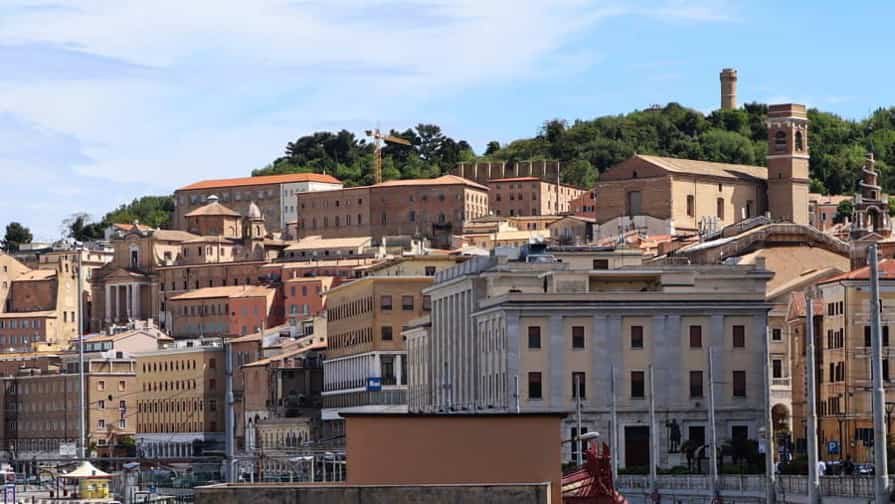
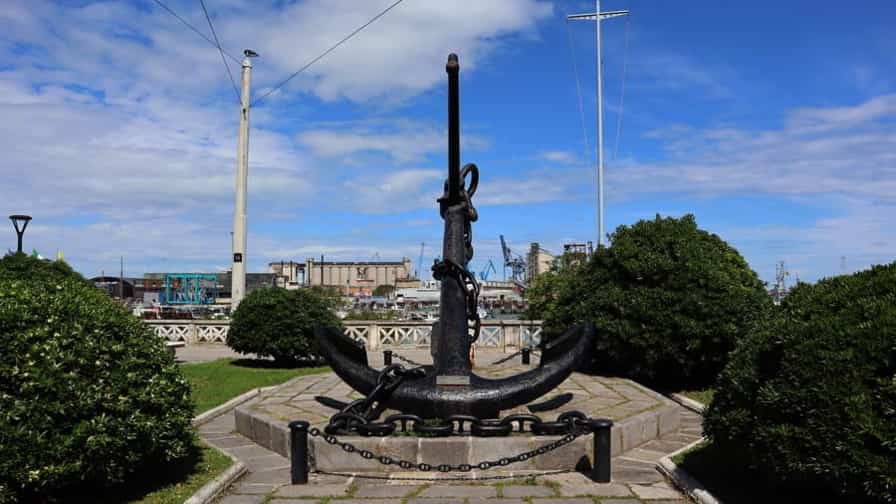
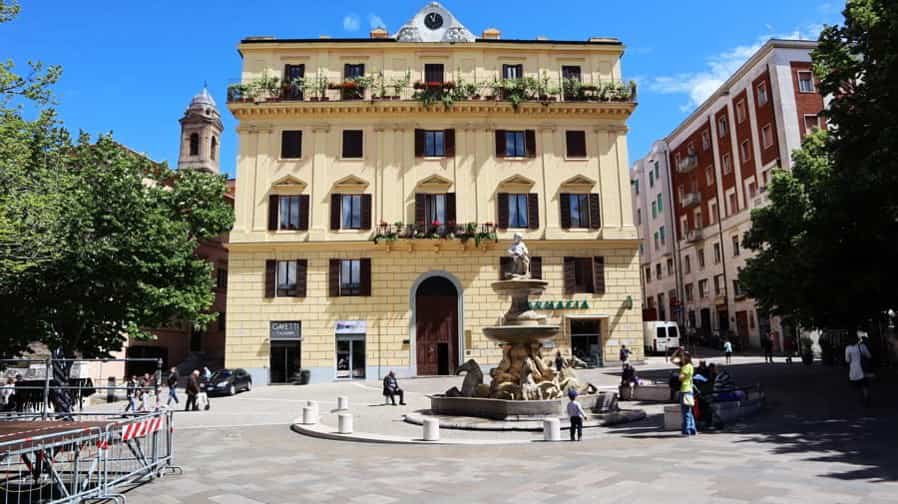
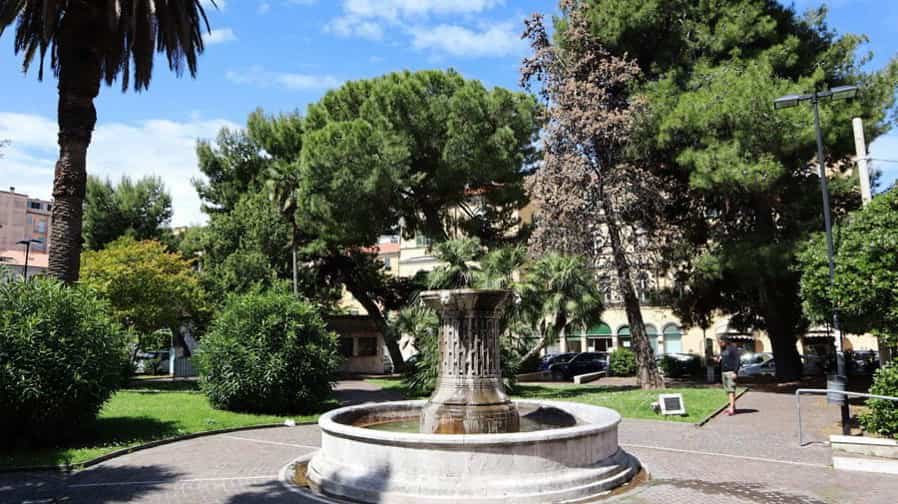
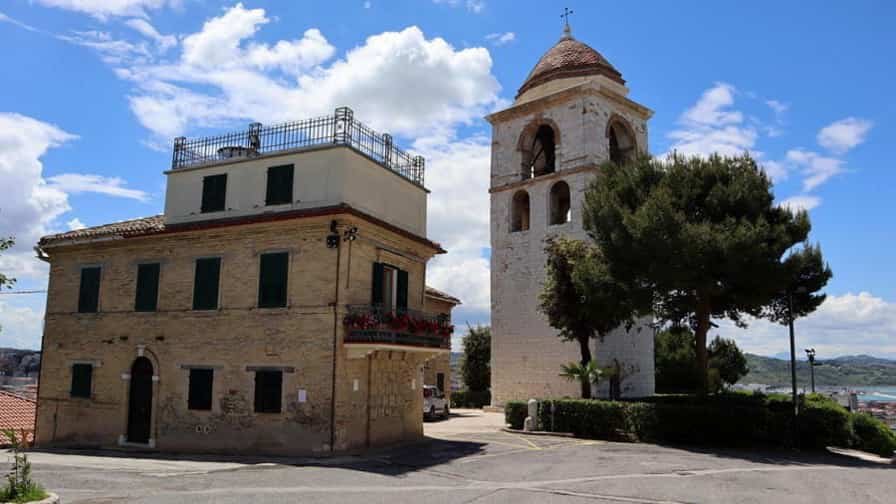
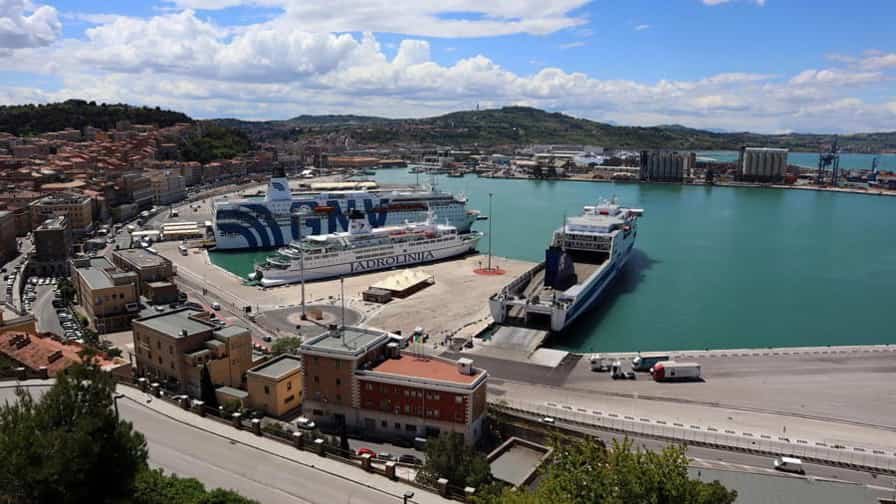
Ancona: The Province of Ancona lies at the heart of the Marche Region, serving as both its geographic and cultural anchor. Stretching from the Adriatic Sea inland toward rolling hills and Apennine foothills, the province offers a striking variety of landscapes within a compact area. Its coastline includes sandy beaches, lively ports, and the dramatic cliffs of Monte Conero, a natural promontory that defines the coastal identity of the area and provides sweeping views over the sea.
Ancona, the provincial capital, is one of the most important Adriatic ports in Italy and has long been a gateway between the Italian peninsula and the eastern Mediterranean. Founded by Greek settlers, the city retains traces of its ancient origins alongside medieval churches and modern infrastructure. Beyond the capital, the province is dotted with historic towns and rural villages where agricultural traditions remain strong and local life follows a measured pace.
The Province of Ancona balances economic vitality with cultural depth. Industry, agriculture, and tourism coexist with a rich artistic heritage, evident in theatres, festivals, and historic architecture. Together, these elements make the province a dynamic yet deeply rooted part of Marche, where history, landscape, and contemporary life are closely intertwined.
The Province of Ascoli Piceno
Ascoli Piceno
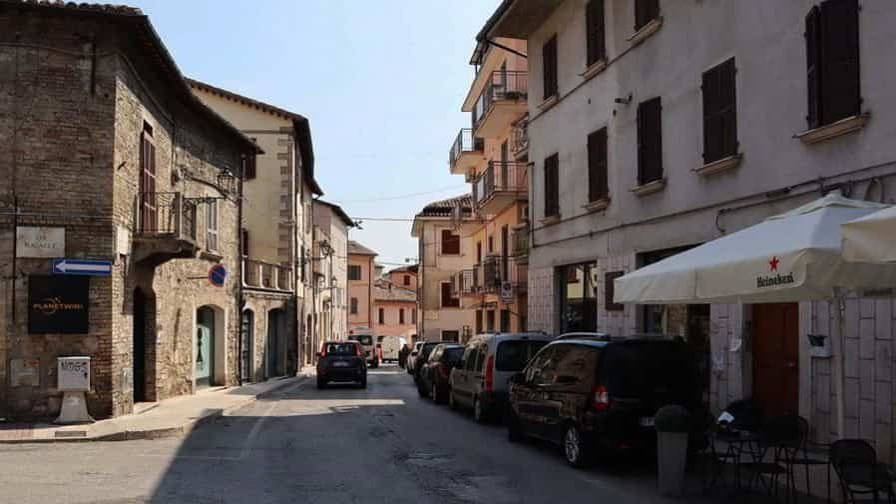
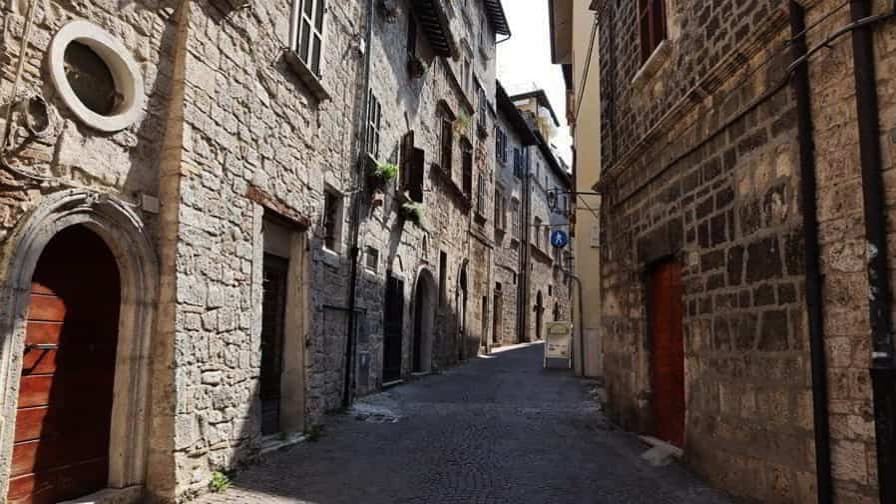
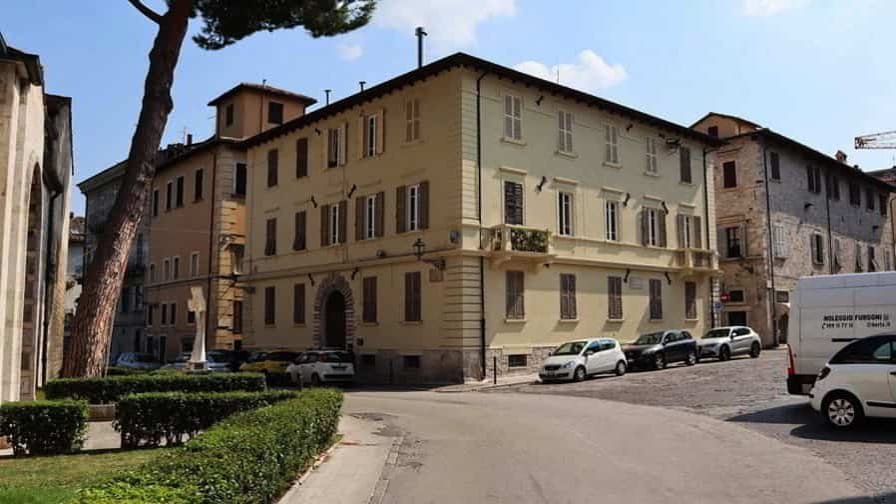
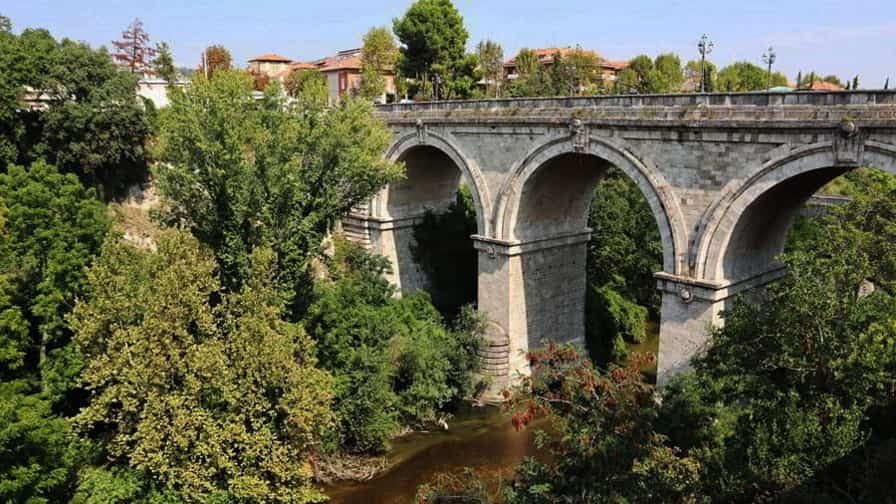
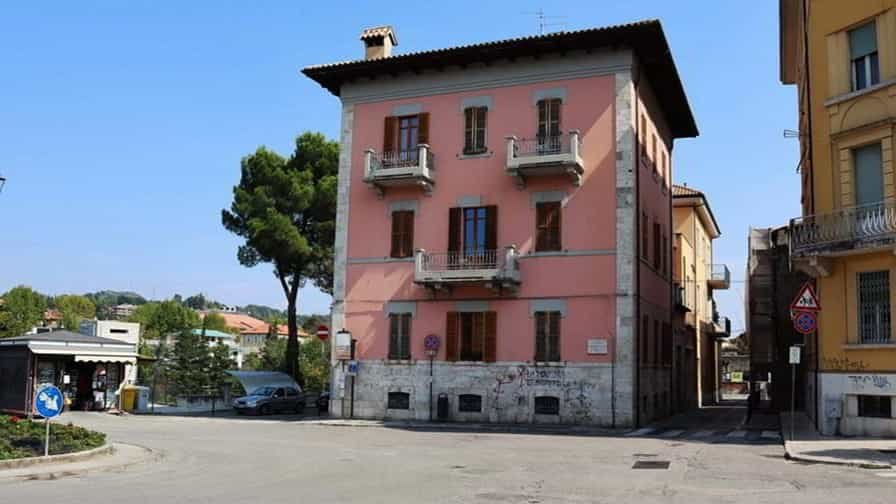
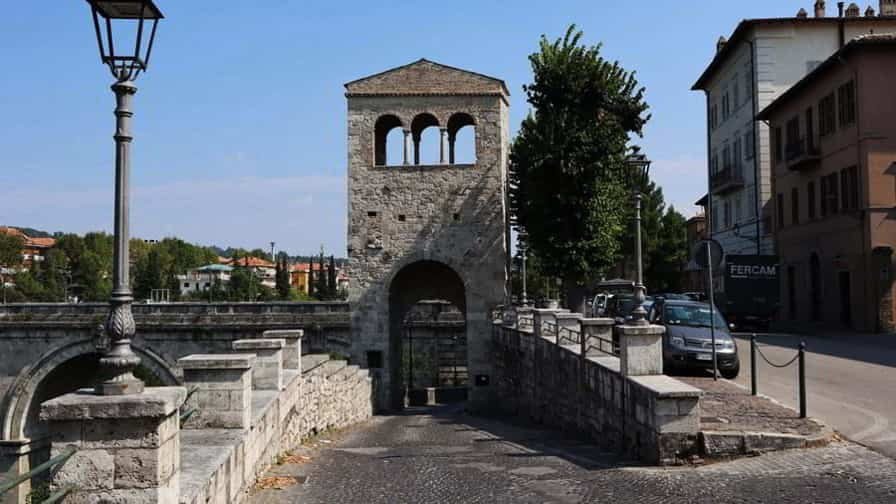
The Province of Ascoli Piceno lies in the southern part of the Region of Marche and is known for its strong historical identity, elegant architecture, and rich natural landscapes. Bordering both Abruzzo and the Adriatic Sea, the province combines inland mountain areas with fertile valleys and a narrow coastal stretch, creating a diverse and well-balanced territory. Its position has long made it a crossroads between central and southern Italy.
The provincial capital, Ascoli Piceno, is widely regarded as one of the most beautiful towns in Marche. Built largely from local travertine stone, the city is distinguished by its refined squares, medieval towers, and Renaissance palaces. Piazza del Popolo stands as a symbol of civic pride and historical continuity, reflecting centuries of political, cultural, and social life. The city’s origins date back to pre-Roman times, and its long history remains clearly visible in its urban layout.
Beyond the capital, the province features rolling hills, river valleys, and the foothills of the Apennines. Agriculture plays an important role, alongside traditional crafts and food production. Local cuisine, including the famous olive all’ascolana, expresses a deep connection to place. Overall, the Province of Ascoli Piceno offers a compelling blend of history, landscape, and enduring regional traditions.
The Province of Pesaro and Urbino
Fano
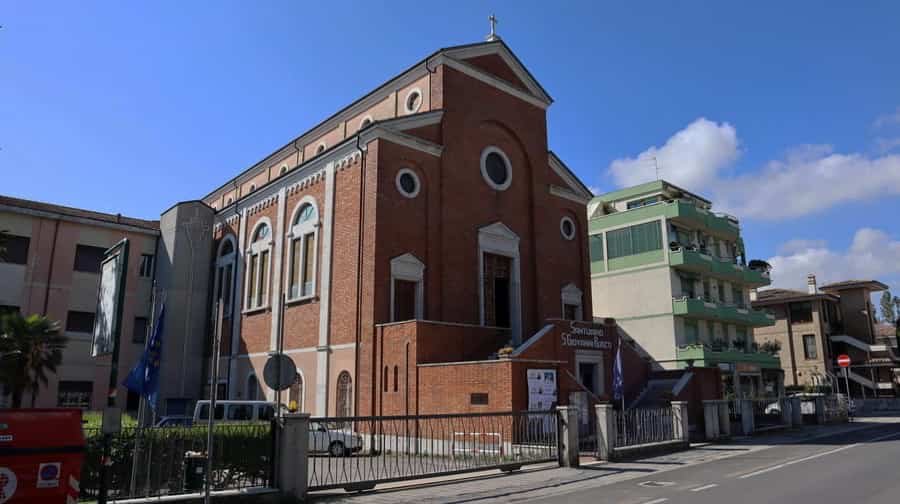
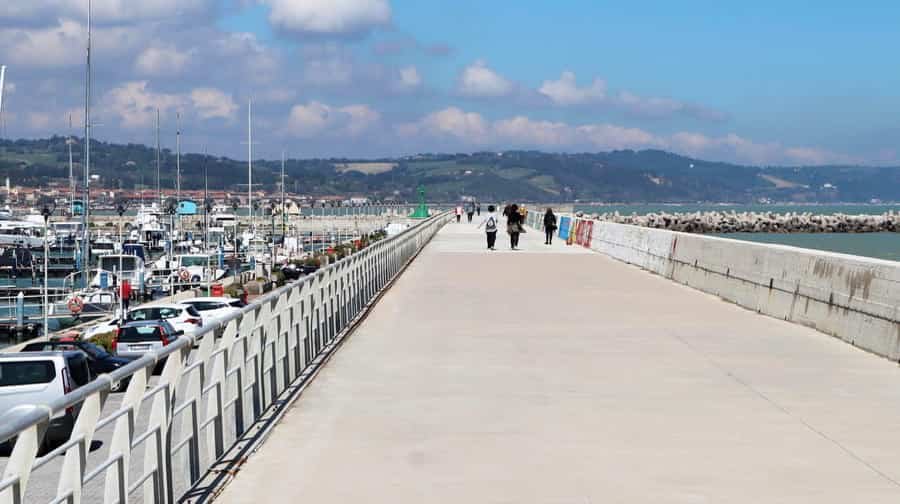
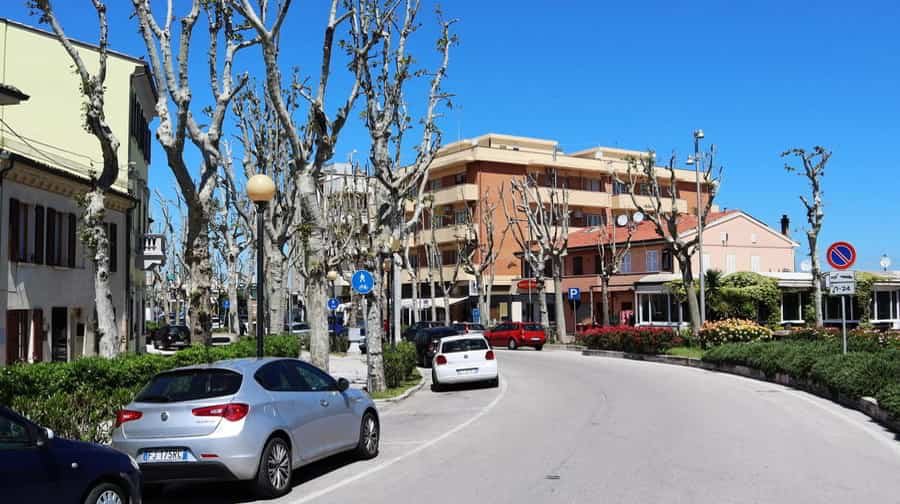
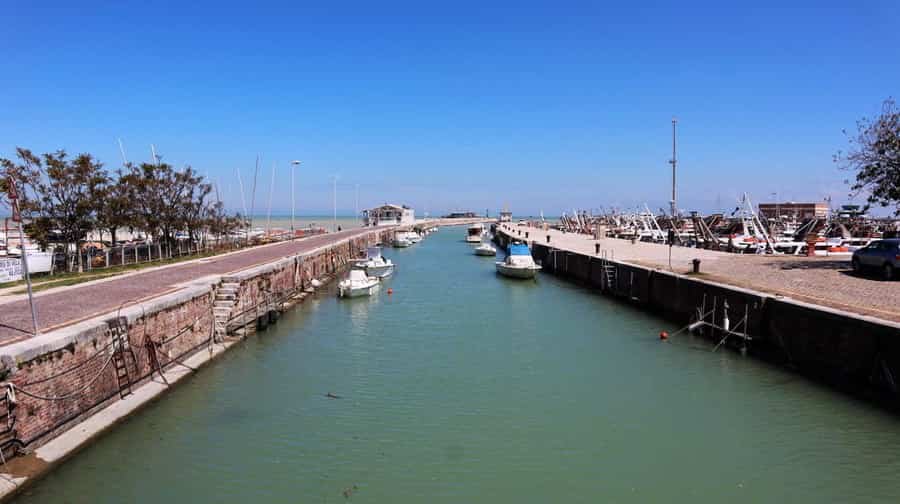
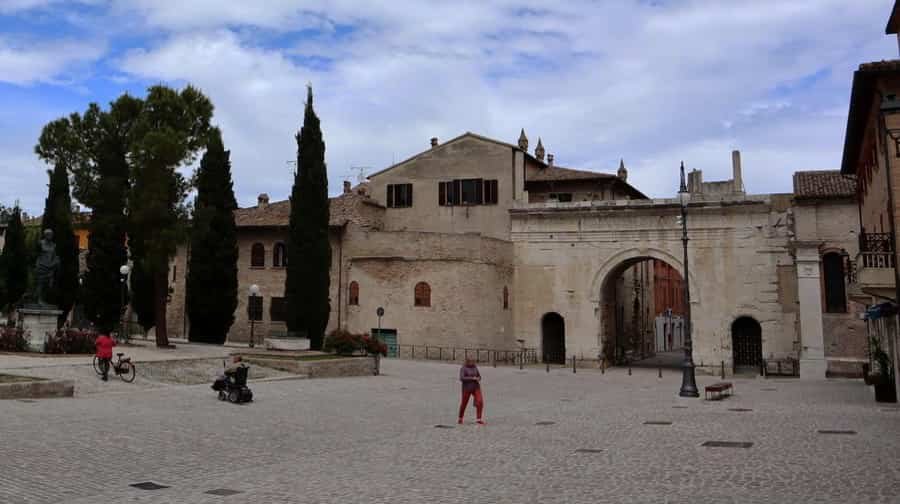
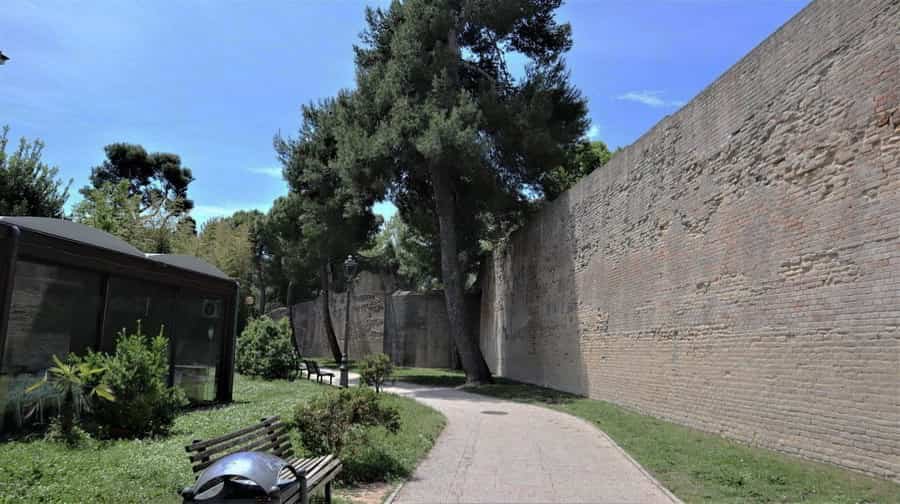
The Province of Pesaro and Urbino, located in the northern part of the Marche Region, is a land of history, art, and natural beauty. Stretching from the Adriatic coast to the Apennine Mountains, it offers a remarkable variety of landscapes, from sandy beaches and rolling hills to forested mountains and serene valleys. The province is home to charming towns and cities, each with its own distinct character. Pesaro, the provincial capital, is a vibrant coastal city known for its cultural events, music festivals, and beautiful seafront. Urbino, a UNESCO World Heritage site, is celebrated for its Renaissance heritage, elegant architecture, and as the birthplace of the painter Raphael.
Beyond its historic towns, the province is rich in artistic and cultural traditions, with numerous museums, churches, and palaces that showcase centuries of craftsmanship and creativity. The countryside is dotted with vineyards, olive groves, and small villages where local gastronomy and artisanal products thrive. Outdoor enthusiasts can explore hiking and cycling trails in the Apennines or relax along the Adriatic coast. The Province of Pesaro and Urbino combines a deep respect for history with a vibrant, contemporary life, making it a unique destination where culture, nature, and tradition come together in harmony.
The Province of Macerata
Macerata
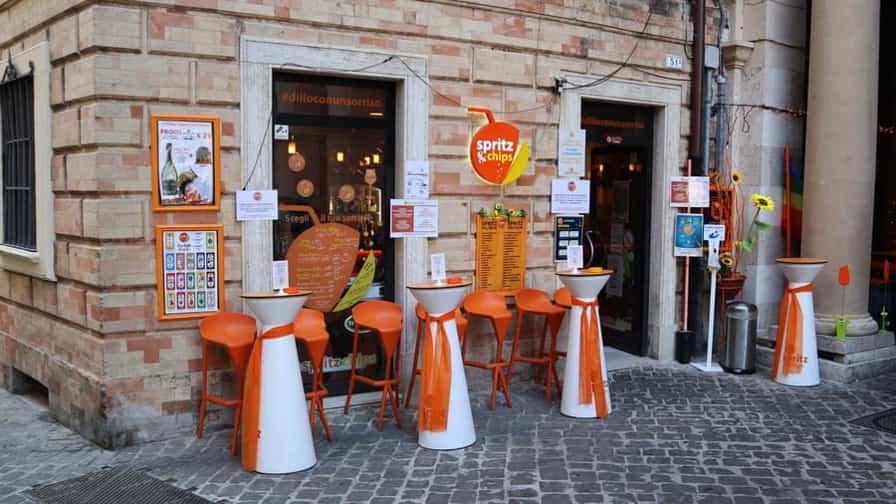
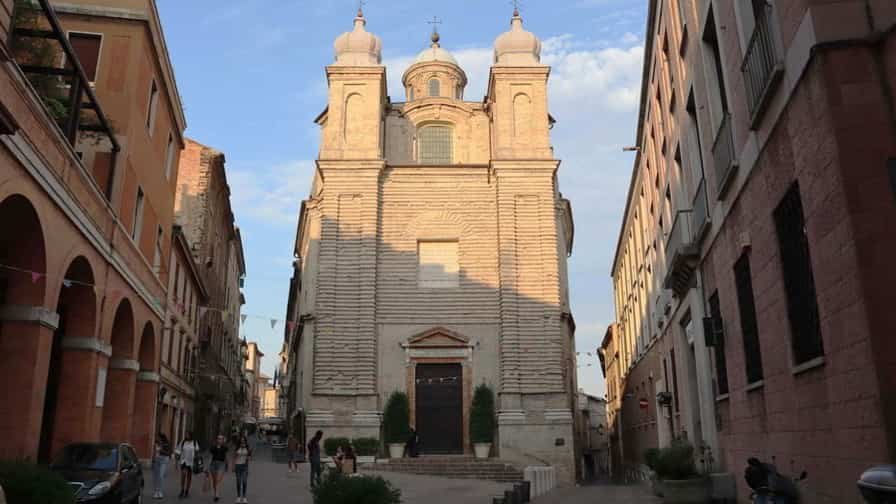
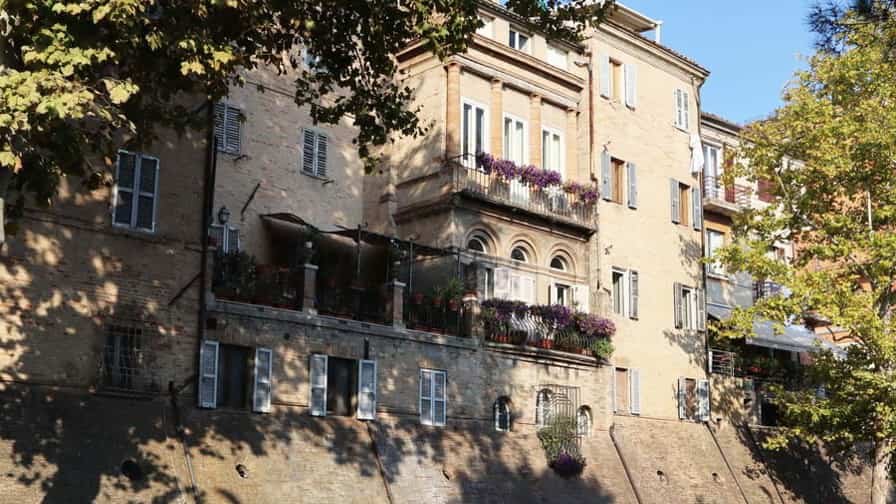
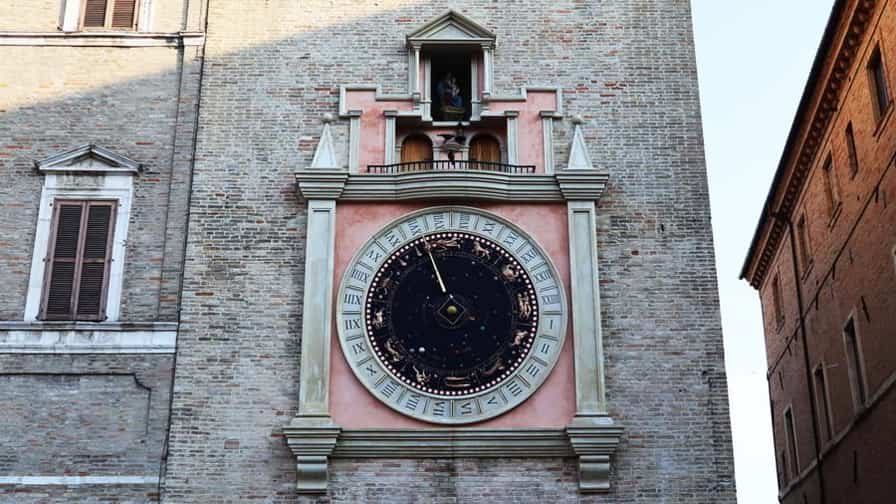
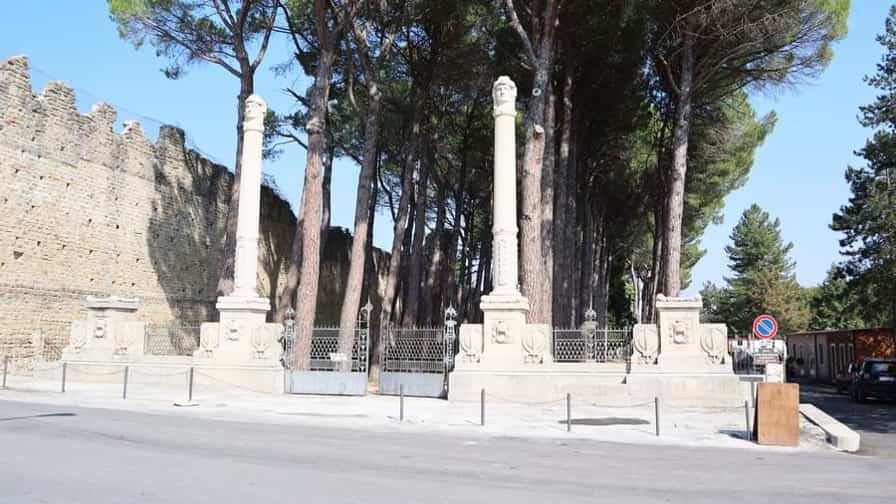
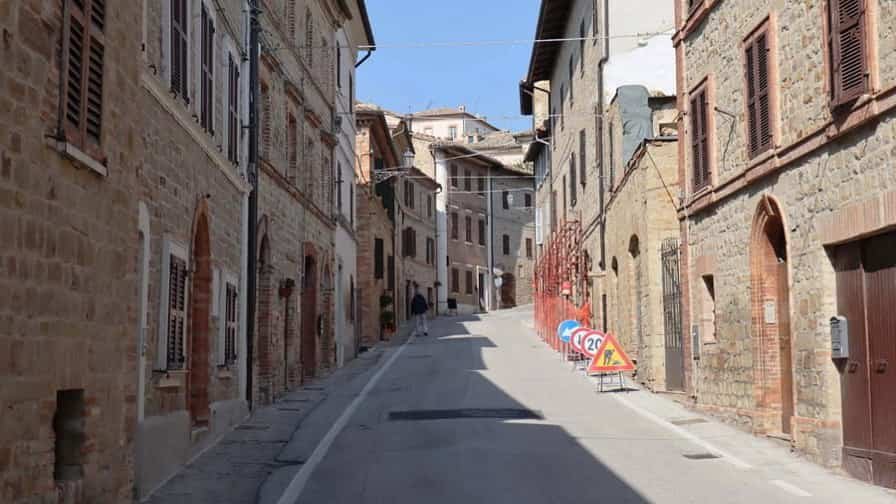
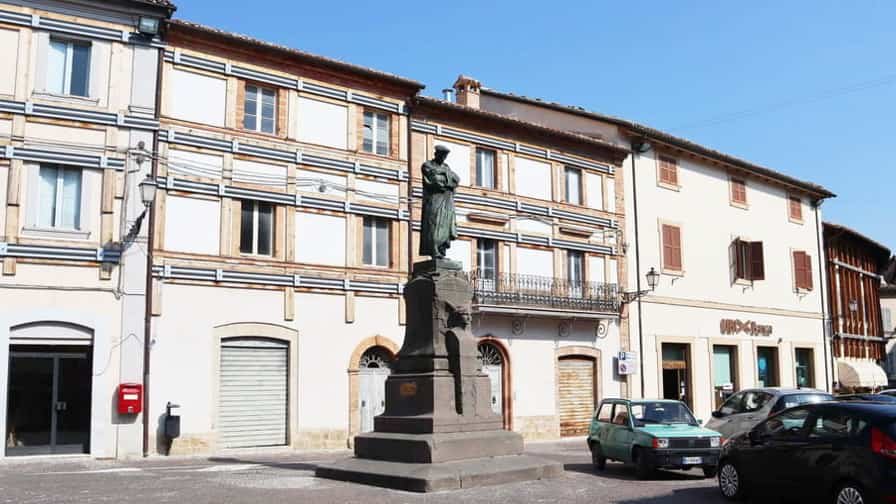
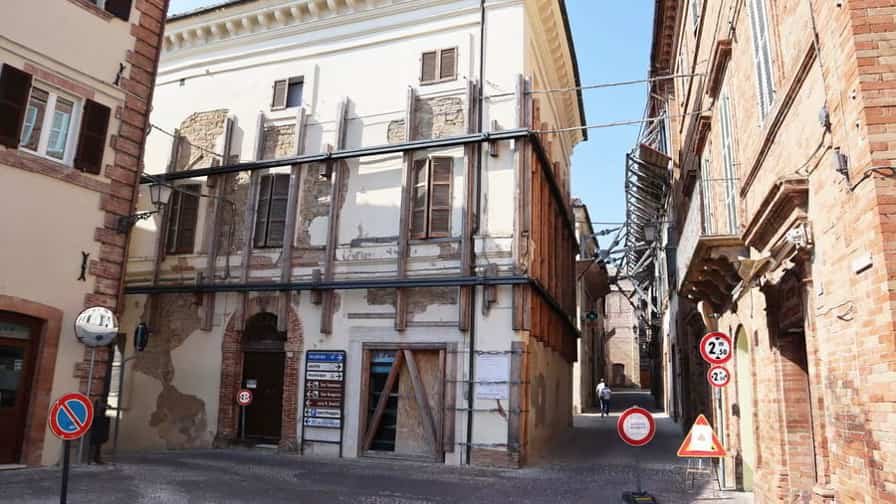
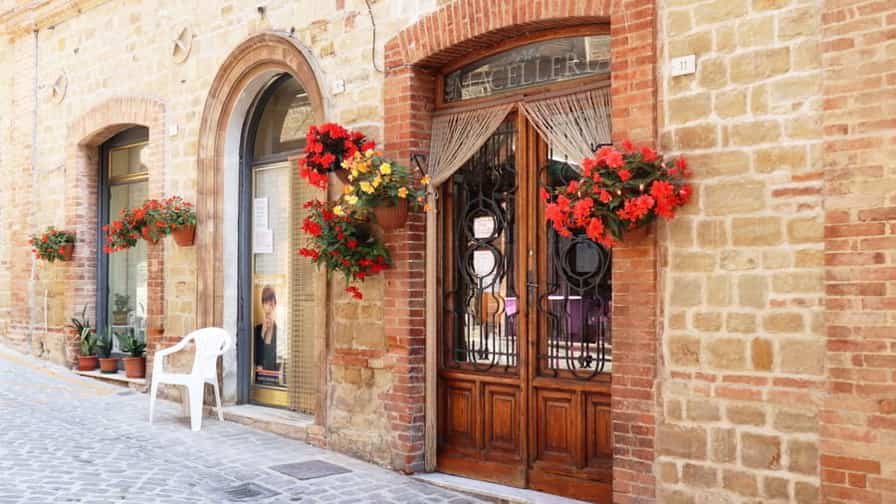
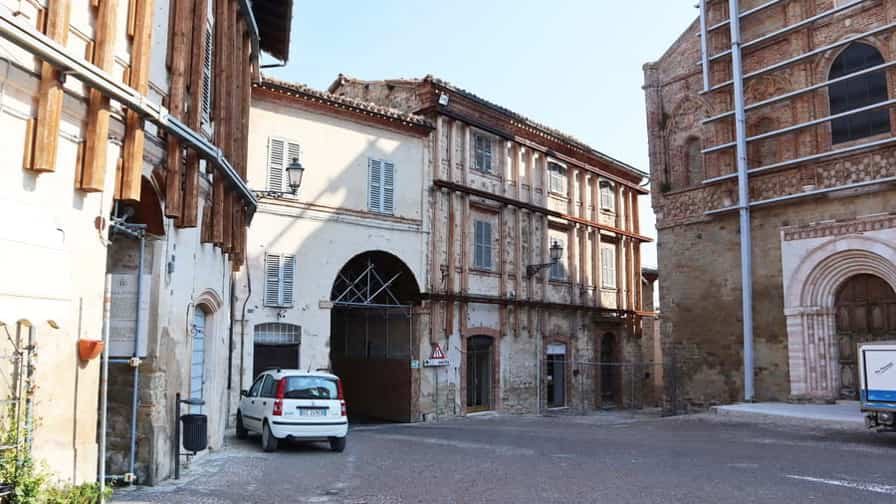
San Ginesio
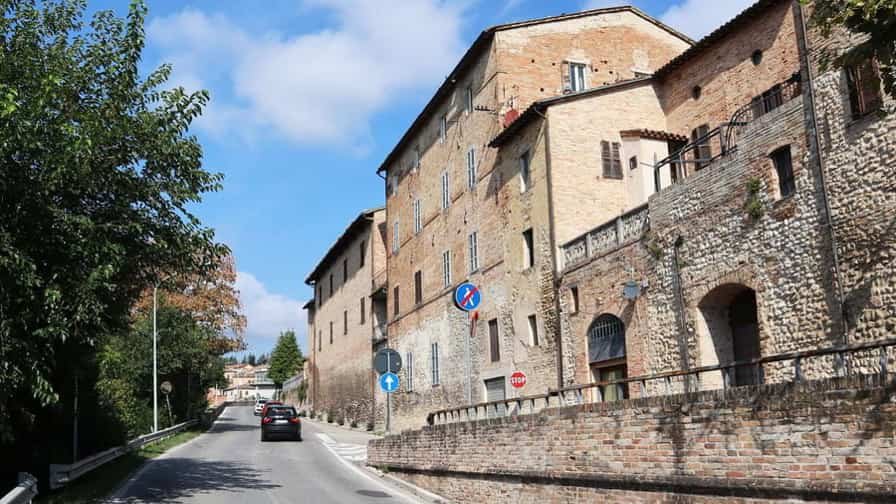
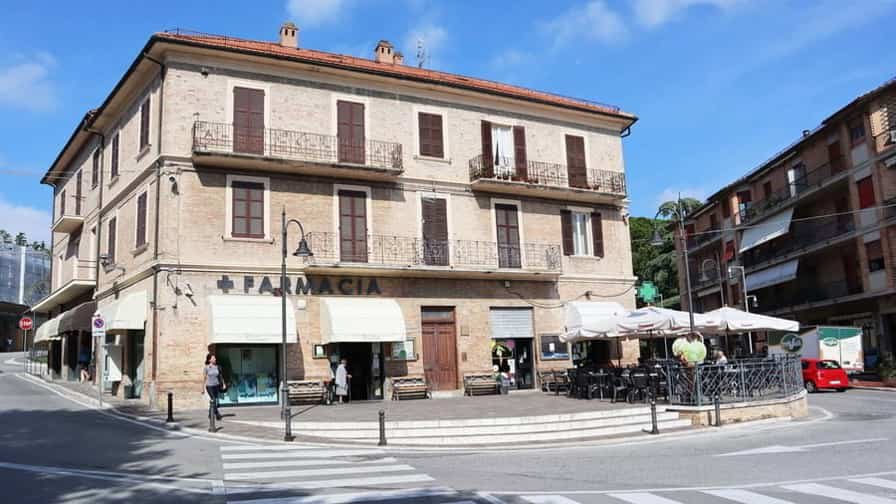
Sarnano
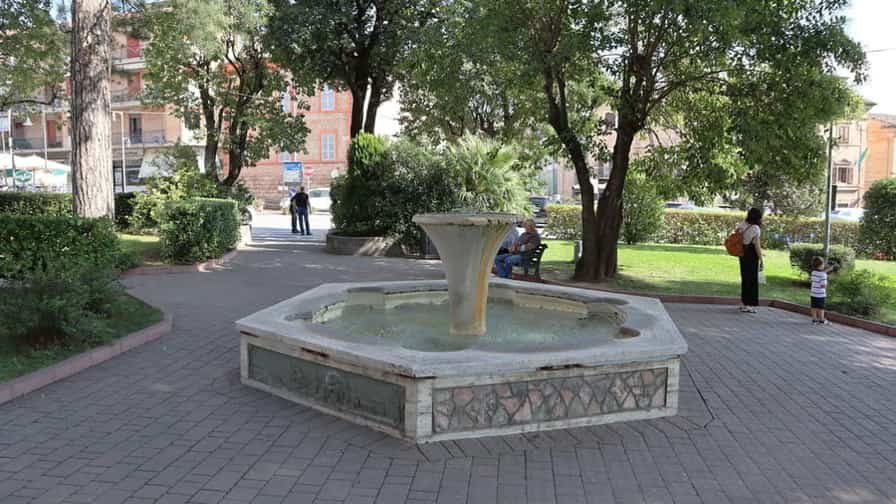
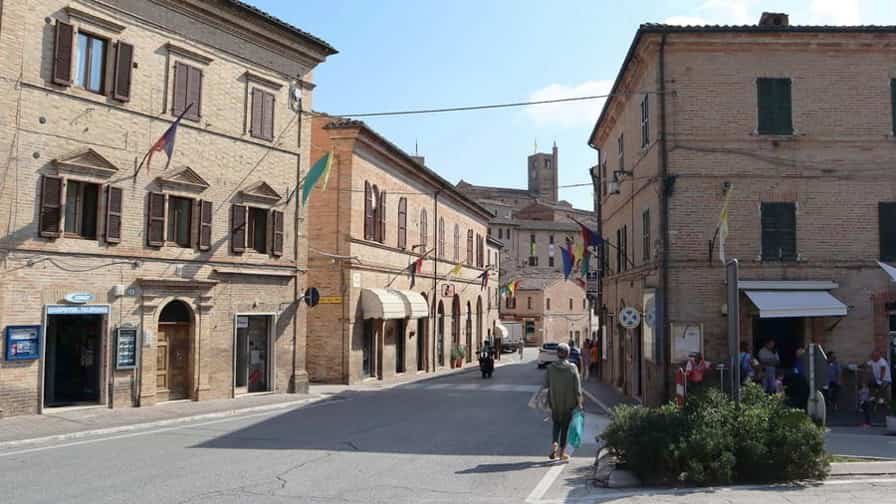
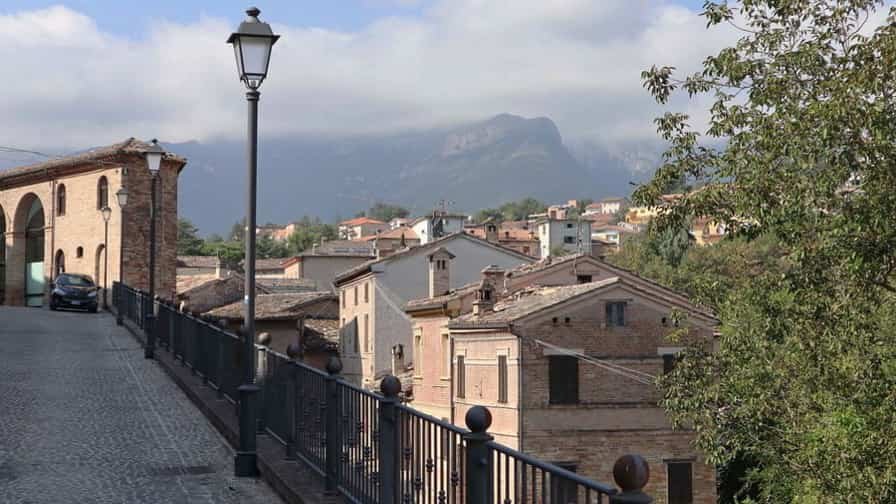

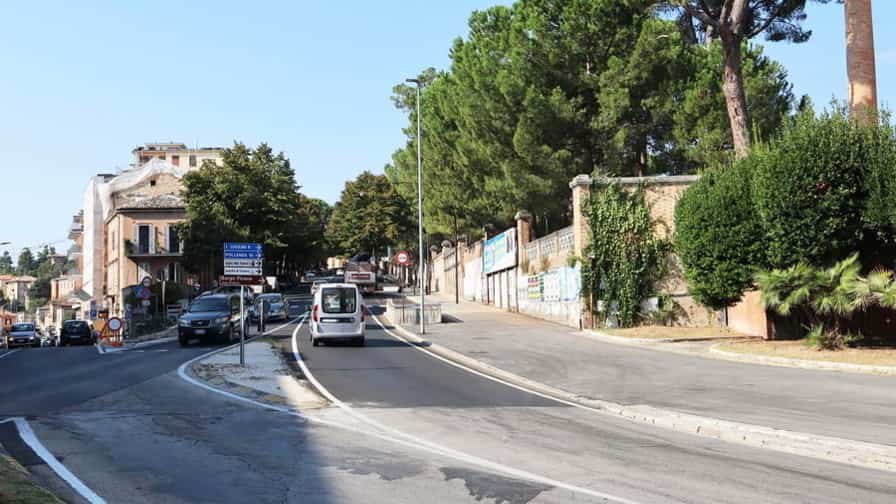
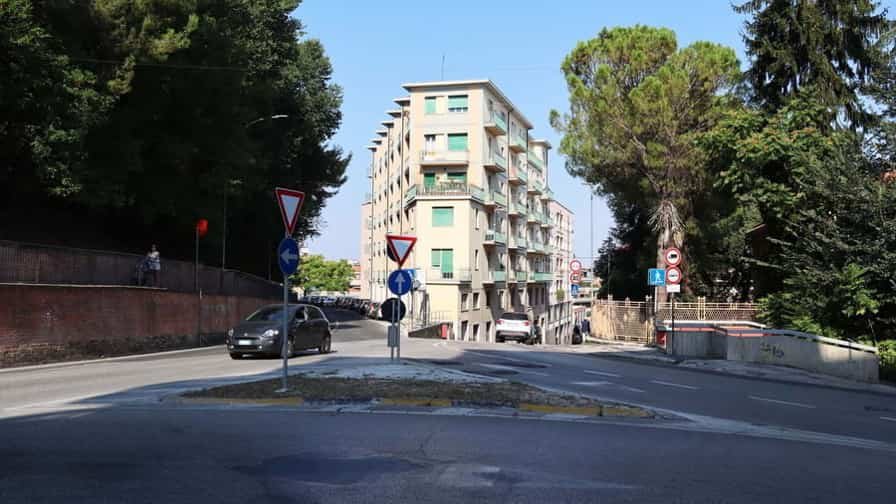
The Provence of Macerata is located in the heart of the Region of Marche and is defined by its harmonious landscape, rich cultural heritage, and strong rural traditions. Stretching from the Apennine foothills toward the central hills of the region, this area is characterized by gently rolling countryside, fertile valleys, and historic towns set against a calm and balanced natural backdrop. Its inland position has helped preserve an authentic way of life closely tied to land, history, and community.
The city of Macerata serves as the cultural and administrative center of the province. Known for its elegant historic center and strong academic tradition, the city is home to one of Italy’s oldest universities. Macerata is also internationally recognized for the Sferisterio, an open-air neoclassical arena that hosts a renowned opera festival each summer, reflecting the province’s deep connection to music and the arts.
Beyond the capital, the province includes numerous hill towns, medieval villages, and agricultural landscapes shaped by centuries of cultivation. Farming remains central to the local economy, alongside craftsmanship and small-scale industry. Traditional cuisine, based on simple and seasonal ingredients, reflects rural heritage and regional identity. Overall, the Provence of Macerata embodies the quiet elegance and cultural depth that define the interior of Marche.
Ancona
Ascoli Piceno
Fano
Macerata
San Ginesio
Sarnano
COPYRIGHT © 2018-2026 ITALY IN PHOTOS – ALL RIGHTS RESERVED