
HOME
REGIONS OF ITALY
PLACES IN ITALY
PLAN YOUR TRIP
Italy in Photos
Discover the Regions of Italy
Via Pustierla, 86039 Termoli, Italy (September 2018)
Molise
Molise is one of Italy’s smallest and least populated regions, yet it preserves a remarkable richness of history, landscapes, and traditions. Located in southern central Italy between the Apennine Mountains and the Adriatic Sea, Molise is often described as a hidden region, largely untouched by mass tourism. Its quiet character and strong sense of identity offer an authentic portrait of Italy, shaped by centuries of rural life, ancient cultures, and close ties between communities and their territory.
The region is composed of two provinces, Campobasso and Isernia, each with distinct features that together form a varied landscape. Inland, the Apennines dominate the scenery with forested mountains, high altitude plateaus, and protected natural areas such as the Matese Massif. These environments support traditional pastoral activities and seasonal transhumance, an ancient practice of moving livestock along historic routes that are now recognized as cultural heritage. Toward the east, Molise opens onto a short but charming stretch of Adriatic coastline, characterized by sandy beaches, wetlands, and small fishing towns.
Molise’s history reaches back to pre Roman times, when it was inhabited by the Samnites, a powerful Italic people who left a lasting mark on the region. Archaeological sites, ancient sanctuaries, and remains of Roman settlements can still be found throughout the territory. During the Middle Ages, Molise developed a network of hilltop villages and castles, built for defence and control of the surrounding lands. Many of these villages remain remarkably intact, preserving stone houses, narrow streets, and centuries old urban layouts.
The cultural life of Molise is deeply rooted in tradition. Religious festivals, seasonal celebrations, and folk rituals play a central role in local communities. Events such as processions, historical re-enactments, and music festivals reflect a strong attachment to heritage and collective memory. Handcrafted objects, including bells, knives, and textiles, continue to be produced using techniques passed down through generations, highlighting the region’s artisanal identity.
Agriculture and food culture are fundamental to Molise’s way of life. The region is known for its high quality products, including olive oil, cheeses, cured meats, and pasta made from locally grown grains. Sheep and cattle farming remain important, particularly in mountainous areas, while vineyards and olive groves shape the rural landscape. Traditional recipes, often simple yet flavourful, are closely linked to seasonal cycles and local ingredients, offering a genuine expression of regional culture.
Molise’s towns and cities reflect its understated character. Campobasso, the regional capital, is set on a hillside and features medieval architecture alongside modern institutions. Isernia, with ancient origins, is notable for archaeological discoveries that reveal early human presence in the area. Smaller towns and villages, scattered across valleys and mountains, maintain a slow pace of life and strong social bonds, making them central to the region’s cultural fabric.
Nature plays a defining role in Molise. National and regional parks, rivers, and forests provide habitats for diverse wildlife and opportunities for outdoor activities such as hiking, cycling, and horseback riding. The relatively low level of urbanization has allowed ecosystems to remain largely intact, contributing to the region’s sense of tranquillity.
Molise is a region that reveals itself gradually, rewarding those who take the time to explore it. Its landscapes, traditions, and people offer a vision of Italy that is intimate and sincere, where history, nature, and daily life are closely intertwined.
The Provinces of Molise
The photos shown for each province were taken during my visits to those locations. For more information, click on the name to be taken to the main page for that place.
The Province of Campobasso
Termoli
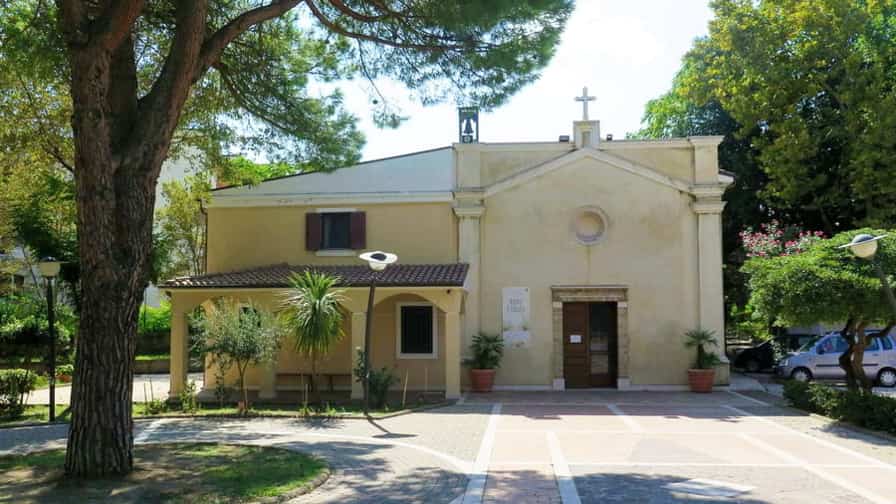
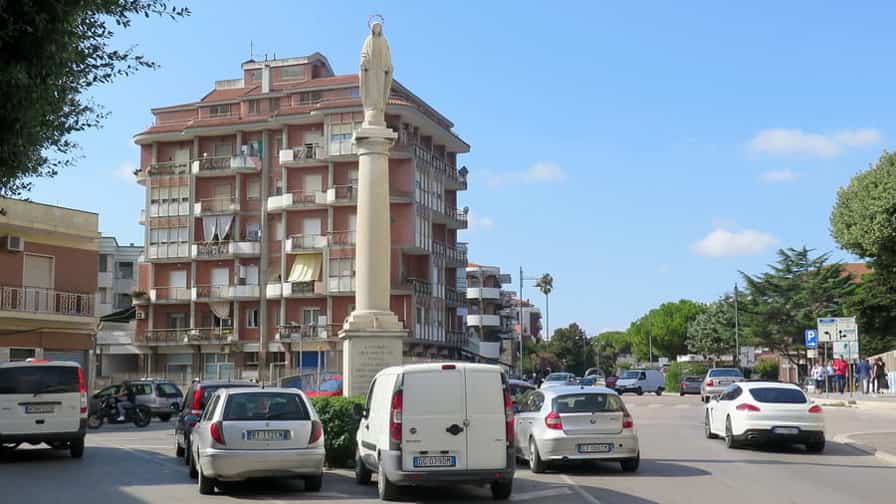
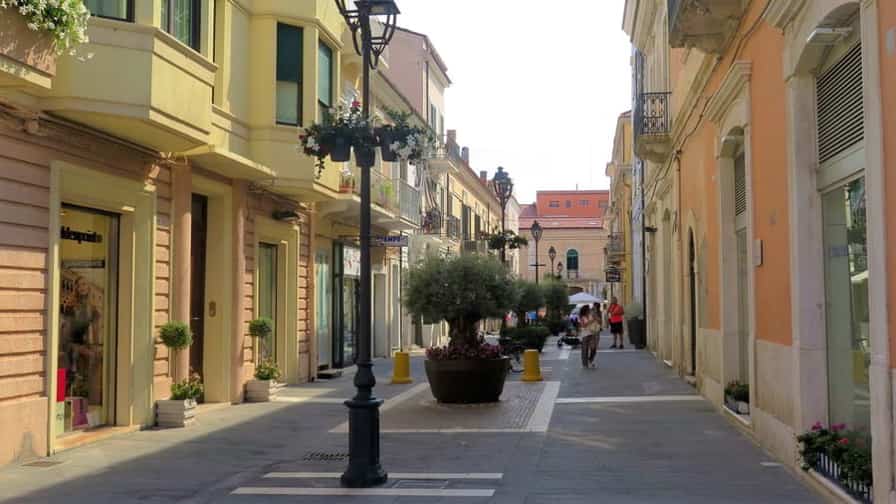
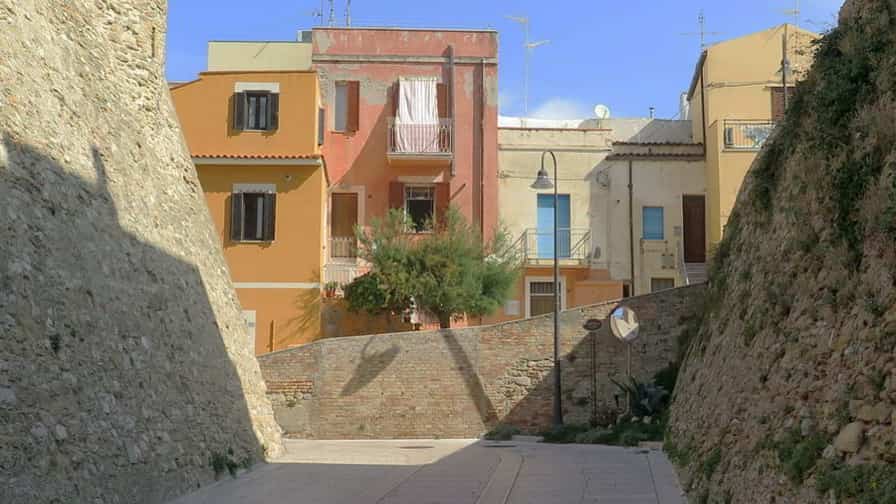
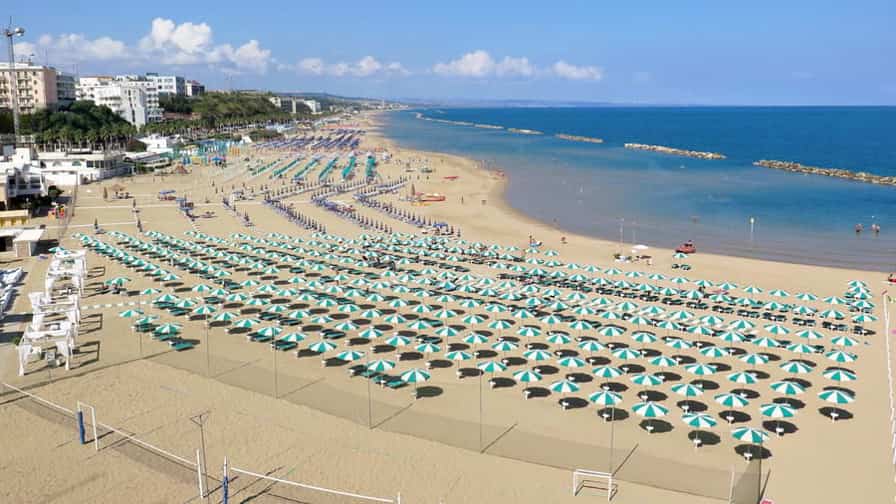
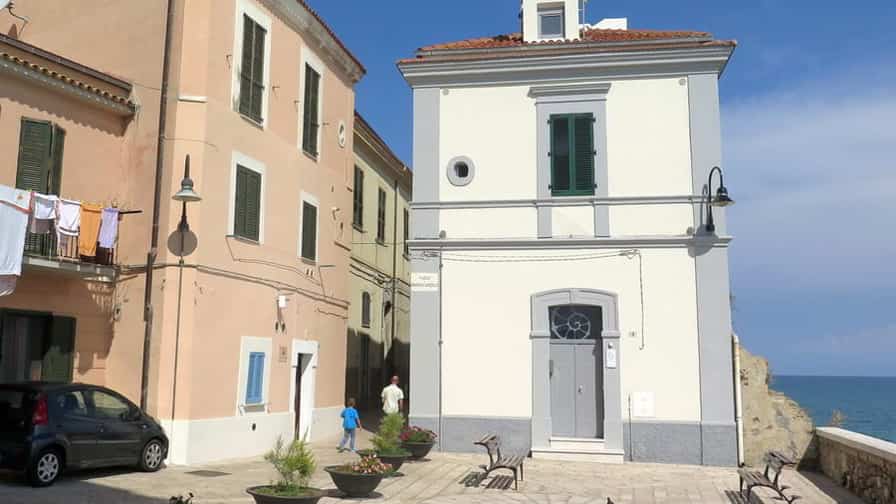
The Province of Campobasso, located in the heart of the Molise region in southern Italy, is a land of quiet beauty, deep traditions, and unspoiled landscapes. Stretching from the Apennine mountains to the Adriatic coast, the province offers a remarkable variety of scenery, including rolling hills, dense forests, fertile valleys, and a short but charming stretch of coastline. Its capital, Campobasso, sits at a strategic elevation and serves as the cultural, administrative, and historical centre of the province.
Rich in history, the Province of Campobasso bears traces of ancient Samnite civilization, Roman settlements, medieval fortifications, and centuries-old rural traditions. Stone villages, castles, and churches dot the landscape, telling stories of resilience and continuity. Agriculture and craftsmanship remain central to local life, with olive oil, cheeses, cured meats, and traditional pasta reflecting a strong connection between land and table.
Despite its small size and understated profile, the province preserves an authentic Italian character, far from mass tourism. Festivals, religious processions, and folk music animate towns throughout the year, reinforcing a strong sense of community and identity. The Province of Campobasso stands as a compelling example of Italy’s lesser-known heritage, where history, nature, and tradition coexist in harmonious balance.
The Province of Isernia
The Province of Isernia, situated in the southwestern part of the Molise region, is a territory defined by mountains, ancient history, and a strong sense of cultural continuity. Dominated by the Apennine landscape, the province is characterized by high peaks, forested slopes, clear rivers, and expansive plateaus that create a dramatic and unspoiled natural setting. The city of Isernia, one of the oldest continuously inhabited towns in Italy, serves as the provincial capital and a symbolic link between prehistoric origins and modern life.
The province is historically connected to the Samnite civilization, whose legacy remains visible in archaeological sites, ancient paths, and local traditions. Over the centuries, Roman, medieval, and Renaissance influences have further shaped its towns and villages, many of which retain stone architecture and compact historic centres. Life in the Province of Isernia has long been tied to pastoralism, agriculture, and seasonal rhythms, fostering a close relationship between people and the land.
Today, the province offers a quiet authenticity that distinguishes it from more travelled destinations. Traditional festivals, religious celebrations, and artisanal practices continue to play a central role in community life. The Province of Isernia represents the mountain soul of Molise, where history, nature, and enduring traditions meet.
Termoli
COPYRIGHT © 2018-2026 ITALY IN PHOTOS – ALL RIGHTS RESERVED