
HOME
REGIONS OF ITALY
PLACES IN ITALY
PLAN YOUR TRIP
Italy in Photos
Discover the Regions of Italy
Palio Sbandieratori di Asti, Piazza S. Secondo, Asti AT, Italy (May 2022)
Piedmont
Acqui Terme
Alba
Arona
Asti
Avigliana
Druogno
Intra
Isola Bella
Isola Madre
Isola Pescatori
Ivrea
Malesco
Re
Rivoli
Stresa
Turin
Verbania
Piedmont, known in Italian as Piemonte, is a region of north-western Italy whose identity is shaped by geography, history, and a deep-rooted sense of cultural refinement. Its name, meaning “at the foot of the mountains,” reflects its striking physical setting. The region is enclosed on three sides by the Alps, with peaks that form a dramatic natural boundary with France and Switzerland, while its eastern edge softens into rolling hills and fertile plains. This varied landscape has influenced every aspect of Piedmontese life, from agriculture and cuisine to architecture and patterns of settlement.
At the heart of Piedmont lies the Po Valley, where the Po River begins its long journey across northern Italy. This broad plain has long been an agricultural powerhouse, supporting the cultivation of rice, grains, and vegetables that remain central to the regional economy. Rising gently from the plains are the hills of the Langhe, Roero, and Monferrato, areas celebrated for their vineyards, hazelnut groves, and medieval villages. These hills, now recognized as a UNESCO World Heritage landscape, embody the harmony between human activity and the natural environment that defines much of Piedmont’s character.
Piedmont’s history is inseparable from its role as a political and cultural engine of Italy. For centuries it was the core territory of the House of Savoy, a dynasty that would eventually lead the movement for Italian unification in the nineteenth century. Turin, the regional capital, served as the first capital of unified Italy and remains one of the country’s most elegant and understated cities. Its wide boulevards, baroque palaces, and arcaded streets reflect a legacy of royal ambition and administrative order. This historical prominence has left Piedmont with a strong tradition of institutions, education, and civic life.
Culturally, the region balances reserve with creativity. Piedmontese culture is often described as discreet and pragmatic, shaped by proximity to northern Europe and centuries of cross-border exchange. At the same time, it has produced remarkable achievements in literature, cinema, design, and industry. Turin in particular became a symbol of Italian industrial modernity in the twentieth century, especially through the automotive sector, while more recently it has reinvented itself as a centre for innovation, contemporary art, and gastronomy.
Food and wine are among Piedmont’s most internationally recognized expressions. The region is renowned for dishes that emphasize quality ingredients and careful preparation rather than excess. Truffles from the forests around Alba, rich egg-based pastas, slow-cooked meats, and robust cheeses reflect a cuisine deeply tied to the seasons. Piedmont is also one of Italy’s greatest wine regions, producing prestigious reds such as Barolo and Barbaresco alongside refined whites and sparkling wines. Wine here is not only an economic asset but also a cultural language, connecting families, landscapes, and generations.
Despite its strong traditions, Piedmont is not frozen in the past. Mountain resorts, lakeside towns along Lake Maggiore and Lake Orta, and revitalized urban canters attract visitors seeking both natural beauty and cultural depth. The region’s ability to combine Alpine grandeur, rural intimacy, and urban sophistication makes it uniquely compelling. Piedmont offers a vision of Italy that is measured, thoughtful, and quietly confident, revealing its richness not through spectacle, but through substance.
The Provinces of Piedmont
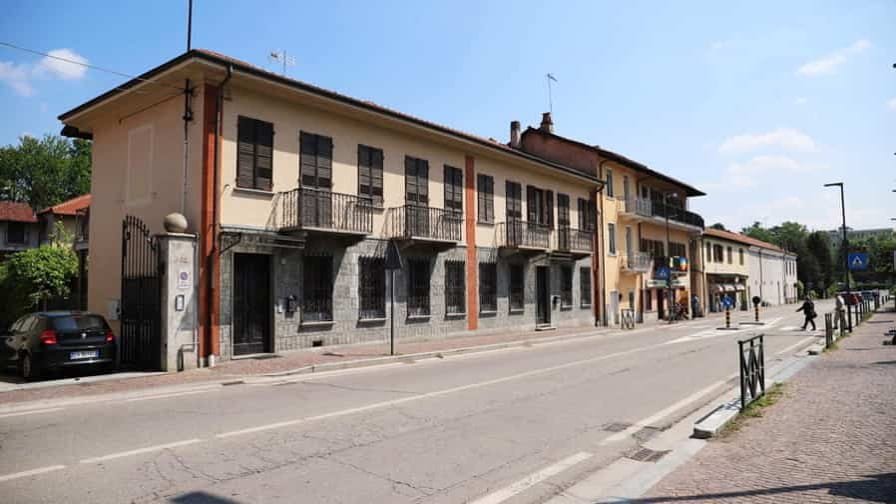
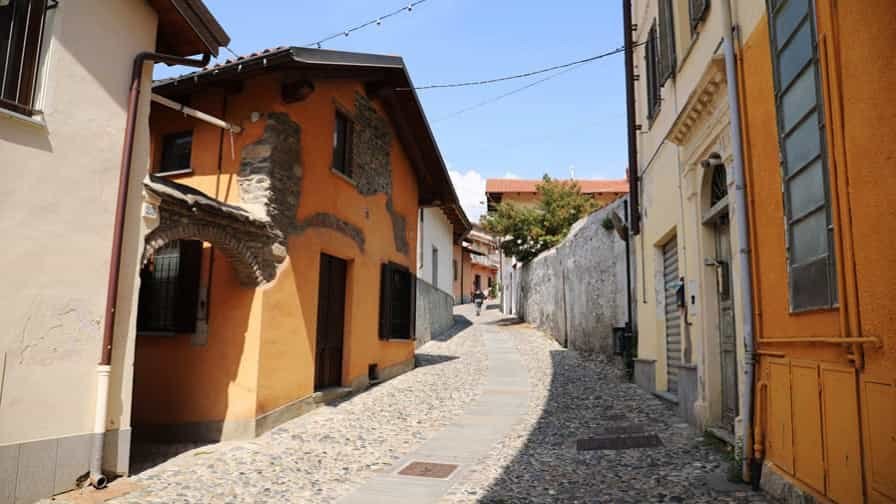
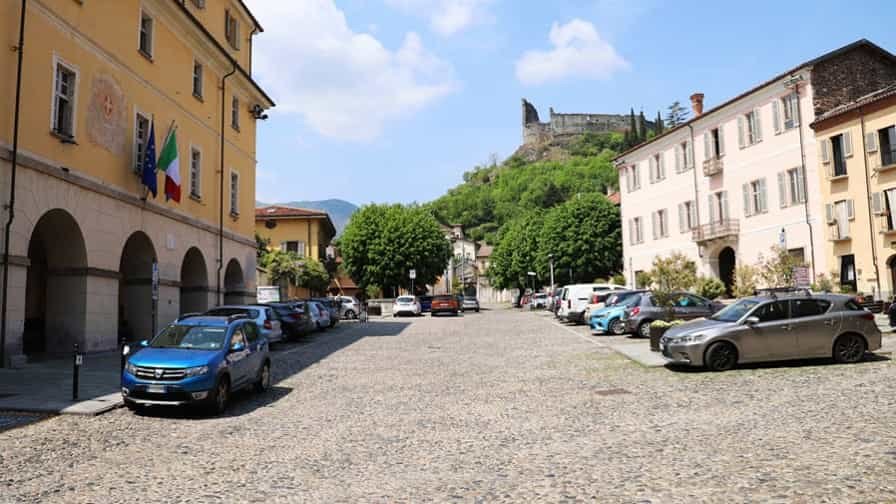
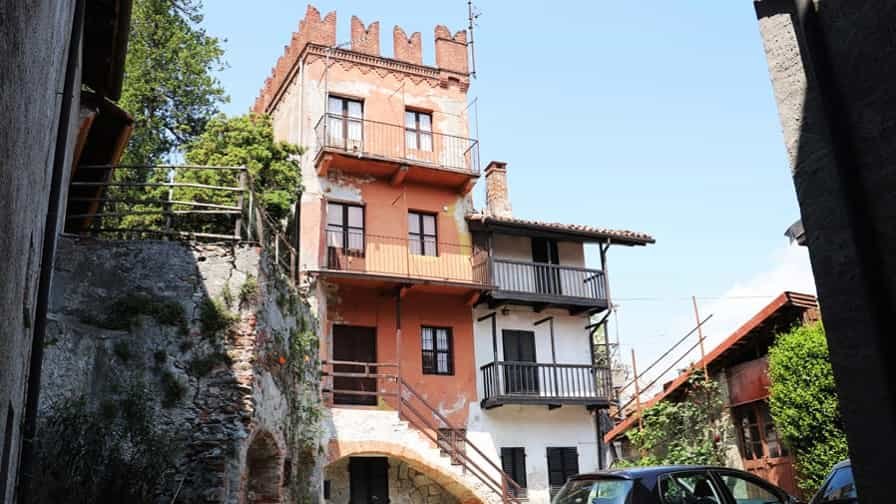
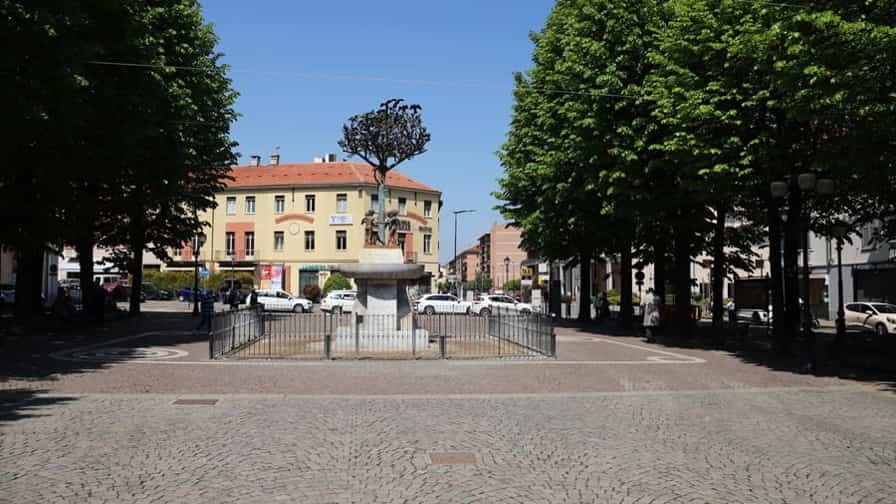
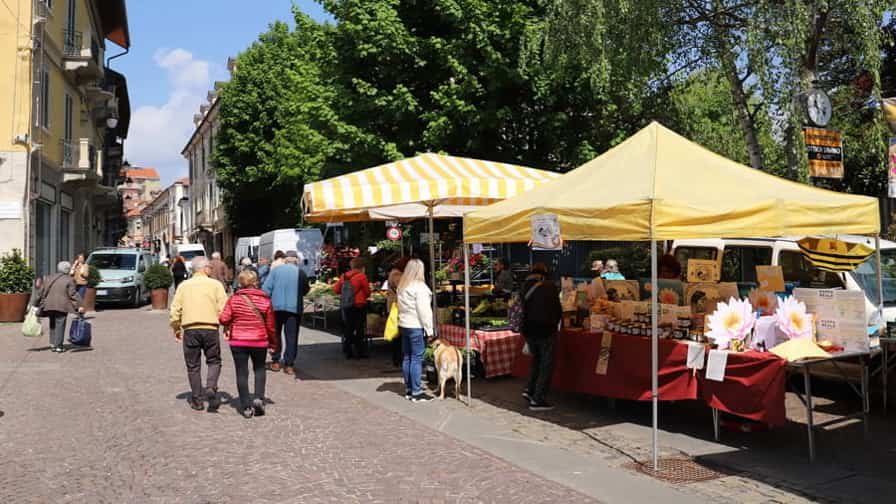
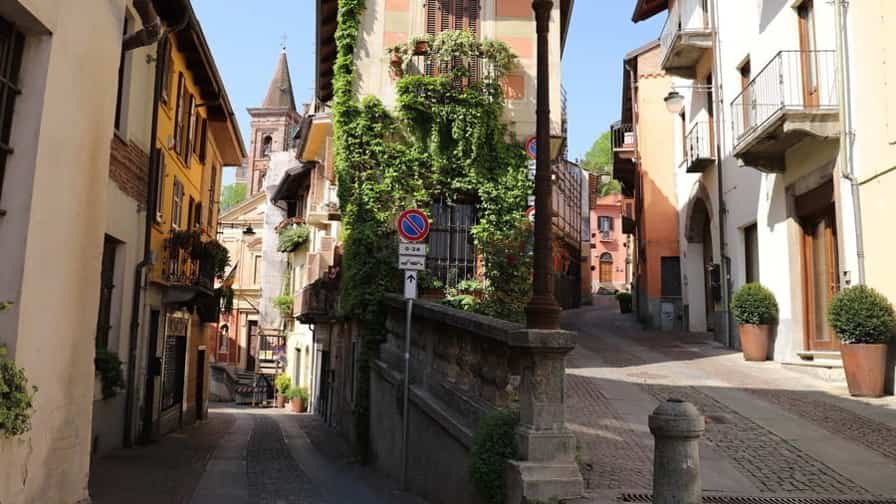
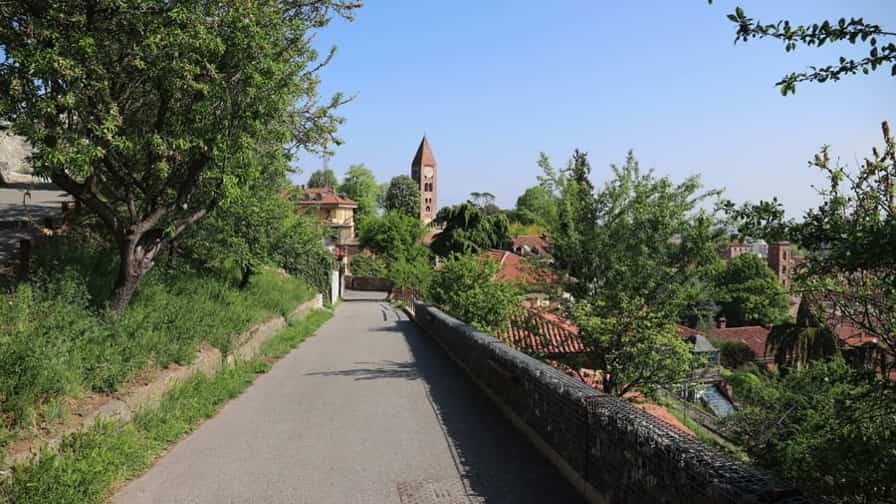
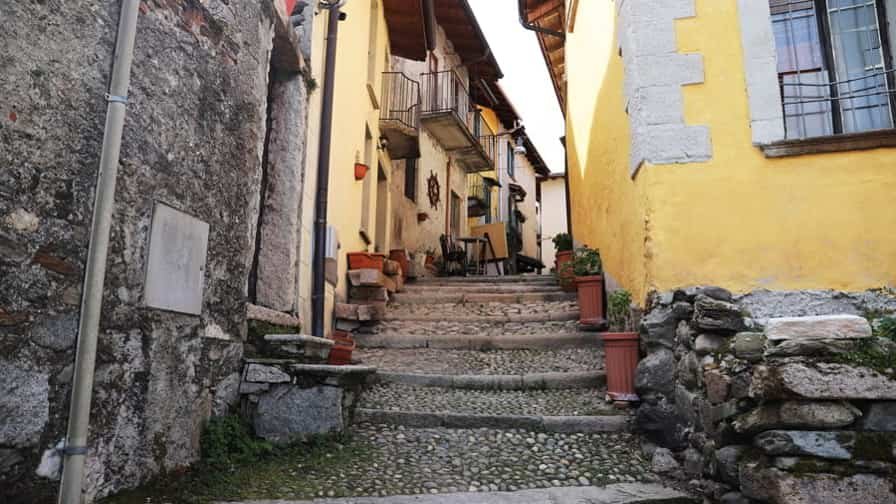
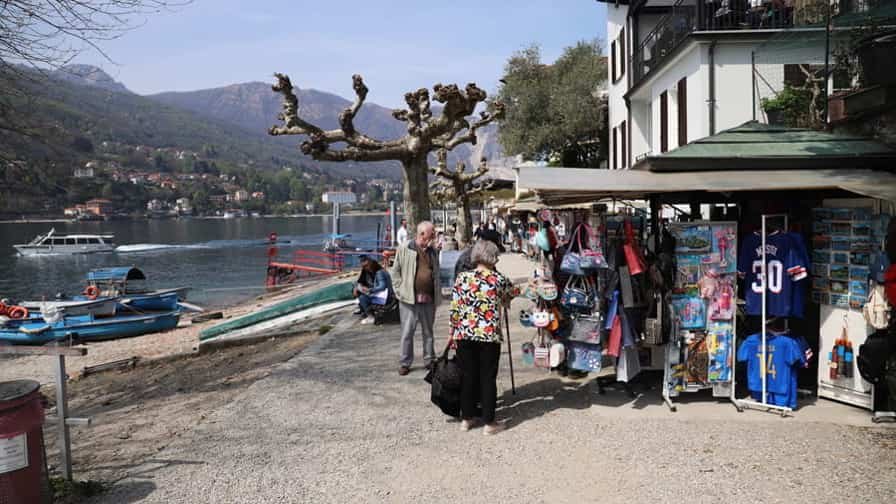
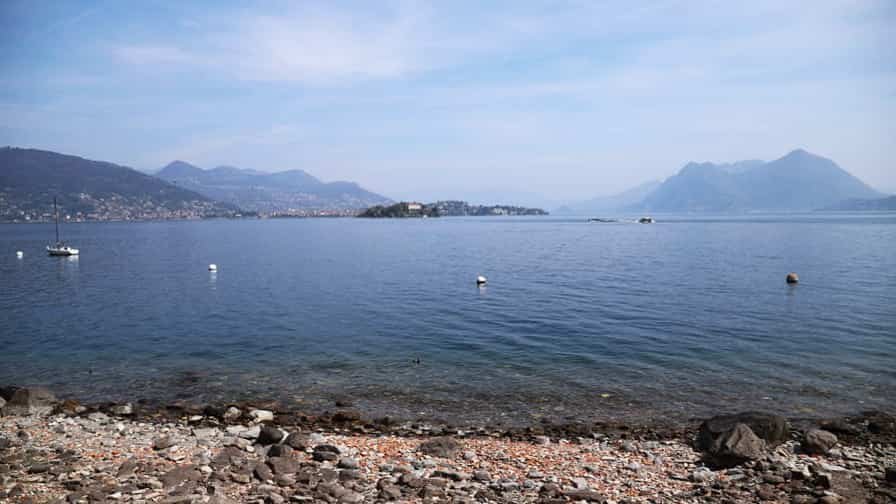
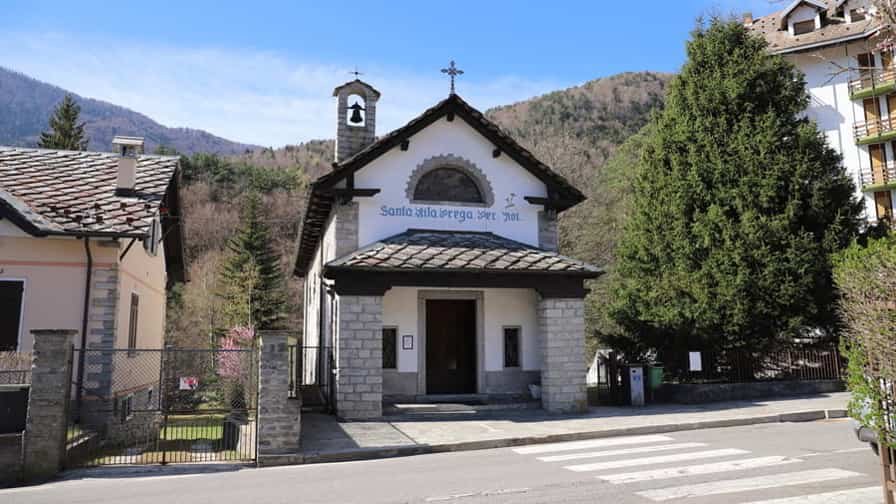
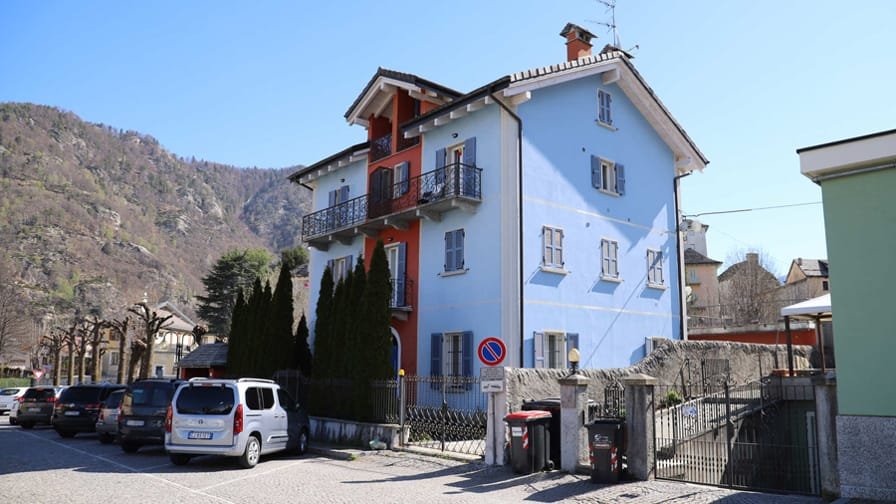
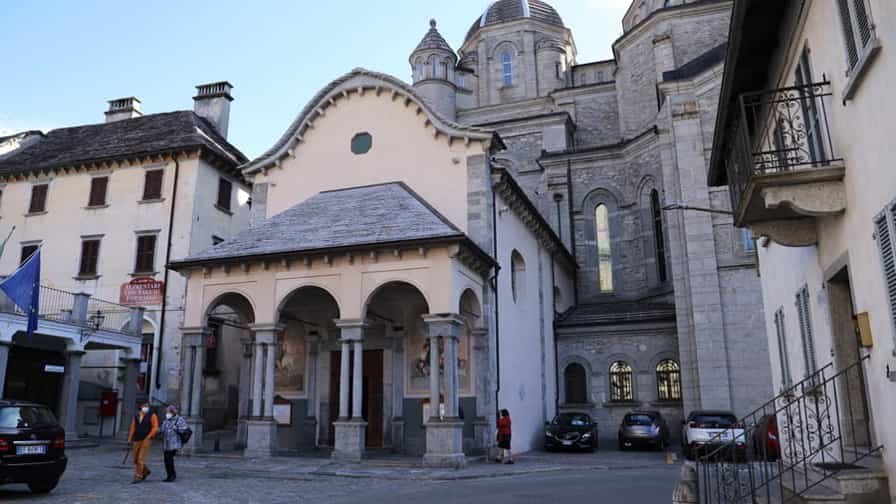
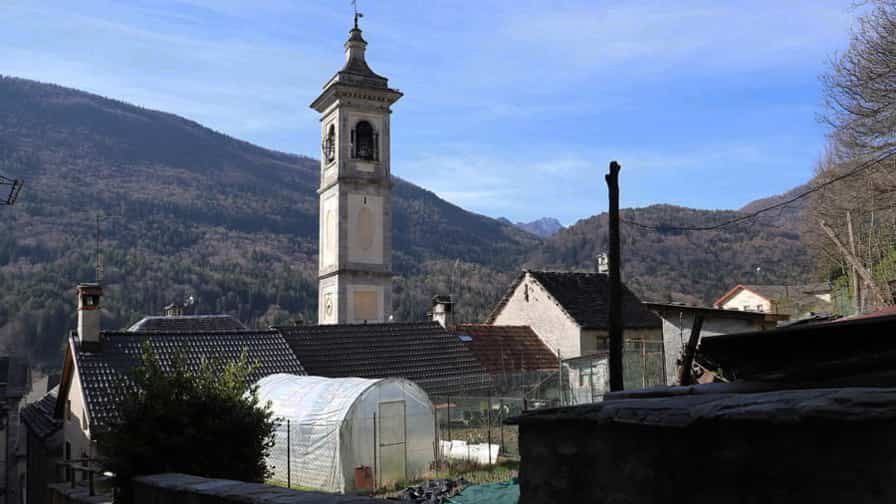
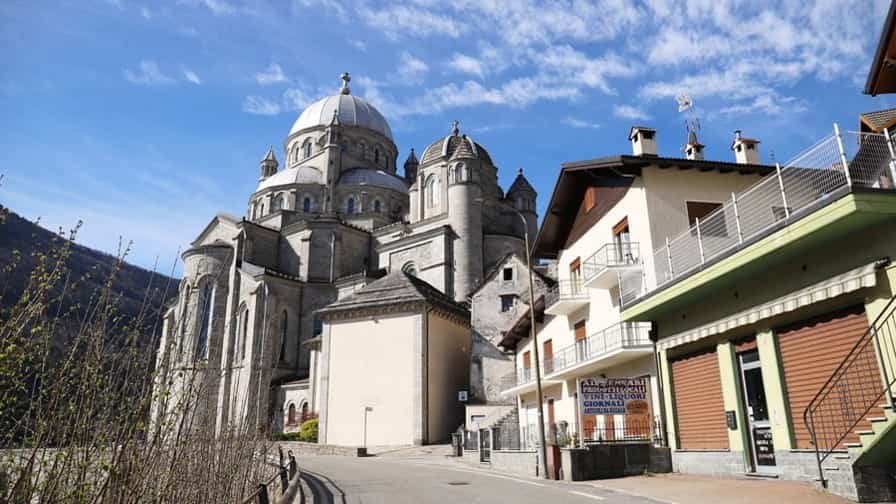
The photos shown for each province were taken during my visits to those locations. For more information, click on the name to be taken to the main page for that place.
The Province of Turin
Avigliana
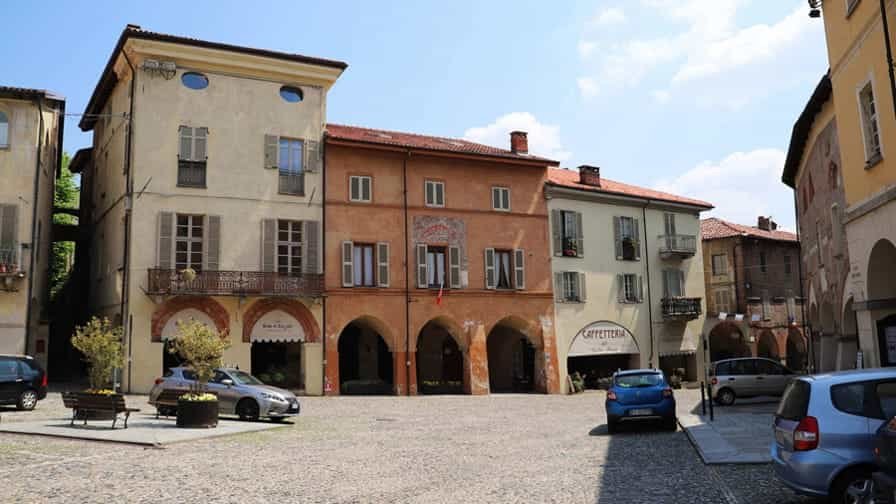
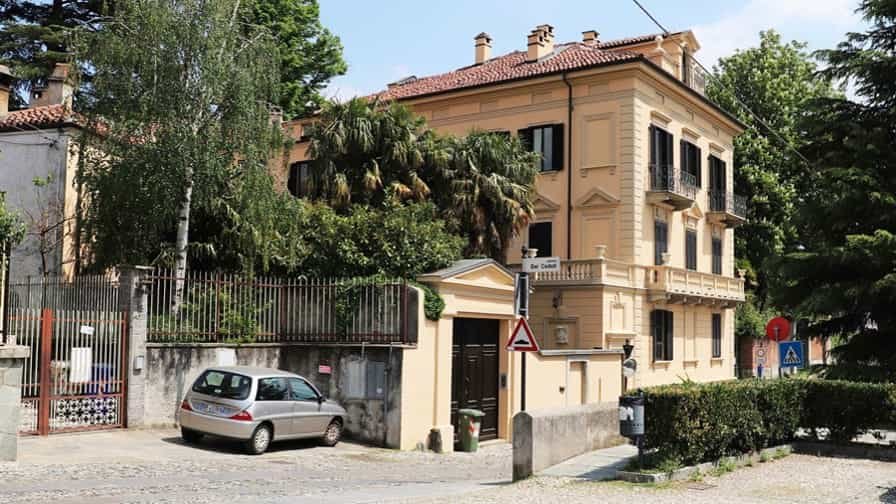
Ivrea
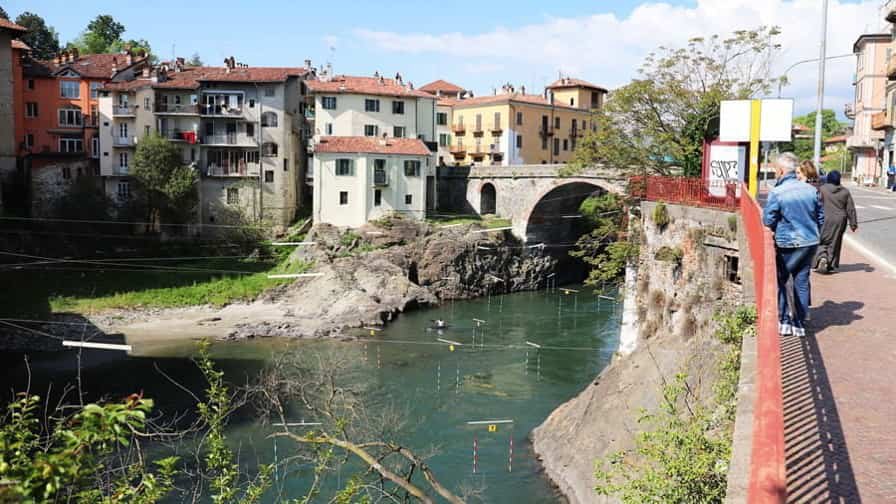
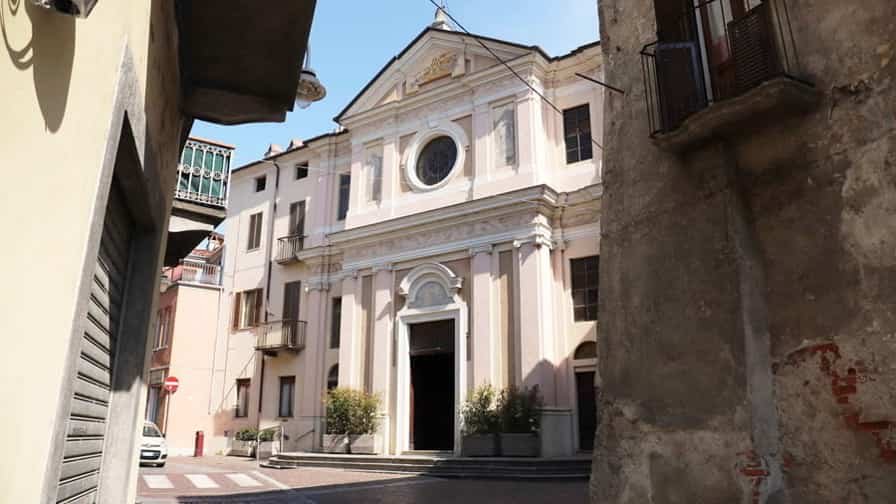
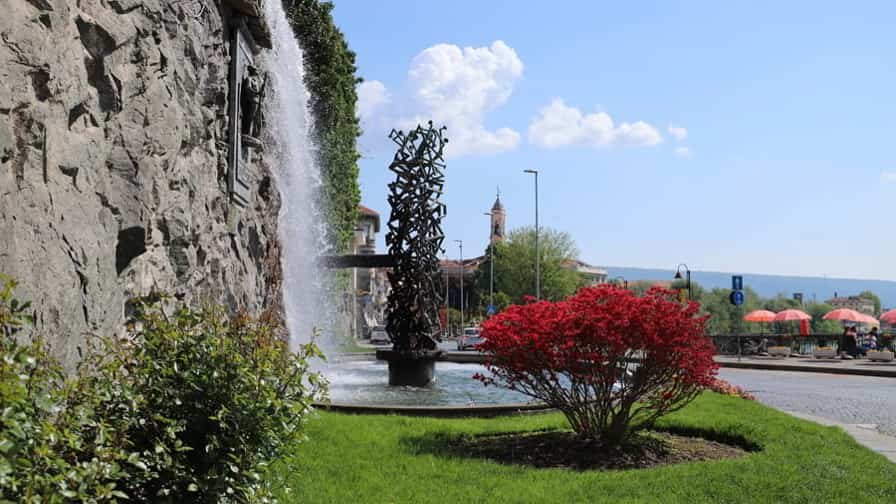
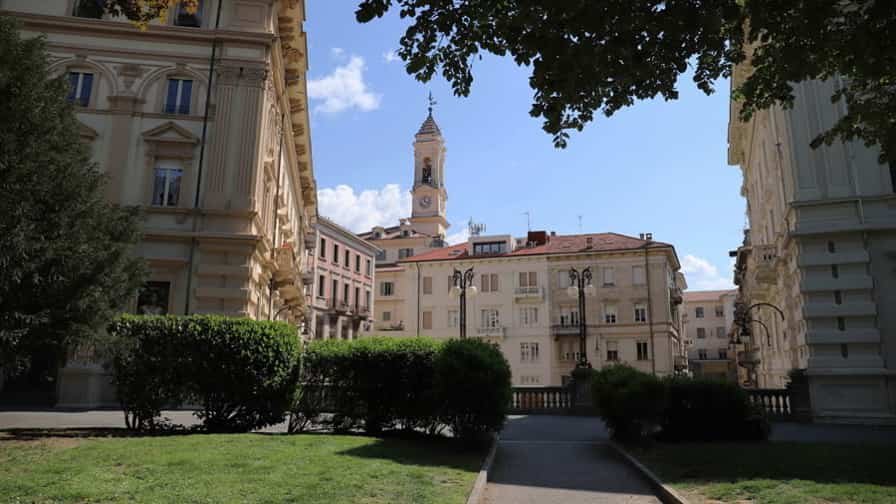
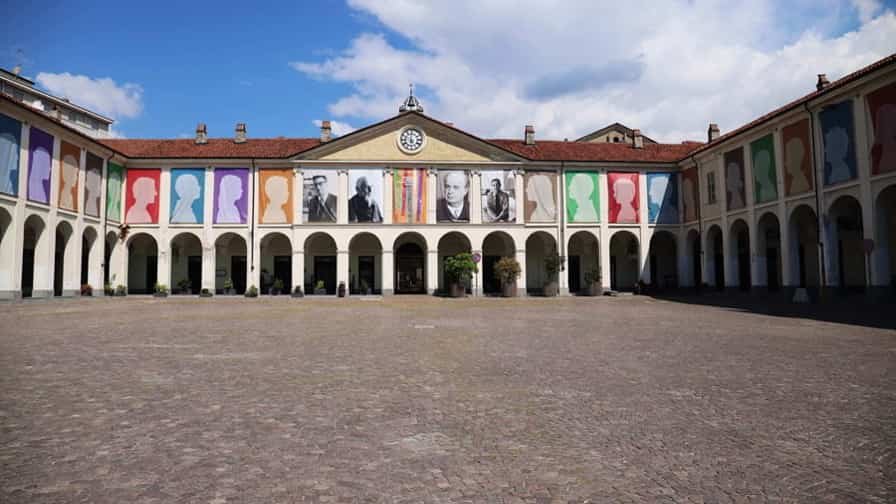
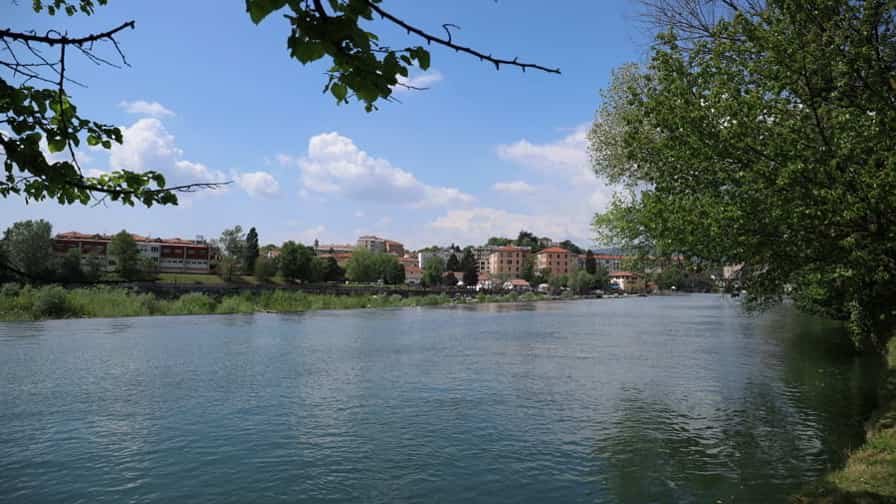
Rivoli

Metropolitan City of Turin


The Province of Turin occupies a central position in the Piedmont region, extending from the fertile plains of the Po River to the high Alpine valleys along the borders with France. This wide geographical range gives the province a remarkable diversity of landscapes, including rivers, hills, mountain passes, and some of Italy’s highest peaks. The Alps have long influenced local life, shaping settlement patterns, trade routes, and cultural traditions.
At the heart of the province lies the city of Turin, a place of major historical and symbolic importance. Once the seat of the House of Savoy and the first capital of unified Italy, Turin has played a decisive role in the political, cultural, and industrial development of the country. Its orderly urban design, grand squares, and baroque architecture reflect centuries of royal ambition and administrative planning.
Beyond the city, the province encompasses historic towns, alpine villages, and valleys known for their strong local identities. Areas such as the Susa Valley have served as key corridors between Italy and the rest of Europe since Roman times. In the twentieth century, the province became a centre of Italian industrialization, particularly in the automotive sector, while more recent decades have seen a diversification toward technology, research, and cultural tourism. The Province of Turin represents a dynamic blend of history, innovation, and natural grandeur within Piedmont.
The Province of Alessandria
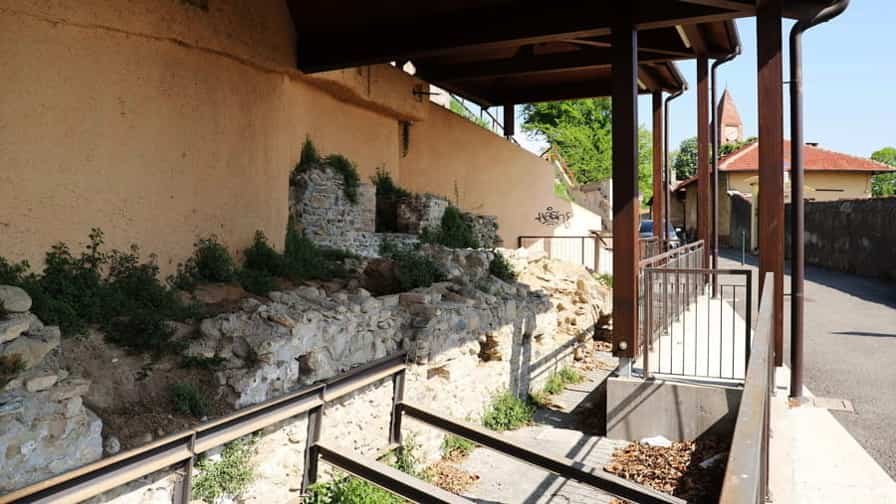
Acqui Terme
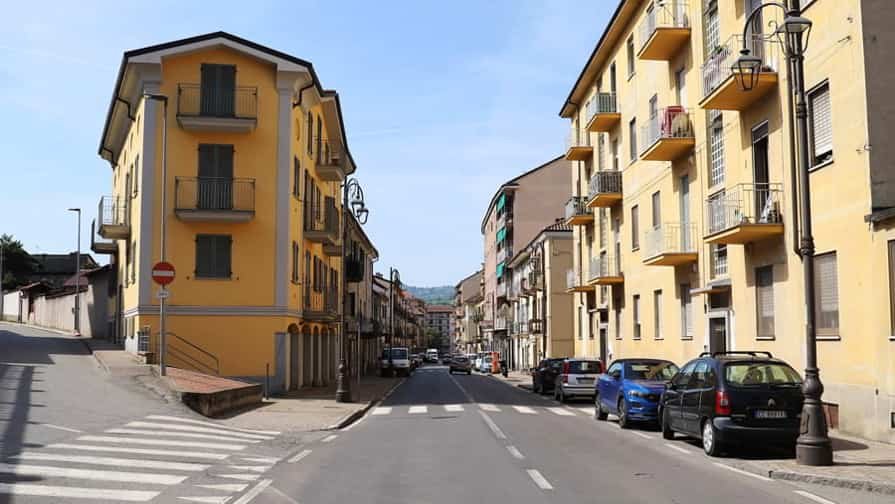
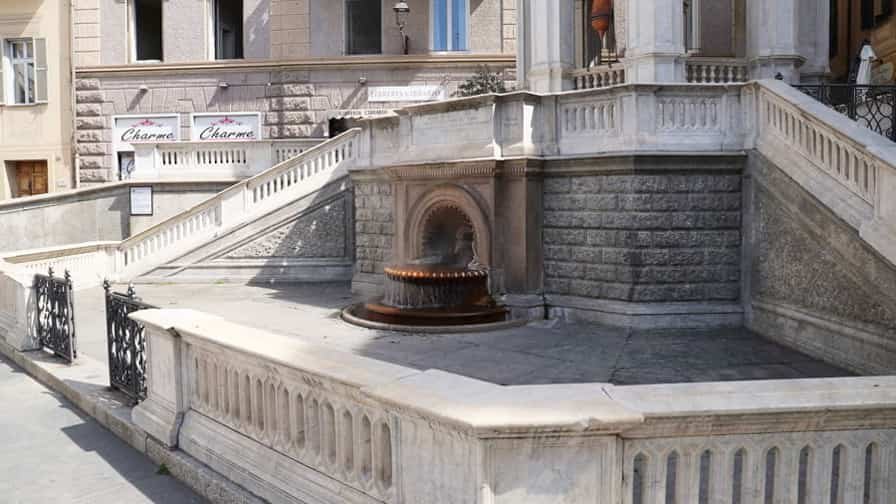
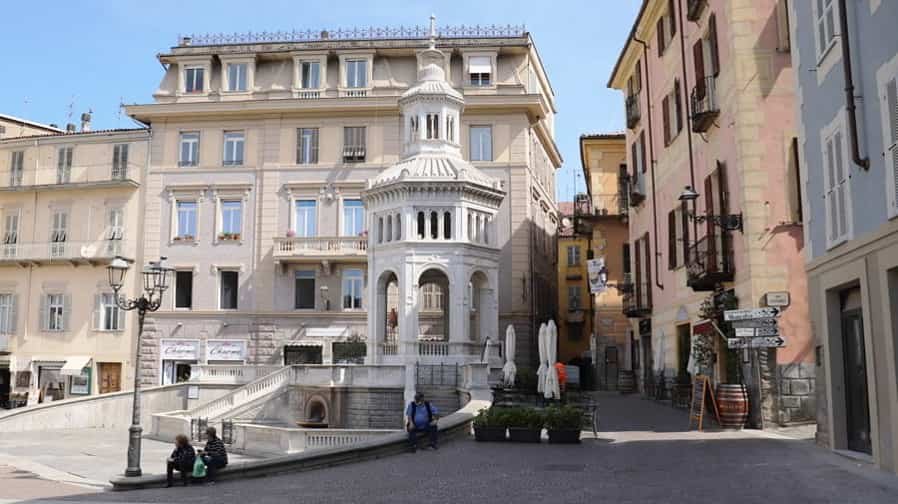
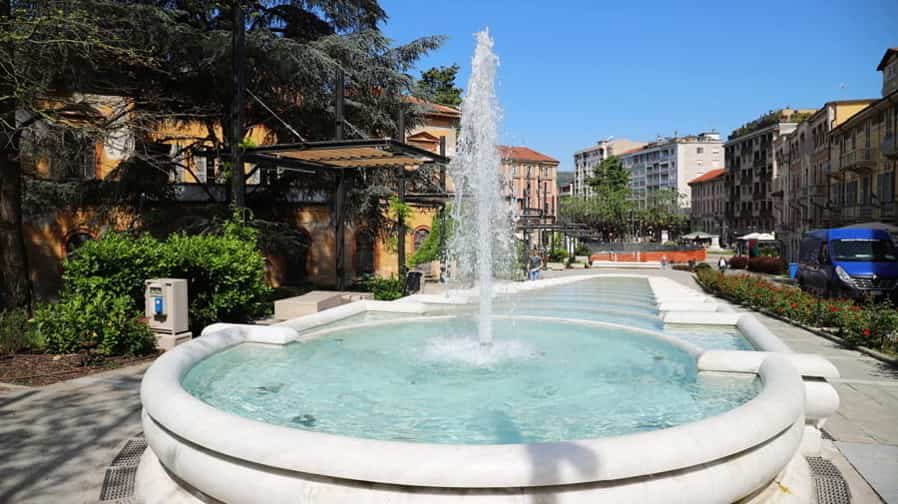
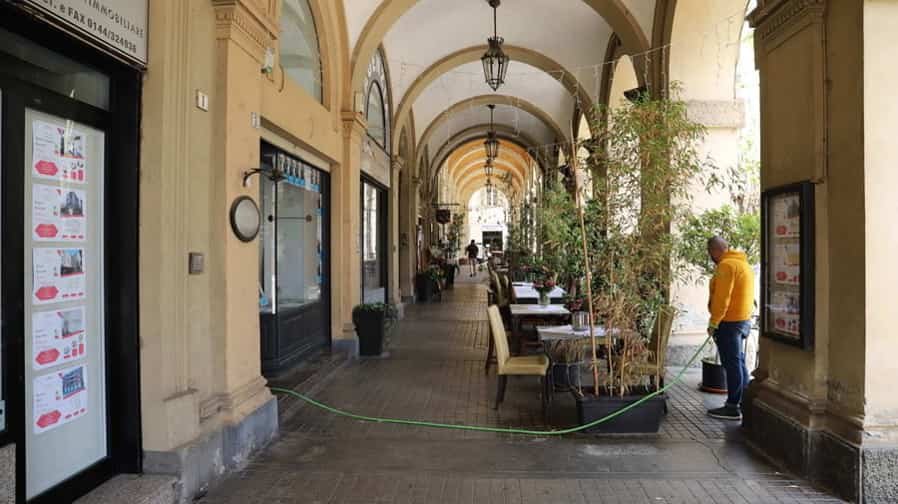
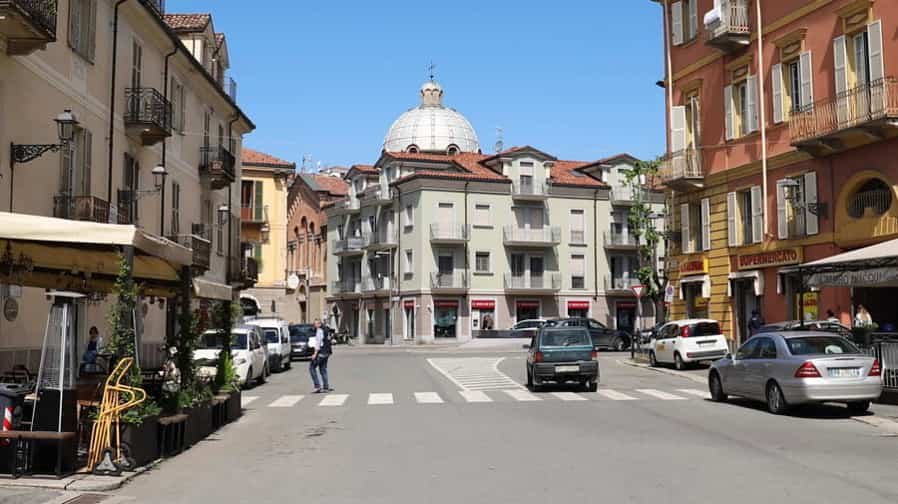
The Province of Alessandria lies in the south-eastern corner of Piedmont, where rolling hills, fertile plains, and historic towns meet. Shaped by the Tanaro, Bormida, and Scrivia rivers, the landscape has long supported agriculture, trade, and travel between northern Italy, Liguria, and Lombardy. This strategic position has given the province a rich and complex history, visible in its castles, citadels, and medieval villages.
Alessandria, the provincial capital, is known for its elegant squares and the monumental Citadel, one of Europe’s best-preserved eighteenth-century fortresses. Beyond the city, the territory opens into diverse areas such as the Monferrato hills, recognized for their vineyards, truffles, and hazelnuts, and the serene Apennine foothills near the Ligurian border. Wine production, including Barbera, Dolcetto, and Gavi, plays a central role in local culture and economy.
Traditions here are closely tied to food, craftsmanship, and community life. Seasonal festivals, local markets, and rural landscapes reflect a strong connection to the land. The Province of Alessandria offers a balanced blend of history, nature, and authentic Piedmontese identity. Its pace of life remains calm and welcoming, inviting visitors and residents alike to explore slowly, appreciate simple pleasures, and discover a territory where past and present coexist with quiet confidence.
Province of Asti
Asti
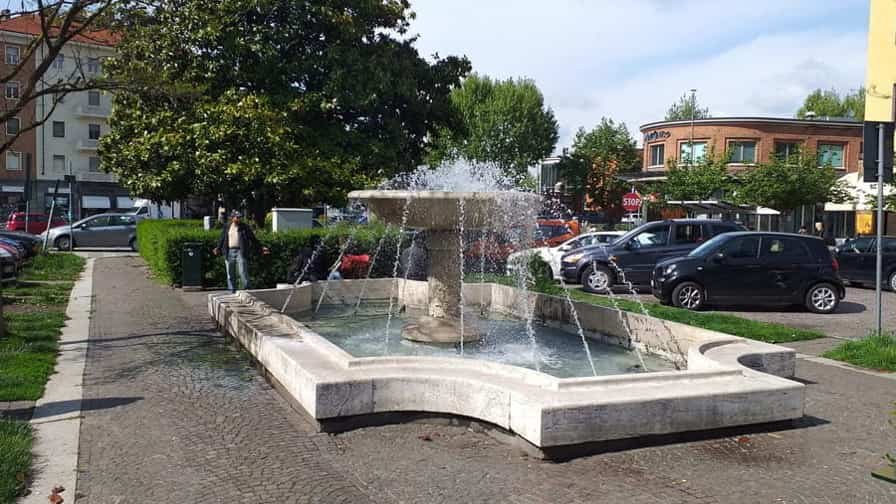
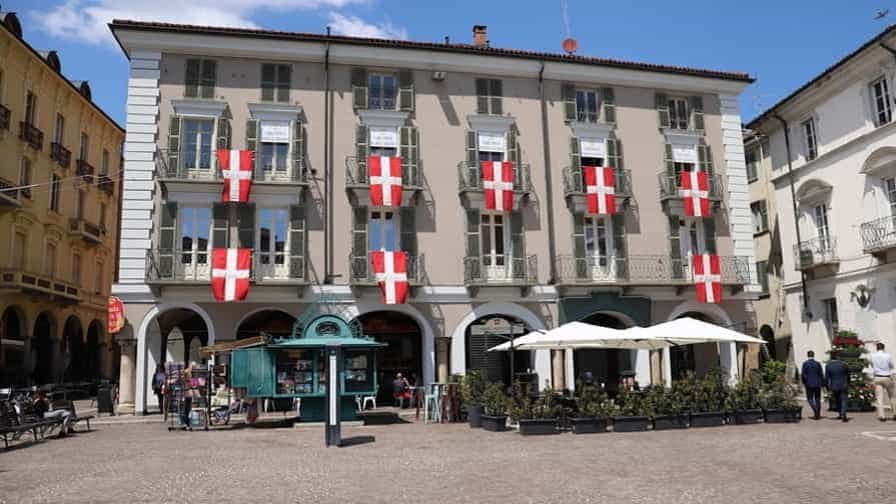
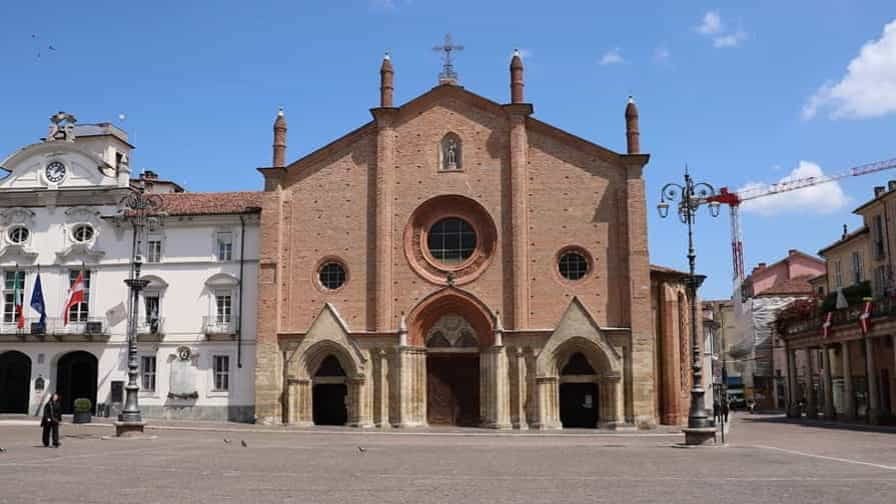
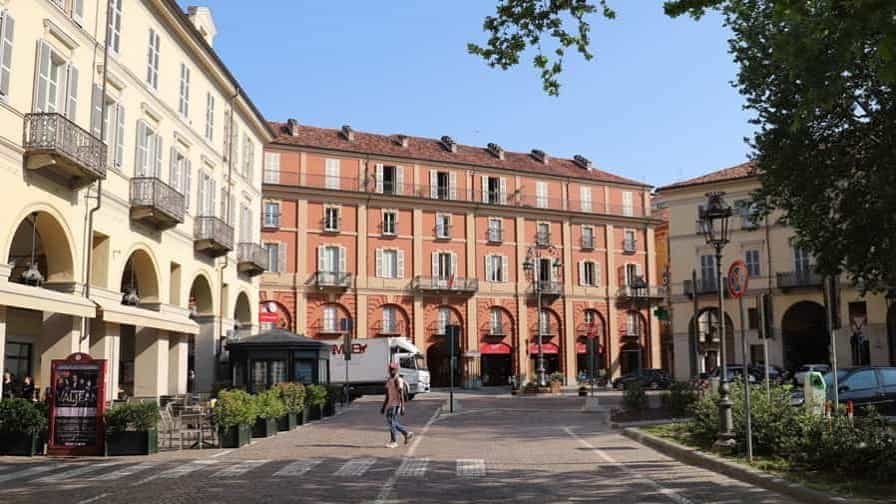
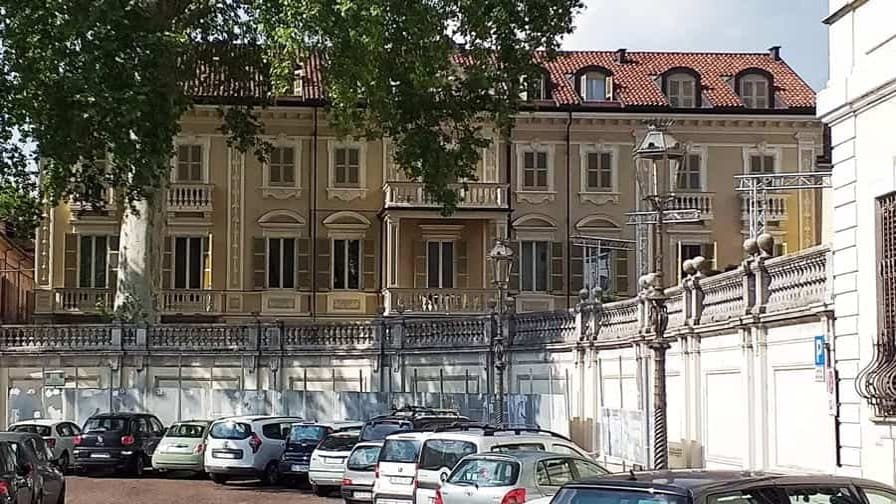
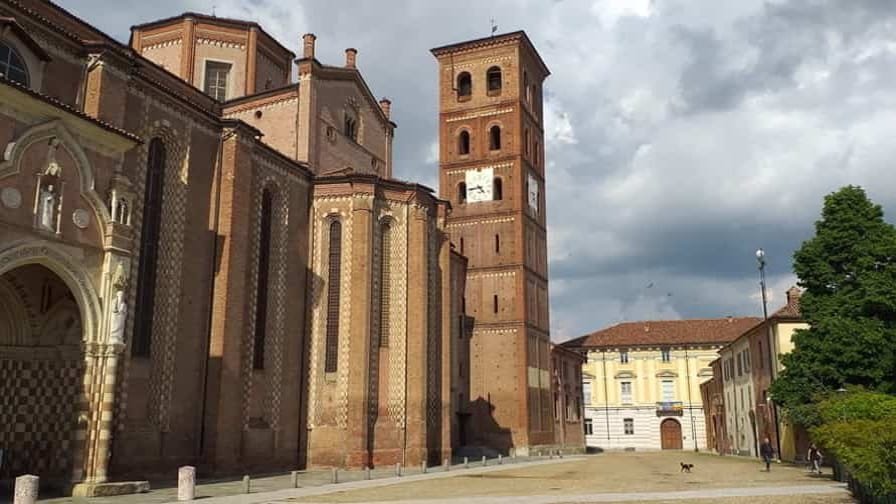
The Province of Asti, located in the heart of the Piedmont region of north-western Italy, is a land of gentle hills, historic towns, and deeply rooted traditions. Renowned for its rolling vineyard landscapes, the province forms part of the UNESCO World Heritage site dedicated to the wine-growing areas of Piedmont. Its territory is shaped by centuries of agricultural activity, with vineyards, hazelnut groves, and wheat fields defining both the economy and the scenery.
Asti, the provincial capital, is a city of Roman origin that still preserves medieval towers, ancient walls, and elegant squares. It is internationally famous for Asti Spumante and Moscato d’Asti, sparkling wines that reflect the region’s long-standing viticultural excellence. Beyond wine, the province is celebrated for its cuisine, featuring truffles, artisanal cheeses, and traditional Piedmontese dishes that emphasize seasonal and local ingredients.
Culturally, the Province of Asti is known for its strong sense of identity, expressed through festivals, historical re-enactments, and village fairs. The Palio di Asti, one of Italy’s oldest horse races, embodies the area’s medieval heritage and communal pride. Blending natural beauty, history, and gastronomy, the Province of Asti offers an authentic portrait of Piedmontese life.
The Province of Biella
The Province of Biella lies in the northern part of the Piedmont region, at the foothills of the Alps, where mountains, valleys, and rivers shape a landscape of striking natural beauty. Known for its close relationship with the alpine environment, the province offers a rich variety of scenery, from wooded hills and pastoral plains to rugged peaks and clear mountain streams. This natural setting has long influenced local traditions, lifestyles, and economic activities.
Biella, the provincial capital, has developed over centuries as an important centre of textile production. The wool industry, in particular, has given the area an international reputation for quality, craftsmanship, and innovation, making Biella one of Europe’s historic textile districts. Alongside its industrial heritage, the city preserves Romanesque churches, medieval quarters, and refined examples of nineteenth-century architecture.
The province is also notable for its spiritual and cultural landmarks, including the Sanctuary of Oropa, one of the most significant Marian pilgrimage sites in Italy. Small villages scattered throughout the territory maintain strong local identities, expressed through traditional cuisine, festivals, and artisan practices. Combining industrial excellence, alpine nature, and deep-rooted cultural traditions, the Province of Biella represents a distinctive and authentic part of Piedmont.
Province of Cuneo
Alba
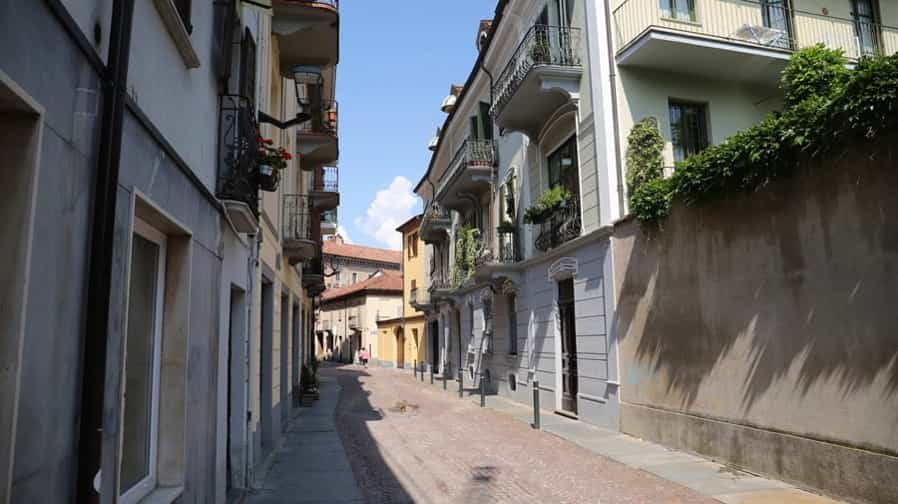
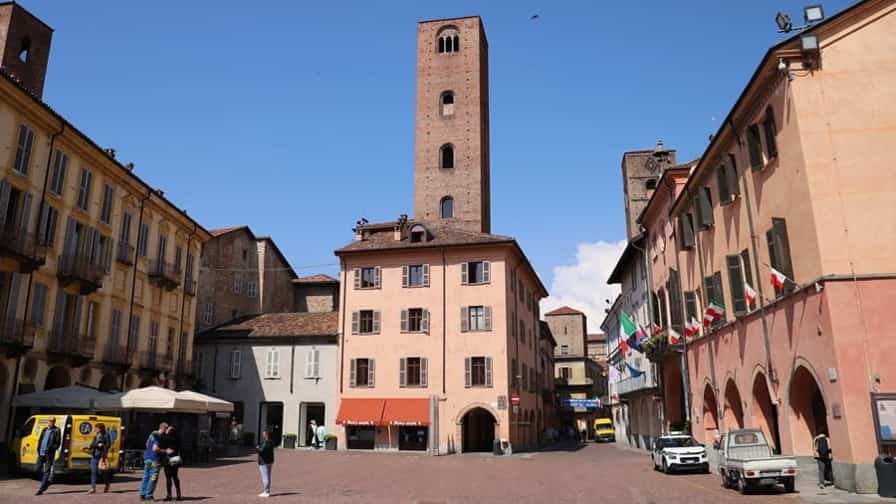
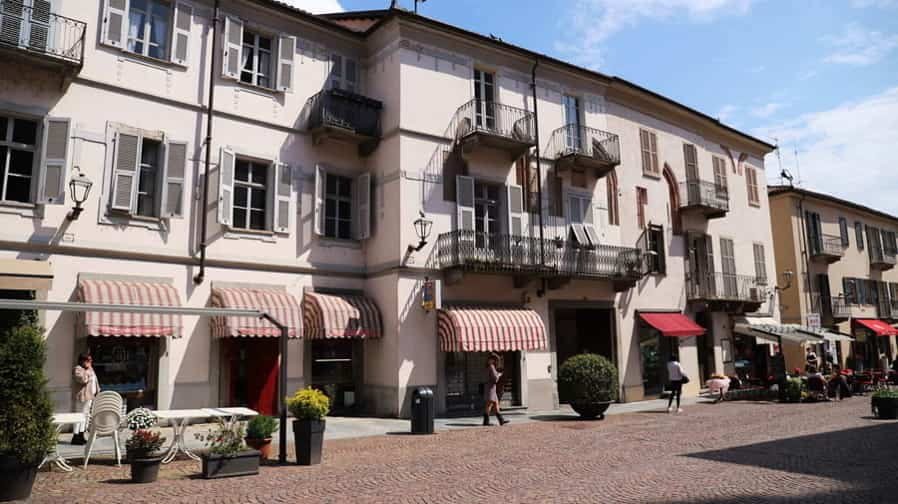
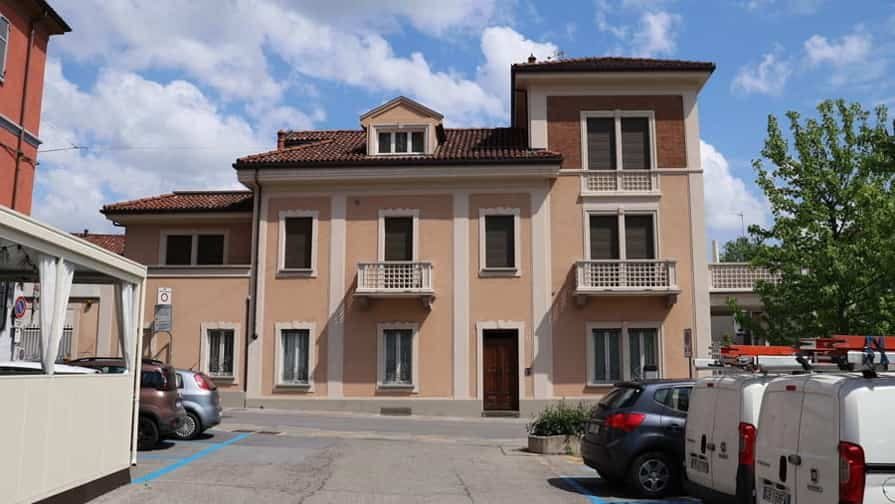
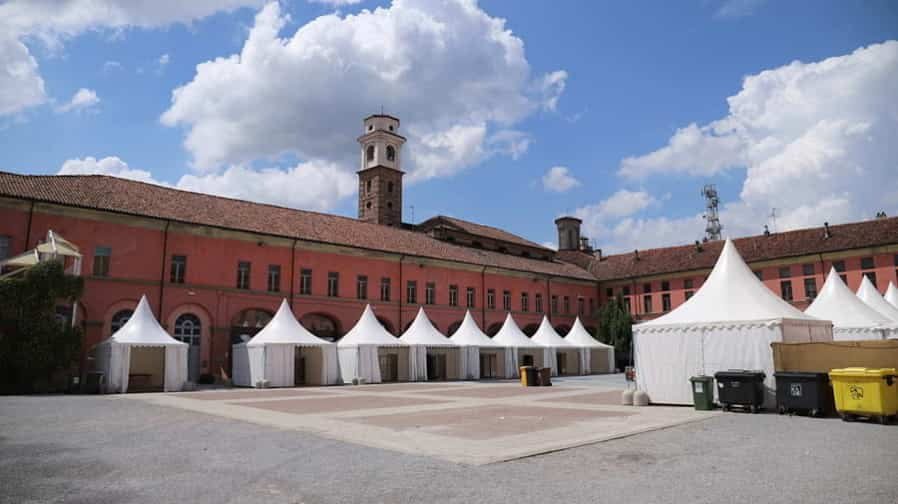
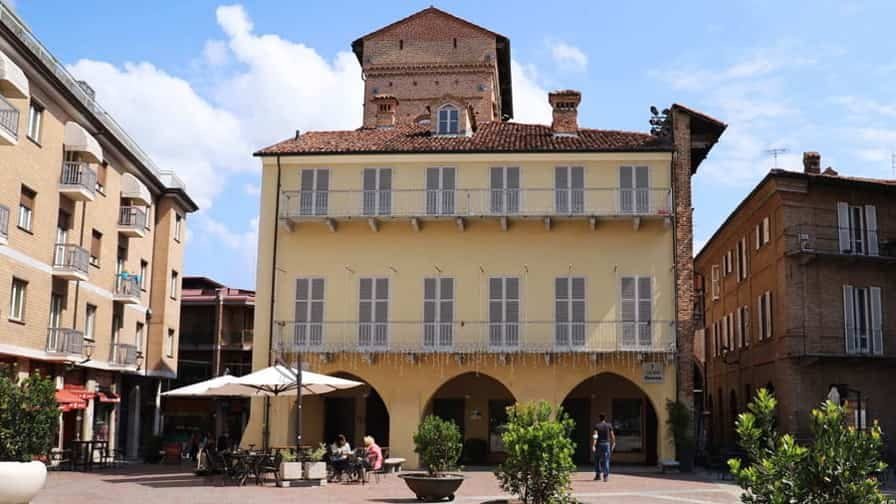
The Province of Cuneo, located in the southwestern part of the Piedmont region, is one of the largest and most diverse provinces in Italy. Its territory stretches from the Alpine peaks along the French border to rolling hills and fertile plains, offering a remarkable variety of landscapes. Snow-capped mountains, deep valleys, vineyards, and agricultural lowlands coexist, making the province rich in both natural beauty and economic resources.
Cuneo, the provincial capital, is a well-planned city founded in the twelfth century, known for its broad streets, elegant arcades, and strategic position between several alpine valleys. The province has a strong agricultural tradition and is especially famous for high-quality produce such as beef, cheeses, chestnuts, and wines, including Barolo and Barbaresco from the Langhe area, which is recognized as a UNESCO World Heritage site.
The Province of Cuneo is also deeply connected to history and tradition. Medieval villages, castles, and historic towns preserve a strong local identity, while seasonal festivals and food fairs celebrate rural culture and craftsmanship. Tourism plays an important role, with opportunities for mountain sports, nature exploration, and gastronomic experiences. Blending alpine character, cultural heritage, and agricultural excellence, the Province of Cuneo represents a dynamic and authentic expression of Piedmont.
Province of Novara
Arona
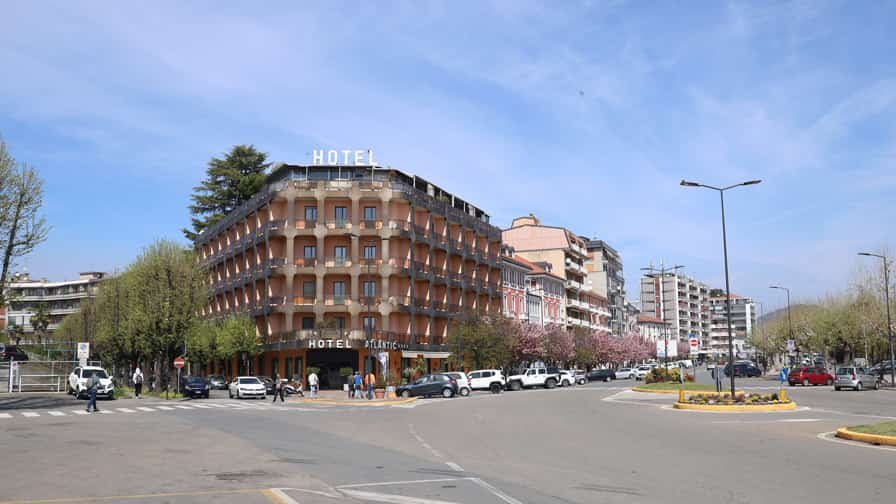
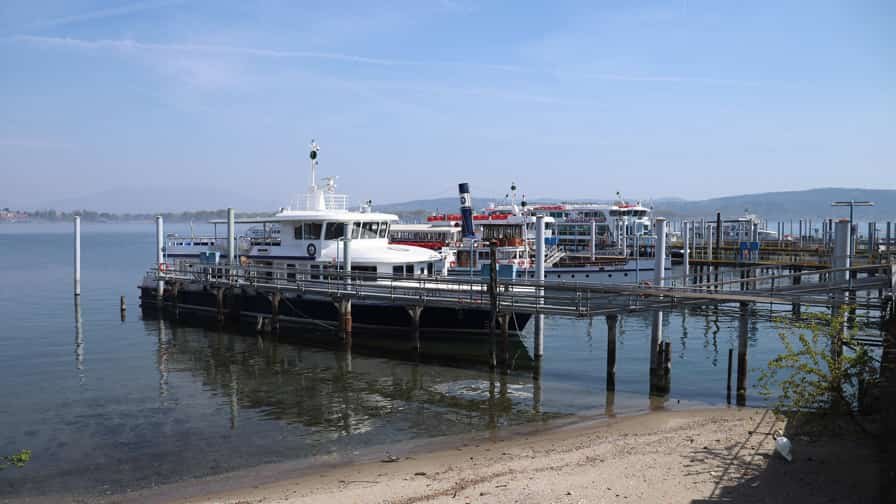
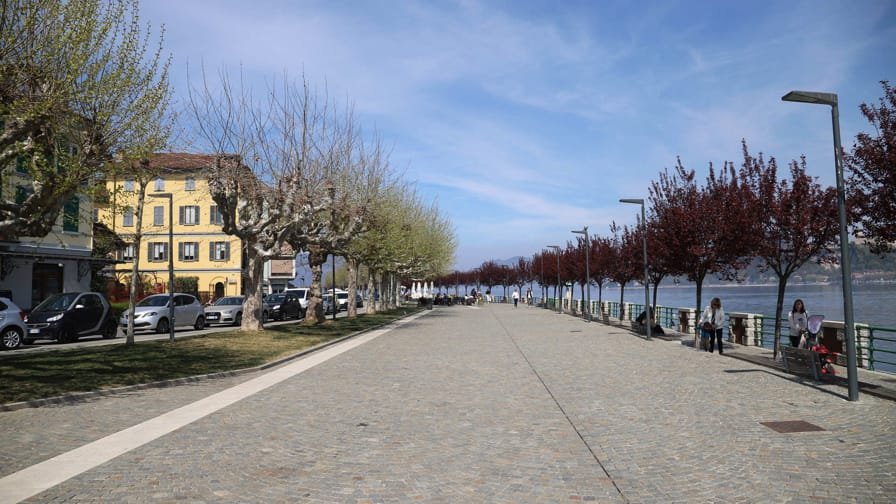
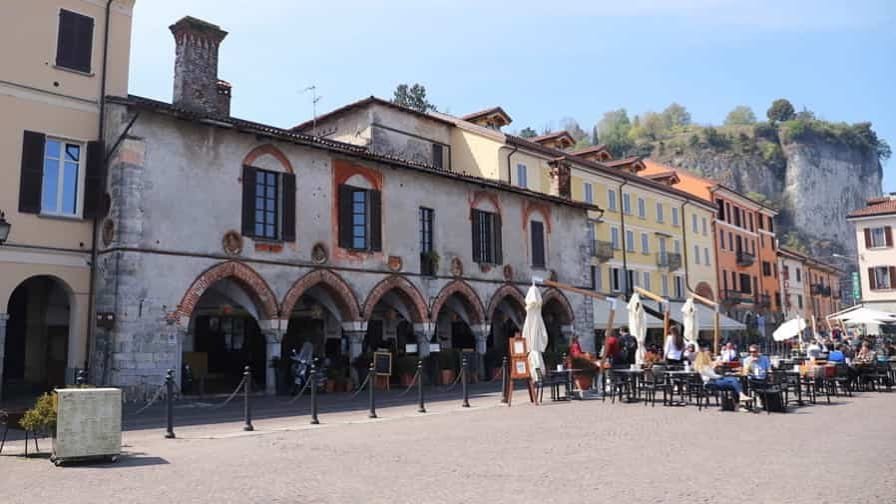
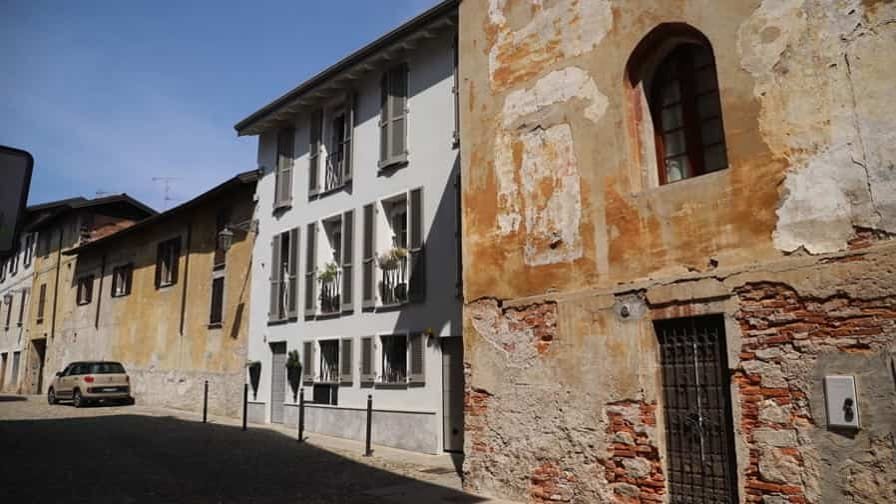
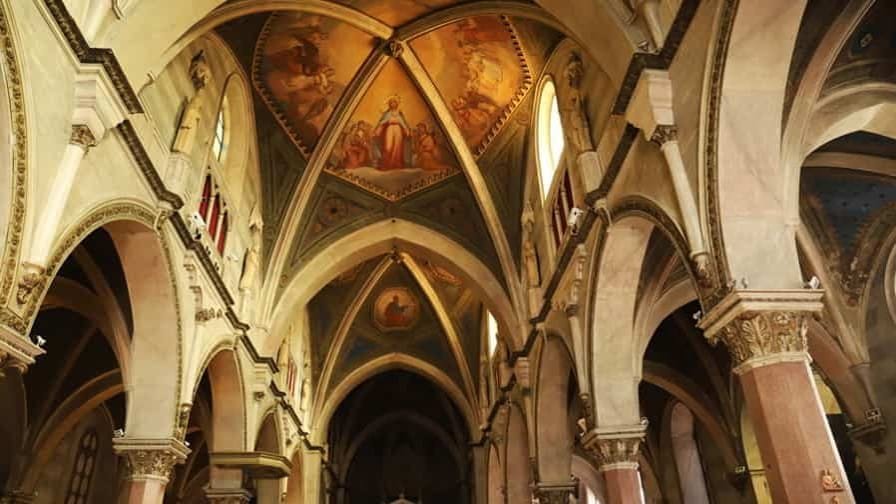
The Province of Novara is situated in the northeastern part of the Piedmont region, where the landscape opens from rolling hills to wide plains shaped by water and agriculture. This territory is especially known for its extensive rice fields, which form part of one of Europe’s most important rice-producing areas. Canals, rivers, and wetlands define the environment, giving the province a distinctive character closely linked to centuries of rural tradition and land management.
Novara, the provincial capital, is a historic city with Roman origins and a well-preserved urban fabric. Its skyline is dominated by the dome of the Basilica of San Gaudenzio, a masterpiece of nineteenth-century architecture and a symbol of the city. Over time, Novara has developed as a strategic crossroads between Piedmont, Lombardy, and Switzerland, supporting trade, industry, and cultural exchange.
Beyond the city, the province includes charming towns, agricultural villages, and areas of natural interest near Lake Maggiore and the Ticino River. Local cuisine reflects the richness of the land, with rice-based dishes playing a central role alongside traditional cheeses and wines. Combining agricultural heritage, historical depth, and a strategic geographic position, the Province of Novara offers a balanced and authentic representation of Piedmontese identity.
Province of Verbano-Cusio-Ossola
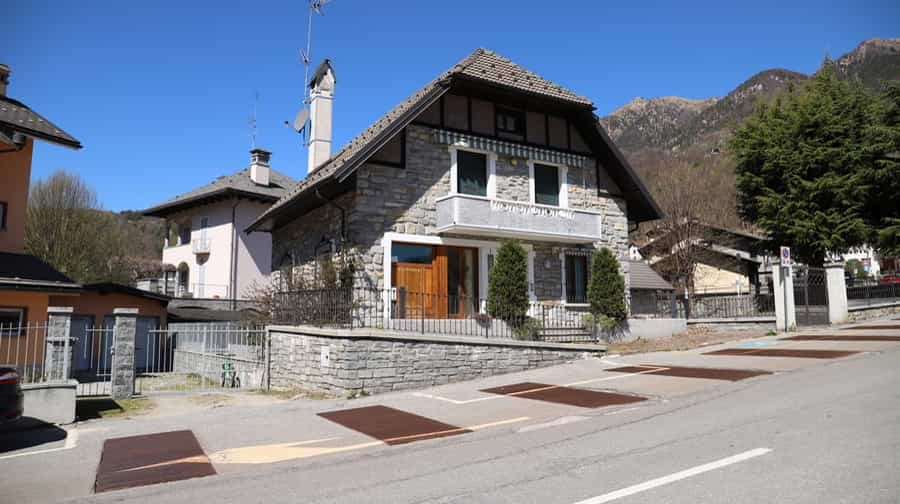
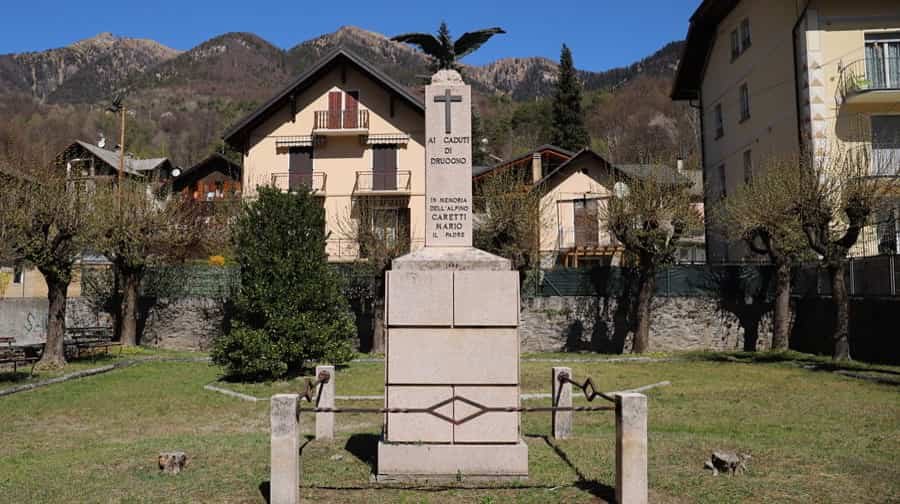
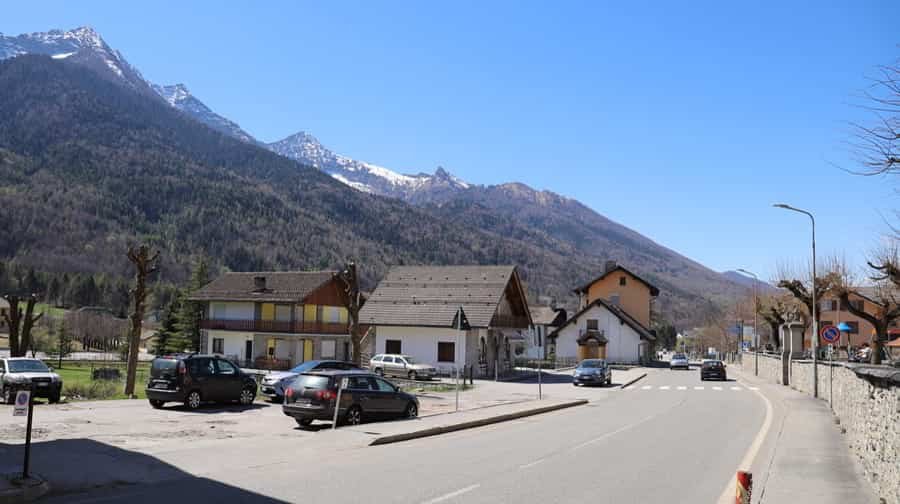
Druogno
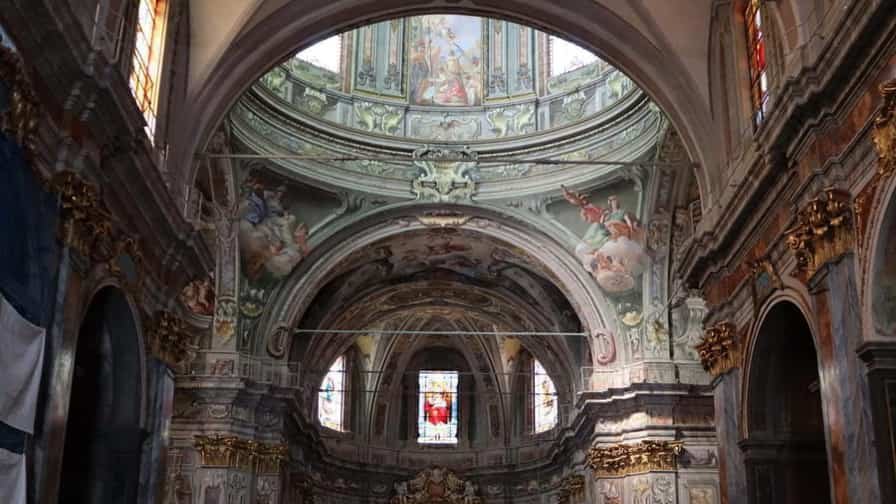
Intra
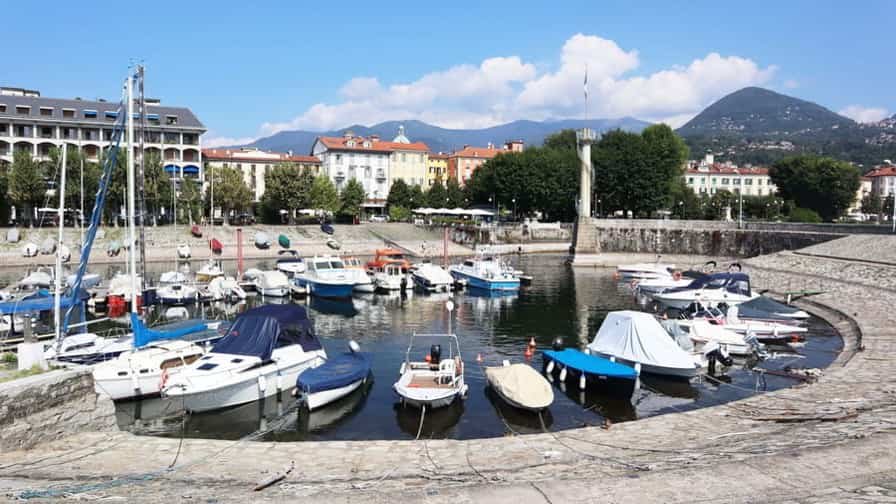
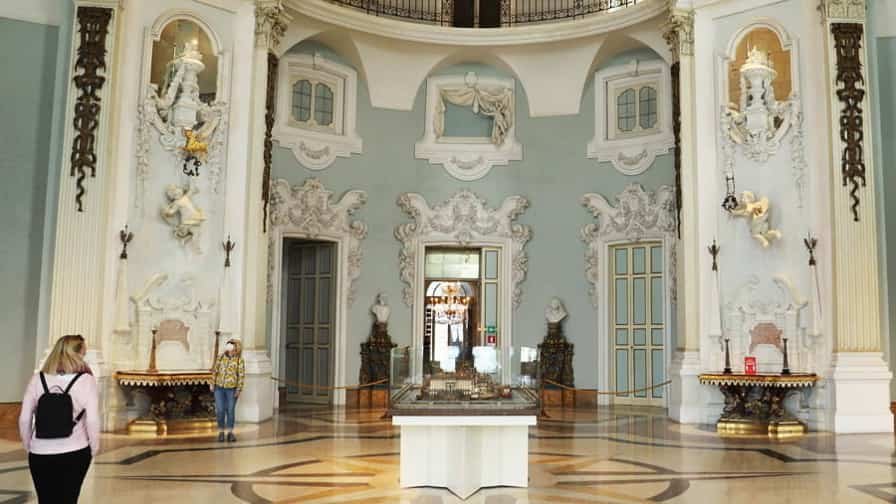
Isola Bella
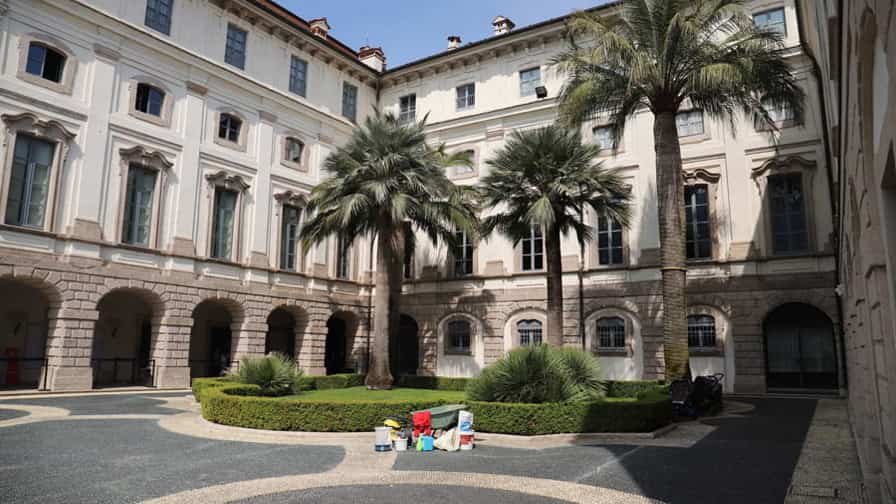
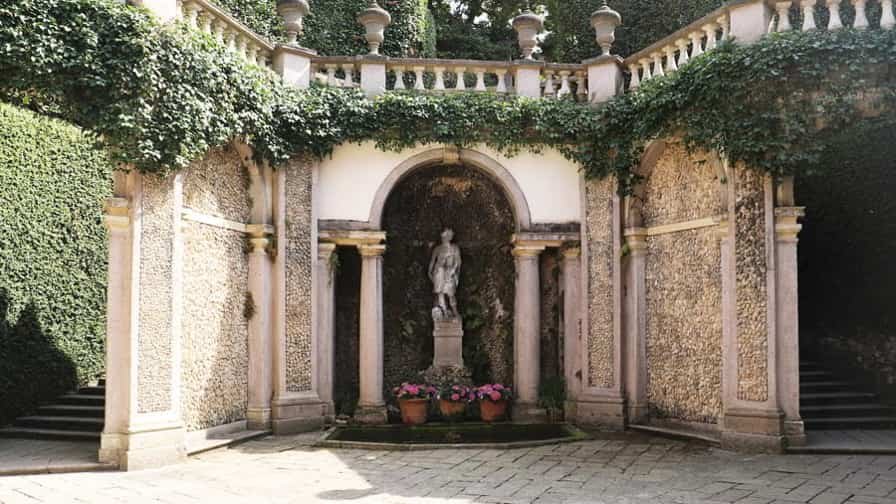
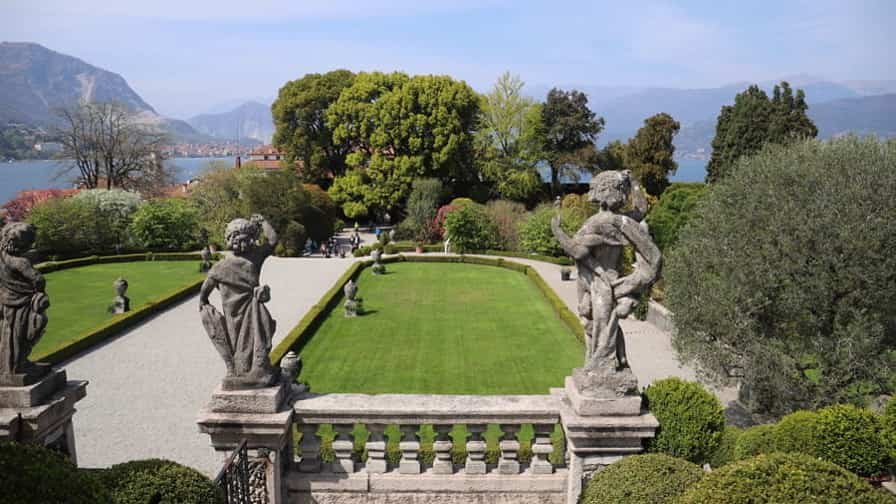
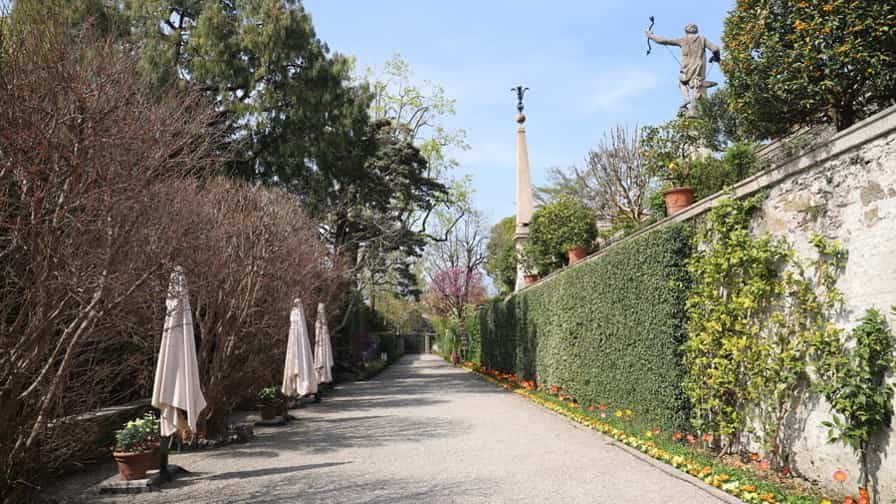
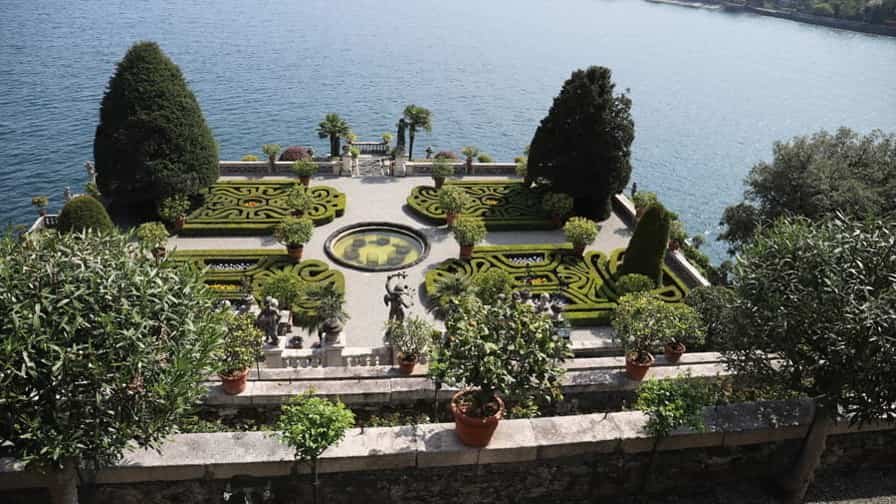
Isola Madre
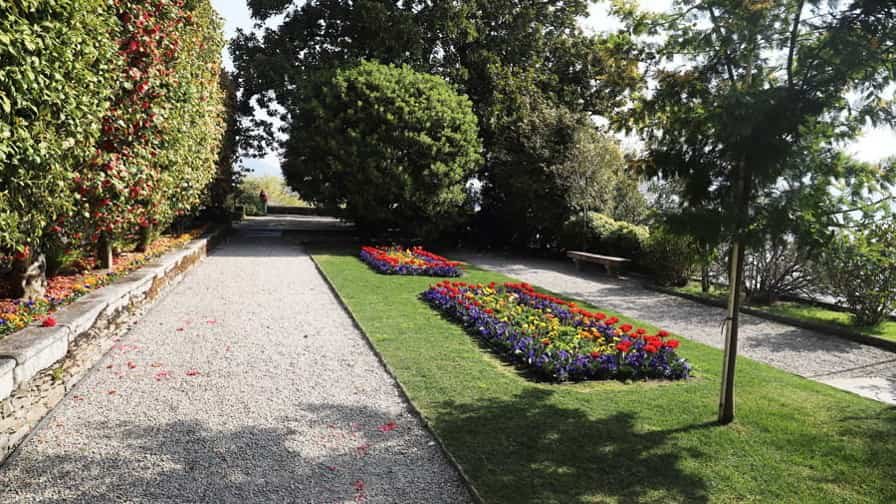
Isola Pescatori
Malesco
Re
Stresa




Verbania
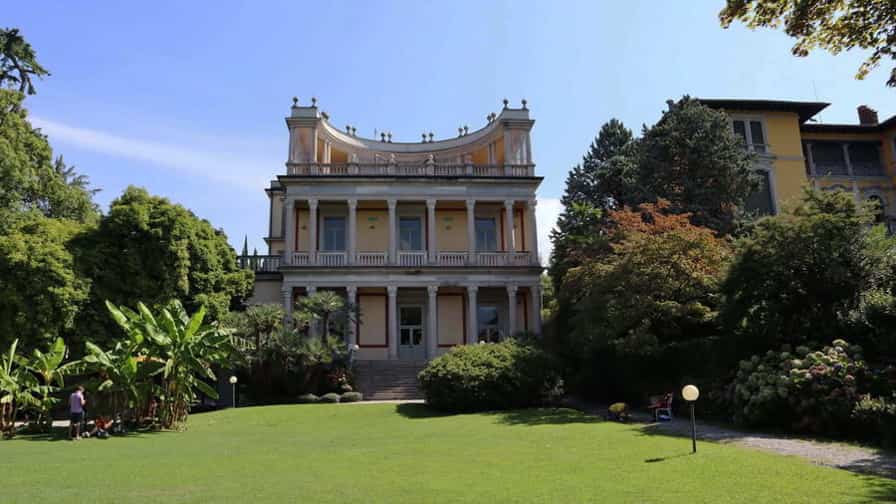
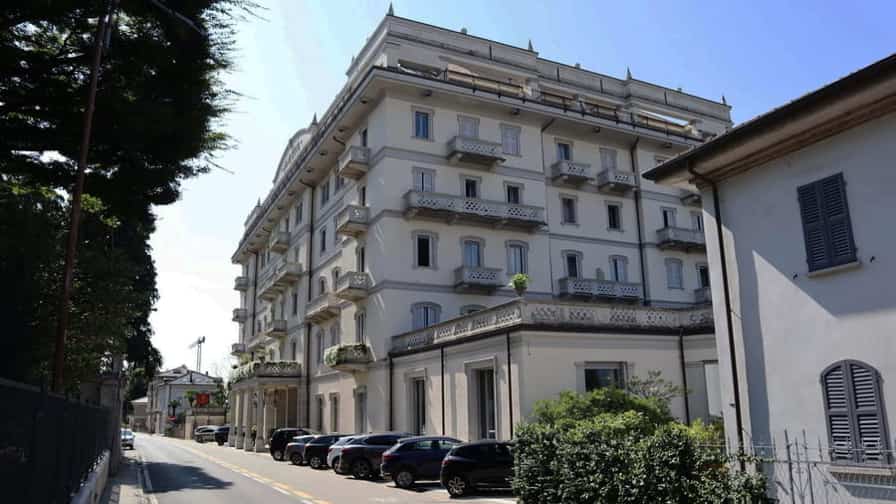
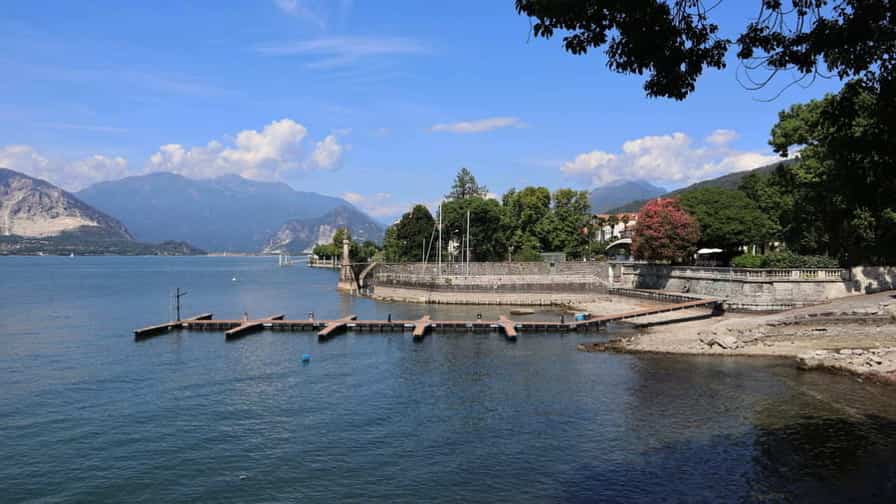
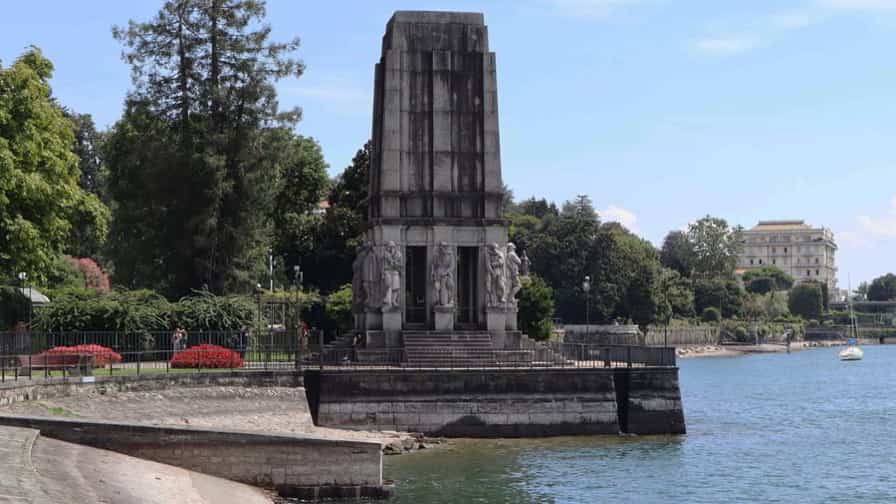
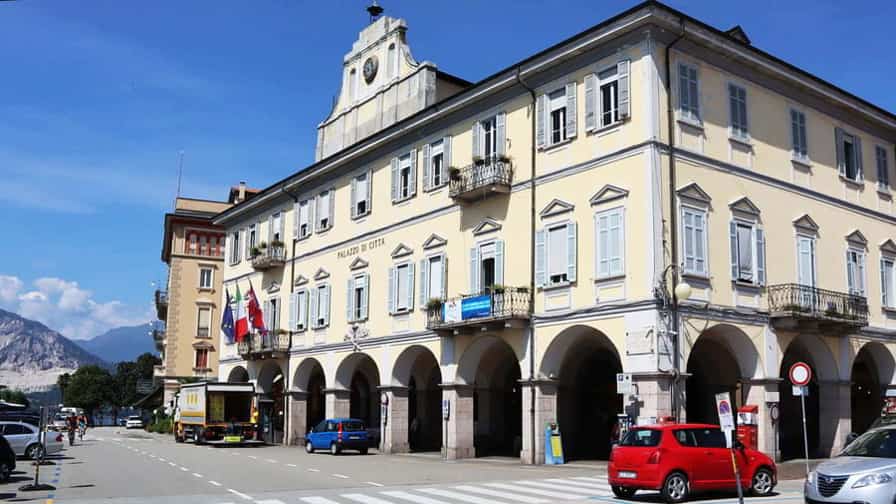
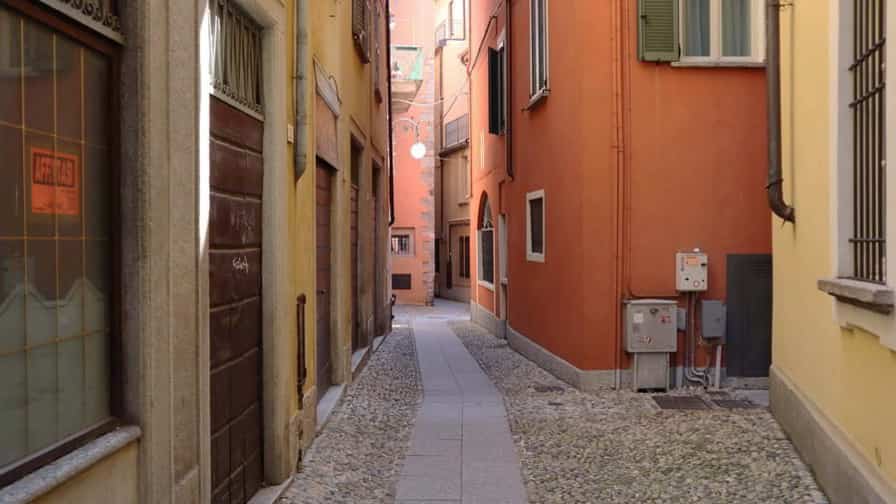
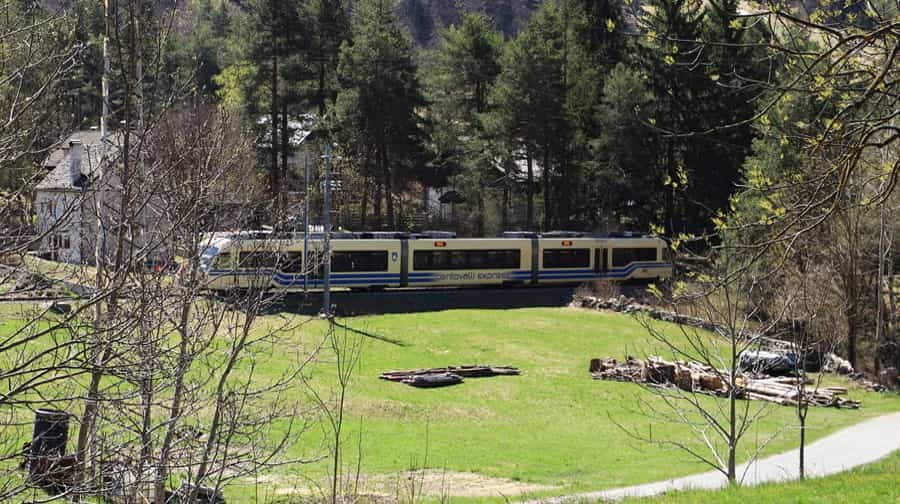
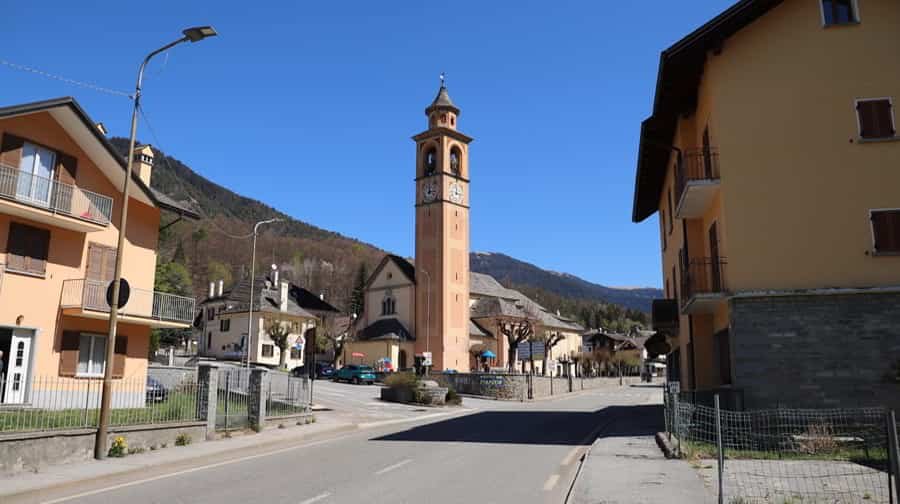
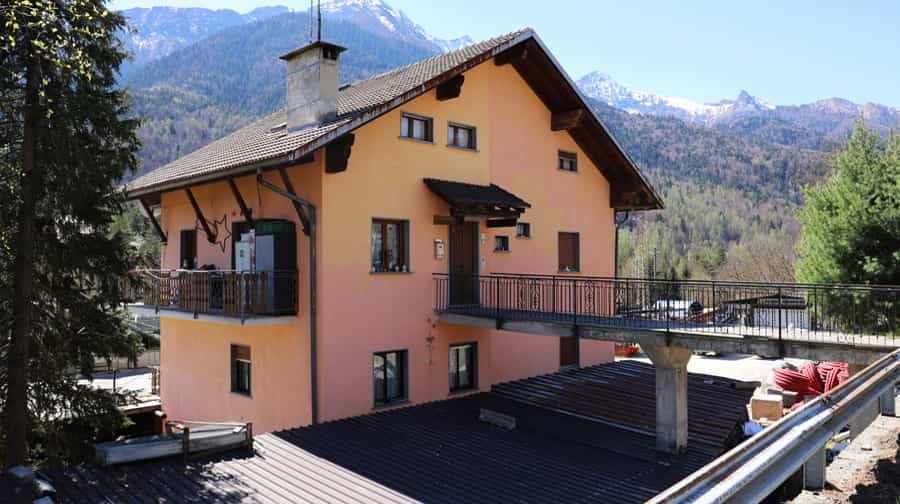
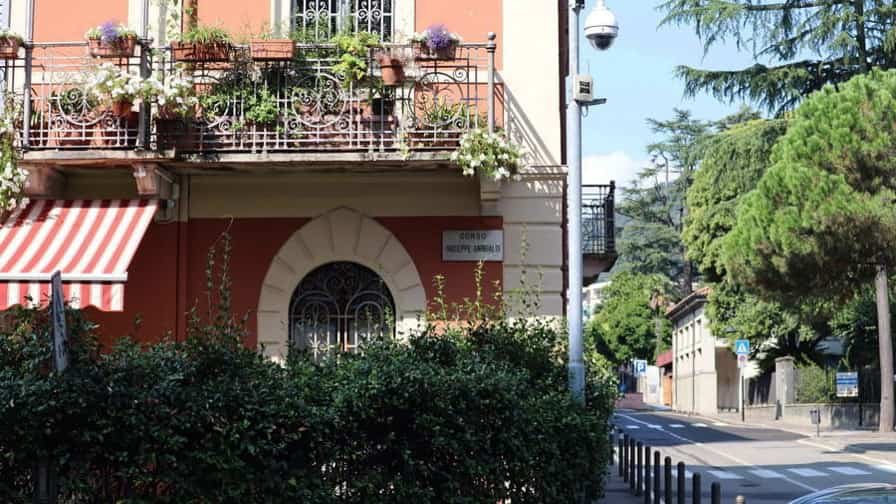
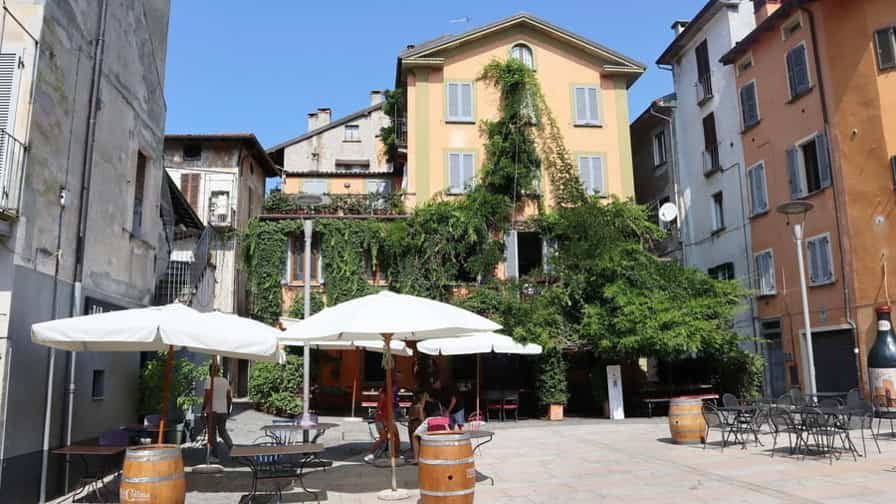
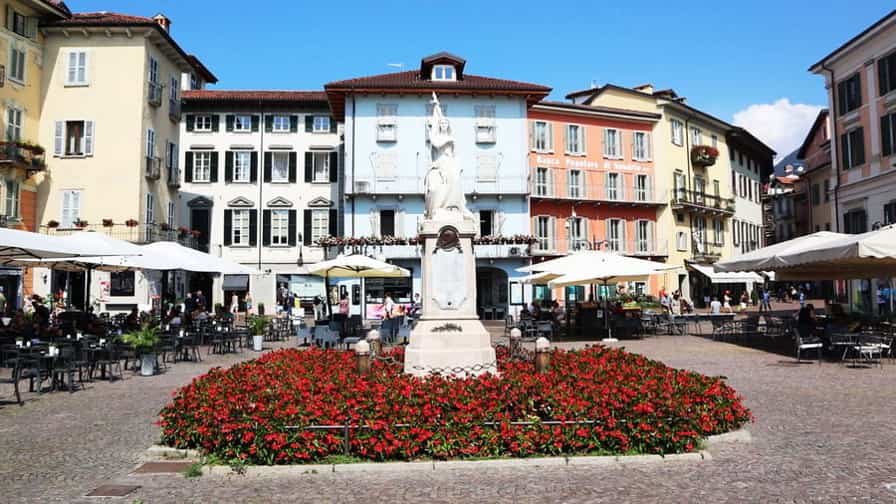
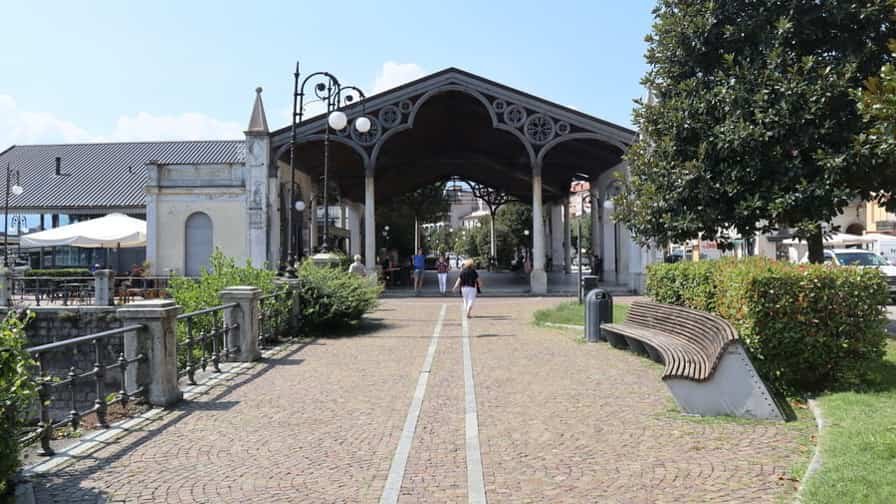
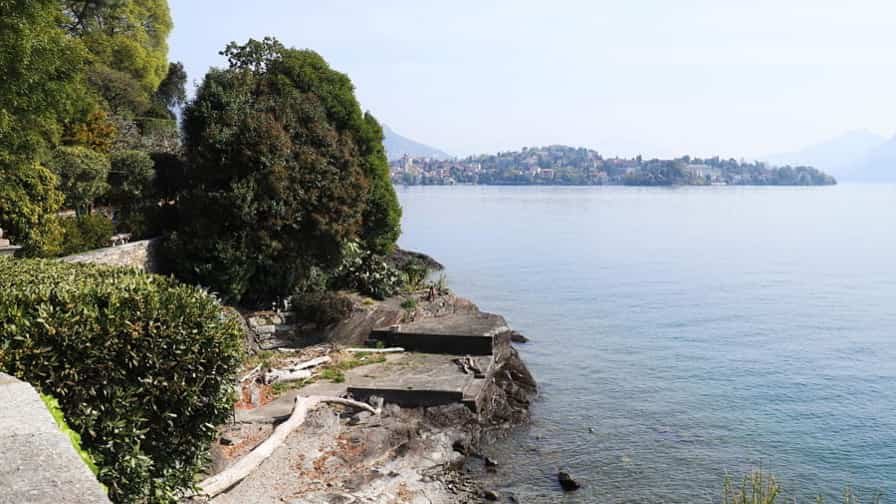
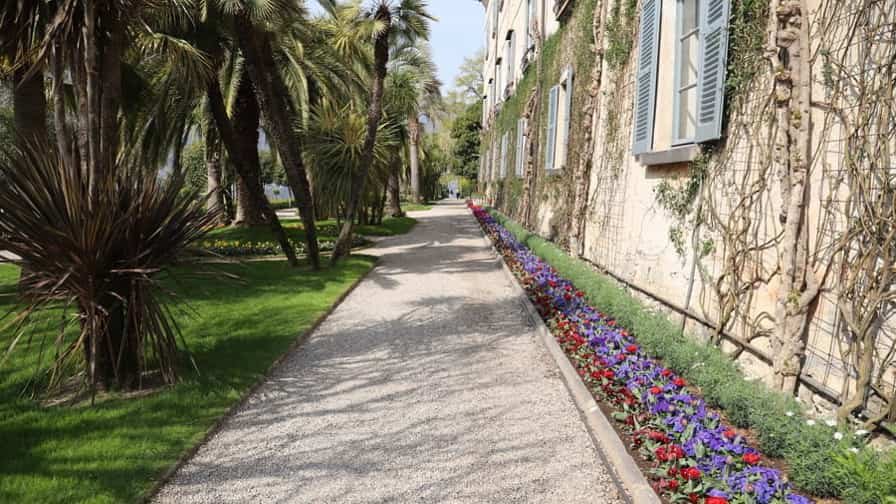
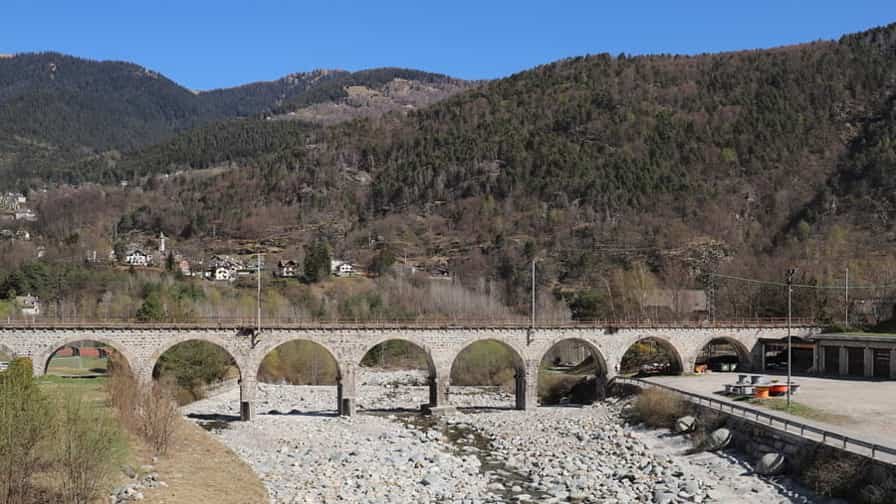
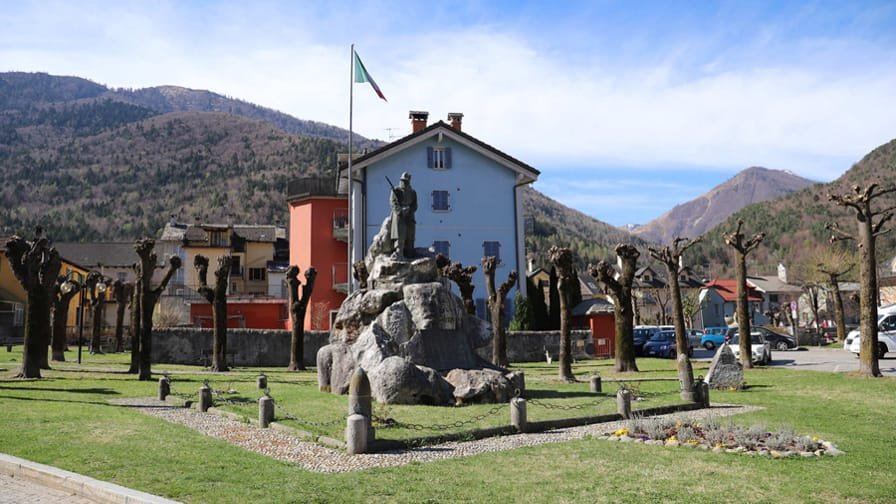
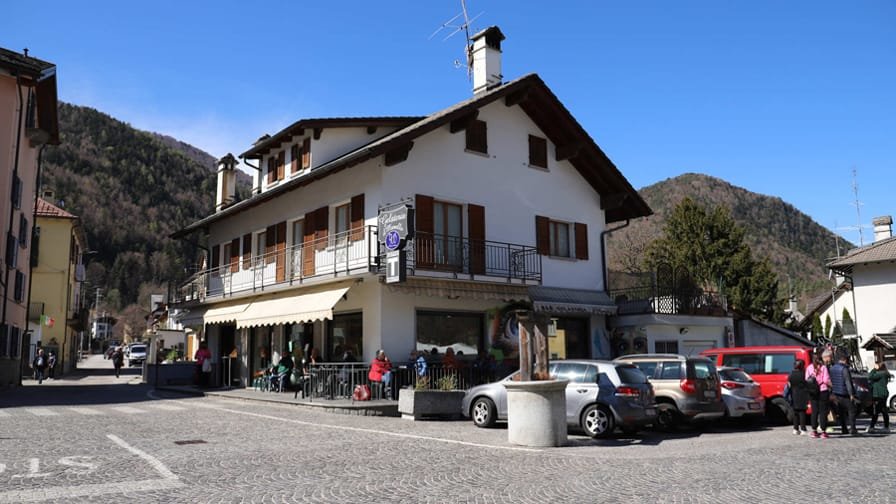
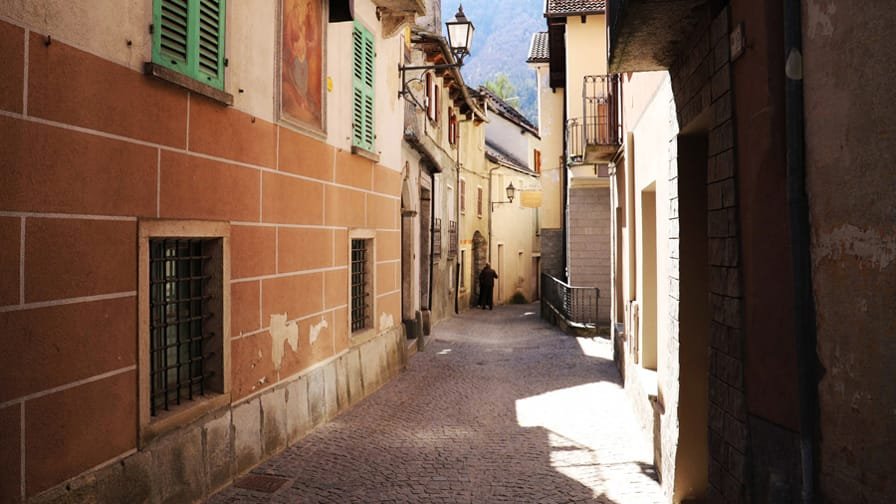
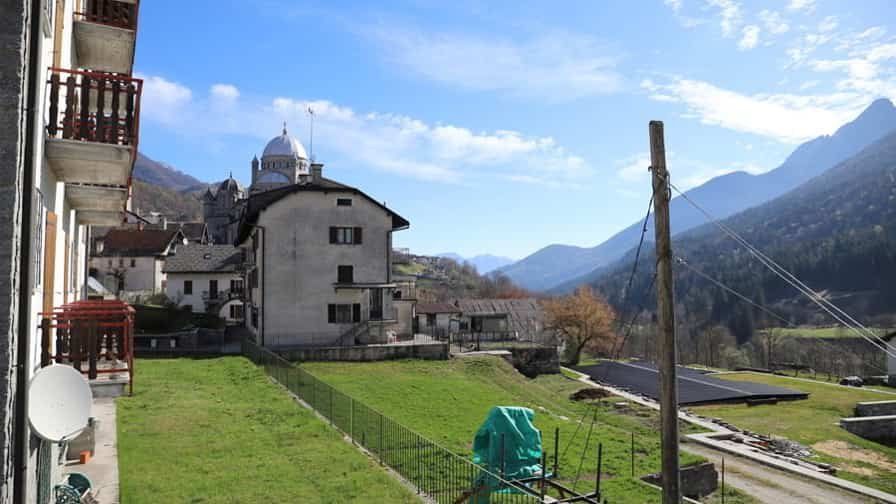
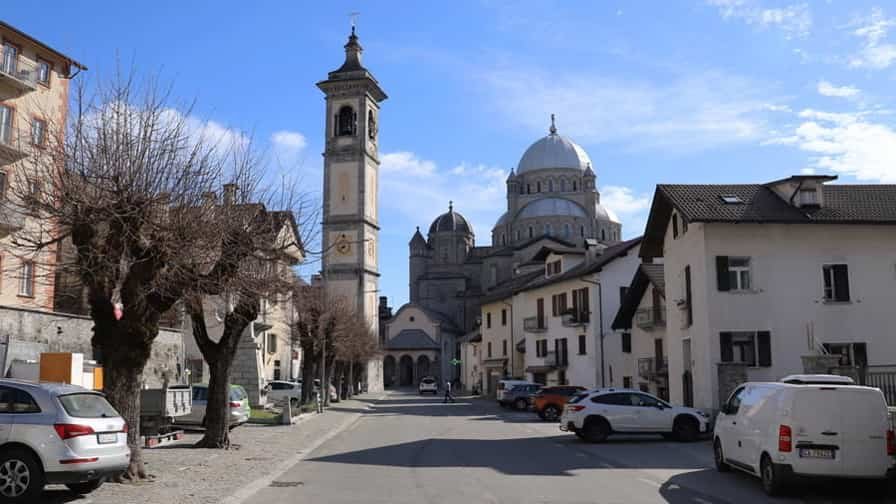
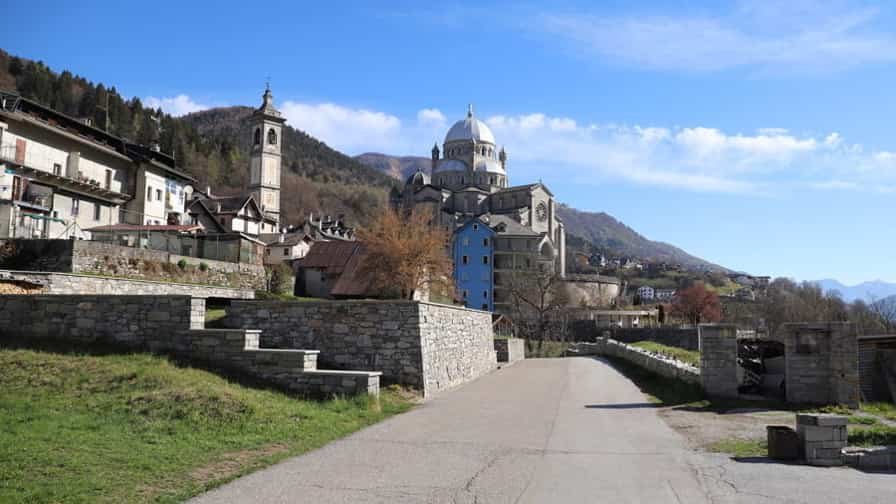
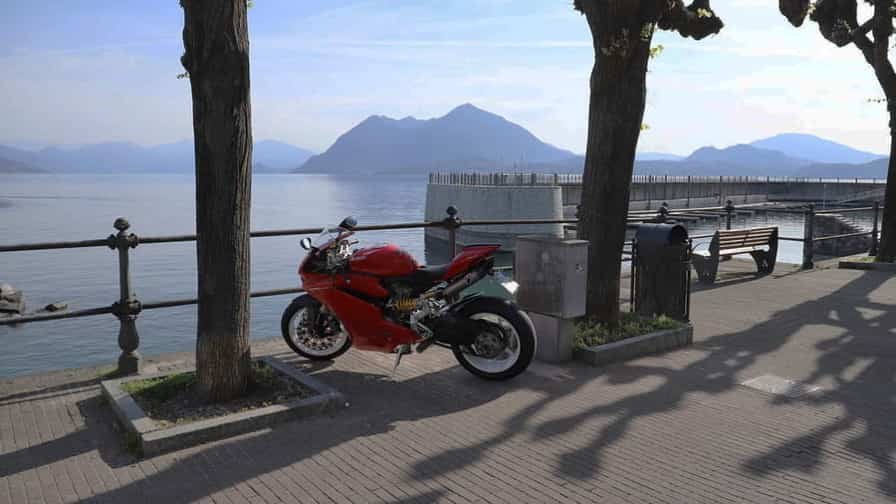
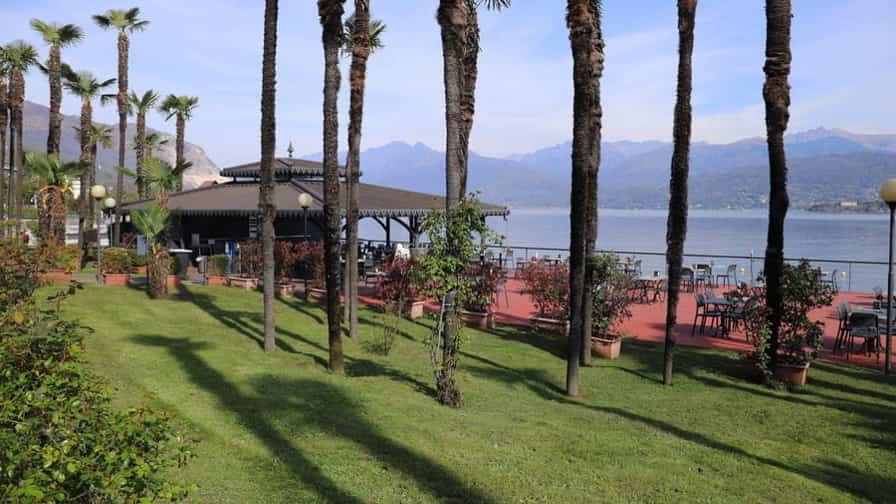
The Province of Verbano-Cusio-Ossola is located in the northernmost part of the Piedmont region, bordering Switzerland and characterized by a dramatic and varied landscape. Mountains, deep valleys, rivers, and lakes define this territory, making it one of the most scenic areas of northern Italy. The province takes its name from three distinct geographical areas: Verbano, referring to Lake Maggiore; Cusio, associated with Lake Orta; and Ossola, a broad alpine valley system stretching toward the Simplon Pass.
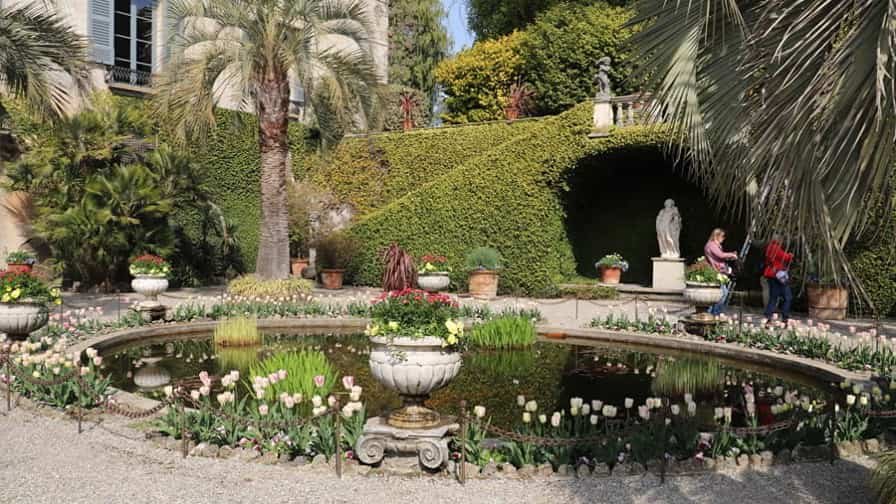
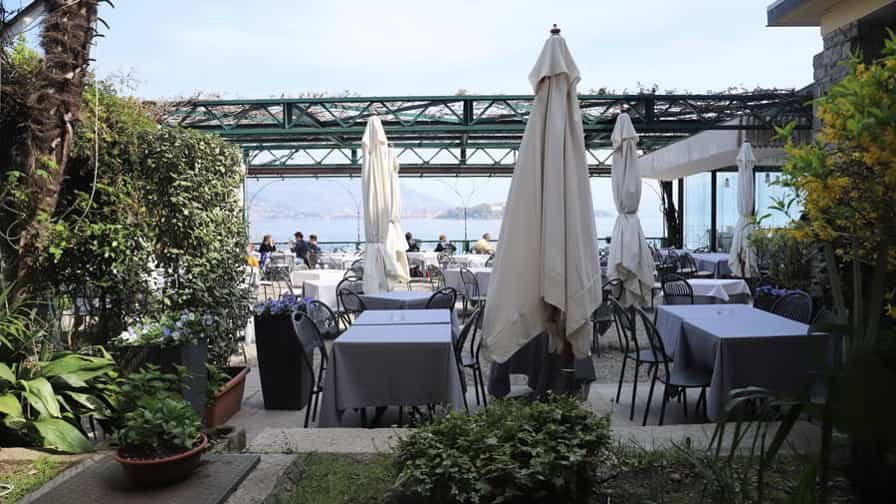
This province is renowned for its strong connection to nature. Alpine peaks, protected parks, and hiking routes attract visitors interested in outdoor activities throughout the year, from trekking and climbing to winter sports. Lake Maggiore and Lake Orta add a softer, Mediterranean atmosphere, with historic towns, gardens, and waterfront villages offering cultural and artistic charm.
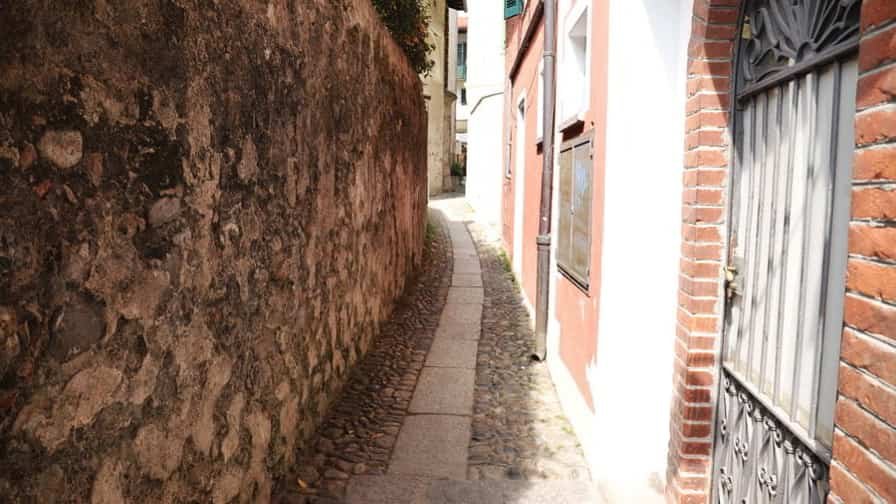
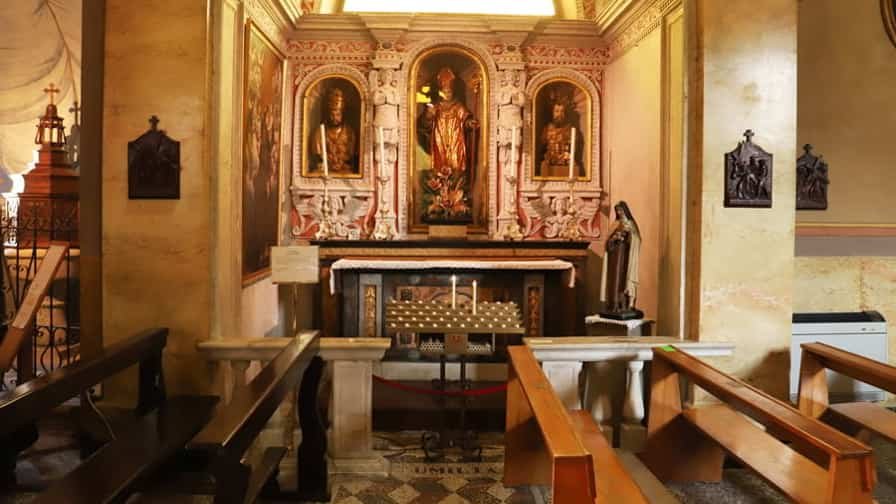
The area has a rich history shaped by its strategic position along ancient trade routes linking Italy to northern Europe. Small towns and mountain communities preserve traditional architecture, local dialects, and artisanal skills, particularly in stonework and woodcraft. Gastronomy reflects alpine influences, featuring cheeses, cured meats, and simple regional dishes. Combining alpine grandeur, lakeside elegance, and cultural heritage, the Province of Verbano-Cusio-Ossola represents a unique and captivating part of Piedmont.
The Province of Vercelli
The Province of Vercelli is located in the eastern part of the Piedmont region and is defined by vast open landscapes and a strong agricultural identity. Much of its territory is covered by expansive rice fields, which create a unique and recognizable scenery, especially during the spring flooding when the plains reflect the sky like mirrors. This area forms the heart of Italy’s rice production and has played a central role in shaping local culture, economy, and traditions.
Vercelli, the provincial capital, is a city of ancient origins with a rich historical and artistic heritage. Once an important medieval centre, it preserves notable landmarks such as Romanesque churches, historic palaces, and the Abbey of Sant’Andrea, a masterpiece of early Gothic architecture. The city is also known as a centre of learning, having hosted one of Europe’s earliest universities.
Beyond the city, the province includes small towns and rural communities closely connected to farming life and seasonal rhythms. Traditional cuisine reflects this heritage, with rice-based dishes such as panissa symbolizing local identity. Rivers, canals, and protected natural areas add ecological value to the landscape. Blending history, agriculture, and cultural continuity, the Province of Vercelli offers a distinctive and authentic expression of Piedmontese heritage.
COPYRIGHT © 2018-2026 ITALY IN PHOTOS – ALL RIGHTS RESERVED