
HOME
REGIONS OF ITALY
PLACES IN ITALY
PLAN YOUR TRIP
Italy in Photos
Discover the Regions of Italy
Gradoni Municipio, 75100 Matera, Italy (July 2019)
Basilicata
Basilicata is a quietly compelling region in southern Italy, situated between Apulia, Campania, and Calabria, with short coastlines on both the Tyrrhenian and Ionian Seas. Often overlooked in favour of its more famous neighbours, Basilicata rewards visitors with dramatic landscapes, ancient history, and a strong sense of cultural authenticity. Known historically as Lucania, the region retains a deep connection to its past, visible in its towns, traditions, and relationship with the land.
The geography of Basilicata is strikingly diverse. Rugged mountains, rolling hills, deep valleys, and arid badlands create a landscape that feels both wild and intimate. Much of the region is sparsely populated, contributing to its unspoiled character. National parks such as Pollino and the Lucanian Dolomites protect forests, rare wildlife, and scenic hiking routes, while the Ionian coast offers long sandy beaches and ancient Greek sites. On the Tyrrhenian side, the short stretch of coastline around Maratea is known for its dramatic cliffs and clear waters.
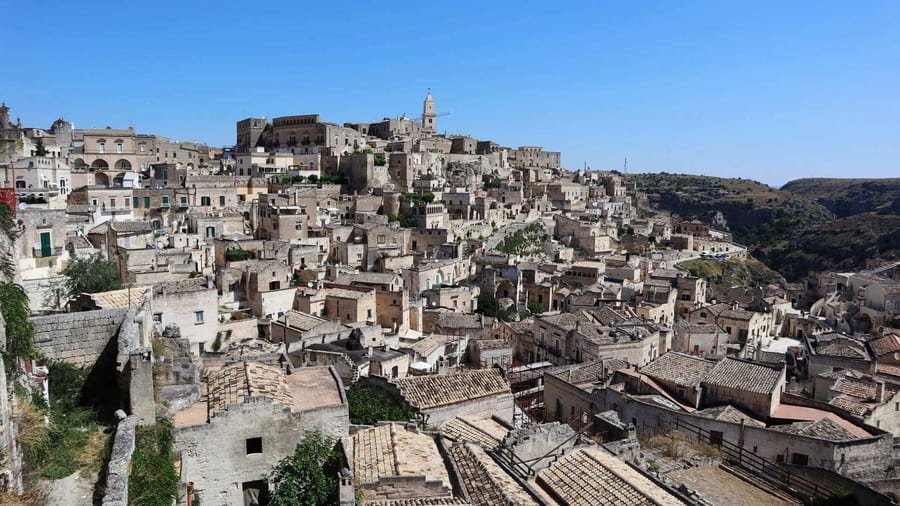
Basilicata’s history spans thousands of years, shaped by a succession of civilizations. Ancient Greek colonies once thrived along the coast, followed by Roman rule, Byzantine influence, Norman conquest, and centuries under feudal systems. This layered past is especially evident in Matera, one of the oldest continuously inhabited cities in the world. Its famous Sassi districts, carved into limestone rock, form a remarkable urban landscape that tells the story of human adaptation and resilience. Once a symbol of poverty, Matera has become a cultural landmark and was named European Capital of Culture in 2019.
Beyond Matera, Basilicata is dotted with hill towns and villages that preserve traditional ways of life. Places such as Melfi, Venosa, and Craco reflect the region’s medieval heritage, with castles, cathedrals, and narrow streets shaped by centuries of history. Many towns host festivals rooted in ancient rituals, blending pagan symbolism with Christian devotion. These events offer insight into a community life that remains closely tied to seasonal cycles and local identity.
The culture of Basilicata is defined by simplicity, resilience, and strong social bonds. Family, hospitality, and respect for tradition play a central role in everyday life. Local crafts, including ceramics, weaving, and woodwork, continue to survive alongside oral traditions, folk music, and storytelling. The region’s relative isolation has helped preserve dialects and customs that differ noticeably from those of neighbouring areas.
Basilicatan cuisine reflects the land and its history. It is a cuisine of humble origins, built around grains, legumes, vegetables, and locally raised meats. Bread holds particular importance, especially the renowned Pane di Matera, made from durum wheat and baked in wood-fired ovens. Peperoni cruschi, dried and lightly fried sweet peppers, are a signature ingredient, adding colour and flavour to many dishes. Cheeses, cured meats, and robust wines complete a culinary tradition that emphasizes authenticity over refinement.
Today, Basilicata is gradually gaining recognition as a destination for travellers seeking meaningful experiences rather than mass tourism. Its landscapes invite slow exploration, its towns encourage genuine encounters, and its history offers depth and perspective. Basilicata is not a region that reveals itself all at once, but one that rewards patience and curiosity, leaving a lasting impression through its quiet beauty, cultural richness, and enduring sense of place.
The Provinces of Basilicata
The photos shown for each province were taken during my visits to those locations. For more information, click on the name to be taken to the main page for that place.
The Province of Potenza
The Province of Potenza forms the mountainous heart of the Basilicata region, offering a landscape defined by rugged peaks, deep valleys, and historic hill towns. Stretching from the Apennine mountains to rolling inland plains, it is the largest province in Basilicata and one of the most geographically diverse in southern Italy. This varied terrain has shaped both the history and character of the area, fostering strong local traditions and a close relationship with the land.
Potenza, the provincial capital and regional seat, is among the highest-altitude cities in Italy, known for its panoramic views and modern layout combined with older quarters. Across the province, towns such as Melfi, Venosa, and Castelmezzano reveal a rich historical legacy, from Norman castles and Roman remains to medieval villages perched dramatically on rocky ridges. The Lucanian Dolomites stand out as a natural landmark, offering striking scenery and opportunities for outdoor activities.
Culturally, the Province of Potenza reflects the resilient spirit of Basilicata. Its cuisine, festivals, and crafts are rooted in rural life and seasonal rhythms, creating an authentic and understated destination that rewards travellers seeking history, nature, and genuine local identity.
The Province of Matera
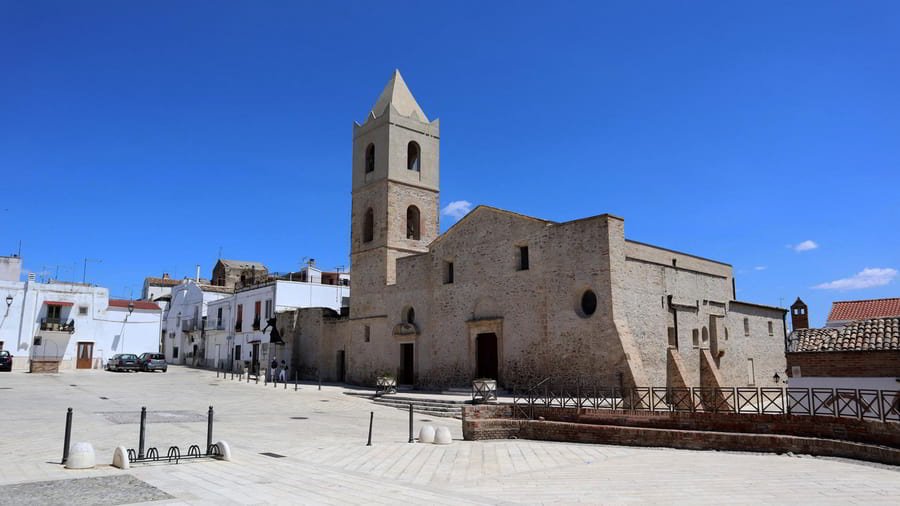
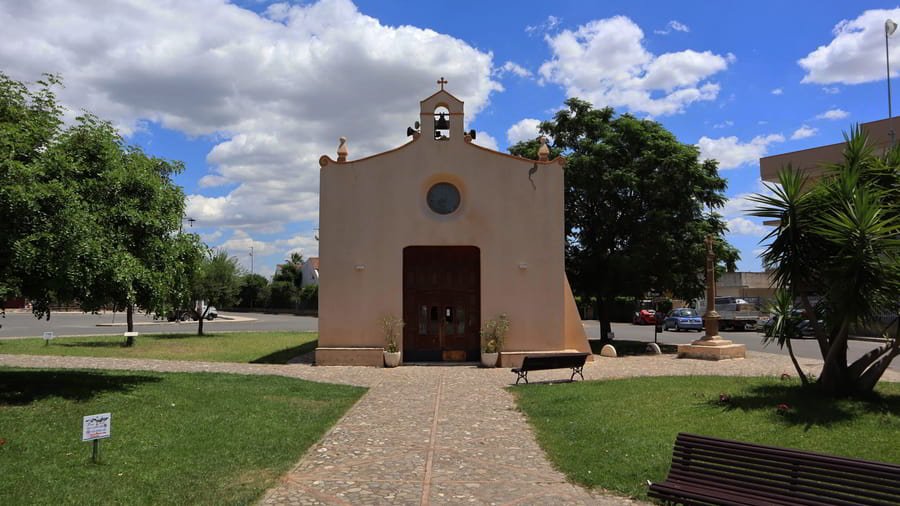
Bernalda
Matera
Montescaglioso
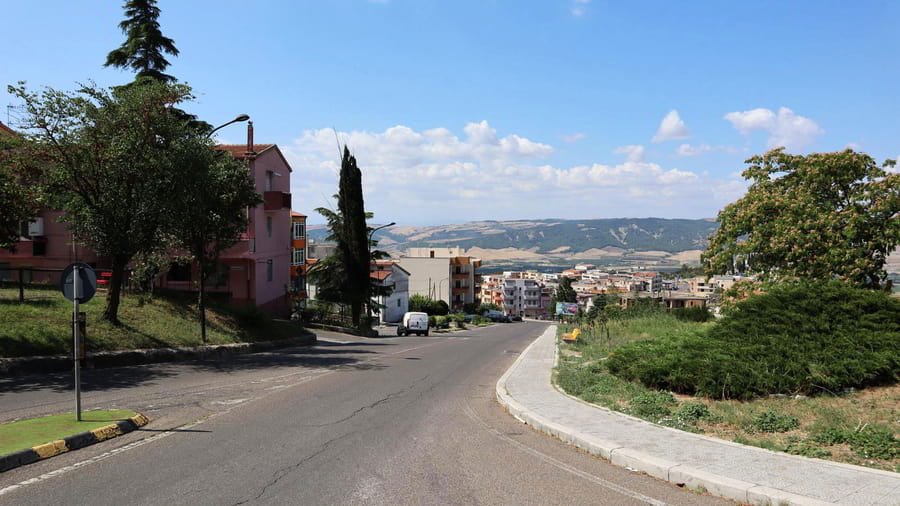
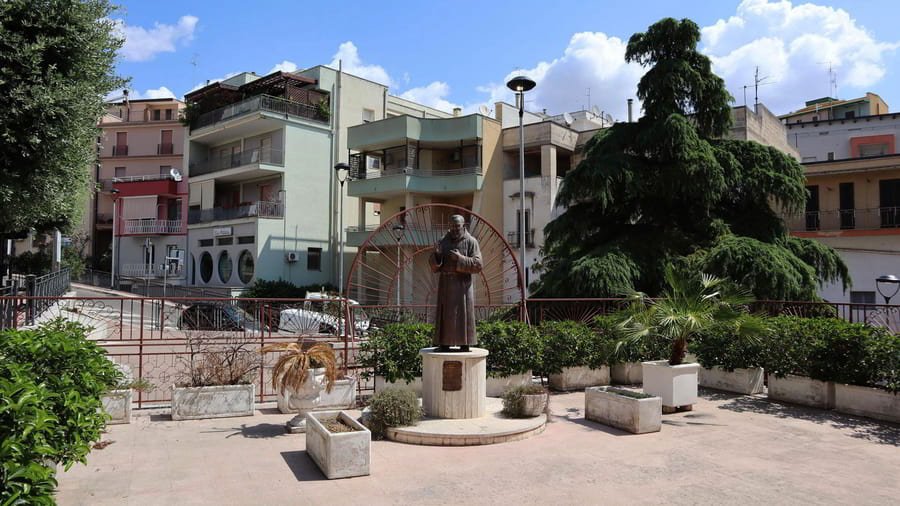
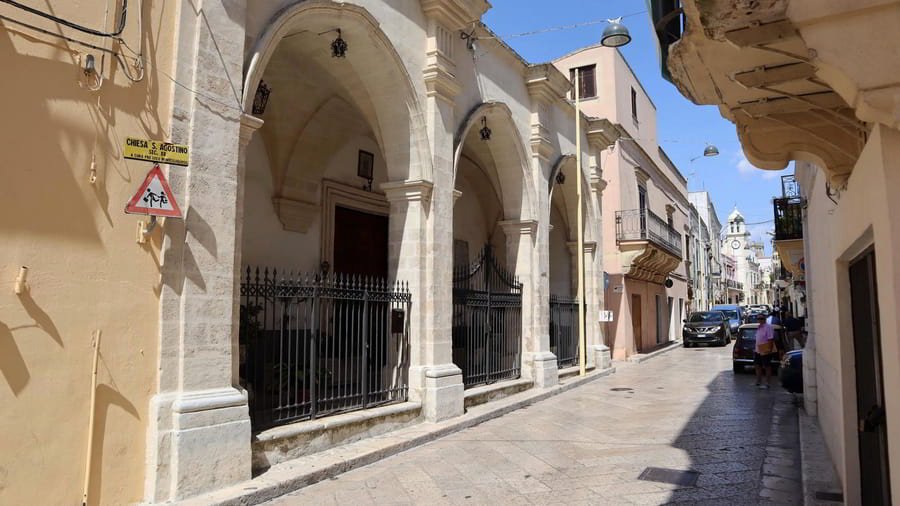
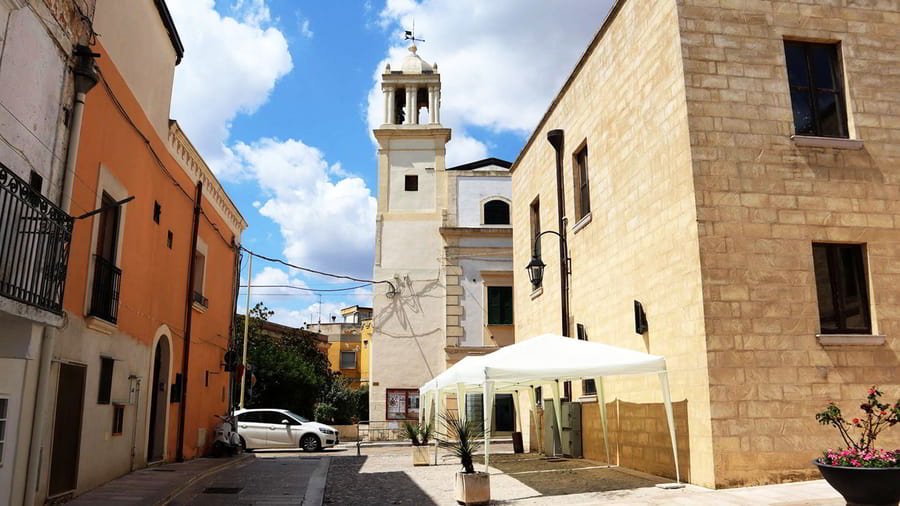
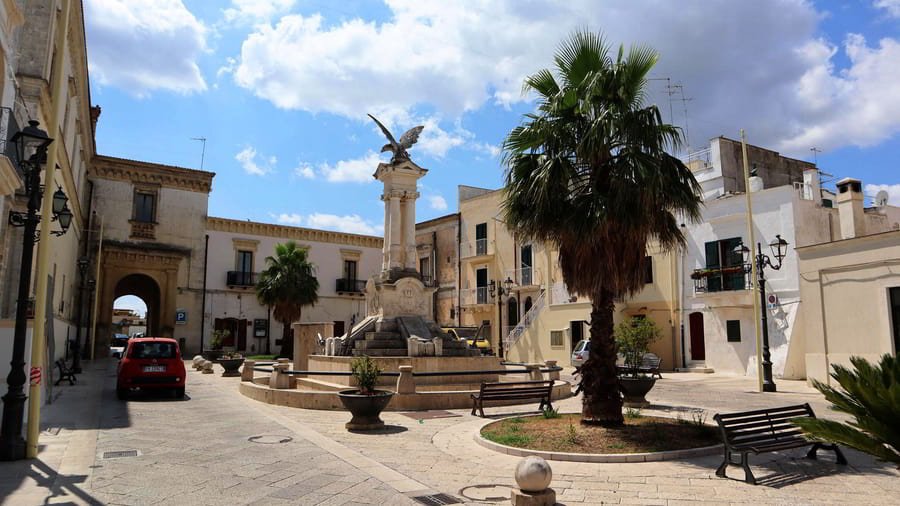
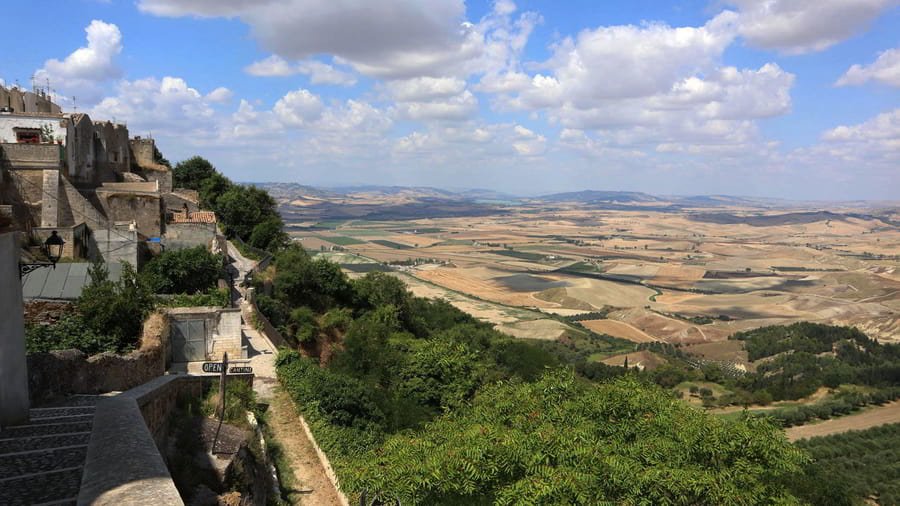
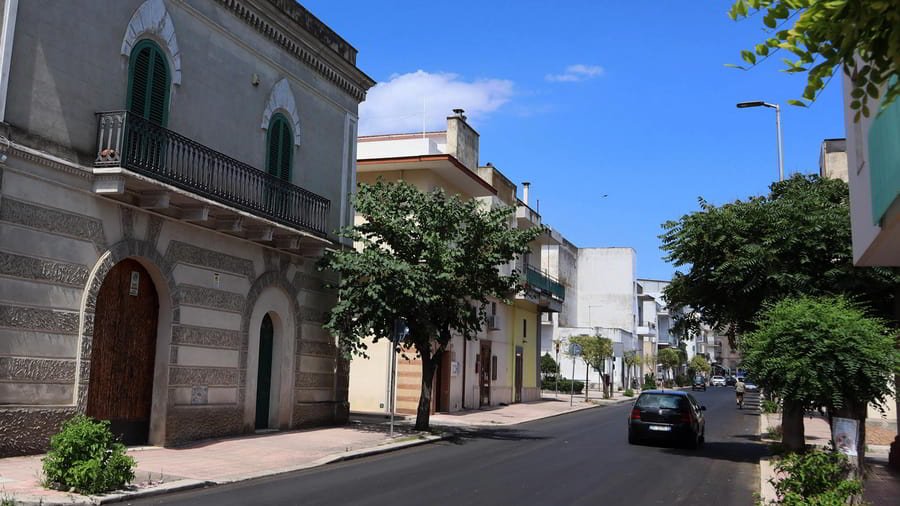
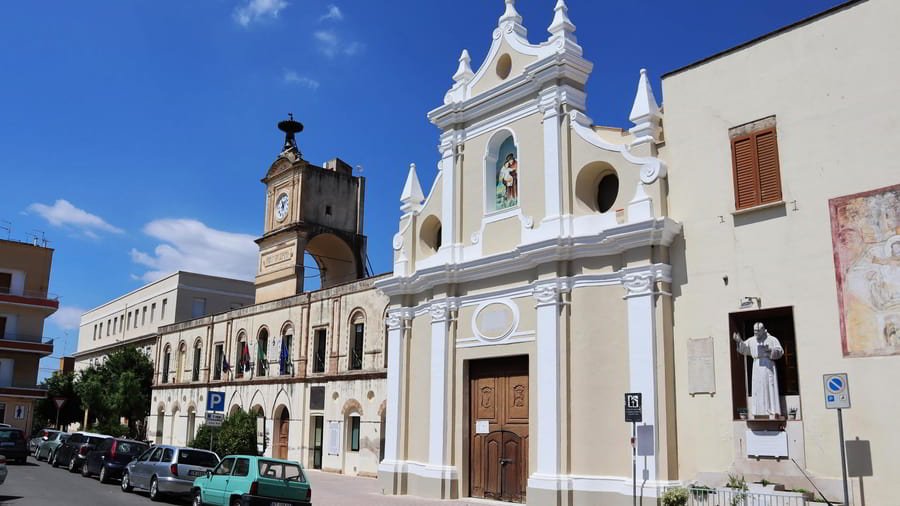
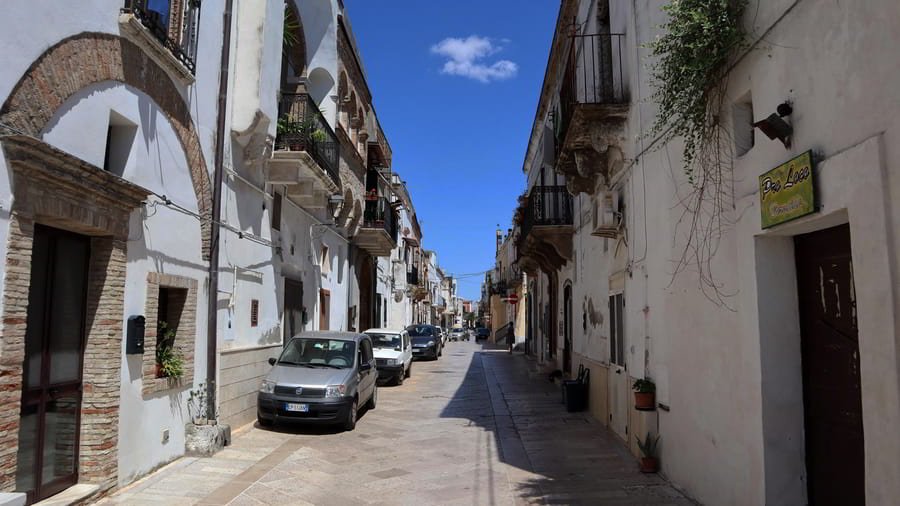
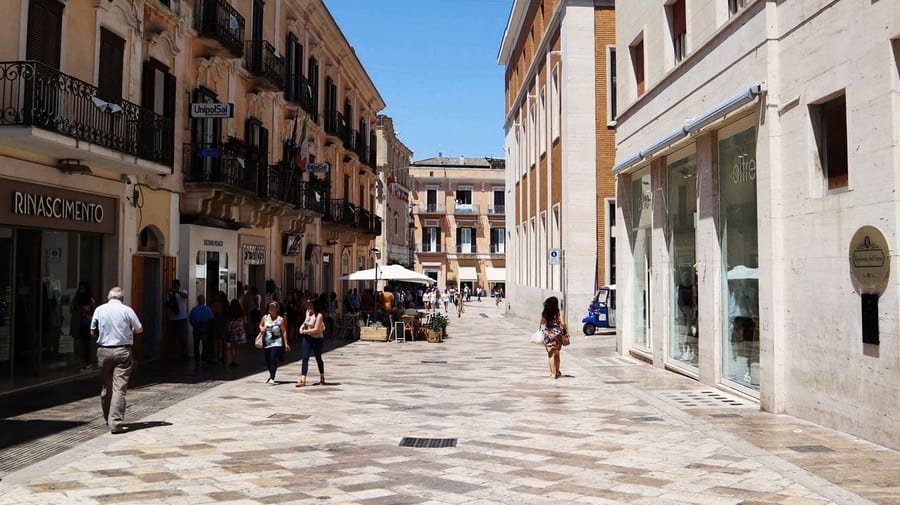
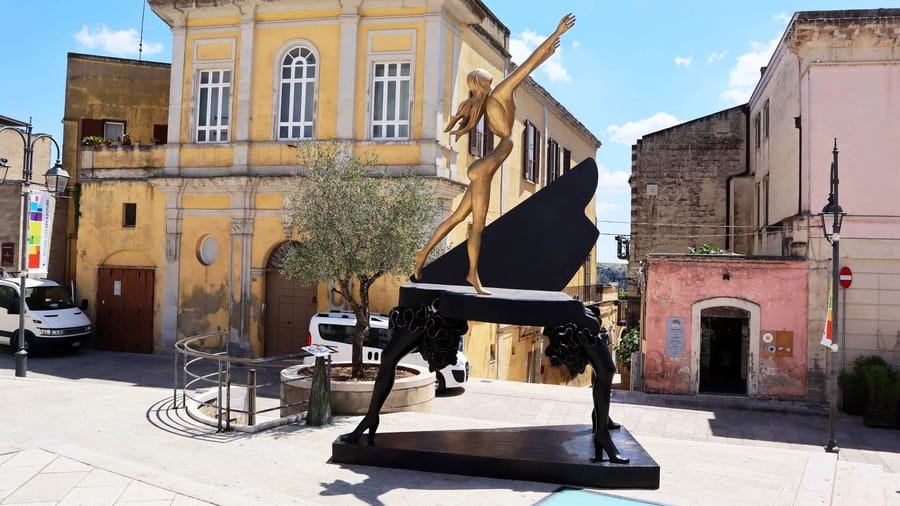
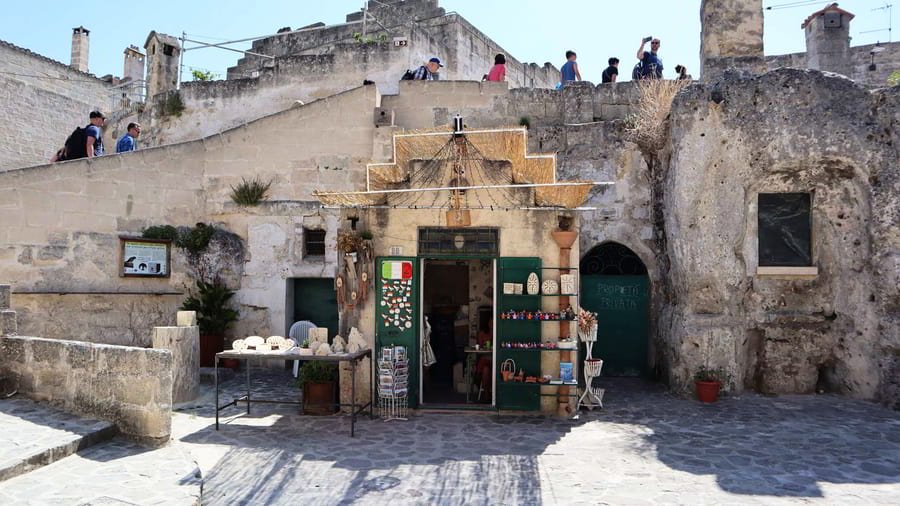
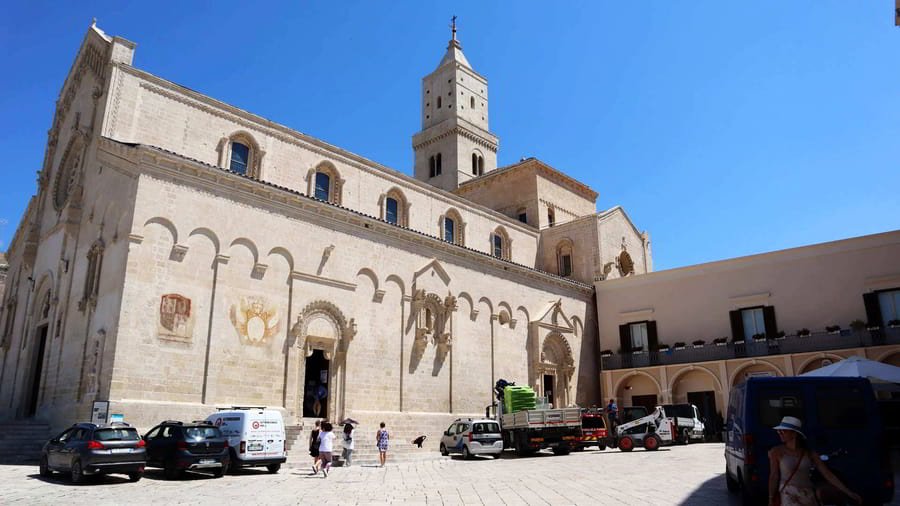
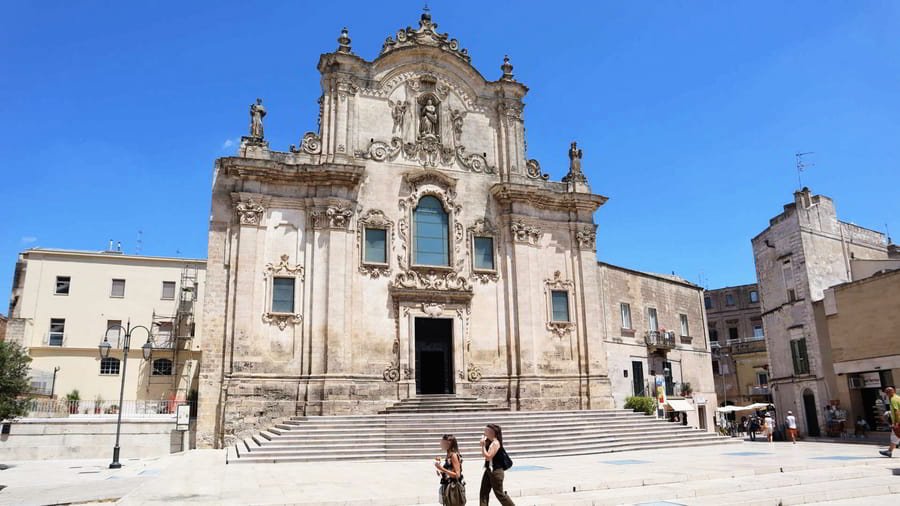
The Province of Matera occupies the eastern part of the Basilicata region and is renowned for its unique landscapes, ancient settlements, and deep historical significance. Bordering Apulia and extending toward the Ionian Sea, the province combines inland hills, dramatic ravines, and fertile plains shaped by centuries of human presence. This varied geography has influenced local traditions, architecture, and ways of life, creating a territory with a strong and distinctive identity.
Matera, the provincial capital, is internationally famous for the Sassi, an extraordinary system of cave dwellings carved into limestone and continuously inhabited since prehistoric times. These rock-cut neighbourhoods represent one of the most remarkable examples of human adaptation to the environment in the Mediterranean. Beyond the city, the province includes quiet hill towns, agricultural communities, and archaeological areas that reflect ancient Greek, Roman, and medieval influences.
The countryside of the Province of Matera is marked by wheat fields, olive groves, and the striking landscape of the Gravina canyon, now protected as a regional park. Local culture remains closely tied to the land, expressed through traditional festivals, crafts, and a cuisine based on simple, seasonal ingredients. The province offers a compelling blend of history, nature, and authenticity.
Bernalda
Matera
Montescaglioso
COPYRIGHT © 2018-2026 ITALY IN PHOTOS – ALL RIGHTS RESERVED