
HOME
REGIONS OF ITALY
PLACES IN ITALY
PLAN YOUR TRIP
Italy in Photos
Discover the Regions of Italy
Palio Sbandieratori di Asti, Piazza S. Secondo, Asti AT, Italy (May 2022)
Calabria
Calabria is a region of southern Italy that occupies the toe of the Italian peninsula, a land where mountains descend dramatically toward two seas and history is layered into every landscape. Bordered by the Tyrrhenian Sea to the west and the Ionian Sea to the east, Calabria has long been a crossroads of cultures, shaped by geography as much as by human movement. Its position at the heart of the Mediterranean has exposed it to centuries of exchange, conflict, and creativity, leaving behind a distinctive identity that remains deeply rooted in tradition while quietly evolving.
The physical geography of Calabria is striking and varied. Much of the region is mountainous or hilly, dominated by three main massifs: the Pollino in the north, the Sila plateau in the centre, and the rugged Aspromonte in the south. These highlands have historically isolated communities from one another, contributing to strong local identities and dialects. At the same time, the mountains offer dense forests, clear rivers, and national parks of exceptional biodiversity. From these elevations, the land slopes toward a long and fragmented coastline, where sandy beaches alternate with rocky cliffs and small fishing towns. On clear days, Sicily appears close enough to touch across the Strait of Messina, reinforcing Calabria’s sense of being both peripheral and central.
Calabria’s history is among the oldest in Italy. Long before Roman domination, the region was a key part of Magna Graecia, with Greek colonies such as Reggio Calabria, Locri, and Sybaris flourishing between the eighth and fifth centuries BCE. These cities were centres of philosophy, art, and commerce, and their influence is still visible in archaeological sites and museums. After the Roman era, Calabria passed through Byzantine, Norman, Swabian, Angevin, and Spanish rule, each leaving architectural, linguistic, and cultural traces. Castles, monasteries, and hilltop villages testify to centuries of adaptation in a land often exposed to invasions, earthquakes, and economic hardship.
Culturally, Calabria is defined by a strong sense of continuity. Family, community, and local custom remain central to daily life, particularly in smaller towns and rural areas. Festivals tied to religious calendars, agricultural cycles, and patron saints animate villages throughout the year, blending sacred ritual with social gathering. Music, storytelling, and traditional crafts persist as expressions of collective memory. The Calabrian language, with its Greek, Latin, and later influences, varies significantly from one area to another, reflecting the region’s fragmented terrain and long history of isolation.
Calabrian cuisine offers another window into the region’s character. Rooted in peasant traditions, it emphasizes simple ingredients transformed through skill and necessity. Olive oil, chili peppers, vegetables, legumes, and preserved foods dominate the table, while pork and cured meats play a central role. The famous heat of Calabrian cooking is not merely a culinary preference but a historical method of preservation and flavour enhancement. Coastal areas add fish and seafood to the mix, creating a cuisine that mirrors the land and sea in equal measure.
Today, Calabria faces challenges common to many southern regions, including depopulation and economic imbalance, yet it is also rediscovering its value. Increasing attention to sustainable tourism, local products, and cultural heritage has begun to highlight Calabria’s authenticity and natural beauty. Far from the crowded itineraries of more famous destinations, Calabria offers a slower, deeper experience of Italy, one shaped by resilience, landscape, and a powerful sense of place.
The Provinces of Calabria
The photos shown for each province were taken during my visits to those locations. For more information, click on the name to be taken to the main page for that place.
The Province of Catanzaro
The Province of Catanzaro lies at the heart of Calabria, forming a natural bridge between the Ionian and Tyrrhenian seas. This central position has given the province a unique geographical and cultural character, shaped by movement, exchange, and adaptation over centuries. From the sandy Ionian coastline to the rolling hills and forested uplands of the interior, the landscape of Catanzaro is diverse and dynamic, offering a condensed portrait of Calabrian territory.
Historically, the province has been influenced by Greek, Roman, Byzantine, Norman, and Spanish civilizations, all of which have left visible traces in architecture, urban layouts, and local traditions. The city of Catanzaro, the provincial capital and administrative centre of Calabria, developed as an important hub for governance, craftsmanship, and trade. It is especially known for its historic silk production, a legacy that once connected the area to wider Mediterranean markets.
Culturally, the Province of Catanzaro reflects a balance between tradition and modern life. Inland villages preserve strong local identities, dialects, and religious customs, while coastal towns are increasingly oriented toward tourism and seasonal activity. Together, they form a province that embodies the historical depth, natural variety, and resilient spirit of central Calabria.
The Province of Cosenza
Santa Domenica
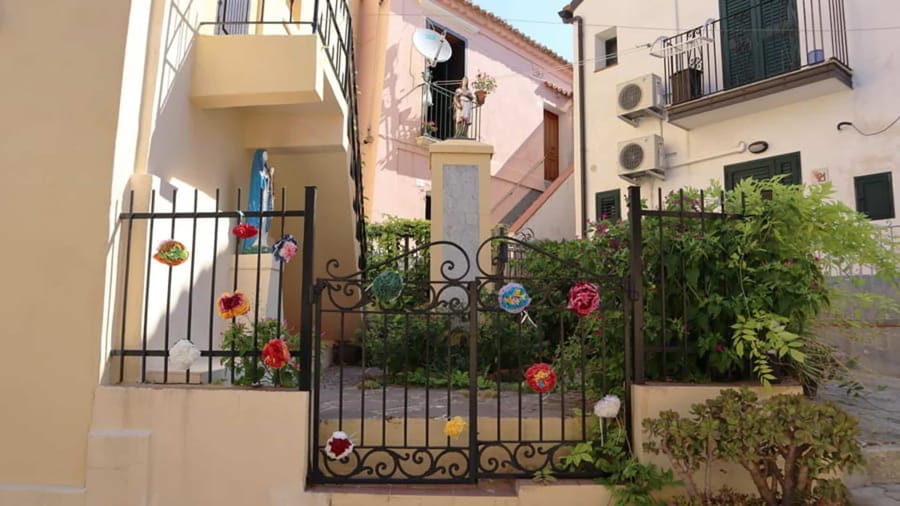
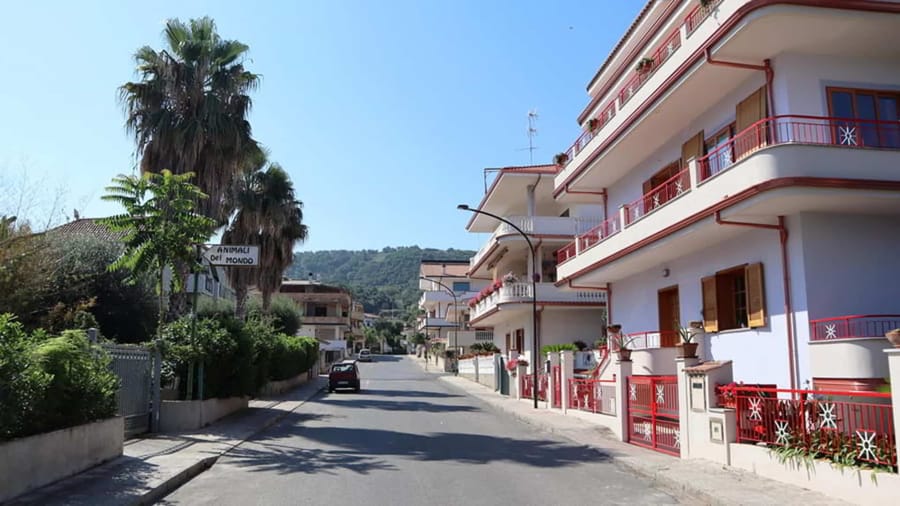
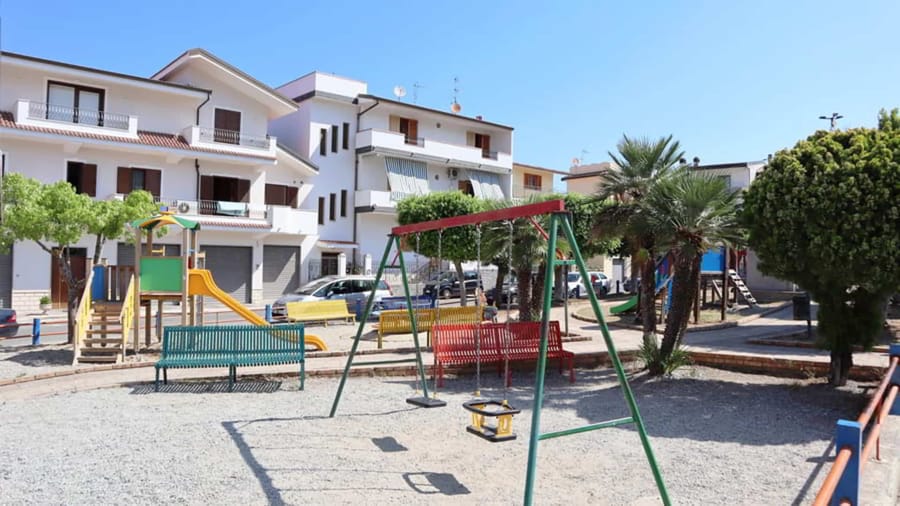
The Province of Cosenza is the largest and most diverse province in the Region of Calabria, occupying the northern part of the peninsula and serving as a gateway between southern and central Italy. Its territory stretches from the Tyrrhenian Sea to the Ionian foothills, encompassing a remarkable range of landscapes that include long coastlines, fertile valleys, and extensive mountain systems. The Pollino Massif in the north and the Sila plateau to the south define much of the province’s natural character, offering forests, rivers, and protected areas of exceptional environmental value.
Historically, the Province of Cosenza has played a central role in Calabria’s cultural development. Ancient Greek settlements, Roman infrastructure, and medieval towns coexist within a landscape marked by castles, monasteries, and historic centres. The city of Cosenza itself has long been a centre of learning and civic life, often referred to as the intellectual capital of Calabria due to its universities, libraries, and artistic heritage.
Today, the province combines deep-rooted tradition with contemporary vitality. Coastal communities balance fishing and tourism, while inland towns preserve agricultural practices, festivals, and dialects that reflect centuries of continuity. This blend of nature, history, and culture makes the Province of Cosenza a defining expression of northern Calabria’s identity.
The Province of Crotone
The Province of Crotone is located along the eastern side of Calabria, facing the Ionian Sea, and is deeply connected to the region’s ancient Mediterranean heritage. Its landscape is characterized by wide coastal plains, rolling hills, and inland plateaus that gradually rise toward the mountainous heart of Calabria. The Ionian coastline, with its long beaches and clear waters, has historically shaped settlement patterns, trade, and daily life throughout the province.
Crotone’s history is closely tied to Magna Graecia. Founded as Kroton in the eighth century BCE, the city became one of the most powerful and culturally significant Greek colonies in southern Italy. It was renowned for its athletes, philosophers, and medical schools, and its legacy remains visible in archaeological sites and museums, particularly around Capo Colonna, home to the remains of the ancient sanctuary of Hera Lacinia.
The province has traditionally relied on agriculture, fishing, and maritime activity, with fertile lands supporting the cultivation of olives, grains, and vineyards. Rural traditions and religious festivals continue to play an important role in community life. Today, the Province of Crotone is rediscovering its historical and natural assets, combining archaeological heritage, coastal tourism, and local culture to define a distinct and enduring identity within Calabria.
The Province of Reggio Calabria
Reggio di Calabria
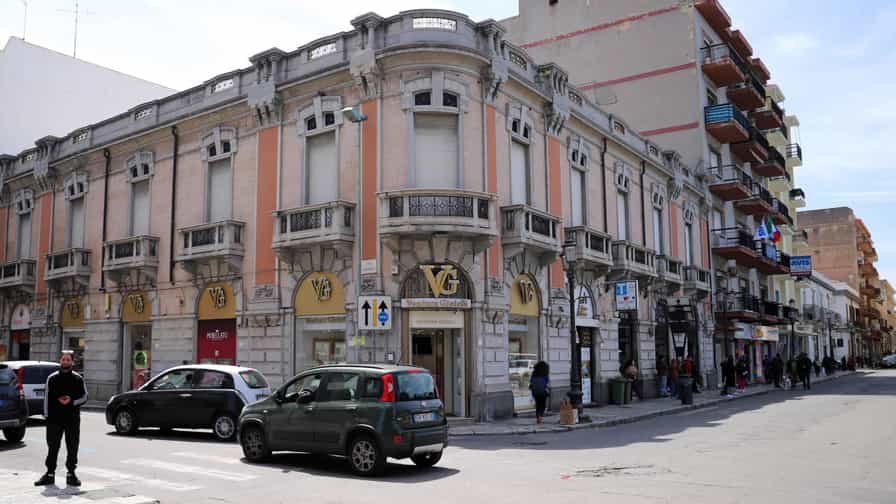
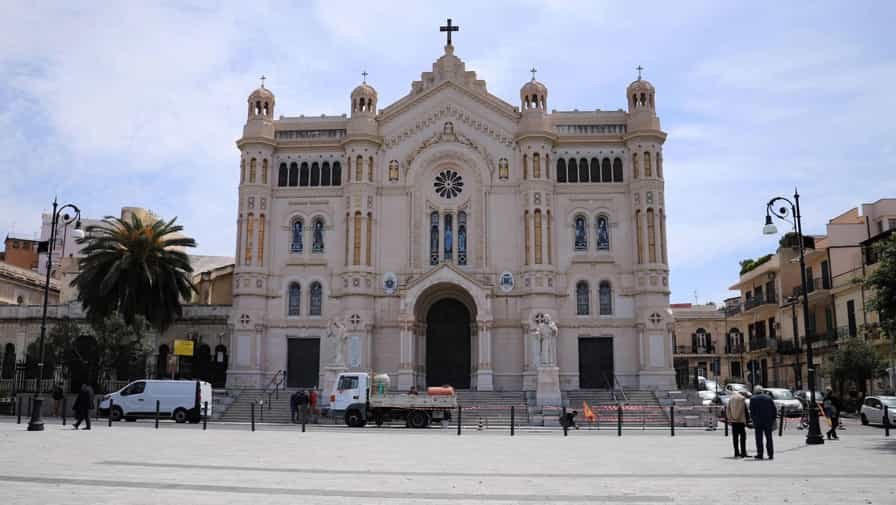

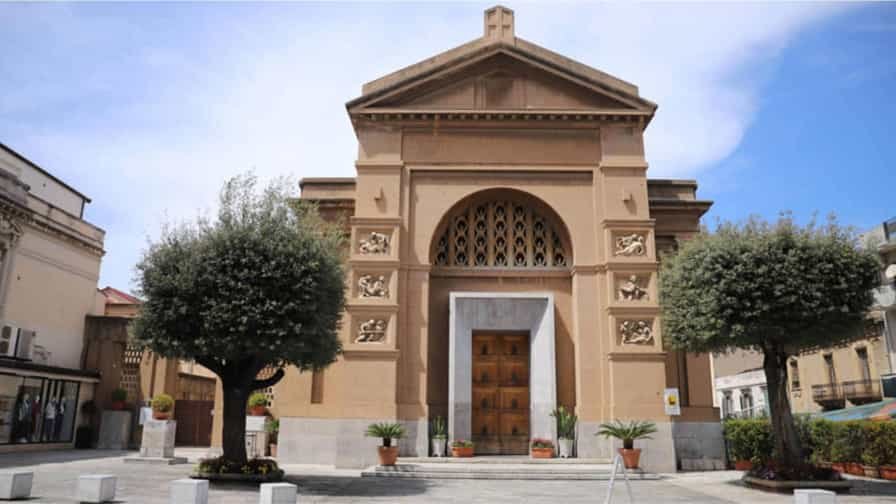
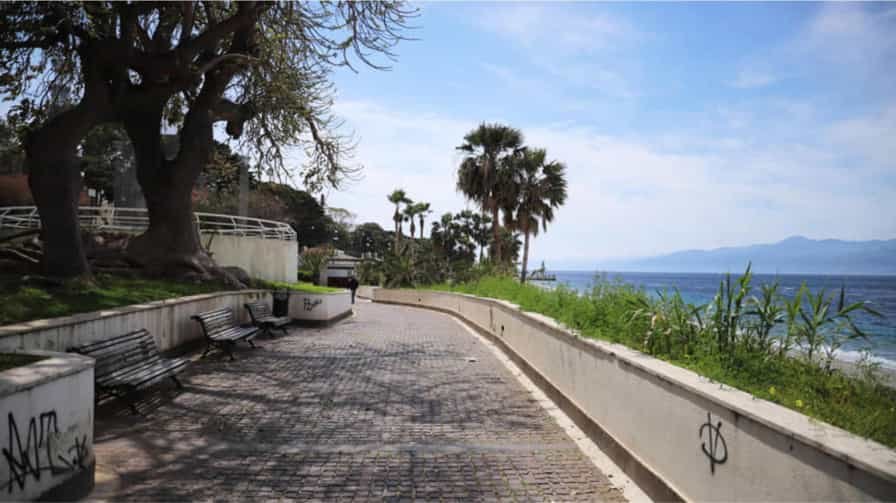
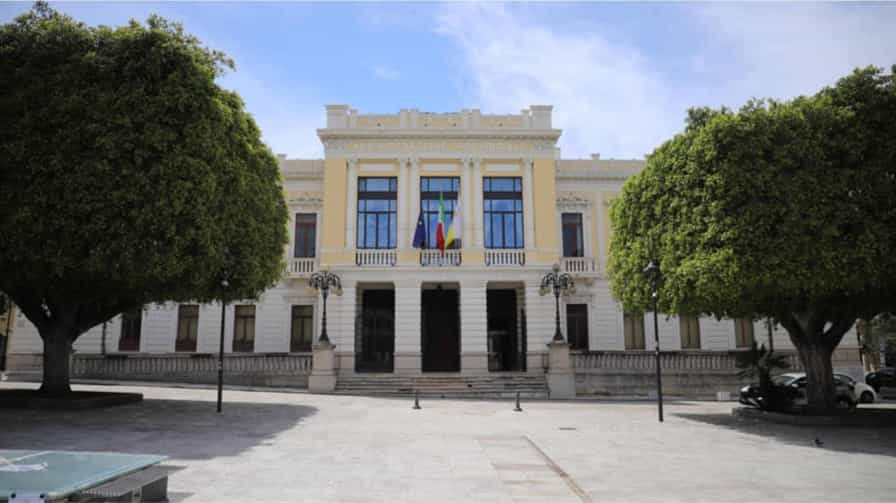
The Province of Reggio Calabria occupies the southernmost tip of the Italian peninsula, a strategic and symbolic location overlooking the Strait of Messina, where Calabria faces Sicily across a narrow stretch of sea. This position has made the province a meeting point of cultures, routes, and civilizations for thousands of years. Its territory is defined by dramatic contrasts, with the rugged mountains of the Aspromonte descending sharply toward the coast, creating striking landscapes and a close relationship between inland villages and maritime life.
Historically, the area has deep roots in Magna Graecia. Ancient Rhegion was an important Greek city, later shaped by Roman, Byzantine, Norman, and Spanish rule. The legacy of these periods is reflected in archaeological remains, fortified towns, and religious architecture scattered throughout the province. The city of Reggio Calabria remains a cultural focal point, home to the National Archaeological Museum, which houses the famous Riace Bronzes, among the most significant classical sculptures ever discovered.
Culturally, the Province of Reggio Calabria preserves strong traditions expressed through language, music, and religious festivals. Agriculture, fishing, and artisanal practices continue alongside modern urban life. Today, the province combines natural beauty, historical depth, and a strong sense of identity, offering a powerful expression of southern Calabria’s character and resilience.
The Province of Vibo Valentia
Tropea


The Province of Vibo Valentia is located in the Region of Calabria and represents one of the most historically rich areas of southern Italy. Situated between the Tyrrhenian Sea and the wooded uplands of the Serre mountains, the province occupies a strategic position that has influenced its development since antiquity. Its landscape ranges from sandy beaches and rocky headlands along the Costa degli Dei to fertile inland hills dotted with olive groves and small towns.
The origins of Vibo Valentia date back to ancient times, when it was known as Hipponion, a prosperous Greek colony later transformed into the Roman city of Valentia. Over the centuries, the area experienced Byzantine, Norman, and Spanish rule, each contributing to its architectural and cultural heritage. The historic centre of Vibo Valentia is dominated by the Norman castle, which today houses an important archaeological museum illustrating the area’s long and complex past.
Culturally, Vibo Valentia reflects the deep traditions of Calabria, where religious festivals, local dialects, and family-centred community life remain strong. Agriculture, fishing, and artisanal production have long sustained the local economy, while coastal tourism has become increasingly significant. Together, history, landscape, and tradition give Vibo Valentia a distinctive identity within the Calabrian region.
Reggio di Calabria
Santa Domenica
Tropea
COPYRIGHT © 2018-2026 ITALY IN PHOTOS – ALL RIGHTS RESERVED