
HOME
REGIONS OF ITALY
PLACES IN ITALY
PLAN YOUR TRIP
Italy in Photos
Discover the Regions of Italy
Basilica of Santa Maria Maggiore, 24121 Bergamo, Italy (April 2019)
Lombardy
Lombardy is one of Italy’s most dynamic and influential regions, a place where history, innovation, and natural beauty converge. Located in the heart of northern Italy, Lombardy stretches from the snow-capped Alps in the north to the fertile plains of the Po Valley in the south. It is the most populous region in the country and one of the wealthiest, playing a central role in Italy’s economic, cultural, and political life. Yet beyond its reputation as an industrial and financial powerhouse, Lombardy reveals a rich and varied identity shaped by centuries of art, agriculture, and human ingenuity.
The region’s geography is remarkably diverse. Towering Alpine peaks define its northern borders, offering dramatic landscapes, pristine lakes, and winter sports destinations. Lakes such as Como, Garda, Iseo, and Maggiore are among the most celebrated in Europe, known for their mild microclimates, elegant towns, and breath-taking scenery. Moving southward, the terrain softens into rolling hills and vast plains nourished by the Po River and its tributaries. These fertile lands have supported agriculture for millennia and continue to produce rice, corn, wheat, and dairy products that form the backbone of Lombard cuisine.
At the heart of Lombardy lies Milan, the regional capital and Italy’s financial and commercial centre. Milan is a global city, renowned for fashion, design, publishing, and technology. Its skyline blends historic landmarks such as the Duomo and Castello Sforzesco with bold contemporary architecture, reflecting a city constantly reinventing itself. Milan’s influence extends far beyond its borders, shaping international trends while remaining deeply connected to its regional roots. However, Lombardy is far more than Milan alone. Cities like Bergamo, Brescia, Mantua, Cremona, and Pavia each contribute distinct cultural and historical legacies, from Renaissance art and medieval fortifications to musical traditions and academic excellence.
Lombardy’s history is layered and complex. It has been home to ancient Celtic tribes, conquered by the Romans, shaped by medieval communes, and ruled by powerful dynasties such as the Visconti and Sforza. Later, it fell under Spanish and Austrian control before becoming a driving force in the Italian unification movement of the nineteenth century. This long and often contested past has left an extraordinary architectural and artistic heritage. Roman ruins, Romanesque churches, Gothic cathedrals, and Renaissance palaces coexist across the region, telling stories of power, faith, and creativity.
Culturally, Lombardy reflects a pragmatic yet refined spirit. Lombards are often described as industrious and forward-looking, qualities that have supported the region’s economic success. At the same time, there is a deep respect for tradition, evident in local festivals, crafts, and culinary practices. Lombard cuisine is hearty and distinctive, shaped by the climate and landscape. Dishes such as risotto alla milanese, polenta, osso buco, and a wide array of cheeses highlight the region’s agricultural abundance and regional diversity.
Lombardy embodies many of the contrasts that define modern Italy. It is traditional yet innovative, urban yet deeply connected to nature, locally rooted yet globally engaged. Its cities drive economic growth and cultural production, while its landscapes offer tranquillity and timeless beauty. To understand Lombardy is to glimpse Italy at one of its most complex and compelling intersections, where past and present continually shape one another.
The Provinces of Lombardy
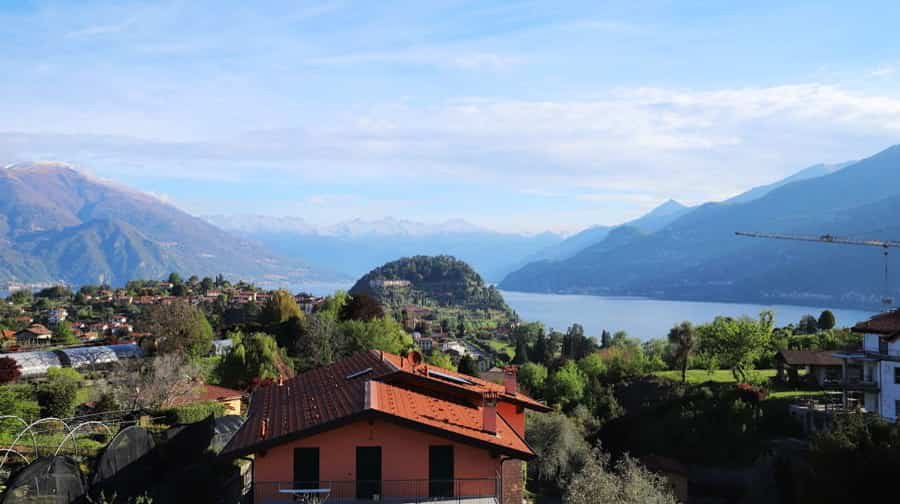
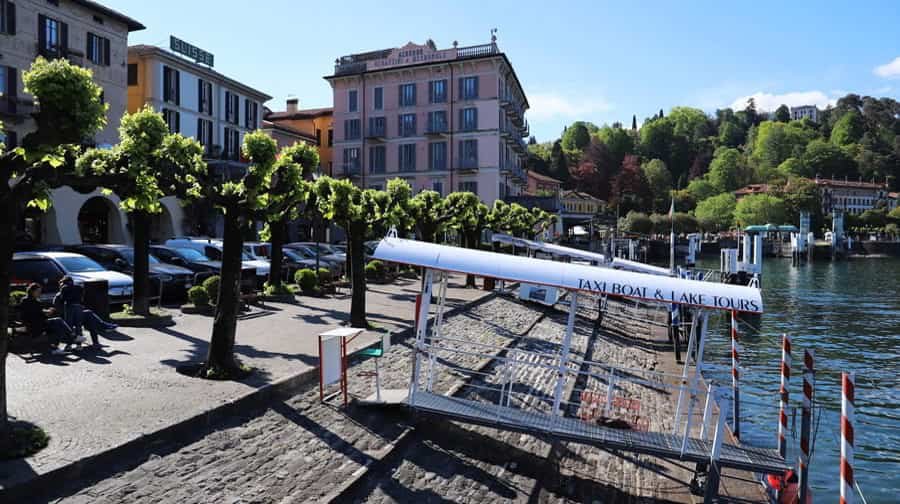
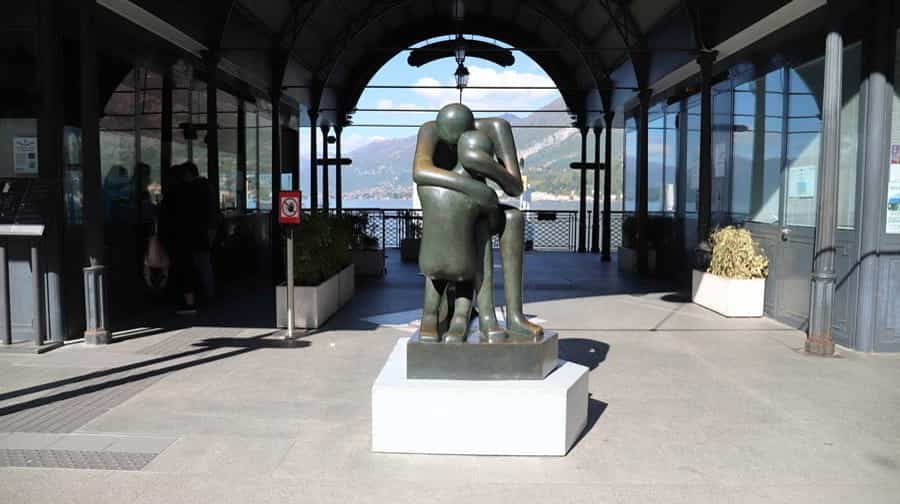
The photos shown for each province were taken during my visits to those locations. For more information, click on the name to be taken to the main page for that place.
The Province of Bergamo
Bergamo
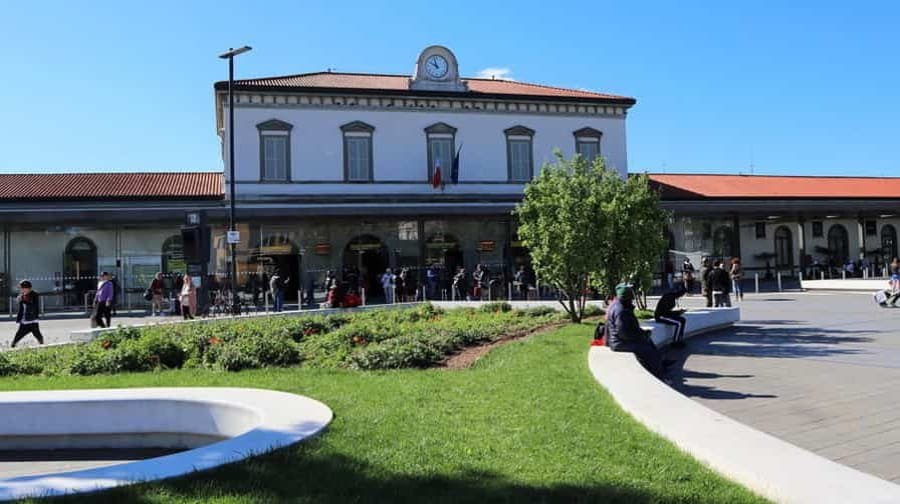
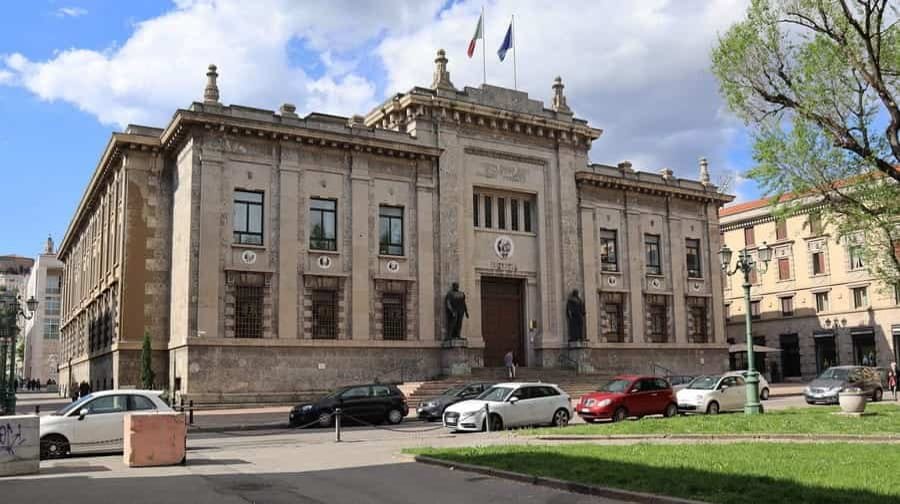
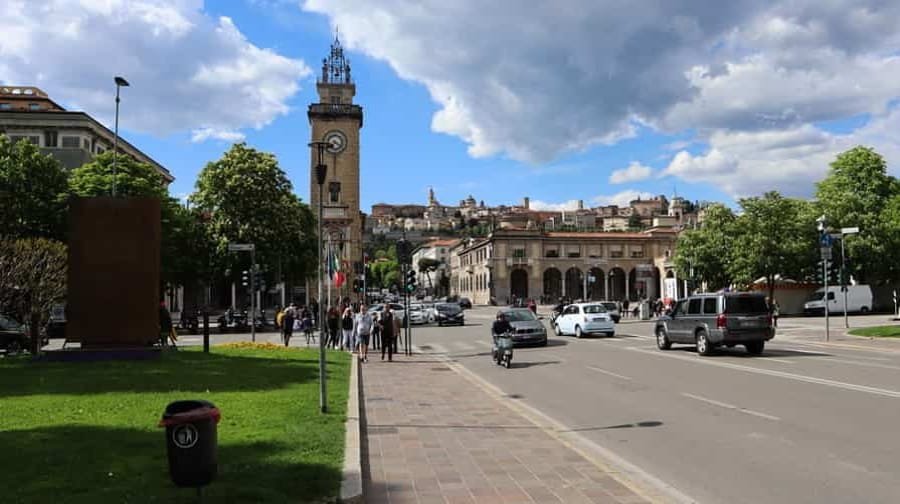
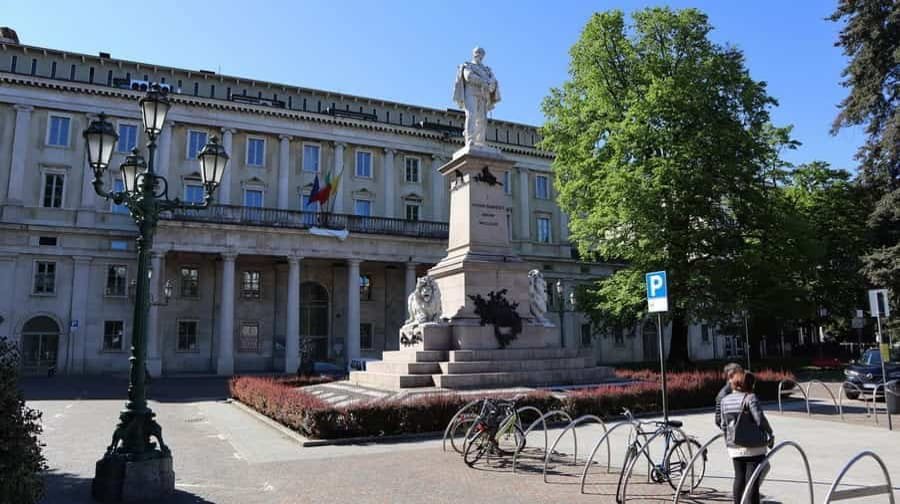
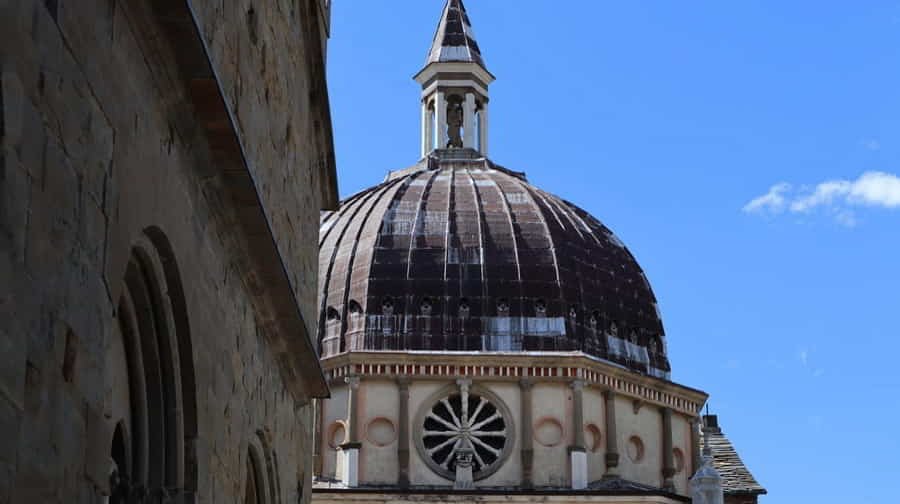
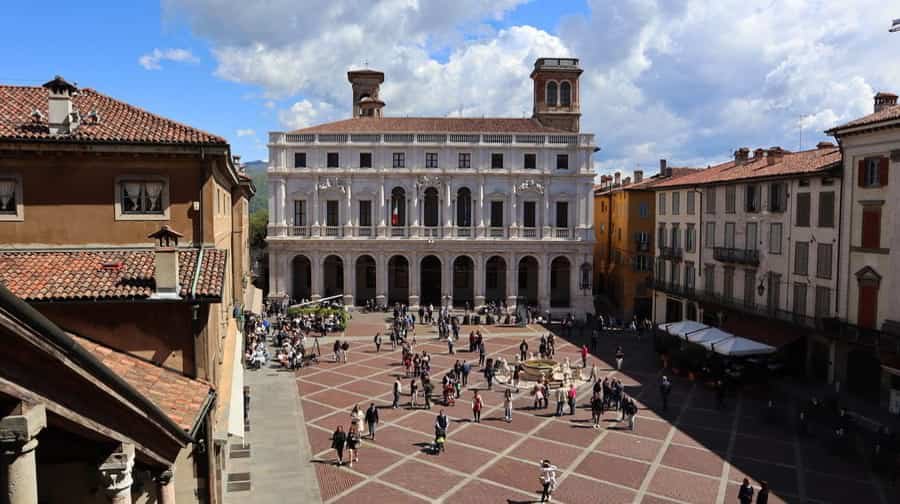
The Province of Bergamo is a diverse and culturally rich area in the central part of the Lombardy region, known for its strong traditions, varied landscapes, and historical significance. Stretching from the fertile plains of the Po Valley to the alpine peaks of the Orobie Mountains, the province offers a remarkable contrast between lowland agriculture and mountainous terrain. This geographic variety has shaped local life, economic activities, and settlement patterns for centuries.
At the heart of the province lies the city of Bergamo, whose historic upper town and modern lower city reflect the balance between heritage and progress that characterizes the wider area. Beyond the city, the province is defined by a network of valleys, including Val Brembana, Val Seriana, and Val di Scalve, each with distinct customs, architecture, and landscapes. These valleys have long supported farming, craftsmanship, and, more recently, tourism.
The province also benefits from its proximity to major economic centres such as Milan, while maintaining a strong local identity rooted in community and tradition. Agriculture, manufacturing, and small enterprises play key roles in the local economy. With its blend of natural beauty, historic towns, and resilient cultural character, the Province of Bergamo represents an essential and dynamic part of Lombardy.
The Province of Brescia
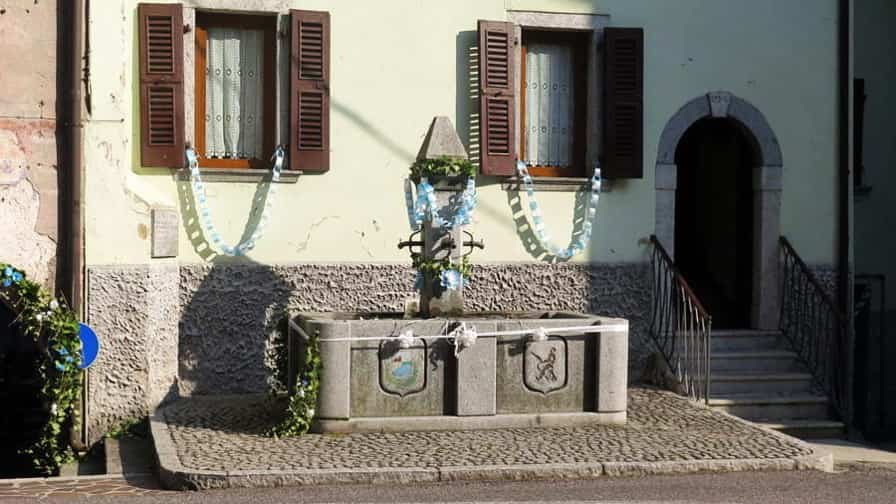
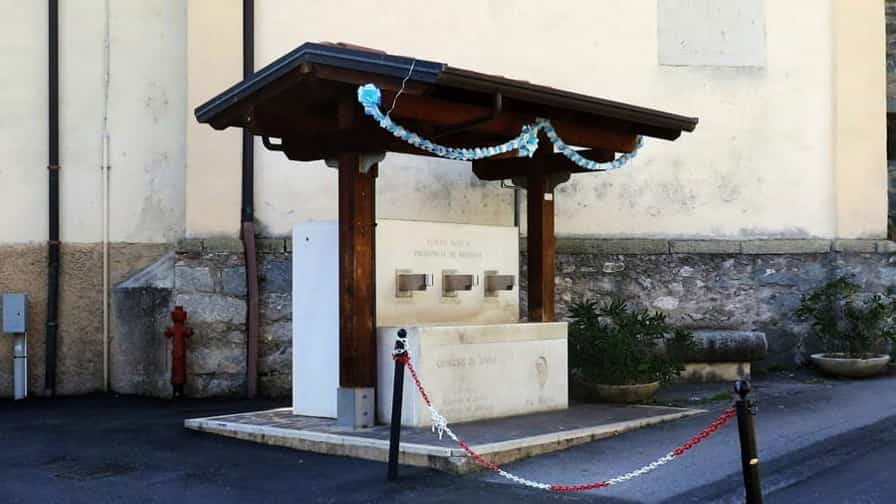
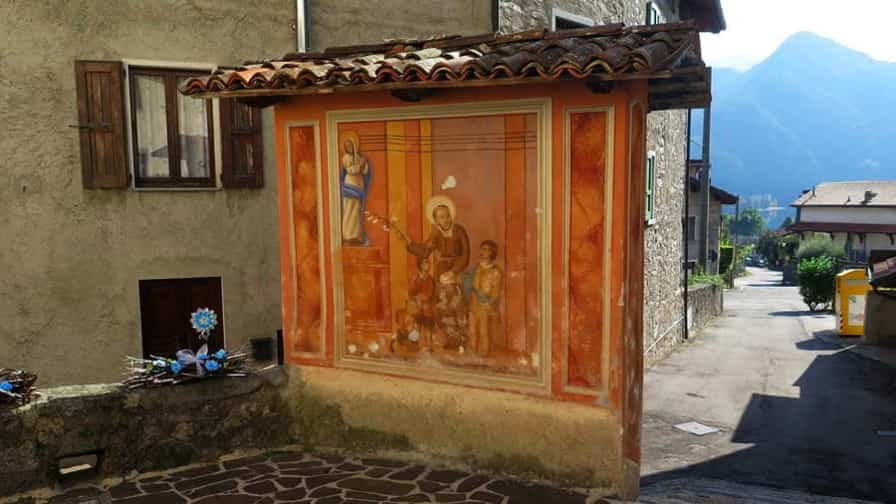
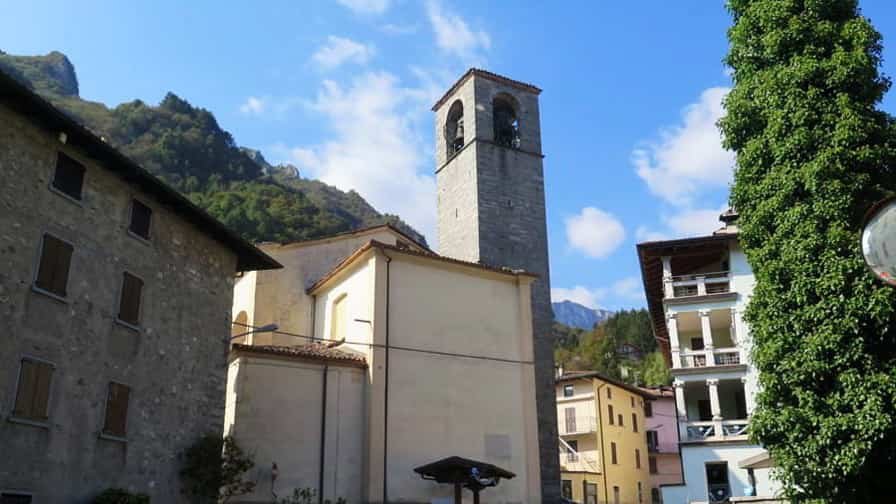
Anfo
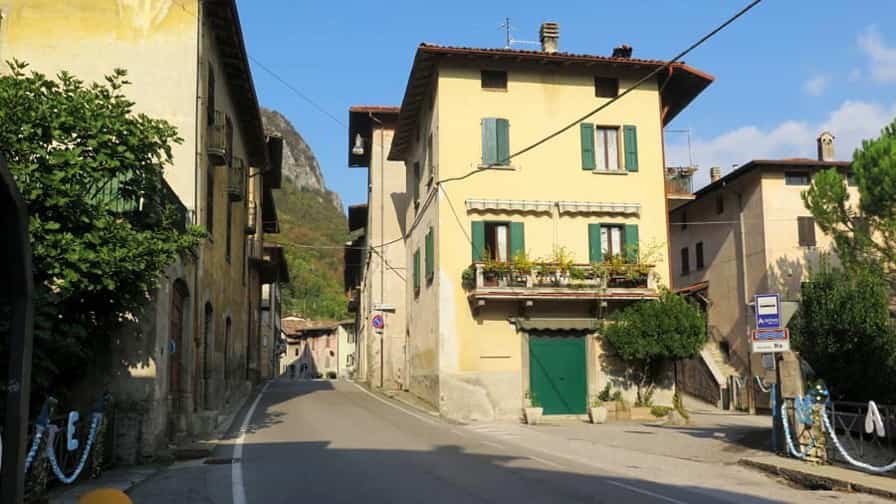
Brescia
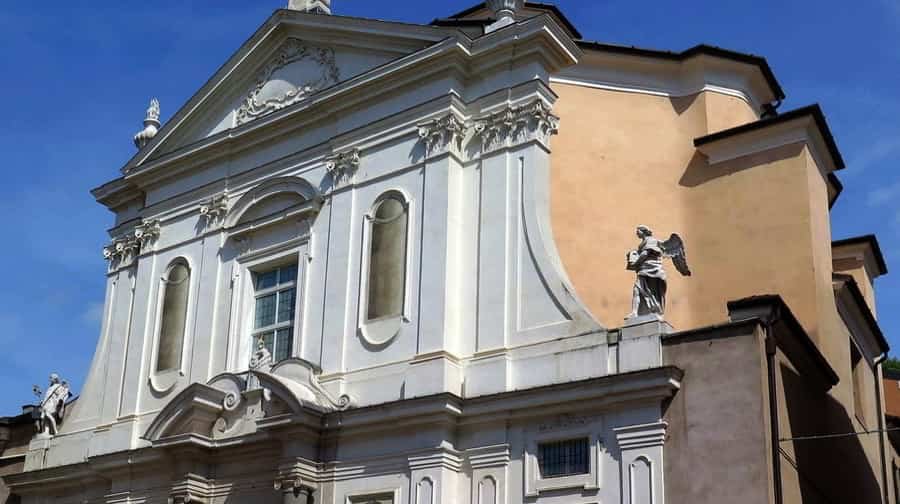
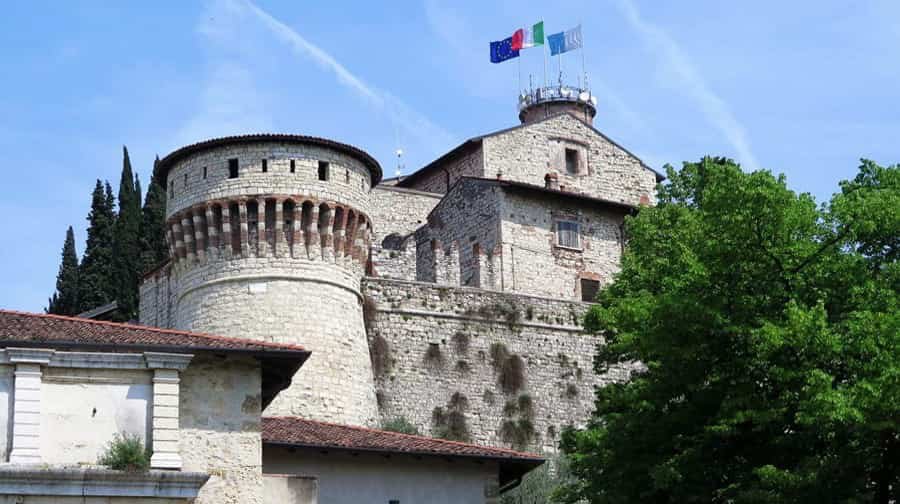
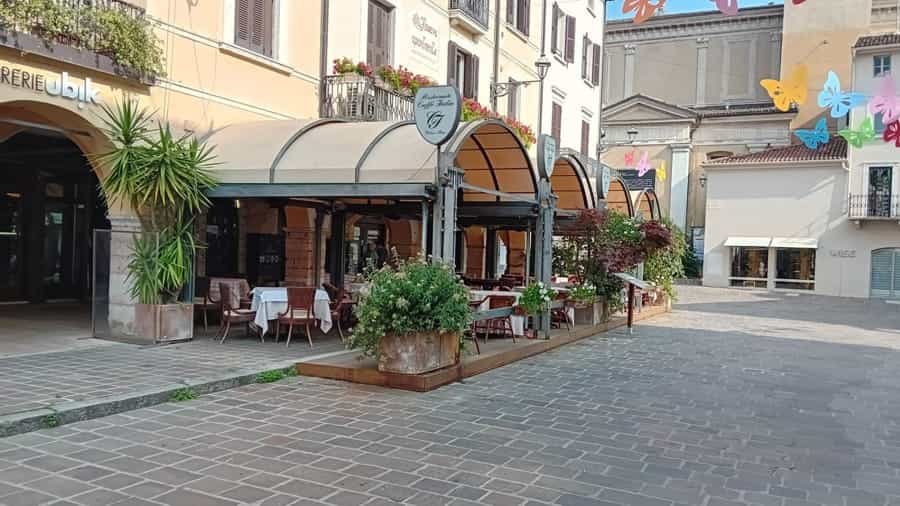
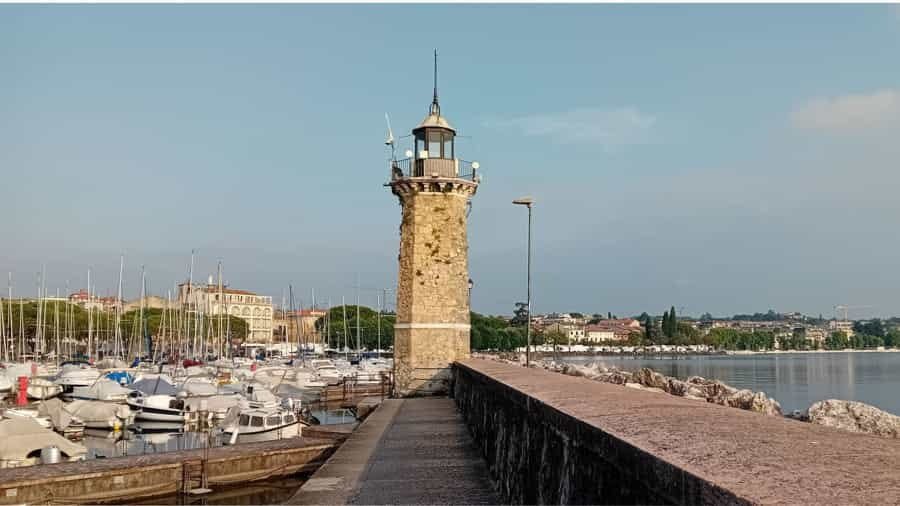
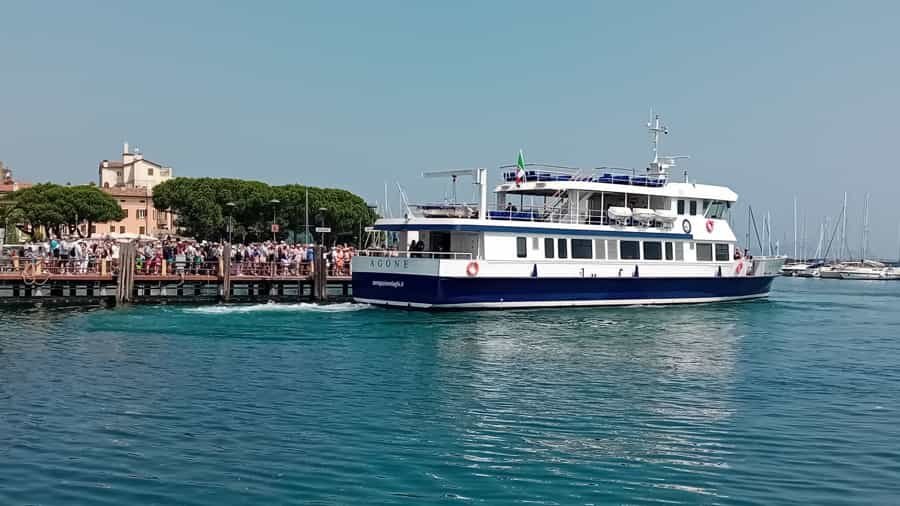
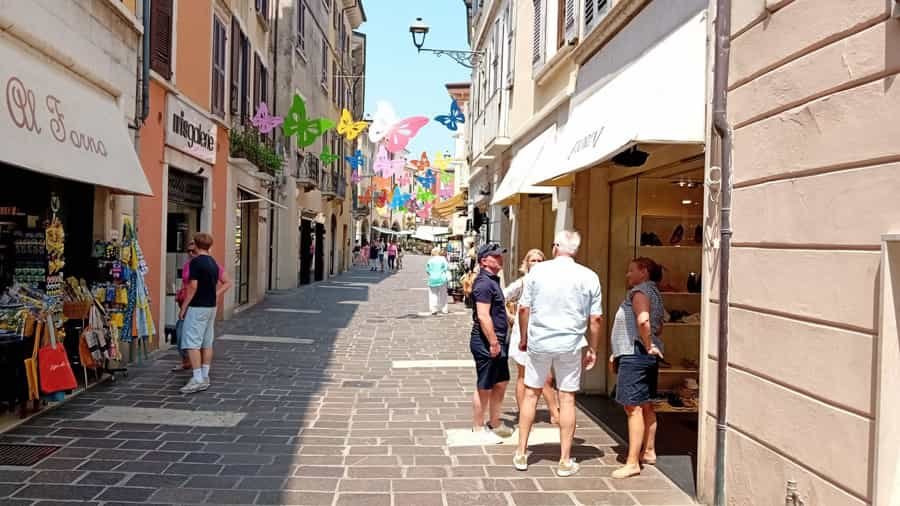
Desenzano del Garda
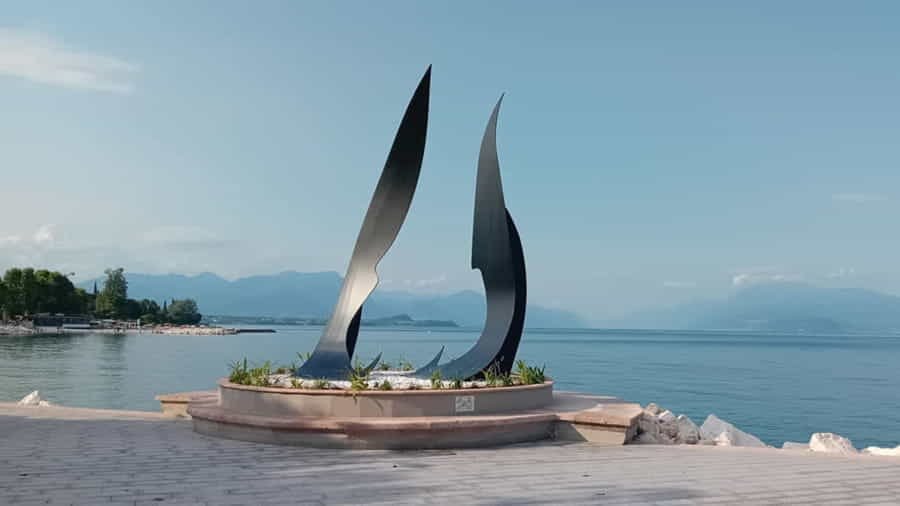
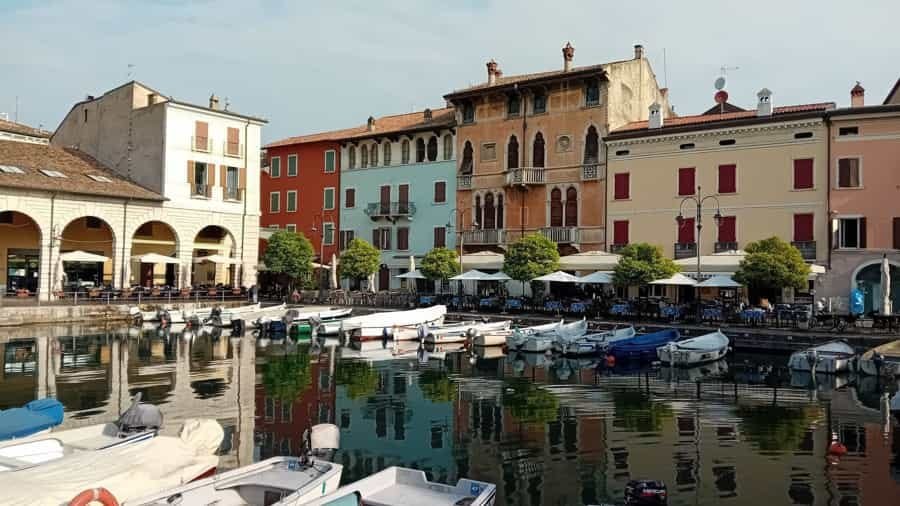
Gargnano
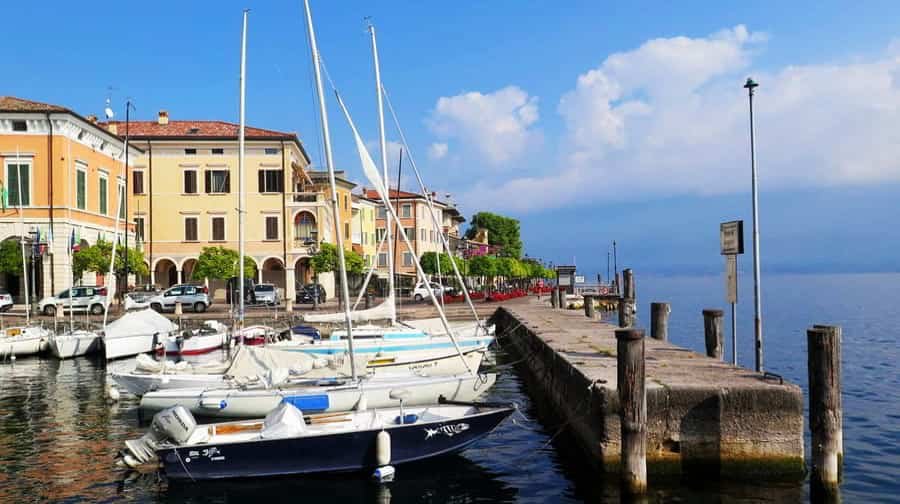
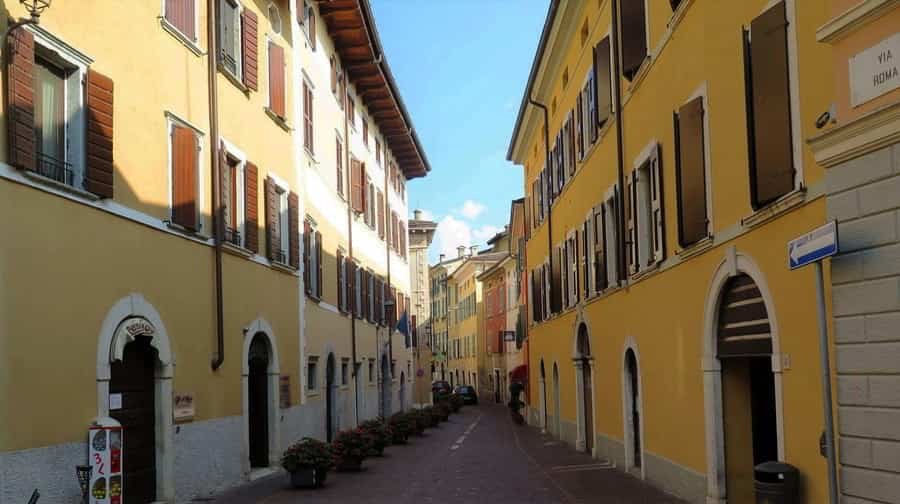
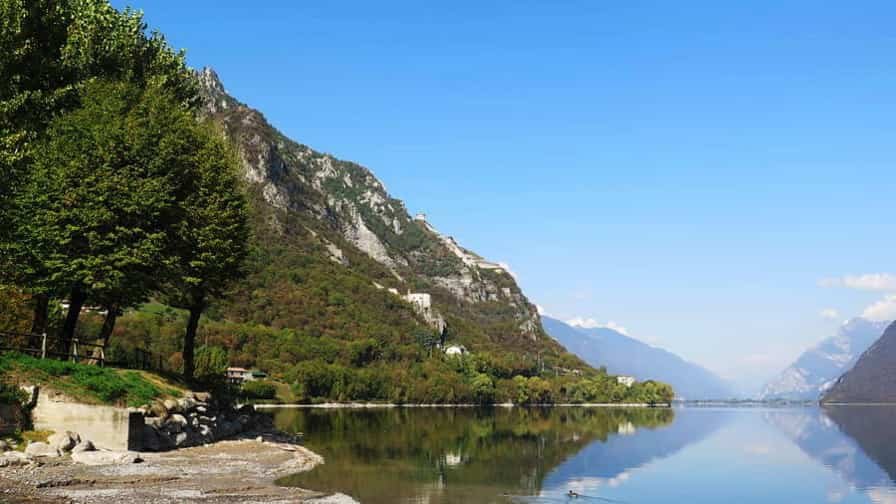
Idro
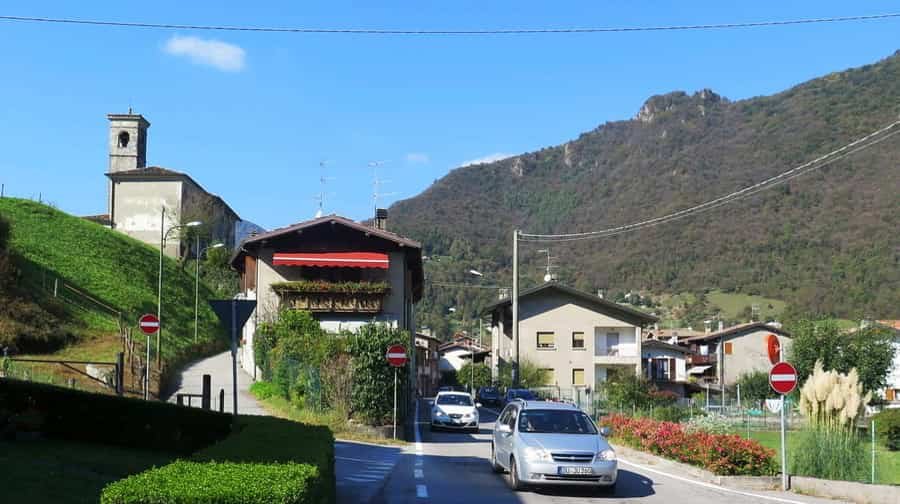
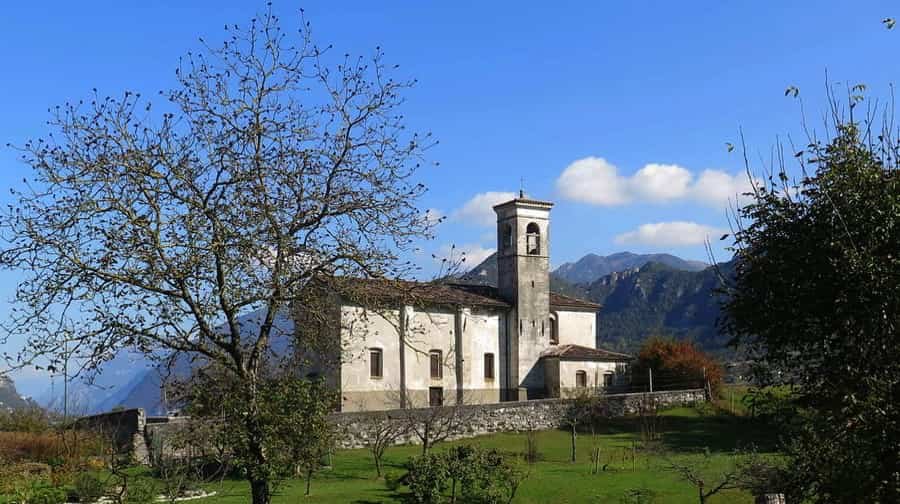
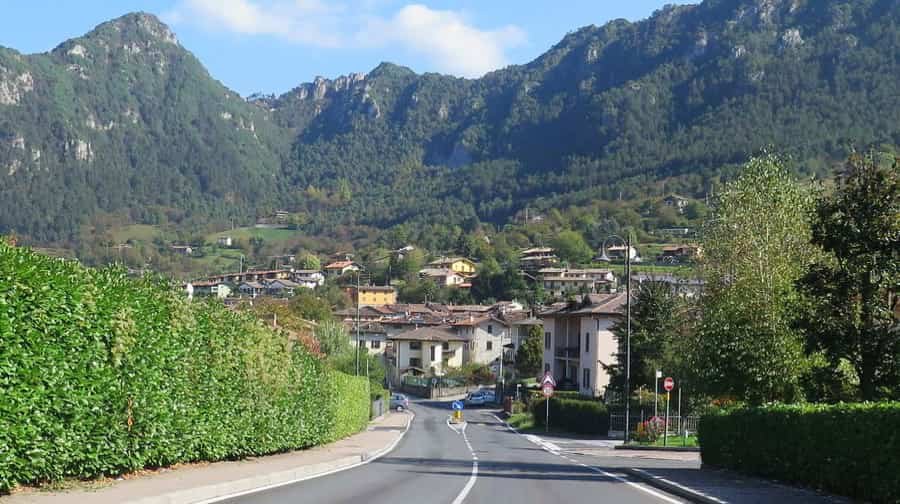
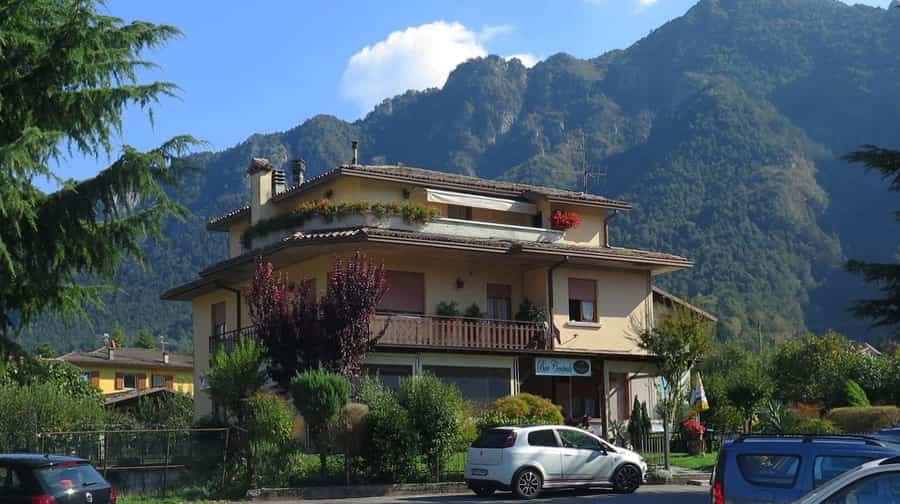
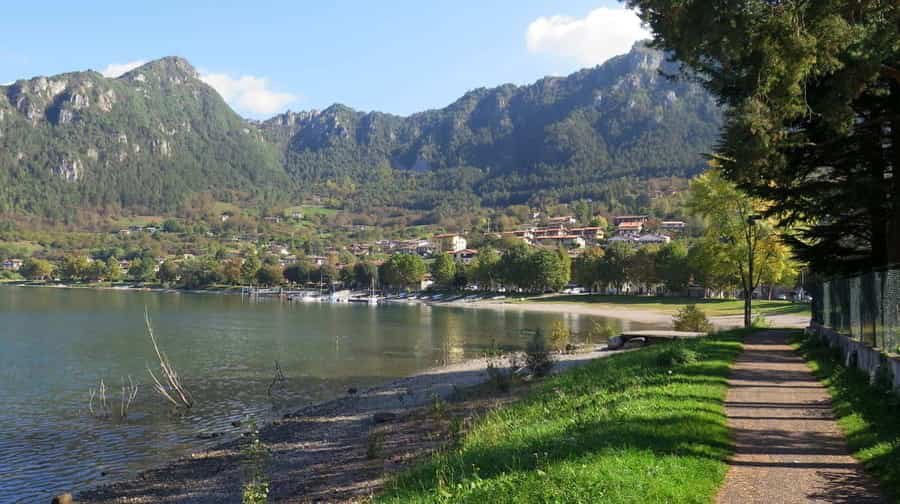
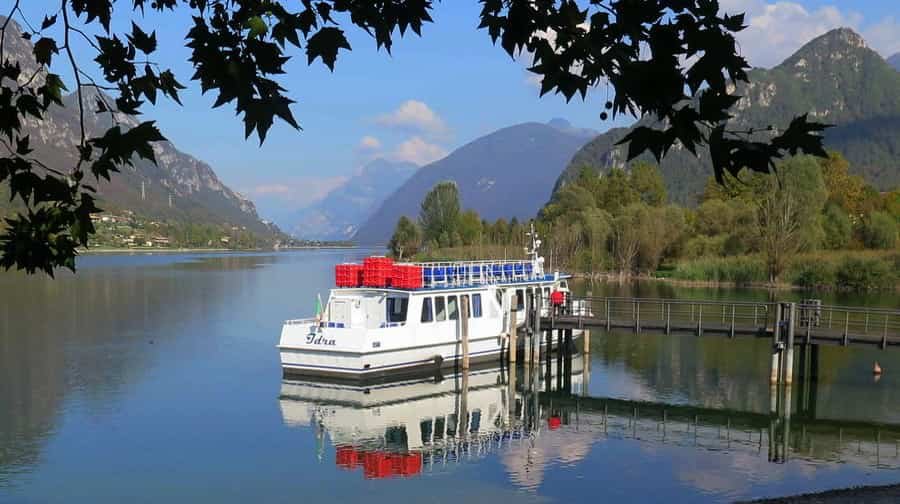
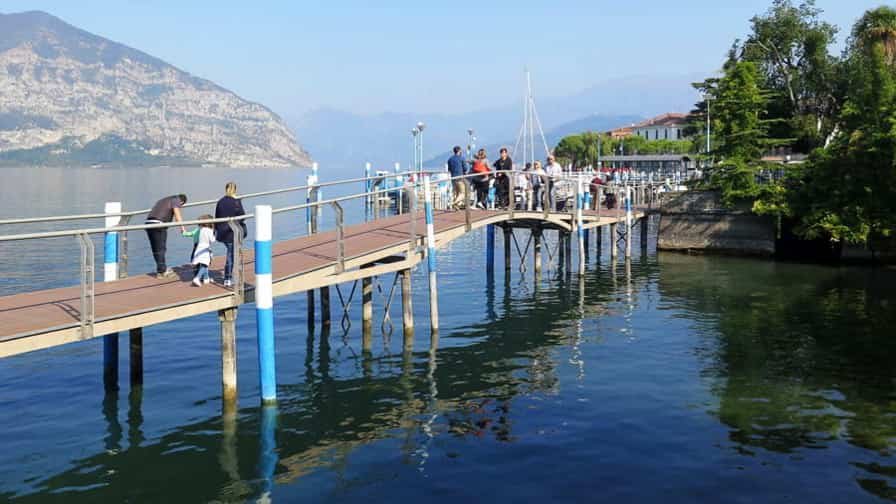
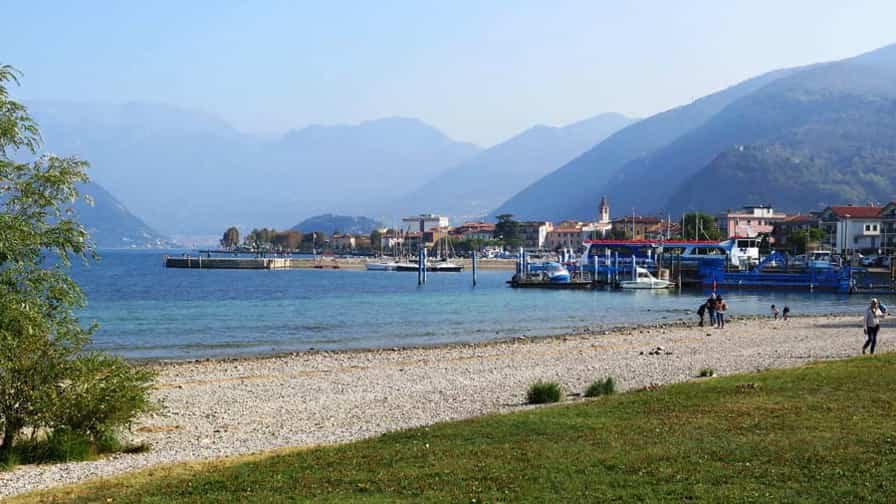
Iseo
Limone Sul Garda
Moniga del Garda
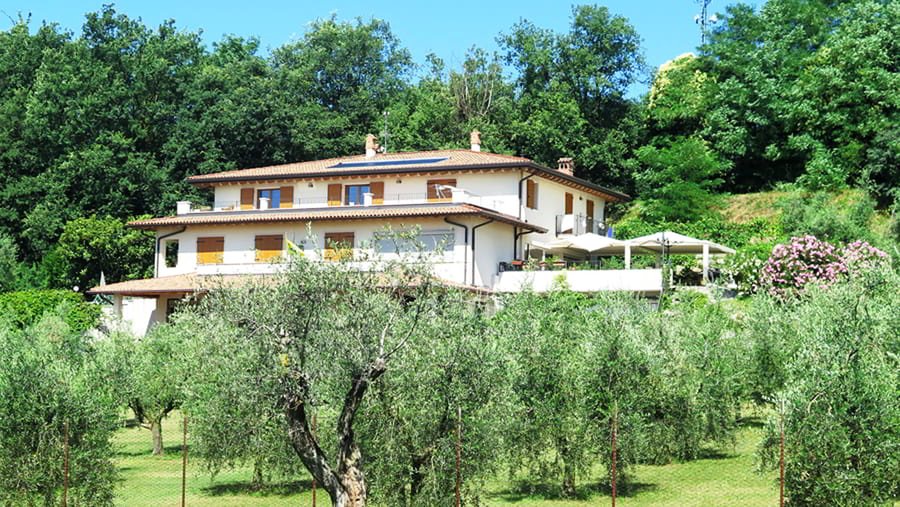
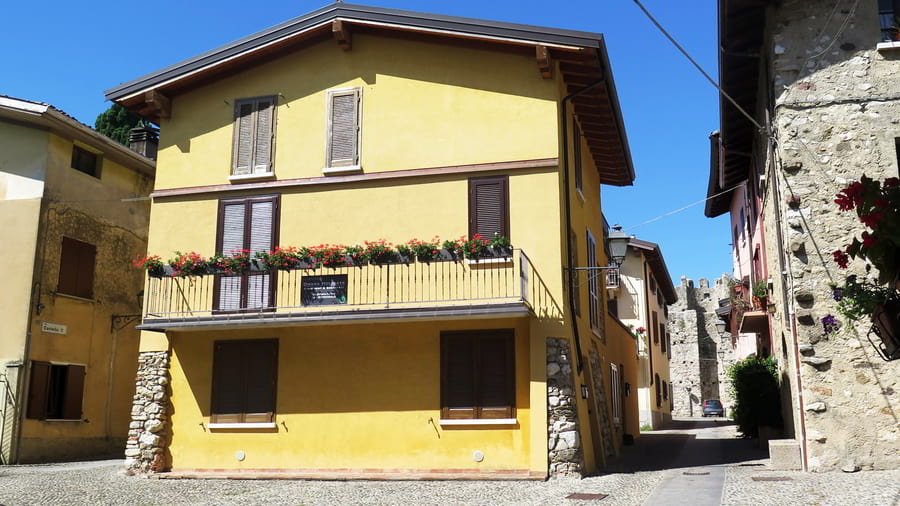
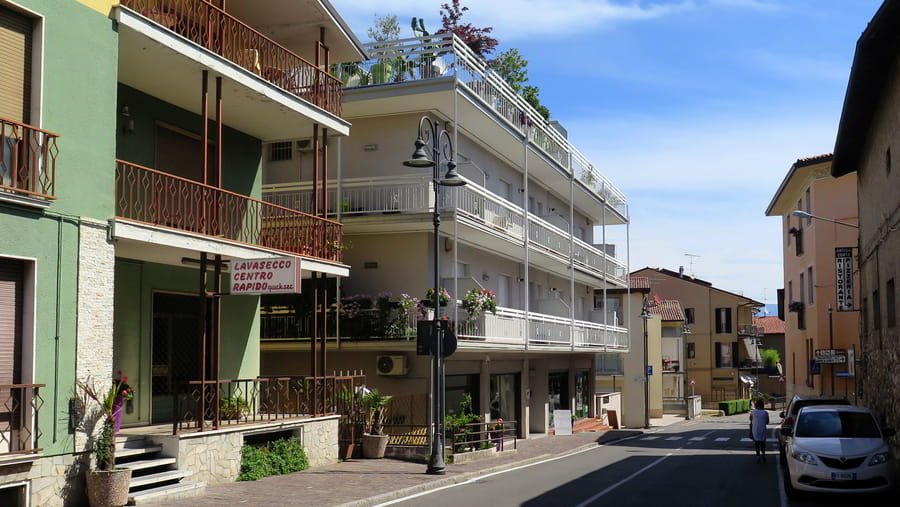
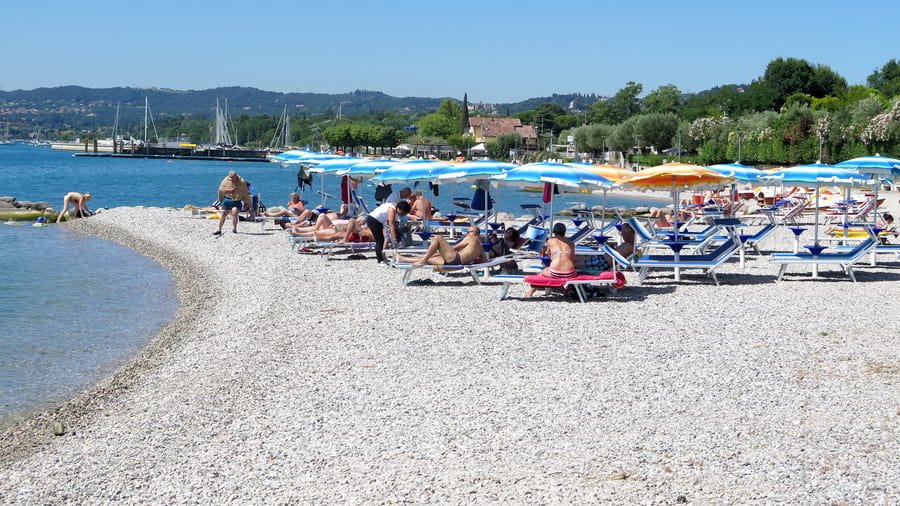
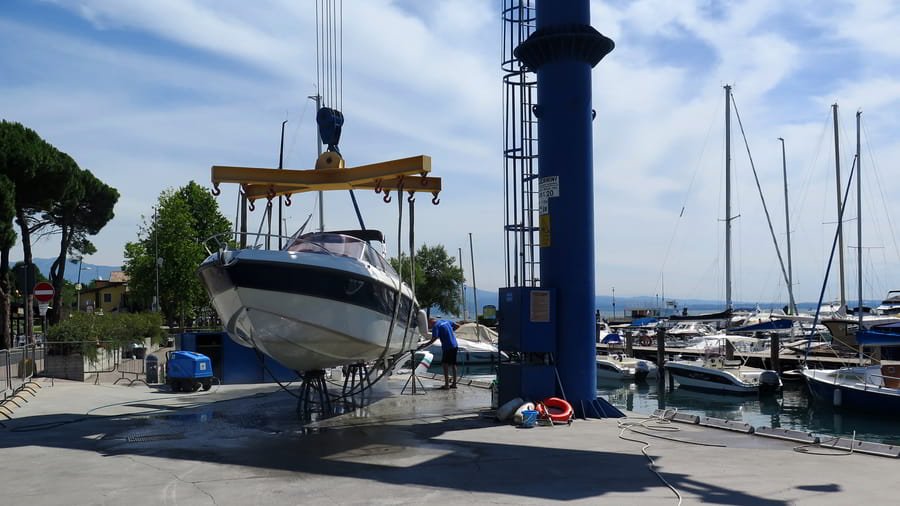
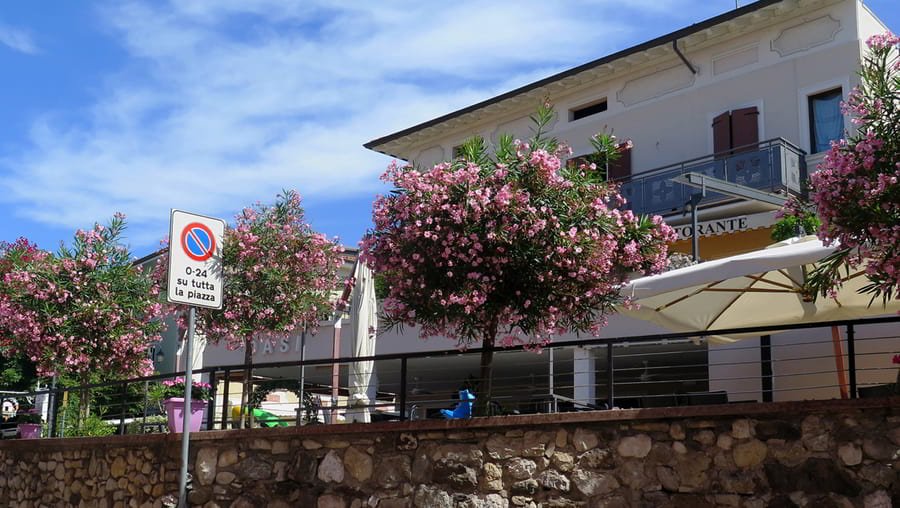
Padenghe Sul Garda
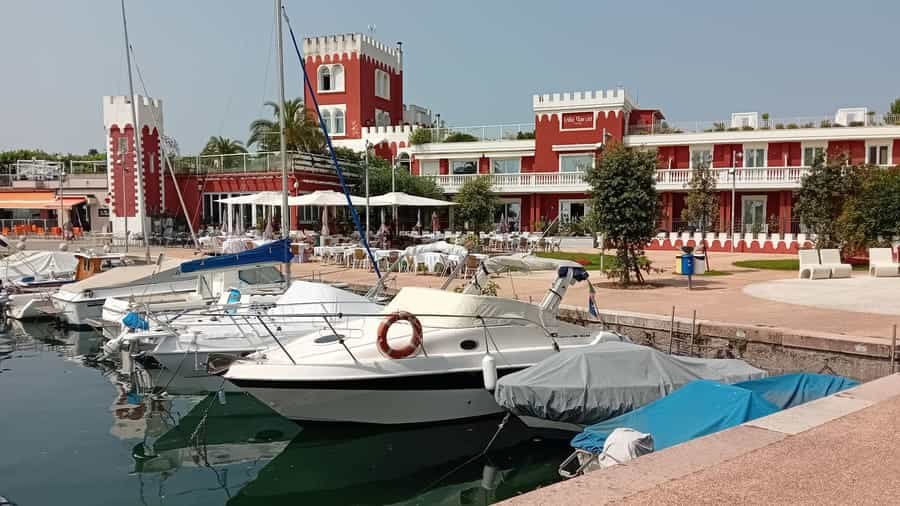
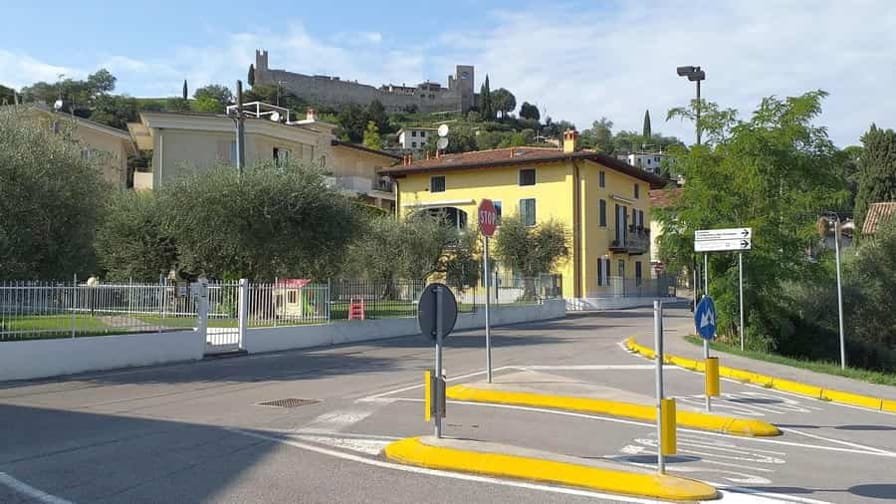


Salò


Sirmione


Toscolano Maderno
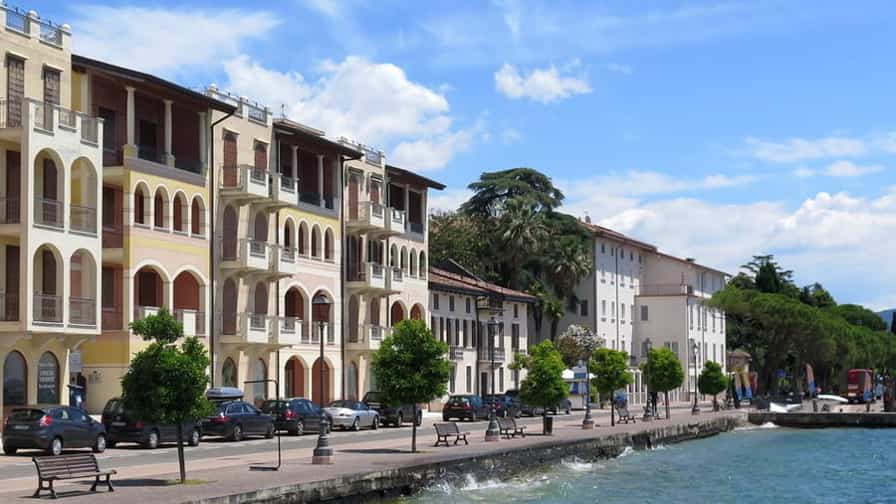
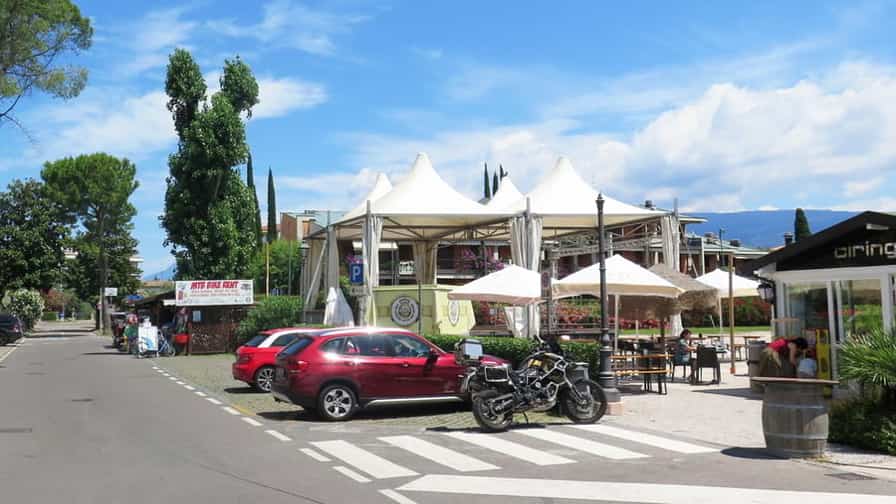
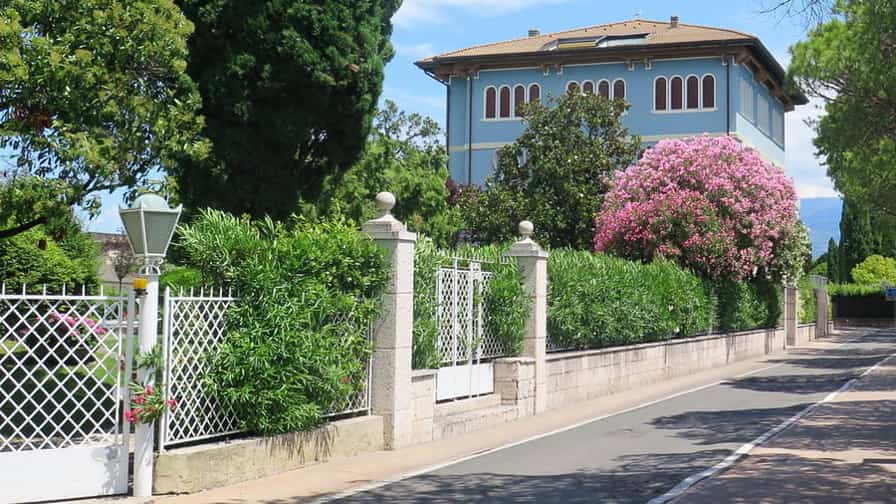
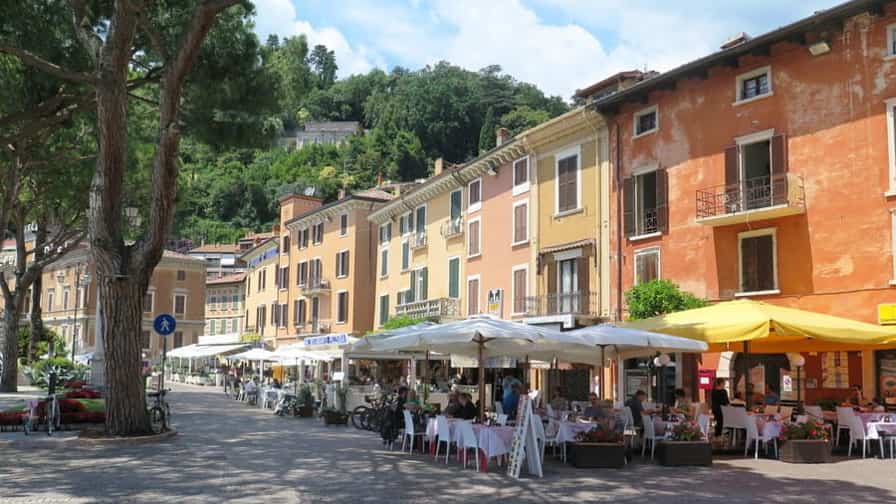
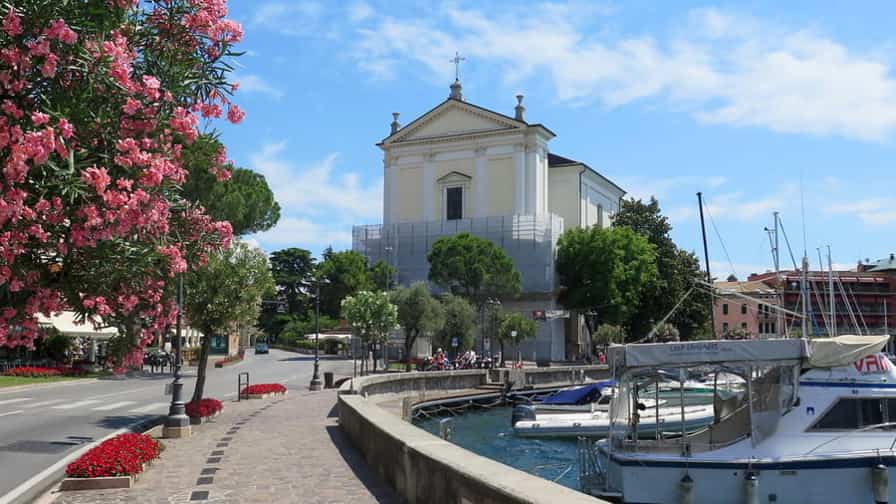
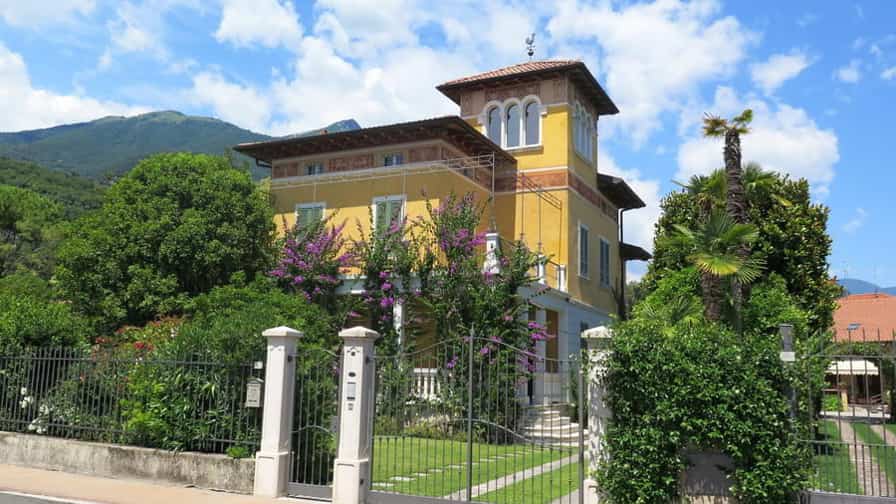
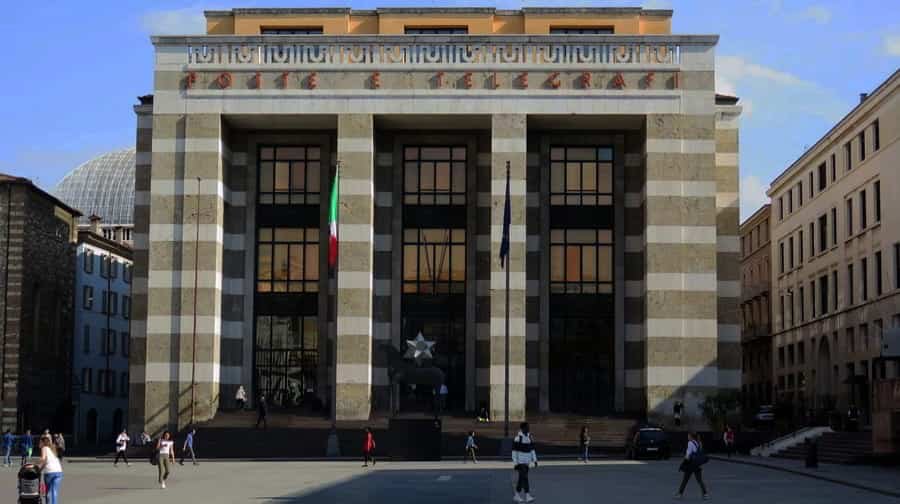
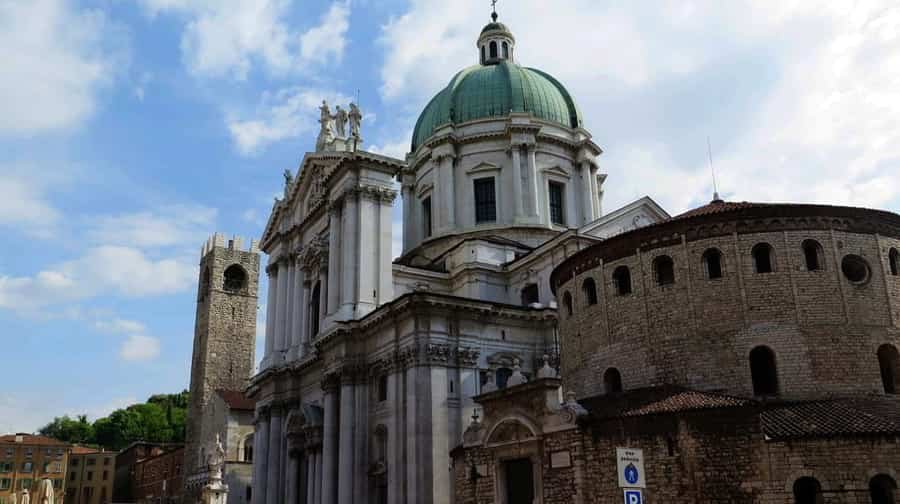
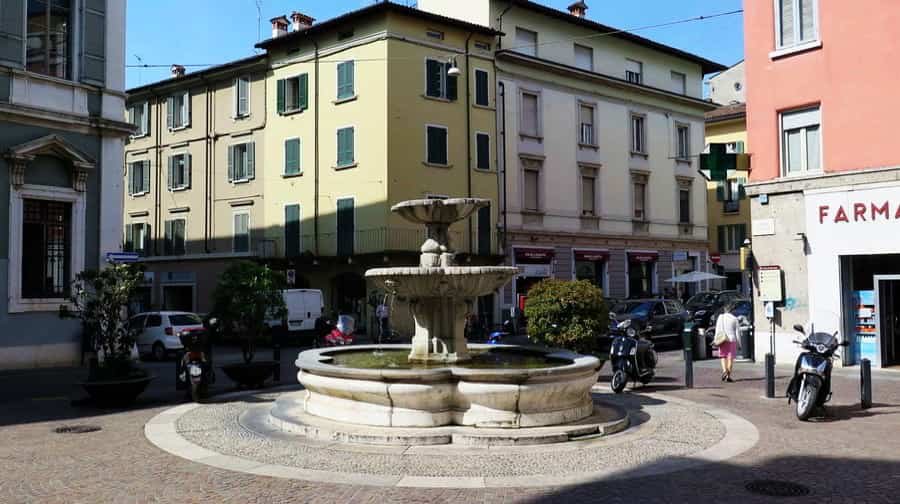
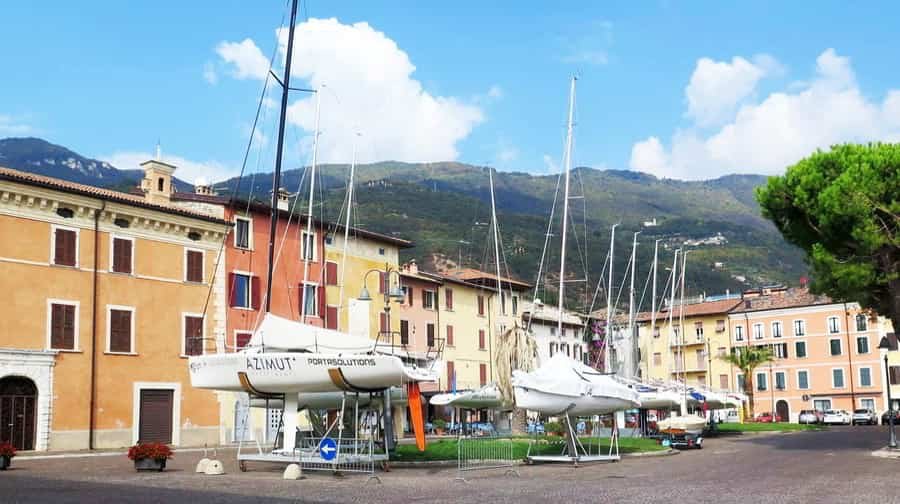
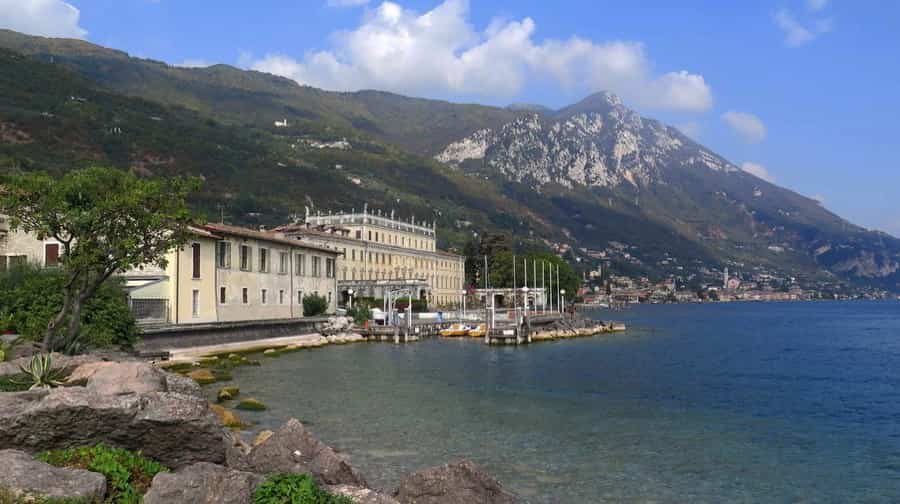
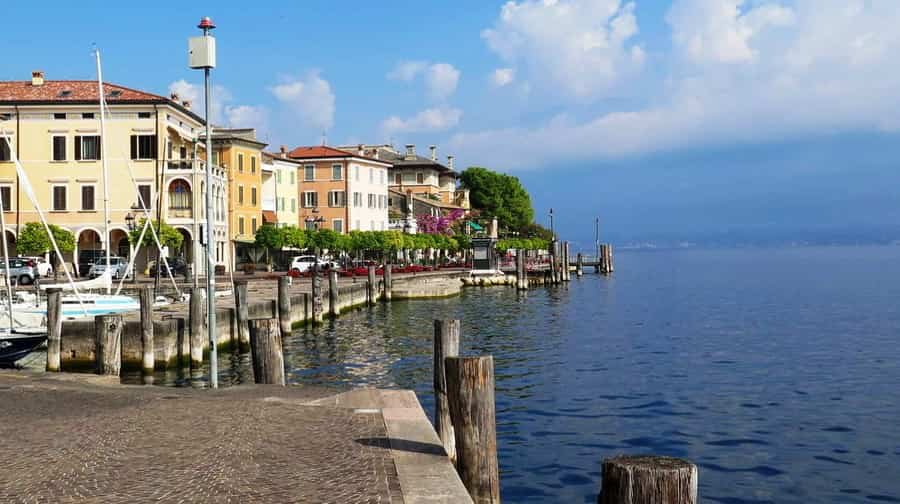
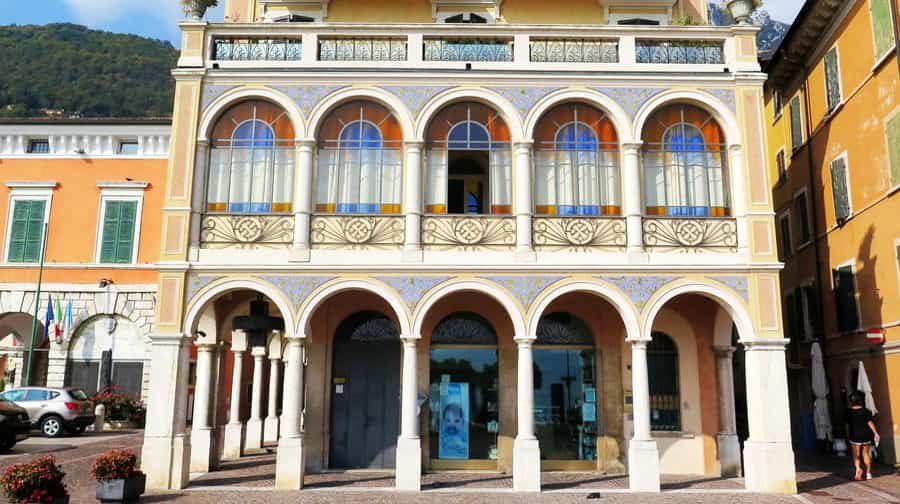
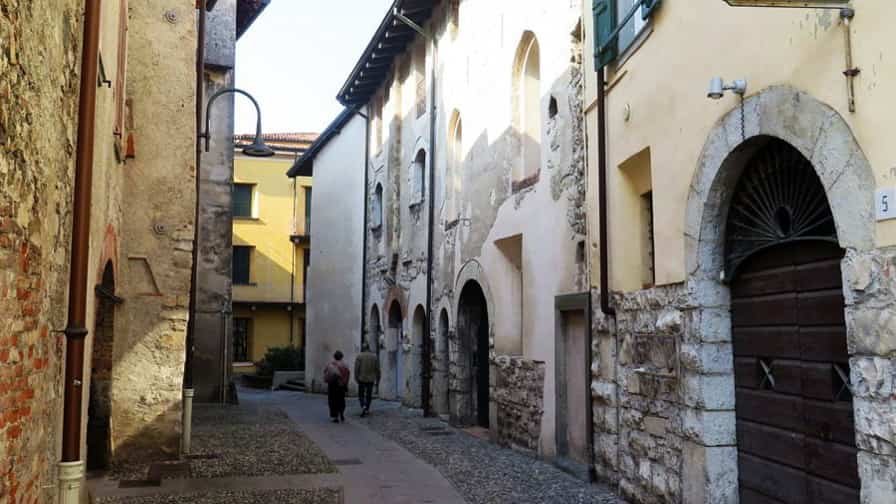
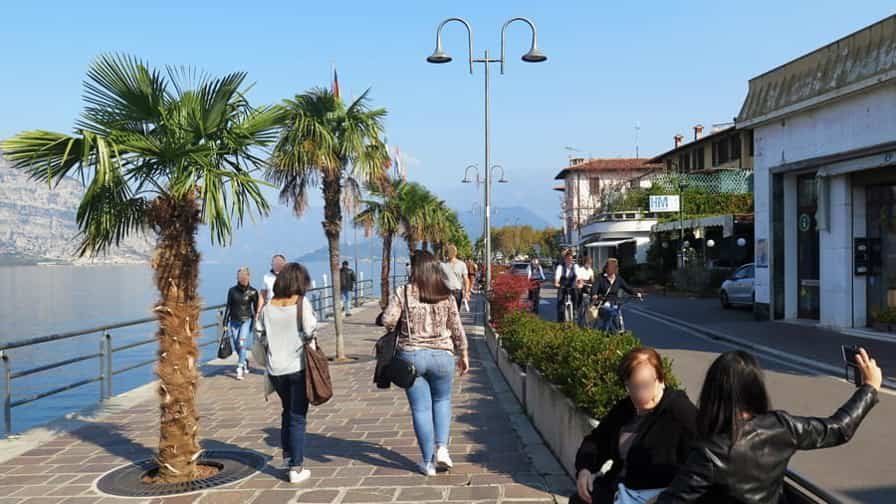
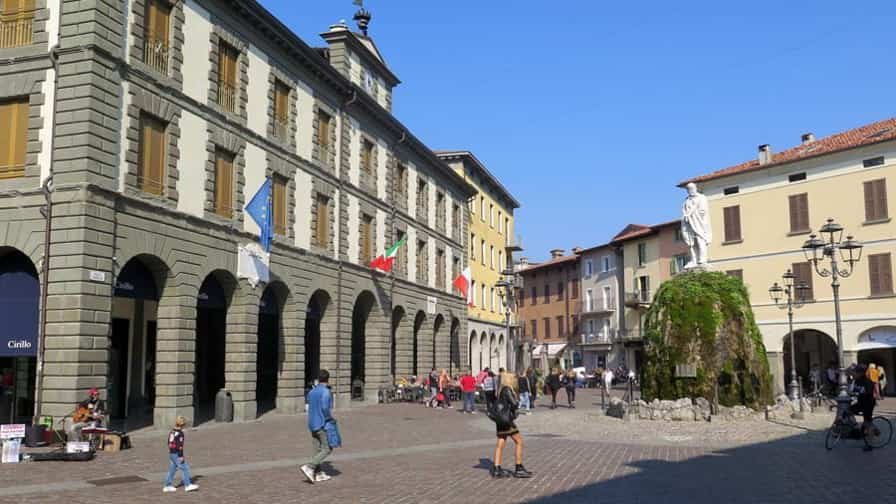
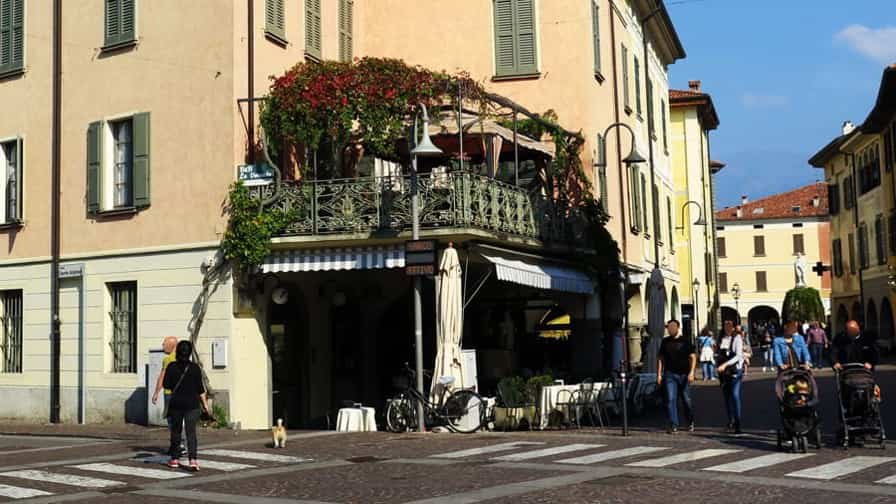
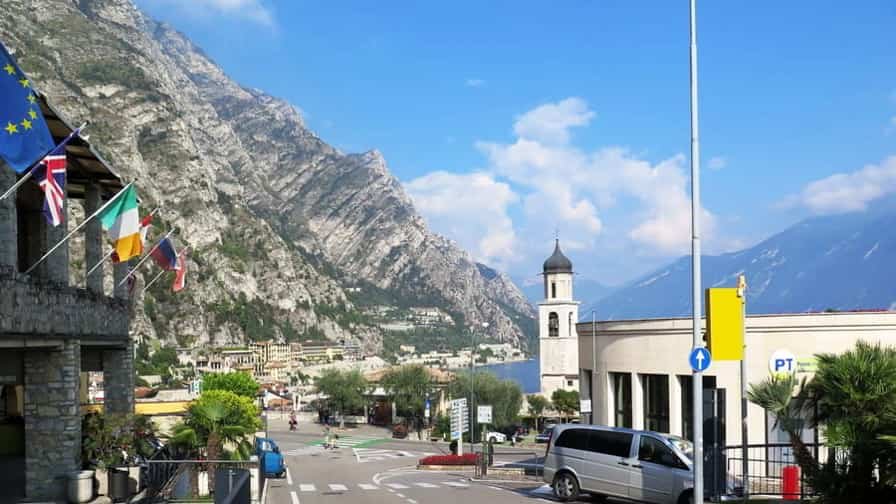
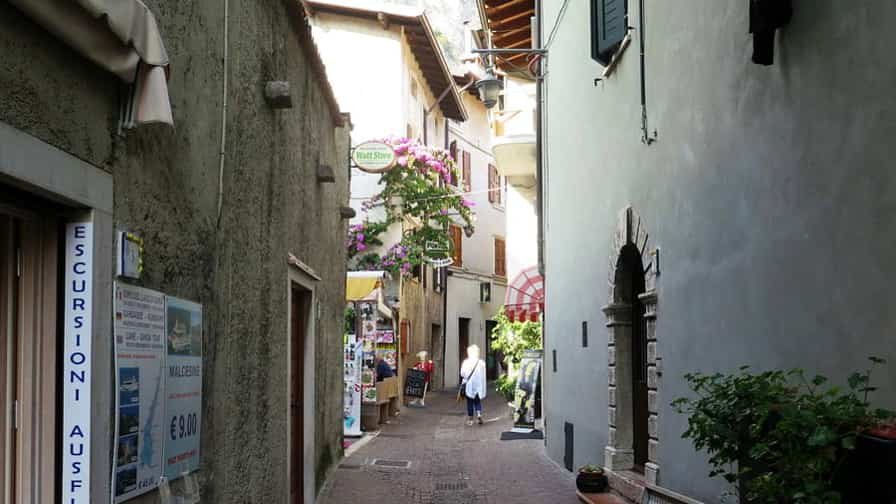
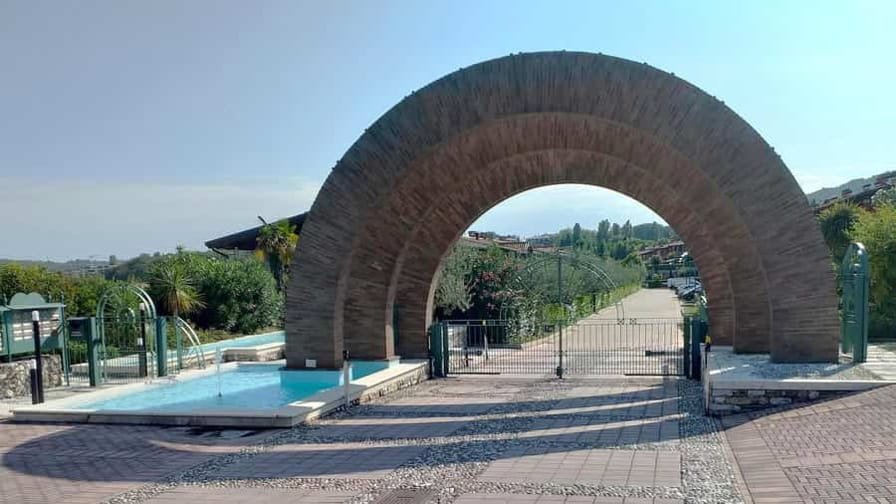
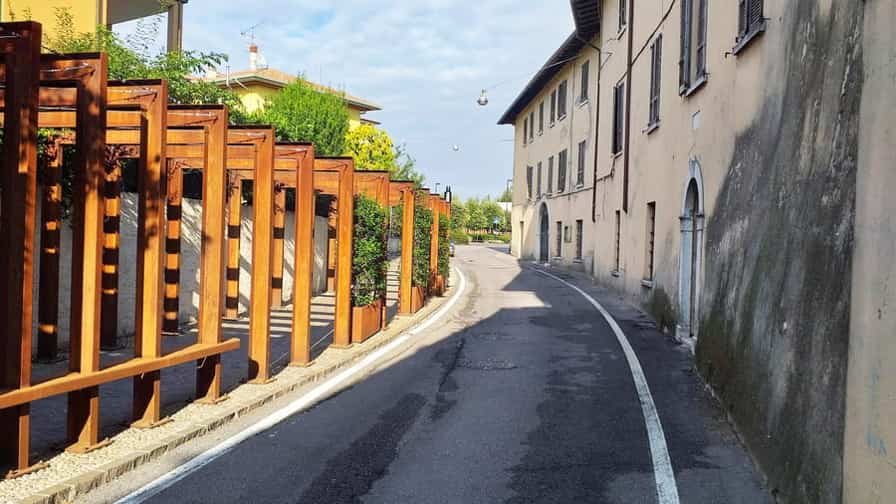
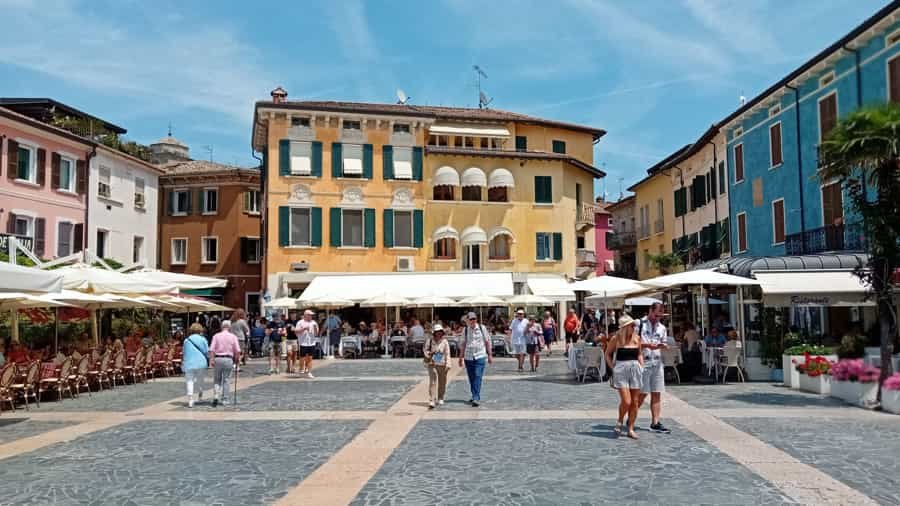
The Province of Brescia is one of the largest and most diverse provinces in the region of Lombardy, distinguished by its rich history, varied landscapes, and strong local identity. Located in eastern Lombardy, it stretches from the fertile plains of the Po Valley to the Alpine peaks along the border with Trentino and Switzerland, encompassing an extraordinary range of natural and cultural environments. This geographic diversity has shaped the province’s economy, traditions, and way of life over centuries.
Brescia’s province is home to several renowned lakes, including the eastern shores of Lake Garda, Lake Iseo, and Lake Idro, which attract visitors with their scenic beauty, mild climates, and historic towns. Mountain valleys such as Val Camonica, famous for its prehistoric rock engravings, offer dramatic landscapes and deep cultural significance. These natural areas coexist with productive agricultural zones and thriving industrial districts, reflecting the province’s balanced development.
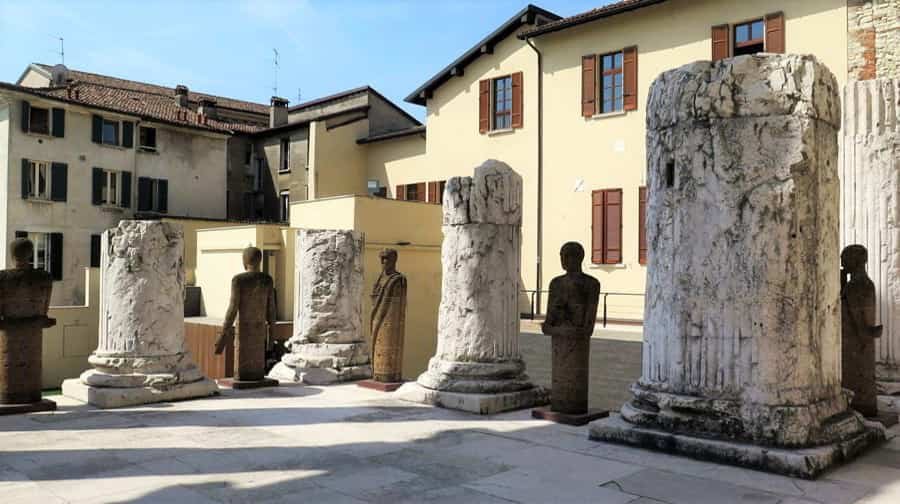
The province includes historic villages, Roman and medieval heritage sites, and vibrant towns that preserve local customs and craftsmanship. Agriculture, manufacturing, and tourism all play important roles in the provincial economy. With its combination of natural richness, historical depth, and economic vitality, the Province of Brescia represents a vital and dynamic component of Lombardy.
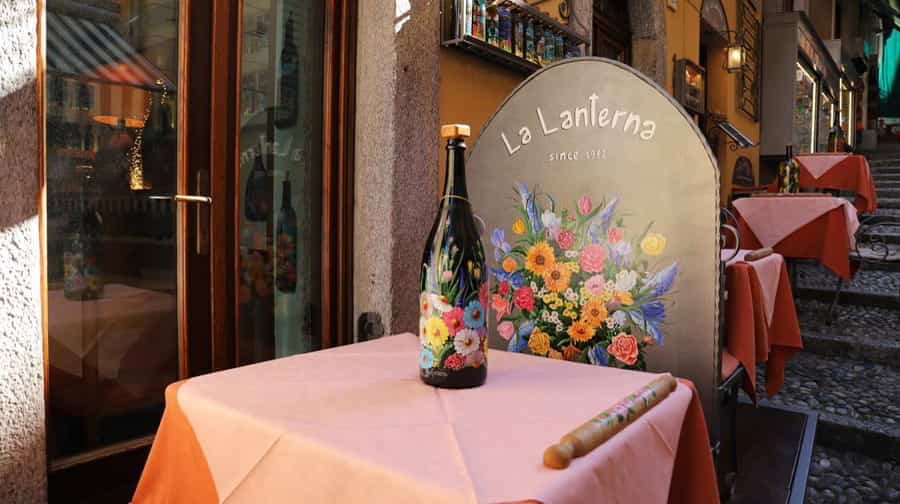
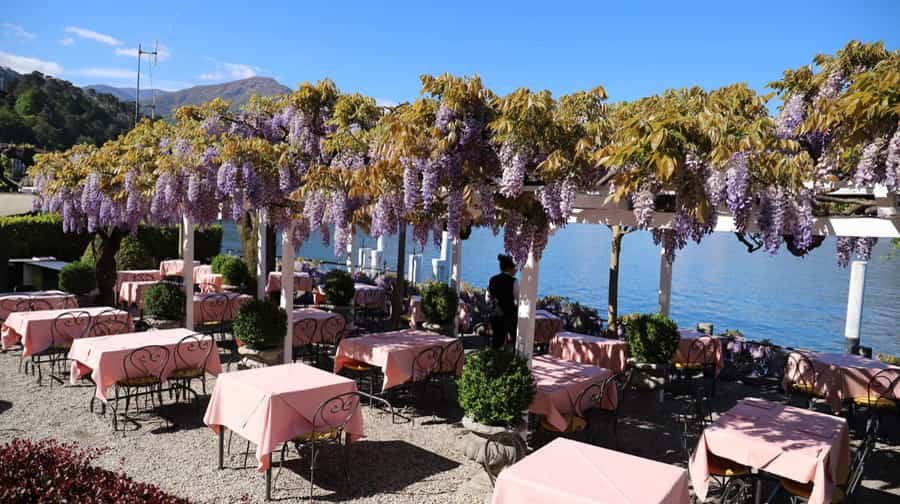
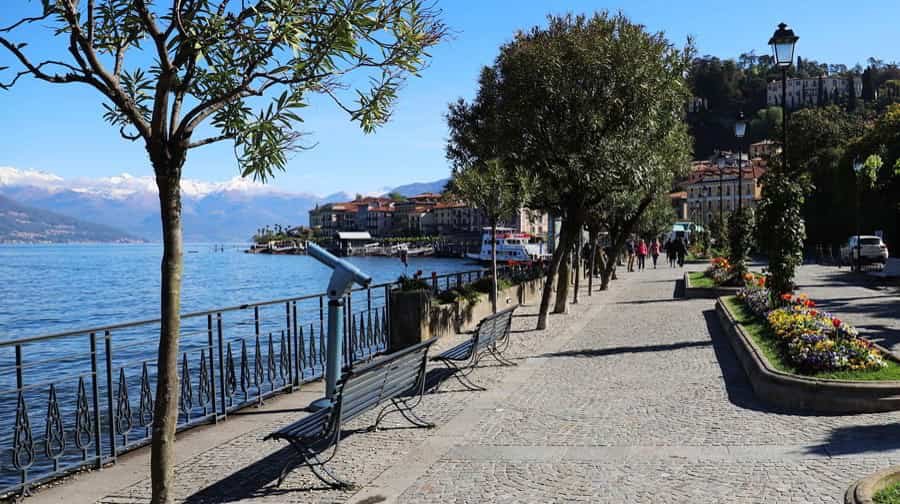
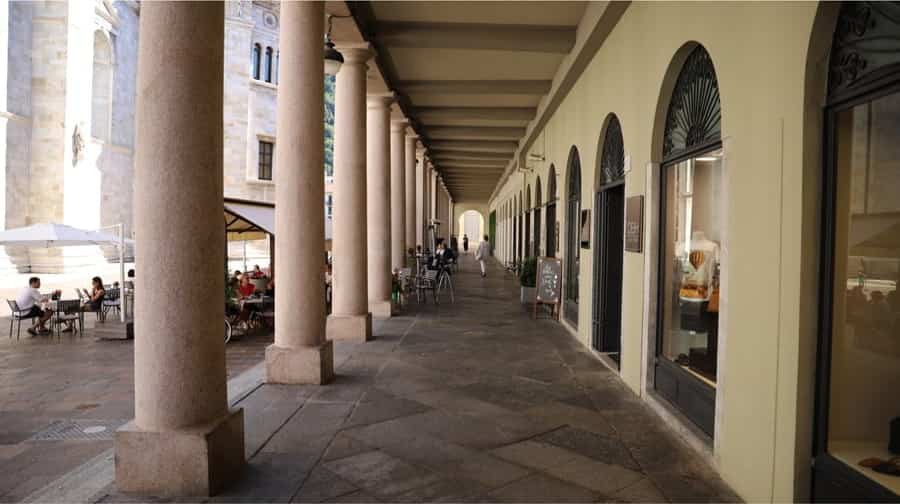
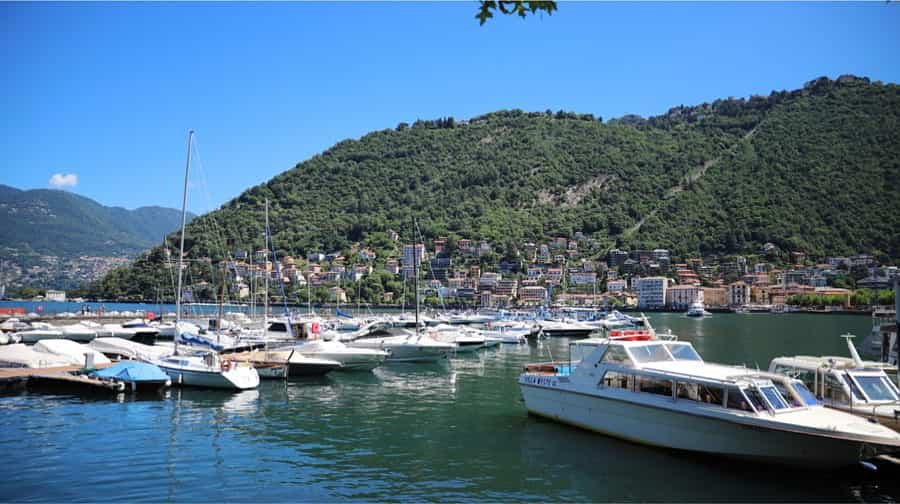
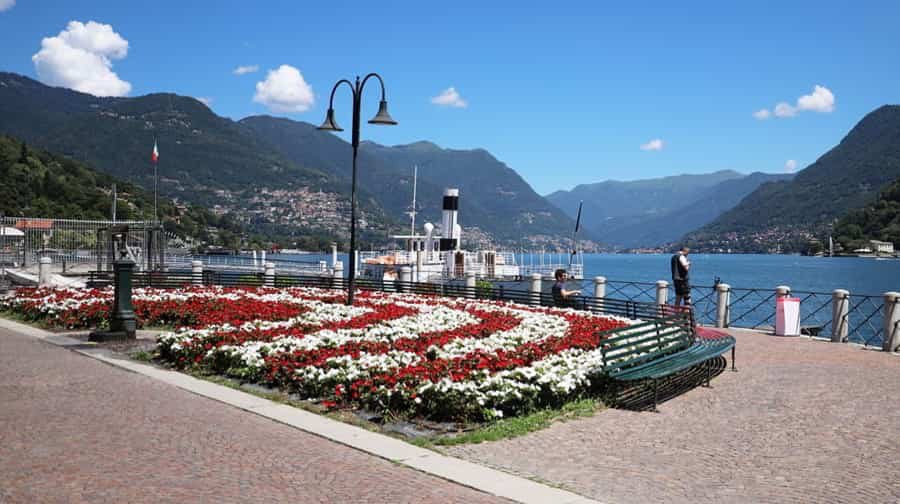
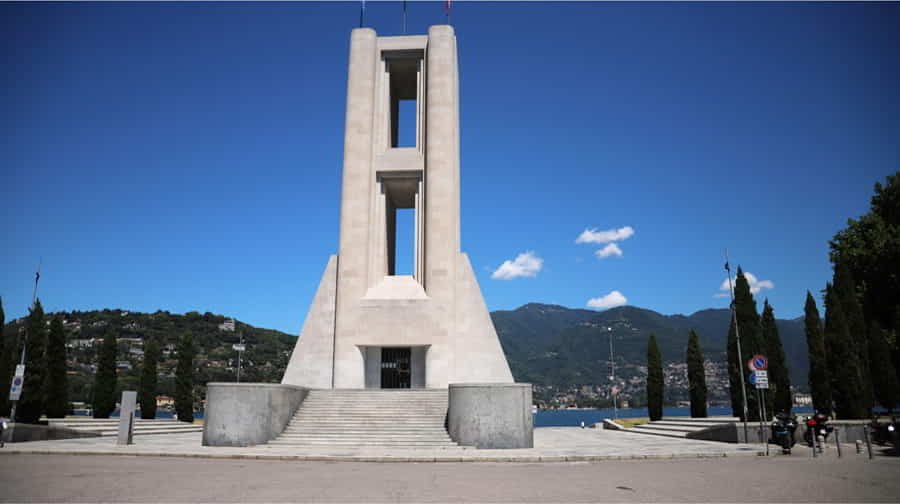
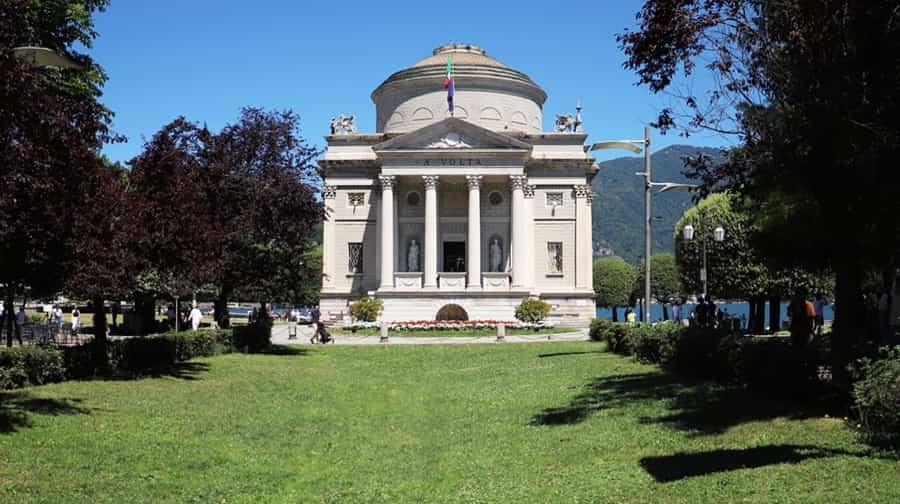
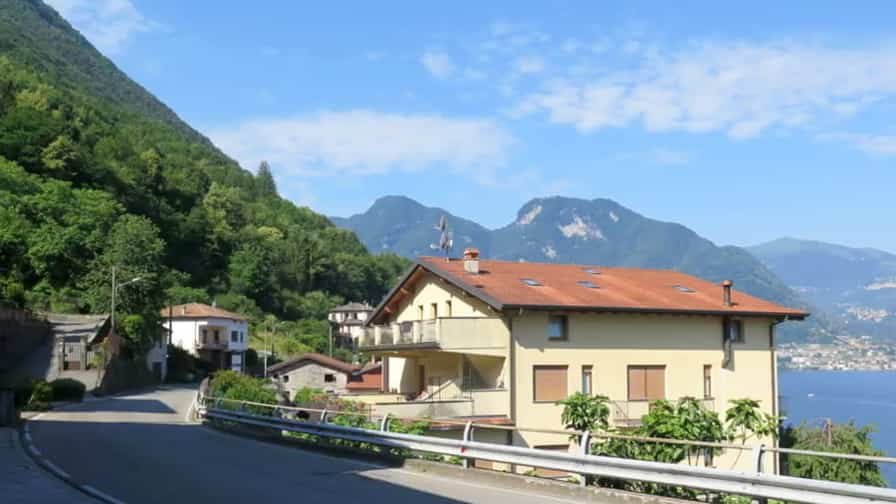
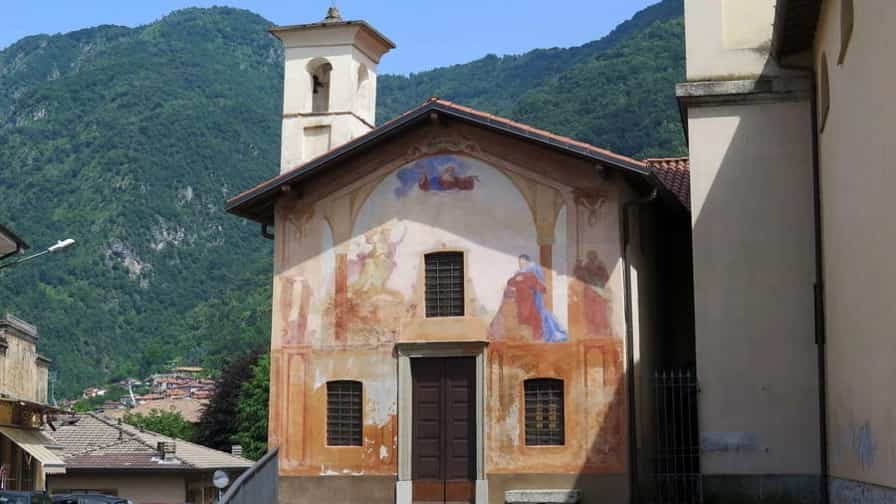
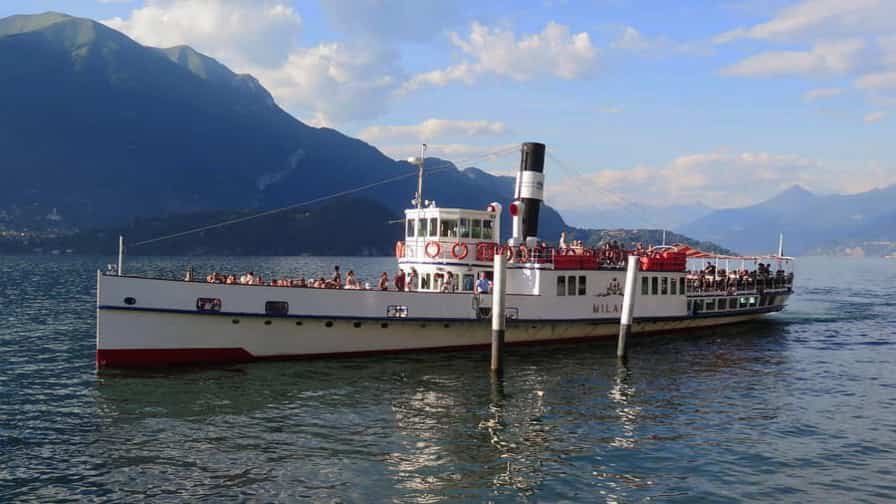
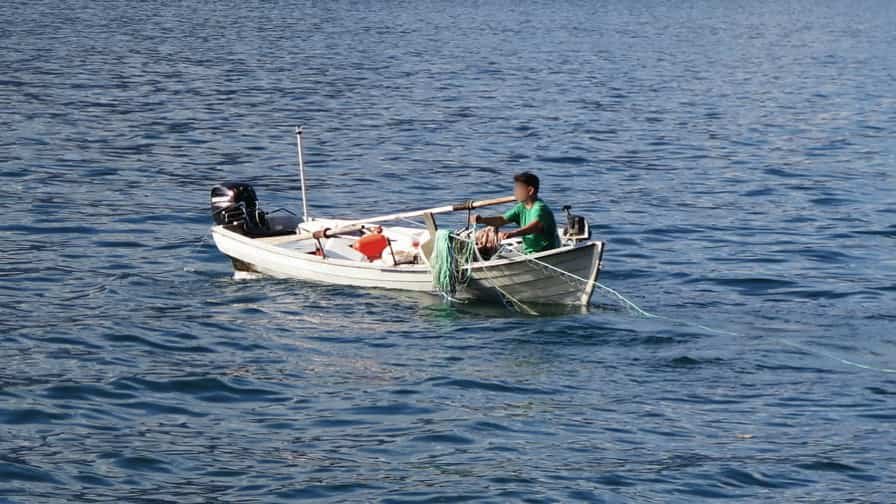
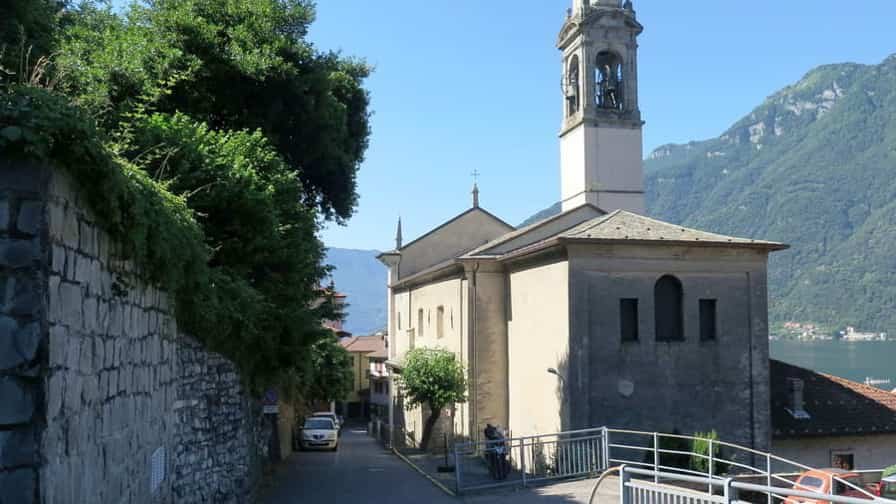
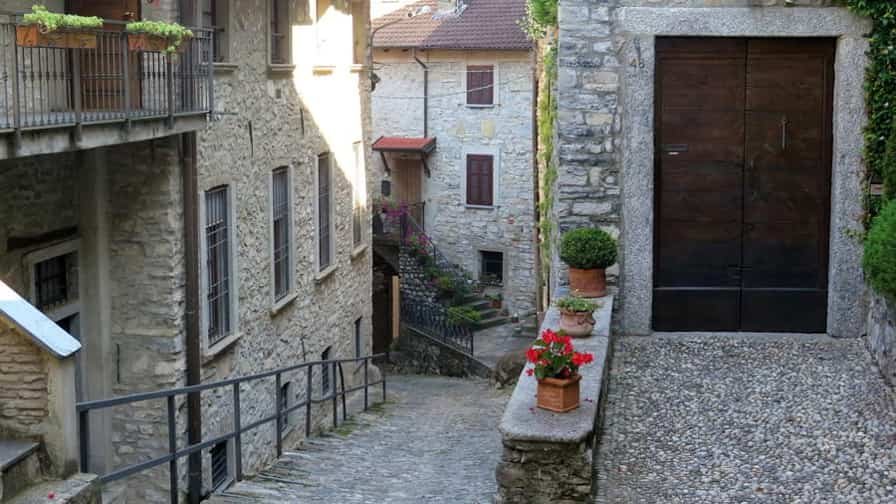
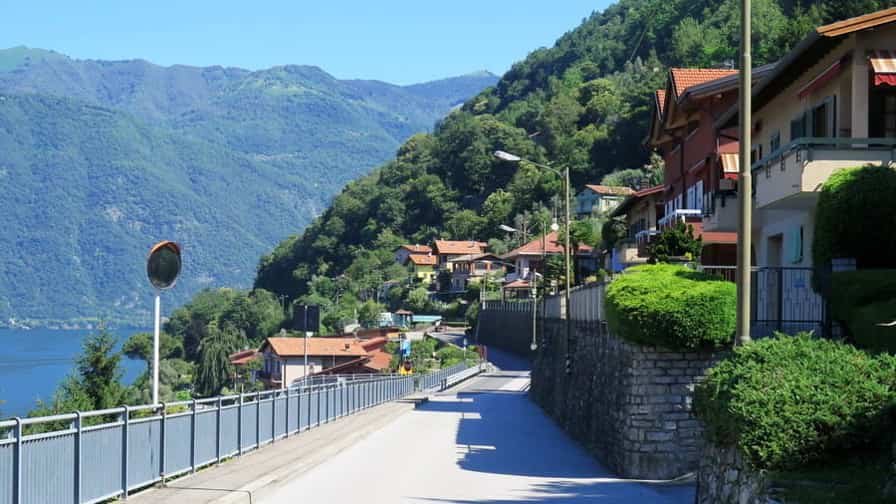
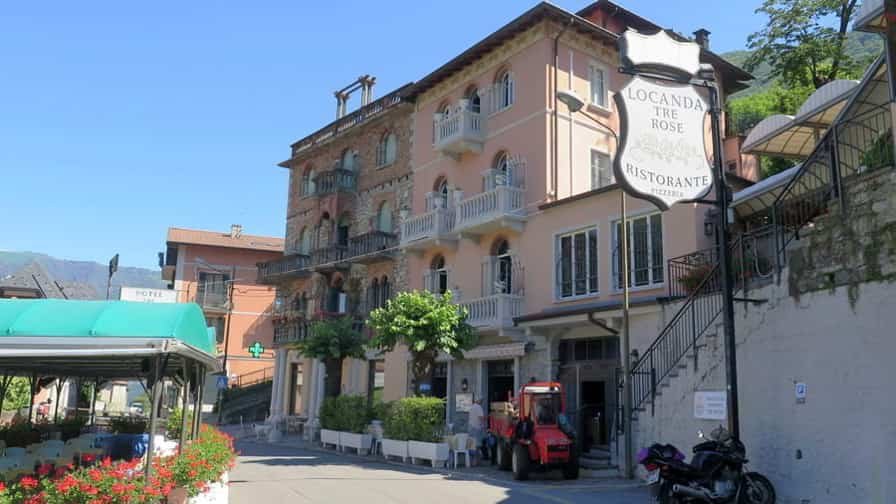
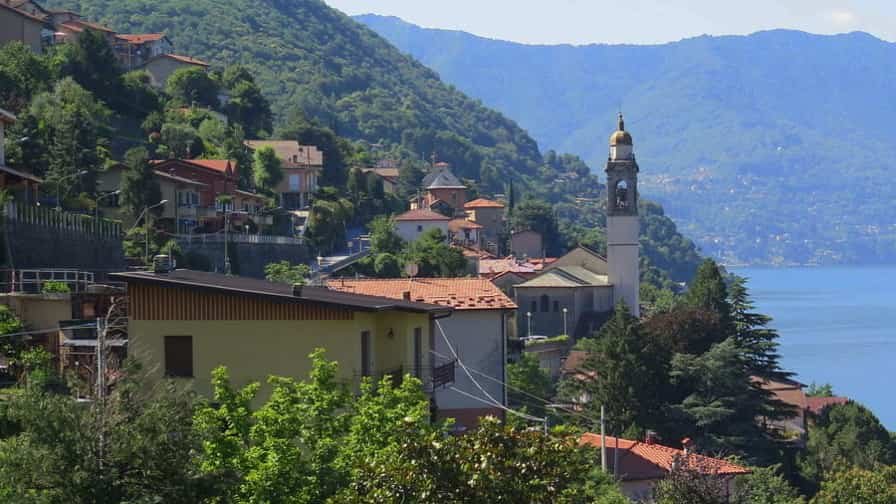
The Province of Como
Bellagio
Como
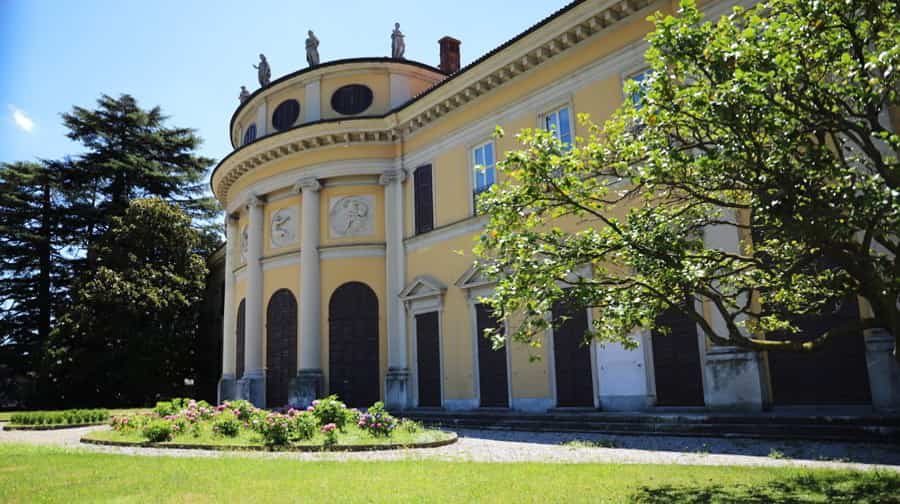
Lenno
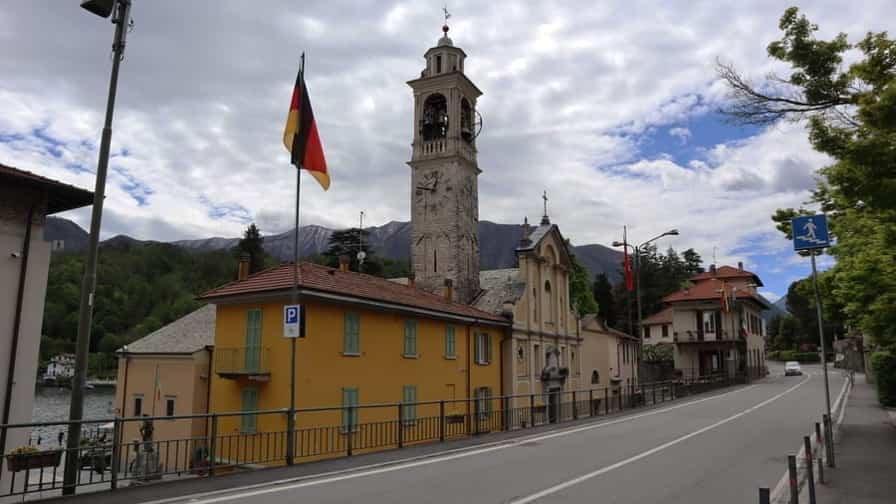
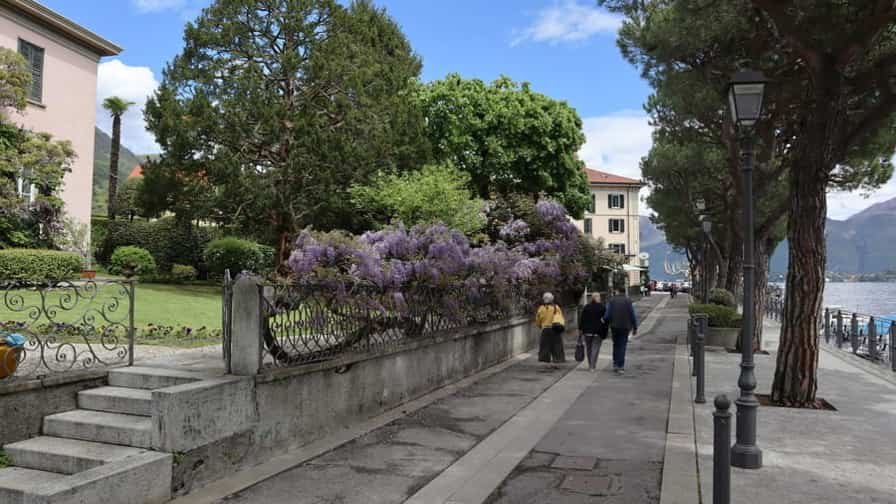
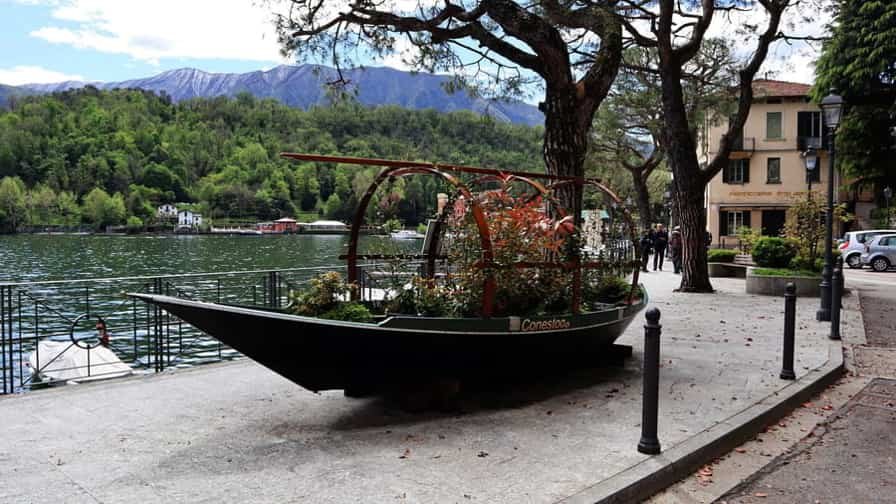
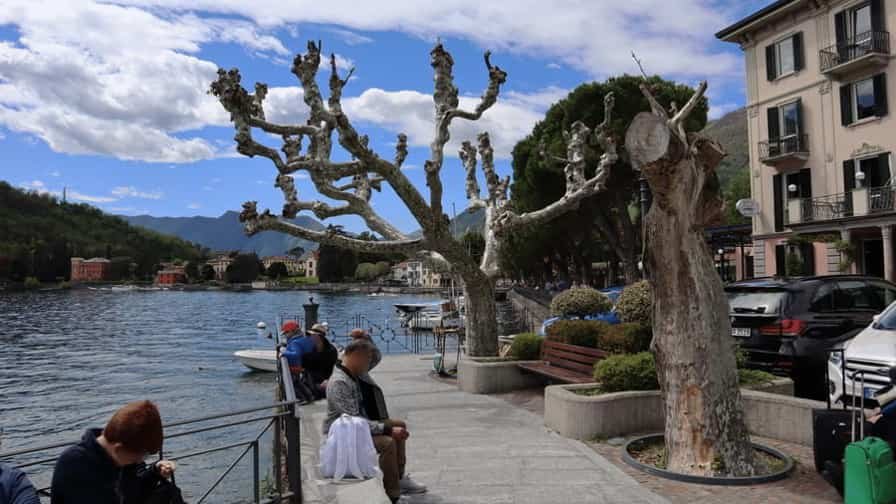
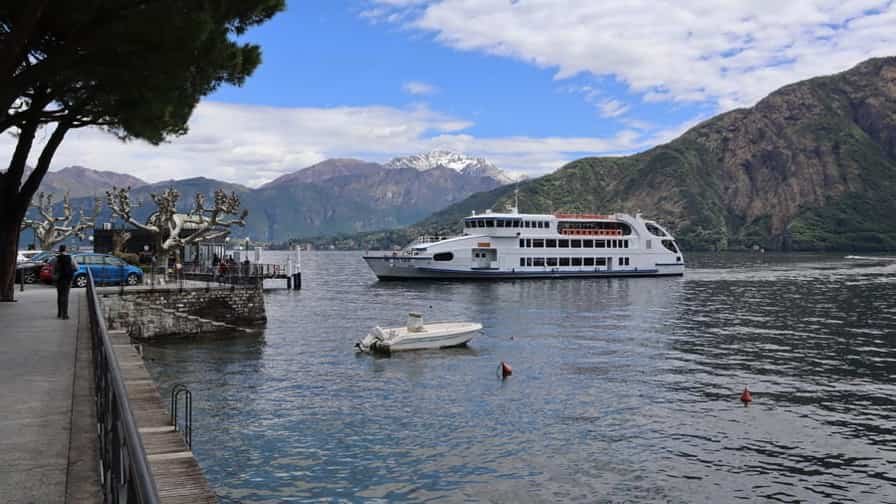
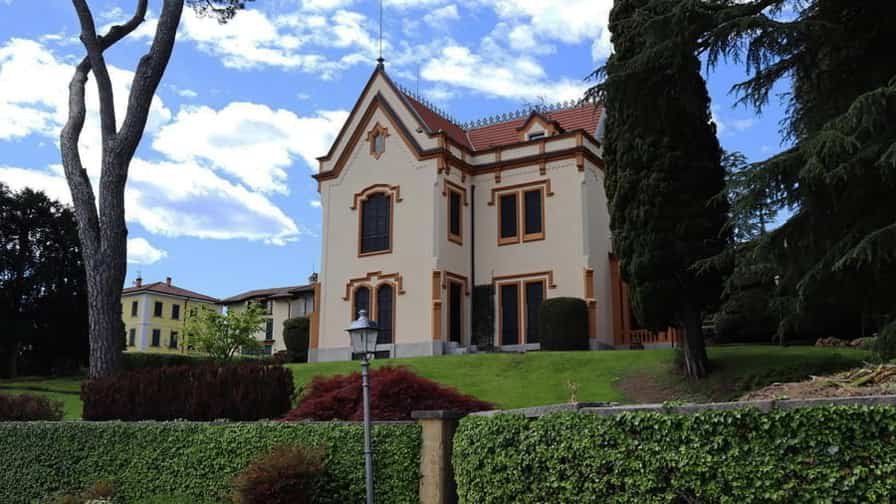
Lezzeno
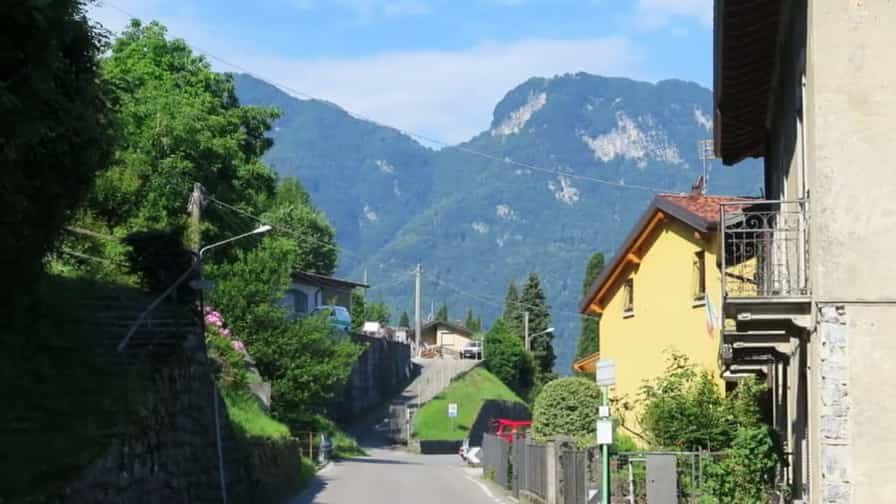
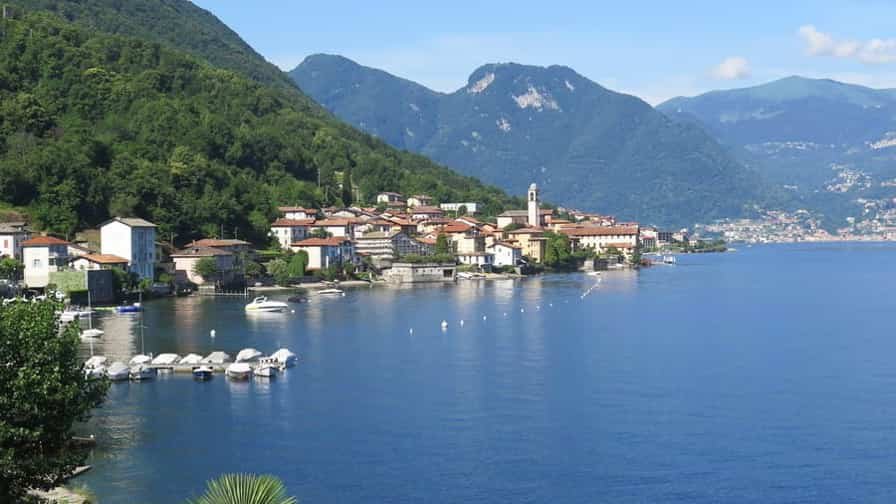
Menaggio
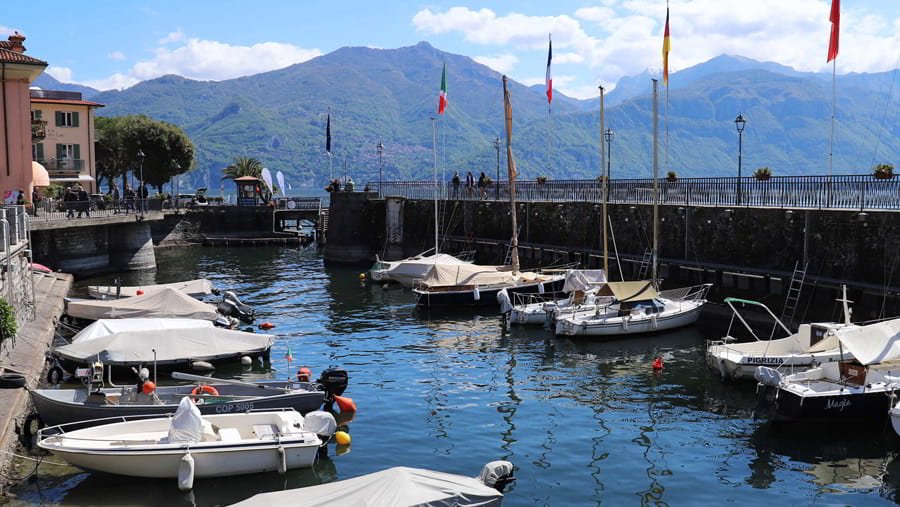
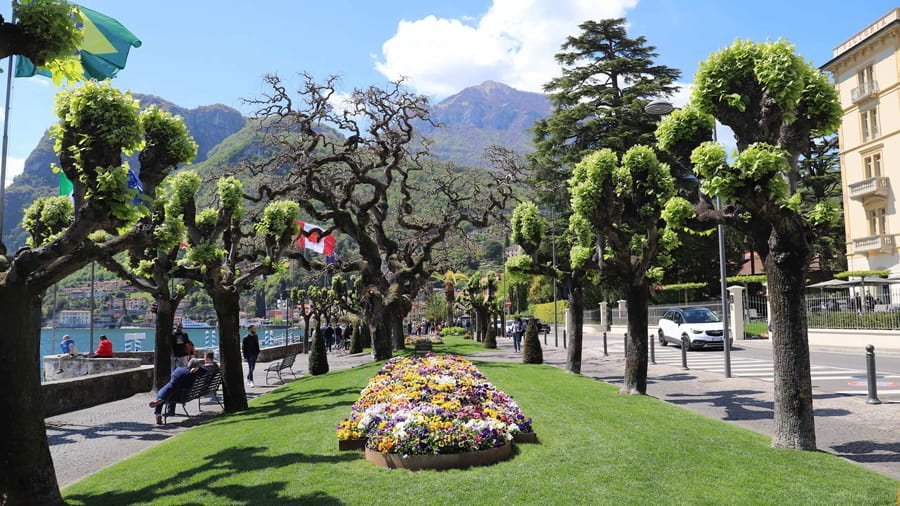
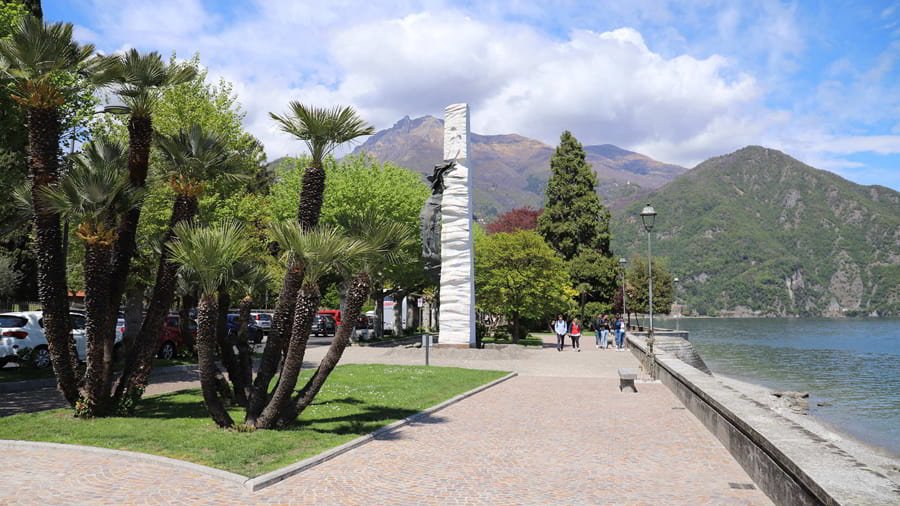
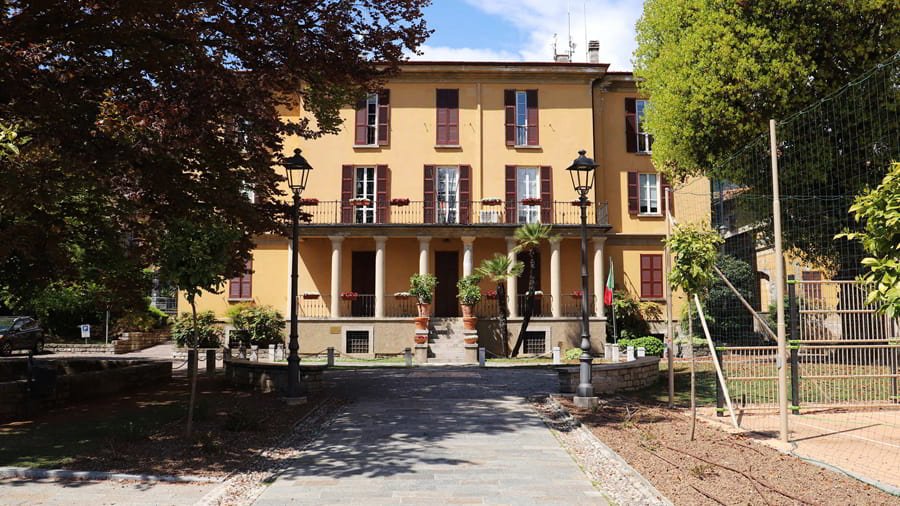
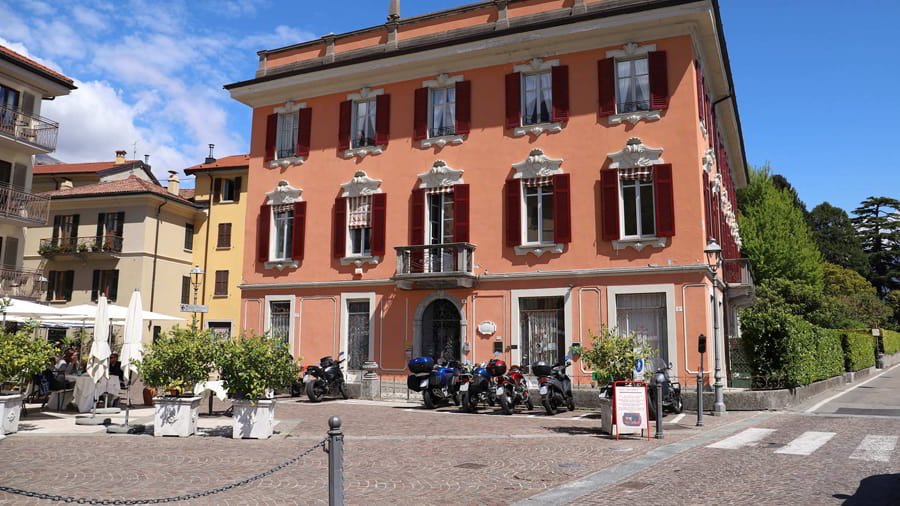
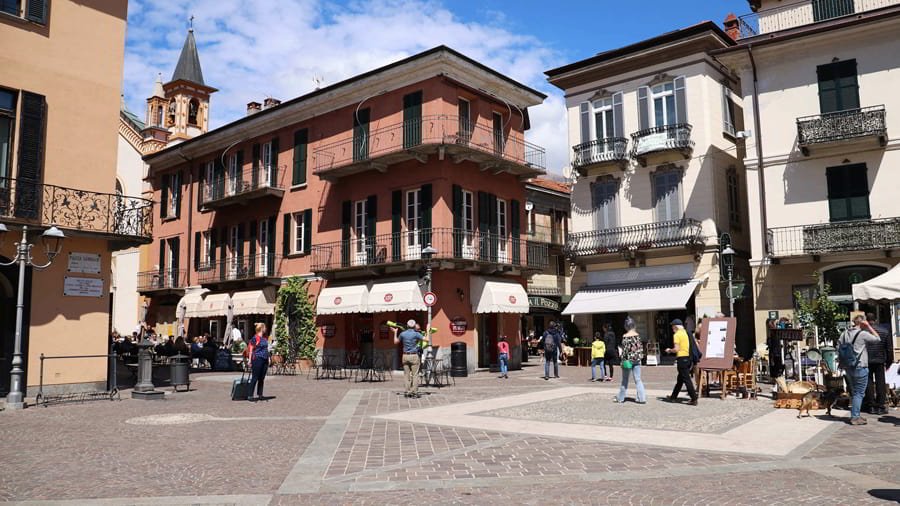
Nesso
The Province of Cremona
The Province of Cremona is a historic and culturally significant area in the south-eastern part of the Lombardy region, known for its fertile landscapes, musical heritage, and deep agricultural roots. Situated along the banks of the Po River, the province is characterized by wide plains, orderly fields, and a network of waterways that have supported farming and settlement since ancient times. This environment has shaped a strong rural identity that remains central to the province’s character.
The city of Cremona stands at the heart of the province and is internationally celebrated as the birthplace of master violin makers such as Antonio Stradivari, Giuseppe Guarneri, and the Amati family. This extraordinary musical tradition continues today through workshops, museums, and institutions dedicated to the art of violin making. Beyond the city, the province is dotted with historic towns, castles, and rural villages that reflect centuries of local history.
Agriculture plays a vital role in the provincial economy, with dairy farming, grain production, and food processing forming key industries. Traditional products, including cheeses and cured meats, are closely tied to the region’s culinary heritage. With its blend of artistic excellence, agricultural richness, and enduring traditions, the Province of Cremona represents a distinctive and meaningful component of Lombardy’s cultural landscape.
The Province of Lecco
Lecco
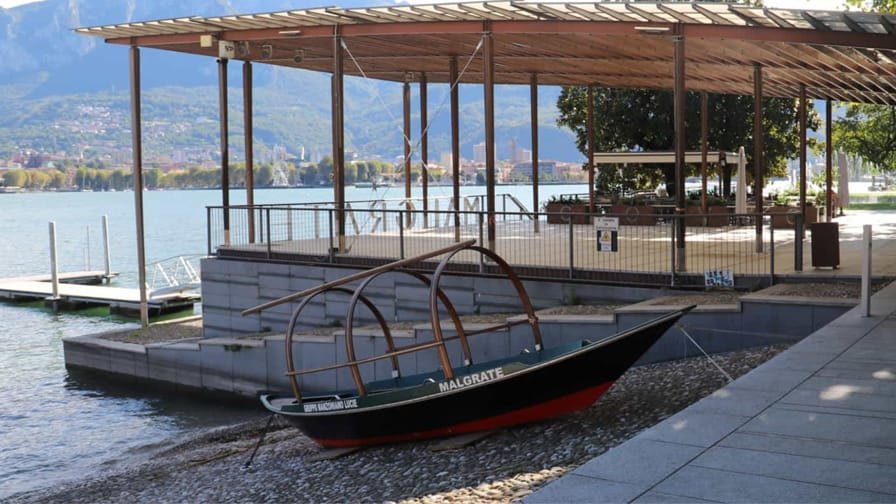
Malgrate
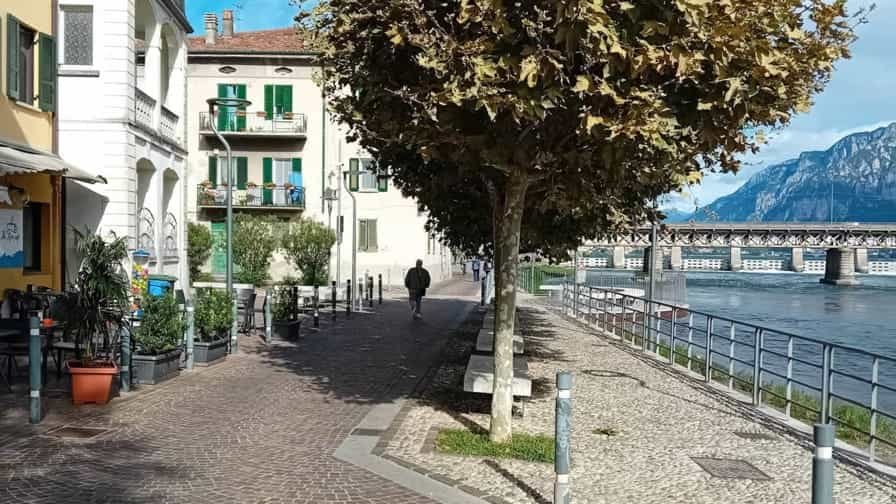
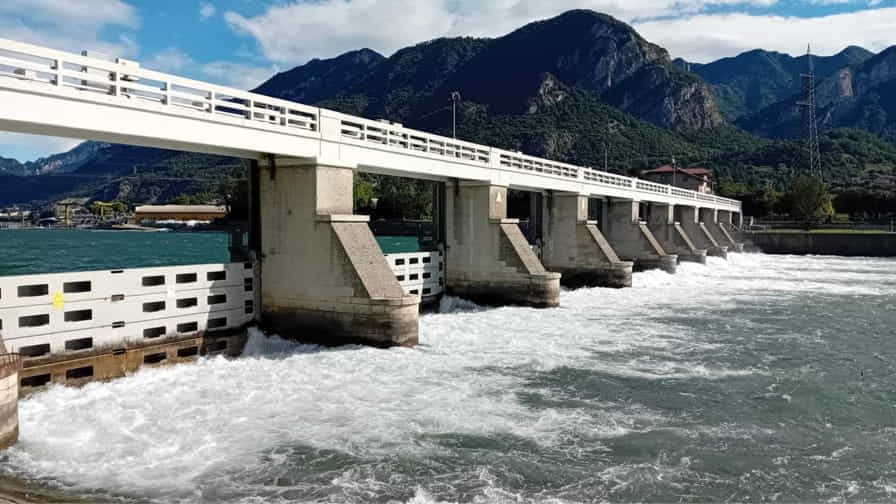
Olginate
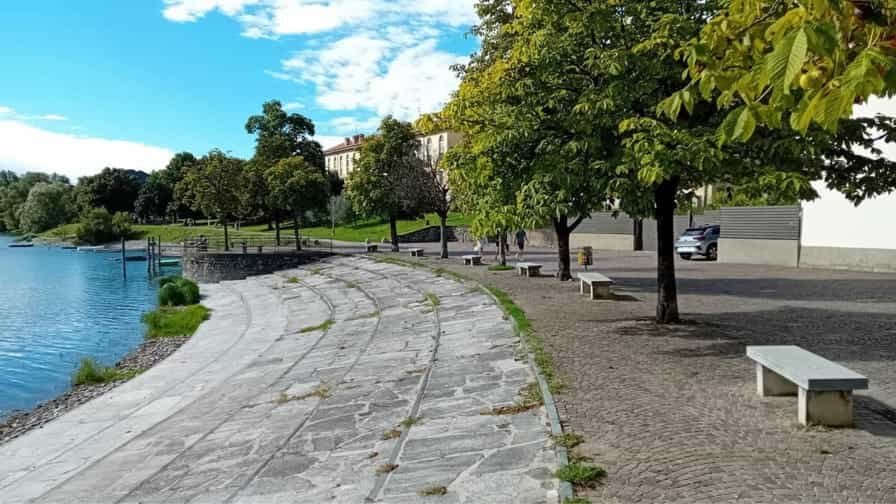
Varenna
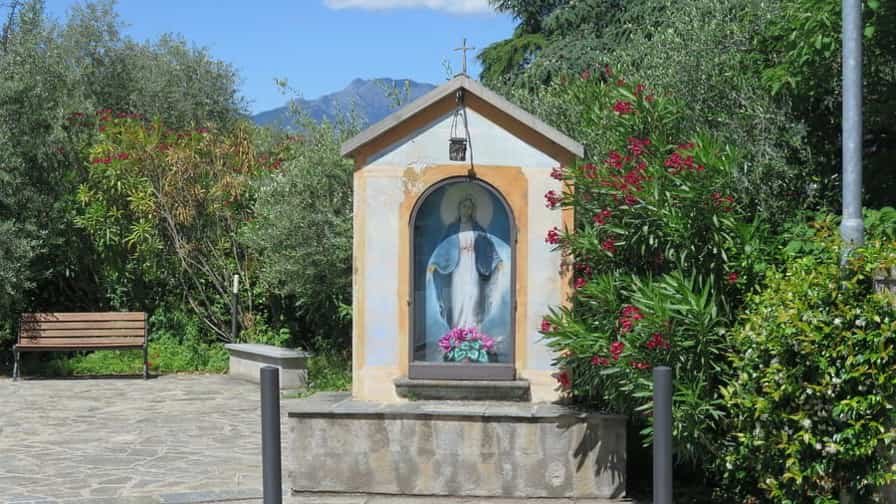
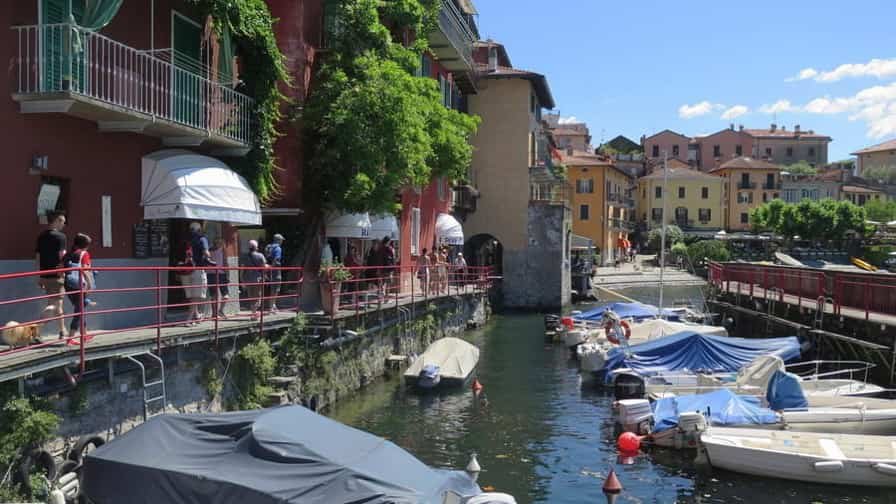

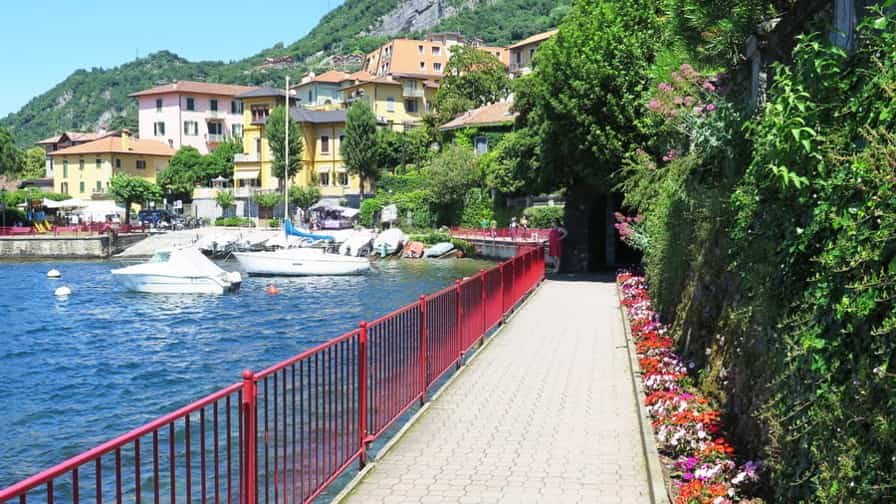
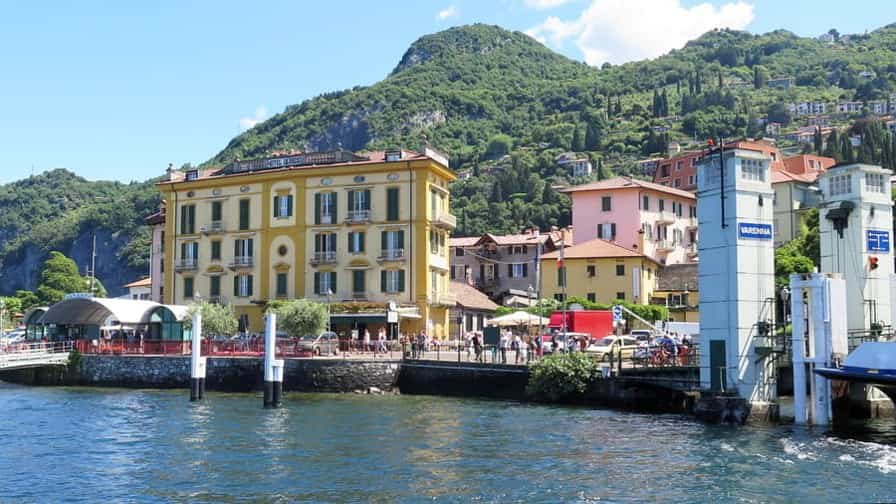
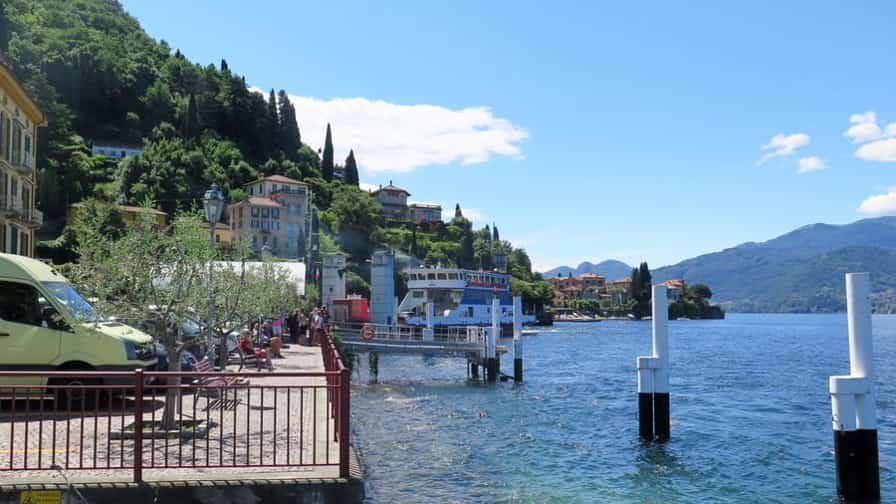
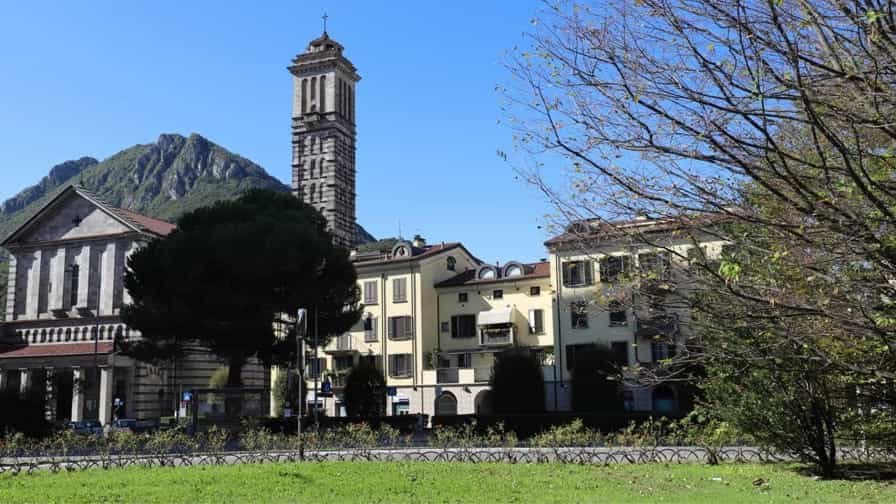
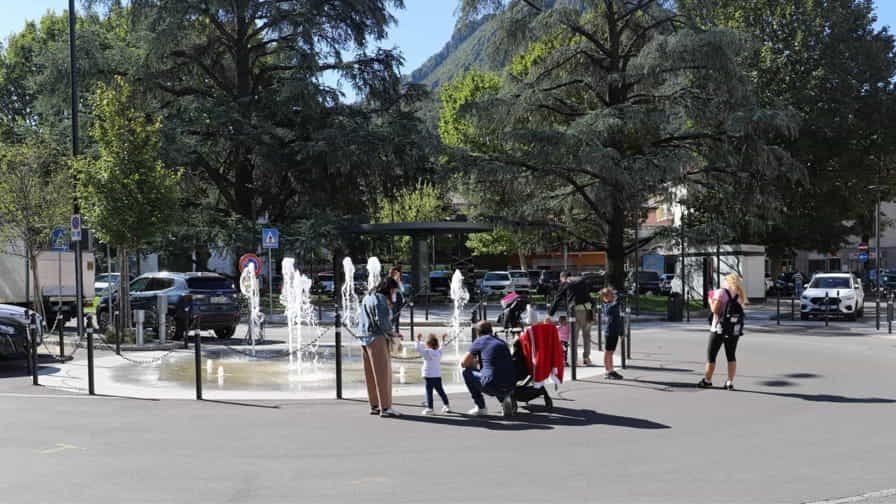
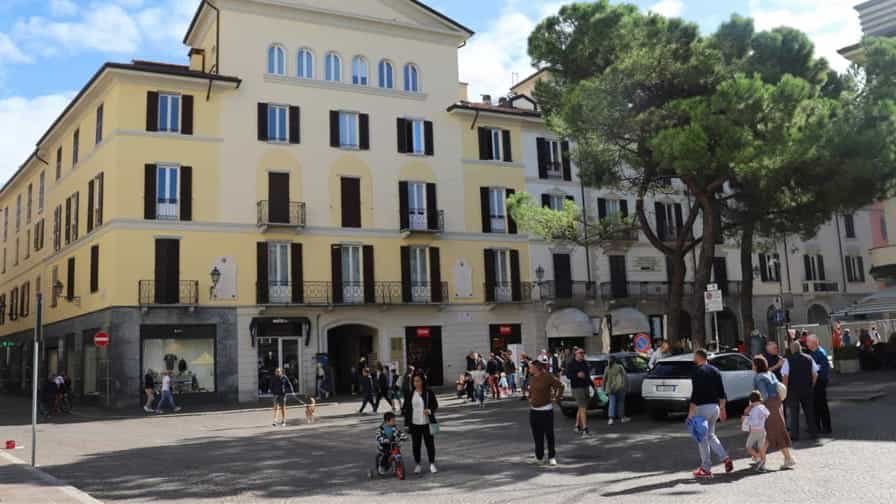
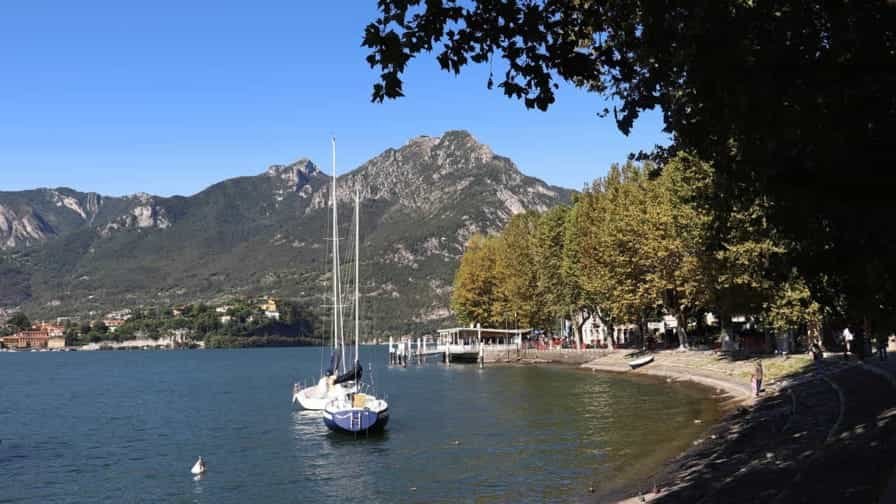
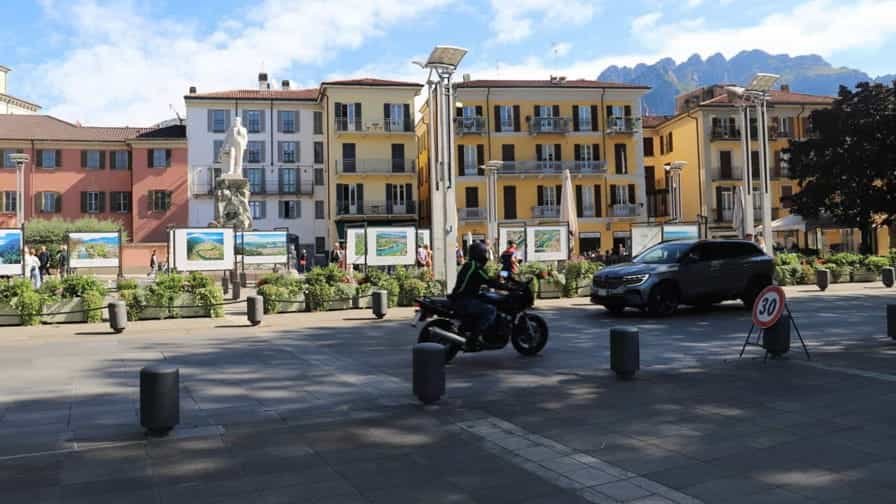
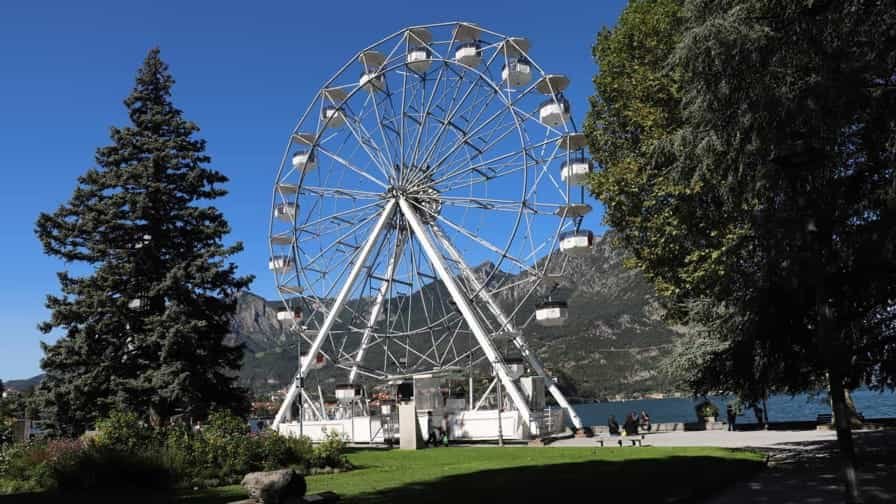
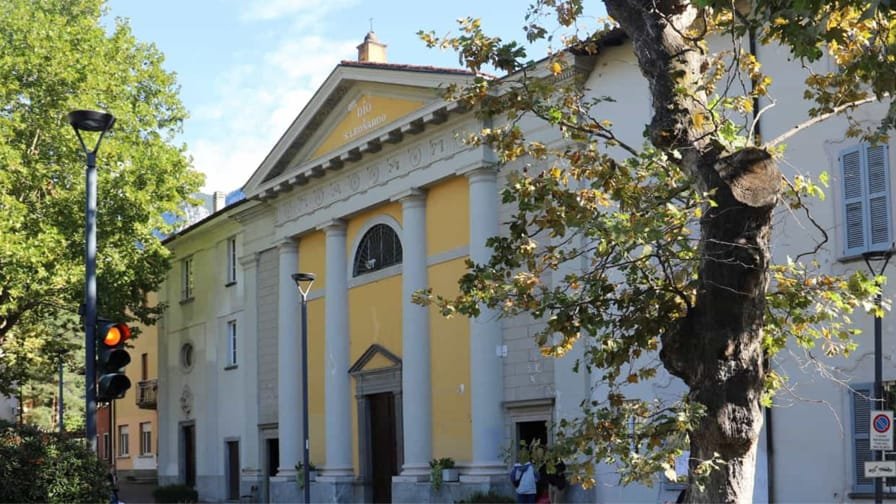
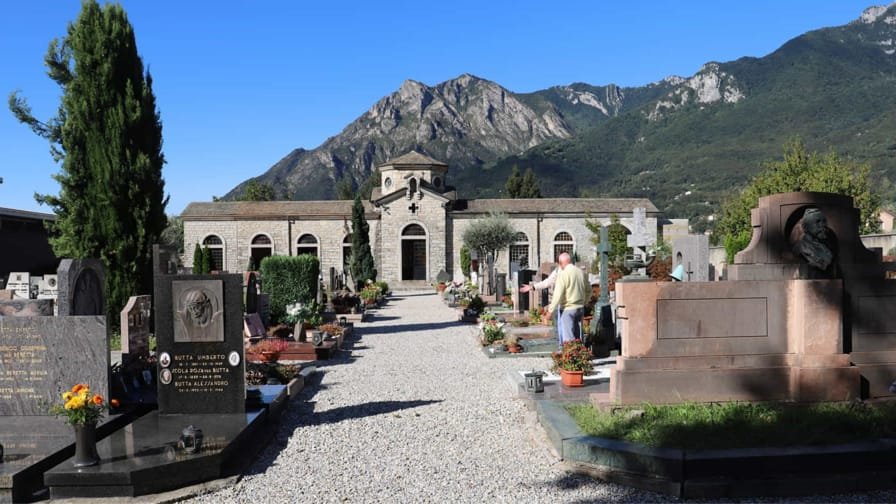
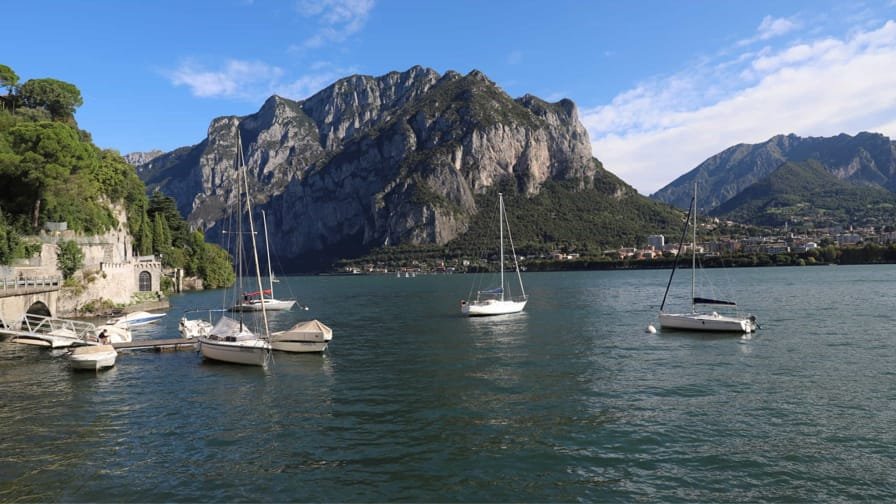
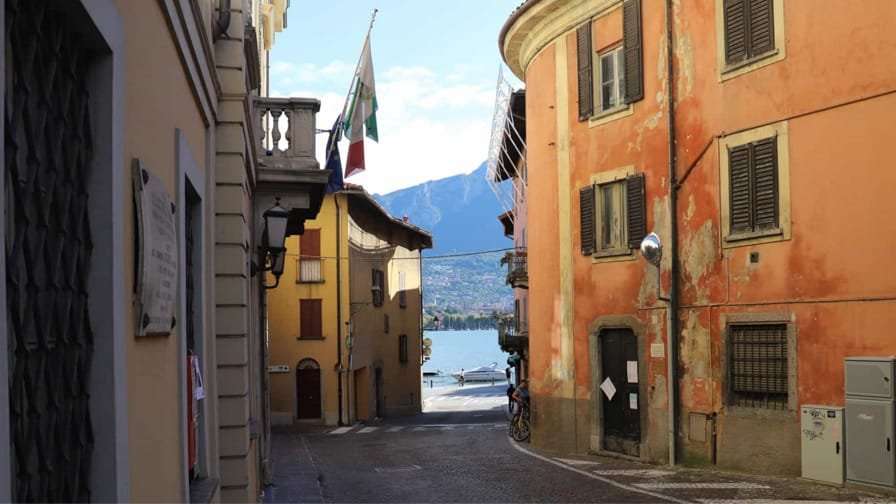
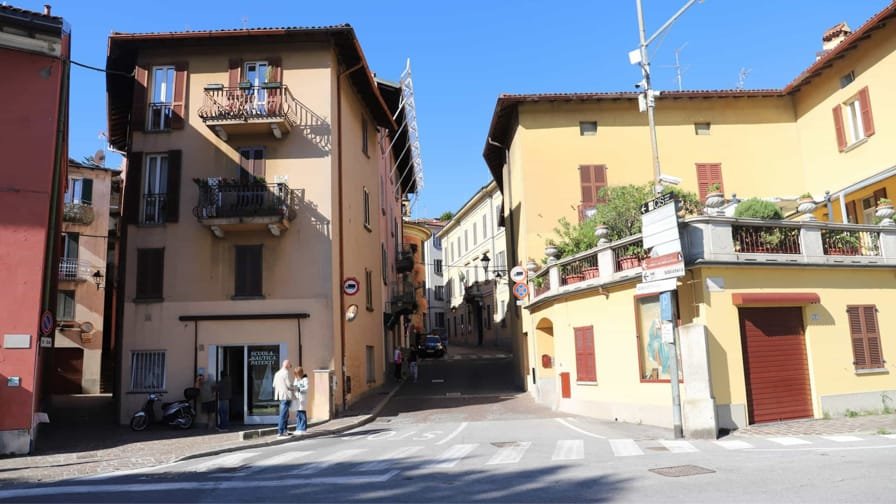
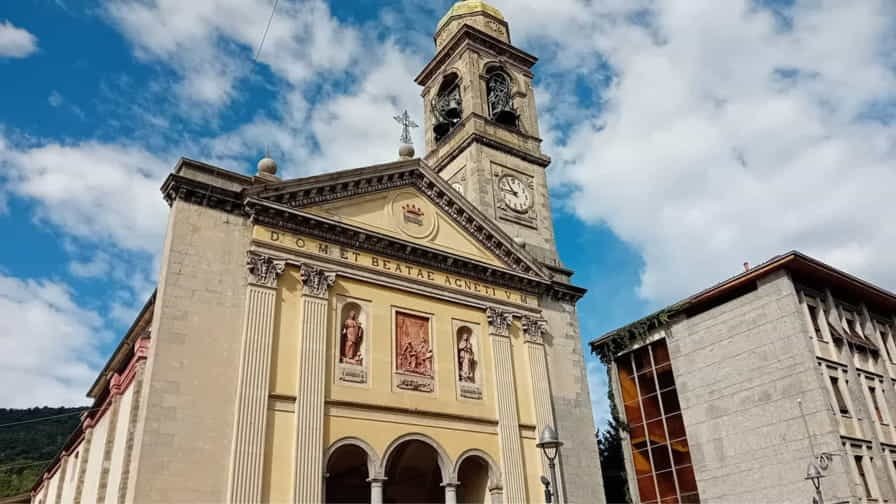
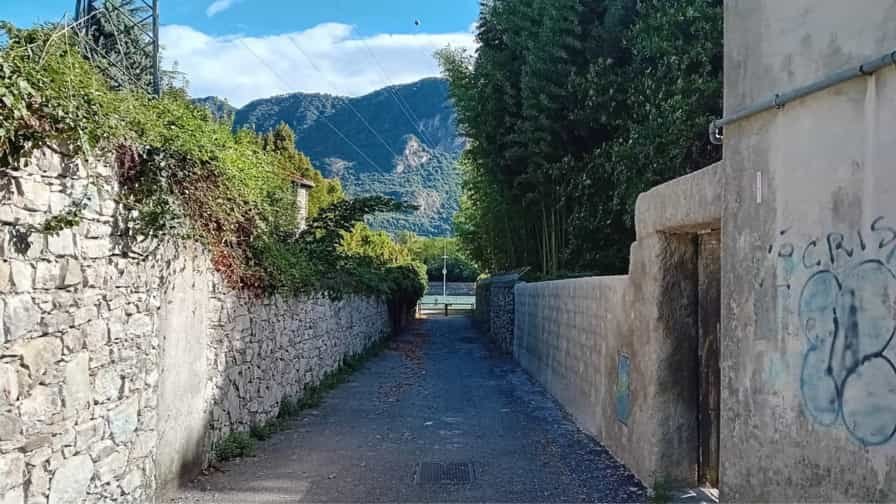
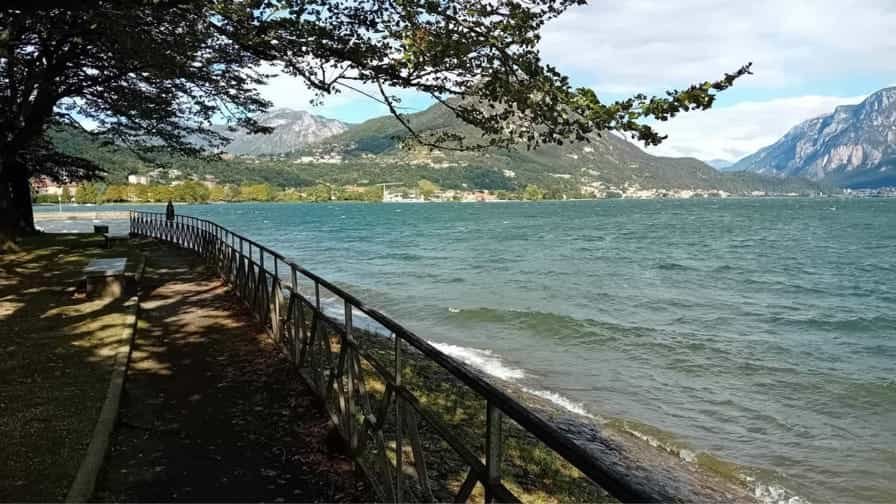
The Province of Lecco is a striking and characterful area in the heart of Lombardy, defined by dramatic mountain landscapes and a close relationship with water. Located at the south-easter end of Lake Como, the province marks the transition between the lake’s serene beauty and the rugged peaks of the surrounding Alps. This unique setting has shaped both the natural environment and the cultural identity of the area.
Lecco, the provincial capital, is closely associated with Italian literature, most notably as the setting of Alessandro Manzoni’s novel *I Promessi Sposi*. The city and its surroundings have long been influenced by industry and craftsmanship, particularly metalworking and manufacturing, which developed alongside traditional trades. The province’s valleys and mountain communities preserve strong local customs, shaped by a history of hard work and close ties to the land.
Outdoor activities play an important role in the province’s life, with hiking, climbing, and water sports attracting visitors throughout the year. Small towns and villages along the lake and in the mountains offer scenic beauty and a slower pace of life. With its blend of literary heritage, industrial tradition, and outstanding natural scenery, the Province of Lecco is a distinctive and integral part of Lombardy.
The Province of Lodi
The Province of Lodi is a small yet historically rich area in the south-eastern part of Lombardy, known for its fertile plains, agricultural heritage, and strategic location along the Adda River. Positioned between the provinces of Milan, Cremona, and Piacenza, Lodi has long served as a crossroads of trade, culture, and transportation, linking the fertile Po Valley with larger urban centres. Its landscape is characterized by flat, productive farmland, dotted with canals and irrigation channels that have shaped local agriculture for centuries.
At the heart of the province lies the city of Lodi, a town with a medieval and Renaissance past, notable for its elegant squares, historic churches, and well-preserved civic architecture. The city reflects the province’s tradition of balancing cultural heritage with modern development. Beyond the city, the province is dotted with small towns and villages that maintain a strong sense of local identity and community, preserving artisanal crafts, culinary traditions, and agricultural practices.
Lodi’s economy remains closely tied to agriculture, with rice, grains, and dairy products among the region’s key outputs, while small industries and service sectors support its modern growth. With its rich history, productive lands, and serene landscapes, the Province of Lodi offers a unique glimpse into the heart of Lombardy’s rural and cultural life.
The Province of Mantova
Mantova
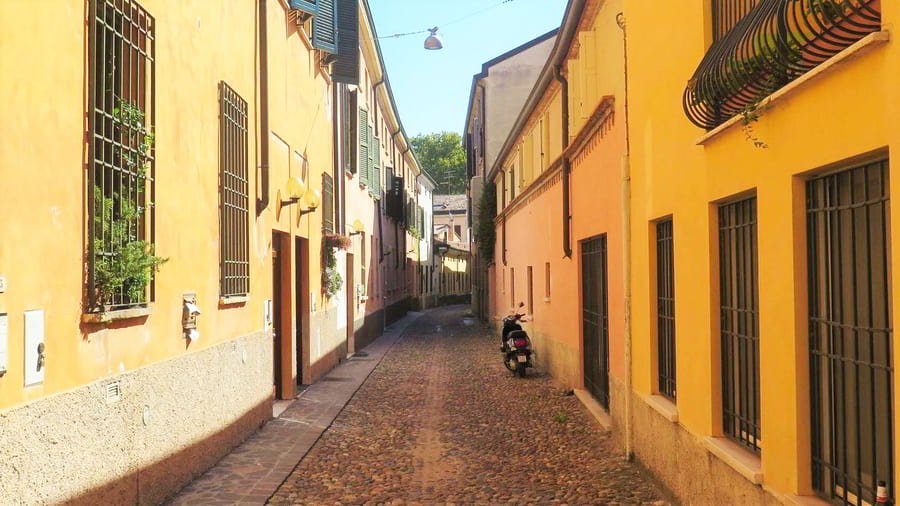
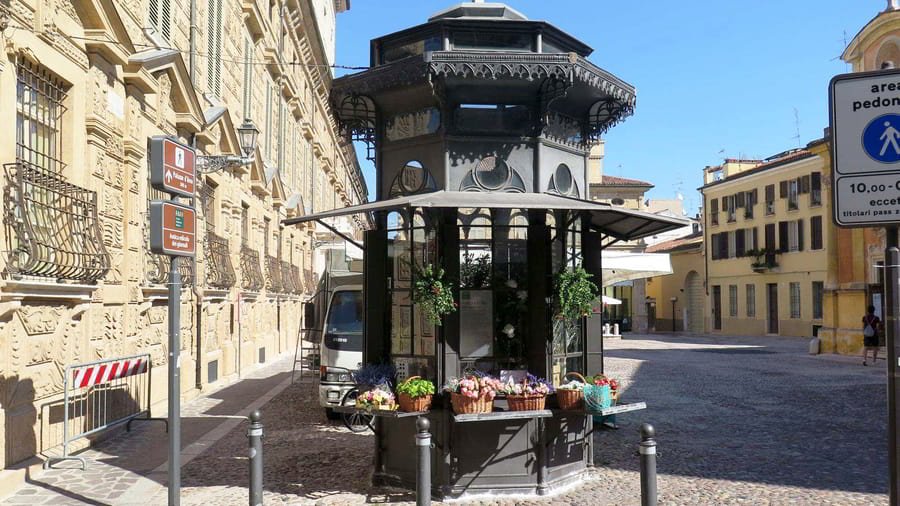
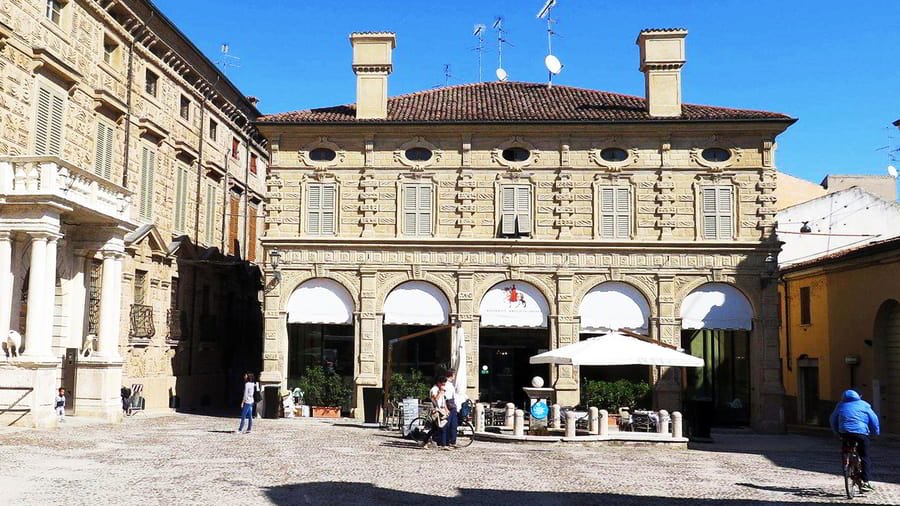
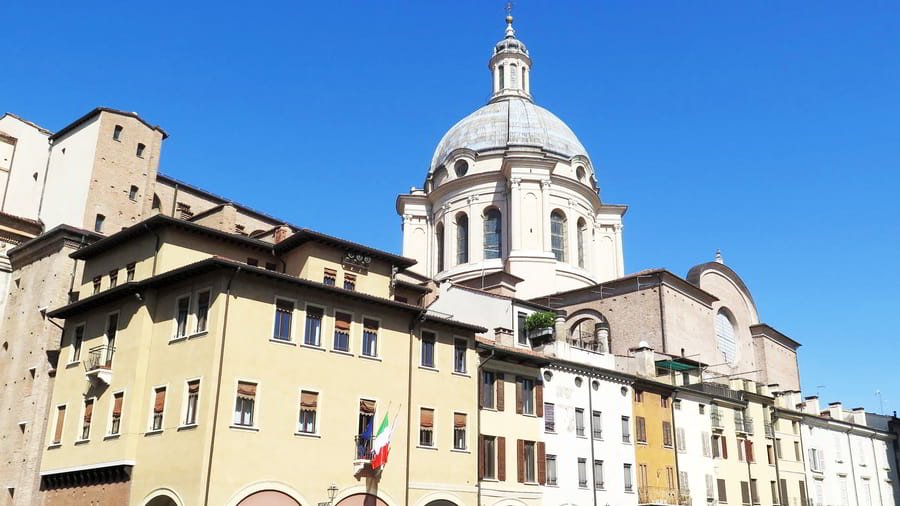
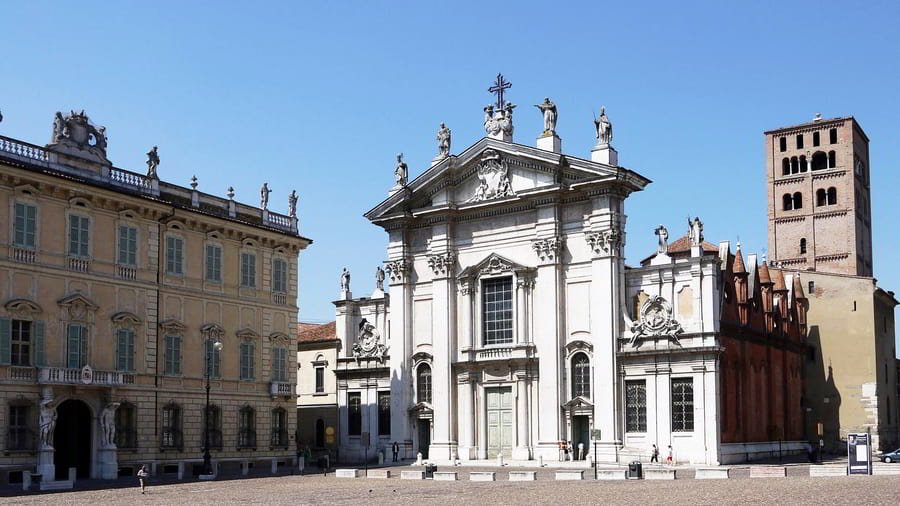
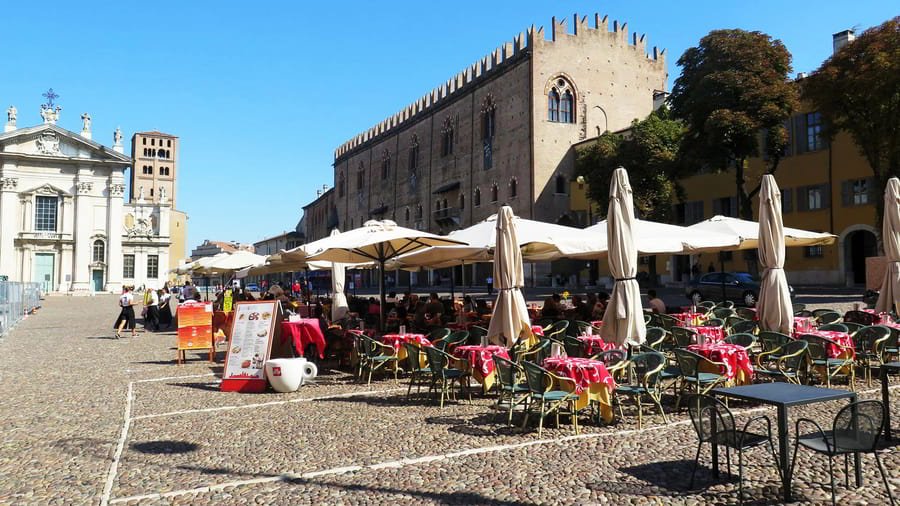
The Province of Mantova, is a historically and culturally significant area in the south-eastern part of Lombardy, known for its artistic heritage, fertile lands, and strategic location along the Mincio River. The province occupies a unique position in the Po Valley, with a landscape shaped by rivers, lakes, and expansive agricultural plains that have supported human settlement and farming for centuries. This natural richness has fostered a strong agricultural tradition, making Mantua one of Italy’s most productive regions for grains, rice, and dairy products.
At the heart of the province lies the city of Mantua, a UNESCO World Heritage Site celebrated for its Renaissance architecture, grand palaces, and artistic treasures. The city was historically ruled by the Gonzaga family, who left an enduring legacy in culture, art, and music, shaping Mantua into a centre of humanistic and artistic achievement. Beyond the city, the province includes charming towns, villages, and rural landscapes that preserve centuries-old traditions and local craftsmanship.
The Province of Mantua also offers natural beauty, including wetlands and lakes that support biodiversity and recreational activities. Its combination of historical significance, agricultural wealth, and scenic landscapes makes Mantua a distinctive and essential part of Lombardy, reflecting both the region’s past and its continuing cultural vitality.
The Province of Milan
Milan
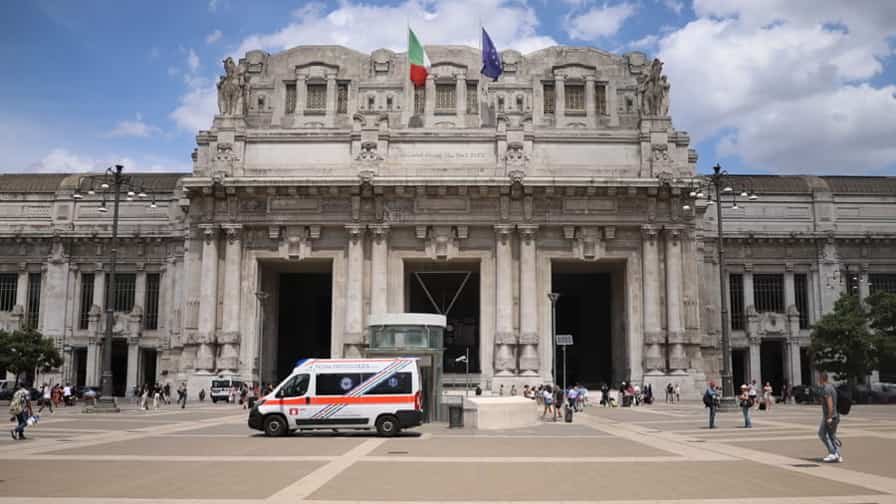
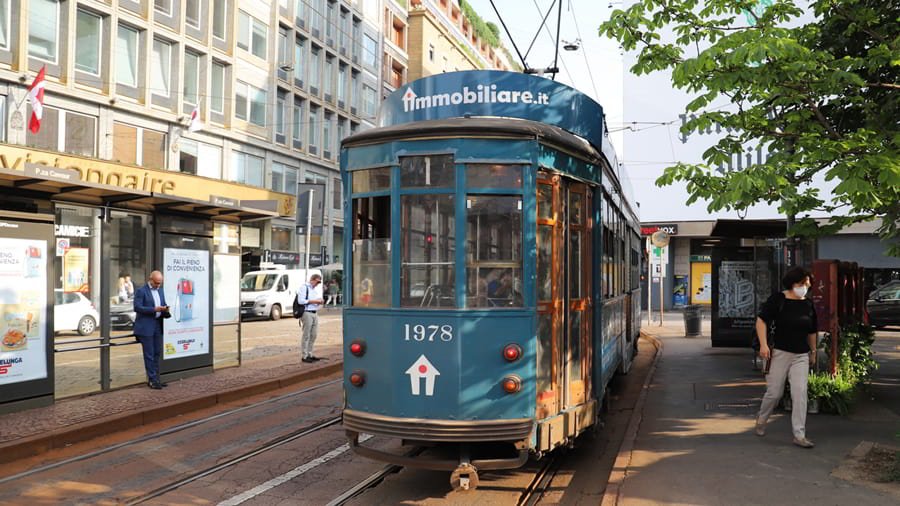

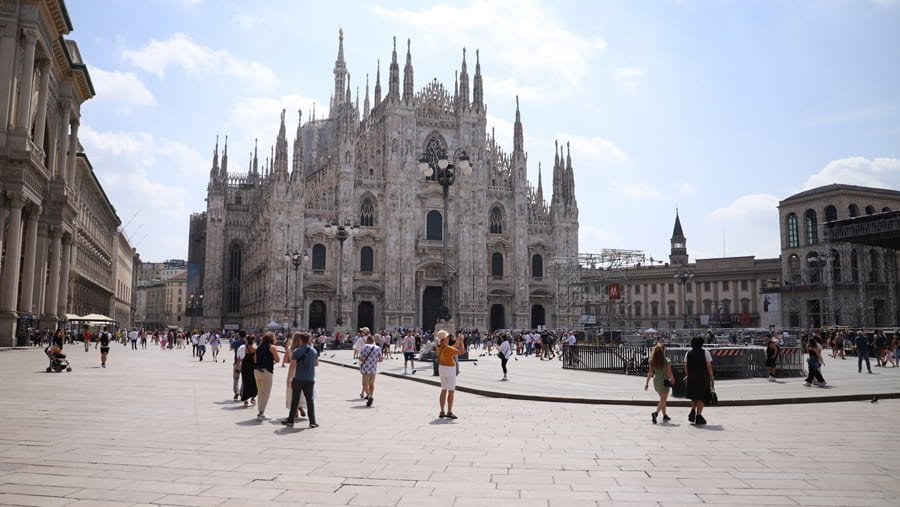
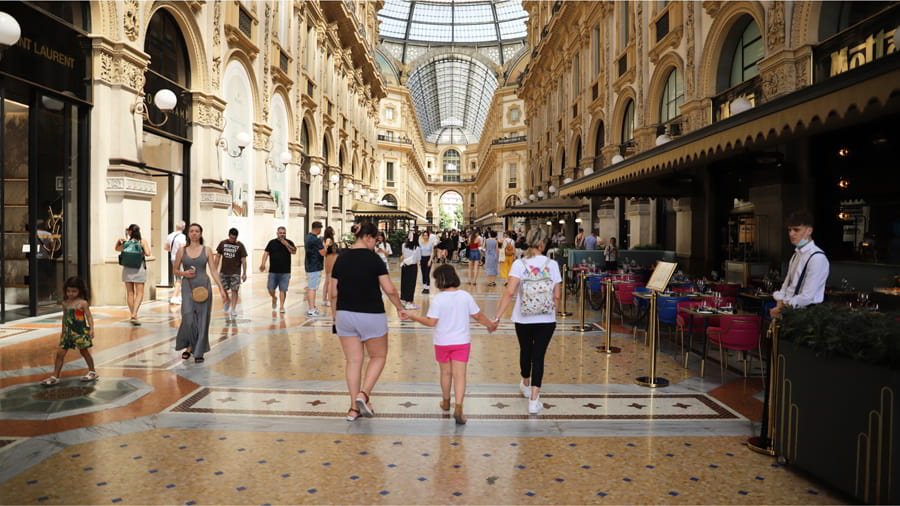
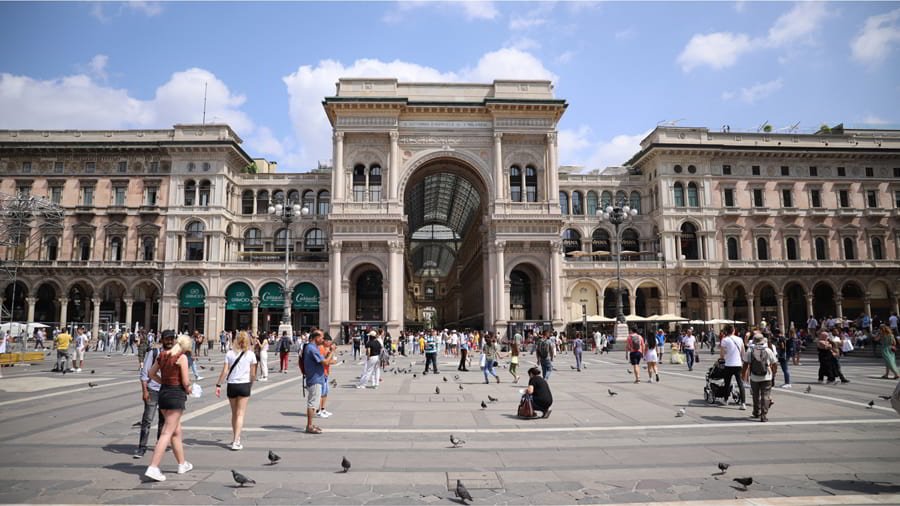
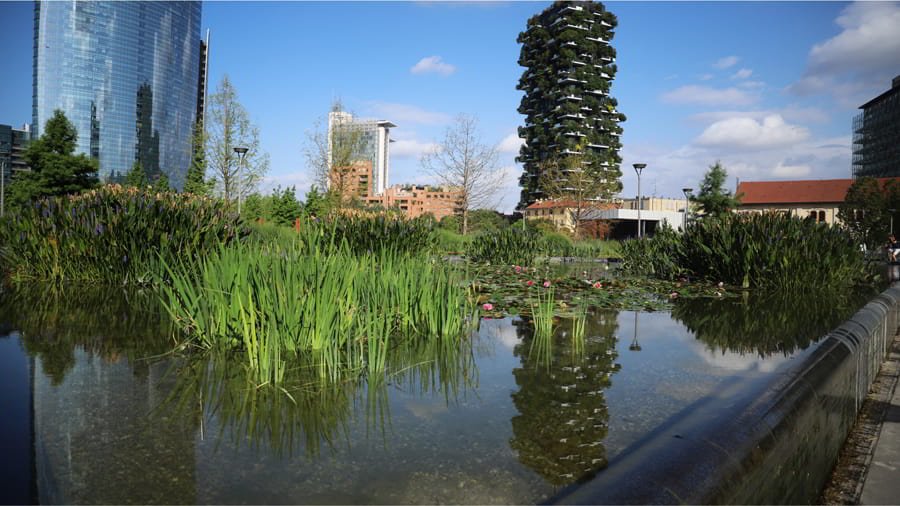
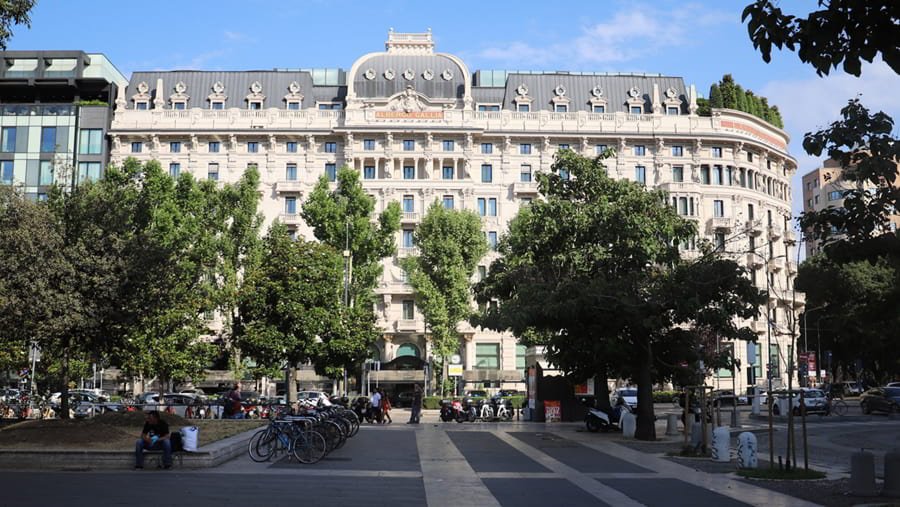
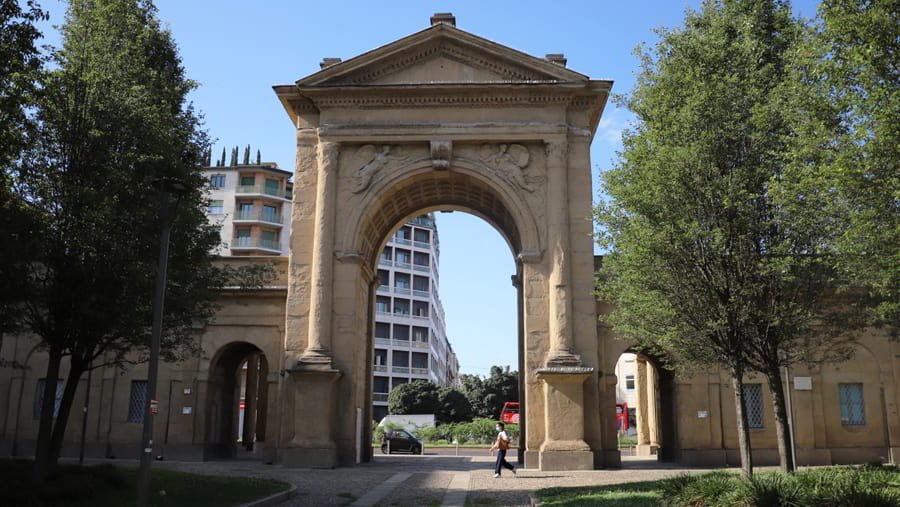
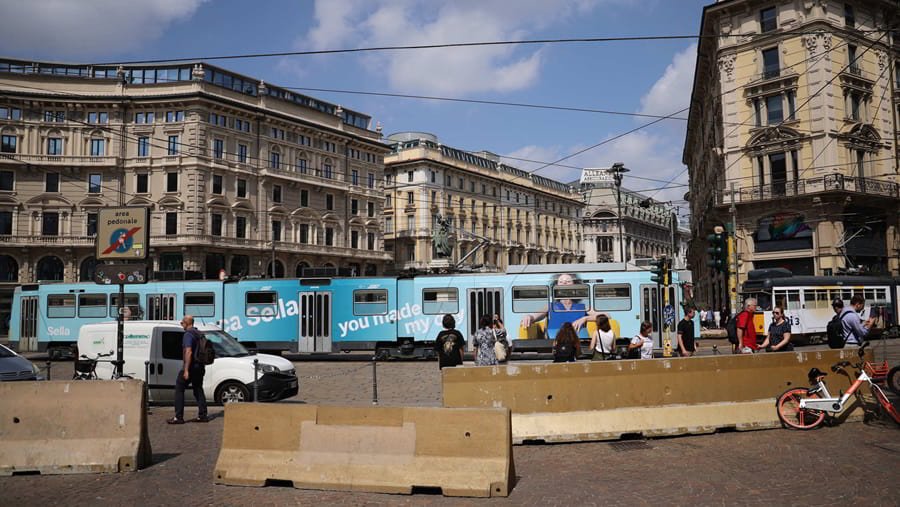
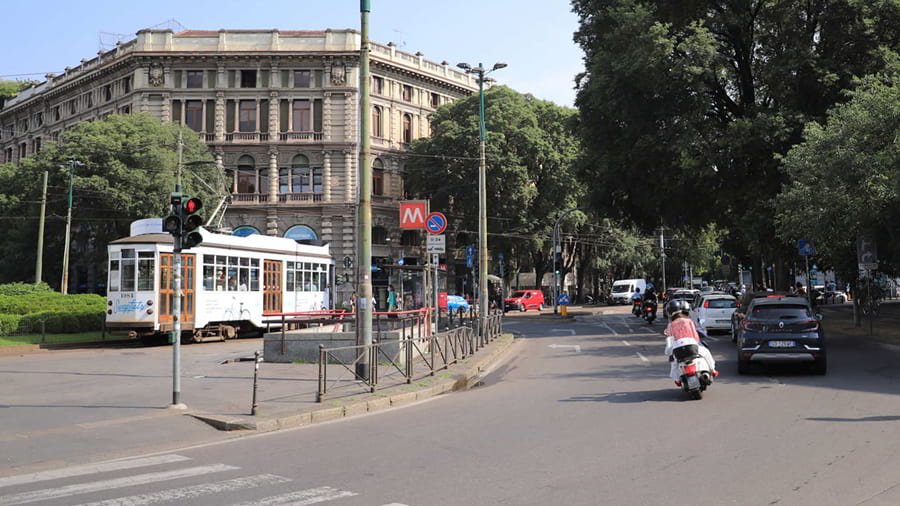
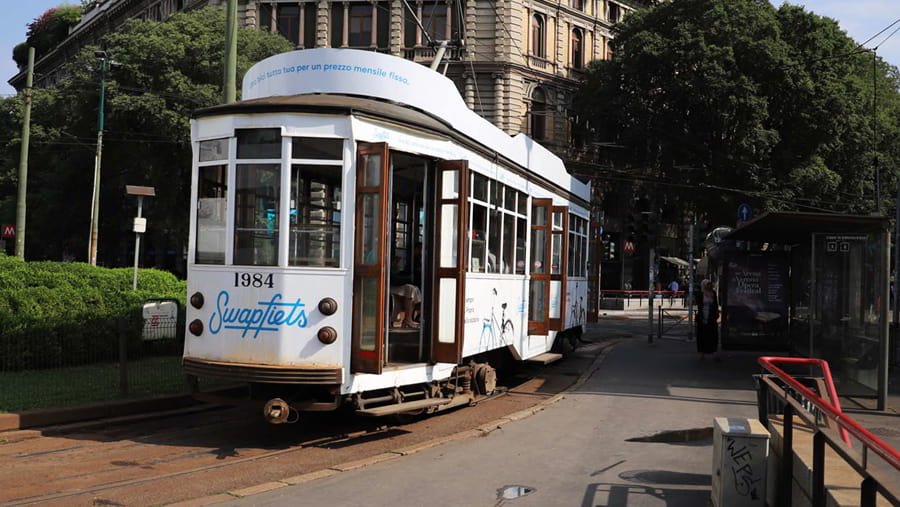
The Province of Milan, located in the Lombardy region of northern Italy, is one of the country’s most dynamic and influential areas. At its heart lies Milan, Italy’s renowned fashion, design, business, and cultural capital. Although the former Province of Milan was replaced administratively by the Metropolitan City of Milan in 2015, the area continues to be widely referred to as the Province of Milan.
Milan is famous for its impressive blend of historic landmarks and modern urban life. Visitors can admire the magnificent Milan Cathedral (Duomo di Milano), explore the elegant Galleria Vittorio Emanuele II, and discover masterpieces such as Leonardo da Vinci’s *The Last Supper*. Beyond the city centre, the surrounding towns and countryside offer a quieter atmosphere, with historic villas, parks, churches, and charming communities.
The area is also an important economic and transportation hub, attracting business travellers, students, and tourists from around the world. Excellent rail, road, and air connections make it convenient to explore both Milan and other destinations across northern Italy.
With its combination of history, art, fashion, gastronomy, shopping, and contemporary culture, the Province of Milan offers a diverse experience for every type of traveller. Whether visiting for business, leisure, or a cultural getaway, this fascinating part of Italy provides an excellent introduction to the country’s modern character and rich heritage.
The Province of Monza and Brianza
The Province of Monza and Brianza is a dynamic and densely populated area in the Lombardy region, located just north of Milan. Created in 2004 from part of the former Milan province, it has quickly developed its own identity, balancing industrial strength, cultural heritage, and natural beauty. The province is known for its modern economy, which thrives on small and medium-sized enterprises specializing in design, manufacturing, and technology, while maintaining strong ties to traditional craftsmanship.
At its centre lies the city of Monza, famous for the Royal Villa and its extensive park, as well as the Monza Formula 1 racetrack, which attracts motorsport enthusiasts from around the world. Beyond the city, the Brianza area stretches across hills, forests, and small towns, offering scenic landscapes and a slower pace of life that contrasts with the industrial activity. This region is also recognized for its furniture and design industry, which has earned international acclaim for creativity and innovation.
The province combines economic dynamism with cultural richness. Historic churches, villas, and local festivals coexist alongside modern architecture and commercial centres, reflecting the balance between tradition and progress. With its strategic location near Milan, thriving economy, and scenic landscapes, Monza and Brianza represent a distinctive and vital part of Lombardy.
The Province of Pavia
The Province of Pavia, located in the southern part of the Lombardy region, is a land where history, culture, and natural beauty converge. Known for its fertile plains, the province lies along the banks of the Po and Ticino rivers, offering a landscape of rolling fields, vineyards, and charming villages. Pavia, the provincial capital, boasts a rich historical heritage, from the ancient Romanesque architecture to the prestigious University of Pavia, founded in 1361, which stands as one of the oldest universities in Europe.
The region is renowned for its agricultural traditions, particularly the production of rice in the extensive Lomellina plains and high-quality wines in the Oltrepò Pavese hills. This combination of fertile land and gentle hills has shaped a unique culinary culture, where local specialties like risotto, cheeses, and cured meats reflect centuries of tradition.
Beyond agriculture, Pavia province offers cultural treasures such as medieval castles, monasteries, and art-filled churches, along with a rich legacy of historical events that shaped northern Italy. The province’s proximity to Milan and its location at the crossroads of the Po Valley make it a vibrant yet tranquil destination, blending rural charm with historical significance, making it a hidden gem within Lombardy’s diverse landscape.
The Province of Sondrio
The Province of Sondrio, situated in the northernmost part of Lombardy, is a spectacular alpine territory renowned for its dramatic landscapes, rich history, and vibrant local culture. Nestled between the majestic peaks of the Alps and the deep valleys carved by the Adda River, Sondrio offers a unique blend of natural beauty and human ingenuity. Its territory encompasses the Valtellina and Valchiavenna valleys, areas famous for terraced vineyards, pristine mountain lakes, and scenic hiking trails that attract nature enthusiasts year-round.
Sondrio is a centre of viticulture excellence, particularly noted for its Nebbiolo-based wines, which thrive on the sun-drenched terraced slopes. The province also preserves a rich culinary tradition, with local specialties such as pizzoccheri, bresaola, and cheeses that reflect centuries of alpine farming and artisanal craftsmanship.
Culturally, Sondrio boasts historic towns, medieval castles, and Romanesque churches, offering a glimpse into its strategic importance as a passage between Italy and the Swiss Alps. The province is also a hub for winter sports, with ski resorts in the Alta Valtellina attracting visitors seeking both adventure and breath-taking scenery. Combining natural splendour, gastronomic delights, and a storied heritage, Sondrio is a distinctive and captivating part of Lombardy, where tradition and alpine beauty meet.
The Province of Varese
Varese
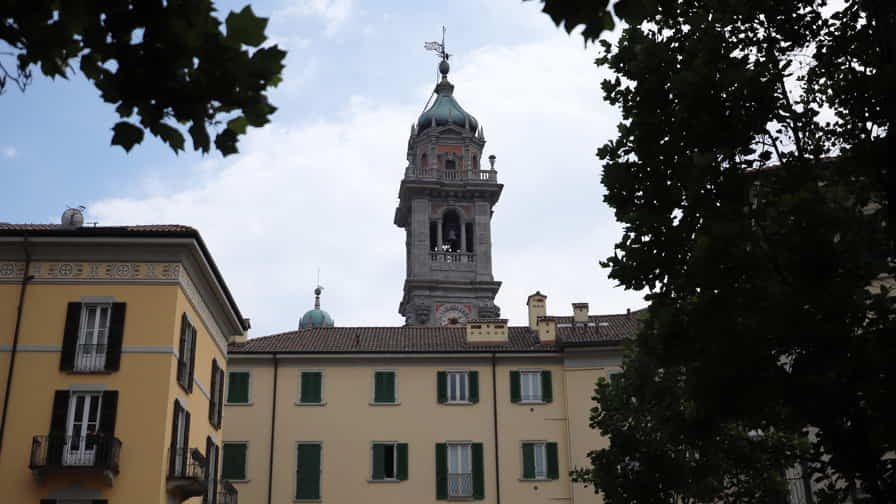


The Province of Varese, located in the north-western part of Lombardy, is a region where natural beauty, history, and culture intertwine seamlessly. Nestled between the Alps and the Lombard plains, it is often called the “Garden of Italy” due to its lush landscapes, rolling hills, and pristine lakes, including Lake Varese, Lake Maggiore, and Lake Lugano. These bodies of water, framed by scenic mountains, provide both breath-taking vistas and opportunities for water sports, hiking, and relaxation.
Varese is also rich in history and architecture. Its towns and villages showcase elegant villas, baroque churches, and historic squares, reflecting centuries of artistic and cultural development. The province is known for the Sacro Monte di Varese, a UNESCO World Heritage site, which combines religious devotion with stunning panoramic views.
In addition to its natural and cultural treasures, Varese has a vibrant local economy that blends traditional craftsmanship with modern industry. Its culinary heritage highlights seasonal produce, artisanal cheeses, and regional specialties that celebrate Lombard flavours.
With its combination of serene lakes, alpine scenery, historic landmarks, and lively towns, the Province of Varese embodies the richness of northern Lombardy. It is a destination that appeals to nature lovers, history enthusiasts, and those seeking an authentic Italian experience off the beaten path.
Anfo
Bellagio
Bergamo
Brescia
Como
Desenzano del Garda
Gargnano
Idro
Iseo
Lecco
Lenno
Lezzeno
Limone sul Garda
Malgrate
Mantova
Menaggio
Milan
Moniga del Garda
Nesso
Olginate
Padenghe sul Garda
Salo
Sirmione
Toscolano Maderno
Varenna
Varese
Walk Garlate to Pescate
Walk Villa Carlotta to Lenno
COPYRIGHT © 2018-2026 ITALY IN PHOTOS – ALL RIGHTS RESERVED