
HOME
REGIONS OF ITALY
PLACES IN ITALY
PLAN YOUR TRIP
Italy in Photos
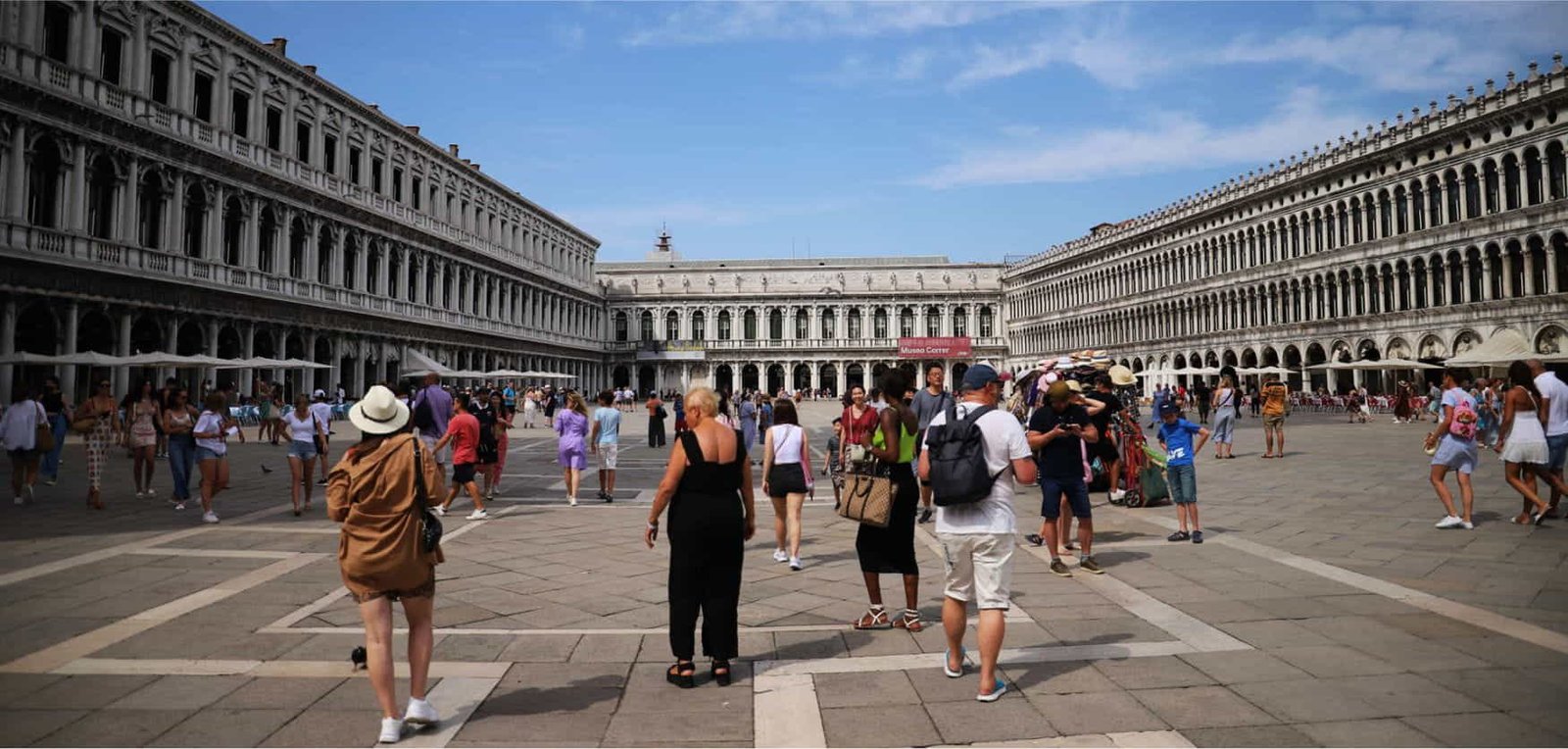
Piazzza San Marco, 30100 Metropolitan City of Venice, Italy (June 2022)
Venice
Venice is one of the world’s most enchanting and distinctive cities, renowned for its unique setting, rich history, and extraordinary artistic heritage. Located in northeastern Italy, Venice is built upon a network of more than 100 small islands in a lagoon of the Adriatic Sea. Instead of roads, the city is defined by its intricate system of canals, with the iconic Grand Canal serving as its central thoroughfare. Gondolas, vaporetti (water buses), and small boats glide through the waterways, giving Venice a timeless, almost dreamlike atmosphere.
Founded over a millennium ago, Venice grew into a powerful maritime republic during the Middle Ages and Renaissance. Its strategic position allowed it to dominate trade between Europe and the East, bringing immense wealth and cultural exchange. This prosperity is reflected in the city’s stunning architecture, which blends Byzantine, Gothic, and Renaissance influences. Landmarks such as St Mark’s Basilica, with its opulent mosaics and domes, and the Doge’s Palace, once the seat of Venetian political power, stand as enduring symbols of its grandeur.
Beyond its historical significance, Venice is also a cultural treasure. The city has long inspired artists, writers, and musicians, from Renaissance painters to modern filmmakers. Its narrow alleyways, elegant bridges, and hidden squares invite exploration, while events such as the famous Carnival bring the city to life with masks, costumes, and centuries-old traditions. Venice’s artistic legacy is further preserved in its museums and galleries, which house masterpieces from some of Italy’s greatest artists.
However, Venice is not only a city of beauty and history; it also faces modern challenges. Rising sea levels and frequent flooding, known locally as “acqua alta,” threaten its fragile infrastructure and cultural heritage. Efforts are ongoing to preserve this unique city for future generations, balancing tourism with conservation.
In essence, Venice is a place unlike any other, a city where history, art, and water intertwine to create an unforgettable experience. Its enduring charm continues to captivate visitors from around the world, making it one of the most iconic destinations on Earth.
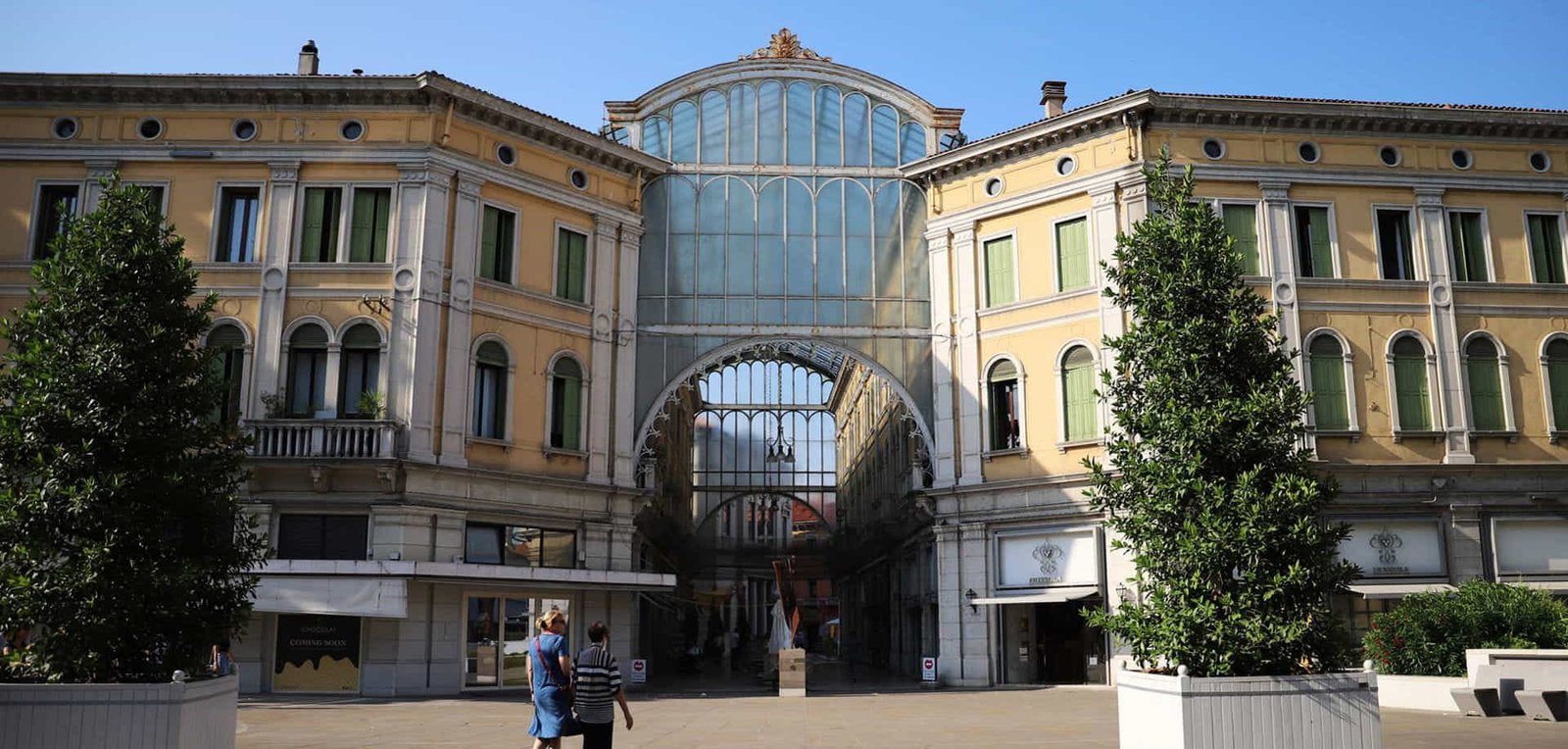
Mestre
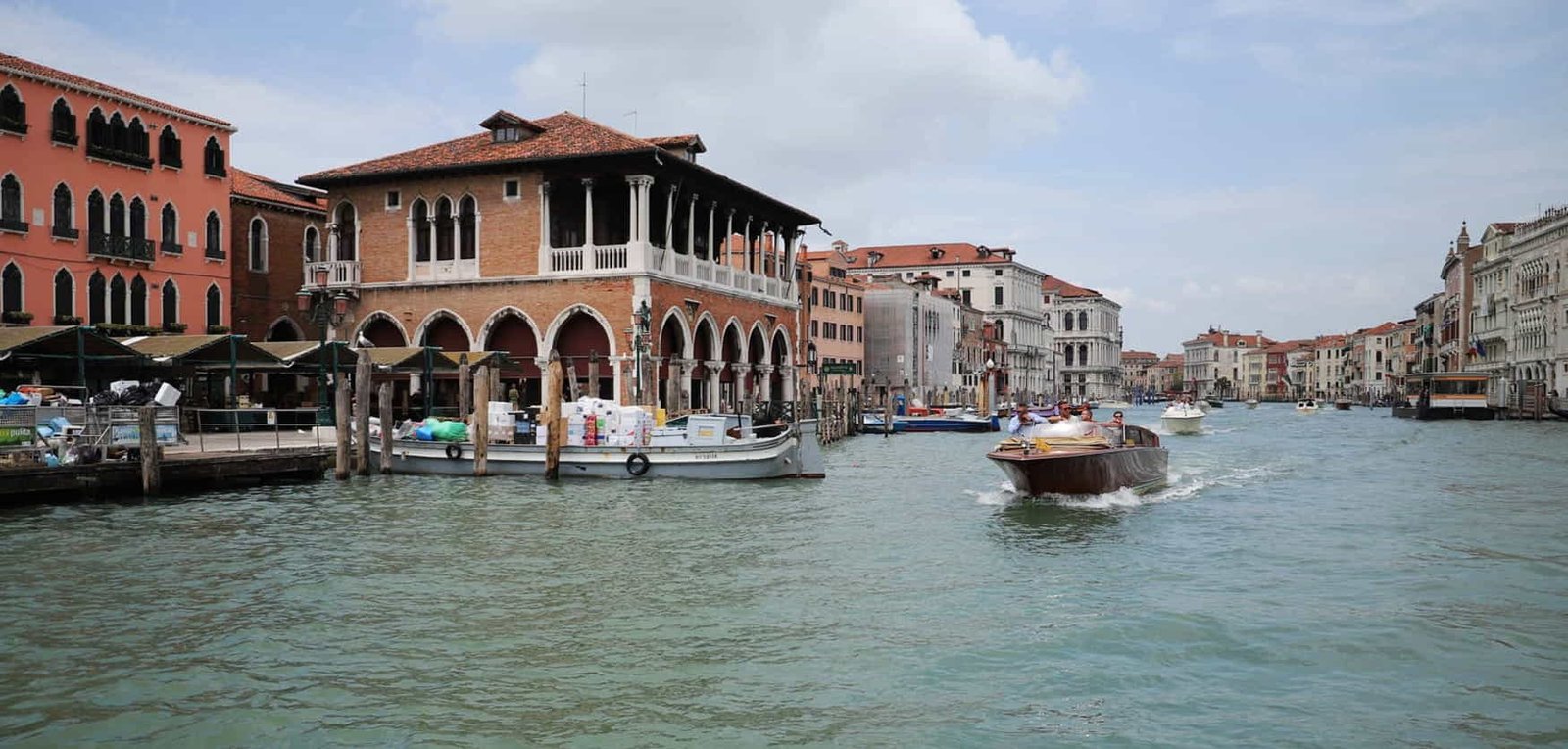
The Grand Canal
The City of Venice
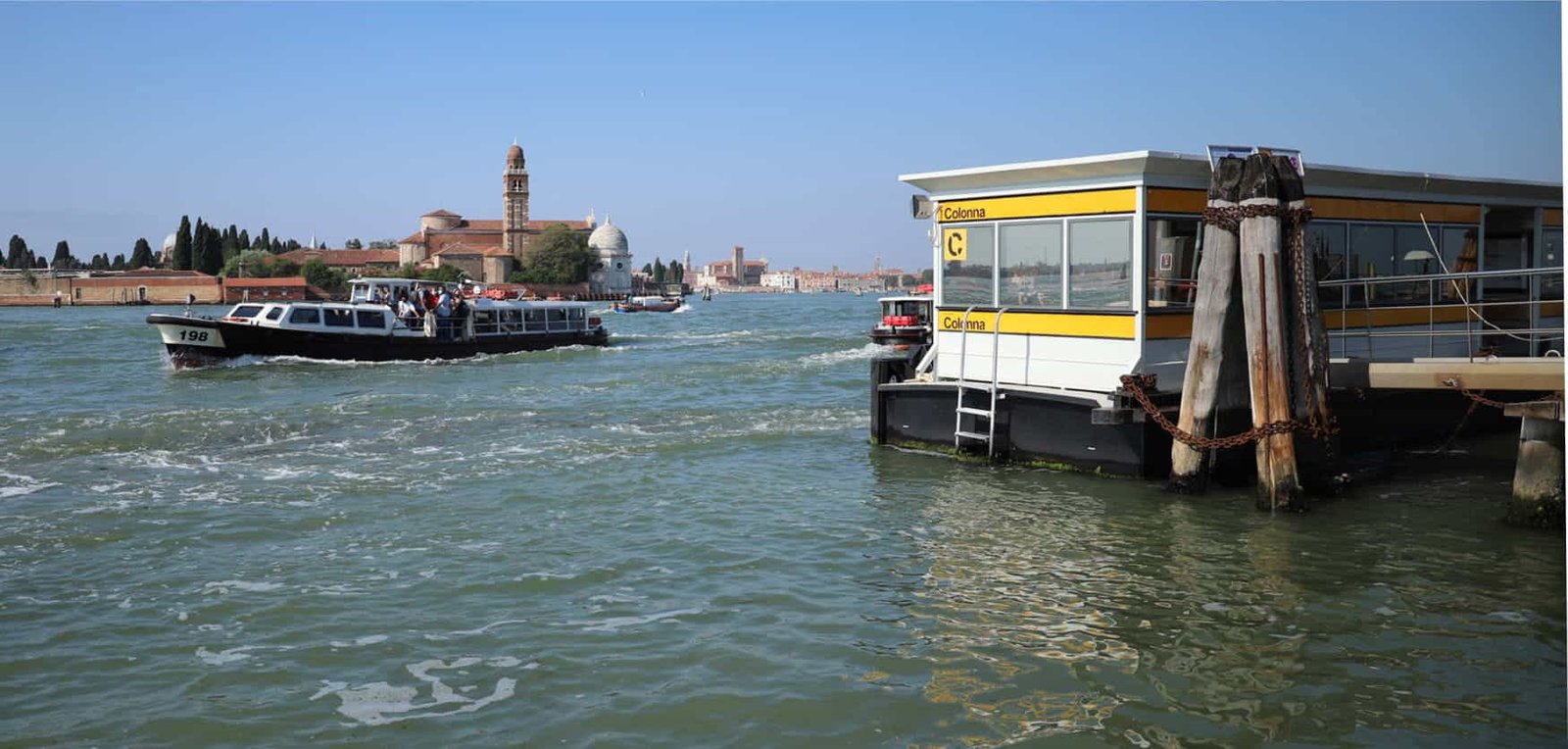
The Venetian Lagoon
COPYRIGHT © 2018-2026 ITALY IN PHOTOS - ALL RIGHTS RESERVED