
HOME
REGIONS OF ITALY
PLACES IN ITALY
PLAN YOUR TRIP
Italy in Photos
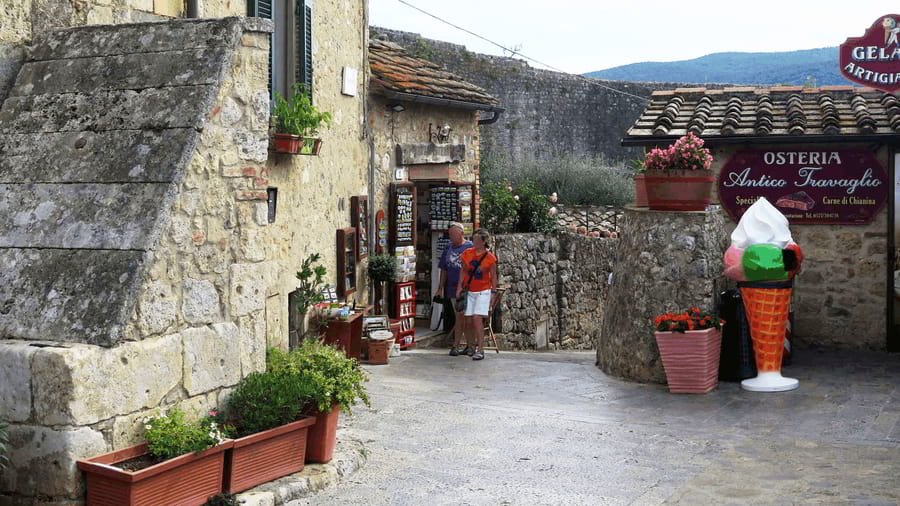
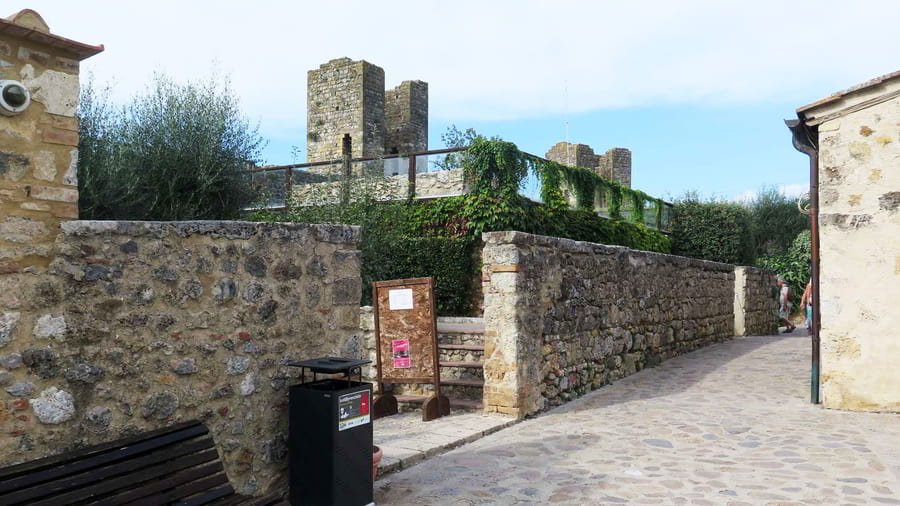
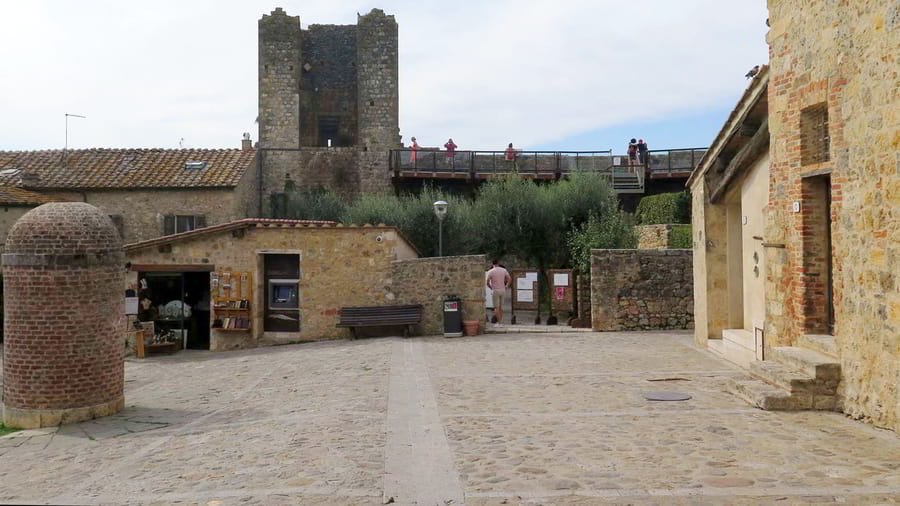
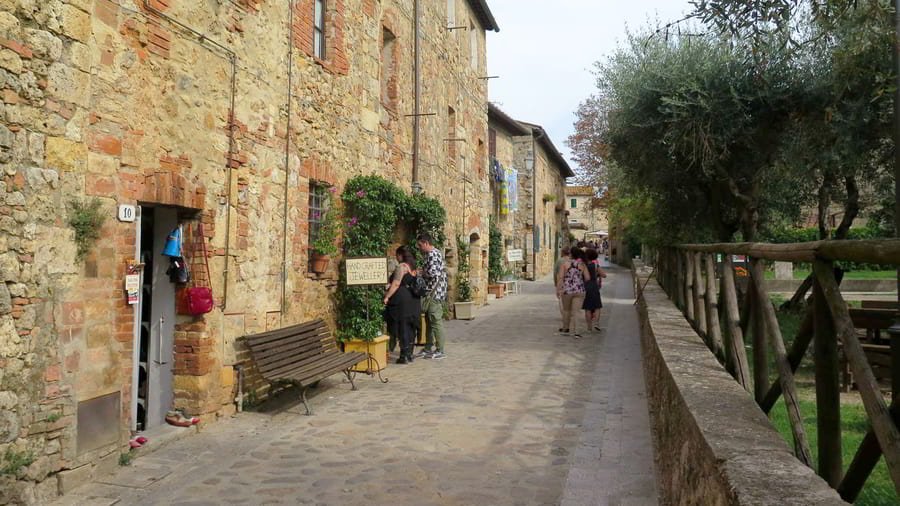
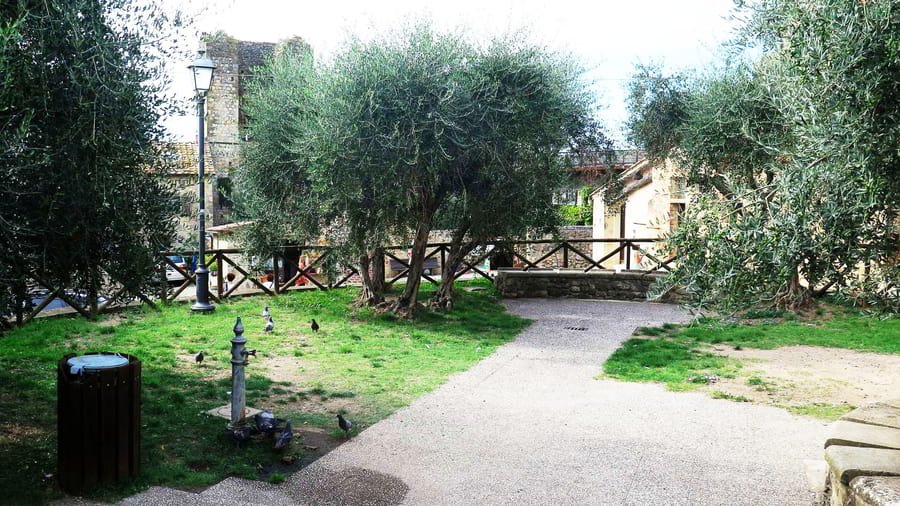
Via Antonio Gramsci, 53035 Monteriggioni, Italy (September 2018)
Monteriggioni
Delayed or cancelled flight?
Get up to £520!
You’ve got rights when your flight’s disrupted.
We enforce them and handle everything so you get paid
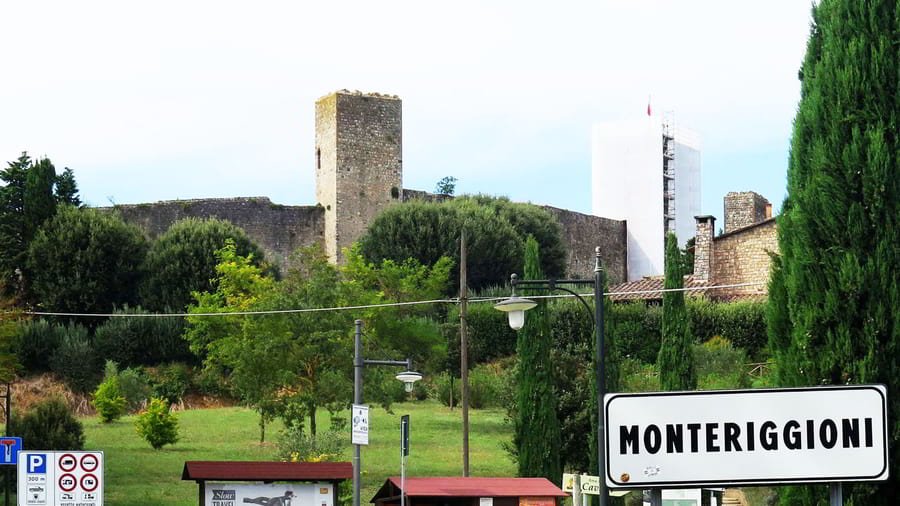
Monteriggioni is a small medieval town in Tuscany that stands as one of the most striking and well preserved fortified settlements in Italy. Rising gently from the rolling countryside between Siena and Florence, Monteriggioni is instantly recognizable for its circular stone walls and evenly spaced towers, which appear almost unchanged since the Middle Ages. The town’s silhouette, set against vineyards, olive groves, and open fields, evokes a powerful sense of history and continuity.
Founded in the early thirteenth century by the Republic of Siena, Monteriggioni was built as a defensive stronghold to protect Sienese territory from Florentine expansion. Its strategic location allowed for control over important roads and trade routes, making it a key military outpost during a period of frequent conflict. The walls, punctuated by fourteen towers, were designed not only for defence but also as a clear statement of power and independence. Even today, they remain among the best preserved fortifications of their kind in Europe.
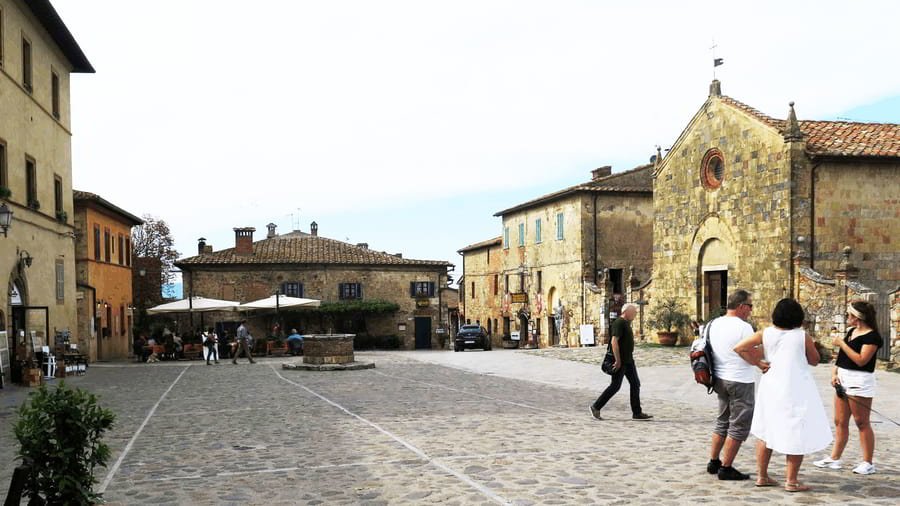
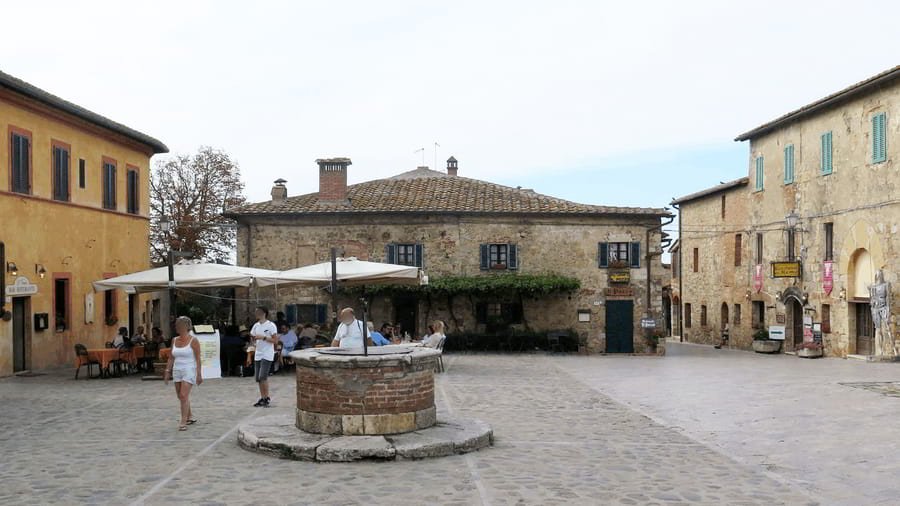
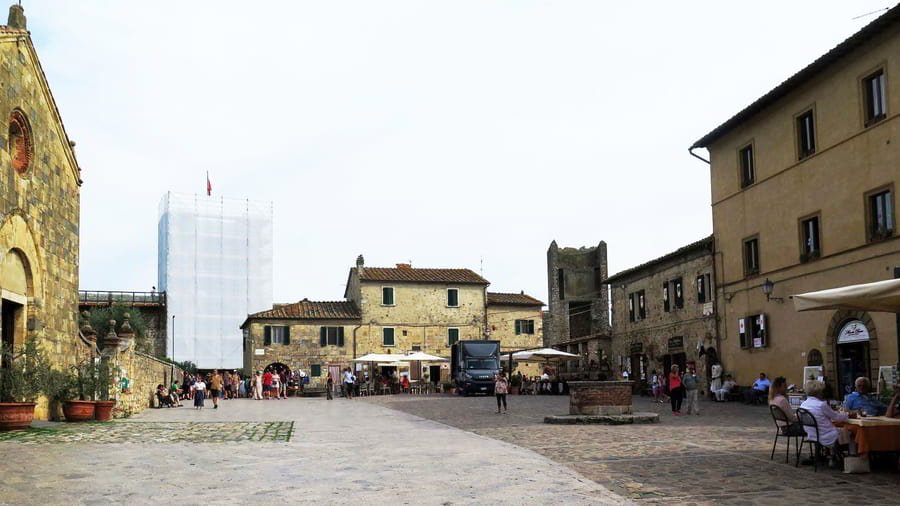
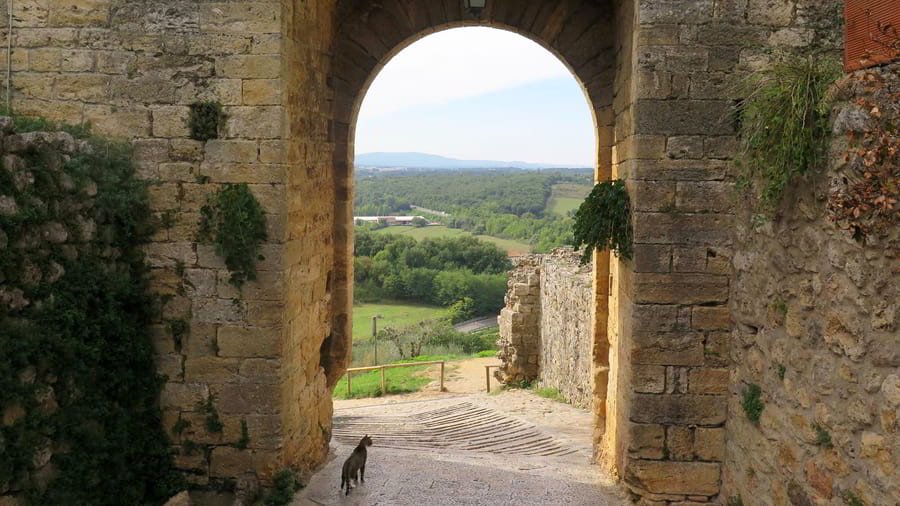
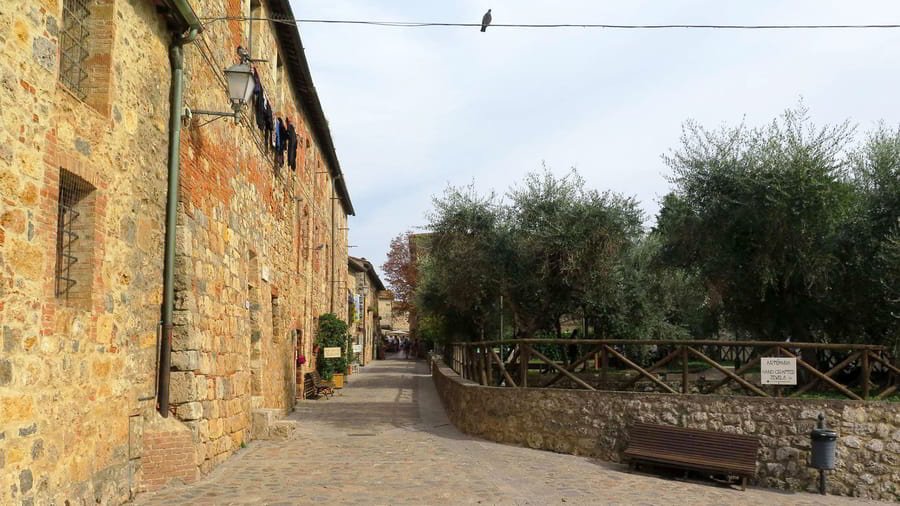
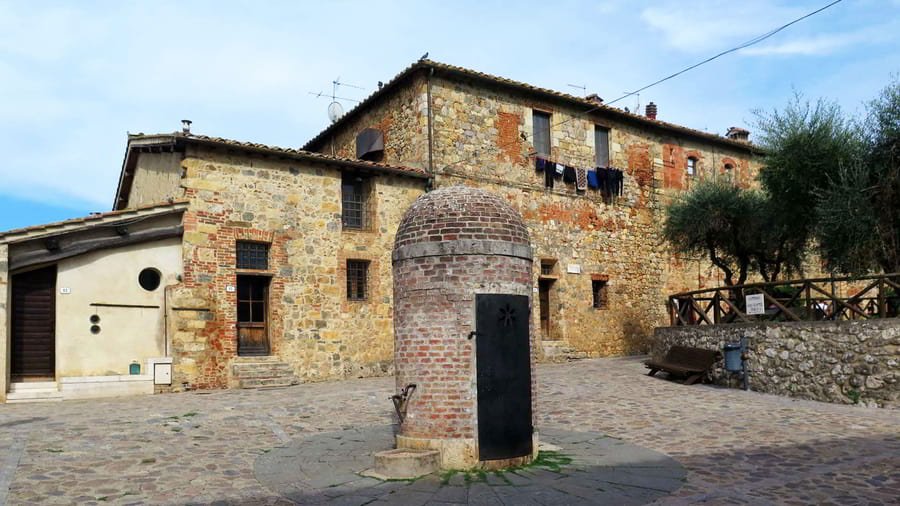
Entering Monteriggioni through one of its ancient gates feels like stepping into another era. Inside the walls, the town is compact and intimate, centred around a main square that has served as a gathering place for centuries. Stone houses, narrow streets, and simple facades define the interior, reflecting a life once focused on protection, cooperation, and self sufficiency. Unlike larger historic cities, Monteriggioni has retained a sense of scale that allows visitors to experience its layout in a single walk, fostering a close connection to its past.
Monteriggioni’s cultural significance extends beyond its physical form. The town is famously mentioned by Dante Alighieri in the Divine Comedy, where its towers are compared to giants standing guard around the abyss of Hell. This literary reference underscores the powerful impression Monteriggioni made even in medieval imagination, reinforcing its symbolic presence in Italian cultural history.
The surrounding landscape plays an essential role in shaping Monteriggioni’s character. The gentle hills of the Tuscan countryside create a natural contrast to the strength of the stone walls, emphasizing the relationship between human construction and the land. Vineyards and farmland stretch outward from the town, continuing traditions of agriculture that have supported local life for generations. This balance between defence and cultivation defines much of the area’s historical identity.
Although Monteriggioni is small, it maintains an active connection to its heritage. Cultural events, historical re-enactments, and seasonal festivals bring the town to life, offering insight into medieval customs and community traditions. These occasions transform the quiet streets into spaces of shared celebration, reinforcing the bond between past and present. Visitors are invited not only to observe but to participate in the living story of the town.
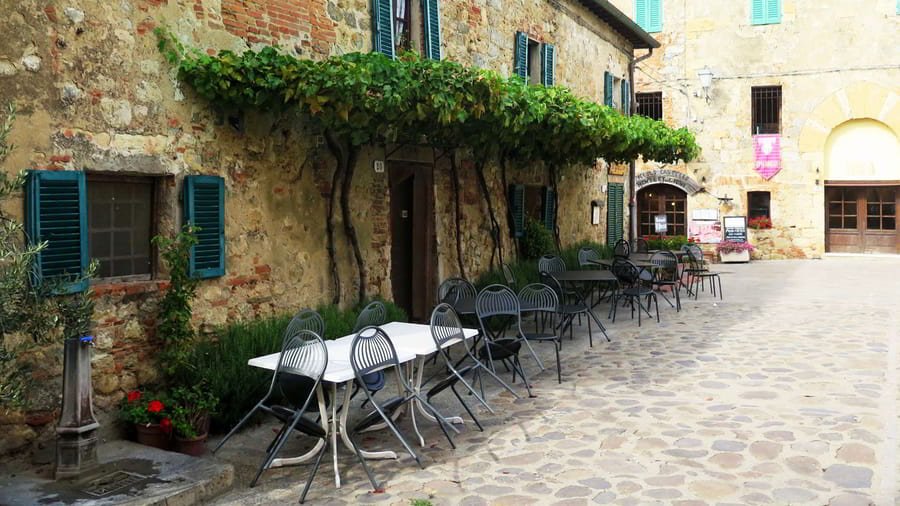
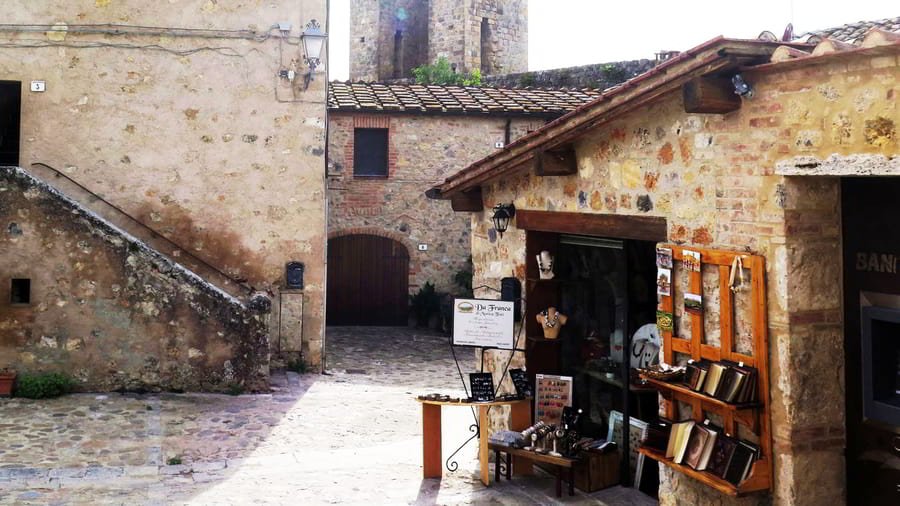
Life within Monteriggioni unfolds at a gentle pace, shaped by its size and surroundings. The absence of modern sprawl allows the town to preserve a calm and contemplative atmosphere. Cafes, small shops, and local establishments operate within historic buildings, blending daily routines with centuries old architecture. This coexistence of modern life and medieval structure gives Monteriggioni its distinctive charm.
Monteriggioni is not defined by grandeur or scale, but by clarity of purpose and preservation. It stands as a rare example of a town that has maintained its original form and identity across centuries of change. As an introduction to Tuscany, Monteriggioni offers a concentrated experience of medieval history, landscape, and tradition, reminding visitors that some of Italy’s most compelling stories are told within its smallest and most carefully guarded places.
Worth a Visit
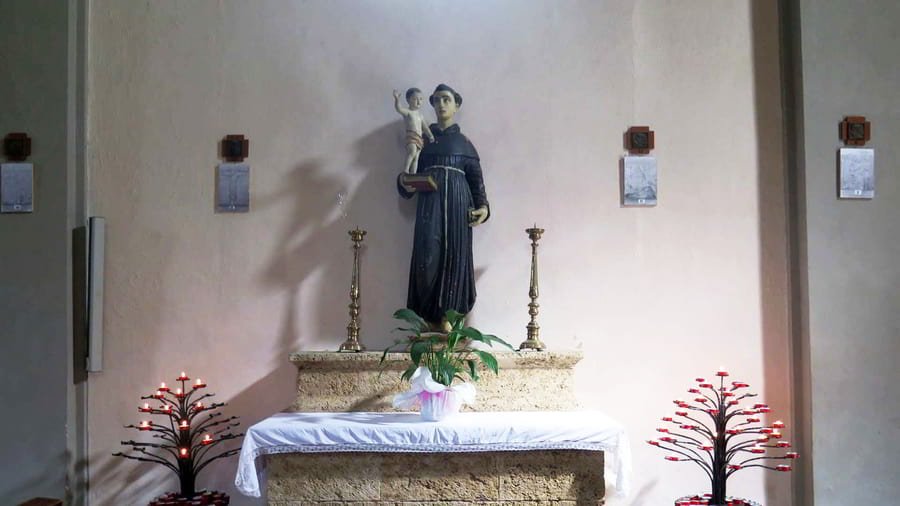
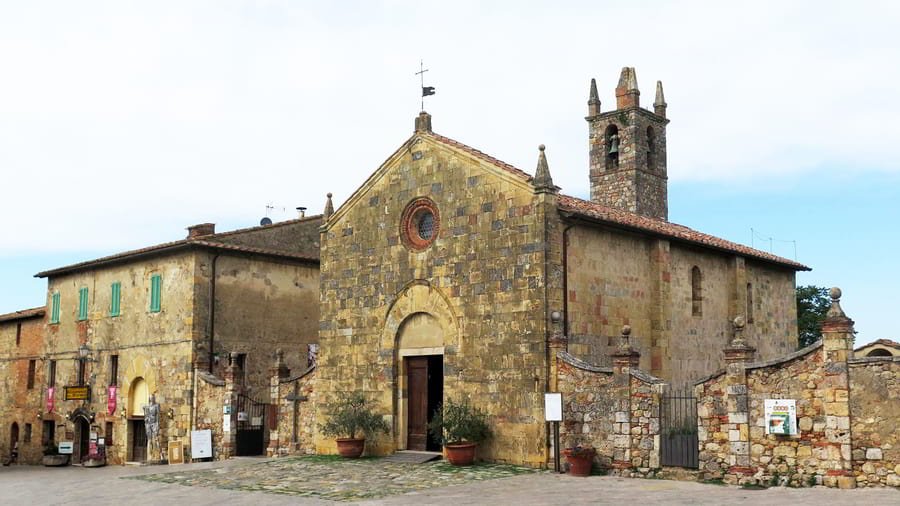
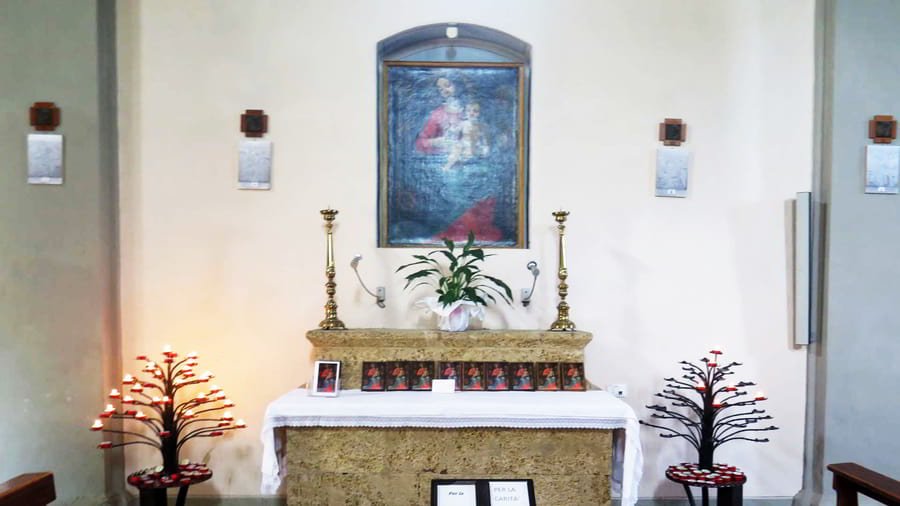
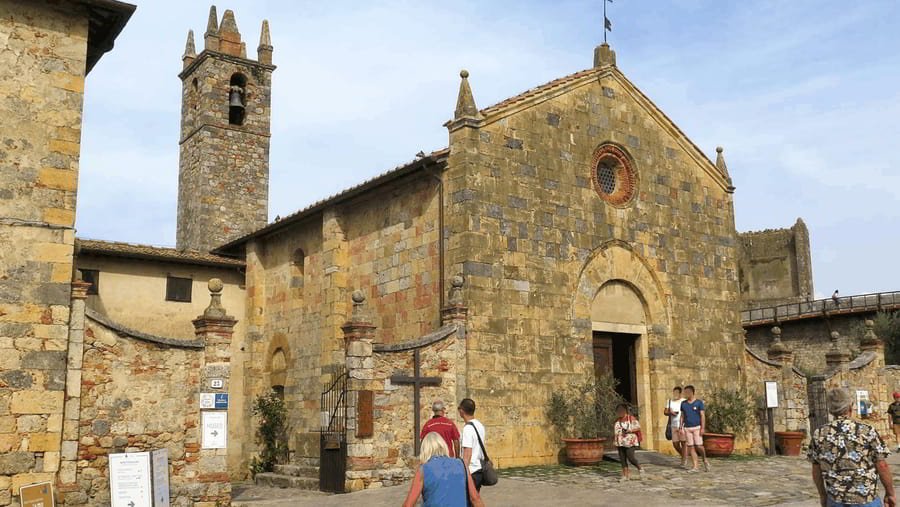
The Chiesa di Santa Maria, located in the heart of Monteriggioni, Italy, is a beautiful example of medieval architecture and spiritual heritage. Built in the early 13th century, the church stands within the town’s fortified walls, reflecting the simplicity and harmony typical of Romanesque style. Its stone façade, arched doorway, and modest bell tower evoke a timeless charm that transports visitors back to the Middle Ages. Inside, the atmosphere is serene, with soft light filtering through small windows and illuminating the ancient altar and wooden furnishings. Though small, the church remains a significant part of the local community, serving as a place of worship and reflection for centuries. Surrounded by Monteriggioni’s cobbled streets and panoramic views of the Tuscan countryside, the Chiesa di Santa Maria embodies the region’s deep connection between faith, history, and tradition, offering a quiet yet profound experience for all who visit.
Photo Gallery of Walk– Strada Comunale di Monteriggioni to Via Antonio Gramsci
Approximately 0.54 km – 0.34 miles
Description of Walk
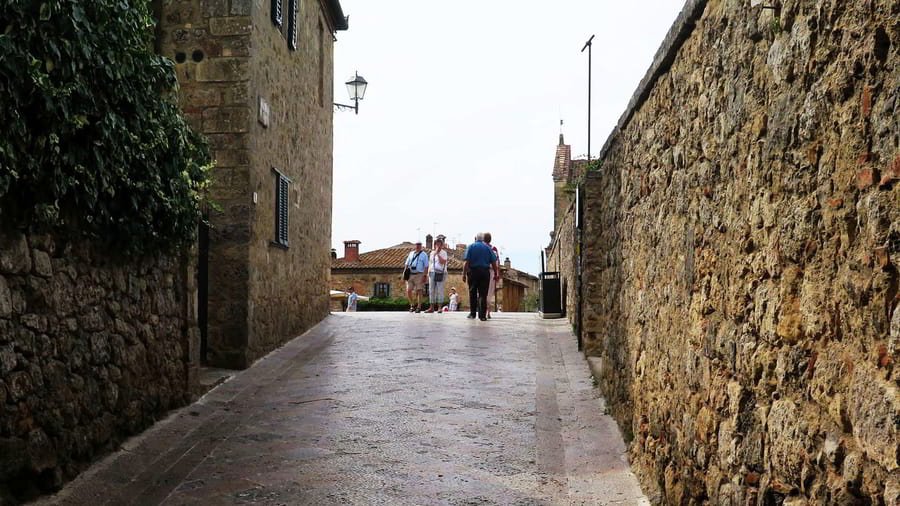
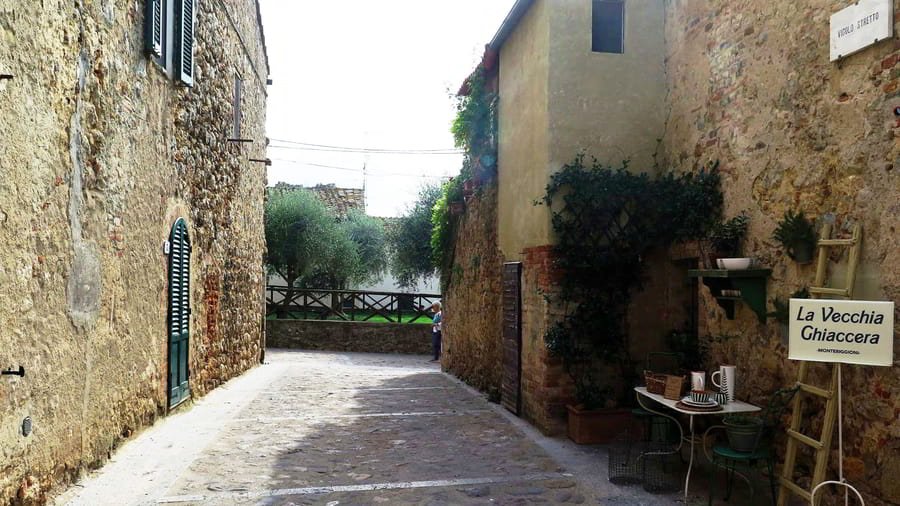
This walking route explores the charming walled village of Monteriggioni, one of Tuscany’s best-preserved medieval settlements. Surrounded by impressive defensive walls and towers dating from the thirteenth century, Monteriggioni offers visitors a unique glimpse into the region’s rich history and strategic importance during the conflicts between Siena and Florence. The walk begins on Strada Comunale di Monteriggioni and enters the village at Piazza Roma, the central square and focal point of community life. From here, the route visits the historic Church of Santa Maria Assunta, a Romanesque church that has served the village for centuries. Returning to Piazza Roma, the walk continues through the narrow Vicolo Stretto before following Via I° Maggio and Via Antonio Gramsci. Along the way, visitors can appreciate Monteriggioni’s stone architecture, peaceful atmosphere, and remarkable medieval character.
COPYRIGHT © 2018-2026 ITALY IN PHOTOS - ALL RIGHTS RESERVED