
HOME
REGIONS OF ITALY
PLACES IN ITALY
PLAN YOUR TRIP
Italy in Photos
Abbazia di Montecassino, 03043 Cassino, Italy (August 2018)
Abbazia di Montecassino, Cassino
Delayed or cancelled flight?
Get up to £520!
You’ve got rights when your flight’s disrupted.
We enforce them and handle everything so you get paid
Nestled atop a rocky hill overlooking the valley of the Liri River in central Italy, the Abbazia di Montecassino stands as one of the most iconic monasteries in Europe. Founded in 529 by Saint Benedict of Nursia, it is widely regarded as the birthplace of the Benedictine Order, which profoundly shaped the spiritual, cultural, and intellectual life of medieval Europe. The abbey’s strategic location and historical significance make it both a religious sanctuary and a symbol of resilience and continuity throughout centuries of upheaval.
The origins of the abbey are closely linked to Saint Benedict himself, who sought a place of solitude where he could devote himself to prayer, study, and the guidance of disciples. According to historical accounts, Benedict chose Montecassino for its serene environment, ideal for contemplation and the pursuit of a disciplined monastic life. From its early days, the monastery became a model for monastic communities across Europe. The Rule of Saint Benedict, established within the walls of Montecassino, emphasized moderation, obedience, and work balanced with prayer, shaping monastic practices for generations to come.
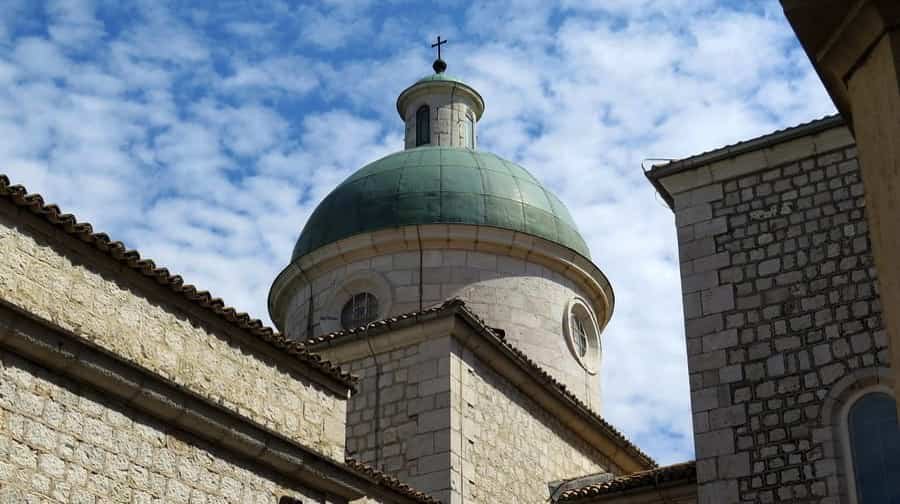
Architecturally, the abbey has undergone numerous transformations, reflecting the turbulent history of the region. Over the centuries, it has been destroyed and rebuilt several times due to earthquakes, invasions, and warfare. Despite these challenges, the abbey has preserved its role as a center of learning, art, and spirituality. Its reconstruction following World War Two, when it was almost completely destroyed during the Battle of Montecassino, stands as a testament to human perseverance and devotion. Today, the abbey presents a harmonious blend of classical, medieval, and modern architectural elements, offering visitors a glimpse into the layers of history embedded within its walls.
The artistic heritage of Montecassino is equally remarkable. The monastery houses an extensive library, which was once considered one of the most important in Europe. Its manuscripts and codices contain invaluable knowledge, ranging from religious texts to works of classical literature. The abbey’s frescoes, mosaics, and sculptures further highlight the artistic achievements nurtured within its community. These artistic treasures not only demonstrate the skill and creativity of the monks but also reflect the abbey’s role as a cultural hub, influencing art and architecture far beyond its immediate surroundings.
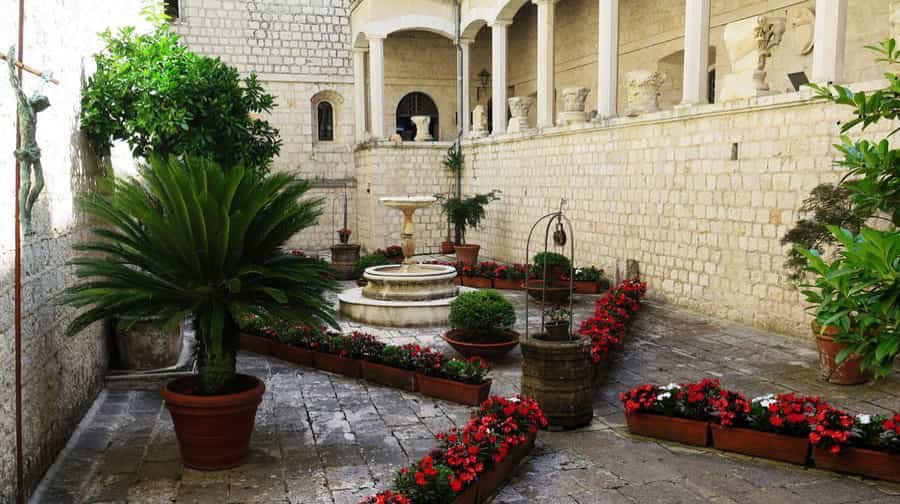
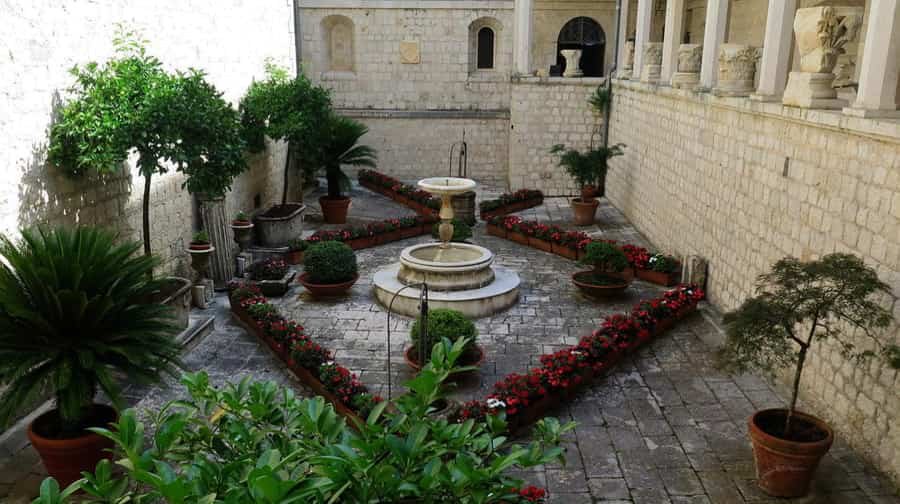
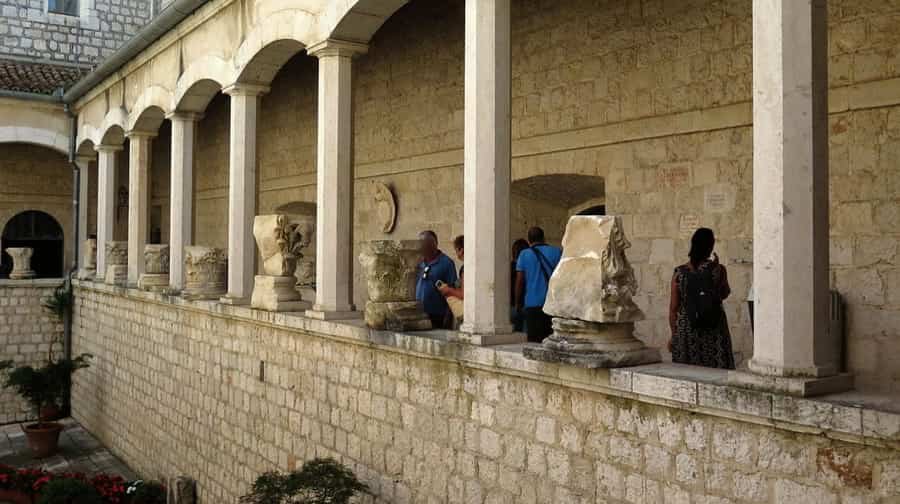
Beyond its historical and artistic significance, the abbey continues to serve as a living religious community. Monks still reside at Montecassino, maintaining centuries-old traditions of prayer, study, and hospitality. Visitors can experience the rhythm of monastic life, attend services, and explore the gardens and cloisters that have inspired devotion and reflection for centuries. The abbey’s spiritual presence is complemented by the breathtaking natural landscape that surrounds it, with panoramic views of the rolling hills and valleys below. This combination of spiritual depth and natural beauty makes Montecassino a place of reflection, not only for pilgrims and religious adherents but also for travelers and history enthusiasts from around the world.
Montecassino’s historical significance extends beyond its religious and cultural contributions. It played a pivotal role during several periods of European history, including the early medieval era, the Renaissance, and modern conflicts. Its resilience in the face of destruction and reconstruction symbolizes the enduring power of faith, knowledge, and human creativity. As a site that has witnessed centuries of human endeavor, devotion, and struggle, the abbey embodies a unique convergence of history, spirituality, and art.
Visiting the Abbazia di Montecassino offers more than a journey through stone corridors and ancient frescoes. It provides an opportunity to engage with a living legacy that has shaped European monasticism, education, and culture. Its story is one of dedication, endurance, and inspiration, making Montecassino not just a historical monument, but a timeless symbol of human aspiration and spiritual pursuit. In every corner of the abbey, from its majestic basilica to its quiet cloisters, the echoes of centuries past continue to resonate, inviting reflection, admiration, and reverence.
The abbey’s presence on the Italian landscape is a powerful reminder of the enduring influence of spiritual and cultural institutions and the ways in which they continue to inspire and inform our understanding of history, art, and human resilience.
Worth a Visit
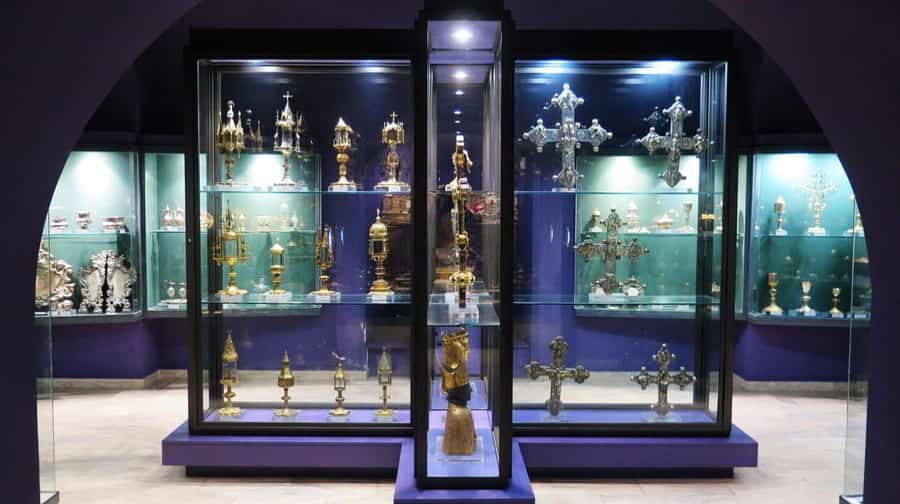
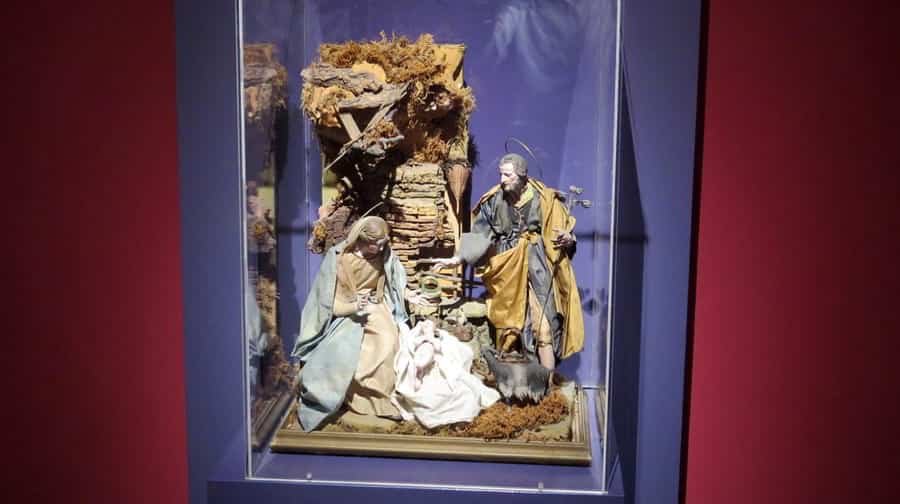
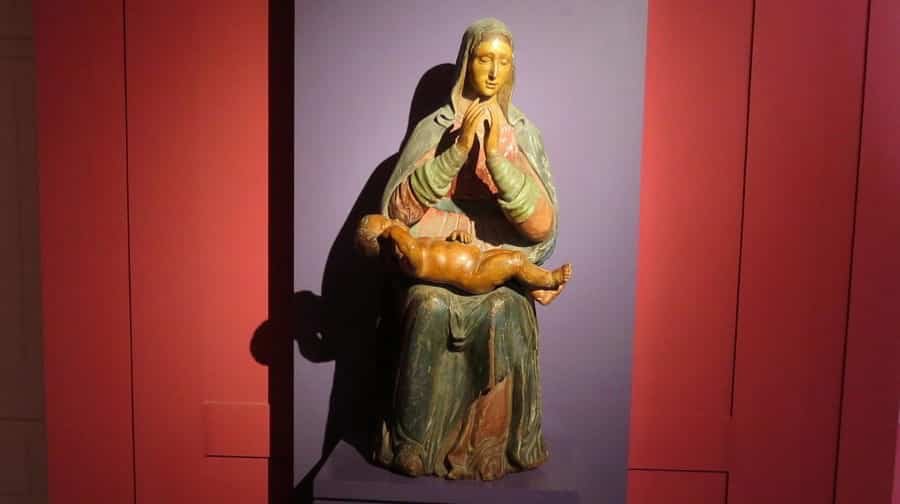
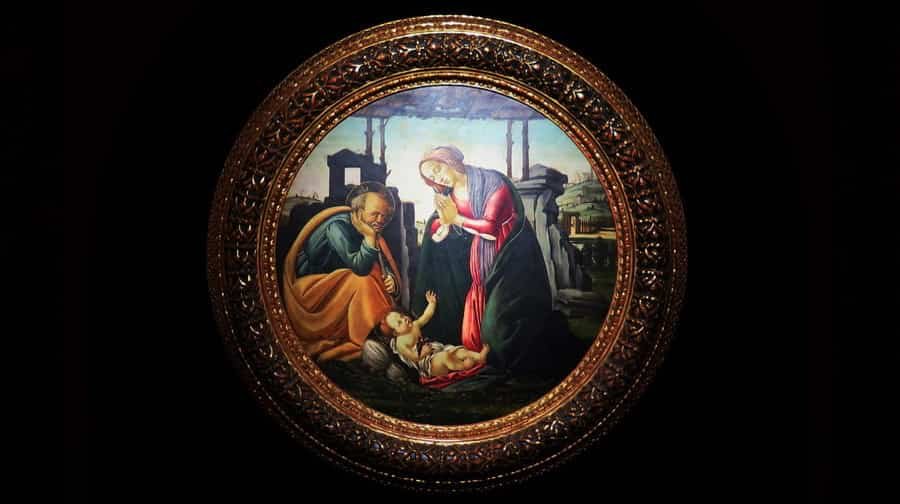
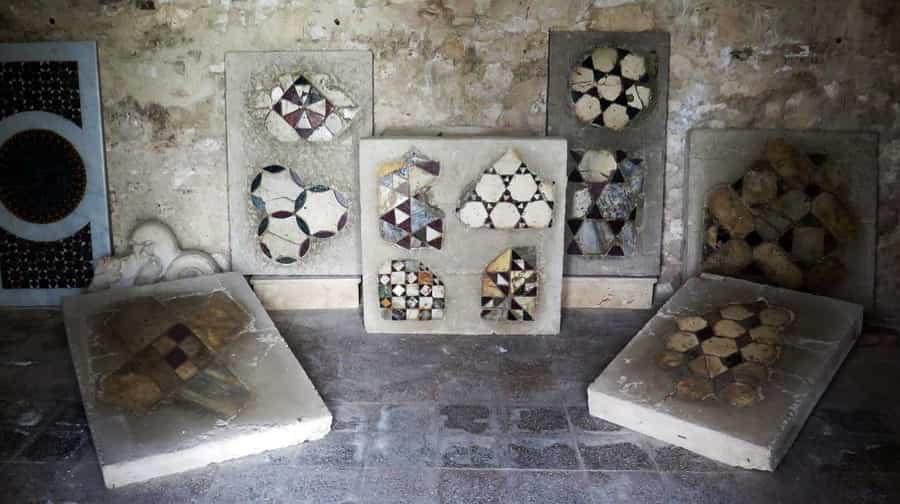
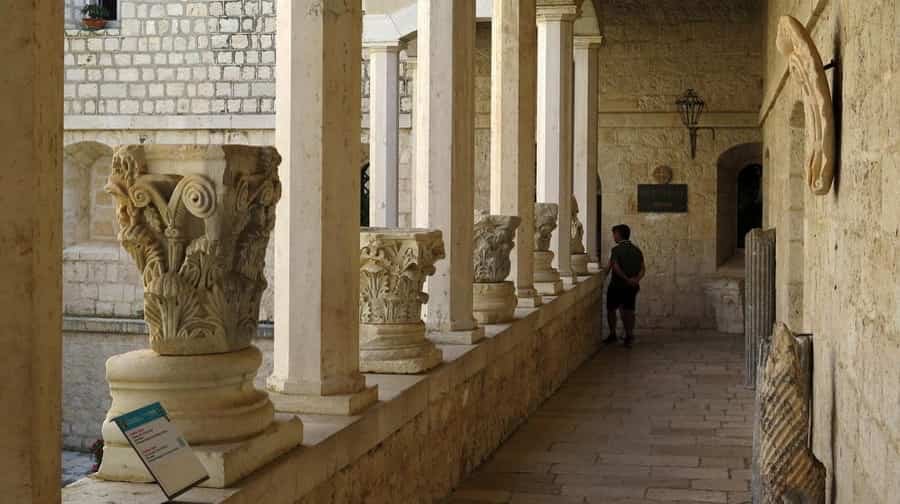
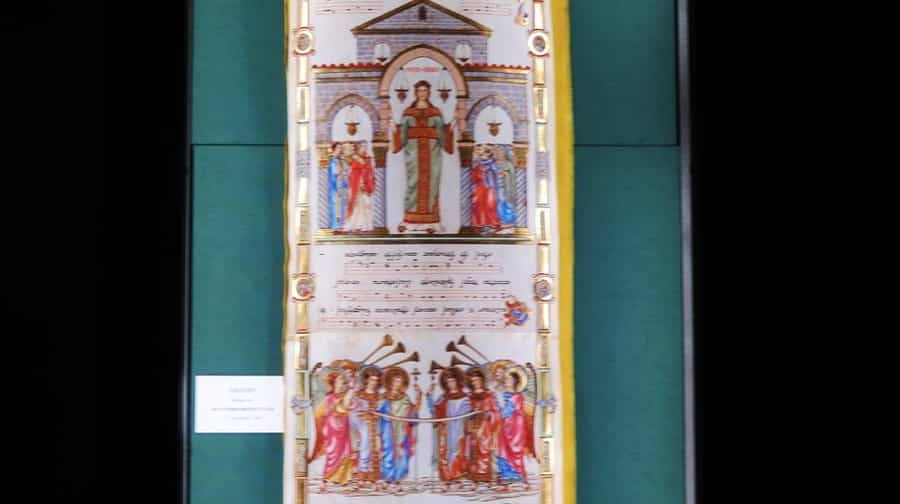
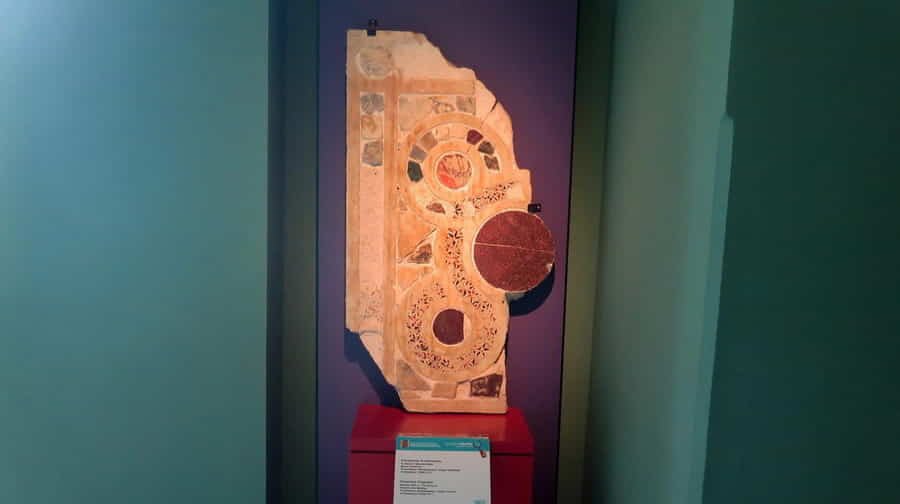
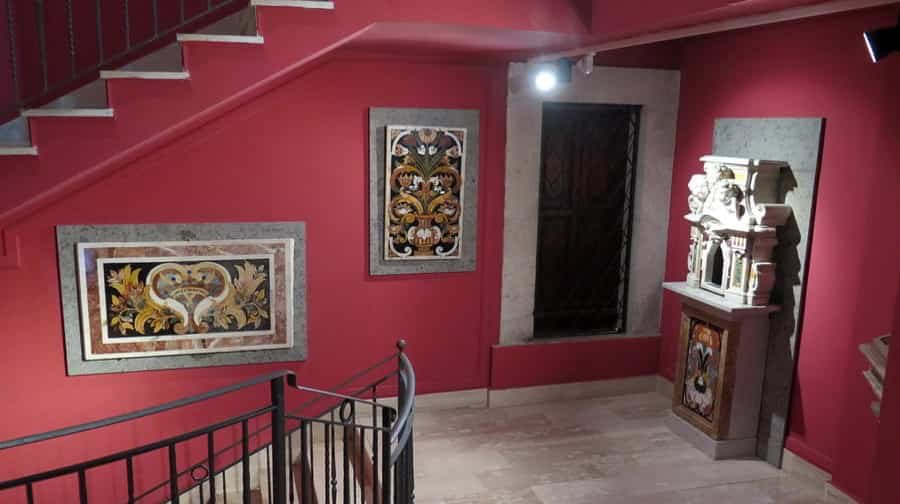
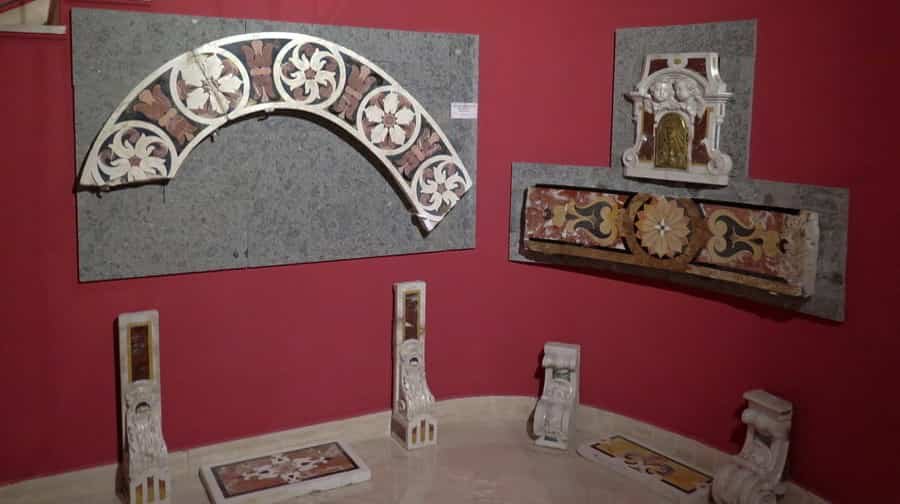
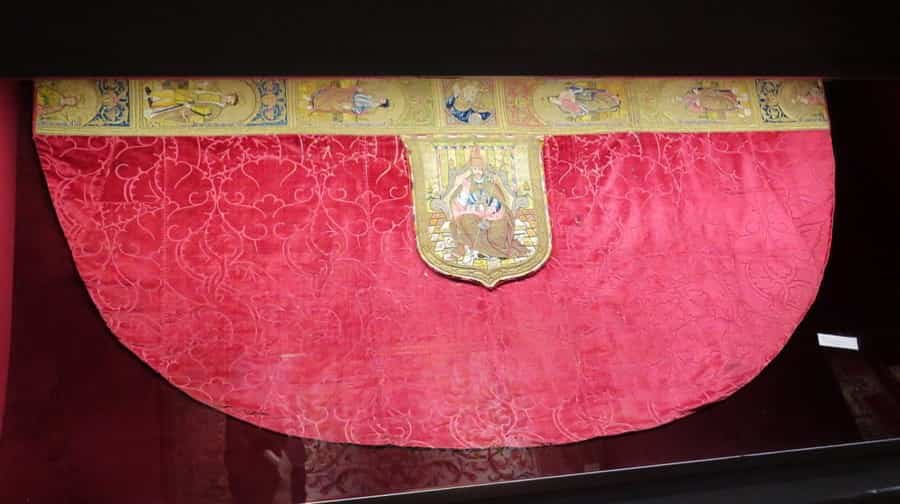
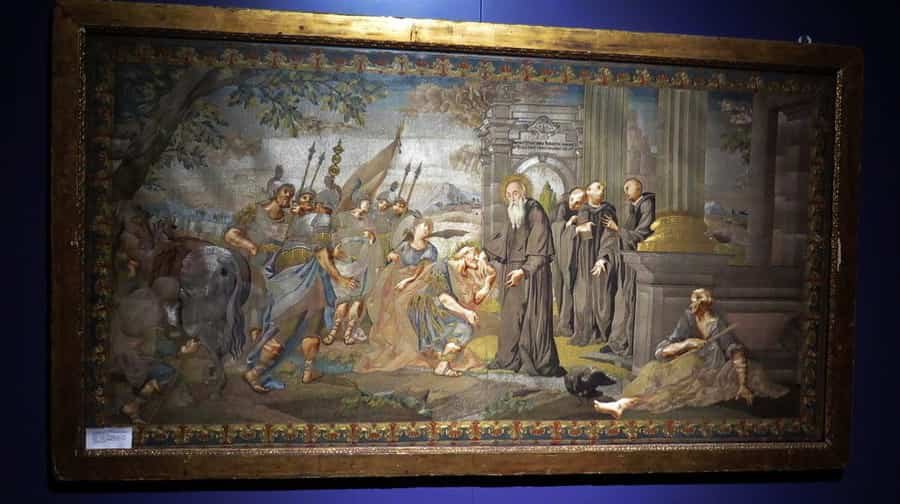
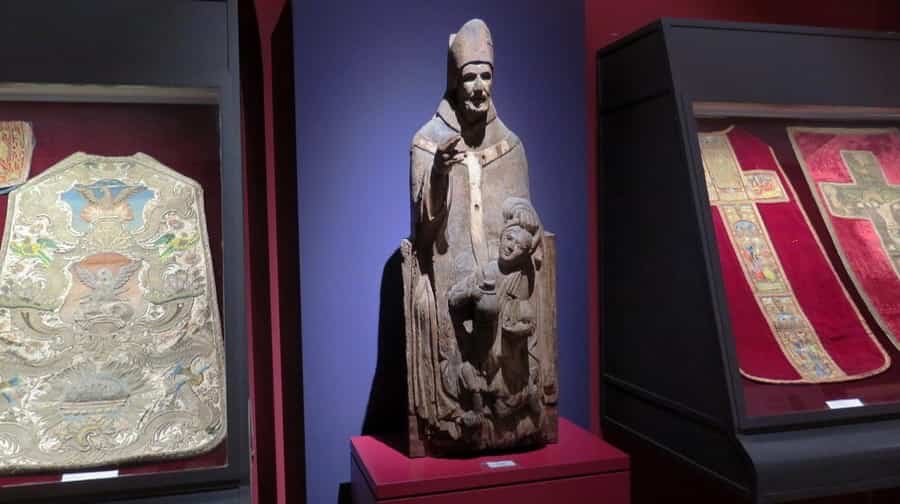
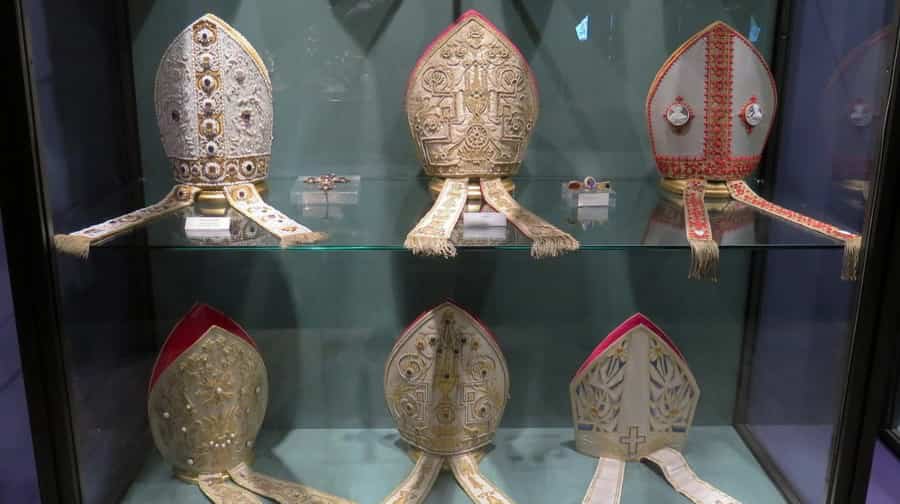
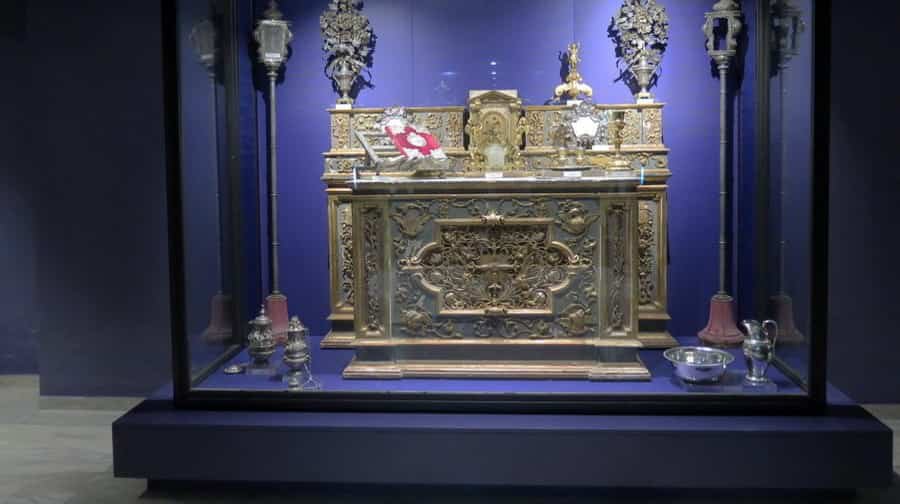
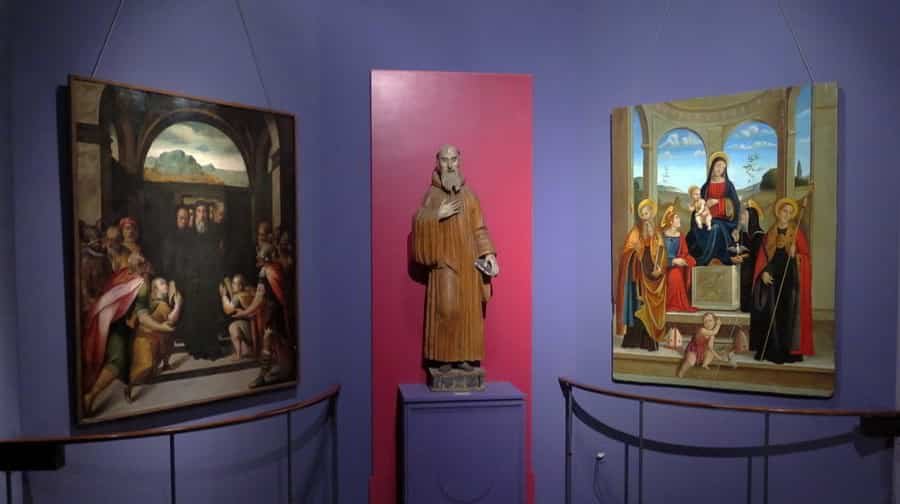
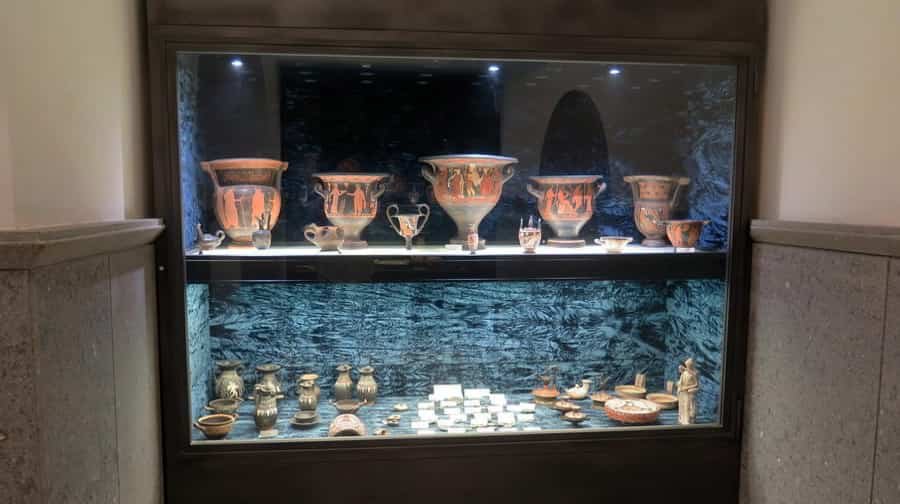
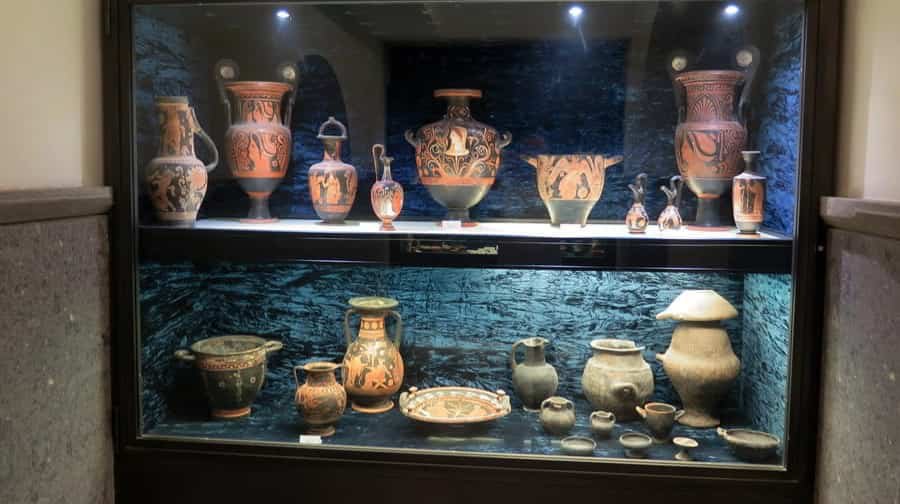
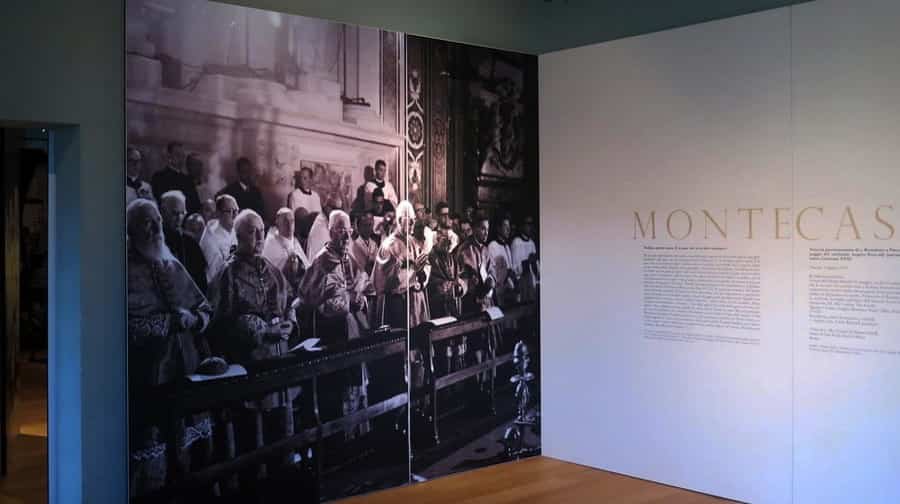
The Abbazia di Montecassino Museum, nestled within the walls of the historic Benedictine monastery of Montecassino, offers visitors an intimate journey through fifteen centuries of spiritual, cultural, and artistic heritage. More than a collection of artefacts, the museum serves as a bridge between the abbey’s ancient origins and its modern-day revival, preserving the memory of a site that has been destroyed and rebuilt multiple times yet continues to inspire. The museum is arranged to reflect the abbey’s dual identity as both a place of worship and a centre of learning. Its galleries showcase a rich array of treasures: illuminated manuscripts painstakingly copied by medieval monks, rare books from the abbey’s once-renowned library, intricate religious vestments, and sacred objects used in Benedictine liturgy. These pieces illustrate Montecassino’s role as a custodian of Western culture, where faith and scholarship flourished side by side.
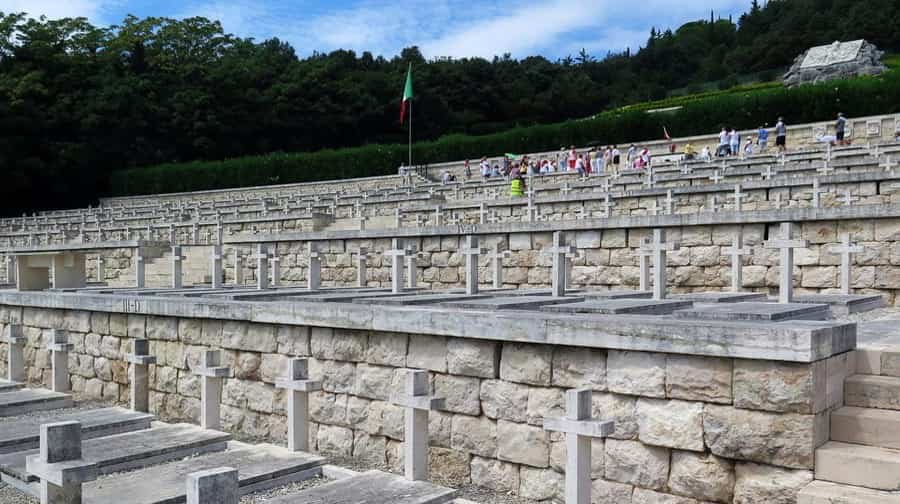
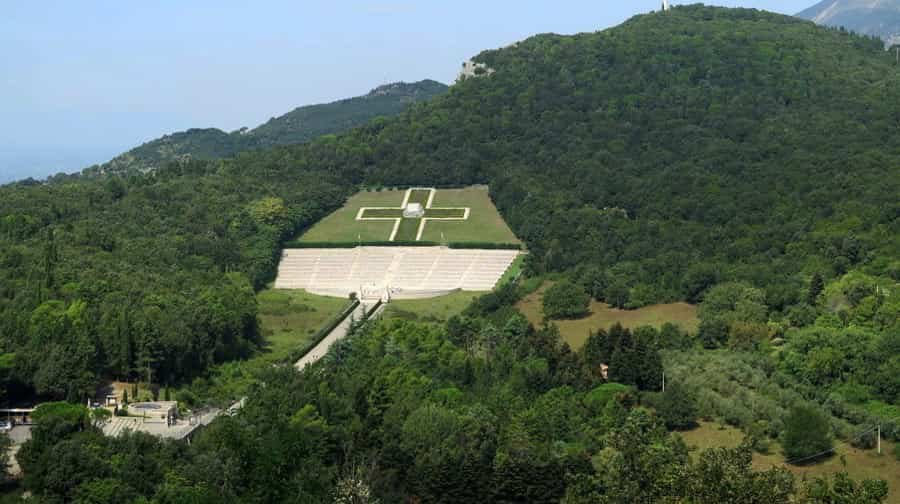
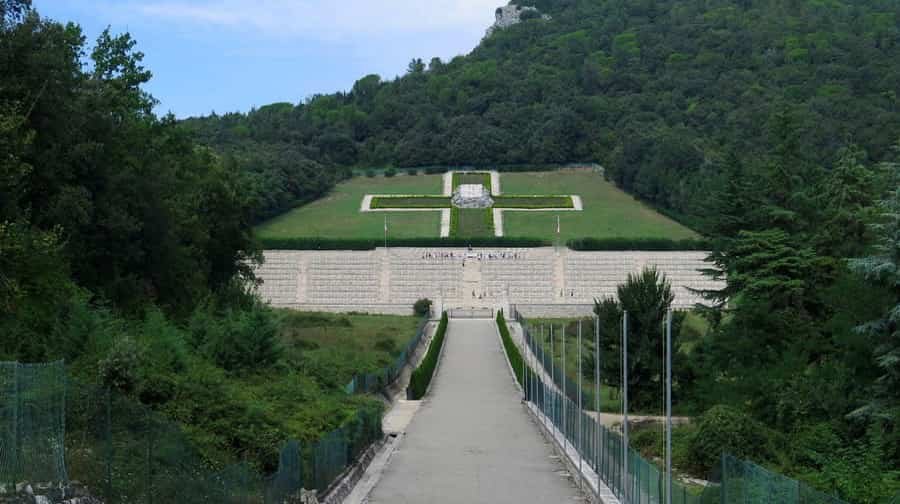
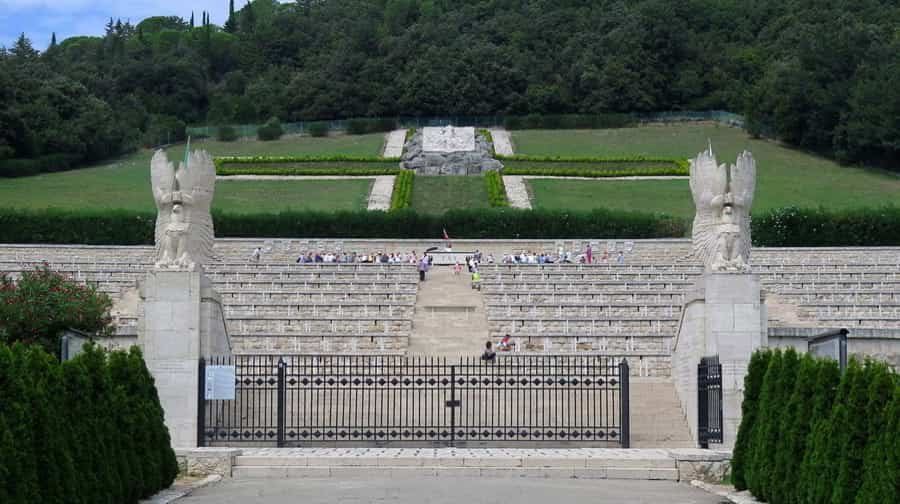
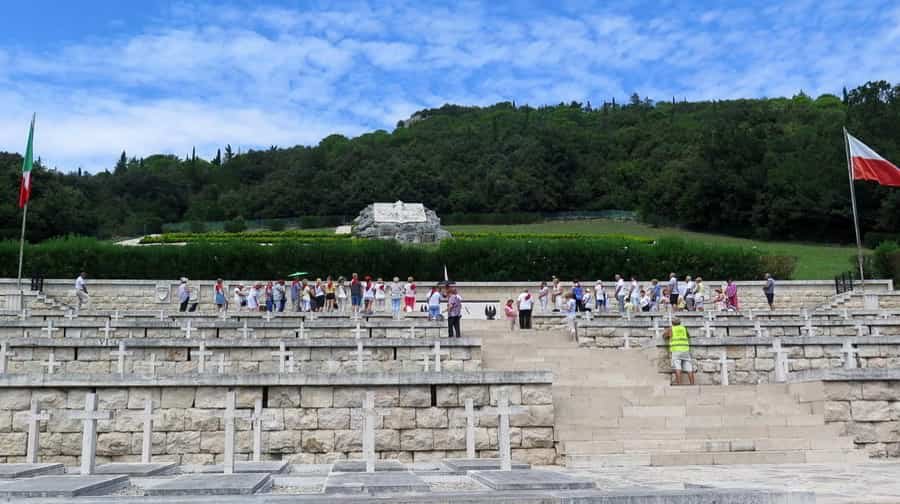
On the slopes below the abbey lies the Polish Military Cemetery—officially known as the Polish Military Field of Honour. It is the final resting place of over 1,000 soldiers of the Polish II Corps who fell during the final stages of the Battle of Montecasino. Commanded by General Władysław Anders, these men fought with extraordinary determination to capture the heights, knowing the battle’s symbolic and strategic importance. The cemetery’s design is simple yet profoundly moving. Rows of white crosses and gravestones lead the eye upward toward the abbey, a visual link between the sacrifice of the soldiers and the liberation of this sacred site. At its centre stands a memorial inscribed with words in Polish that translate to: “For our freedom and yours, we soldiers of Poland gave our soul to God, our life to the soil of Italy, and our hearts to Poland.
Photo Gallery of Abbazia di Montecassino
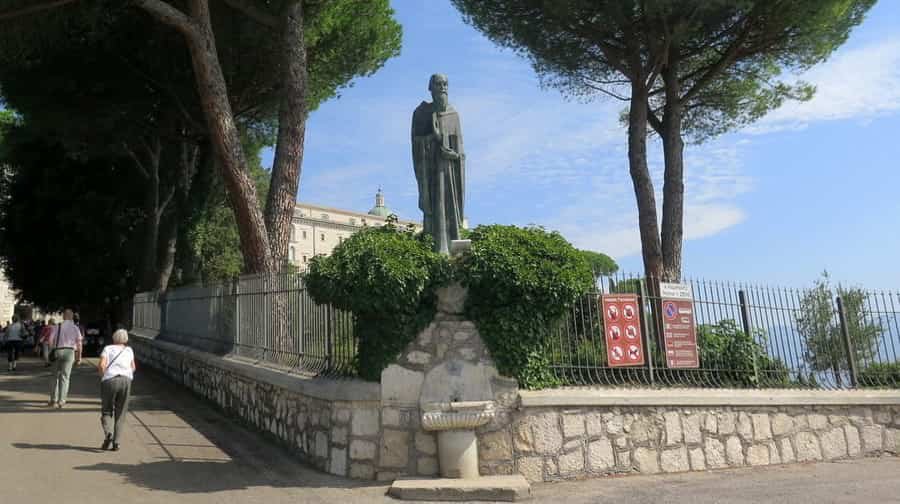
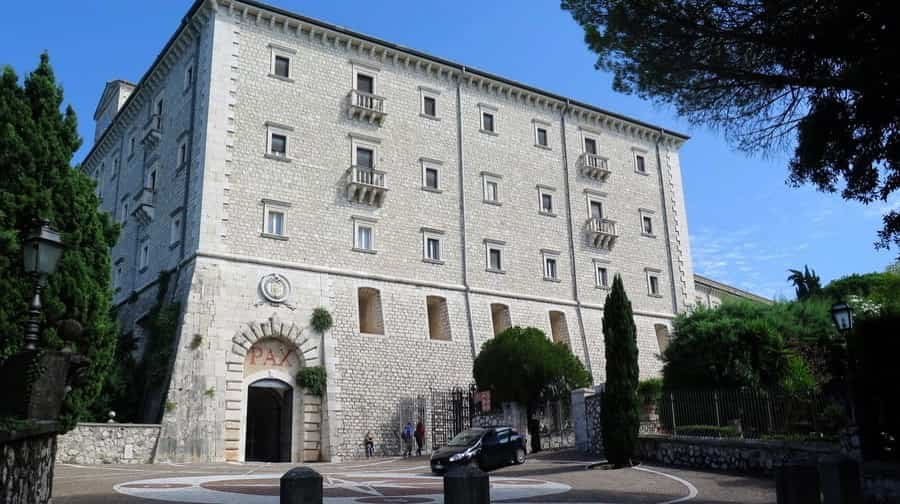
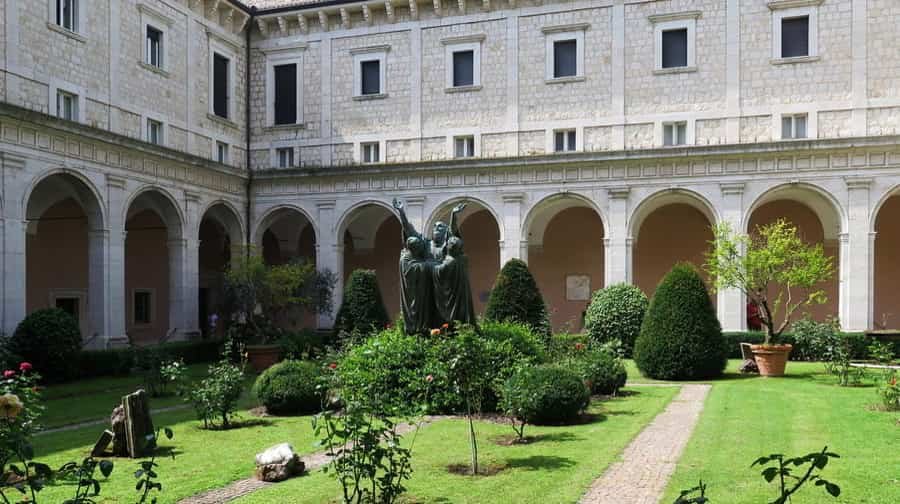
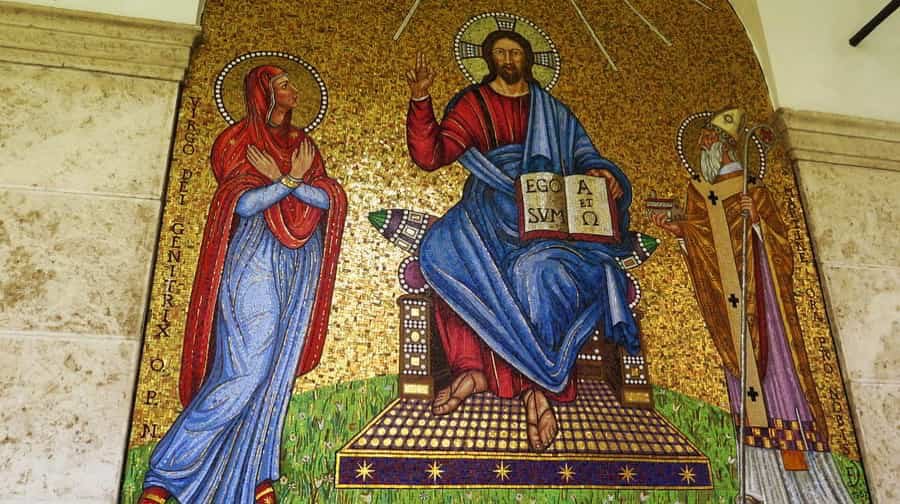
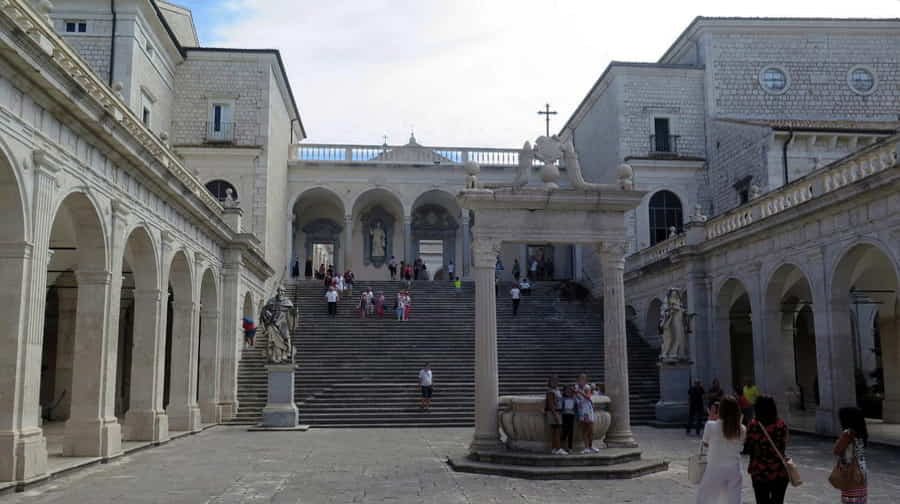
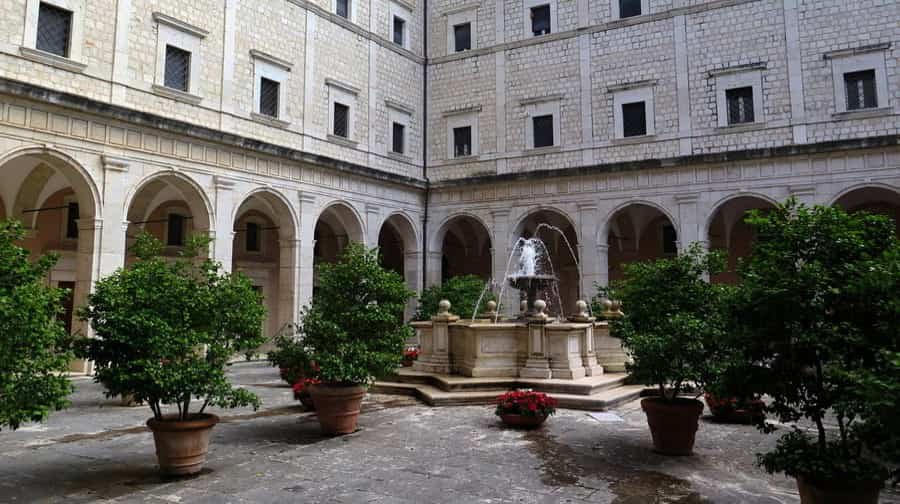
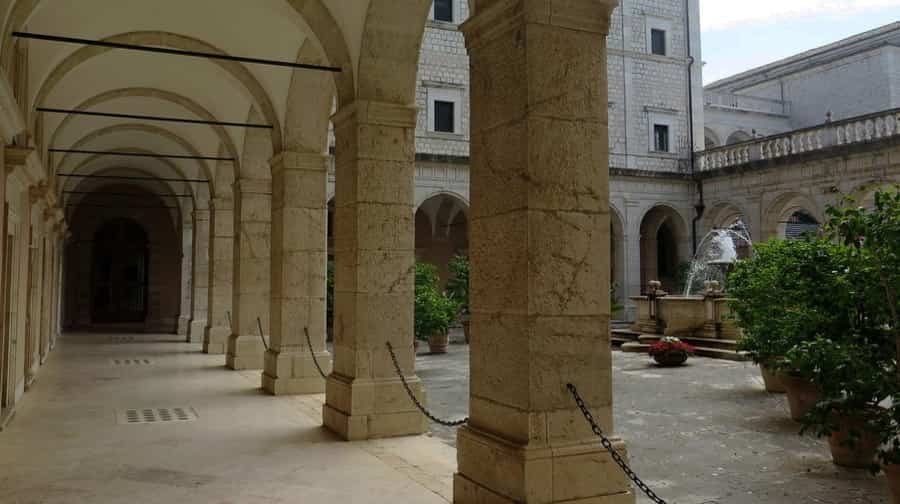
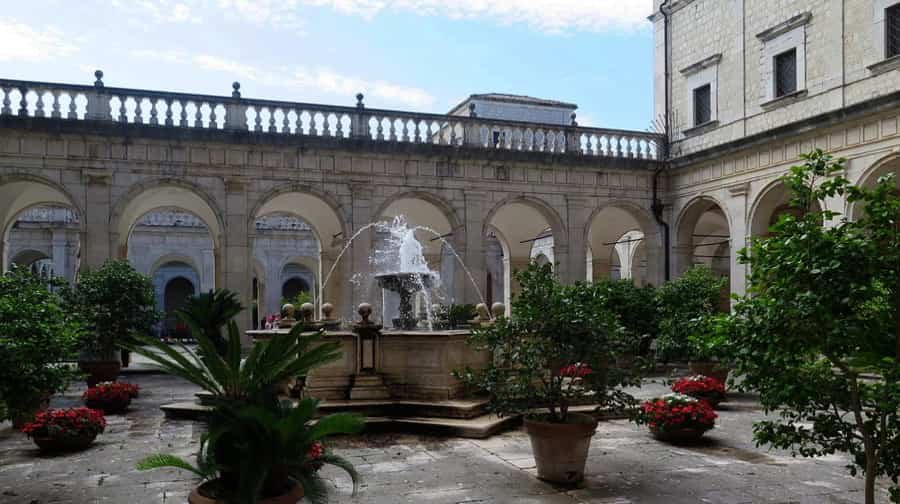
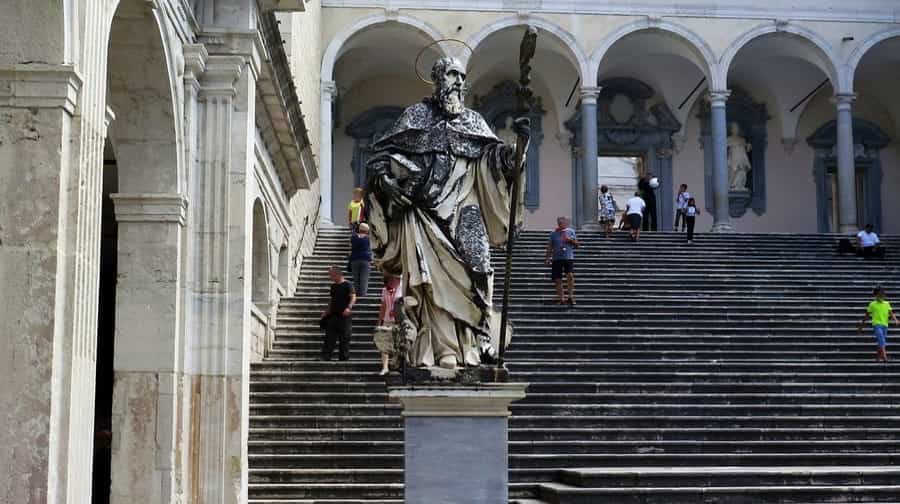
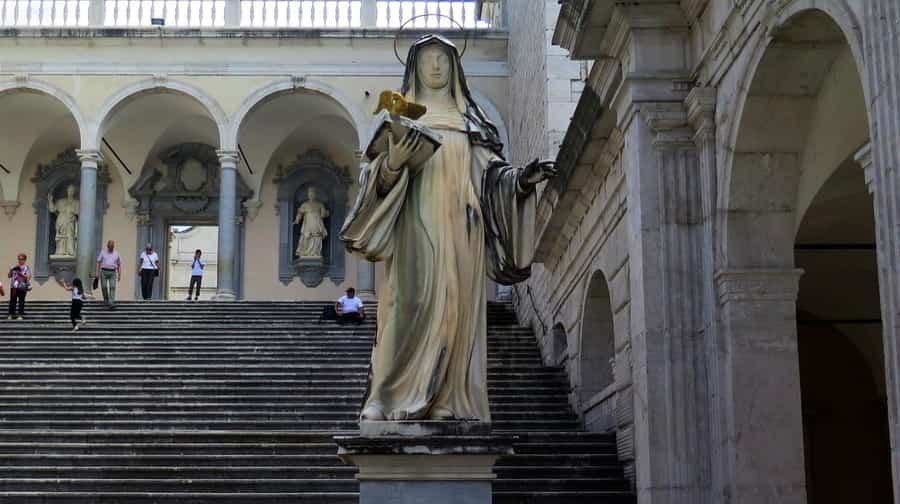
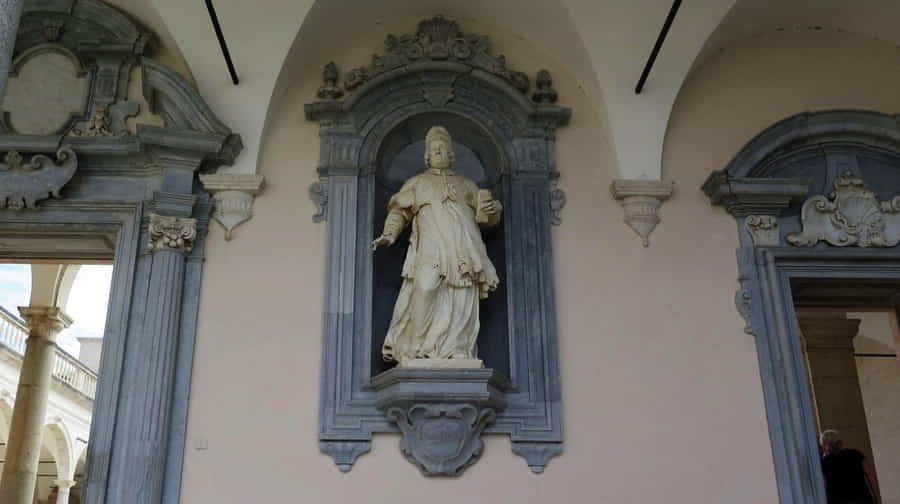
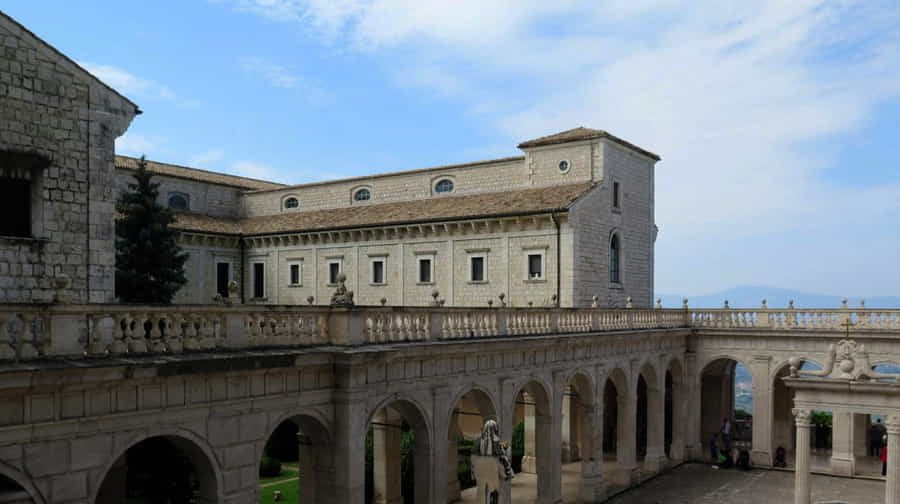
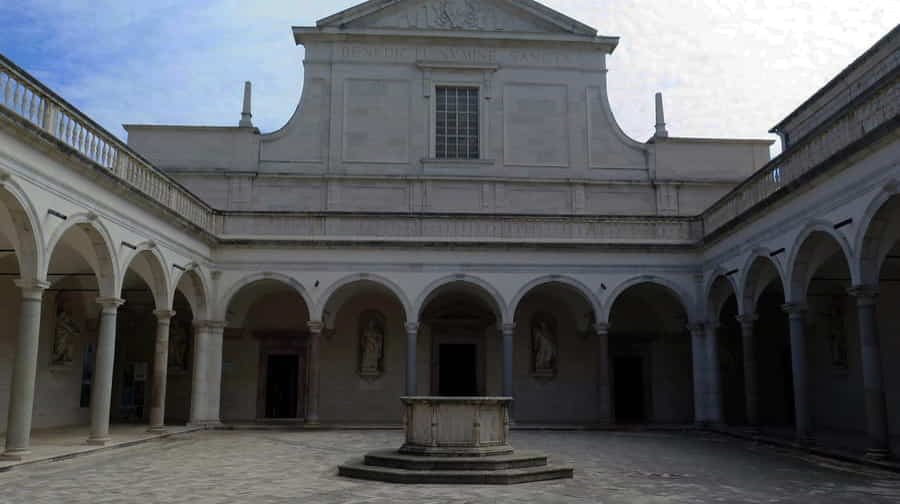
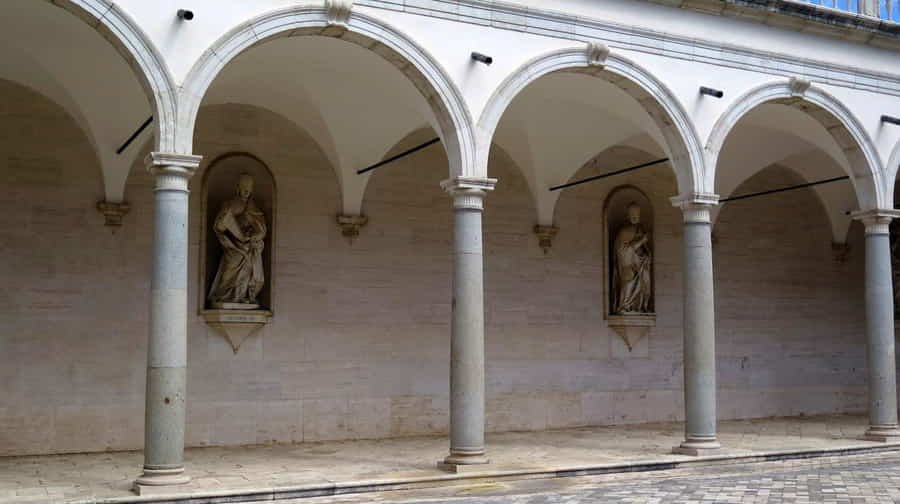
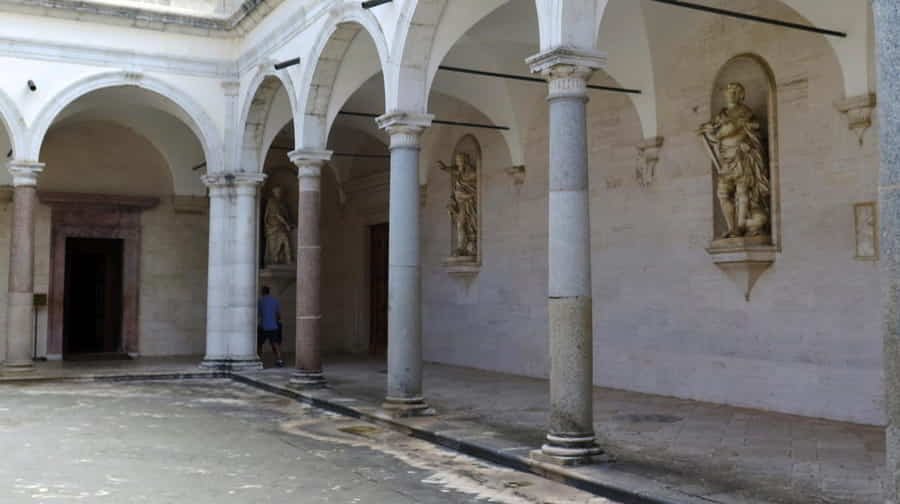
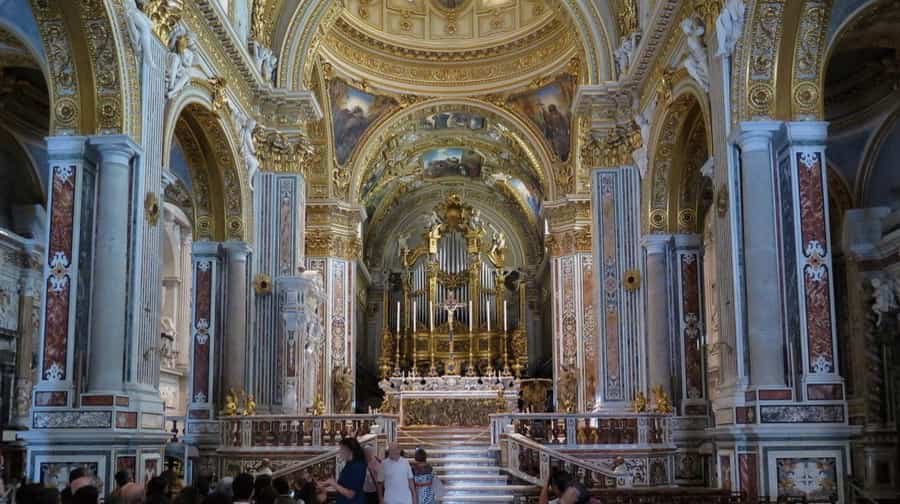
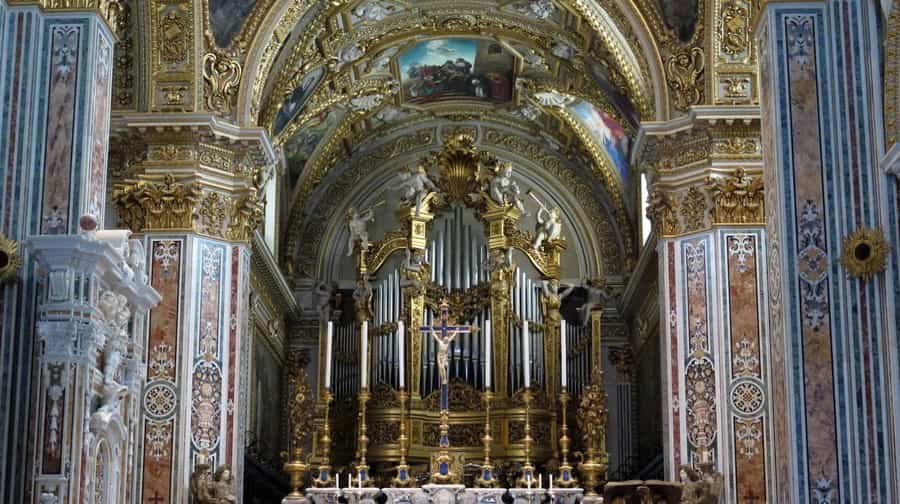
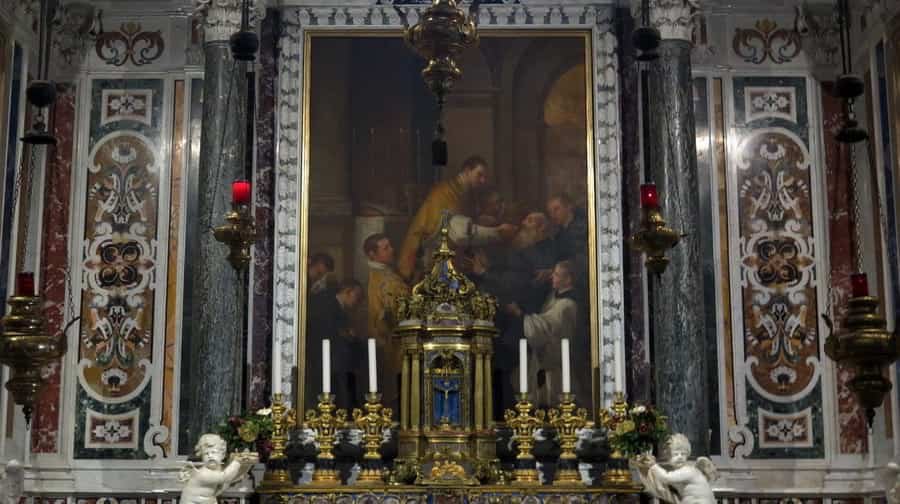
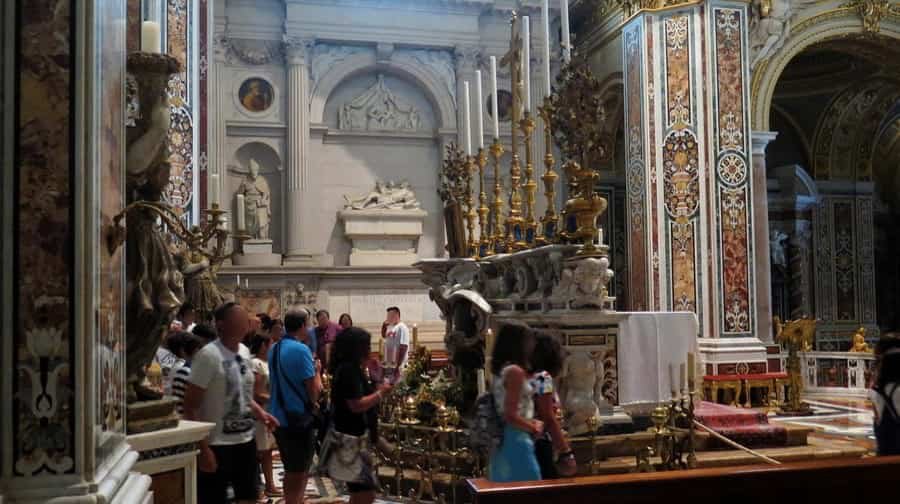
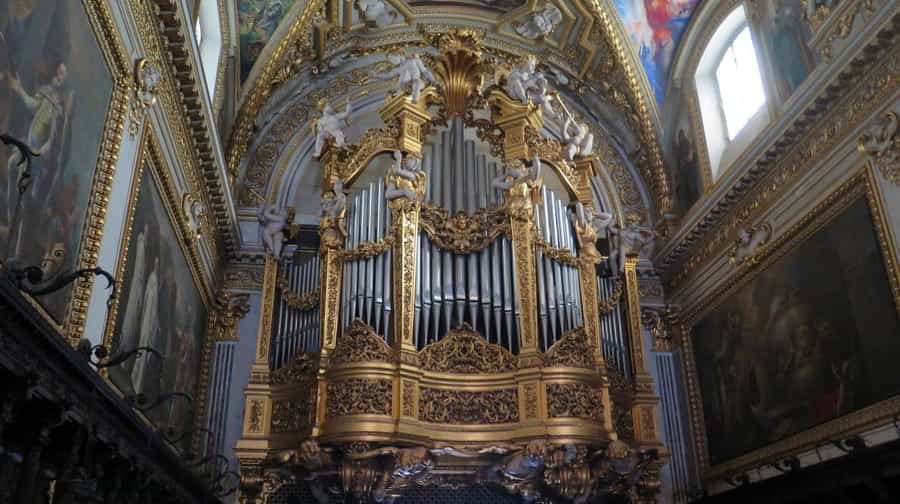
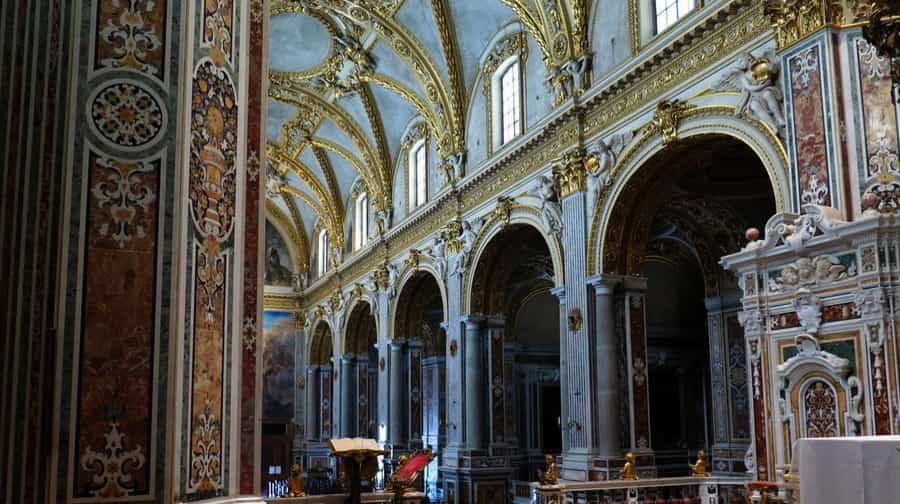
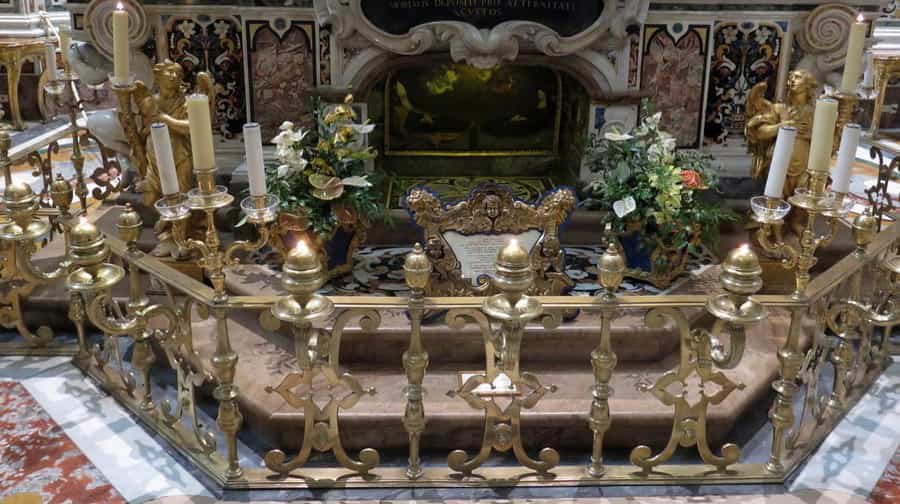
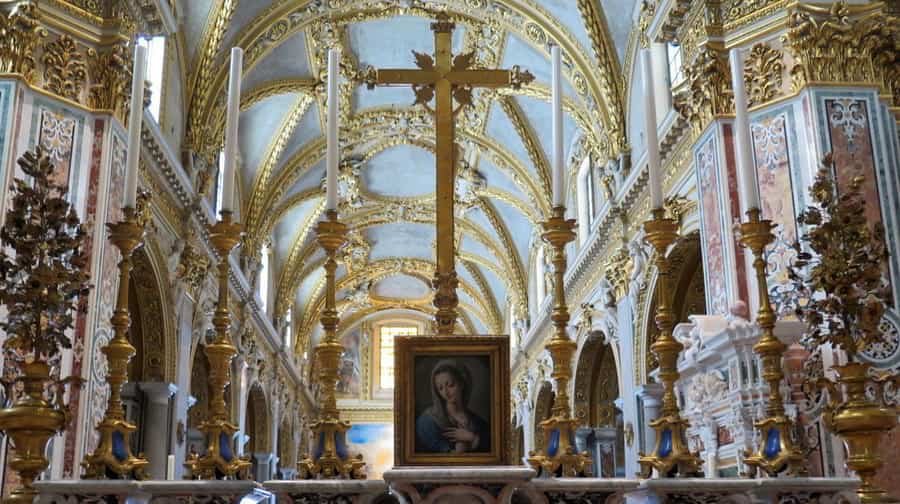
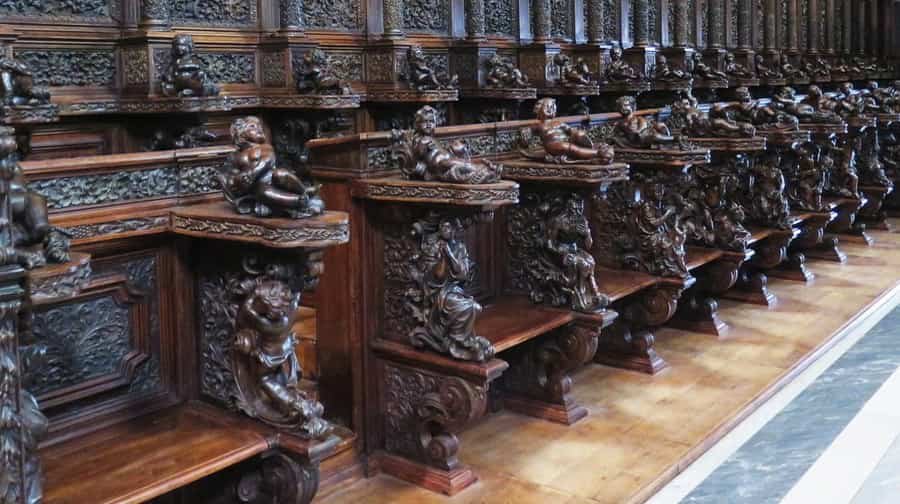
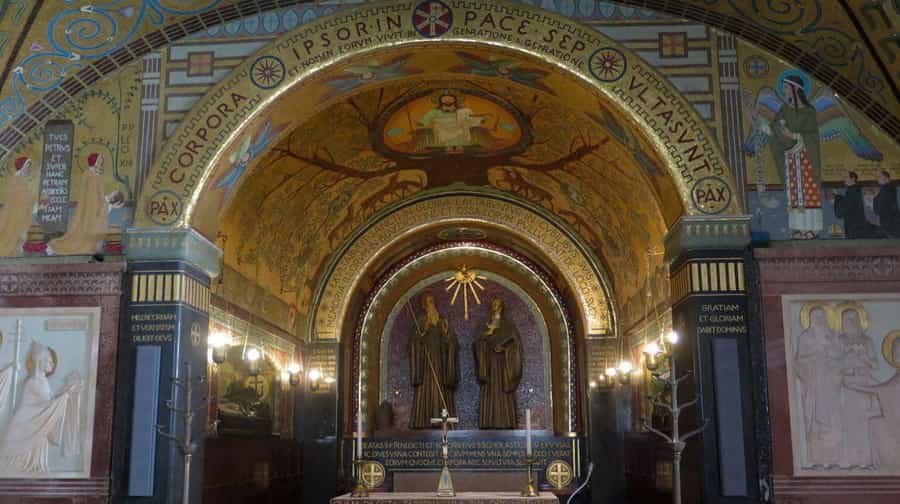
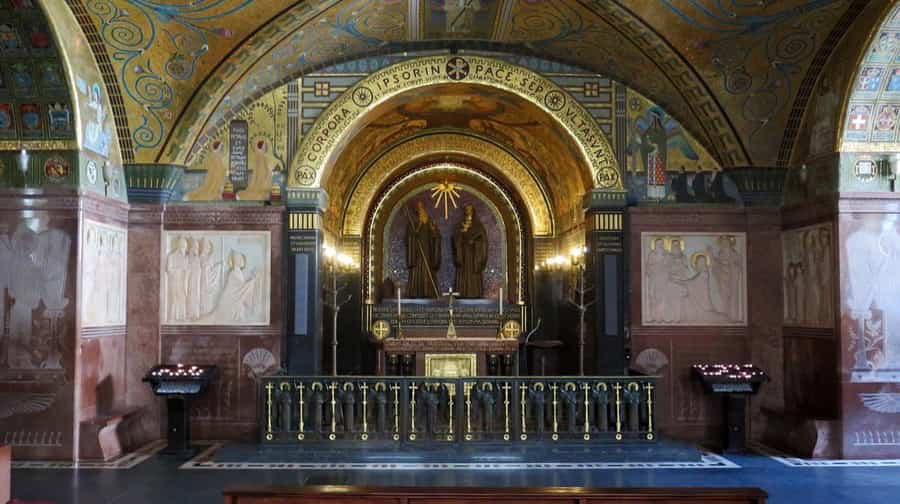
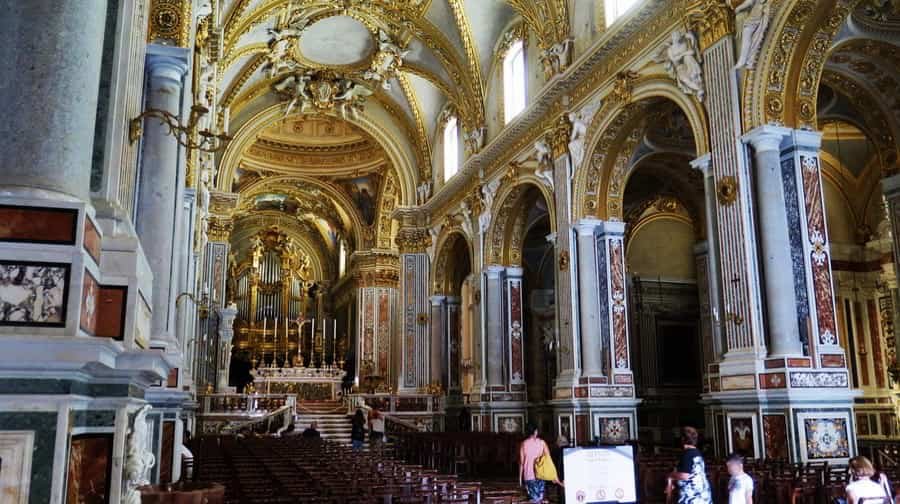
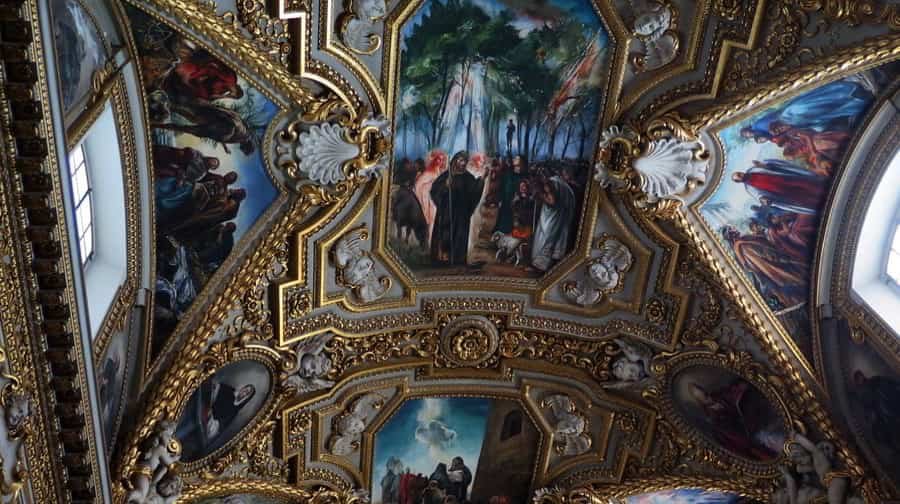
Photo Gallery of Abbazia di Montecassino Museum & The Polish military field of honour
COPYRIGHT © 2018-2026 ITALY IN PHOTOS - ALL RIGHTS RESERVED