
HOME
THE REGIONS OF ITALY
PLACES IN ITALY
TRAVEL GUIDES COMING SOON
Italy in Photos
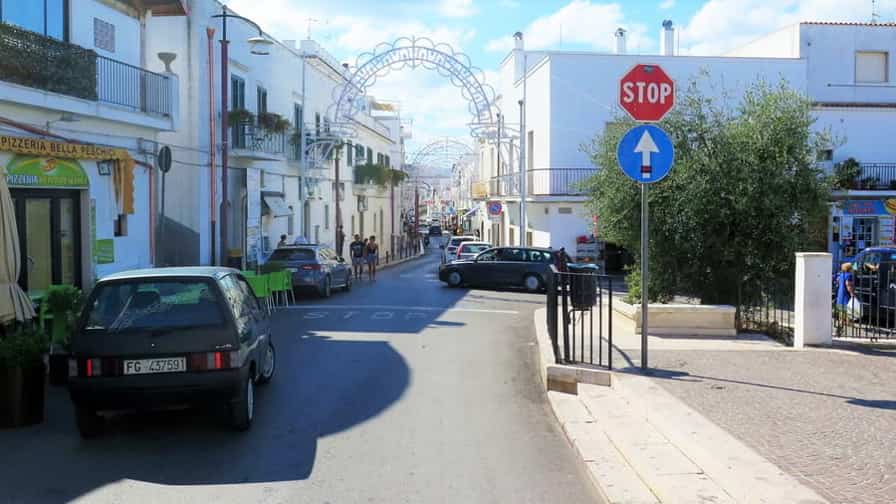
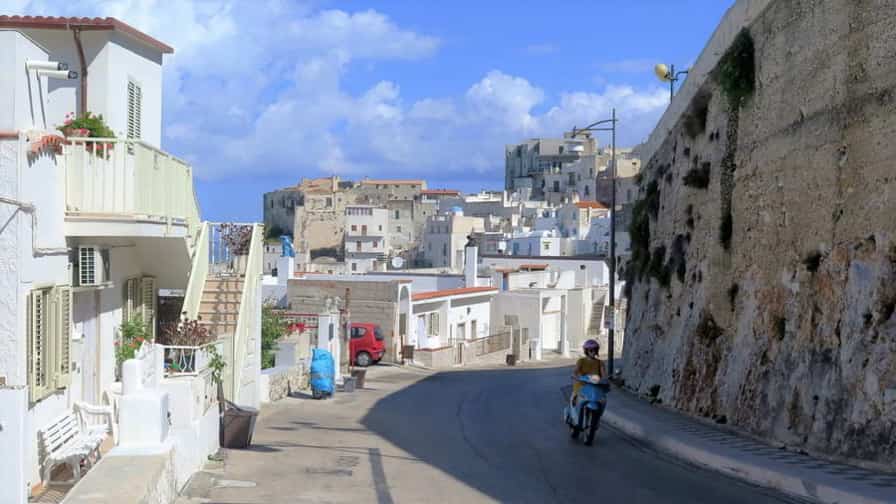
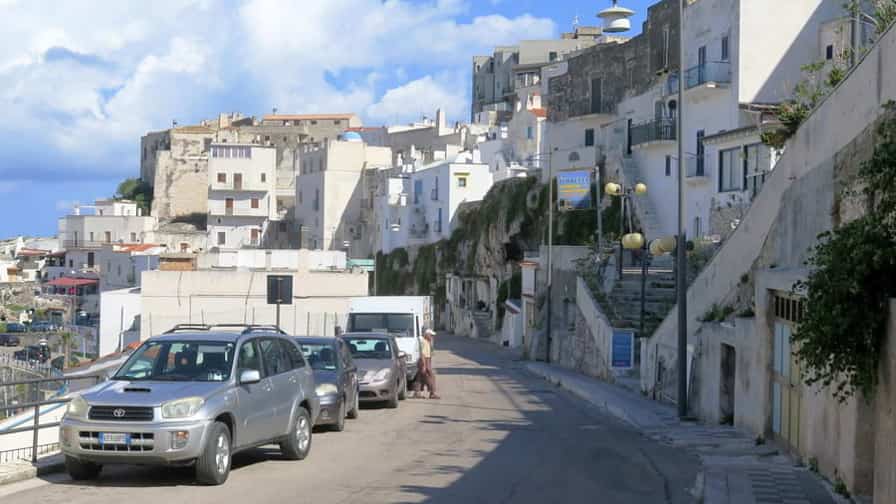
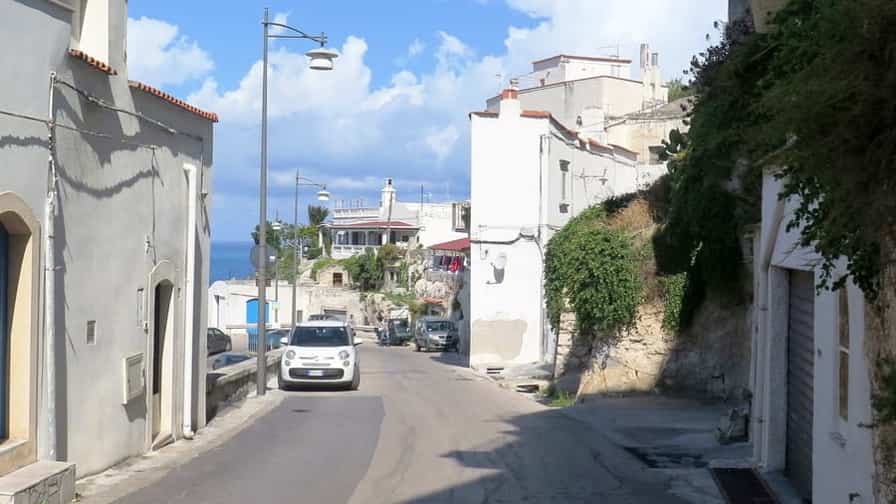
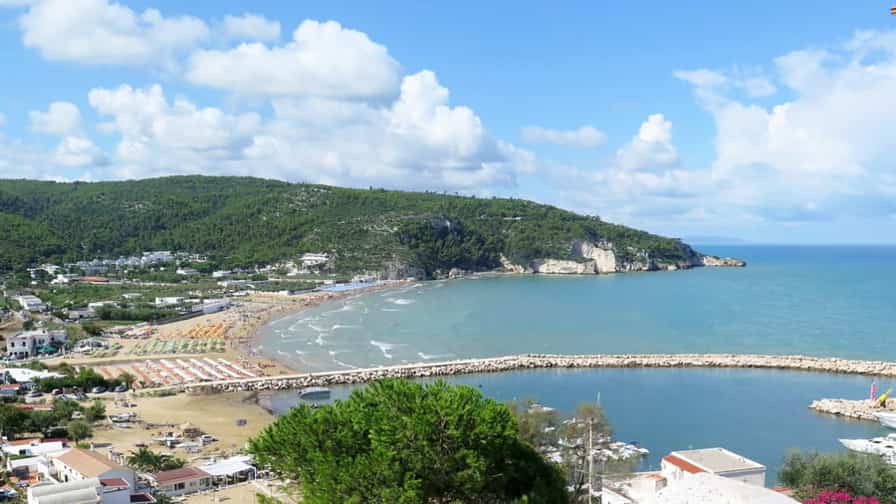
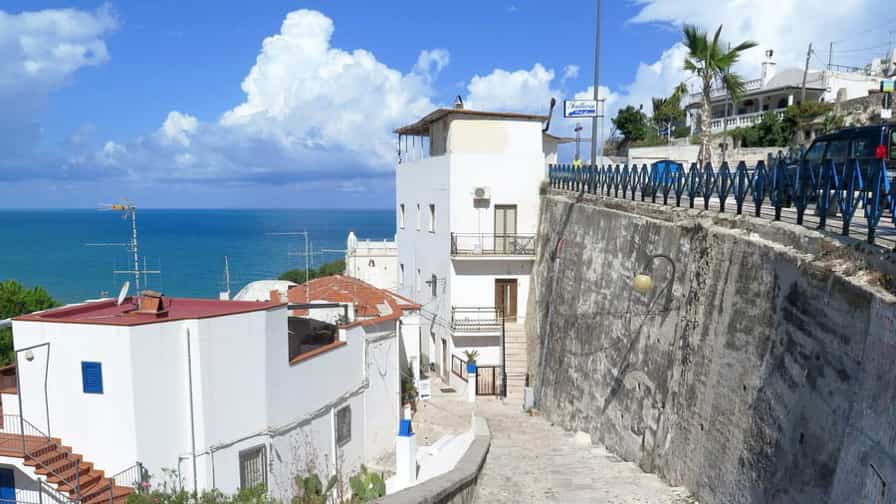
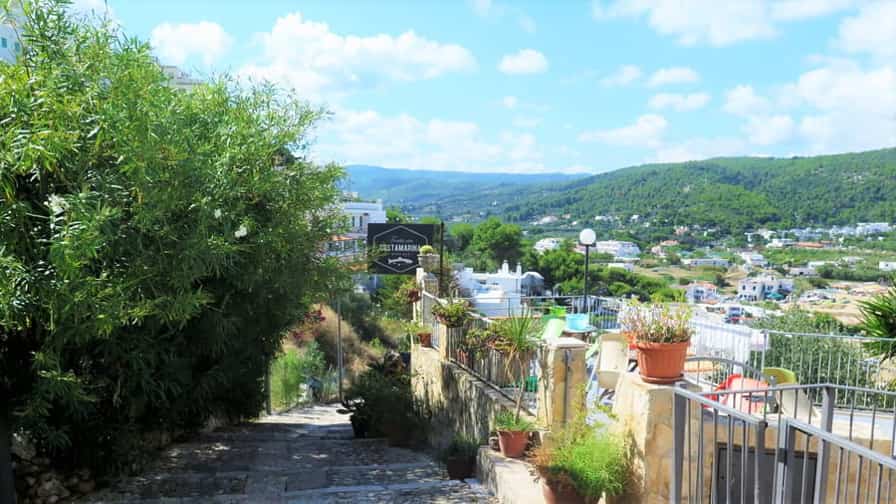
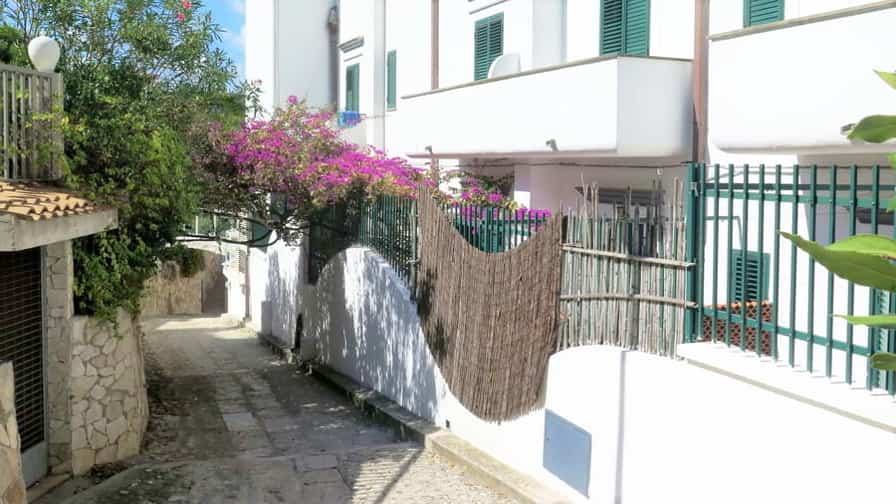
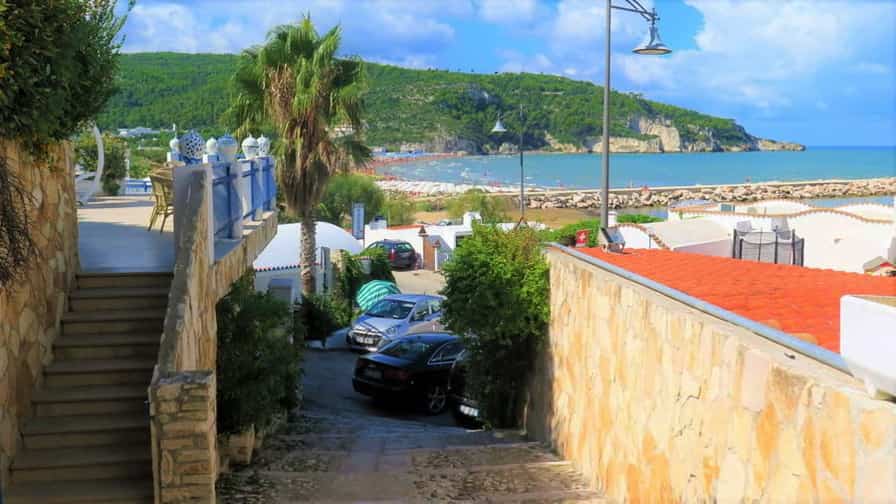
Via Forno, 71010 Peschici, Italy (September 2018)
Peschici
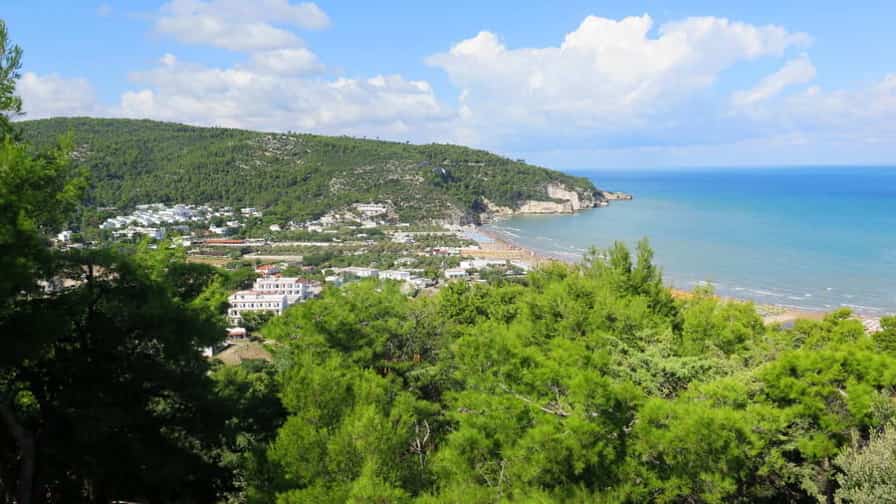
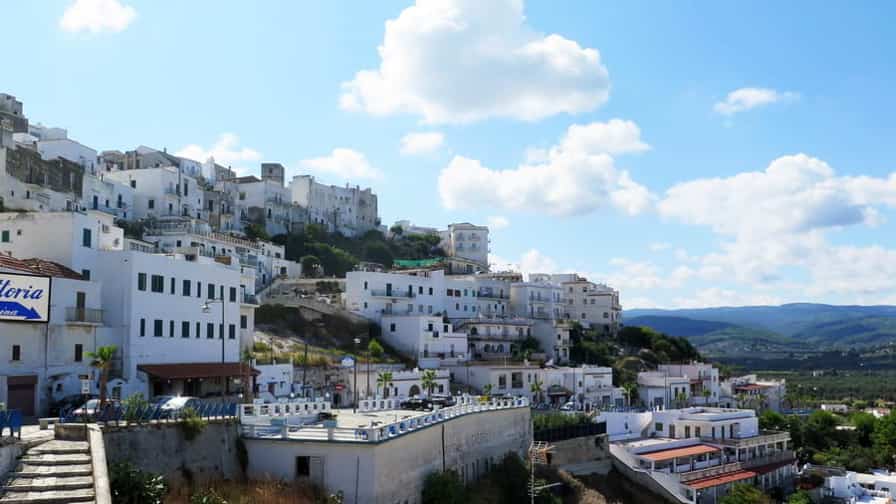
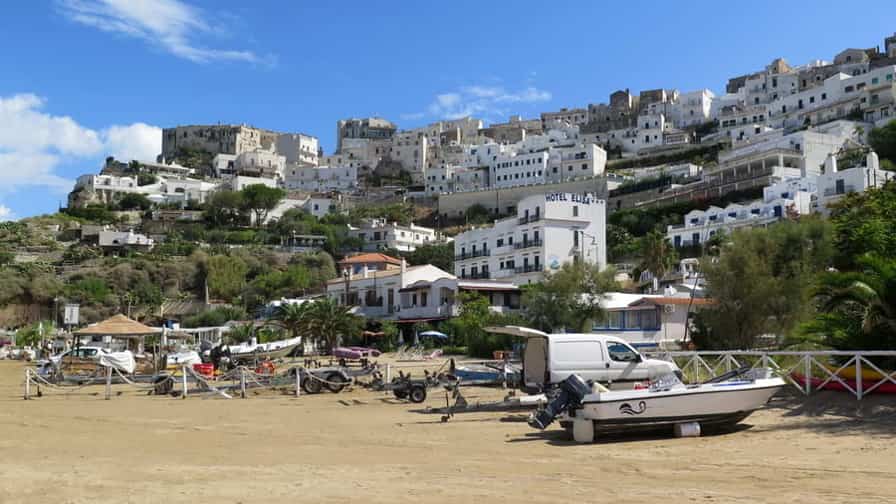
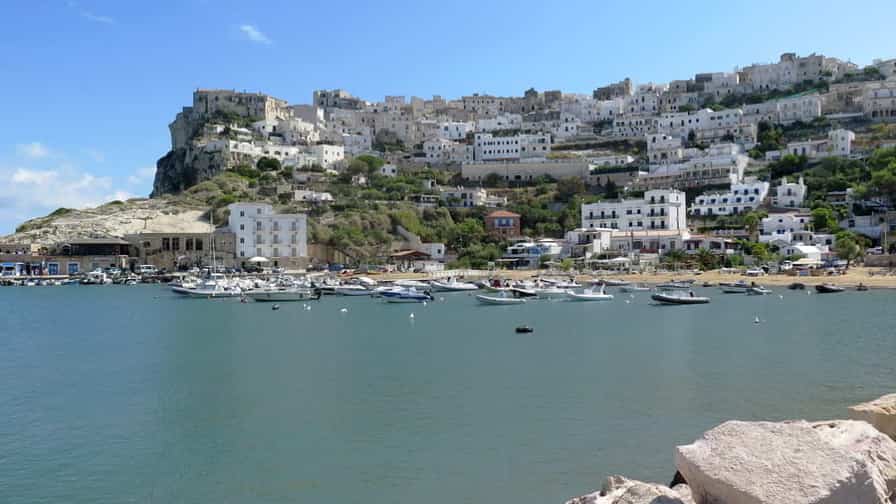
Peschici is a picturesque town located in the Apulia region of south-eastern Italy, perched dramatically atop the cliffs of the Gargano promontory. Overlooking the Adriatic Sea, Peschici is known for its stunning panoramic views, whitewashed houses, and charming historic centre. The town’s unique position, blending rugged natural beauty with architectural elegance, has made it one of the most celebrated destinations along the Gargano coast. Its combination of history, culture, and seaside charm makes Peschici a captivating place to explore.
The origins of Peschici trace back to ancient times, with archaeological evidence suggesting that the area was inhabited by Italic tribes and later influenced by Greek and Roman settlers. Throughout its history, the town has been shaped by its strategic location on the Gargano promontory, which provided natural defenses and a vantage point over the Adriatic. In the Middle Ages, Peschici became a fortified settlement, with walls and watchtowers constructed to protect against pirate raids and invaders. The remains of these fortifications are still visible today, offering insight into the town’s historical significance and resilience.
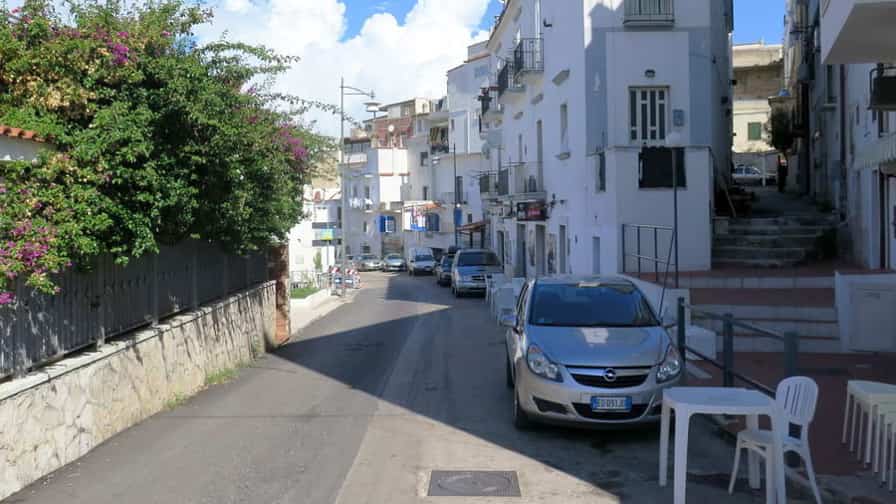
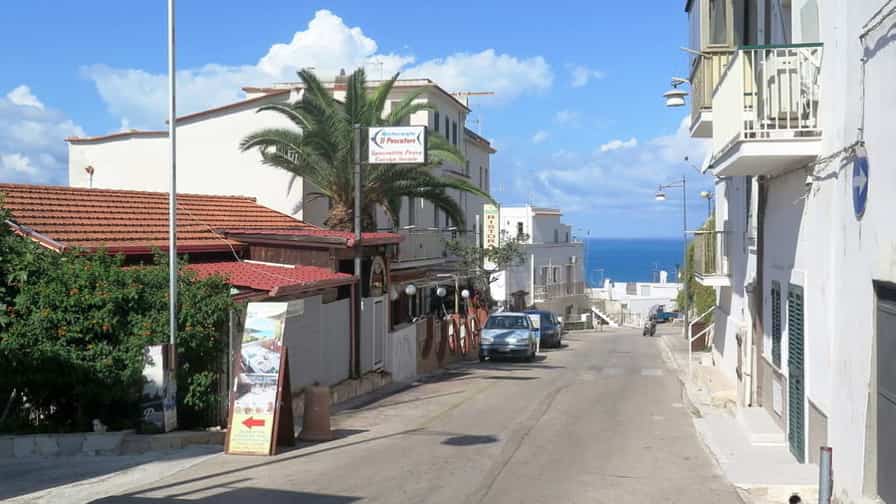
The historic centre of Peschici is a labyrinth of narrow, winding streets lined with whitewashed houses adorned with colourful shutters and terracotta roofs. Small squares open onto panoramic viewpoints, where the Adriatic stretches endlessly toward the horizon. The layout of the town reflects its medieval past, designed to provide both defence and shelter, while creating a picturesque environment that invites exploration. Walking through the historic centre, visitors encounter churches, small chapels, and elegant palaces, each reflecting centuries of architectural evolution and cultural influences.
One of Peschici’s most prominent landmarks is the Norman-Swabian Castle, perched at the highest point of the town. Originally constructed during the Norman period, the castle served as a defensive fortress and a symbol of authority. Today, it offers breath-taking views of the coastline and surrounding countryside, providing a striking vantage point for photography and observation. The castle and the town’s other historical sites reflect Peschici’s role as a key settlement in the Gargano region and its ability to adapt to changing historical circumstances.
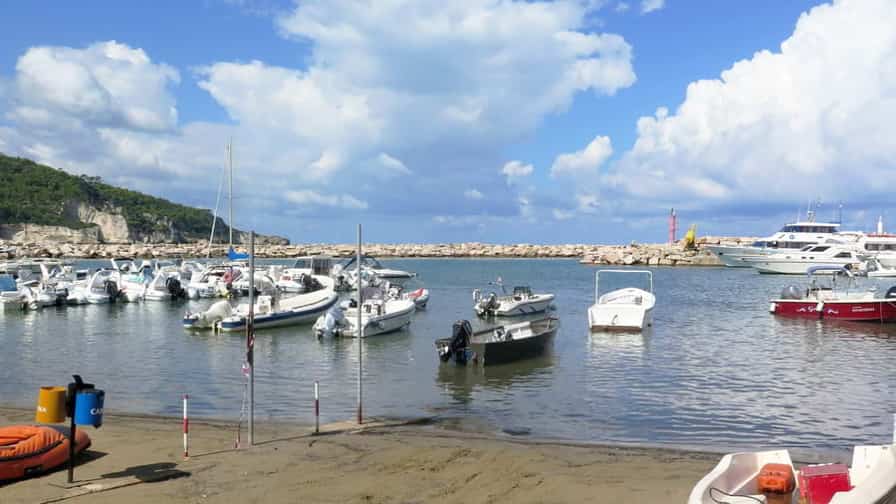
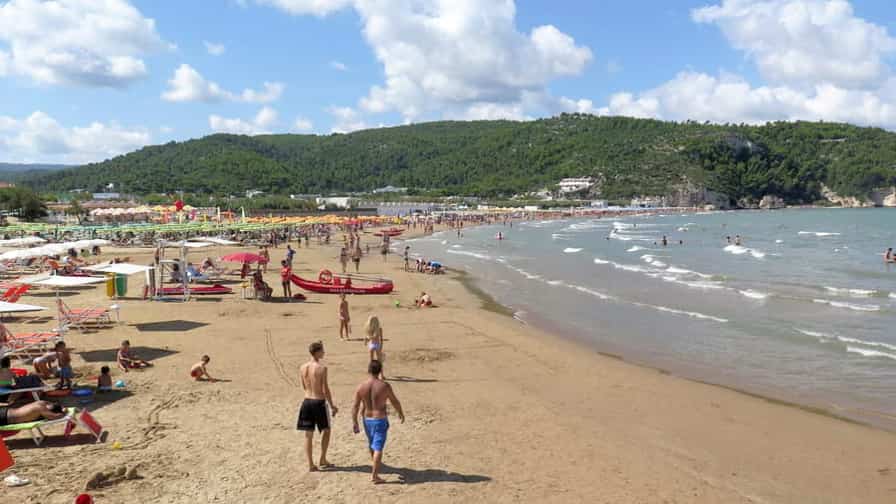
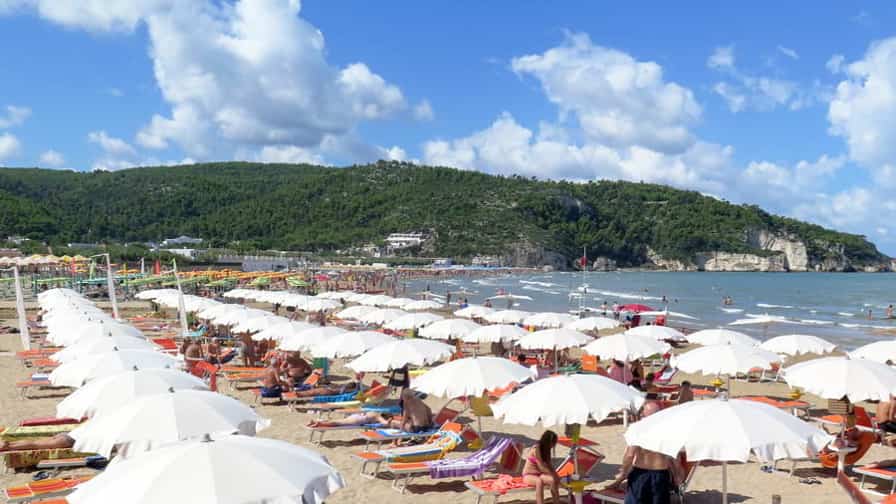
The natural environment surrounding Peschici is integral to its appeal. The town is part of the Gargano National Park, an area known for its forests, mountains, and coastal landscapes. Olive groves, vineyards, and pine woods surround the town, offering opportunities for hiking, birdwatching, and enjoying the tranquillity of nature. The coastline features a series of dramatic cliffs, hidden coves, and sandy beaches that attract both locals and visitors seeking sun, sea, and relaxation. The clear waters of the Adriatic are ideal for swimming, snorkelling, and sailing, making Peschici a popular destination for summer tourism.
Local culture in Peschici is deeply connected to the traditions of Apulia. Religious festivals, folk celebrations, and seasonal markets provide insight into the town’s communal life and heritage. One notable celebration is the Feast of Saint Elia, the town’s patron saint, which features processions, music, and communal gatherings. These events highlight the importance of social bonds, family, and shared customs in shaping the character of Peschici.
Cuisine in Peschici is a reflection of both the land and the sea. Traditional dishes emphasize fresh, local ingredients, including seafood, vegetables, olive oil, and durum wheat pasta. Simple preparations bring out the natural flavours of the ingredients, creating meals that are both satisfying and memorable. Local specialties such as grilled fish, orecchiette pasta, and seafood stews provide visitors with an authentic taste of the region, connecting gastronomy to the broader cultural and environmental context.
Peschici also benefits from its accessibility and location. The town is well connected to other destinations along the Gargano coast, including Vieste and Monte Sant’Angelo, allowing visitors to explore the natural and historical richness of the area. Despite its growing popularity as a tourist destination, Peschici has retained its traditional charm, offering an intimate and authentic experience that contrasts with the larger, more commercialized coastal resorts.
Peschici is a town where history, landscape, and culture converge. Its medieval streets, dramatic cliffs, and sunlit Adriatic views create a sense of timeless beauty, while its festivals, cuisine, and community life provide a window into Apulian traditions. Peschici invites visitors to explore slowly, to appreciate both its architectural heritage and its natural surroundings, and to experience a side of Italy that is authentic, vibrant, and enduring. The town stands as a remarkable example of how history, culture, and nature can coexist in harmony, offering a memorable introduction to the charm and diversity of southern Italy.
Worth a Visit
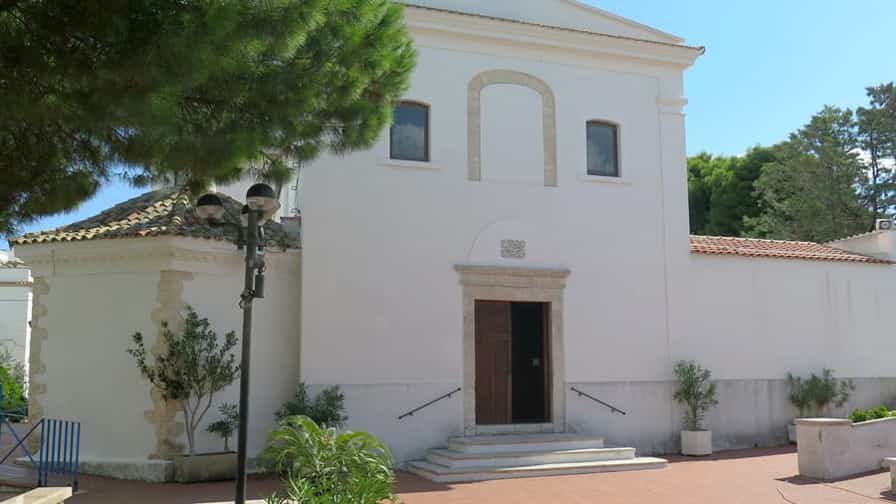
The Chiesa Parrocchiale di Sant’Antonio di Padova stands as a charming focal point in the heart of Peschici, a picturesque town on Italy’s Gargano coast. Located in Piazza Sant’Antonio, this parish church is dedicated to Saint Anthony of Padua, a revered figure known for his teachings and miracles. The church, with its simple yet elegant architecture, reflects the local religious and cultural traditions, blending seamlessly with the historic character of Peschici’s old town. Its façade, modest but welcoming, leads into a serene interior where visitors and parishioners alike can experience quiet reflection and devotion. Beyond its spiritual role, the church serves as a gathering place for community events, festivals, and celebrations, anchoring local life in centuries-old faith. Nestled amid narrow streets and whitewashed buildings, Chiesa Parrocchiale di Sant’Antonio di Padova remains both a spiritual haven and a testament to Peschici’s enduring heritage.
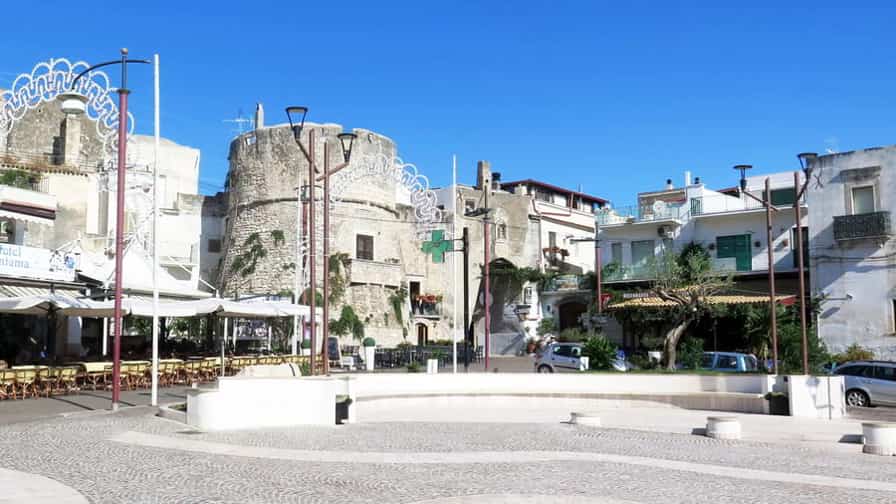
Piazza 4 Novembre is the vibrant heart of Peschici, a charming coastal town in Italy’s Gargano region. This historic square serves as a central meeting point for locals and visitors alike, surrounded by picturesque whitewashed buildings, quaint cafes, and traditional shops. Named to commemorate Italy’s national celebrations, the piazza reflects both the town’s rich history and its lively contemporary life. Its open layout offers stunning views of Peschici’s winding streets and the Adriatic Sea beyond, making it a popular spot for leisurely strolls and social gatherings. Throughout the year, Piazza 4 Novembre hosts cultural events, festivals, and markets, providing an authentic glimpse into local traditions. Whether enjoying a coffee at an outdoor table, admiring historic architecture, or simply soaking in the atmosphere, visitors experience the charm, warmth, and community spirit that define Peschici.
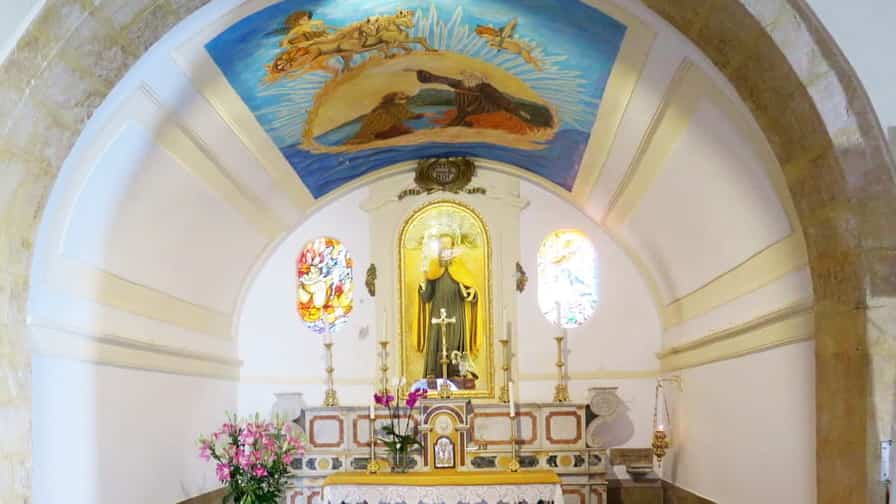
The Parrocchia di Sant’Elia Profeta, located in Largo Chiesa Madre in Peschici, is a historic parish church that stands as a symbol of the town’s deep-rooted religious and cultural traditions. Dedicated to the Prophet Elijah, the church features classic architectural elements that reflect the simplicity and elegance typical of Peschici’s sacred buildings. Its serene interior provides a peaceful setting for worship, prayer, and community gatherings, while the surrounding square offers visitors a chance to appreciate the charm of Peschici’s old town. The parish plays an important role in local life, hosting religious ceremonies, festivals, and events that bring together residents and visitors alike. Nestled amid narrow streets and whitewashed houses, Parrocchia di Sant’Elia Profeta not only serves as a spiritual center but also as a window into the historical and cultural heritage of this beautiful Gargano town.
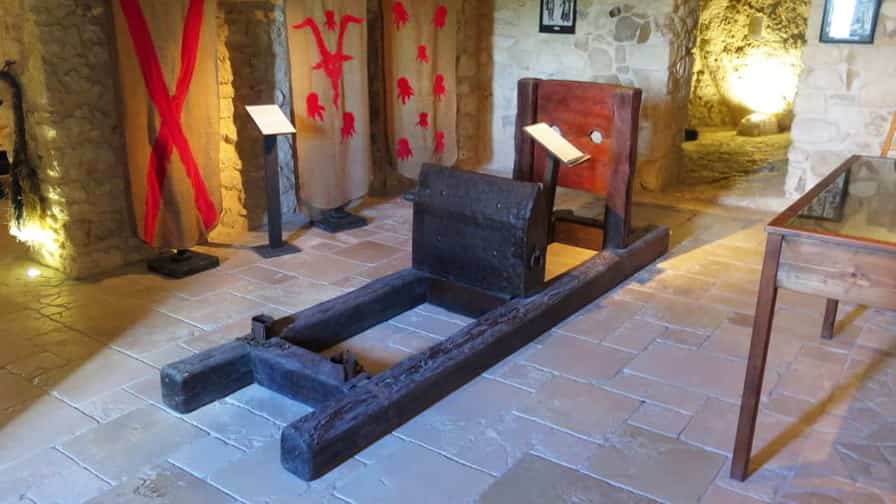
The Castello Medioevale di Peschici, located within the Recinto Baronale, is a striking historical landmark perched atop the cliffs overlooking the Adriatic Sea. This medieval castle, dating back to the Norman and later Angevin periods, once served as a fortress protecting the town and its inhabitants. Visitors can explore its ancient walls, towers, and panoramic viewpoints that offer breath-taking vistas of Peschici and the surrounding coastline. Within the castle complex, the Museum of Torture provides a unique, though sombre, insight into medieval justice and security practices, displaying historical instruments and recounting the darker aspects of the era. Together, the castle and museum offer a fascinating blend of history, architecture, and local heritage, making them a must-visit destination for those interested in the rich past of Peschici and the Gargano region. The site captures both the defensive significance and the cultural depth of this coastal town.
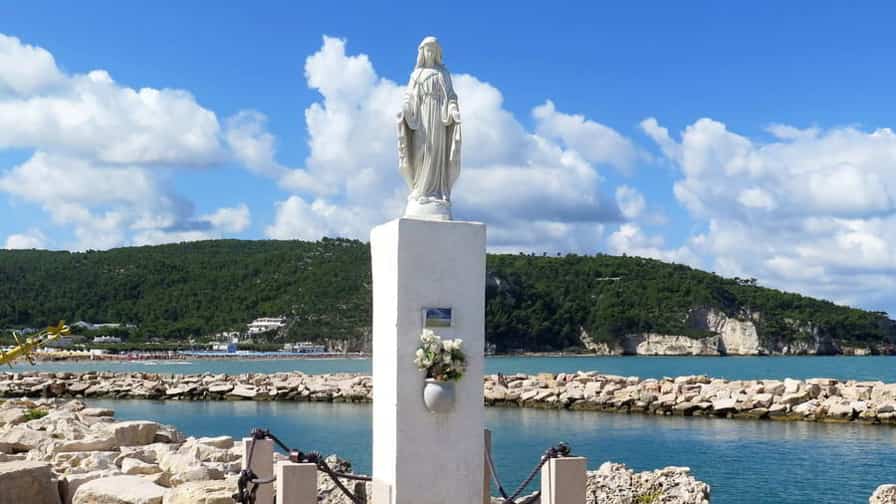
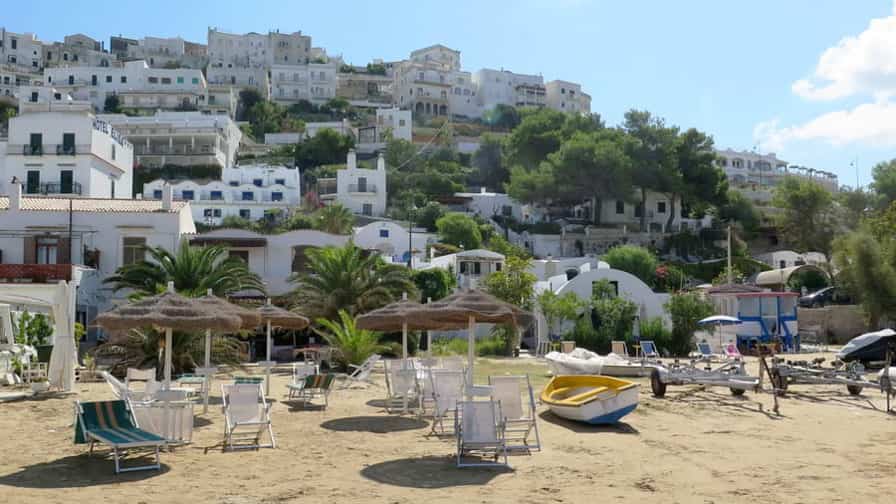
Contrada Pozzillo is a charming district in Peschici, nestled along the scenic Gargano coastline. Known for its picturesque streets and traditional whitewashed houses, this area reflects the authentic character and laid-back lifestyle of the town. Contrada Pozzillo is surrounded by lush Mediterranean vegetation and offers easy access to the stunning Adriatic Sea, making it a peaceful retreat for both locals and visitors. The district is dotted with small artisan shops, family-run eateries, and quaint squares where community life thrives. Its narrow, winding streets invite leisurely exploration, revealing hidden corners, historic buildings, and glimpses of everyday life in Peschici. Contrada Pozzillo embodies the town’s harmonious blend of natural beauty, history, and culture, providing a serene and immersive experience that captures the essence of the Gargano region. It is an ideal spot for those seeking both relaxation and authentic Italian charm.
Photo Gallery of Walk 1 – Via di Vagno to Largo Chiesa Madre
Approximately 0.62 km – 0.39 miles
The walk starts in Via di Vagno – Via Monte Santo – Piazza Sant’Antonio – Corso Garibaldi – Piazza 4 Novembre – Via Roma – Largo Chiesa Madre, Parrocchia S. Elia Profeta, Largo Chiesa Madre
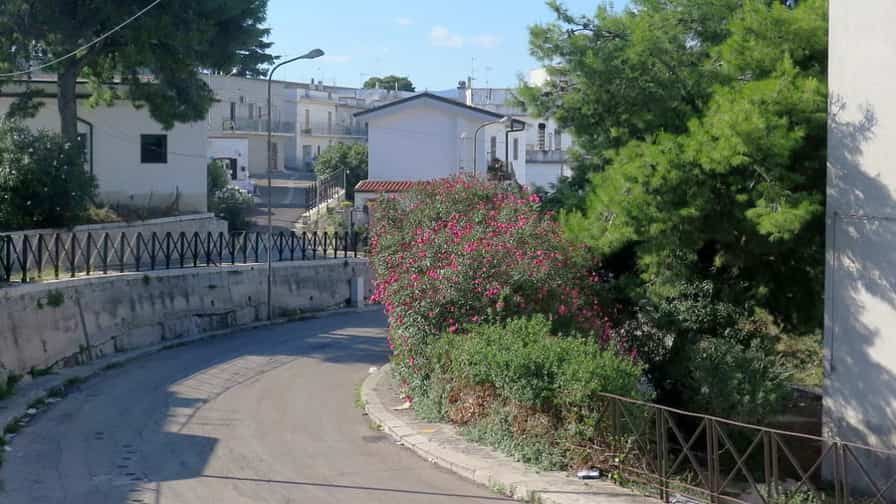
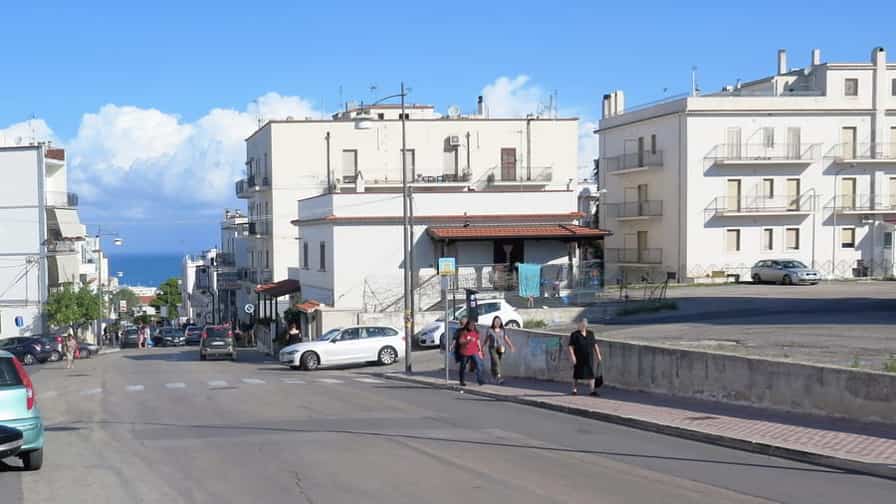
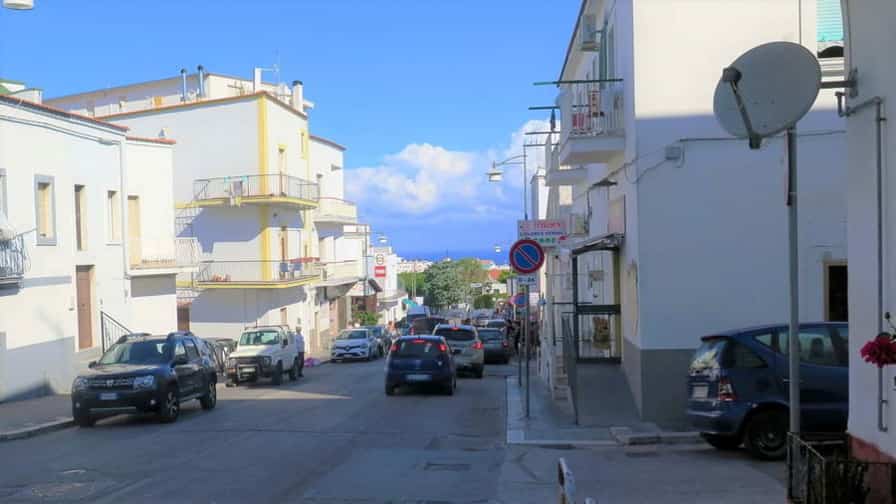

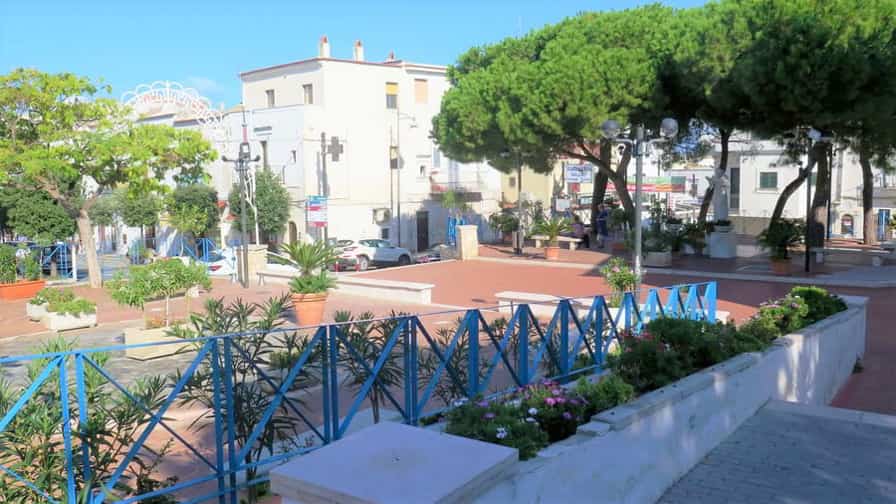
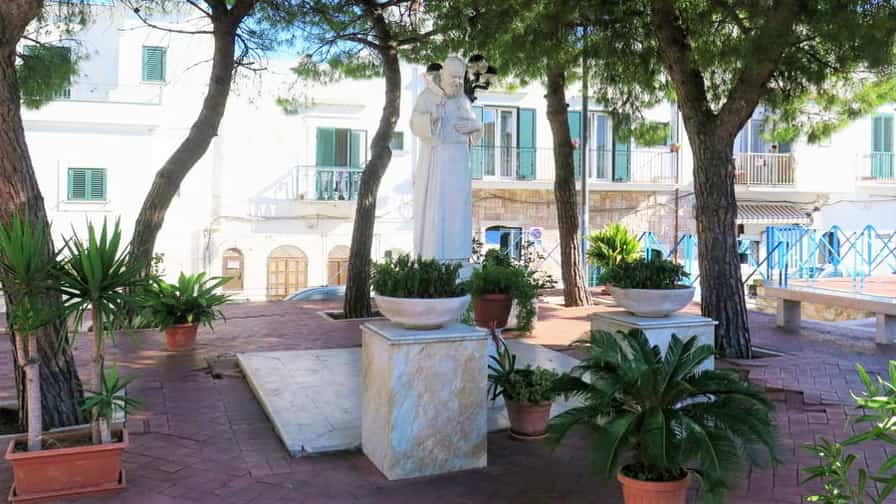
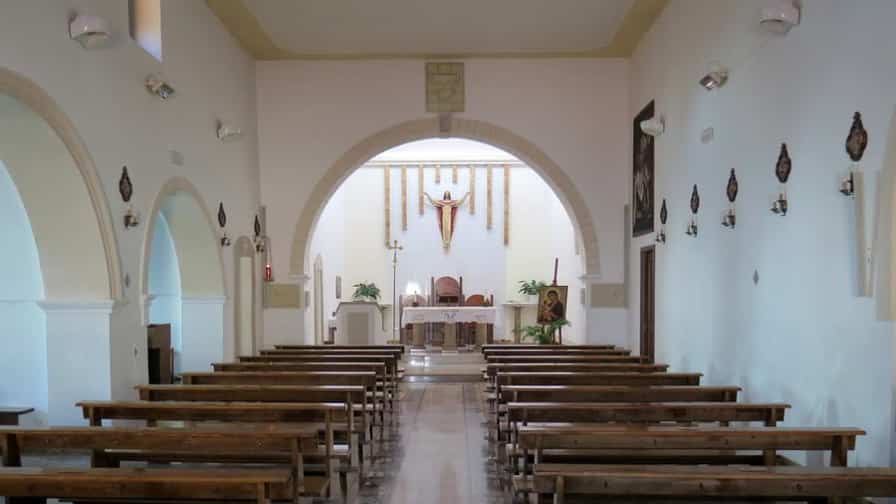
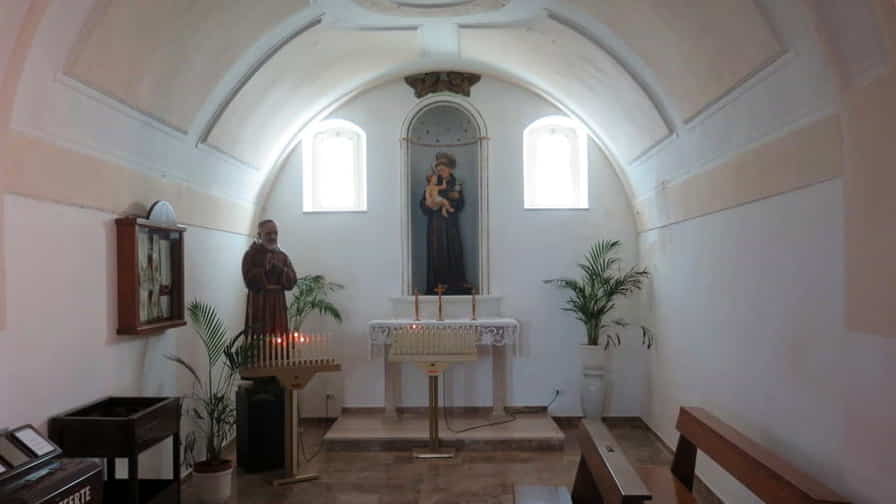
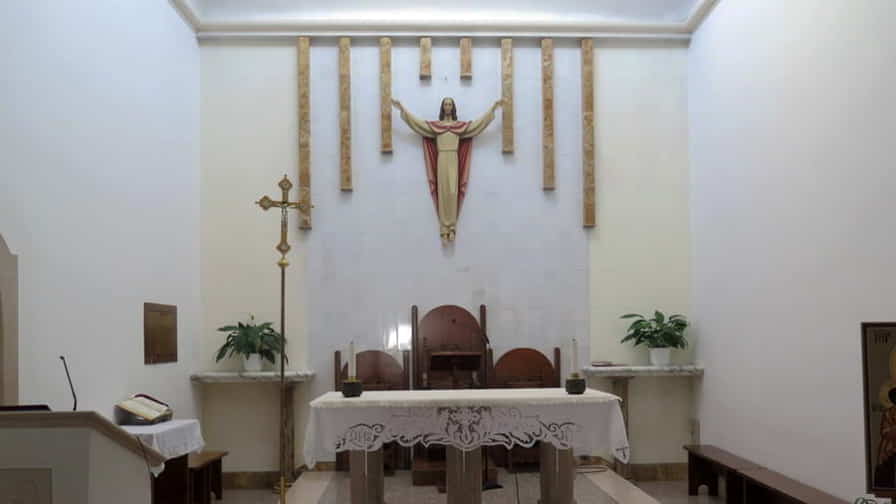
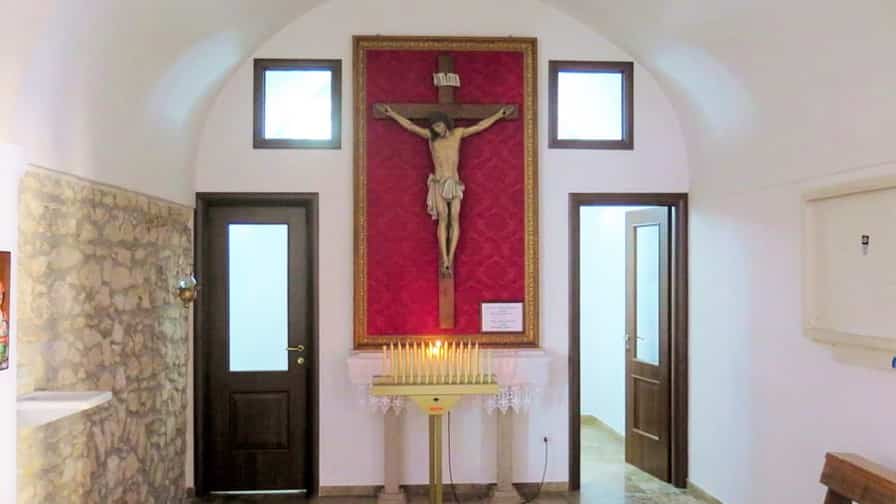
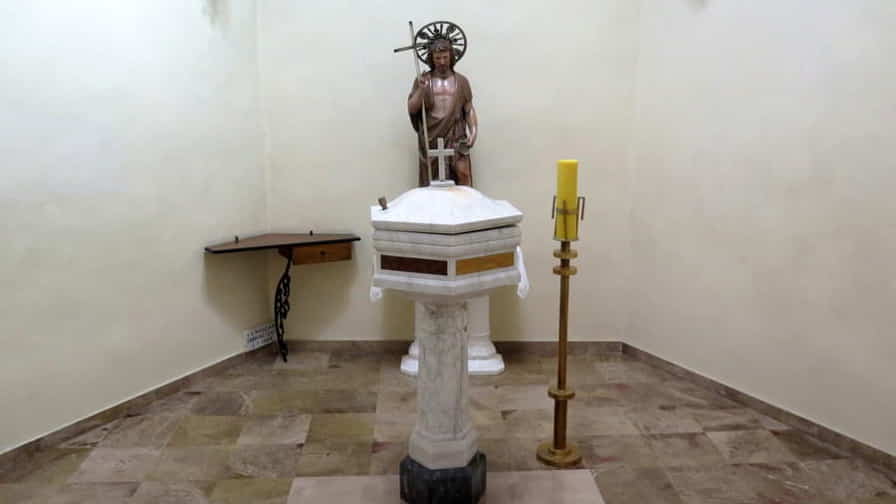
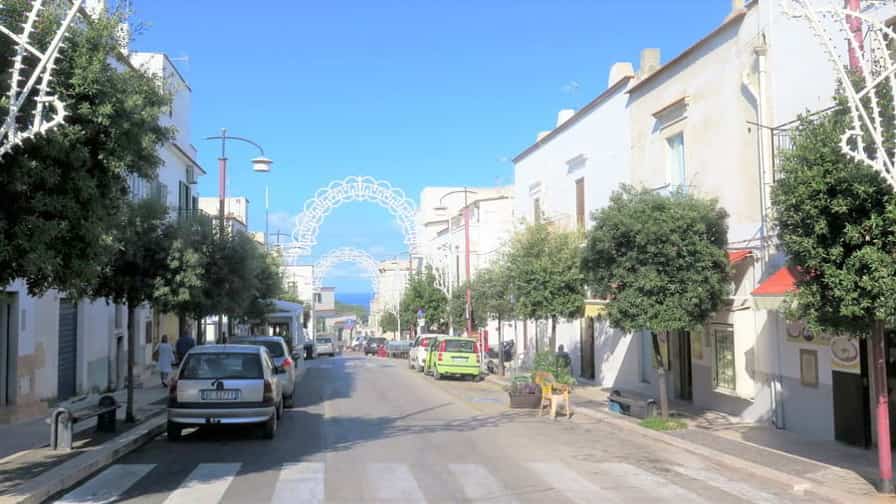
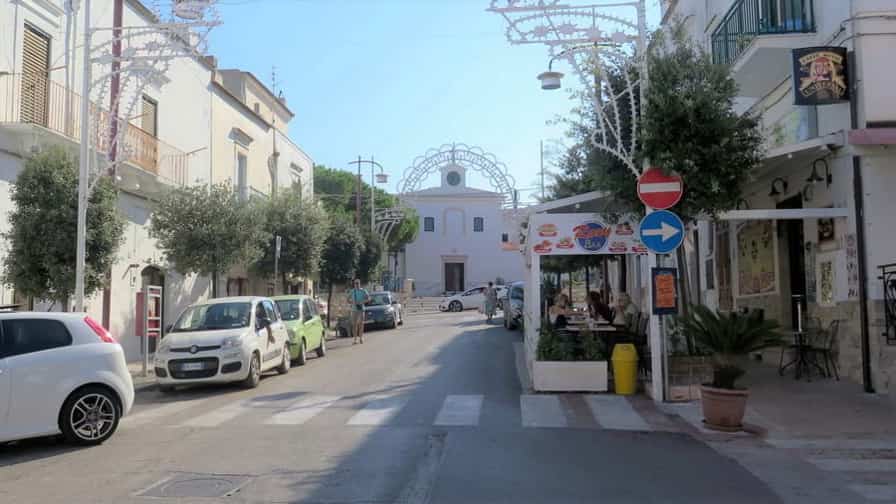
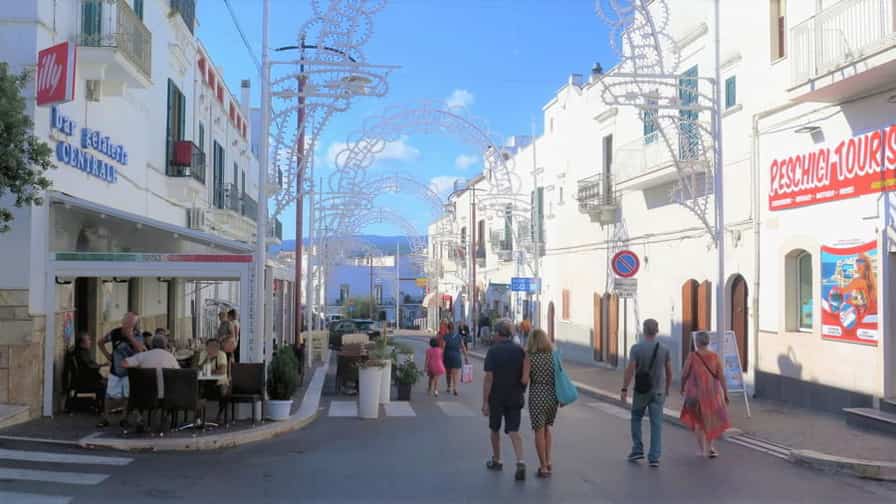
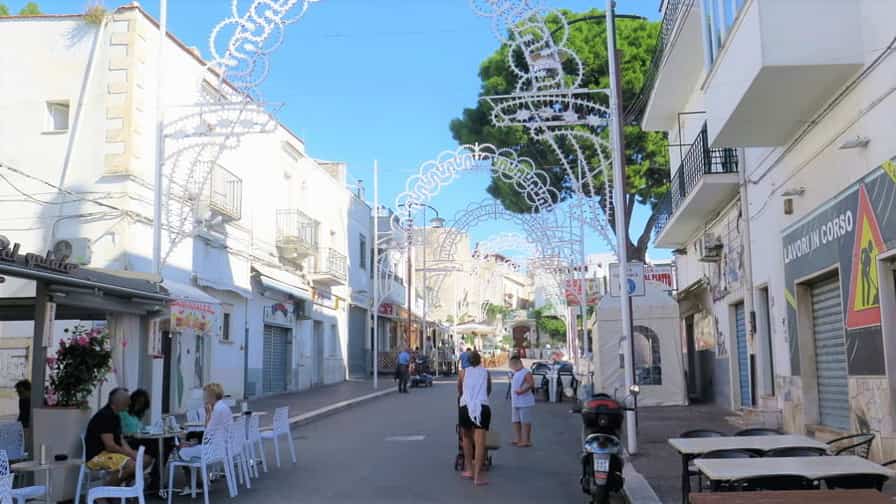
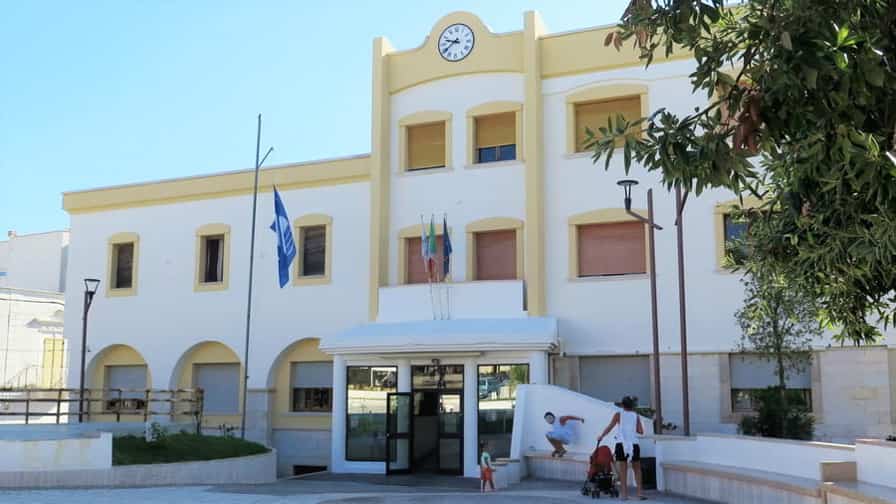
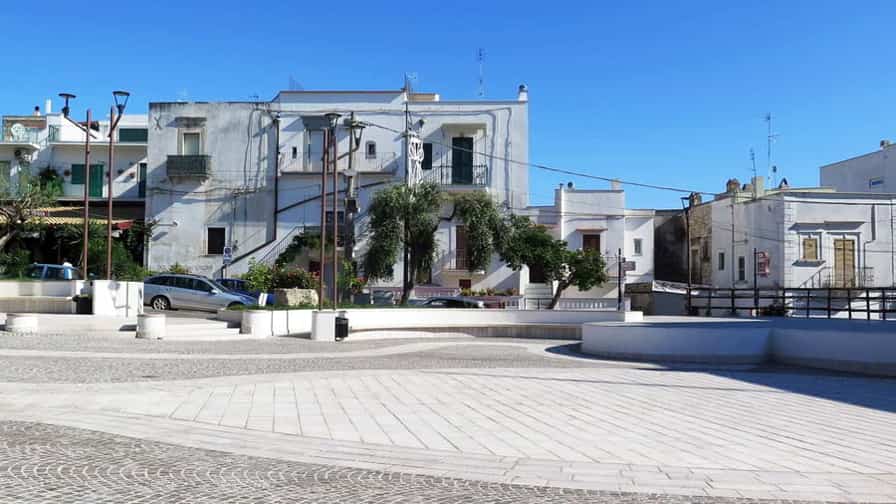
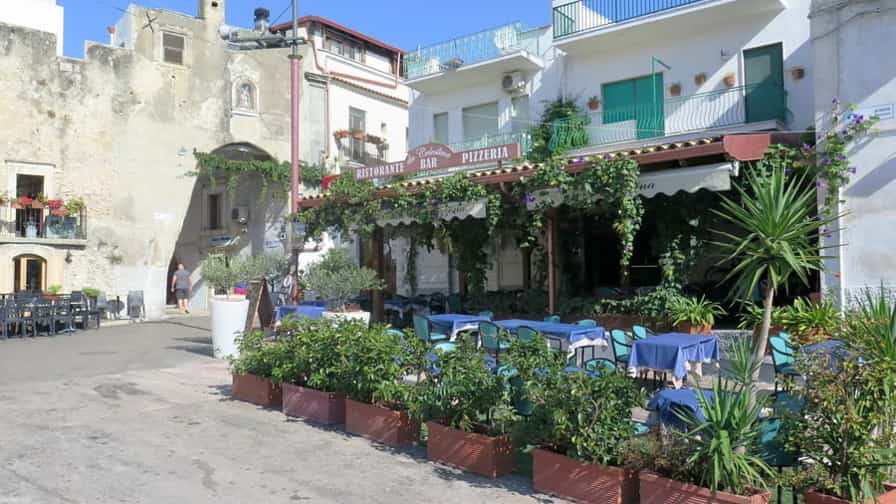
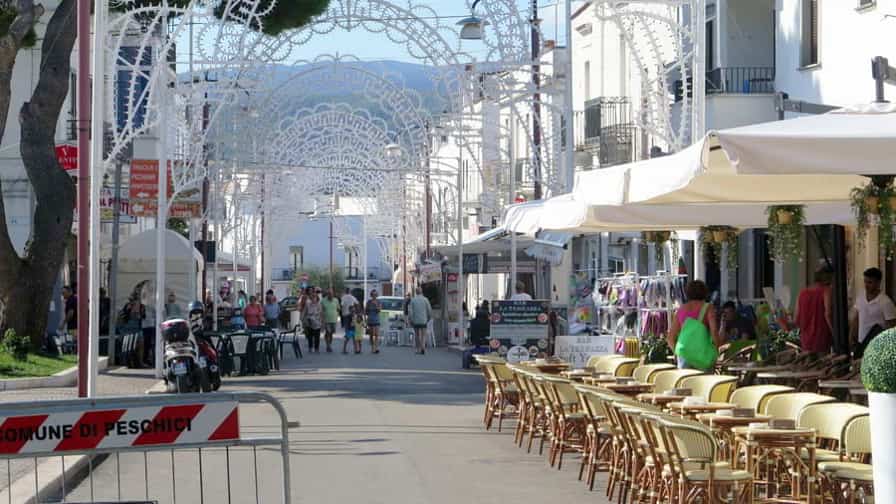
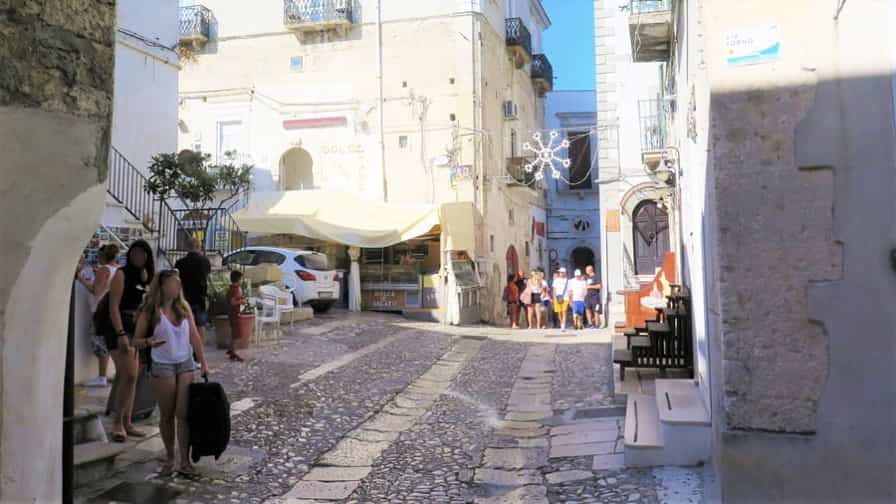
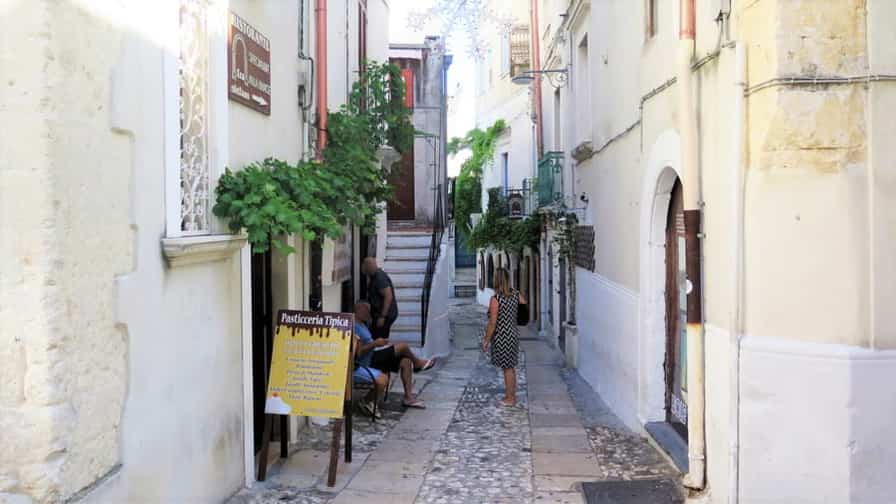
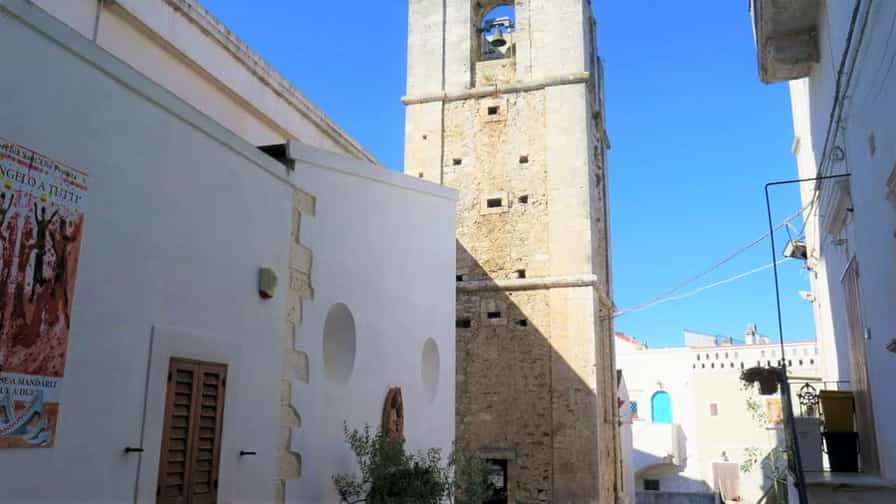
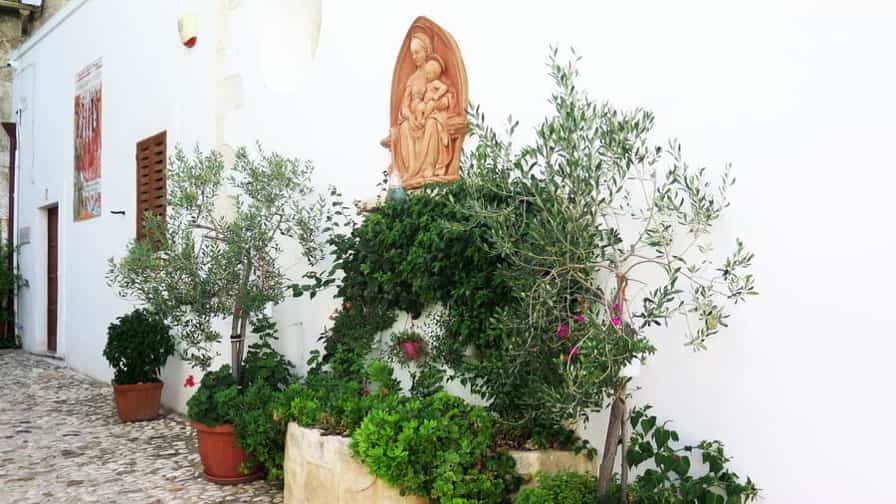
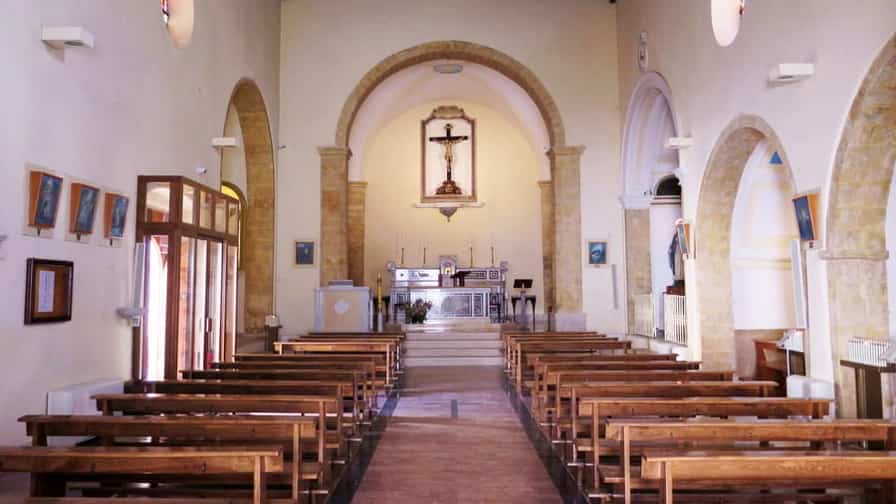
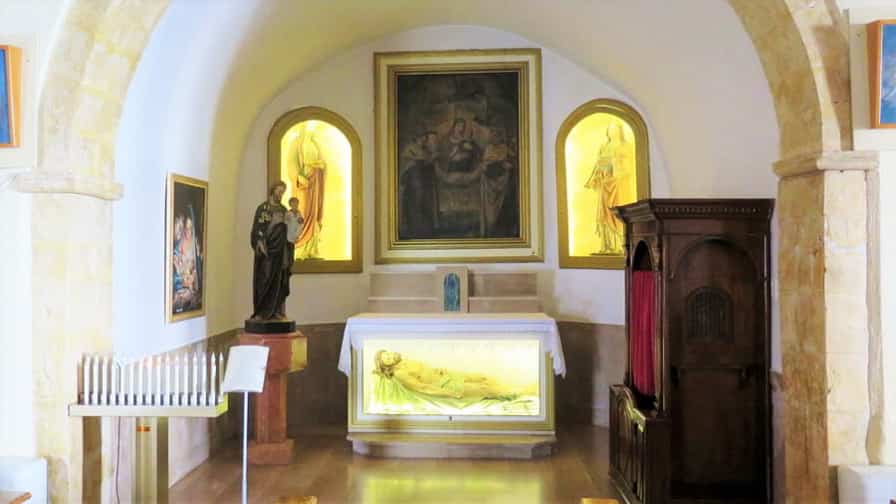
Photo Gallery of Walk 2 – Via Roma to Corso Garibaldi
Approximately 0.72 km – 0.45 miles
The walk starts in Via Roma – Via Forno – Piazza Del Popolo – Via Castello – Castello Medioevale – Walk back along Via Castello & Via Roma to Corso Garibaldi
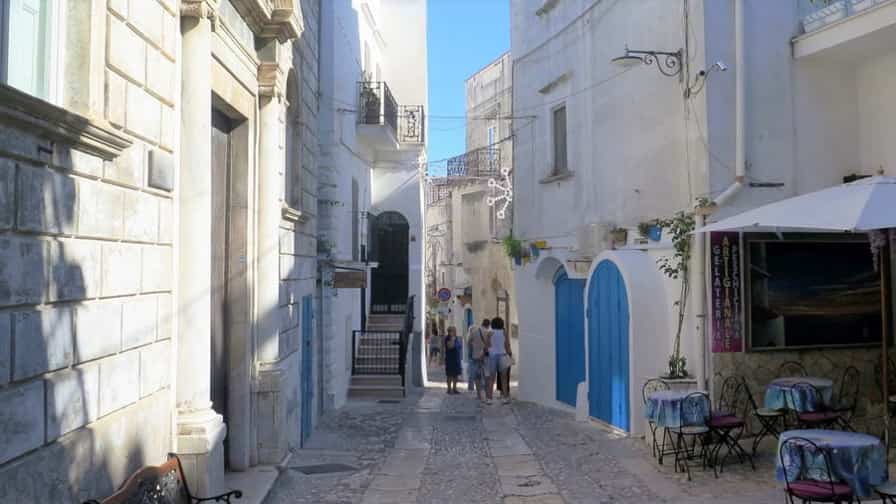
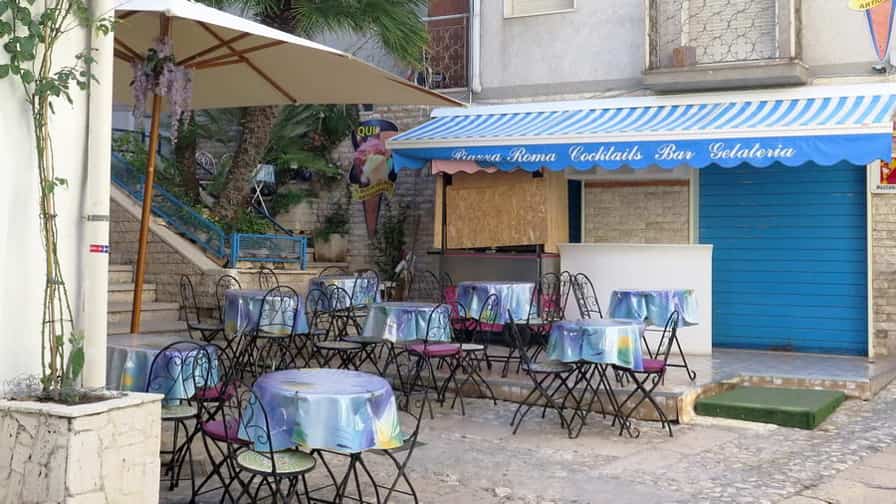
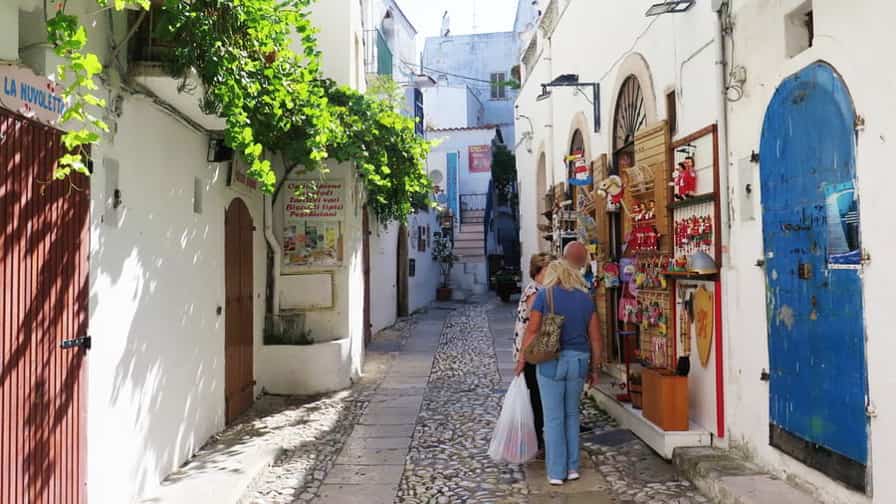
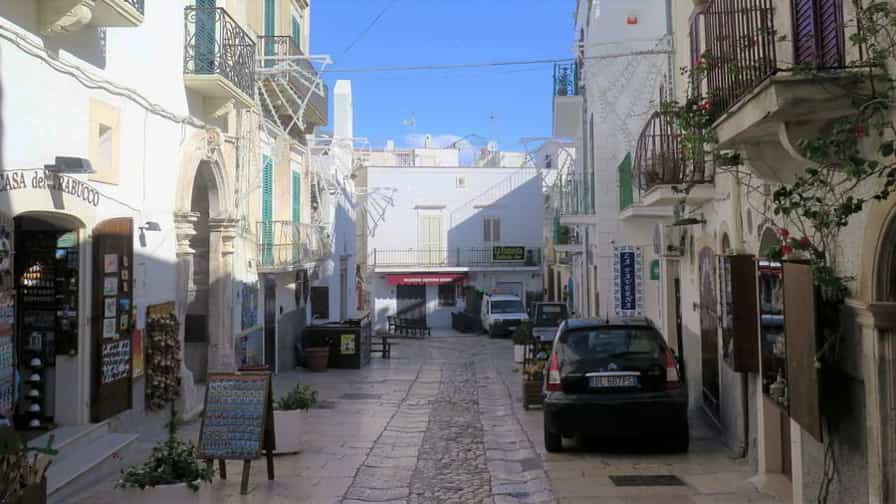
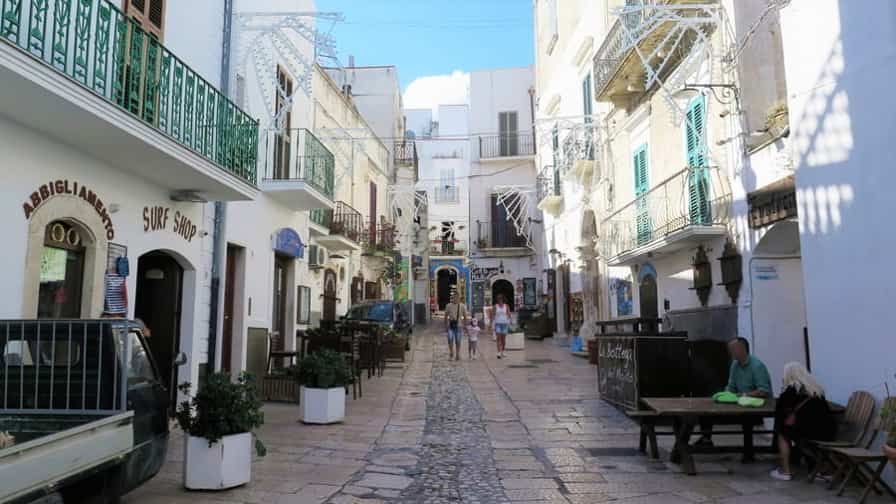
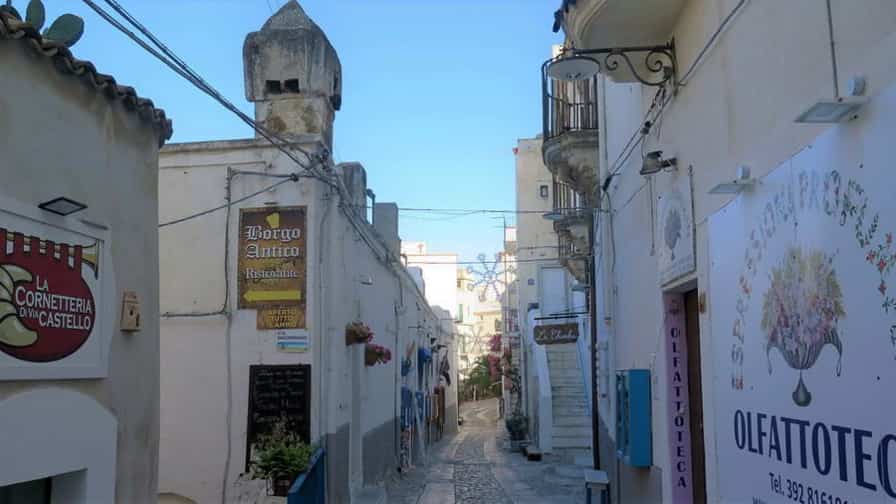
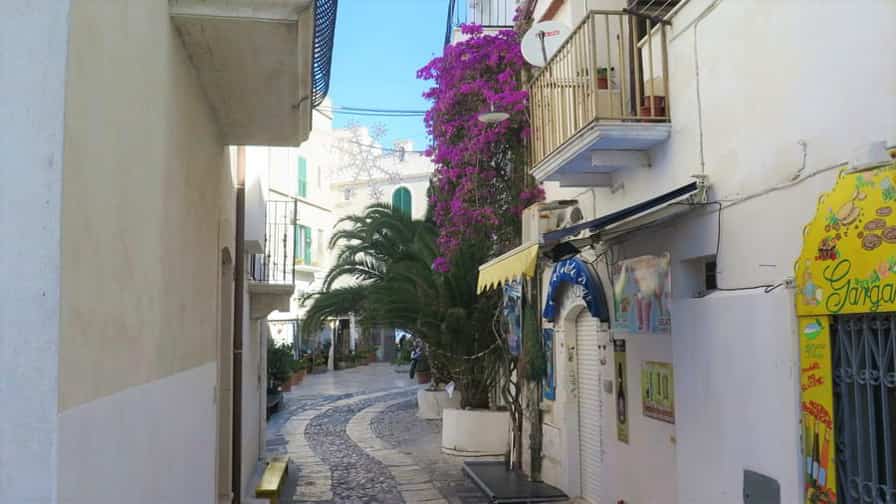
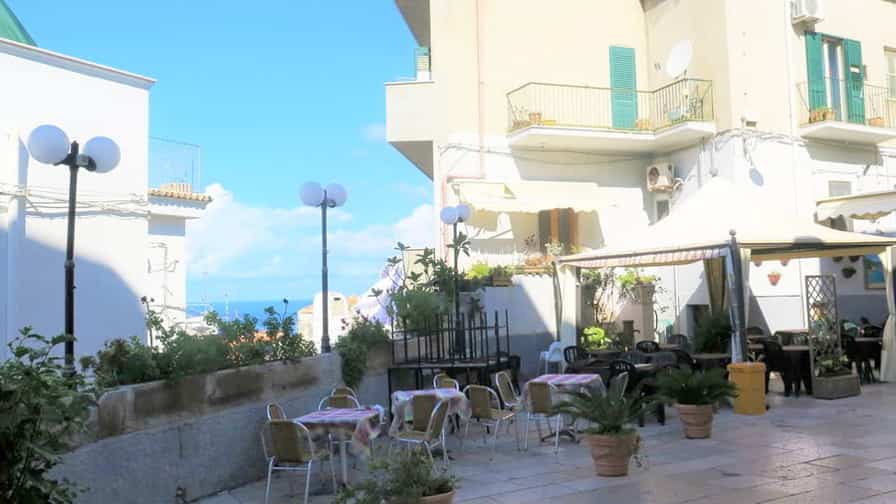
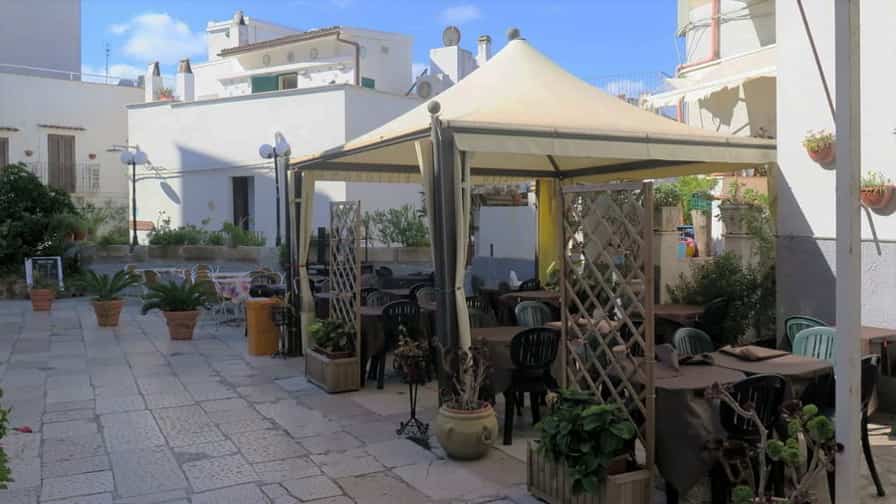
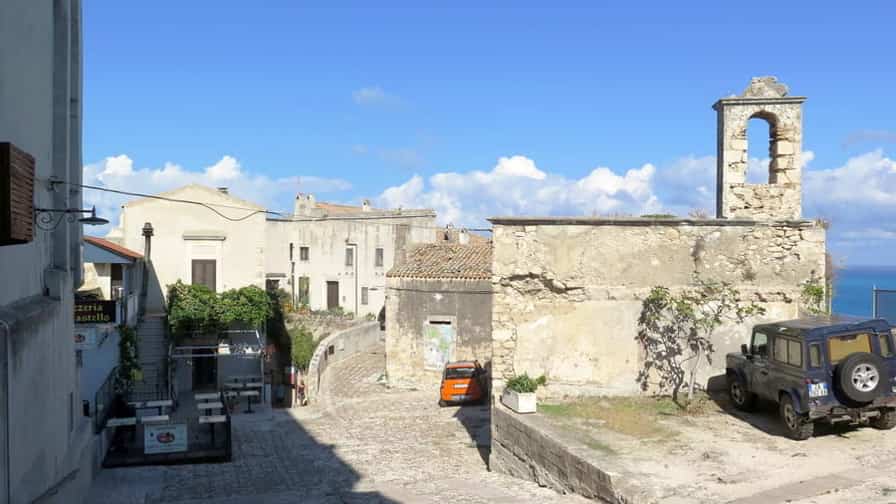
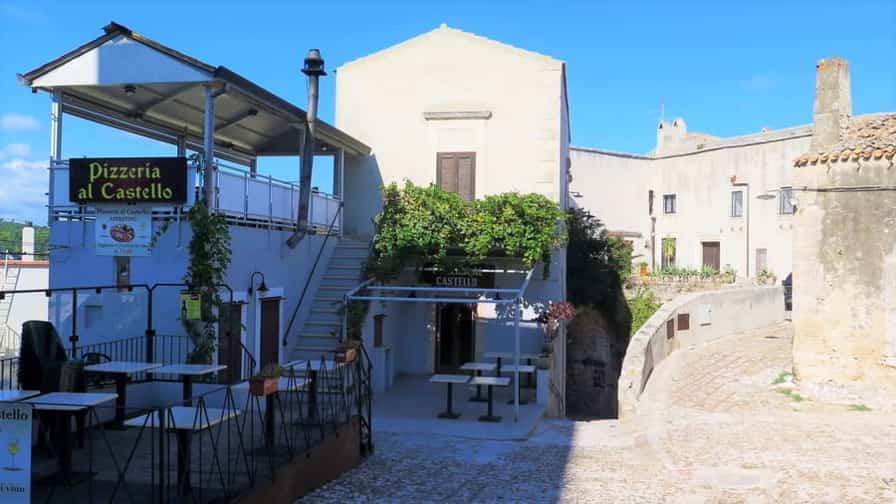
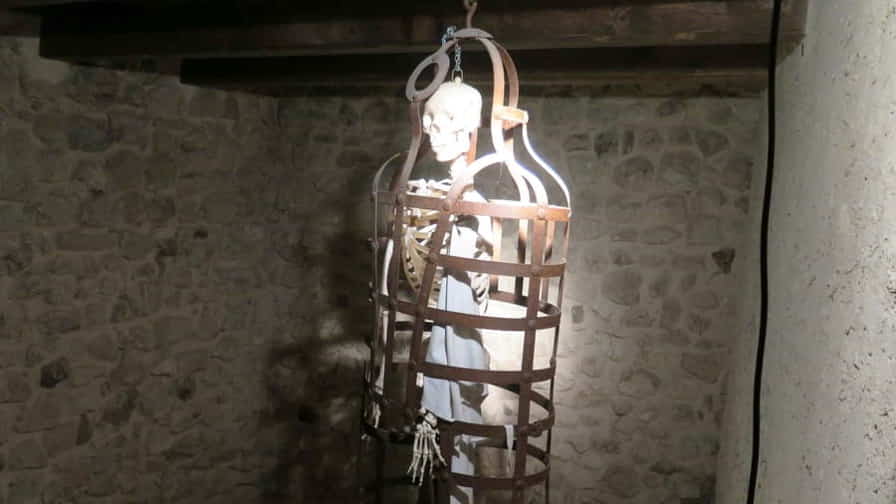
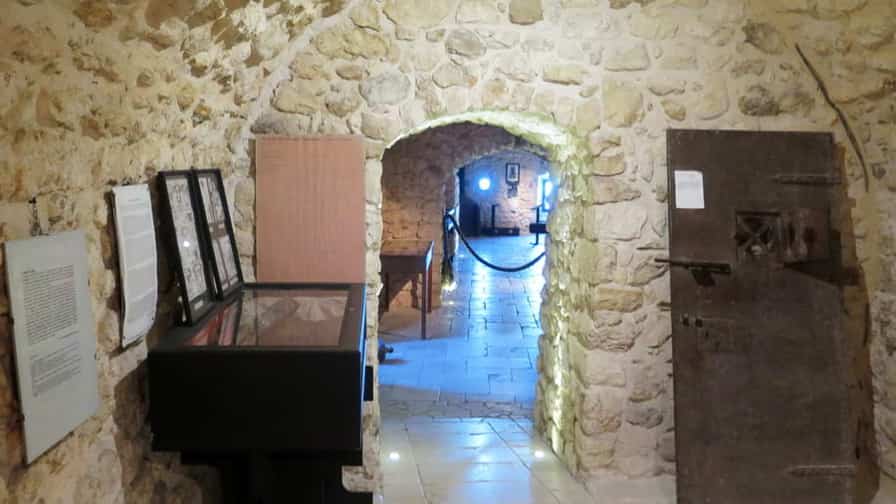
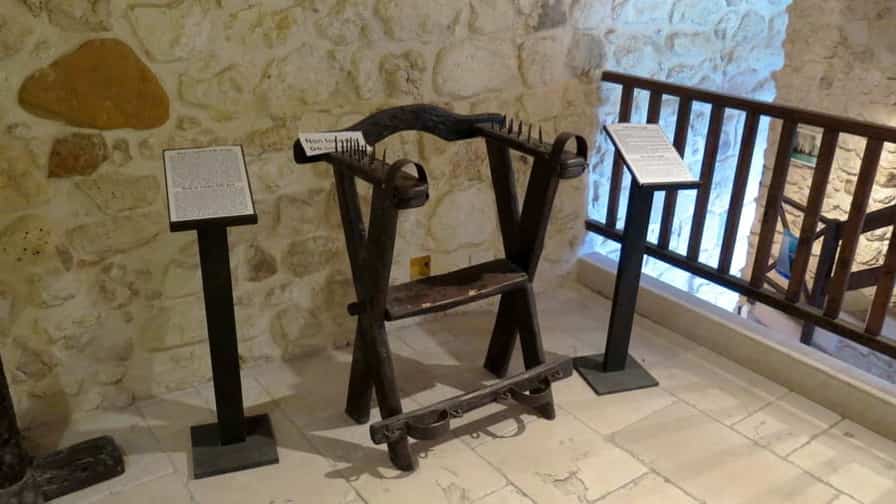
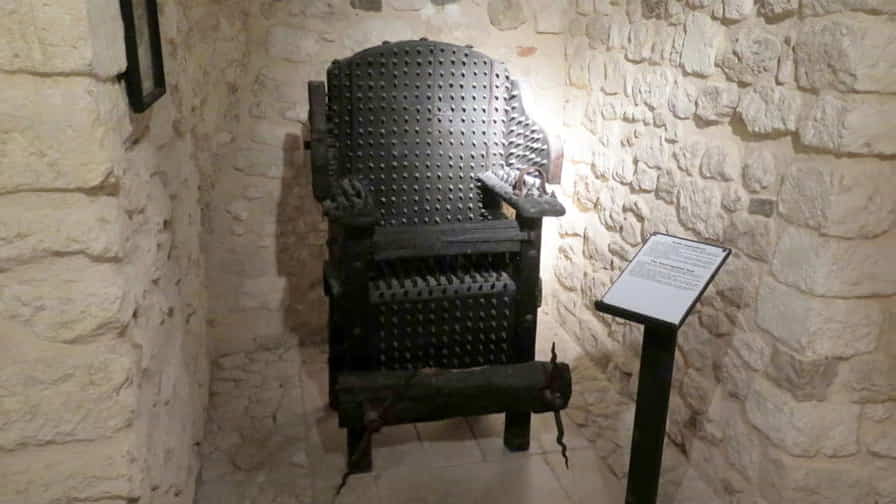
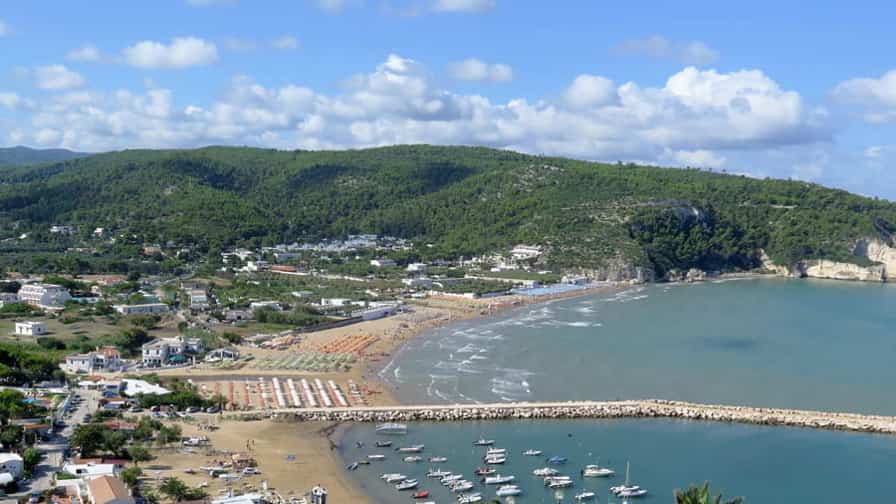
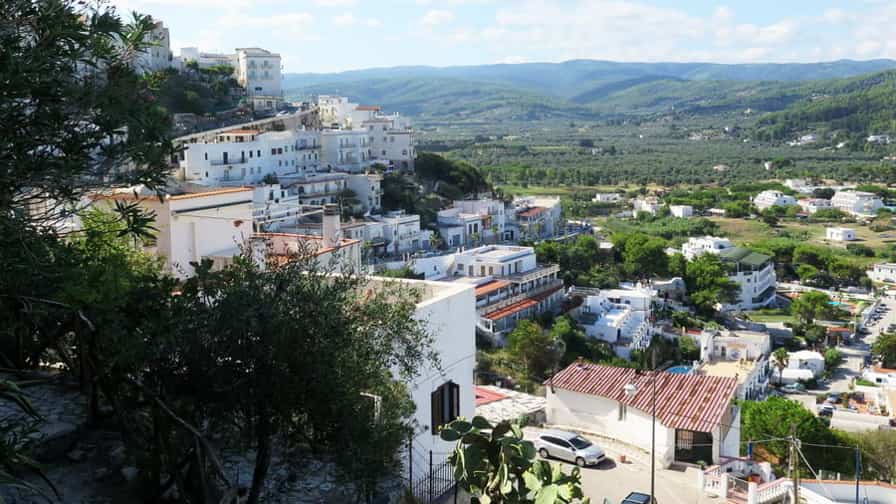
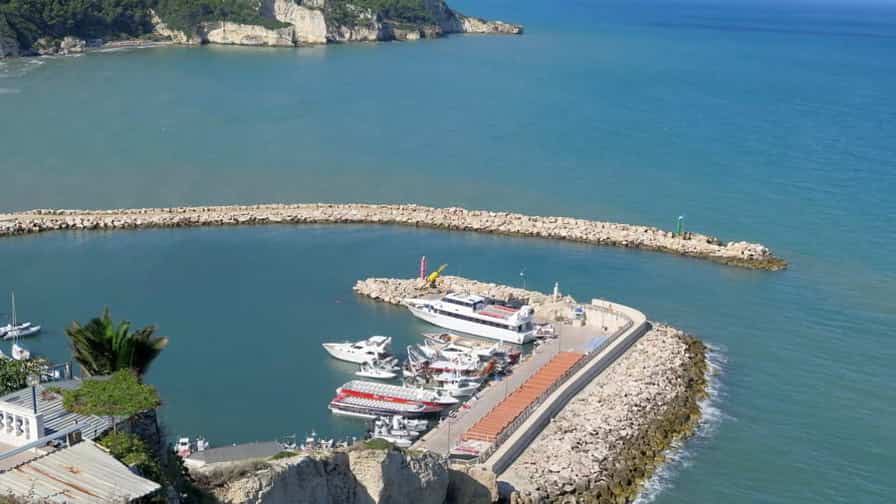
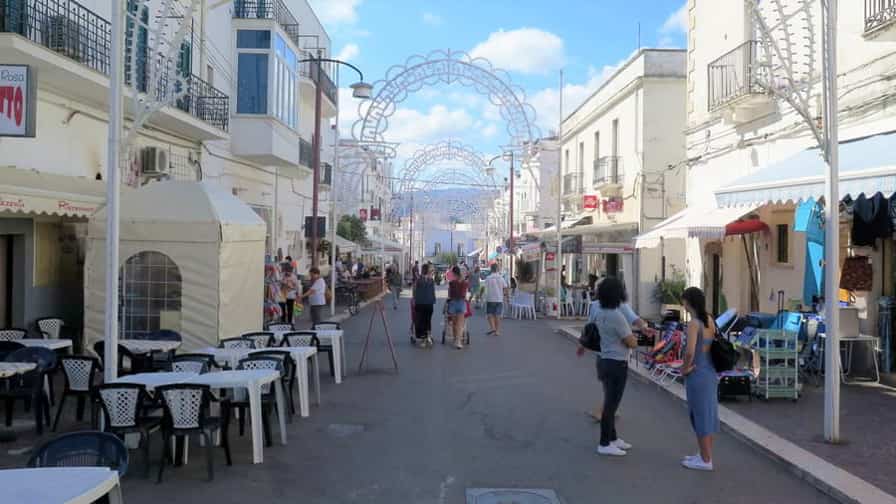
Photo Gallery of Walk 3 – Corso Garibaldi to Contrada Pozzillo
Approximately 1.34 km – 0.83 miles
The walk starts in Corso Garibaldi – Viale Kennedy – Paassageway to the Beach – Contrada Pozzillo
COPYRIGHT © 2018-2026 ITALY IN PHOTOS – ALL RIGHTS RESERVED