
HOME
REGIONS OF ITALY
PLACES IN ITALY
TRAVEL GUIDES
Italy in Photos
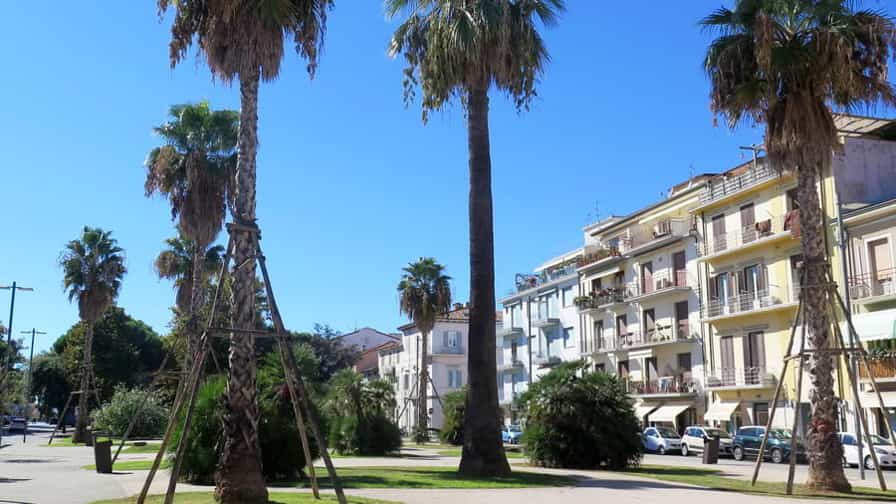
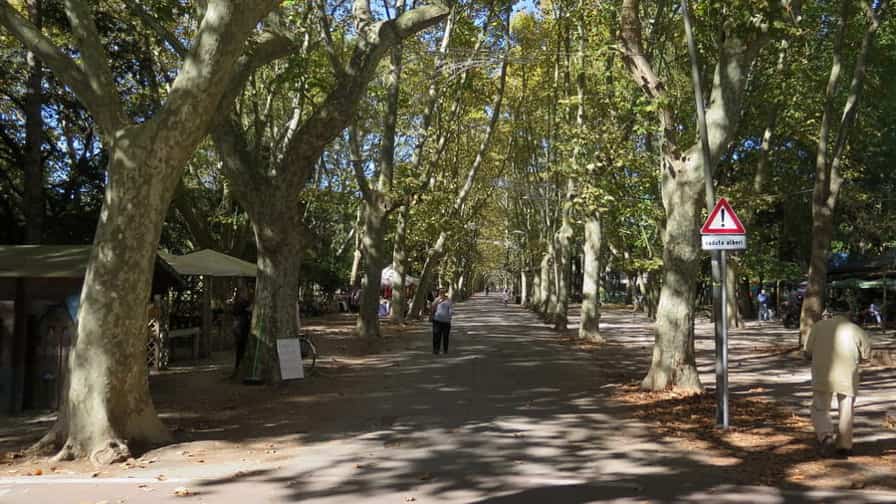
Viale Giosuè Carducci, 55049 Viareggio, Italy (September 2018)
Viareggio
Viareggio is a lively coastal city in Tuscany, renowned for its long sandy beaches, elegant promenade, and vibrant cultural life. Situated on the Ligurian Sea along the Versilia coast, it has long been a favourite destination for both Italians and international visitors seeking sun, sea, and leisure. Beyond its reputation as a beach resort, Viareggio is celebrated for its Art Nouveau architecture, lively carnival traditions, and thriving maritime and artistic heritage, making it a city of both style and substance.
Founded in the late 18th century as a small fishing village, Viareggio gradually grew into a prosperous port and seaside resort. Its proximity to cities such as Lucca, Pisa, and Florence made it an attractive retreat for artists, intellectuals, and the Italian elite during the 19th and early 20th centuries. The city’s wealth and sophistication are reflected in the Liberty-style villas and elegant buildings that line the famous Lungomare, the seaside promenade stretching several kilometres along the coast. This promenade remains the social heart of Viareggio, where cafés, gelaterias, and boutiques invite leisurely strolls and seaside enjoyment.
Viareggio is perhaps best known internationally for its Carnival, one of Italy’s most celebrated. Dating back to the late 19th century, the Carnival features elaborate floats, papier-mâché figures, parades, and performances, drawing visitors from across Italy and beyond. It is not only a spectacular display of creativity but also an important cultural tradition that reflects the city’s playful and artistic spirit.
The beaches of Viareggio are another defining feature. Long, sandy stretches are lined with well-equipped bathing establishments, offering sunbeds, umbrellas, and family friendly amenities. The gentle waves of the Ligurian Sea make it ideal for swimming and water sports, while the promenades and cycling paths along the coast provide opportunities for outdoor recreation. The blend of natural beauty and urban convenience has contributed to Viareggio’s enduring popularity as a seaside destination.
Beyond its beaches and carnival, Viareggio has a rich maritime and artistic culture. Its shipyards and naval industry have long been central to the local economy, while museums and galleries celebrate local history, art, and craftsmanship. Culinary traditions, particularly seafood and Tuscan specialties, add another layer of appeal for visitors seeking a genuine taste of the region.
Viareggio offers a unique combination of relaxation, culture, and entertainment. Its vibrant streets, elegant architecture, golden beaches, and festive spirit make it a destination that appeals to families, couples, and solo travellers alike. Whether exploring its historic centre, enjoying the coastline, or participating in its famous Carnival, Viareggio embodies the charm, energy, and sophistication of the Tuscan Riviera, offering a multifaceted experience of Italian coastal life.
Worth a Visit
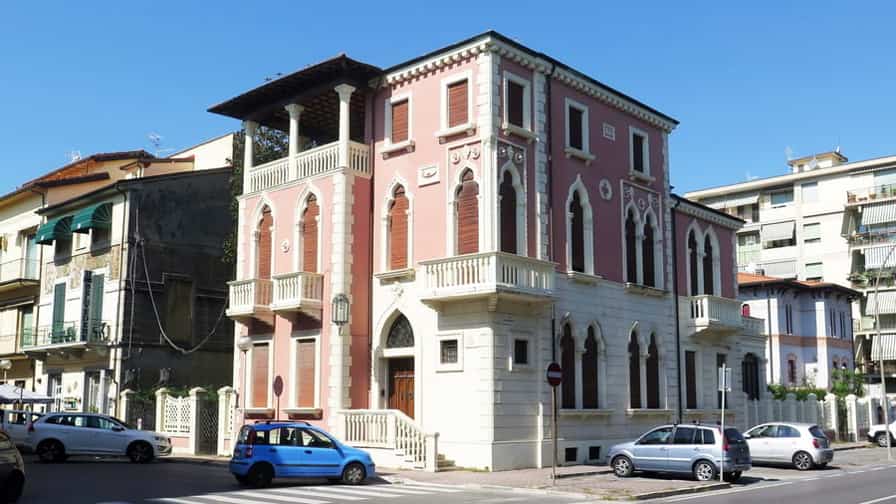
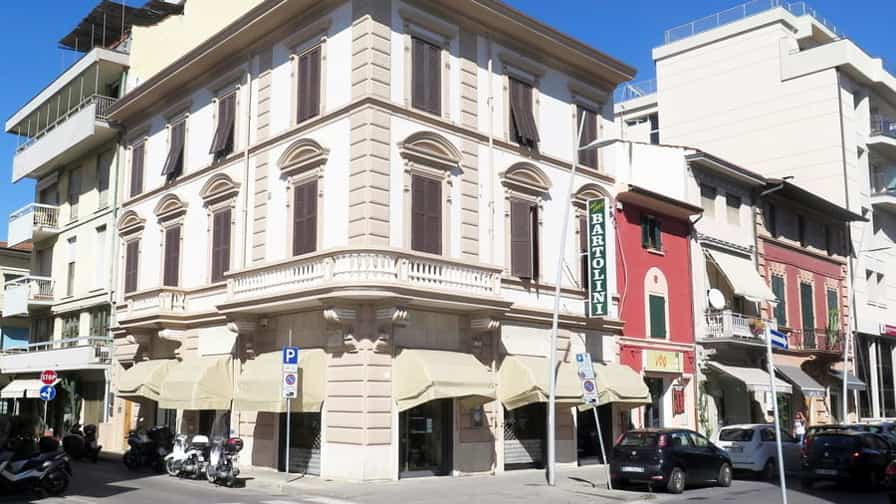
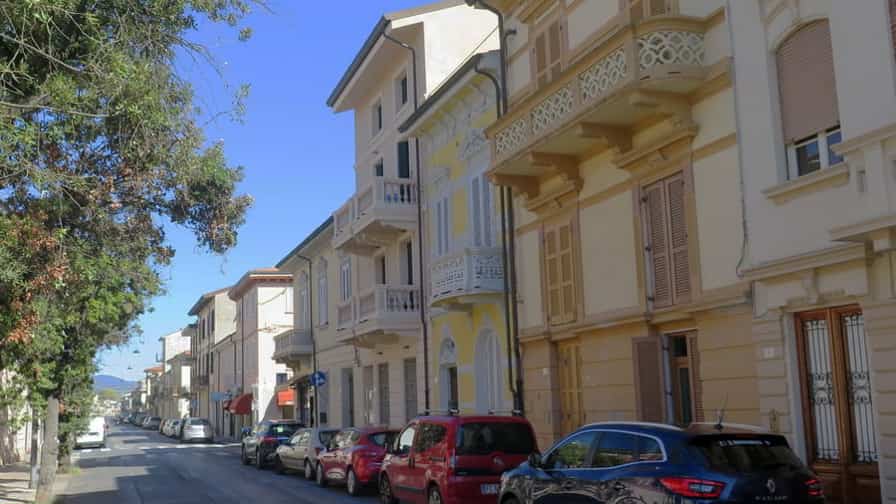
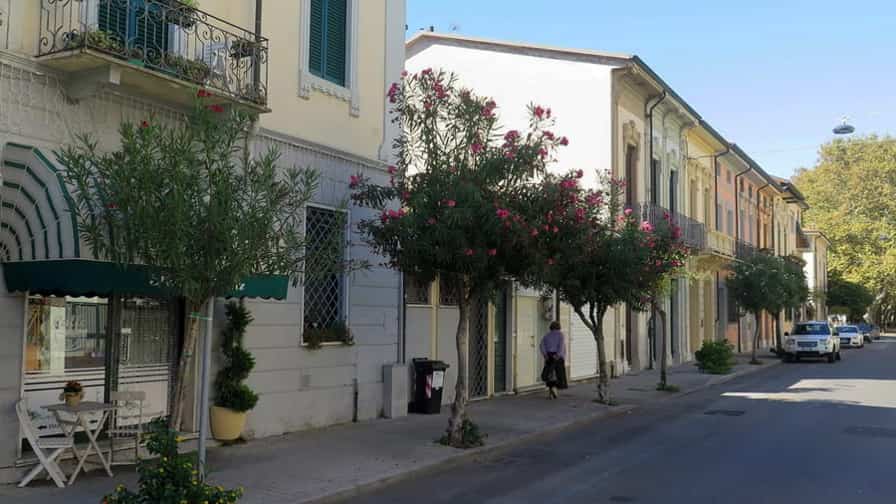
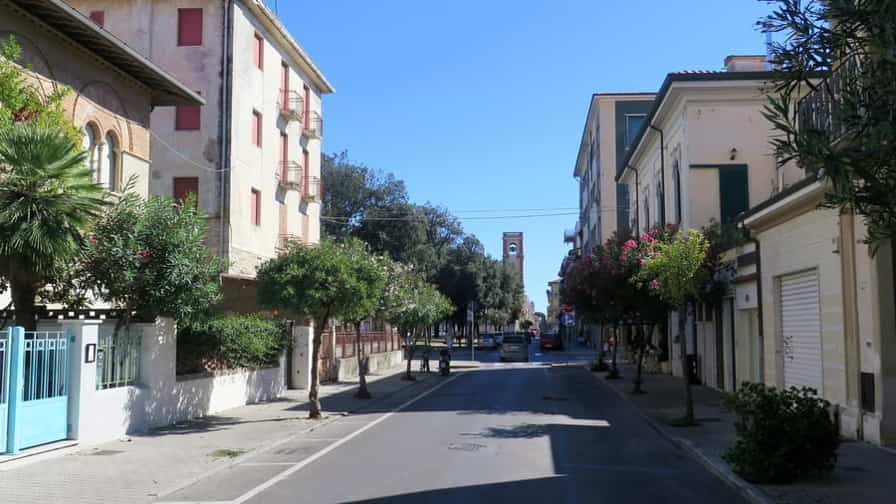
Viale Michelangelo Buonarroti is one of the most charming and well-known avenues in Viareggio, a seaside town on the Tuscan coast of Italy. Stretching parallel to the beach and promenade, it offers a blend of elegance, leisure, and local life. The avenue is lined with a mix of Art Nouveau villas, stylish cafés, and boutique shops that reflect the city’s early 20th-century architectural and cultural heritage. Its location makes it a pleasant route for both residents and visitors, providing easy access to the seafront as well as to the town’s lively social and cultural scene. The street is named after Michelangelo Buonarroti, the great Renaissance master, a fitting tribute in a town that values both beauty and creativity. Whether for a relaxed stroll, a cycling ride, or enjoying Viareggio’s vibrant atmosphere, Viale Michelangelo Buonarroti captures the essence of Tuscan coastal life in a refined and welcoming setting.
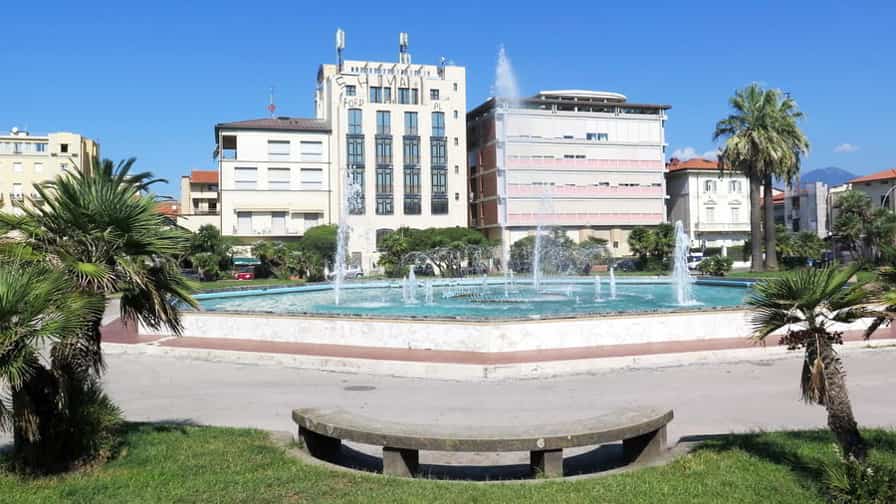
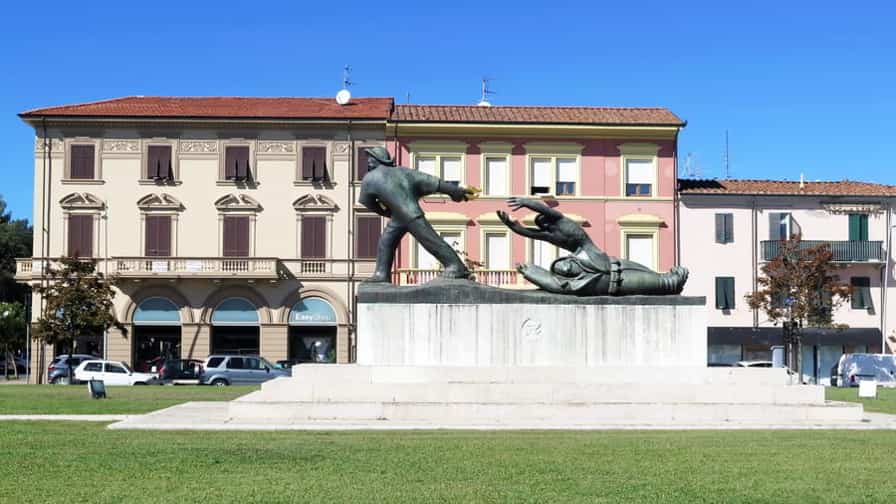
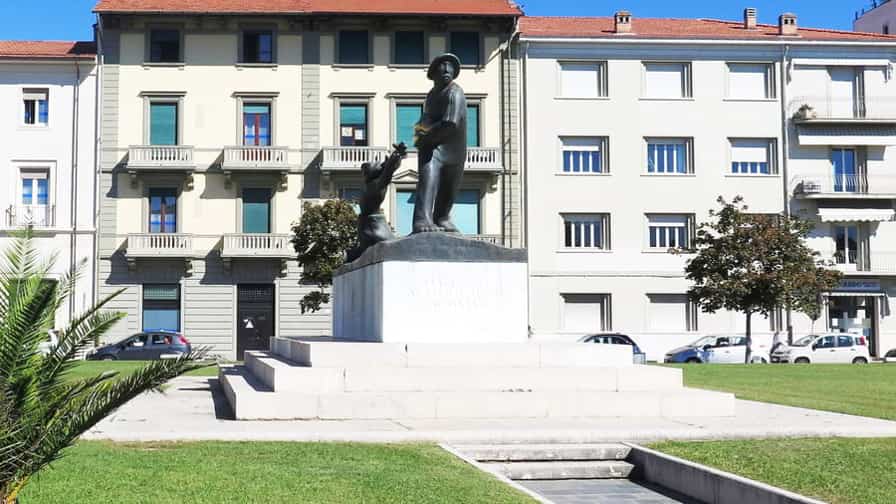
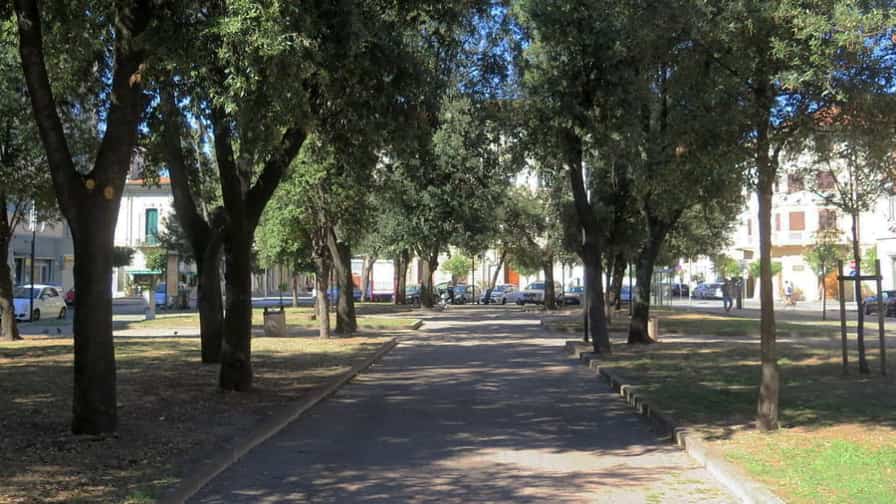
Piazza Giuseppe Mazzini is one of the central squares in Viareggio, a vibrant seaside city along the Tuscan coast of Italy. Overlooking the wide, sandy beaches and the lively promenade, the square serves as both a cultural and social hub for locals and visitors alike. Named after Giuseppe Mazzini, a key figure in Italy’s unification, the piazza reflects a blend of history, civic pride, and coastal charm. Its open space often hosts events, markets, and gatherings, making it a natural meeting point. Around the square, visitors find elegant cafés, shops, and restaurants that showcase Viareggio’s relaxed yet sophisticated atmosphere. Piazza Mazzini is also closely tied to the city’s famous Carnival, with parades and festivities often spilling into its streets. Whether used as a starting point for a walk along the promenade or a place to pause and enjoy the view, it embodies the lively spirit of Viareggio.
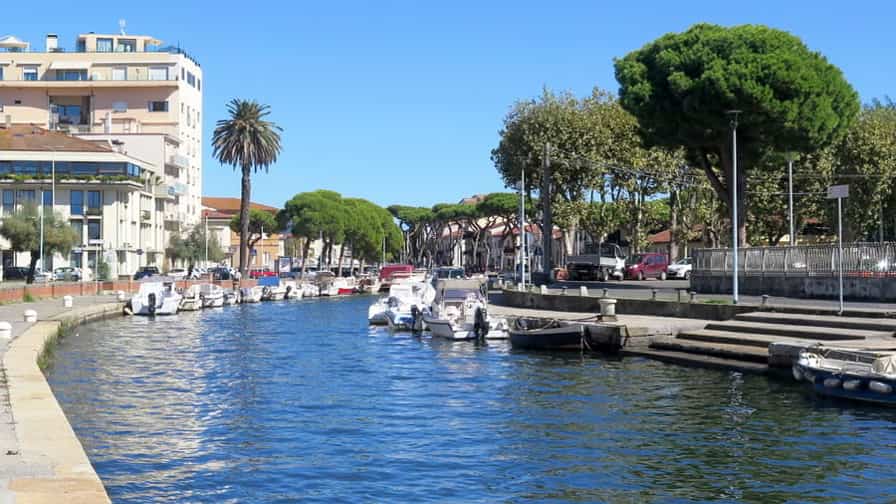
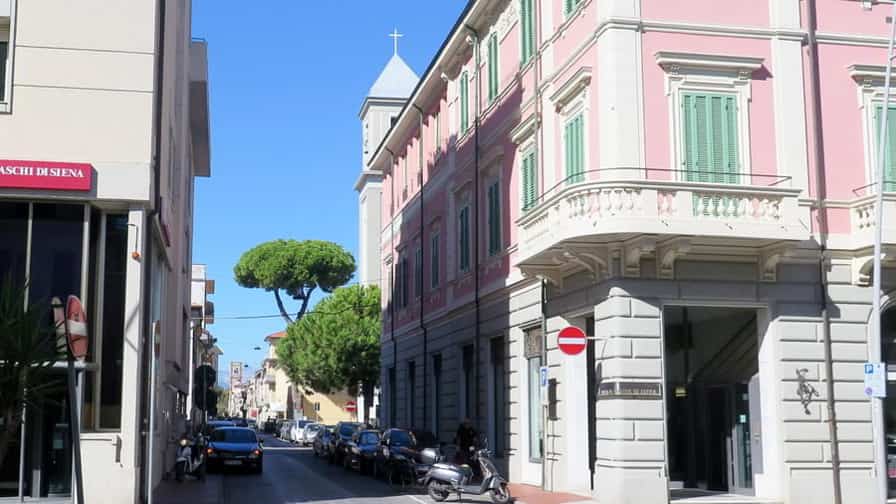
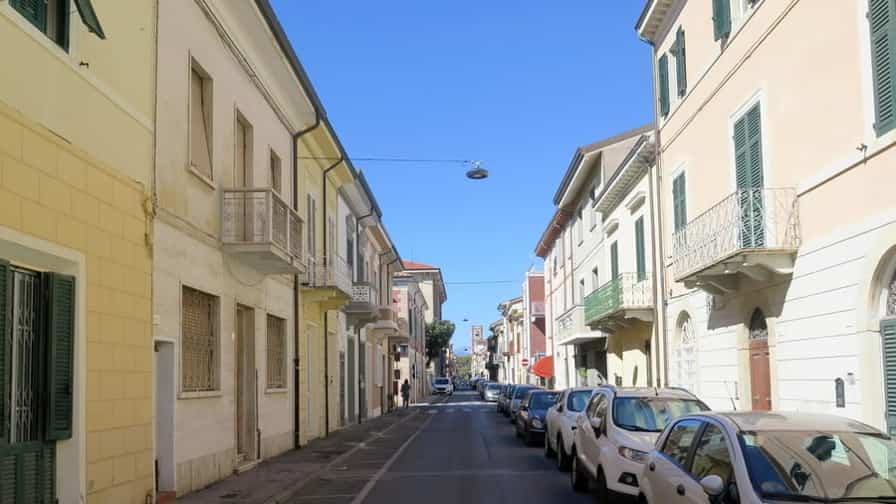
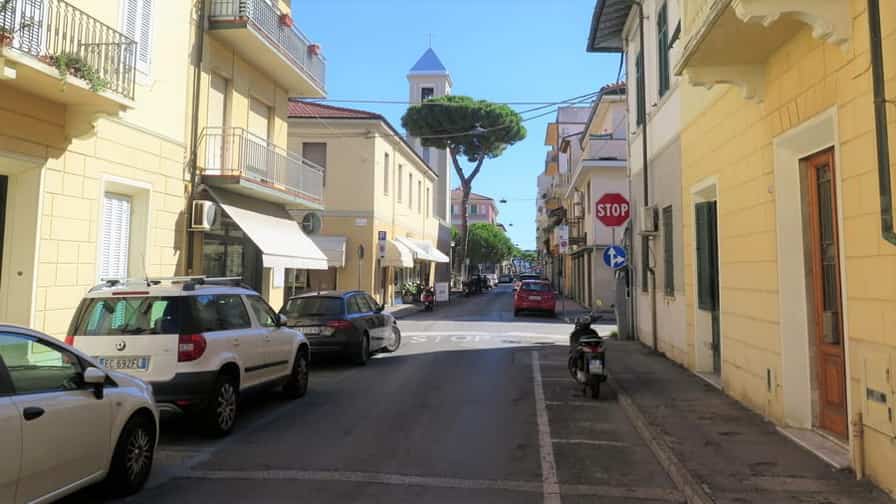
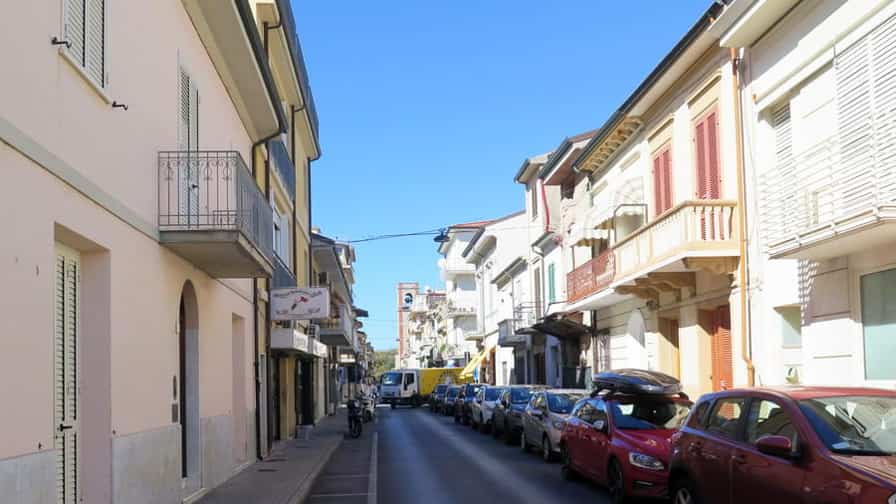
Via Rosolino Pilo is a charming street in the heart of Viareggio, Italy, known for its mix of local character and convenient location. Named after Rosolino Pilo, a patriot of the Italian unification, the street reflects the city’s tradition of honouring important figures in national history. Situated close to both the vibrant town centre and the seafront, it offers easy access to shops, cafés, and essential services, making it a lively yet practical part of daily life. The area blends residential buildings with small businesses, creating a friendly neighbourhood atmosphere where locals and visitors can enjoy a more authentic side of Viareggio beyond the tourist promenade. Its quiet appeal makes it ideal for strolling, while still keeping the energy of the city within reach. Via Rosolino Pilo embodies the balance of history, community, and convenience that characterizes many streets in this Tuscan coastal town.
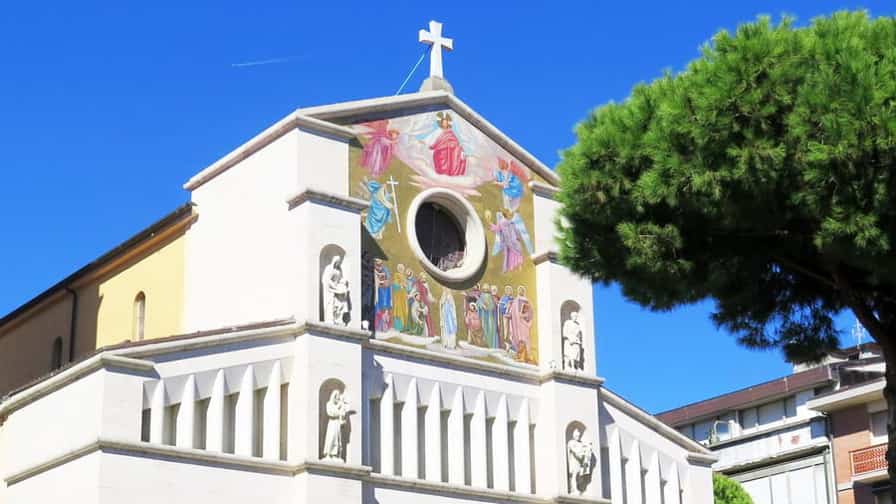
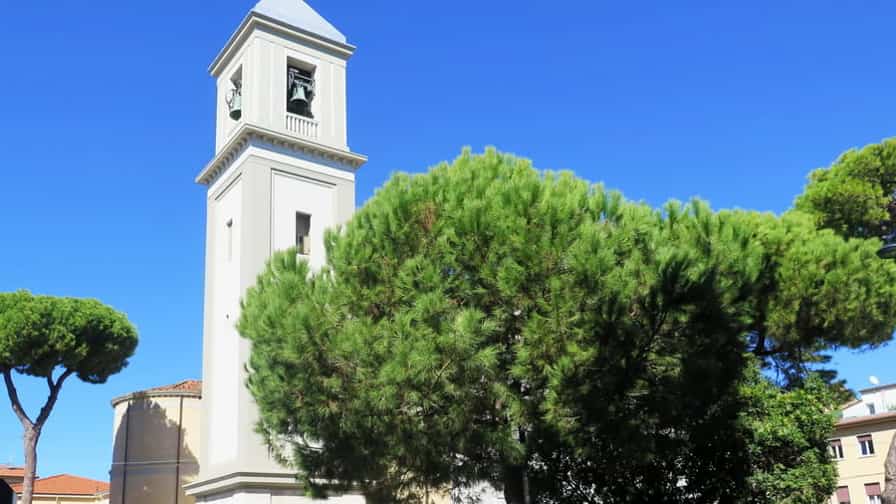
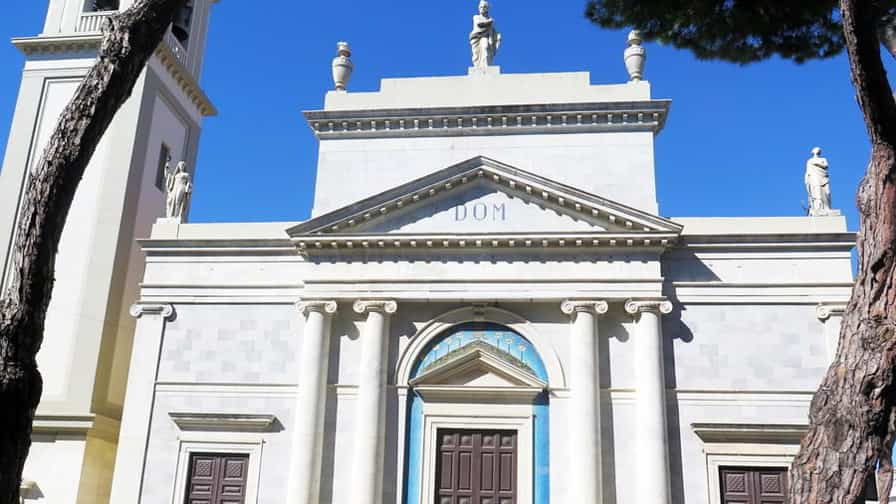
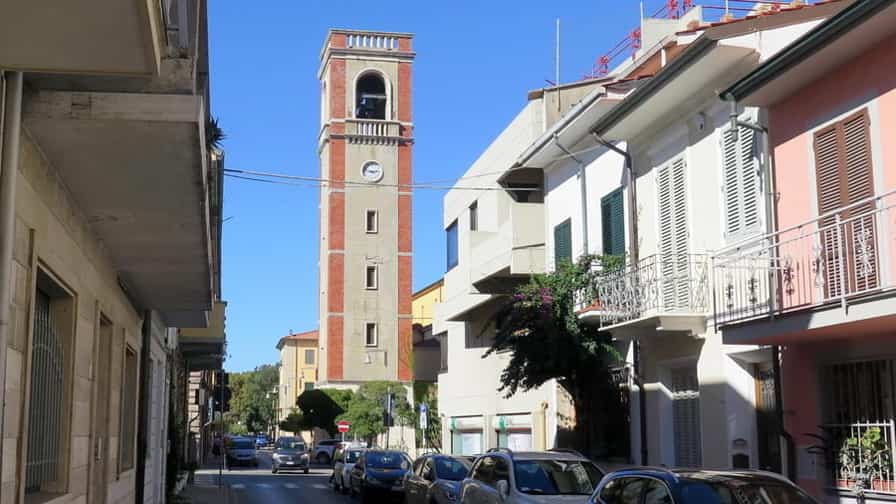
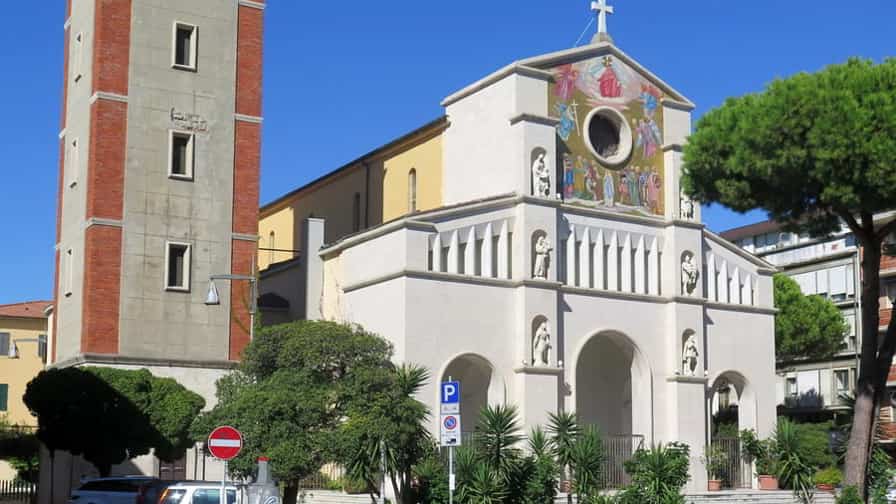
The Chiesa Madre di San Paolino is the main church of Viareggio and a central landmark in the city’s cultural and spiritual life. Dedicated to Saint Paolino, the patron saint of the town, it holds a special place in the hearts of the local community. Built in the late 19th century, the church showcases a striking neo-Romanesque style, with its elegant façade and tall bell tower standing out as symbols of faith and tradition. Inside, the church is equally impressive, featuring beautiful altars, stained-glass windows, and artistic details that create an atmosphere of solemnity and devotion. Beyond its architectural value, the Chiesa Madre di San Paolino is a focal point for important religious celebrations, including the annual feast of San Paolino, which draws both residents and visitors. Serving as both a house of worship and a cultural landmark, it embodies Viareggio’s identity and enduring ties to faith and history.
Photo Gallery of Walk 1 – Viale Giosuè Carducci to Viale Capponi
Approximately 3.18 km – 1.98 miles
The walk starts in Viale Alfredo Belluomini – Viale Giosuè Carducci – Via Marco Polo – Viale Michelangelo Buonarroti – Via Roma – Viale Michelangelo Buonarroti – Via Giuseppe Giusti – Viale Giosuè Carducci – Piazza Giuseppe Mazzini – Viale Daniele Manin – Lungo molo Corrado Del Greco – Ponte ciclopedonale Fausto Coppi – Lungo Canale Palombari dell’Artiglio
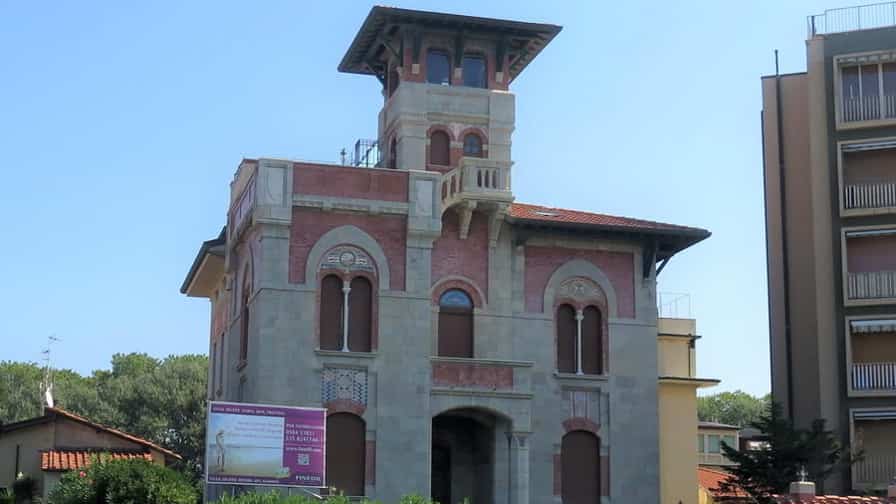
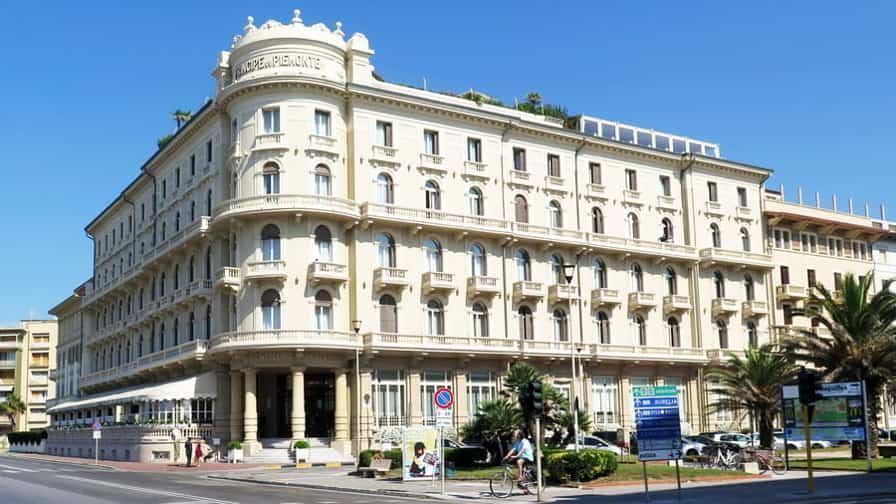
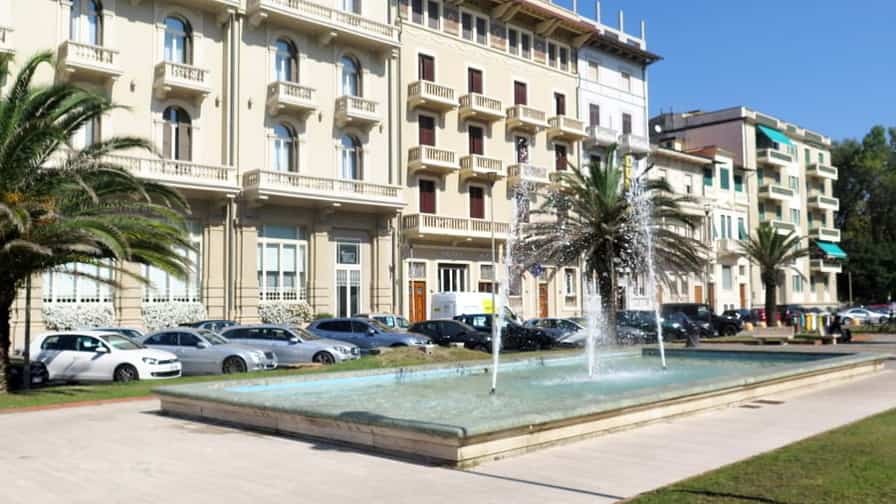
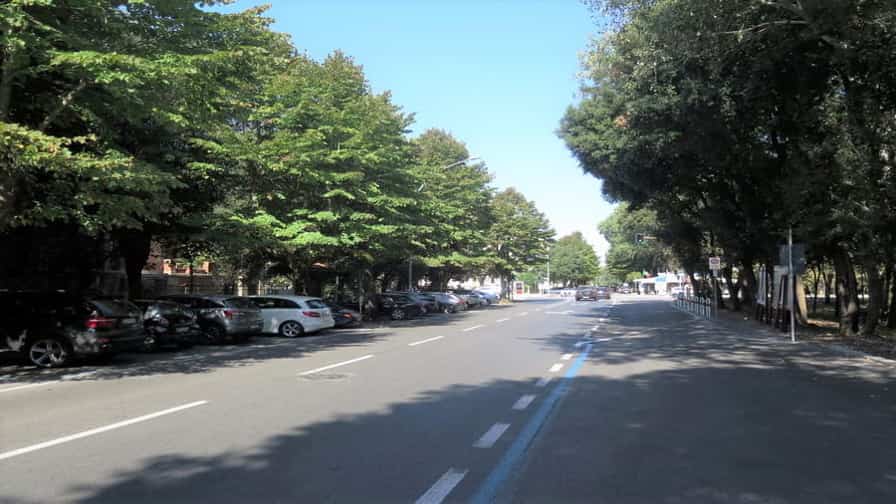
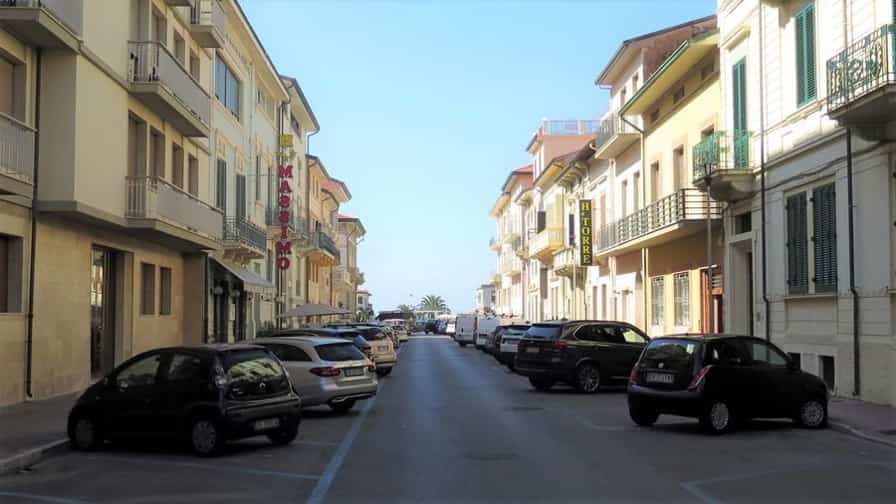
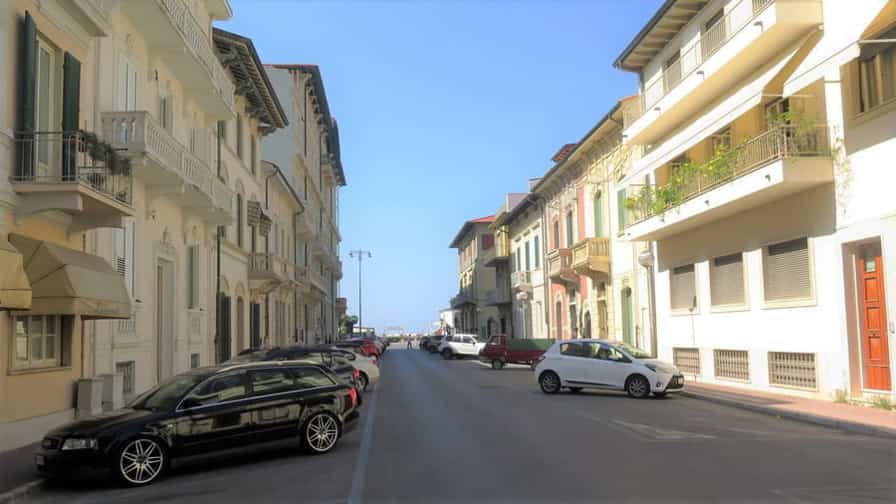
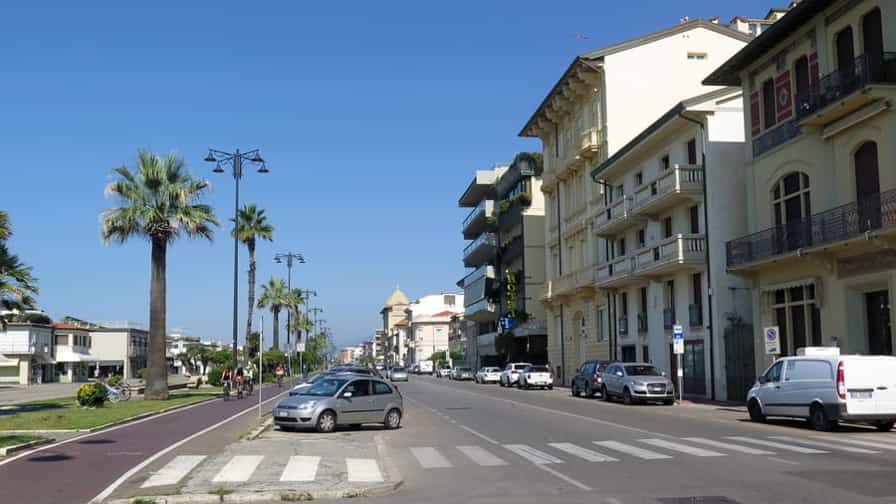
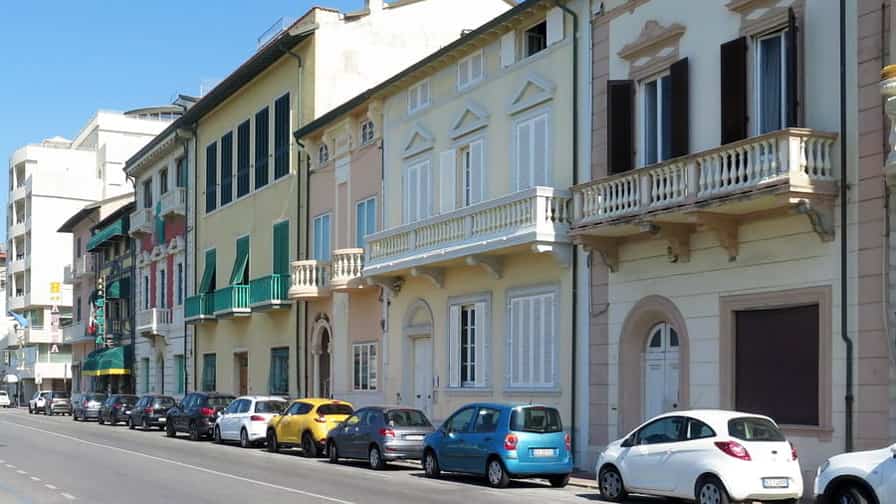
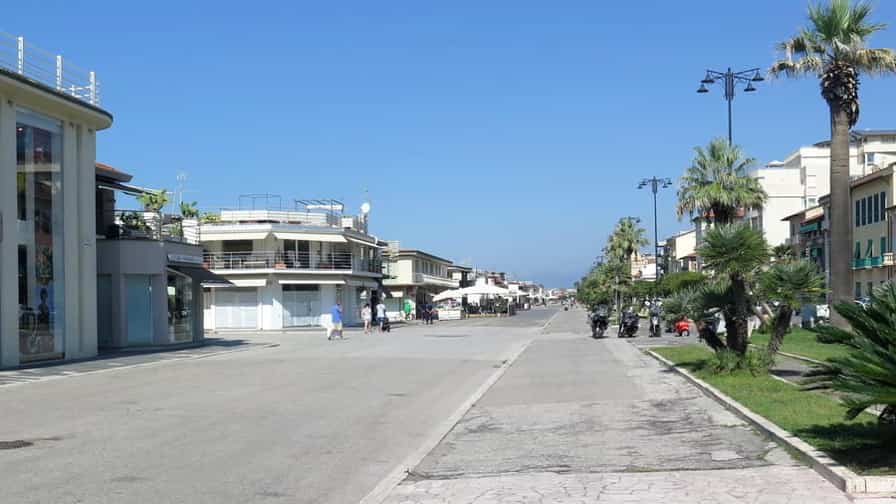
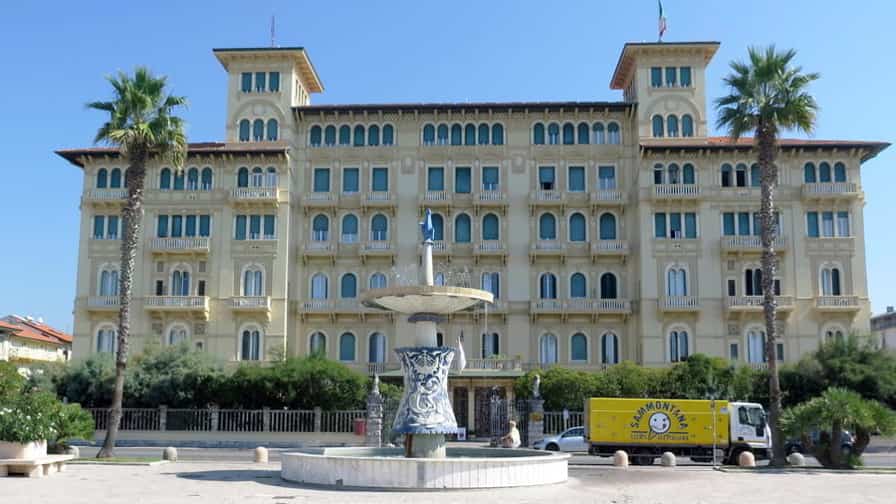
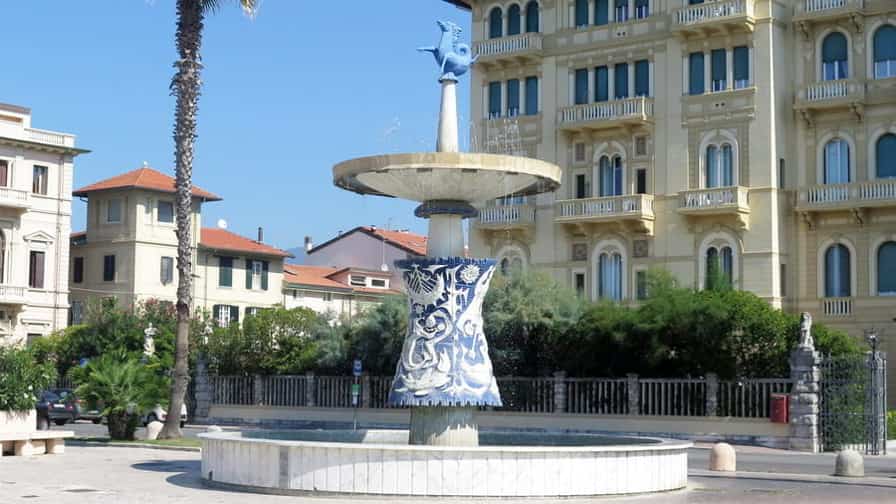
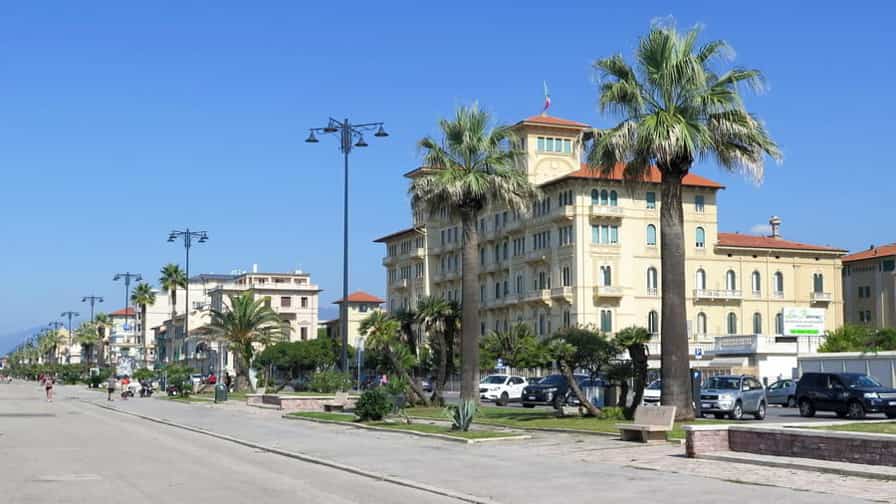

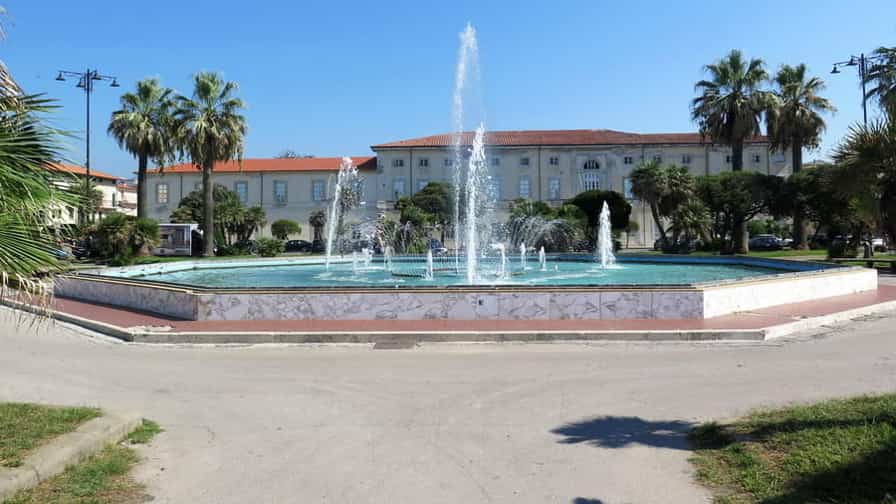
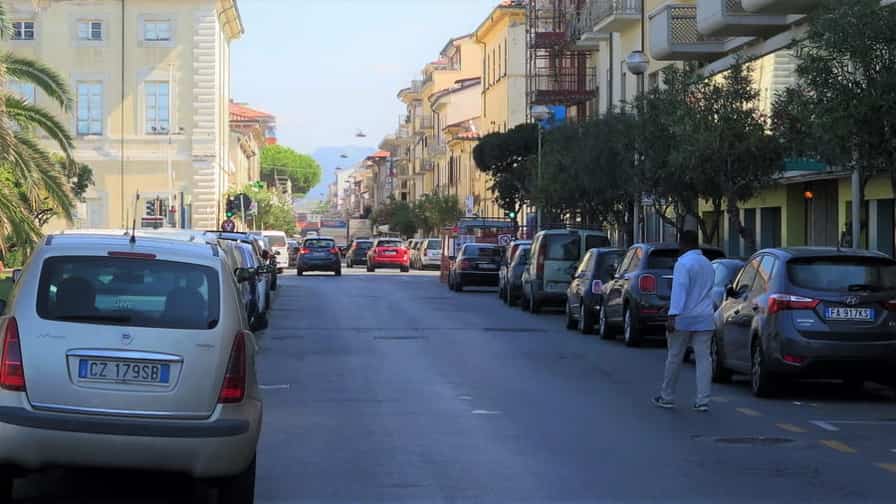
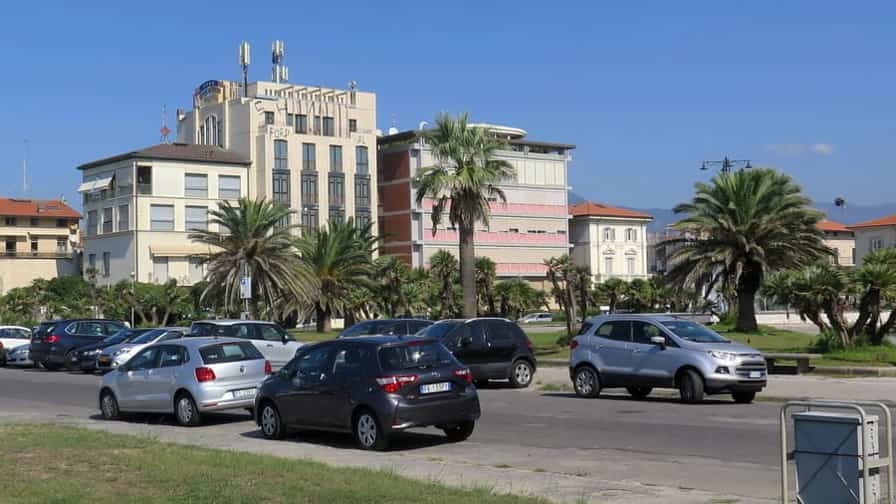
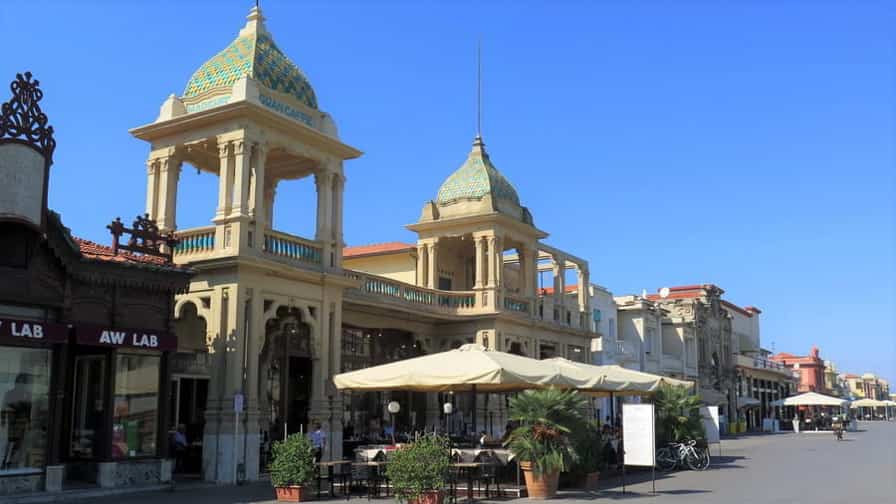
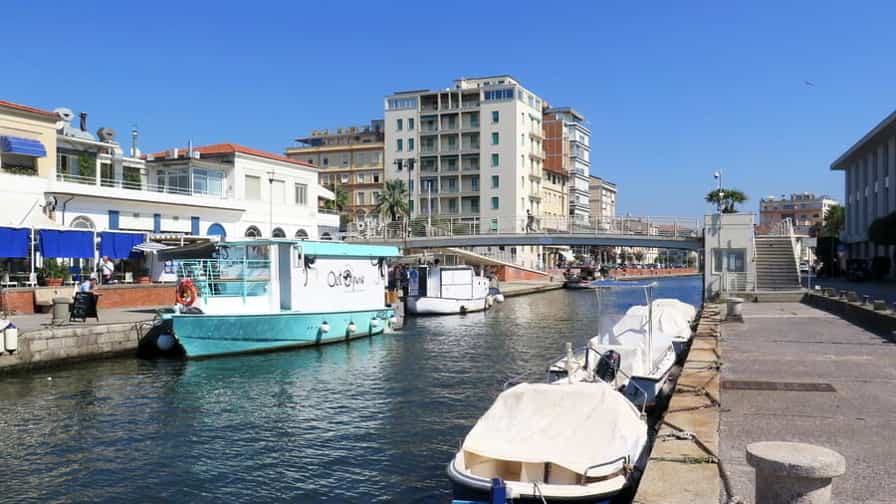
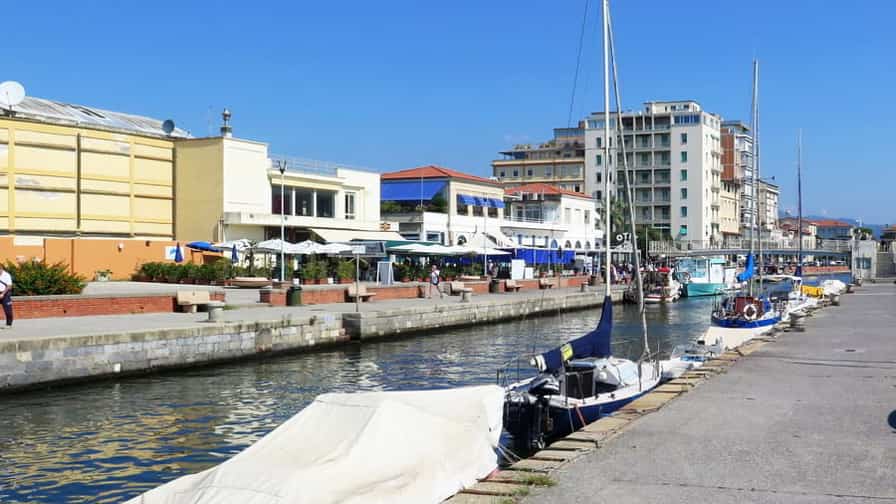
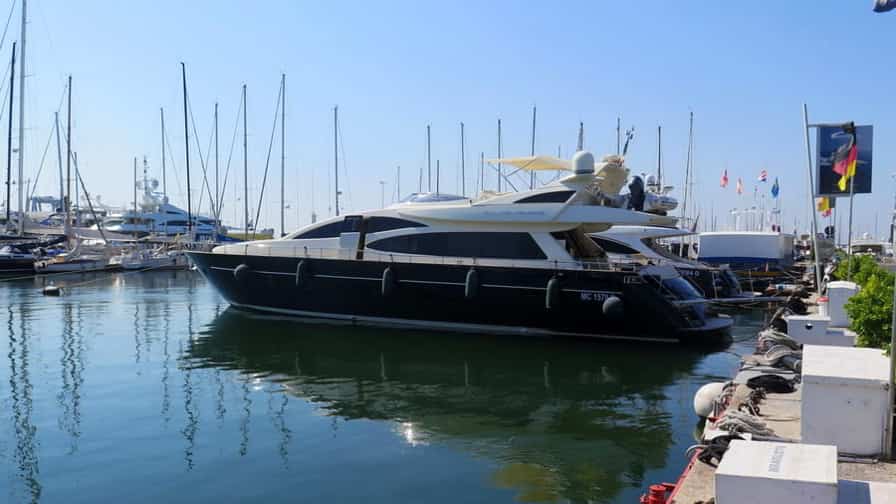
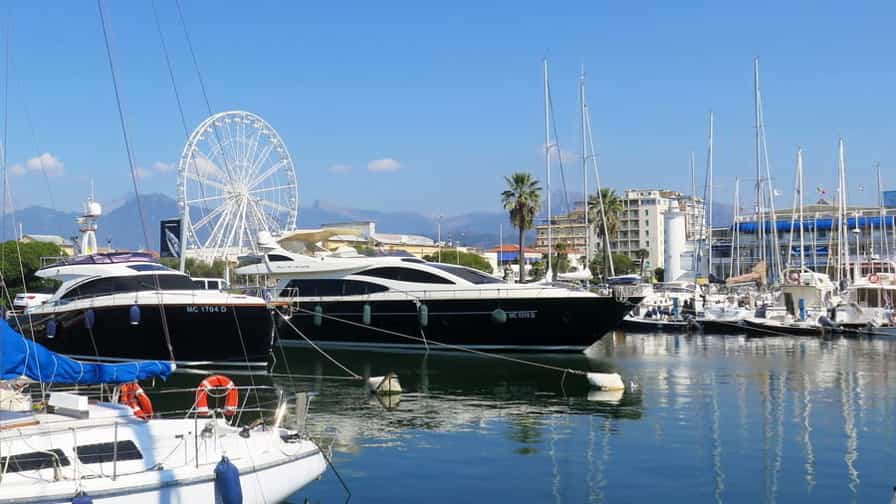
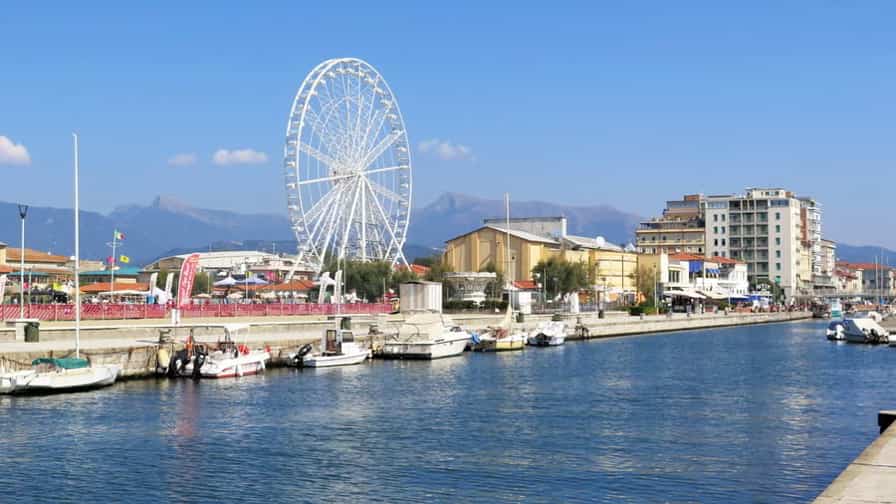
Photo Gallery of Walk 2 – Lungo Canale Palombari to Viale Capponi
Approximately 2.06 km – 1.28 miles
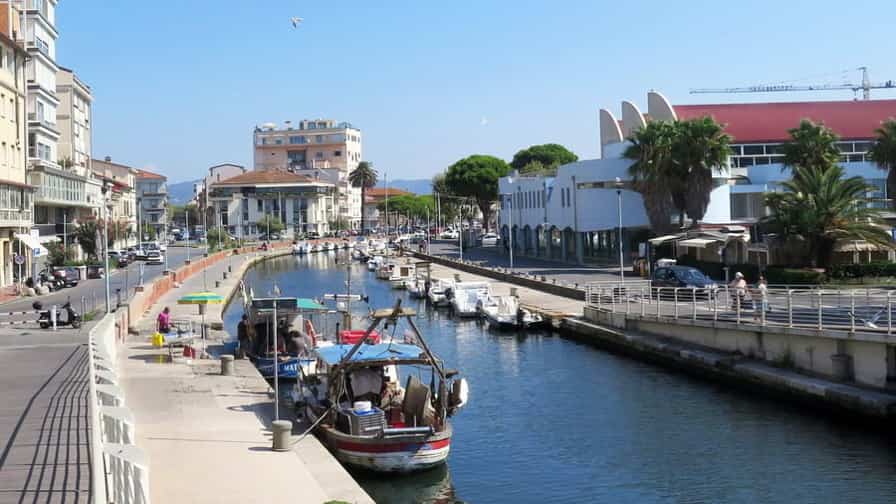
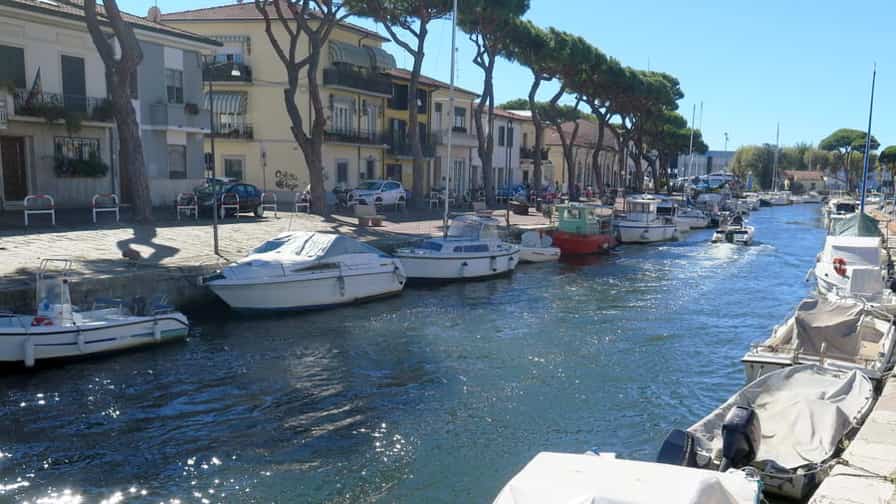
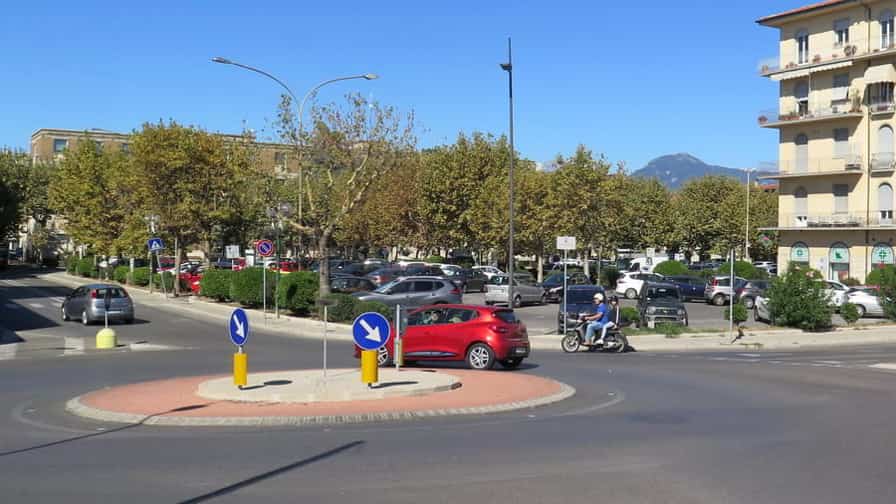
The walk starts in Lungo Canale Palombari dell’Artiglio – Ponte ciclopedonale Fausto Coppi – Via Rosolino Pilo – Piazza Giovanni Pacini – Piazza Alessandro Manzoni – Piazza Giovanni Pacini – Piazza Giuseppe Garibaldi – Via S. Francesco – Via Paolina Buonaparte – Via Felice Cavallotti – Via Paolina Buonaparte – Via Machiavelli – Piazza Percy Bysshe Shelley – Via Machiavelli – – Via Giuseppe Mazzini – Via Paolina Buonaparte – Piazza Piave – Via Leonardo Da Vinci – Via Paolina Buonaparte – Viale Capponi


COPYRIGHT © 2018-2026 ITALY IN PHOTOS – ALL RIGHTS RESERVED