
HOME
THE REGIONS OF ITALY
PLACES IN ITALY
TRAVEL GUIDES COMING SOON
Italy in Photos
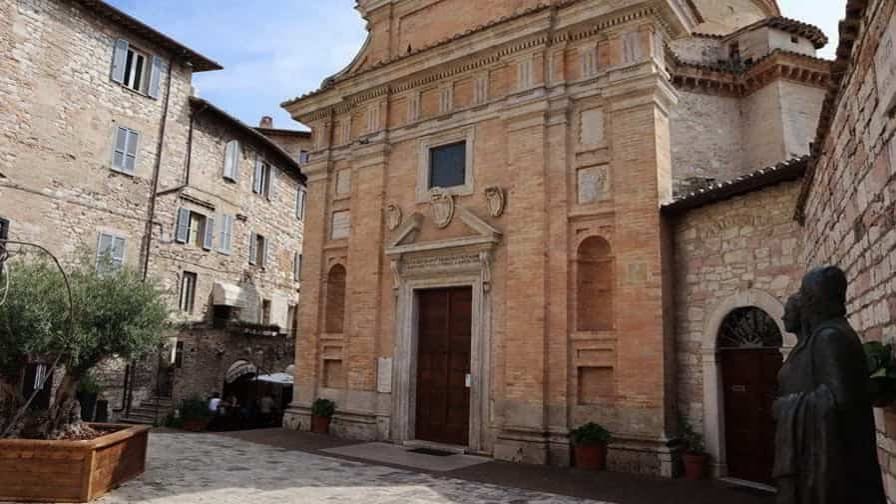
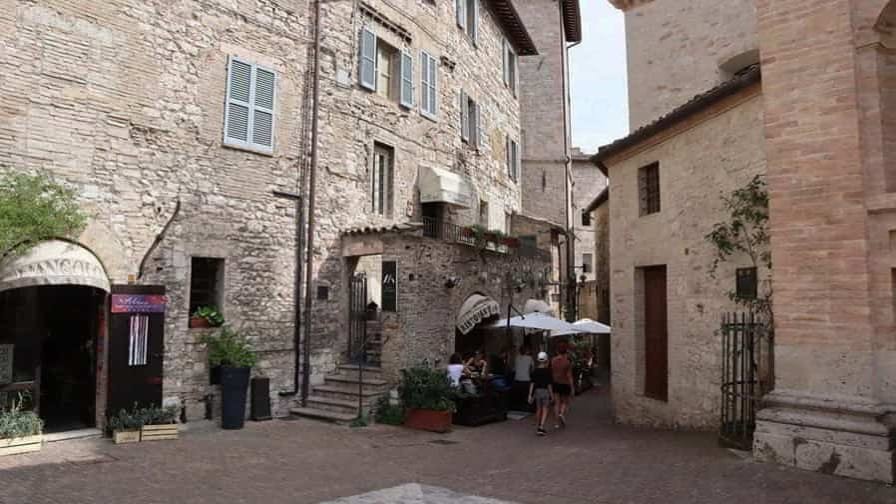
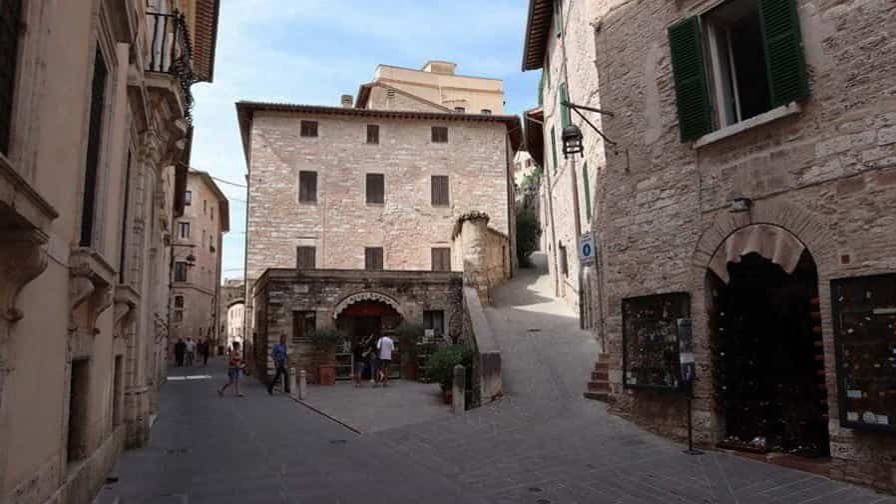
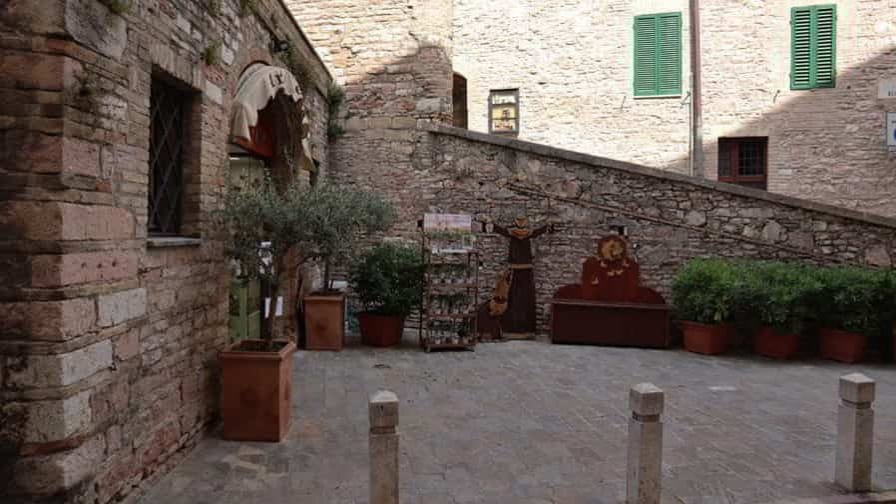
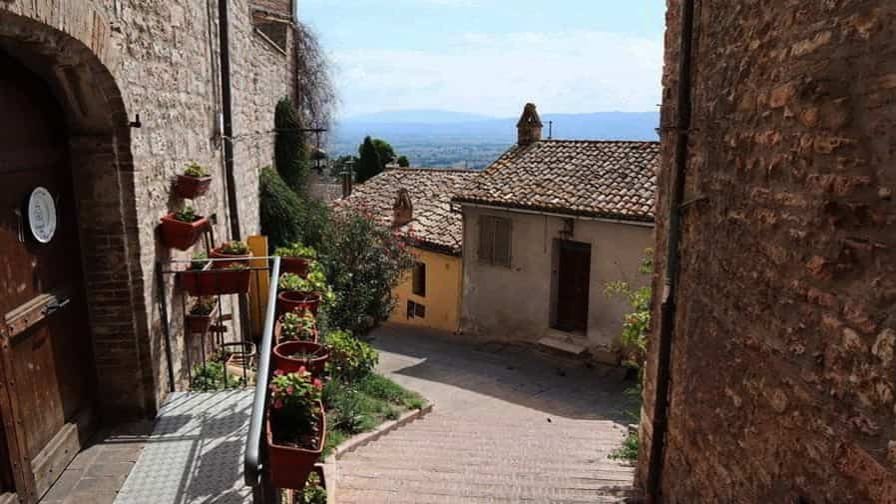
Via S. Rufino, 06081 Assisi PG, Italy (September 2020)
Assisi
Perched on the gentle slopes of Mount Subasio in the heart of Umbria, Assisi is one of Italy’s most spiritually resonant and historically significant towns. Overlooking the broad Umbrian valley, the town’s stone buildings cascade down the hillside in harmonious layers, creating a striking silhouette that has inspired pilgrims, artists, and travellers for centuries. Best known as the birthplace of Saint Francis, Assisi is a place where faith, history, and natural beauty are deeply intertwined.
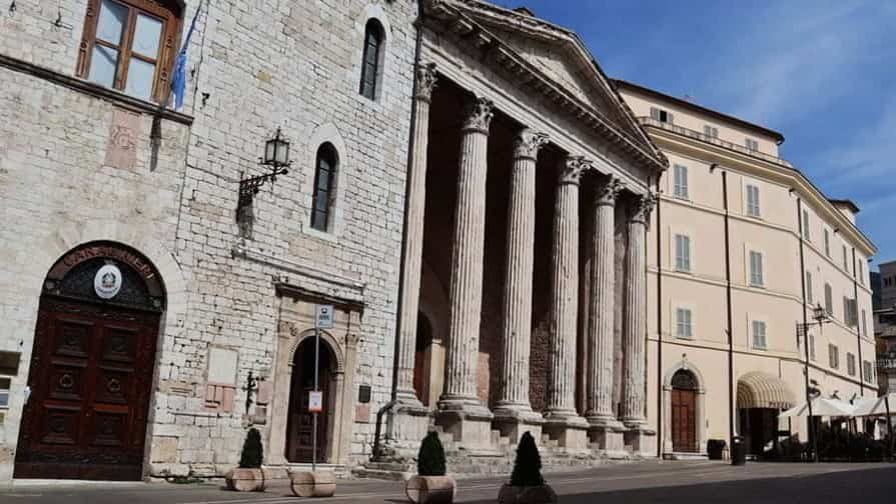
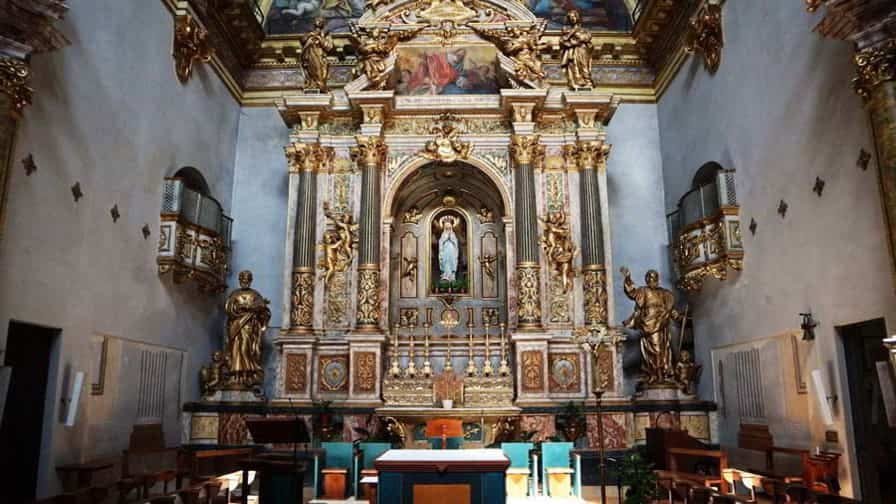
Assisi’s origins predate Christianity, with roots in ancient Umbrian and Roman settlements. Traces of its classical past remain visible today, including Roman walls, a forum, and the well-preserved Temple of Minerva, which now forms part of the Church of Santa Maria sopra Minerva in the town’s main square. During the Middle Ages, Assisi grew into an important religious and political centre, shaped by both communal independence and papal influence. This layered history gives the town a unique character, where pagan, medieval, and sacred elements coexist seamlessly.
The spiritual heart of Assisi is the Basilica of San Francesco, a UNESCO World Heritage Site and one of the most important pilgrimage destinations in the world. Built shortly after Saint Francis’s death in 1226, the basilica is composed of two levels, each adorned with extraordinary fresco cycles by artists such as Giotto and Cimabue. These artworks revolutionized Western painting by introducing greater emotional depth and realism, while vividly illustrating the life and teachings of Saint Francis. For visitors, the basilica offers both artistic wonder and a profound sense of reflection.
Beyond Saint Francis, Assisi is also closely associated with Saint Clare, founder of the Poor Clares. The Basilica of Santa Chiara, with its distinctive pink and white stone façade, houses her tomb and preserves relics connected to her life. Together, these sacred sites reflect the town’s enduring role as a centre of Franciscan spirituality, emphasizing values of humility, compassion, and harmony with nature.
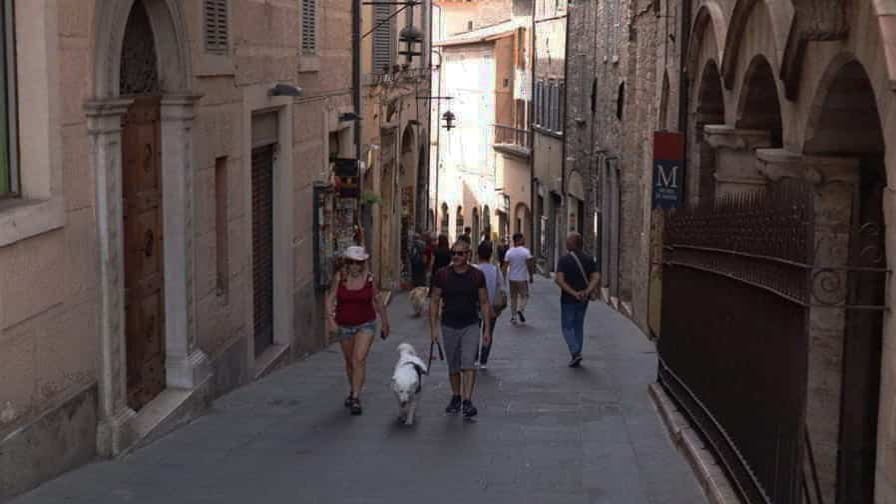
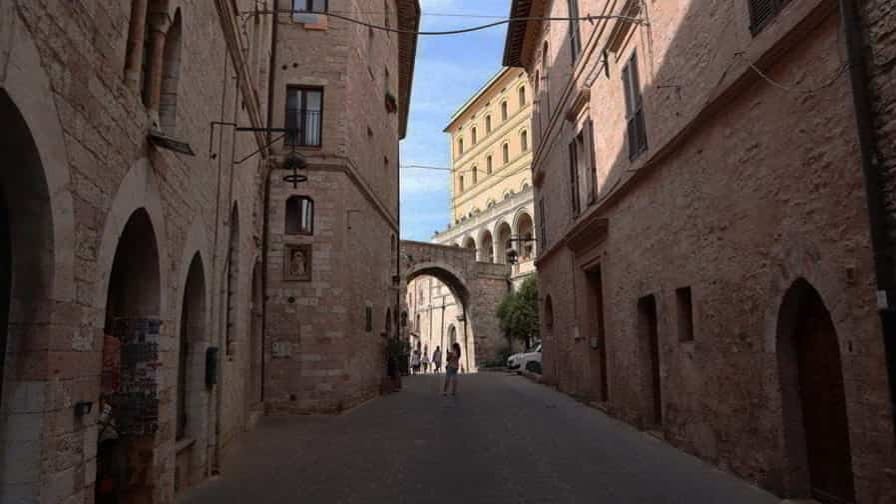
Assisi’s historic centre invites unhurried exploration. Narrow cobbled streets wind past medieval houses, quiet courtyards, and small piazzas where daily life unfolds at a gentle pace. Local shops offer handcrafted goods, ceramics, and regional products, while family-run trattorias serve Umbrian specialties rooted in simple, earthy flavours. The atmosphere encourages contemplation, echoing the spiritual legacy that defines the town.
The surrounding landscape further enhances Assisi’s appeal. Olive groves, vineyards, and wooded slopes frame the town, while walking paths on Mount Subasio provide panoramic views and moments of solitude. Nature has always played a central role in Franciscan thought, and in Assisi it feels like an extension of the town’s identity rather than a backdrop. Assisi is more than a historical destination; it is a living symbol of spiritual reflection and cultural continuity. Whether approached as a place of pilgrimage, artistic heritage, or quiet beauty, Assisi leaves a lasting impression through its balance of devotion, history, and serene Umbrian charm.
Worth a Visit
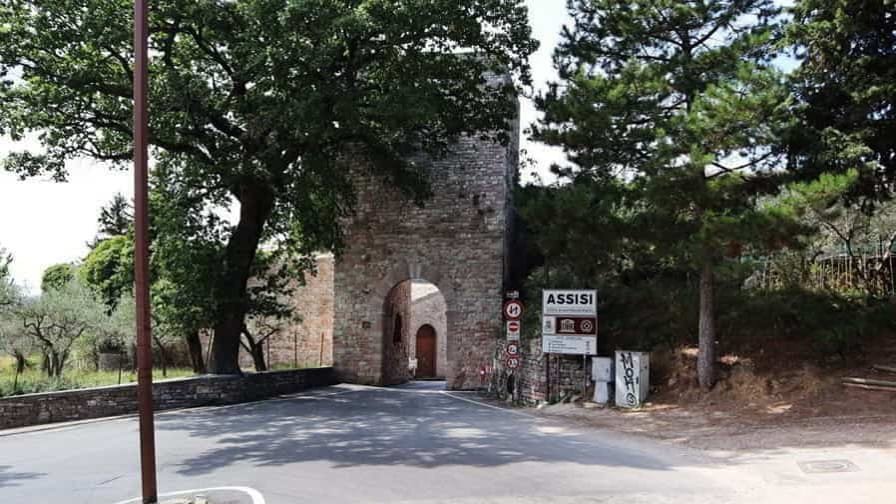
The Porta Cappuccini, located in the historic town of Assisi, Italy, is one of the ancient gates that once formed part of the city’s medieval fortifications. Perched on the slopes of Mount Subasio, this gateway stands as a testament to Assisi’s strategic importance and rich architectural legacy during the Middle Ages. Although not as widely recognized as some of Assisi’s other landmarks, such as the Basilica of Saint Francis, the Porta Cappuccini plays a crucial role in the town’s defensive history and offers visitors a direct connection to the past through its weathered stonework and strategic positioning. maintaining control over access to the city.
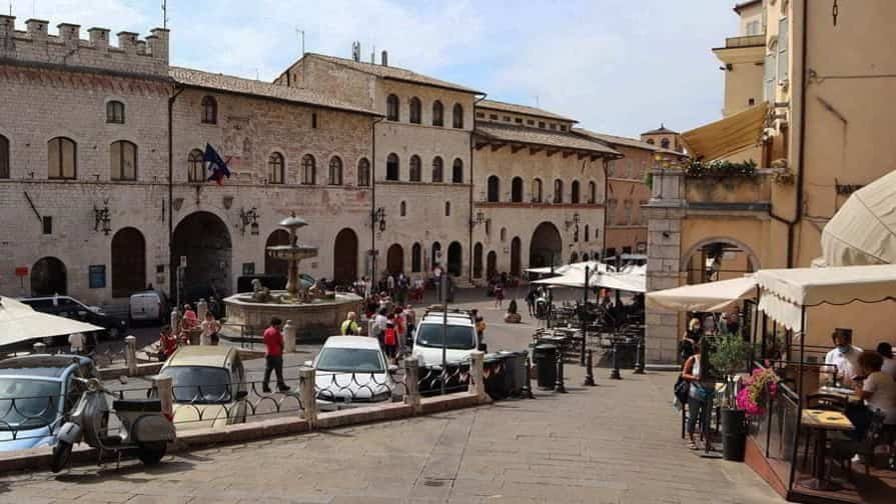
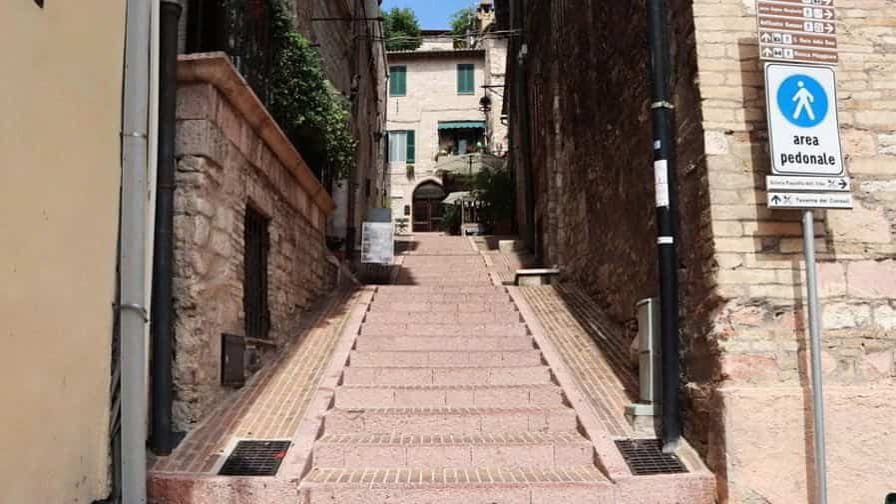
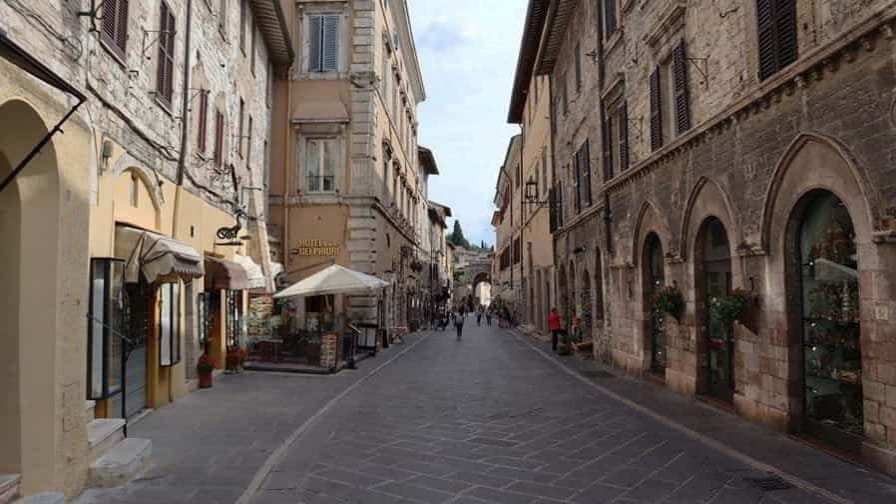
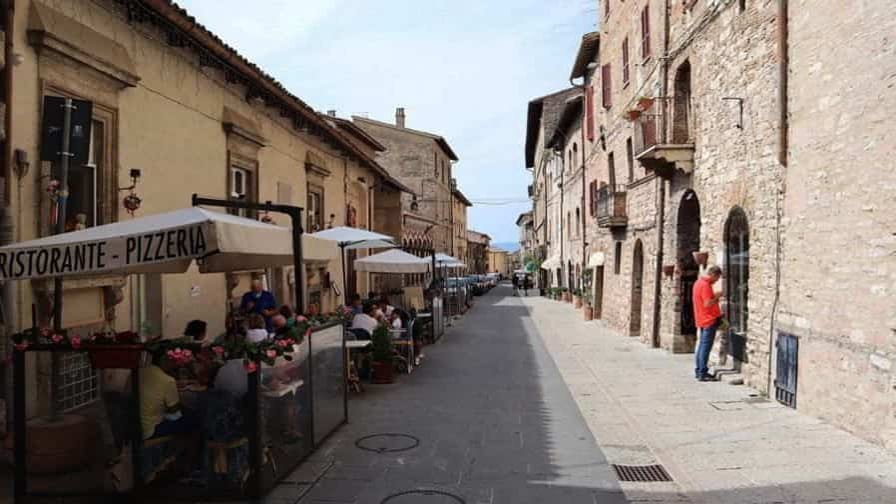
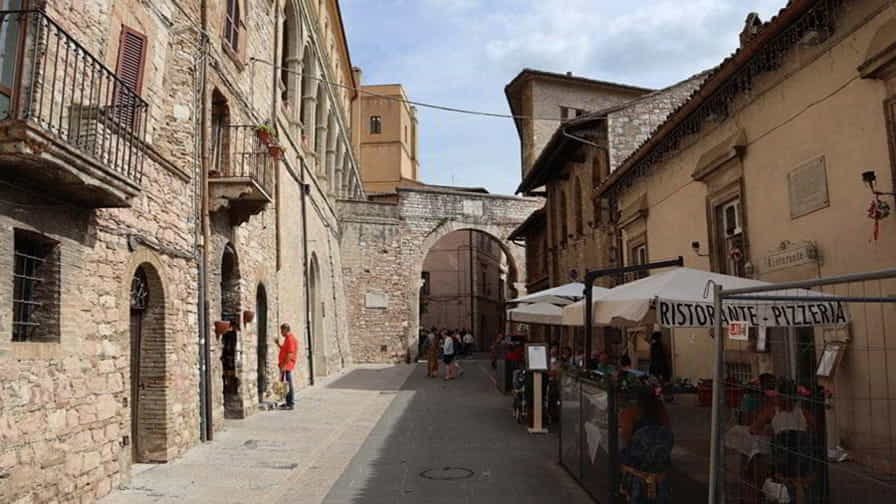
Corso Giuseppe Mazzini is one of the main streets of Assisi, winding gracefully through the historic centre and connecting some of the town’s most important landmarks. This charming street captures the authentic rhythm of local life, blending medieval character with a welcoming, modern atmosphere. Lined with stone buildings, small boutiques, artisan workshops, and inviting cafés, Corso Giuseppe Mazzini offers visitors a delightful walk through the heart of Assisi’s culture and community. As you stroll along, you can admire views of the surrounding hills and catch glimpses of hidden courtyards and quiet side alleys that reveal the town’s ancient beauty. The street leads naturally toward the famous Piazza del Comune, making it both a lively thoroughfare and a scenic route filled with history and charm. Corso Giuseppe Mazzini embodies the warmth and elegance of Assisi, where every corner tells a story of tradition and harmony.
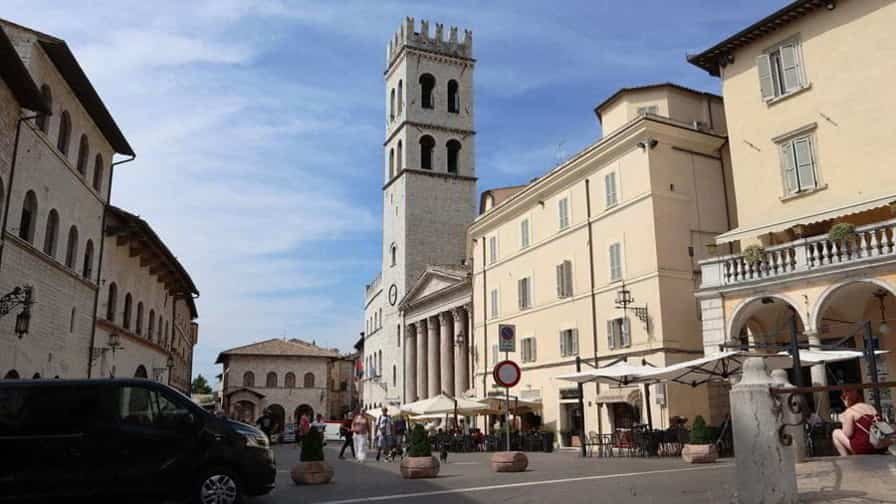
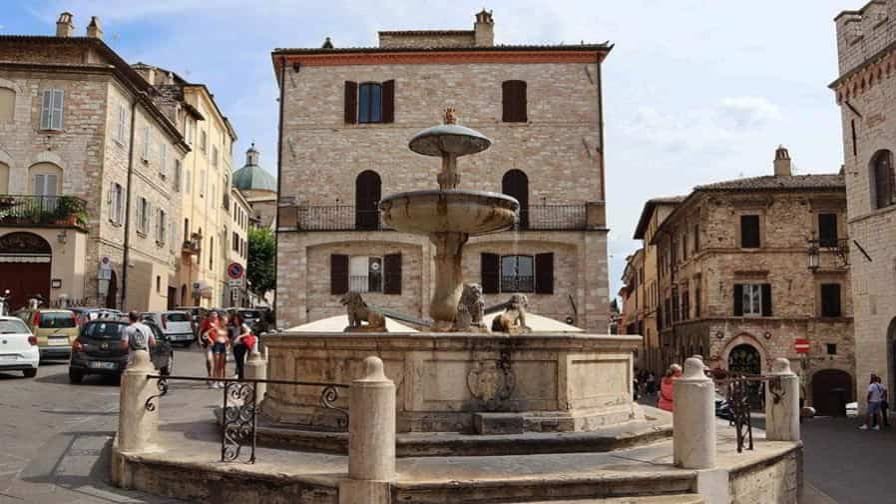
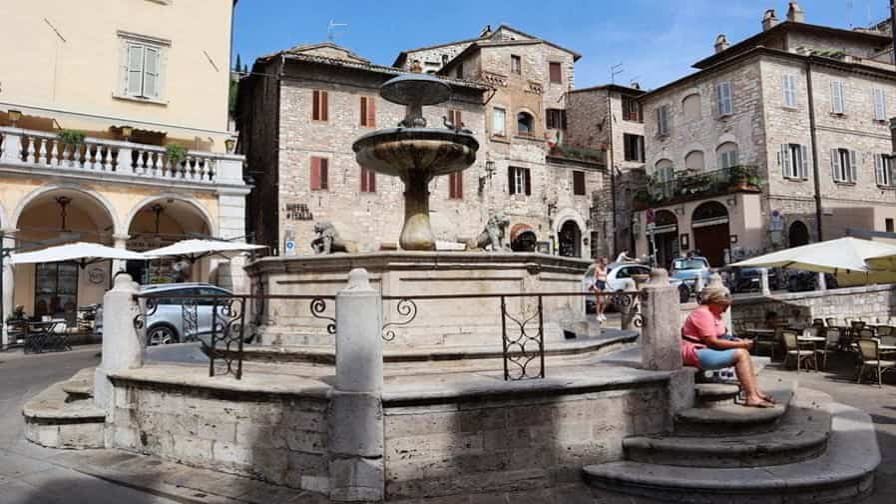
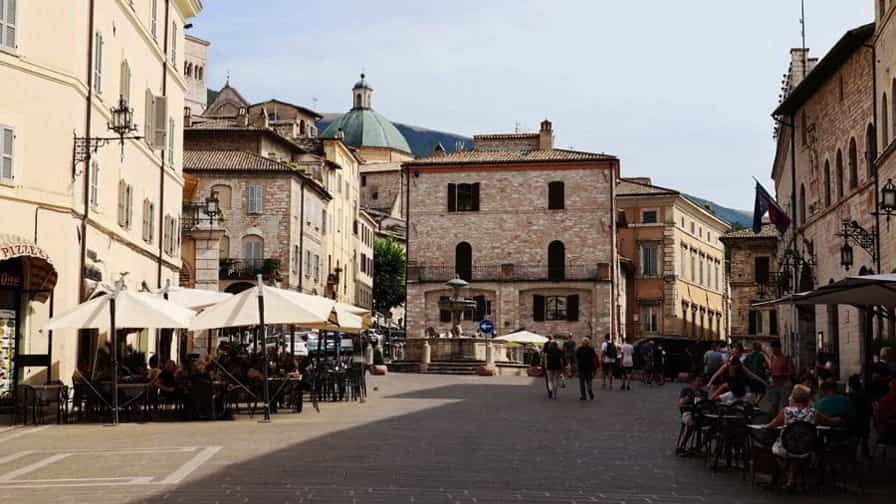
The Piazza del Comune is the central square and civic heart of Assisi, a town celebrated worldwide for its spiritual heritage and medieval charm. Nestled within the ancient stone walls of the city, this picturesque piazza is more than just a public gathering place, it is a living testament to Assisi’s rich history, blending Roman foundations, medieval architecture, and vibrant modern life into one seamless whole. Located along the town’s main axis, between the Basilica of Saint Francis and the Cathedral of San Rufino, Piazza del Comune is both a physical and symbolic centre of Assisi. At the heart of the square stands the striking Temple of Minerva, a remarkably well-preserved Roman temple dating back to the 1st century BCE.
Photo Gallery of Walk 1 – Porta Cappuccini to Via S. Rufino
Approximately 1.08 km – 0.67 miles
The walk starts at the Porta Cappuccini – Via Eremo delle Carceri – Piazza Giacomo Matteotti – Via del Comune Vecchio – Vicolo Bovi – Via Montecavallo – Via Porta Perlici – Piazza San Rufino – La Cattedrale di San Rufino, Piazza San Rufino – Via S. Rufino
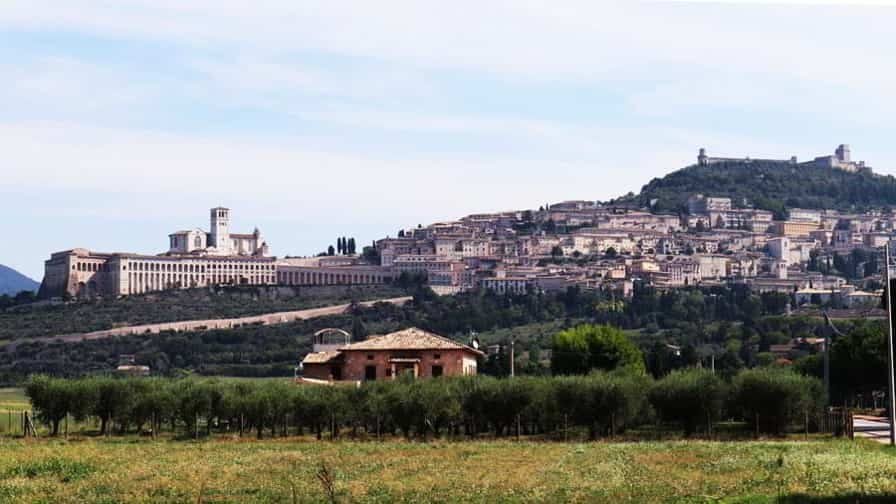
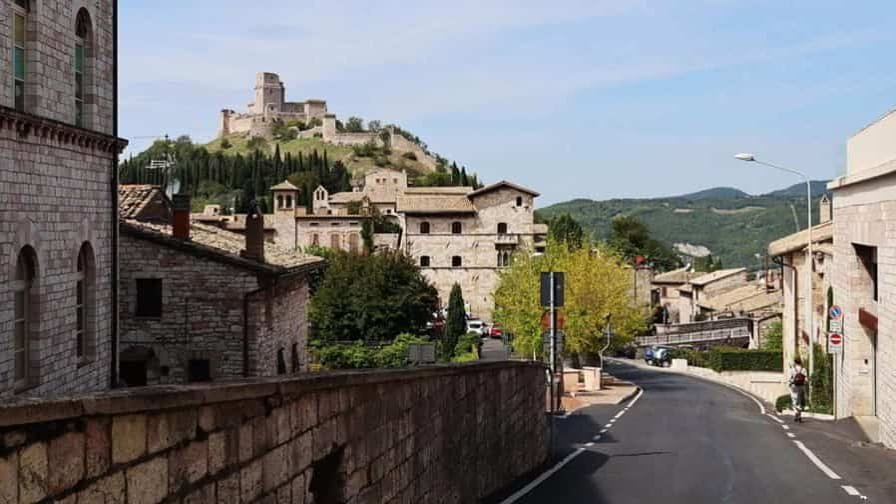
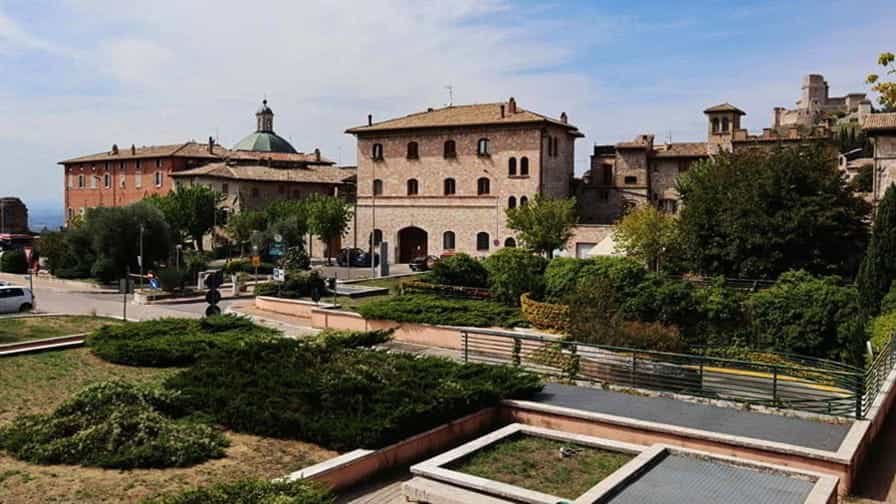
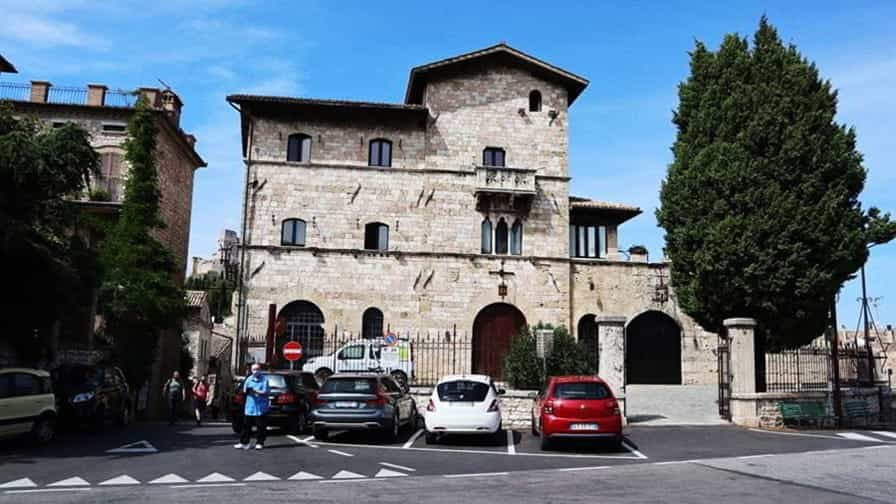
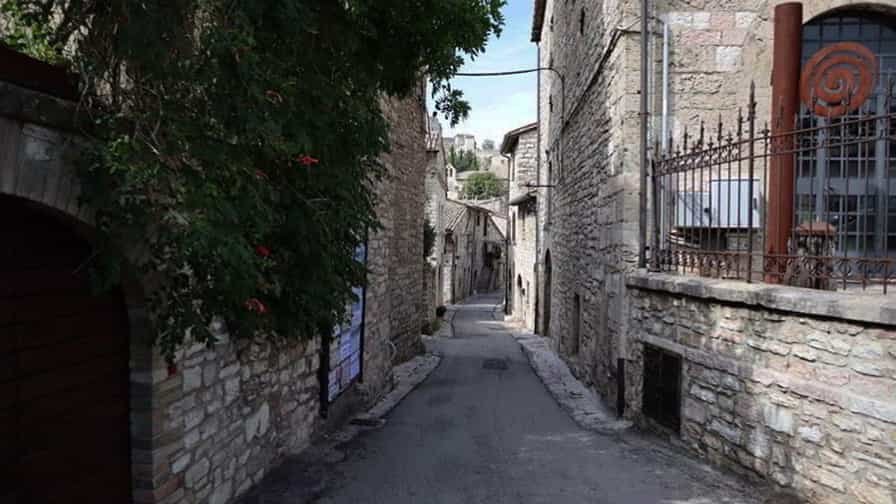
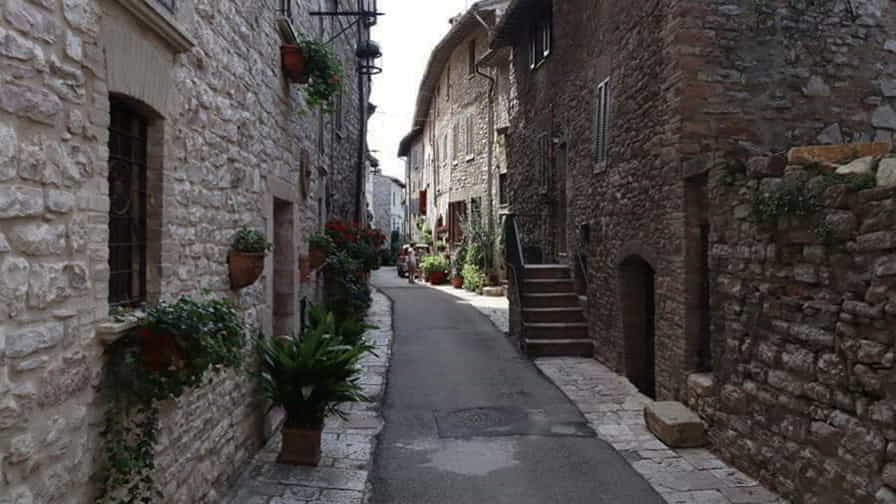
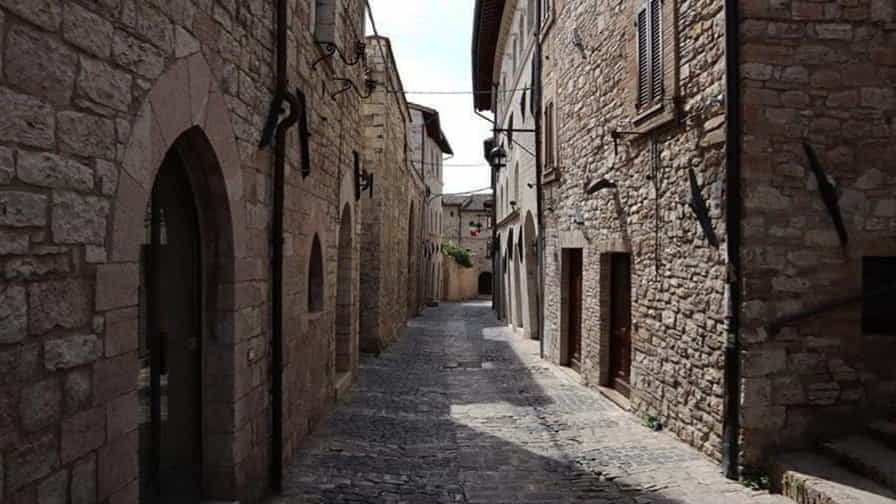
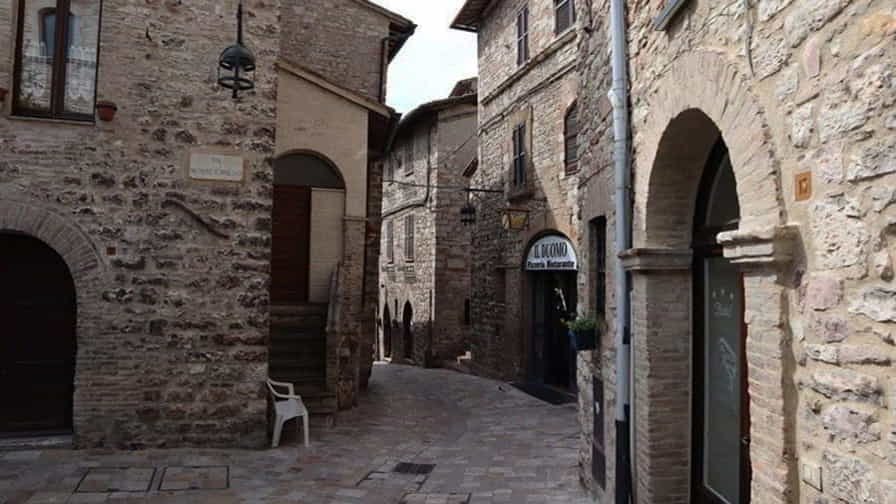
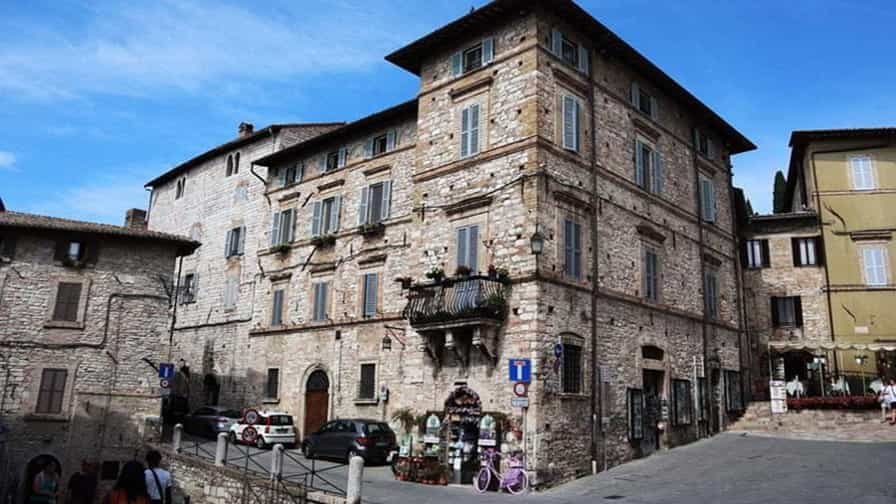
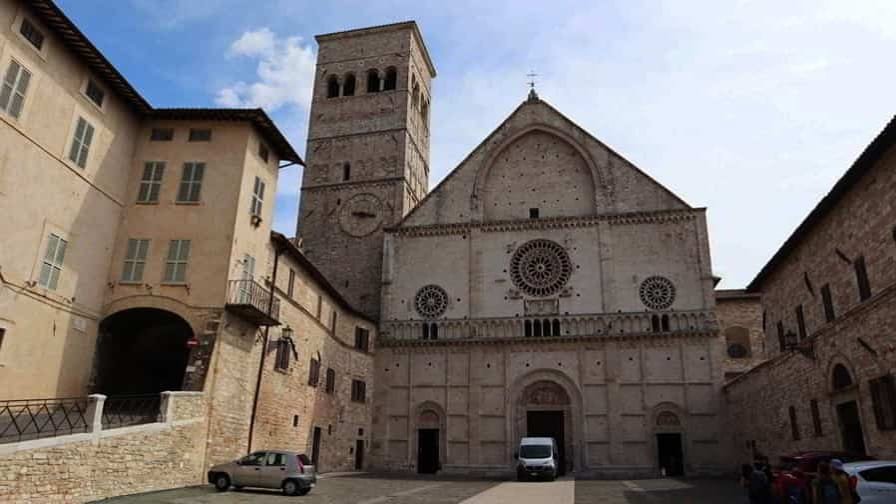
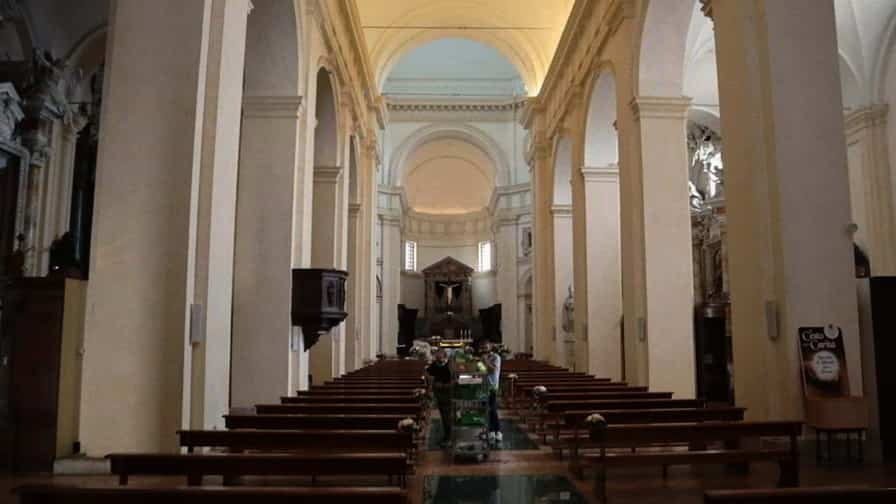
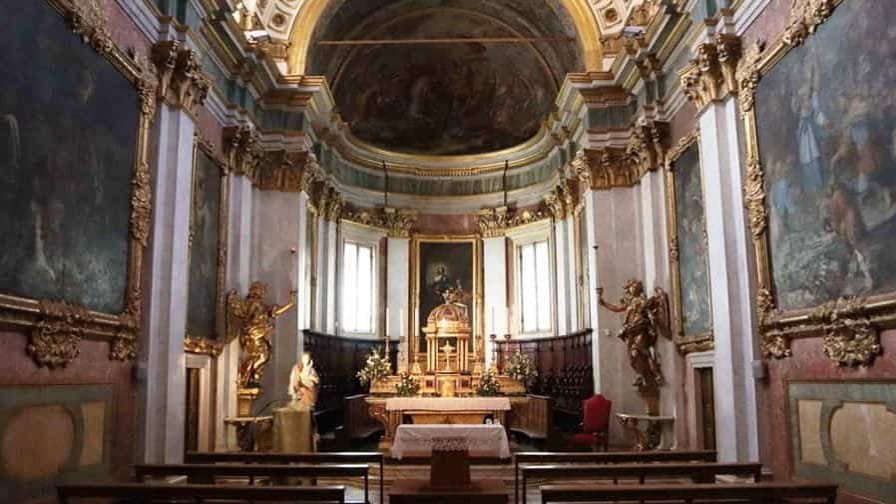
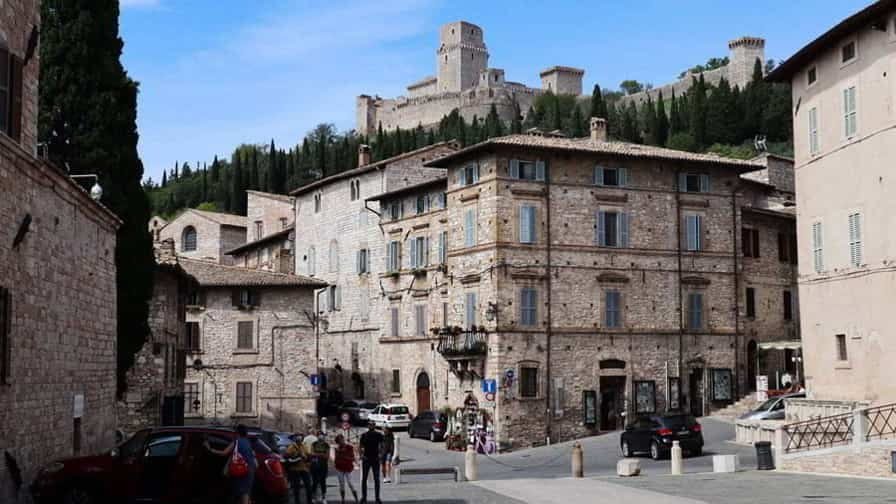
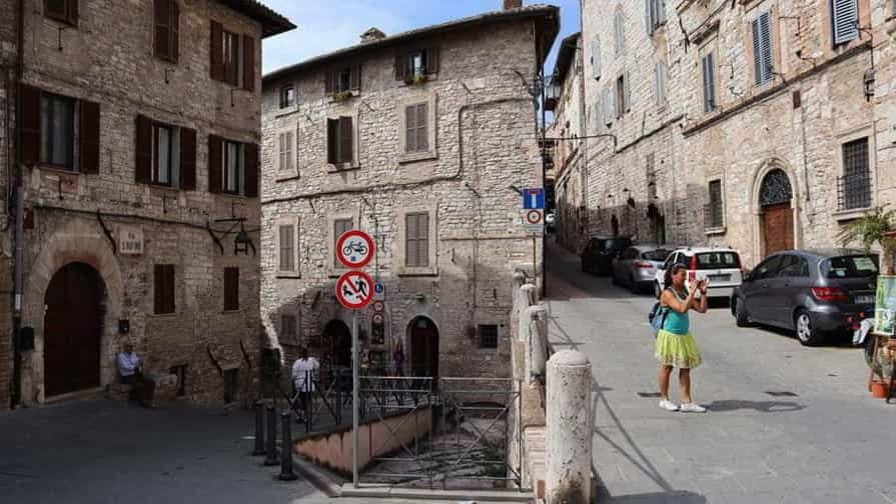
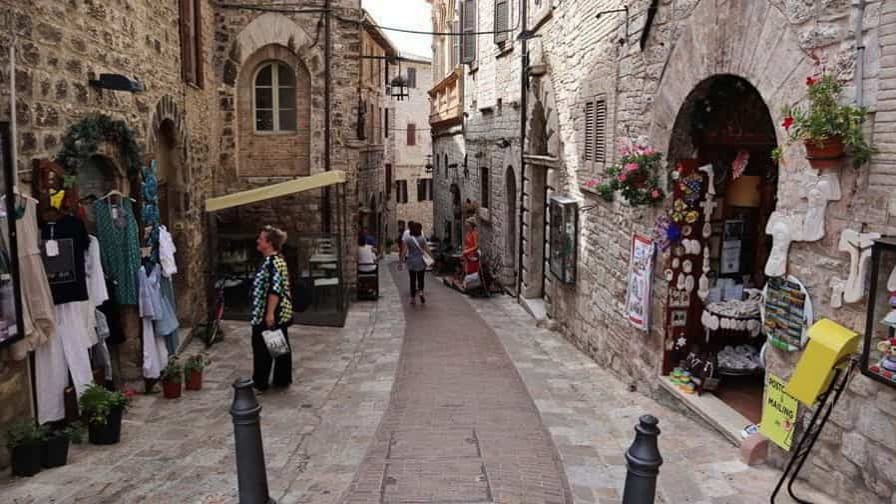
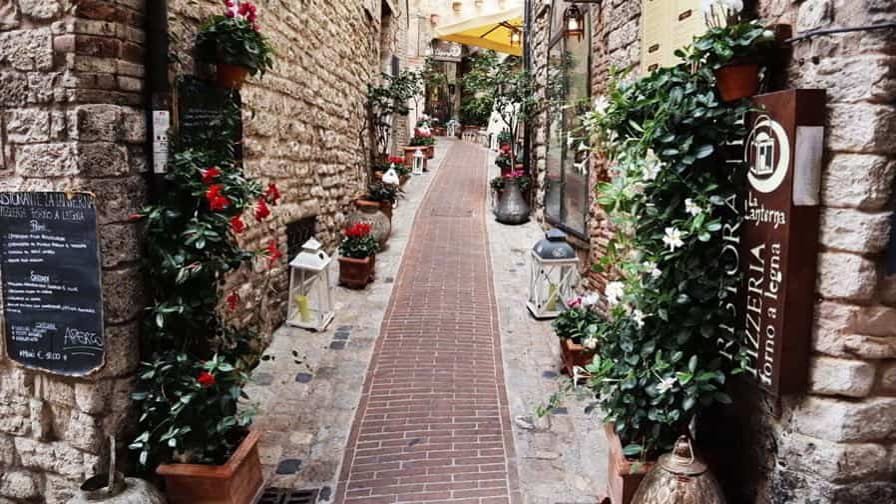
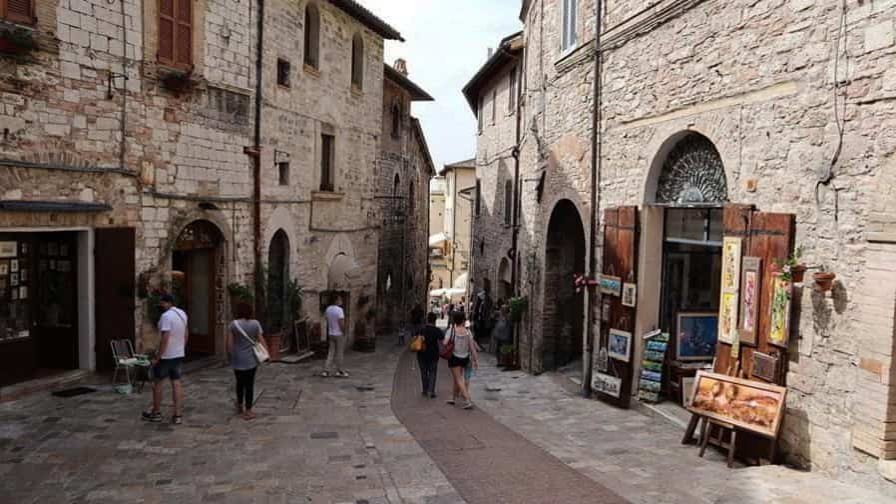
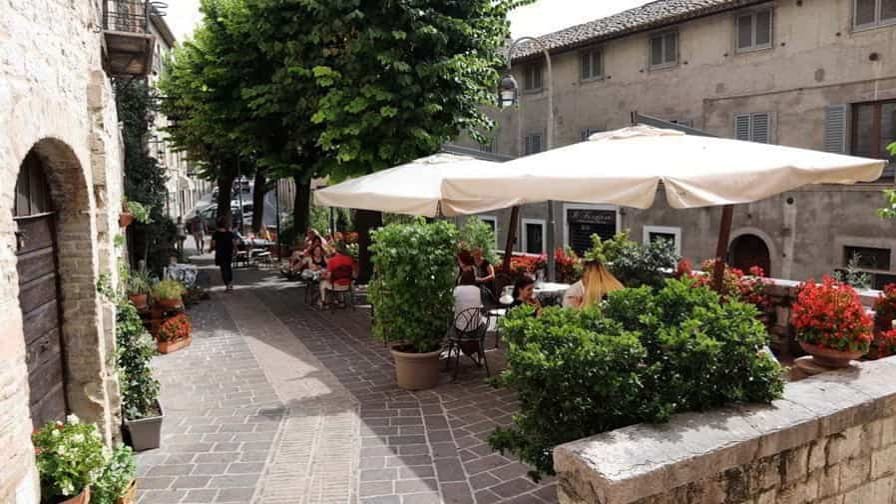
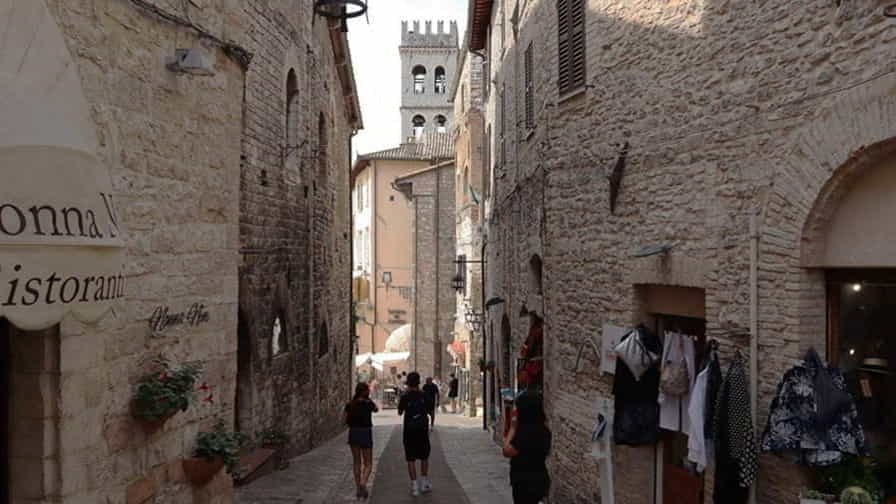
Photo Gallery of Walk 2 – Corso Giuseppe Mazzini to Vicolo Frondini
Approximately 0.53 km – 0.32 miles
The walk starts in Corso Giuseppe Mazzini – Piazza del Comune – Piazza Chiesa Nuova – Piazza del Comune – Chiesa di Santa Maria sopra Minerva ad Assisi, Piazza del Comune – Piazza del Comune – Via Portica – Via Arnaldo Fortini – Via San Francesco – Vicolo Frondini


COPYRIGHT © 2018-2026 ITALY IN PHOTOS – ALL RIGHTS RESERVED