
HOME
REGIONS OF ITALY
PLACES IN ITALY
PLAN YOUR TRIP
Italy in Photos
Campo San Piero de Casteo, 30122 Venezia VE, Italy (July 2022)
Isola Pietro di Castello
Delayed or cancelled flight?
Get up to £520!
You’ve got rights when your flight’s disrupted.
We enforce them and handle everything so you get paid
Isola di San Pietro di Castello is a quiet and historically significant island located on the eastern edge of Venice, offering visitors a perspective of the city that feels both authentic and reflective. Unlike the bustling canals and crowded squares of central Venice, this island provides a calmer atmosphere where history, architecture, and local life blend seamlessly. San Pietro di Castello is deeply rooted in the origins of Venice itself, making it an essential place for understanding the city’s early development and spiritual heritage.
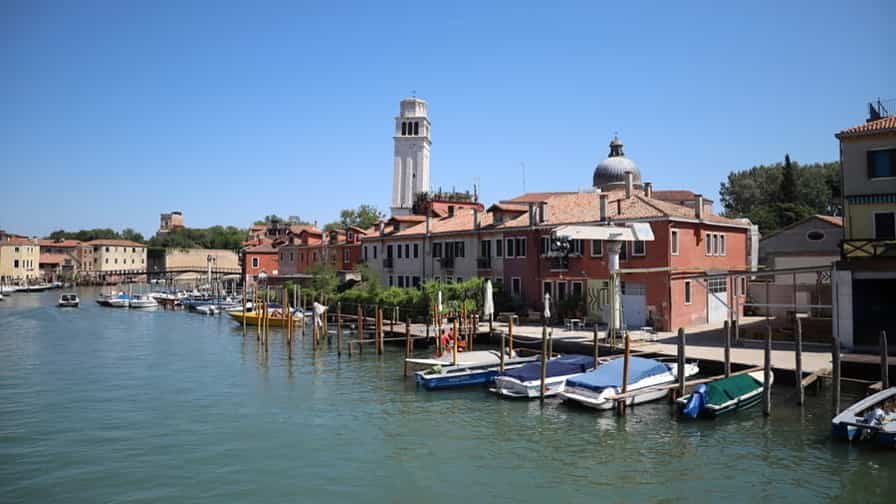
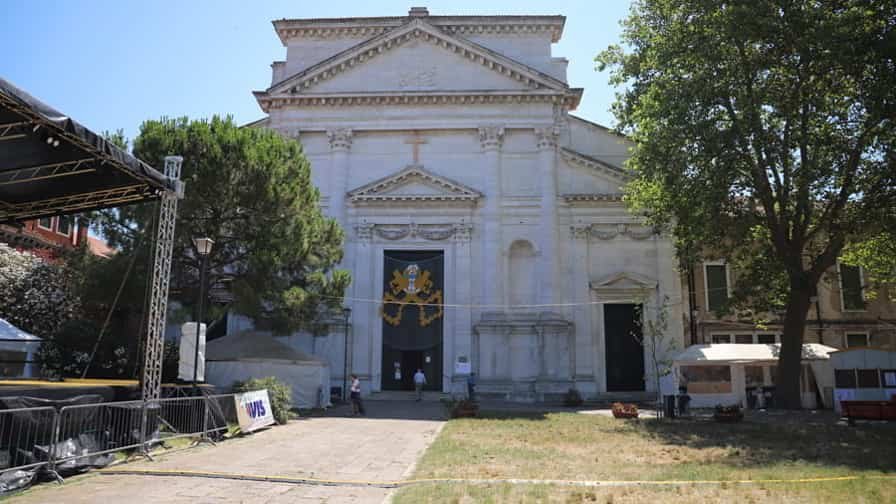
Historically, San Pietro di Castello was once the religious heart of Venice. Before Saint Mark’s Basilica gained prominence, the Cathedral of San Pietro di Castello served as the city’s main cathedral and the seat of the Patriarch of Venice. This role gave the island immense importance during the early centuries of Venetian history. The cathedral remains the island’s central landmark, standing as a symbol of Venice’s ecclesiastical past. Its elegant façade, redesigned in the Renaissance period, reflects the architectural refinement of the era while maintaining a sense of understated dignity. Inside, visitors can admire artworks, sculptural details, and a peaceful interior that contrasts with the grandeur found in more famous Venetian churches.
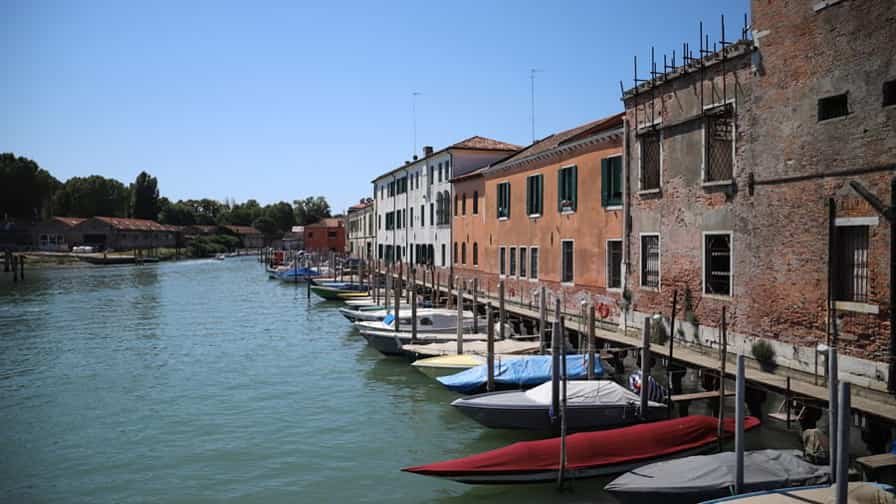
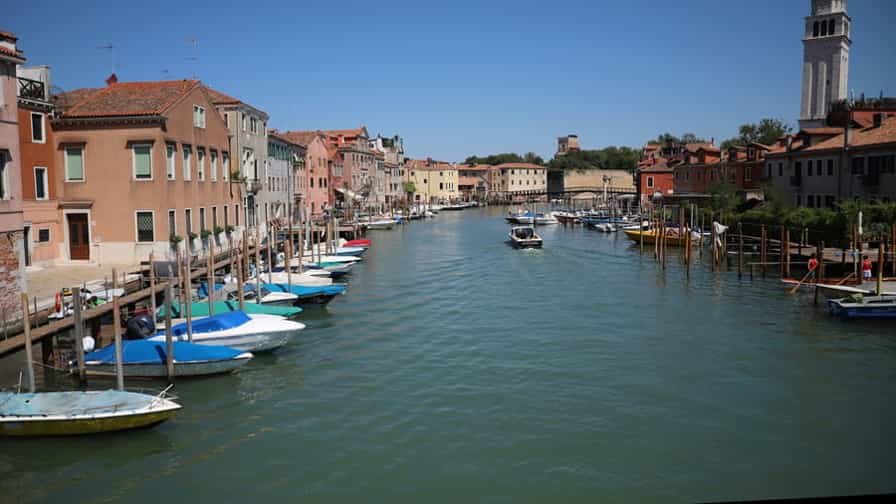
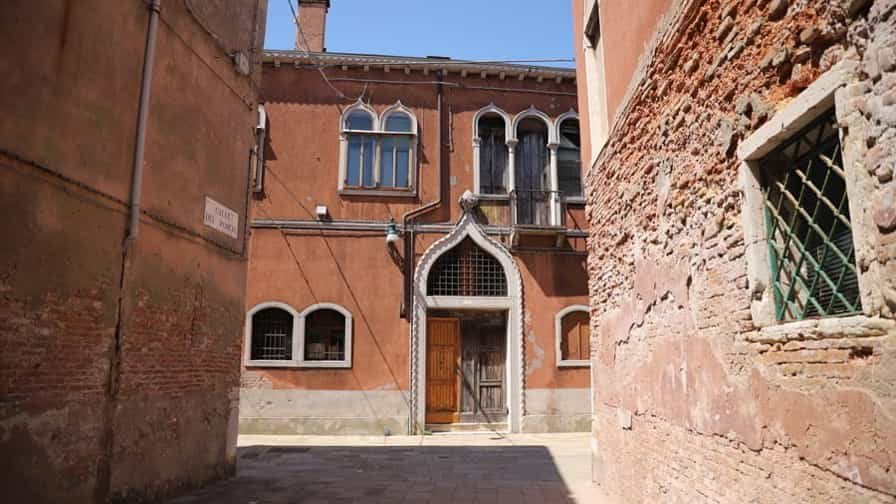
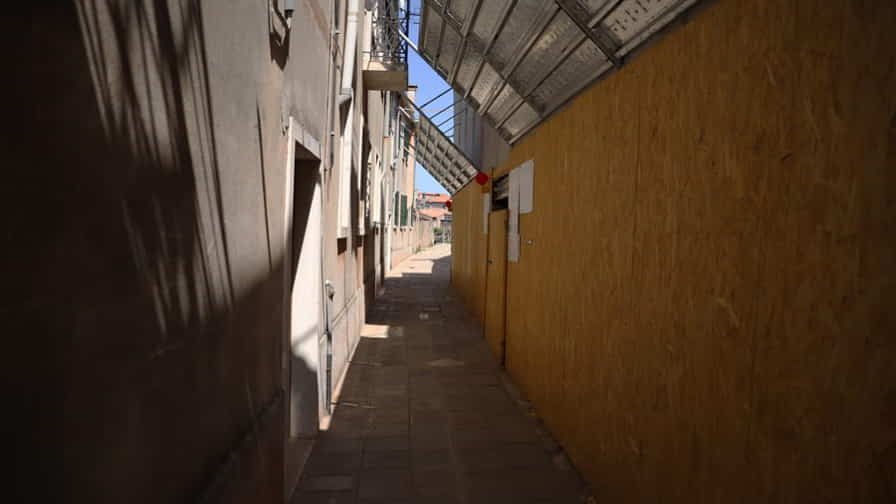
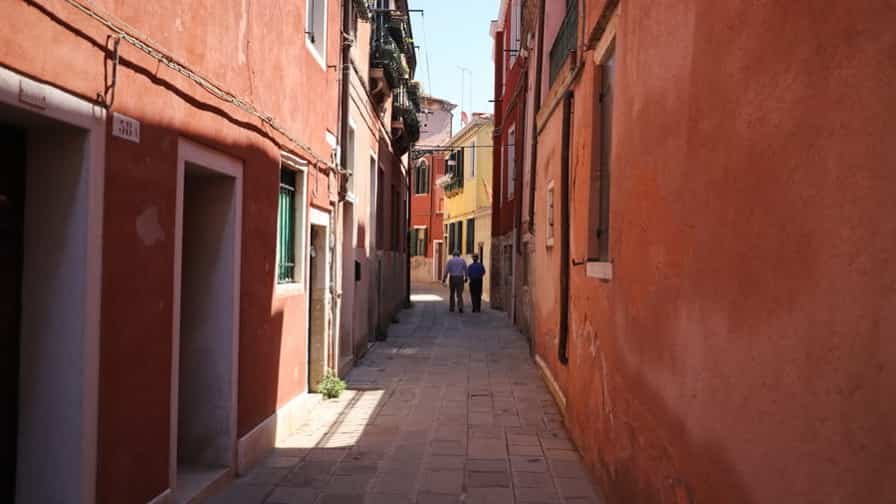
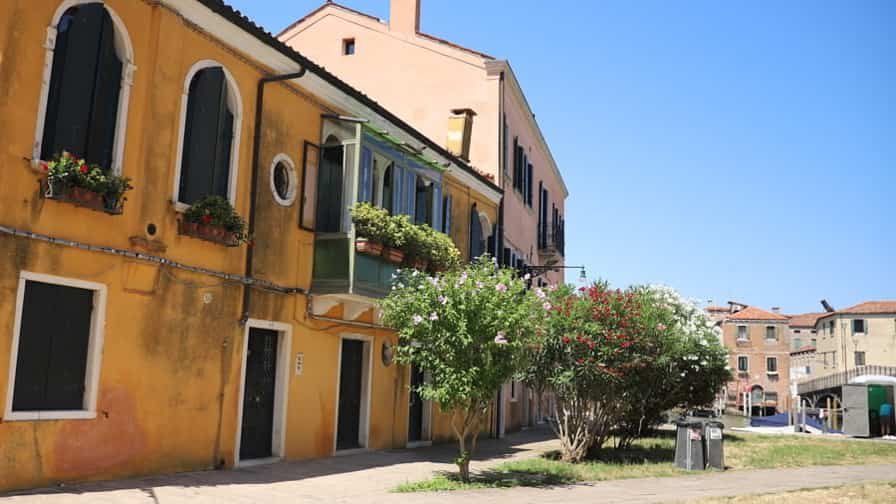
The island’s layout reflects its long-standing residential character. Narrow streets, modest houses, and small courtyards create a village-like environment that feels far removed from the tourist-driven energy of central Venice. Walking through San Pietro di Castello allows visitors to observe daily Venetian life, with locals going about their routines, children playing in open spaces, and boats gently passing along quiet canals. This atmosphere makes the island especially appealing to travellers who wish to experience Venice beyond its iconic landmarks.
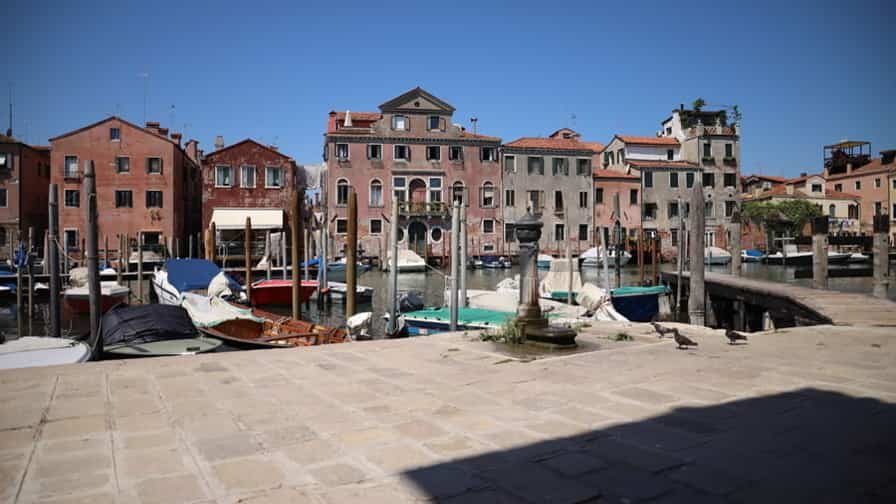
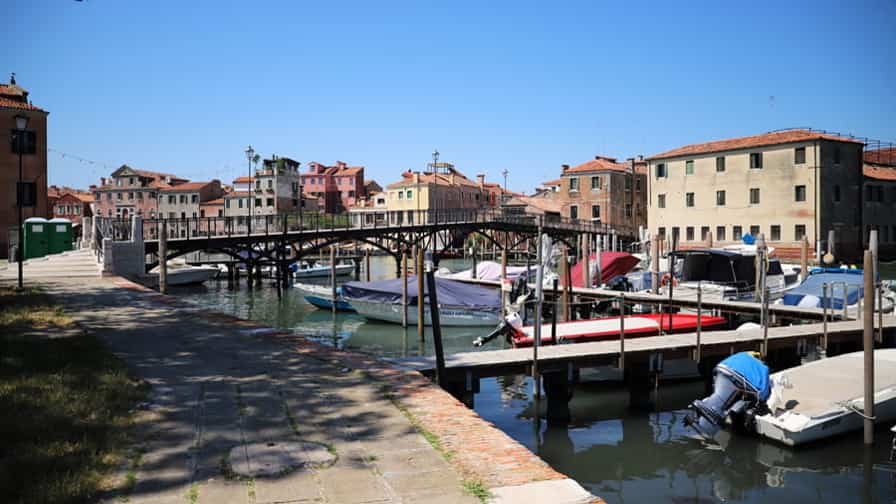
San Pietro di Castello is also notable for its open spaces, which are relatively rare in Venice. The island features green areas and broad walkways that invite leisurely strolls and moments of rest. The waterfront offers beautiful views across the lagoon, particularly at sunrise and sunset, when the changing light reflects off the water and surrounding buildings. These views highlight Venice’s close relationship with the sea and emphasize the lagoon’s role in shaping the city’s identity over centuries.
Culturally, the island holds a subtle but meaningful place in Venice’s artistic and social fabric. While it does not host large museums or major attractions, its historical significance and preserved character make it a living archive of Venetian heritage. Occasional cultural events, religious celebrations, and local gatherings contribute to a sense of community that continues to thrive despite the city’s global fame. Visitors often find that these quieter experiences provide a deeper and more personal connection to Venice.
Isola di San Pietro di Castello offers a thoughtful and enriching introduction to a lesser-known side of Venice. Its historical importance as the former religious centre of the city, combined with its tranquil atmosphere and authentic residential character, makes it a destination worth exploring. By wandering its streets, visiting its cathedral, and enjoying its peaceful lagoon views, visitors gain insight into Venice’s origins and enduring spirit. San Pietro di Castello stands as a reminder that beyond the famous canals and landmarks lies a Venice shaped by centuries of tradition, community, and quiet beauty.
Worth a Visit
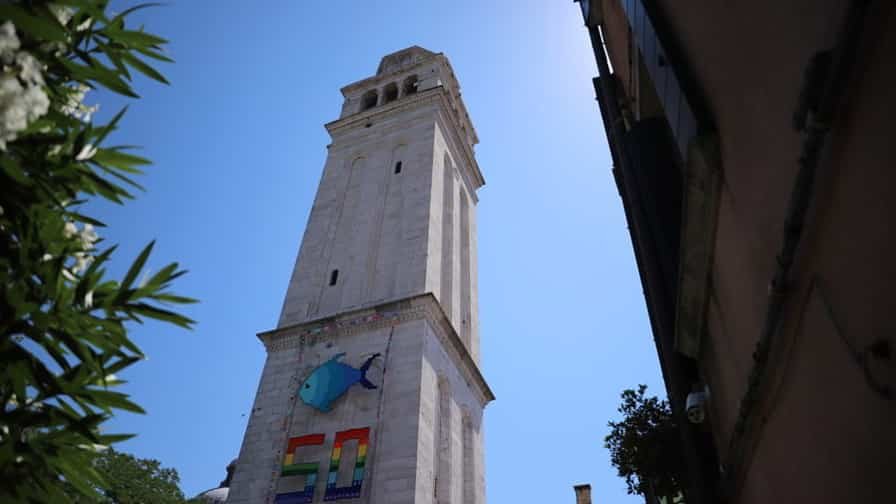
The Campanile di San Pietro di Castello in Venice, Italy, stands as one of the city’s most distinctive landmarks. Located on the quiet island of San Pietro di Castello, this elegant bell tower rises beside the historic basilica that once served as Venice’s cathedral before St. Mark’s Basilica assumed the role. Built in the late fifteenth century, the campanile was designed by Mauro Codussi, a renowned architect known for introducing Renaissance style to Venetian architecture. The tower’s graceful proportions and white Istrian stone façade give it a striking presence against the lagoon skyline. Over the centuries, the structure has required careful restoration due to the soft ground beneath it, which caused a noticeable tilt similar to that of Pisa’s famous tower. Today, the Campanile di San Pietro di Castello offers visitors a glimpse into Venice’s early religious history and the enduring beauty of its architectural heritage
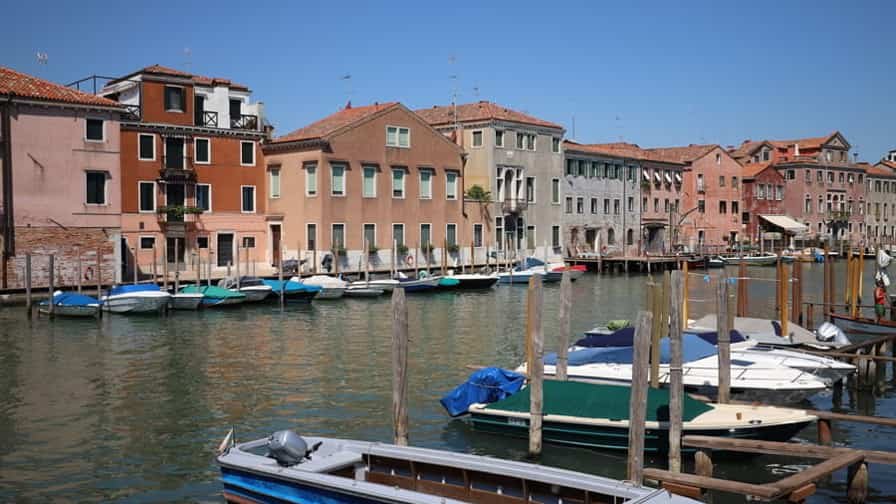
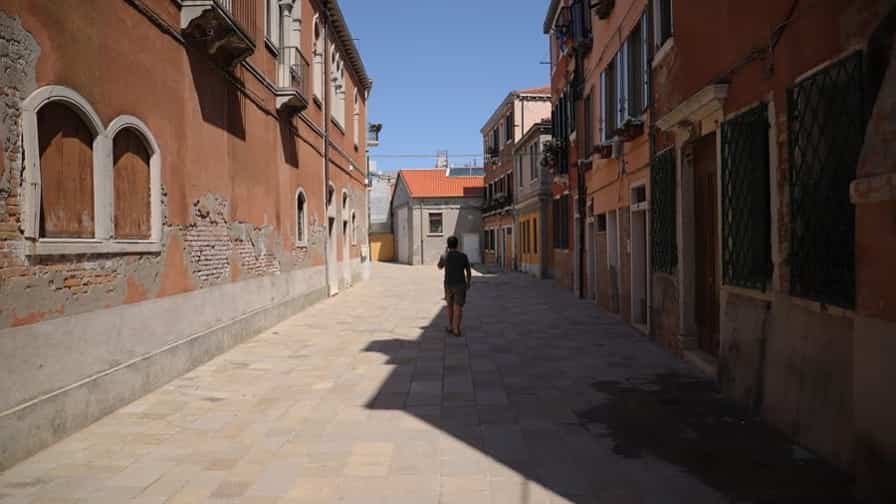
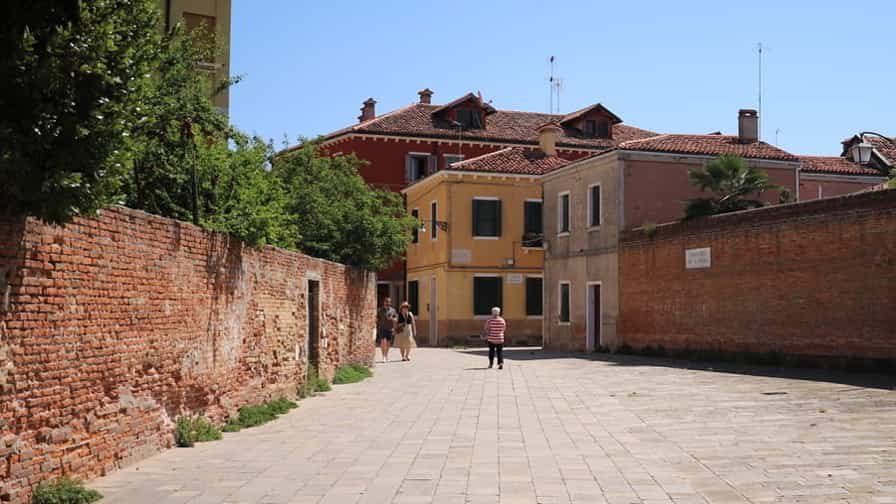
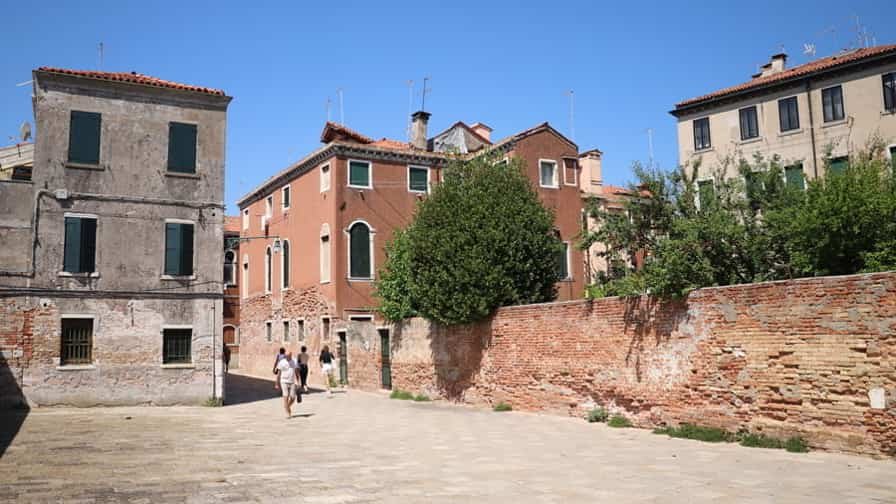
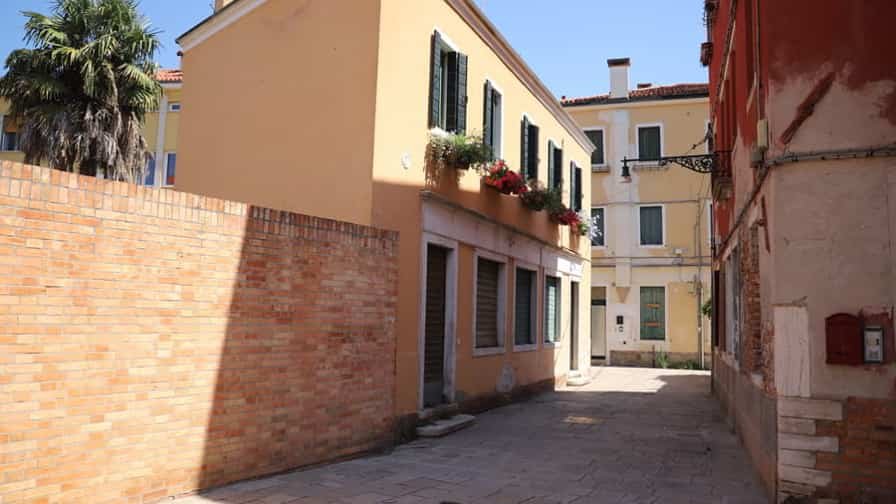
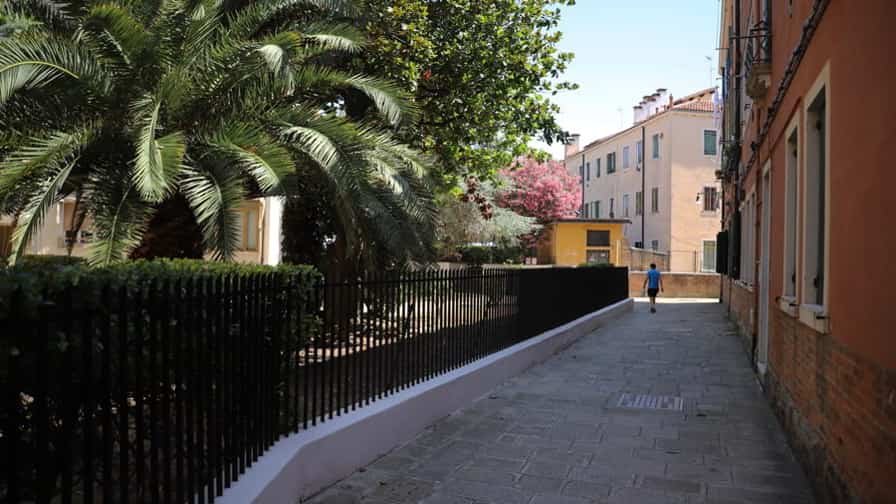
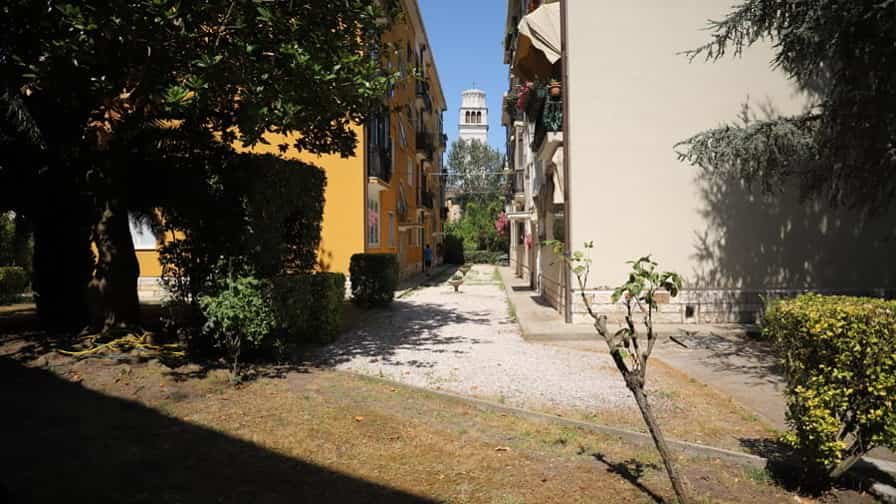
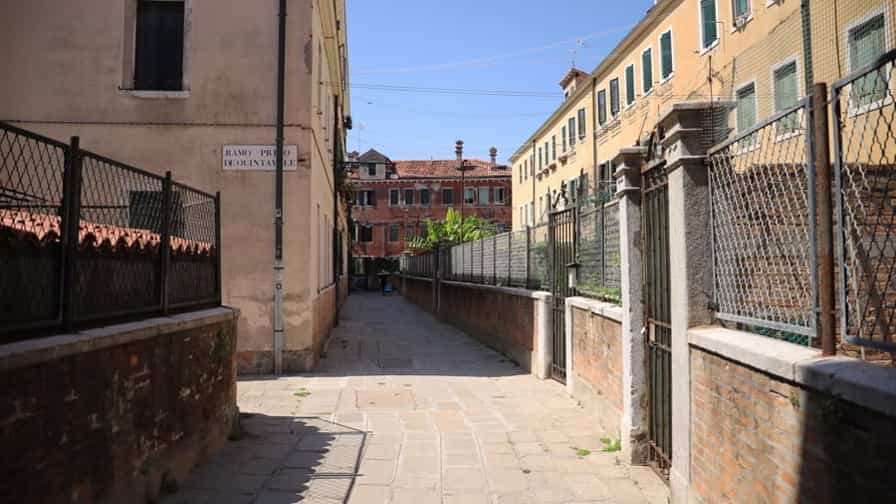
Photo Gallery of Walk – Ponte de Quintavale to S. Pietro di Castello
Approximately 0.74 km – 0.46 miles
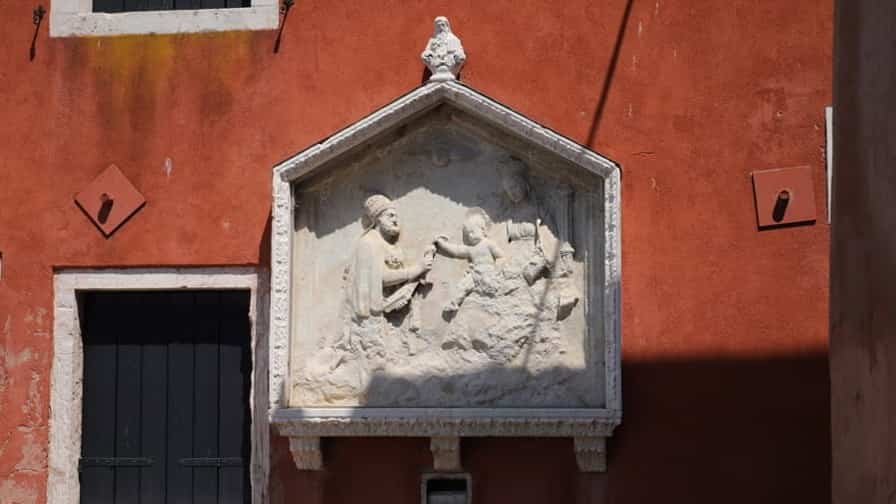
The walk starts in Ponte de Quintavale – Calle de Quintavale – Calle dei Pomeri – Calle de Larga Quintavale – Ramo Primo de Quintavale – Calle Prioli – Fondamenta de Quintavalle – Calle Dietro Il Campaniel – S. Pietro di Castello – Campo San Piero de Casteo – S. Pietro di Castello
COPYRIGHT © 2018-2026 ITALY IN PHOTOS - ALL RIGHTS RESERVED